Cell Bio Chapters 1-4
 Call Kai
 Learn
Learn Practice Test
 Spaced Repetition
 Match
Match Flashcards
 Knowt Play
1/91

There's no tags or description
Looks like no tags are added yet.
Name | Mastery | Learn | Test | Matching | Spaced | Call with Kai | Chat |
|---|
No analytics yet
Send a link to your students to track their progress
92 Terms
what is cytology
study of cells
what is a cell
basic, microscopic structural and functional unit of any living organism
what are the parameters of microscopy
magnification, resolution, and contrast
what is magnification in microscopy
the ratio of the image size to the real size
what is resolution in microscopy
the clarity of the image
what is contrast in microscopy
the difference in brightness
what are the characteristics of light microscopy
a wide range of magnifications, needs a visible light source, samples can be alive or fixed, samples can be transparent, sectioned, or stained
what are the characteristics of fluorescent microscopy
two sets of filters for excitation and emission wavelengths, excitation filter filters light before it reaches the specimen so only applicable ones pass through, needs a visible or UV light source, samples can be alive or fixed, samples can have fluorescent proteins or dyes
which is higher, excitation or emission energy
excitation energy is always higher
what are the characteristics of confocal fluorescent microscopy
scans small sections of the sample with a laser beam, generates a sharper image
what are the characteristics of transmission electron microscopy (TEM)
shoots electrons, thin specimen stained w/ electron-dense heavy metal is placed in vacuum, electrons locally absorbed or scattered, magnification million-fold, no live specimen
what are the characteristics of scanning electron microscopy (SEM)
specimen coated w/ film of heavy metal, electrons focused by magnetic coils, creates images of 3d objects
when and by who were the first observations of microorganisms with a microscope
protozoa in 1674, bacteria in 1683, observed by Antonie van Leeuwenhoek
what is the central dogma
process by which there is flow of information from DNA to RNA to protein (replication, transcription, translation)
what is replication
DNA synthesis
what is transcription
RNA synthesis
what is translation
protein synthesis
what are the three domains of life
bacteria, archaea, and eukaryotes
what are the characteristics of bacteria
prokaryotic, peptidoglycon cell wall
what are the characteristics of archaea
prokaryotic, cell wall does not contain peptidoglycan, suited for harsh environments
what are the organelles in a eukaryotic cell
nucleus, nucleolus, mitochondria, golgi apparatus, endoplasmic reticulum, ribosome, peroxisome, vesicles, endosomes, cytoplasm, cytosol, cytoskeleton, cell membrane, centrioles, ANIMAL ONLY: lysosome, PLANTS ONLY: chloroplast, cell wall, lyctic vacuole
nucleus
control of cellular activity through regulation of gene expression

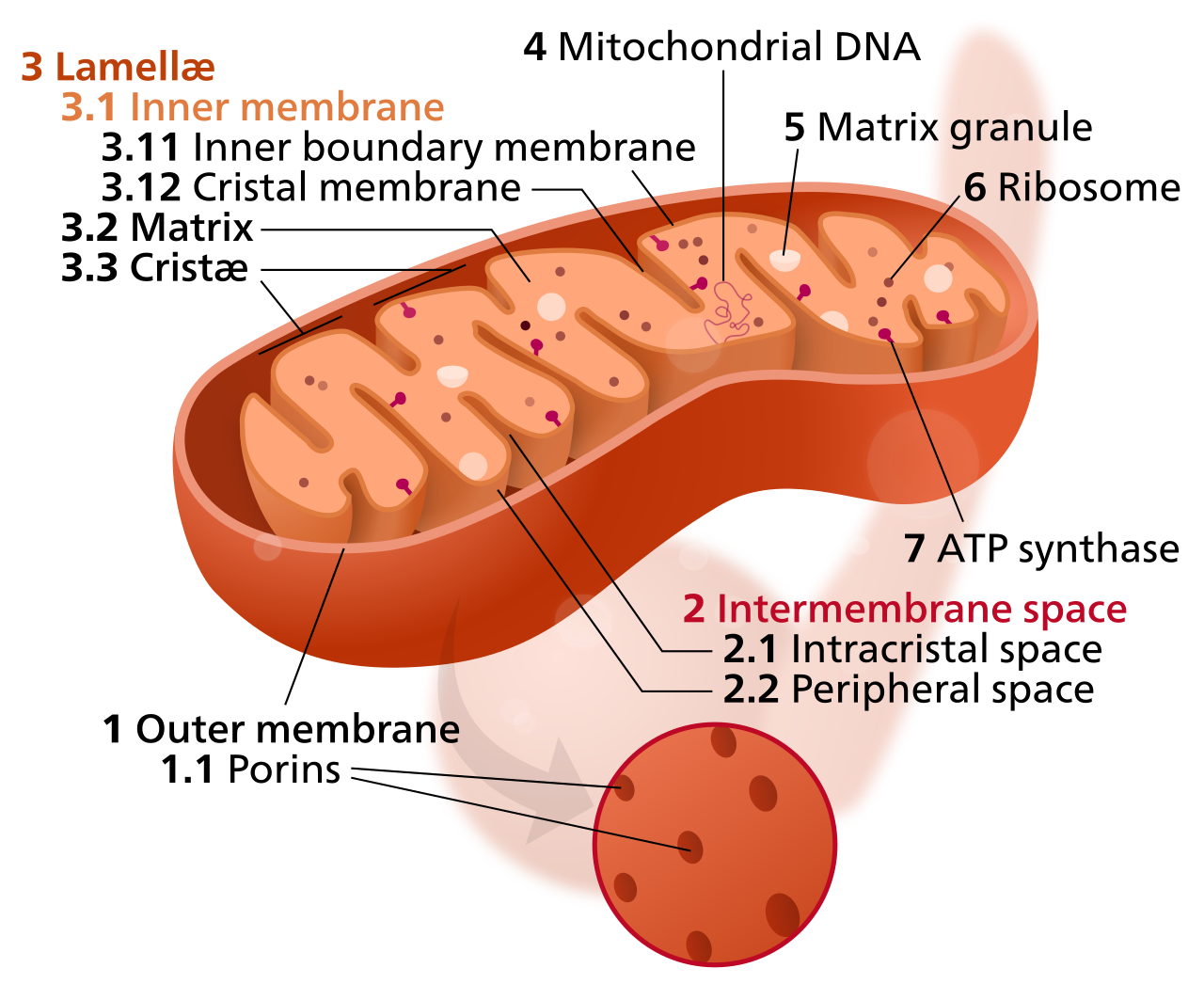
mitochondria
POWERHOUSE OF THE CELL, generation of energy in the form of ATP via oxidative phosphorylation
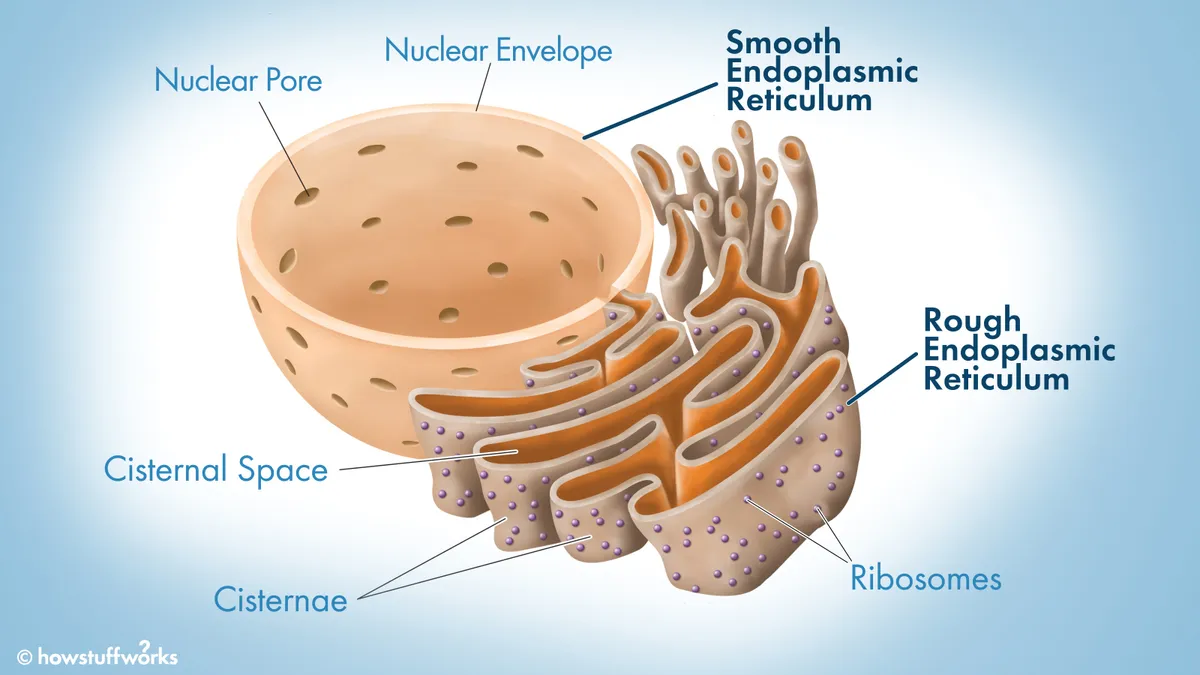
smooth endoplasmic reticulum
no ribosomes, lipid synthesis, steroid hormone synthesis, detoxification, storage of calcium ions
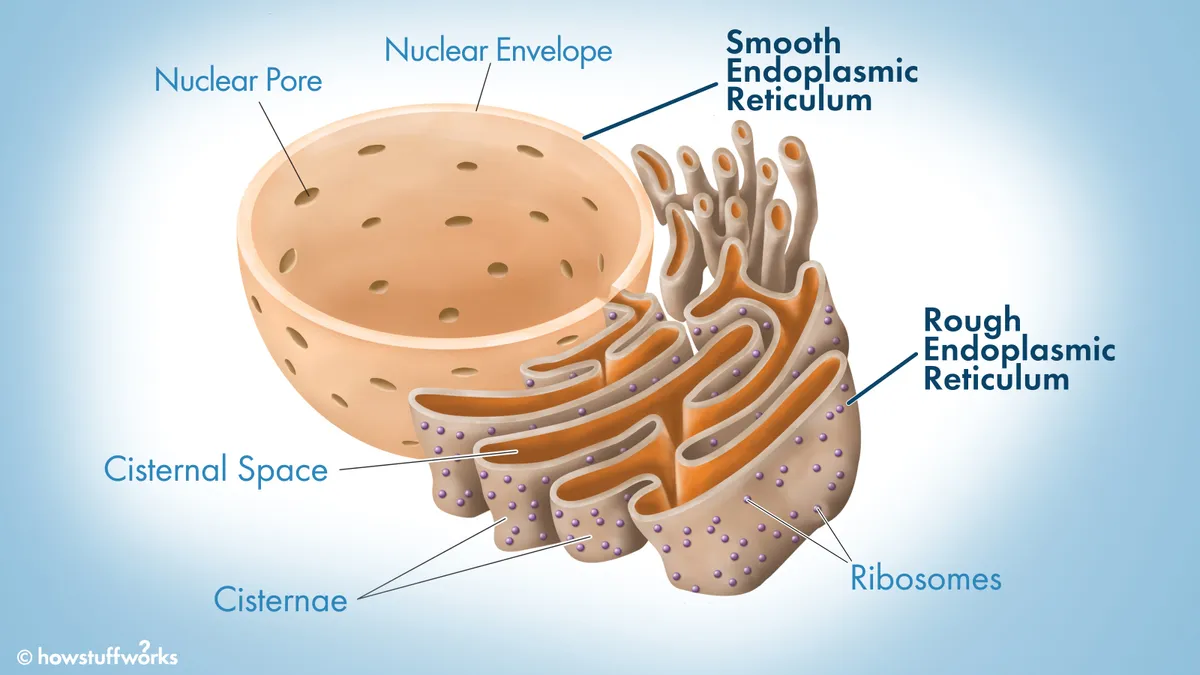
rough endoplasmic reticulum
protein synthesis, translocation, folding, glycosylastion, antigen processing
golgi apparatus
protein modification through glycosylation, completion of glycolipid and sphingomyelin synthesis

endosomes
sorting of proteins between endocytic and exocytic traffic, sorting of receptors and ligands, signaling from ER to golgi body

lysosomes
degradation, autophagy/turnover of organelles, antigen processing

what is apoptosis & autophagy
apoptosis: programmed cell death
autophagy: once the cell dies, the parts can be recycled by fusing with the lysosome and breaking everything down into components
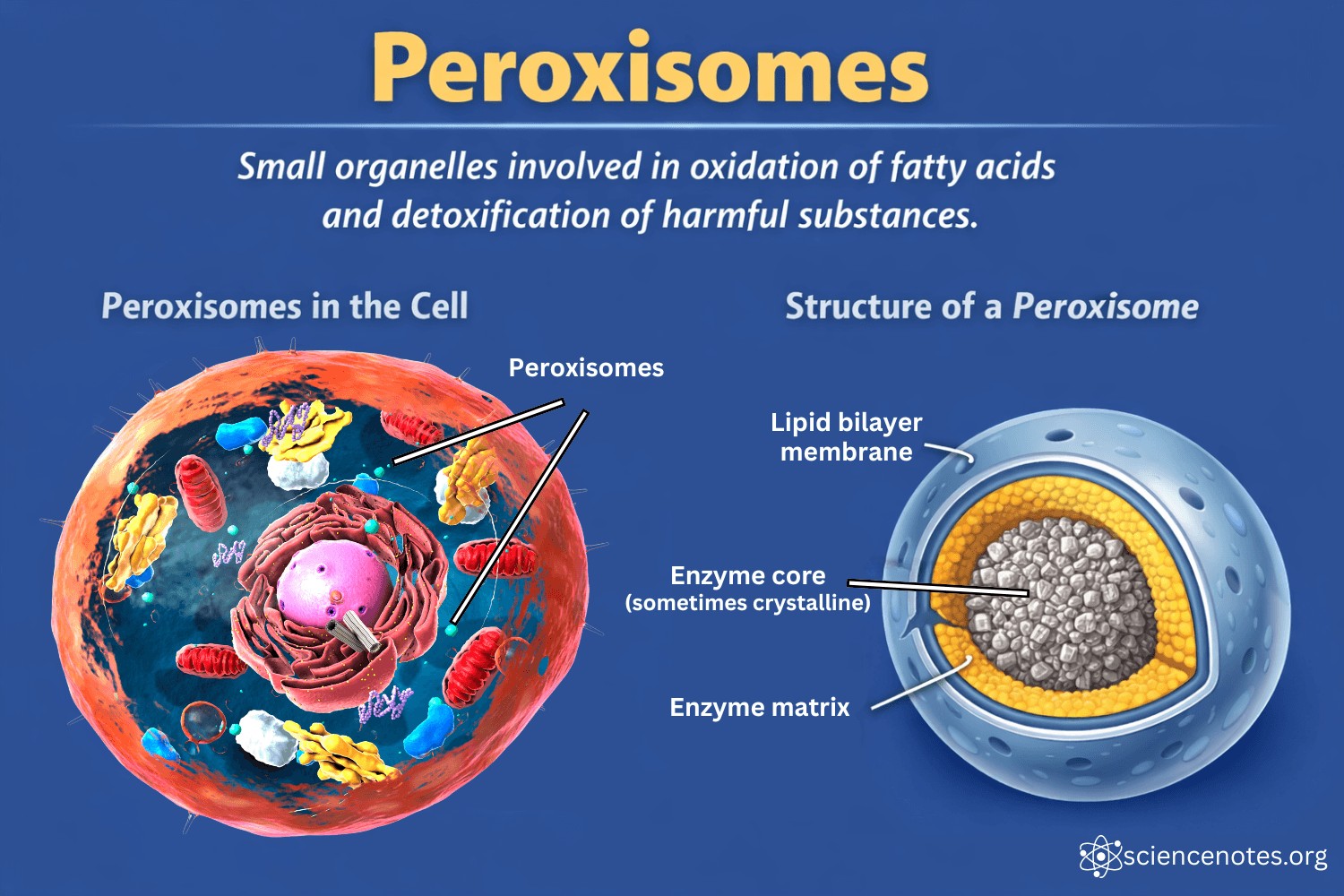
peroxisomes
synthesis and degradation of hydrogen peroxide, oxidation of fatty acids, photorespiration in plants
cytoskeleton
make the cell structure and allow movement
cytoplasm
cellular content inside the plasma membrane and outside the nucleus
cytosol
content of the cytoplasm, including membrane-bound organelles
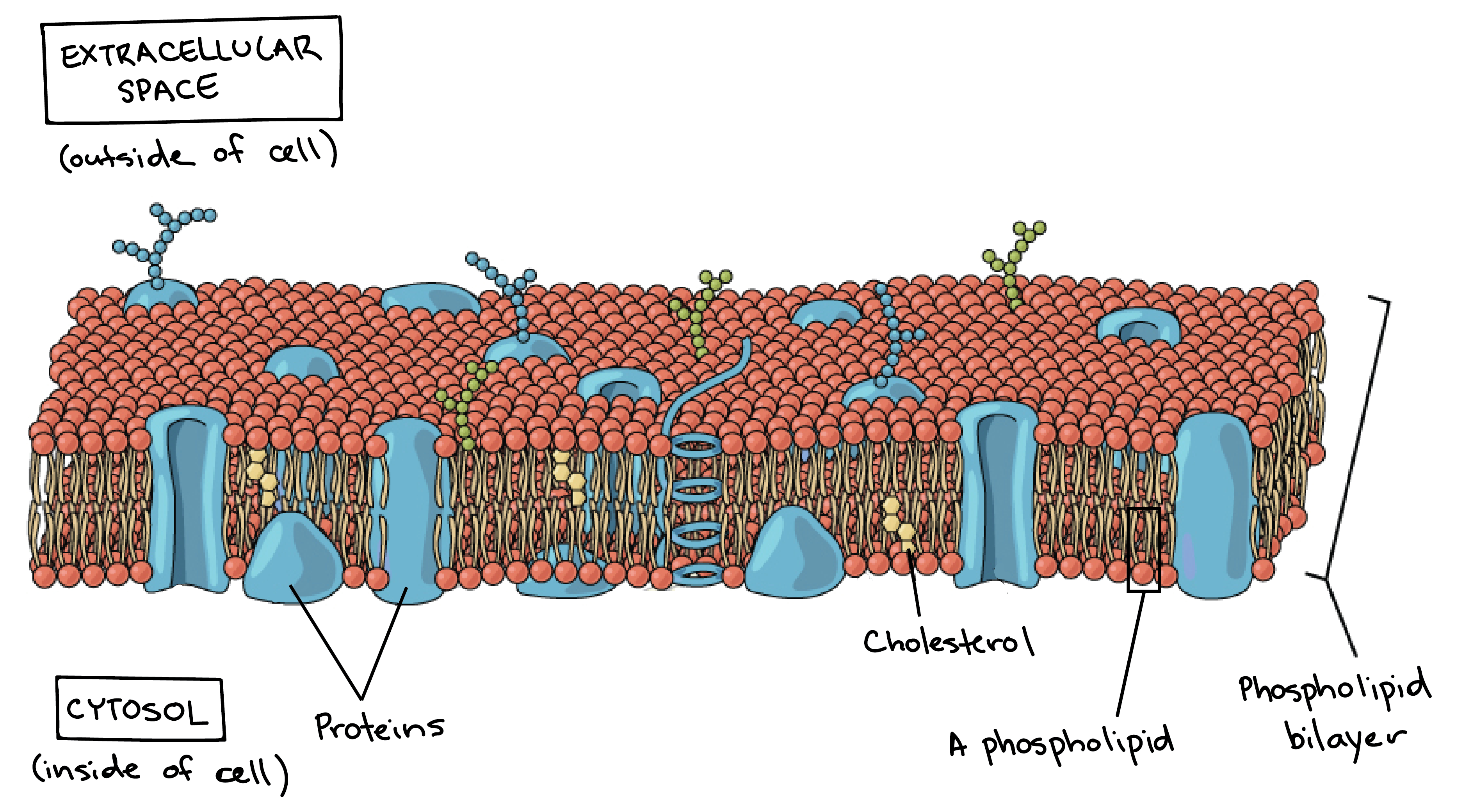
plasma membrane
phosopholipid bilayer; serves as a barrier, provides structure, controls transport, important for cell signaling and recognition
nucleolus
place of ribosomal assembly; granular component does pre ribosome assembly, fibrillar center does rRNA transcription, dense fibrillar component does pre-rRNA processing

centrioles
spindle formation, flagellum and cilium formation

what organelles are present only in animal cells?
lysosome and centrioles
what organelles are present only in plant cells?
lyctic vacuole, cell wall, and chloroplast
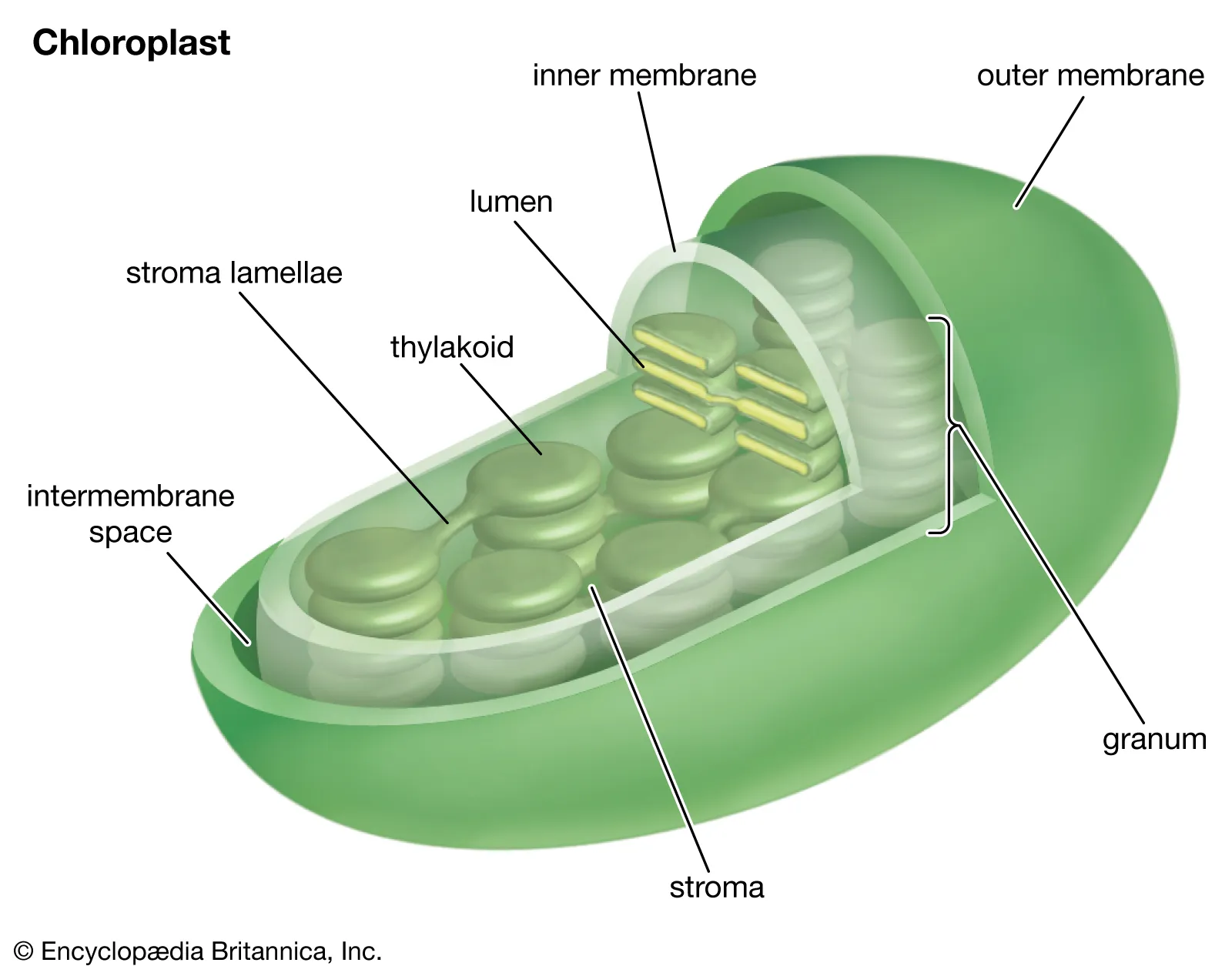
chloroplast
performs photosynthesis
the lyctic vacuole performs the same function in plants as the ___ does in animals
lysosome
what eukaryotic organelles have a single membrane?
lysosome, endoplasmic reticulum, golgi body
what eukaryotic organelles have a double membrane?
chloroplast, nucleus, and mitochondria
eukaryotic cell evolution
compartmentalization → acquisition and formation of specialized organelles
which organelle originated from a primordial symbiotic relationship with archaea?
mitochondria
what is the definition of a mole
one mole of a substance is the number of grams that is numerically equal to the atomic/molecular mass
Avogadro’s constant
6.02214076 × 1023 = 1 mol
atoms are (more, less) ____ stable when their valence shell contains the maximum number of electrons
more
what is the maximum number of valence electrons
2 in the innermost shell, 8 for other shells
covalent bonds
electrons sharing between atoms
organic molecules almost always form what kind of bonds with each other?
covalent
electronegativity
the tendency of an atom in a molecule to attract the shared pair of electrons towards itself
what does an atom’s electronegativity depend on?
its atomic number and the distance between its valence electrons and the charged nuclei
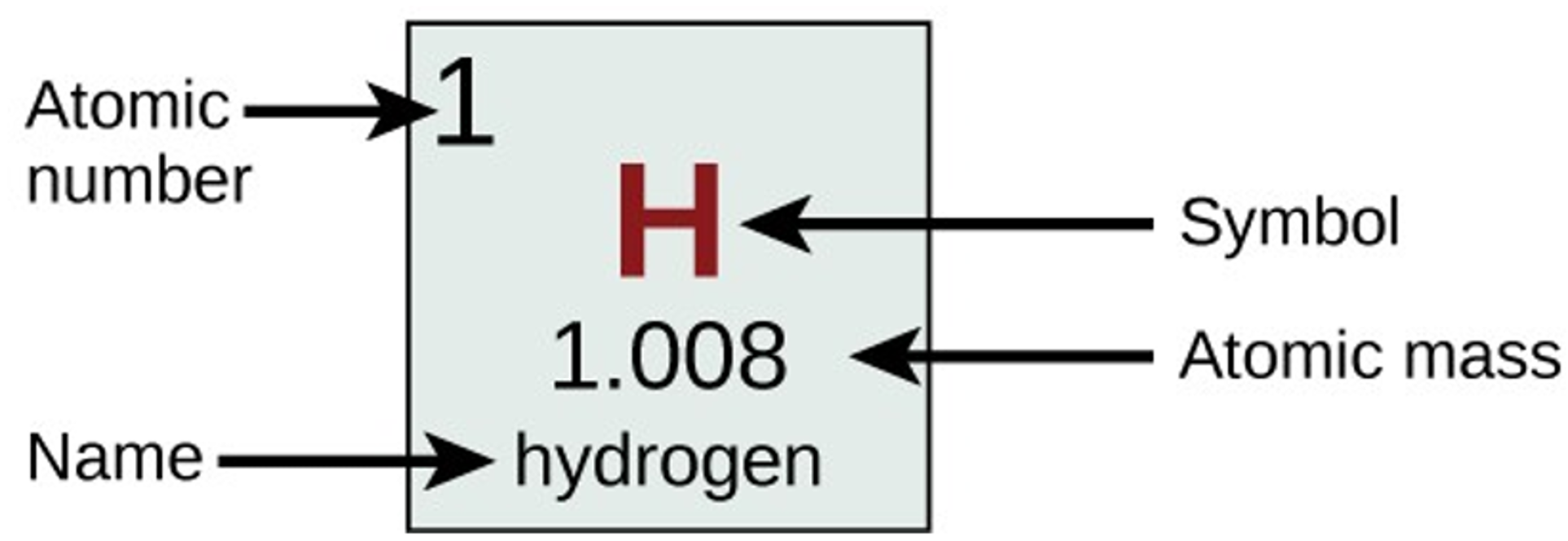
atomic number
number of protons

atomic mass
number of protons and neutrons
in which atoms is electronegativity the highest?
atoms that are closer to a stable state (Exception: hydrogen)
If the electronegativity difference between the atoms is LESS THAN 0.4, the bond is considered ___
polar
If the electronegativity difference between the atoms is BETWEEN 0.4 AND 1.6, the bond is considered ___
nonpolar
If the electronegativity difference between the atoms is GREATER THAN 1.6, the bond is considered ___
ionic, not covalent
noncovalent hydrogen bonds
electrical attraction between oppositely partially charged atoms from two different molecules
dipole-dipole attraction
occurs between hydrogen and a highly electronegative atom
ionic bonds
the electrostatic attraction between oppositely charged ions
van der waals attractions/forces
nonspecific interactions caused by fluctuations in the distribution of electrons in every atom; transient molecular bonds when two atoms get in close proximity
list the bonds strongest to weakest
covalent, ionic, hydrogen, van der waals
intermolecular bonds include:
hydrogen, dipole-dipole, van der waals
intramolecular bonds include:
covalent, ionic
organic molecules
molecules made of carbon and hydrogen (can include other elements, frequently O)
types of organic molecules important for cell function
carbohydrates, lipids, peptides/proteins, nucleic acids
macromolecules
the largest, most abundant molecules in cells
what are the building blocks of carbohydrates
mono/disaccharides, sugars
what are the building blocks of nucleic acids
nucleotides
what are the building blocks of lipids
fatty acids
what are the building blocks of proteins
amino acids
replication is the process of…
dna synthesis
transcription is the process of…
RNA synthesis
translation is the process of…
protein synthesis
what is the order of the central dogma
replication, transcription, translation
types of RNA
messenger RNA, transfer RNA, ribosomal RNA
function of mRNA
transcribes genetic code
function of tRNA
translates genetic code
function of rRNA
used in the structure of genetic code
nucleotides consist of three parts:
a nitrogenic base, a 5-carbon sugar (pentose), and one or more phosphate groups

pentose used in RNA
β-D-ribose
type of pentose used in DNA
β-D-2-deoxyribose
purines
adenine and guanine
pyrimidines
uracil, cytosine, thymine
which nucleotide base is only used in RNA
uracil
phosphate is joined to the __ carbon in a nucleotide
5’ hydroxyl
the phosphate makes the nucleotide ___ (positively, negatively) charged
negatively
what kind of bonds join nucleotides together
phosphodiester bonds
where are the bonds in nucleotides formed
between the 5’ carbon of one nucleotide and the 3’ carbon of another
DNA and RNA are synthesized in what direction
5’→ 3’
base pairs in dna are connected by what kind of bonds?
hydrogen