3 Biochem: Amino Acids
 Call Kai
 Learn
Learn Practice Test
 Spaced Repetition
 Match
Match Flashcards
 Knowt Play
1/35

There's no tags or description
Looks like no tags are added yet.
Name | Mastery | Learn | Test | Matching | Spaced | Call with Kai | Chat |
|---|
No analytics yet
Send a link to your students to track their progress
36 Terms
Basic building blocks of proteins
Amino acids
Most L-amino acids have ___ configuration, except —- with _ configuration.
Most L-amino acids have S configuration, except Cysteine with R configuration.
Rank the biomolecules in terms of sources of energy
Carbohydrates
Lipids
Amino acids
Nucleotides (last resort)
Amino Acids: All 20 (acronyms)
alkyl Ala VaLue Iso
OH S Ser ThrCsty Me
Carbox AspGlu AspGlu
basicN His LysA
aromatic Phe Tier 3
glycosine ~H, proline ~cyclic penta 1N
Amino acids consist of 3 main structures:
Amino (-NH2)
Carboxyl group (-COOH)
R group/side chains (differs)
Amino acid with R=Alkyl (4)
Alanine (-CH3)
Valine (-1,ethane)
Leucine (-2,propane)
Isoleucine (-1,propane) “Ile I”
nonpolar, hydrophobic but can be soluble in water
“Ala ValLeu Iso”
Amino acids with R=OH or S (4)
Serine (-metOH)
Threonine (-etOH)
Cysteine (-CH2SH)
Methionine (-C2H2-S-CH2)
very polar. (3) cysteine can form disulfide, which makes it more stable.
“Ser, ThrCsty Me”
Amino acids with R=Carboxyl group (4)
Aspartic Acid (-CH2COOH) “Asp, D”
Glutamic Acid (-C2H4COOH) “Glu, E”
Asparagine (-CH2CONH2) “Asn, N”
Glutamine (-C2H4CONH2) “Gln, Q”
3 and 4 are polar, 1 and 2 are acidic
“AspGlu AspGlu”
Amino acids with R=basic
Histidine (-cyclopentane 1,4-ene 3,5-NH.N)
Lysine (-butaneNH2) “Lys, K”
Arginine (-C3H6C=NHNH2) “Arg, R”
lone pair N
“His LysA”
Amino acids with R=aromatic
Phenylalanine (-CH2Ar) “Phe, F”
Tyrosine (-CH2ArOH) “Tyr, Y”
Tryptophan (-cyclohexane-1N-pentane dikit) “Try, W”
conjugation, (1) phenylalanine can absorb light (minimal)
“Phe, Tyr Tryp”
Essential Amino Acids (9)
Try THe VIP MaLL | WTH VI FMKL What The Hell VI? Fck My Killer Life
Tryptophan Try W
Threonine Thr T
Histidine His H
Valine Val V
Isoleucine Ile I
Phenylalanine Phe F
Methionine Met M
Lysine Lys K
Leucine Leu L
(our bodies can synthesize these, but the metabolic pathways to produce them require EXPENSIVE energy, so just prefer to outsource them than synthesizing)
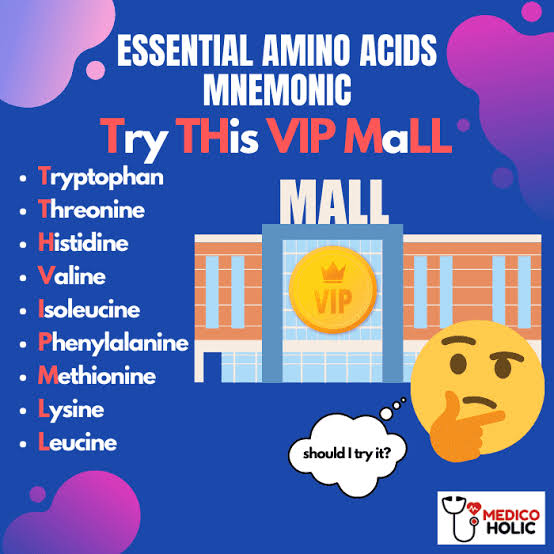
The only amino acid with an R configuration
Cysteine
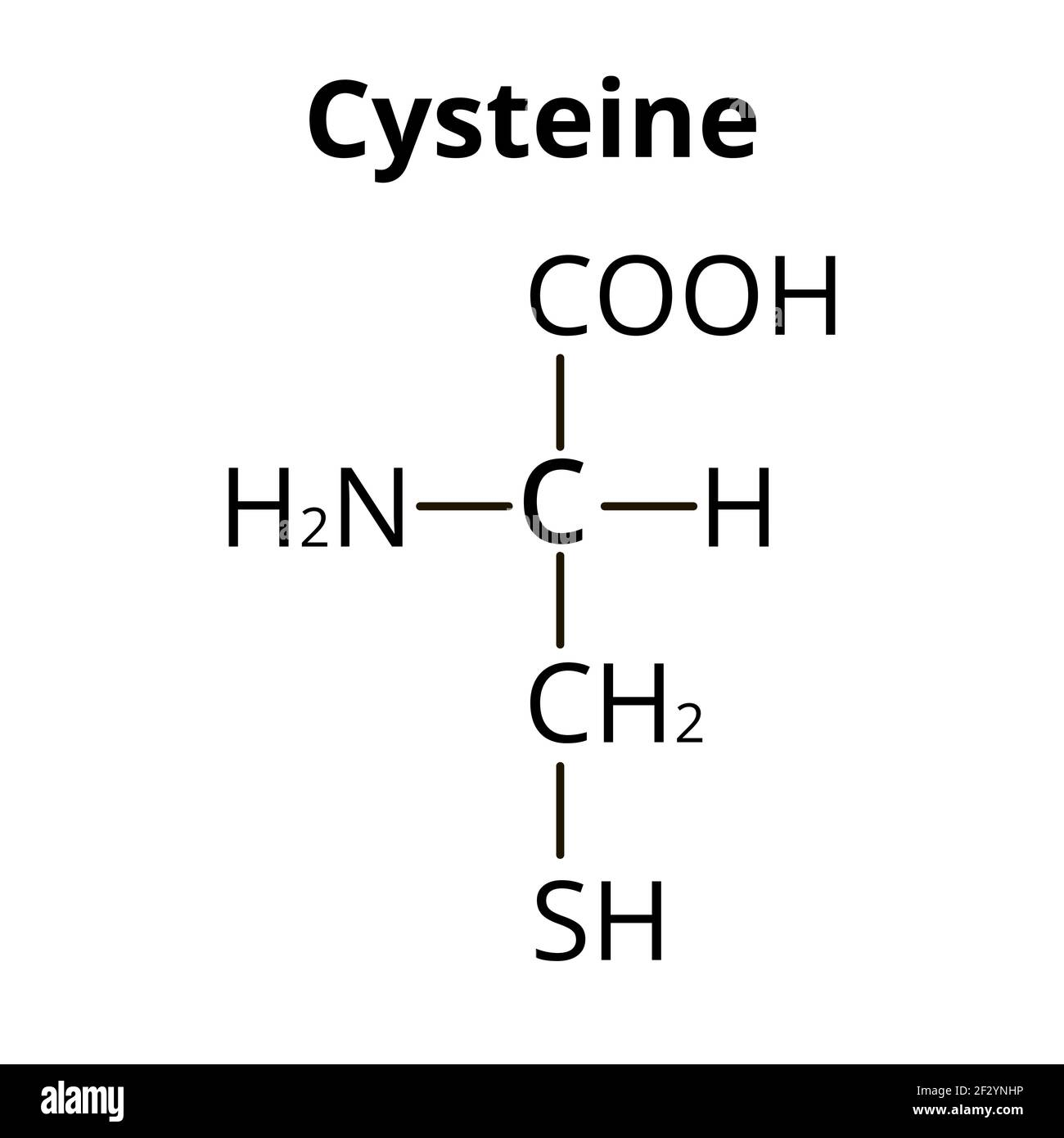
The only achiral amino acid
Glycine
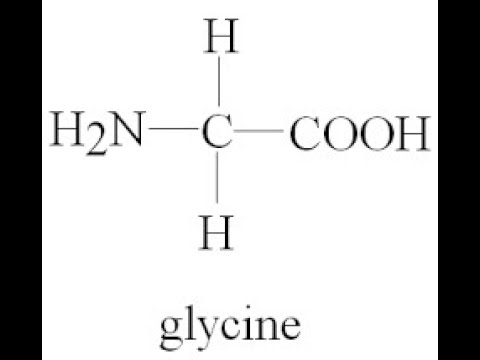
The only secondary amino acid
Proline
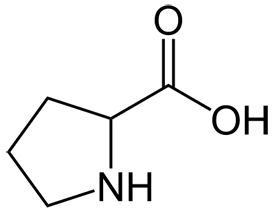
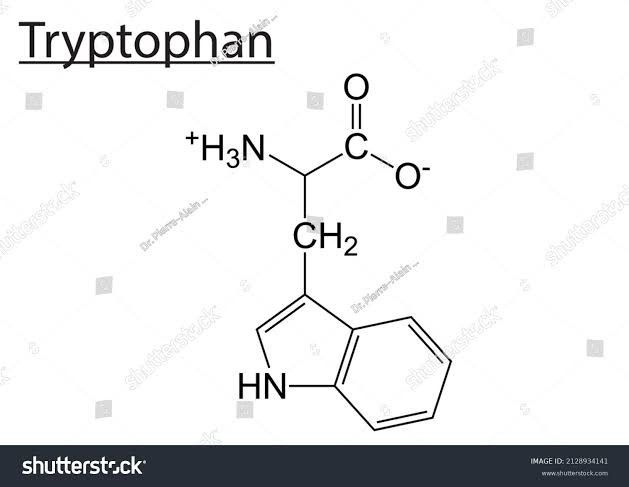
Amino acid that has indole side chain (cyclohexane-1N-pentane dikit) and largest molecular weight.
Tryptophan
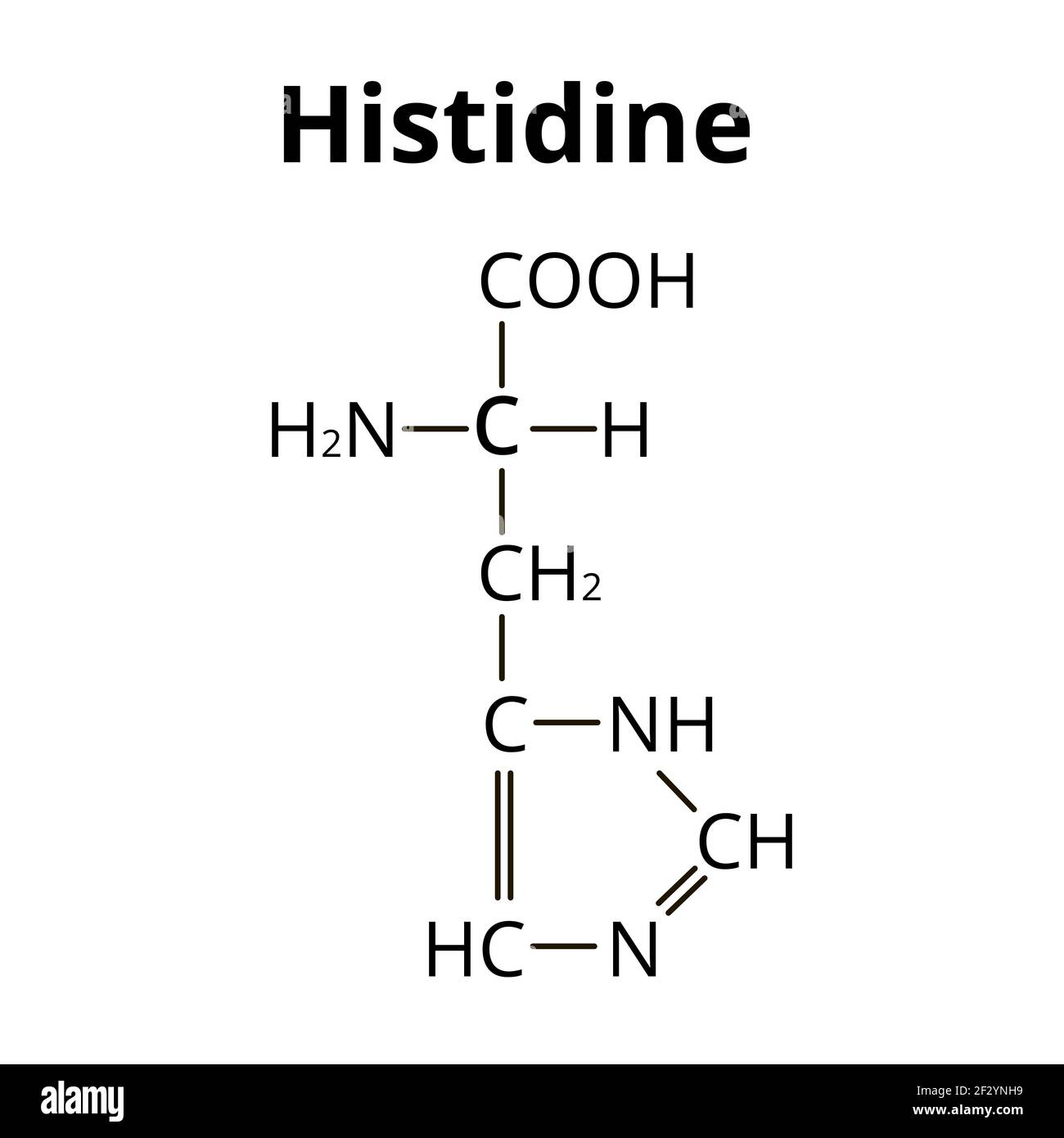
Amino acid that act as buffer due to imidazole chain (cyclopentane 1,4-ene 3,5-NH.N)
Histidine
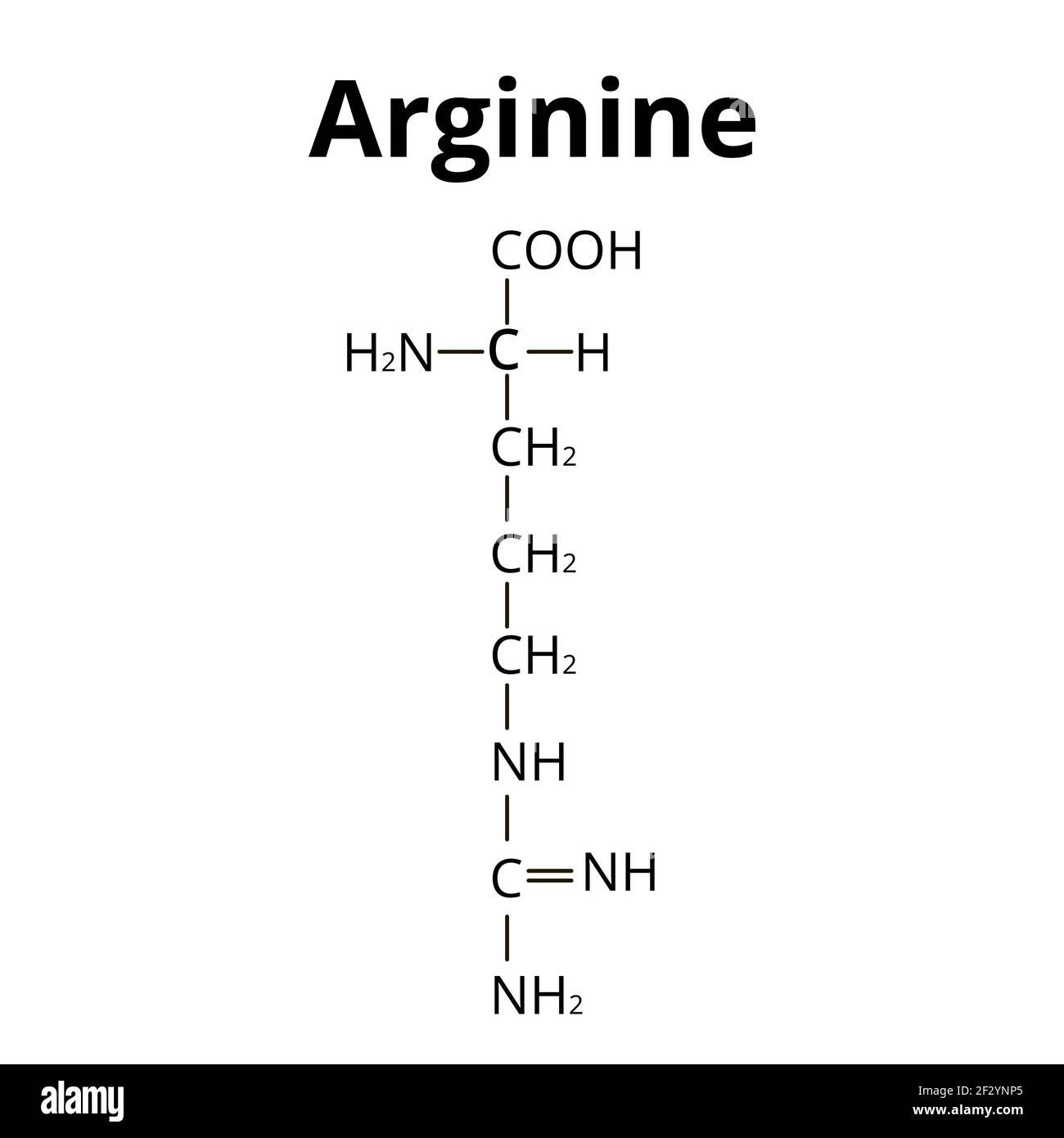
Amino acid with guanidinium group (NH-C(=NH)NH), and is highly basic
Arginine
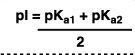
Point where pH has net electric charge is 0:
(PI) Isoelectric point “Zwitterionic”
Steps to Establish Protonated, Zwitterionic, and Deprotonated Amino Acid
write fully protonated X+
remove proton from alpha C X0
remove proton from alpha NH3 X-
remove proton from R side chain X-2
Chain of amino acids linked by peptide bonds
Polypeptides
Covalent amide bonds formed between the amino group of 1 amino acid, and 1 carboxyl group of another (through dehydration -H2O) → Dipeptide
Peptide bonds
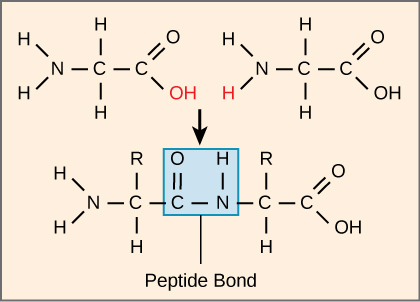
Biologically Important Peptide: regulates blood sugar levels
Insulin
Biologically Important Peptide: raises blood sugar levels
Glucagon
Biologically Important Peptide: “social bonding” hormone, reproduction, childbirth contractions
Oxitocin
Biologically Important Peptide: busog hormone, sends signals when body is full
Lepdin
Biologically Important Peptide: regulates water retention and blood pressure
Vasopressin
Types of Biologically Active Peptide
Peptide and Protein Hormones
Neuropeptides
Peptide Antibiotic
Peptide Toxins
Most abundant protein in humans. Provides strength and elasticity. Structure: extended triple helix
Collagen
Structures of Protein
Primary = peptide bond, polypeptide chain
(cant participate: Gly-too small; Pro-too bulky)Secondary = H bond, a-helices and B-pleated sheets
Tertiary = folding and bending
H bond
disulfide bond
electrostatic interactions
hydrophobic interactions
Quaternary = interchain interactions, not required
What facilitates O transfer, and O storage?
Hemoglobin = O transfer, quaternary, cooperative bonding, maximum O2 affinity
Myoglobin = O storage, tertiary, noncooperative bonding, minimal O2 affinity
This proceess yields the different functional structures. The process of rapid acquisition of the unique native conformation from linear amino acid sequence.
Protein Folding
_____ assist the protein folding process and preventing the protein from misfolding or aggregating, ensuring the final stable structure needed for biological activity is reliably achieved.
Molecular ChaperonesSi
Simple vs Conjugated Proteins
Simple = composed only of amino acids
Complex = has a non-protein component or prosthetic group
Fibrous vs Globular Proteins
Fibrous = long, narrow, structural, repetitive AA sequence, less sensitive to changes, (e.g. collagen keratin actin myosin elastin) generally insoluble in water
Globular = spherical (protects H-phobic AA inside), functional, irregular AA sequence, sensitive to changes, (e.g. enzymes, hemoglobin, insulin), generally soluble in water
Classification: Solubility of Protein
SPAGG
Solubility
Prolamin = soluble in 60-80 EtOH (plant seeds)
Albumin = soluble in water (transport, storage)
Globulins = soluble in dilute saline (transport, immune response)
Glutelins = soluble in dilute acids or bases (storage)
Classification of Proteins: Function
FET3S
Function
Enzymatic = DNA polymerase, trypsin
Transport = hemoglobin, Na-K pump
Structure = collagen, actin, tubulin
Storage = ferritin (Fe), casein
Signaling = insulin, growth factors