OMNI - FAMM Exam 1
 Call Kai
 Learn
Learn Practice Test
 Spaced Repetition
 Match
Match Flashcards
 Knowt Play
1/49

There's no tags or description
Looks like no tags are added yet.
Name | Mastery | Learn | Test | Matching | Spaced | Call with Kai | Chat |
|---|
No analytics yet
Send a link to your students to track their progress
50 Terms
What does homestatsis regulate?
the internal environment- intersitial fluid, vascular fluid
What did Walter Canon do?
Coined the term homeostatis
What did Claud Bernhard do?
defined the internal body environment as extracellular fluid
Equalibrium vs steady state
equilibrium is a thermodynamic concept fueled by enropy
Steady state is when a equal input and output of a system is maintained needing energy input.
Negative feedback loop
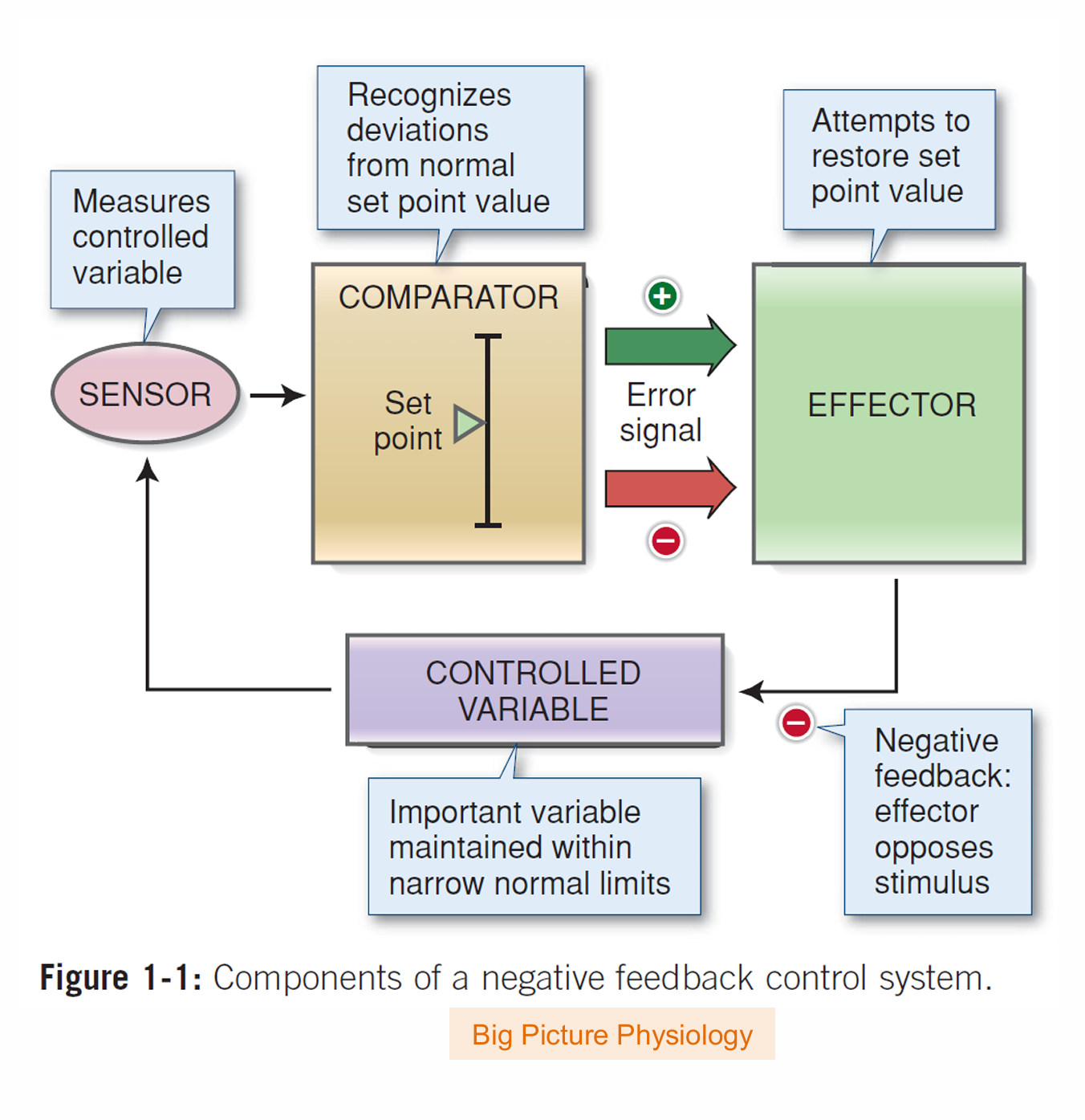
Error in homeostasis is defined as:
set point - Compesated value
compensated value: value after feedback loop has finished
uncompensated value: when feedback loop is triggered
closer error is to 0 the better
Gain is defined as
A measure of how good homeostasis is maintained. More negative is higher gain
=Correction/error
correction: uncompensated-compensated
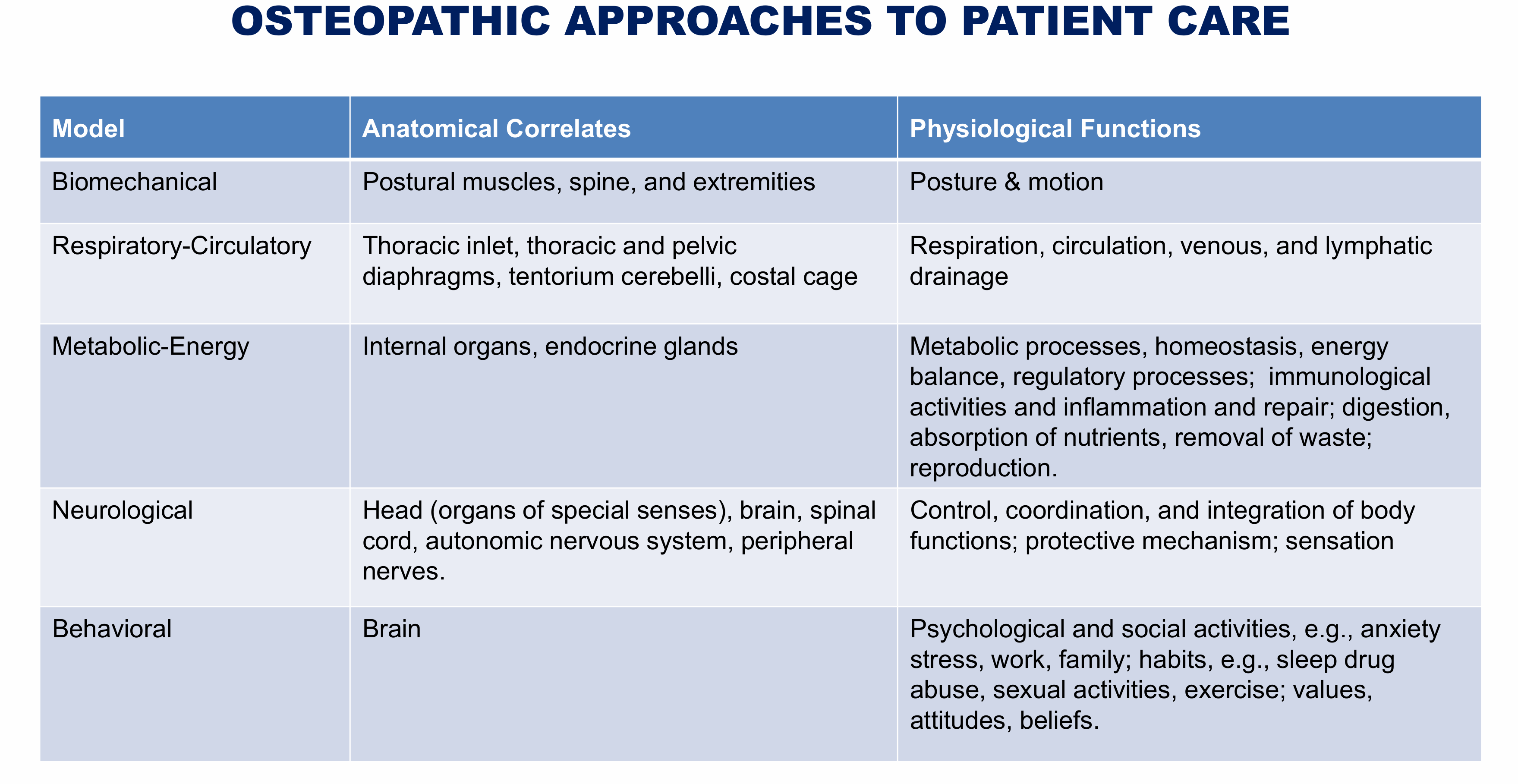
How are problems assessed through skeletal-muscular intervention in osteopathic medicine
What produces the error signal
control center
what generated feedback signal?
sensors
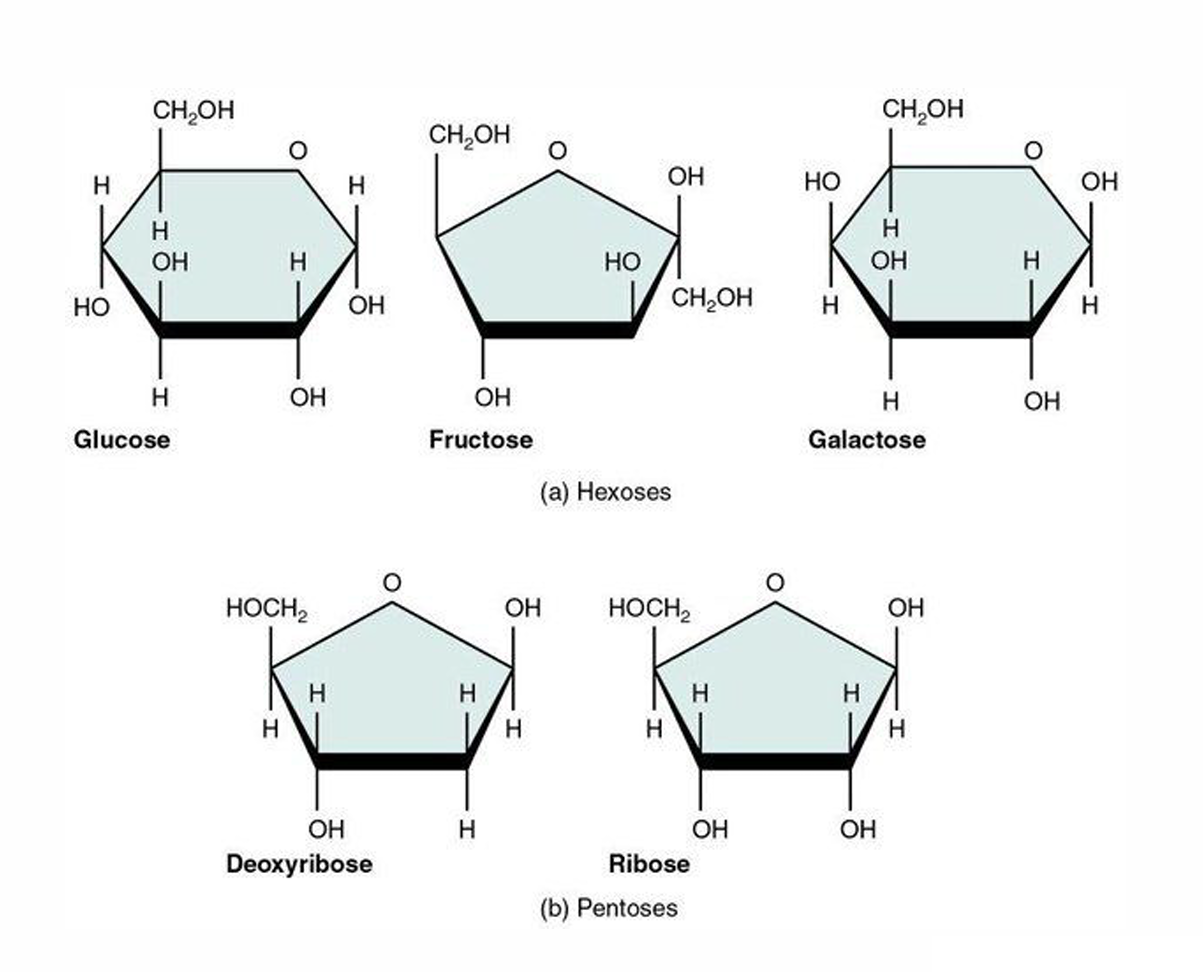
Important monosaccharides
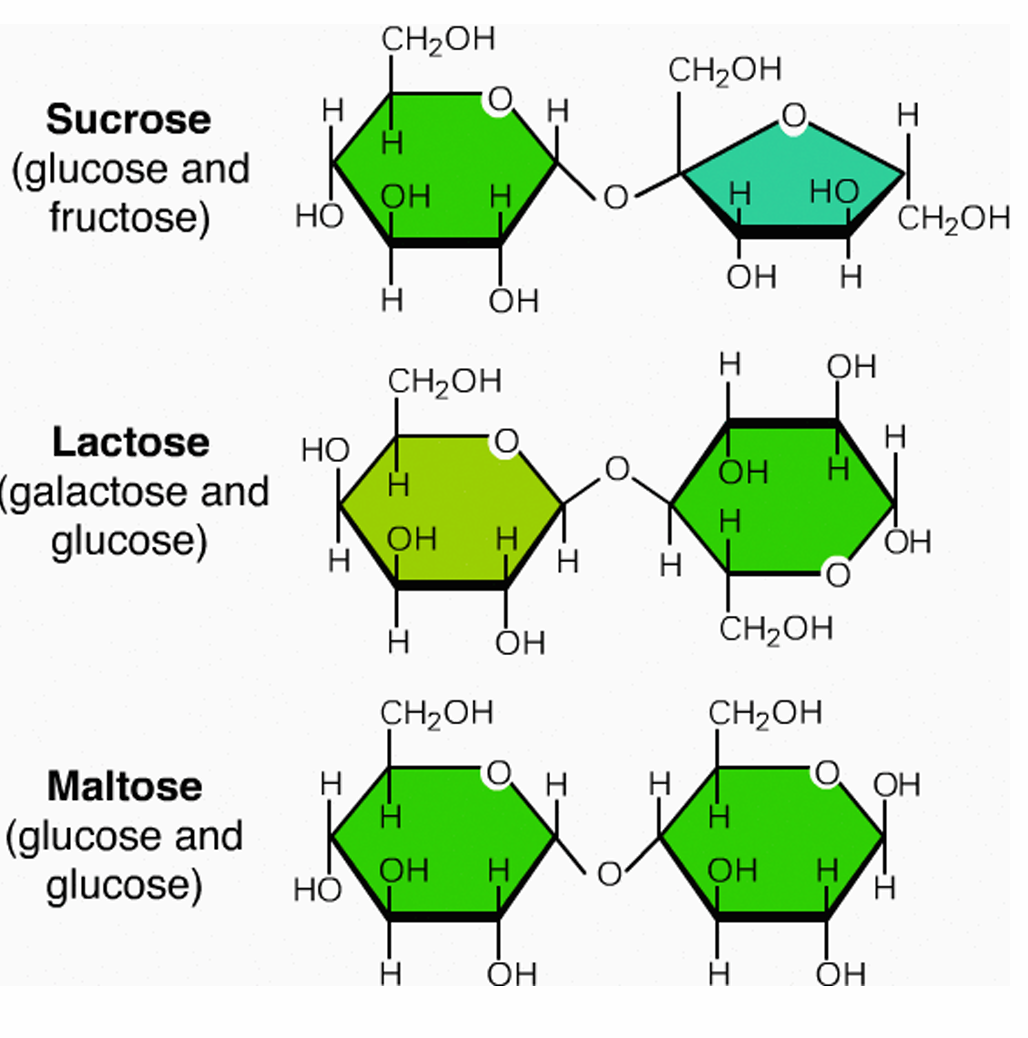
Important dissacharides
N-glycosidic bonds
when a carbyhydrates anomeric carbon is attached to the nitrogen of another molecule
found in nucleic acids
O glycosidic bonds
where an anomeric carbon forms a bond with an oxygen of another molecules
most common in dissacharides
What configuration are unsaturated fatty acids in humans
cis, trans is difficult to digest
Phosphaticacid
precursor to phospholipids
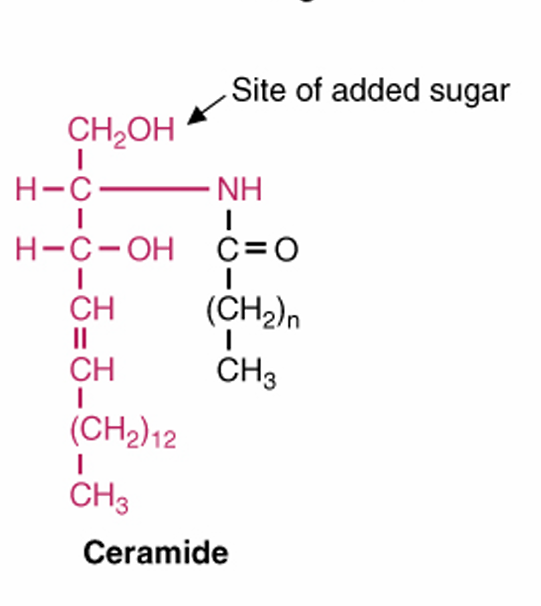
Sphingolipids
do not have a glycerol backbone, have a sphingosine group instead
Ceramides
an amide bond between sphingosine and fatty acid
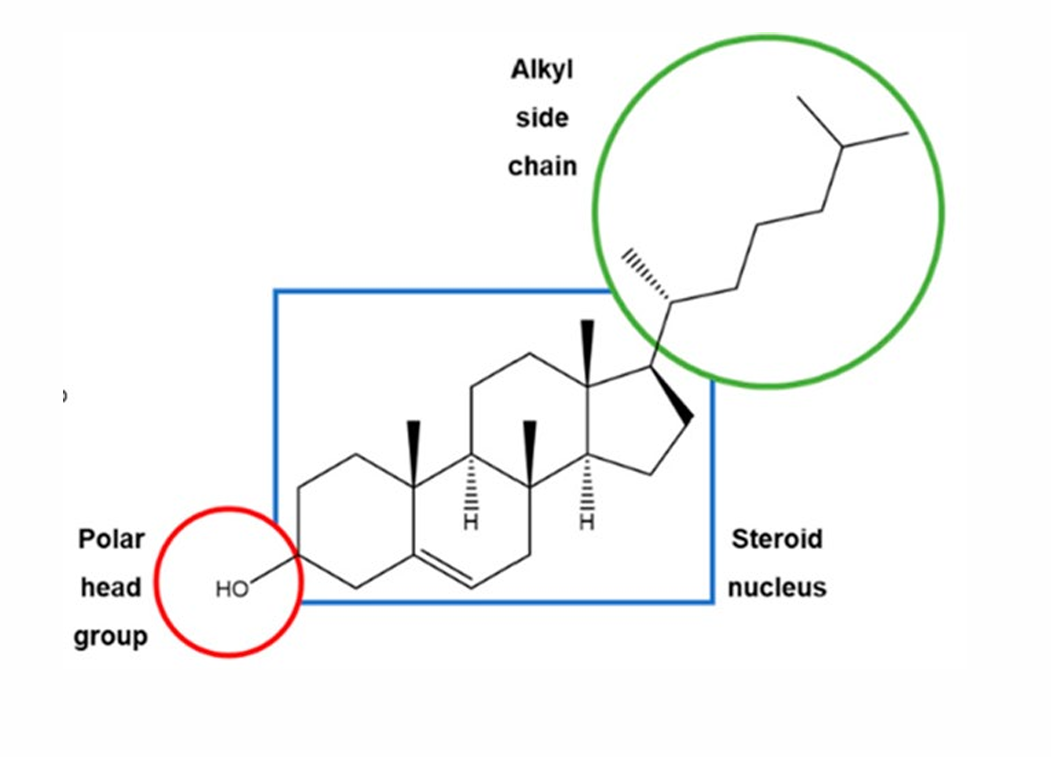
Steroid structure
steroid hormones are made through the modification of the alkyl side chain
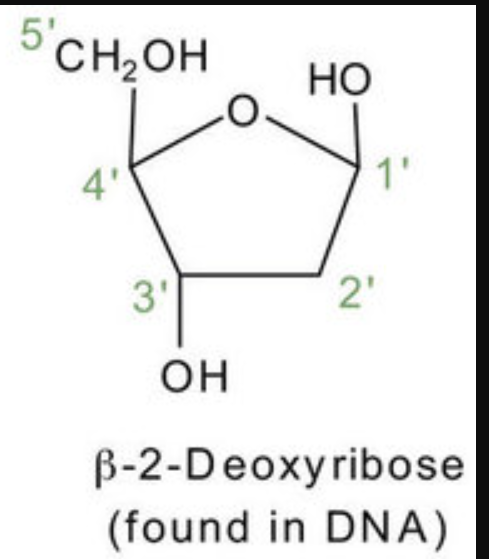
How is a DNA polymer formed
the 3’ sugar in the incoming chain is added to the 5’ through a phosphodiester bond
Proline is:
an Imino acid (-NH instead of -NH2)
ridged due to cyclic structure
is typically at turns in tertiary structure
Aromatic Amino Acids
absorb UV light
most hydrophobic: tyr → Try → Phe
Ambivalent amino acids (to water)
alanine
glycine
proline
Modifications
lipid addition
gycosylation
phosphorylated- typically to regulation of enzymes
oxidation/carboxylation
Chaperone proteins in ER
calnexin (membrane)- especially helps glycoproteins fold propperly
caltreticulin (lumen)
Disulfide protein isomerase
a chaperone protein in ER that forms disulfide bonds with cysteine and stablizes structure
Unfolded Protein Response
In the ER, detects misfolded proteins and increases the amount of chaperone proteins. If this doesn’t work, ERAD (ER-Associated protein degredation) is triggered. After misfolded protein was tagged with ubiquitin 4 times
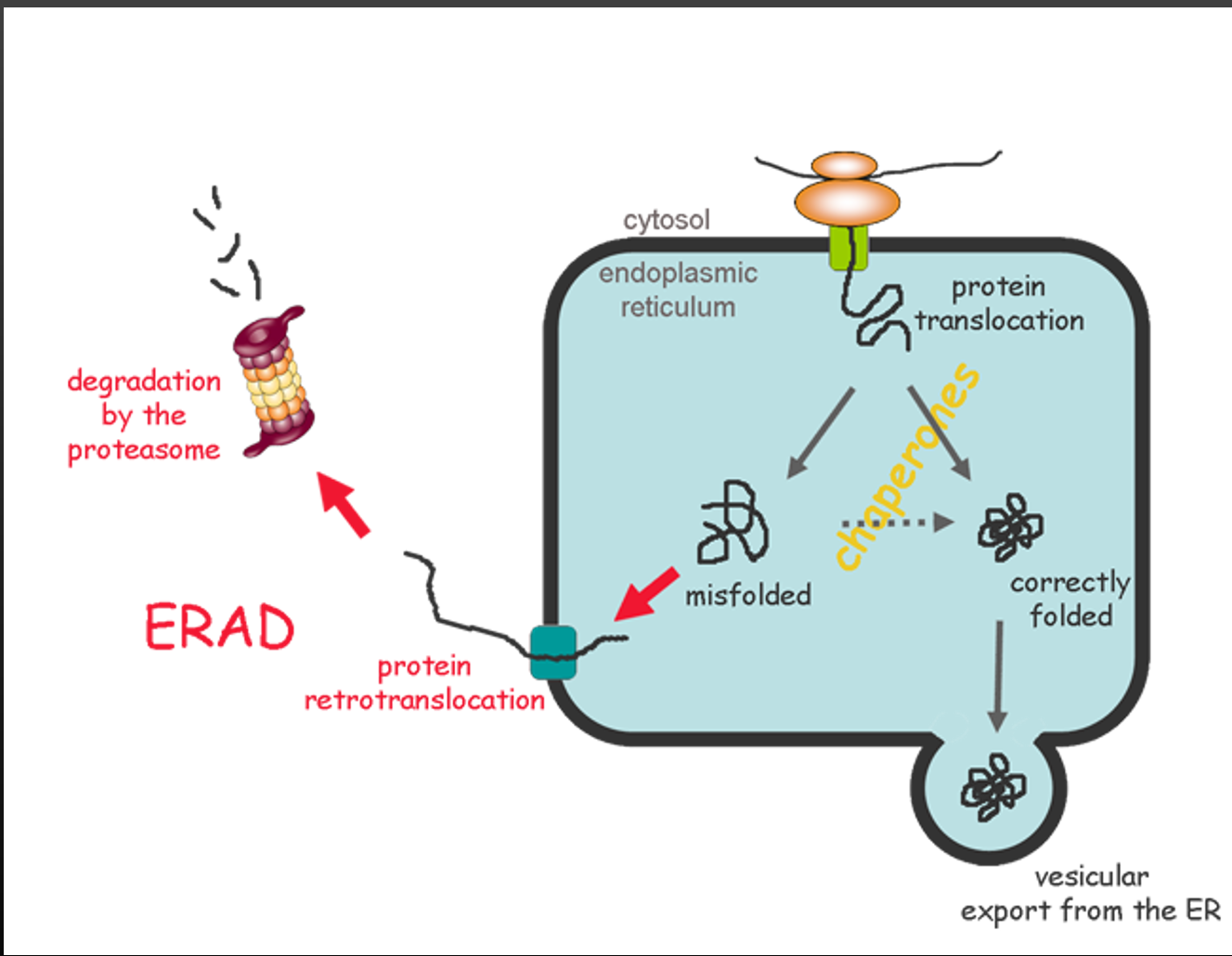
Proteosome
a protease complex meant for digesting proteins tagged with ubiquitin, recycles amino acids
Protein regulatory mechanisms
phosphorylates
protein-protein interaction (a bound inhibitor protein)
cleavage
These are typically triggered by cell signaling, such as by cAMP
How can phosphylization change protein behavior
turning enzymes on/off
localization
stability
interactions
How is lipidation of a protein helpful?
allows a largely hydrophilic protein to assaociate with membranes
Histome acetylation
adding an acetylgroup to histones can effect how tightly wound DNA is. Acetylation loosens histones through disrupting electrostatic interactions between Amino acids and DNA, turning on a gene
Gene Methylation
effected by envirnmental conditions, a methylated gene is off. Aka epigenetics
What amino acids are methylated
lysine and arginine
Glycosylation
Addition of sugars to a protein. Helps to: prevent agregatition, surface signals/receptor, protein tagging
glycoprotein examples
many excreated proteins
lysosomal proteins
N vs O linked gycloproteins
N- linked
When carbohydrate is attached to amino
In ER, for membrane proteins
O-linked
when carbyhydrate is attached to -OH of serine or threonine
Common in mucous proteins
In ER, Golgi, Cytoplasm
Proteoglycans
chains of repreating GAG’s attached to proteins, heavily branched component of extracellular matrix
resists compression
binds to cations
binds to water for lubrication
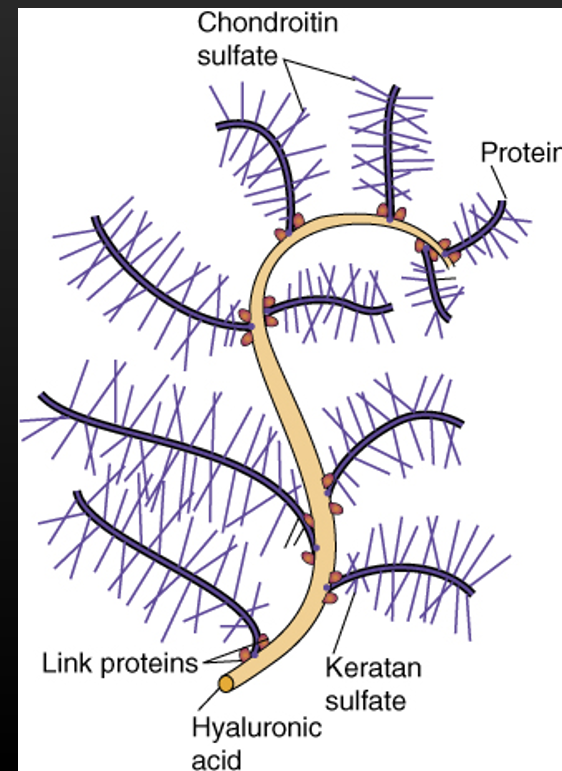
GAGs (Glycosaminoglycans)
polysaccharide chains of repeating amino sugars + acid sugar
highly negative charged
high capacity for binding to water
Approximate membrane composition
proteins- 55%
phospholipids- 25%
Cholesterol- 13%
Other lipids- 4%
carbohydrates- 3%
Aproximate composition of membrane lipids
75% phospholipids
20% cholesterol
5% glycolipids
<1% shingolipids, mainly in nerve cells
Na+/k+ ATPase pump
on plasma membrane, used in action potentials
1 ATP moved 3 Na out and 2 K comes in
Cardiac glycosides like digoxin inhibits this channel by binding to E2 conformation
glycocalyx
carbohydrates enxending outside the cell on glycoproteins
lubrication and protection
anchoring cell in place or locomotion
receptors
self recognition
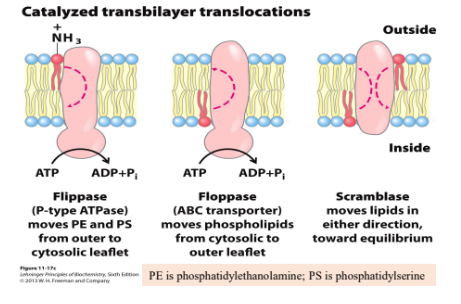
enzymes that move phospholipids within the plasma membrane
How does cholesterol effect membrane fluidity
low temp: prevents close packing to avoid solidification
high temp: restricts phospholipid movement to stabilize membrane
spontaneous vs protein mediated fusion
protein mediated is though the use of snares to fuse the vesical
no snares are nessicary, when put at the plasma membrane the vesical will fuse. Such as neurotransmitter leak and
Signal recognition particals vs importin
both recognize amino acid localization squeinces, SRP goes to ER while importing goes to nucleous. SRP will pick it up before it’s done translating, while importin is post translational.
what substance increase in neurons and muscle with age
Lipofuscin- a aging pigment caused by undigested cellular components that accumulate in lysosomes. Typically yellow-brown and common in long loved cells.
Where is actin and tubulin synthesized
in the cytosol, since these are components of the cytoskeleton
what cell inclusion is an iron-strage complex
hemosiderin- literally an iron inclusion within cells. commonly found in macrophages and hepatocytes after the metabolism of red blood cells.