Week 9 - Spinal Cord and Spinal Nerves
 Call Kai
 Learn
Learn Practice Test
 Spaced Repetition
 Match
Match Flashcards
 Knowt Play
1/84

There's no tags or description
Looks like no tags are added yet.
Name | Mastery | Learn | Test | Matching | Spaced | Call with Kai | Chat |
|---|
No analytics yet
Send a link to your students to track their progress
85 Terms
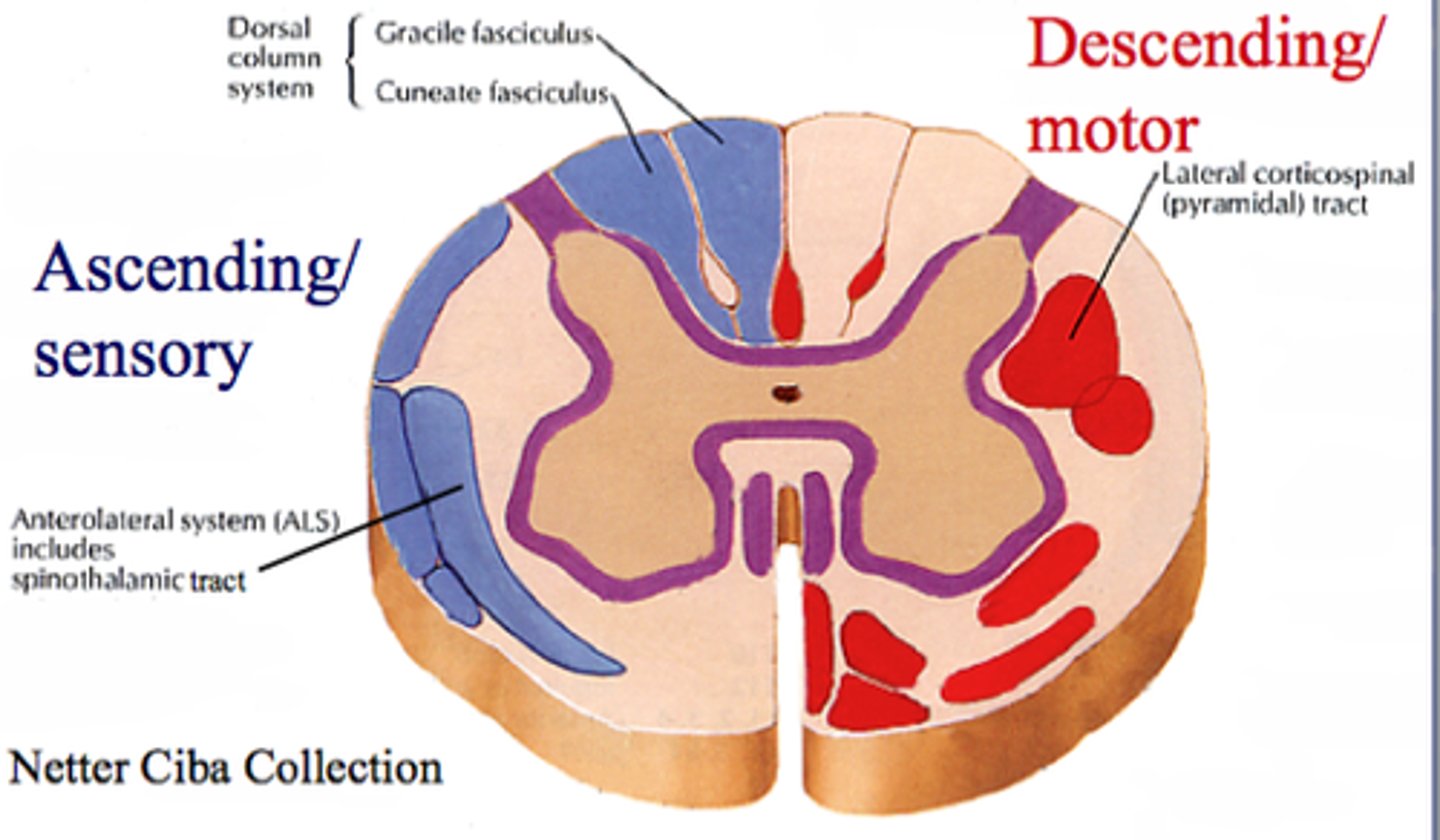
Descending tracts
Carry motor signals to body
Pacinian corpuscles
Deep pressure/vibration
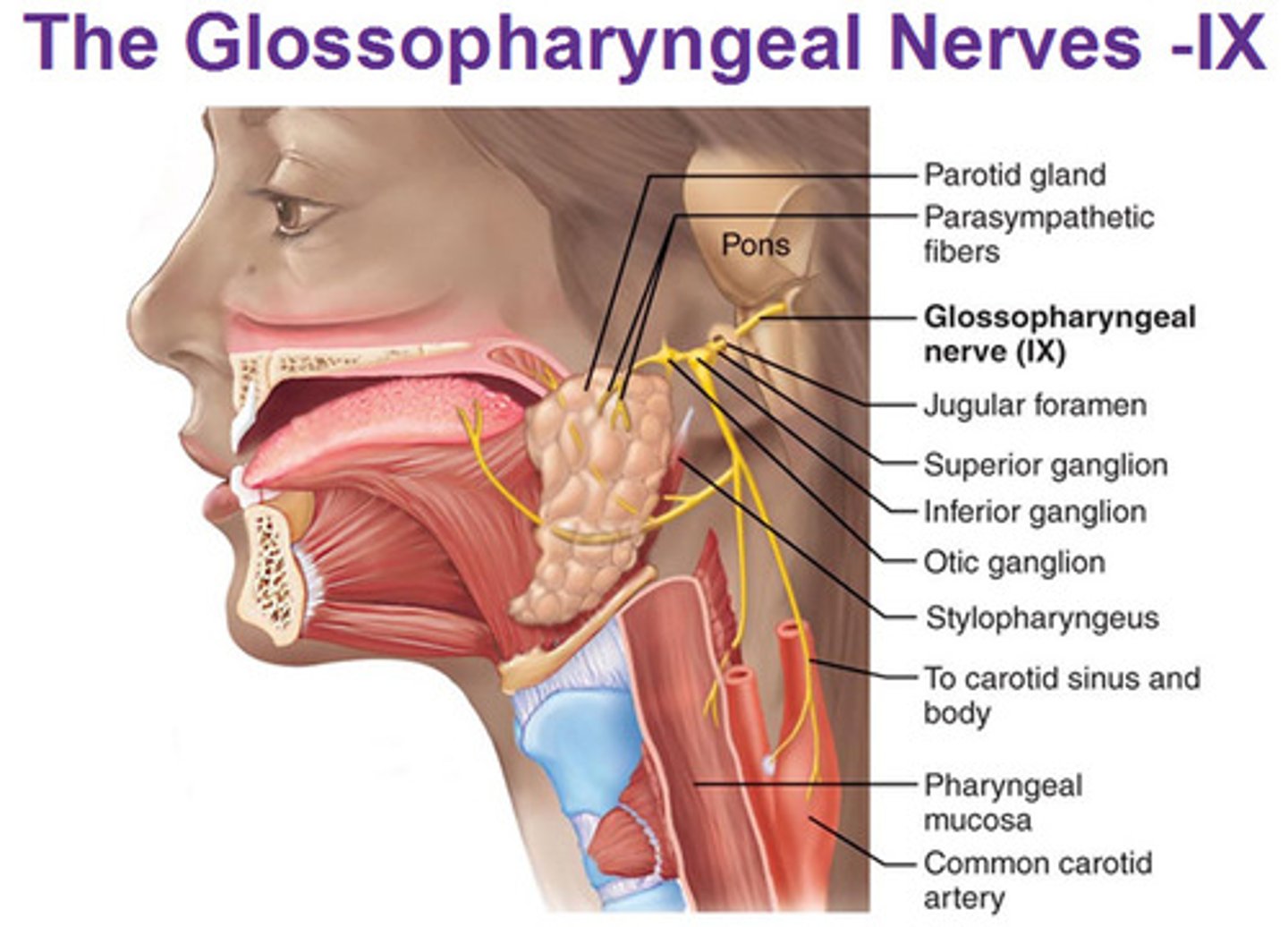
CN IX (9) Glossopharyngeal
Taste, swallowing
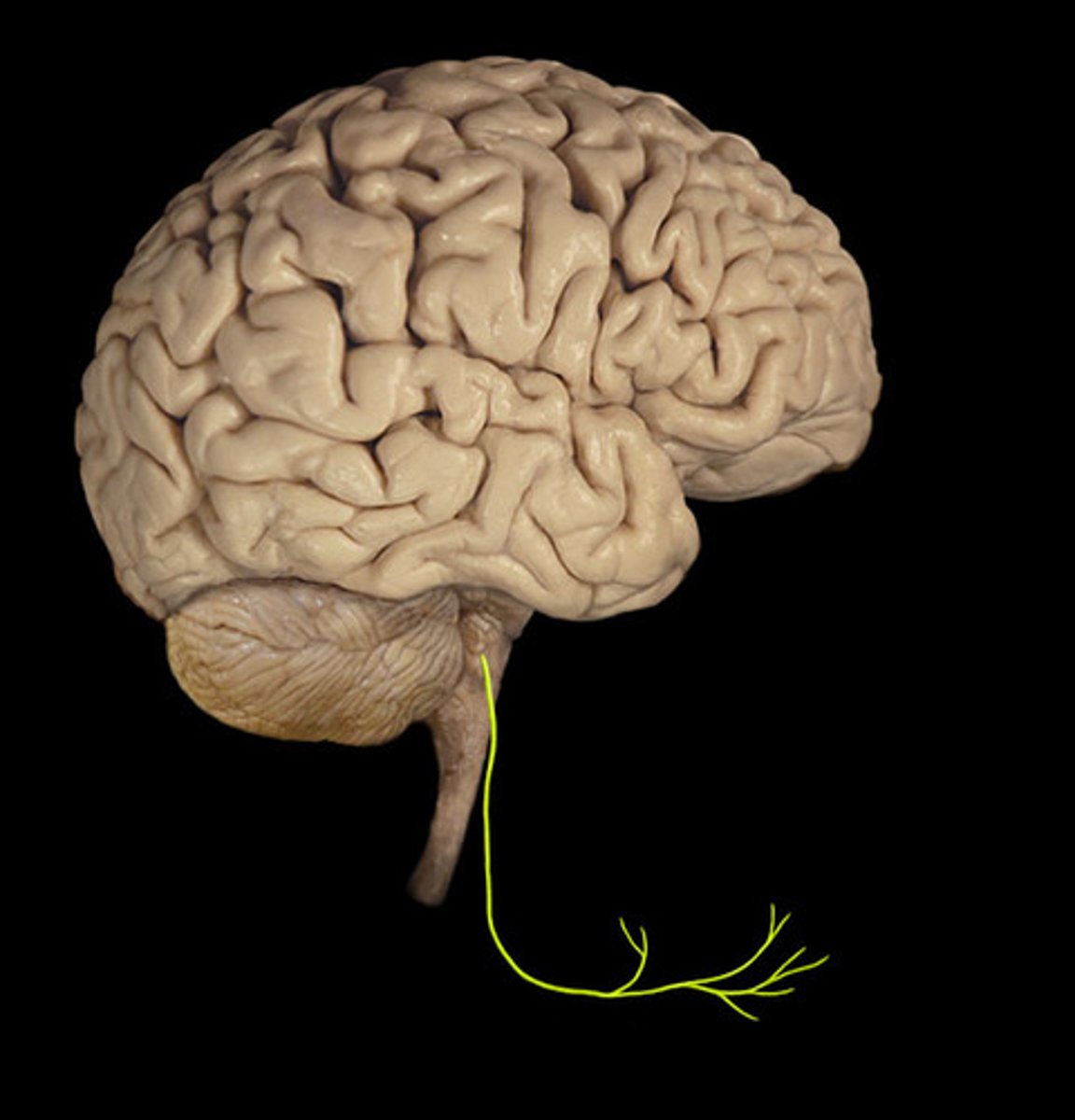
CN XII hypoglossal
Tongue movement
Spinal cord (Conduction)
Transmits signals up and down; connects brain and body
Spinal cord neural integration
Processes input and produces appropriate output
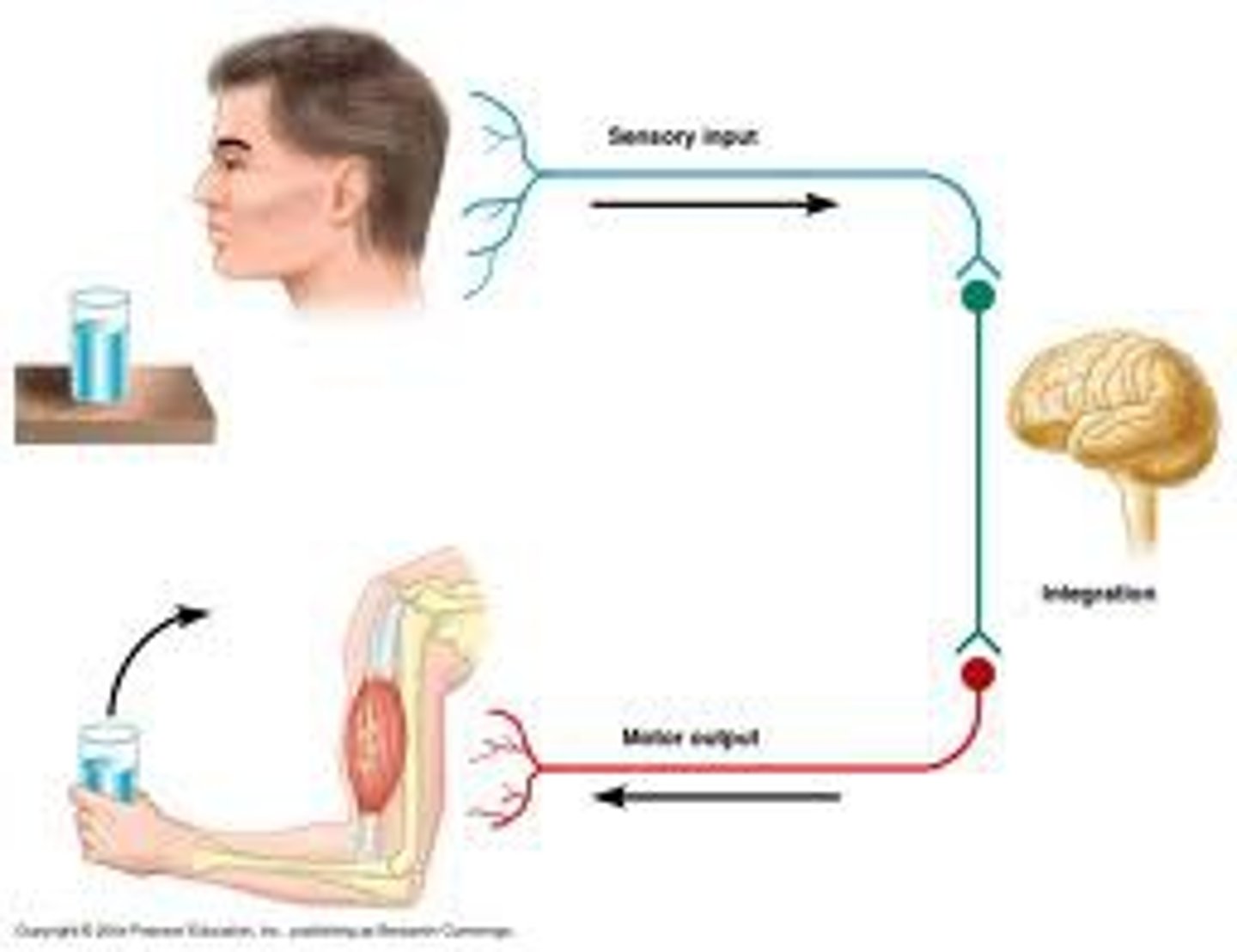
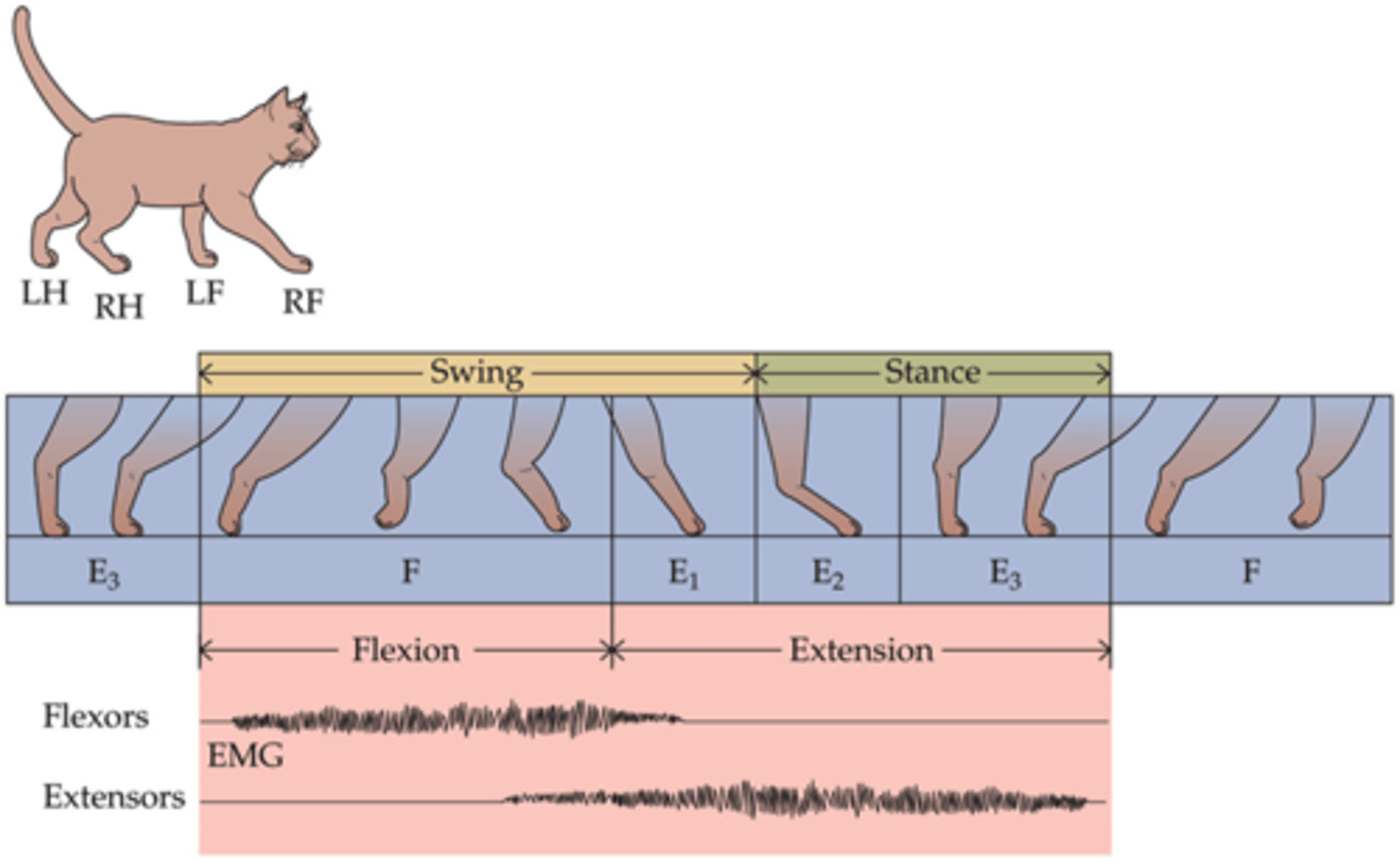
Spinal cord locomotion
Central pattern generators control repetitive movement (walking)
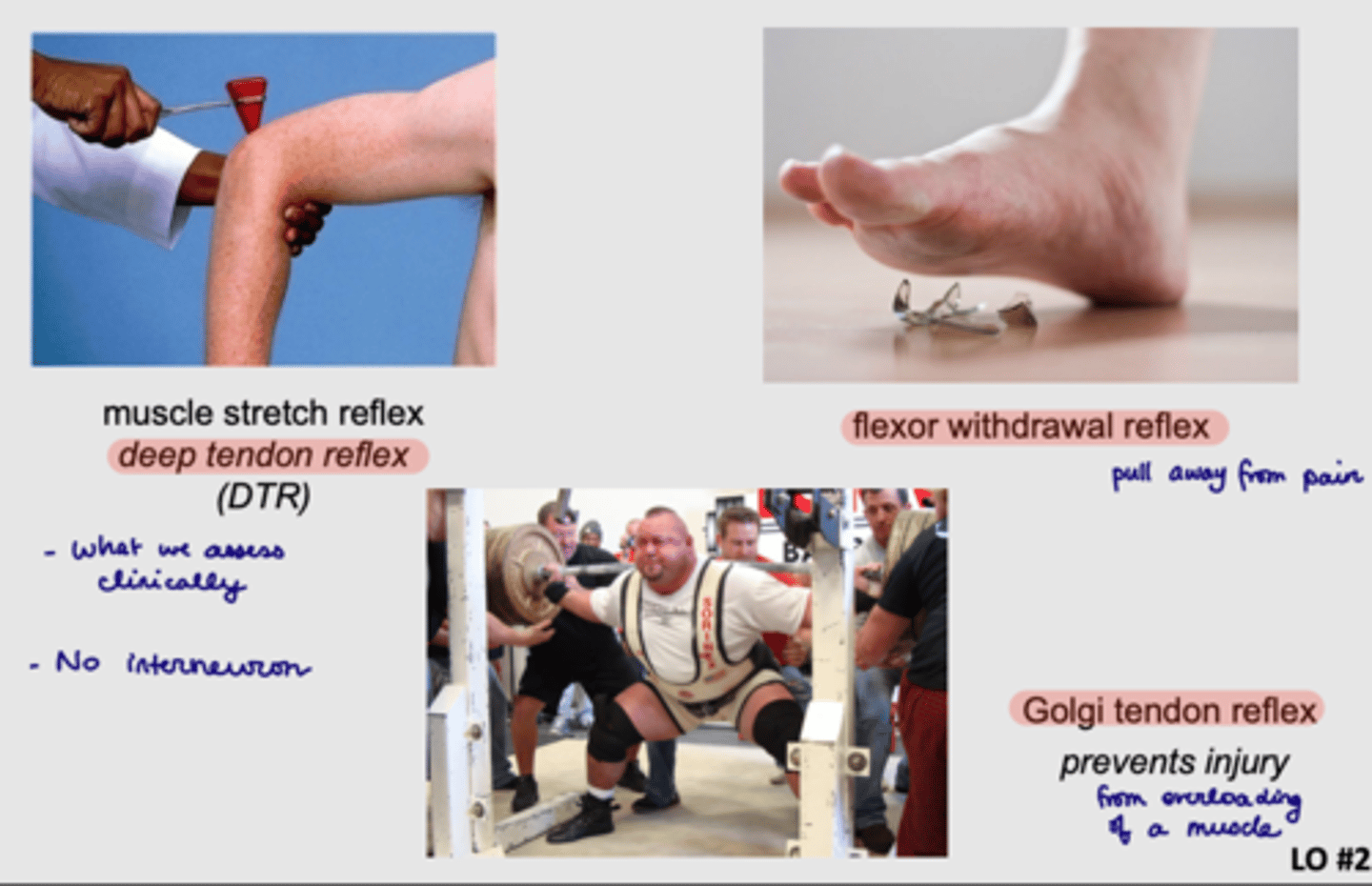
Spinal cord reflexes
Rapid, involuntary responses to stimuli
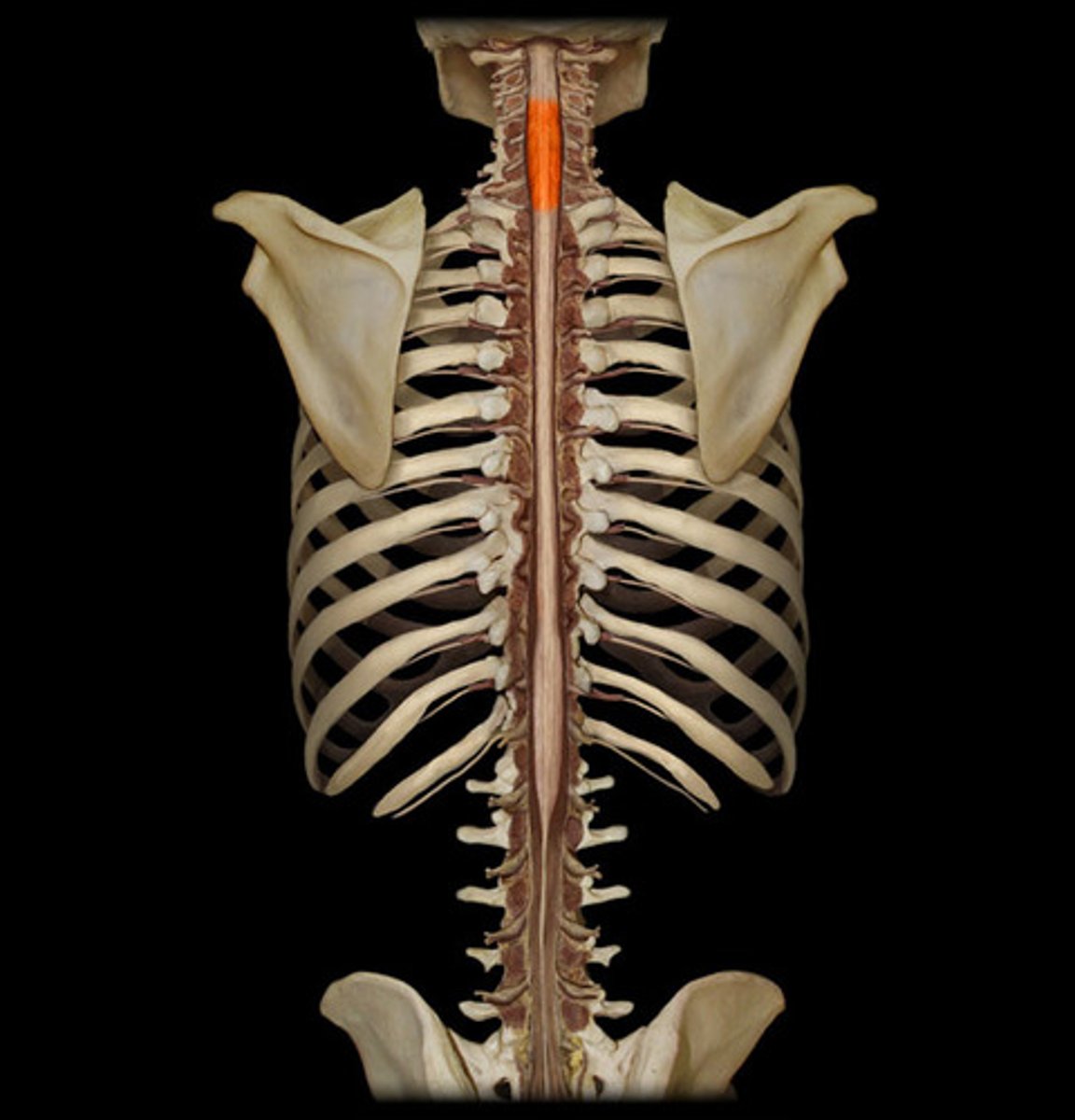
Cervical enlargement
Supplies upper limbs
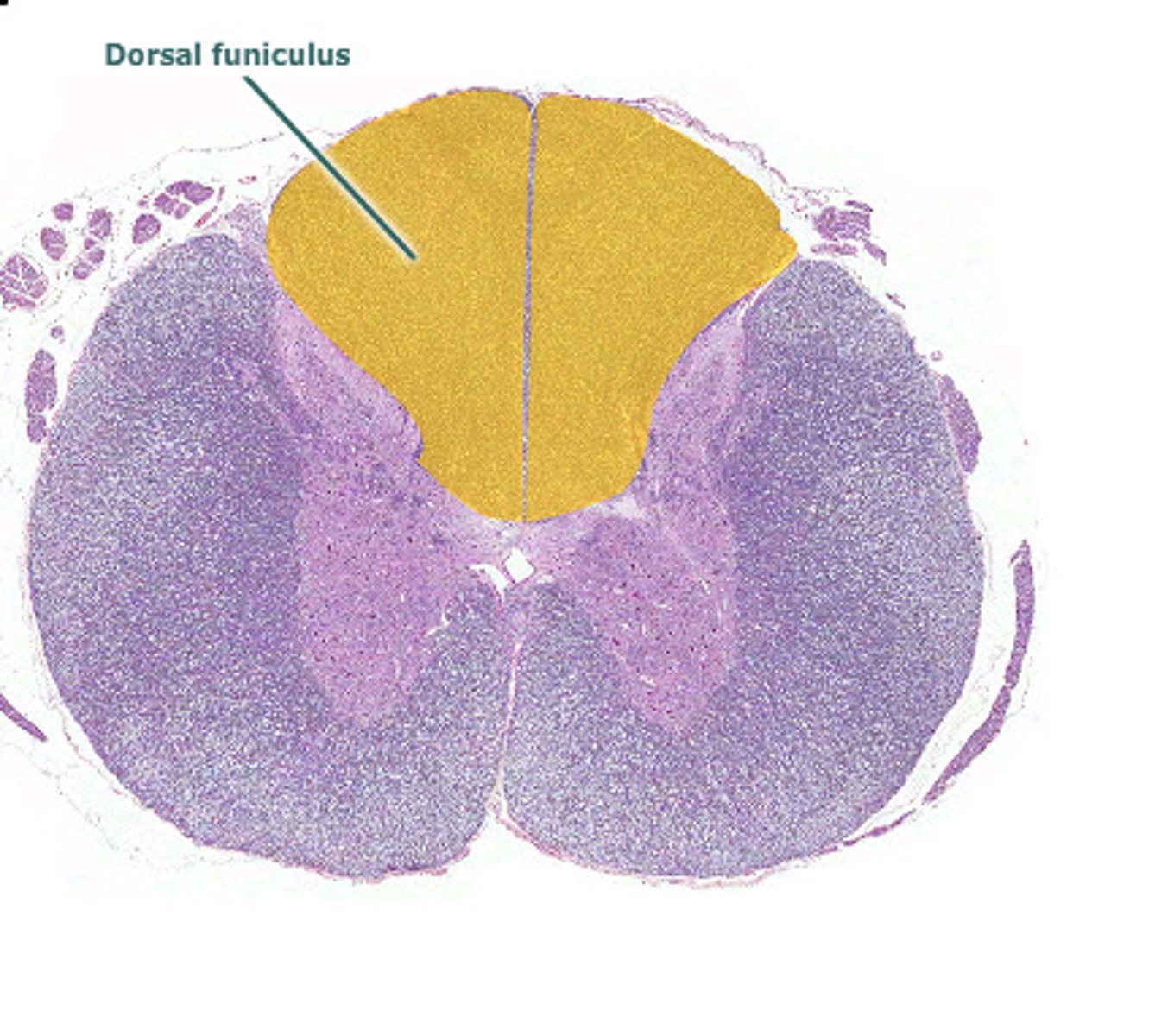
Dorsal funiculus
Sensory (ascending)
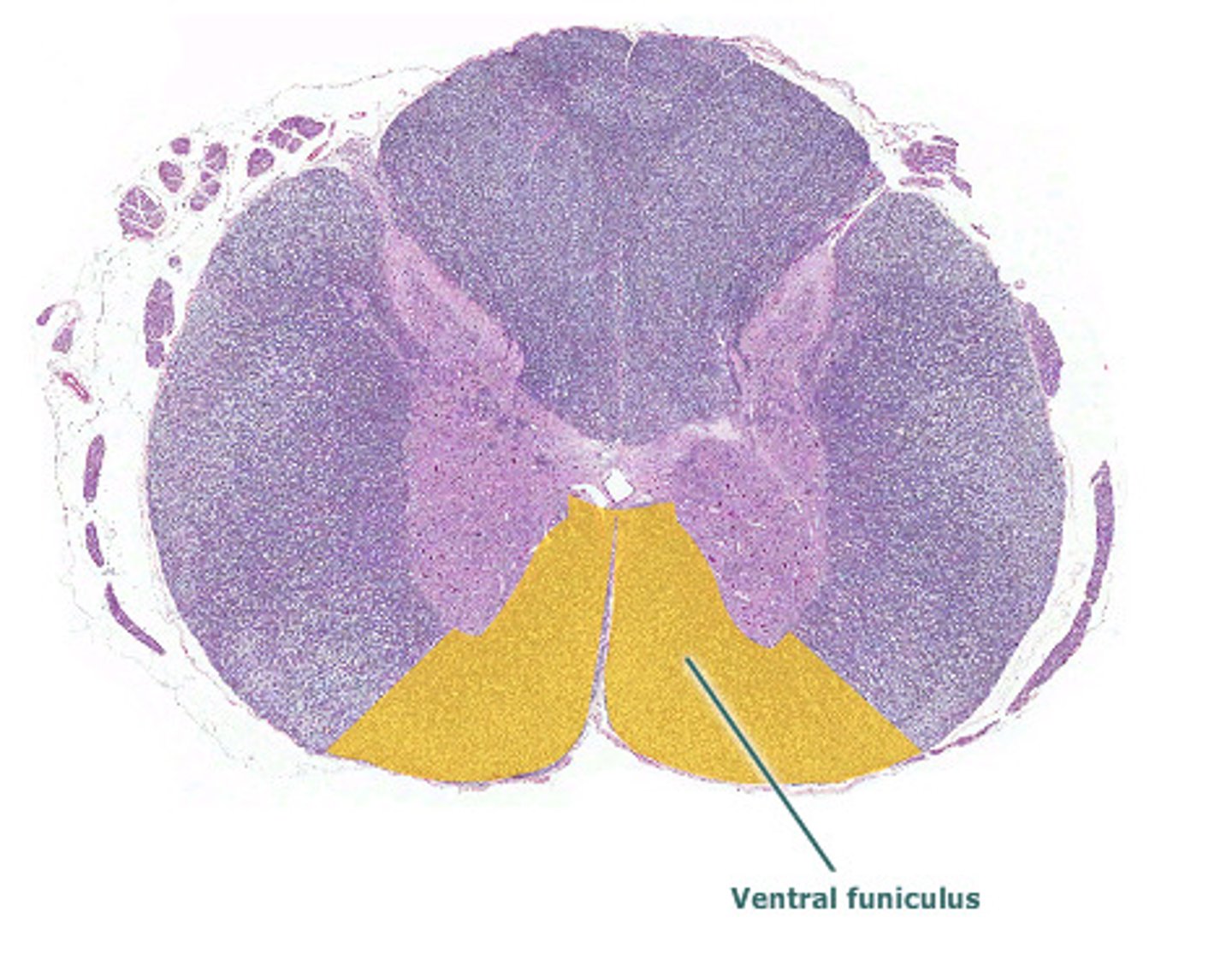
Ventral funiculus
Motor (descending)
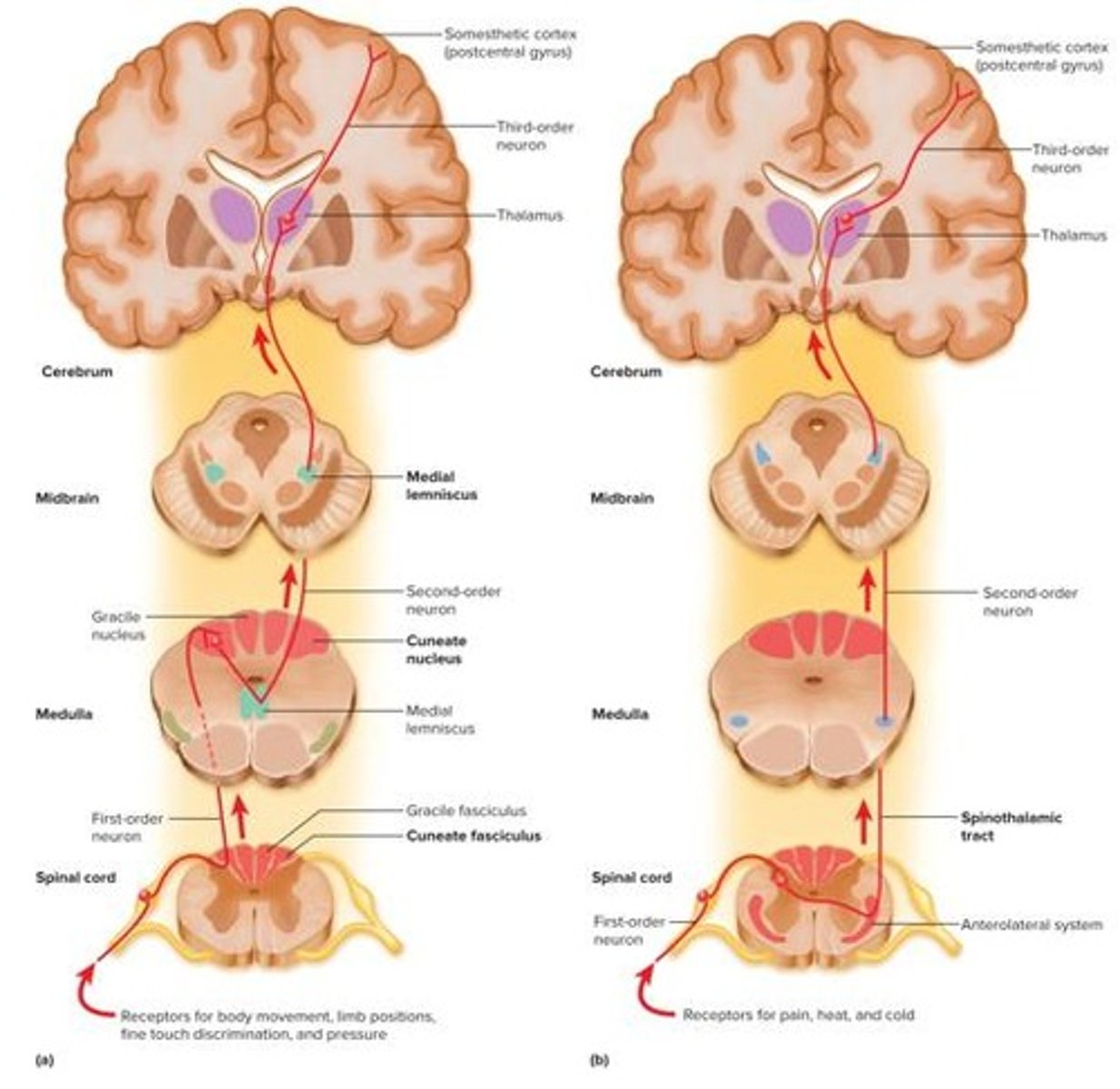
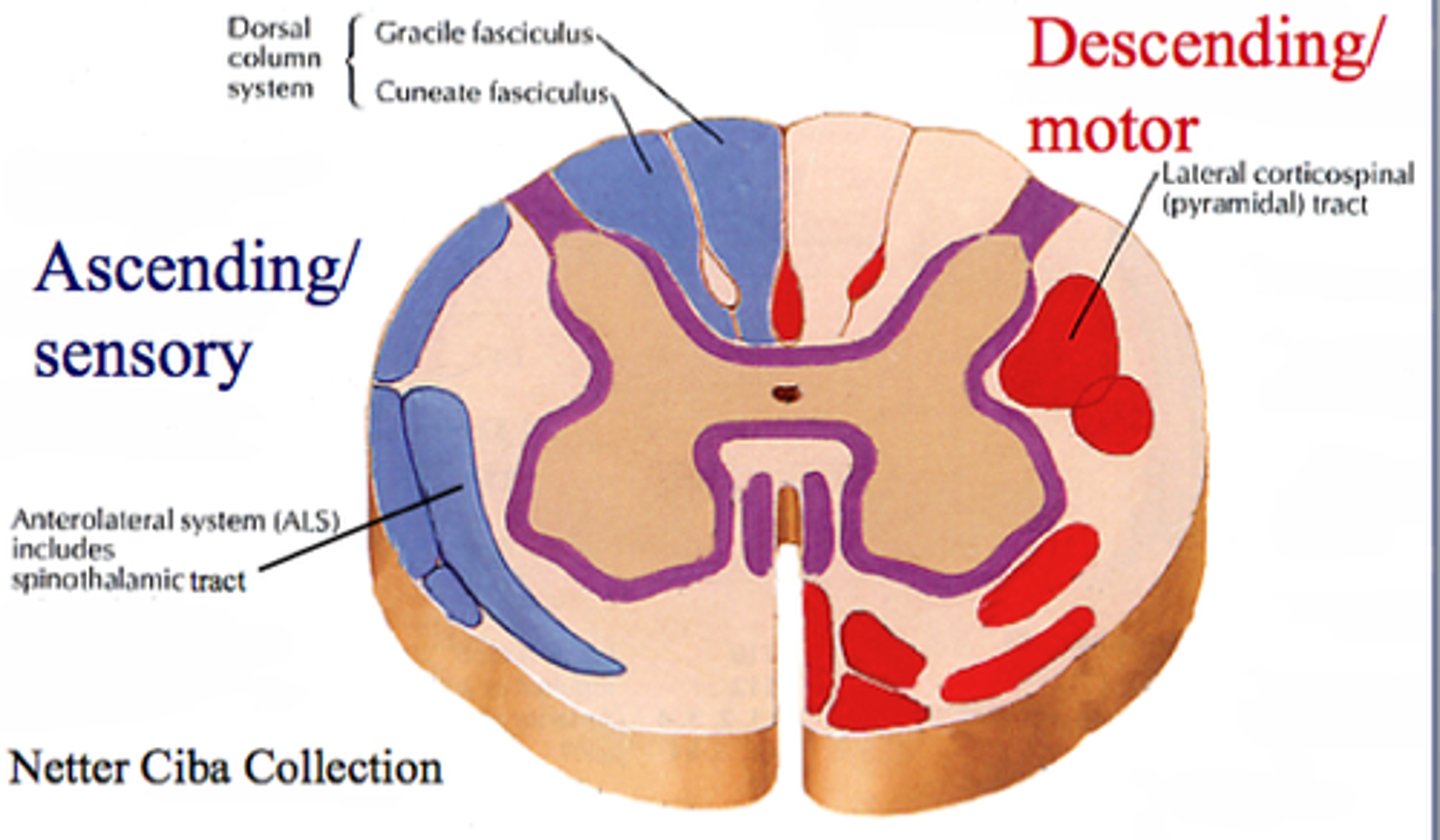
Ascending tracts
Carry sensory info to brain
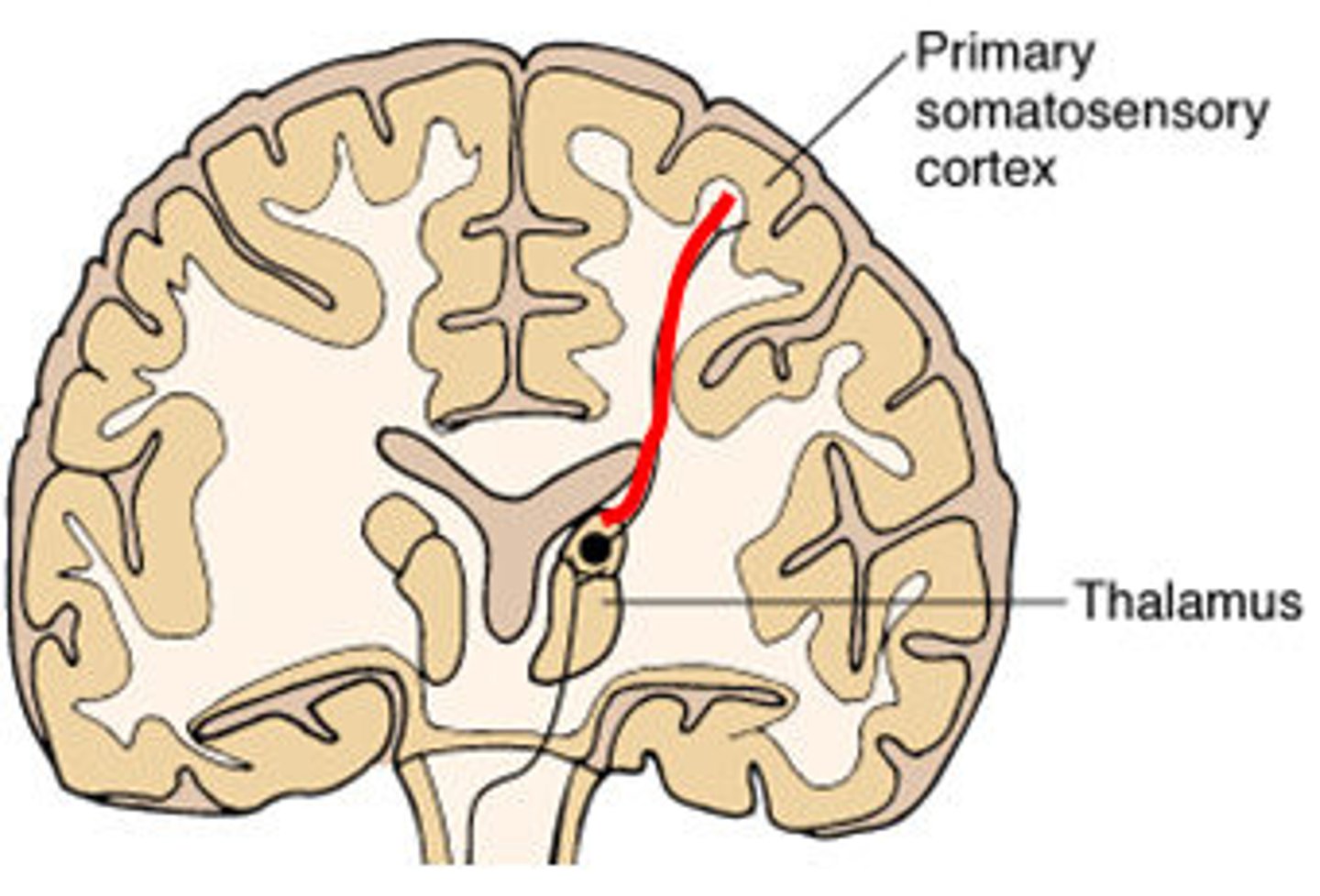
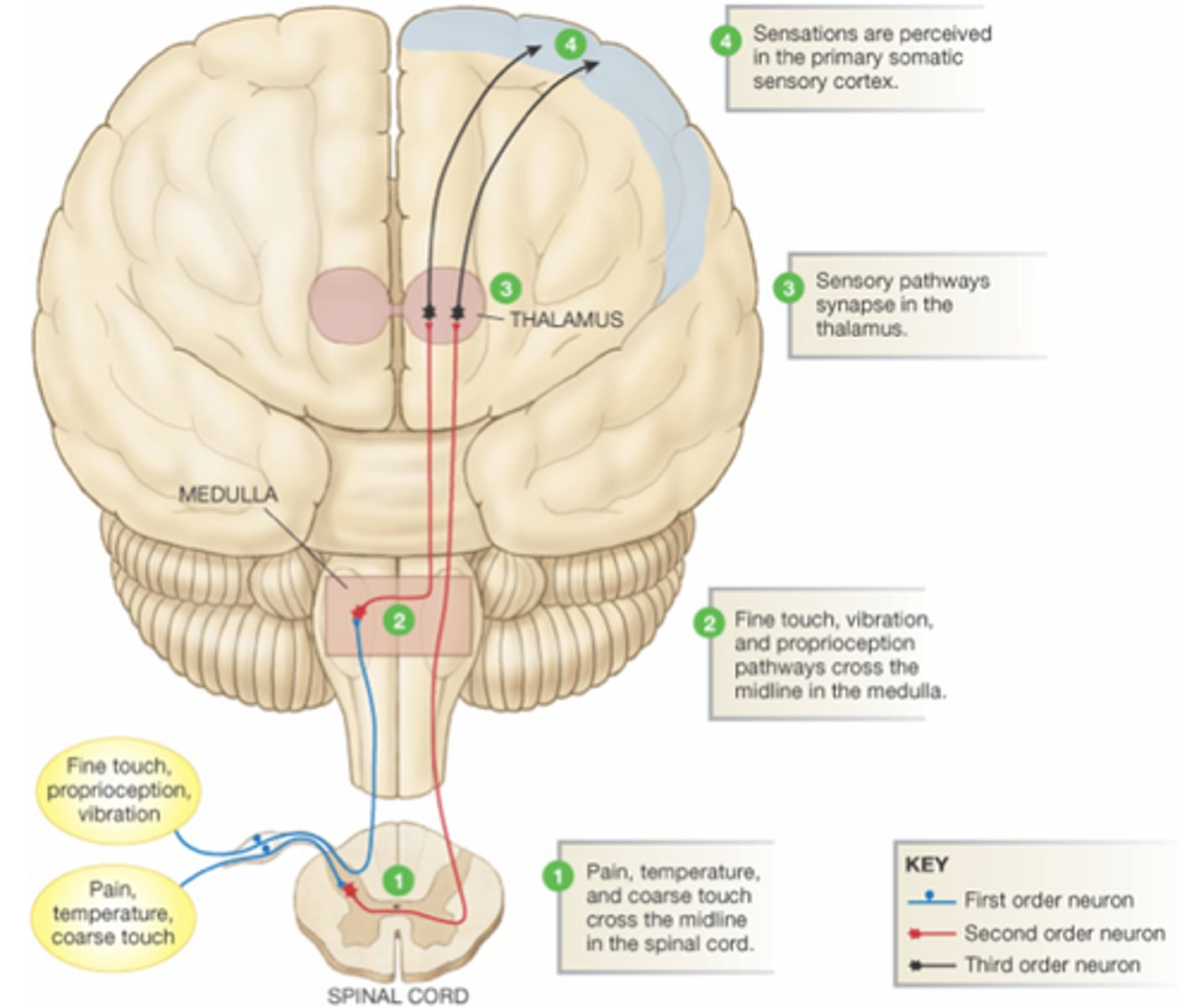
Third-order neuron
Thalamus → cortex
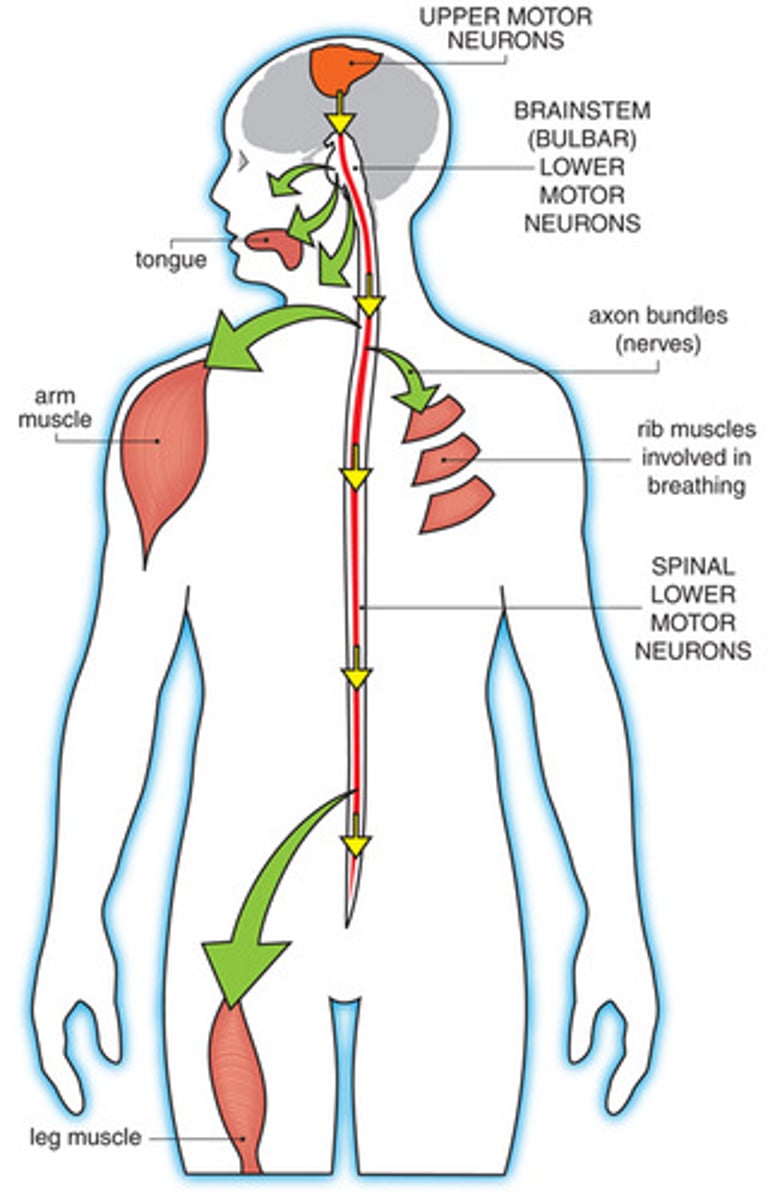
Upper motor neuron
Starts in brain → spinal cord
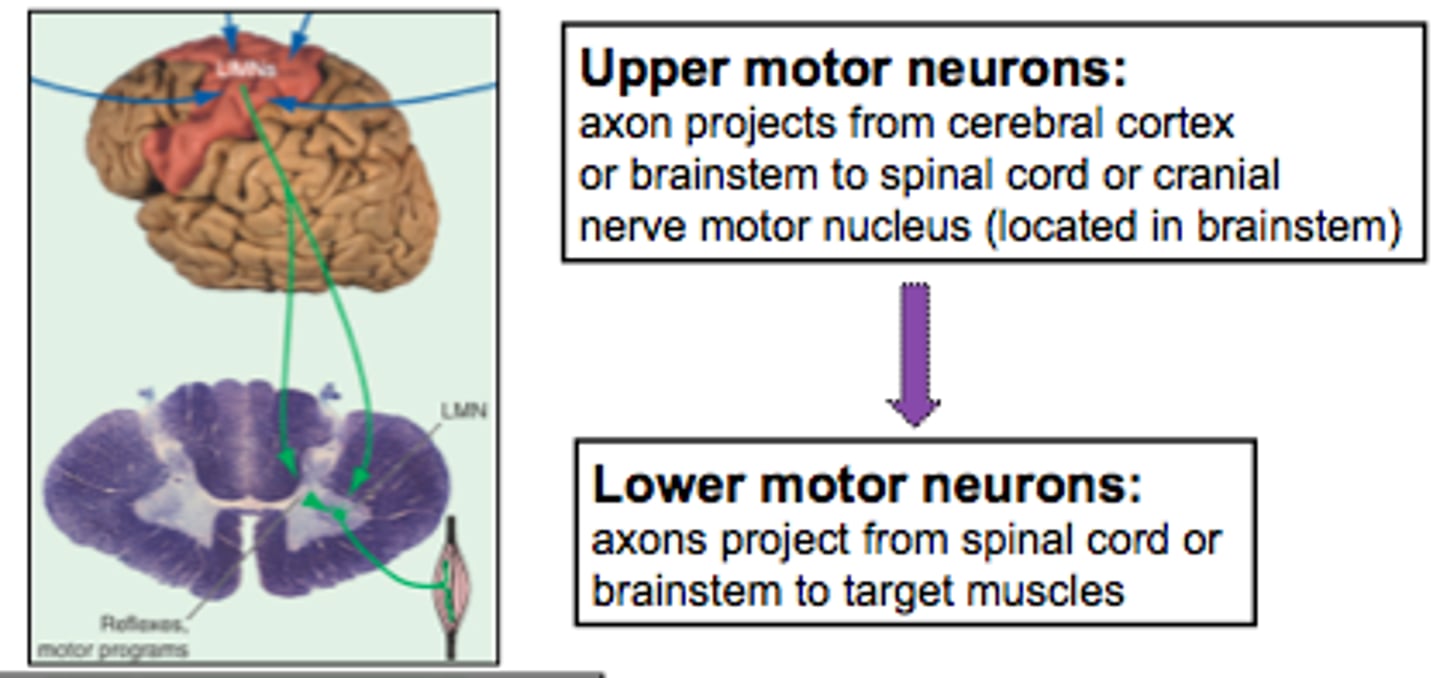
Lower motor neuron
Spinal cord → muscle
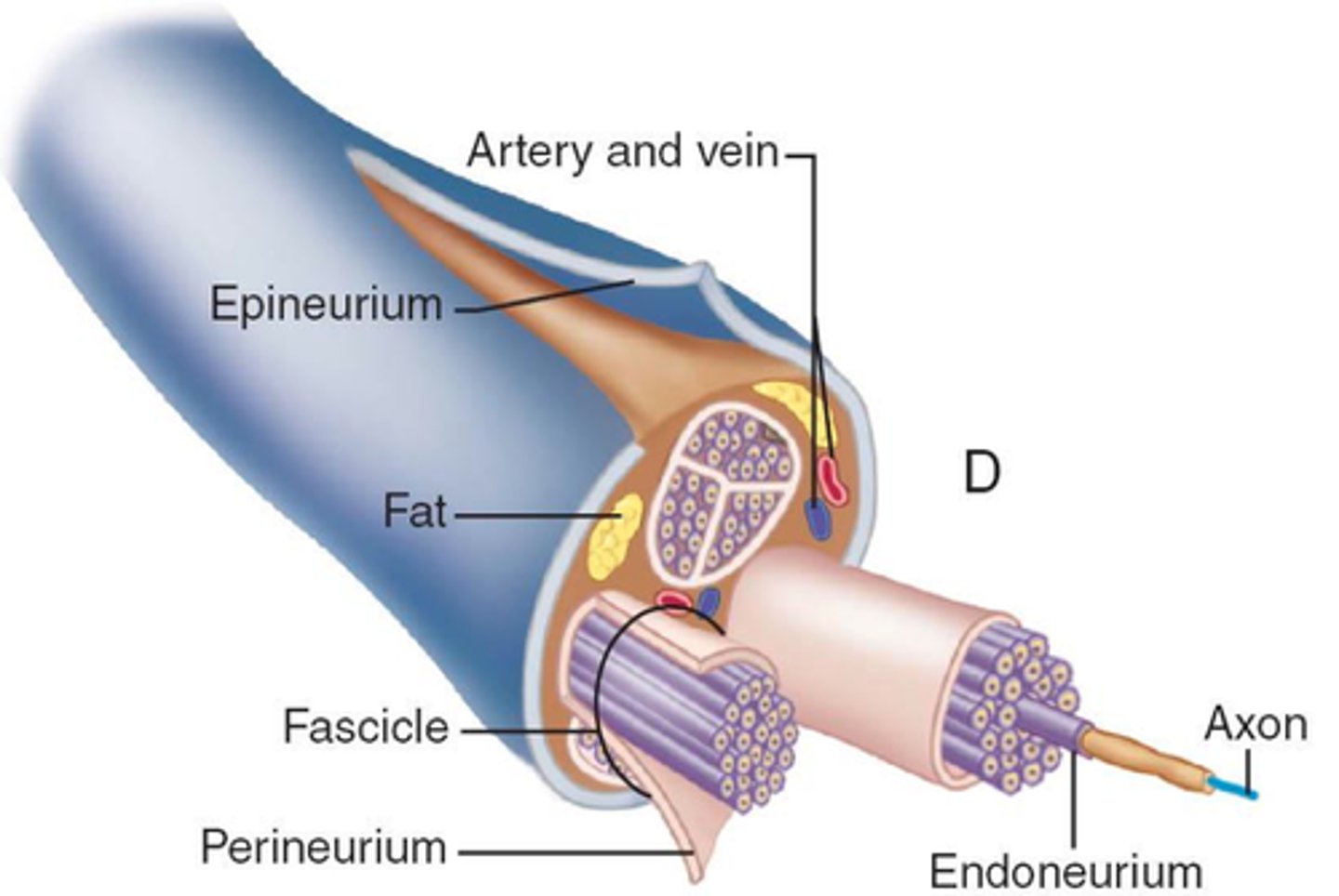
Nerve
Bundle of axons with connective tissue
Endoneurium
Wraps individual fibers
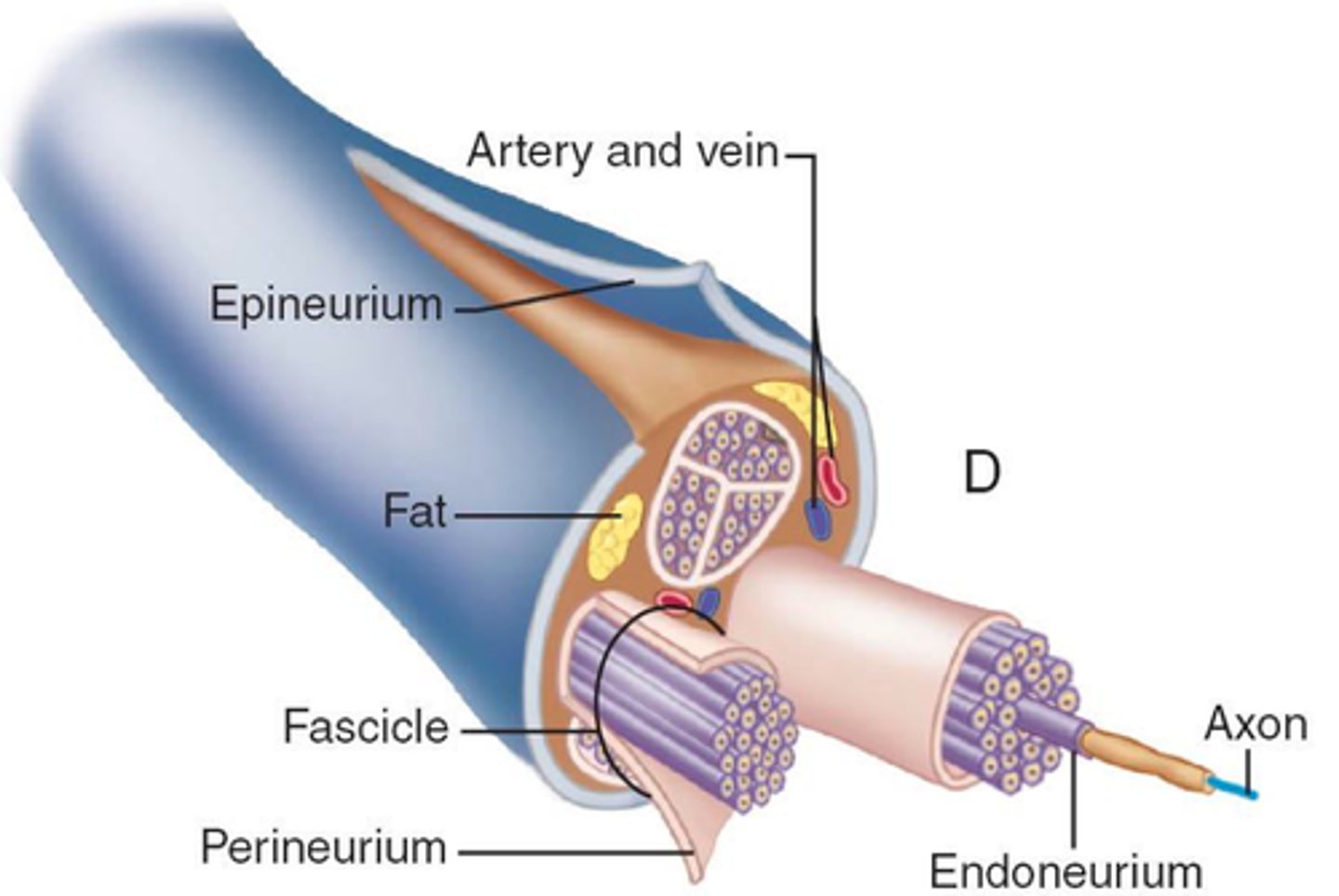
Perineurium
Wraps fascicles
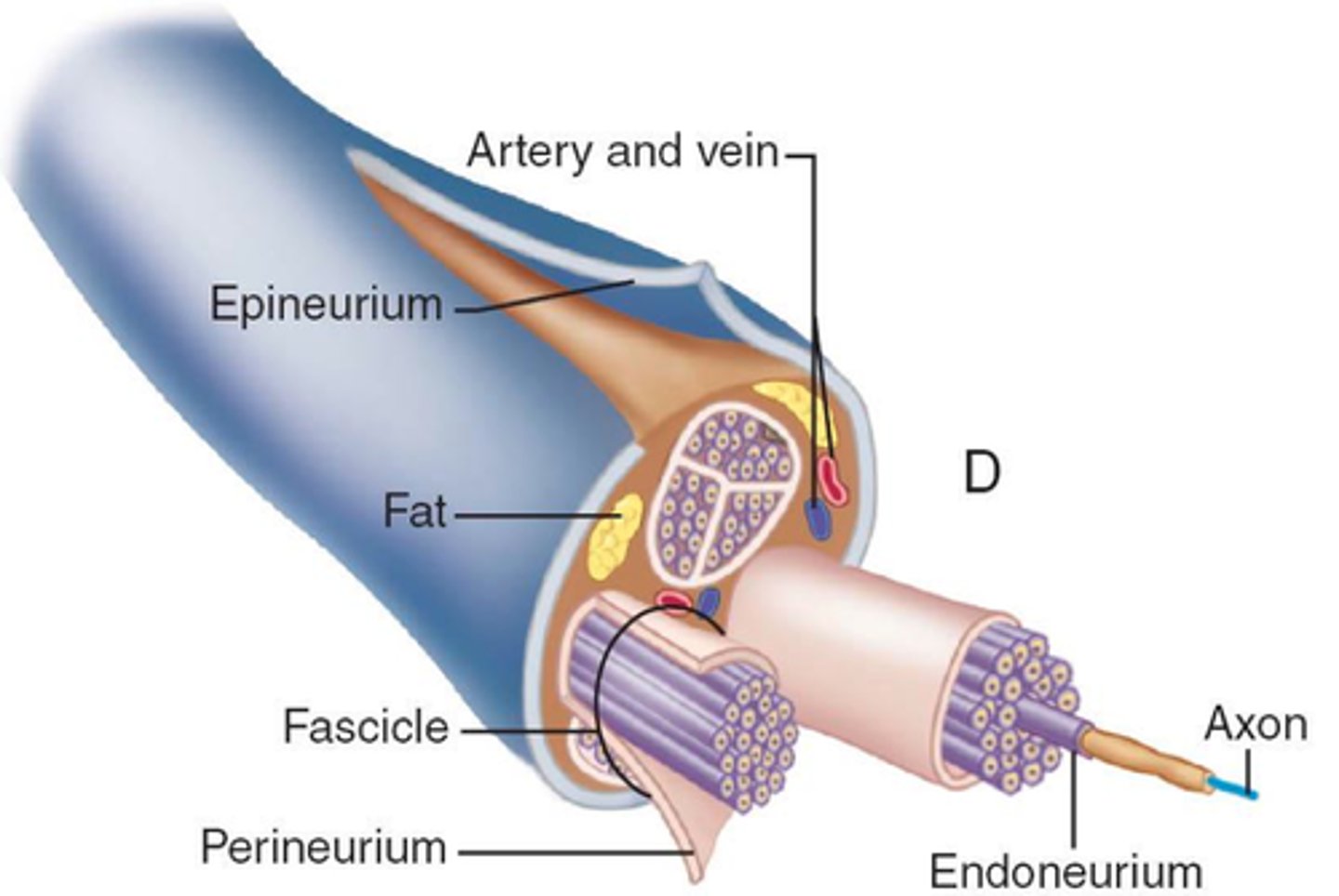
Epineurium
Wraps entire nerve
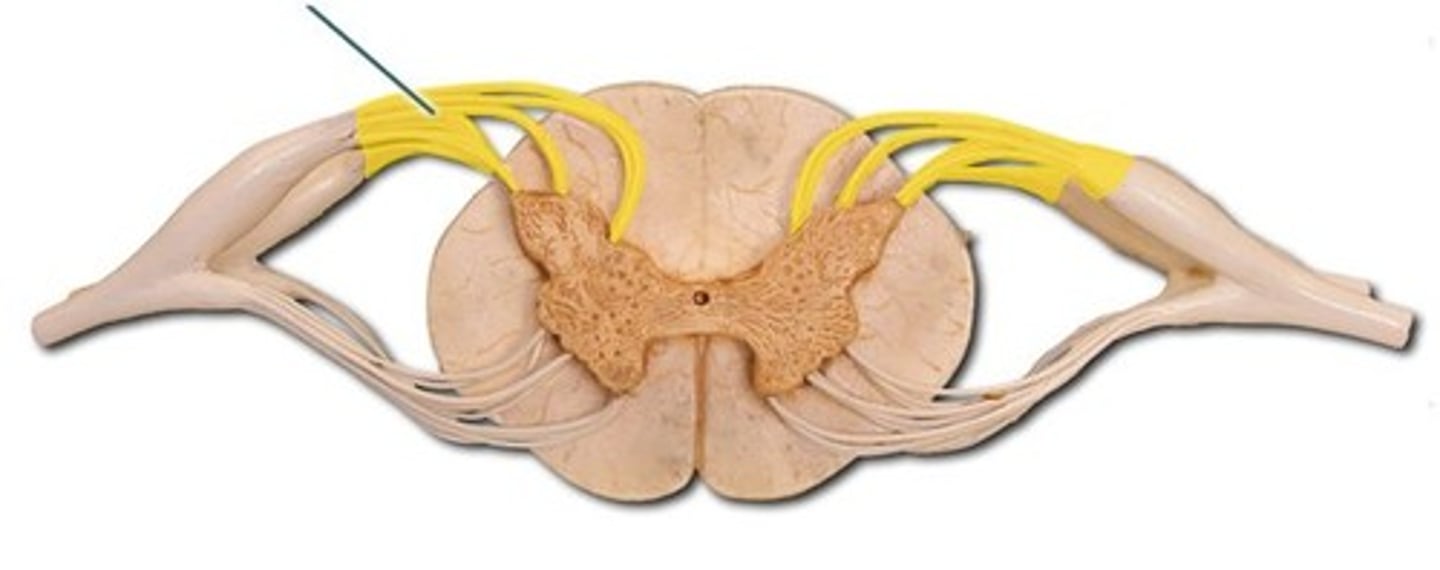
Dorsal root
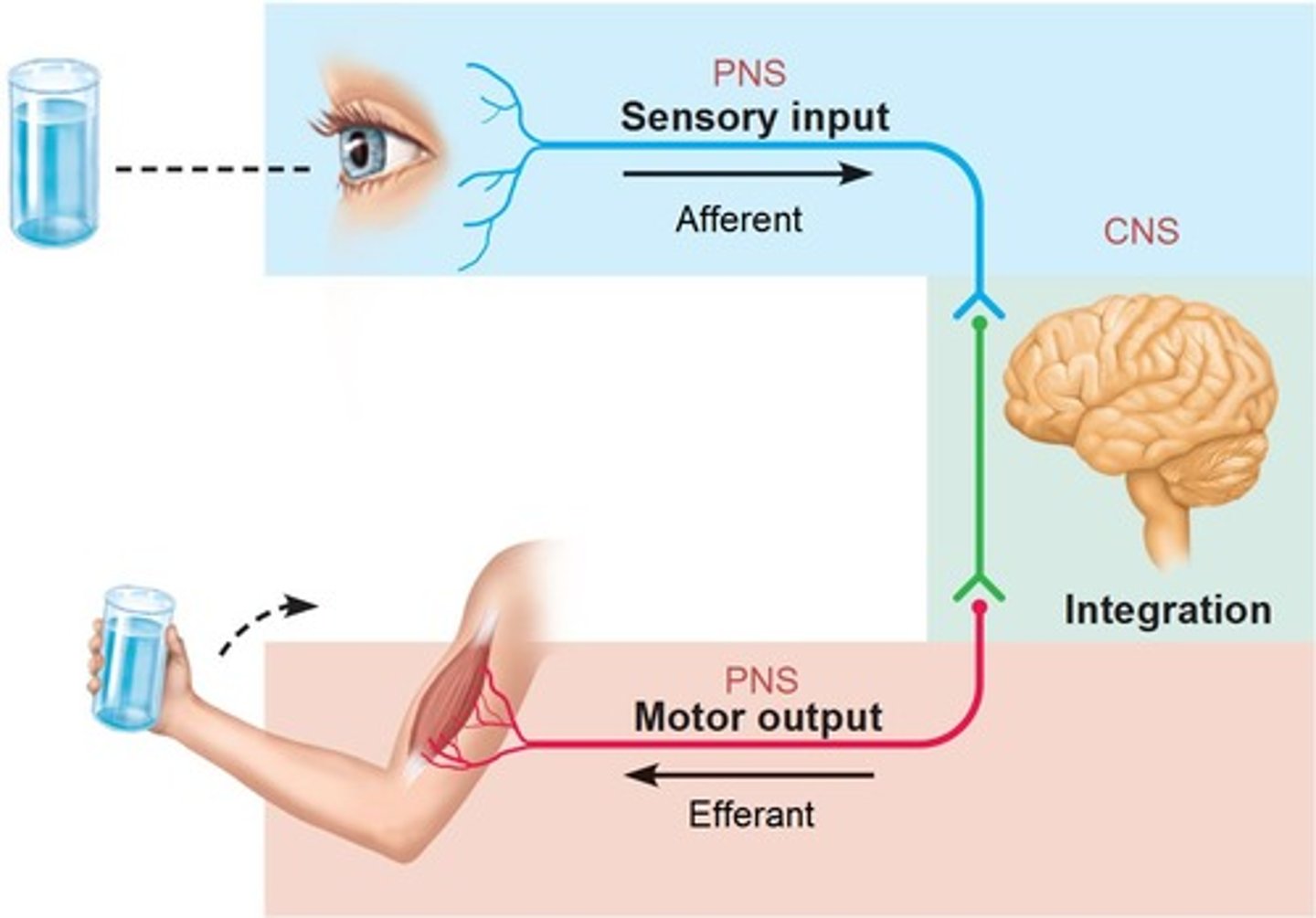
Sensory (afferent)
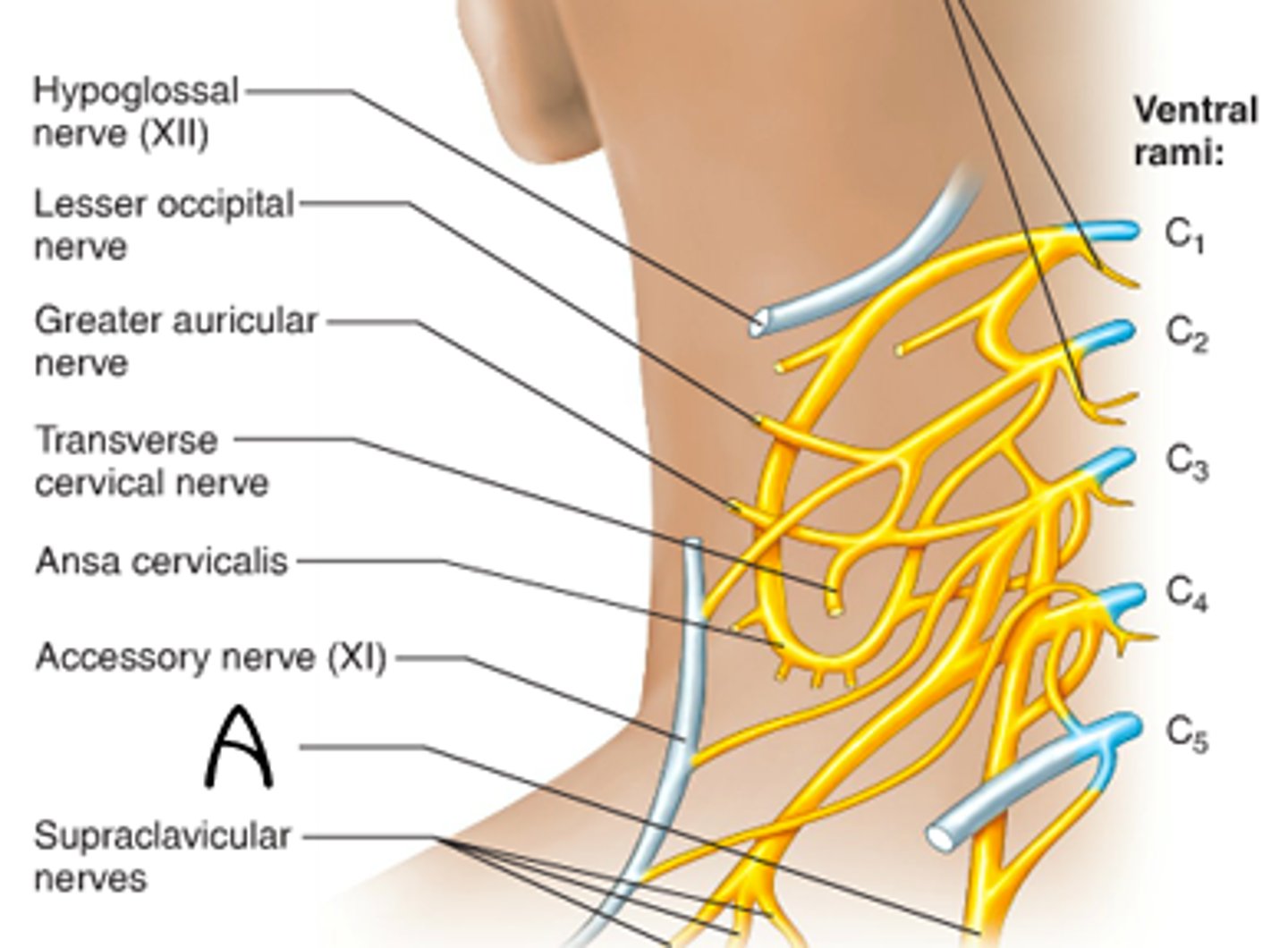
Cervical plexus
Head/neck (C1-C5)
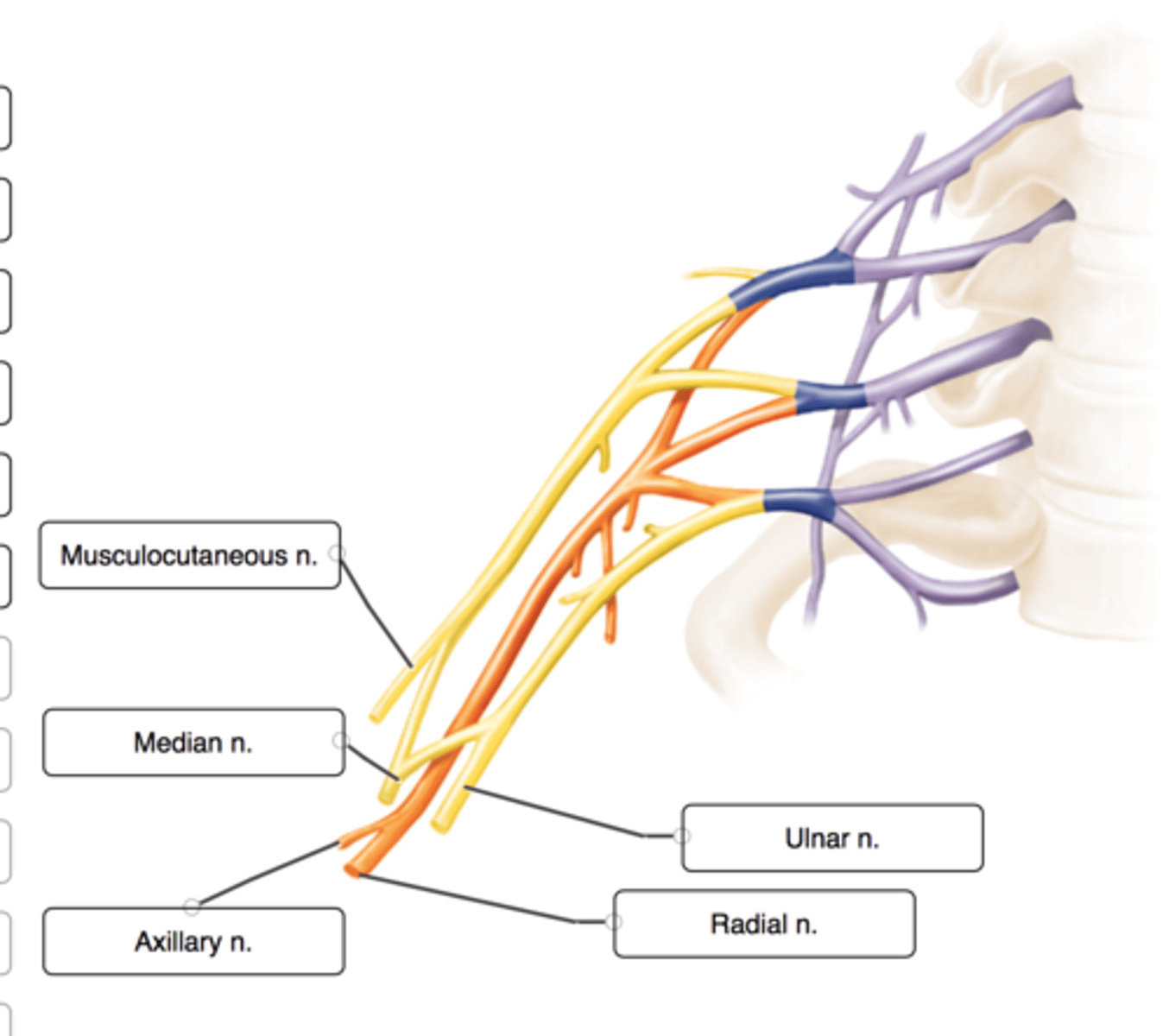
Brachial plexus
Arms (C5-T1)
Lumbar plexus
Lower abdomen/legs (L1-L4)
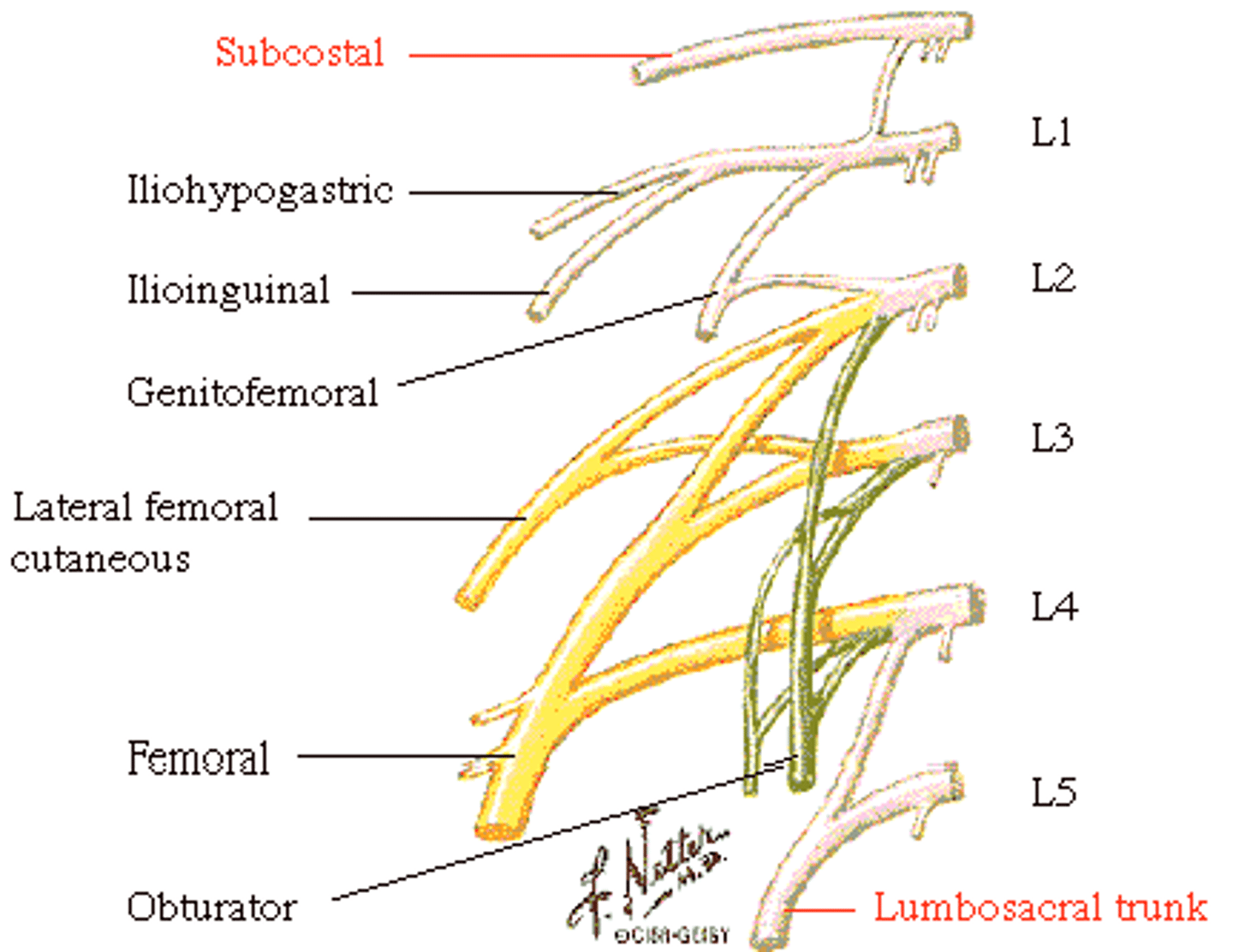
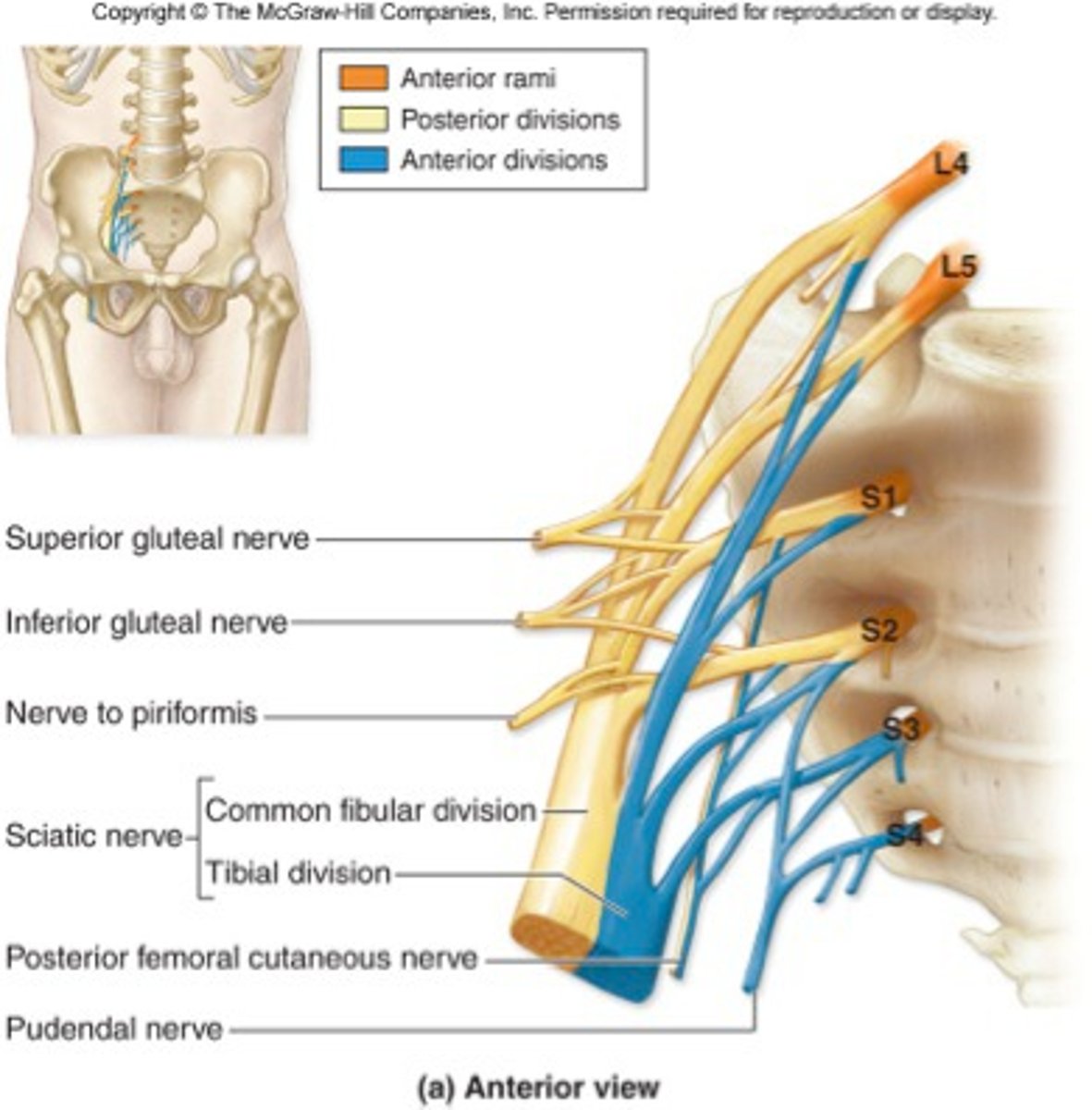
sacral plexus
Lower limbs (L4-S4), gives sciatic nerve
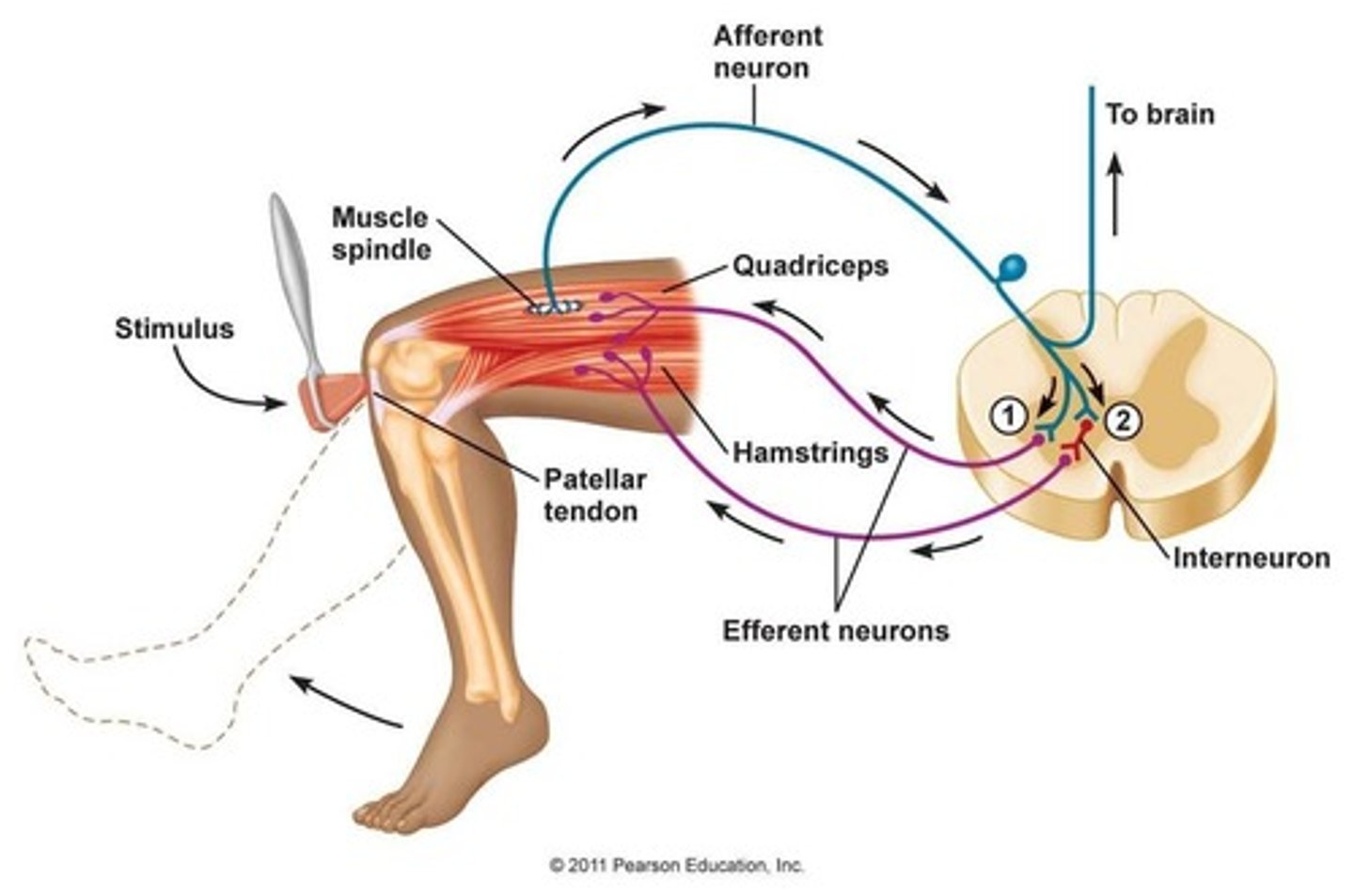
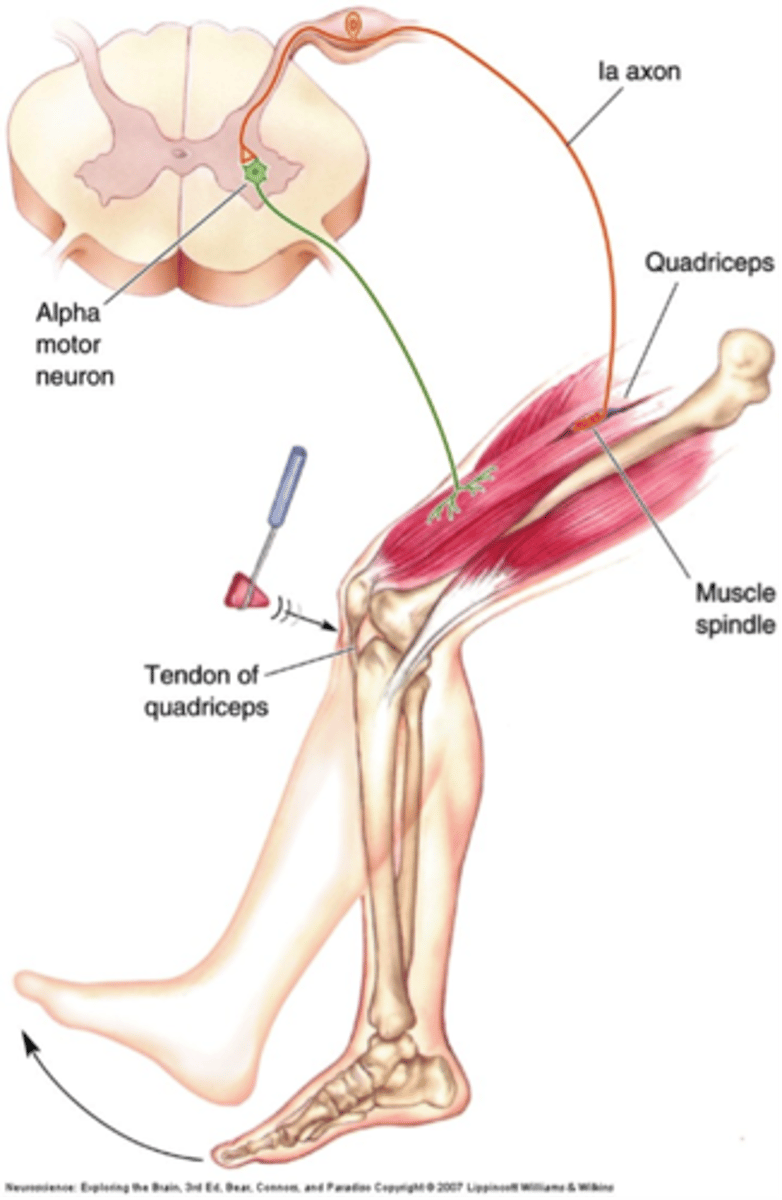
Stretch reflex
Muscle contracts when stretched
Flexor reflex
Withdrawal from pain
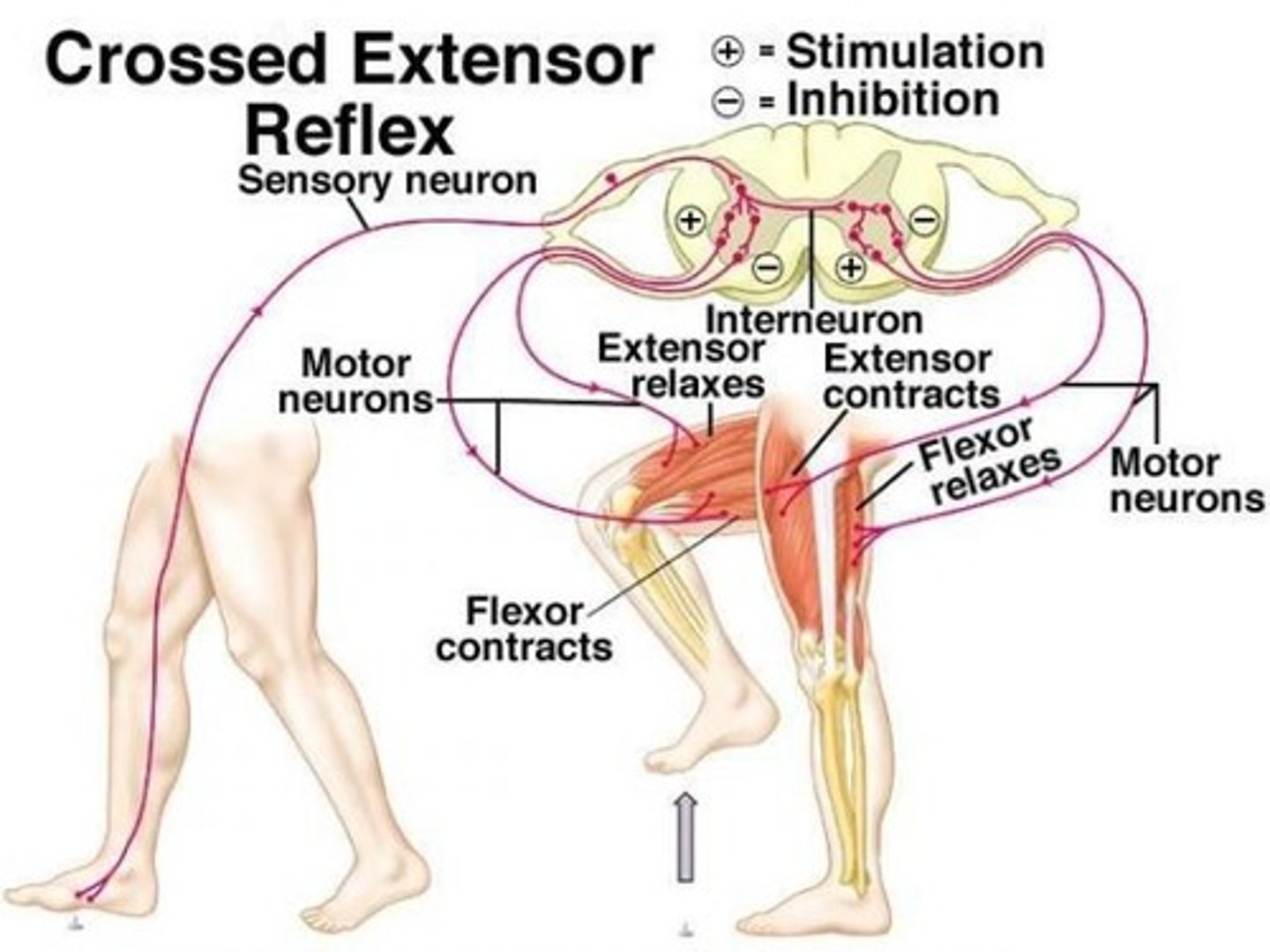
Crossed extensor reflex
Opposite limb stabilizes
Tendon reflex
Prevents muscle damage from stretch
Sensory (afferent) division
Carries signals to CNS
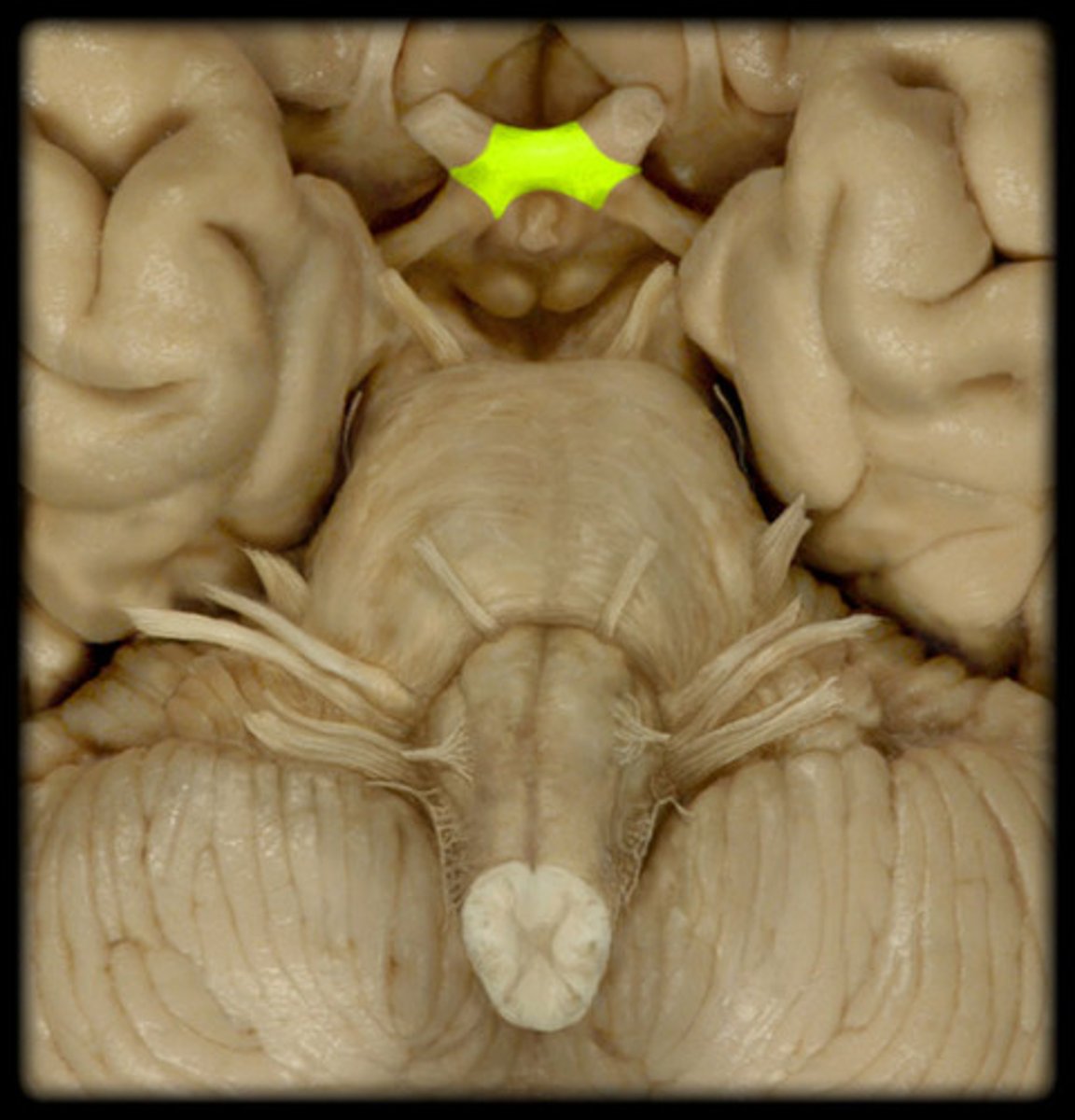
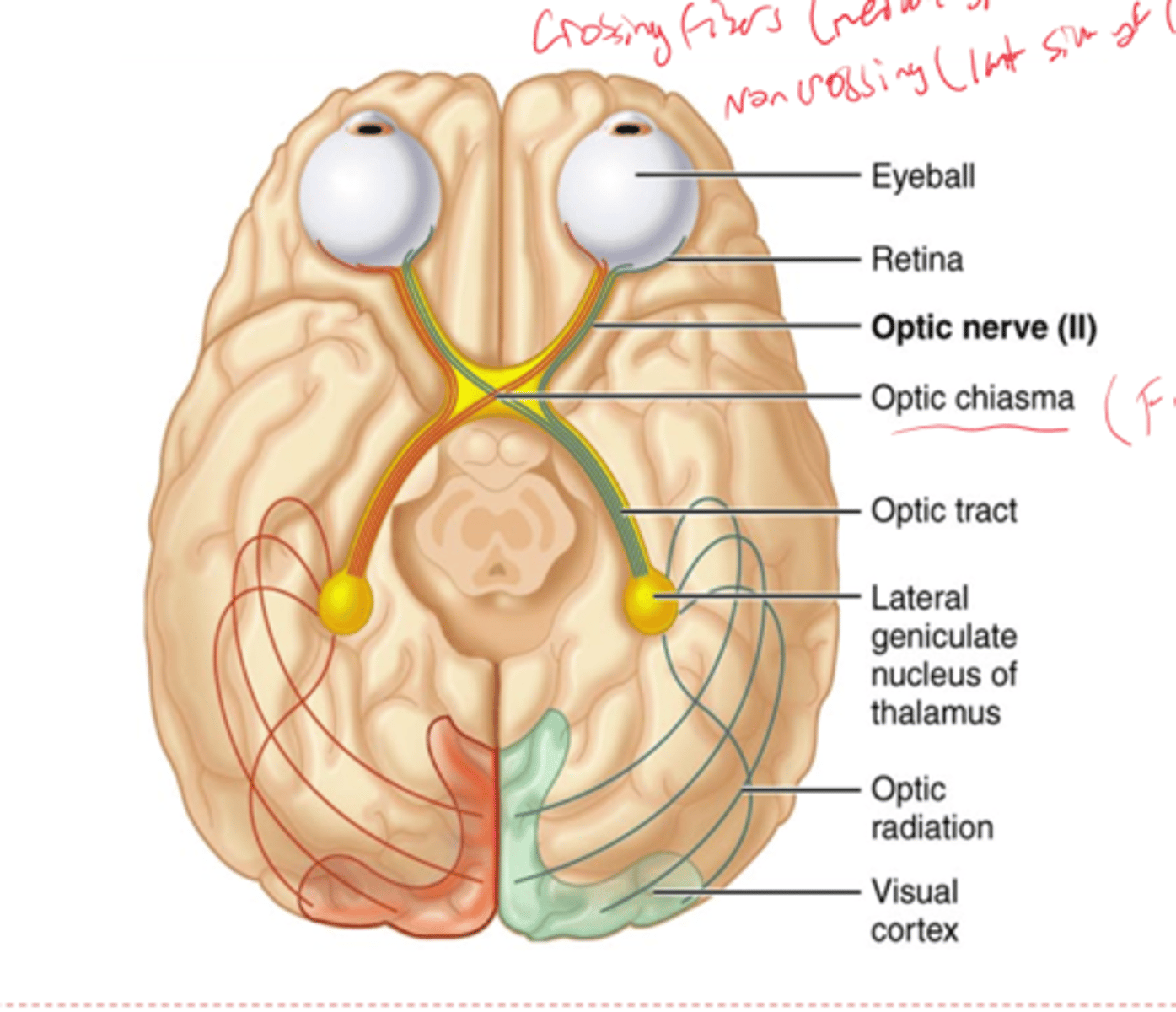
Optic chiasm
Crossing of optic nerves
Lateral geniculate nucleus
Thalamus relay for vision
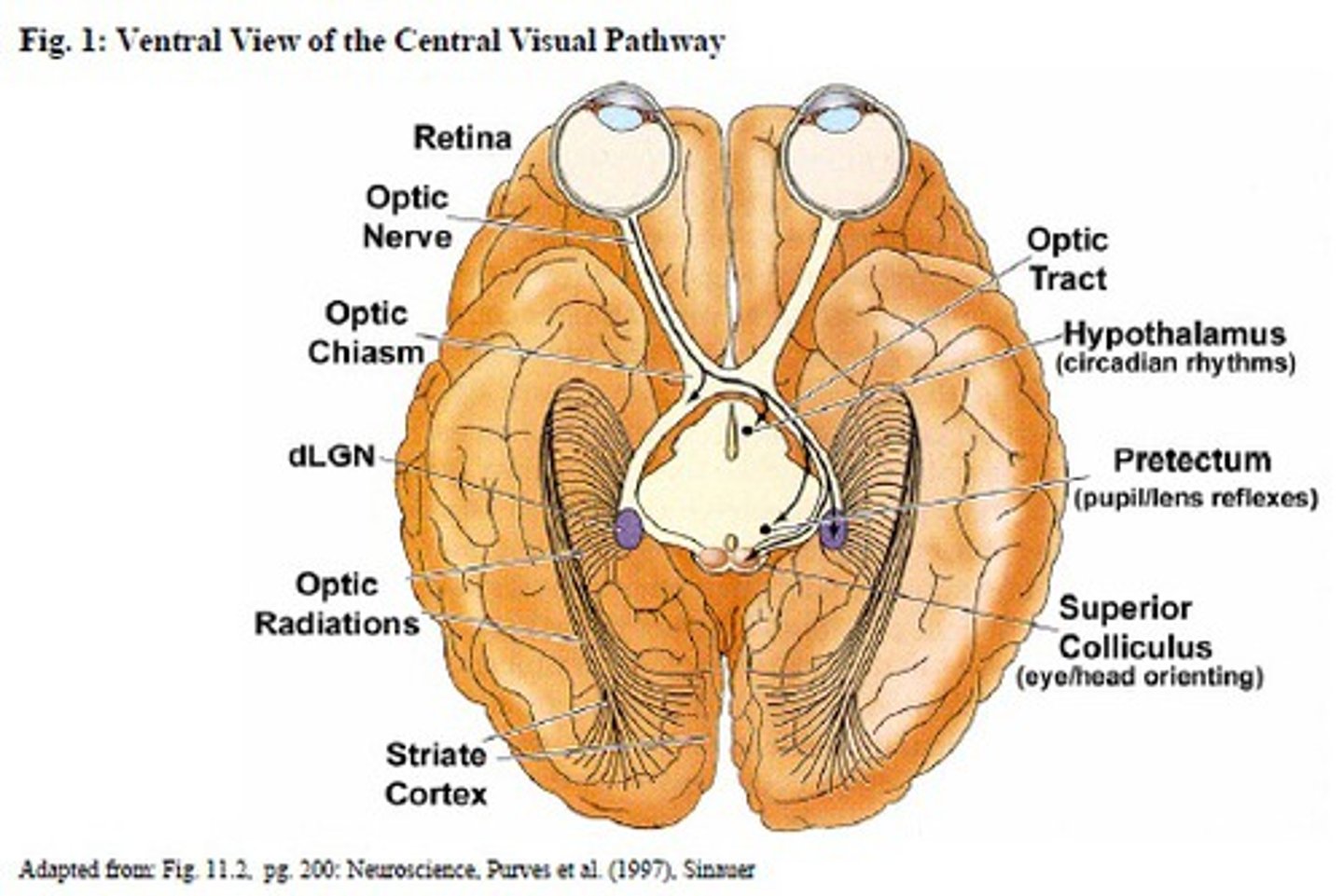
Visual cortex
Processes vision
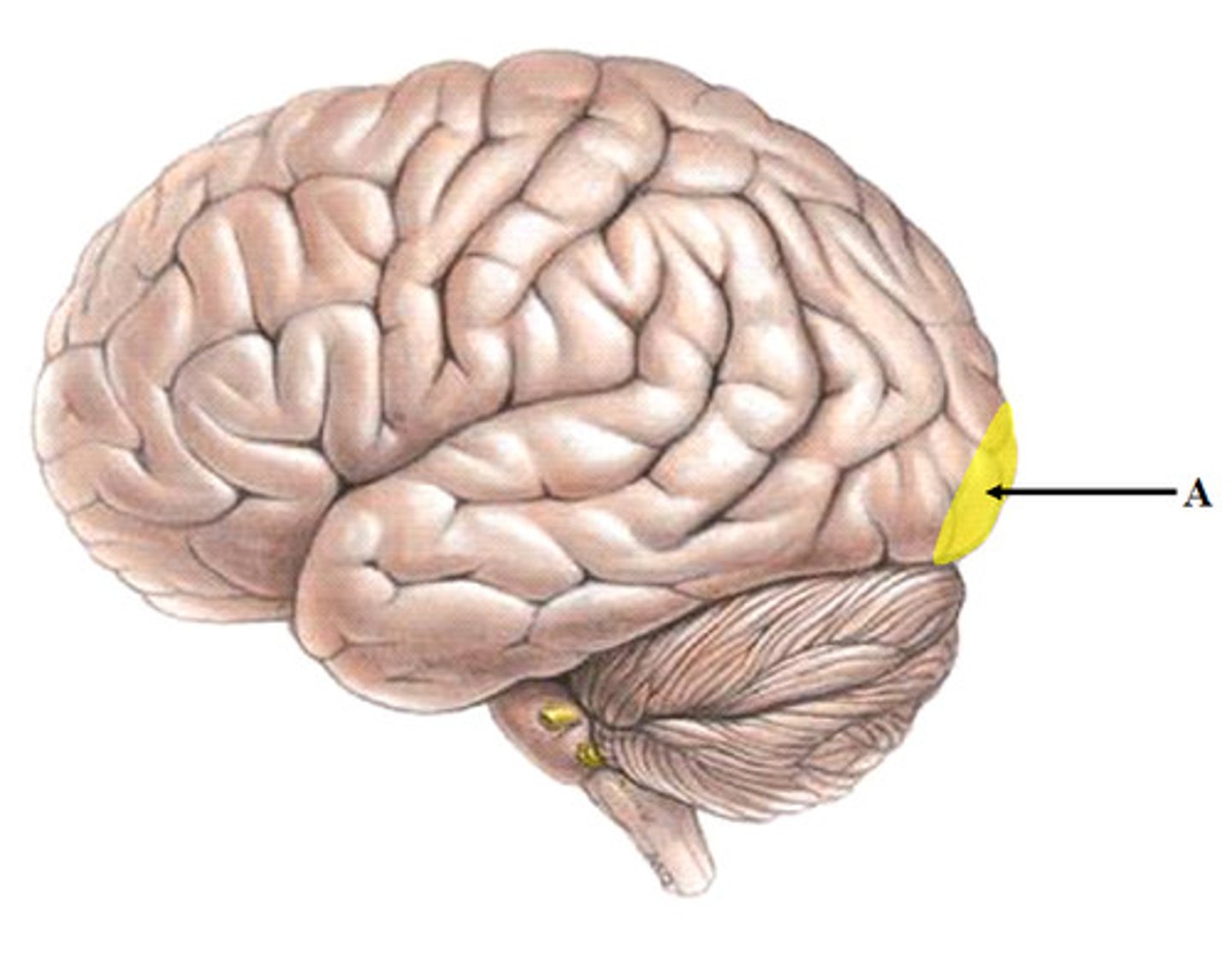
Baroreceptors
Detect blood pressure
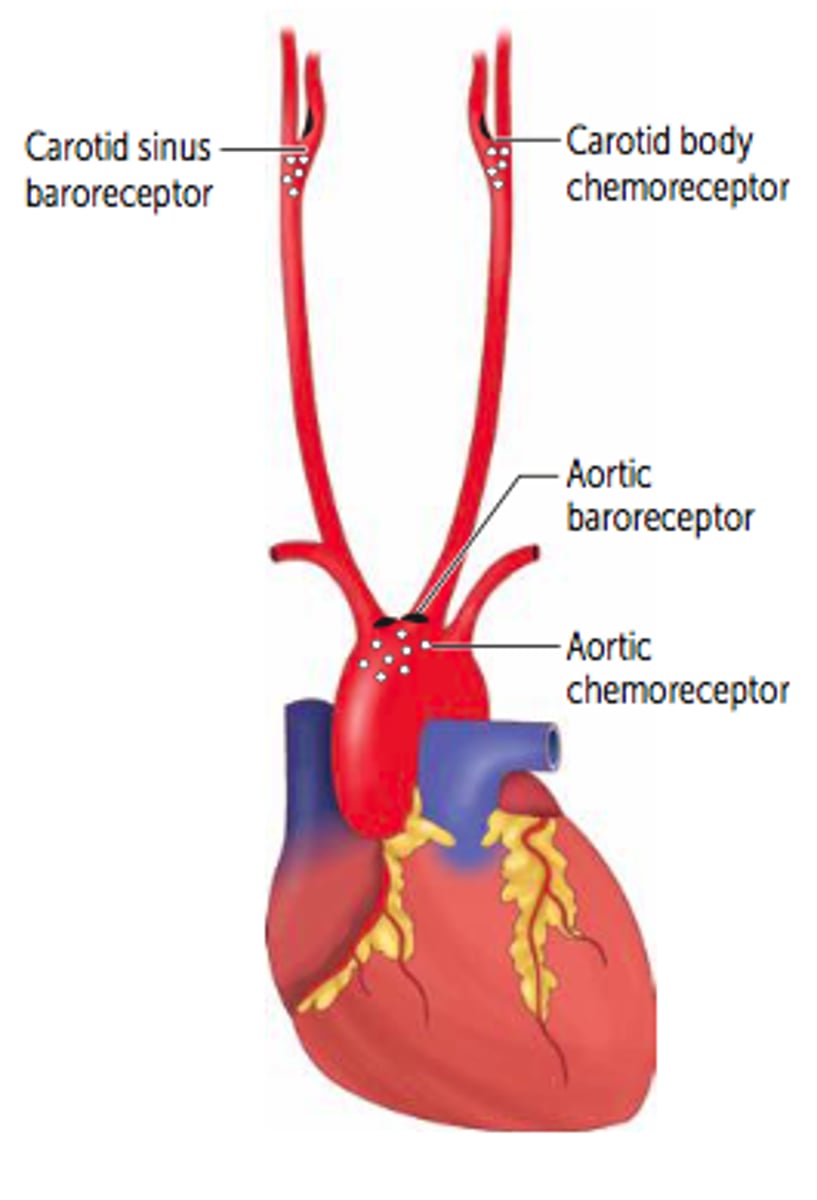
Vagus nerve role
Lowers heart rate
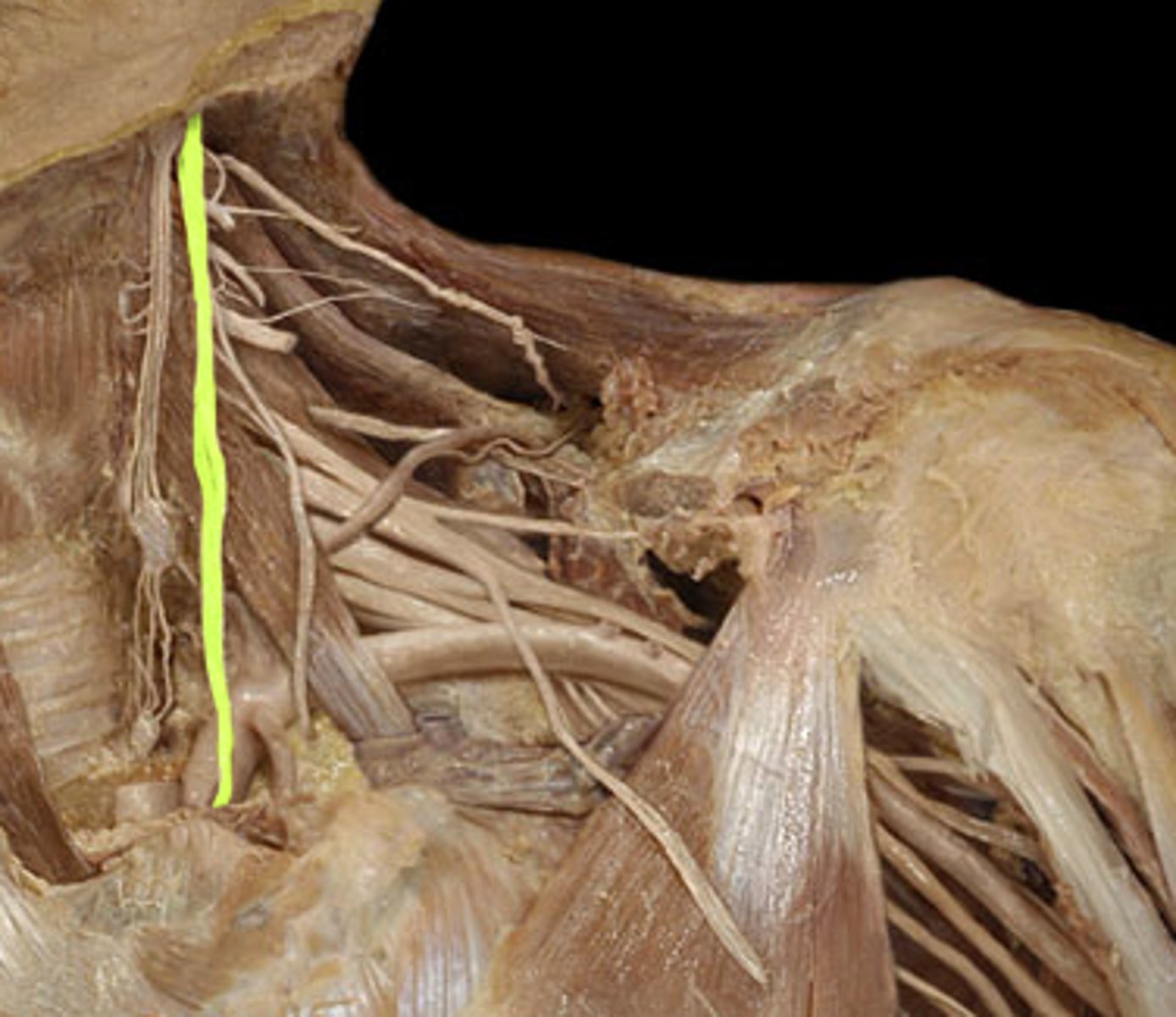
Free nerve endings
Pain/temp
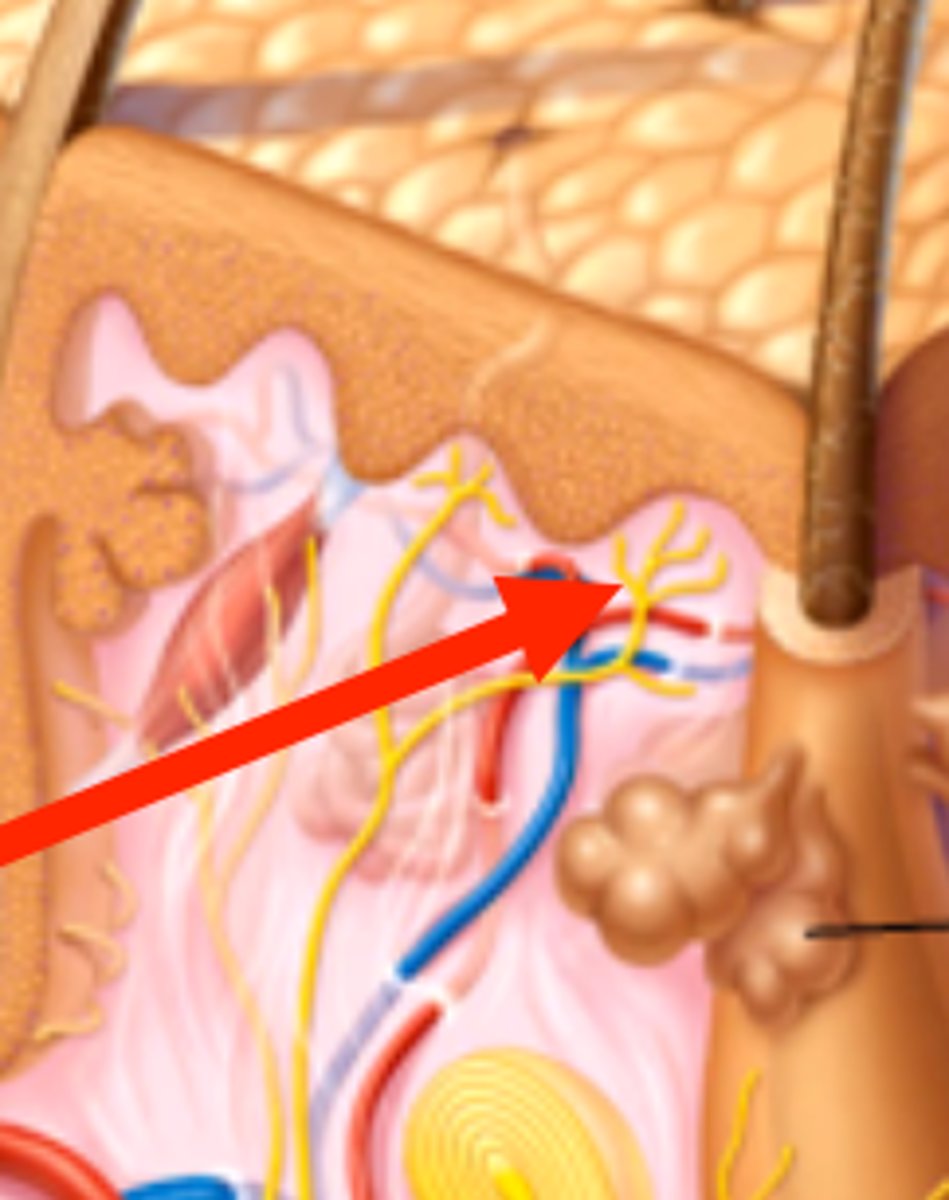
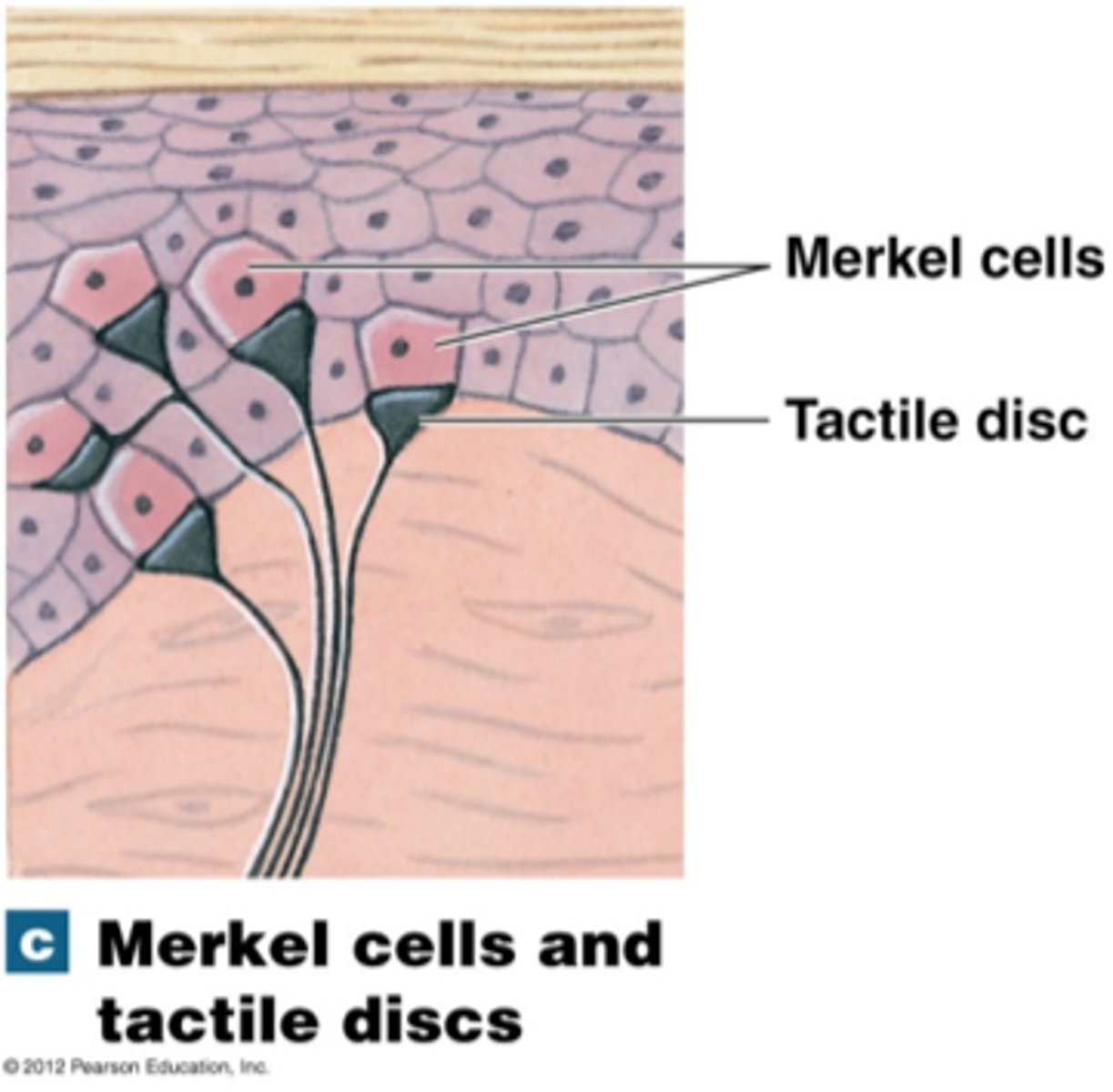
Merkel discs
Light touch
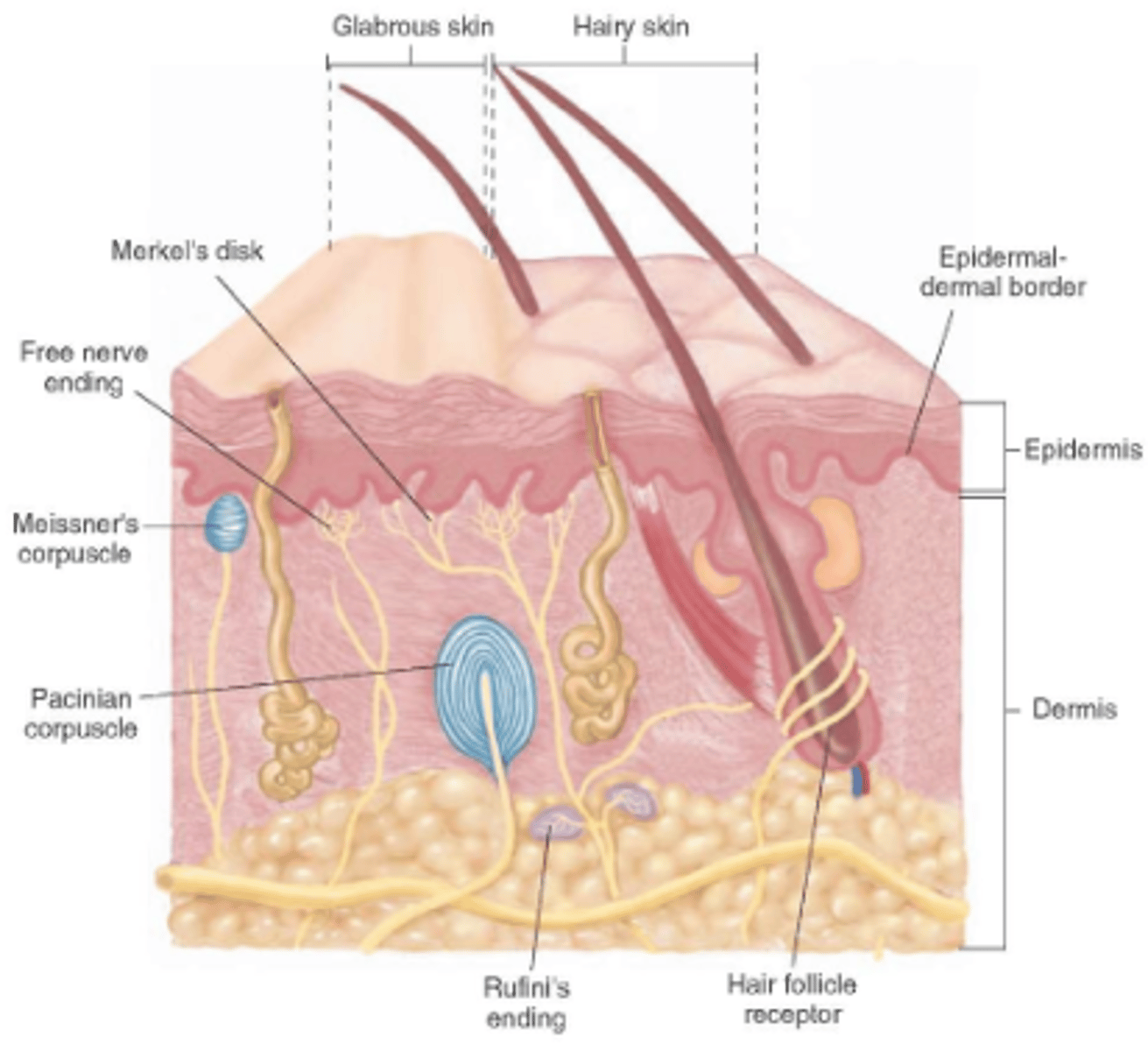
Meissner corpuscles
Light touch/texture
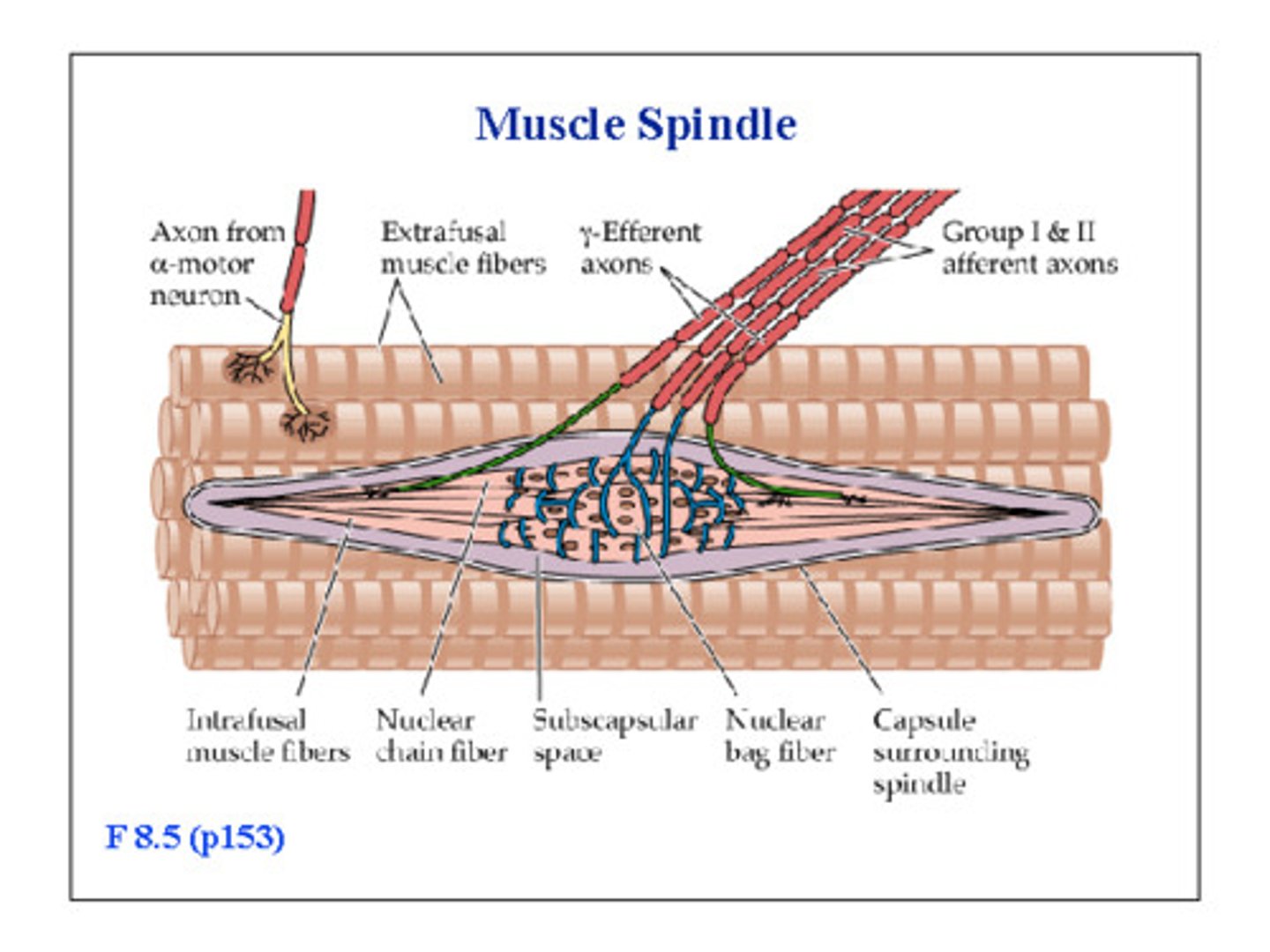
Muscle spindles
Detect stretch
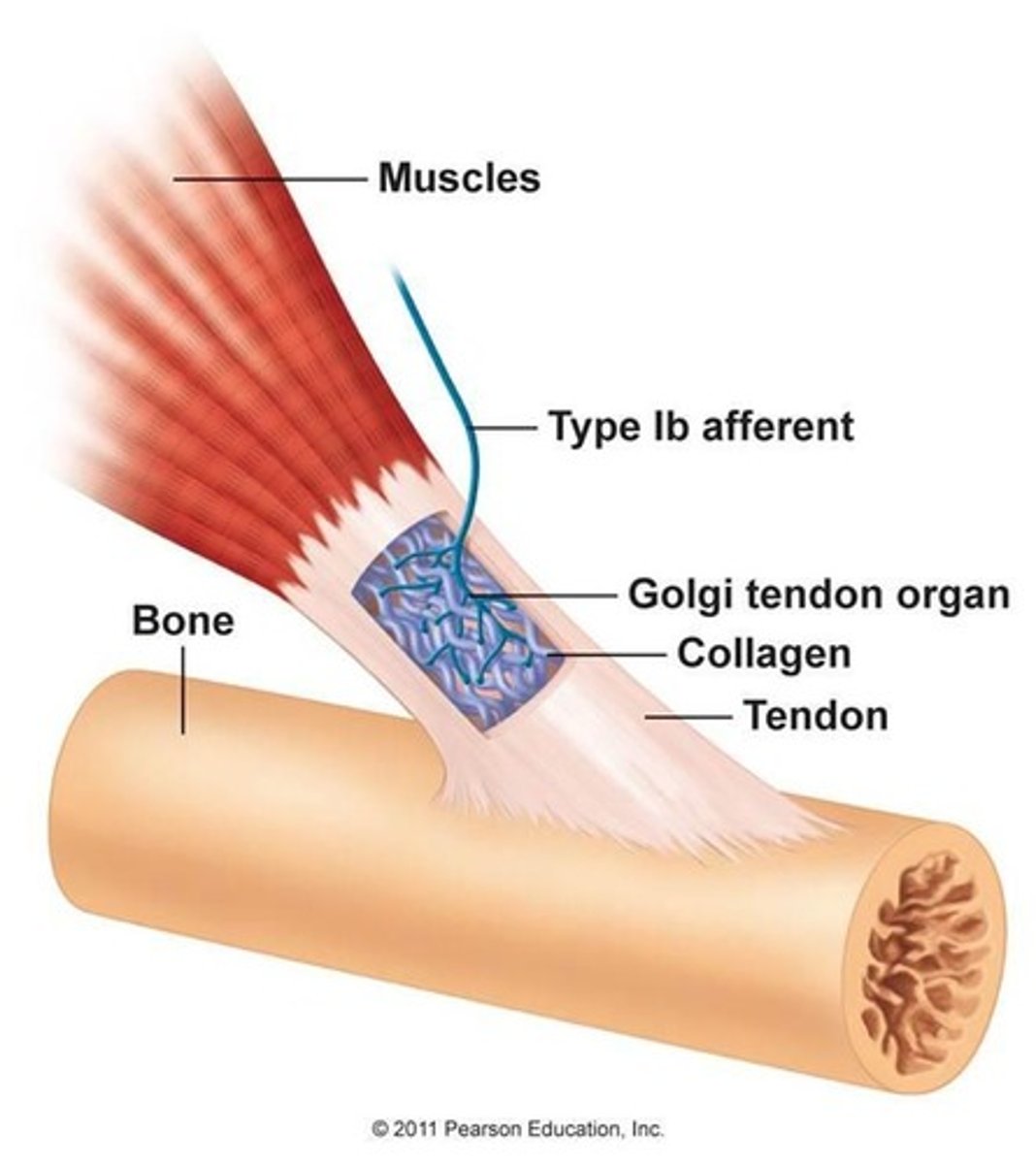
Golgi tendon organs
Detect tendon tension
Corticospinal tract
Controls voluntary movement
Autonomic nervous system
Controls organs/glands
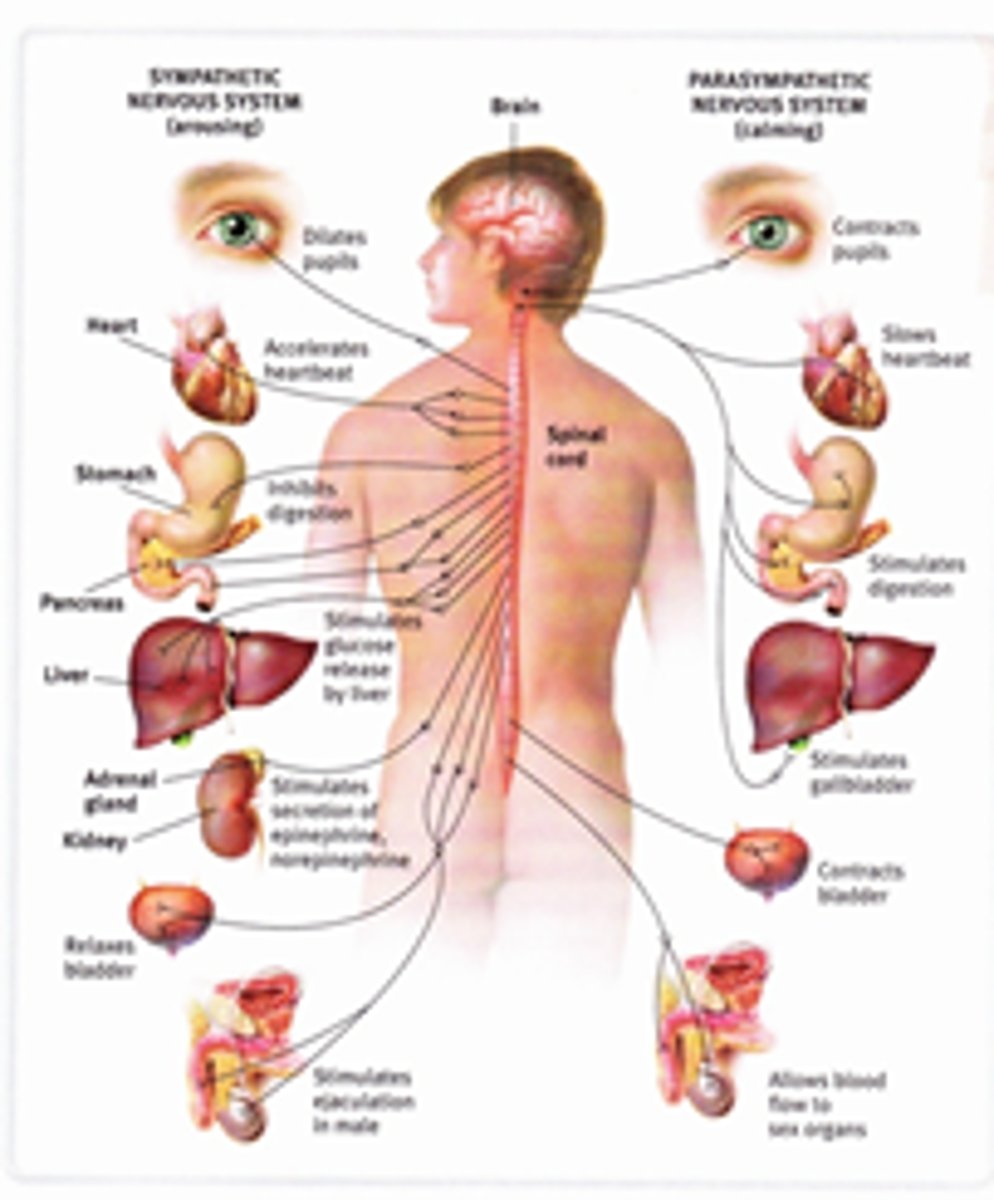
Sympathetic division
Fight or flight
Parasympathetic division
Rest and digest
Parasympathetic effects
↓HR, ↑digestion, energy conservation
CN I Olfactory Nerve
Olfactory (smell)
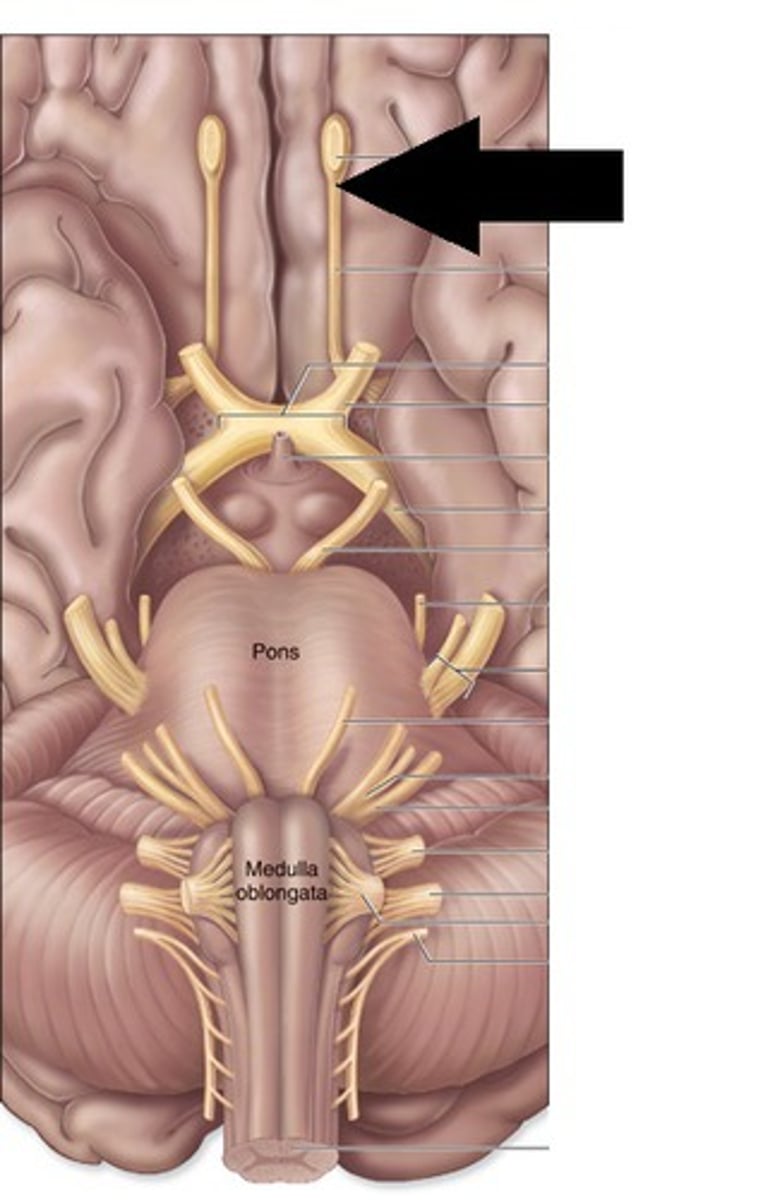
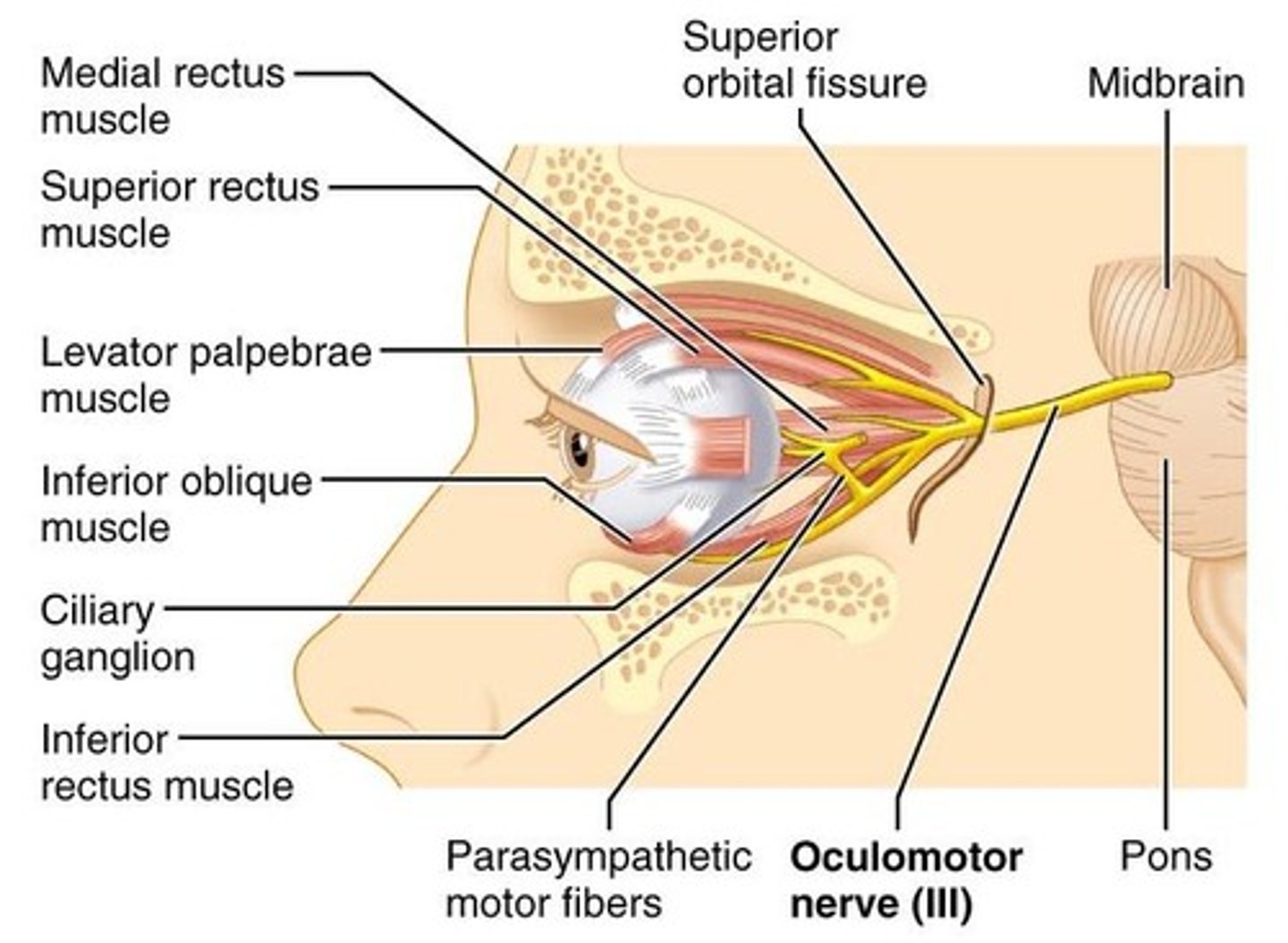
CN III Oculomotor
Eye movement, pupil
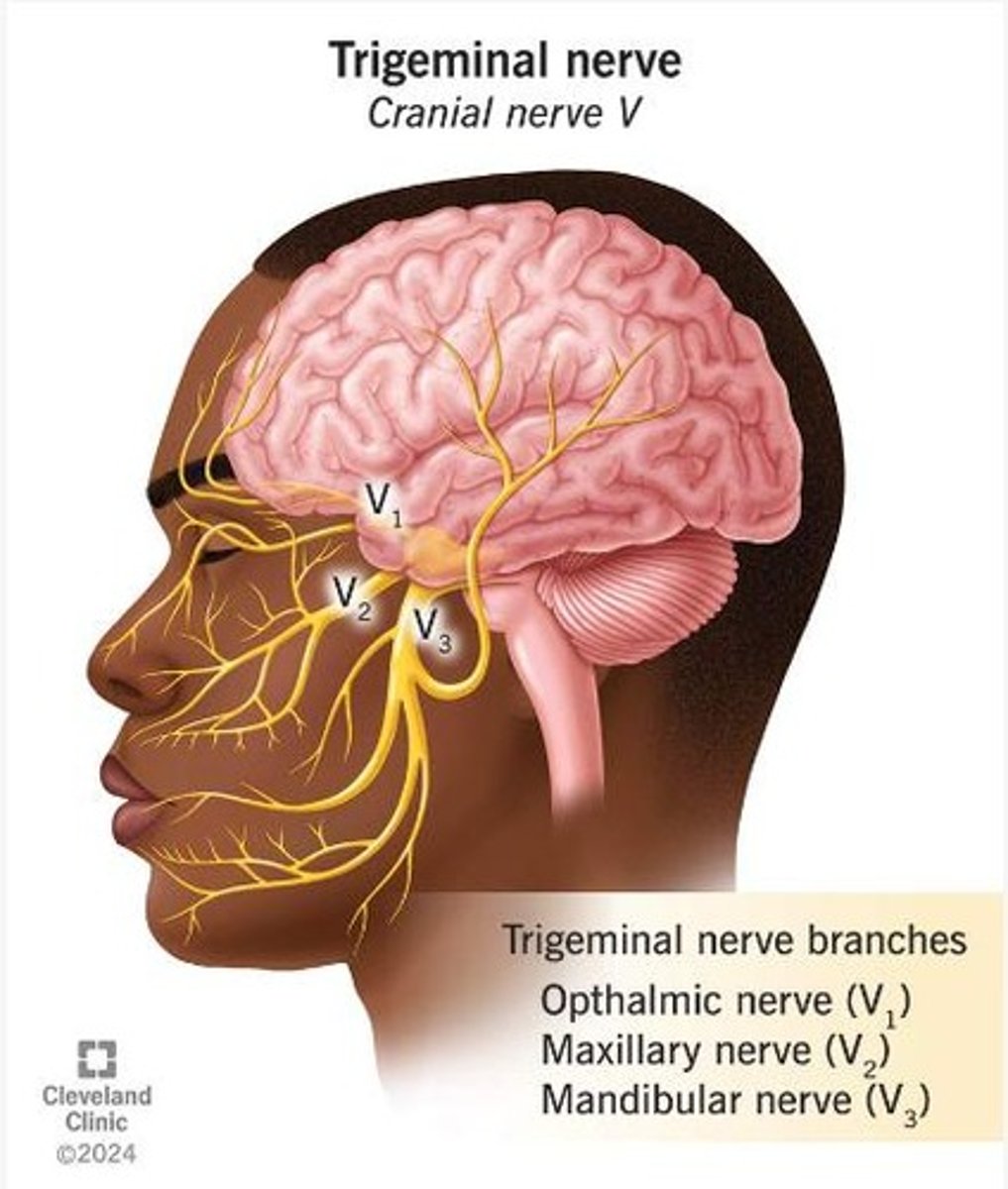
CN V (5) Trigeminal Nerve
Face sensation, chewing
CN VI (6) Abducens
Lateral eye movement
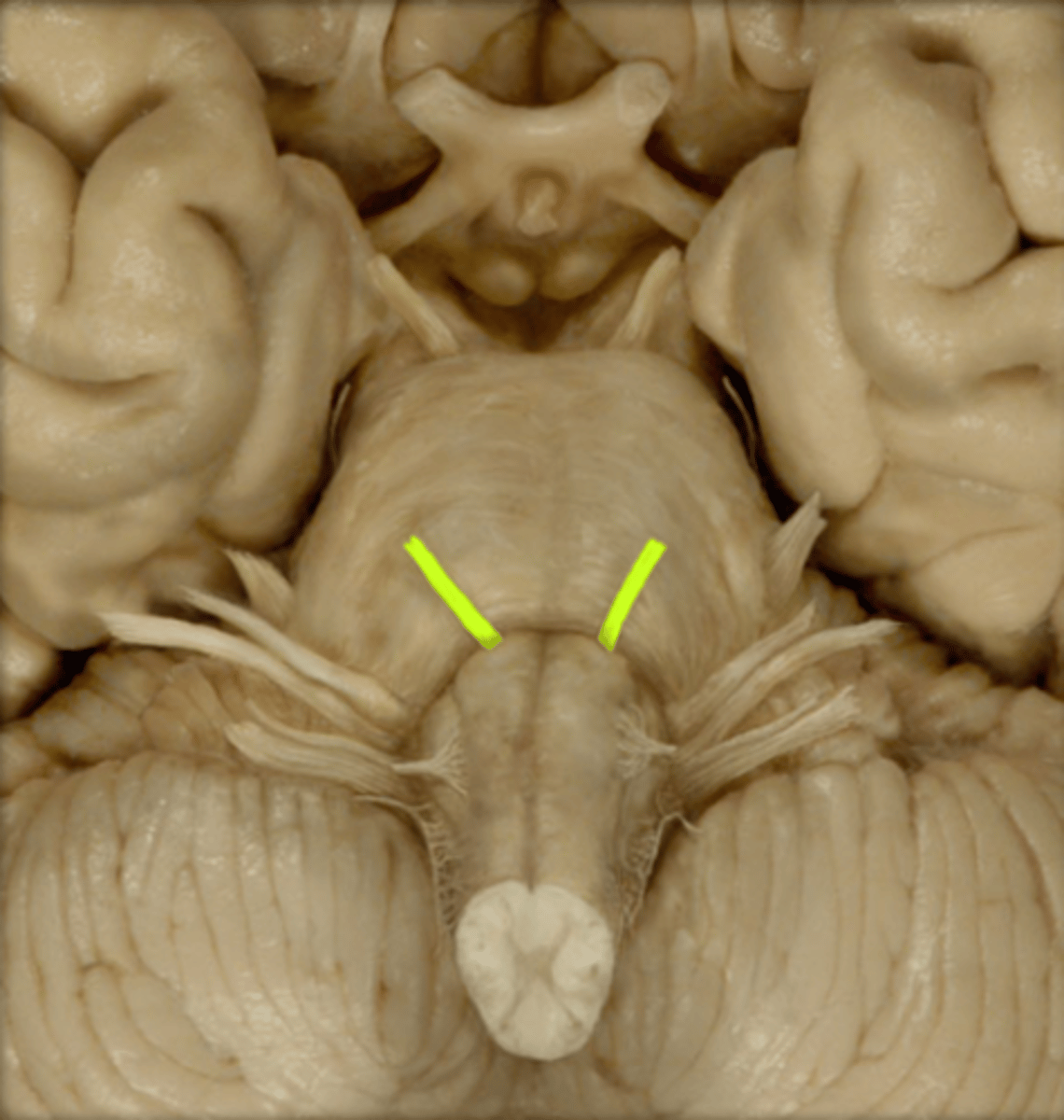
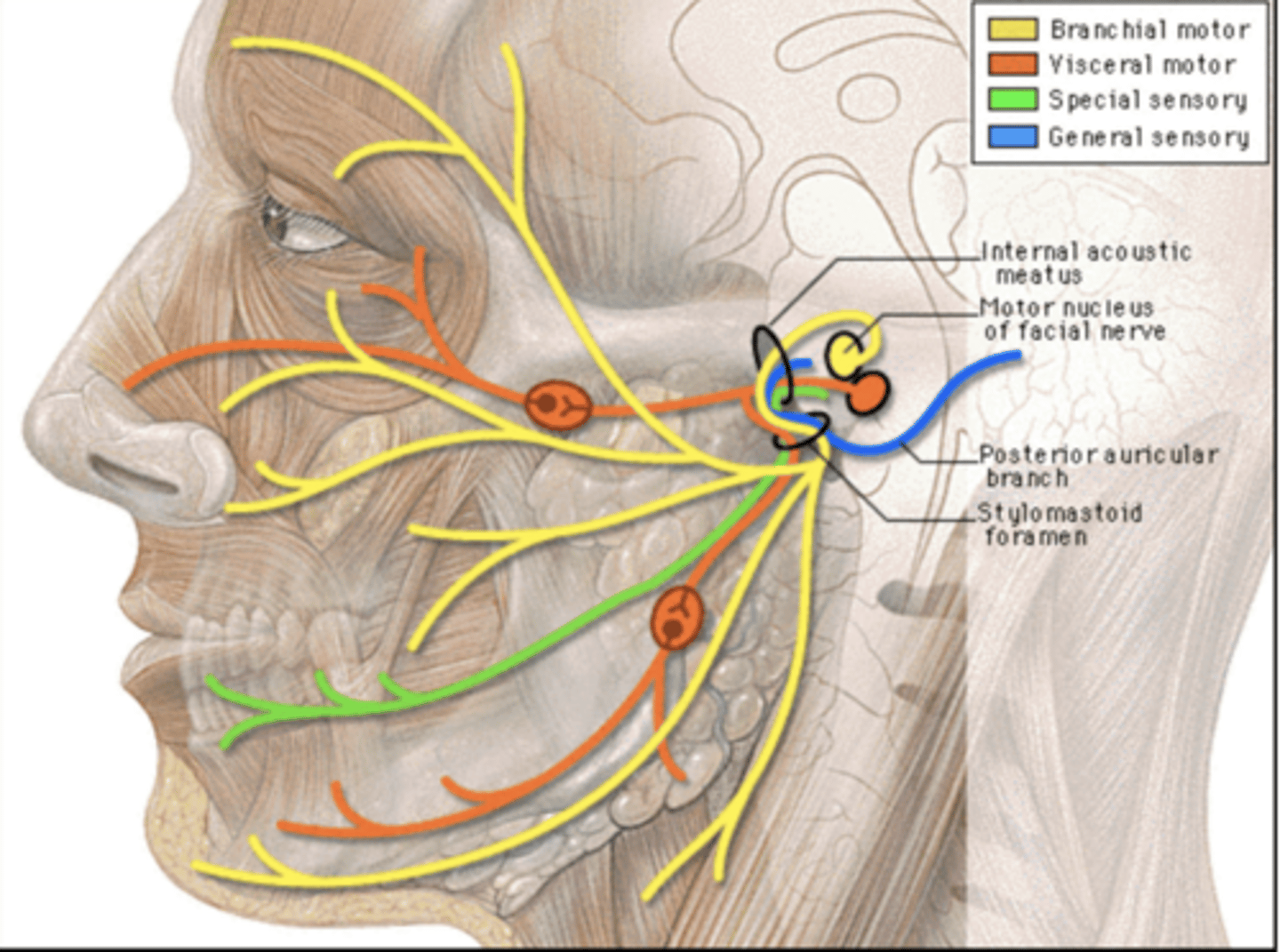
CN VII (7) Facial nerve
Facial expression, taste
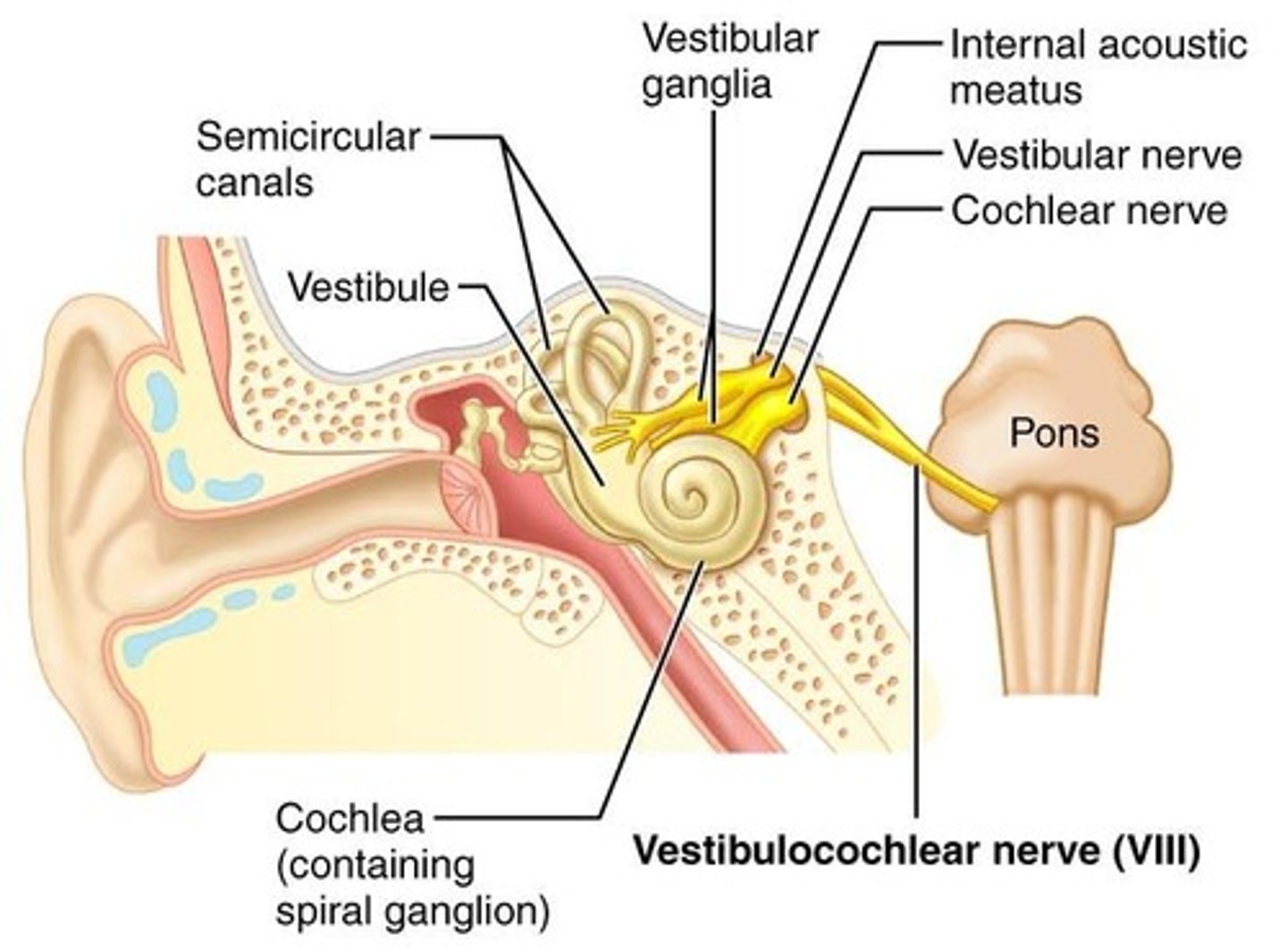
CN VIII (8) Vestibulocochlear
Hearing, balance
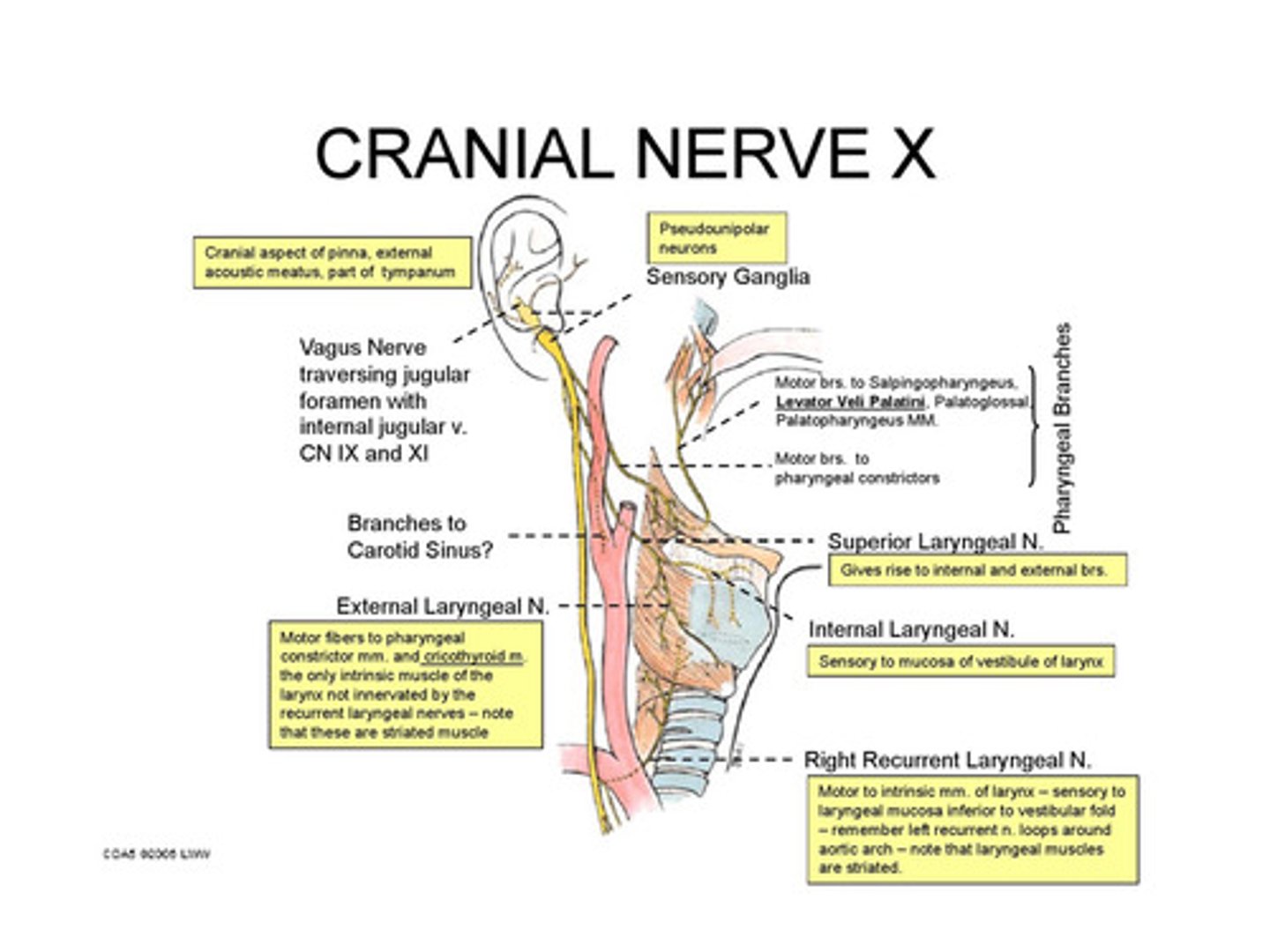
CN X (10) Vagus Nerve
Organs, parasympathetic
CN XI (11) Spinal Accessory
Neck muscles
Gustation
Taste
Taste buds
Detect chemicals
Olfaction
Smell
Auditory pathway
Sound → eardrum → ossicles → cochlea → nerve
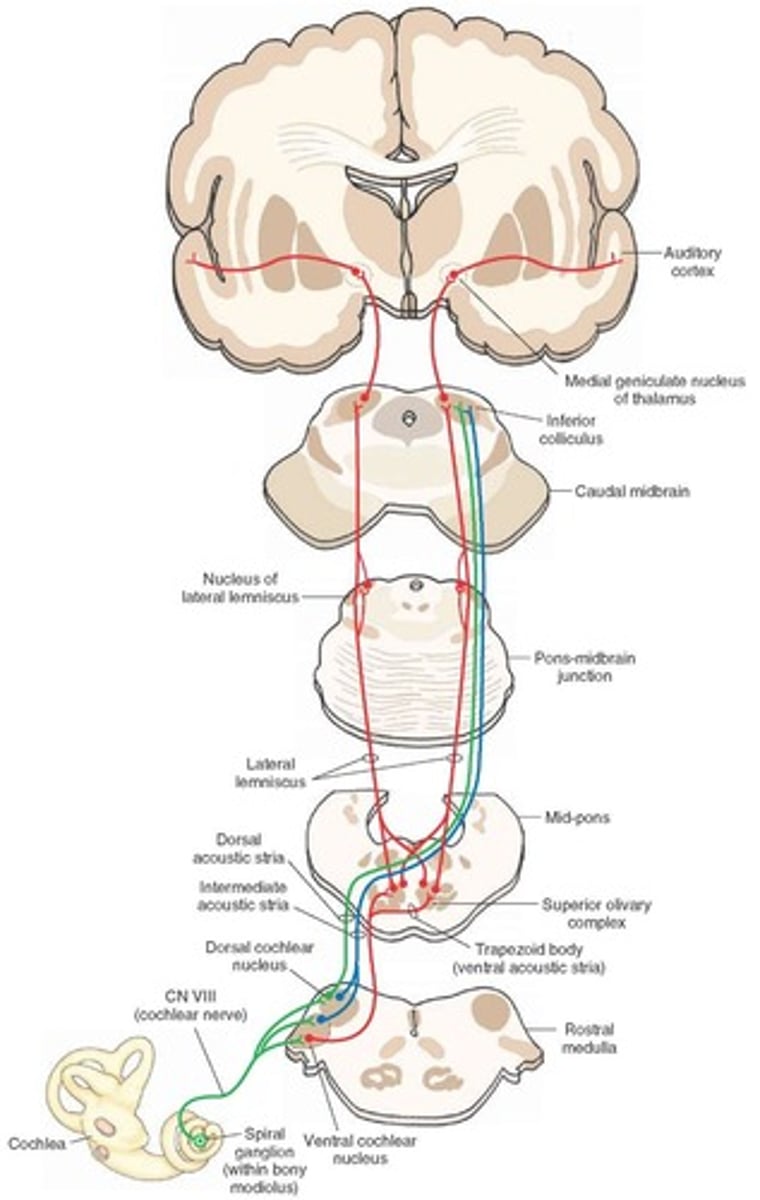
Semicircular ducts
Detect rotation
Saccule & utricle
Detect position/linear movement
Spinal cord location
Foramen magnum → vertebral canal → ends at L1
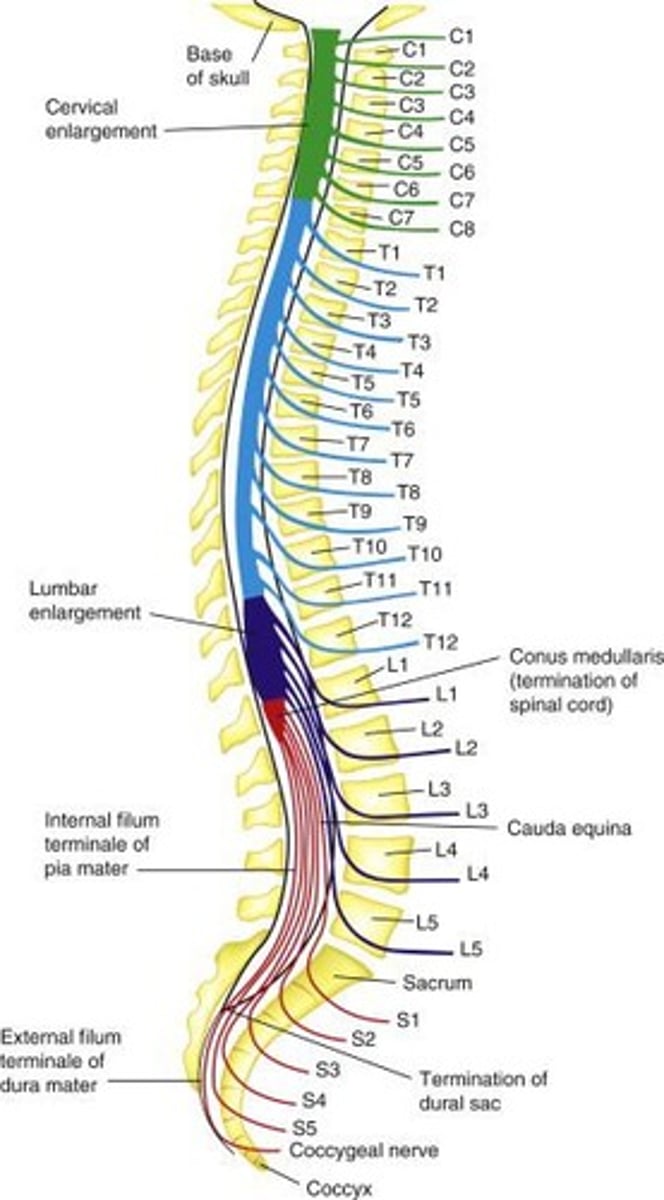
Number of spinal nerves
31 pairs
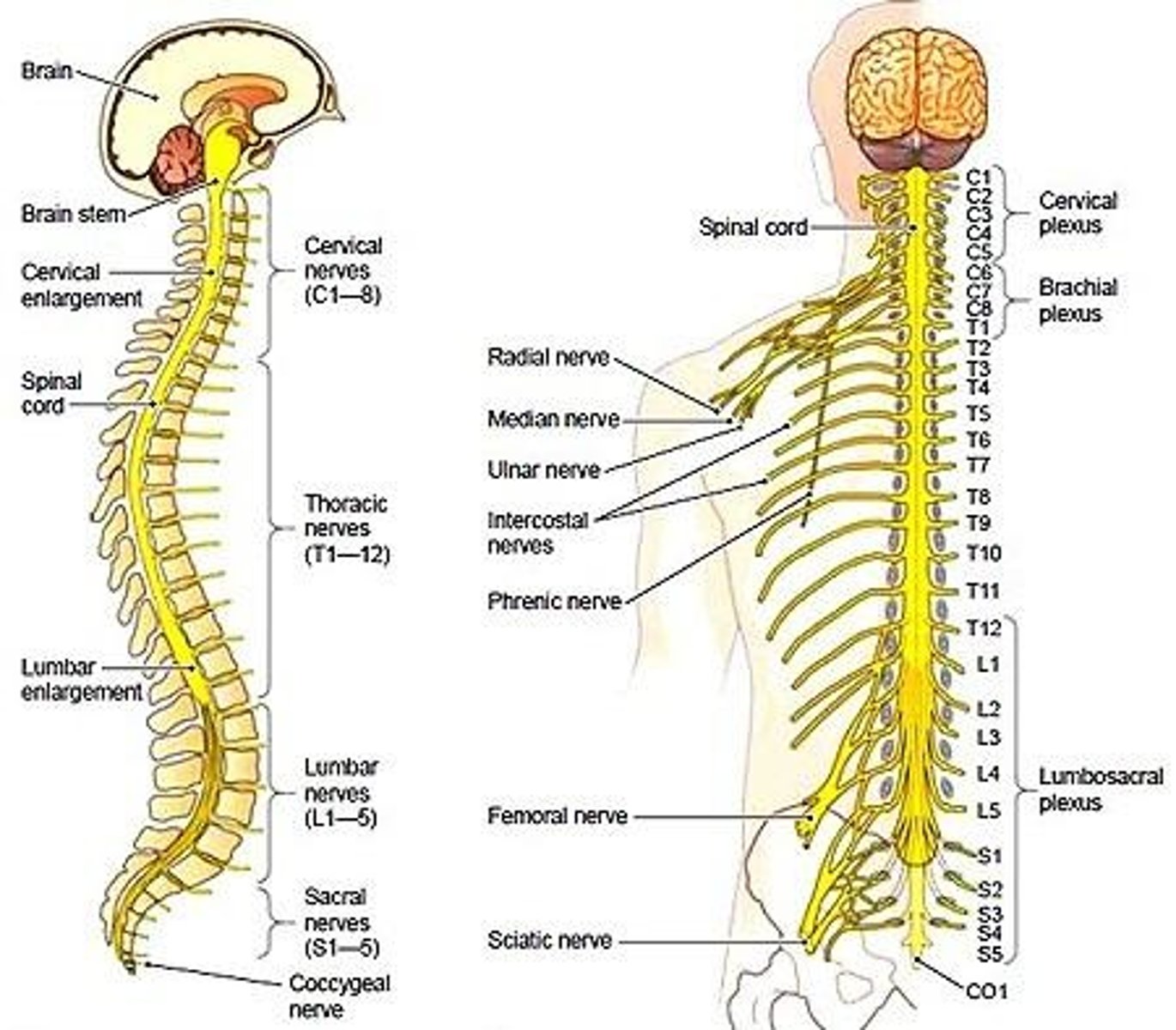
Lumbosacral enlargement
Supplies lower limbs and pelvis
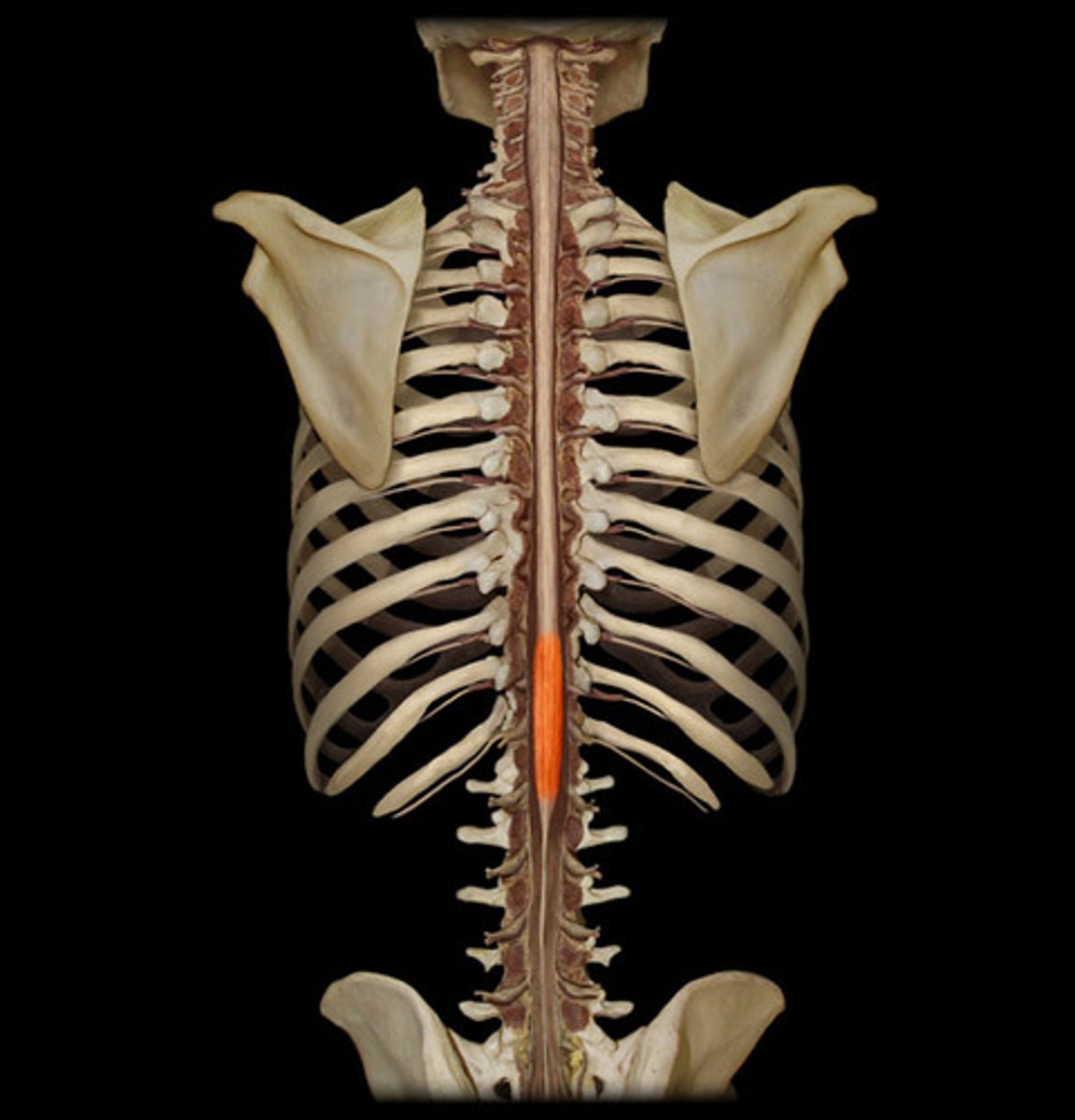
Medullary cone
Tapered end of spinal cord
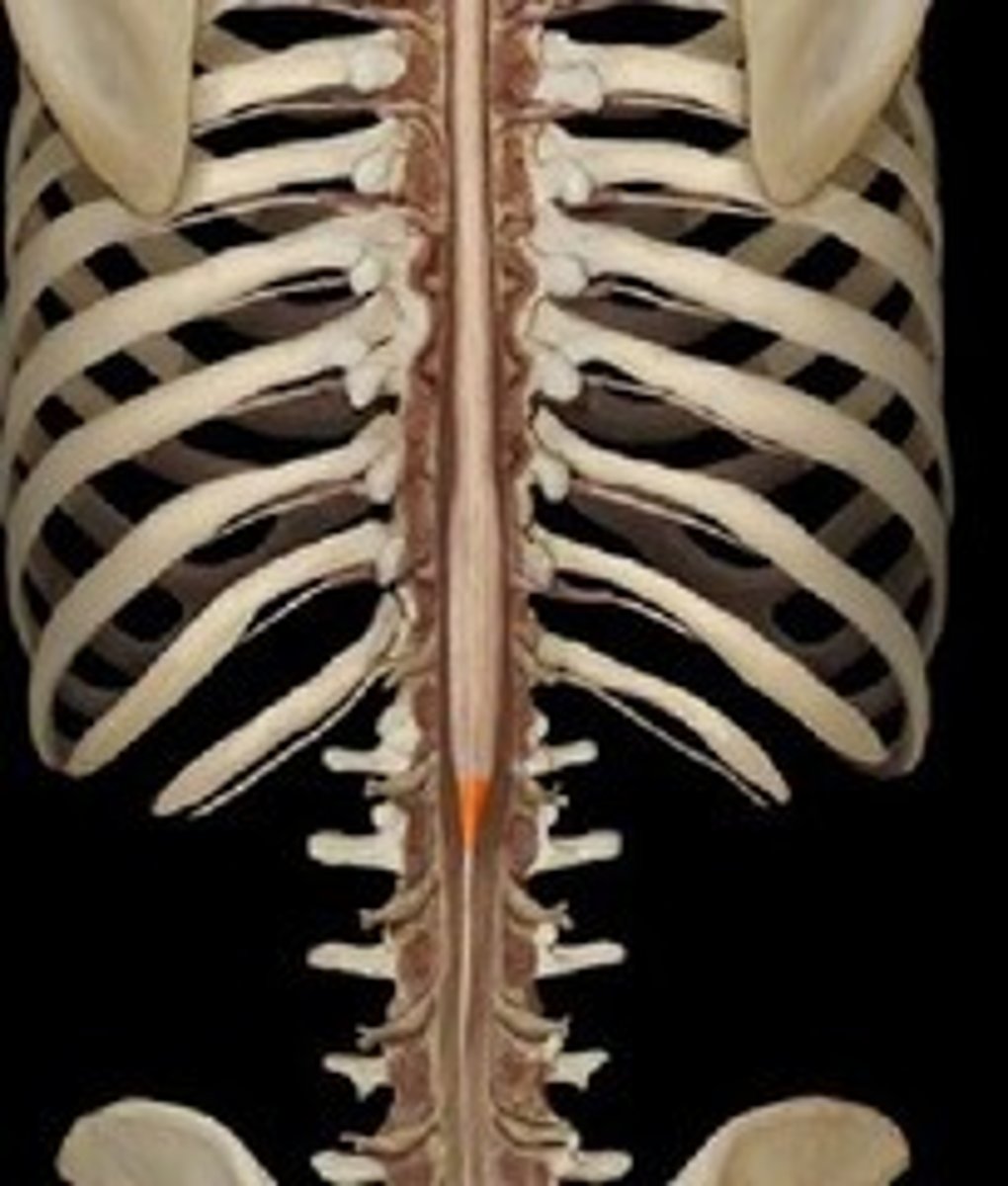
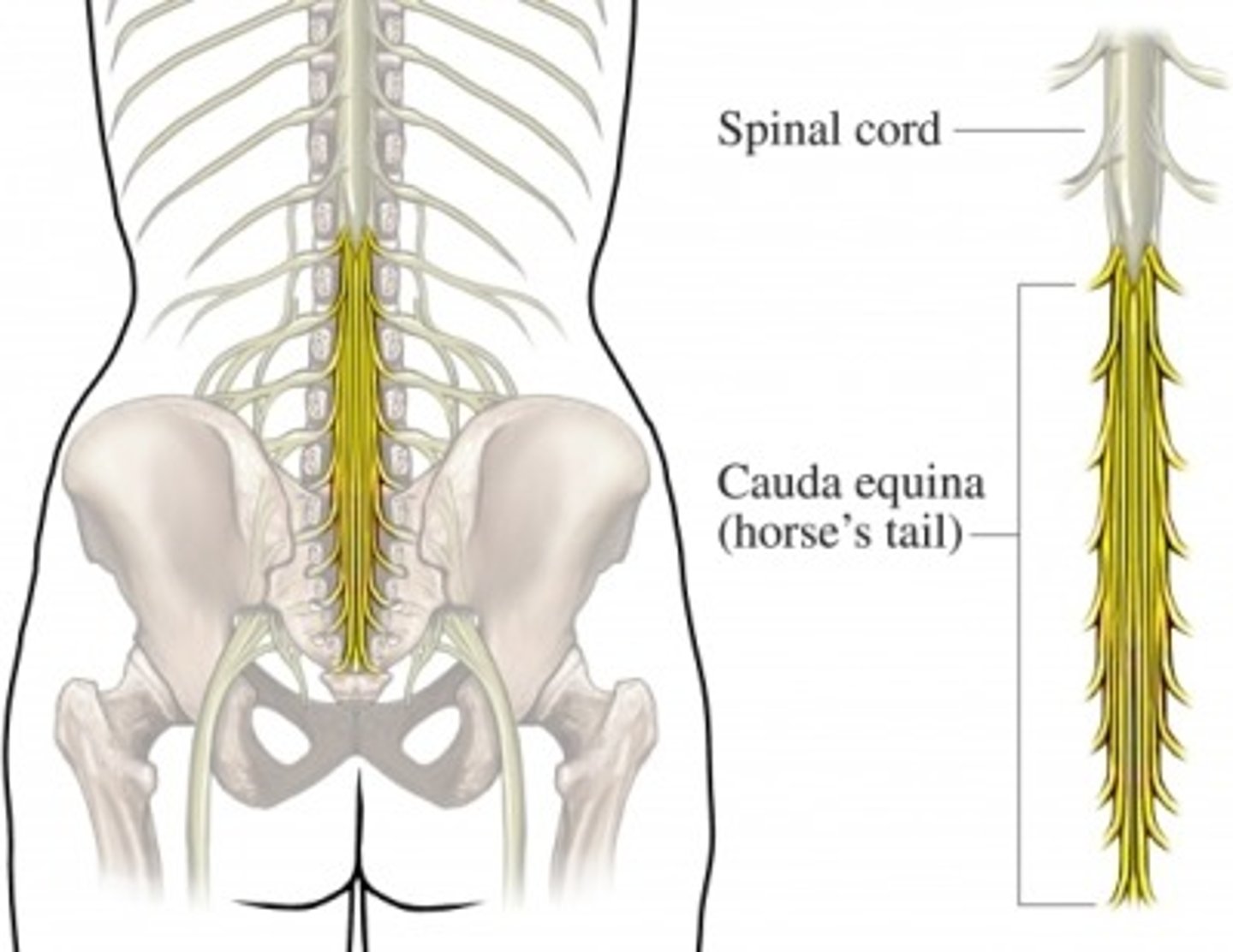
cauda equina
Bundle of nerve roots below L2
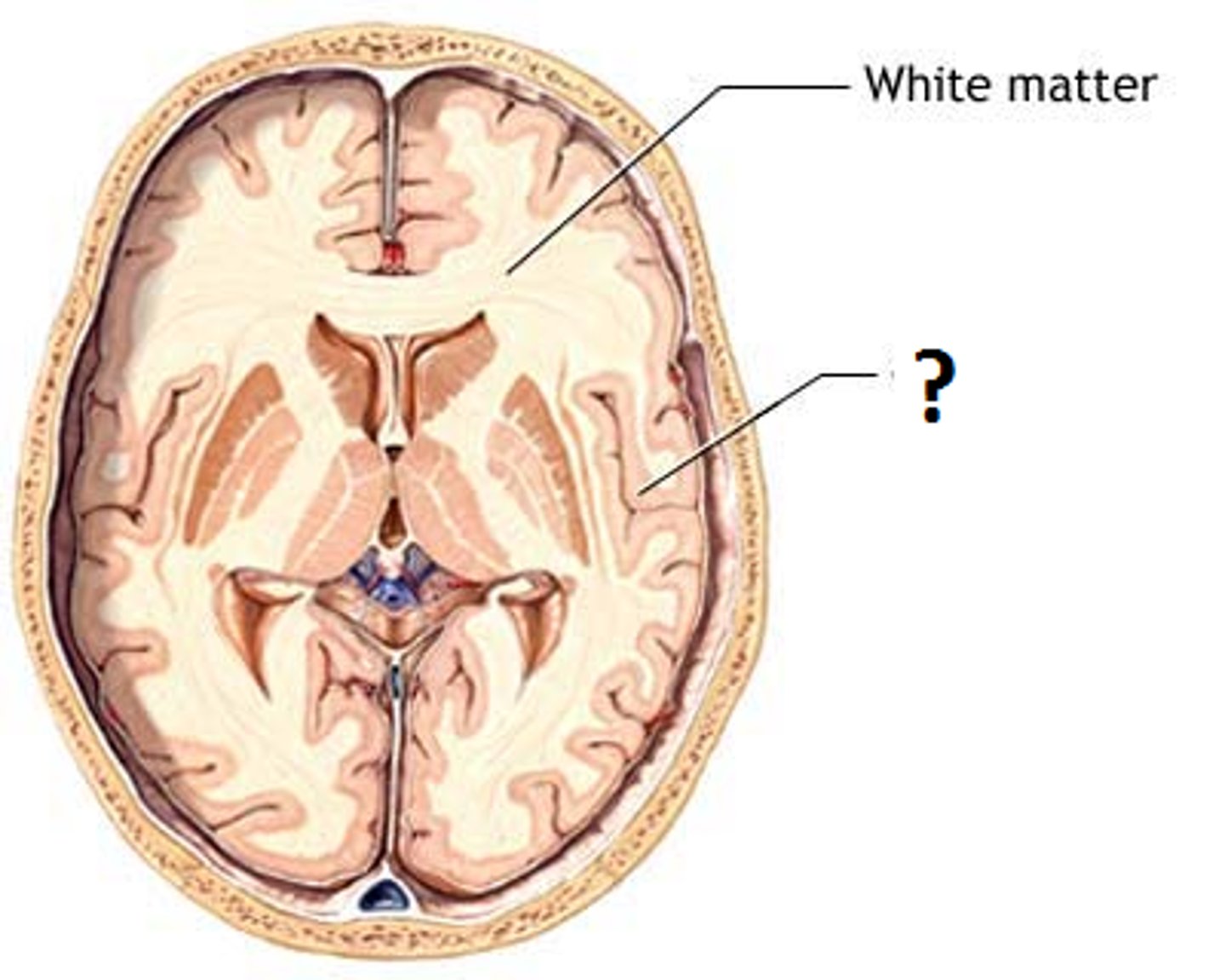
Gray matter
Contains neuron cell bodies, dendrites
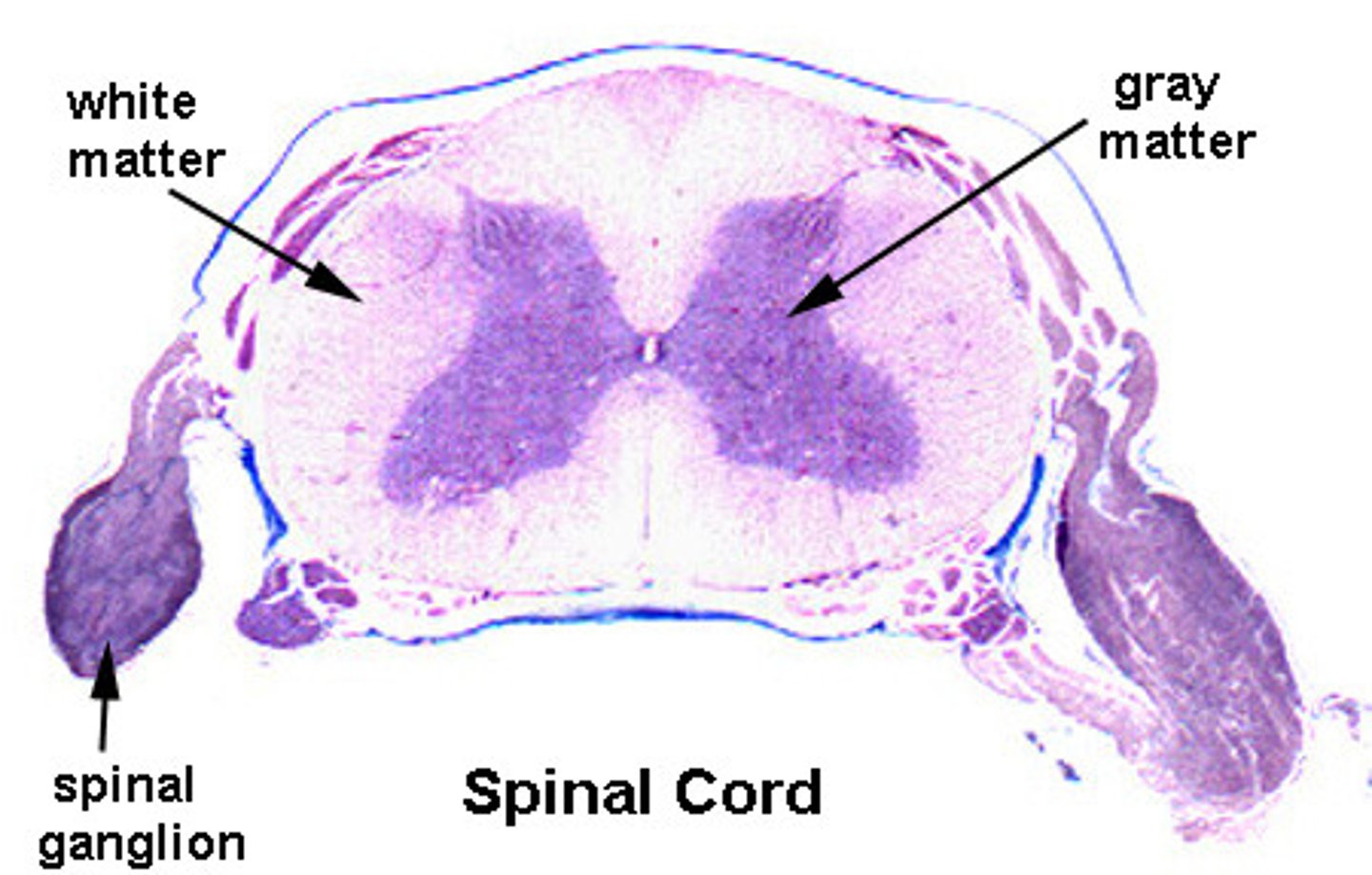
White matter
Myelinated axons forming tracts
Lateral funiculus
Sensory + motor (MIX)
Decussation
Crossing of nerve fibers
First-order neuron
Detects stimulus → spinal cord
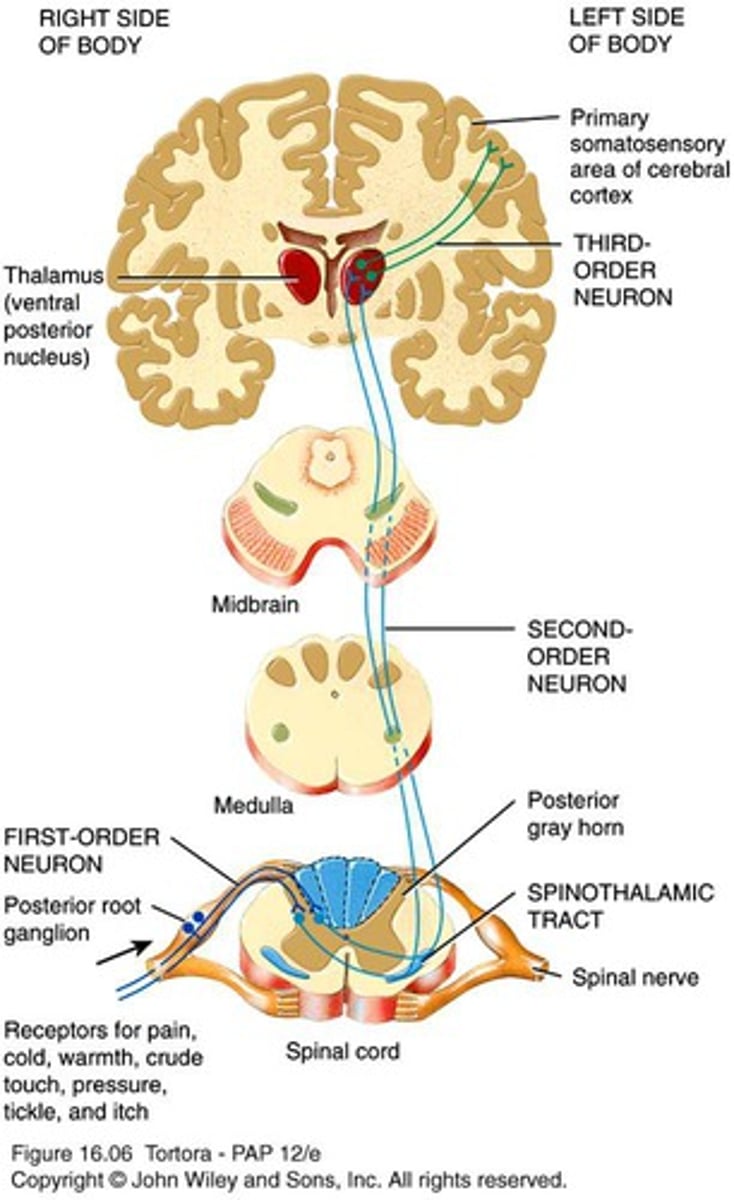
Second-order neuron
Spinal cord → thalamus
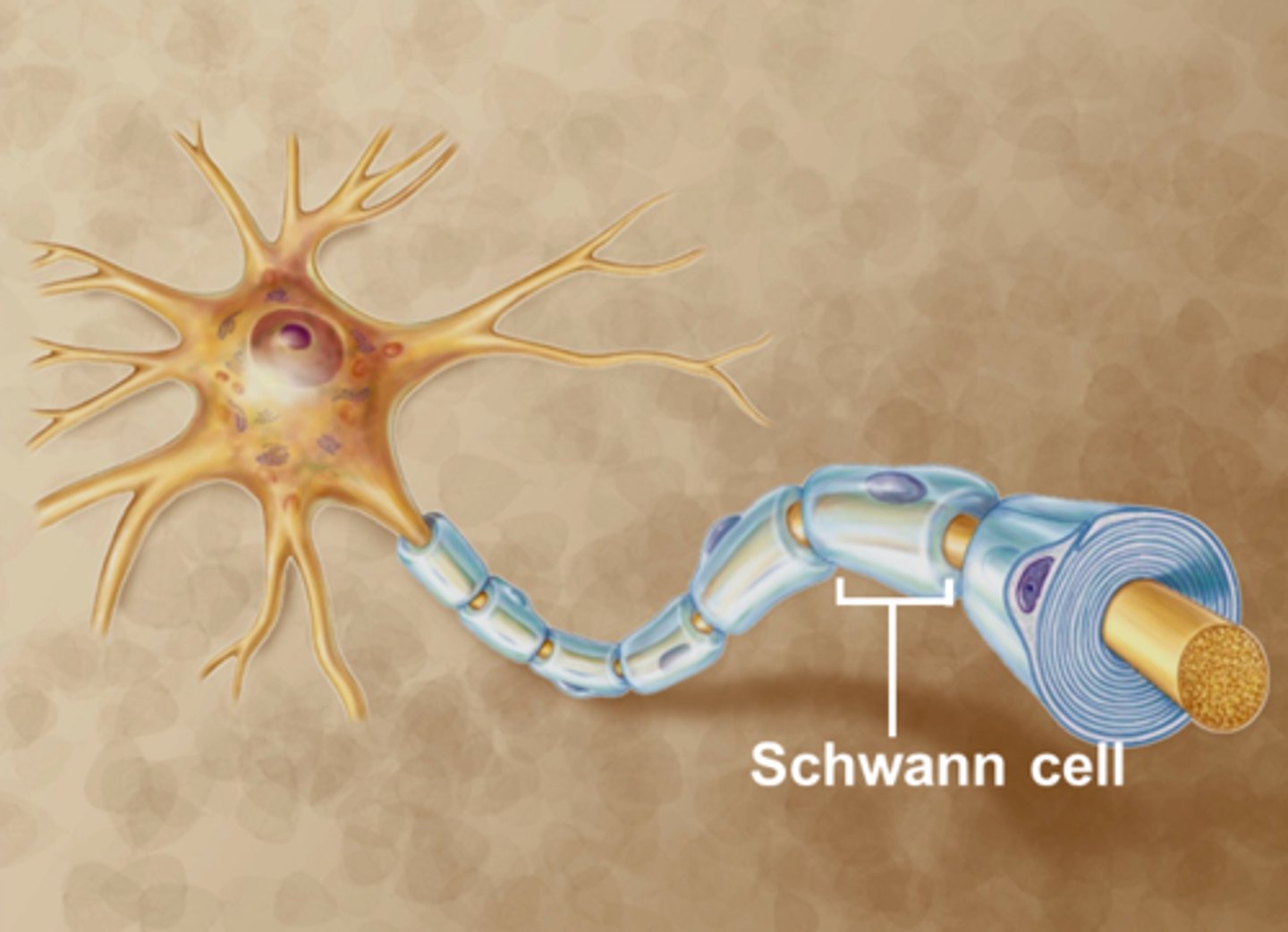
Schwann cells
Produce myelin in PNS
Ventral root
Motor (efferent)
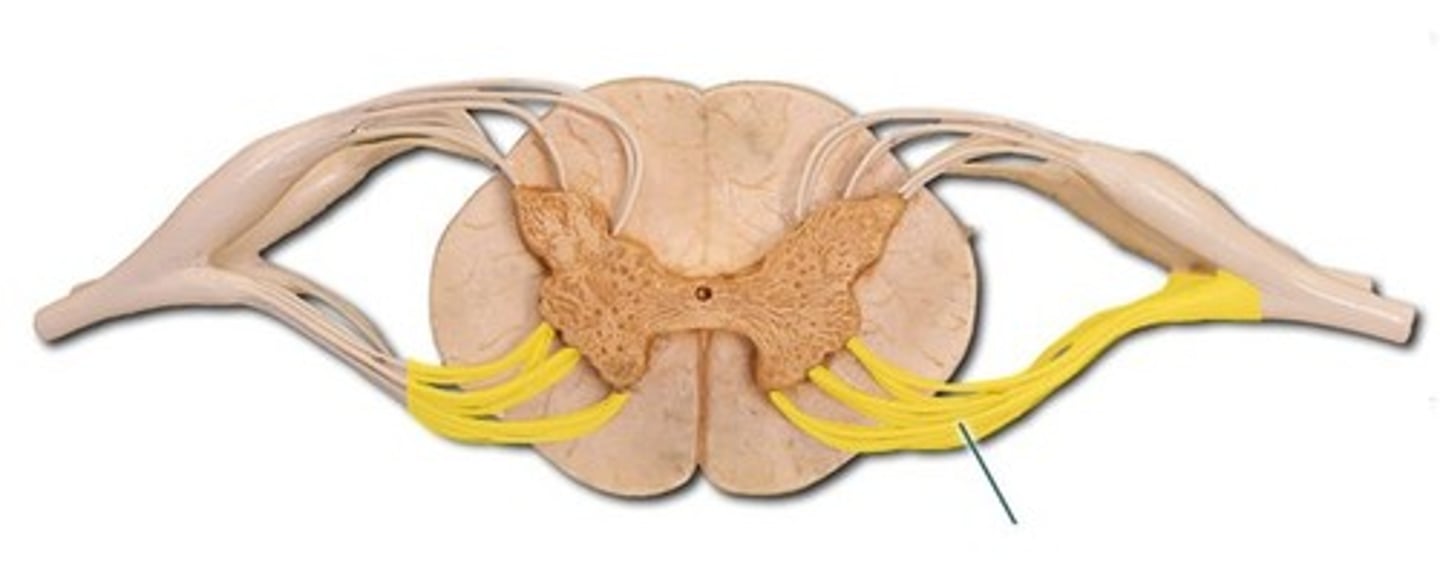
Dorsal root ganglion
Contains sensory neuron cell bodies
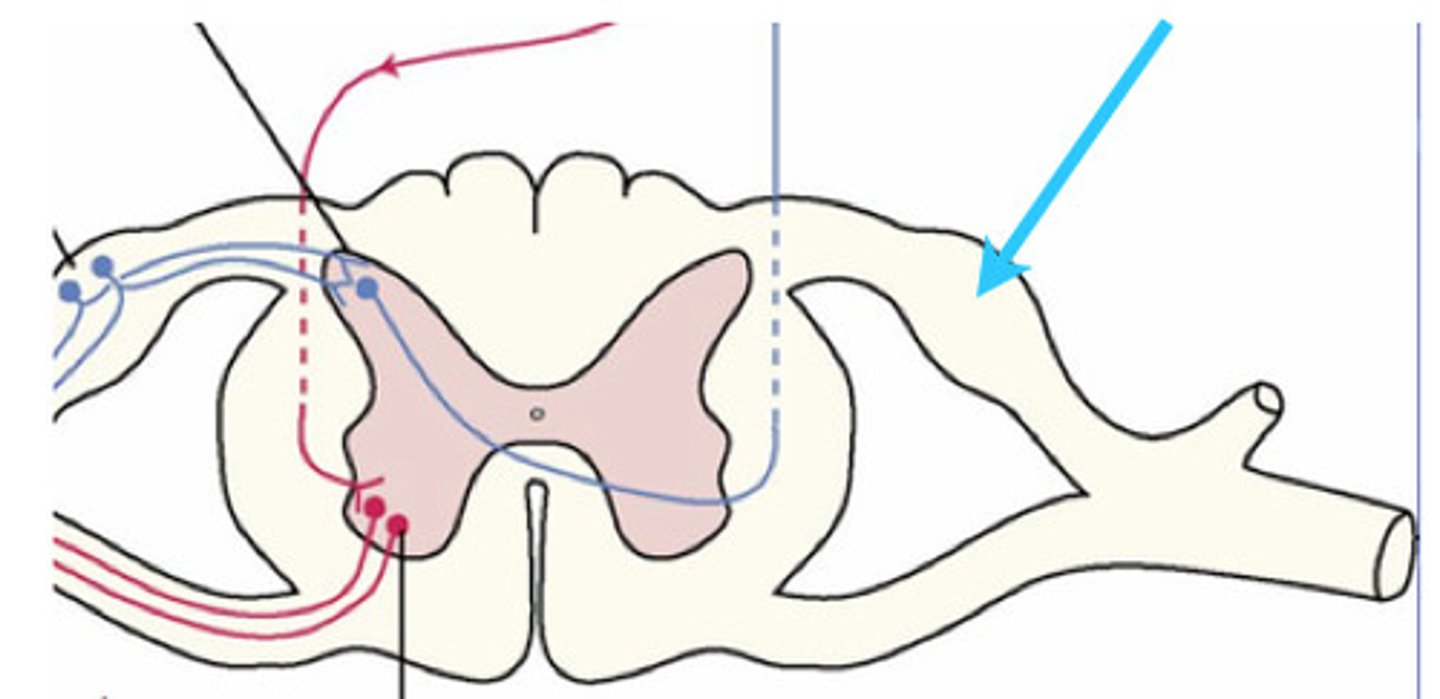
Ganglion
Cluster of neuron cell bodies in PNS
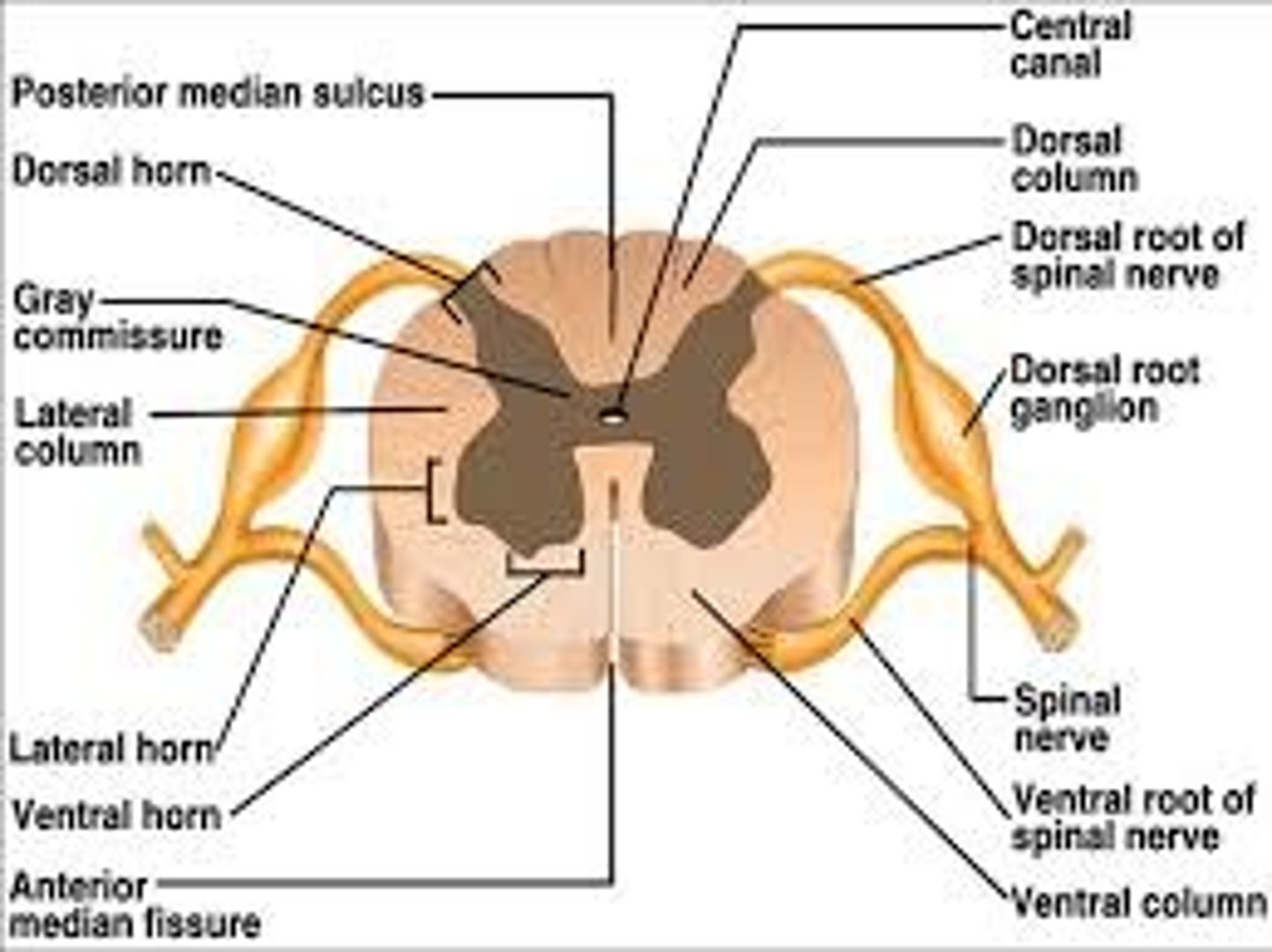
Somatic reflex
Fast, involuntary, predictable response
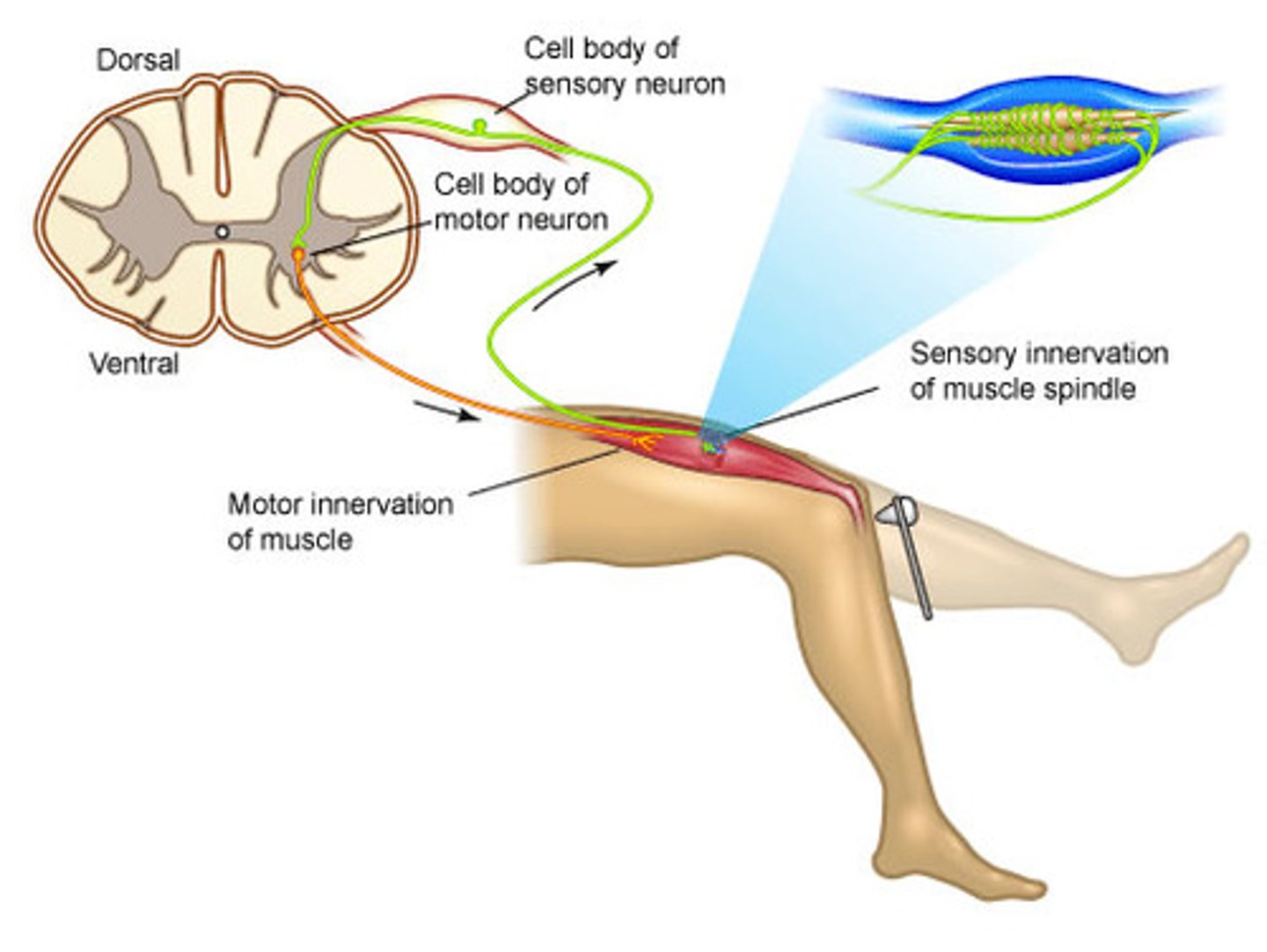
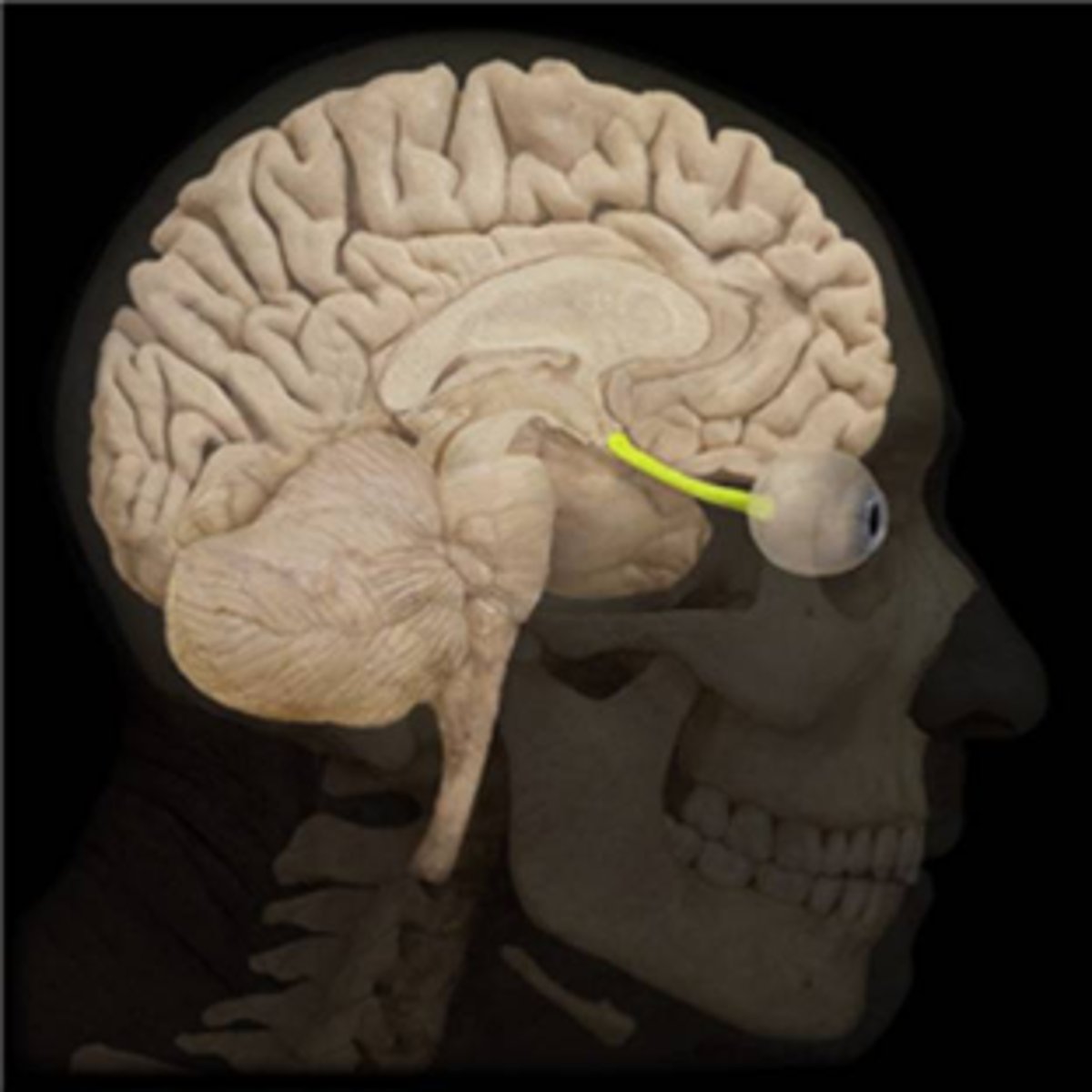
Optic nerve
CN II carries vision signals
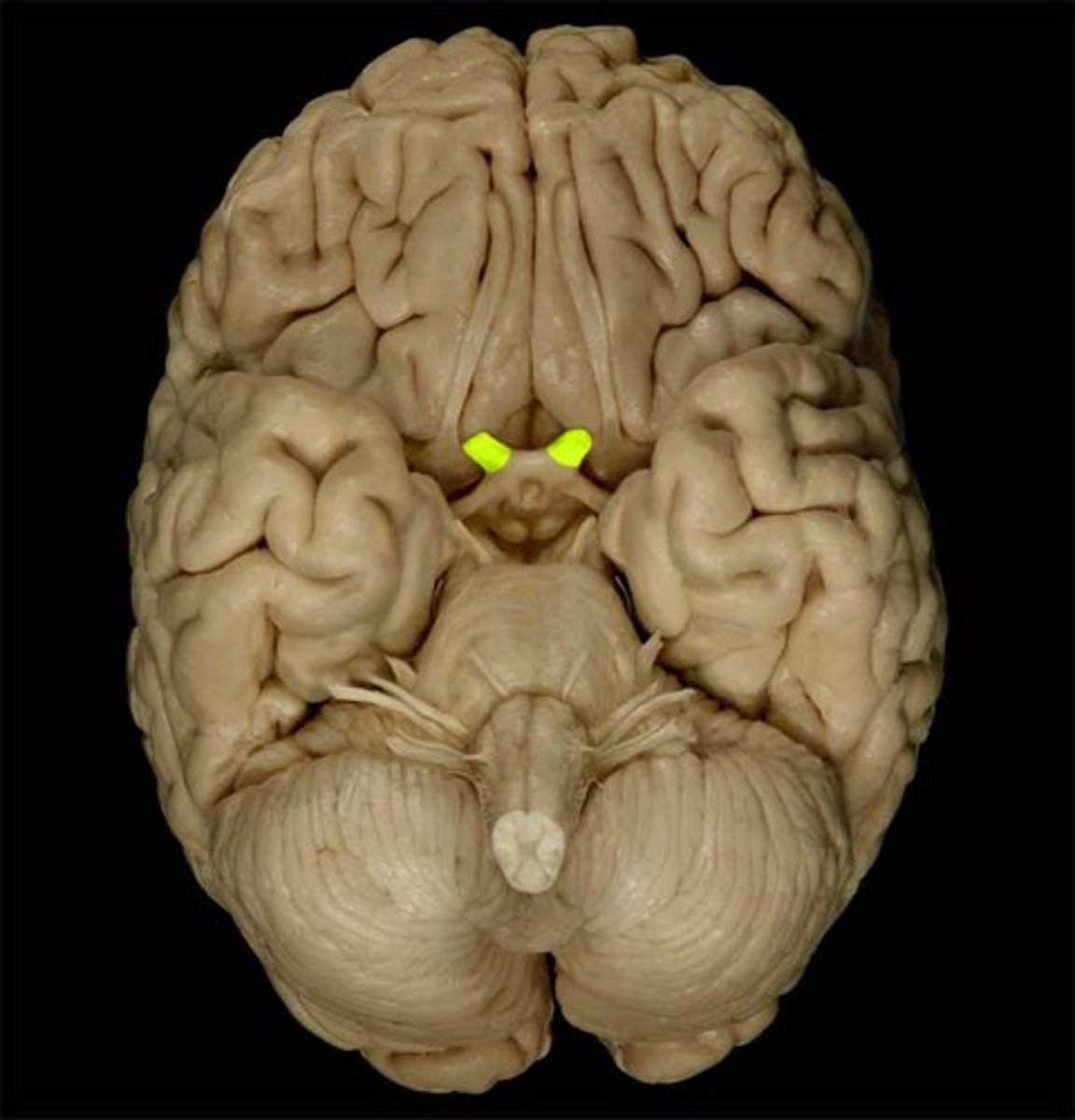
Visceral sensory division
Signals from organs
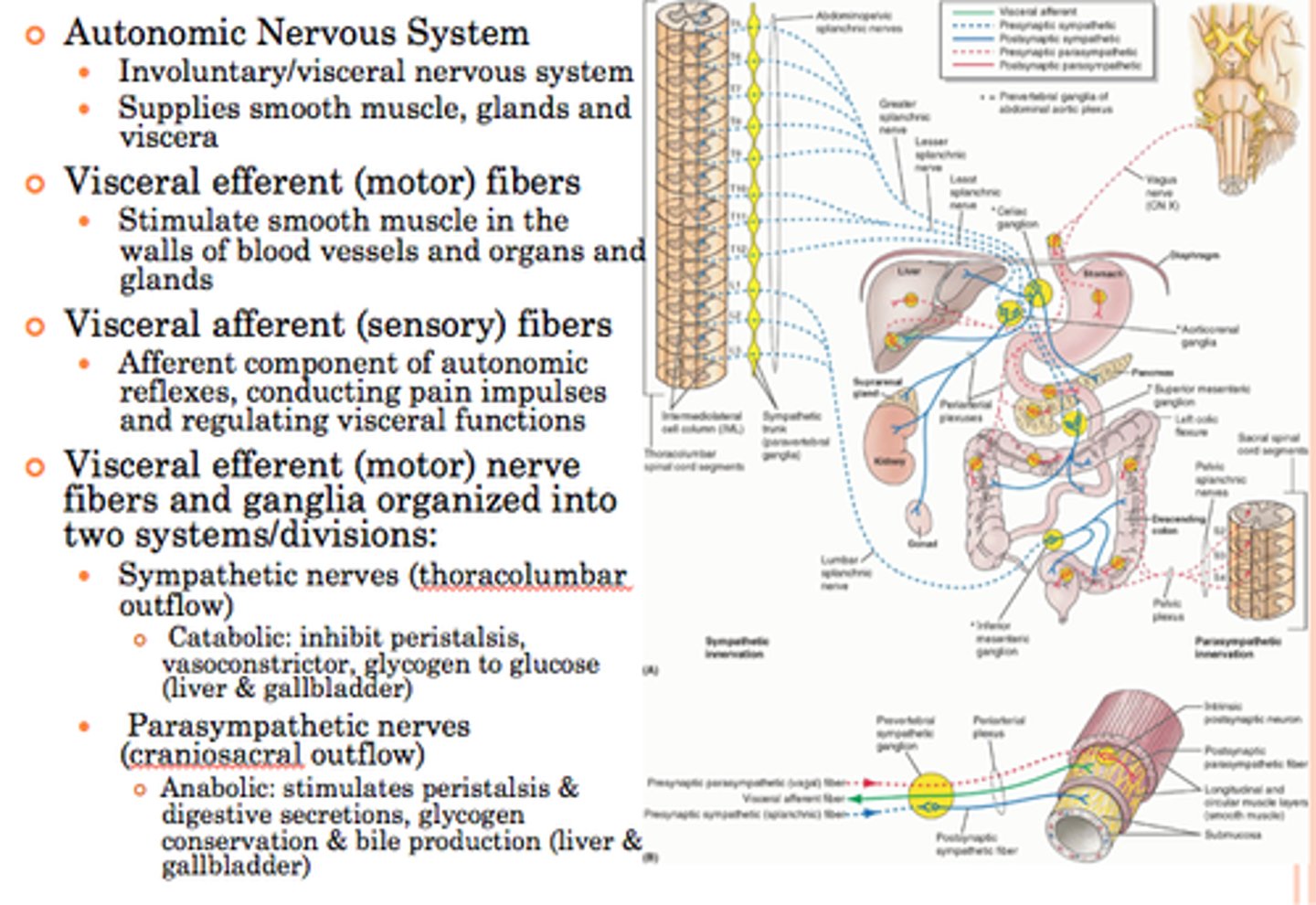
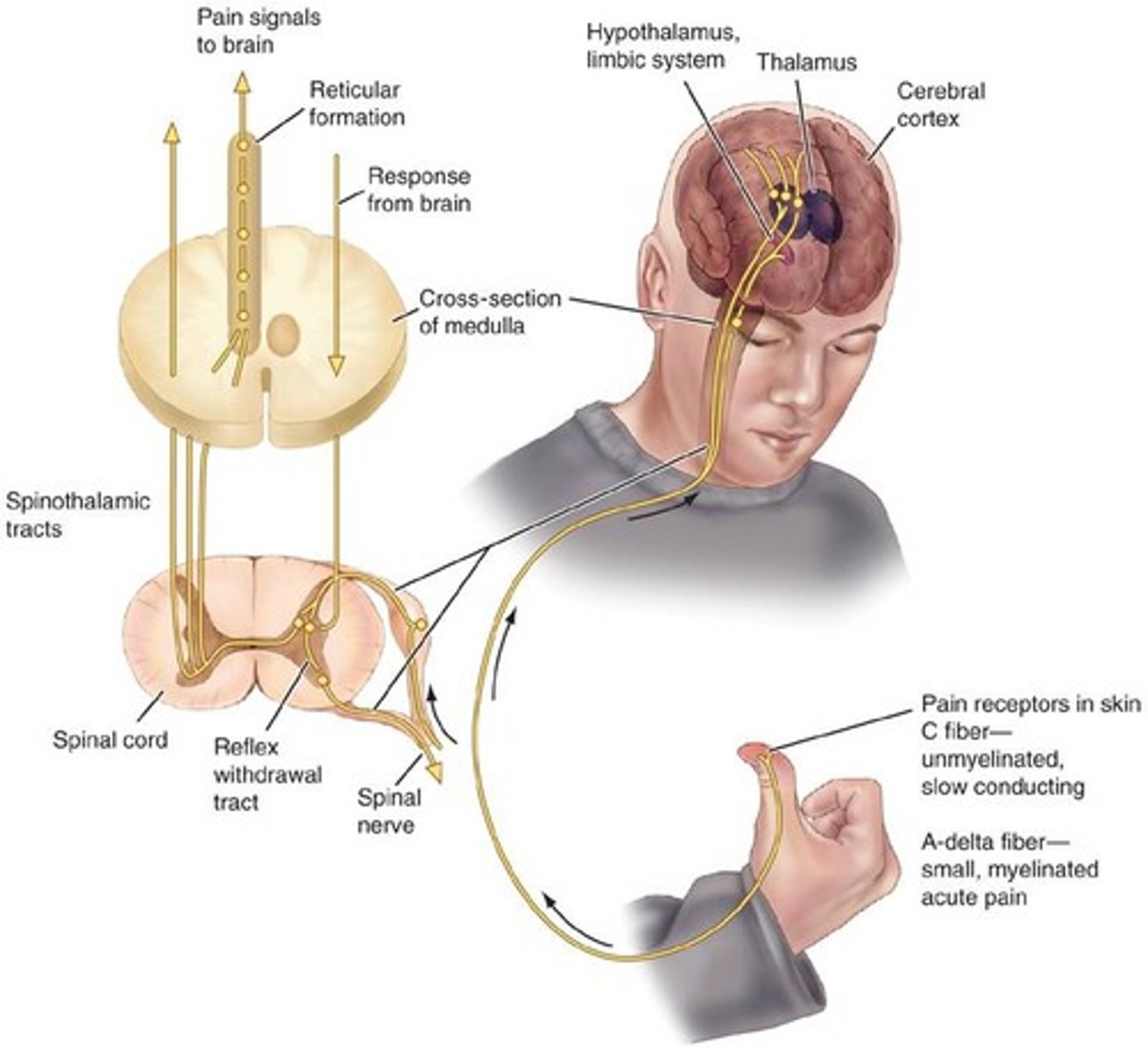
Receptor
Detects stimulus
Ruffini corpuscles
Pressure/stretch
Pain pathway
Skin → spinal cord → thalamus → cortex
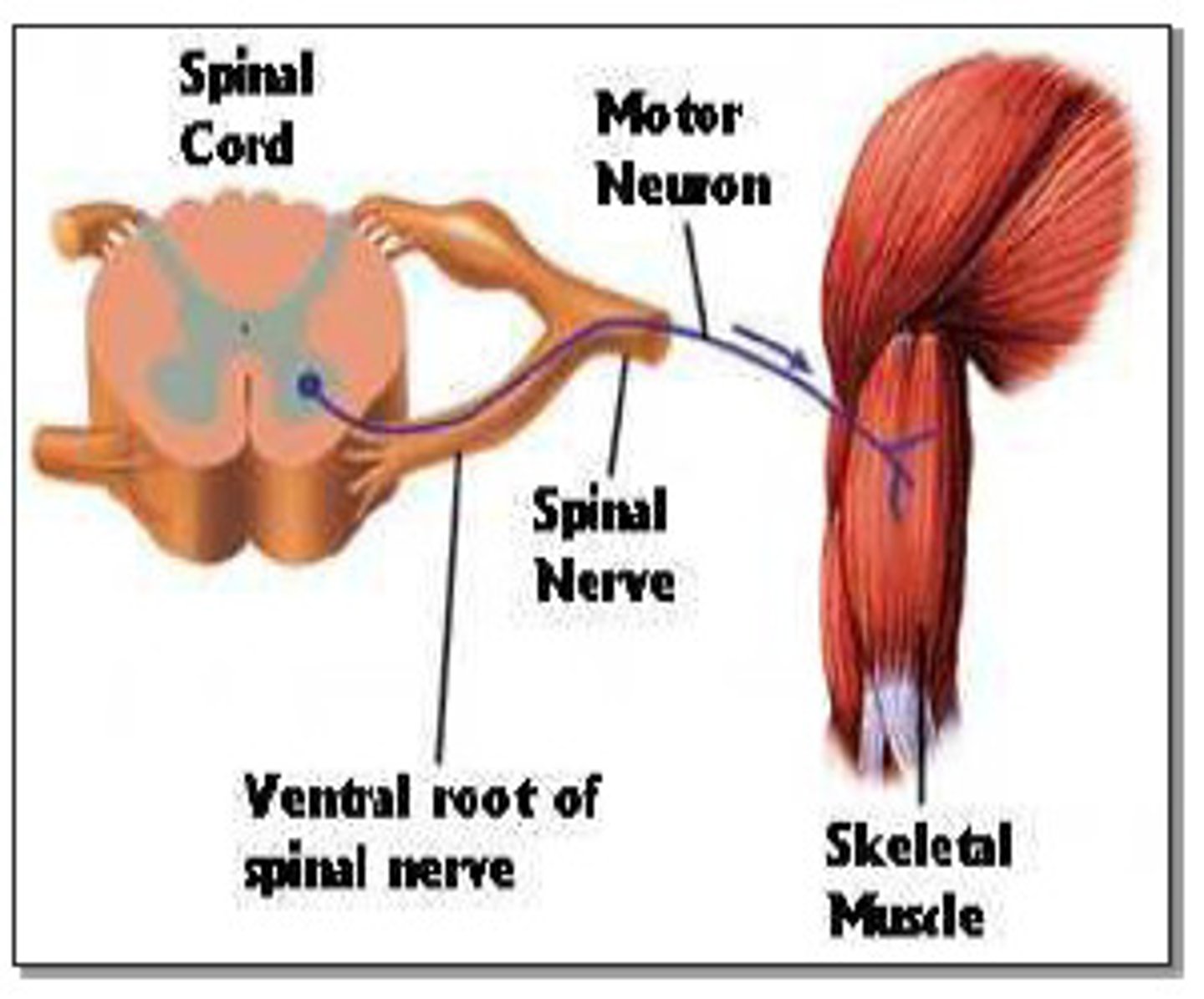
Somatic motor division
Controls skeletal muscle
Autonomic tone
Baseline activity of both systems
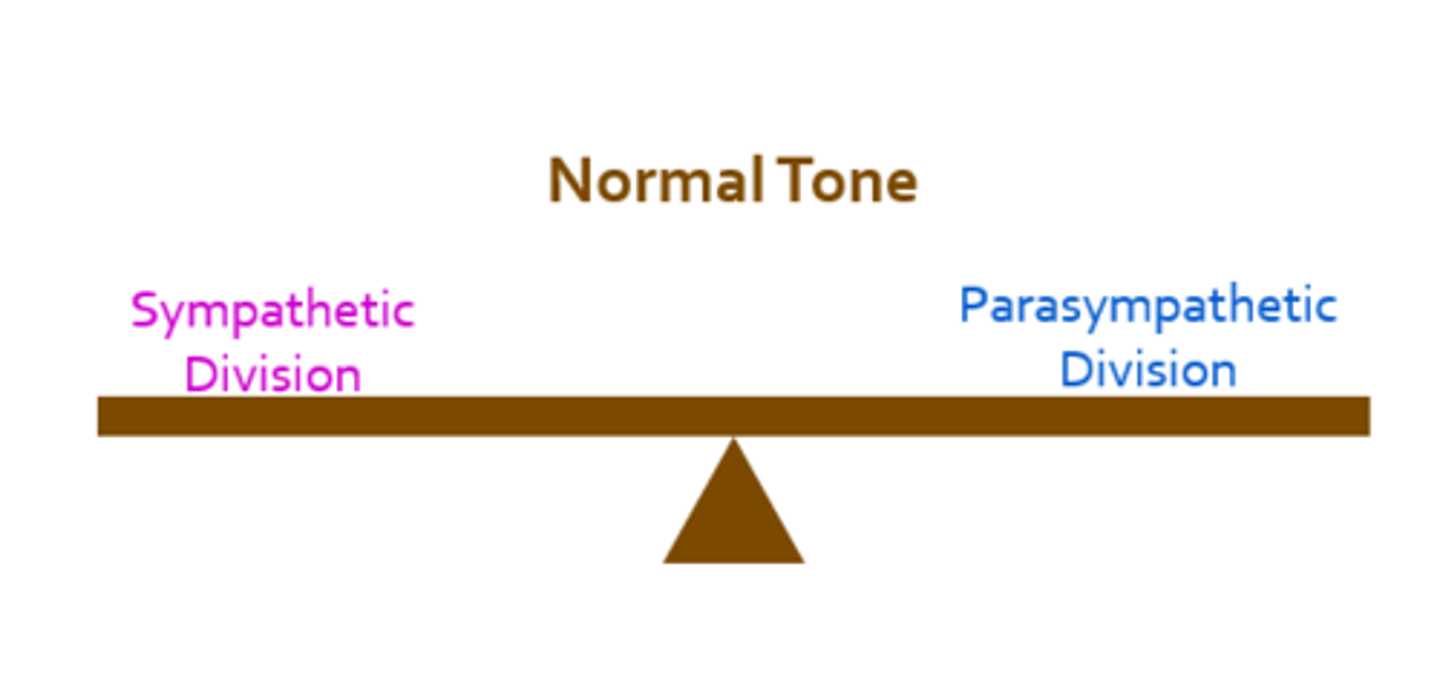
Sympathetic effects
↑HR, ↑BP, bronchodilation, ↓digestion
CN II: Optic Nerve
Optic (vision)
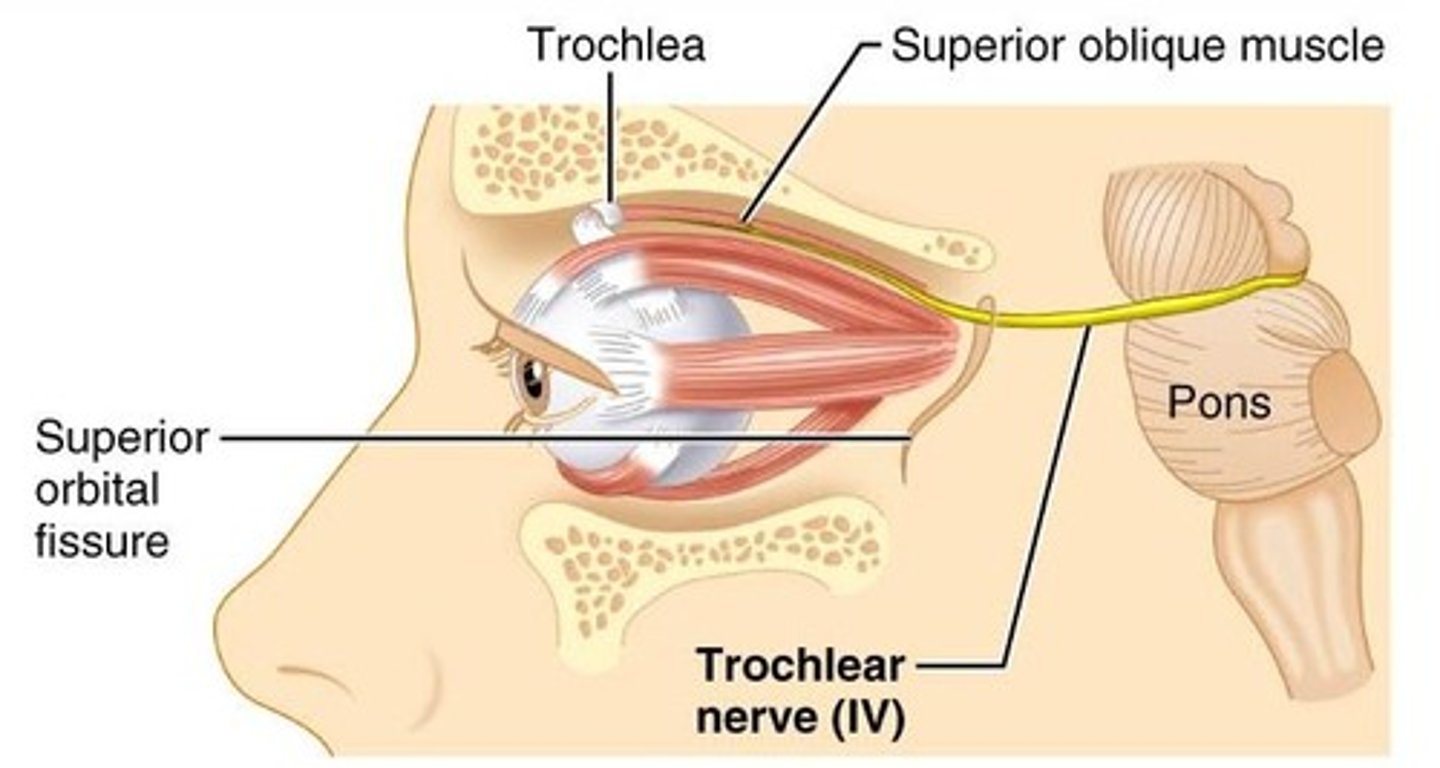
CN IV (4) Trochlear
Eye movement
Still learning (58)
You've started learning these terms. Keep it up!