Prokaryote: Bacteria and Archaea Characteristics
 Call Kai
 Learn
Learn Practice Test
 Spaced Repetition
 Match
Match Flashcards
 Knowt Play
1/113

There's no tags or description
Looks like no tags are added yet.
Name | Mastery | Learn | Test | Matching | Spaced | Call with Kai | Chat |
|---|
No analytics yet
Send a link to your students to track their progress
114 Terms
Life’s 7 major defining properties
cellular organization
growth and development
heredity and DNA
reproduction
metabolism and enzymes
transport
responsiveness
One of the main reasons viruses are generally
considered nonliving is that they are _______.
cellular
Viruses do show some traits of life such as ______.
heredity, development, and evolution, they do
not display these characteristics independent of their living host cell.
Outside of their host, they lack most other
features of life we just described and are
inactive and inert.
Bacteria and archaea
First appear 3.5 to 3.8 billion years
agoMost diverse group of cellular
microbesHabitats - ubiquitous
• From Antarctic glaciers to
thermal hot springs
• From colons of animals to
cytoplasm of other organisms
• From water to brine
• From rocks to air ventsOnly a few cause diseases
Only Two domains contain
prokaryotes _______.
bacteria and archaea
Classification Systems for Bacteria and
Archaea
Bergey’s Manual of Systematic Bacteriology and Bergey’s Manual of Determinative Bacteriology
Bergey’s Manual of Systematic Bacteriology
Comprehensive view of bacterial and archaeal relatedness
Based on rRNA sequencing
Bergey’s Manual of Determinative Bacteriology
Based entirely on phenotypic characteristics
Categorizes organisms based on traits commonly assayed in clinical, teaching, and research labs such as shape as seen in a microscope, or metabolic capabilities
(what they need to grow)
Bacterial species
A collection of bacterial cells, all of which share an overall similar pattern of traits
Should share at least 95% of their genes as matches
Subspecies, strain, or type
Bacteria of the same species that have differing characteristics
Serotype
Representatives of a species that stimulate a distinct pattern of antibody (serum) responses because of unique surface molecules
Common bacterial shapes
coccus, bacillus, spiral (spirochete and spirillum)
Cocci
can be perfect spheres, but they also can exist as oval, bean-shaped, elongated, flattened on one side, or even pointed variants
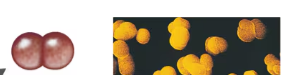
Diplococci
pairs of cocci
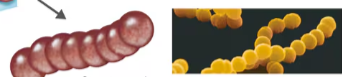
Streptococci
chain of cocci
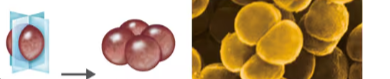
Tetrads
group of four cocci
has two planes
Sacrinae
cubelike groups of eight cocci
has three planes
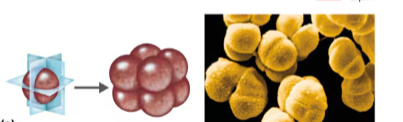
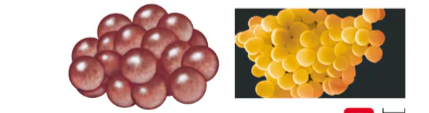
Staphylcocci
grapelike clusters of cocci
has multiple planes
bacillus
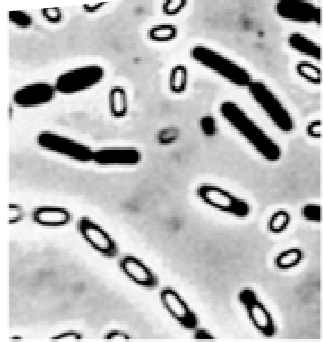
cell that is cylindrical is termed a rod
only divide across their short axis - - > fewer arrangements than cocci

Diplobacillus
pairs of rods after division

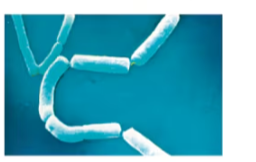
Streptobacilli
chain-like rods
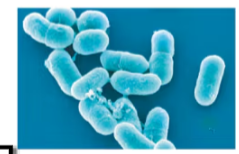
Coccobacillus
oval to the point where they resemble cocci
Palisades
cells of a chain remain partially attached by a
small hinge region at the ends

Spiral bacteria have one or more _____.
twists
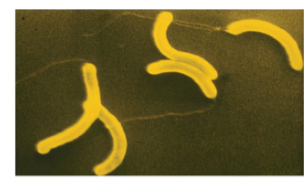
Vibrio
Singly occurring rods that are gently curved (comma-shaped)
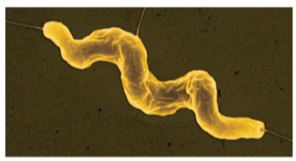
Spirillum/spirillia
slightly curled or spiral-shaped body
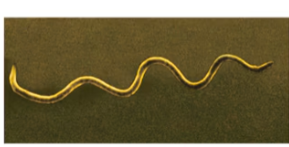
Spirochete
flexible form that resembles a spring
Contains a periplasmic flagella/axial filament
used for movement
Most bacteria are monomorphic ________.
that is, they maintain a single shape. However, a
number of environmental conditions can
alter that shape.
Pleomorphism
variations in cell wall structure caused by slight genetic or
nutritional differences
Can even find square or star shaped
bacterial cells!
All cells possess:
Cytoplasmic membrane
Cytoplasm
Ribosomes
DNA Genome
How organisms are different from
eukaryotes:
The way their DNA is packaged: lack of nucleus and histones (proteins we wrap our DNA around)
The makeup of their cell wall: peptidoglycan and other unique chemicals
Their internal structures: lack of membrane-bound organelles
Prokaryotic cell structure
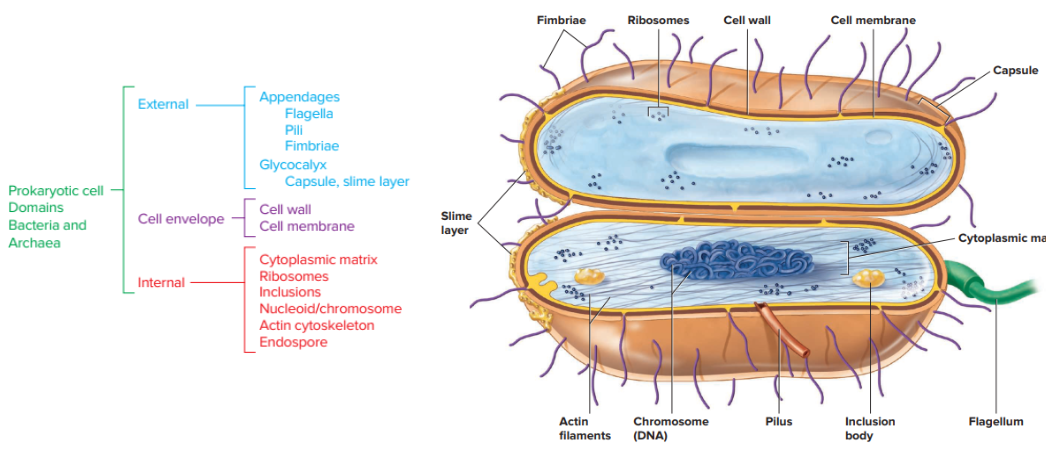
Cell envelope
Lies outside the cytoplasm
• Composed of two or three basic layers
that each perform a distinct function, but
together act as a single protective unit:
Cytoplasmic membrane
Cell wall
Outer membrane (in some
bacteria)
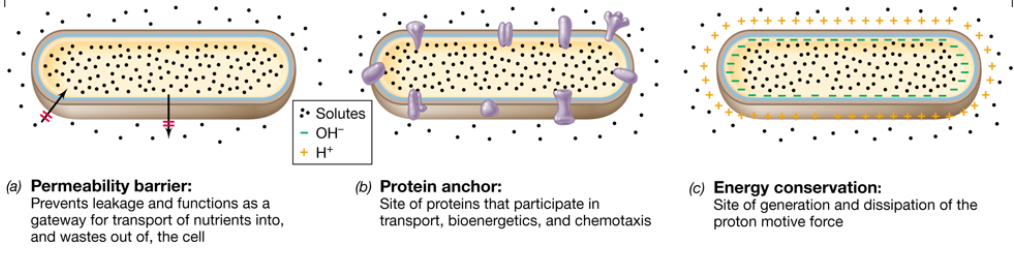
Cytoplasmic membrane
surrounds cytoplasm
A lipid bilayer with proteins embedded
• Bacteria and Archaea have different lipidsselectively permeable = special carrier mechanisms for passage of most molecules
• Regulates transport of nutrients and waste
Cell wall
Helps determine the shape of a bacterium
Provides strong structural support to keep the bacterium from bursting (lysis) or collapsing because of changes in osmotic pressure
Gains its relative rigidity from peptidoglycan
Certain drugs target the cell wall, disrupting its integrity and causing _______.
cell lysis (disintegration or rupture) of the cell
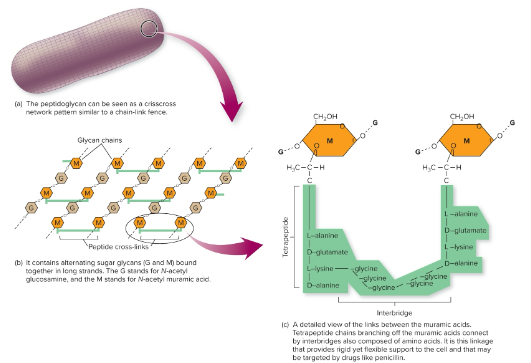
Peptidoglycan
Compound composed of a repeating framework
of long glycan (sugar) chains cross-linked by
short peptide (protein) fragmentsProvides a strong but flexible support
framework (not found in archaea or eukarya)Target for some antibiotics
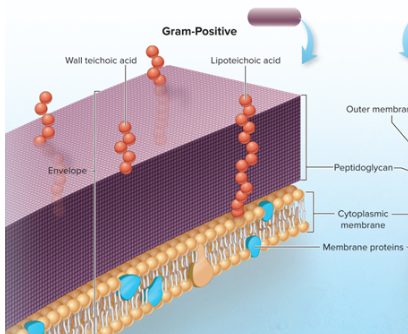
Gram-positive cell wall
Thick, homogenous sheet of peptidoglycan: 20 to 80 nm in thickness
Contains teichoic acid and lipoteichoic acid:
• Function in cell wall maintenance and
enlargement
• Contribute to the acidic charge on the
cell surface
Gram-negative cell wall
Single, thin sheet of peptidoglycan: 1 to 3 nm in thickness
Thinness gives Gram-negative cells more susceptibility to lysis
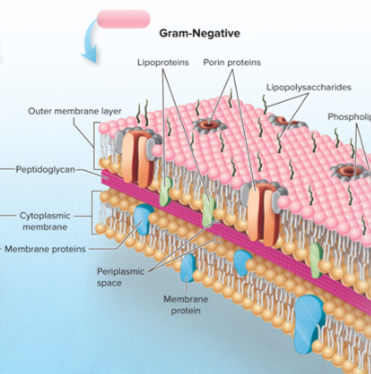
gram-negative outer membrane
Similar in composition to most
membranes, except it contains
specialized polysaccharides and proteins (Lipopolysaccharide and porin proteins)
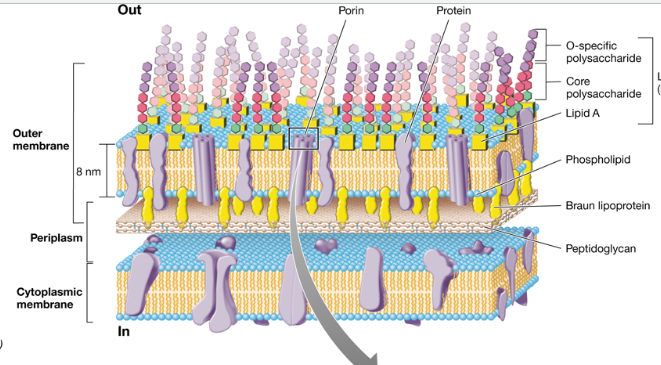
Lipopolysaccharide
Signaling molecules and receptors
Endotoxin (Lipid A)
Porin proteins
Special membrane channels that only the outer membrane allows certain chemicals to penetrate
Outer membrane of gram-negative bacteria contributes an _______.
extra barrier
Resistant to certain antimicrobial chemicals
More difficult to inhibit or kill than gram-positive bacteria
Alcohol-based compounds dissolve ________ .
lipids in the outer membrane and therefore
damage the cell
• Alcohol swabs used to cleanse the skin before certain medical procedures
Treatment of infections caused by gram-negative bacteria requires drugs that can _______.
cross the outer membrane
Gram-positive cells have _______.
cytoplasmic and cell wall
Gram-negative cells have ______.
cytoplasmic, cell wall, and outer membrane
What component provides structural support in most bacterial cells walls?
peptidoglycan
Which type of bacteria are classified as gram negative?
bacteria with a thin peptidoglycan layer and an outer membrane
Which bacterial shape is best described as spherical?
coccus
What term describes rod-shaped bacteria arranged in chains?
streptobacillus
Which of the following is an example of an acid-fast bacteria?
mycobacterium tuberculosis
Which component is not present in archaea?
peptidoglycan
Which bacteria lack a typical cell wall structure and instead contain sterols for membrane stability?
mycoplasma
What unique lipid Is found in the cell walls of acid-fast bacteria like mycobacterium?
mycolic acid
What is the main function of the bacterial cytoplasmic membrane?
regulating transport of nutrients and waste
What type of flagellar arrangement has flagella located at both poles of the cell?
amphitrichous
Which structure allows bacteria to exchange genetic material during conjugation?
pili (type IV)
What type of bacteria forms endospores to survive extreme conditions?
gram positive bacillus
Acid-fast bacteria
Mycobacterium and Norcardia: contain peptidoglycan and stain Gram-positive, but
bulk of cell wall is composed of unique lipids (mycolic acid)“laugh in the face of alcohol”
Acid-fast staining required
β-Lactams (include Penicillin) are
ineffective
Mycolic acid
Very-long-chain fatty acid
Found in the cell walls of acid-fast bacteria
Contributes to the pathogenicity of the bacteria
Makes bacteria highly resistant to certain chemicals and dyes
Common medical examples of acid-fast bacteria
Mycobacterium tuberculosis, Mycobacterium leprae,
and Nocardia species
Archaeal cell walls
Exhibit unusual and chemically distinct cell walls
All lack true peptidoglycan structure (pseudomurein)
Most lack an outer membrane
Some have cell walls composed entirely of
polysaccharides or proteinsome can also lack a cell wall
Pseudomurein is immune from destruction by
both _________.
lysozyme and penicillin
present in archaea cell walls
S layers
a rigid protein shell that functions to prevent osmotic lysis just as does the bacterial cell wall
present in Archaea which lack a polysaccharide-containing cell wall
When present, is always the outermost layer of the cell envelope
In many Archaea, thick S-layers can take on the role of the _______.
cell wall and are responsible for providing structural strength, protecting the cell from osmotic lysis, and conferring cell shape
Mycoplasmas
Naturally lack a cell wall
Sterols in the cell membrane stabilize the cell
against lysisMycoplasma pneumoniae: “walking
pneumonia
L forms
Some bacteria that naturally have a cell wall
but lose it during part of their life cycleRole in persistent infections
Resistant to some antibiotics
Mycoplasma (cont.)
Naturally lack cell wall (not L–form bacteria)
MUST contain steroids for membrane stability
Parasitic and saprophytic
Highly pleomorphic
causes several human pathogens
Mycoplasmas are the _______.
Smallest prokaryotic organisms grown in cell-free culture
medium
Mycoplasmas may have little need for a cell wall because ________.
they experience little osmotic pressure when living within the cytoplasm of another cell
• Absence of peptidoglycan may help evade the host immune system
Glycocalyx
General term for a gelatinous polymer surrounding a cell
can be a slime layer or capsule
role in biolfim production
Slime layer
loose, protects against loss of water
and nutrients
type of glycocalyx
capsule
more tightly bound, denser, and thicker;
produce a sticky (mucoid) character to colonies on
agar
type of glycocalyx
Specialized functions of capsules
Formed by many pathogenic bacteria
Have greater disease-causing abilities
Protect against host white blood cells called
phagocytesHelps prevent cell dehydration
Appendages for motility
flagella and axial filaments
Appendages for Attachment points or channels
fimbriae, pili, hami, and nanotubes/nanowires
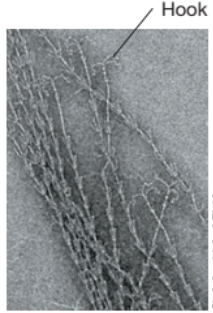
Flagellum
primary function is motility
has three parts: filament, hook (sheath), and basal body
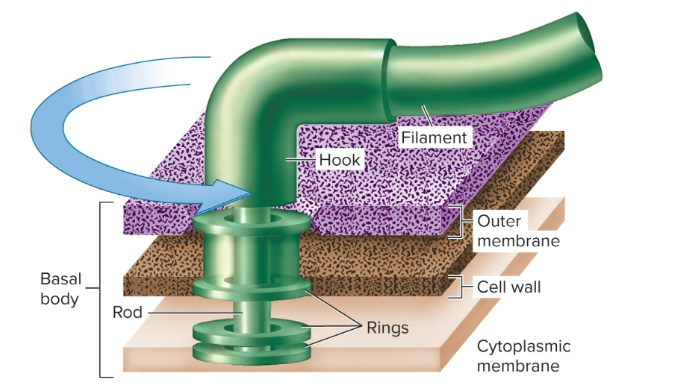
flagellar function
Chemotaxis: movement of bacteria in response to chemical signals
Phototaxis – response to light signals
Runs (linear directions) and tumbles (stop and go)
Positive chemotaxis
movement toward favorable chemical stimulus
Negative chemotaxis
movement away from a repellant
Polar arrangement
flagella attached at one or both ends of the
cell
types:
Monotrichous: single flagellum
Lophotrichous: small bunches
or tufts of flagella emerging from the same siteAmphitrichous: flagella at
both poles of the cell
Peritrichous arrangement
flagella are dispersed randomly over the surface of the cell
Periplasmic Flagella (Axial Filaments)
Internal flagellum enclosed in the space between the cell wall and the cytoplasmic membrane
Spirochetes possess an unusual, wriggly mode of locomotion caused by two or more long,
coiled threads, the periplasmic flagella or
axial filaments
Archaella proteins are unrelated to those of __________.
flagella, and in evolutionary terms are more
closely related to type IV pili
Somewhat simpler than flagella
Generally slower than bacterial flagella
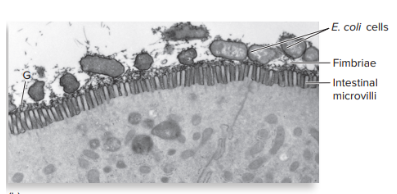
Fimbriae
type of attachment or channel formation
Small, bristle-like fibers sprouting off the surface of many bacterial cells
Allow tight adhesion between fimbriae and
epithelial cells, allowing bacteria to colonize and
infect host tissuesEscherichia coli colonizes the intestine and begins its invasion of tissues by use of this adhesion
Mutant forms of these pathogens that lack fimbriae are unable to cause infections
Pili/pilus
type of Attachment or Channel Formation
Appendagesusually longer than fimbriae and only one or two found per cell
Involved with motility and DNA transfer
Twitching motility of pili
pilus extends then contacts surface then retracts
(powerstroke). Results in short, jerky, intermittent movements.
Gliding motility of pili
smooth gliding movement
Type IV pili aka conjugation sex pili
the conjugation pilus of one bacterium called an
F+ cell connects to receptors on the surface of another bacterium. The two cells make physical contact, and DNA from the F+ cell is transferred to the other cell.
Found only in Gram-negative bacteria
Type IV pilus can transfer ______.
genetic material, act like fimbriae and assist in attachment, and act like flagella and make a bacterium motile
Type IV pili are major contributor to the infectiousness of:
Neisseria gonorrhoeae (gonorrhea)
Vibrio cholerae (cholera)
Streptococcus pyrogenes (strep throat and scarlet fever)
nanotubes
Very thin, long, tubular extensions of the
cytoplasmic membraneUsed as channels to transfer amino acids or
to harvest energy by shuttling electrons to
iron-rich substances (“breathing rock
instead of oxygen”)used by bacteria in nutrient poor environments
type of Attachment or Channel Formation Appendage
Hamus/Hami
type of Attachment or Channel Formation Appendages
Present within the SM1 group of Archaea
“Tiny grappling hook” = holds archaea in place to collect nutrients
Ecological strategy that helps trap scare nutrients within habitat
Aids in biofilm formation
present in archaea that Inhabit anoxic groundwater - - > Earth’s deep subsurface
Cytoplasm
70 to 80% water
Complex mixture of sugars,
amino acids, and salts
Cell inclusions
function as energy reserves, carbon or phosphorus reservoirs, and/or have special functions
Enclosed by thin protein membrane
• Reduces osmotic stress = Storing carbon or other substances in an insoluble form within the cytoplasm reduces osmotic stress and takes up less space compared with storing these
substances in a soluble form
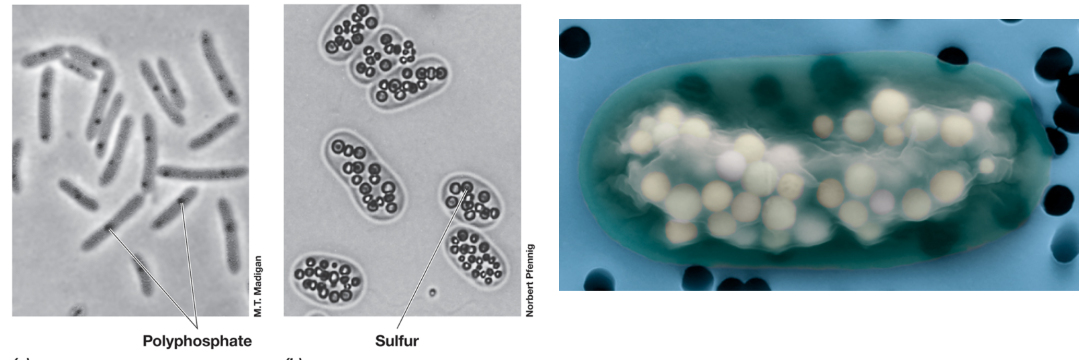
Common examples of storage cell inclusions
storage for carbonate mineral, Polyphosphate, and sulfur
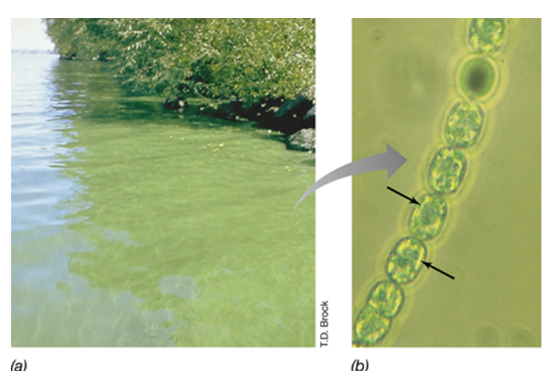
Gas vesicle cell inclusions
structures that confer buoyancy and allow the cells to
position themselves in regions of the water column that best suit their metabolisms
present in Cyanobacteria (algae blooms)
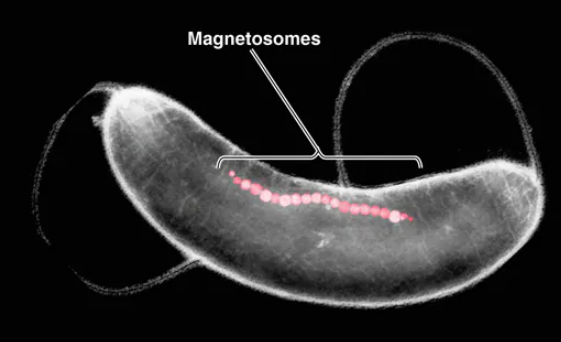
Magnetosomes cell inclusions
impart a magnetic dipole on a cell, allowing it to orient itself in a magnetic field
Endospores
dormant survival structures
Produced by some Gram-positive bacilli
Vegetative cell: metabolically active
resist extremes of heat, drying, freezing, radiation, and chemicals that would kill vegetative cells
Require special stains (Endospore stain) to view