Classics 10 Midterm
 Studied by 0 people
 Call Kai
 Learn
Learn Practice Test
 Spaced Repetition
 Match
Match Flashcards
 Knowt Play
1/58

There's no tags or description
Looks like no tags are added yet.
Name | Mastery | Learn | Test | Matching | Spaced | Call with Kai |
|---|
No analytics yet
Send a link to your students to track their progress
59 Terms
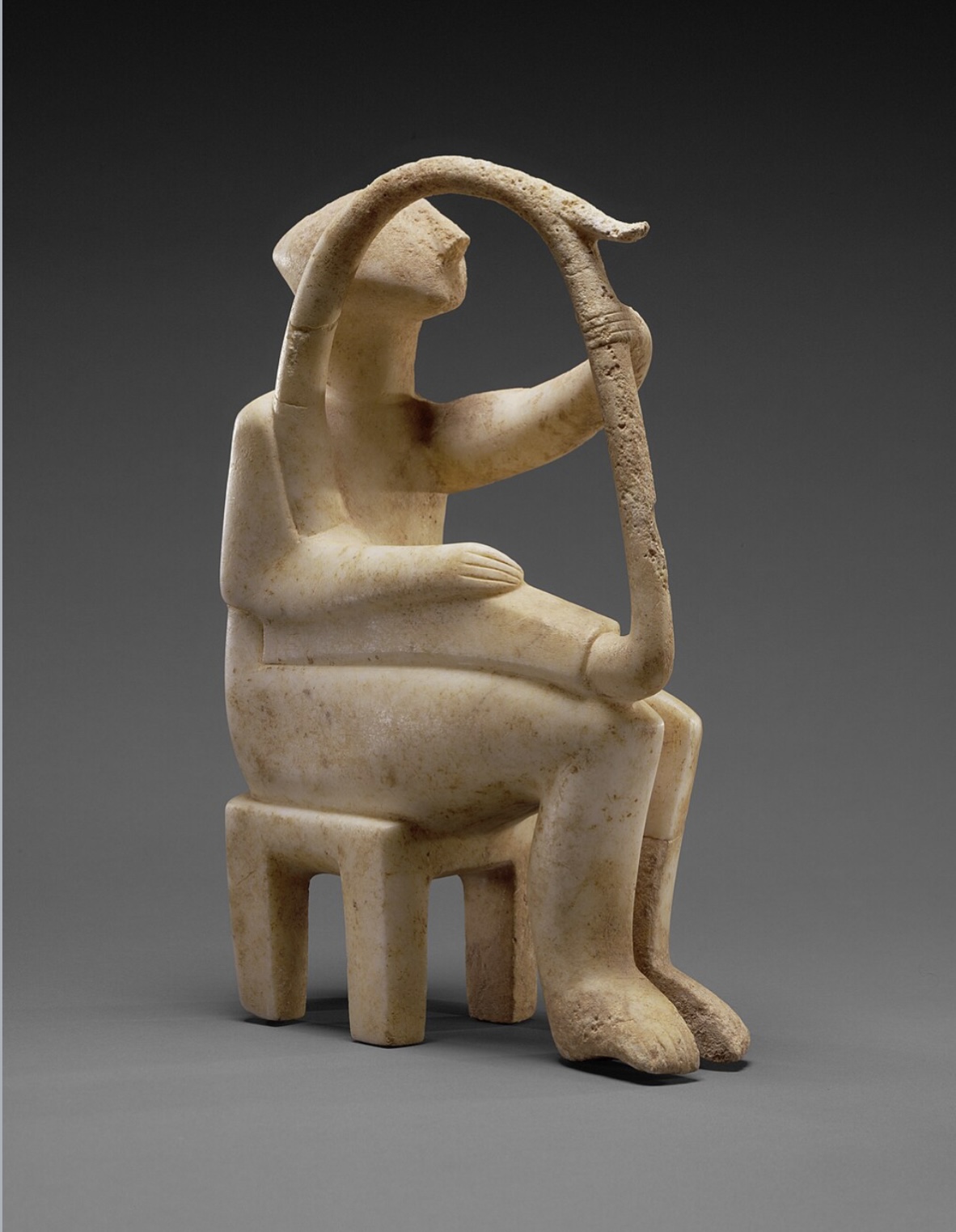
This image shows a Cycladic Harp-Player with a repeated stylized figure that we see from the Cycladic Islands around Crete from around 2700-2300BCE. The significance of this image is that it leads us to think that the Minoans were a non-warlike culture, peaceful, nature-loving, and musicians.
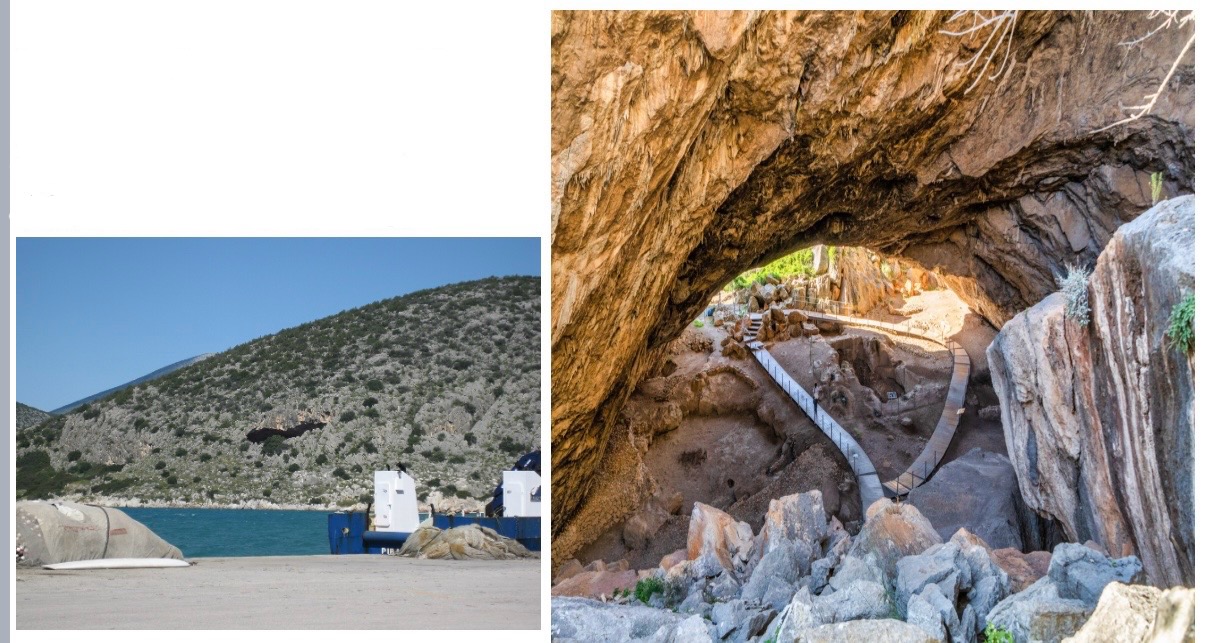
This image shows the The Franchti Cave from the Paeolithic and Neolithic communities. This image is significant because it provides evidence of pottery and trade.
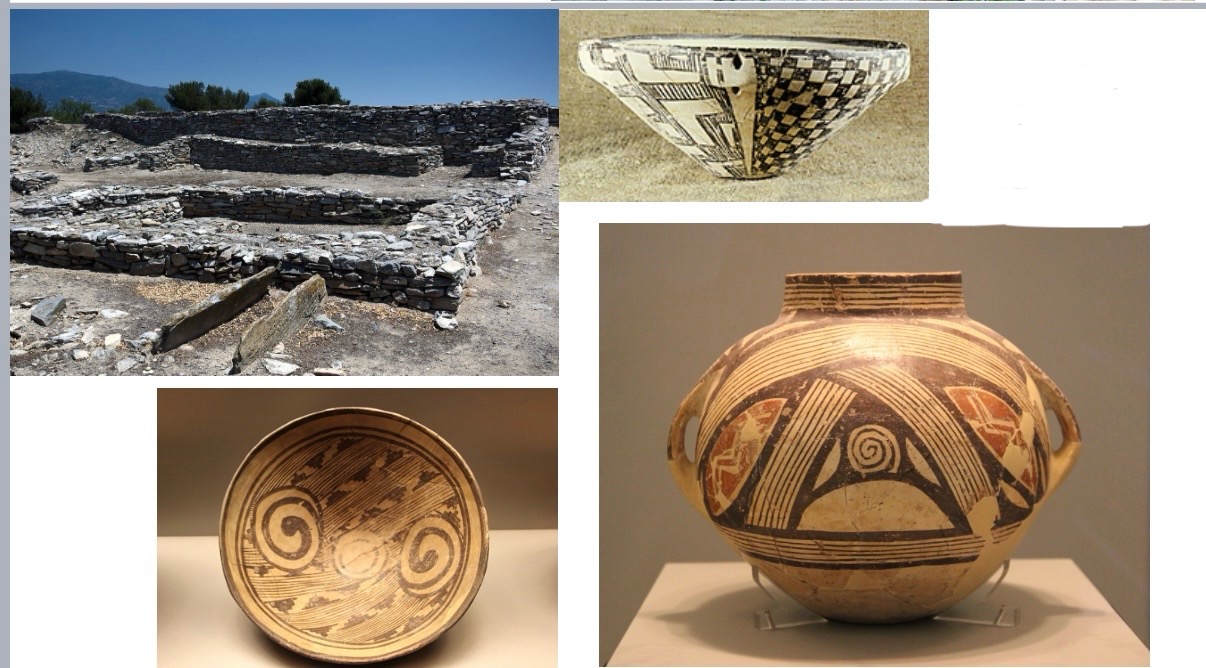
This image shows pottery from Neolithic Dimini and it shows a unique spiral and geometric patterns. This image is significant because the patterns helps historians to date and shows the process of ideas and their way of thinking.
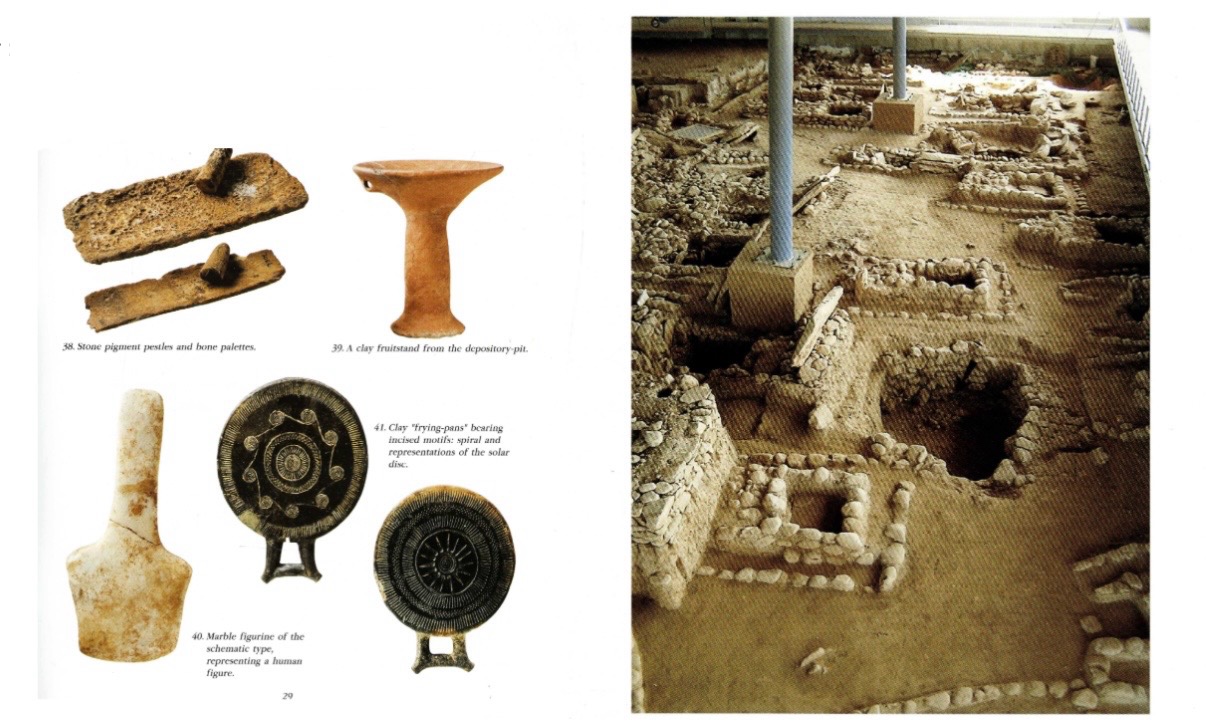
This image shows Early Helladic Cemetary at Tepsi with a centralized cemetery structure organized by stones. This image is significant because we see signs of community organization and identity, grave goods, and prestigue of the past.
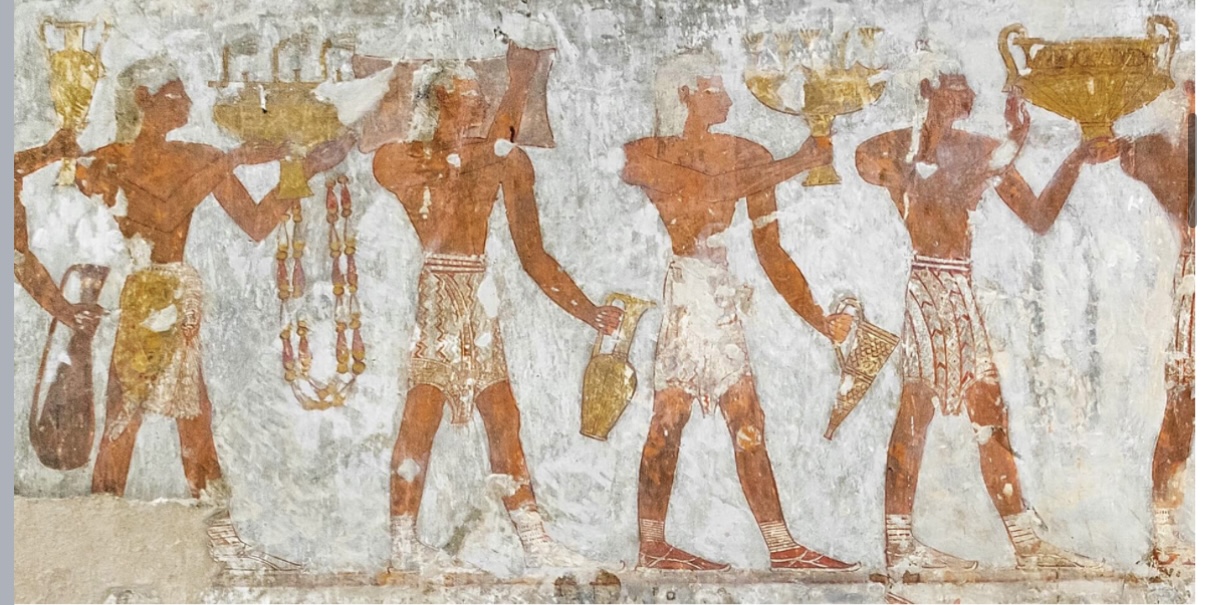
This image is the Rekhmire Tomb from Egypt 1400BCE and it shows a painting with people giving offerings and submission to the Egyptian King. This image is significant because it gives us more information on Egyptian hieroglyphics.
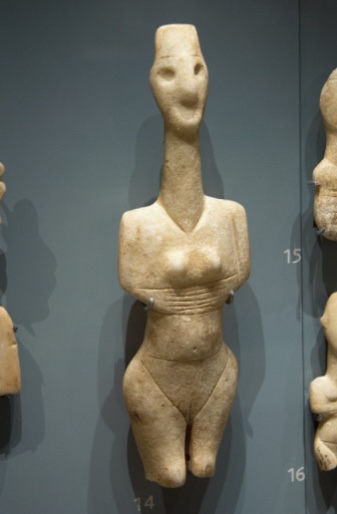
This image shows a Cycladic figurings of the female body with stylistic changes. This figurings gives us an insight into their religious structure and it lead us to believe that the culture in Crete placed special emphasis on female divinities.
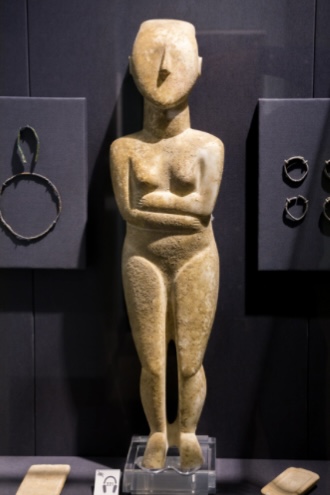
This image shows a Cycladic figurings of the female body with stylistic changes. This figurings gives us an insight into their religious structure and it lead us to believe that the culture in Crete placed special emphasis on female divinities.
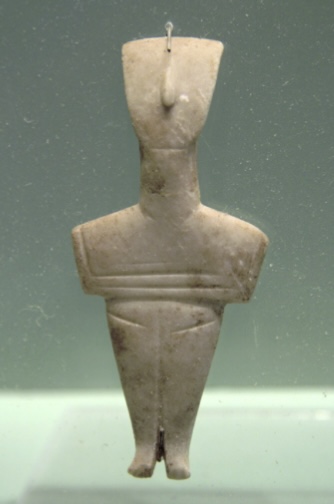
This image shows a Cycladic figurings of the female body with stylistic changes. This figurings gives us an insight into their religious structure and it lead us to believe that the culture in Crete placed special emphasis on female divinities.
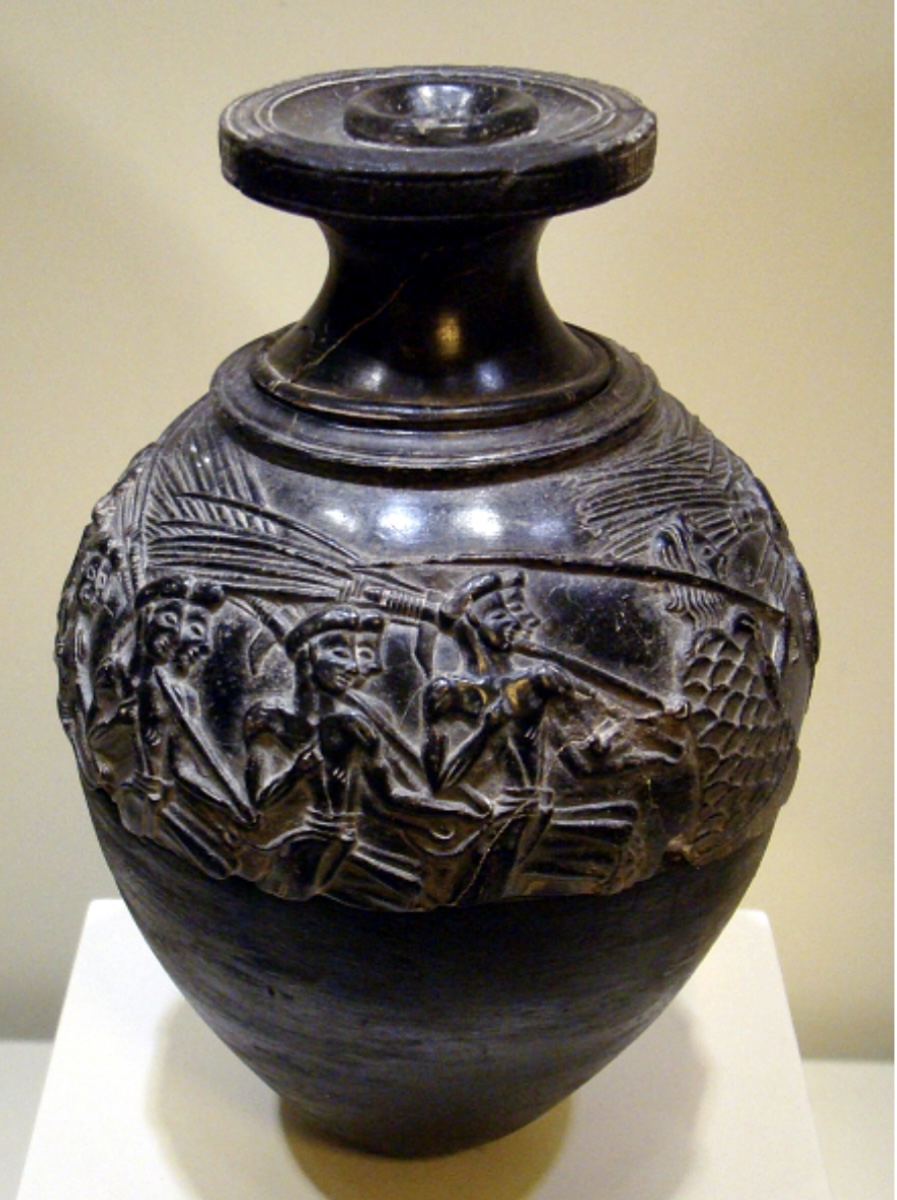
A vase that shows harvesters bringing grain. The vase shows us that there was some sort of ritual procession and some sort of tithe involved then it would be redistributed out.
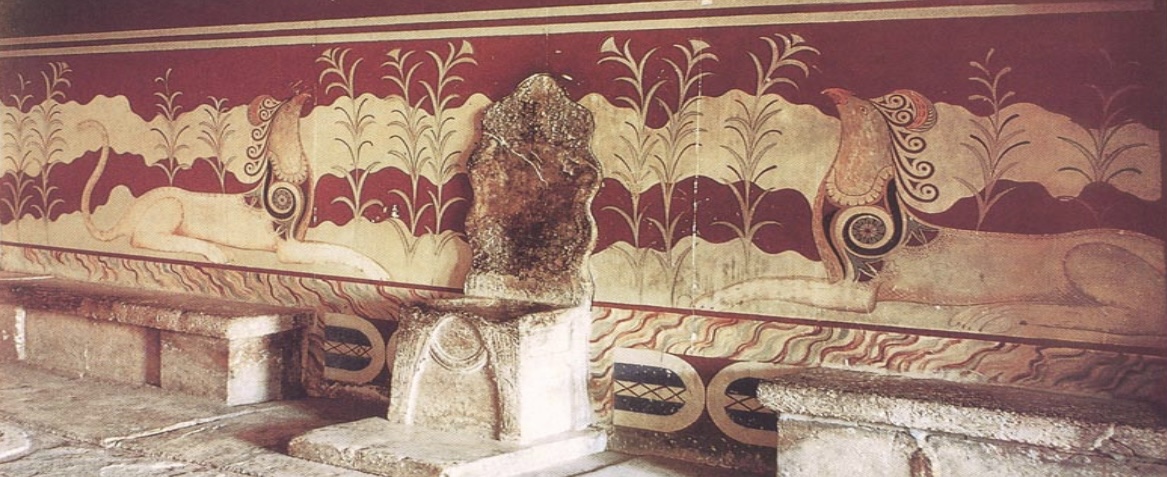
This image is King’s Throne at Knossos which contains a throne and mythical animals on the side. This image tells us that there was a type of leading figure and the imagine contains a mixture art characteristics we find in the East, Akkadian art, Babylonian art, and Egypt art which shows that there was a interchanging of ideas as well.
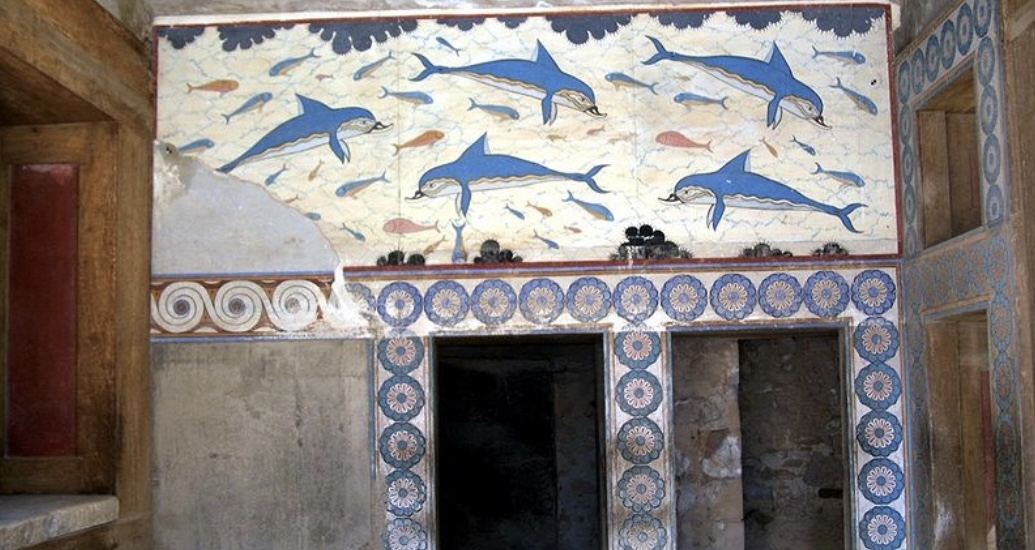
This is the Fresco of Dolphins from Knossos and scenes of nature and dolphins is illustrated. This painting symbolizes the Minoans being peace loving people.
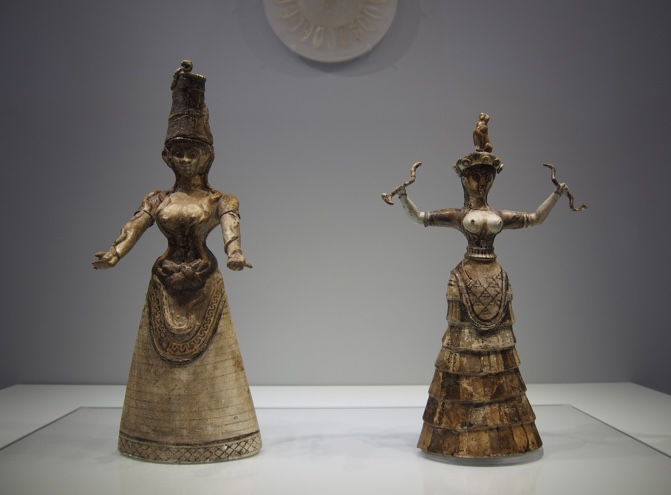
This image show Snake Goddesses from Crete ca. 1600BC. The significance of these figures are due to the representation of how females are centered in their culture inked to land, fertility, and growth.
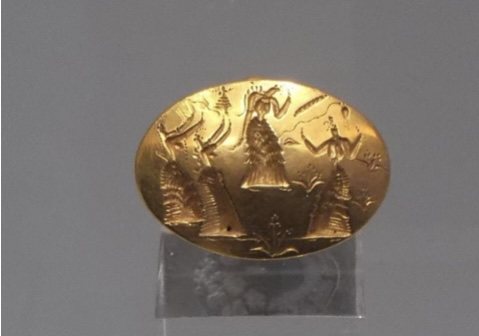
This image shows a gold signet ring from Knossos 1450BCE with a depiction of female worshippers and a female divinity. This piece is significant because it shows how females are centered in their culture as they are linked to land, fertility, and growth.
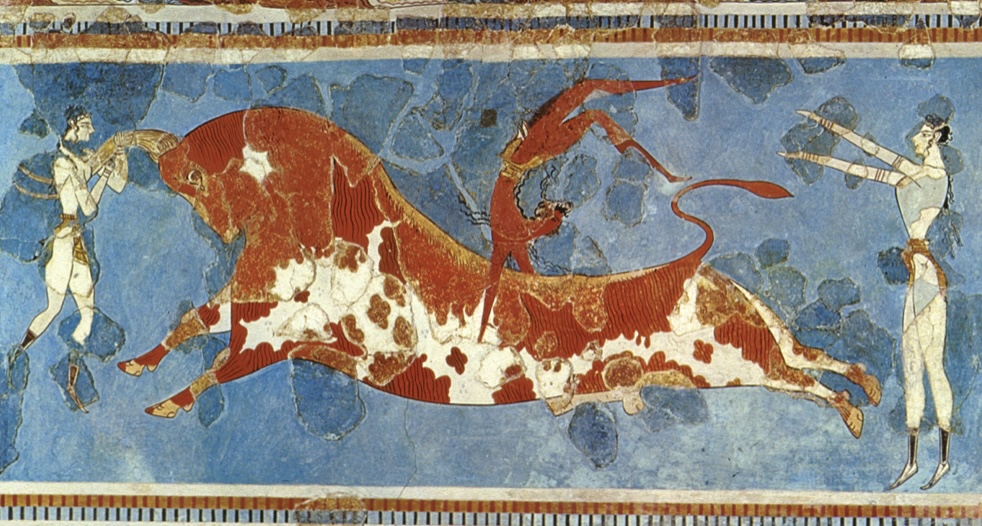
This image shows a Bull-leaping Fresco from Knossos. The significance of this image is that it provides evidence for rituals done in Knossos.
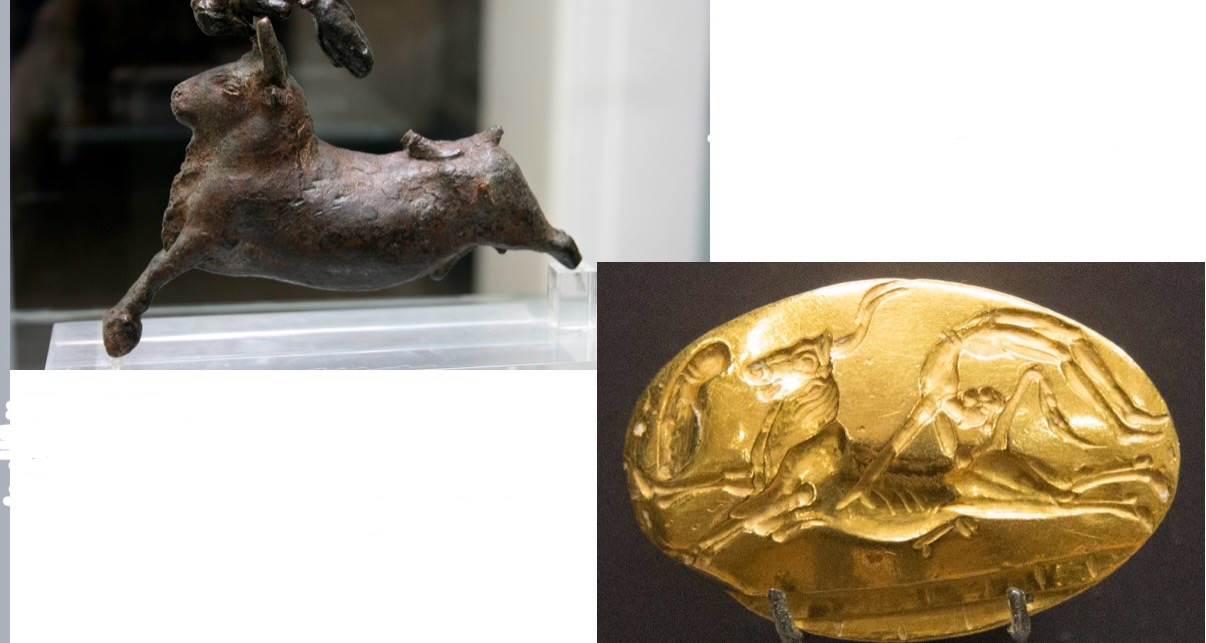
These images show depiction of Minoan Bull Leapers in bronze and gold. These images are significant because it shows how the bull was valued in their culture and their ritual of bull leaping.
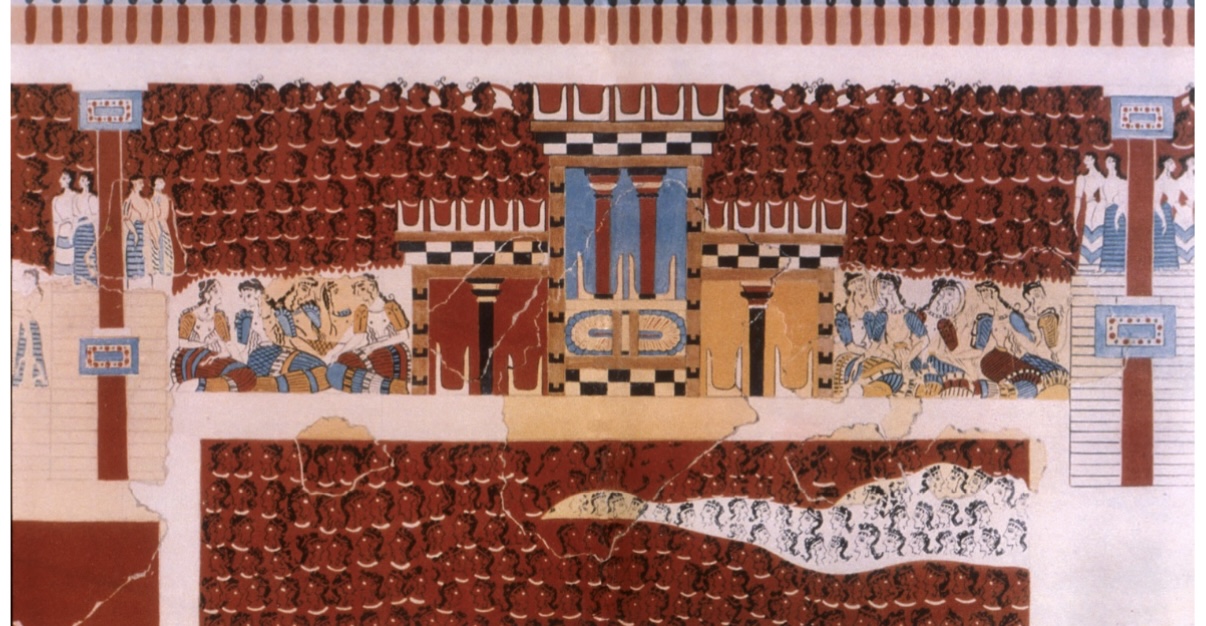
This image is the Grandstand Fresco at Knossos (ca. 1500BCE) and it shows a public display of bull leaping. This image is significant because it shows a public performance with meaning to the people of Knossos.
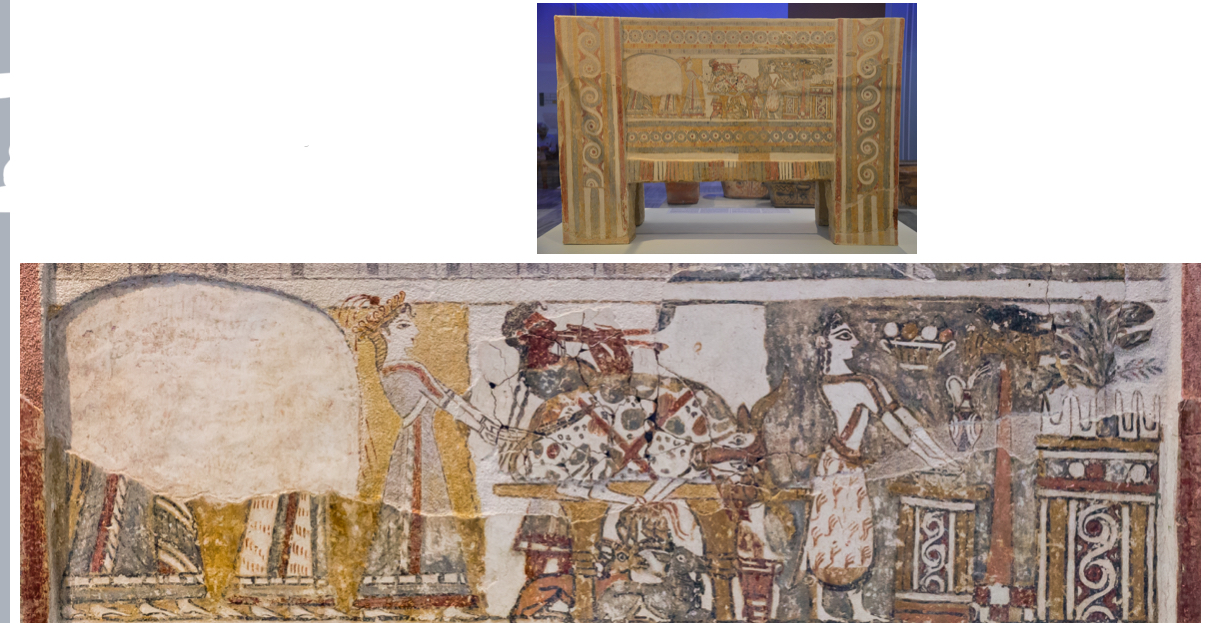
This image is Hagia Triada Sarcophagus (ca.1400BCE) and it depicts a bull strapped to a table and some sort of sacrifice happening to a bull. This image is significant because it further provides evidence for the ritual function of the bulls.
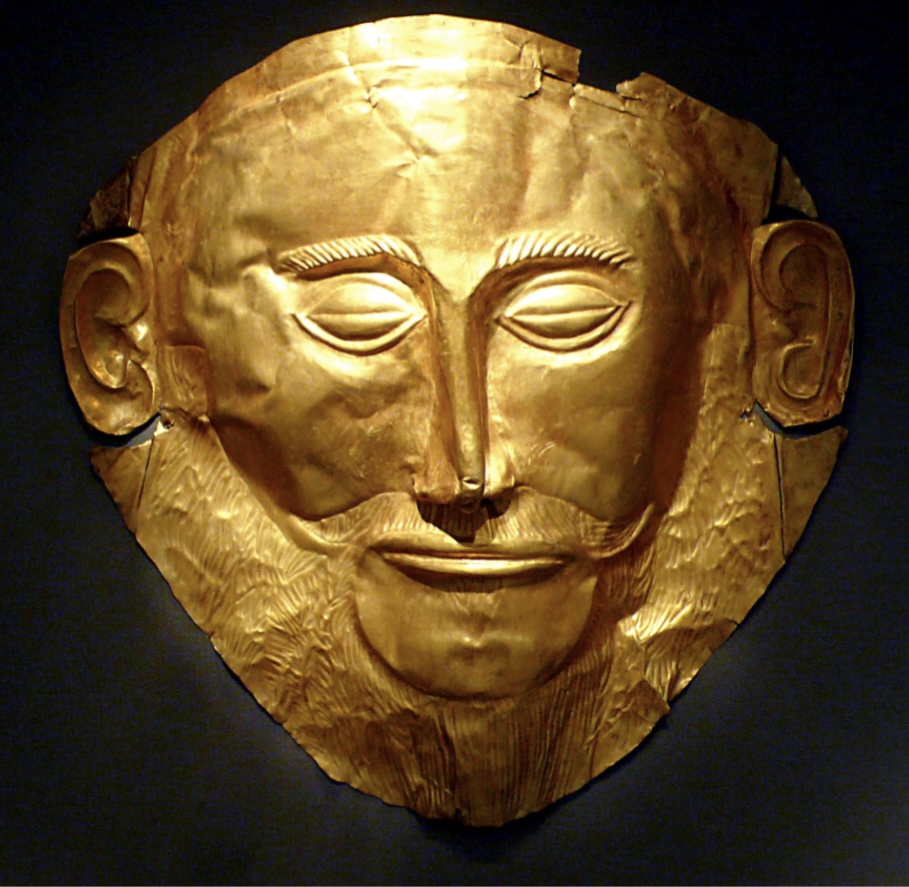
This image is the Mask of Agamemnon made out of gold from Mycenae 1500BCE. This mask is significant because it emphasizes and provides evidence for how heroes were glorified in Mycenae culture.
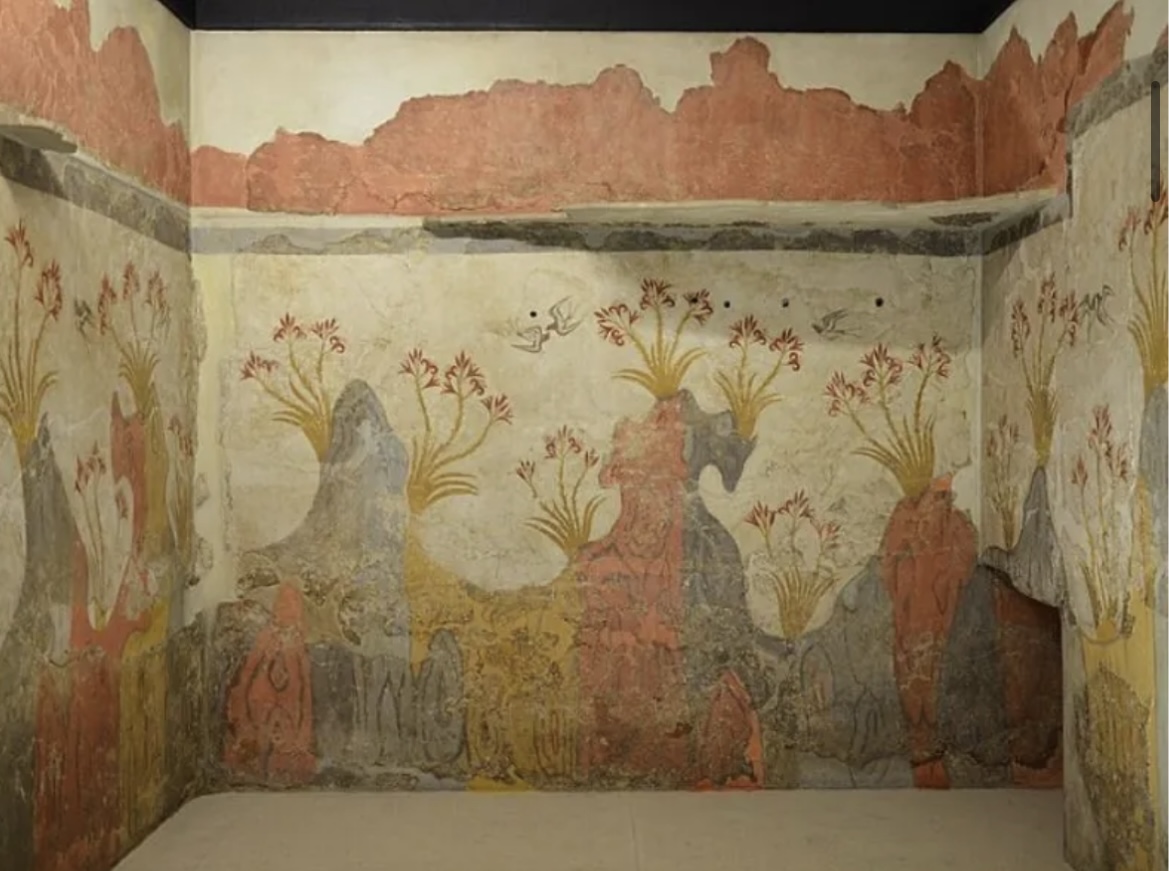
This image shows the Spring Fresco from Akrotiri around 1650BCE depicting a peaceful image with swallows dancing around. This image provides evidence for the belief that Minoan culture was peaceful and harmonious.
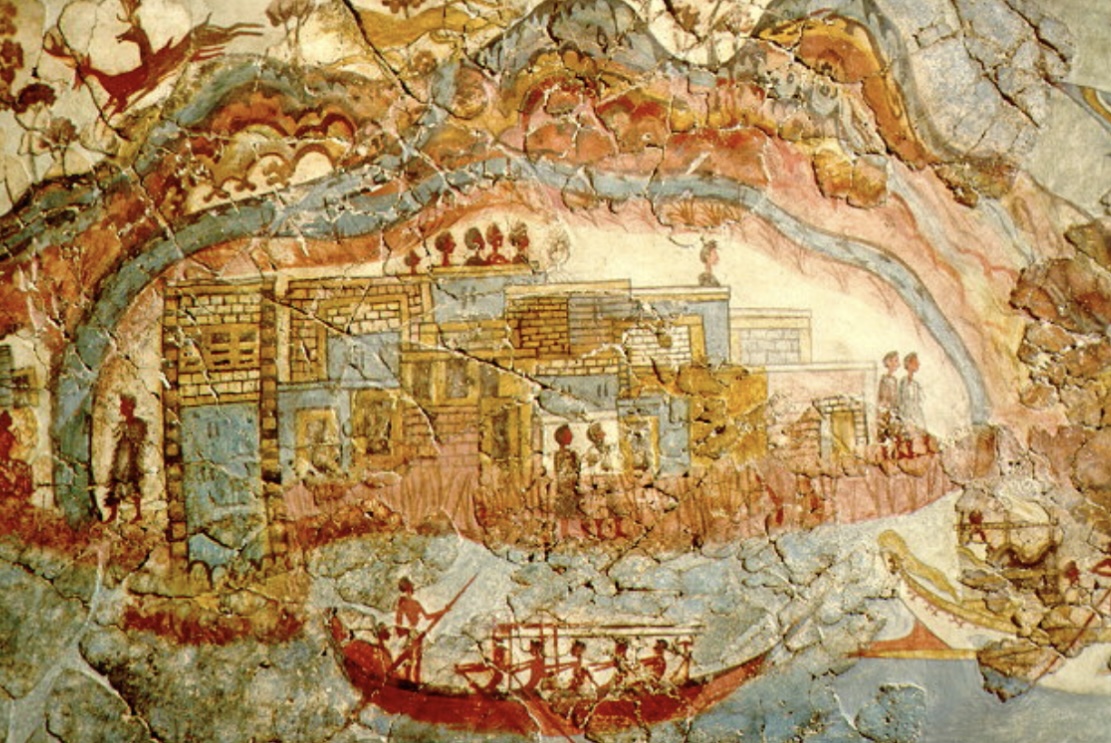
This image is called the Flotilla Fresco from Akrotiri ca. 1650BC and it has bright and a variety of colors, peaceful scenes, and ships as a reminder that the Minoans were powerful traders. This image serves as evidence for the peaceful culture of the Minoans and their evidence of trade.
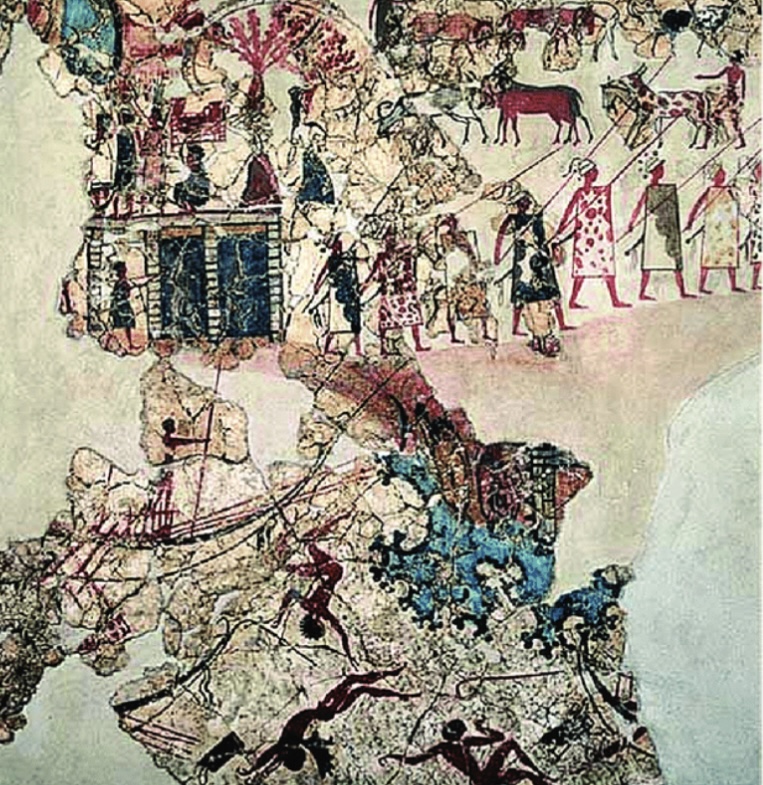
This image is North Wall Frieze from West House, Akrotiri, ca 1650BCE and the image depicts people falling off ships because there is a battle going on the ship. This image serves evidence that the Minoans might have not been super peaceful and there perhaps there were always a threat of war.
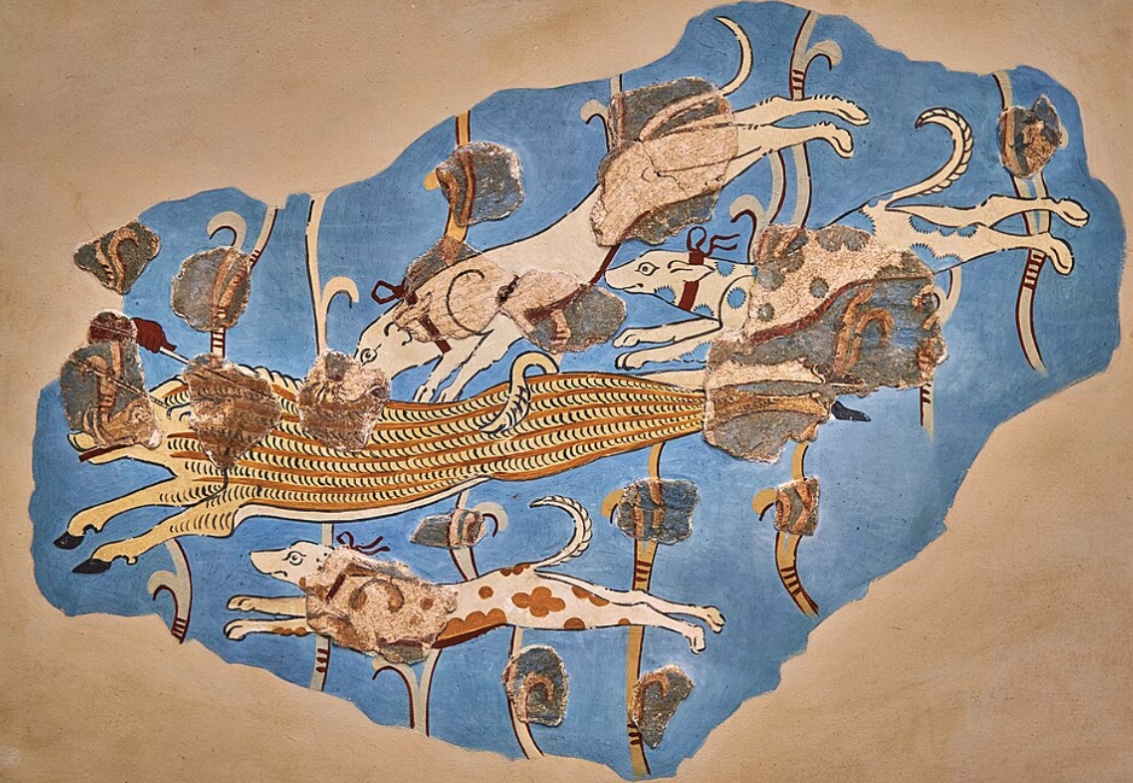
This image is the Boar Hunt Fresco from Tiryns ca. 13th century BCE and it shows a not so peaceful image, but it depicts a bull hunt and violence. This image is significant because it provides evidence for a slightly more violent and competitive culture.
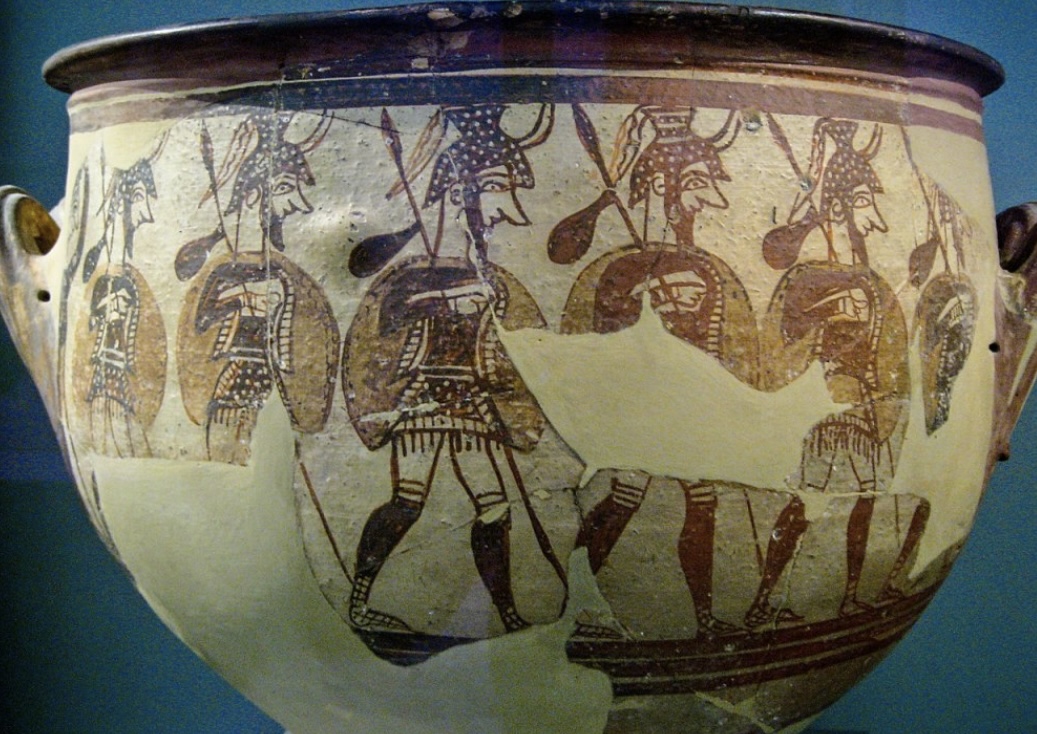
This is a Warrior Vase from Mycenae from about 1200BC that shows Mycenaean warriors on the pot. The illustrations on the pot provides evidence for a strong warrior culture in Mycenae.
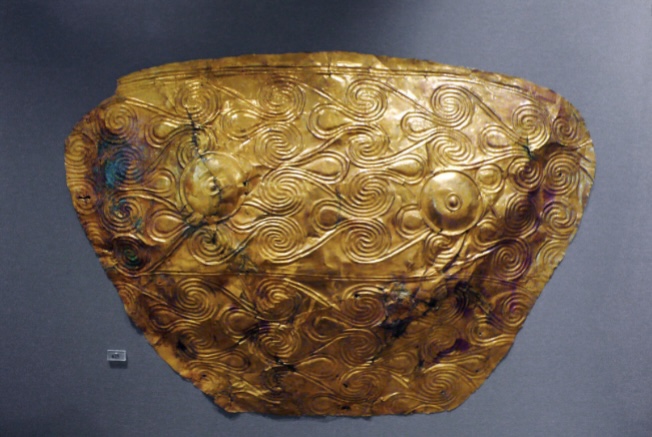
This is an image of a Mycenaean gold leaf breastplate from Mycenae around 1500BC with a style we find on bronze breastplates used for battle. This image provides evidence for a power, wealth, and a celebration of hero and warrior culture.
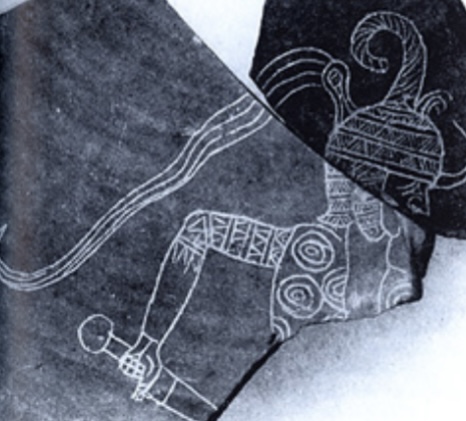
This is an image of a breast protection on a Mycenaean warrior inscribed on a Hittite clay vessel from ca. 1350BC. This image provides further evidence of the warrior culture in Mycenae and warfare.
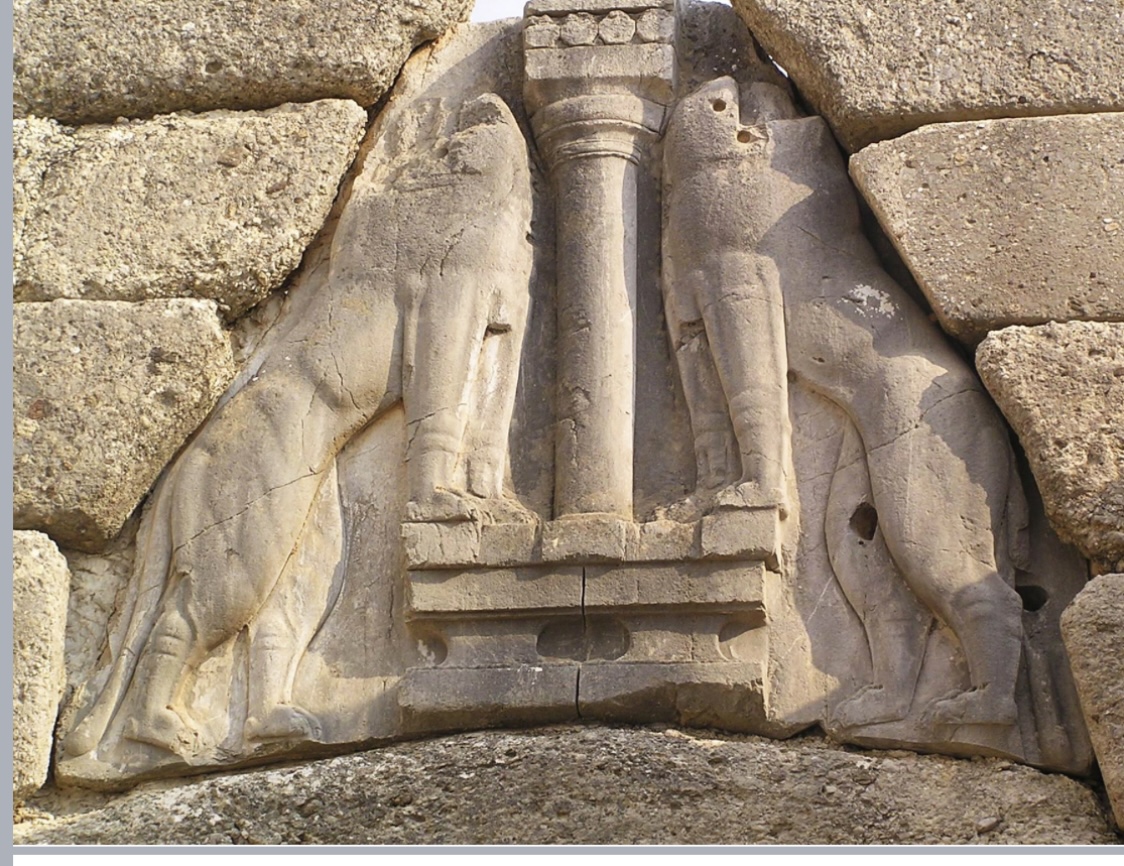
This is an image of the Lion Gate in Mycenae detailed by thick walls and the powerful lion on the top of the entry. The Lion projects power and is used as evidence as a clear marker of status, authority, political and military, and possibly religious centrality.
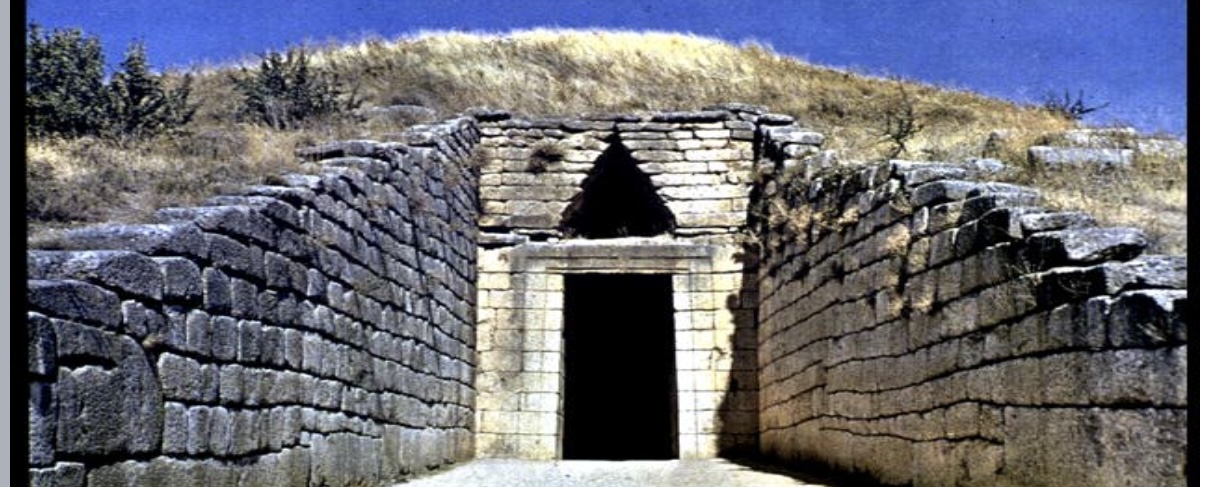
This is an image of the Treasury of Atreus’ Tholos Tomb (1300-1250BCE) at Mycenae and it is characterized by a grand entrance with big bricks. This structure testifies to the wealth of the community and honoring of previous leaders.
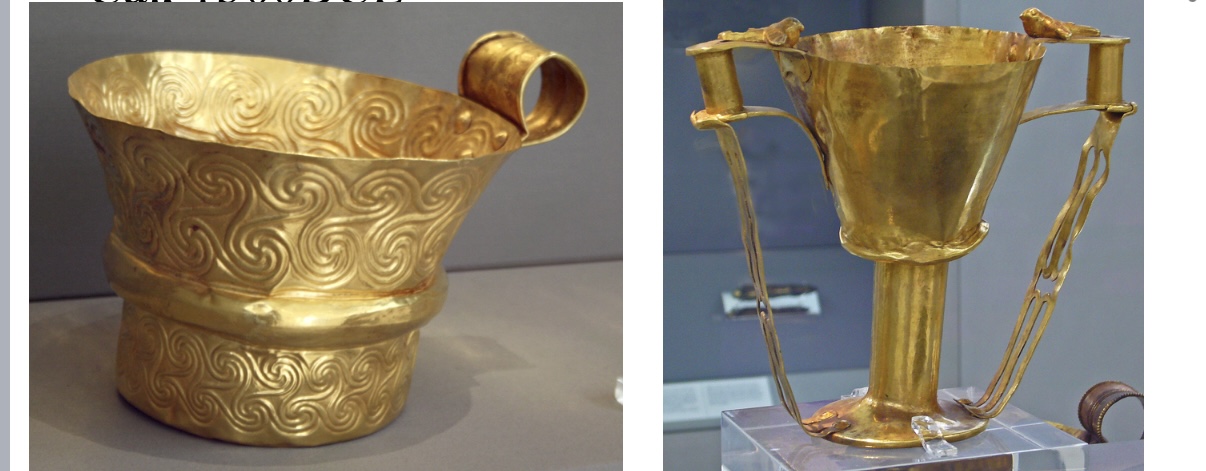
This is an image depicting Mycenaean Wealth through gold cups from Mycenae. These gold cups are significant because it provides evidence to Mycenaean wealth and power because they were able to put gold cups alongside a dead body in a grave.
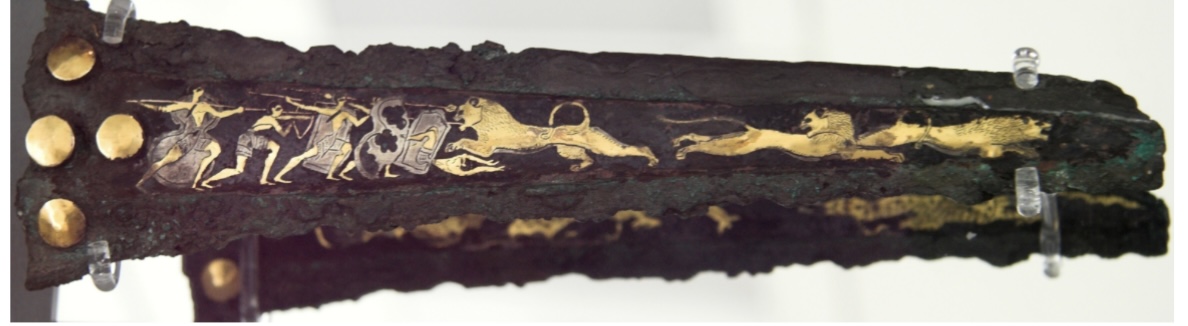
This is an image of a Lion Hunt dagger from Mycenae around 1550-1500BCE and the dagger has depictions of warriors fighting lions. This image is significant because it provides evidence for the hunting culture in Mycenae, which emphasizes the idea that hunting makes you heroic.
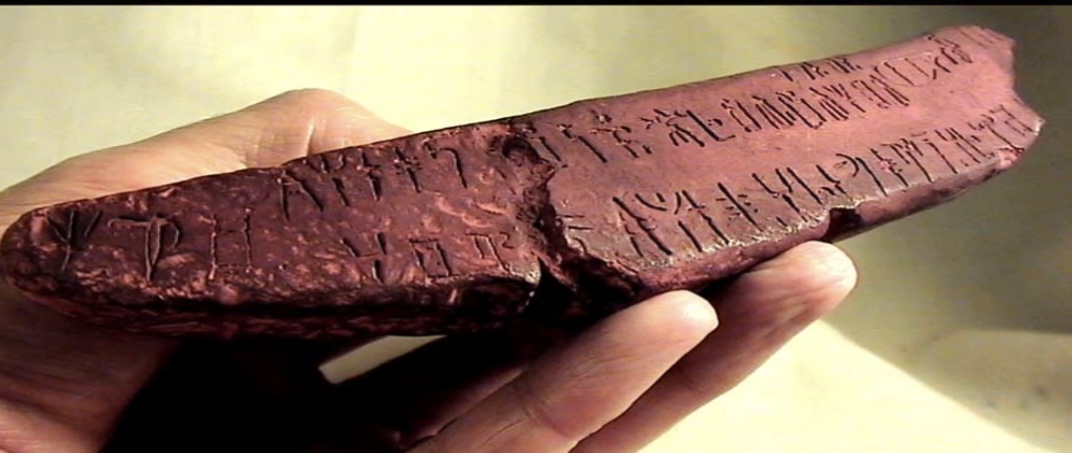
This is an image of Mycenaean writing system, Linear B, inscribed on a red stone or clay. This image is highly significant because it provides a detailed and organized system and gives us insights into how this culture organized itself politically.
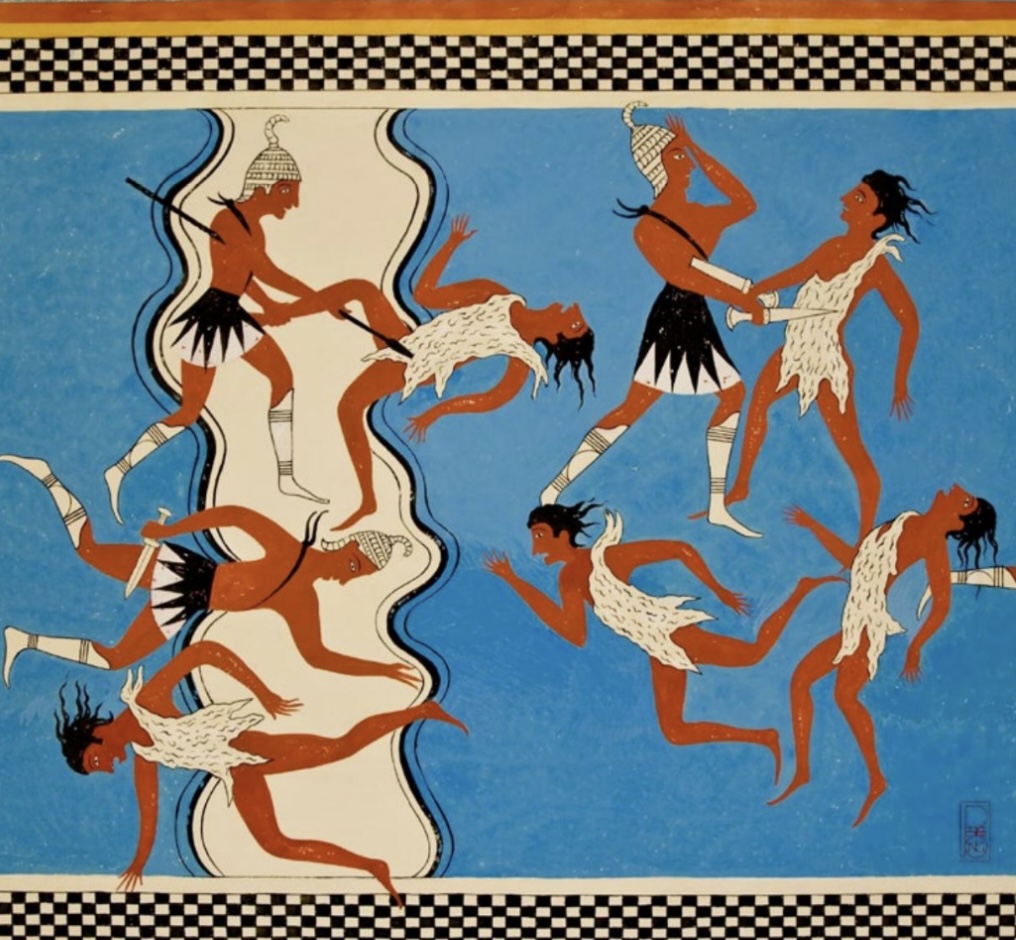
This image is Warrior Fresco from Pylos ca. 1250BCE and it is another depiction of signs of battle illustrated by warriors fighting on the image. This image serves as evidence of the shift from a peaceful culture to a warrior and battle culture.
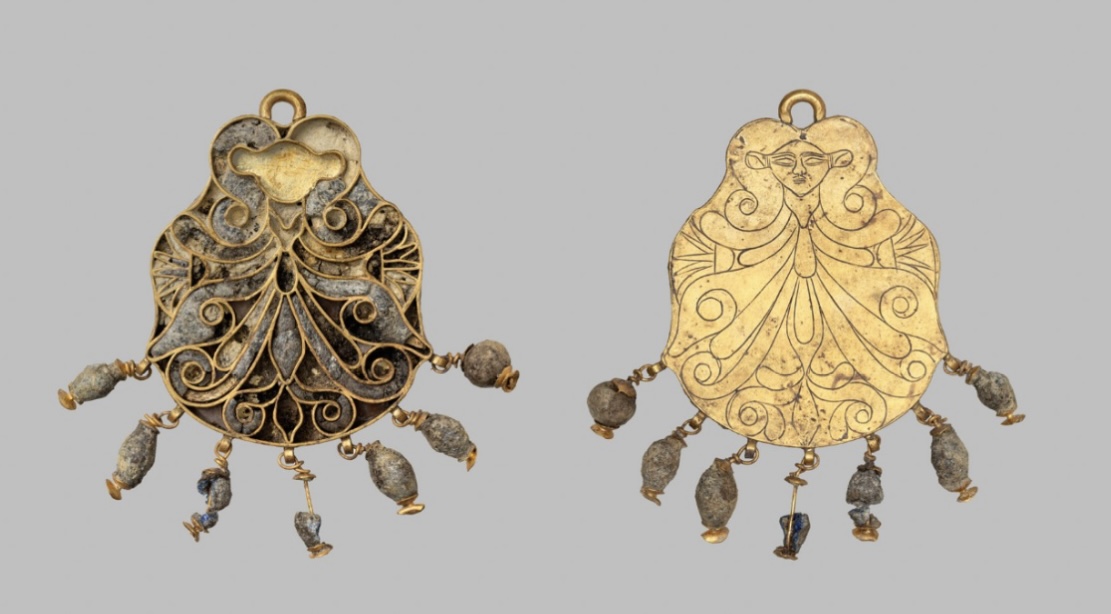
This is an image of pendants made of gold, lapis lazuli, and glass to depict the goddess Hathor. This is a significant image because it shows Mycenaean weath and their worship of a deity.
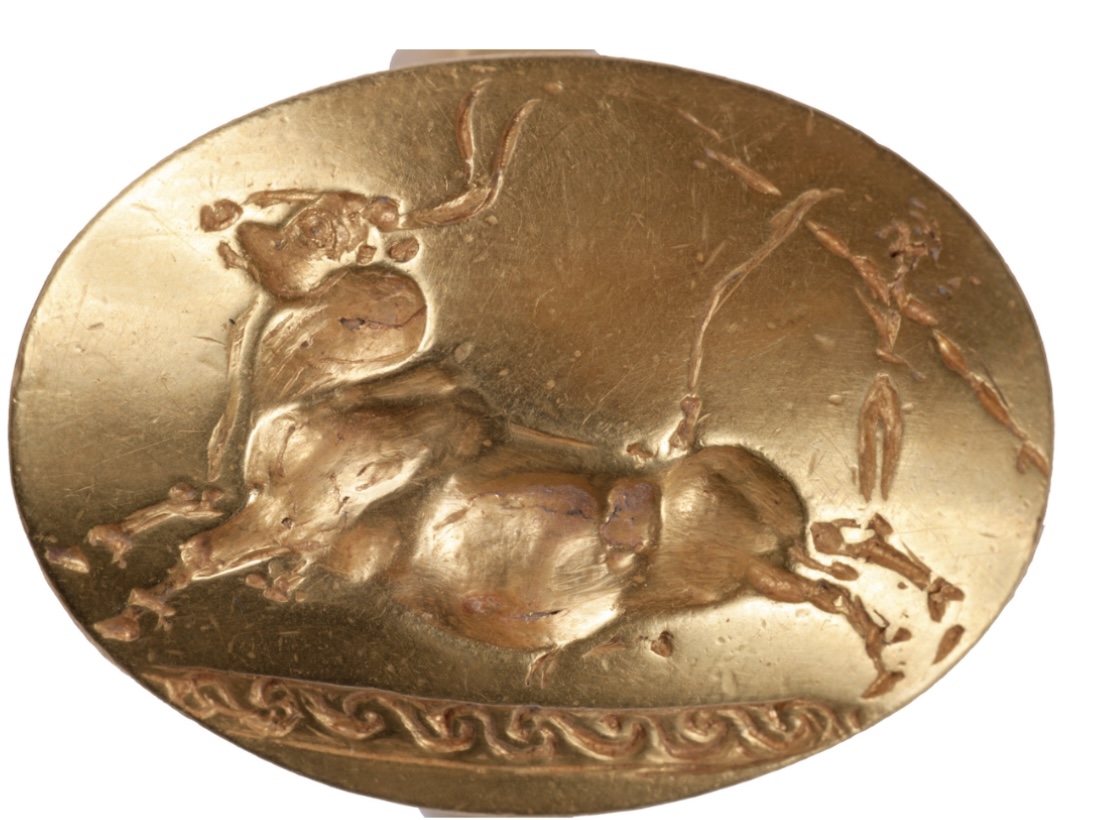
This is an image of the Tomb of the Griffin Warrior ca. 1450BCE and it is a gold ring depicting bull-leaping. This is evidence of extraordinary craftsmanship and the significant ritual of bull-leaping.
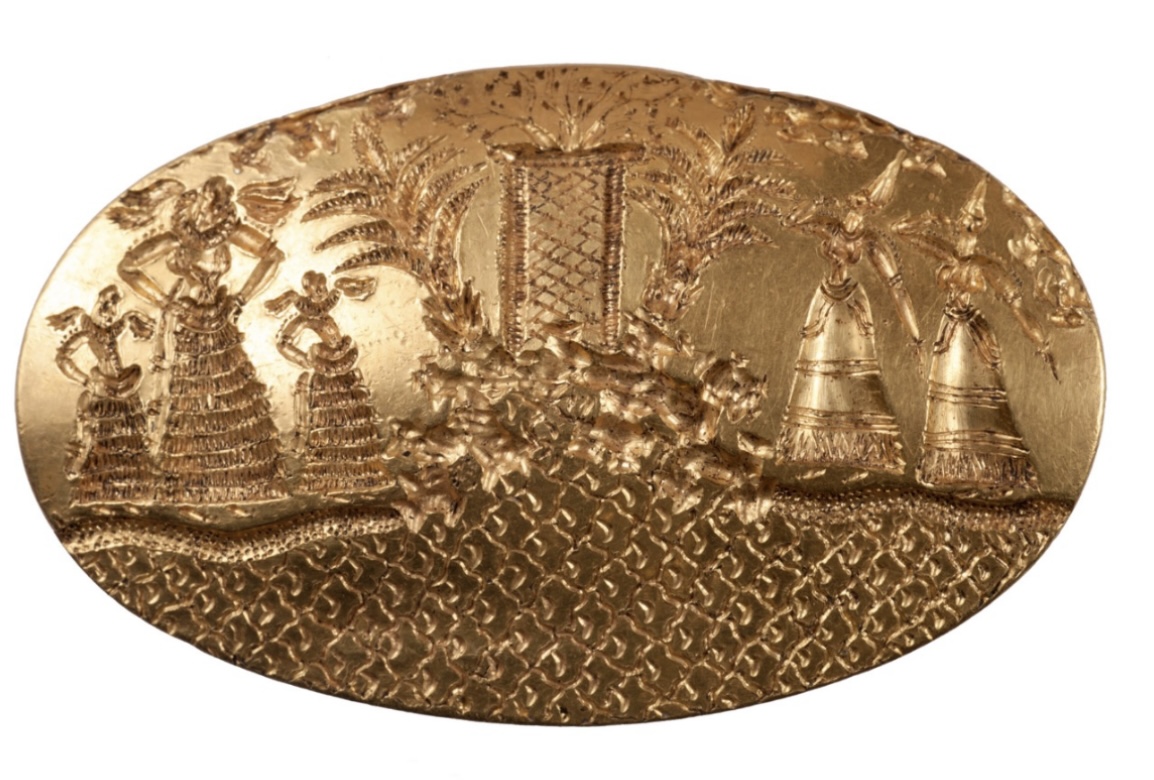
This is an image of the Tomb of the Griffin Warrior ca. 1450BCE and it is a gold ring depicting women before a shrine. This is evidence of extraordinary craftsmanship in ancient Greece.
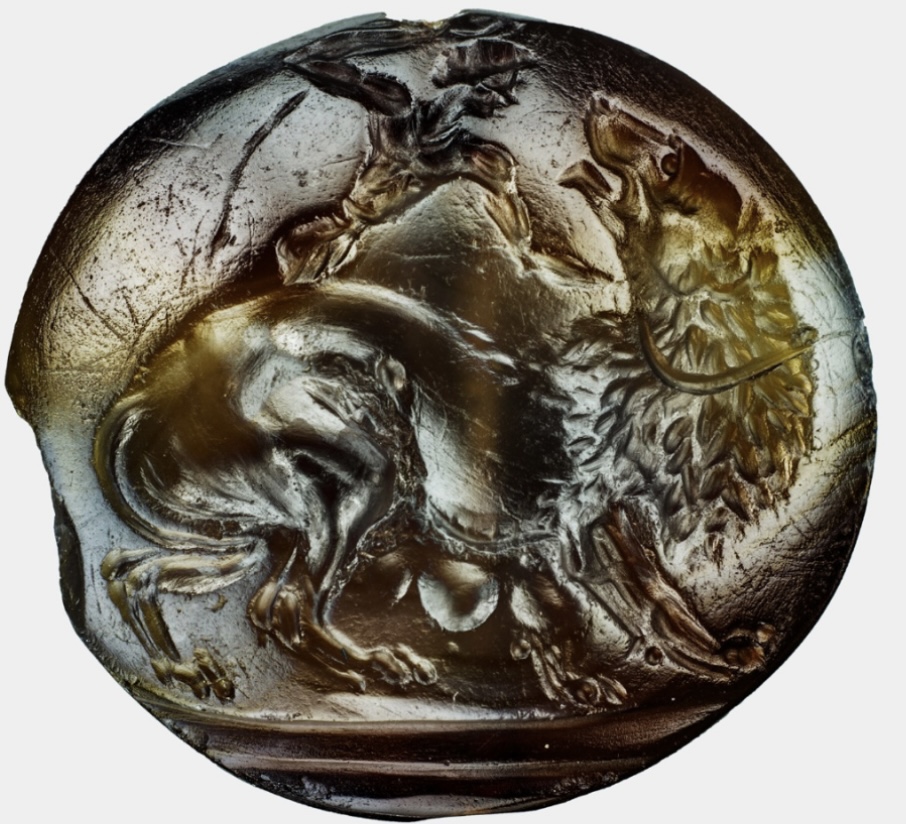
This is an image of the Tomb of the Griffin Warrior ca. 1450BCE and it is an agate stone from Pylos depicting a man looming over a lion. This is evidence of the celebrqated warrior and hero culture, which can be accomplished by lion hunting.
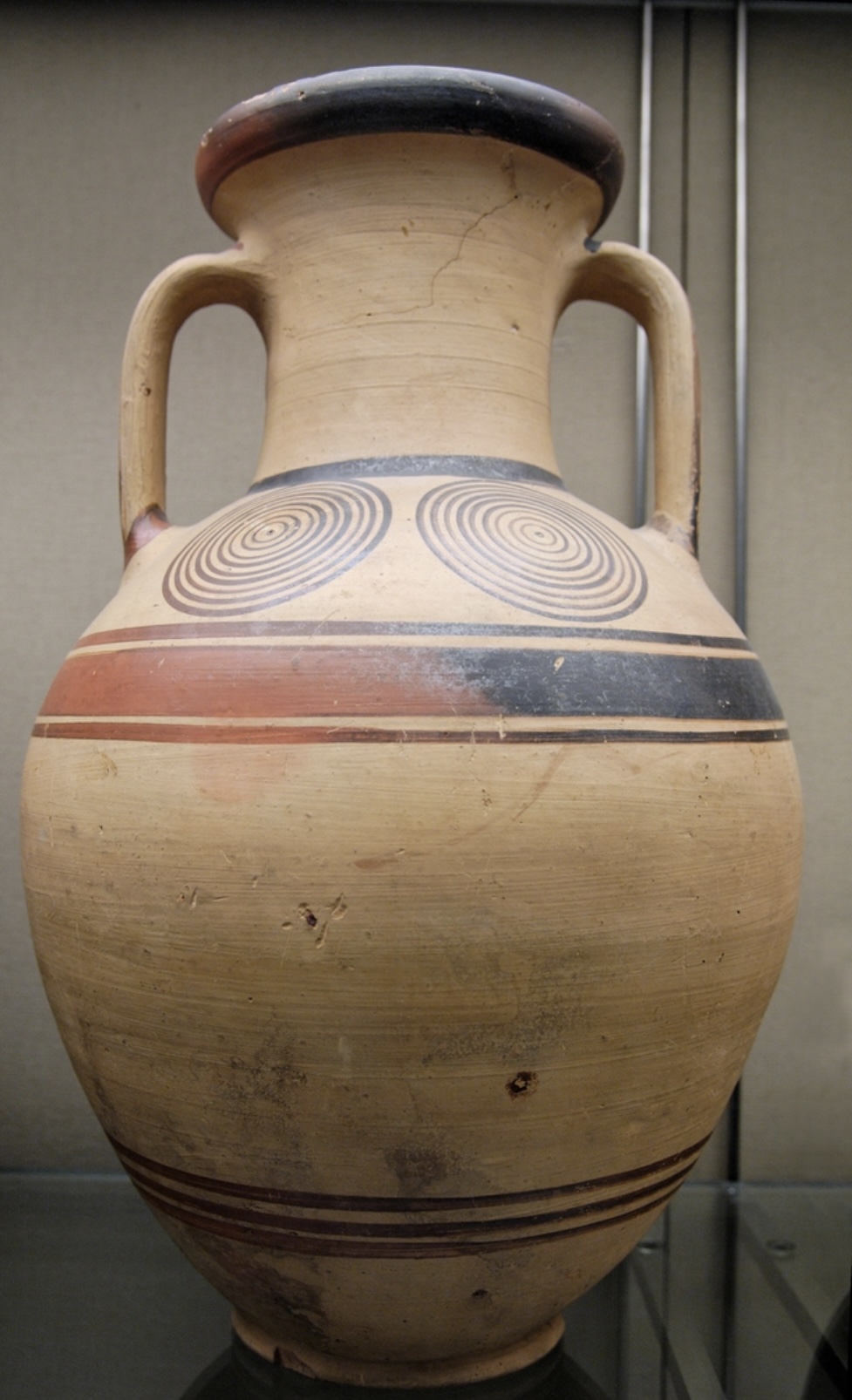
This is an image of protogeometric amphora from a cemetery in Athens ca. 975-950BCE that was used to hold olive oil. This vase is used as evidence to show that pottery evolved and then it spread across the world, which tells archeologists evidence of trade and shared culture.
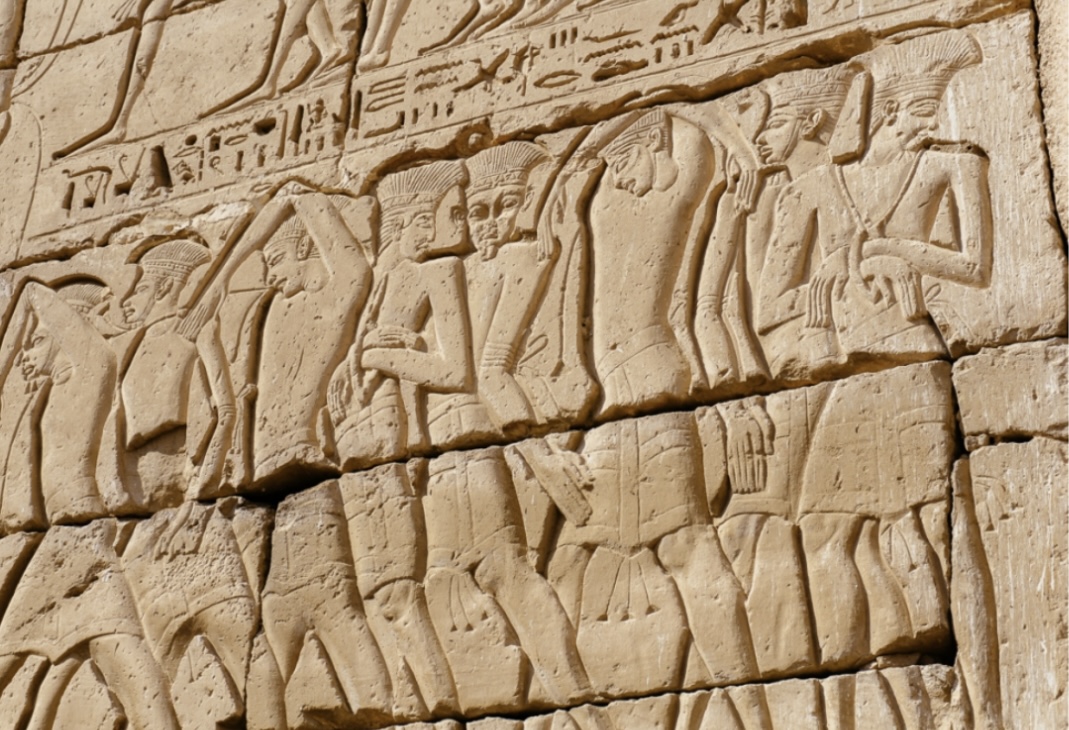
This is an image of The Sea Peoples on a stone relief in Egypt which depicts prisoners in Mycenaean dress. This image is significant because it serves as a historical record of battles, disturbances, and possibly Greek involvement.
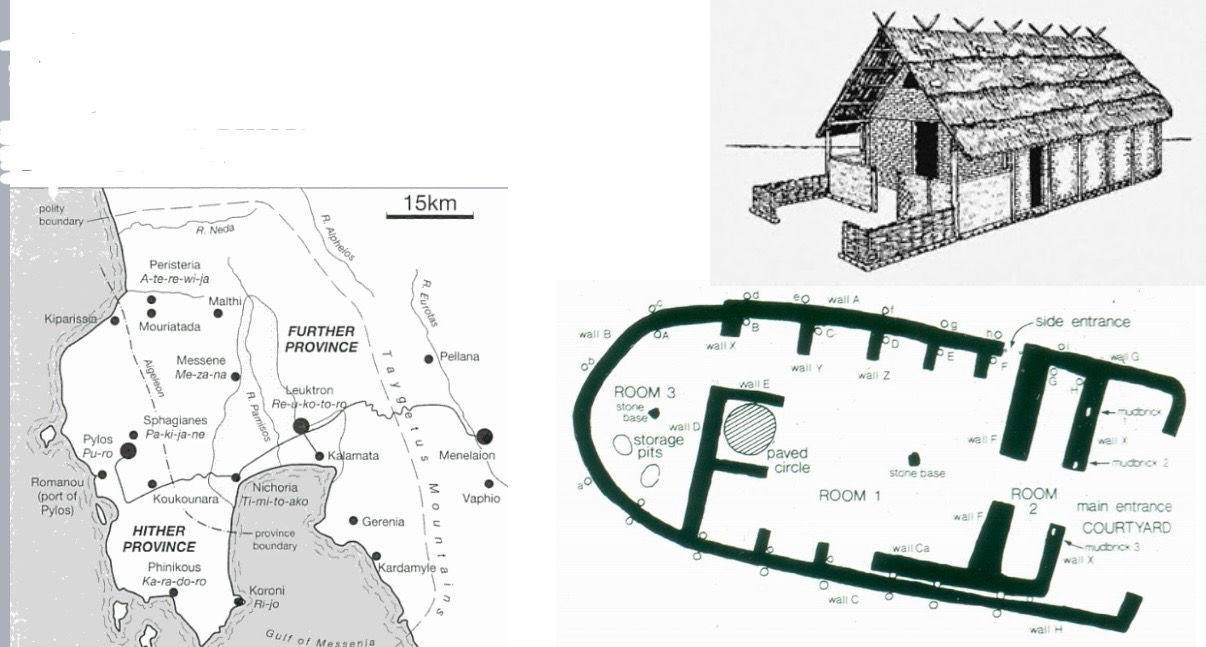
This image is Nichoria Chieftain’s House ca. 1050BCE in Pylos and it shows a kingdom network and a rebuilding of a palace and a center for a political or religious figure. This image is significant because it does provide some evidence of structure and of some political or religious figure in the central.
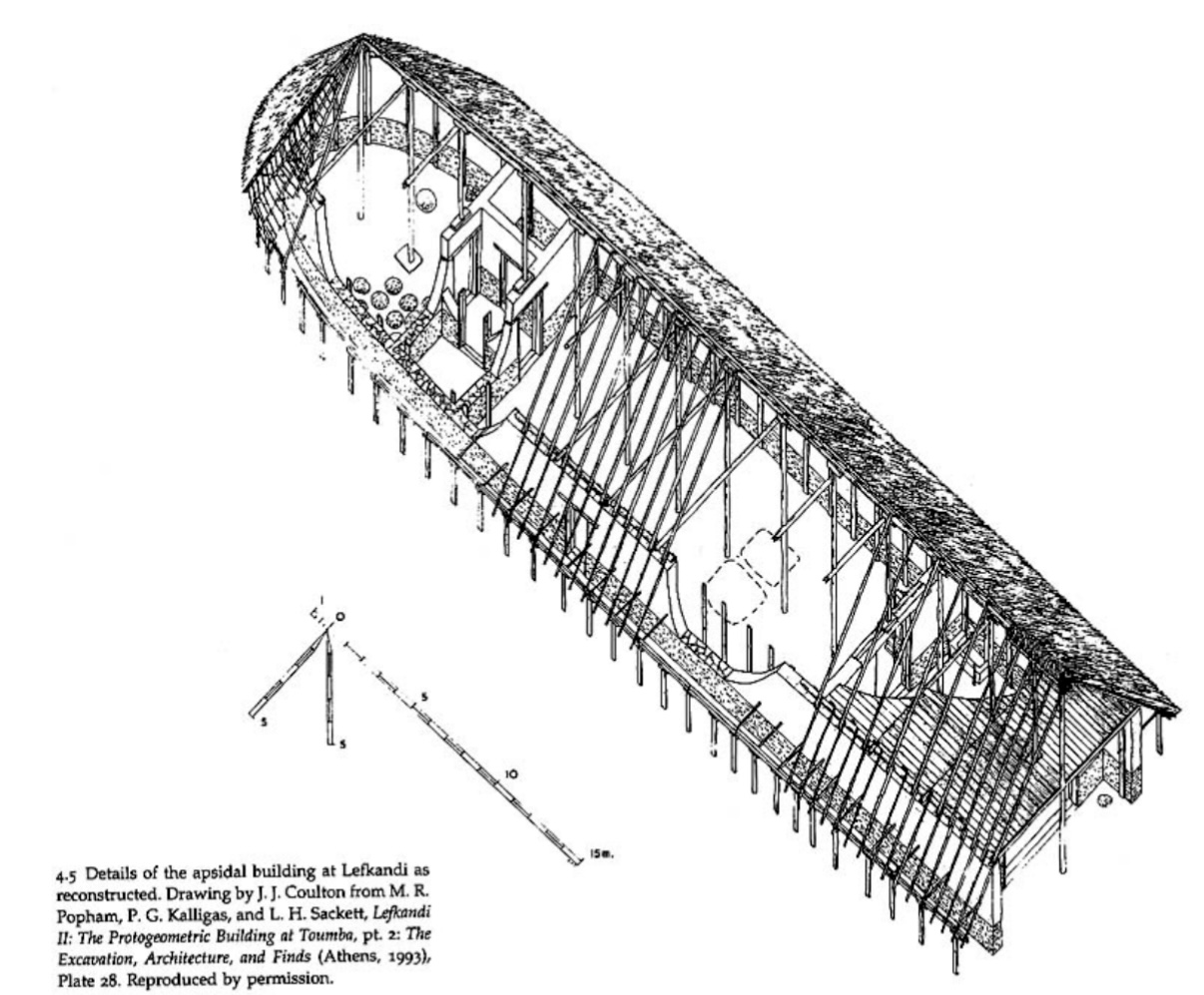
This image is the Lefkandi Heroon ca. 975BCE and it shows a big building, a place for a chief, room for storage areas, and a shaft graves buried down beneath the structure. The significance of this image is that it provides evidence of the burial process for important figures and burial rituals of the community.
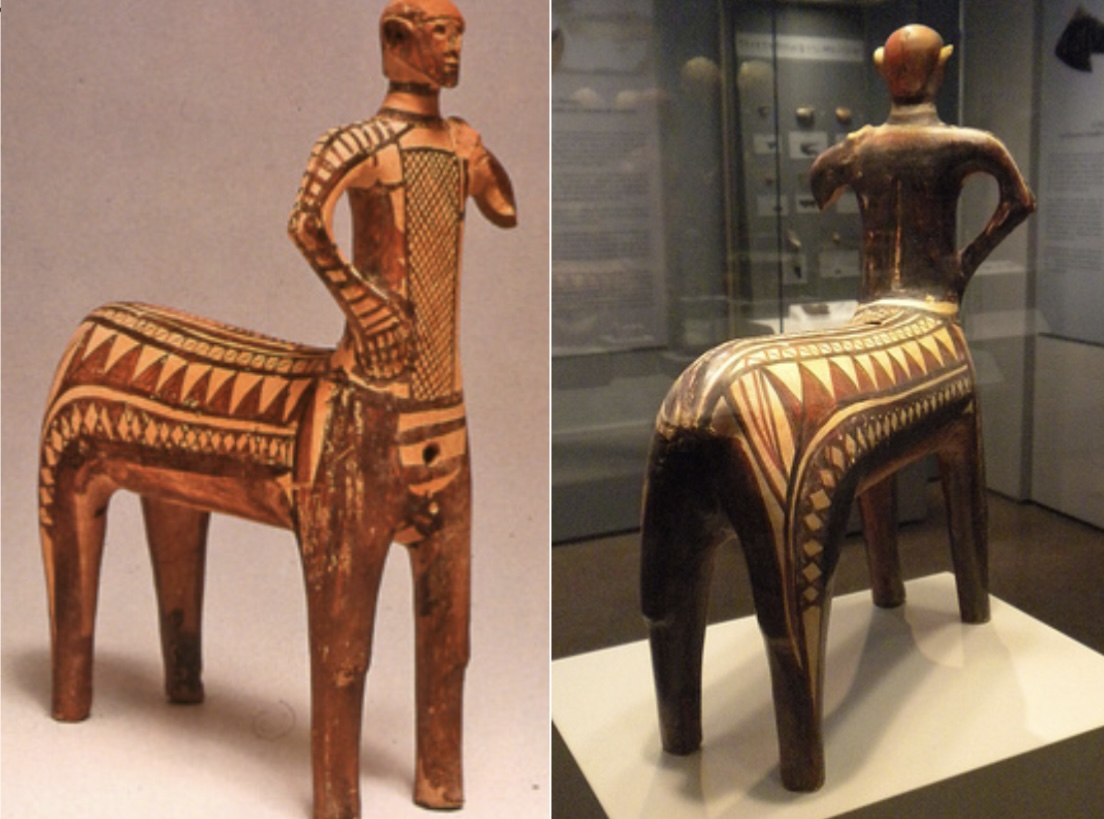
These images show sculptures of Cheiron found from Lefkandi ca. 900BCE. These images are significant because we find that it is linked to broader trade networks with other civilizations around the world.
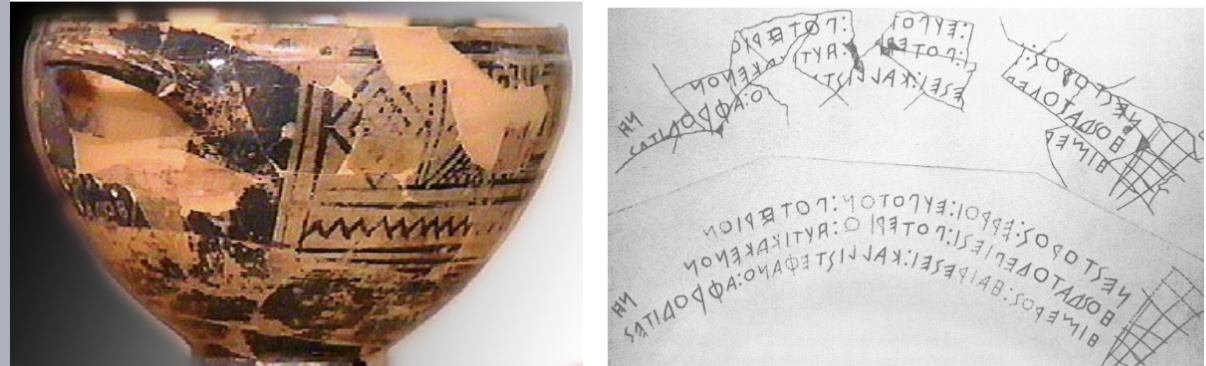
This image shows Nestor’s Cup that was found in Italy ca. 720BCE and shows the Greek Latin alphabet around the cup. This image is significant because it is our first example of the new Greek Latin alphabet and Linear B is lost.
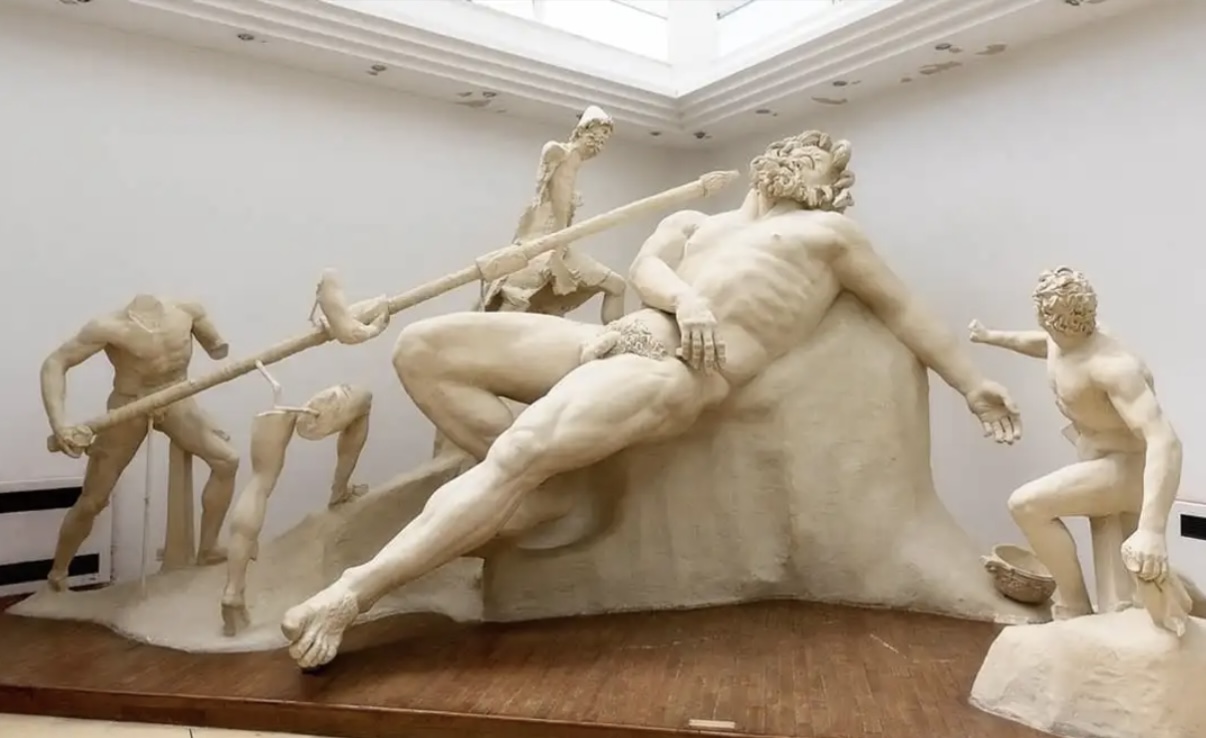
This image is The Blinding of Cyclops and it shows Cyclops asleep and drunk on the wine Odysseus had given him. This image is significant because it shows the punishment of not reciprocating the language of gift giving and hospitality, traits that were important to the Greeks.
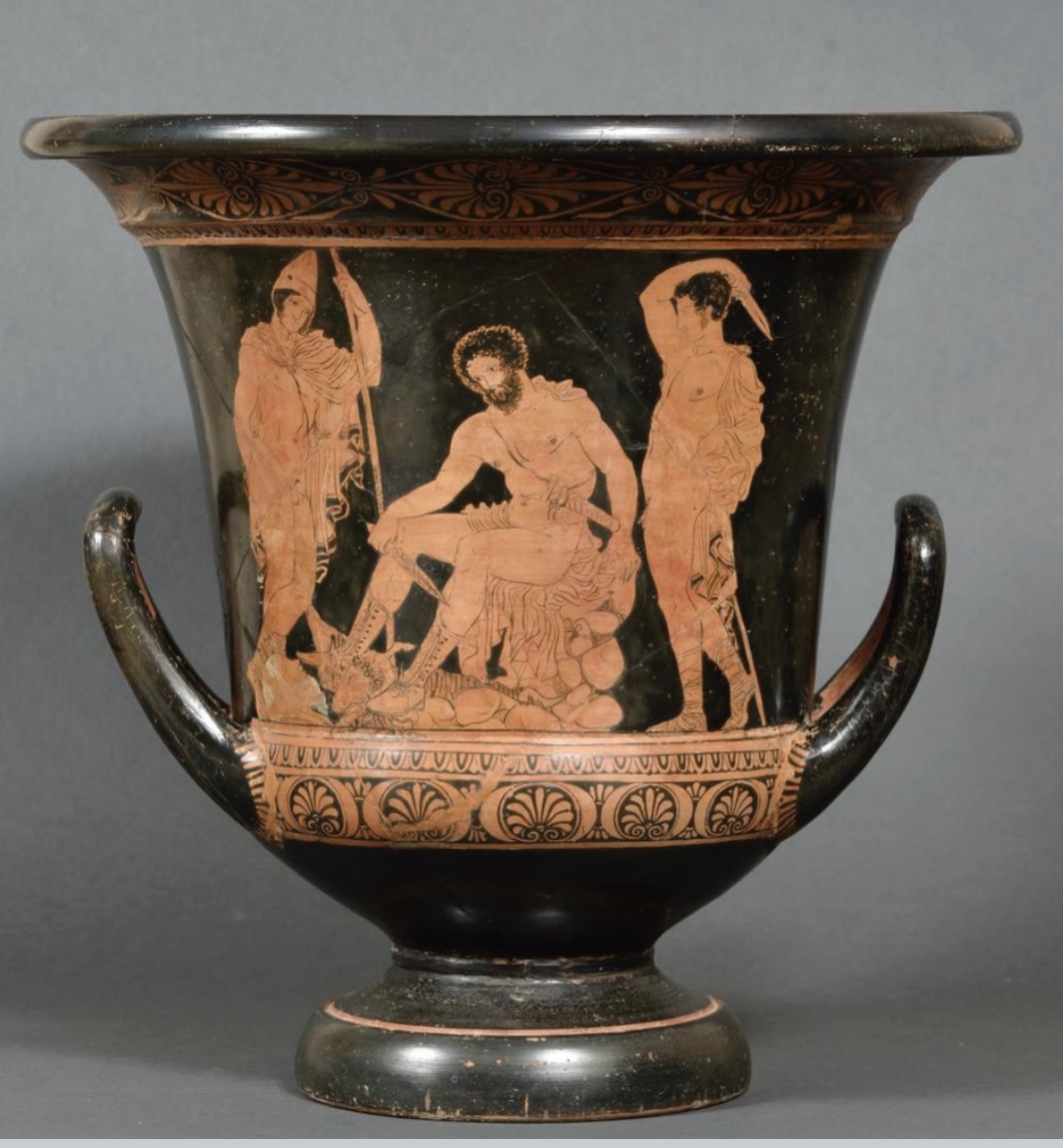
This image shows a Calyx Crater depicting Odysseus slaughtering the animals and the blood dripping down to summon the shades. This image is significant because what he discovers from the spirits defines some of the normative values of the Odyssey.
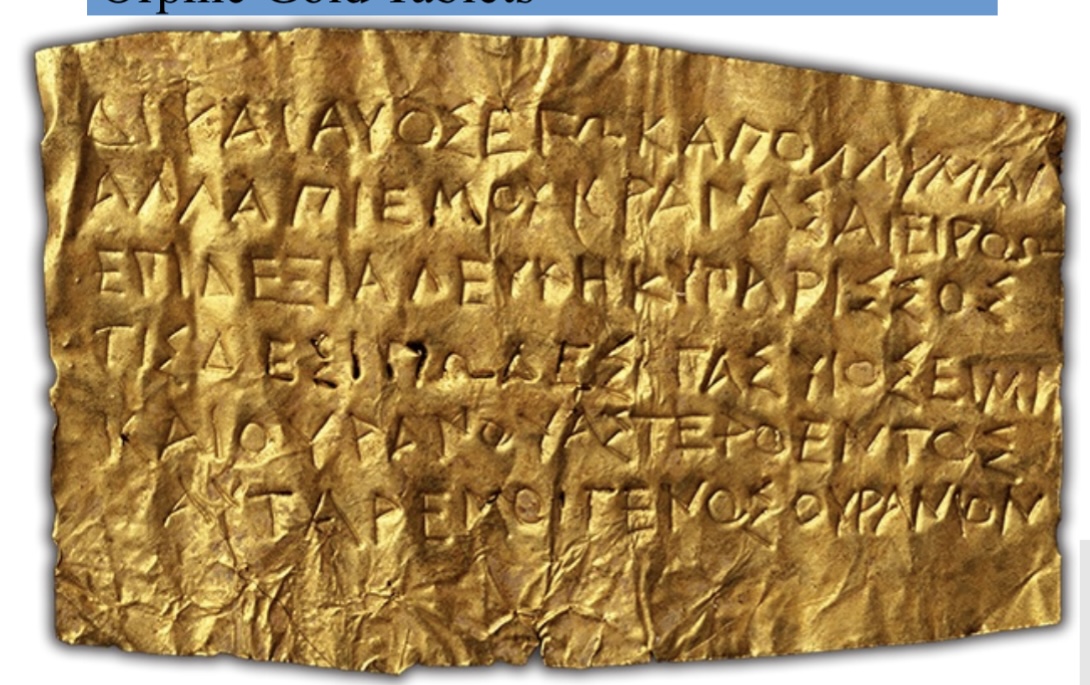
This image shows a gold tablet with instructions for the deceased in the underworld. This tablet is significant because we know that people were buried with them because they were concerned with where you go in the afterlife.
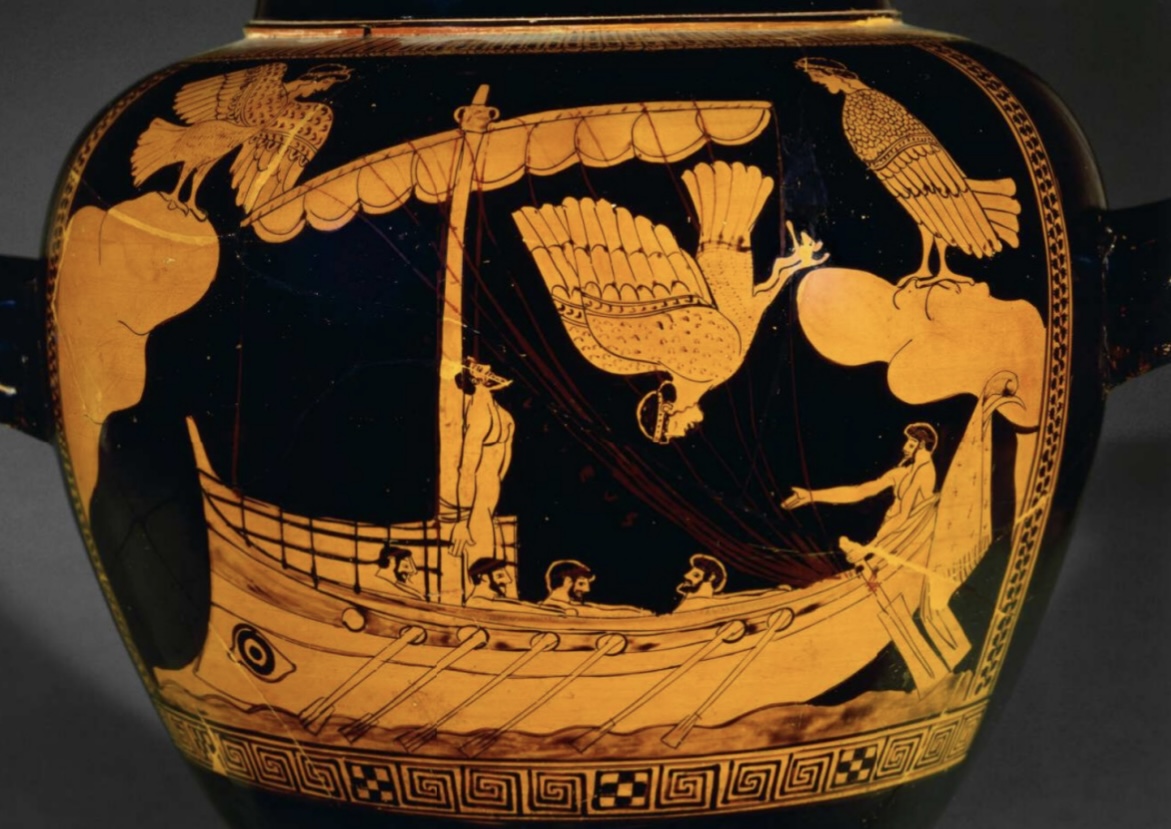
This image shows a Siren Vase Red Figure Stamnos and it depicts Sirens taunting Odysseus. The sirens offer the ability to forget your pain and to lose yourself.
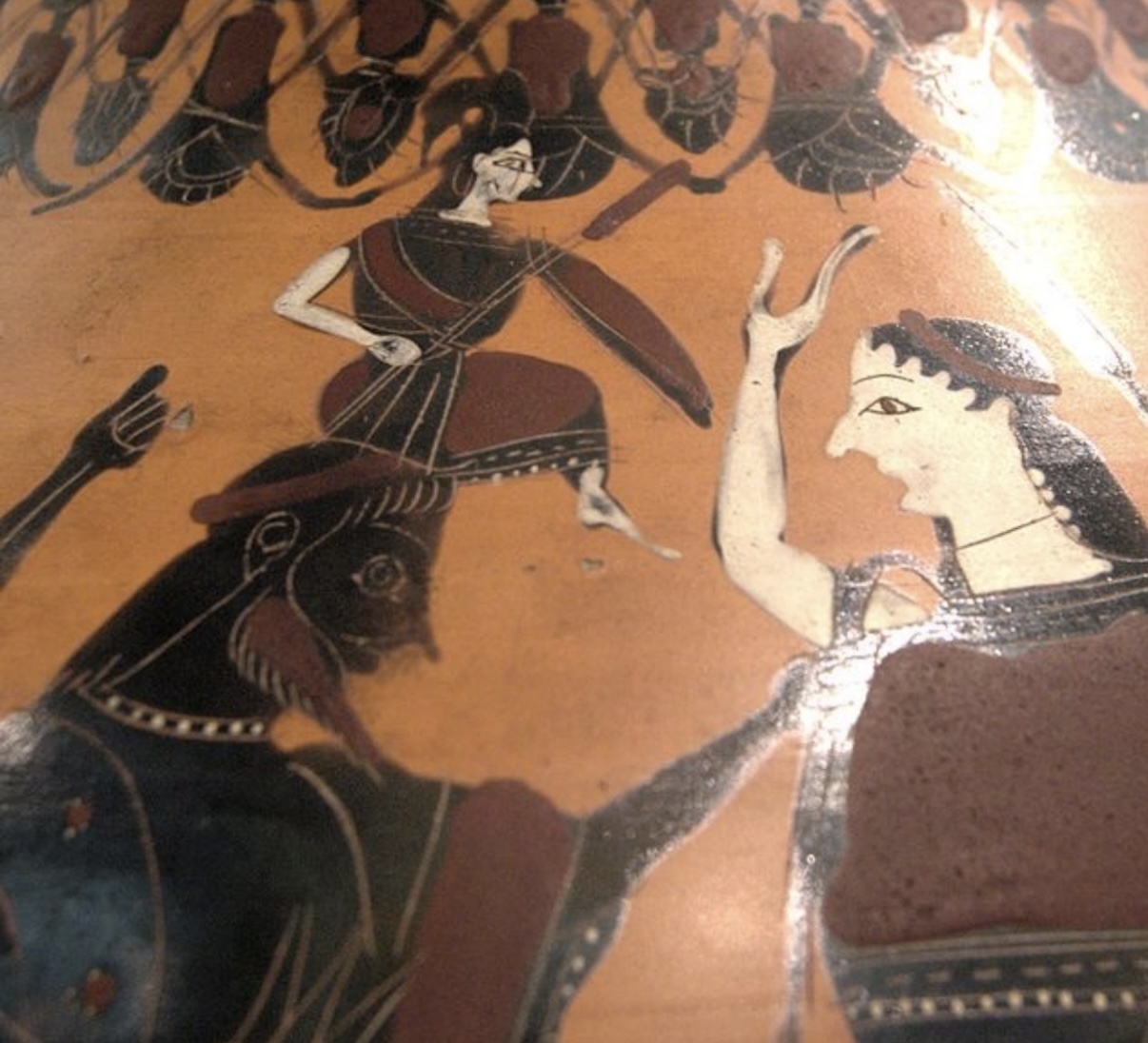
This image shows a black-figured amphora, depicting Athena Born from the Head of Zeus in the Early Golden Age. This amphora tells us how much the ancient Greeks worshipped the gods and integrated them into their everyday life and culture.
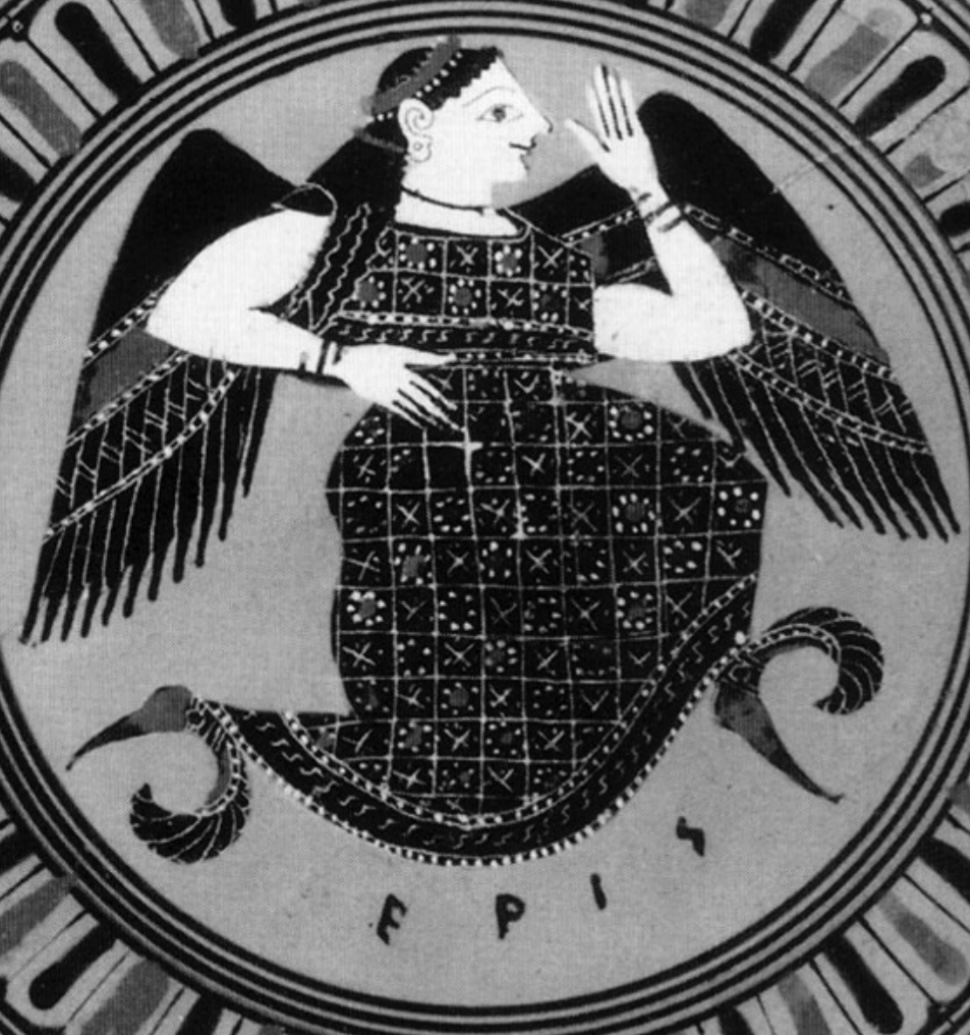
This image shows the inside of a black figure Kylix in the early 6th century BCE showing strife, Eris. In ancient Greek culture, strife often represents war and famine which is bad, but strife can also be a competitive spirit which can be good.
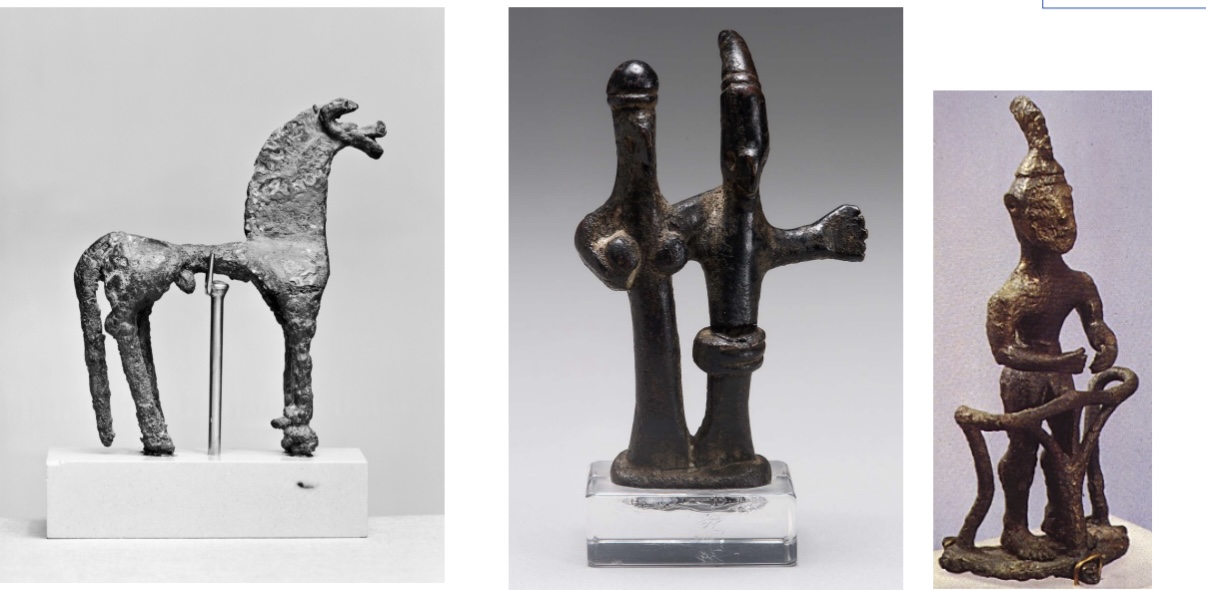
This image shows figurines from the 8th to 10th century such as a horse sculpture, Olympia bronze charioteer, and Zeus and Hera. The image of these figurines are important because it signifies cult activity
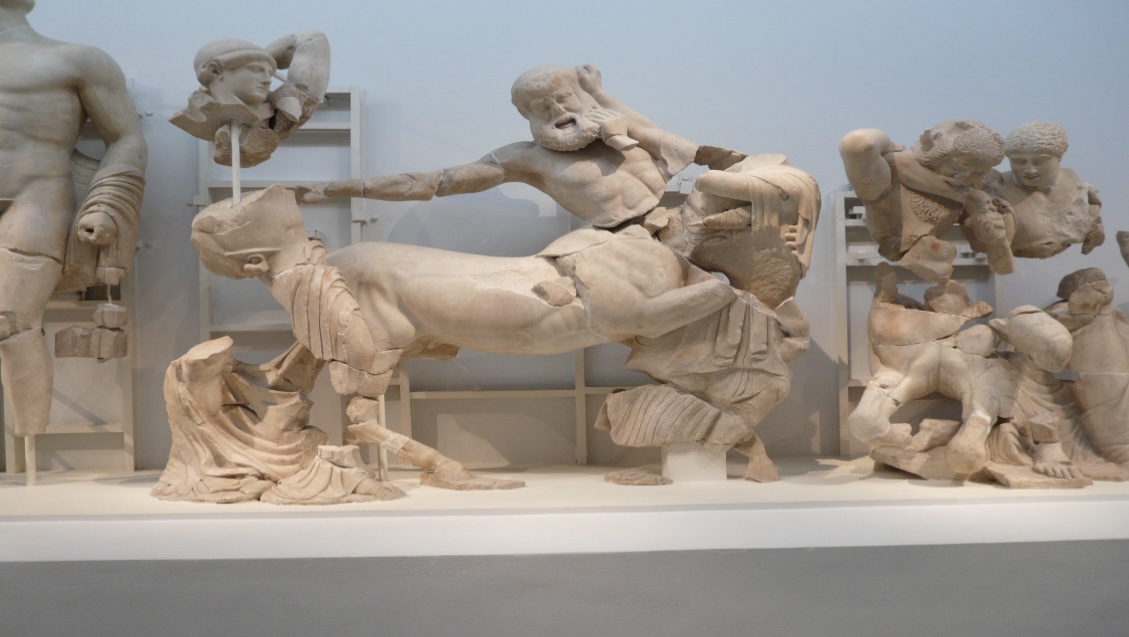
This image shows The Iconography of the Festival of Zeus West Pediment and the sculpture depicts the battle between Lapiths and Centaurs. This depiction represent the triumph of civilization over the other.
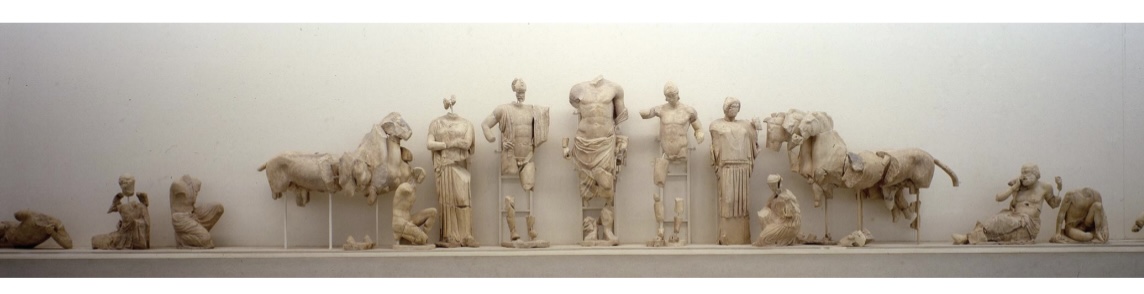
This image shows The Iconography of the Festival of Zeus East Pediment and the image includes Zeus, Pelops, and Oinomaos with chariots. This image represents a story about victory, marriage, cheating, and it gets to the ultimate glory of sports.
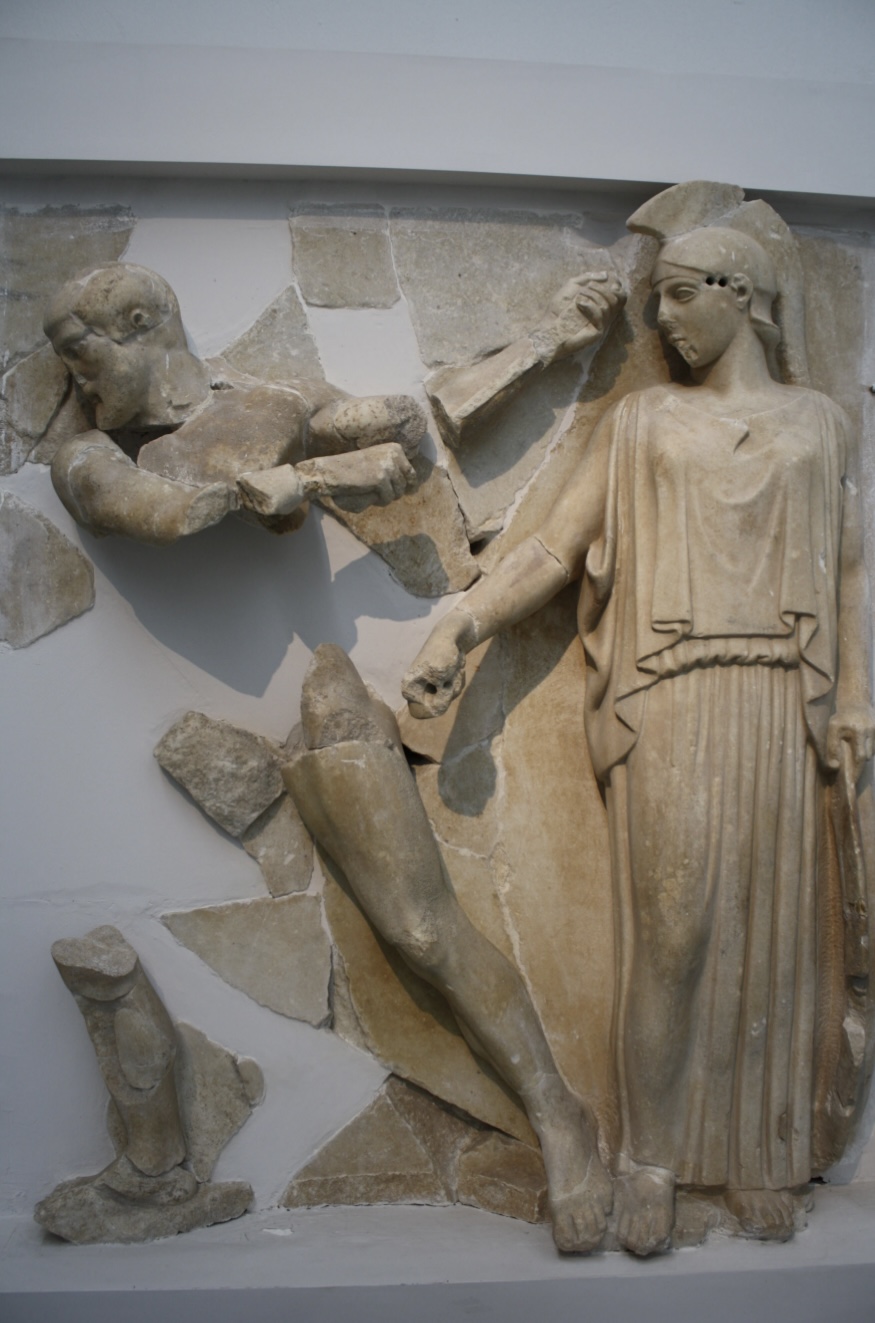
This image shows The Iconography of the Festival of Zeus Metopes and the image depicts Heracles Cleaning the Stables of Augeas (King of Elis), which the story ultimate leads to a set of games. This depiction represents a story linked to another Greek hero, which is celebrated in Ancient Greek culture.
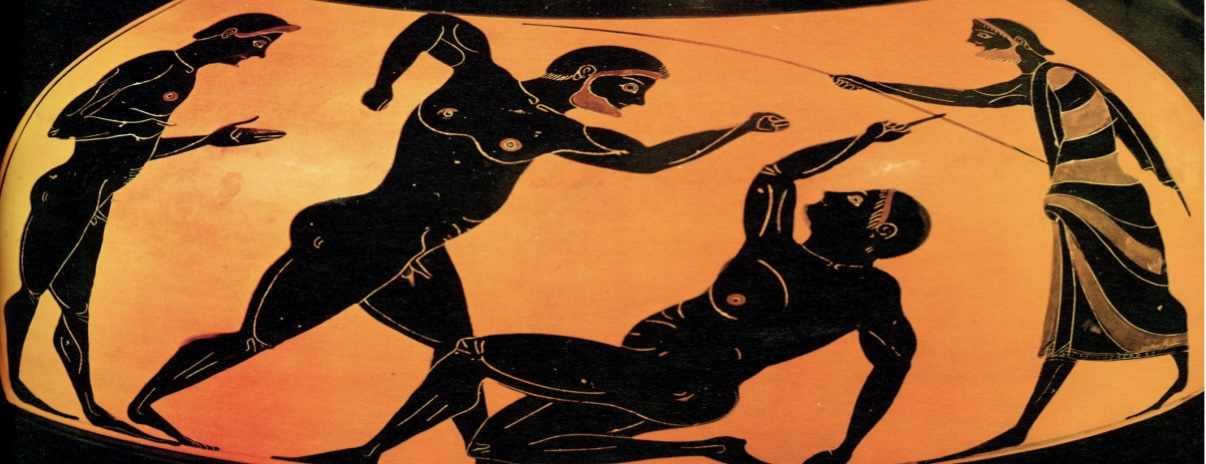
This image shows a judge who is whipping a boxer who is continuously hitting a man who is on the ground yielding from the fight. This image represent how rules were enforced and the discourse of equality in the Olympic games.
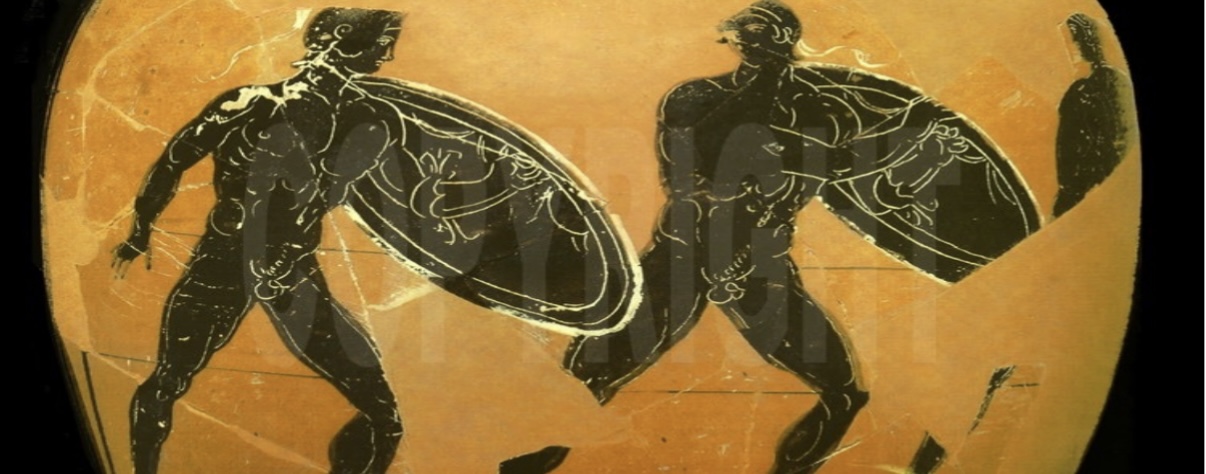
In this image depicts two men running naked and holding a shield during the last race. This depiction symbolizes a sense of fairness, a space of competition, and to assert one’s Greekness all of which is significant in Ancient Greek games.
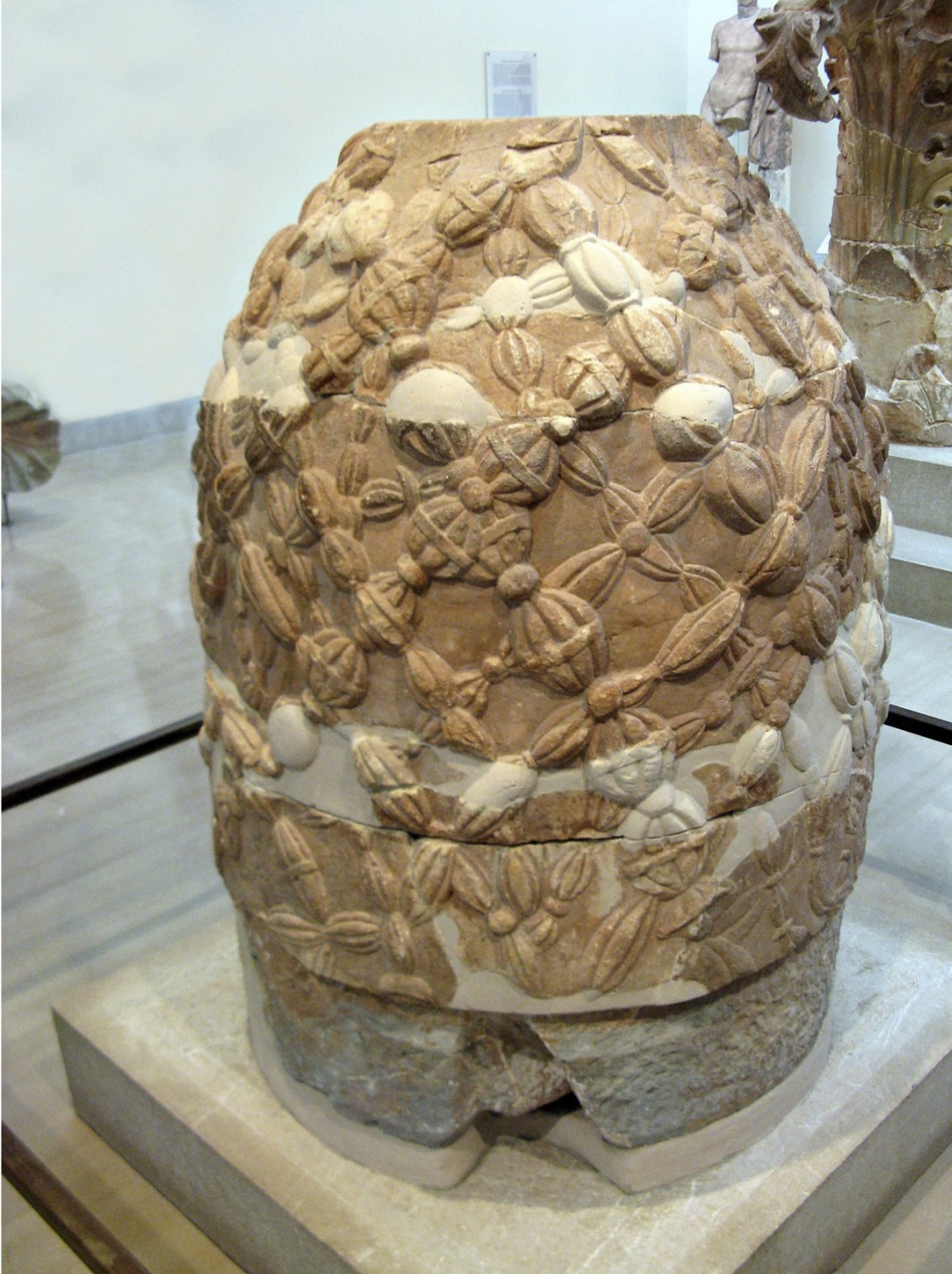
This image shows a marble sculpture that is supposed to represent the stone Cronus was fed. This image is significant because in the myth it is said to have been in Delphi, making it real.
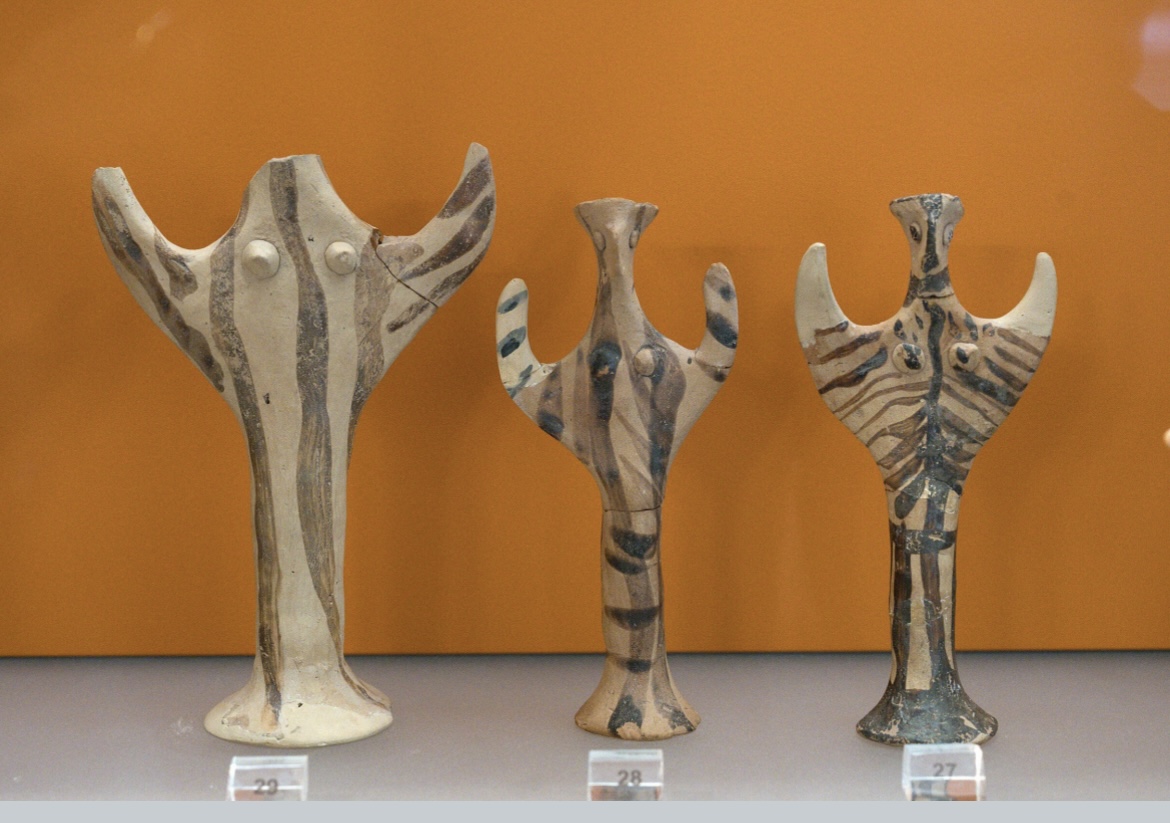
Late Mycenaean Terracotta Female Figurines, sanctuary of Athena Pronaia at Delphi, pre-Apollo cult activity at Delphi, repurposed to serve Apollo & Athena
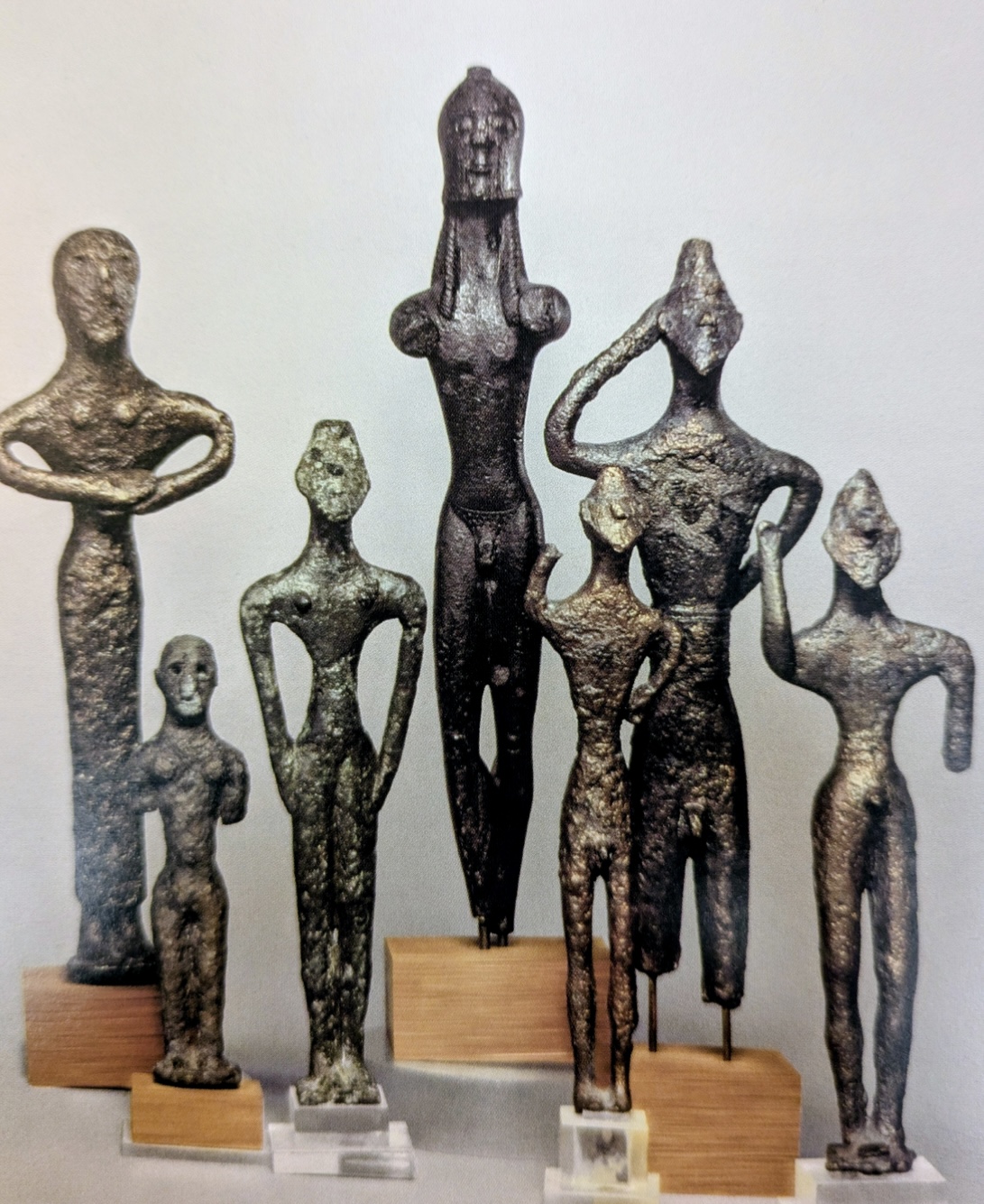
Oracular dedications to Apollo, figurines, Cult of Apollo Pythios
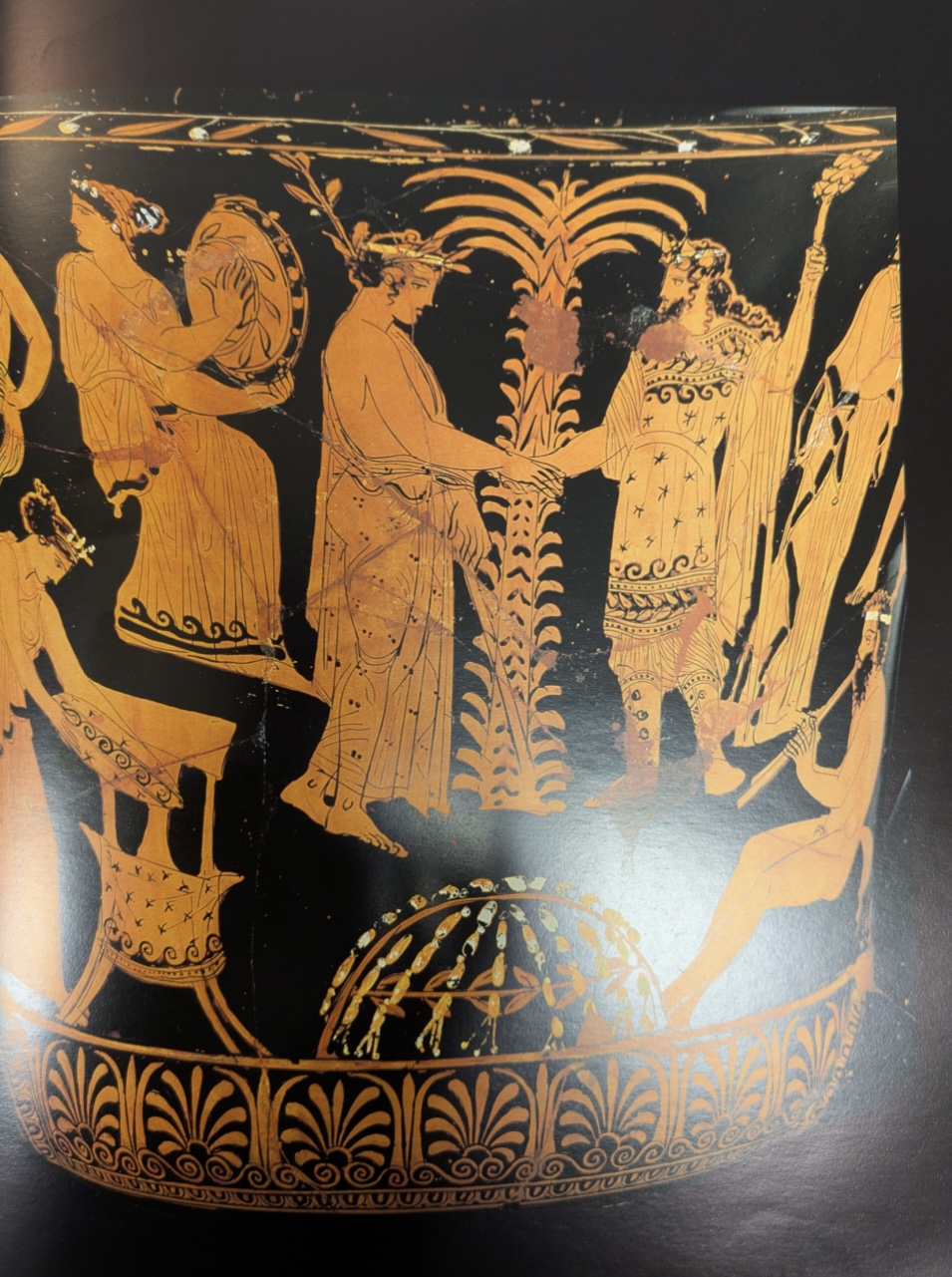
This image is a Red figure krater by Kadmos and it depicts Apollo Welcomes Dionysus at Delphi, Above the Omphalos.
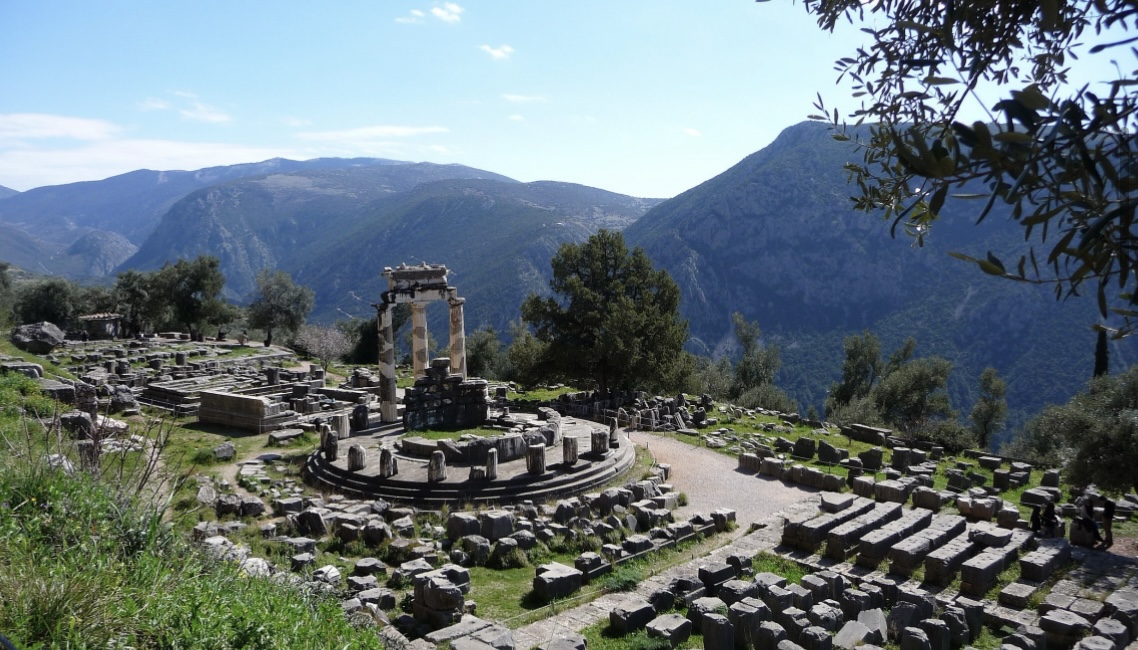
Tholos in the Sanctuary of Athena Pronaia
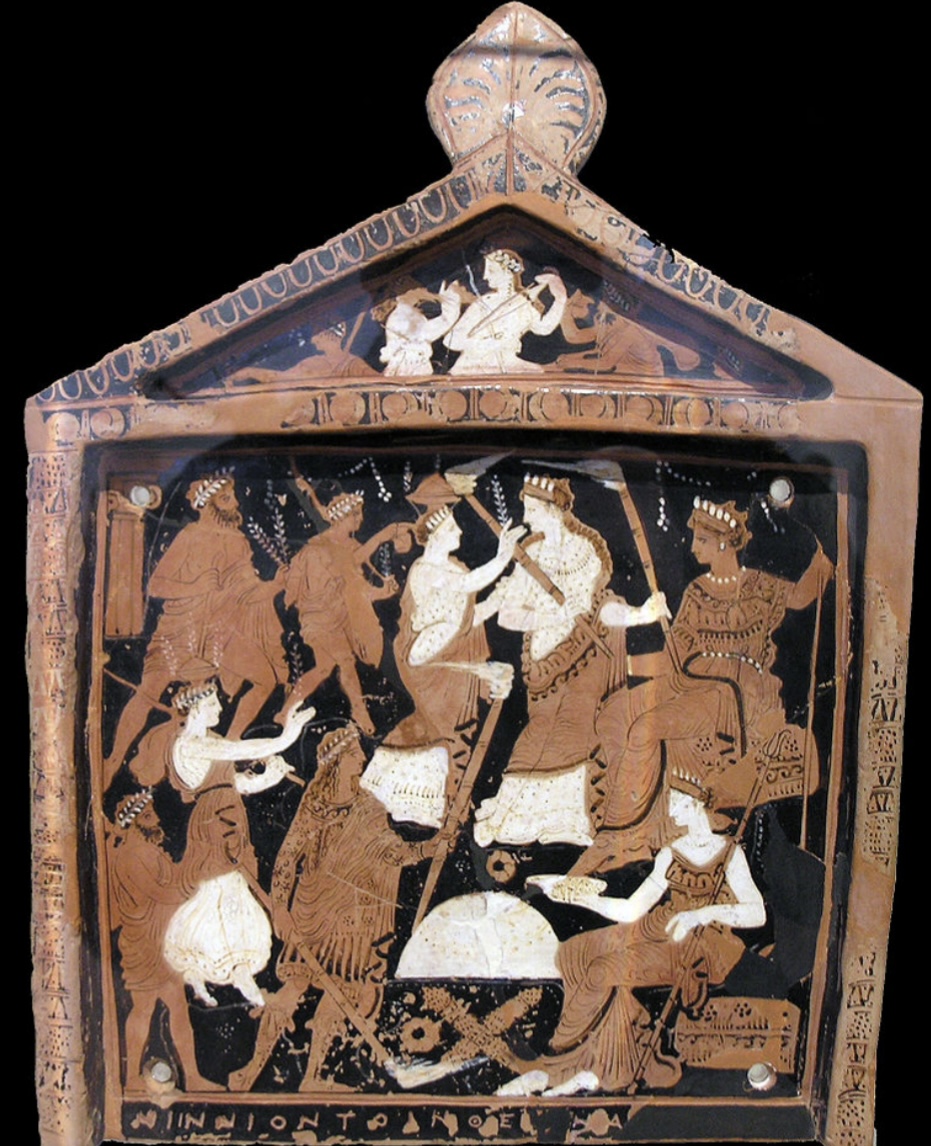
Ninnion Tablet, red clay found at Eleusis, Only known representation of Eleusinian Procession and Initiation
 Note
Note  Flashcards (46)