Ethics (PHIL 1130) - Chapter 11 - Virtue Ethics
 Studied by 0 people
 Call Kai
 Learn
Learn Practice Test
 Spaced Repetition
 Match
Match Flashcards
 Knowt Play
1/19

There's no tags or description
Looks like no tags are added yet.
Name | Mastery | Learn | Test | Matching | Spaced | Call with Kai |
|---|
No analytics yet
Send a link to your students to track their progress
20 Terms
Virtues
Specific character traits, like honesty and courage, that are morally good values; a virtuous person has many virtues.
Vices
Specific character traits, like dishonesty and selfishness, that are the opposite of virtues and thus morally bad. A vicious person has many vices.
Primacy of character
Virtue theory maintains that our primary moral responsibility is to develop a virtuous personal character. Right actions are then understood to be the kinds of things a virtuous person would do.
moral particularism
The view that many moral judgments are not inferred from moral principles but can only be made case by case.
habituation
According to Aristotle, this is the process by which we develop virtues. We do not develop them via traditional instructional methods but instead develop them through repeated practice.
Eudaimonia
Aristotle's concept of human flourishing (happiness) that is achieved only as we fulfill our human function of living by reason.
The Golden Mean
Aristotle's term for describing ethical behavior as a midpoint between extremes
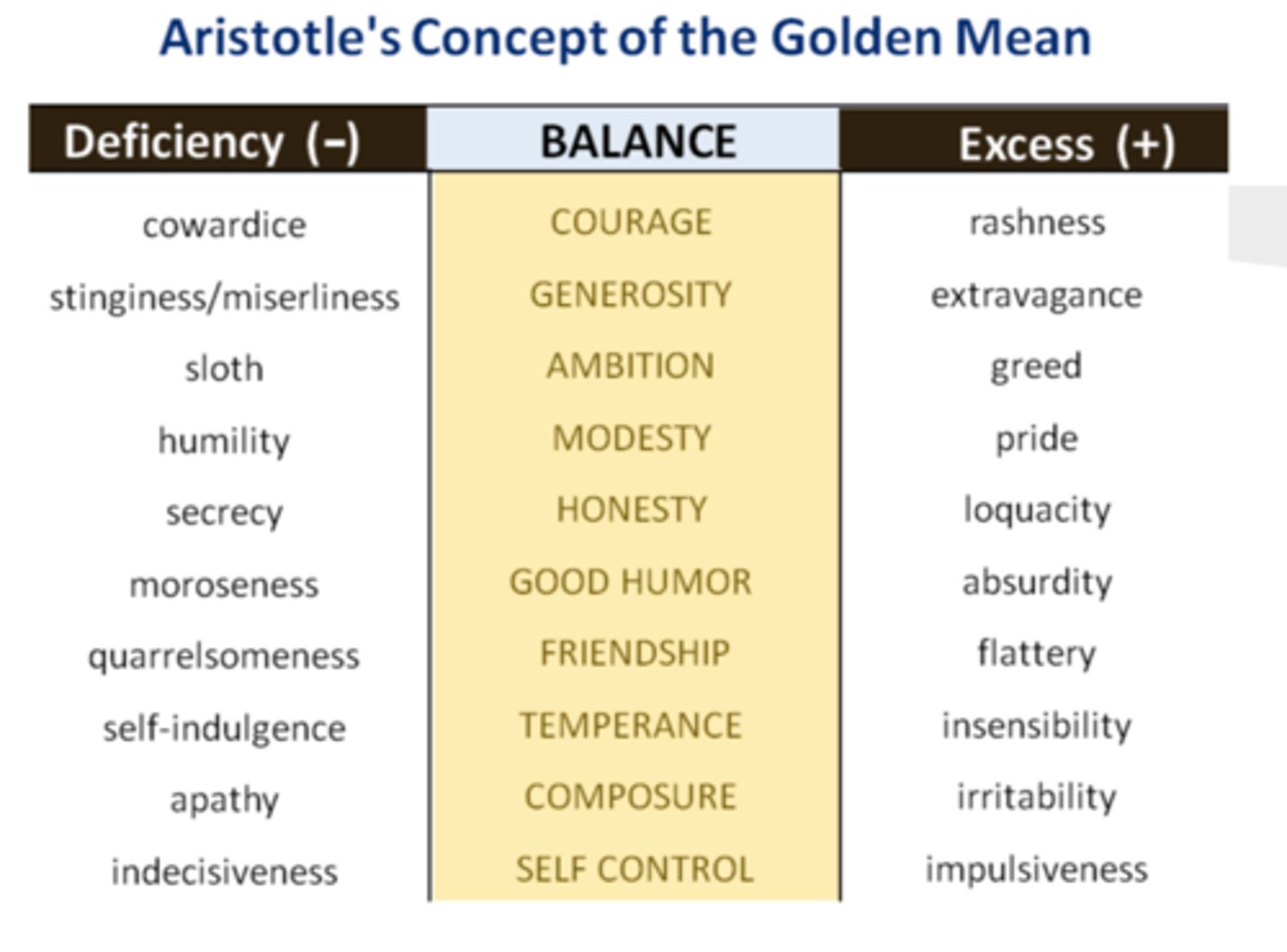
mean
A virtuous act or feeling that achieves the proper balance ("golden mean") between both excess and deficiency.
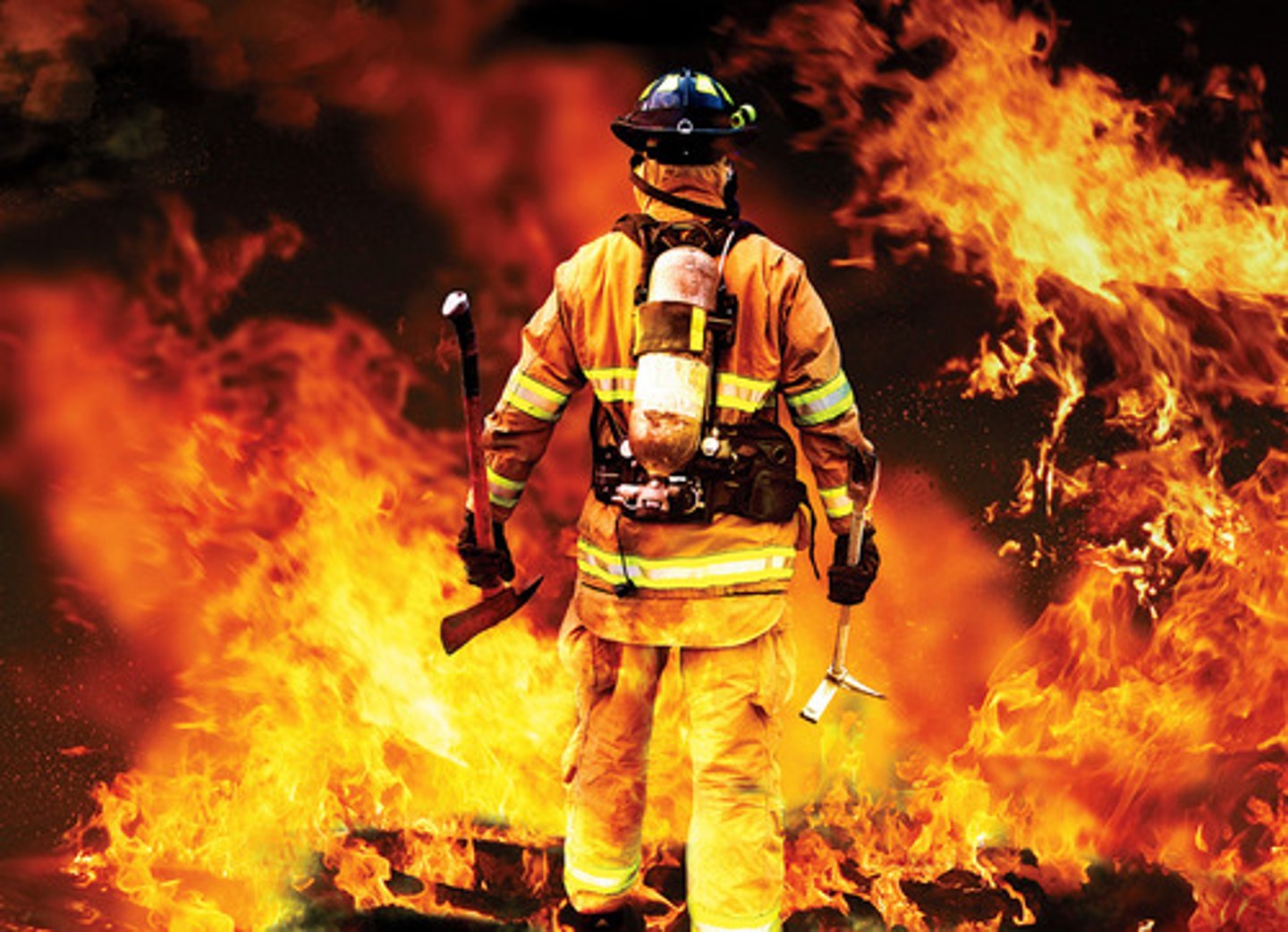
courage
a moral virtue that is the mean between cowardice and recklessness
the criticism of incompleteness
refers to concerns about virtue ethics' inability to always tell which virtues are relevant to a given situation and/or when specific virtues apply to particular situations
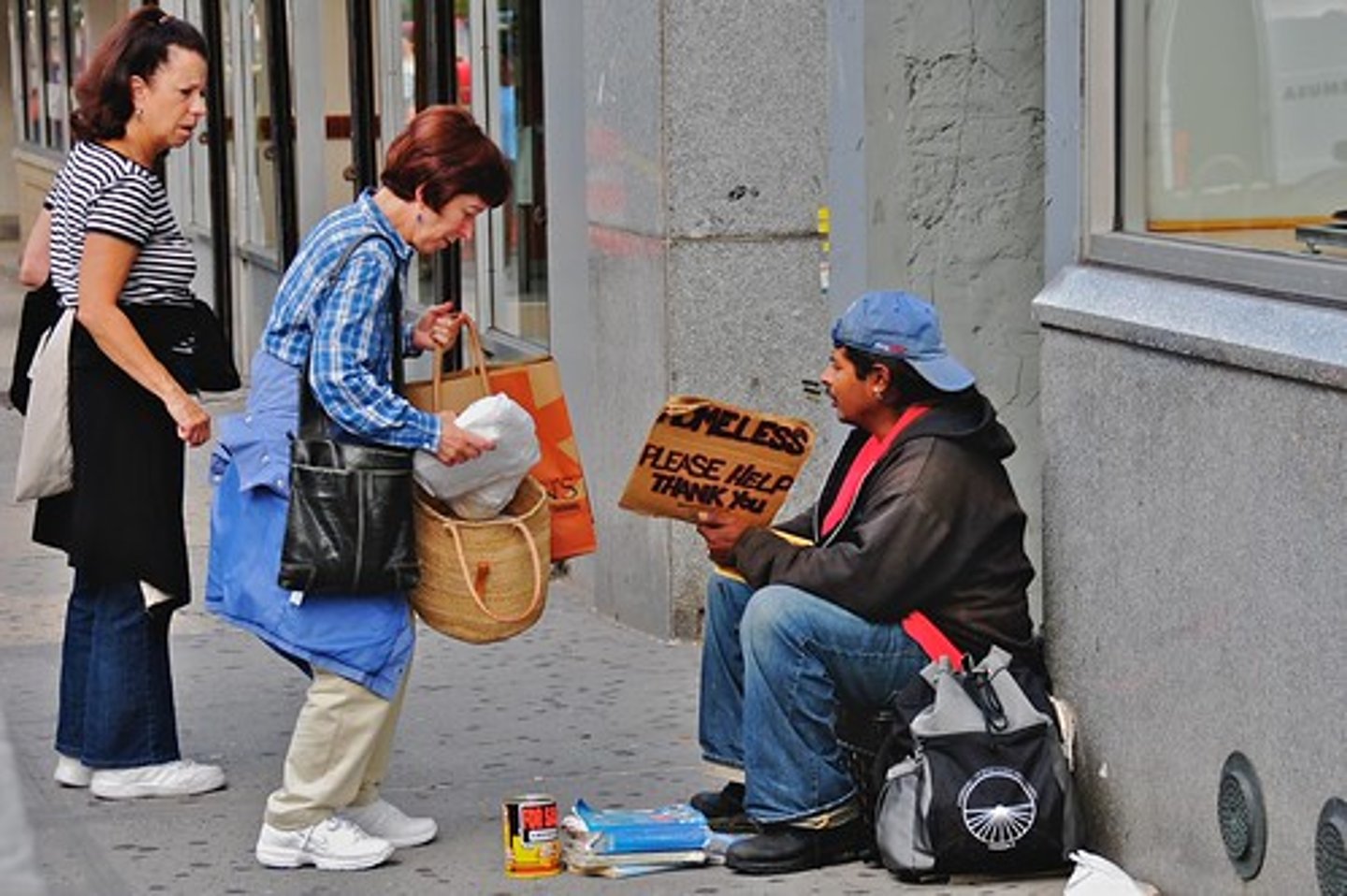
generosity
a moral virtue that is the mean between over-indulgence and stinginess
impartiality
The objective moral perspective prized by most principle-based theories; it requires us to detach ourselves from our personal feelings and bypass our personal interests.
Pgs. 230-231
Moral Saint
Drawn from Wolf's essay, a moral saint is one who perfectly fulfills the requirements of a given moral theory.
Pgs. 231-232
Kantian saint
"The Rational Saint"
A person who must be motivated by Good Will to act according to the categorical Imperative—they must intend to act the way they could want others to act for no reason other than because they know it is the right thing to do.
Act Utilitarian Saint
"The Loving Saint"
As an impartial maximizer of utility, the utilitarian could never afford to "waste" time relaxing with friends or pursuing a hobby if he could "better" apply his energies to helping the poor or alleviating someone's suffering.
Throughout his life, he would remain morally bound to choose only those courses of action that offer the greatest opportunities for reducing the world's miseries. As a result, he would probably eat too quickly, sleep only as necessary, and never take a vacation. His one-track mindedness would make him a conversational bore.
Criticisms of Principle Based Ethics
Virtue theorists advance a number of criticisms of principle-based ethics:
(a) principle-based ethics are incomplete, saying little about moral choices like Ashley's;
(b) they place too much emphasis on impartiality, although personal feelings and inclinations play an important role in our moral decision-making;
(c) they present a distorted picture of human nature because their moral ideals appear unrealistic and inhuman; and
(d) they fail to motivate because they impose requirements upon us from "outside" rather than arising out of the inclinations of the whole person.
Obligation virtues
Help us fulfill moral obligations to act in certain ways (e.g., promise keeping, justice, truthfulness).
Good-promoting virtues
Help to promote specific values or goods (e.g., sociability, generosity).
Limiting virtues
Help us control or manage our inclinations and feelings (e.g., courage, temperance [self-control], loyalty, or faithfulness).
Criticisms of Virtue Ethics
On the practical side, there is the worry that no one can actually attain genuine virtue, since it might not be possible for us to overcome our natural inclinations toward vice.
Michael Slote argues that people of every period are susceptible to serious errors in their moral beliefs, and such errors preclude the attainment of genuine virtue.
On the theoretical side, virtue theory has little explanatory power since it can't explain what makes virtue good in the first place.
Finally, virtue theory itself appears incomplete with its inability to address certain types of moral questions.
 Note
Note  Flashcards (57)