Chem 51B Stuff
 Call Kai
 Learn
Learn Practice Test
 Spaced Repetition
 Match
Match Flashcards
 Knowt Play
1/92

There's no tags or description
Looks like no tags are added yet.
Name | Mastery | Learn | Test | Matching | Spaced | Call with Kai | Chat |
|---|
No analytics yet
Send a link to your students to track their progress
93 Terms
-10.0
HI
-9.0
* HBr
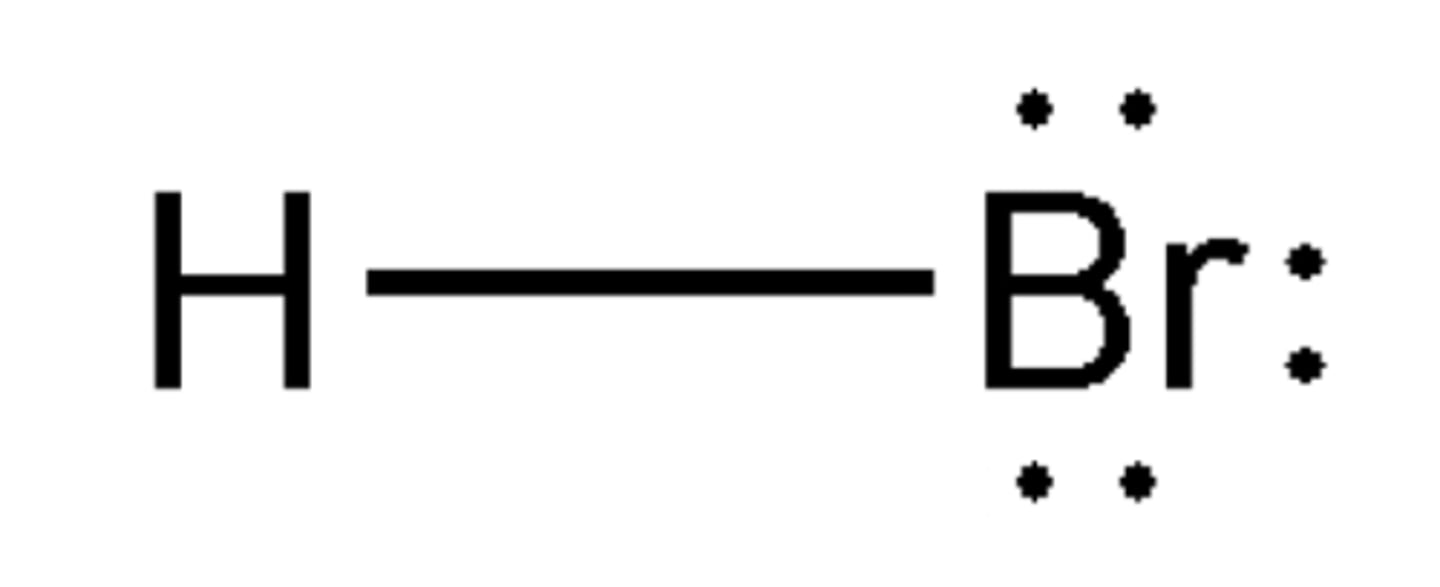
-7.0
HCl
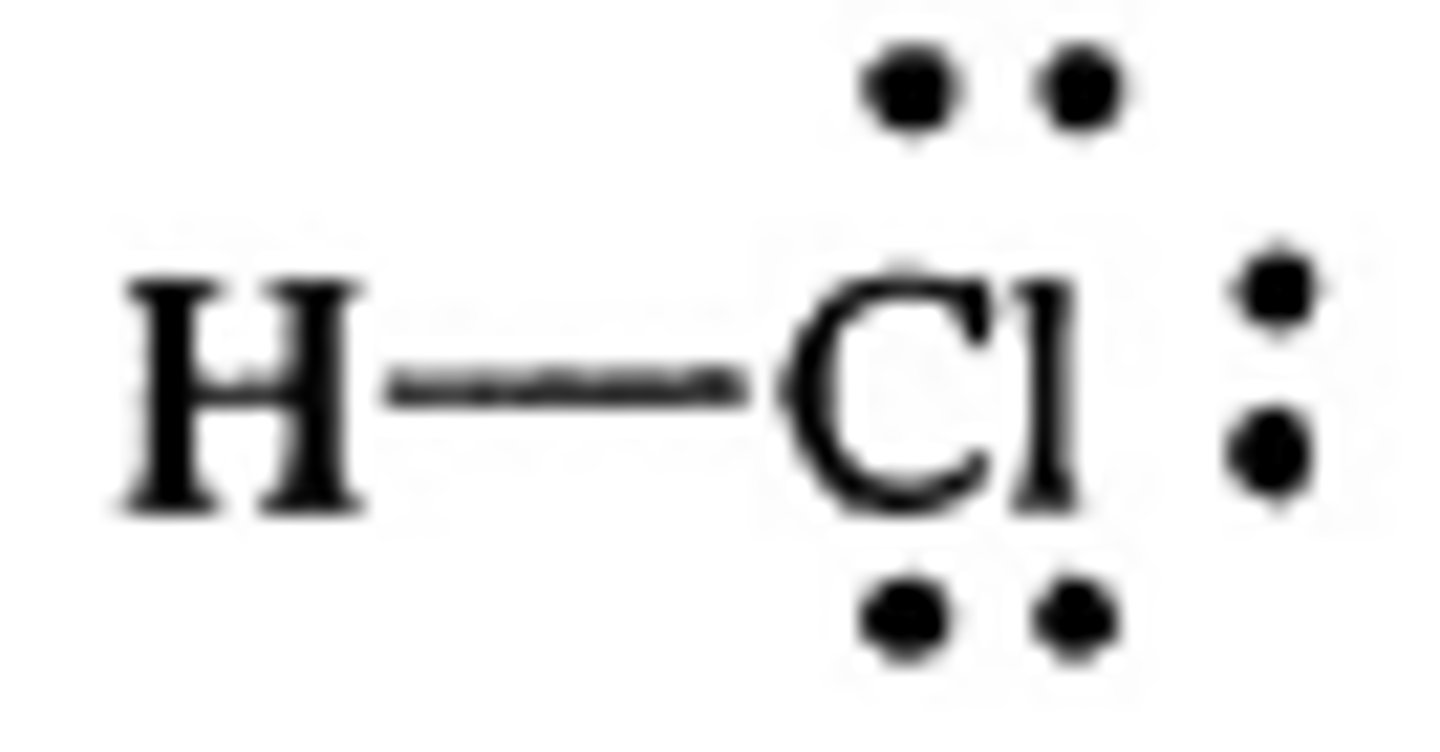
-5.0
H2SO4
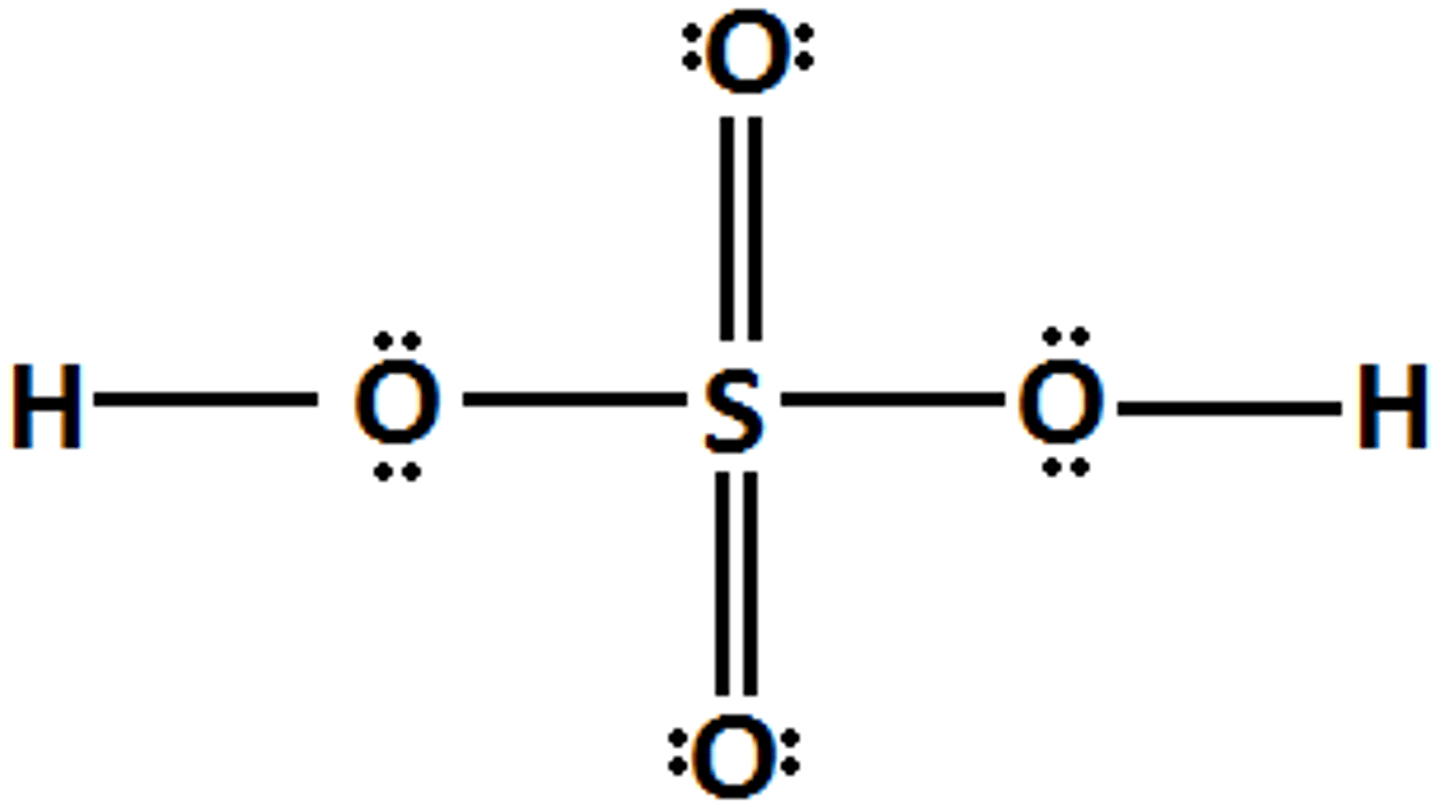
-2.5
CH3OH2 (+)
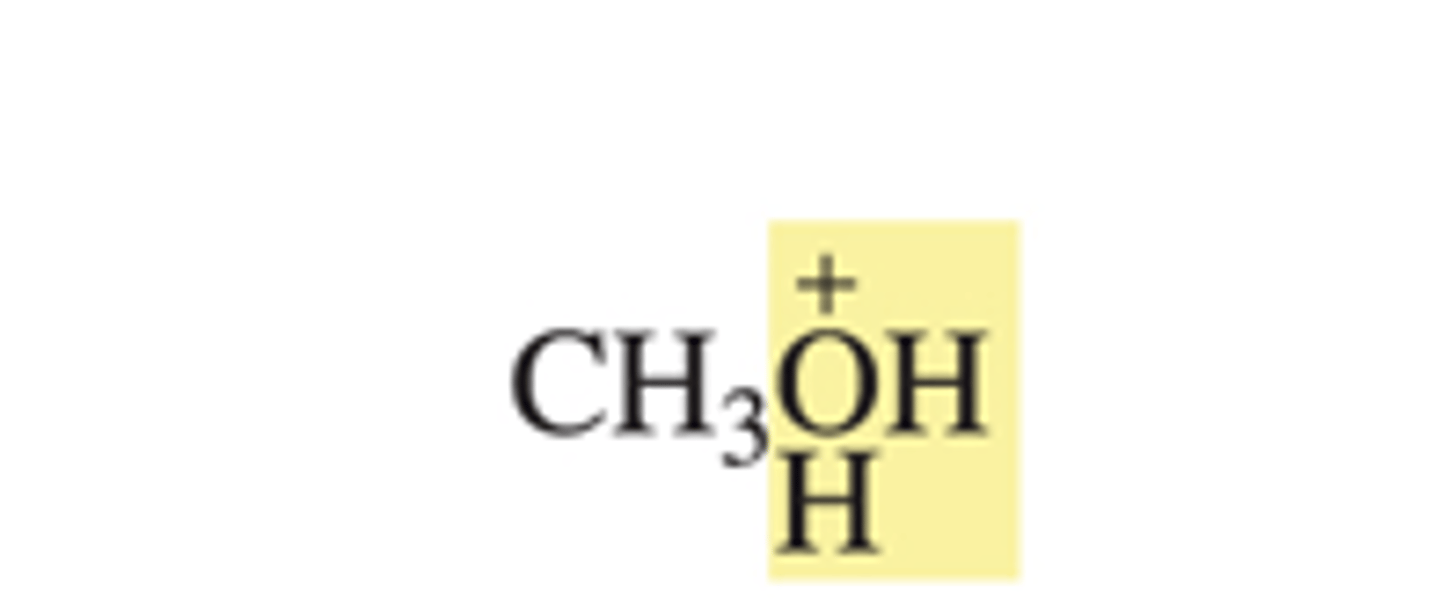
-1.7
* H3O (+)
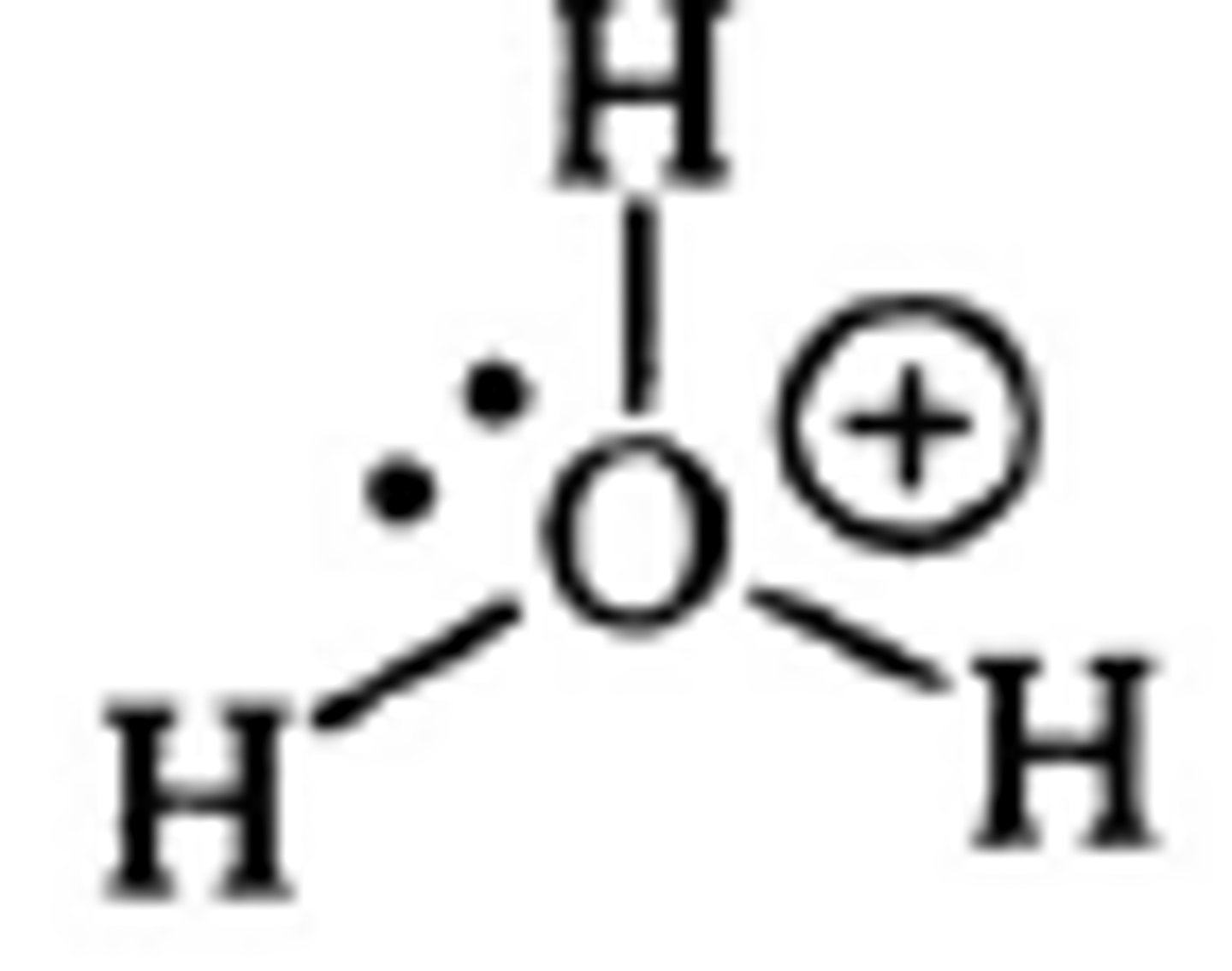
-0.6
benzene-SO3H
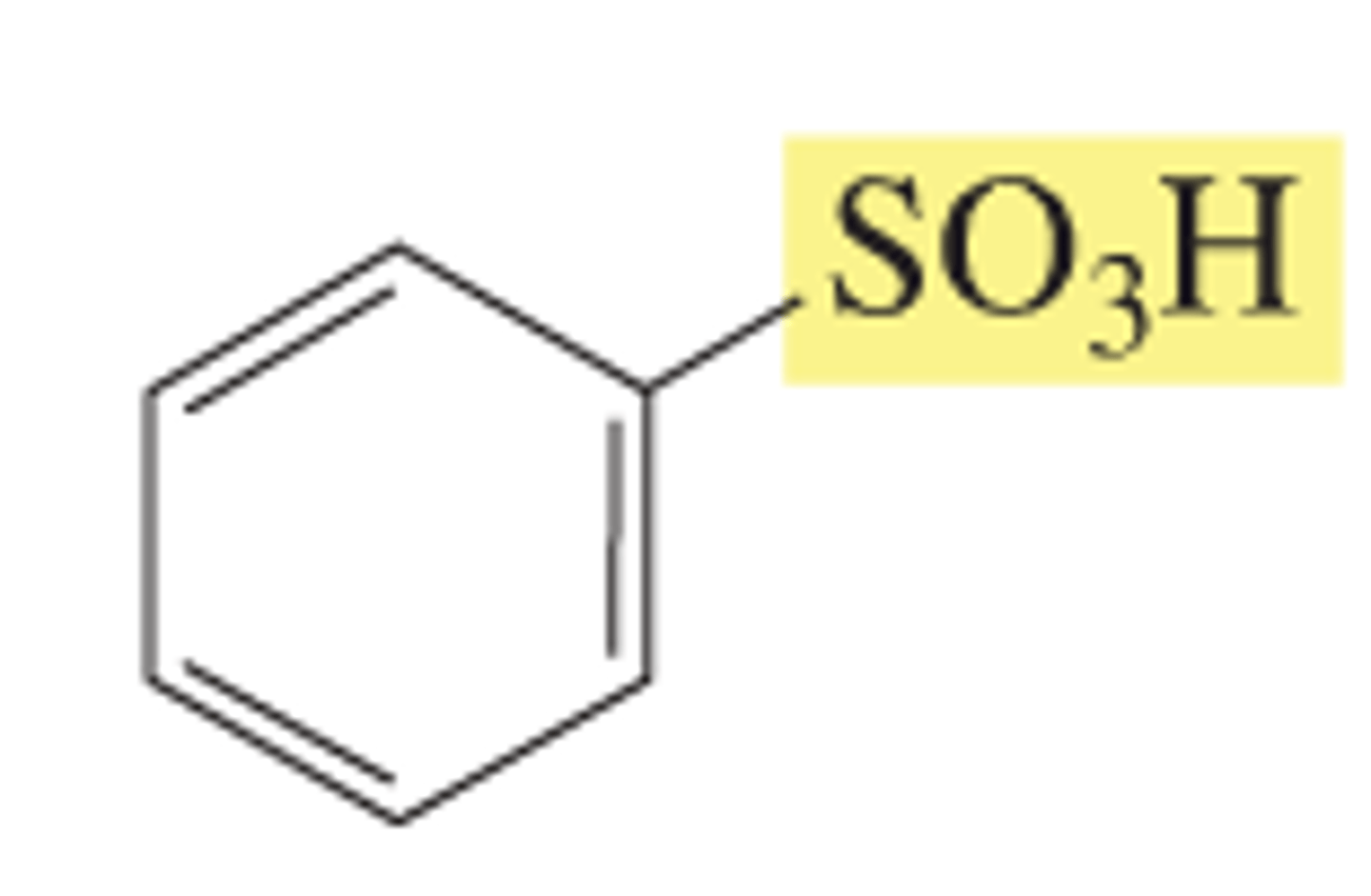
3.2
HF
4.8
* CH3COOH (carboxylic acid)
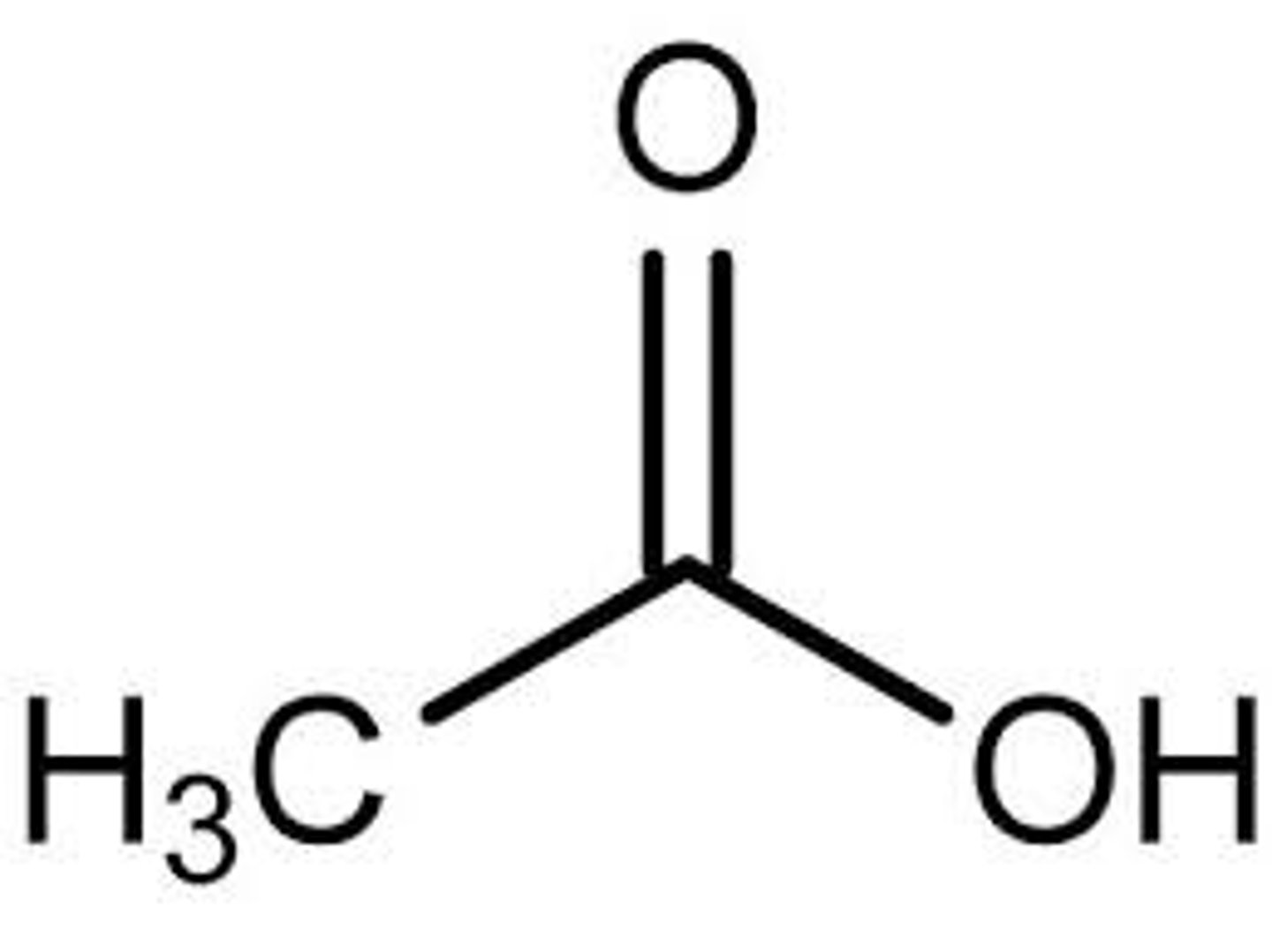
7.0
H2S
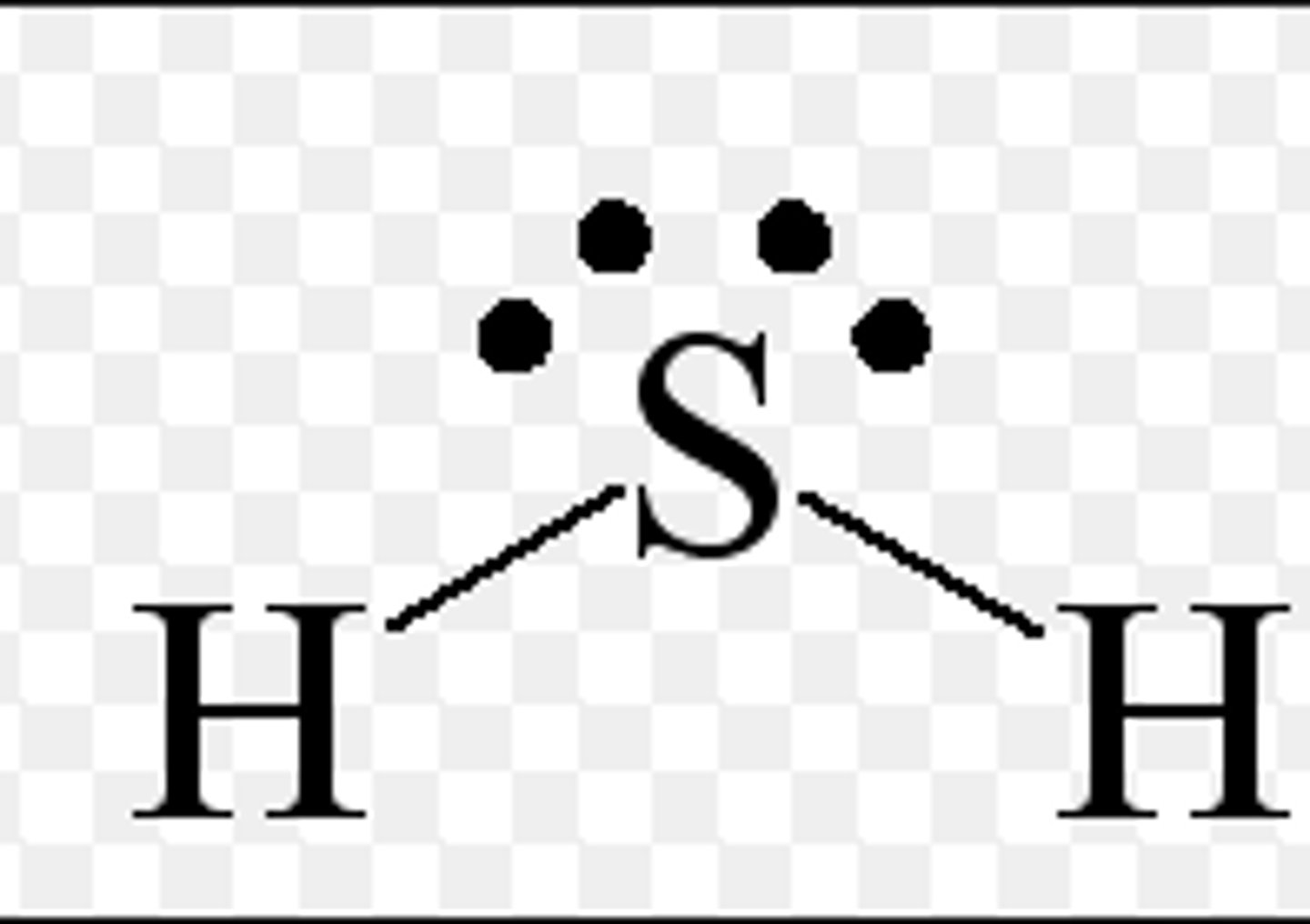
9.1
HCN
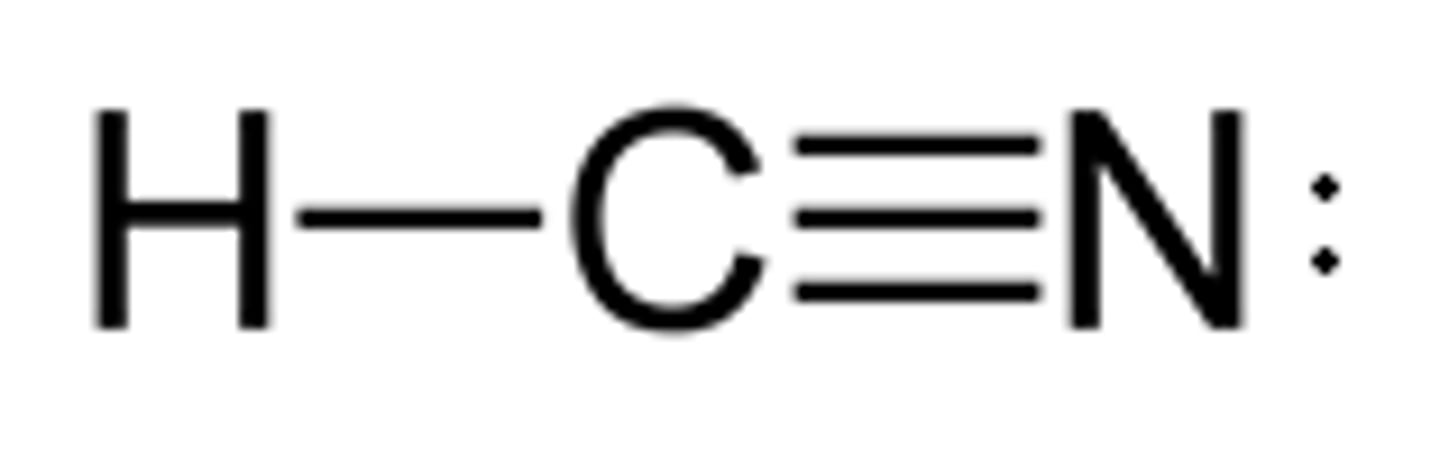
9.4
NH4 (+)
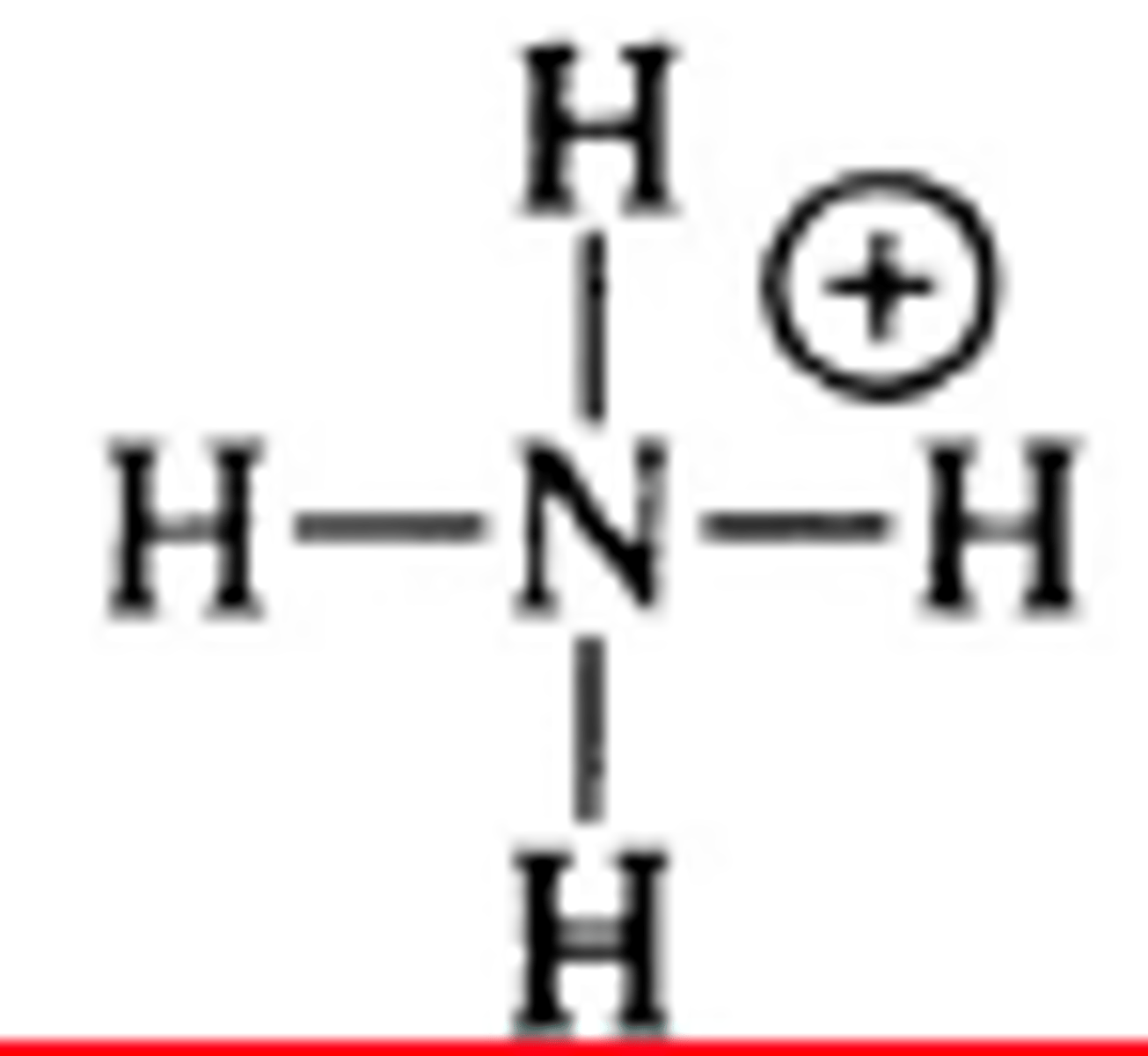
10.5
* CH3CH2SH
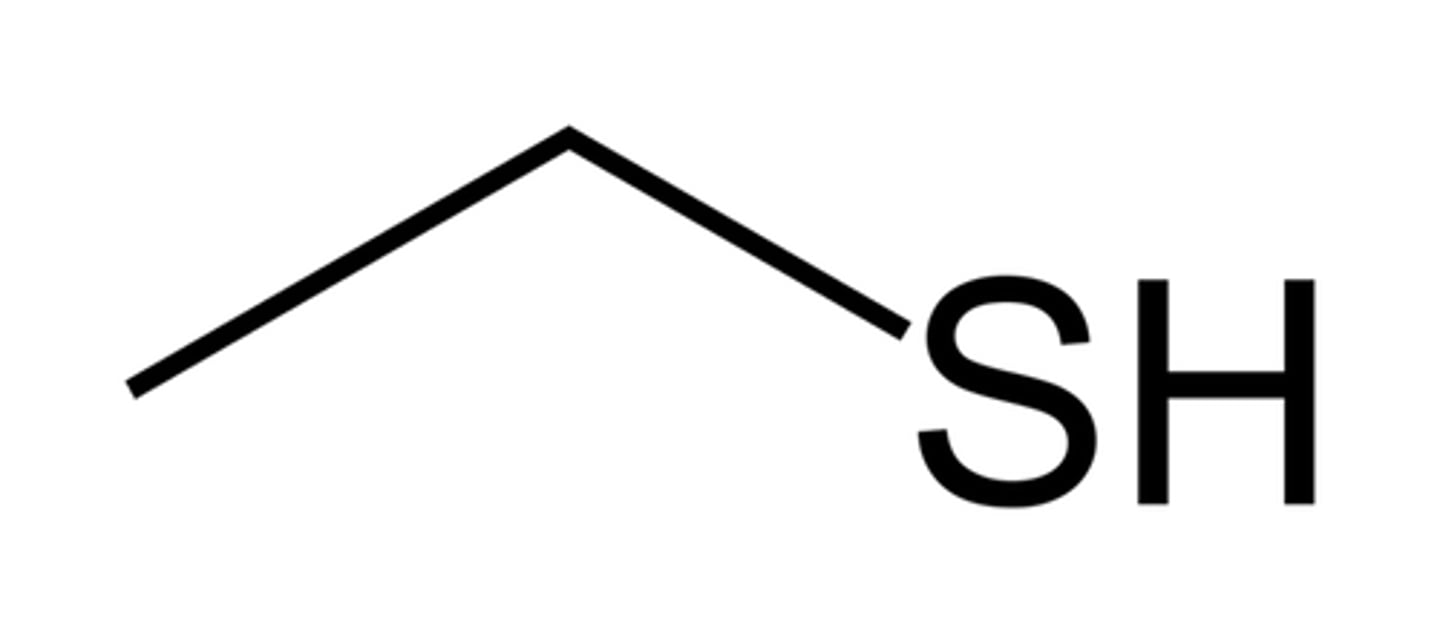
10.8
* (CH3)3NH (+)
15.5
* CH3OH
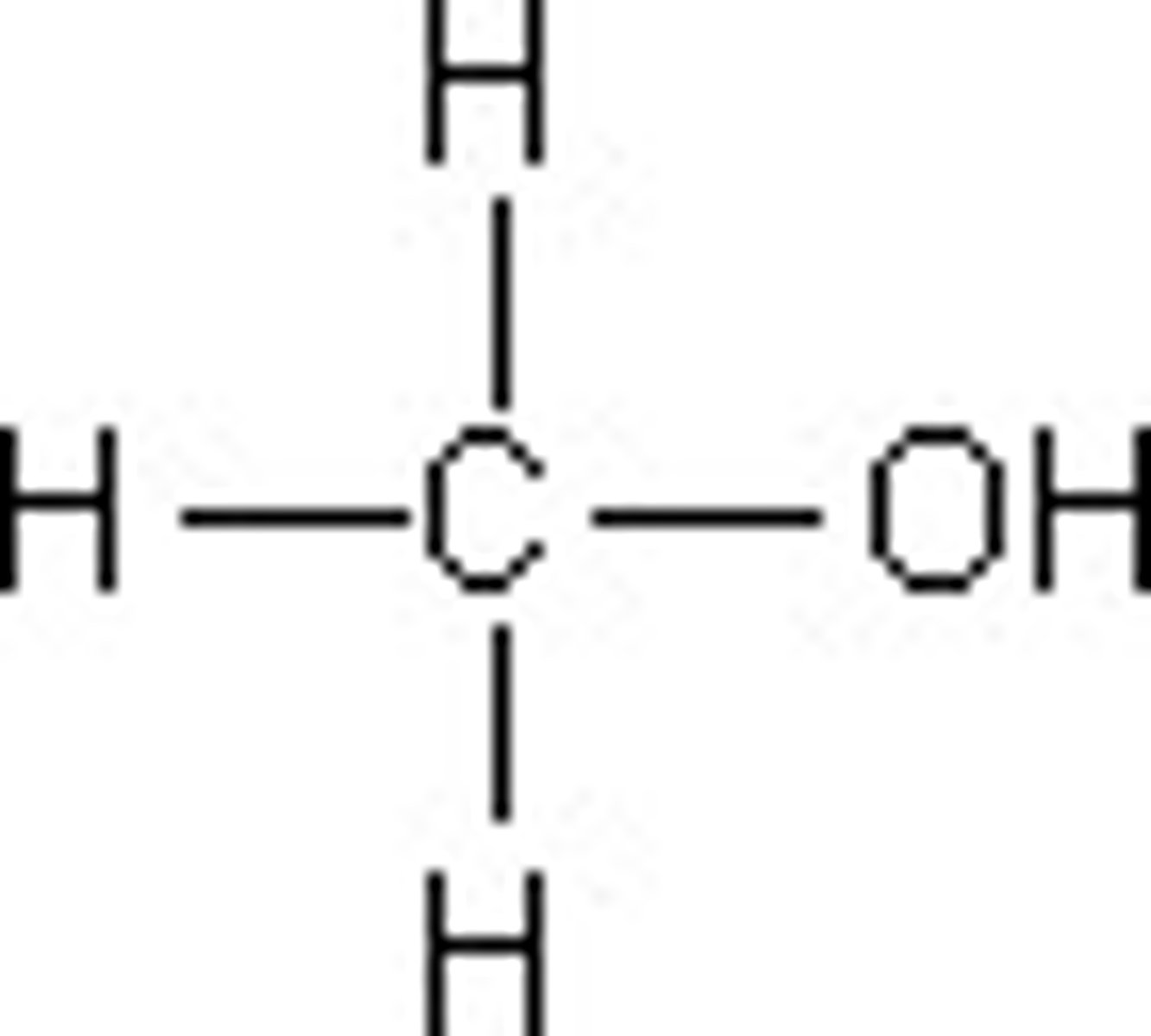
25
HCCH (Alkyne)
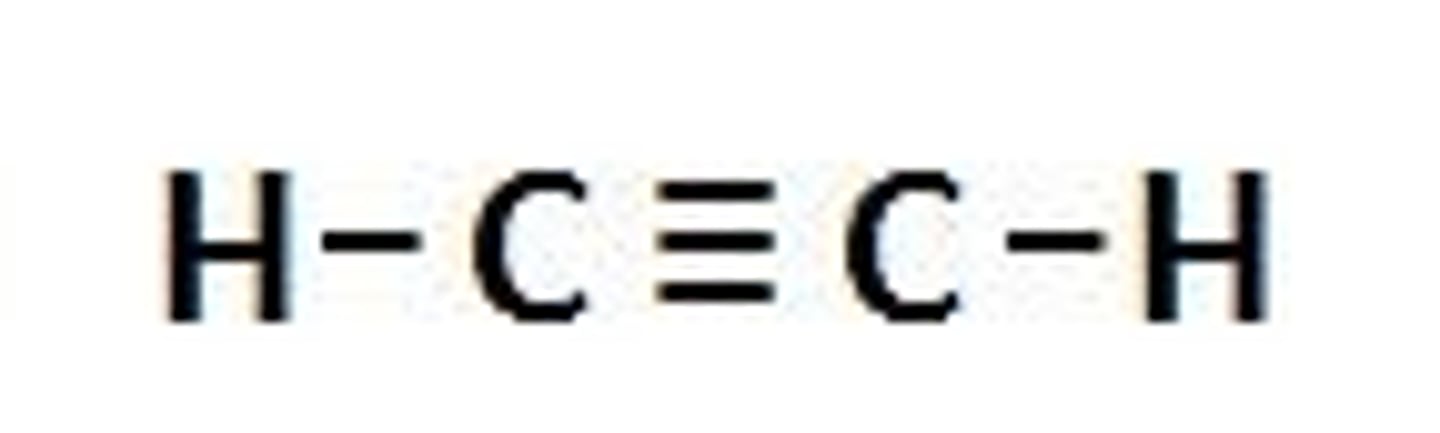
36
* NH3
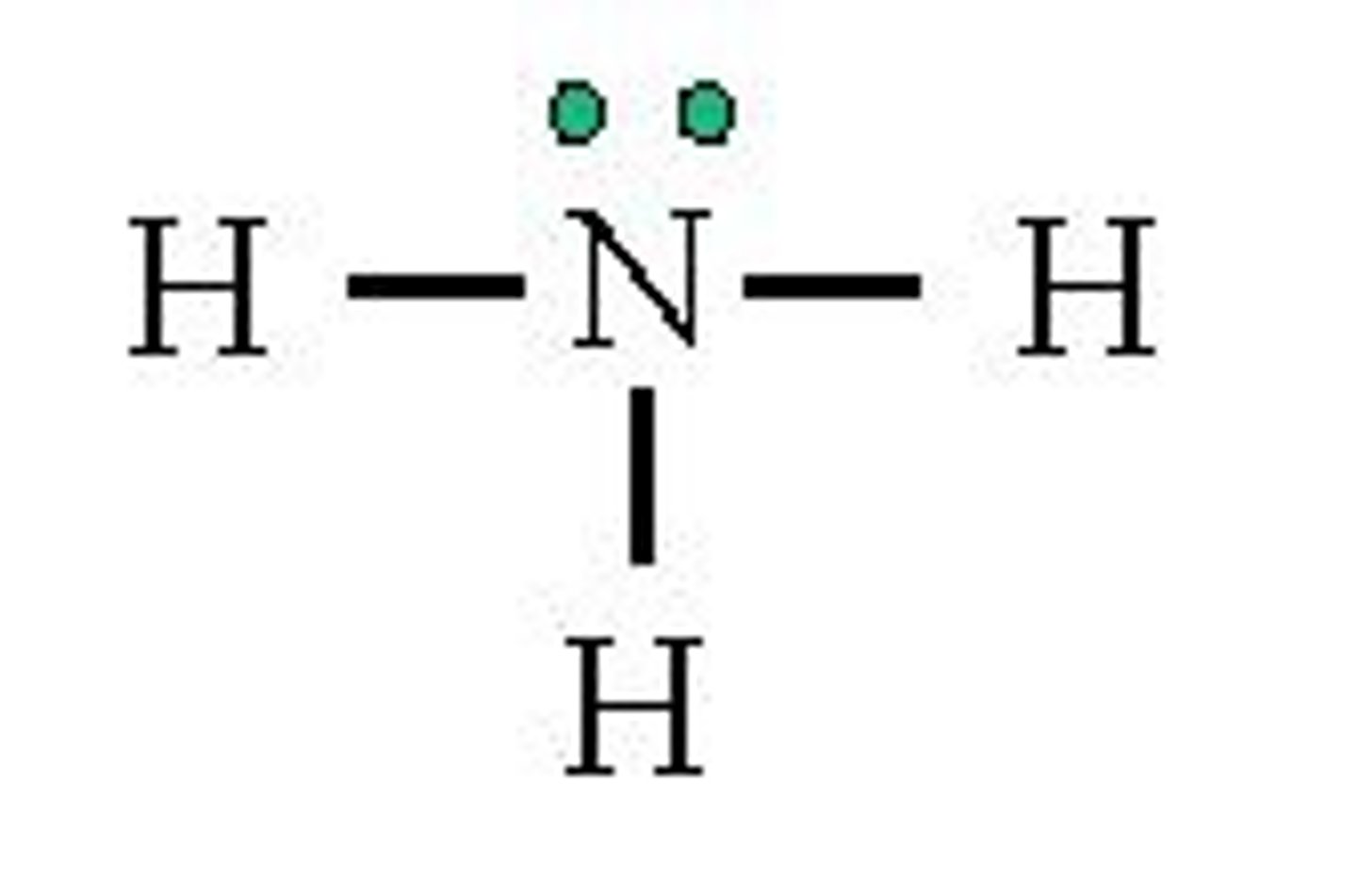
about 40
H2 (gas)
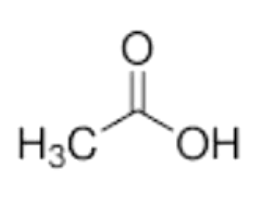
pKa of Acetic acid
5
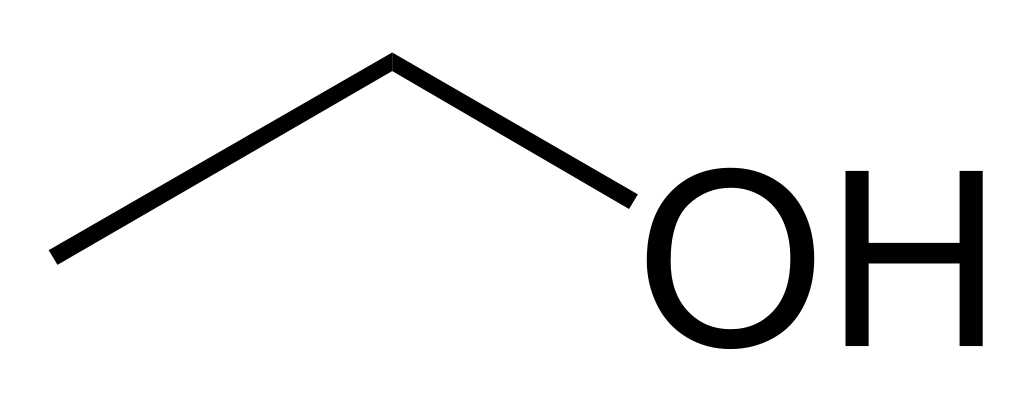
pKa of Ethanol
16
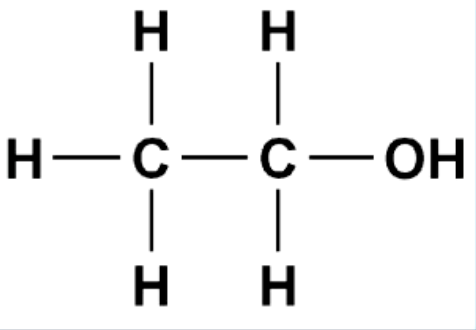
Which is an Alcohol?
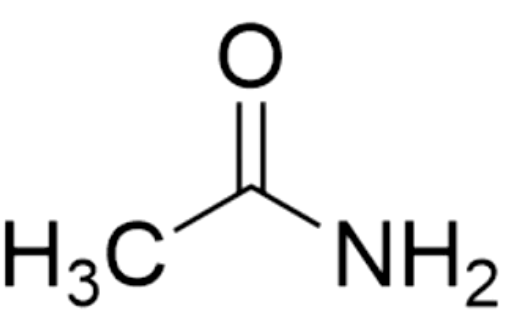
Which is an Amide?
Which is an Amine?
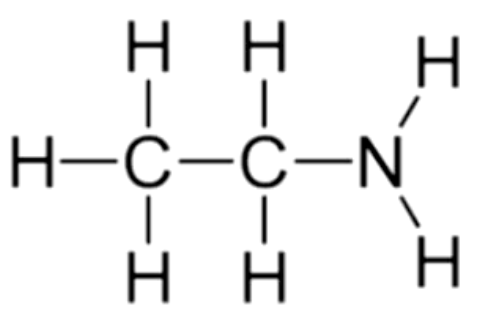
What’s the difference between an amide and an amine?
amide has a nitrogen attached to a carbonyl (C=O) and an amine has a nitrogen attached to a functional group or to hydrogens
SN2 happens by
backside attack
E2 happens by
antiperiplanar (newman projection)
Substrates that can do SN2 rxns
CH3>1˚>2˚
Substrates that can do SN1 rxns
3˚>2˚
Nucleophiles that can do SN2 rxns
Strong ones (ex: stuff with opposite charges, CN, N3, Cl-, Br-, RS-, HS-, H2S)
Leaving group rankings for SN2, SN1, E1, and E2 rxns
OT- > I- > Br- > Cl-
Nucleophiles that can do SN1 rxns
Weak ones can (ex: H2O, ROH, RCOOH)
Substrates that can do E2 rxns
3˚>2˚>1˚
Substrates that can do E1 rxns
3˚>2˚
Bases that can do E2 rxns
Strong bases and strong bulky bases (ex: OH-, RO-, t-butO-, DBN)
Stereochemistry for E2 rxns
the H and leaving group HAVE to be antiperiplanar
Bases that can do E1 rxns
weak nucleophiles/bases (ex: H2O, ROH, RCOOH)
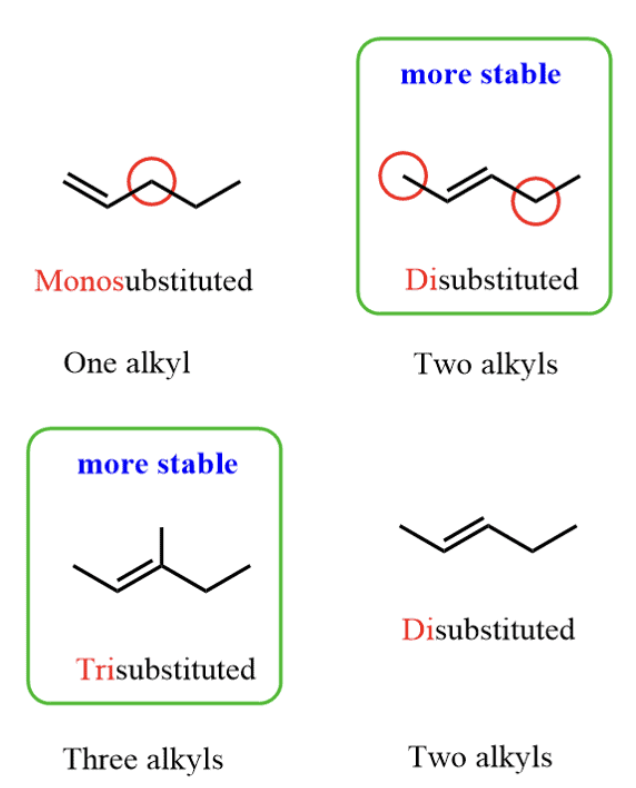
Zaitsev’s Rule
In an E1 or E2 elimination reaction, the major product is the most substituted alkene, like how many alkyl groups (CH3) are attached to one carbon, the more that are attached the more stable the product
How do we react alcohols?
We protonate the alcohol with an acid first, so then the leaving group can become H2O and form a carbocation
E1 reaction with an alcohol
Called a dehydration where a water is removed, more stable carbocation (3˚) will get a faster rxn, will use an acid like H2SO4
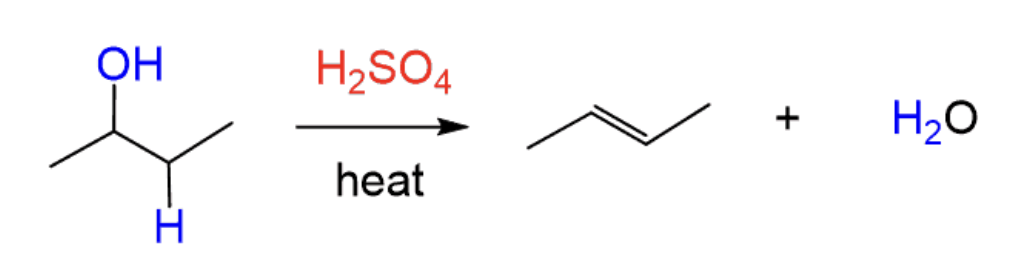
Why can’t an SN1 reaction happen with dehydration?
H2SO4 is a weak nucleophile and very stable, which never traps a cation
Why do we use H2SO4 for E1 alcohol rxns?
It’s a conjugate base and a poor nucleophile
E2 reactions with alcohols
needs really strong reagents for alcohols to form, CAN’T USE ACIDS CUZ IT WILL MAKE A CATION, will use something like POCl3 and pyridine to react
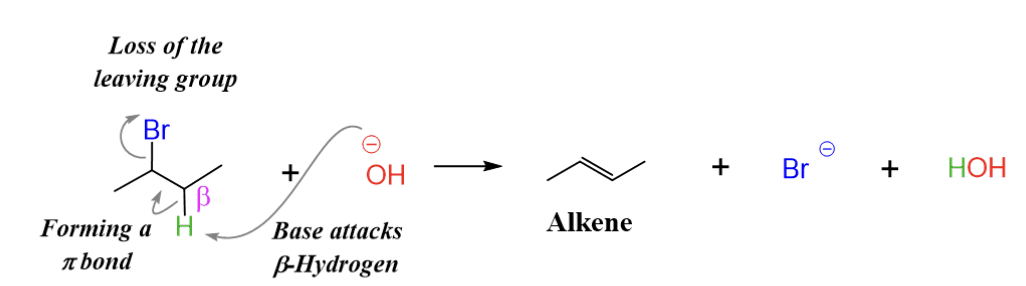
How does an E2 with an alcohol work?
More substituted alcohol (3˚) will get the faster rxn, H and leaving group HAVE to be antiperiplanar
SN1 reactions of alcohols
usually happen with a carbocation (HX - HCl, Hbr, HI)
When deprotenating an alcohol
You need NaH or PBr3 and it will ALWAYS do SN2 rxns
Do Ts and CN’s react the same or differently?
They perform an SN2 the SAME
Where does the nucleophile attack an epoxide in acidic conditions?
More substituted carbon, will do SN2 to break open the ring by using an acid to protenate the oxygen under acidic conditions. Order to go by: 3˚>1˚>2˚

Where does the nucleophile attack an epoxide in basic conditions?
less substituted product, will do SN2 to break open the ring, usually uses strong nucleophiles (ex NaOCH3

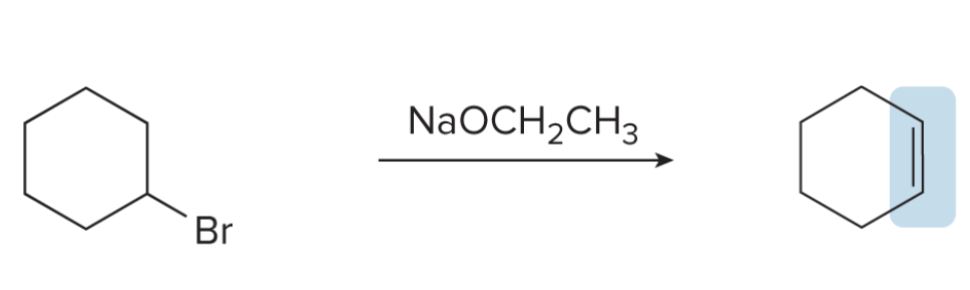
What type of reaction is this?
E2

What type of reaction is this?
E2
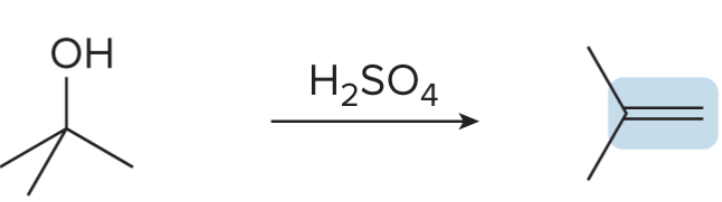
What type of reaction is this?
E1 because H2SO4 is reacting on an alcohol
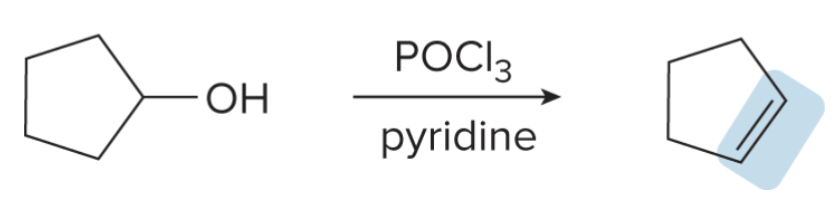
What type of reaction is this?
E2
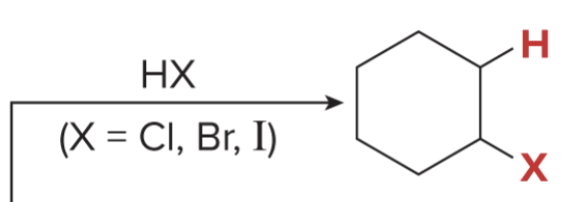
What type of alkene reaction is this?
Hydroboration
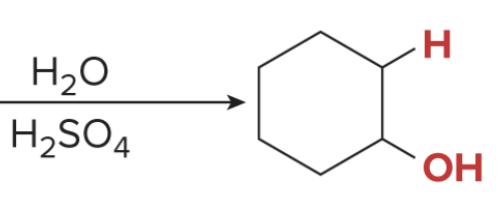
What type of alkene reaction is this?
Hydration
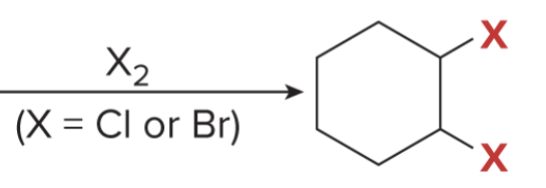
What type of alkene reaction is this?
Halogenation
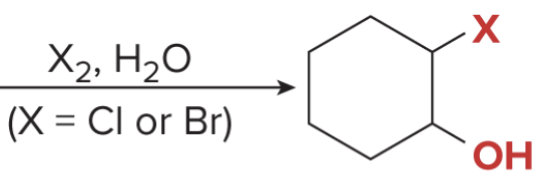
What type of alkene reaction is this?
Halohydration Formation
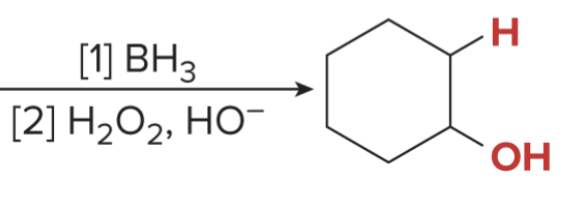
What type of alkene reaction is this?
Hydroboration-oxidation
What type of structures do Hydrohalogenation and Hydration reactions make?
Make both Syn and Anti, usually happens under acidic conditions, does Markovnikov addition
What type of structures do Halogenation and Halohydrin Formation reactions make?
Makes Anti, initiated with either Cl2 or Br2, does Markovnikov addition
What type of structures do hydroboration-oxidation reactions make?
Makes Syn, usually initiated with BH3 and then H2O2 and HO-, does anti-Markovnikov addition
Markovnikon vs Anti-Markovnikov
Markovnikov - places nucleophile on the more substituted C
Anti-Markovnikov - places nucleophile on less substituted C
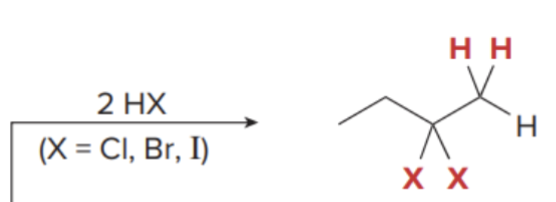
What type of alkyne reaction is this?
Hydrohalogenation, does Markovnikov addition
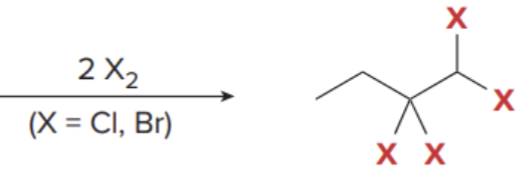
What type of alkene reaction is this?
halogenation, tetrahalide, does Markovnikov addition
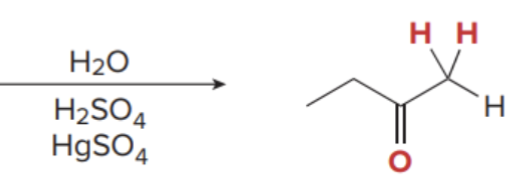
What type of alkene reaction is this?
hydration, makes ketones, does Markovnikov addition
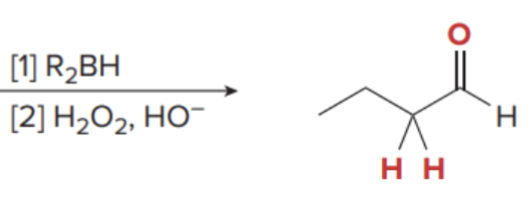
What type of alkene reaction is this?
Hydroboration-oxidation, makes aldehydes and does Anti-Markovnikov addition
Keto-Enol Tautomerization with an acid

Keto-Enol Tautomerization with a base

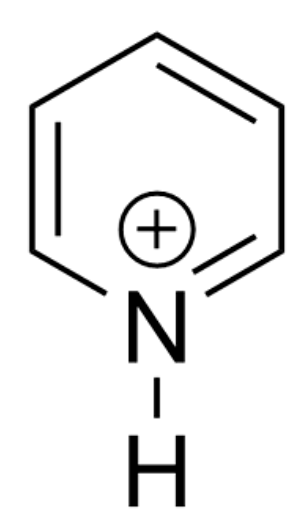
pH?
5
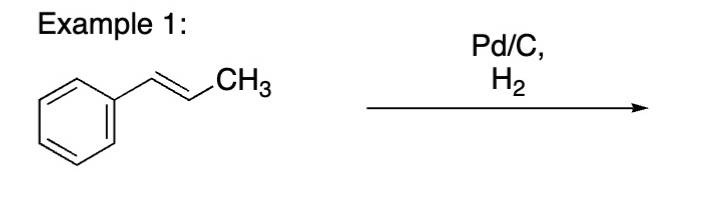
What product does this make?
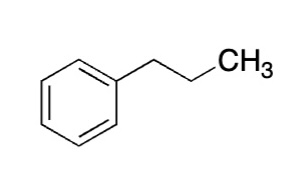
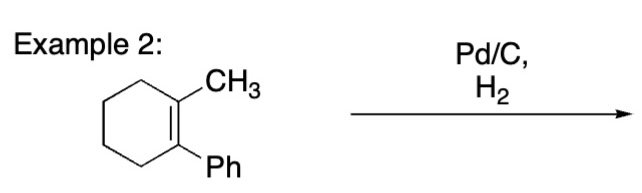
What product does this make?
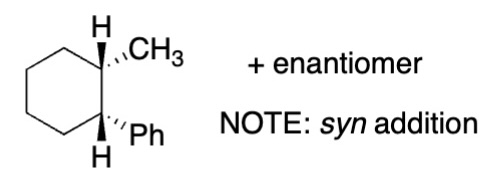
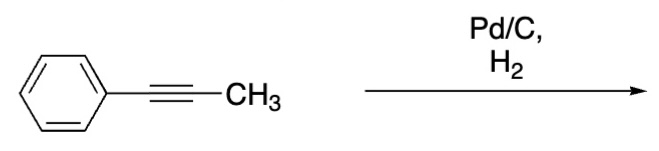
What product does this make?
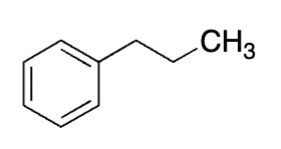
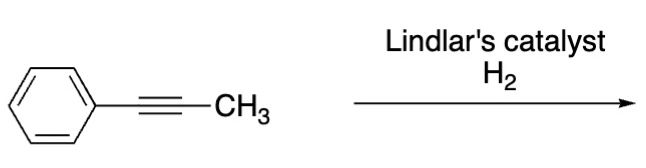
What product does this make?
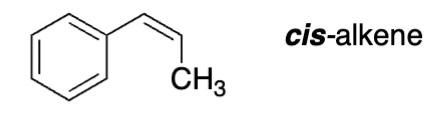
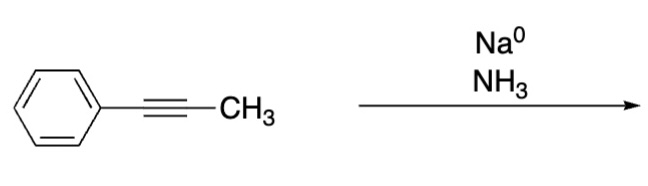
What product does this make?
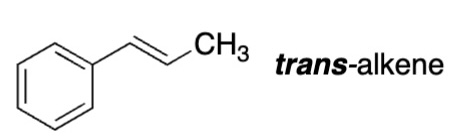
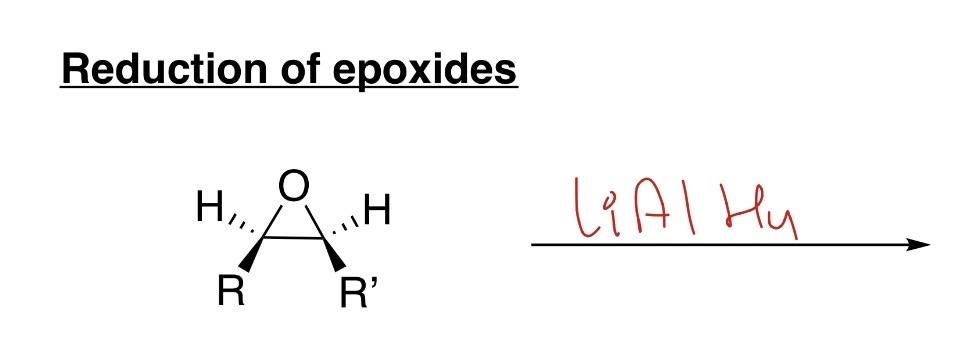
What product does this make?
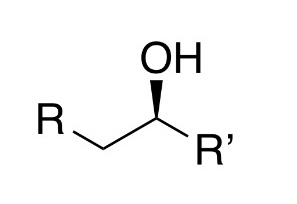
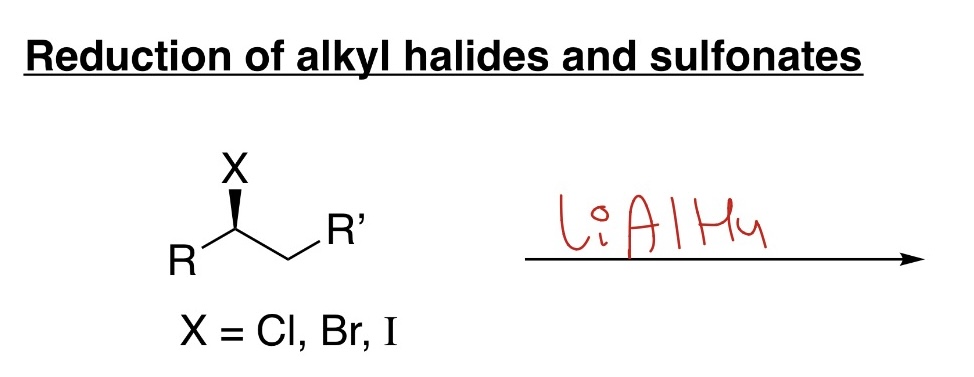
What product does this make?
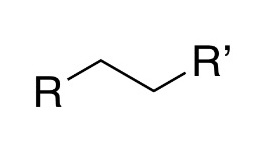
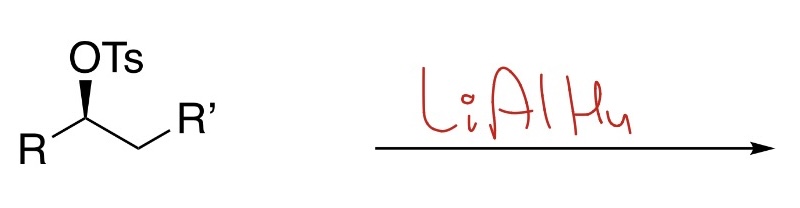
What product does this make?
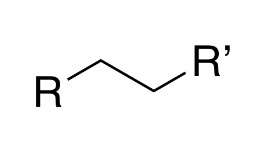
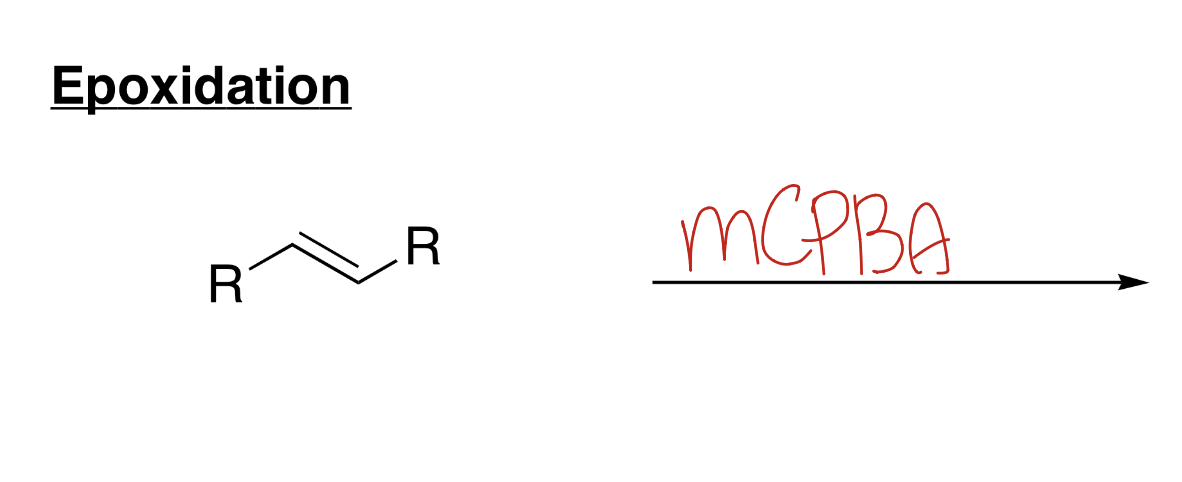
What product does this make?
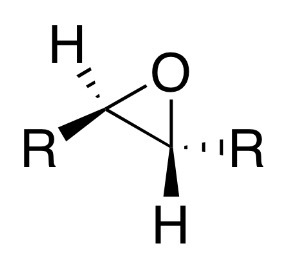
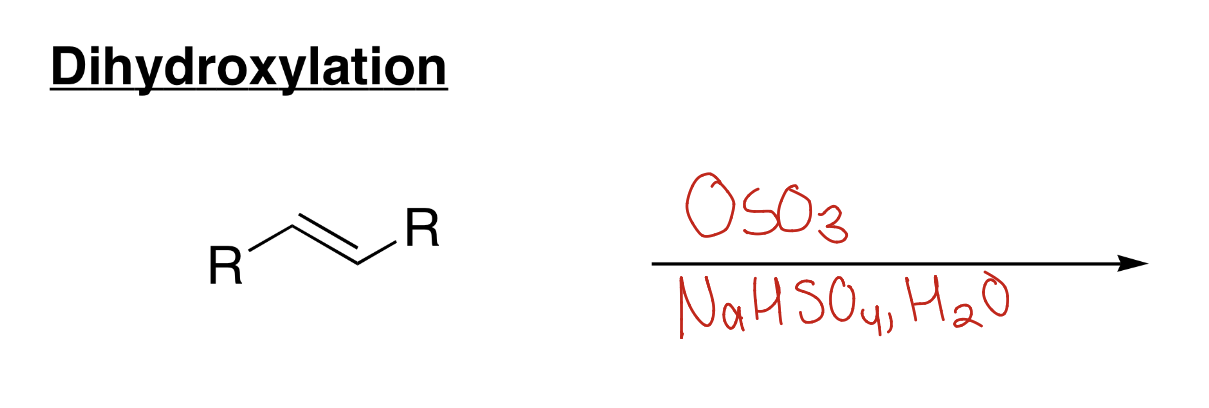
What product does this make?
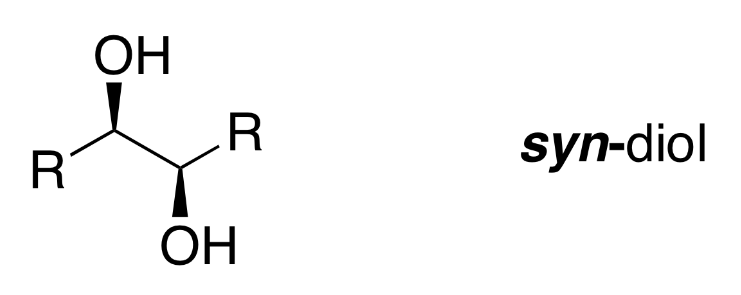
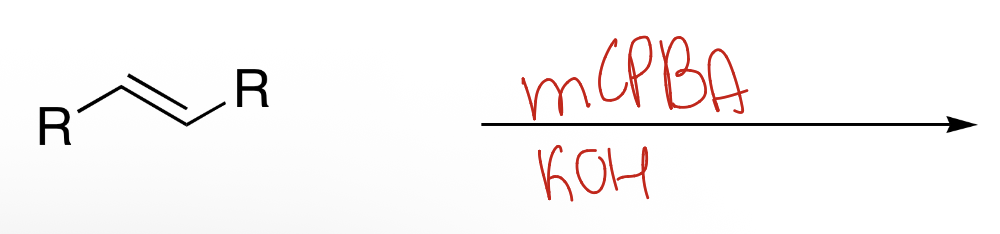
What product does this make?
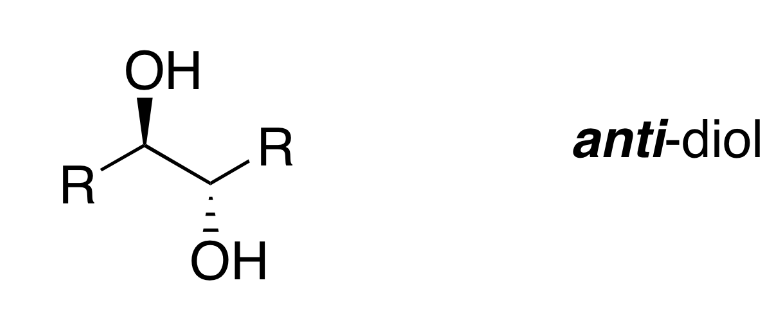
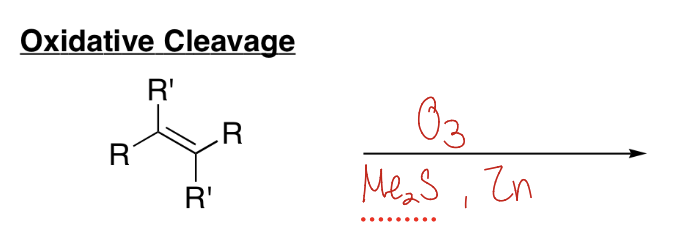
What product does this make?
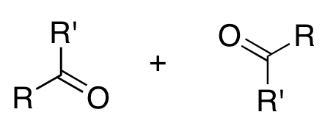
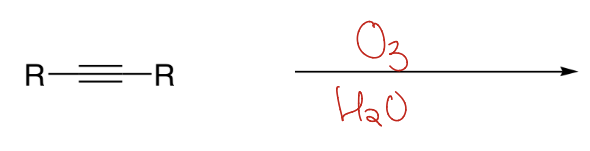
What product does this make?
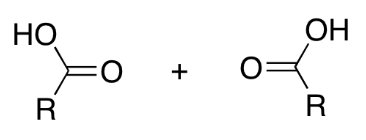

What product does this make?
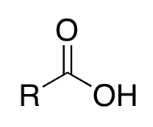
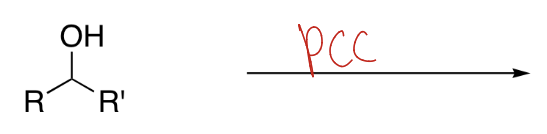
What product does this make?
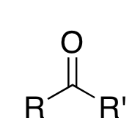
Difference between SN1 and SN2 Reactions
SN2 reactions are usually done in 1 step using strong nucleophiles (ex: CN-), Cl-, Br-, etc…) substrates like methyls, and 1˚ ones usually do it, does an inversion
SN1 reactions are usually two step with an intermediate, uses weak nucleophiles (ex: H2O, ROH, etc) products are usually racemic, subtrates like 3˚ and 2˚ do it.
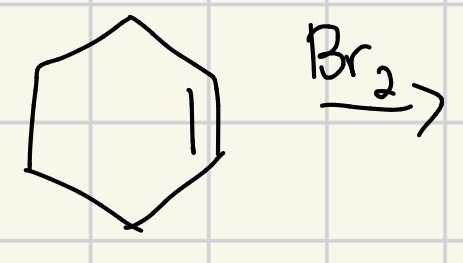
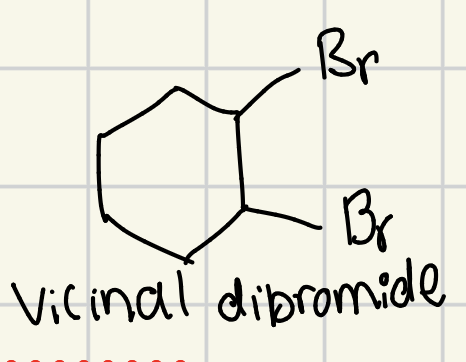
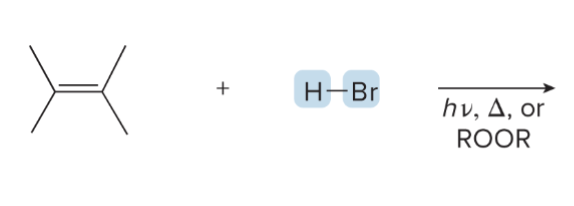
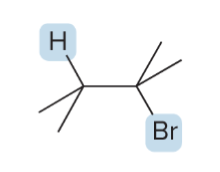
Addition via Ionic Intermediates
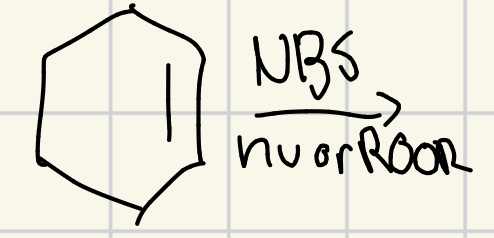
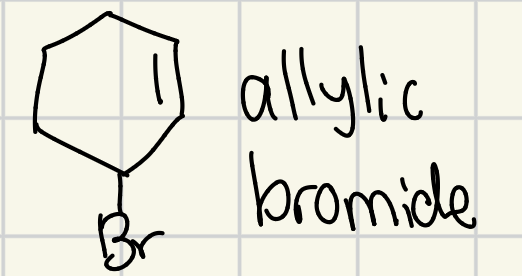
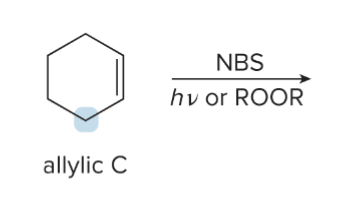
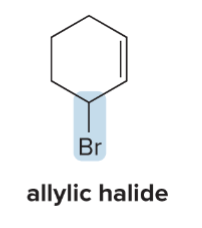
Substitution via radical intermediates
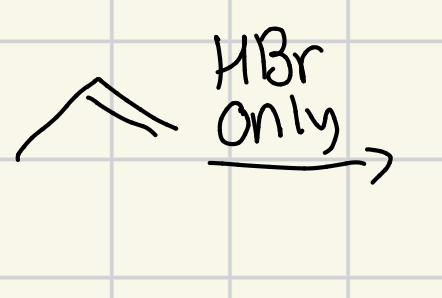
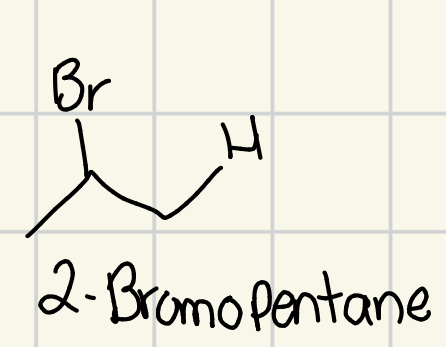
H bonds to the less substituted C
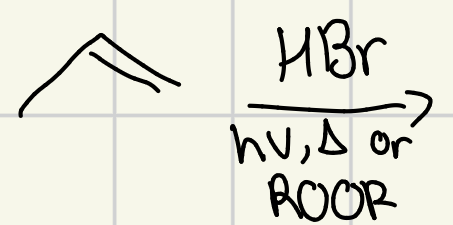
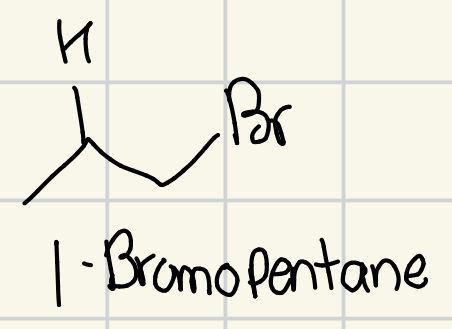
Br bonds to the less substituted C
Order of worst to best leaving group in an E2 reaction
F-< Cl- < Br- < I-
Dehydration from Alcohols to Alkenes
E2 Reaction, must be with a weak base and good leaving group, must convert alcohol from a poor leaving group to a good one, uses H2SO4 or TsOH to do it
How do you make a molecule into an alkyne from an alkane
2 equivalents of NaNH2 to turn a molecule into an alkyne