MAIA KATHARINA SERO - DEVELOPMENT PSYCHOLOGY MIDTERMS REVIEWER

0.0(0)
Studied by 0 people
call kaiCall Kai
Locked
learnLearn
examPractice Test
spaced repetitionSpaced Repetition
heart puzzleMatch
flashcardsFlashcards
GameKnowt Play
Card Sorting

1/273

encourage image

There's no tags or description

Looks like no tags are added yet.

Last updated 10:24 AM on 8/31/26
Name
Mastery
Learn
Test
Matching
Spaced
Call with Kai
Chat

No analytics yet

Send a link to your students to track their progress

274 Terms

1
New cards

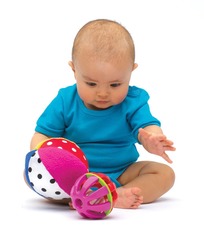
sensiromotor stage

- The first of Piaget's four stages of cognitive development.

- Much of this early cognitive growth comes about through circular reactions, in which an infant learns to reproduce events originally discovered by chance.
<p>- The <strong>first</strong> of Piaget's four stages of cognitive development.</p><p>- Much of this early cognitive growth comes about through <strong>circular reactions</strong>, in which an infant learns to <u><mark data-color="purple" style="background-color: purple; color: inherit;">reproduce events originally discovered by chance</mark></u>.</p>
2
New cards

SUBSTAGE 1: USE OF REFLEXES

- (birth to about 1 month)

- Infants understand the world through innate reflexes such as sucking, grasping, and looking.

- Babies use natural reflexes.

eg. newborns suck reflexively when their lips are touched. But they soon learn to find the nipple even when they are not touched, Sucking a bottle or grasping a finger.

<p>- (birth to about 1 month)</p><p>- Infants understand the world through innate reflexes such as <strong>sucking, grasping, and looking</strong>.</p><p>- Babies use <strong>natural reflexes</strong>.</p><p><strong>eg. </strong>newborns suck reflexively when their lips are touched. But they soon learn to find the nipple even when they are not touched, Sucking a bottle or grasping a finger.</p>
3
New cards

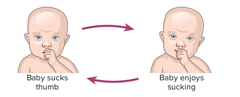
SUBSTAGE 2:Primary Circular Reactions

1-4 months

- Babies repeat actions involving their own bodies.

E.g. Sucking their thumb repeatedly.
<p>1-4 months</p><p>- Babies<strong> repeat actions</strong> involving their own bodies.</p><p><strong>E.g.</strong> Sucking their thumb repeatedly.</p>
4
New cards

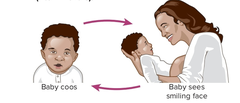
SUBSTAGE 3: SECONDARY CIRCULAR REACTIONS

- About 4-8 months

- Infants repeat actions that produce interesting effects on objects or the environment.

- Babies repeat actions involving objects.

e.g. a baby this age might repeatedly shake a rattle to hear the noise or coo when a friendly face appears so that it stays longer. Their actions are intentional but not goal-directed.
<p>- About 4-8 months</p><p>- Infants <u><mark data-color="green" style="background-color: green; color: inherit;">repeat actions that produce interesting effects on objects</mark></u> or the environment.</p><p>- Babies repeat actions involving objects.</p><p><strong>e.g.</strong> a baby this age might repeatedly shake a rattle to hear the noise or coo when a friendly face appears so that it stays longer. Their actions are intentional but not goal-directed.</p>
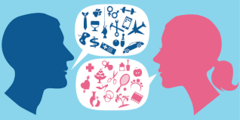
5
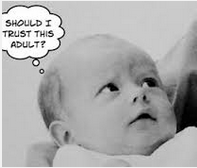
New cards

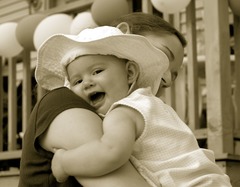
SUBSTAGE 4: COORDINATION OF SECONDARY SCHEMES

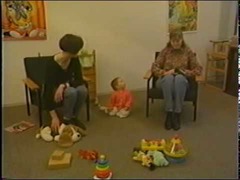
- 8 - 12 months

-Infants begin goal-directed behavior, combining actions intentionally to achieve a goal. Object permanence begins to develop.

- Babies act with a goal in mind.

- They will crawl to get something they want, grab it, or push away a barrier to it. They try out, modify, and coordinate previous schemes to find one that works.

E.g. Moving a pillow to get a toy.
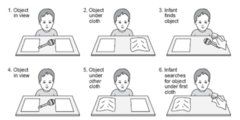
<p>- 8 - 12 months</p><p>-Infants<strong> begin goal-directed behavior,</strong> combining actions intentionally to achieve a goal. Object permanence begins to develop.</p><p>- Babies<u><mark data-color="green" style="background-color: green; color: inherit;"> act with a goal in mind.</mark></u></p><p>- They will crawl to get something they want, grab it, or push away a barrier to it. They try out, modify, and coordinate previous schemes to find one that works.</p><p>E.g. Moving a pillow to get a toy.</p>
6
New cards

SUBSTAGE 5: TERTIARY CIRCULAR REACTIONS

- about 12 - 18 months

- babies begin to experiment to see what will happen.

- By trial and error, toddlers try behaviors until they find the best Way to attain a goal.

- Toddlers experiment with different actions.

eg. a toddler may squeeze a rubber duck, then step on it, then throw it in order to see if all three actions result in squeaks, or drop a spoon to see what happens.
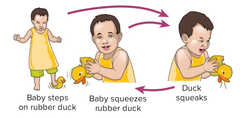
<p>- about 12 - 18 months</p><p>- babies <u><mark data-color="yellow" style="background-color: yellow; color: inherit;">begin to experiment to see what will happen</mark></u>.</p><p>- By<strong> trial and error</strong>, toddlers try behaviors until they find the best Way to attain a goal.</p><p>- Toddlers experiment with different actions.</p><p>eg. a toddler may squeeze a rubber duck, then step on it, then throw it in order to see if all three actions result in squeaks, or drop a spoon to see what happens.</p>
7
New cards

SUBSTAGE 6: MENTAL COMBINATIONS

- about 18 months to 2 years

- a transition to the preoperational stage of early childhood.

- Children develop mental representations, symbolic thought, deferred imitation, and can solve simple problems mentally before acting.

- Toddlers can think before acting and use symbols

E.g., pretending a banana is a phone.
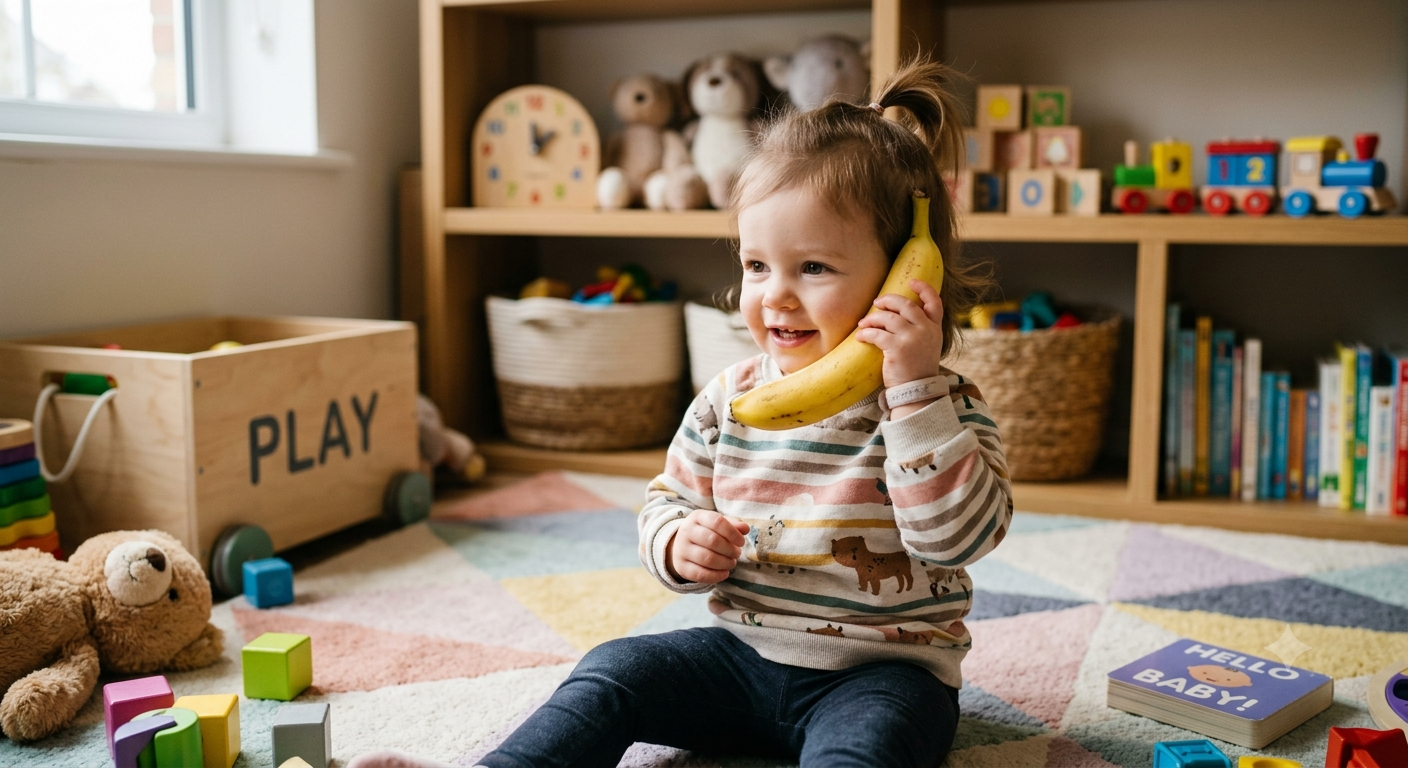
<p>- about 18 months to 2 years</p><p>- a <u><mark data-color="green" style="background-color: green; color: inherit;">transition to the preoperational stage</mark></u> of early childhood.</p><p>- Children develop <strong>mental representations, symbolic thought, deferred imitation</strong>, and can solve simple problems mentally before acting.</p><p>- Toddlers can think before acting and use symbols</p><p><strong>E.g., pretending</strong> a banana is a phone.</p>
8
New cards

Representational ability

- the ability to mentally represent objects and actions in memory, largely through symbols such as words, numbers, and mental pictures

An example of this is a baby playing with a toy smartphone.

<p>- the <u><mark data-color="#e9f6de" style="background-color: rgb(233, 246, 222); color: inherit;">ability to mentally represent objects and actions in memory</mark></u>, largely through symbols such as words, numbers, and mental pictures</p><p>An <strong>example </strong>of this is a baby playing with a <strong>toy smartphone</strong>.</p>
9
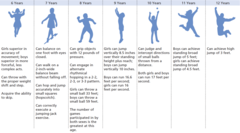
New cards

Imitation

- 9-24 months

- Babies copy what they see.

- they can copy actions after some time has passed (deferred Imitation)
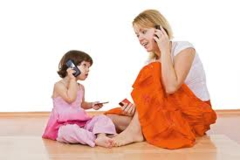
<p>- 9-24 months</p><p>- Babies <strong>copy </strong>what they see. </p><p>- they can <u><mark data-color="#dff5f7" style="background-color: rgb(223, 245, 247); color: inherit;">copy actions after some time has passed</mark></u><strong> (deferred Imitation)</strong></p>
10
New cards

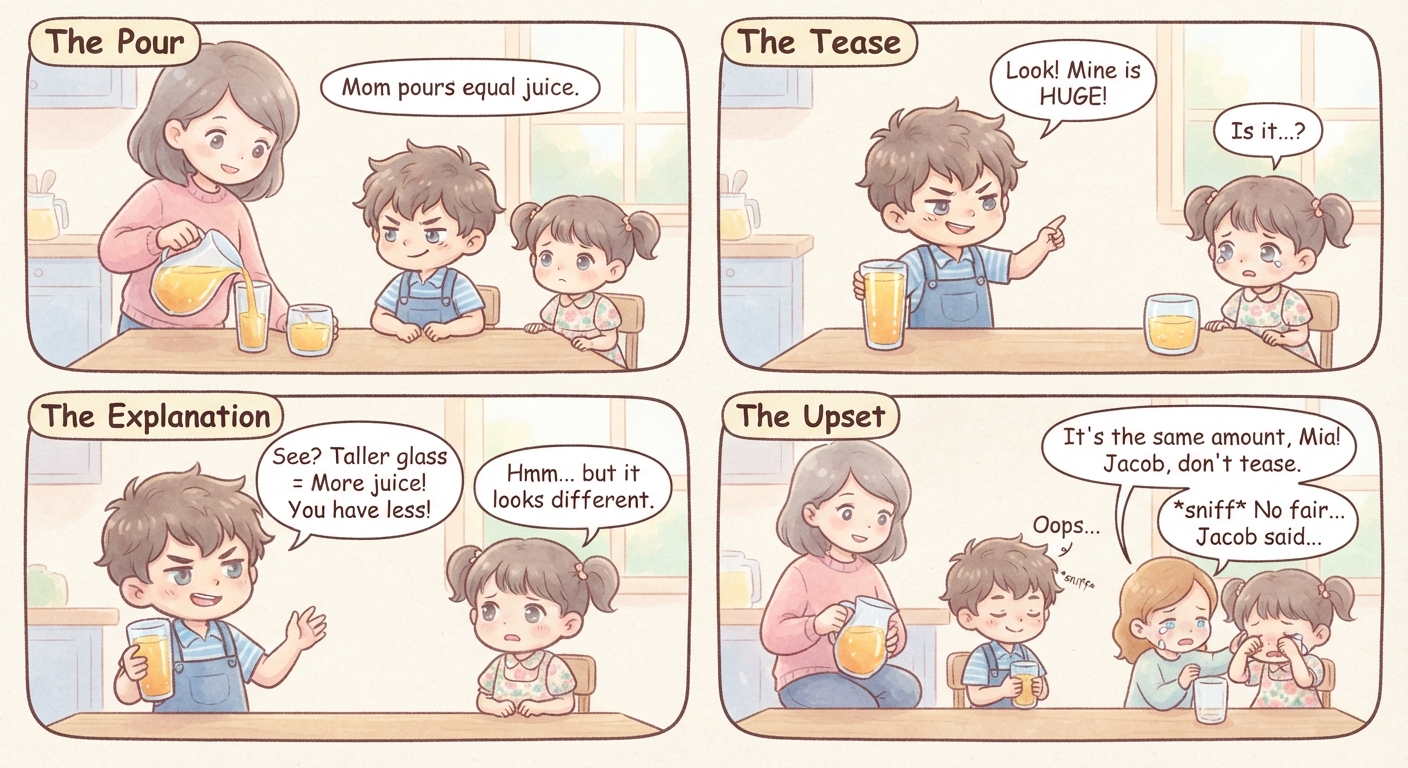
Object Permanence

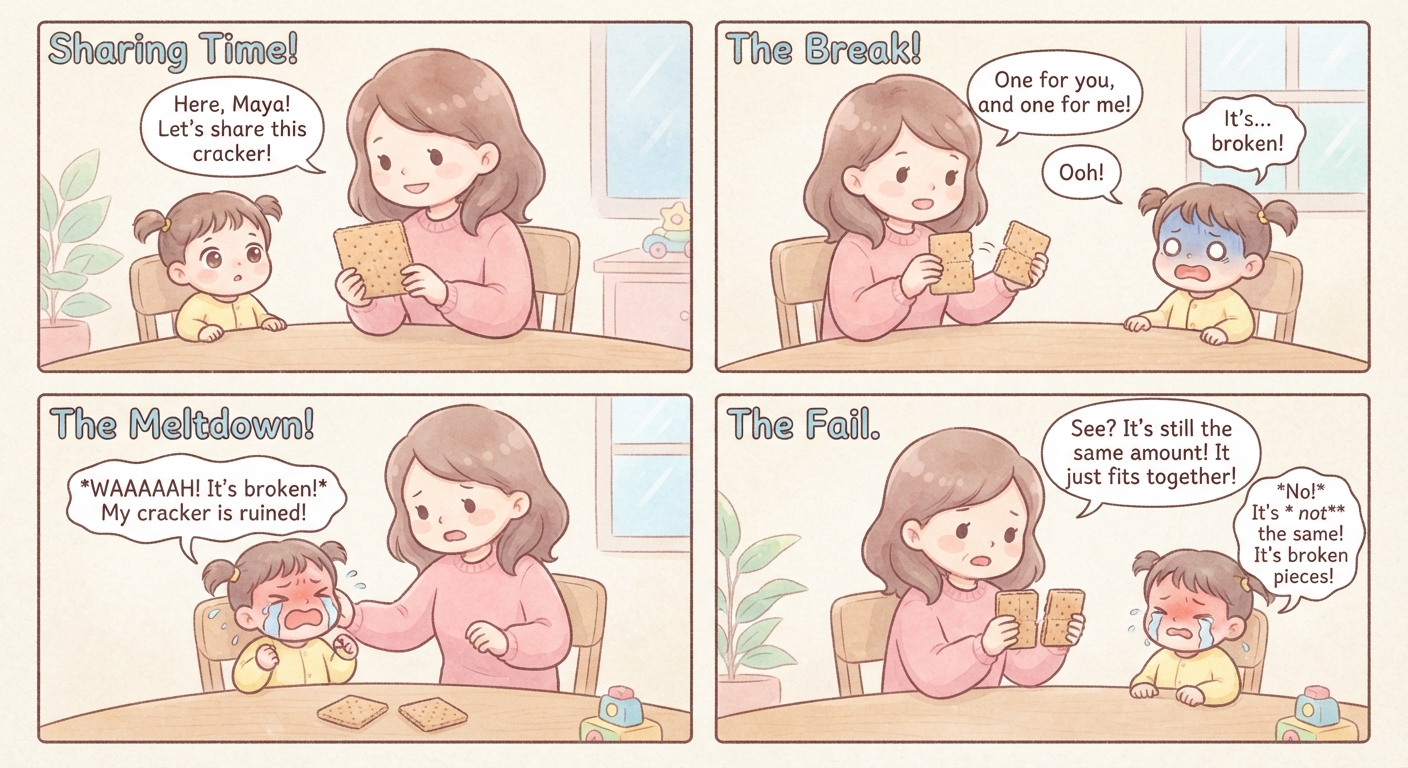
- 4-24 months (develops gradually)

- Bables learn that objects still exist even when they cannot see them.
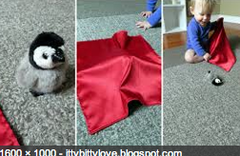
<p>- 4-24 months (develops gradually)</p><p>- Bables learn that <u><mark data-color="red" style="background-color: red; color: inherit;">objects still exist even when they cannot see them.</mark></u></p>
11
New cards

Symbolic Development

- 18-24 months

- Children use one object to represent another.

<p>- 18-24 months</p><p>- Children<u><mark data-color="blue" style="background-color: blue; color: inherit;"> use one object to represent another.</mark></u></p>
12
New cards

Categorization

- 18-24 months

- Children begin grouping objects by similarities (e.g., animals, toys, foods).

<p>- 18-24 months</p><p>- Children begin <span style="color: rgb(0, 0, 0);"><u><mark data-color="#faf2da" style="background-color: rgb(250, 242, 218); color: inherit;">grouping objects by similarities </mark></u></span><strong>(e.g., animals, toys, foods).</strong></p>
13
New cards

Causality

- 4-12 months

- Babies learn that their actions can make things happen (cause and effect).
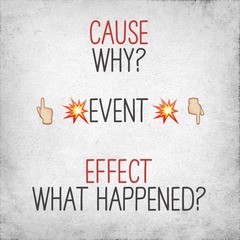
<p>- 4-12 months</p><p>- Babies <u><mark data-color="blue" style="background-color: blue; color: inherit;">learn that their actions can make things happen</mark></u> <strong>(cause and effect)</strong>.</p>
14
New cards

Number

- 18-24 months

- Children begin to understand simple ideas about quantity (e.g., one vs. many).

<p>- 18-24 months</p><p>- Children begin to <u><mark data-color="#edebfb" style="background-color: rgb(237, 235, 251); color: inherit;">understand simple ideas about quantity</mark></u> <strong>(e.g., one vs. many).</strong></p>
15
New cards

HABITUATION

- a type of learning in which repeated or continuous exposure to a stimulus reduces attention to that stimulus.

- in newborns, repeatedly presenting a stimulus such as sound or visual pattern and then monitoring responses.

example: if you show a new toy to a 4-month-old baby, they will stare at it for a long time. If you keep showing the exact same toy many times, the baby will look at it for a shorter time and then look away. They are now habituated to the toy.
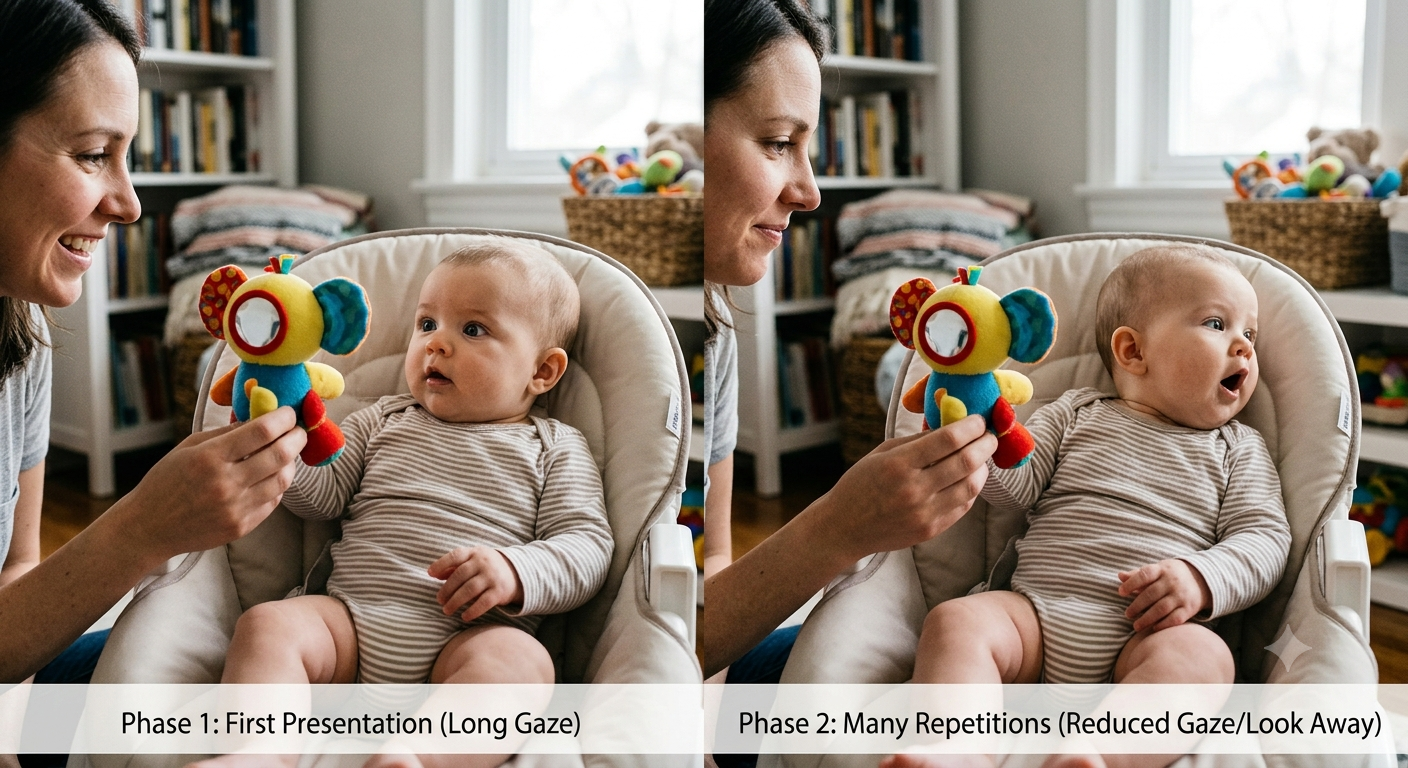
<p>- a type of learning in which <u><mark data-color="#edf9e5" style="background-color: rgb(237, 249, 229); color: inherit;">repeated or continuous exposure to a stimulus reduces attention</mark></u> to that stimulus.</p><p>- in newborns, repeatedly presenting a stimulus such as sound or visual pattern and then monitoring responses.</p><p><strong>example:</strong> if you show a new toy to a 4-month-old baby, they will stare at it for a long time. If you keep showing the exact same toy many times, the baby will look at it for a shorter time and then look away. They are now habituated to the toy.</p>
16
New cards

DISHABITUATION

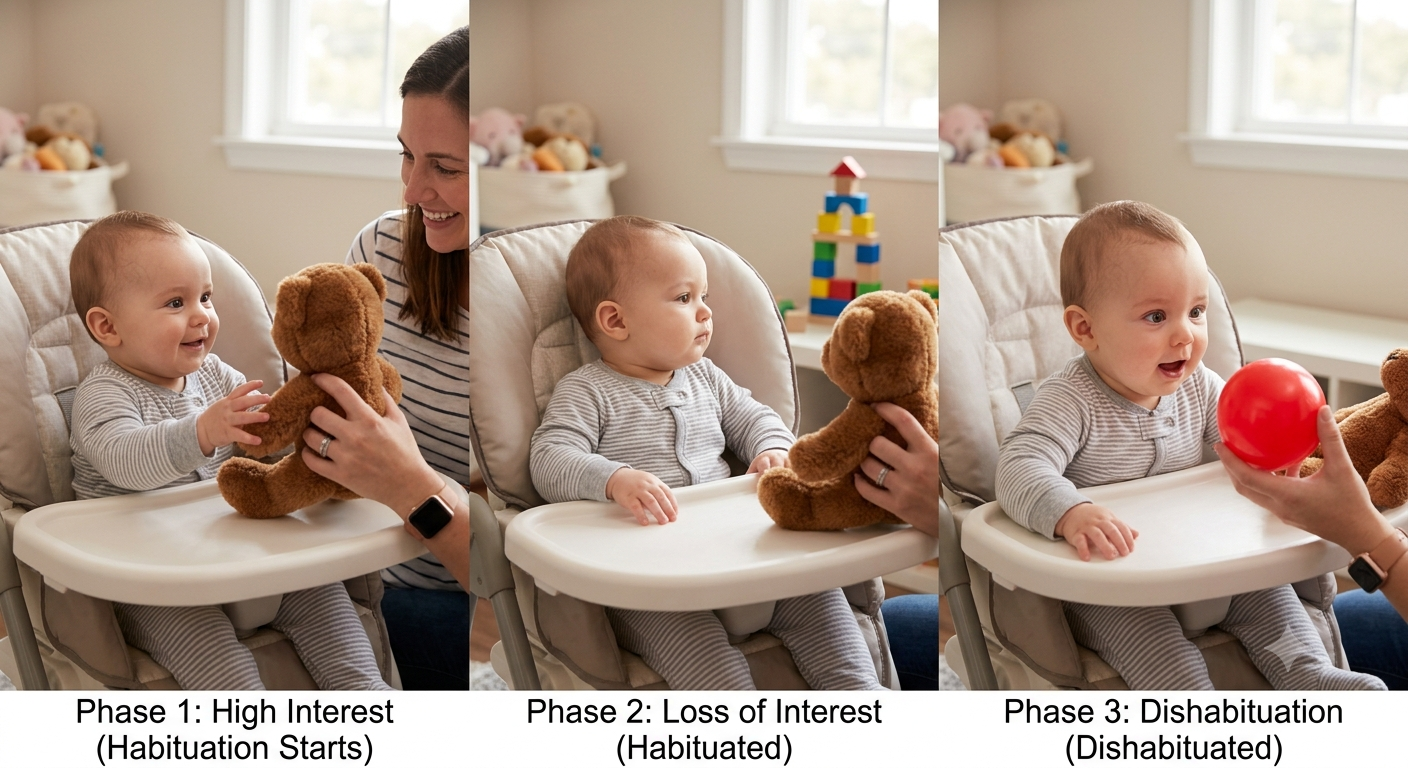
- If a new sight or sound is presented, the baby's attention is generally captured once again, and the baby will reorient toward the interesting stimulus

e.g. A baby looks at the same teddy bear for several minutes and eventually loses interest. Then, someone shows the baby a bright red ball. The baby immediately looks at the new toy.

- Babies become Interested again when they see a new stimulus after getting used to a familiar one.

- Measures the baby's ability to detect change.

- Uses one familiar stimulus, then introduces a new stimulus.

Purpose: Tests whether babies can recognize something new.
<p>- If a <u><mark data-color="#eceaf9" style="background-color: rgb(236, 234, 249); color: inherit;">new sight or sound is presented, the baby's attention is generally captured once again</mark></u>, and the baby will reorient toward the interesting stimulus</p><p><strong>e.g.</strong> A baby looks at the same teddy bear for several minutes and eventually loses interest. Then, someone shows the baby a bright red ball. The baby immediately looks at the new toy.</p><p>- Babies become Interested again when they see a new stimulus after getting used to a familiar one.</p><p>- Measures the baby's ability to detect change.</p><p>- Uses one familiar stimulus, then introduces a new stimulus.</p><p><strong>Purpose:</strong> Tests whether babies can recognize something new.</p>
17
New cards

VISUAL PREFERENCE

- The tendency to spend more time looking at one sight rather than another

e.g. If babies given a choice between looking at a curved or straight line spend more time focused on the curved line, the implication is that babies like curved lines more than straight lines.

- Babies naturally look longer at stimulus because they find it mean interesting or attractive.

- Measures what babies prefer to look at.

- Presents two stimuli at the same time and observes which one the baby looks at longer.

Purpose: Identifies what babies can distinguish or what they find more interesting.

<p>- The tendency to<u><mark data-color="#e9ffee" style="background-color: rgb(233, 255, 238); color: inherit;"> spend more time looking at one sight rather than another</mark></u></p><p><strong>e.g.</strong> If babies given a choice between looking at a curved or straight line spend more time focused on the curved line, the implication is that babies like curved lines more than straight lines.</p><p>- Babies naturally look longer at stimulus because they find it mean interesting or attractive.</p><p>- Measures what babies prefer to look at.</p><p>- Presents two stimuli at the same time and observes which one the baby looks at longer.</p><p><strong>Purpose: </strong>Identifies what babies can distinguish or what they find more interesting.</p>
18
New cards

VISUAL RECOGNITION MEMORY

- Ability to distinguish a familiar visual stimulus from an unfamiliar one when shown both at the same time.

e.g. A baby sees their mother leave the room. When the mother returns, the baby smiles immediately because they recognize her face.

<p>- Ability to <u><mark data-color="#f2ebf7" style="background-color: rgb(242, 235, 247); color: inherit;">distinguish a familiar visual stimulus from an unfamiliar one </mark></u>when shown both at the same time.</p><p><strong>e.g.</strong> A baby sees their mother leave the room. When the mother returns, the baby smiles immediately because they recognize her face.</p>
19
New cards

Lev Vygotsky

- Language develops through social interaction

- Children learn best through interacting with other people, such as parents, teachers, siblings, and peers. - He believed that culture also shapes how children think, solve problems, and learn.

- Children develop cognitive skills when they receive guidance from a More Knowledgeable Other (MKO) through social interaction, especially within the Zone of Proximal Development (ZPD) using scaffolding.

<p>- Language develops through <strong>social interaction</strong></p><p>- <u><mark data-color="red" style="background-color: red; color: inherit;">Children learn best through interacting with other people</mark></u>, such as parents, teachers, siblings, and peers. - He believed that culture also shapes how children think, solve problems, and learn.</p><p>- Children develop cognitive skills when they receive guidance from a <strong>More Knowledgeable Other (MKO) </strong>through social interaction, especially within the <strong>Zone of Proximal Development (ZPD) </strong>using <strong>scaffolding.</strong></p>
20
New cards

Zone of Proximal Development (ZPD)

- includes tasks that are just beyond the child's current ability but can be accomplished with guidance or support (scaffolding).

<p>- <u><mark data-color="#e3f7e9" style="background-color: rgb(227, 247, 233); color: inherit;">includes tasks that are just beyond the child's current ability</mark></u> but can be accomplished with guidance or support <strong>(scaffolding)</strong>.</p>
21
New cards

Recognition

- is the ability to identify something that has been seen before, such as a familiar face, object, or picture.

- Infants develop recognition memory before recall memory, which is why they can recognize their parents' faces long before they can remember information without seeing it.

<p>- is the <u><mark data-color="#e6f5f5" style="background-color: rgb(230, 245, 245); color: inherit;">ability to identify something that has been seen before</mark></u>, such as a familiar face, object, or picture.</p><p>- Infants develop recognition memory before recall memory, which is why they can recognize their parents' faces long before they can remember information without seeing it.</p>
22
New cards

Recall

means remembering information without seeing it first.
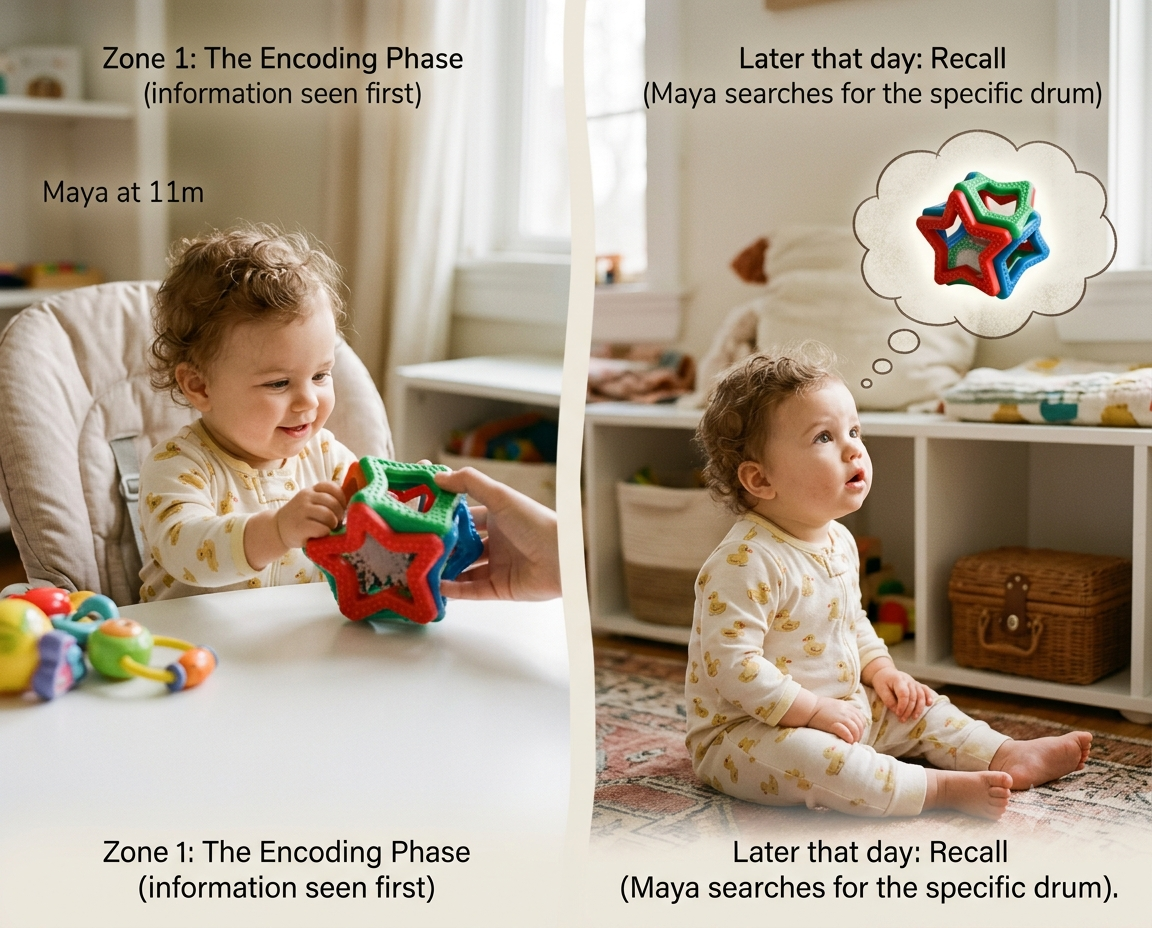
<p>means <u><mark data-color="#e6f5fa" style="background-color: rgb(230, 245, 250); color: inherit;">remembering information without seeing it first.</mark></u></p>
23
New cards

Assimilation

- "This new thing fits what I already know."

<p>- "This new thing fits what I already know."</p>
24
New cards

Fast-mapping strategy

- Learns a new word quickly

EX: Learns "elephant" after hearing it once

<p>- Learns a new word <strong>quickly</strong></p><p><strong>EX:</strong> Learns "elephant" after hearing it once</p>
25
New cards

Overextension

- Uses a word too narrowly

- "Use one word for too many things"

- Occurs when a child uses one word to refer to too many things because they share similar characteristics.

EX: Calls only their own cup "cup"
<p>- Uses a word<strong> too narrowly</strong></p><p>- "Use one word for <u><mark data-color="#f6ebd7" style="background-color: rgb(246, 235, 215); color: inherit;">too many things</mark></u>"</p><p>- Occurs when a<u><mark data-color="#f1f6c7" style="background-color: rgb(241, 246, 199); color: inherit;"> child uses one word to refer to too many things</mark></u> because they share similar characteristics.</p><p><strong>EX:</strong> Calls only their own cup "cup"</p>
26
New cards

Telegraphic speech

- Uses short, simple phrases

EX: "Daddy go work."

<p>- Uses short, simple phrases</p><p><strong>EX: </strong>"Daddy go work."</p>
27
New cards

Noam Chomsky

Language is innate (LAD)

<p>Language is innate (LAD)</p>
28
New cards

Jean Piaget

Language develops with cognitive development

<p>Language develops with <strong>cognitive development</strong></p>
29
New cards

Albert Bandura

Language is learned through observation and imitation

<p>Language is learned through <strong>observation and imitation</strong></p>
30
New cards

Prelinguistic Speech

- utterance of sounds that are not words.

- This includes crying, cooing, babbling, and accidental and deliberate imitation of sounds without understanding their meaning.

<p>- <strong>utterance </strong>of sounds that are <strong>not words</strong>.</p><p>- This includes crying, cooing, babbling, and accidental and deliberate <u><mark data-color="#f8f2e2" style="background-color: rgb(248, 242, 226); color: inherit;">imitation of sounds without understanding their meaning.</mark></u></p>
31
New cards

Code Switching

- Changing from one language to another.

- Often depends on the situation or the person being spoken to.

Example: Speaking English to a teacher, then switching to Filipino when talking to a friend.

<p>- <strong>Changing </strong>from <strong>one language to another</strong>.</p><p>- Often depends on the situation or the person being spoken to.</p><p><strong>Example: </strong>Speaking English to a teacher, then switching to Filipino when talking to a friend.</p>
32
New cards

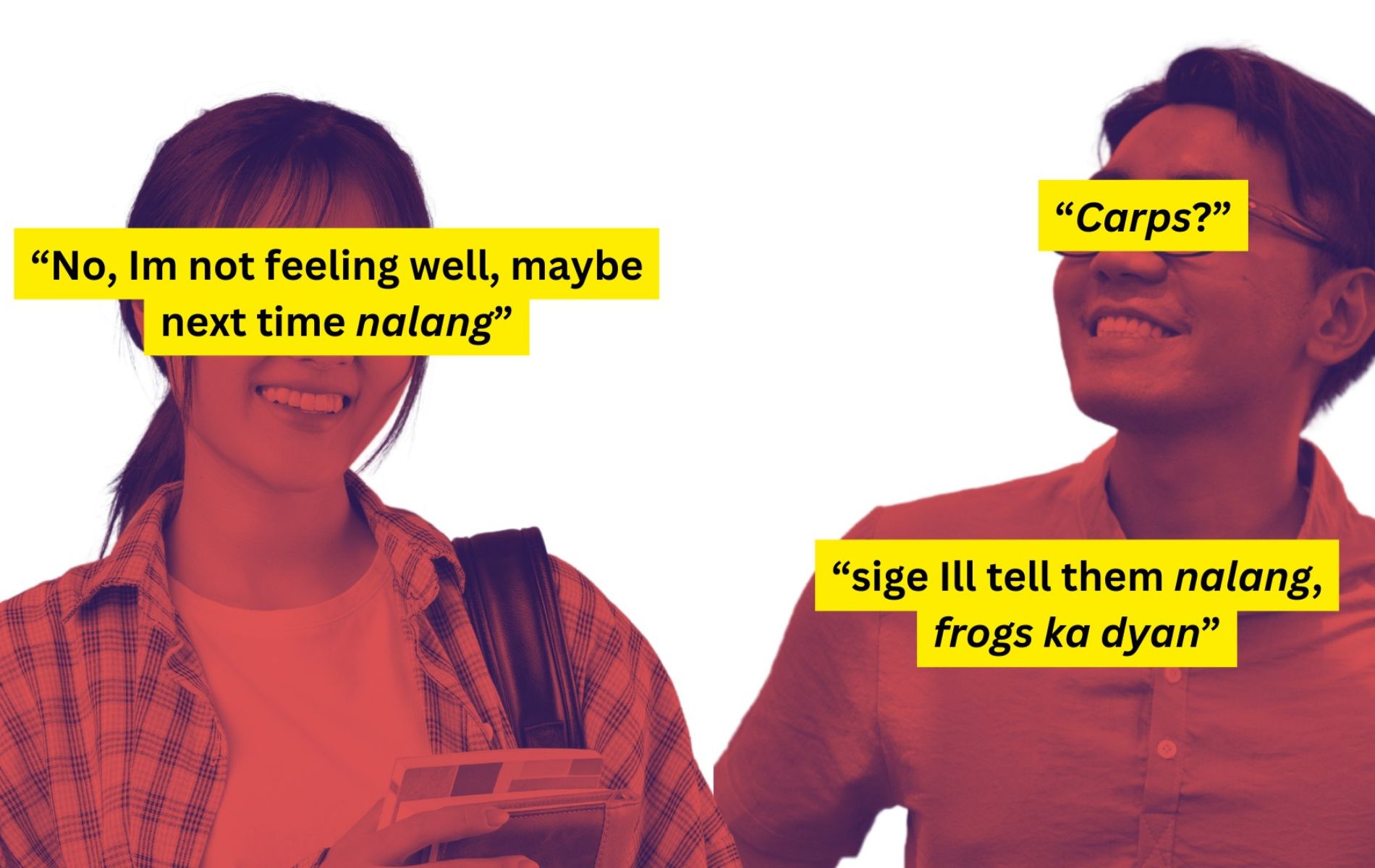
Code Mixing

- Mixing words or phrases from two languages in one sentence.

- Happens naturally because the speaker is comfortable using both languages.

Example: "Let's kain first before we study."
<p>- <strong>Mixing </strong>words or phrases from two languages in one sentence.</p><p>- Happens naturally because the speaker is comfortable using <strong>both languages</strong>.</p><p><strong>Example:</strong> "Let's kain first before we study."</p>
33
New cards

Rovee-Collier's study

- as young as 3 months, a child can remember specific objects within 10 minutes.

<p>- as <strong>young as 3 months</strong>, a <u><mark data-color="#f7e3d4" style="background-color: rgb(247, 227, 212); color: inherit;">child can remember specific objects within 10 minutes.</mark></u></p>
34
New cards

Infantile Amnesia

as the child grows, if there are things they cannot remember due to not matured hippocampus yet, this is called as?

<p>as the child grows, if there are things they <u><mark data-color="#f1edff" style="background-color: rgb(241, 237, 255); color: inherit;">cannot remember due to not matured hippocampus yet,</mark></u> this is called as?</p>
35
New cards

behaviorist approach

- studies the basic mechanics of learning.

- are concerned with how behavior changes in response to experience.

<p>- <strong>studies </strong>the <u><mark data-color="#fdf0ff" style="background-color: rgb(253, 240, 255); color: inherit;">basic mechanics of learning</mark></u>.</p><p>- are concerned with how <u><mark data-color="purple" style="background-color: purple; color: inherit;">behavior changes in response to experience.</mark></u></p>
36
New cards

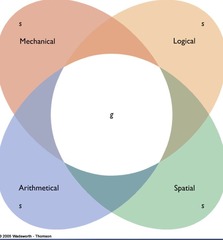
psychometric approach

Measures quantitative differences in abilities that make up intelligence by using tests that indicate or predict these abilities!
<p><u><mark data-color="red" style="background-color: red; color: inherit;">Measures quantitative differences in abilities</mark></u> that make up intelligence by using <strong>tests </strong>that indicate or predict these abilities!</p>
37
New cards

Piagetian approach

- looks at changes, or stages, in the quality of cognitive functioning.

- It is concerned with how the mind structures its activities and adapts to the environment.

<p>- looks at <u><mark data-color="#e8e7fb" style="background-color: rgb(232, 231, 251); color: inherit;">changes, or stages, in the quality of cognitive functioning.</mark></u></p><p>- It is concerned with how the mind structures its activities and adapts to the environment.</p>
38
New cards

information-processing approach

- focuses on perception, learning, memory, and problem solving.

- It aims to discover how children process information from the time they encounter it until they use it.
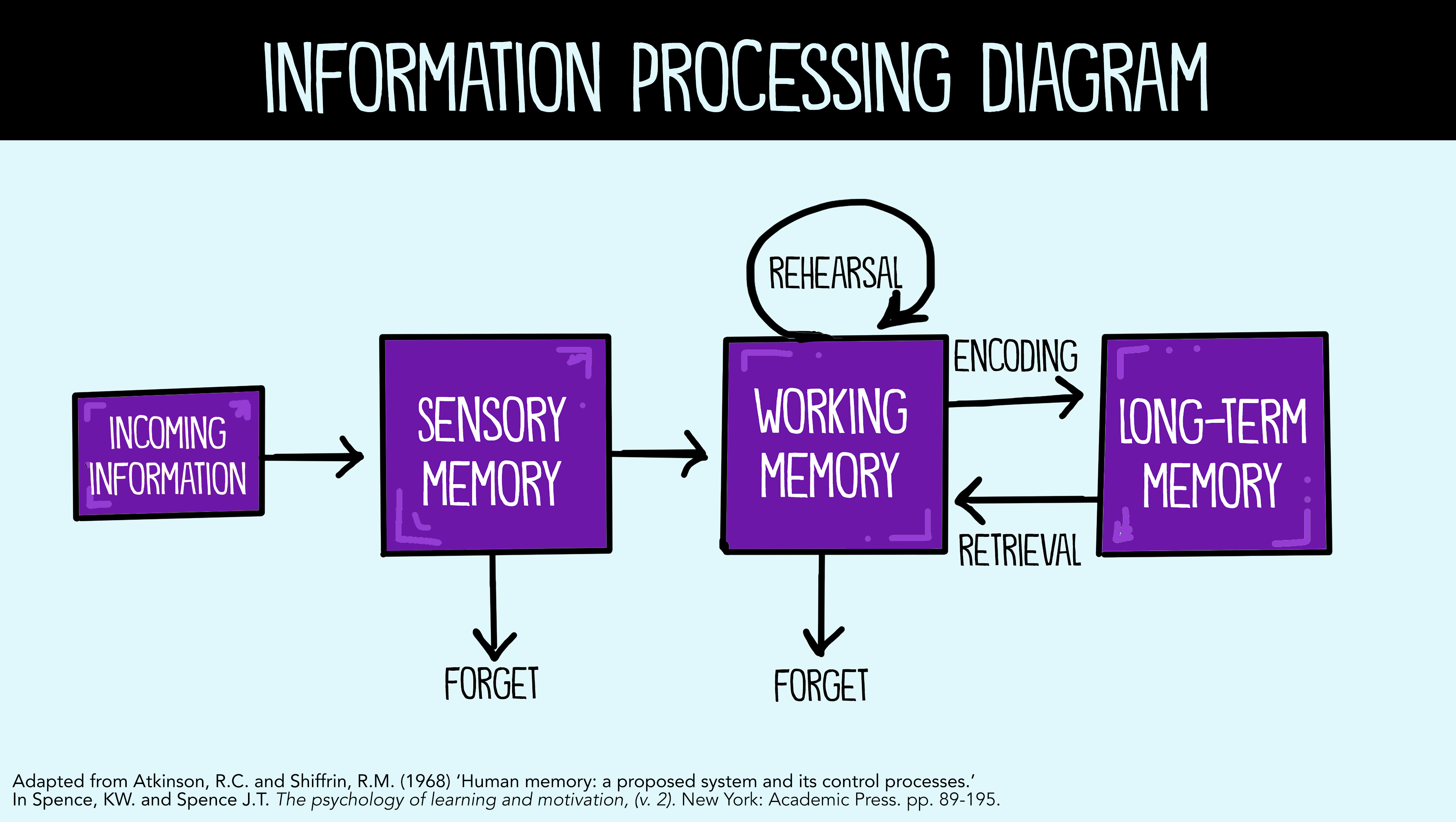
<p>- focuses on <strong>perception, learning, memory, and problem solving.</strong></p><p>- It aims to discover how children<u><mark data-color="#fae4f0" style="background-color: rgb(250, 228, 240); color: inherit;"> process information from the time they encounter it until they use it.</mark></u></p>
39
New cards

cognitive neuroscience

approach seeks to identify what brain structures are involved in specific aspects of cognition.
<p>approach seeks to identify what <u><mark data-color="#f6f2de" style="background-color: rgb(246, 242, 222); color: inherit;">brain structures are involved in specific aspects of cognition.</mark></u></p>
40
New cards

social-contextual approach

examines the effects of environmental aspects of the learning process, particularly the role of parents and other caregivers.
<p>examines the <span style="color: rgb(0, 0, 0);"><u><mark data-color="#eff6d9" style="background-color: rgb(239, 246, 217); color: inherit;">effects of environmental aspects of the learning process</mark></u></span>, particularly the role of parents and other caregivers.</p>
41
New cards

classical conditioning

Learning based on associating a stimulus that does not ordinarily elicit a response with another stimulus that does elicit the response.
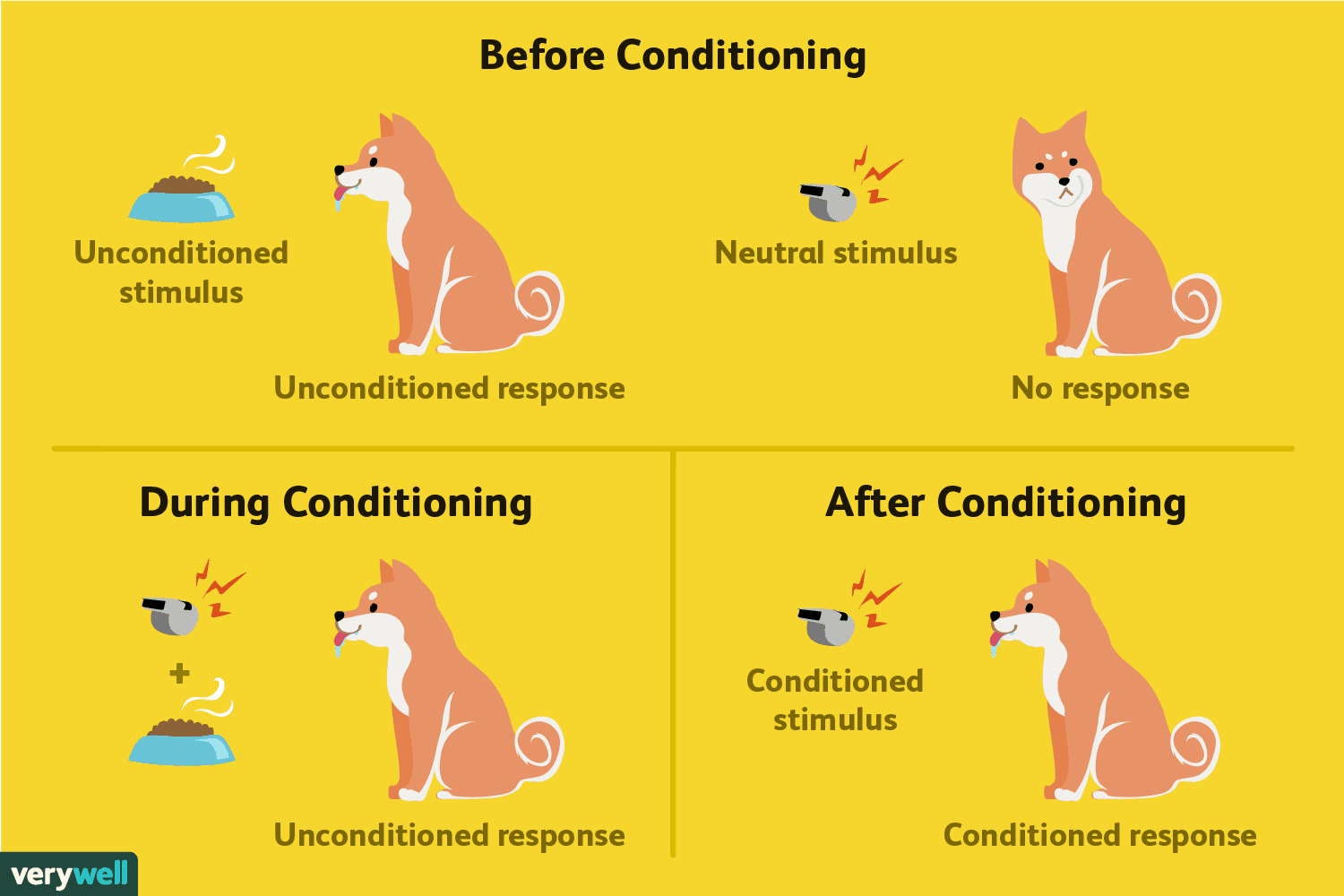
<p>Learning based on associating a stimulus that does not ordinarily elicit a response with another stimulus that does elicit the response.</p>
42
New cards

personality

- the relatively consistent blend of emotions, temperament, thought, and behavior that makes each person unique.

<p>- the <u><mark data-color="#dffce4" style="background-color: rgb(223, 252, 228); color: inherit;">relatively consistent blend of emotions</mark></u>, temperament, thought, and behavior that makes each person unique.</p>
43
New cards

Emotions

- Such as fear, are subjective reactions to experience that are associated with physiological and behavioral changes.
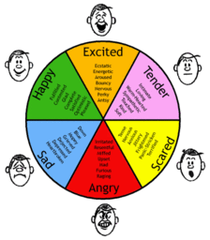
<p>- Such as fear, are<u><mark data-color="red" style="background-color: red; color: inherit;"> subjective reactions to experience that are associated with physiological and behavioral changes</mark></u>.</p>
44
New cards

Social smiling

- Around 6-8 weeks of age, the smile typically first appear

- when newborn infants gaze and smile at their parents, develops in the 2nd month of life

<p>- Around <strong>6-8 weeks of age</strong>, the smile typically first appear</p><p>- when <u><mark data-color="green" style="background-color: green; color: inherit;">newborn infants gaze and smile at their parents</mark></u>, develops in the 2nd month of life</p>
45
New cards

Anticipatory smiling

- In which infants smile at an object and then gaze at an adult while continuing to smile—rises sharply between 8 and 10 months and seems to be among the first types of communication in which the infant refers to an object or experience.
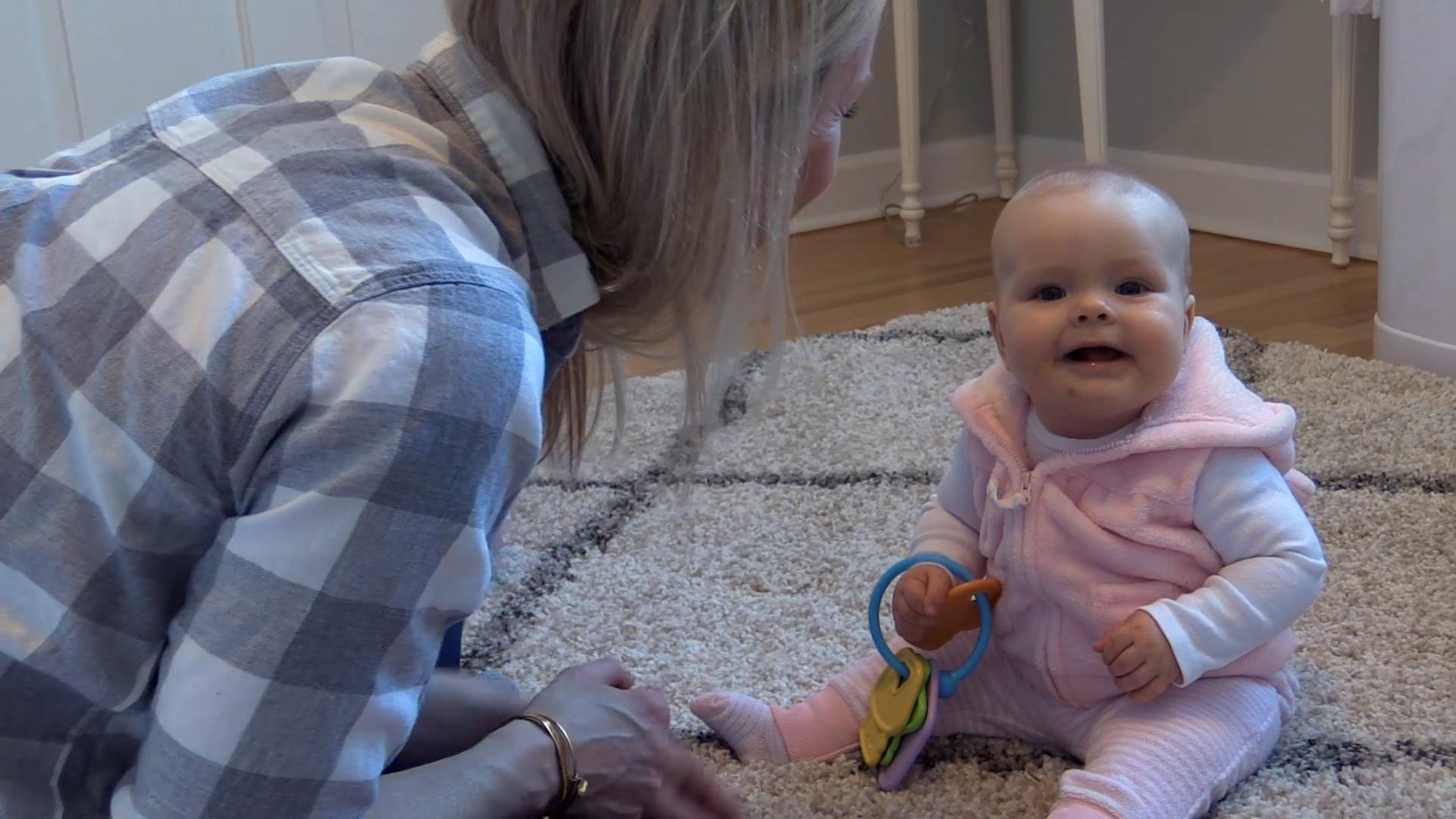
<p>- In which <u><mark data-color="#f7f2d4" style="background-color: rgb(247, 242, 212); color: inherit;">infants smile at an object and then gaze at an adult while continuing to smile</mark></u>—rises sharply between <strong>8 and 10 months</strong> and seems to be among the first types of communication in which the infant refers to an object or experience.</p>
46
New cards

Self-conscious emotions

- such as embarrassment, empathy, and envy, arise only after children have developed self-awareness

<p>- such as <strong>embarrassment, empathy, and envy</strong>, arise only <u><mark data-color="green" style="background-color: green; color: inherit;">after children have developed self-awareness</mark></u></p>
47
New cards

self-awareness

- Realization that one's existence and functioning are separate from those of other people and things.

<p>- Realization that one's existence and functioning are separate from those of other people and things.</p>
48
New cards

self-evaluative emotions

- Emotions, such as pride, shame, and guilt, that depend on both self-awareness and knowledge of socially accepted standards of behavior.

<p>- Emotions, such as <strong>pride, shame, and guilt,</strong> that <u><mark data-color="blue" style="background-color: blue; color: inherit;">depend on both self-awareness and knowledge of socially accepted standards of behavior.</mark></u></p>
49
New cards

empathy

- Ability to put oneself in another person's place and feel what the other person feels.

<p>- <u><mark data-color="purple" style="background-color: purple; color: inherit;">Ability to put oneself in another person's place </mark></u>and feel what the other person feels.</p>
50
New cards

mirror neurons

- Neurons that fire when a person does something or observes someone else doing the same thing.

<p>- <strong>Neurons that fire </strong>when a person does something or observes someone else doing the same thing.</p>
51
New cards

temperament

- Characteristic disposition, or style of approaching and reacting to situations.

<p>- Characteristic disposition, or style of <span style="color: rgb(2, 1, 1);"><u><mark data-color="#e3f7e8" style="background-color: rgb(227, 247, 232); color: inherit;">approaching and reacting to situations.</mark></u></span></p>
52
New cards

easy children

- Children with a generally happy temperament, regular biological rhythms, and a readiness to accept new experiences.
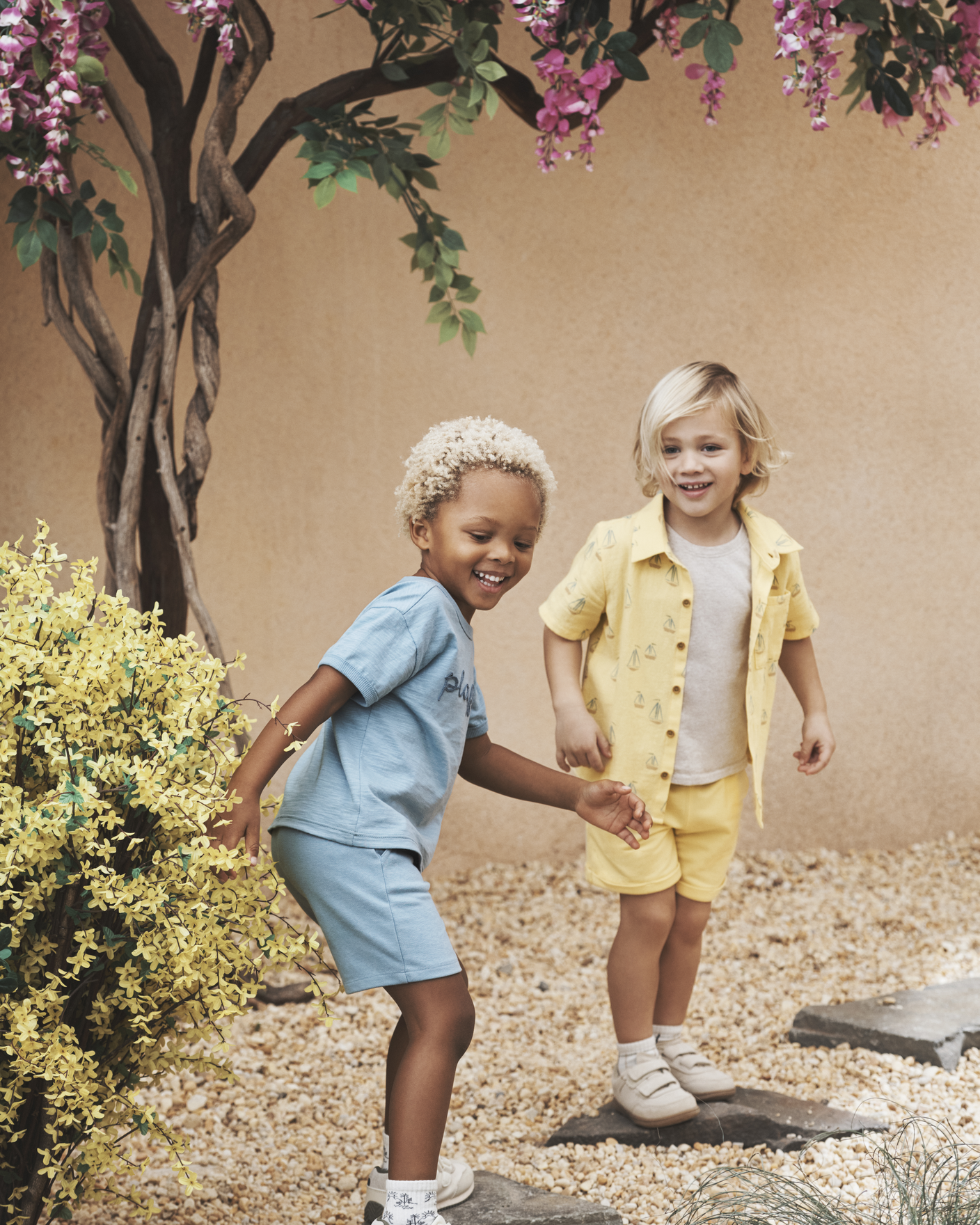
<p>- <u><mark data-color="green" style="background-color: green; color: inherit;">Children with a generally happy temperament</mark></u>, regular biological rhythms, and a readiness to accept new experiences.</p>
53
New cards

difficult children

- Children with irritable temperament, irregular biological rhythms, and intense emotional responses.

<p>- <u><mark data-color="red" style="background-color: red; color: inherit;">Children with irritable temperament</mark></u>, irregular biological rhythms, and intense emotional responses.</p>
54
New cards

slow-to-warm-up children

- Children whose temperament is generally mild but who are hesitant about accepting new experiences.
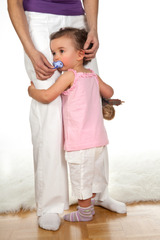
<p>- <u><mark data-color="#e6f7dc" style="background-color: rgb(230, 247, 220); color: inherit;">Children whose temperament is generally mild but who are hesitant</mark></u> about accepting new experiences.</p>
55
New cards

goodness of fit

- Appropriateness of environmental demands and constraints to a child's temperament

<p>- <u><mark data-color="#f8f1d7" style="background-color: rgb(248, 241, 215); color: inherit;">Appropriateness of environmental demands</mark></u> and constraints to a child's temperament</p>
56
New cards

gender

- Significance of being male or female.

<p>- Significance of being <strong>male or female</strong>.</p>
57
New cards

Gender typing

- Socialization process by which children, at an early age, learn appropriate gender roles.
<p>- <u><mark data-color="purple" style="background-color: purple; color: inherit;">Socialization process</mark></u> by which children, at an early age,<u><mark data-color="#f7ecf5" style="background-color: rgb(247, 236, 245); color: inherit;"> learn appropriate gender roles</mark></u>.</p>
58
New cards

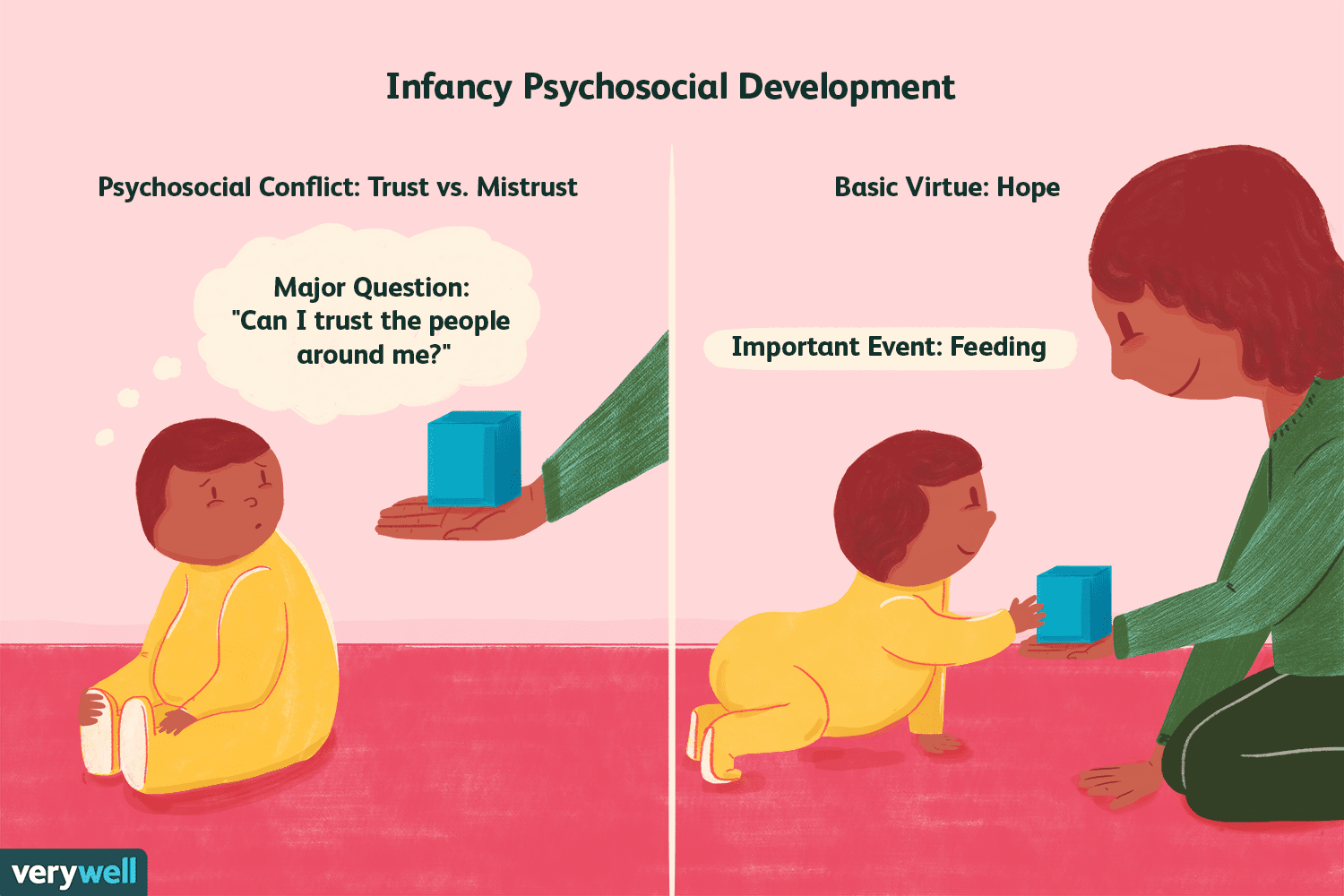
Trust Vs. Mistrust

- Erik Erikson's first stage in psychosocial development, in which infants have a sense of reliability to people and objects

- According to Erikson, the first psychosocial crisis that infants must resolve is?

- During the first year of life, infants develop this when caregivers consistently provide love and comfort and meet their basic needs
<p>- <strong>Erik Erikson's first stage in psychosocial development</strong>, in which <u><mark data-color="green" style="background-color: green; color: inherit;">infants have a sense of reliability to people and objects</mark></u></p><p>- According to Erikson, the <u><mark data-color="#ecfee3" style="background-color: rgb(236, 254, 227); color: inherit;">first psychosocial crisis that infants must resolve</mark></u> is?</p><p>- During the first year of life, infants develop this when caregivers consistently provide love and comfort and meet their basic needs</p>
59
New cards

attachment

- A reciprocal, enduring tie between two people, especially between an infant and a caregiver.

- Each of whom contributes to the quality of the relationship
<p>- A <u><mark data-color="#f7e2e9" style="background-color: rgb(247, 226, 233); color: inherit;">reciprocal, enduring tie </mark></u>between two people, especially between an infant and a caregiver. </p><p>- Each of whom contributes to the quality of the relationship</p>
60
New cards

Strange Situation

- Laboratory technique used to study infant attachment.
<p>- Laboratory technique used to <u><mark data-color="#f1f0cc" style="background-color: rgb(241, 240, 204); color: inherit;">study infant attachment.</mark></u></p>
61
New cards

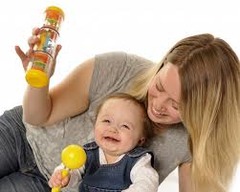
secure attachment

- Pattern in which an infant is quickly and effectively able to obtain comfort from an attachment figure in the face of distress.
<p>- Pattern in which an infant i<u><mark data-color="#fae8fa" style="background-color: rgb(250, 232, 250); color: inherit;">s quickly and effectively able to obtain comfort from an attachment figure</mark></u> in the face of distress.</p>
62
New cards

avoidant attachment

- Pattern in which an infant rarely cries when separated from the primary caregiver and avoids contact on their return.

<p>- Pattern in which an <u><mark data-color="#eefae9" style="background-color: rgb(238, 250, 233); color: inherit;">infant rarely cries when separated from the primary caregiver and avoids contact on their return</mark></u>.</p>
63
New cards

ambivalent (resistant) attachment

- Pattern in which an infant becomes anxious before the primary caregiver leaves, is extremely upset during their absence, and both seeks and resists contact on their return.

EXAMPLE: when a baby cries intensely upon a parent's departure, but upon their return, frantically seeks comfort while simultaneously pushing the parent away, arching their back, or angrily slapping away offered toys

<p>- Pattern in which an infant becomes anxious before the primary caregiver leaves, is extremely upset during their absence, and both seeks and resists contact on their return.</p><p><strong>EXAMPLE: </strong><span>when </span>a baby cries intensely upon a parent's departure, but upon their return, frantically seeks comfort while simultaneously pushing the parent away, arching their back, or angrily slapping away offered toys</p>
64
New cards

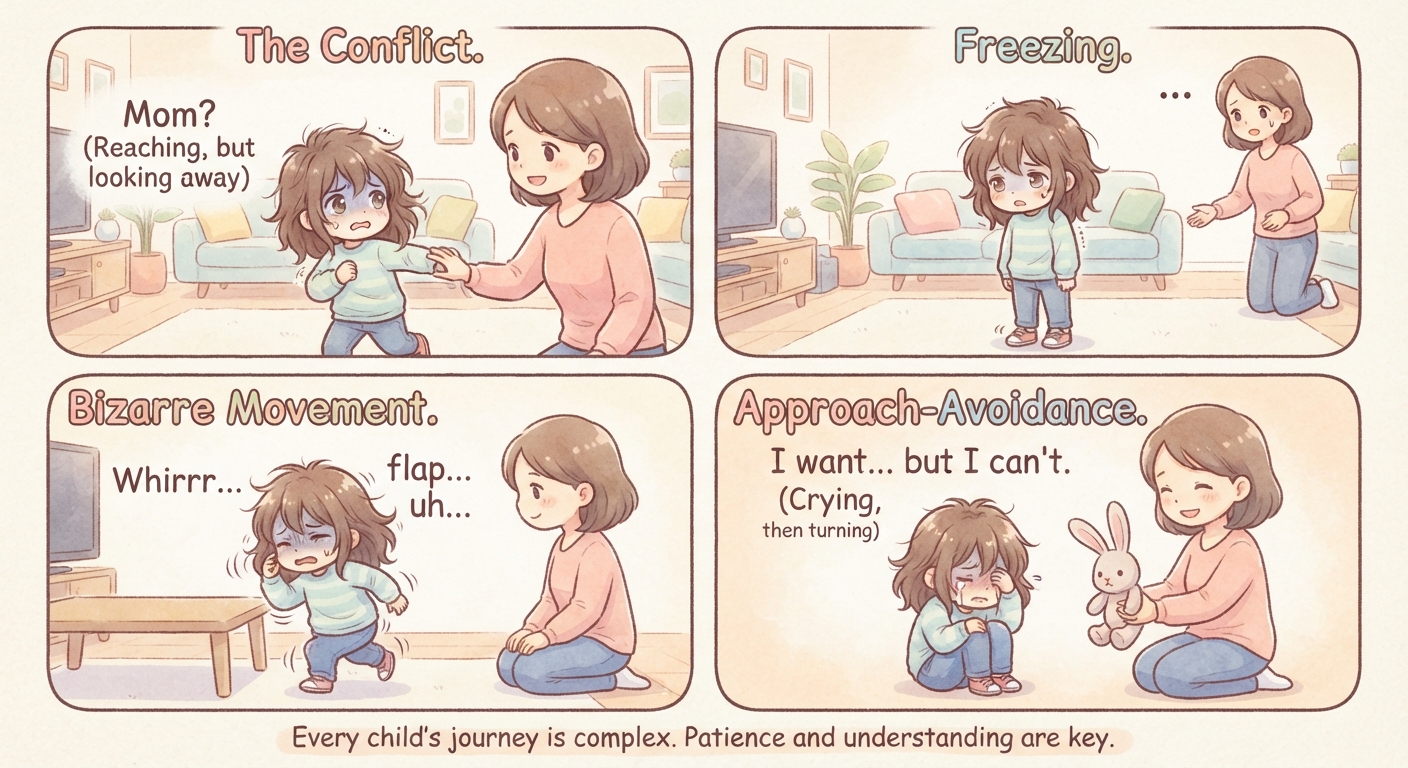
disorganized-disoriented attachment

- Pattern in which an infant, after separation from the primary caregiver, shows contradictory, repetitious, or misdirected behaviors on their return.

EXAMPLE: when an upset baby falls and crawls toward their returning parent for comfort, they suddenly freeze, slap the floor, or turn around and back away in a dazed, confused state.
<p>- Pattern in which an infant, after separation from the primary caregiver, shows <u><mark data-color="#f9f1d4" style="background-color: rgb(249, 241, 212); color: inherit;">contradictory, repetitious, or misdirected behaviors</mark></u> on their return.</p><p><strong>EXAMPLE: </strong>when an upset baby falls and crawls toward their returning parent for comfort, they suddenly freeze, slap the floor, or turn around and back away in a dazed, confused state.</p>
65
New cards

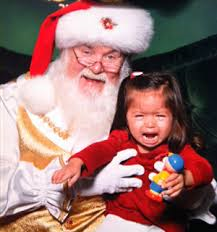
stranger anxiety

- Wariness of strange people and places, shown by some infants during the second half of the 1st year.
<p>- <u><mark data-color="red" style="background-color: red; color: inherit;">Wariness of strange people and places</mark></u>, shown by some infants during the second half of the 1st year.</p>
66
New cards

separation anxiety

- Distress shown by someone, typically an infant, when a familiar caregiver leaves.

<p>- Distress shown by someone, typically an infant, <u><mark data-color="#f2e3f9" style="background-color: rgb(242, 227, 249); color: inherit;">when a familiar caregiver leaves.</mark></u></p>
67
New cards

mutual regulation

- Process by which infant and caregiver communicate emotional states to each other and respond appropriately.

<p>- Process by which<u><mark data-color="#f3f7d4" style="background-color: rgb(243, 247, 212); color: inherit;"> infant and caregiver communicate emotional states to each other and respond appropriately.</mark></u></p>
68
New cards

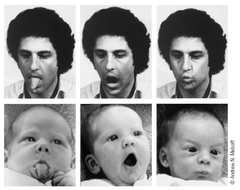
interactional synchrony

-The synchronized coordination of behavior and affect between a caregiver and an infant.
<p>-The<u><mark data-color="#e6e8f8" style="background-color: rgb(230, 232, 248); color: inherit;"> synchronized coordination of behavior</mark></u> and affect between a caregiver and an infant.</p>
69
New cards

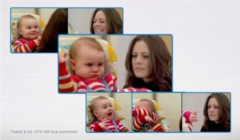
still-face paradigm

- Experimental methodology in which a parent first interacts typically with their child, then keeps their face still and expressionless, and then ends with a return to typical behavior;

- used to demonstrate interactional synchrony
<p>- <strong>Experimental methodology</strong> in which a parent first interacts typically with their child, then keeps their face still and expressionless, and then ends with a return to typical behavior; </p><p>- used to<u><mark data-color="#ede1fa" style="background-color: rgb(237, 225, 250); color: inherit;"> demonstrate interactional synchrony</mark></u></p>
70
New cards

social referencing

- Understanding an ambiguous situation by seeking another person's perception of it.

<p>- Understanding an ambiguous situation by <u><mark data-color="#f7edd8" style="background-color: rgb(247, 237, 216); color: inherit;">seeking another person's perception of it.</mark></u></p>
71
New cards

self-concept

- Sense of self; descriptive and evaluative mental picture of one's abilities and traits.

<p>- <strong>Sense of self</strong>; descriptive and evaluative mental picture of one's <mark data-color="#feedff" style="background-color: rgb(254, 237, 255); color: inherit;">abilities and traits</mark>.</p>
72
New cards

socialization

- Development of habits, skills, values, and motives shared by responsible, productive members of a society

<p>- Development of habits, skills, values, and motives <strong>shared </strong>by responsible, productive<strong> members of a society</strong></p>
73
New cards

internalization

- During socialization, the process by which children accept societal standards of conduct as their own.

<p>- During socialization, the process by which <u><mark data-color="#faf1e2" style="background-color: rgb(250, 241, 226); color: inherit;">children accept societal standards of conduct as their own.</mark></u></p>
74
New cards

self-regulation

- A child's independent control of behavior to conform to understood social expectations

<p>- A child's independent control of behavior to <u><mark data-color="green" style="background-color: green; color: inherit;">conform to understood social expectations</mark></u></p>
75
New cards

conscience

- Internal standards of behavior, which usually control one's conduct and produce emotional discomfort when violated.

<p>-<strong> Internal standards of behavior</strong>, which usually control one's conduct and produce emotional discomfort when violated.</p>
76
New cards

situational compliance

- Kochanska's term for obedience of a parent's orders only in the presence of signs of ongoing parental control.

<p>- Kochanska's term for obedience of <u><mark data-color="#f6e1ed" style="background-color: rgb(246, 225, 237); color: inherit;">a parent's orders only in the presence of signs of ongoing parental control.</mark></u></p>
77
New cards

committed compliance

- Kochanska's term for wholehearted obedience of a parent's orders without reminders or lapses.

<p>- Kochanska's term for wholehearted obedience of<u><mark data-color="red" style="background-color: red; color: inherit;"> a parent's orders without reminders or lapses.</mark></u></p>
78
New cards

receptive cooperation

- Kochanska's term for eager willingness to cooperate harmoniously with a parent in daily interactions, including routines, chores, hygiene, and play.

<p>- Kochanska's term for<u><mark data-color="green" style="background-color: green; color: inherit;"> eager willingness to cooperate harmoniously</mark></u> with a parent in daily interactions, including routines, chores, hygiene, and play.</p>
79
New cards

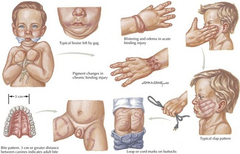
physical abuse

- Action taken deliberately to endanger another person, involving potential bodily injury.
<p>- Action taken deliberately to endanger another person, involving<u><mark data-color="#fadee8" style="background-color: rgb(250, 222, 232); color: inherit;"> potential bodily injury.</mark></u></p>
80
New cards

neglect

- Failure to meet a dependent's basic needs.

<p>- <strong>Failure </strong>to <strong>meet </strong>a dependent's basic needs.</p>
81
New cards

sexual abuse

- Physically or psychologically harmful sexual activity or any sexual activity involving a child and an older person.

<p>- <u><mark data-color="#fae6f9" style="background-color: rgb(250, 230, 249); color: inherit;">Physically or psychologically harmful sexual activity</mark></u> or any sexual activity involving a child and an older person.</p>
82
New cards

emotional maltreatment

- Rejection, terrorization, isolation, exploitation, degradation, ridicule, or failure to provide emotional support, love, and affection; or other action or inaction that may cause behavioral, cognitive, emotional, or mental disorders.

<p>- Rejection, terrorization, isolation, exploitation, degradation, ridicule, or failure to provide emotional support, love, and affection; or other action or inaction that <u><mark data-color="#f7e1ed" style="background-color: rgb(247, 225, 237); color: inherit;">may cause behavioral, cognitive, emotional, or mental disorders</mark></u><mark data-color="#f7e1ed" style="background-color: rgb(247, 225, 237); color: inherit;">.</mark></p>
83
New cards

sex tracking

- The recruitment, harboring, transportation, provision, or obtaining of a person for the purposes of a commercial sex act.

<p>- The recruitment, harboring, transportation, provision, or <u><mark data-color="blue" style="background-color: blue; color: inherit;">obtaining of a person for the purposes of a commercial sex act.</mark></u></p>
84
New cards

Hope

- Which basic virtue develops when an infant successfully resolves the trust vs. mistrust crisis?

- Erikson believed that successfully resolving the first psychosocial crisis develops the virtue of?
<p>- Which basic virtue develops when an infant successfully resolves the <strong>trust vs. mistrust crisis</strong>?</p><p>- Erikson believed that successfully resolving the first psychosocial crisis develops the virtue of?</p>
85
New cards
86
New cards

night terror

- Abrupt awakening from a deep sleep in a state of agitation, generally occurs in young children.

- Abrupt awakening from a deep sleep

- The child may scream, cry, or thrash around but usually has no memory of it afterward.

- “I looked terrified, but I wasn't really awake.”

Example: A child suddenly sits up, screams, looks terrified, and pushes their parents away—but the next morning says, “I don't remember anything.” memory of it afterward.

<p>- Abrupt awakening from a deep sleep in a state of agitation, generally occurs in young children.</p><p>- <strong>Abrupt</strong> <strong>awakening</strong> from a <strong>deep sleep</strong></p><p>- The child may scream, cry, or thrash around <u><mark data-color="blue" style="background-color: blue; color: inherit;">but usually has no memory of it afterward.</mark></u></p><p>- “I looked terrified, but I wasn't really awake.”</p><p><strong>Example:</strong> A child suddenly sits up, screams, looks terrified, and pushes their parents away—but the next morning says, “I don't remember anything.” memory of it afterward.</p>
87
New cards

sleepwalking

- Walking around and sometimes performing other functions while asleep.

example: A child walks around the house while still asleep and does not remember doing it the next morning.

<p>- <strong>Walking around </strong>and sometimes performing other functions while asleep<strong>.</strong></p><p><strong>example:</strong> A child walks around the house while still asleep and does not remember doing it the next morning.</p>
88
New cards

sleeptalking

Talking while asleep.

<p><strong>Talking </strong>while asleep.</p>
89
New cards

nightmare

- “I had a scary dream.”

- The child wakes up and can usually tell you what happened.

- A bad dream, sometimes brought on by staying up too late, eating a heavy meal close to bedtime, or overexcitement

- A frightening dream that usually causes the child to wake up.

Example: “Mommy, I dreamed that a monster was chasing me!”

<p>- “I had a scary dream.”</p><p>- The child wakes up and can usually tell you what happened.</p><p>- A bad dream, sometimes brought on by staying up too late, eating a heavy meal close to bedtime, or overexcitement</p><p>- A <strong>frightening dream</strong> that usually causes the child to wake up.</p><p><strong>Example: </strong>“Mommy, I dreamed that a monster was chasing me!”</p>
90
New cards

enuresis

- Repeated urination in clothing or in bed.

- involuntary urination during sleep

- Preschool children normally recognize the feeling of a full bladder while asleep and awaken to empty it.
<p>- Repeated <strong>urination </strong>in clothing or in bed.</p><p>- involuntary urination during sleep</p><p>- Preschool children normally recognize the feeling of a full bladder while asleep and awaken to empty it.</p>
91
New cards

gross motor skills

- Physical skills that involve the large muscles.

- Uses large muscles: arms, legs, whole body

- Requires balance, strength, and movement

EXAMPLE: jumping, running, climbing, throwing a ball
<p>- Physical skills that involve the <u><mark data-color="green" style="background-color: green; color: inherit;">large muscles</mark></u>.</p><p>- <strong>Uses large muscles:</strong> arms, legs, whole body</p><p>- Requires balance, strength, and movement</p><p><strong>EXAMPLE:</strong> jumping, running, climbing, throwing a ball</p>
92
New cards

fine motor skills

- Physical skills that involve the small muscles and eye-hand coordination.

- Uses small muscles: Hands, fingers, wrists

- Requires precision and coordination

EXAMPLE: cutting with scissors, drawing, buttoning clothes, writing

<p>- Physical skills that involve the <u><mark data-color="#f6e8fc" style="background-color: rgb(246, 232, 252); color: inherit;">small muscles and eye-hand coordination</mark></u>.</p><p>- Uses <strong>small muscles</strong>: Hands, fingers, wrists</p><p>- Requires precision and coordination</p><p><strong>EXAMPLE: </strong>cutting with scissors, drawing, buttoning clothes, writing</p>
93
New cards

systems of action

- Increasingly complex combinations of motor skills, which permit a wider or more precise range of movement and more control of the environment.

<p>- <u><mark data-color="red" style="background-color: red; color: inherit;">Increasingly complex combinations of motor skills</mark></u>, which permit a wider or more precise range of movement and more control of the environment.</p>
94
New cards

handedness

Preference for using a particular hand.

<p><strong>Preference </strong>for using a <strong>particular hand</strong>.</p>
95
New cards

dental caries

Tooth decay, cavities.

<p>Tooth decay, cavities.</p>
96
New cards

preoperational stage

In Piaget's theory, the second major stage of cognitive development, in which symbolic thought expands but children cannot yet use logic effectively.

<p>In Piaget's theory,<strong> the second major stage of cognitive development</strong>, in which <u><mark data-color="#e2f8f7" style="background-color: rgb(226, 248, 247); color: inherit;">symbolic thought expands but children cannot yet use logic effectively.</mark></u></p>
97
New cards

Use of symbols

Understanding of identities

understanding of cause and effect

ability to classify

understanding of number

empathy

theory of mind

6 Cognitive Advances during Early Childhood

98
New cards

Centration: inability to decenter

Irreversibility

Focus on states rather than transformations

Transductive reasoning

Egocentrism

Animism

Inability to distinguish appearance from reality

Immature Aspects of Preoperational Thought (According to Piaget)

99
New cards

Centration

- inability to decenter

- Children focus on one aspect of a situation and neglect others.

- The child focuses only on one part & ignores the rest
<p>- <strong>inability to decenter</strong></p><p>- Children <u><mark data-color="#e7f4d4" style="background-color: rgb(231, 244, 212); color: inherit;">focus on one aspect of a situation and neglect others.</mark></u></p><p>- The child focuses only on one part &amp; ignores the rest</p>
100
New cards

Irreversibility

- Children fail to understand that some operations or actions can be reversed, restoring the original situation.

- The child cannot mentally reverse an action
<p>- Children <strong>fail </strong>to understand that<u><mark data-color="#fde3ee" style="background-color: rgb(253, 227, 238); color: inherit;"> some operations or actions can be reversed, restoring the original situation.</mark></u></p><p>- The child cannot mentally reverse an action</p>