Nurse Cheung ATI TEAS 7 Reading
 Call Kai
 Learn
Learn Practice Test
 Spaced Repetition
 Match
Match Flashcards
 Knowt Play
1/101

There's no tags or description
Looks like no tags are added yet.
Name | Mastery | Learn | Test | Matching | Spaced | Call with Kai | Chat |
|---|
No analytics yet
Send a link to your students to track their progress
102 Terms
Topic Sentences
Usually the first sentence of every paragraph.
Main Idea
Essentially the thesis statement (the core message that the paragraph is trying to convey).
Supporting Details
The bulk of the paragraph and makes up the details that support the topic sentence.
Summary
Writing a conclusion or restatement of that thesis.
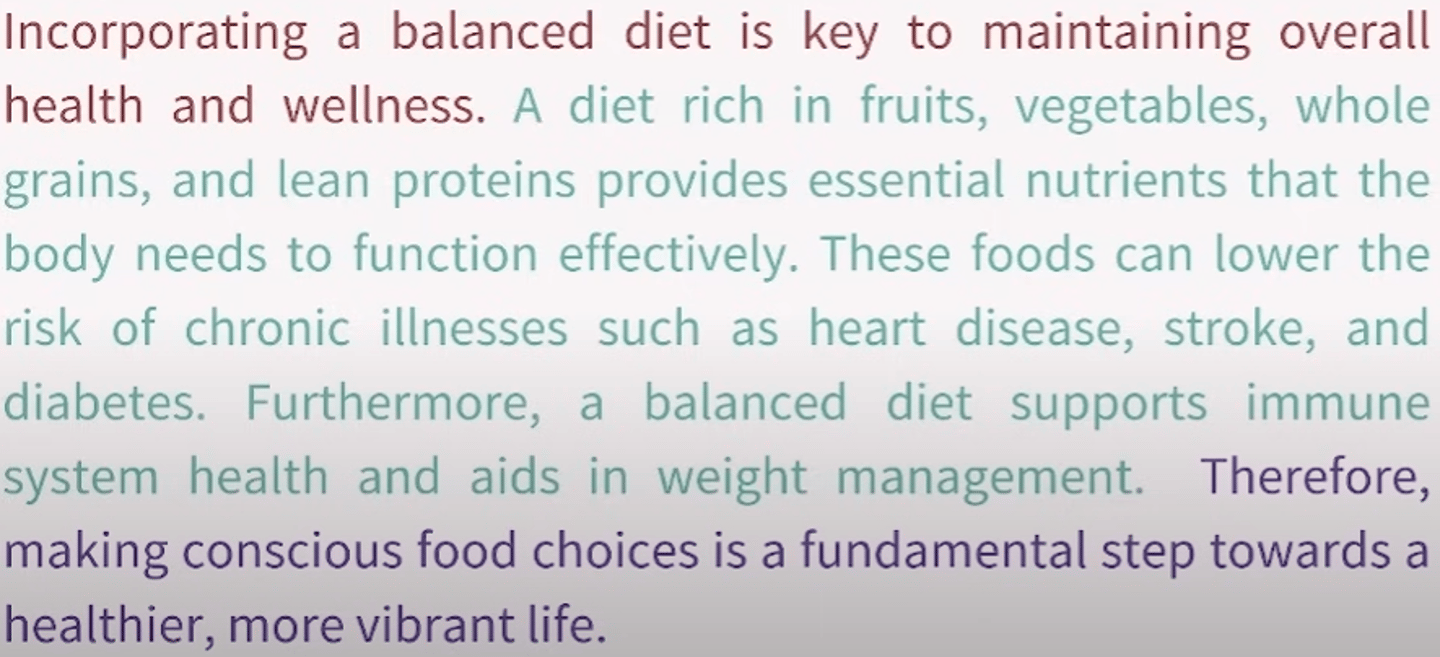
Example of summarizing a multi-paragraph text
Topic Sentence: RED
Supporting Details: BLUE
Main Idea: PURPLE
Important Tips
1: READ THE QUESTION FIRST
- read the question completely and carefully
- many time you won't need to read the passage
2: NEVER LEAVE A QUESTION BLANK
- narrow the question down to two answers
- 50/50 change of answering correctly
Inferences and Logical Conclusions
Essentially a conclusion drawn by combining evidence and logical reasoning.
Everyday Examples of Making Inferences and Logical Conclusions
- Baby crying may be inferred as hungry.
- Car pulled over by police may be inferred that the person was speeding.
Making Inferences and Logical Conclusions: How to Identify
STEP 1: Find clues in the text.
STEP 2: Add prior knowledge, through real world situations.
STEP 3: Combine both to make an inference.
Explicit Evidence
Is straightforward and it's directly stated in the text. It leaves no room for doubt or interpretation.
(LIKE A DIRECT STATEMENT OR CLEAR FACTS)
Example of an Explicit Evidence
A sign that says "WET PAINT" telling you the paint is wet.
Implicit Evidence
More subtle and it's not directly stated.
(IT'S HINTED AT OR KIND OF SUGGESTED)
Requires you to reading between the lines or infer what the meaning is.
Example of an Implicit Evidence
A bench has a paint can and brush next to it. The bench looks wet but does not have a "WET PAINT" sign on it. You can infer or imply that the paint is likely wet.
Where are transition words usually found?
Can be found at the beginning of a sentence, and are usually followed by a comma.
What are the types of transition words?
- Emphasis
- Addition
- Contrast
- Order
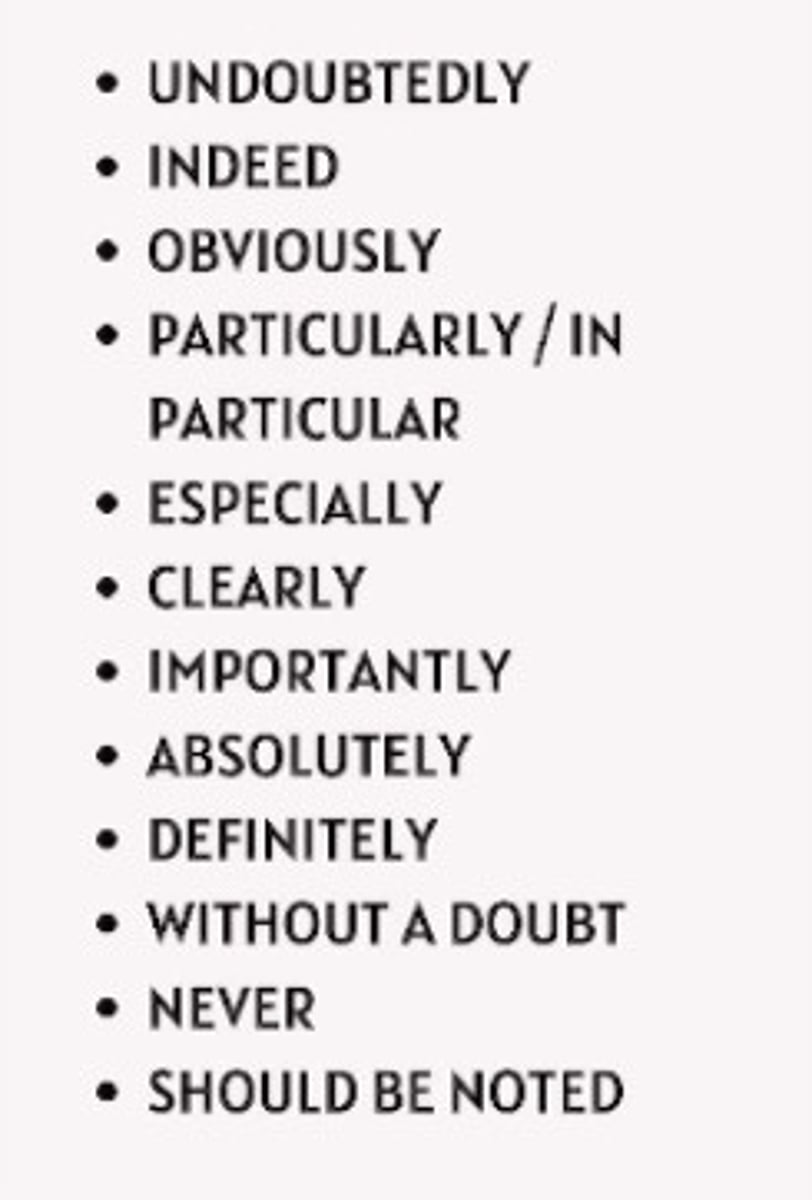
Type of Transition Word: Emphasis
Used to highlight something important.
EXAMPLE:
- Indeed
- In fact
- Most importantly
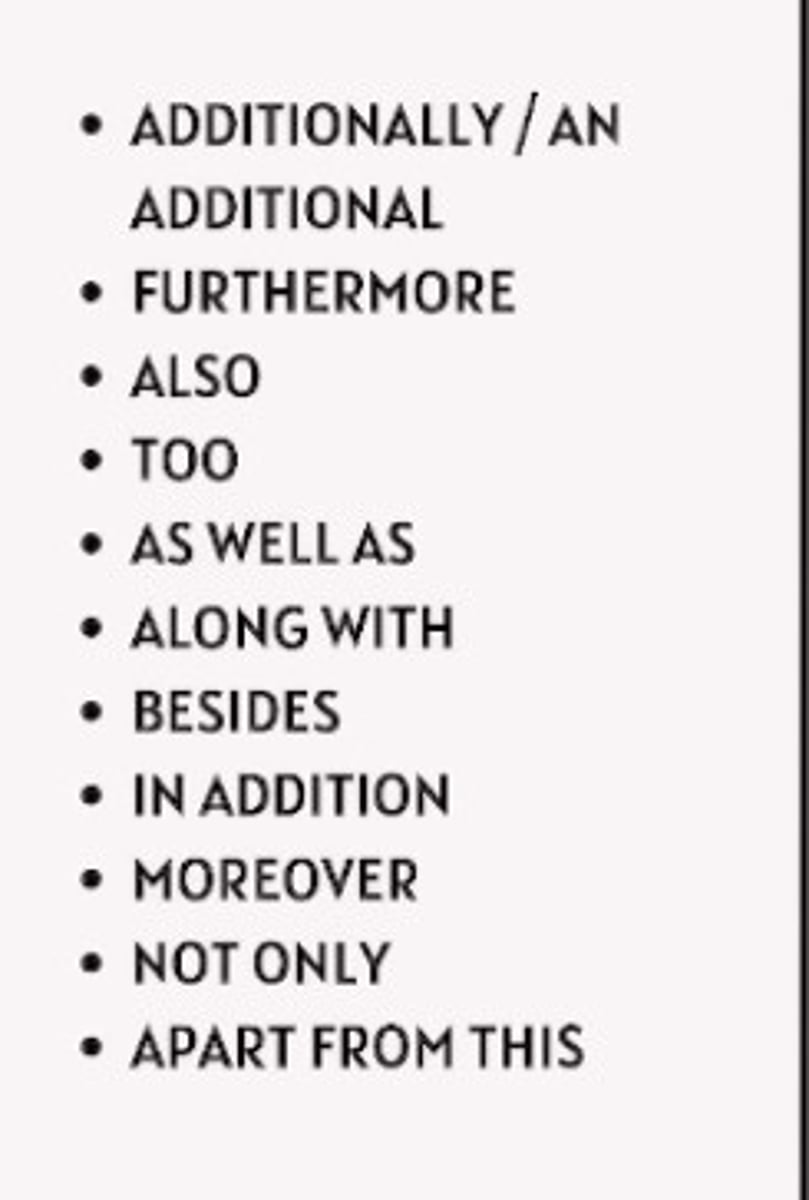
Type of Transition Word: Addition
Used to want to add more information to a text.
EXAMPLE:
- Furthermore
- Additionally
- Also
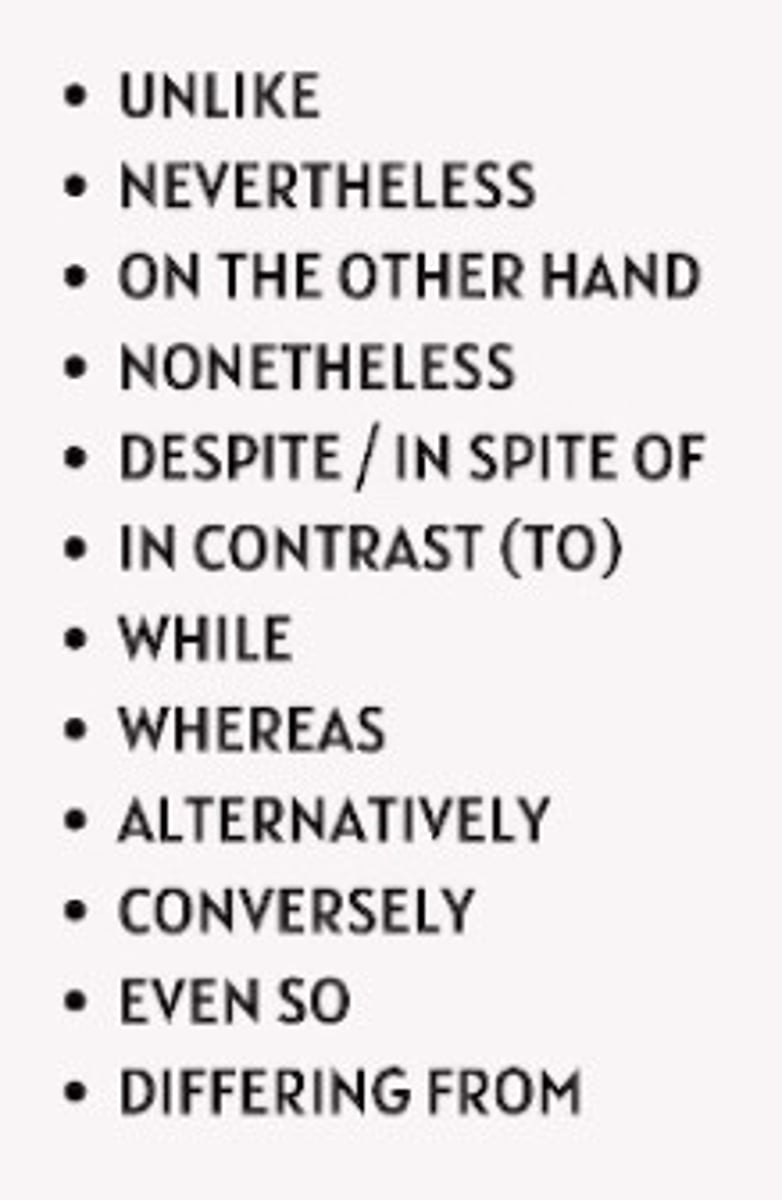
Type of Transition Word: Contrast
Used when showing differences or opposing ideas.
(THINK OF THESE WORDS AS TWO DIFFERENT SIDES OF A COIN).
EXAMPLES:
- However
- On the other hand
- Nevertheless
Type of Transition Word: Order
Used as a sequence of ideas or events.
EXAMPLES:
- Firstly
- Subsequently
- Finally
- Next
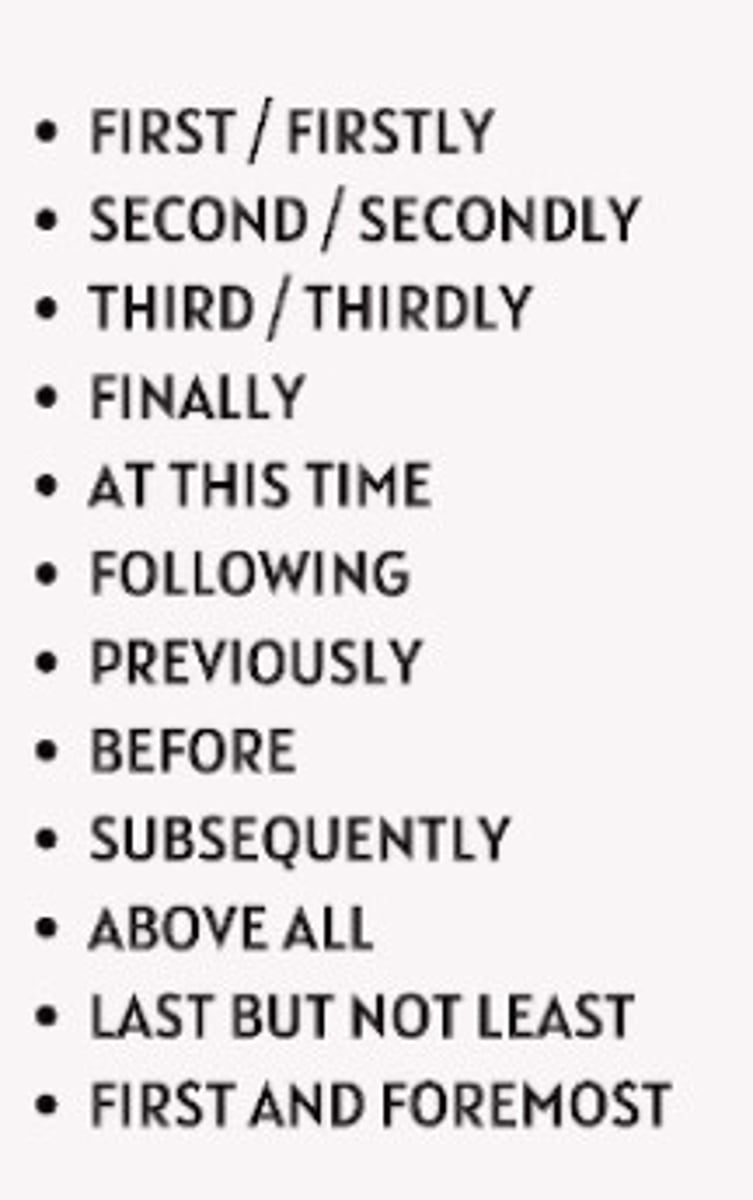
Priorities in Directions
Being provided with a list with bullets or a number priority.
(KIND OF LIKE TRANSITION WORDS, SO LOOK FOR THOSE)
EXAMPLE:
- First, Second, Third, Fourth
- Additionally, Next, Finally
Missing Information and Contraindications
Scan for gaps in statements that contradict against actions.
Missing Information
- Skimming the passage to grasp main idea (LAST SENTENCE OF THE FIRST PARAGRAPH).
- Identify what specific information the question seeks.
- Look for gaps in the explanation.
Contraindications
- Understand context (medical, mechanical).
- Identify any mentioned conditions, situations or factors.
- Look for statements that advised against certain actions.
Locating Specific Information: Finding relevant information in text.
- What problem am I trying to solve? OR What decision am I trying to make?
How to Identify Specific Information
STEP 1: Read the question first
STEP 2: Find the passage's topic sentence and main idea
STEP 3: Read the supporting details
STEP 4: Is there any information missing or any information that may be irrelevant to the topic and main idea?
Locating Specific information in Text: Glossaries
A list of terms and their definitions, typically related to a specific subject or field.
- Found at the end of a textbook or study guide.
* Main Purpose: To help you understand specific terminology.
Locating Specific information in Text: Index
An alphabetical list of names, subjects with references to places where they occur.
- Found at the end of the book or study material.
- Used to help you quickly find information on a particular topic or keyword that's found in the text.
Locating Specific information in Text: Table of Contents
A list of chapters, sections, and often is the major subsections within them.
- Found at the beginning of the book or study material.
- Helps provide an overview of the material.
Locating Specific information in Text: Headings
The title at the head of a page or document, that introduces that main topic or theme that's going to be written in the passage.
Locating Specific information in Text: Subheadings
The headings underneath the main heading that provides those additional details. It's going to break down that main topic into more specific areas or aspects.
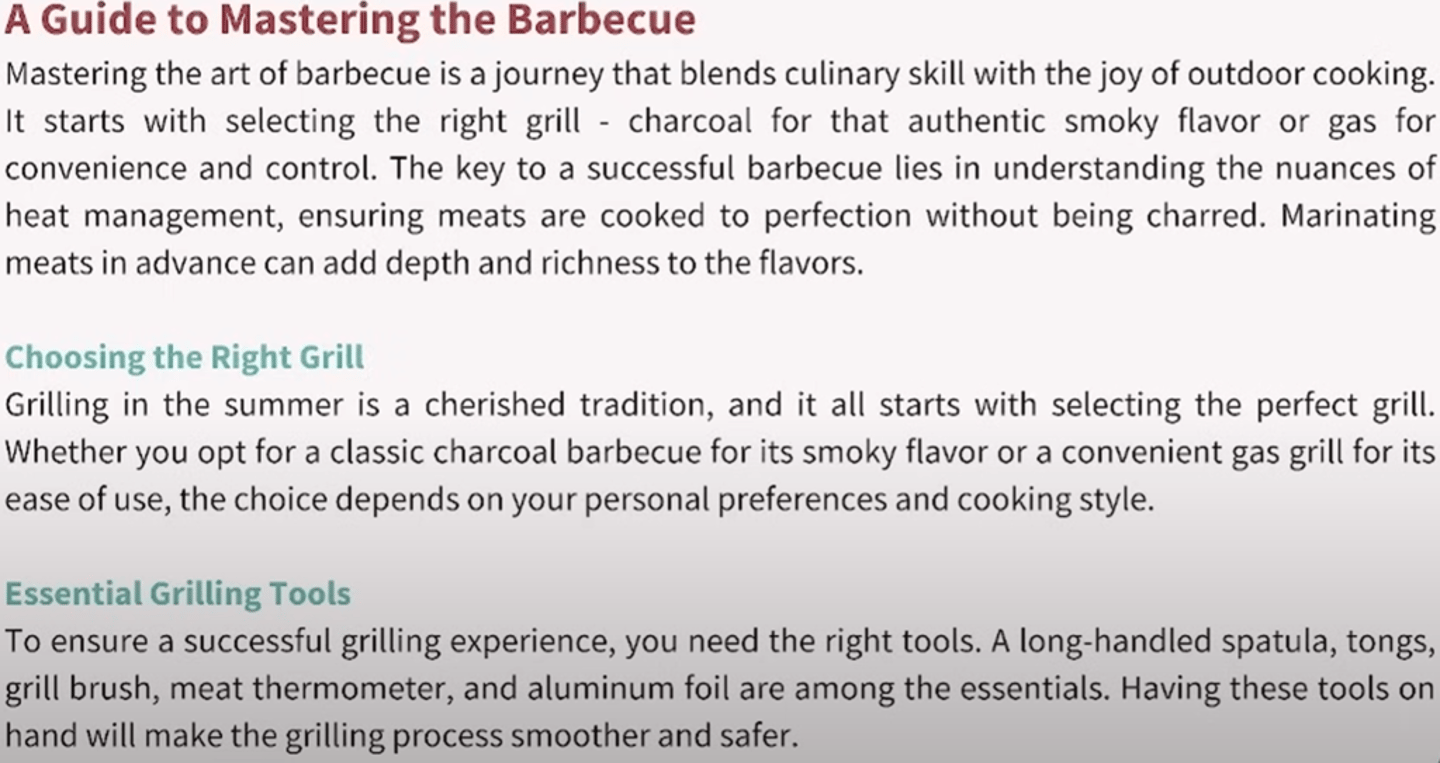
Example of Locating Specific information in Text: Headings & Subheadings
Heading: RED
Subheading: BLUE
Locating Specific information in Text: Sidebars
Short pieces of text found on alongside the margins of main text.
- Provide additional information, clarification, or examples relevant to the main text.
Locating Specific information in Text: Underlined Text
Where they draw a little line underneath a specific word, often used to indicate some kind of importance or highlight significant terms. Sometimes used for hyperlinks when you're looking at digital text.
- Appears anywhere within the main body.
Locating Specific information in Text: Bolded Text
Darker, thicker then surrounding text. Used to emphasize keywords, headings, making them stand out and easier to identify.
- Appears anywhere within the main body.
Locating Specific information in Text: Italicized Text
Slanted to the right text. Used to emphasize, to denote titles of work or highlight foreign words or phrases.
- Appears anywhere within the main body.
Locating Specific information in Text: Footnotes
Additional information or citations found at the bottom of the page.
- Located at the footer with a reference number attached to it identify what it is referencing.
Locating Specific information in Text: Legends
Explanatory information, its key for understanding figures, tables, and maps.
- Found below or beside that figure, table, or map.
Common Elements on Graphs & Maps: Title
Gives that concise description about what the graph is specifically about.
- Found ALWAYS at the top of the graph or map, helping you identify what the main topic and focus is.
Common Elements on Graphs & Maps: Labels on the X & Y Axes
Describes what each axis represents.
X-Axis: Horizontal
Y-Axis: Vertical
Common Elements on Graphs & Maps: Scale
A graph that indicates the units of measure and the value each increment of the axis that it represents.
Common Elements on Graphs & Maps: Legend
Explanatory information or key of understanding figures, tables that are going to be on the graph or map.
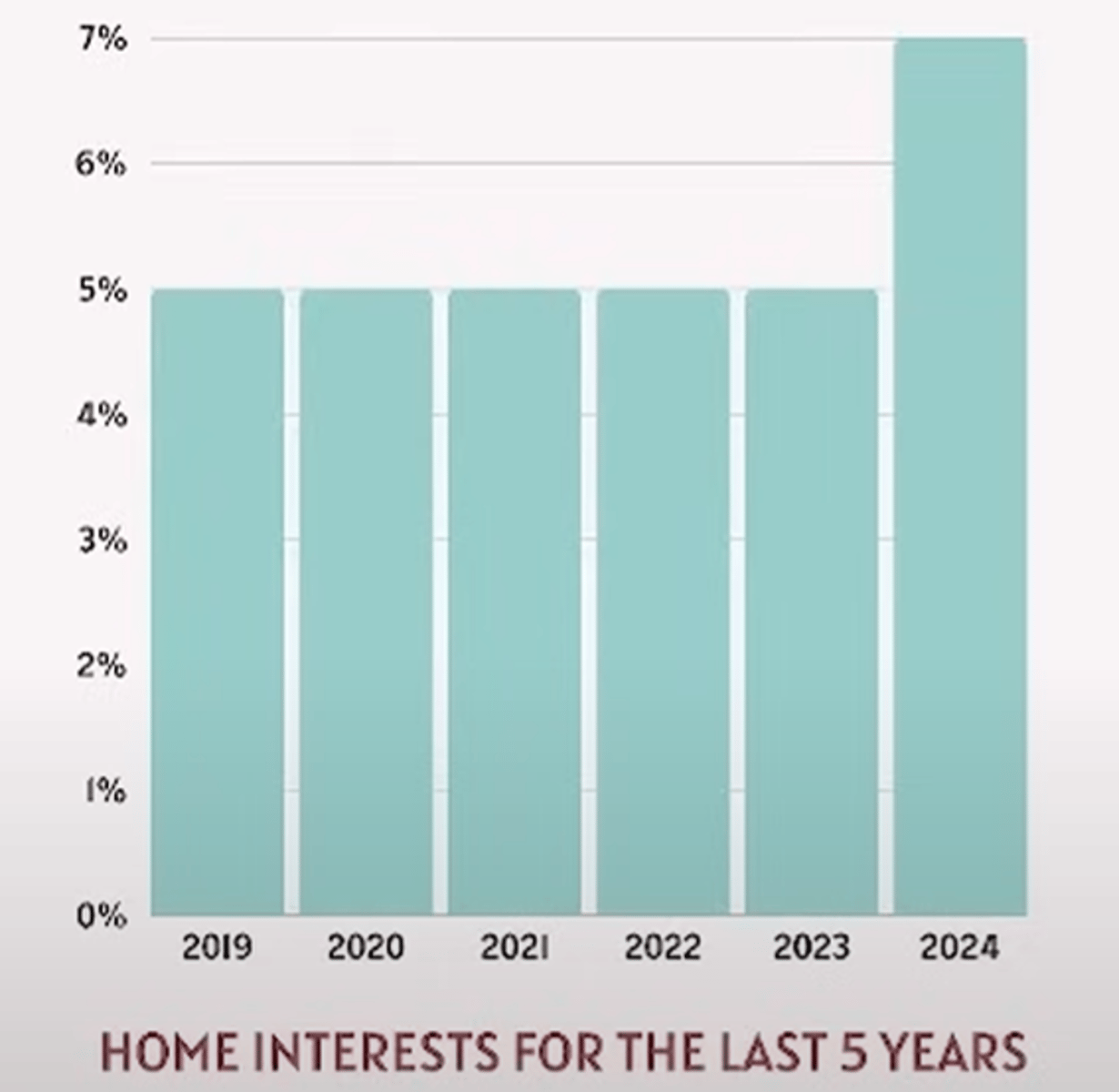
Biased or Misleading Information in Graphs: Manipulating Scale
The scale of a graph can be manipulated to exaggerate or downplay certain data trends.
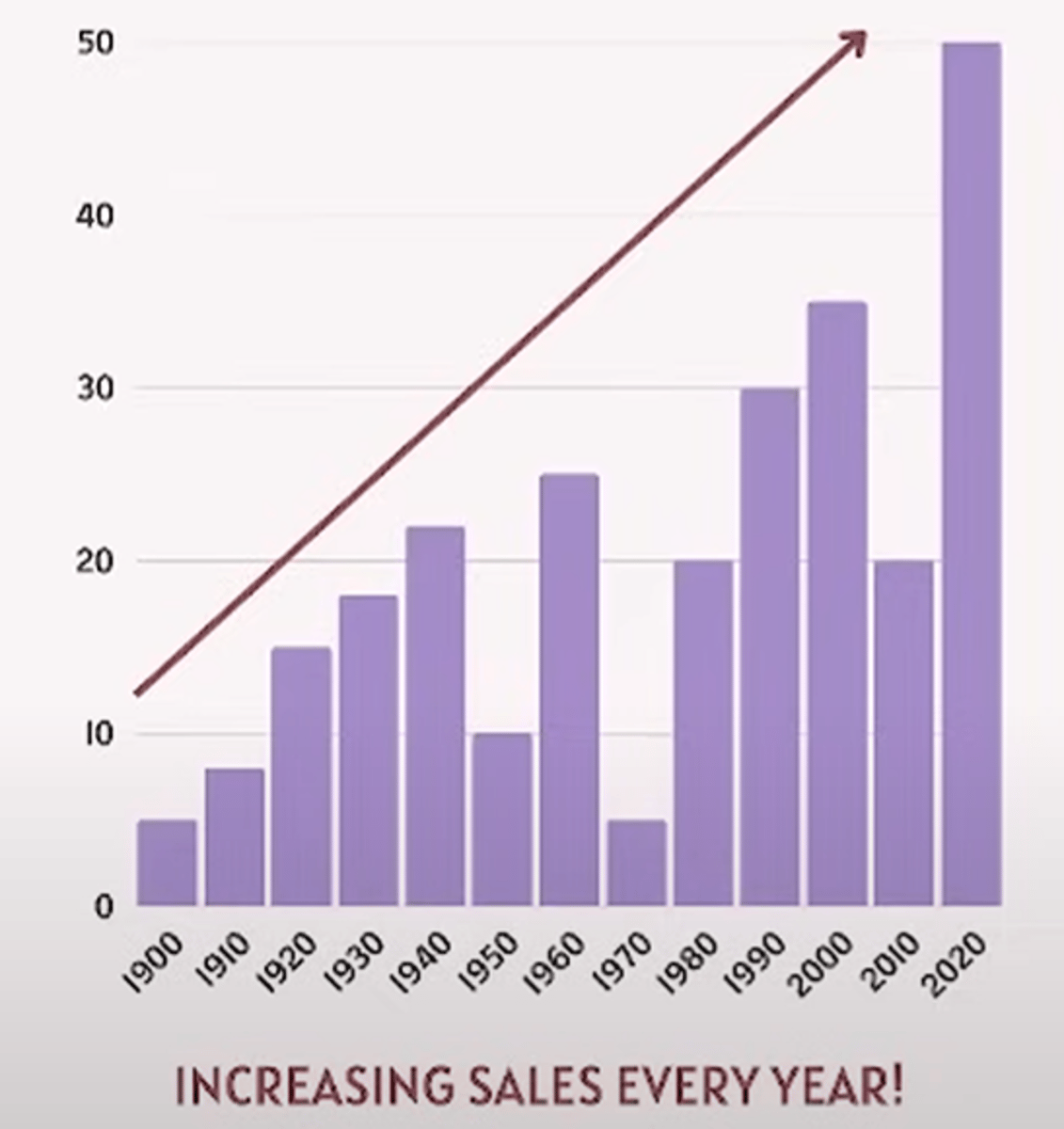
Biased or Misleading Information in Graphs: Selective Data Presentation
Picking selective data to support a specific narrative while omitting contradictory data can be used to skew a presentation.
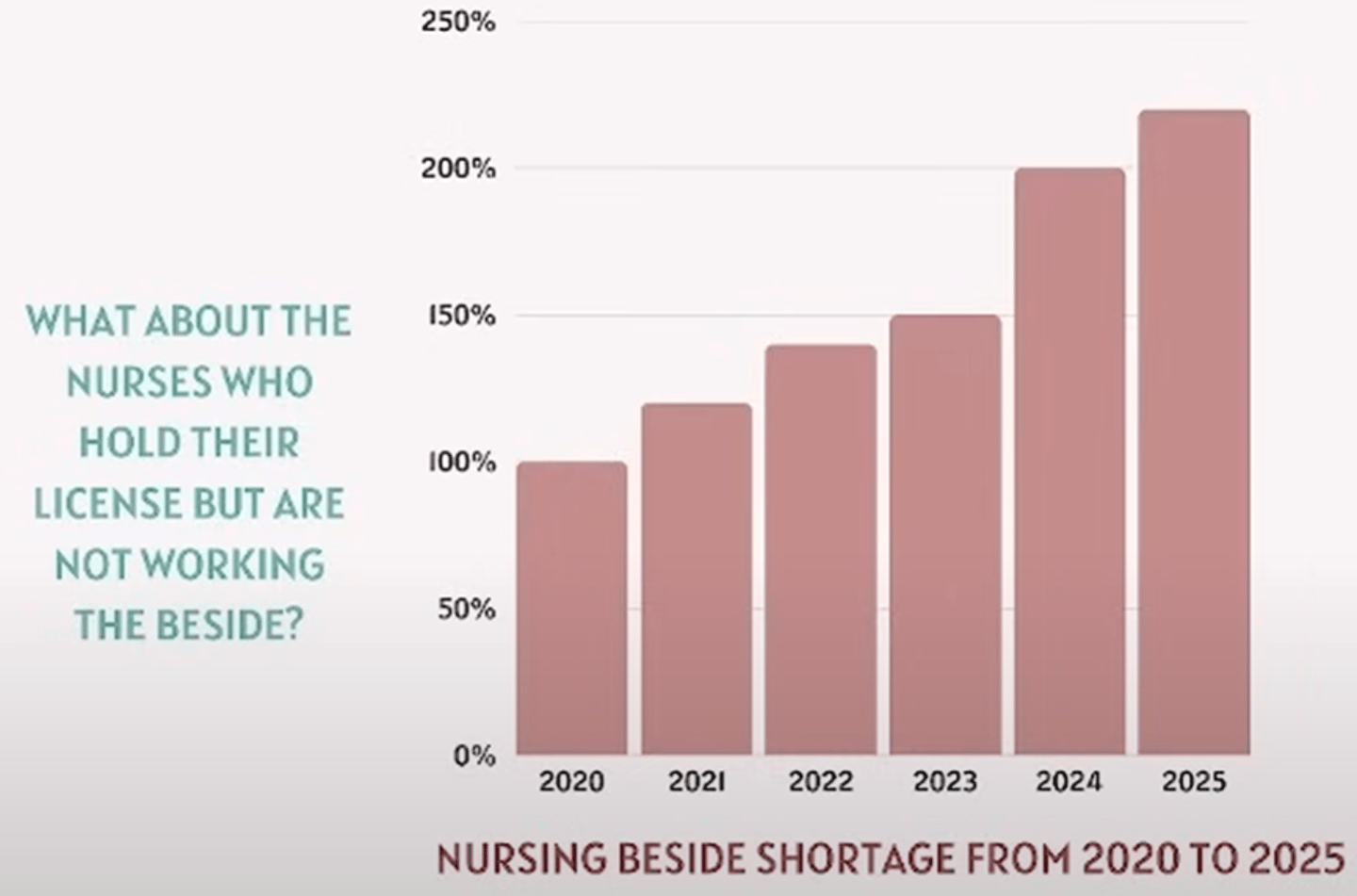
Biased or Misleading Information in Graphs: Misrepresenting Correlations
Graphs can imply correlations or causations between variables that may not exist or may be more complex than what's actually represented.
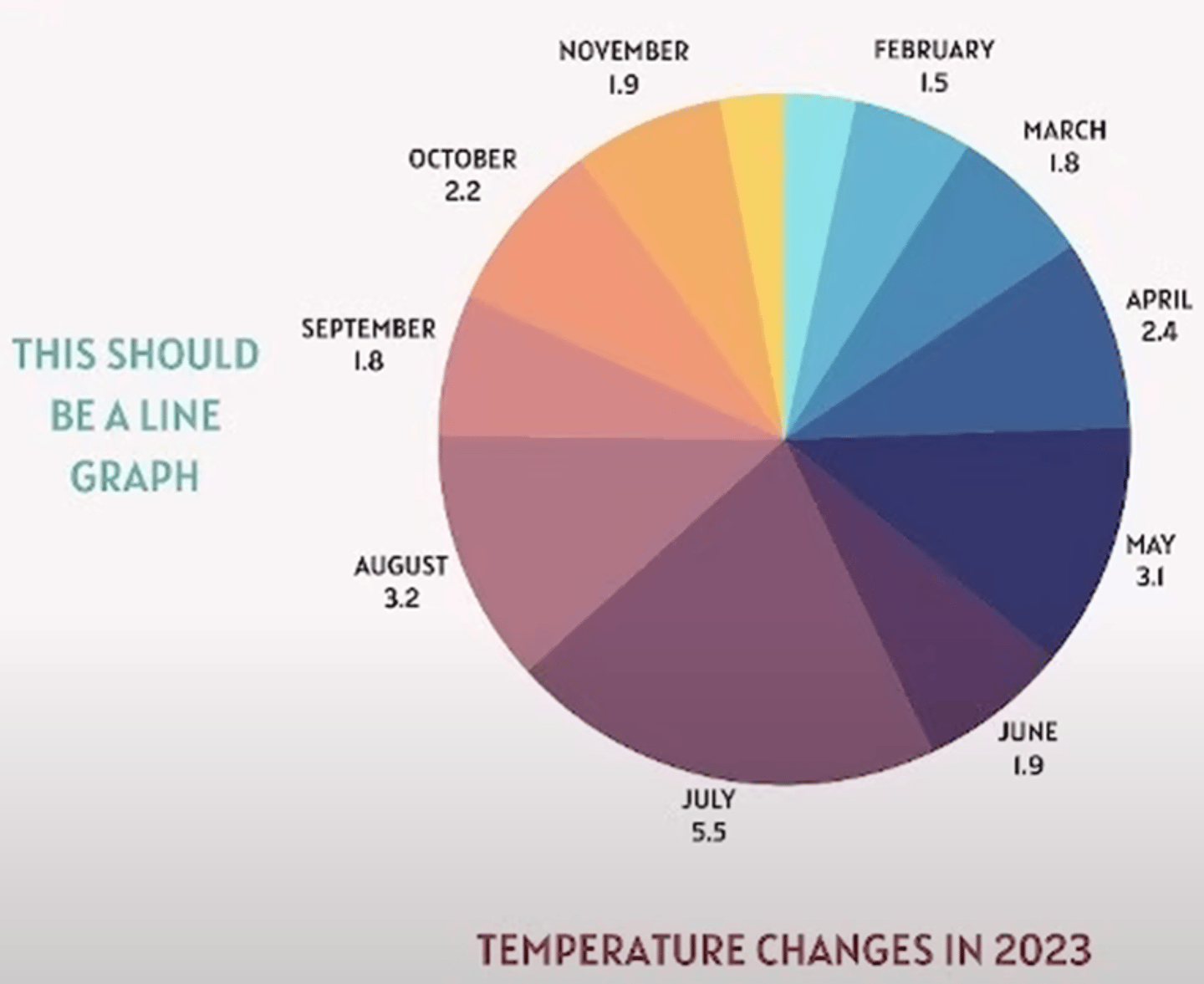
Biased or Misleading Information in Graphs: Inappropriate Graph Types
Using graphs that aren't suitable to the kind of data that we have we are going to distort the view's overall understanding to what we are trying to represent.
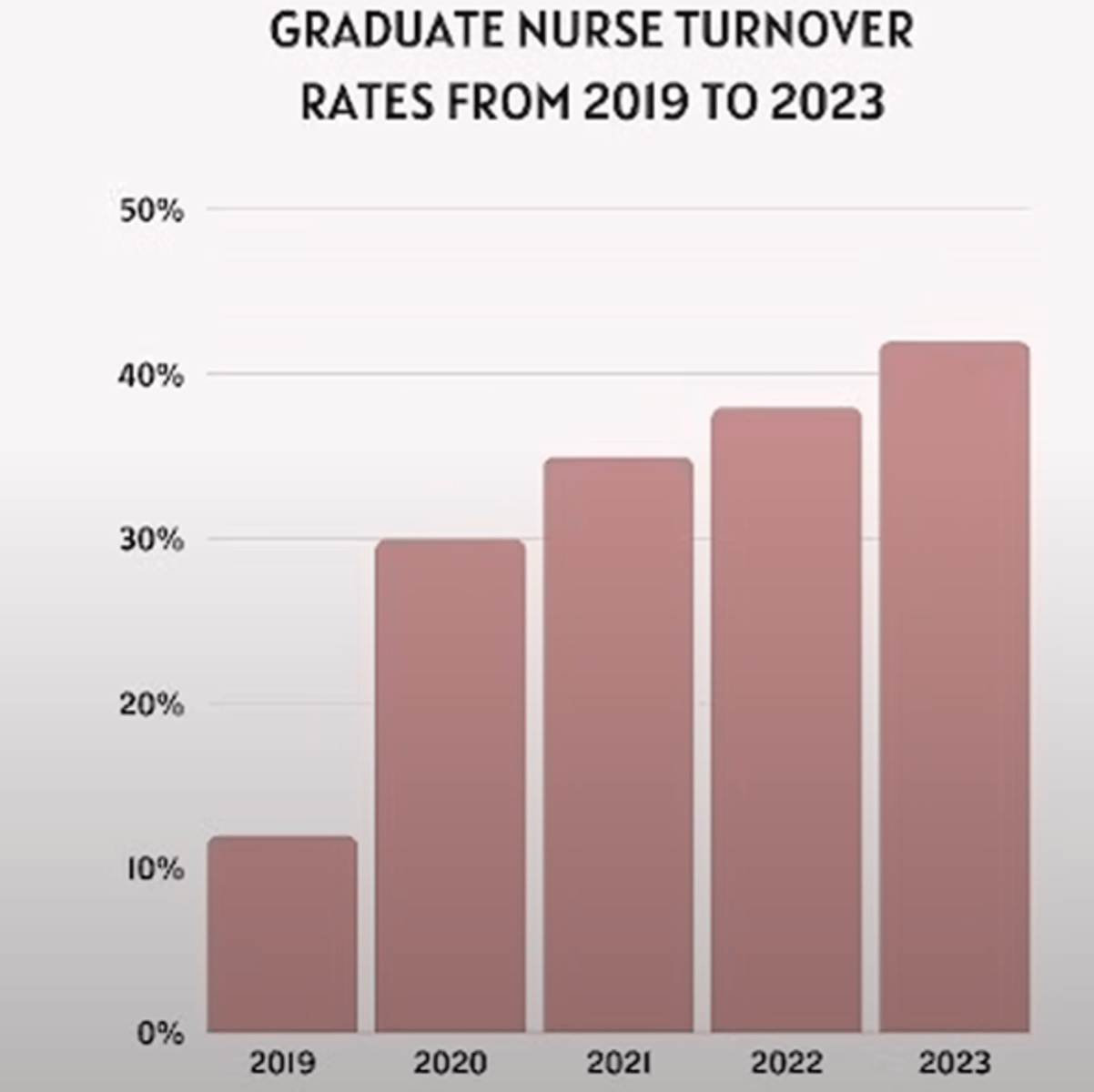
Strengthening Arguments with Graphics
Graphs are really great tools when it comes to enhancing persuasiveness and clarity of a point being made.
- Provide visual data that immediately convey trends, comparisons, and relationships that might not be as obvious as we could see with textual descriptions.
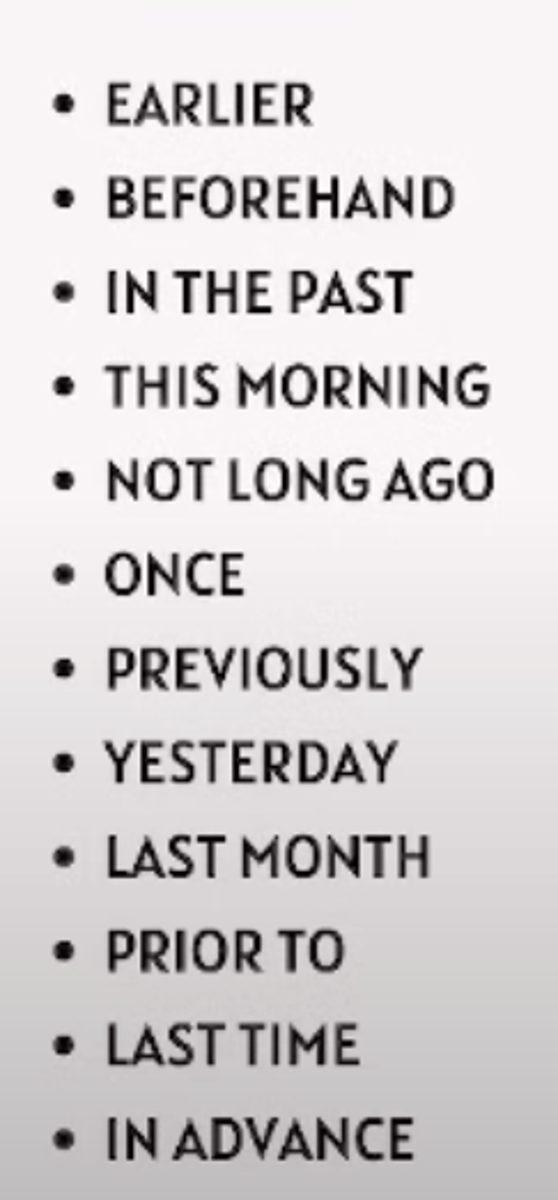
Transition Words and Phrase for Sequence of Events: Before
Things happening in the past.
Transition Words and Phrase for Sequence of Events: First
The initial steps when it comes to sequence of events.
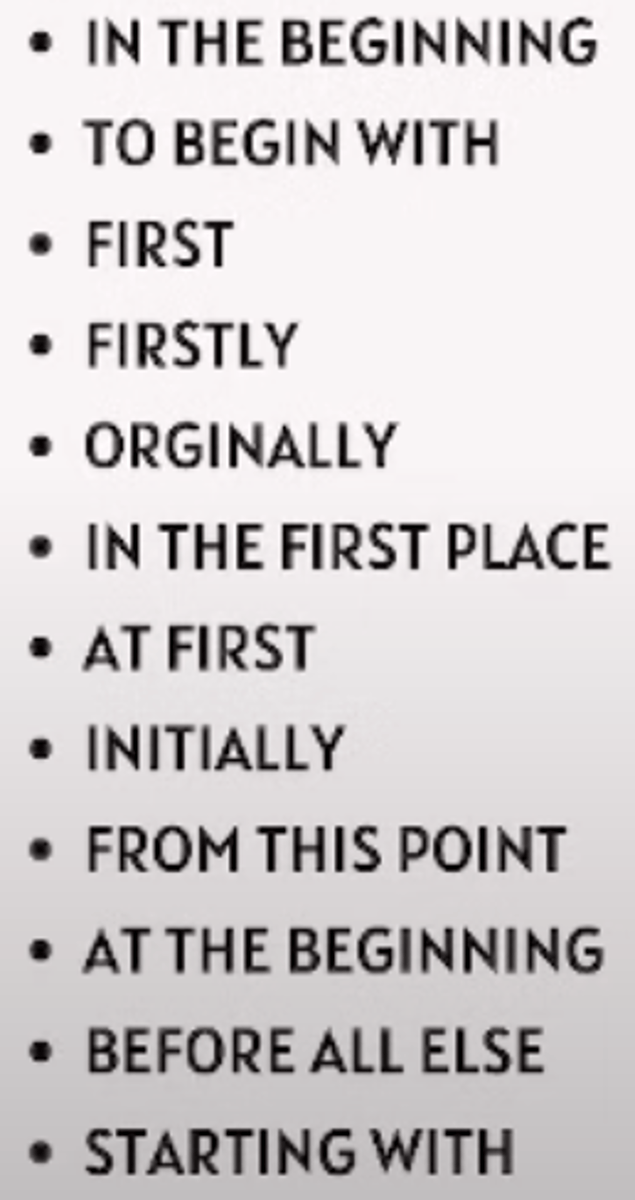
Transition Words and Phrase for Sequence of Events: Next
Starts after a step. The second things that happen.
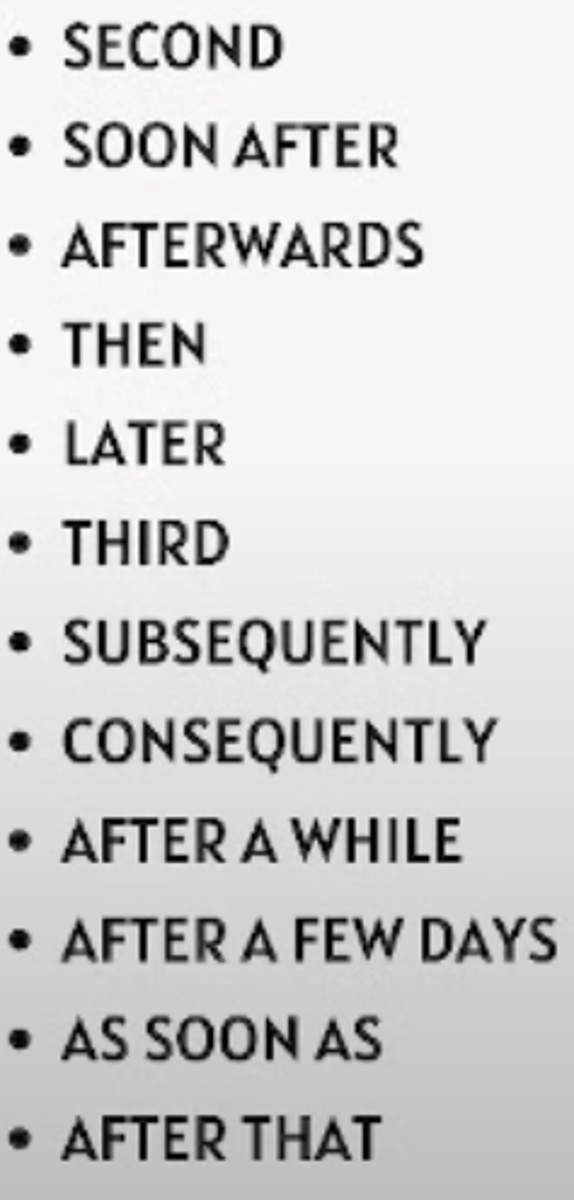
Transition Words and Phrase for Sequence of Events: Sometimes
Happens at irregular intervals, not a set time that these things happen. Something irregular and not consistent.
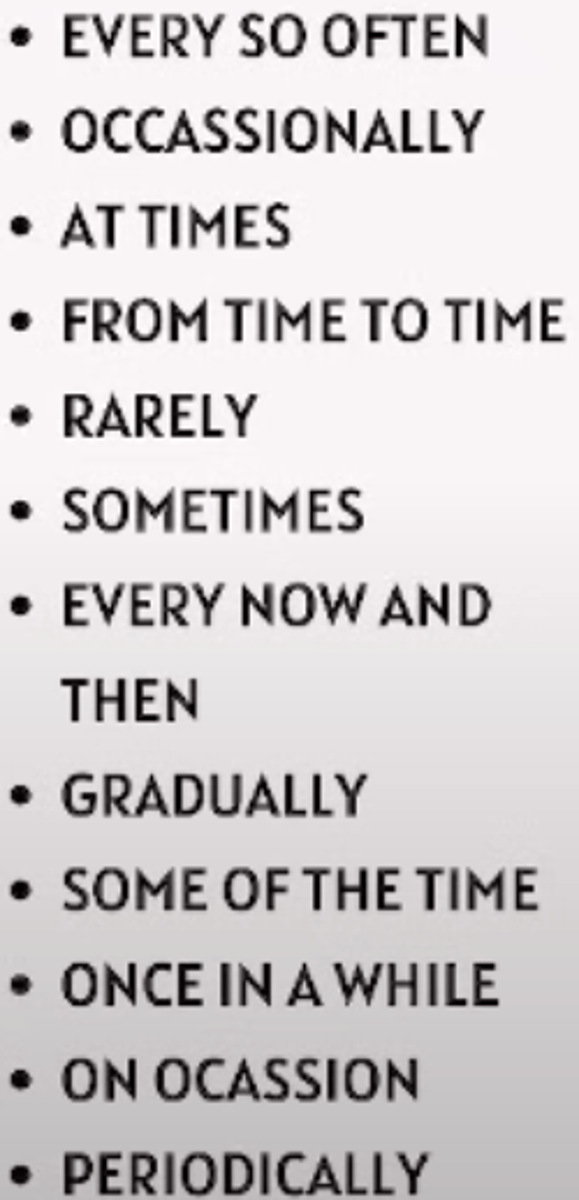
Transition Words and Phrase for Sequence of Events: Last
Final point we are making in regard to a passage.
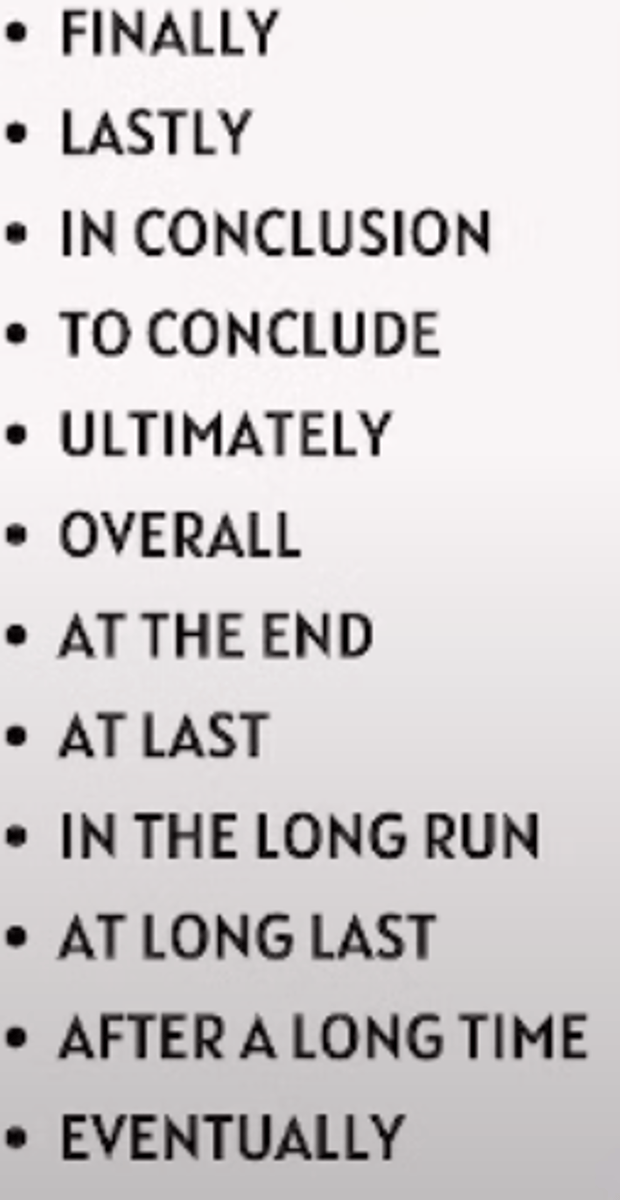
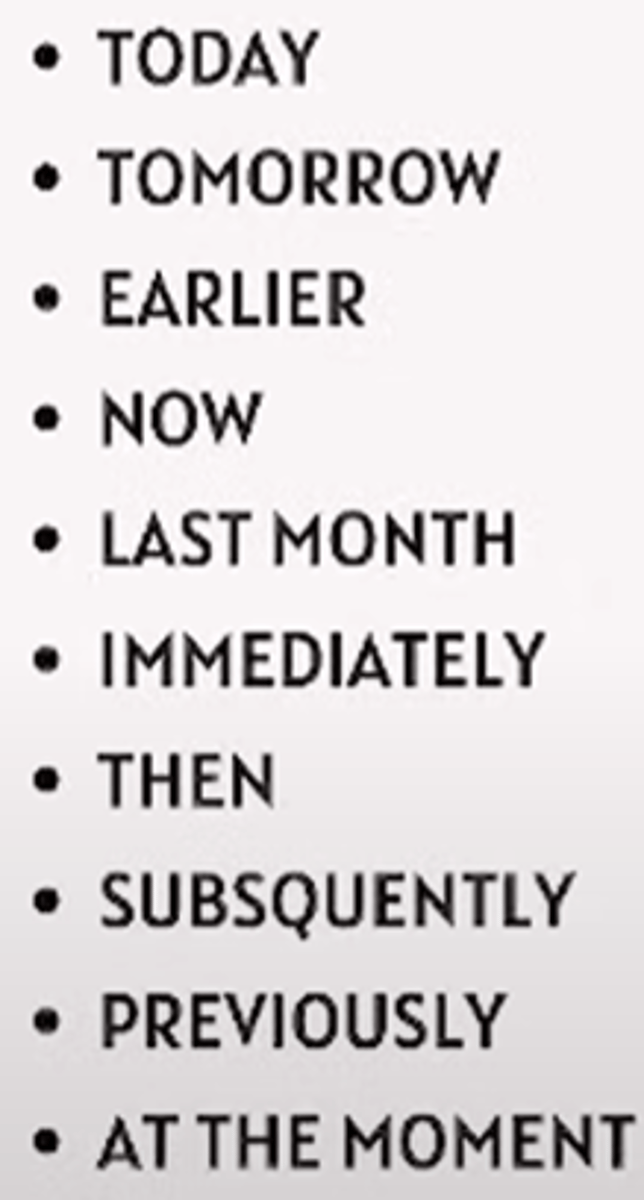
Transition words and Phrases for Cohesion of Events: When
Timing of an action or event is taking place.
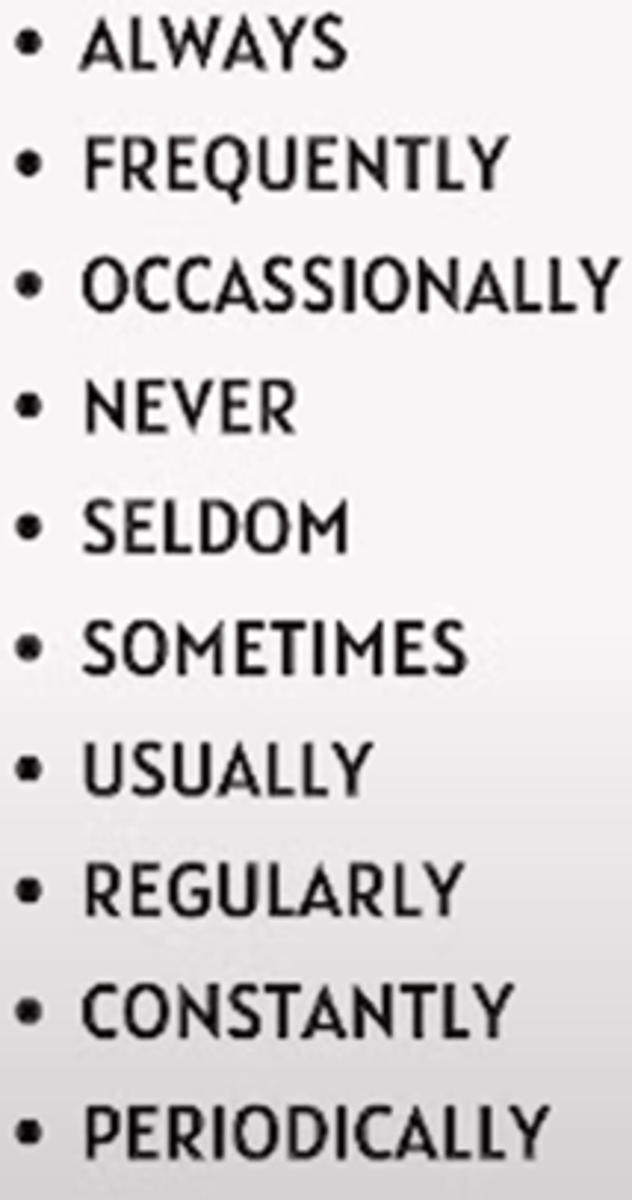
Transition words and Phrases for Cohesion of Events: How Often
Frequency of an action or event is taking place.
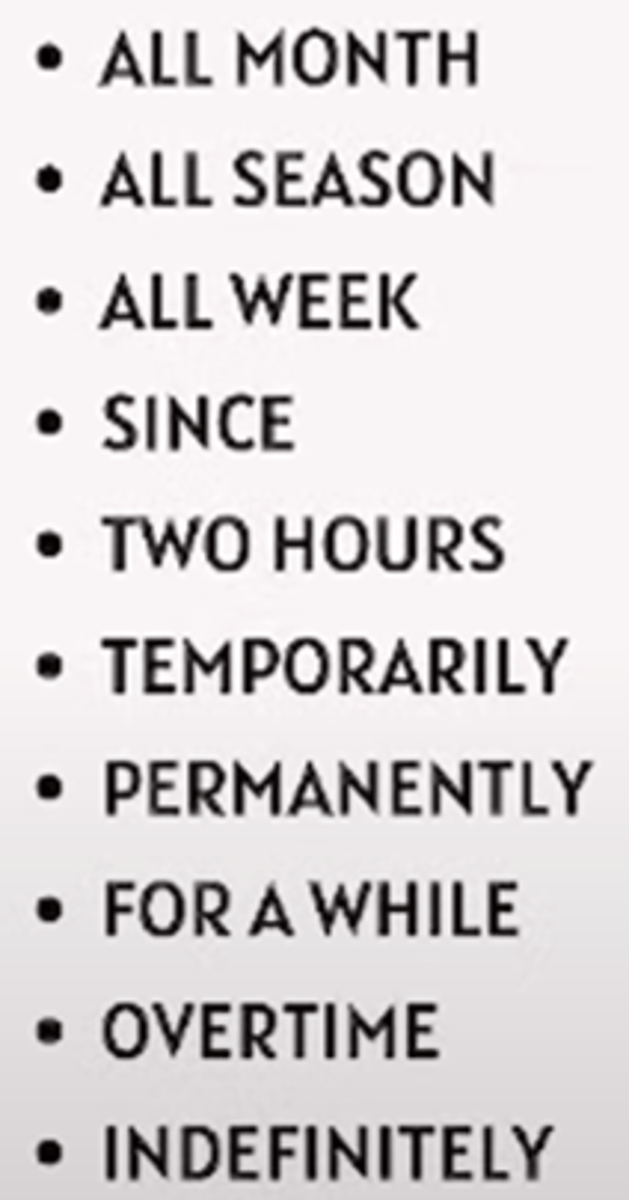
Transition words and Phrases for Cohesion of Events: Length of Time
How long something has taken place.
Drawing Conclusions
Drawing a conclusion from combining evidence and logical reasoning.
Identifying Gaps
* You have to understand the timeline (PAY ATTENTION TO THE TRANSITIONS WORDS).
* Identify key events (NOTE THE MAIN EVENTS IN THAT SEQUENCE).
* Look for causal relationships (DETERMINE IF THERE IS A CAUSE-AND-EFFECT RELASTIONSHIP BETWEEN EVENTS).
* Detect gaps by looking for context clues (BE ALERT TO ANY GAPS HAPPENING WITHIN THAT SEQUENCE).
* Evaluate event outcomes (ASSESS THE OUTSOMCE OF AN EVENT, UNDERSTAND THE RESULTS OF EACH EVENT AND CAN PROVIDE INSIGHTS SO THE SEQUENCE TO HELP US DRAW THOSE CONCLUSIONS AND THE OVERALL NARRATIVE OR THE ARGUMENT THAT THE AUTHOR IS TRYING TO CONVEY).
Author's Point of View
When we are reading, we are stepping into the author's world, seeing it through the eyes. Their viewpoint can dramatically shape the story. An author's background, experiences, and beliefs color their narrative. It's not just about what they say but about how they say it, reveal what's author stances are on various topics.
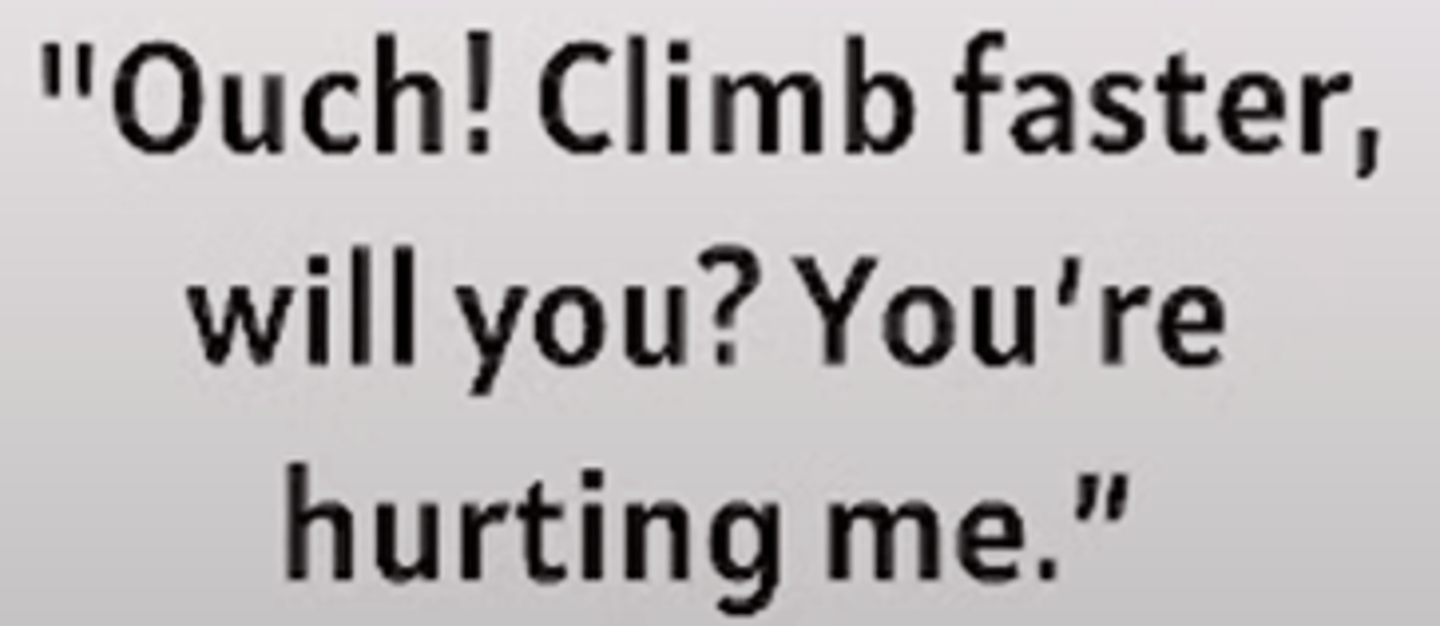
Author's Point of View: First Person
The story is being told by the character in the story, in their point of view.
- I
- Me/ My / Mine
- We
- Us
- Our/ Ours
Author's Point of View: Second Person
You are telling the story.
- You
- Your
- Yours
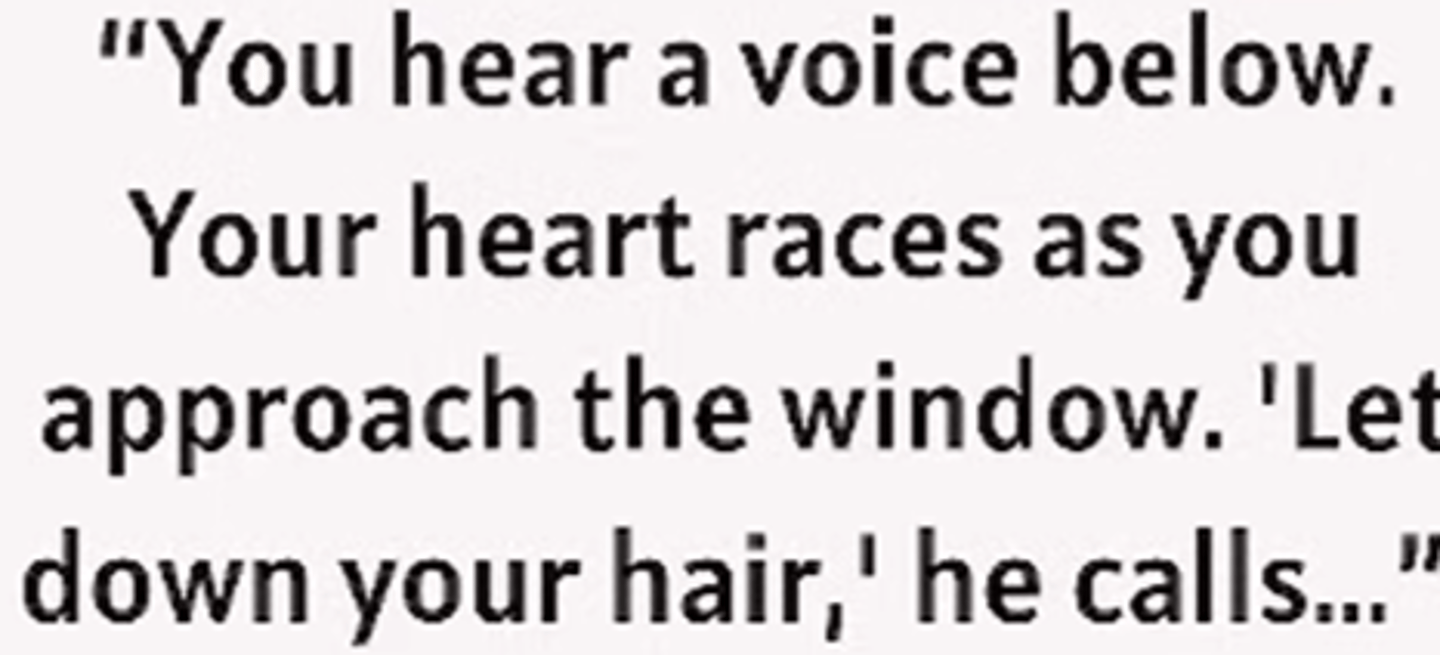
Author's Point of View: Third Person
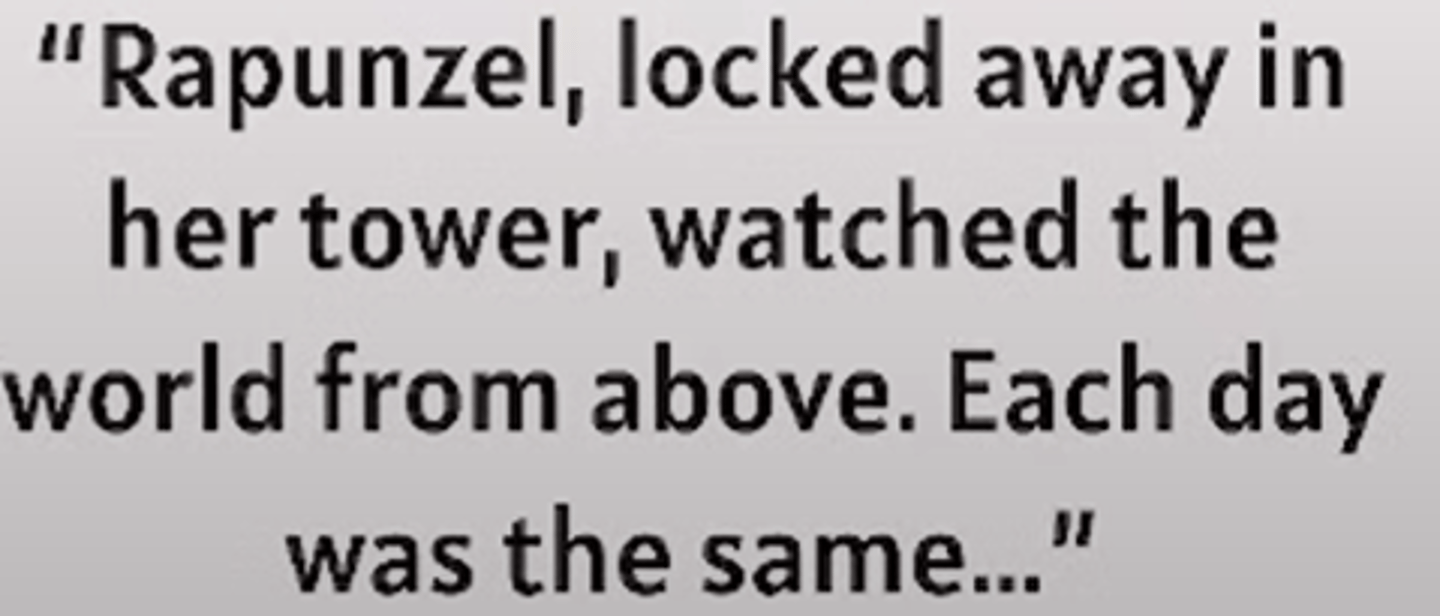
How we are usually accustomed to hearing fairytales as they are usually told by narrators.
- He/ She
- It
- Him/ Her
- His/ Hers
- They / Them
- Their/ Theirs
Author's Tone
Author's attitude toward the subject. It's expressed by the author through the use of different adjectives.
- Tone can be judgmental, bias, emotional, positive, negative, or neutral.
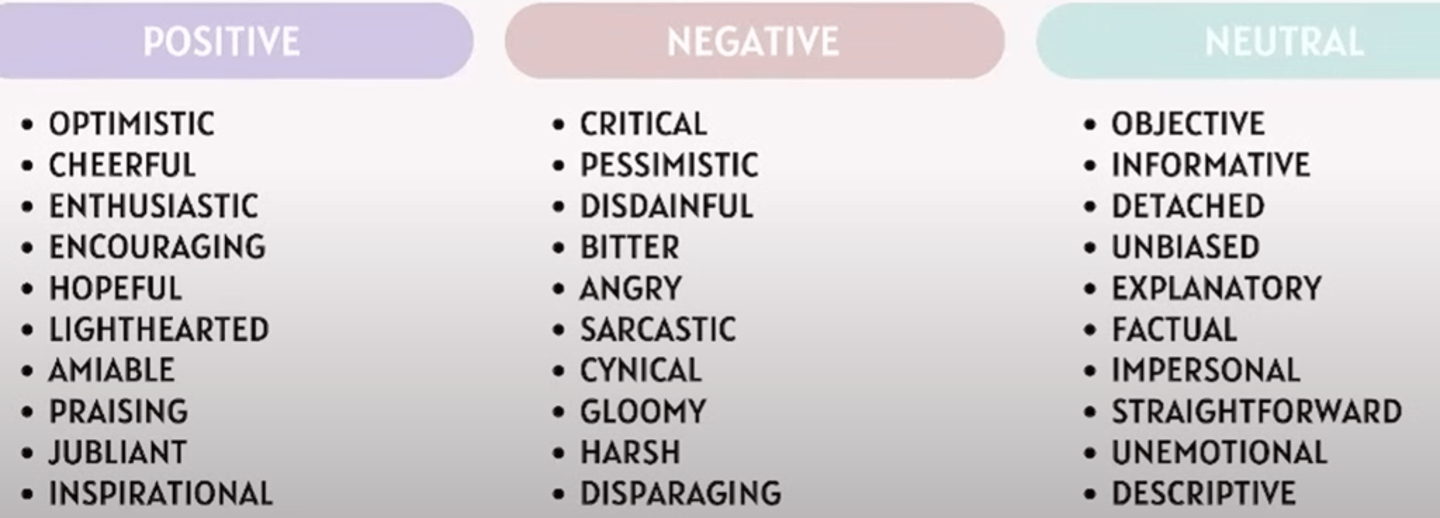
Author's Tone: Positive
- Vibrant
- Joy
- Lively

Author's Tone: Negative
- Neglect
- Overgrown
- Littered
- Sadness

Author's Tone: Neutral
- Objective
- Numbers
- Statistics

Author's Tone: Formal
Looking at factual, professional, and structured tone.
- Commonly seen in textbooks, encyclopedias, and biographies.
Author's Tone: Nostalgic
Looking for those sentimental, longing for their past, romanticizing memories. (Reminiscing about "the good old days).
Author's Tone: Tragic
About like sorrow, despair, fatal loss, and devastation.
- Commonly seen in reports such as newspapers.
Author's Tone: Reflective
That introspective, thoughtful, self-examination and contemplation.
- You will see a lot of personal pronouns; discussions of past experiences and feelings being used.
Bias
A PERSONAL OPINION in favor or against a person, group, or thing.
- Looking at individuals.
- Can be positive, negative but often impacts decision-making and attitudes unconsciously.

Stereotypes
More fixed GENERALIZED belief some people have towards a particular group or class of people.
- Looking at groups.
- An oversimplified and often inaccurate perception that doesn't consider individual differences.

Fact
Information that can be verified, it can be proven.
- Passage containing numbers, it's always a fact.

Opinion
Subjective and based on one-person's view, emotions or interpretations.
- Will see opinion words like should, best, most, good, better, worst, and seems.

Context Clues
Hints a reader can use to discover the meaning of unfamiliar words or phrases.
- By looking for word in the context themselves and the sentences around them.
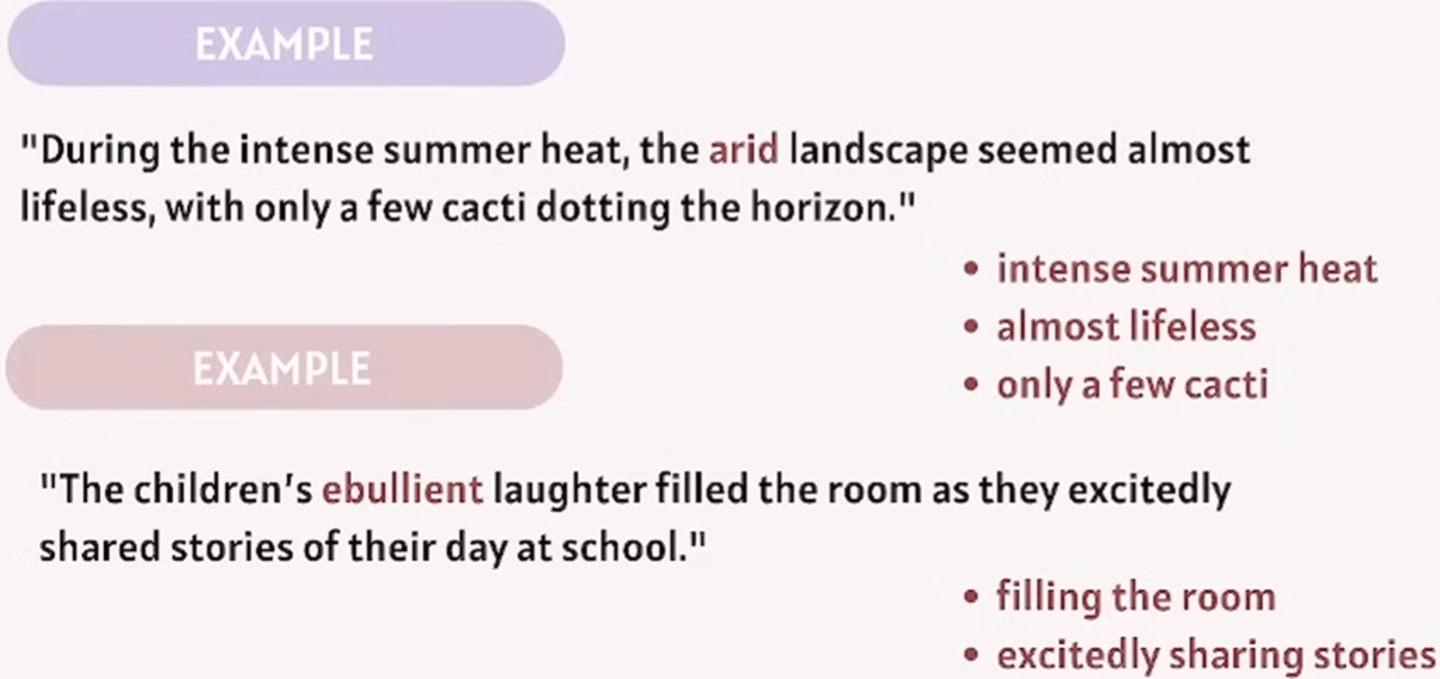
Context Clues Encounters: Definitions
When the author gives the meaning of the word right in the sentence.

Context Clues Encounters: Restatement
Involves rephrasing the unknown word in a way that makes it seem more clear.

Context Clues Encounters: Contrast
The author is going to give you the opposite to help you understand the word.
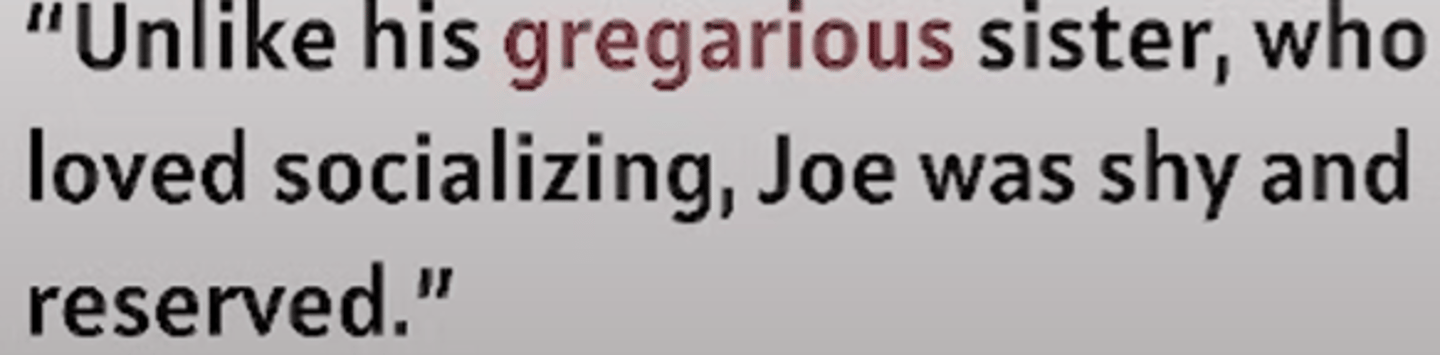
Context Clues Encounters: Inference
You will need to do a little of detective work when it comes to trying to figure out what a word means.
Figurative Language
Refers to a set of literacy techniques that enhances writing by adding new meaning or context beyond just basic literal facts.
Figurative Language Type: Simile
There is going to be a direct comparison between two ideas.
- Looking for words like: LIKE & AS

Figurative Language Type: Metaphor
A comparison that makes an implied or hidden connection between two ideas.
- Looking for words like: IS & WAS
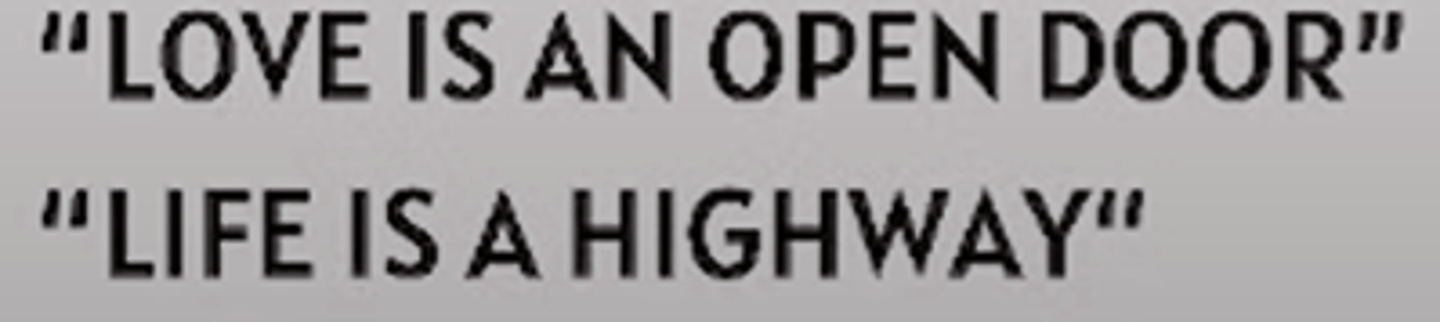
Figurative Language Type: Personification
Like giving a non-human object human characteristic.

Figurative Language Type: Hyperbole
An exaggerated claim that emphasized a point.

Types of Writing: Informative
Main purpose is to provide information and facts. Delivering data, statistics, and straightforward facts to educate the reader on a specific topic.
- Will see a lot of neutral and unbiased language, avoiding any kind of persuasive language, personal opinions. Sticking to facts, numbers.
- Seen in news reports, research papers, factual brochures, and encyclopedia entries.

Types of Writing: Persuasive
Main objective it to convince or persuade the reader to agree with the author's point of view, or to take a specific action. Influencing the readers thoughts as well as their actions.
- Will see a lot of emotional appeals, strong opinions, and argumentative techniques
- Can include rhetorical questions, evidence, persuasive language to make a compelling case.
- Seen in opinion editorials, advertisements, speeches, cover letters, or sales pitches.

Types of Writing: Entertaining
To provide the reader with enjoyment, amusement and as well as pleasure. Meant to engage and captivate the audience attention about what the author is trying to convey.
- Will see a lot of narrative techniques, humor, imaginative storytelling, and creative language.
- Characterized by the ability to evoke emotions, whether it about laughter, suspense, excitement, or other feelings.
- Seen in novels, short stories, comedic articles, plays, and even some kind of poetry.

Types of Writing: Descriptive
To paint a picture in the reader's mind. Describing and detailing a scene, person, place, or an object to make the reader visualize and experience what it is that they are trying to convey.
- Using sensatory details, figurative language, similes and metaphors, as well as evocative descriptions.
- Have something about your sight, sound, smell, touch, and taste to create a strong impression.
- Seen in literature, fiction, travel writing, nature writing, character sketches, and personal essays.

Types of Writing: Expository
Aim to explain, clarify and provide information about a topic. Will go into a deeper understanding or insight into a subject matter. Will see elements like argumentation, comparison, analysis, cause and effect relationships. Breaking down complex ideas into more understandable parts.
- Seen in academic essays, how to guides, textbooks, business reports, and technical writing.
Cite Evidence
Always read the question when it comes to citing evidence.
- It's important to know what the question is specifically asking before you read the passage.
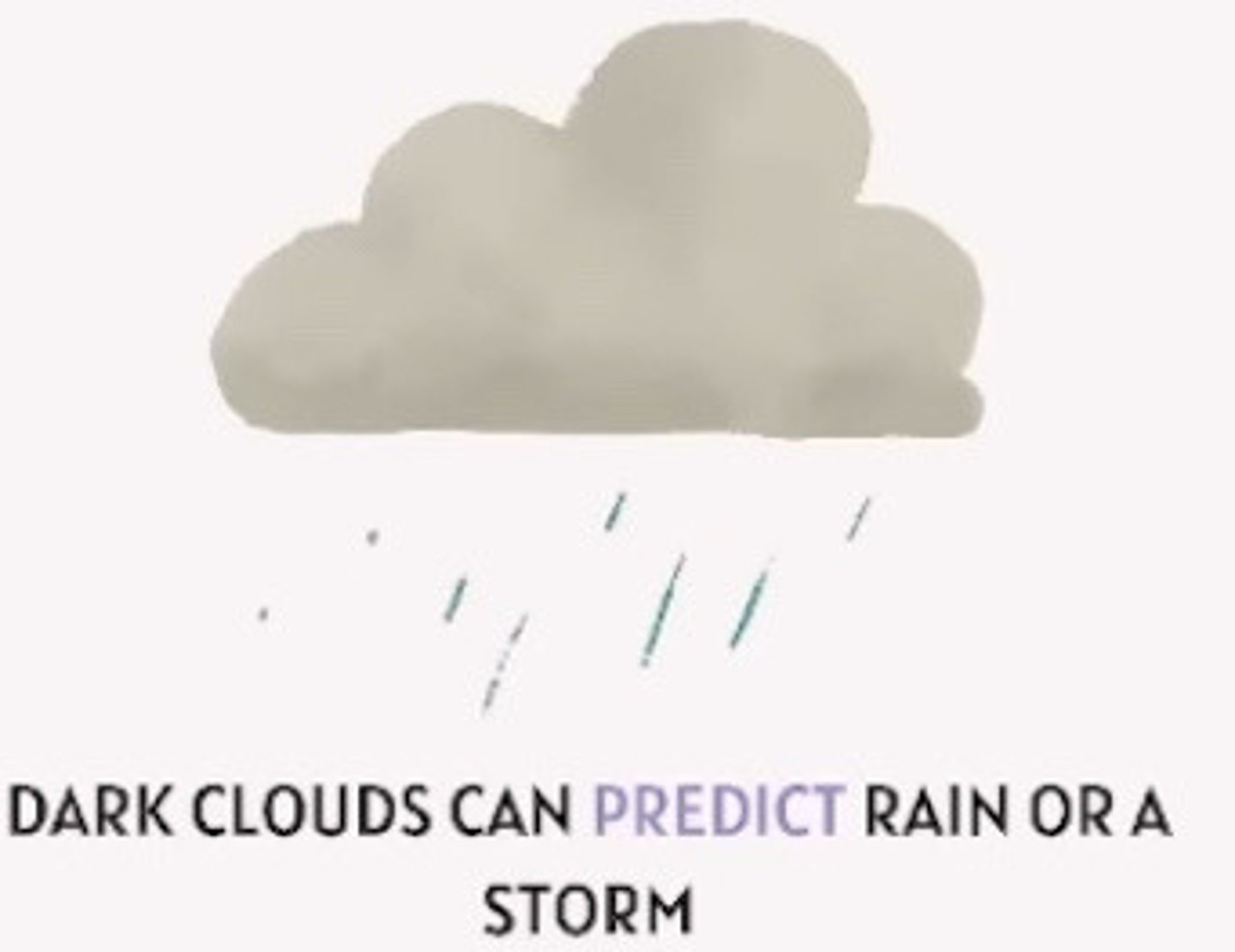
Cite Evidence: Predictions
Being a little detective and guessing what might happen next.
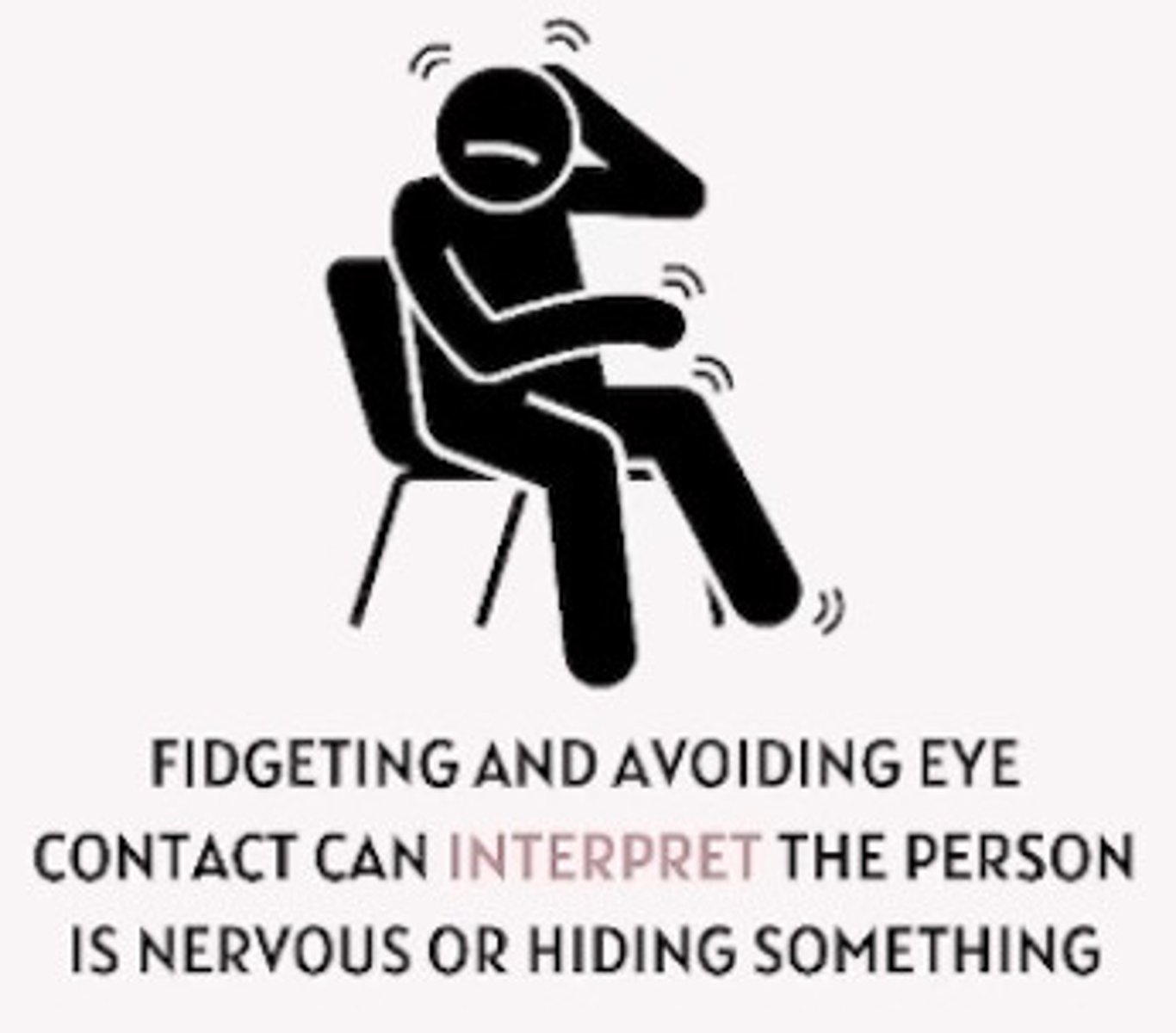
Cite Evidence: Intrepretations
Understanding the deeper meaning the author is trying to imply.
Cite Evidence: Conclusions
Ultimately deciding what the text is really saying at the end.
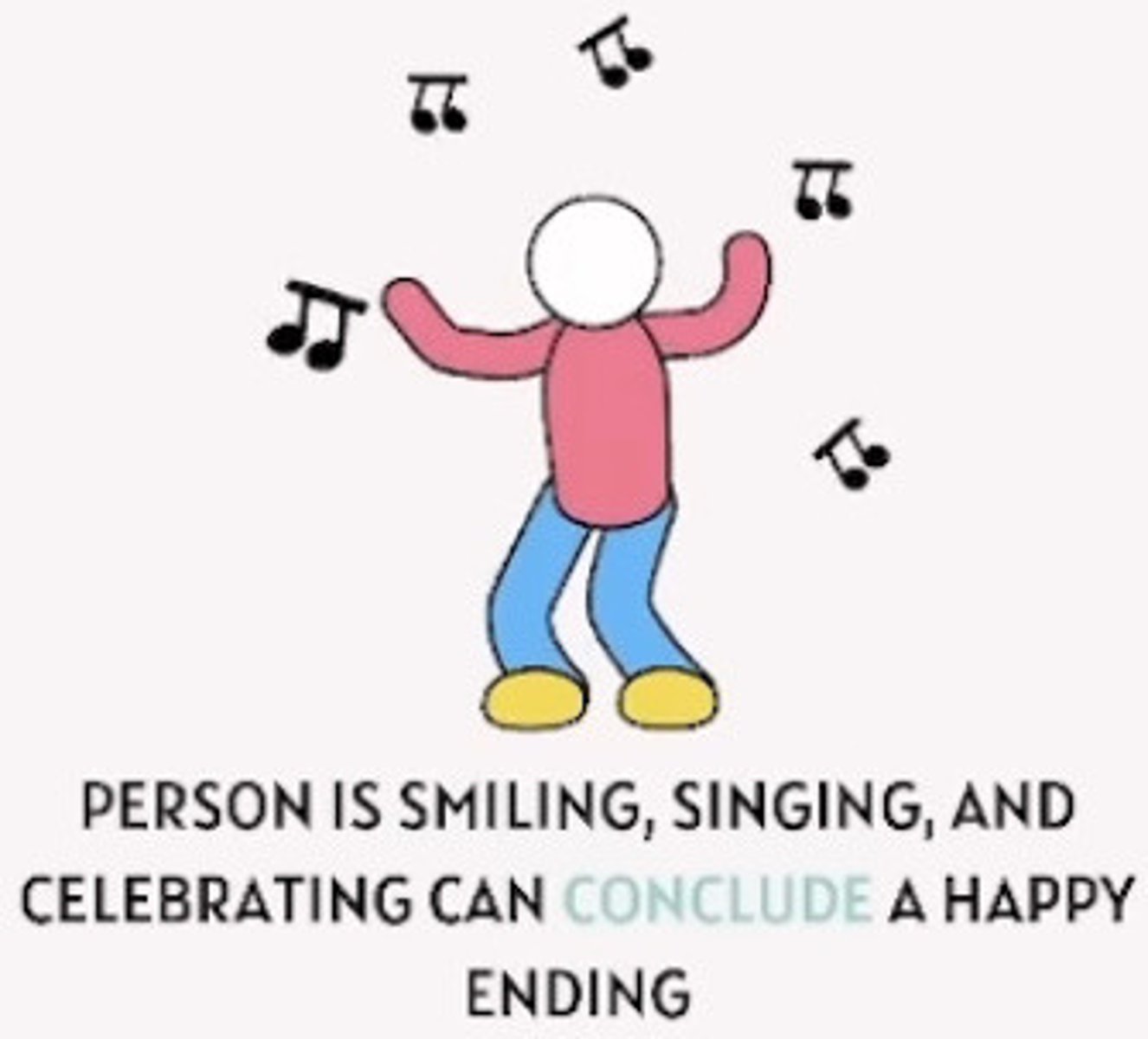
Themes
A significant concept interwoven through a narrative, will transcend that plot and that synopsis delving much more deeper into the overall meaning of the story.
- Will bridge a broad concept about life or society with a narratives events.
- Differs from the main idea.
- Might encompass a lesson but is not limited to just that.
Claims
The main argument, the stance, your opinion or conclusion on a particular issue or topic, essential to the thesis statement of your viewpoint.
- A well constructed claim doesn't just present the claim, but also situates within a broader context, which often includes acknowledging and addressing any potential counter arguments that may take place.
Counterclaims
The opposite of a claim, it's going to challenge, refute, and oppose that initial claim, presenting an alternative viewpoint.
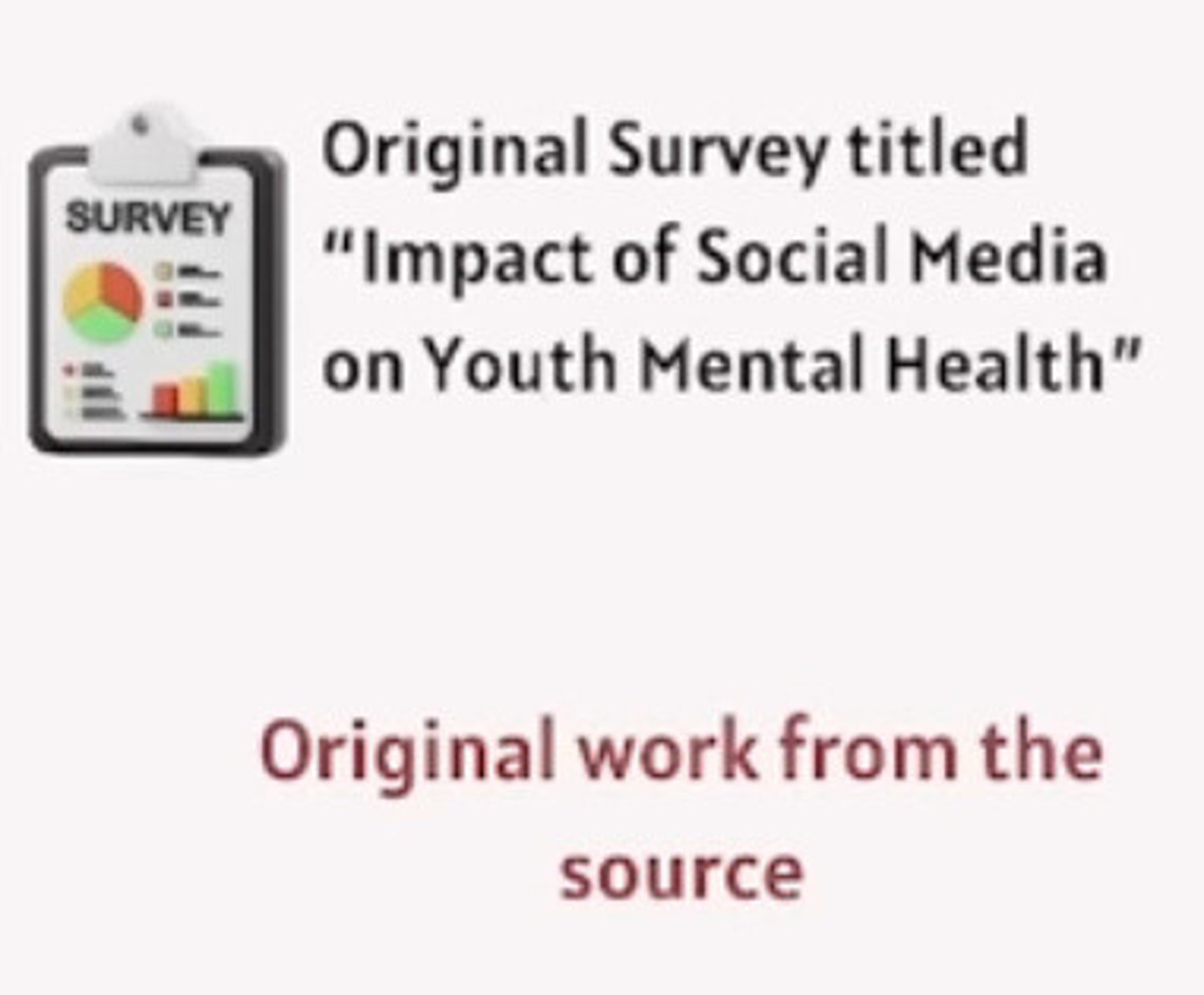
Evaluating Sources: Primary
Direct evidence about a person, an event, or phenomenon.
- More authoritative
- Seen in interviews, transcripts, survey results, social media posts.
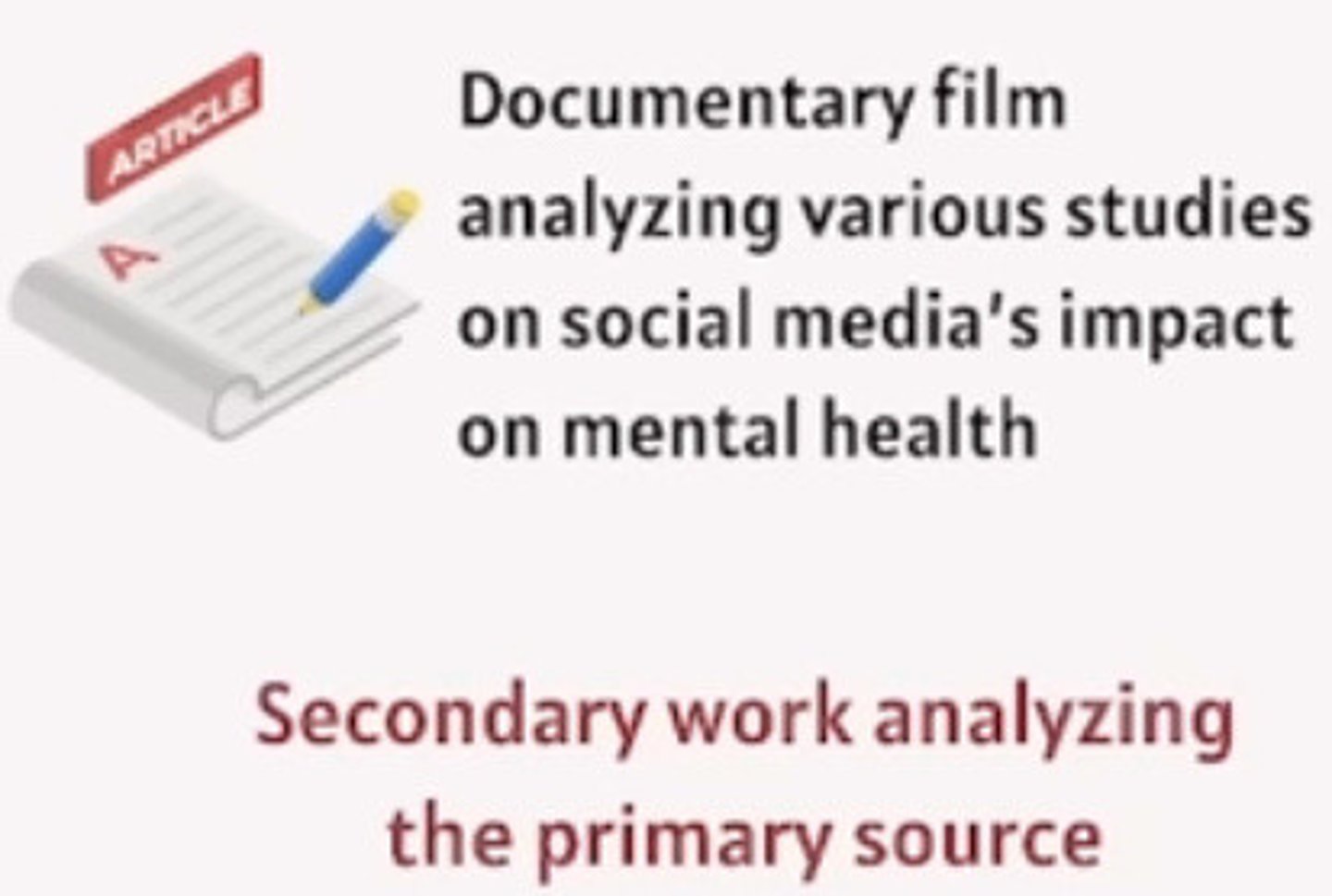
Evaluating Sources: Secondary
Created using primary sources, analyze, interprets, and restates primary source information.
- More persuasive.
- Seen in newspaper articles, textbooks
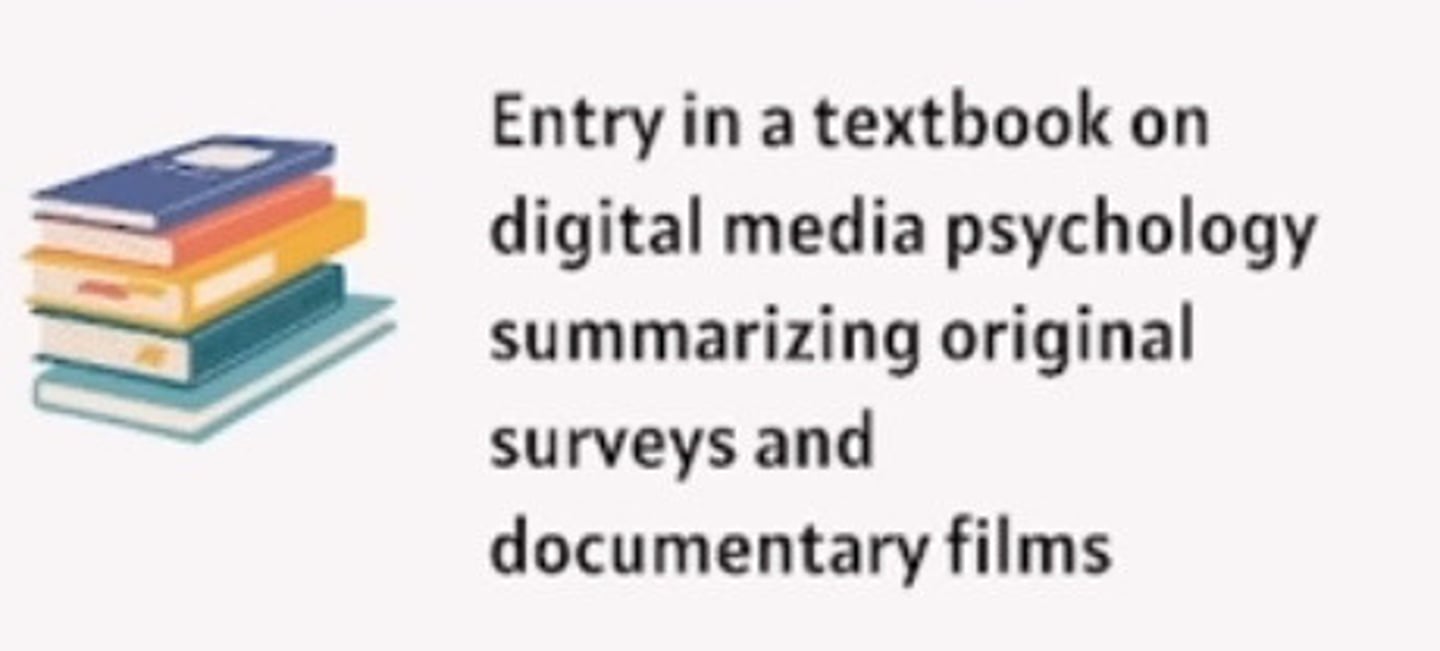
Evaluating Sources: Tertiary
Include information from both primary and secondary sources, but don't present new information.
- Common examples can be textbooks, abstracts and reference work such as dictionaries and encyclopedias.
Rhetorical Devices: Ethos
Earns the audiences trust in the speaker or writer, emphasizing creditability and reliability.
- Citing relevant experiences, outlining qualifications, or utilizing reputable sources to demonstrate expertise in a subject matter.
Rhetorical Devices: Pathos
Taps into the audience's emotions, encouraging a belief through an emotional connection and empathy.
- Widely used in various forms of popular media, including movies, books, and music.
Rhetorical Devices: Logos
Engage the audience's logic and their reasoning, persuading them with well reasoned arguments and logical consistencies.
- Achieved using a solid case of using facts, figures, well-reasoned evidence.