Bio Test 3
 Call Kai
 Learn
Learn Practice Test
 Spaced Repetition
 Match
Match Flashcards
 Knowt Play
1/50

There's no tags or description
Looks like no tags are added yet.
Name | Mastery | Learn | Test | Matching | Spaced | Call with Kai | Chat |
|---|
No analytics yet
Send a link to your students to track their progress
51 Terms
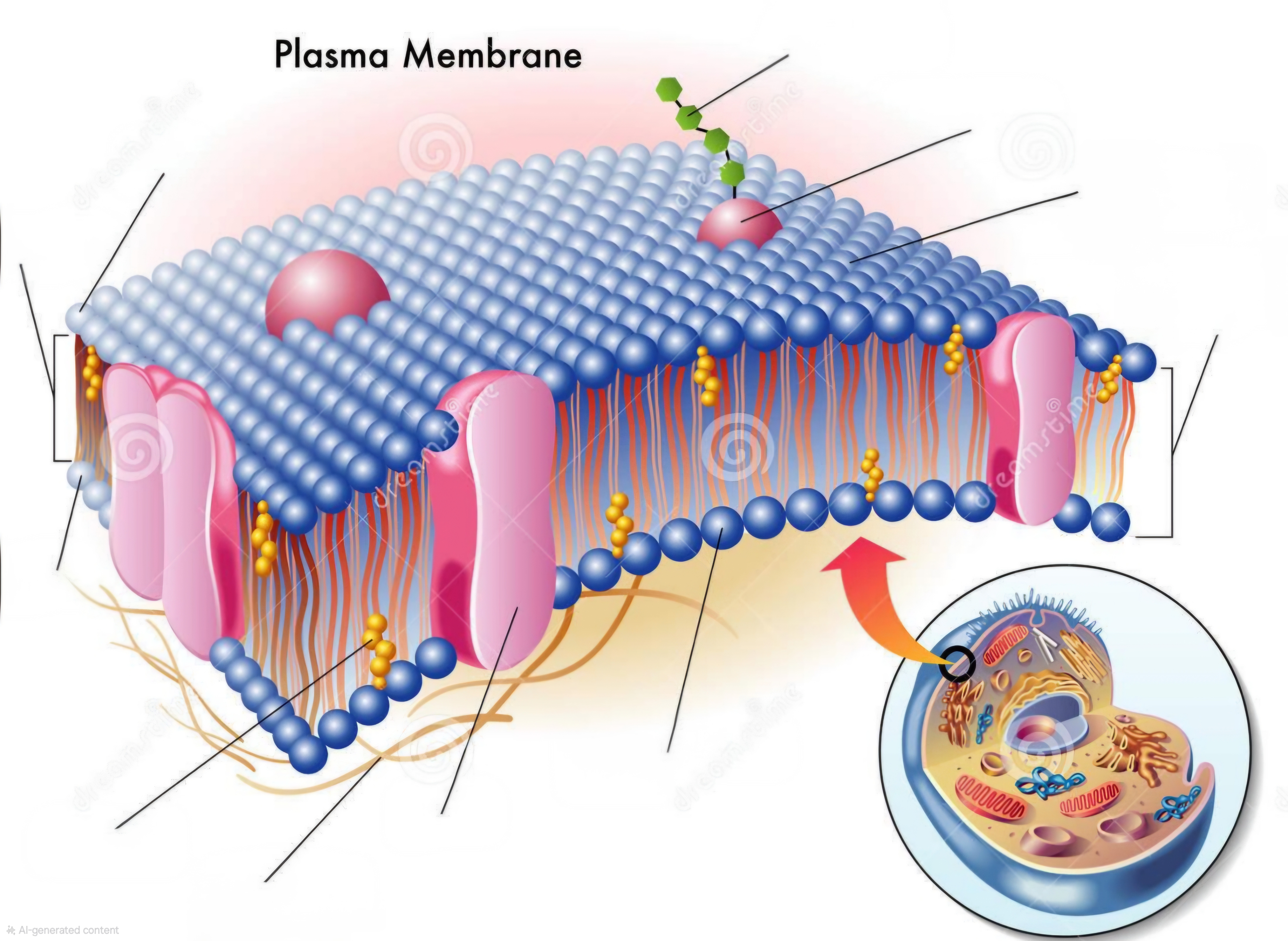
What is the structure and function of the plasma membrane?
Structure: The plasma membrane consists of phospholipids (hydrophilic heads, hydrophobic tails, integral proteins, and cholesterol (Animal Cells)
Function: Regulates the movement of substances in and out of the cell, maintaining a steady internal environment
Cholesterol maintains structural integrity and fluidity of membrane
Label the following diagram of the plasma membrane
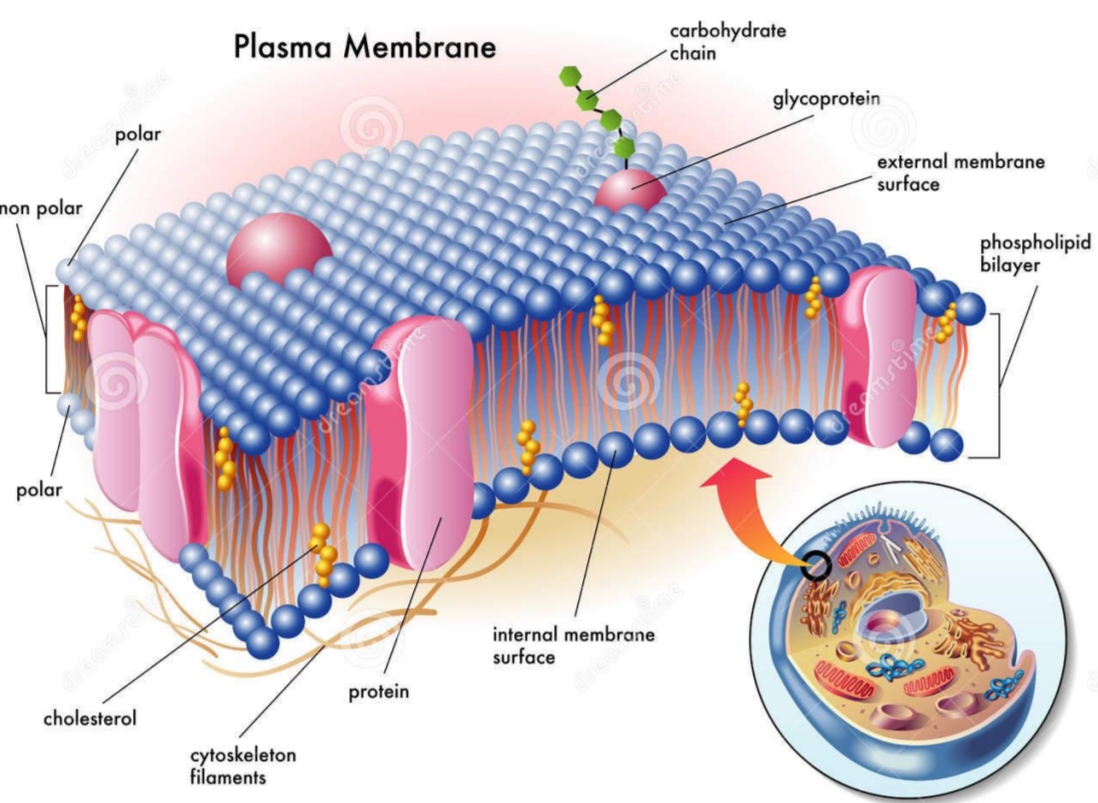
What are integral proteins?
Integral proteins are membrane proteins that span the entire lipid bilayer and play roles in transport, acting either passively or actively.
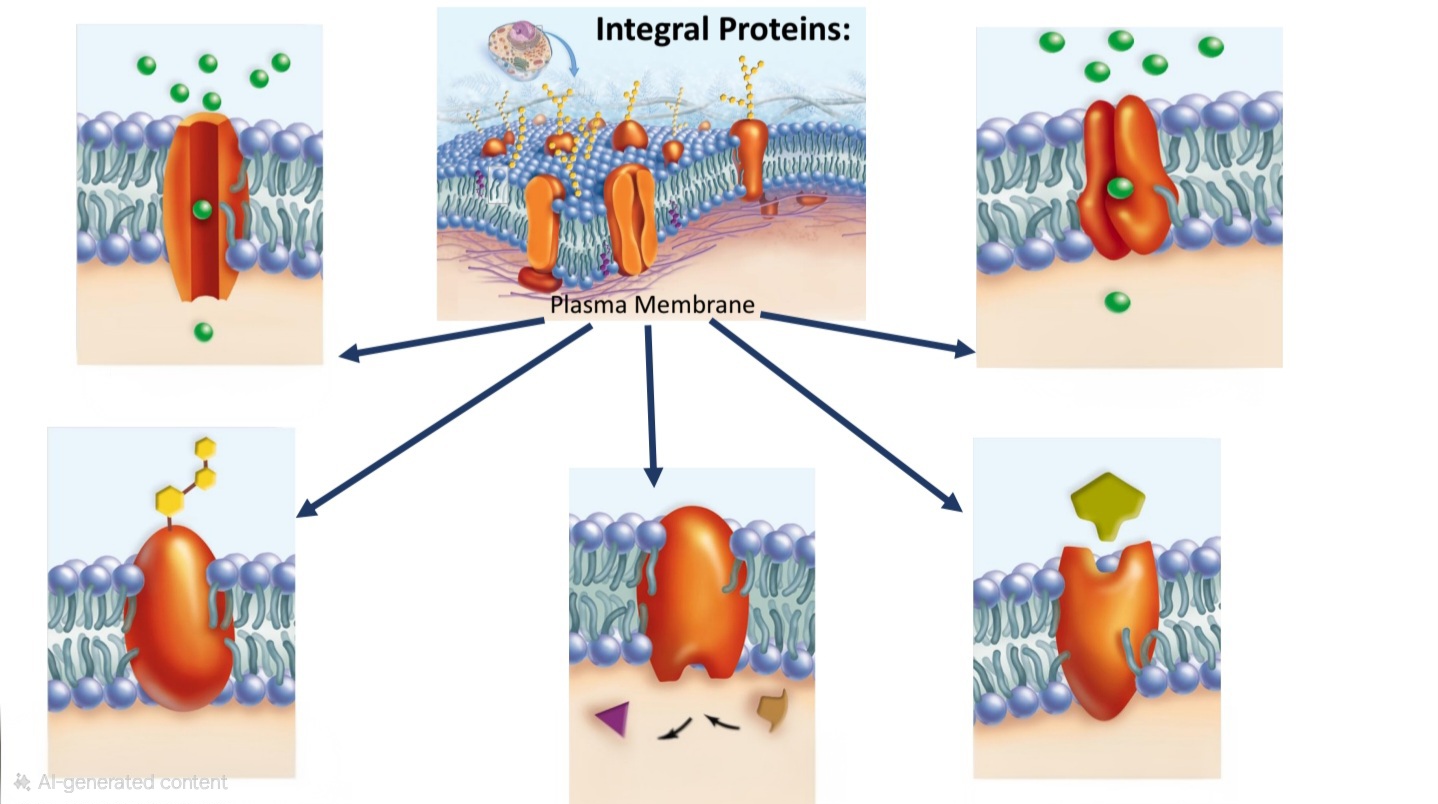
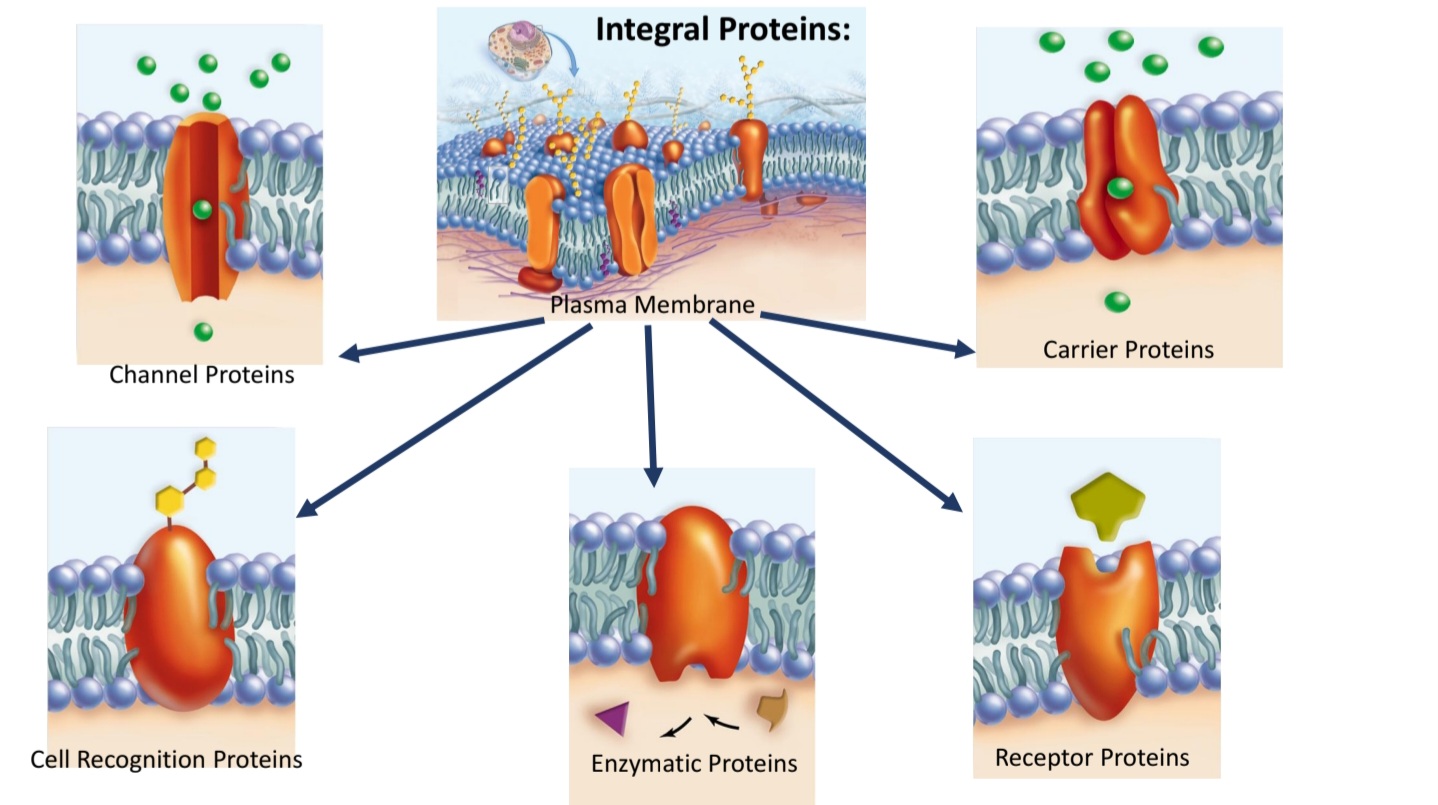
What are the 5 types of Integral Proteins?
Channel Proteins
Carrier Proteins
Receptor Proteins
Enzymatic Proteins
Cell-Recognition Proteins
Also known as Major Histocompatibility Complex (MHC) Glycoproteins
What are the functions of the 5 Integral Proteins?
Channel Protein:
Simple Diffusion (Transport)
Carrier Protein:
Facilitated Transport
Active Transport
Receptor Protein:
Cell Signaling
Uses “lock and key method”
Correct key “unlocks” cell and causes a reaction to occur
Enzymatic Protein:
Catalyze (speeds up) a specific reaction
Acts as an enzyme that synthesizes or breaks down certain molecules
Involved in metabolism
Cell Recognition Protein:
Identifies whether cell is “self” or “non-self” (foreign)
If foreign, an immune response is triggered
Which Integral Proteins function passively (no ATP) or actively (ATP required)?
Channel Protein: Passive
Carrier Protein:
Passive: Facilitated Transport
Active: Active Transport
Receptor Protein: Active
Enzymatic Protein: Active
Cell-Recognition Protein: Active
Provide an example of the function of each Integral Protein in the body
Channel Protein
Aquaporin: used in osmosis (diffusion of water)
Carrier Protein:
Facilitated Passive Transport: Chloride Channels
Movement of Chloride ions across lung cells resulting in watery mucus and reduced bacterial infection
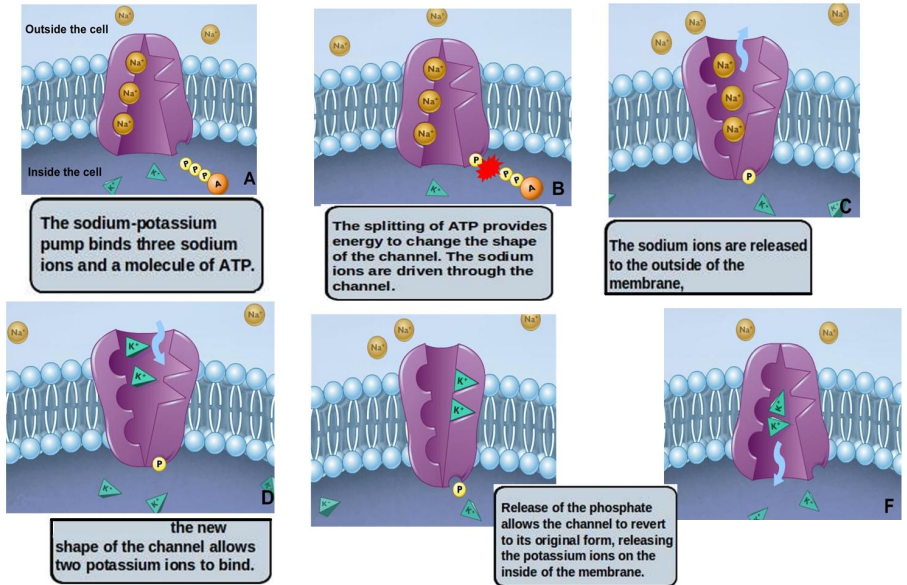
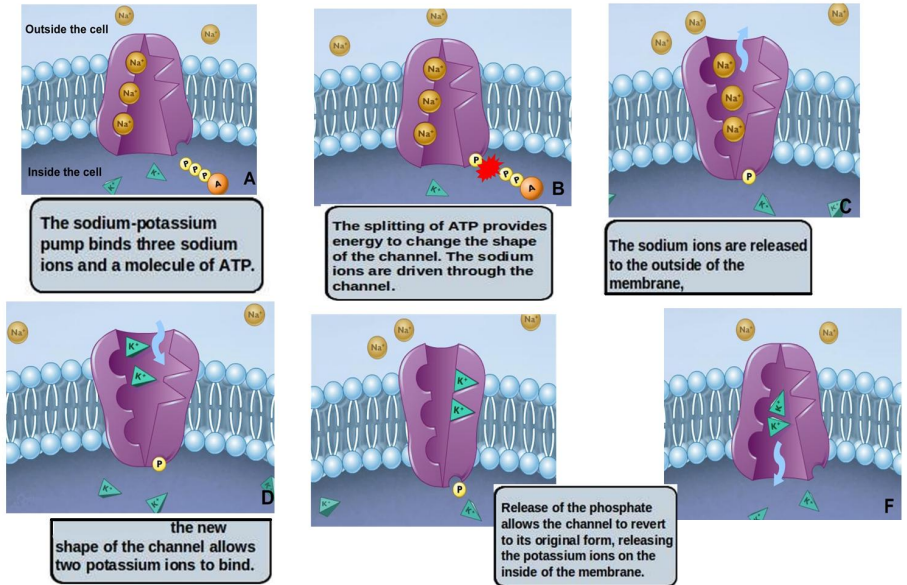
Active Transport: Sodium/Potassium (Na+/K+) Pump
Nerve Simulation relies on the movement of Na+ and K+ using the pump
Receptor Protein:
Insulin Receptor: unlock glucose channel, allowing glucose to enter the cell
Enzymatic Protein:
Involved in metabolism (ex: Lactase and lactose)
Cell-Recognition Protein
Blood Type (antigens identify Blood Type; A-antigen, B-antigen)
What is the ratio of the Sodium : Potassium (Na+ : K+) ion movement and in which direction?
3 Sodium Ions (Na+) out
2 Potassium Ions (K+) in
Does the Sodium/Potassium (Na+/K+) Pump require ATP? If so, how many ATP per 1 cycle?
Requires 1 ATP per cycle
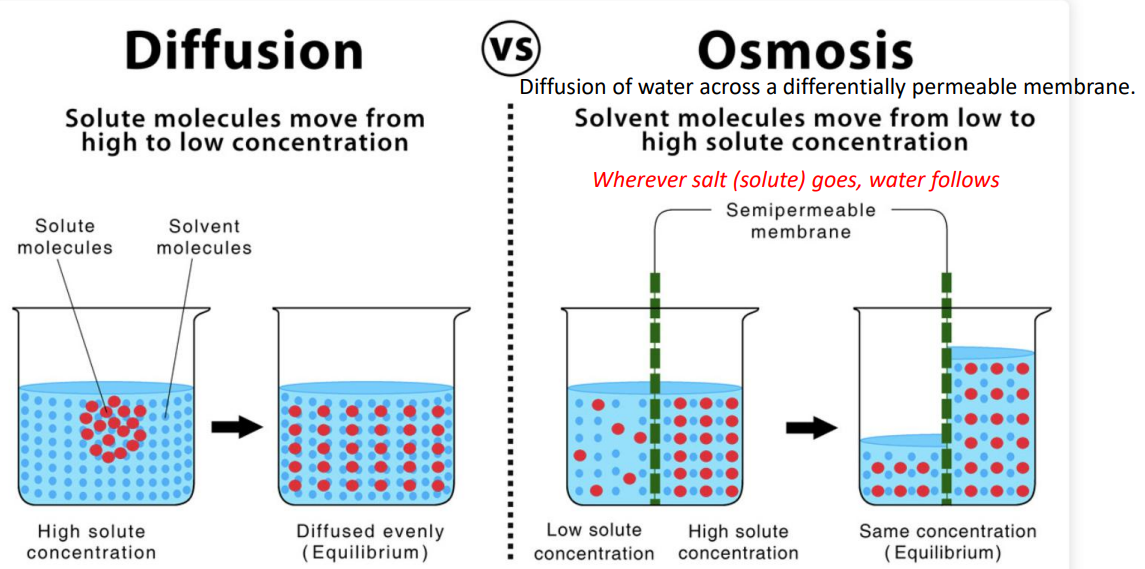
What is osmosis?
Osmosis is the movement of water across a semipermeable membrane from an area of lower solute concentration to an area of higher solute concentration.
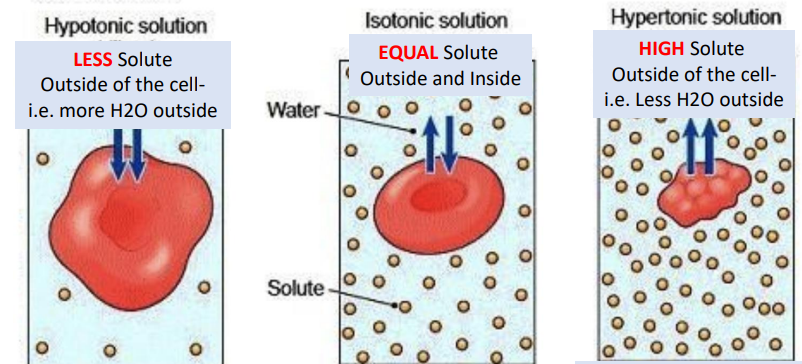
Describe the 3 different extracellular environments:
Isotonic, Hypotonic, Hypertonic
Isotonic: Solute concentration is equal inside and outside the cell
Hypotonic: Solution has a lower solute concentration outside the cell
Ex. More H2O outside of the cell
Hypertonic: Solution has a higher solute concentration outside the cell
Ex. Less H2O outside of the cell
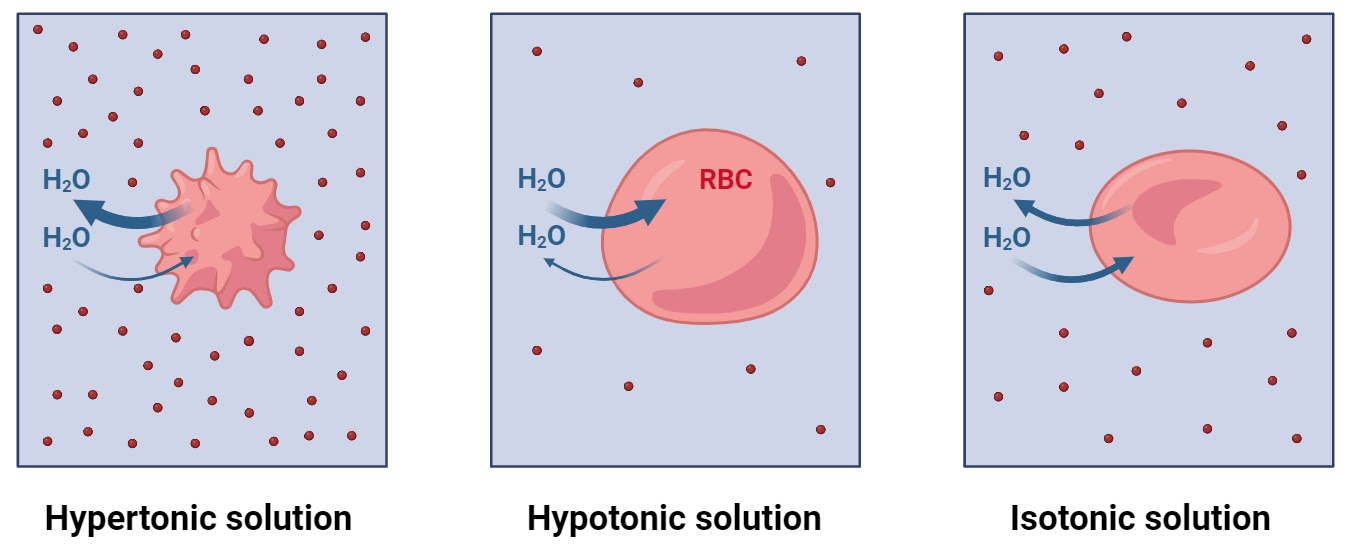
How does each of the extracellular environments affect Red Blood Cells (RBCs)?
Isotonic: equal H2O moves inside and outside the cell
Hypotonic: less solute concentration outside the cell (more H2O outside)
H2O moves from High (out) to Low (inside), swelling the cell and causing it to burst (lysis)
Hypertonic: high solute concentration outside the cell (less H2O outside)
H2O moves from High (inside) to Low (outside), shrinking (crenation) the cell
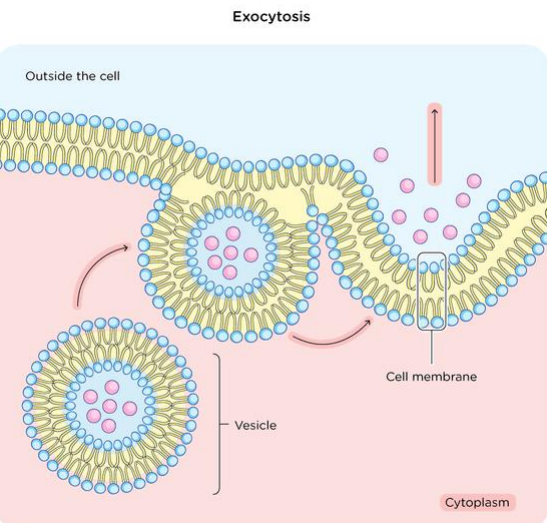
Define exocytosis.
Exocytosis is the process by which cells expel materials, increasing cell surface area and decreasing volume.
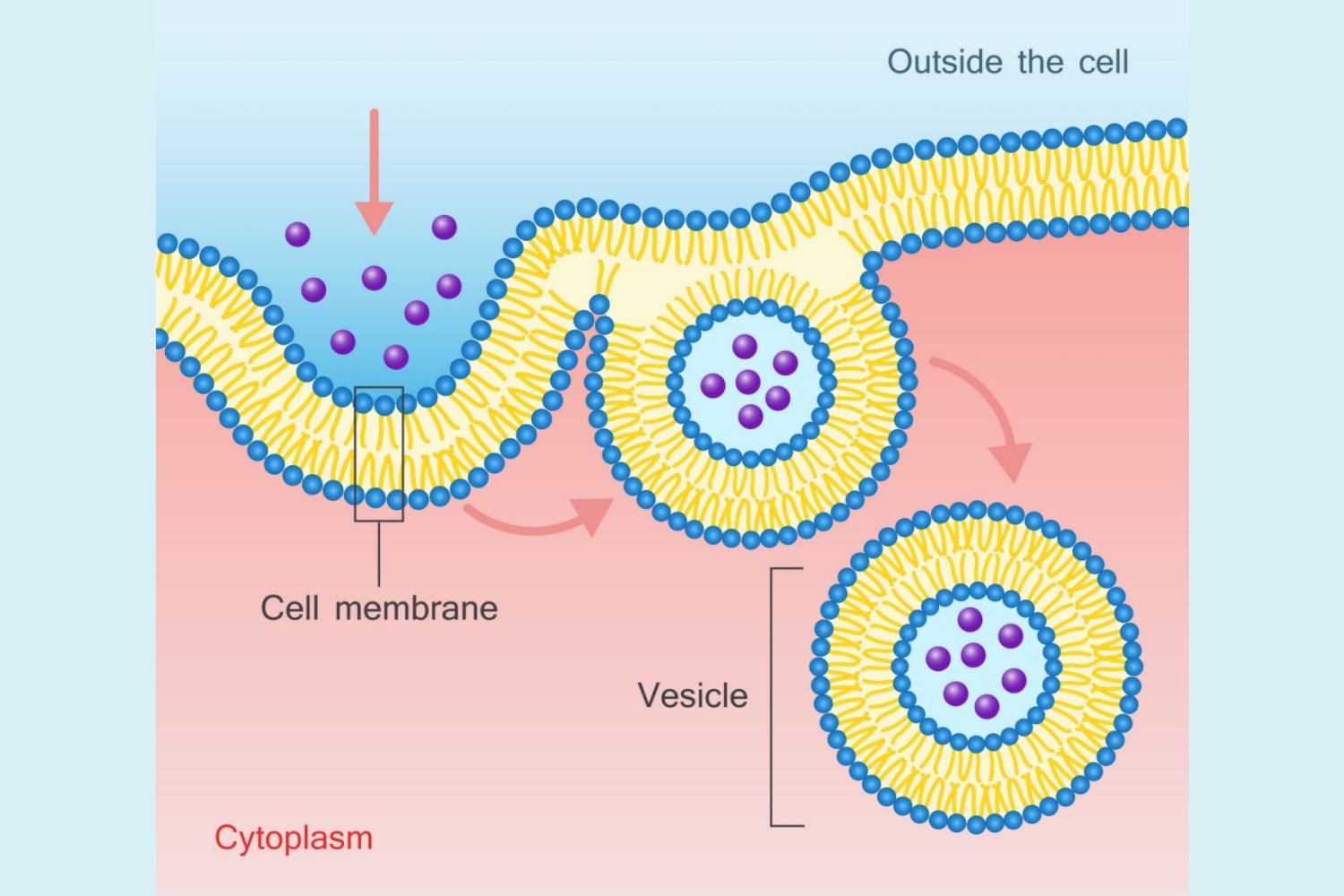
Define endocytosis.
Endocytosis is the process by which cells take in materials, decreasing cell surface area and increasing volume.
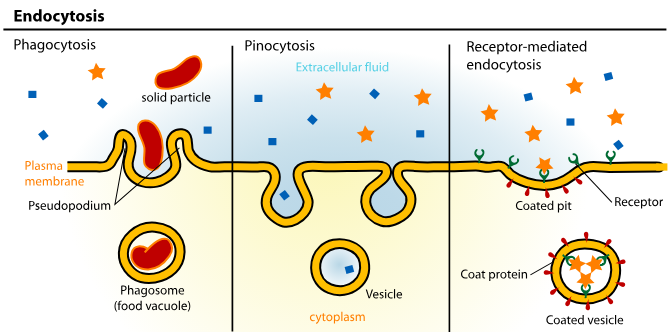
What are the three types of endocytosis? Provide a human example for each
Phagocytosis (cell eating)
Ex: Phagocytes (White Blood Cells) engulf invading bacteria
Pinocytosis (cell drinking)
Ex: Red Blood Cells take in iron content using pinocytosis
Receptor-mediated endocytosis.
Selective endocytosis as substances brought into the cell bind to receptors
Ex: Nutrients from maternal blood into fetal blood at the placenta
What is energy?
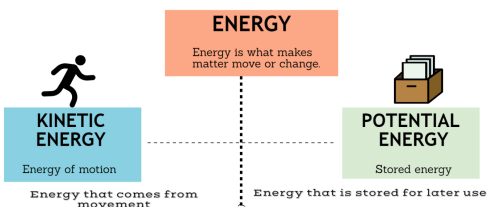
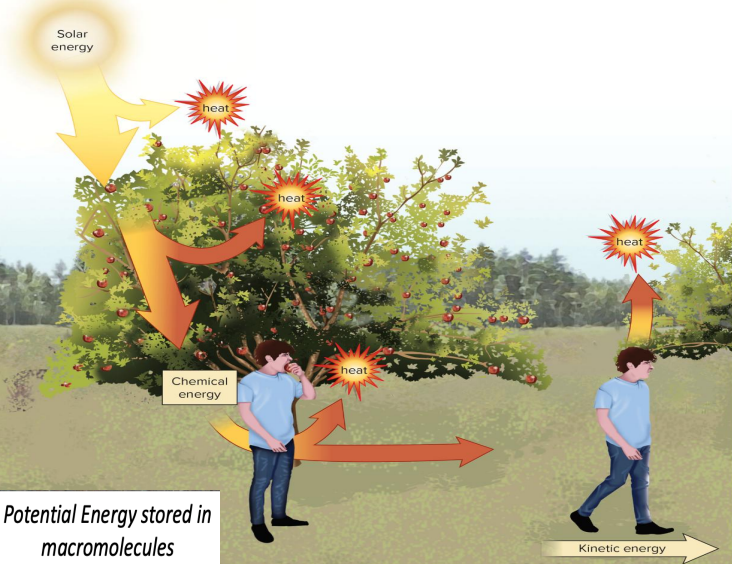
Energy is the capacity to do work
Potential (stored) energy; stored for later
Ex. chemical bonds → chemical energy
Kinetic energy; comes from movement
Ex. ball rolling down a hill
What are the two laws of thermodynamics?
Energy cannot be created or destroyed; can only be converted from one form to another
Energy cannot be converted from one form to another without a loss of usable energy
Define Entropy
Measurement of the amount of randomness in a physical/biological system
Relative amount of randomness
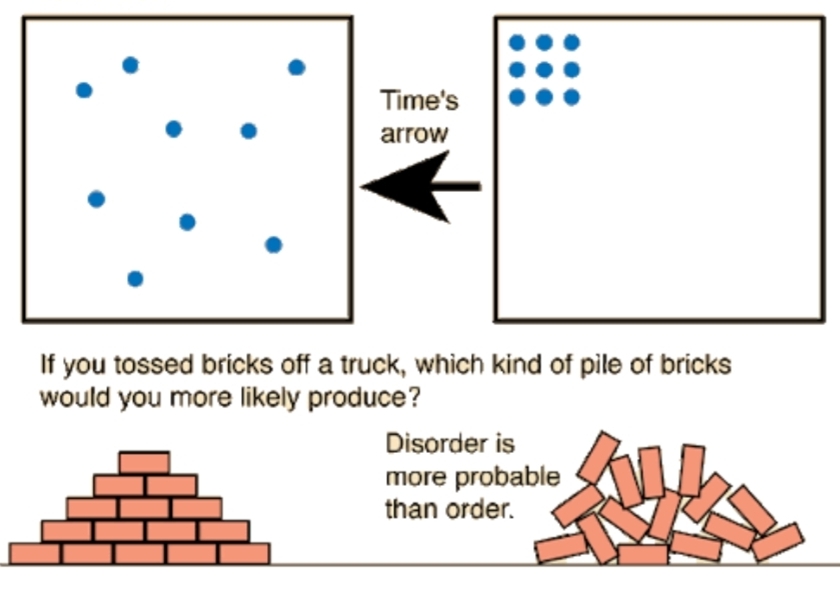
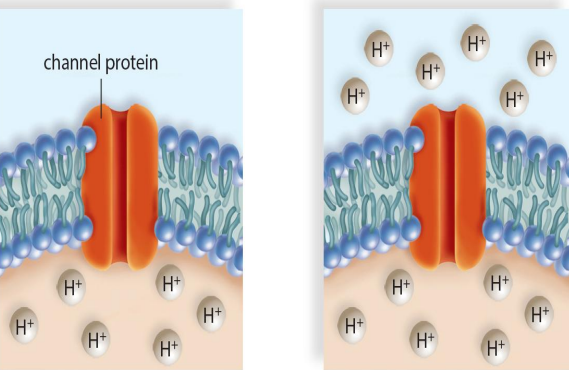
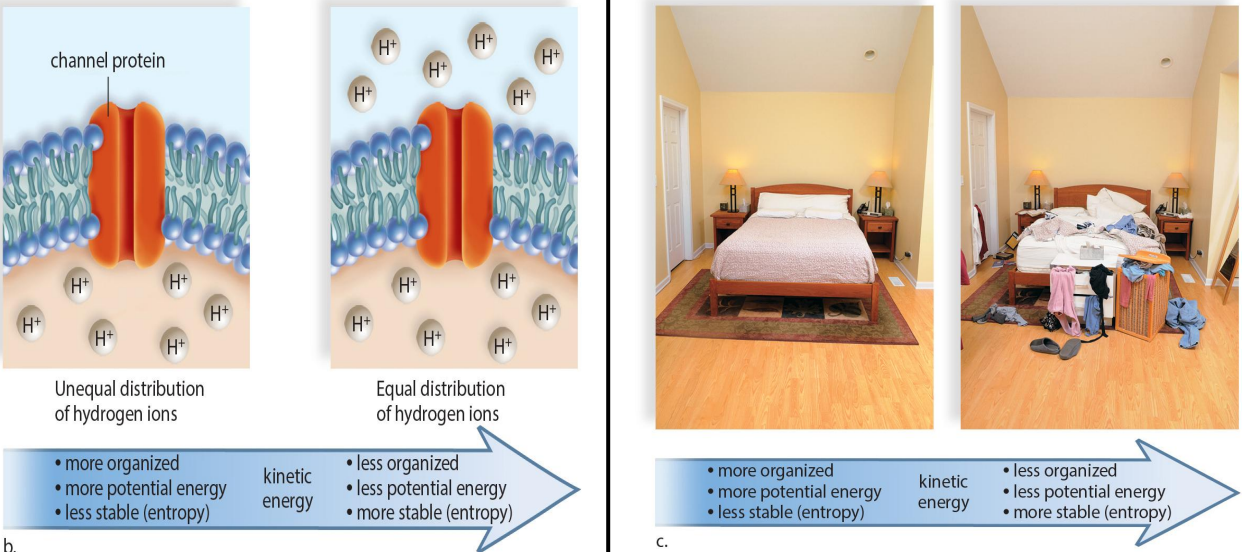
From the diagrams shown, describe the levels of potential energy and entropy (which has more or less)
Diagram 1 (left)
more potential energy
less entropy (randomness/chaos)
Diagram 2 (right)
less potential energy
more entropy (randomness/chaos)
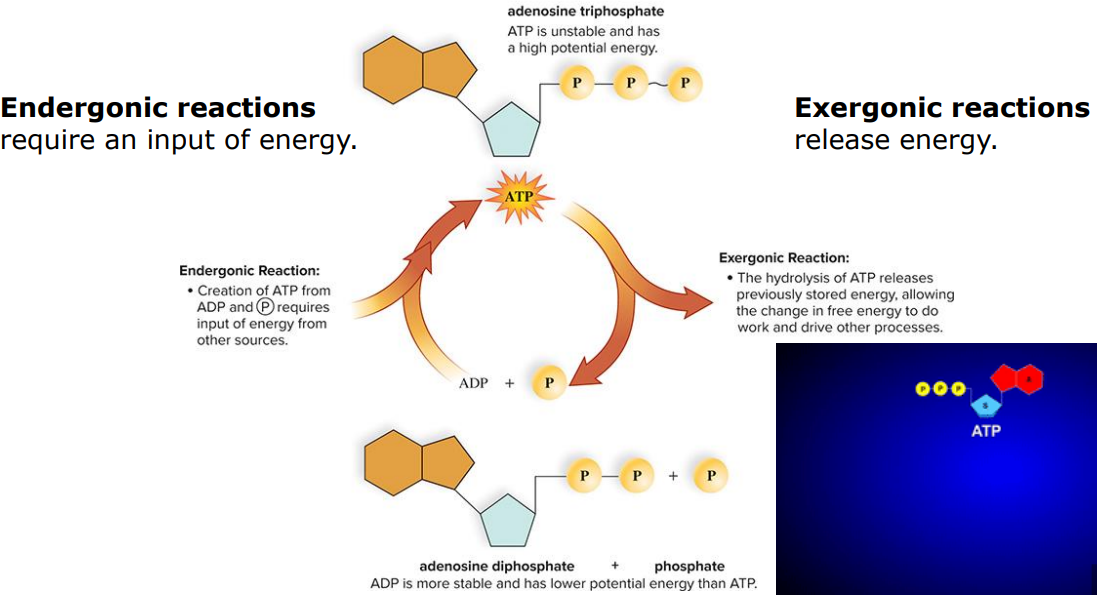
What is ATP cycling?
ATP cycling refers to the conversion of ATP to ADP (adenosine diphosphate) and back, releasing and storing energy in the process.
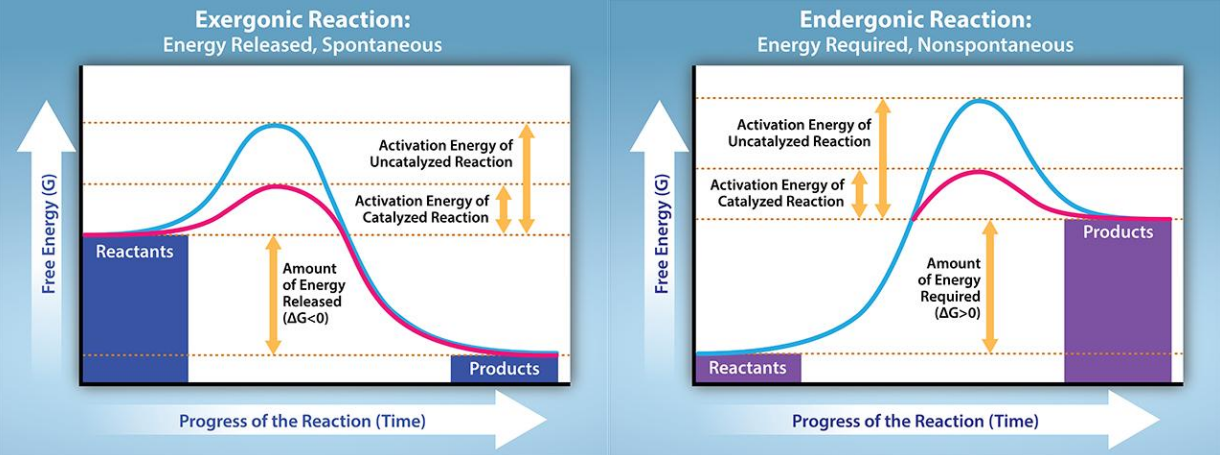
Define Exergonic and Endergonic reactions
Exergonic:
Energy is released to surrounding environment
Exothermic (Heat released, increases temp)
Entropy is increased
Endergonic:
Requires input of energy
Endothermic (Heat absorbed, decreases temp)
Entropy is decreased
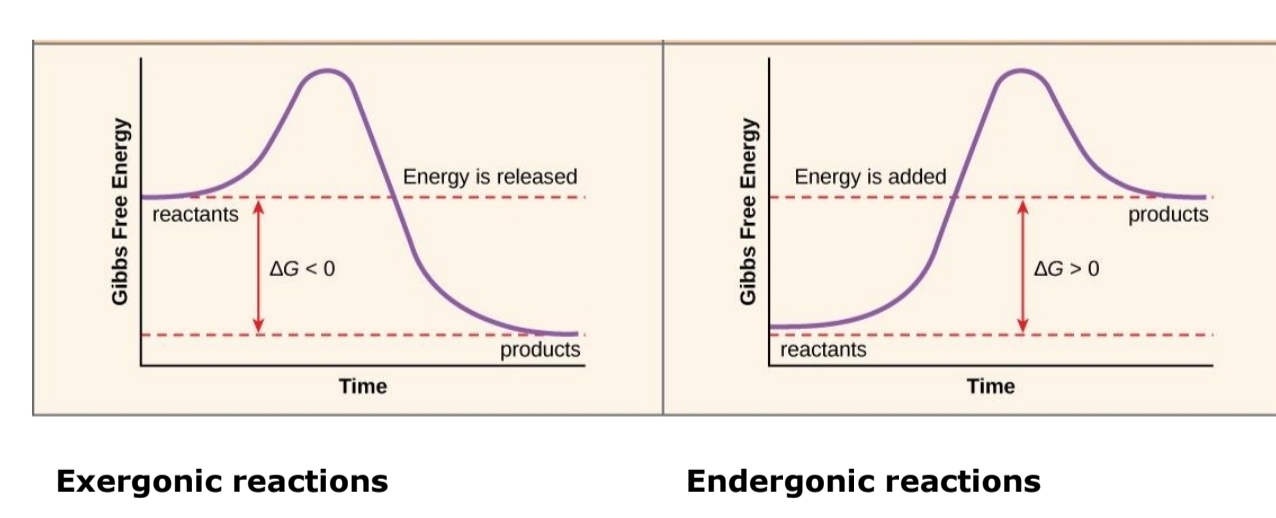
How does ATP cycling relate to Endergonic and Exergonic reactions?
Endergonic Reaction:
Cellular Respiration in Mitochondria
ADP + P + (energy of input) → ATP
Exergonic Reaction:
Hydrolysis of ATP
ATP (release of energy) → ADP + P
Coupled Reactions: Energy released by an exergonic reaction is used to drive an endergonic reaction
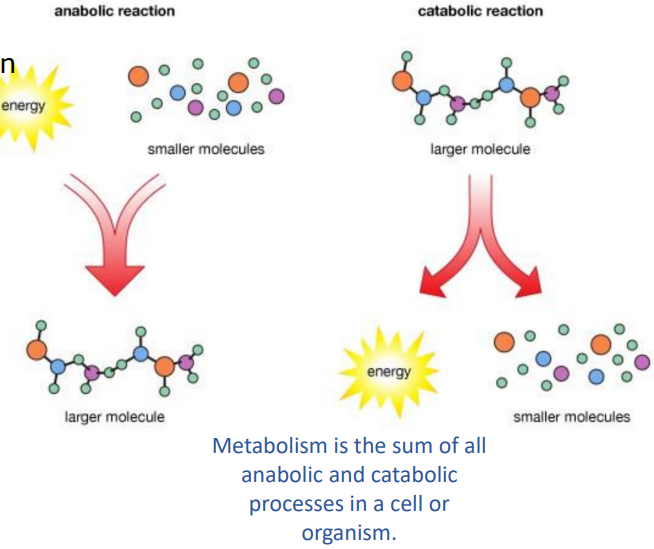
What is the difference between anabolism and catabolism? What about metabolism?
Anabolism:
Metabolic process that builds molecules from smaller molecules
Catabolism:
Metabolic process that breaks down molecules into smaller molecules and energy
Metabolism:
Sum of all anabolic and catabolic processes
What type of macromolecule is an enzyme?
Protein
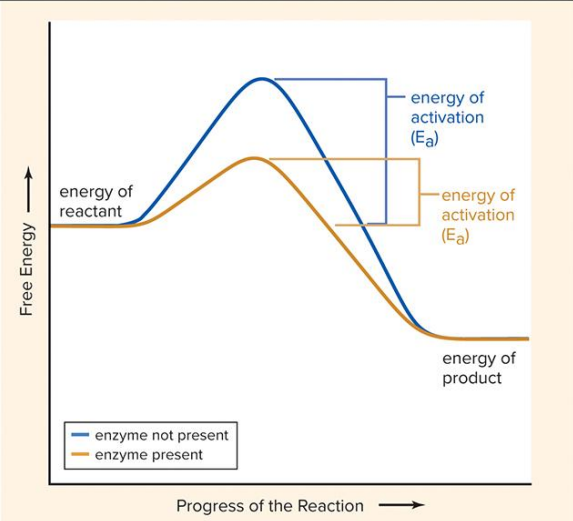
What is the function of enzymes?
Enzymes catalyze (speed up) chemical reactions by lowering the Energy of Activation (Ea) required.
How are enzymes named?
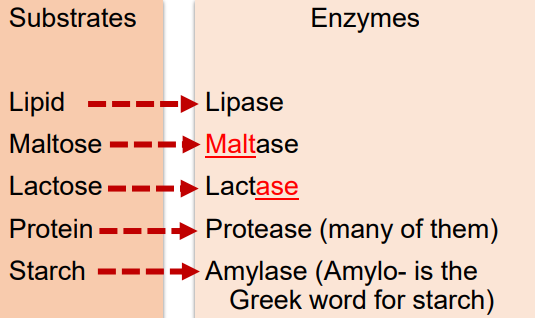
Named by their substrate and end with “ase”
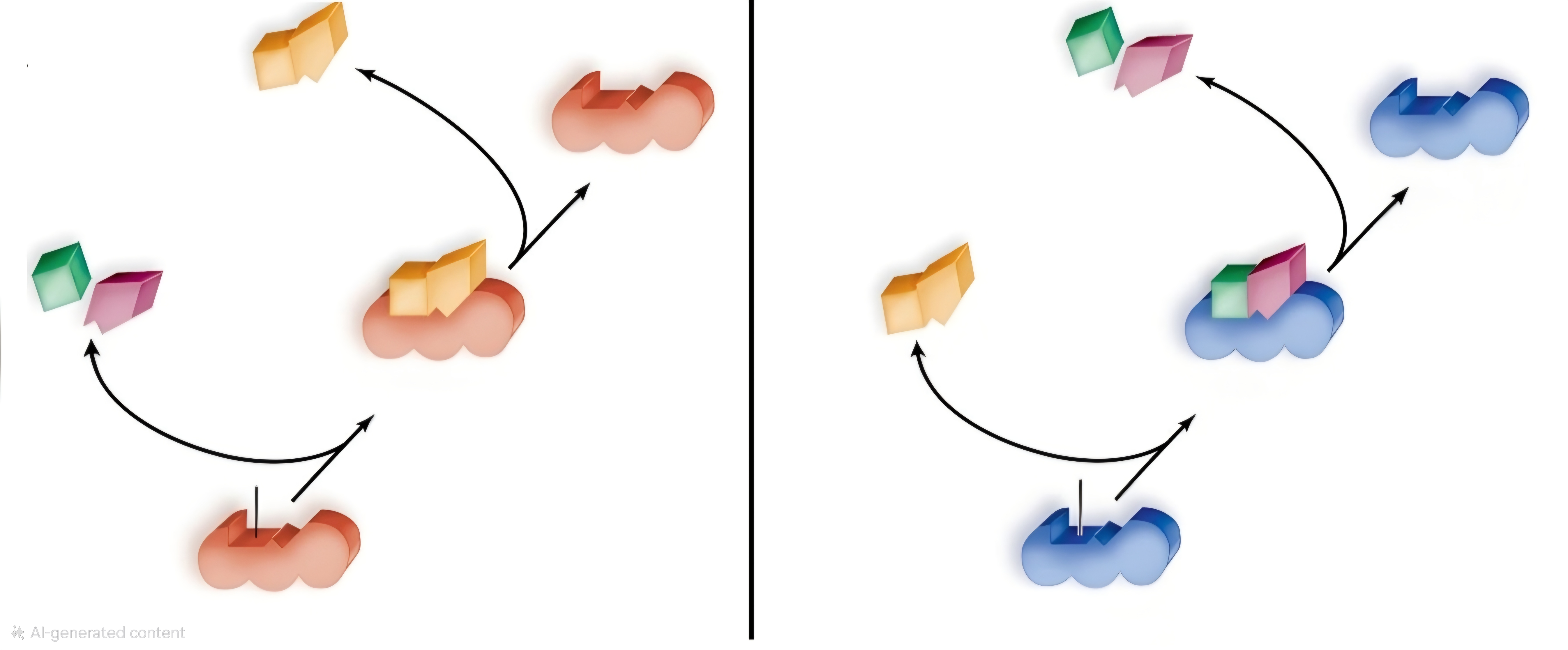
Label the following diagrams
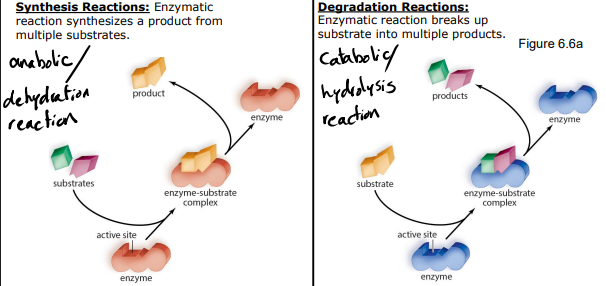
What is the active site of an enzyme?
The active site is the region on an enzyme where substrate molecules bind and undergo a chemical reaction.
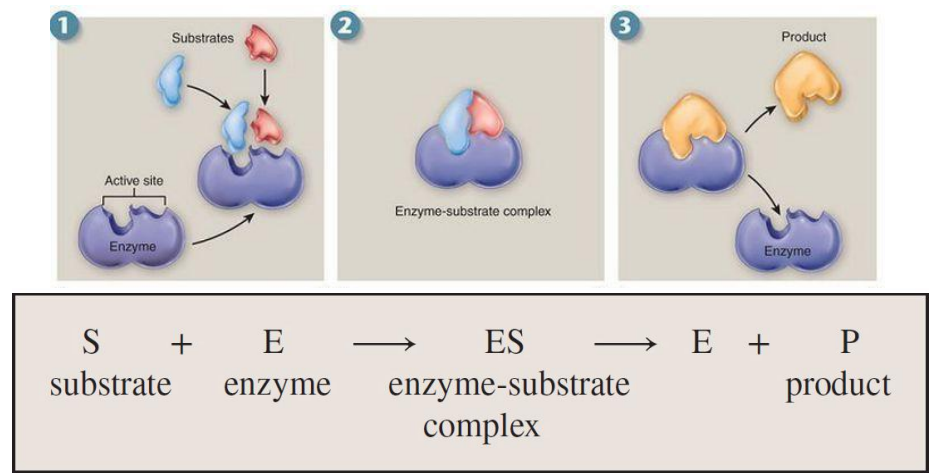
What is a Metabolic Pathway?
A series of linked reactions that create a product from reactants with the help of enzymes
Products become reactants in the following “reaction” until the end product

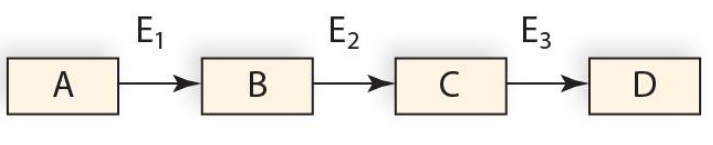
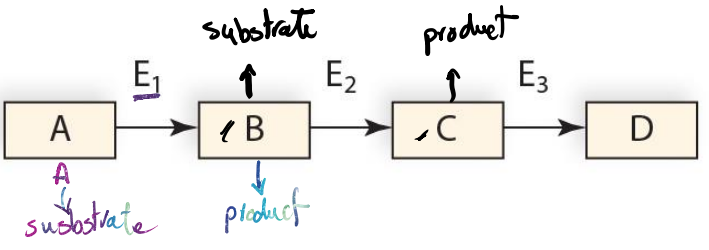
Which of the lables are Reactants? Products? Enzymes?
Reactants (Substrates): A to C
Products: B to D
Enzymes: E1 to E3
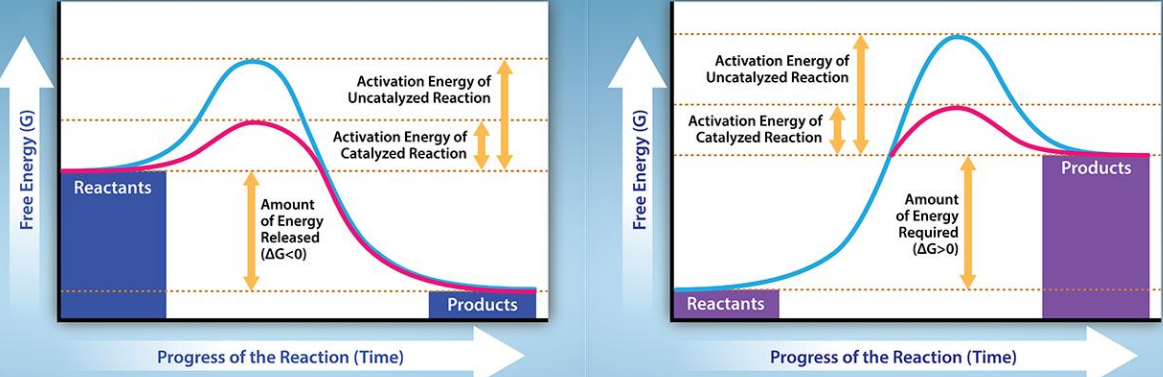
Which graph depicts an endergonic reaction? An exergonic reaction?
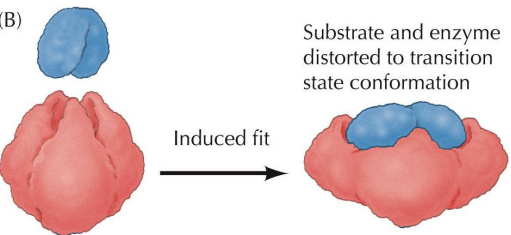
Describe the Induced Fit Model for enzymes
Active site of the enzyme undergoes a slight change in shape to allow substrate to bind
The change in shape facilitates reaction by achieving optimum fit
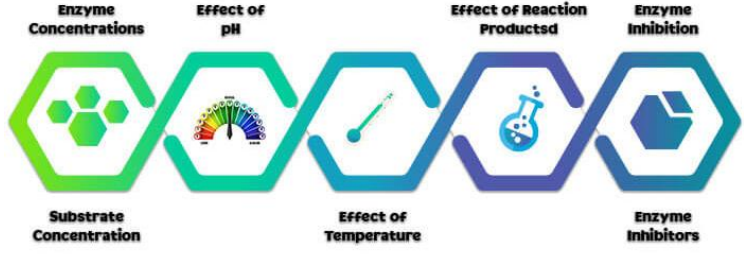
What are different factors affecting Enzymatic Speed?
Enzyme and Substrate Concentration
Environmental Factors (temperature and pH)
Cofactors and Coenzymes
Enzyme Inhibitors and Activators
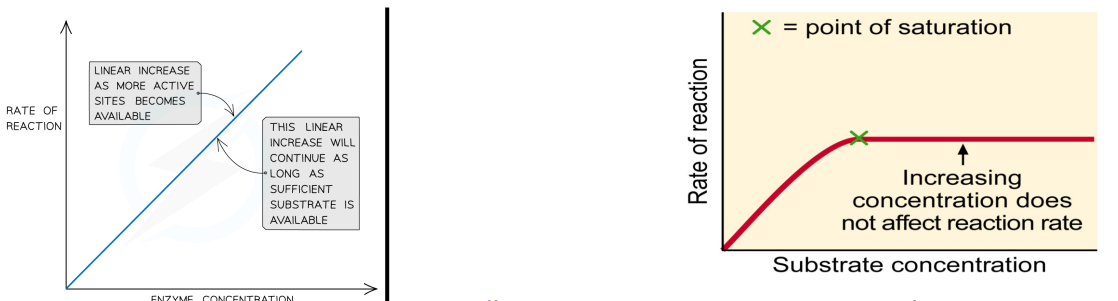
How does Enzyme and Substrate Concentration affect Enzymatic Speed?
Enzyme Concentration:
Increasing Enzyme Concentration → Rate of reaction increases
Substrate Concentration:
Enzyme activity increases as Substrate Concentration increases
Maximum rate is achieved when all the active sites of an enzyme are filled (point of saturation)
Increasing Substrate Concentration no longer affects reaction rate
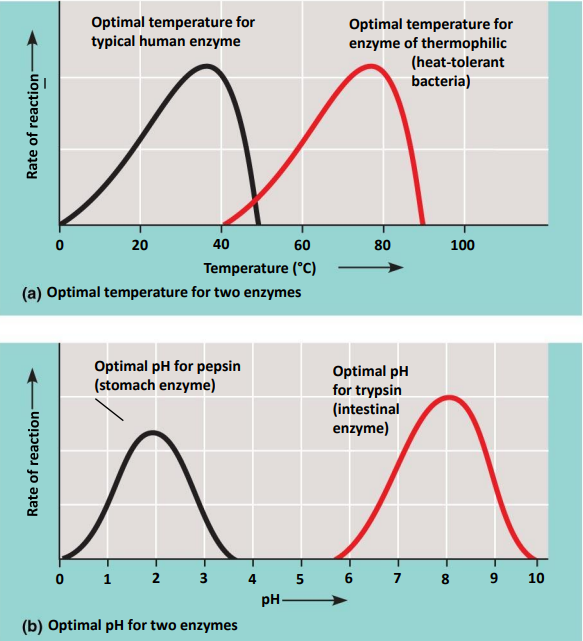
How do Environental Factors (temperature and pH) affect Enzymatic Speed?
Each enzyme has an optimal temperature and pH in which it can function
Wrong temperature/pH can denature the protein, changing its shape and function
How do Cofactors and Coenzymes affect Enzymatic Speed?
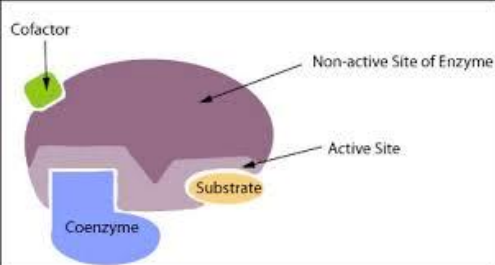
Cofactors:
Molecules that help enzymes function
Inorganic (no Carbon or Hydrogen) cofactors bind to another site on the enzyme that open up the active site to allow binding of substrates
Coenzymes:
Organic non-protein cofactors that bind to the active site of the enzyme
activates the enzyme to start catalyzing a reaction
How do Enzyme Inhibitors affect Enzymatic Speed?
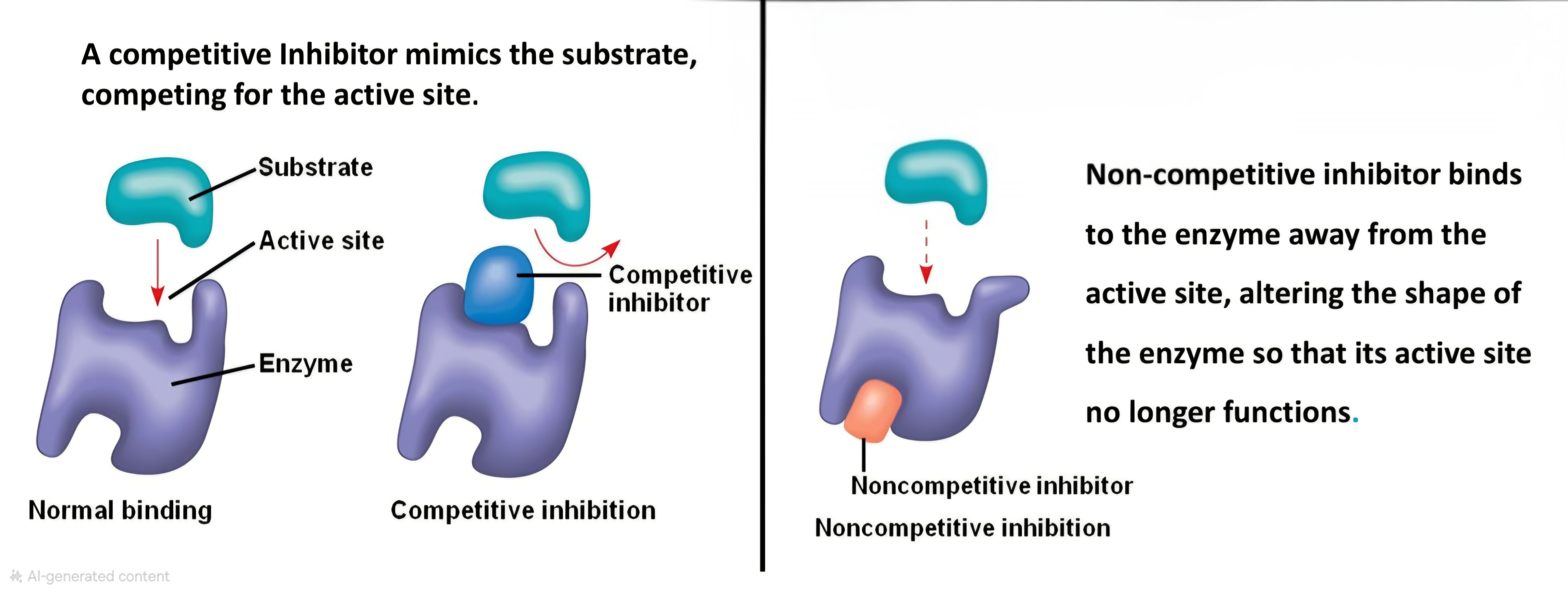
Two types:
Competitive Inhibitors
Bind to active site on enzyme, competing with the substrate
Non-Competitive Inhibitors (also called allosteric regulation)
Bind to another part of an enzyme, causing the enzyme to change shape and make the active site less effective
How do Enzyme Activators affect Enzymatic Speed?
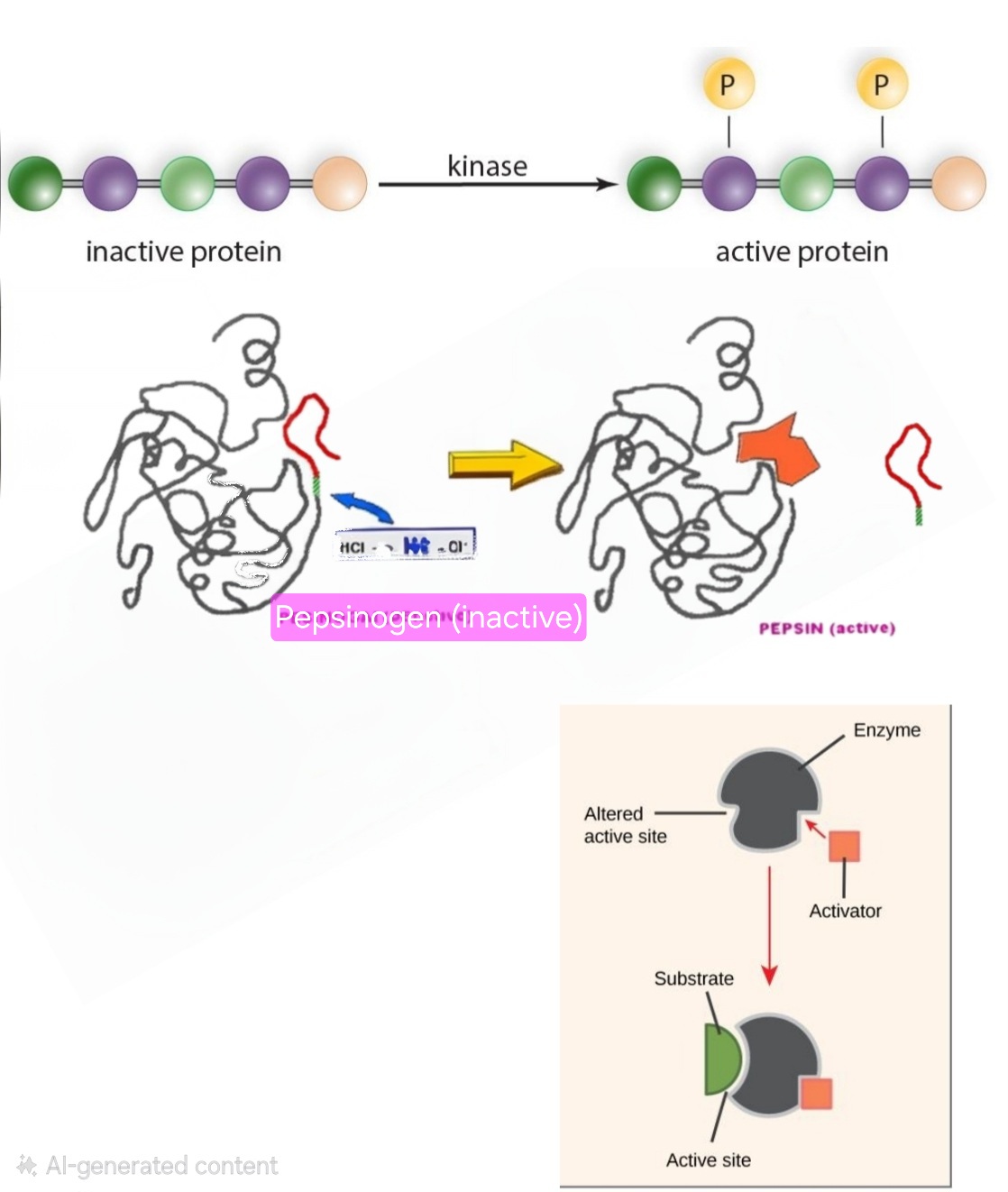
Some enzymes take a long time to activate and aren’t needed all the time
can be turn on/off to regulate enzyme concentration
Inactive enzymes can be activated:
Adding/removing phosphates
Cleaving (removing) part of the enzyme to reveal active site
Associating with protein or cofactor
Opens up active site
What is cellular respiration? Does it occur in animal, plant cells or both?
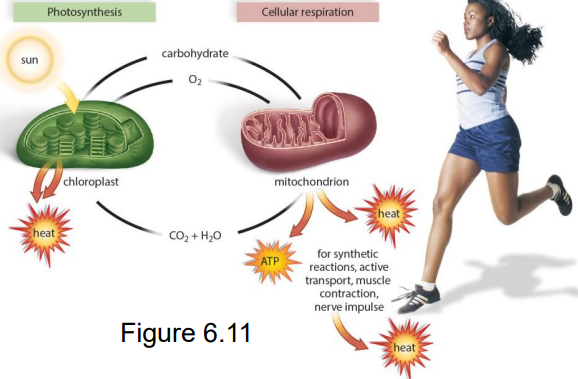
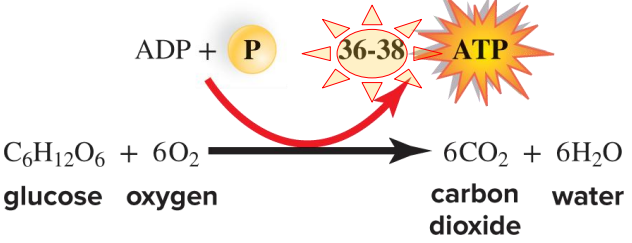
Process by which cells convert glucose and oxygen into energy (ATP), carbon dioxide, and water.
What is the overall reaction of cellular respiration?
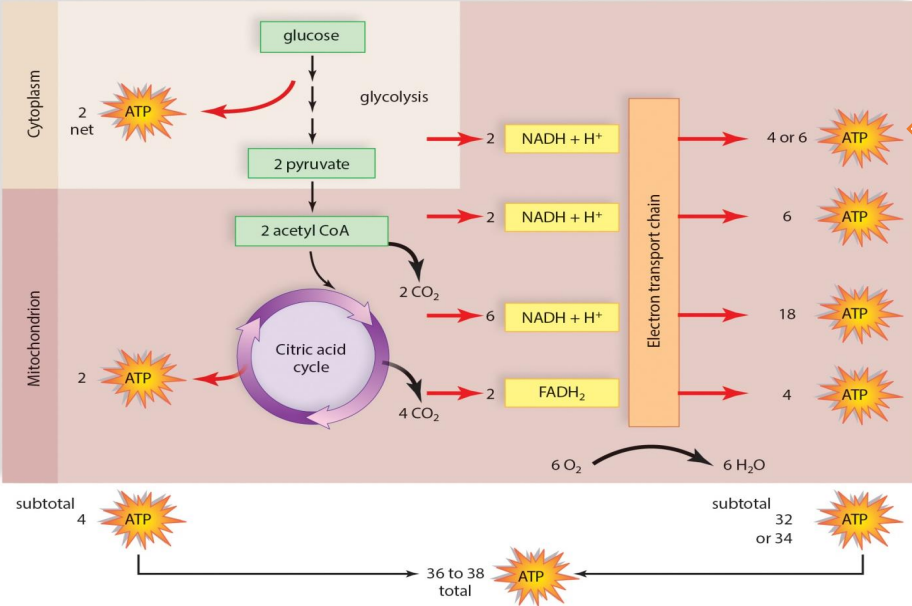
C6H12O6 + 6O2 → 6CO2 + 6H2O + 36-38 ATP
What are the steps of cellular respiration?
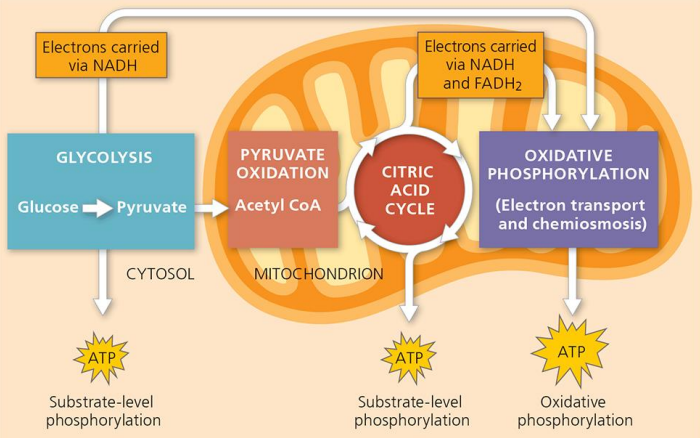
Glycolysis
Pyruvate Oxidation (Prepatory/Prep Reaction)
Krebs (Citric Acid) Cycle
Oxidative Phosphorylation/Electron Transport Chain (ETC)
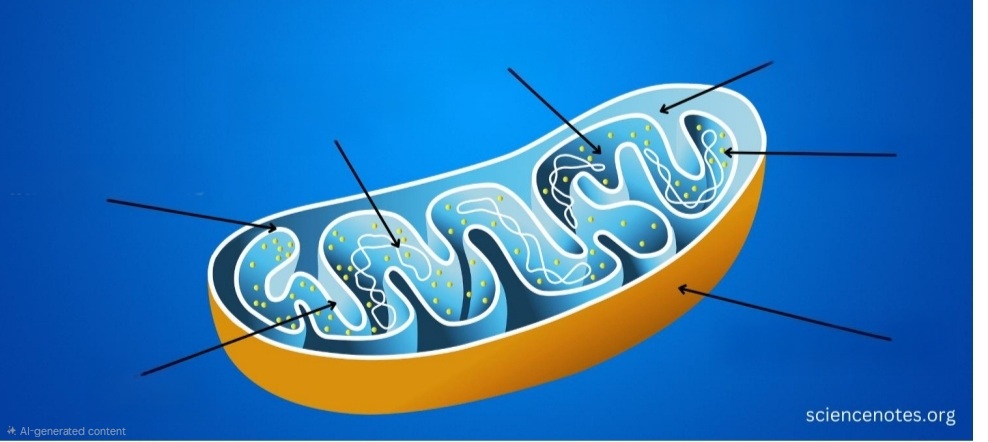
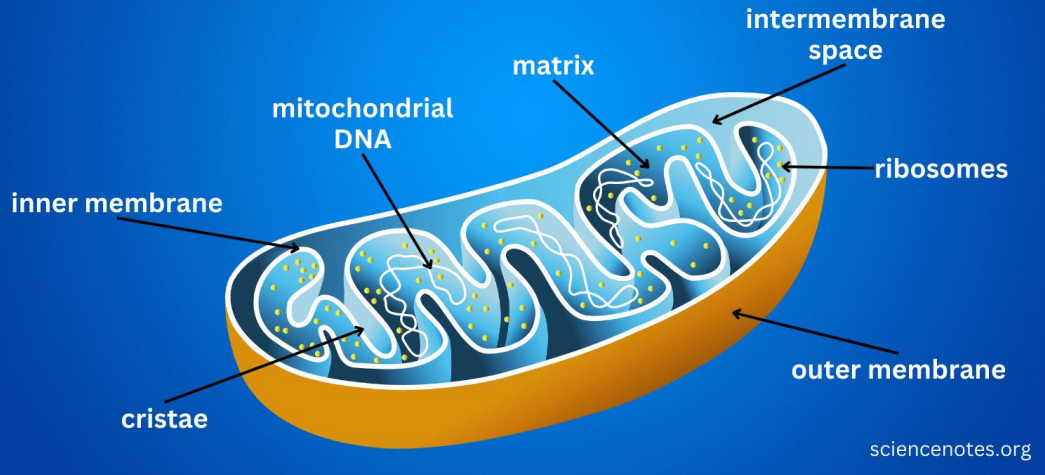
Label the following diagram of the Mitochondria
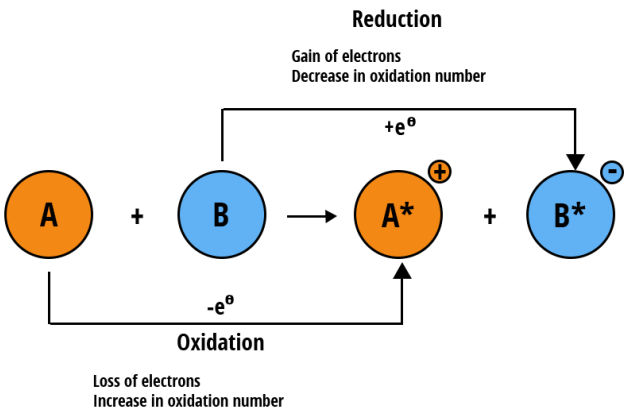
What is an Oxidation Reaction? A Reduction Reaction?
Oxidation:
Loss of electrons and hydrogen (Oxidation Is Loss)
Gain of Oxygen
Reduction:
Gain of electrons and hydrogen (Reduction Is Gain)
Loss of Oxygen
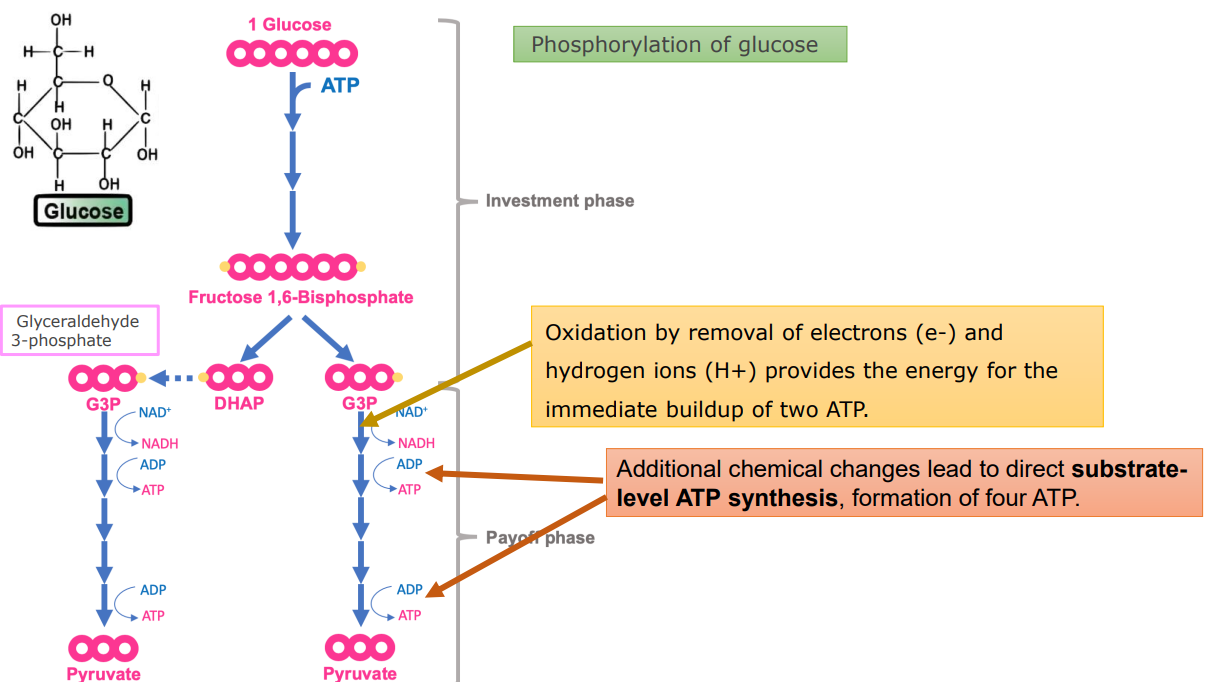
What are the inputs and outputs of Glycolysis? Where does it take place?
Inputs:
1 (6C) Glucose
2 NAD+
2 ATP
4ADP + 2AP
Outputs:
2 (3C) Pyruvate
2 NADH
2 ADP
4 ATP Total
2 ATP net gain
Location: Takes place in the cytosol
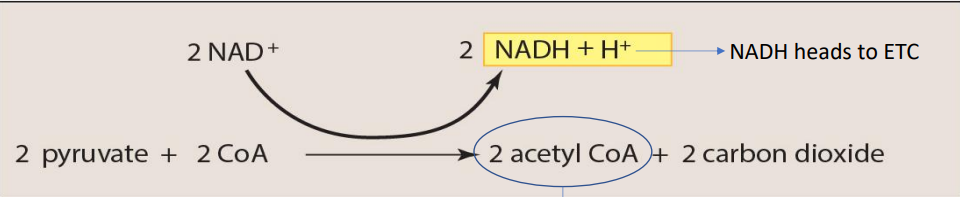
What are the inputs and outputs of Pyruvate Oxidation (Prep Reaction)? Where does it take place?
Reaction occurs twice per 1 glucose molecule
Inputs:
2 Pyruvate
2 CoA (Coenzyme A)
2 NAD+ (Redox Reaction)
Outputs:
2 Acetyl CoA
2 CO2
2 NADH + H+ (NAD+ reduced + oxidized to NADH + H+)
Location: Matrix of the Mitochondria
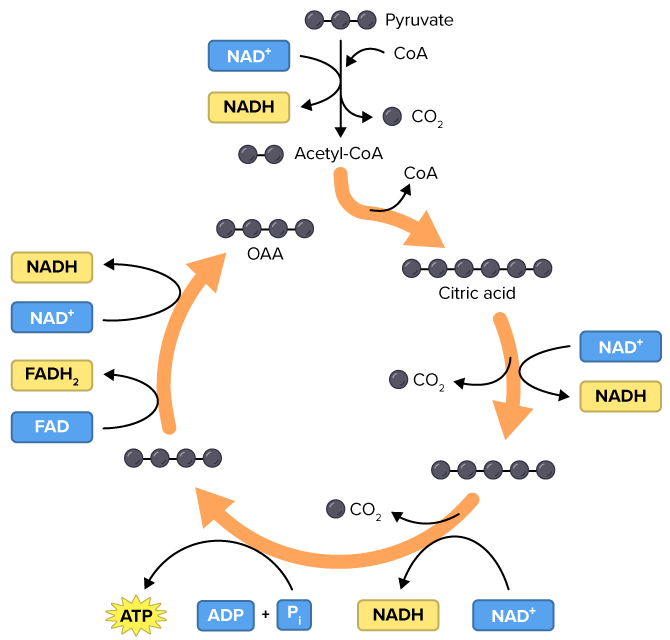
What are the inputs and outputs of Krebs (Citric Acid) Cycle? Where does it take place?
Reaction occurs twice per 1 glucose molecule
Inputs:
2 Acetyl Groups
6 NAD+
2 FAD
2 ADP + 2 P
Outputs:
4 CO2
6 NADH + H+
2 FADH2
2 ATP
Location: Matrix of the Mitochondria
What are the inputs and outputs of Oxidative Phosphorylation (Electron Transport Chain (ETC))? Where does it take place?
Reaction occurs twice per 1 glucose molecule
Inputs:
10 NADH + H+
2 FADH2
6 O2
Outputs:
32 - 34 ATP
6 H2O
Location: Cristae of the Mitochondria
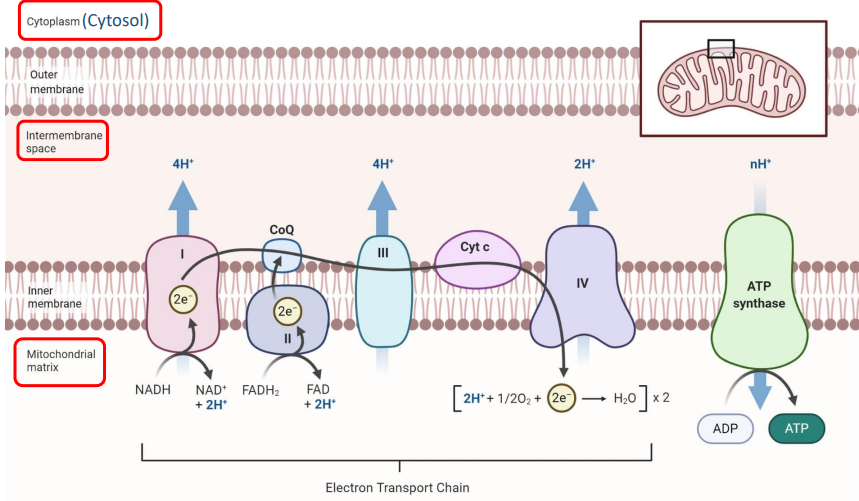
Summarize what happens during Oxidative Phosphorylation (Electron Transport Chain)
Analogy: Baton Pass Race
Electrons from NADH and FADH2 are passed down the chain along electron carrier proteins, 2 at a time
Analogy: electron carrier protein passes electrons to next protein; Runner passes baton to the next runner
NADH and FADH2 are oxidized, making the next protein complex reduced
Analogy: NADH and FADH2 lose electrons, protein complex gains electrons; Runner no longer loses baton, next runner (protein) gains baton
As electrons move down the chain, the energy released allows H+ ions to move into the intermembrane space
O2 removes electrons from the last electron carrier protein (protein IV) and combines with H+ to form H2O
Analogy: O2 gains electrons + H+ , forming H2O; Last runner gains baton and finishes the race, drinking water to hydrate
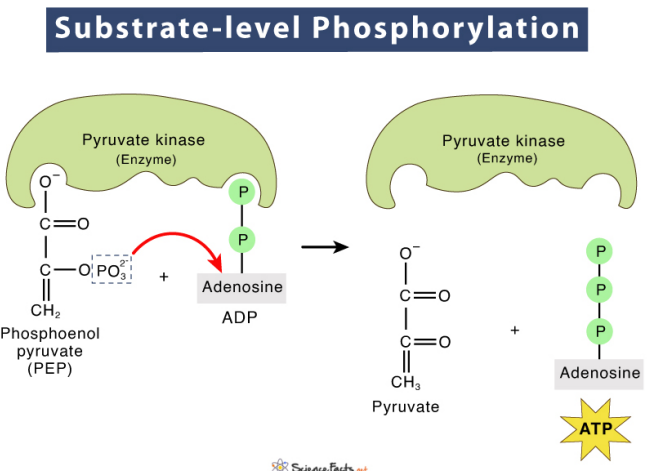
What is substrate-level phosphorylation? How does it differ from Oxidative Phosphorylation?
Substrate-level phosphorylation: direct transfer of a phosphate group to ADP to form ATP during glycolysis and the Krebs cycle.
Oxidative Phosphorylation: ATP is formed from chemiosmosis
The process of moving H+ to the other side of a membrane results in a gradient
As H+ passes through the membrane, energy is captured to form ATP
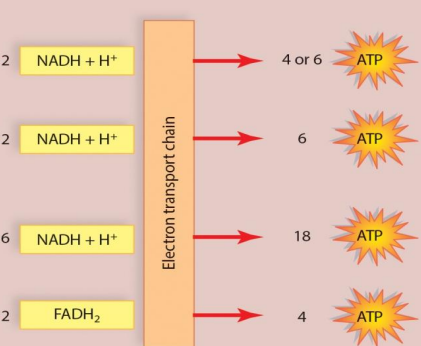
What is the ATP yield for NADH and FADH2 in the ETC?
NADH: 3 ATP
FADH2: 2 ATP
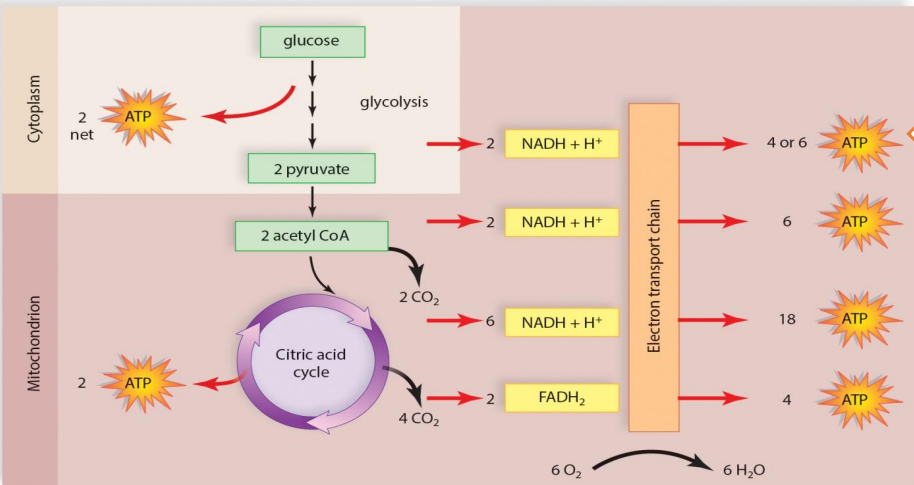
How many ATPs are produced from one glucose molecule in each step of cellular respiration?
Glycolysis: 2 ATP
Pyruvate Oxidation (Prep Reaction): 0 ATP
Krebs (Citric Acid) Cycle: 2 ATP
Oxidative Phosphorylation (Electron Transport Chain): 32-34 ATP
Total: 36-38 ATP