Functional Groups.
 Call Kai
 Learn
Learn Practice Test
 Spaced Repetition
 Match
Match Flashcards
 Knowt Play
1/26

There's no tags or description
Looks like no tags are added yet.
Name | Mastery | Learn | Test | Matching | Spaced | Call with Kai | Chat |
|---|
No analytics yet
Send a link to your students to track their progress
27 Terms
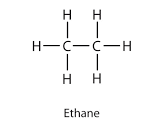
alkane
Carbon single bonds. Non-polar. Induced dipole-induced dipole interactions (London Dispersion forces). Saturated
Cycloalkanes
Carbon ring surrounded by hydrogens. Nonpolar. London dispersion. Nonsaturated

Primary carbons
Attached to 1 carbon
Secondary carbons
Attached to 2 carbons
Tertiary carbons
Attached to 3 carbons
Quaternary Carbons
Attached to 4 carbons
Alkene
One or more carbon double bonds. Nonpolar (more polar than alkane). London dispersion.

Alkynes
Unsaturated carbons that contain one or more triple bonds. Nonpolar (more polar than alkanes and alkenes). London dispersion forces

Aromatic Hydrocarbons (arenes)
Derivatives of benzene. Ring of carbon double bonds and carbon single bonds. Nonpolar (more polar than cycloalkanes).
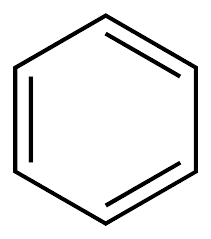
Phenyls and Benzyl
Two types of aromatic hydrocarbons
Phenyl group
The aromatic ring is directly attached to another carbon chain.

Benzyl group
a methylene group is attached to the carbon chain

Alkyl Halides (Haloalkanes)
Compounds containing a halogen. Polar. Dipole-Dipole.
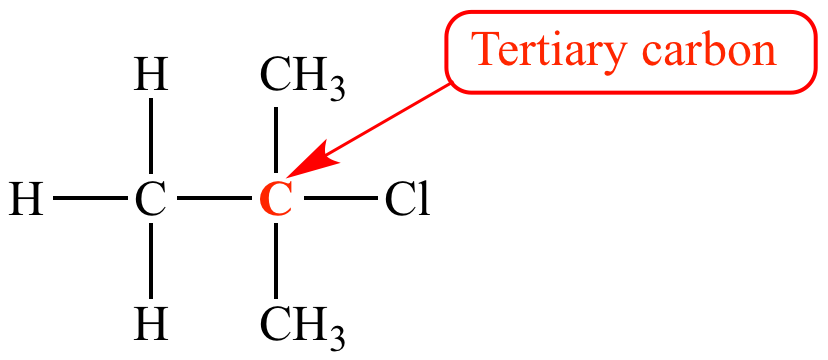
Primary Akyl Halides
The halogen is attached to a primary carbon

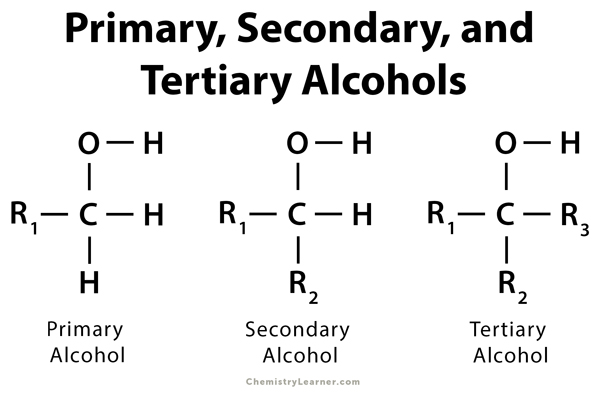
Alcohols
contain one or more hydroxyl groups (OH). The carbon its attached to must be sp3 hybridized. Polar. Hydrogen bonding and dipole-dipole bonding.

primary alcohol
the OH is attached to a primary carbon.
Phenols
compounds that have the sp2 carbon in the aromatic ring attached directly to the OH groups. Polar. H bonding, dipole-dipole, induced dipole-dipole interactions.

Enols
contain an OH directly attached to the sp2 carbon of the alkene. Are unstable and will rearrange to a ketone. OH must be attached to the double bond. Polar. Dipole-Dipole interactions.

Ethers
similar to enols but the oxygen is bound to two carbon atoms. Polar. Dipole-Dipole interactions.

Amine
organic derivatives of Ammonia. Polar. Dipole-dipole interactions or Hydrogen bonding. Depending on the H atoms are bonded to the Nitrogen.

Primary amine

Aldehydes
the carbonyl group is directly attached to the H atom

Ketone
the carbonyl group attached to two R groups. Rs cannot be H or it would be an aldehyde. Polar. Dipole-Dipole interactions.

Carboxylic acids
contain carboxyl group (carbonyl and hydroxyl). Dipole-Dipole. Hydrogen Bonding. When they hydrogen bond with themselves to form dimers.

Esters
carboxylic acid reacts with alcohol in a condensation reaction. RCOOH + R’OH

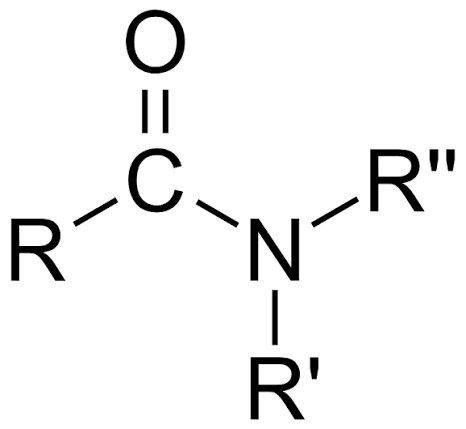
Amides
Form when a carboxylic acid reacts with an amine. RCOOH + RNH2.
Acid chlorides
a chlorine instead of an OH is formed when carboxylic acid reacts with thionyl chloride.
