Grid Infrastructure Vocabulary
 Call Kai
 Learn
Learn Practice Test
 Spaced Repetition
 Match
Match Flashcards
 Knowt Play
1/29

Earn XP
Description and Tags
Vocabulary flashcards covering transmission, distribution, and substation grid infrastructure components based on the lecture notes.
Name | Mastery | Learn | Test | Matching | Spaced | Call with Kai | Chat |
|---|
No analytics yet
Send a link to your students to track their progress
30 Terms

Grid Infrastructure Overview
The system framework encompassing Transmission, Distribution, and Substation / OEM components.

Transmission
High-voltage power moving long distances from power plants to substations.
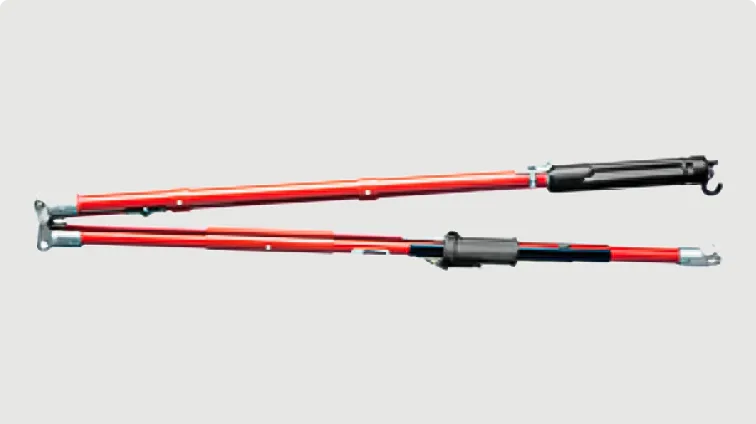
Lineman Grade Tools
Tools used by utility crews to safely install and maintain transmission lines, or specialized insulated tools used by distribution line workers.
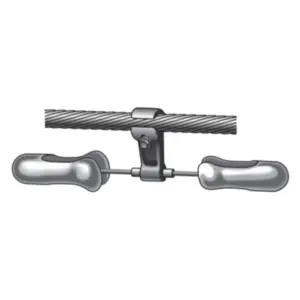
Vibration Dampeners
Weights attached to conductors that reduce vibration caused by wind, preventing wire fatigue and breakage.
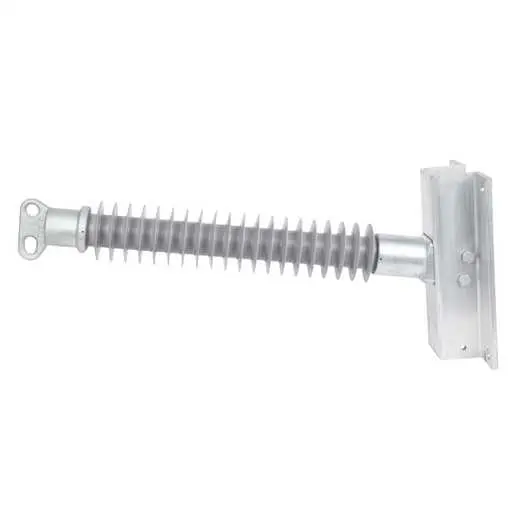
Quadri*Sil® Insulators
Insulators that keep the energized conductor separated from the tower structure so electricity stays on the line.
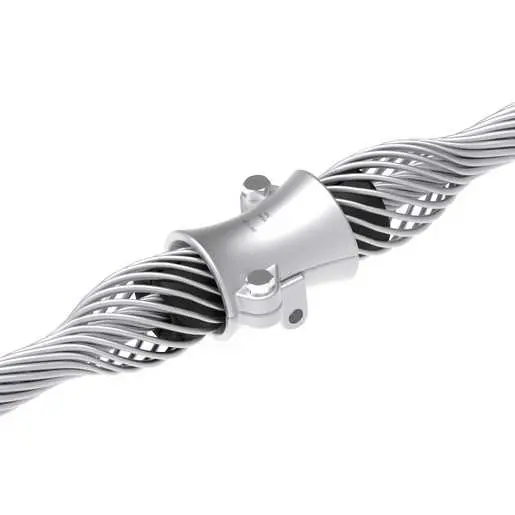
Suspension Assemblies
Hardware that hangs and supports conductors from transmission towers while allowing some movement.
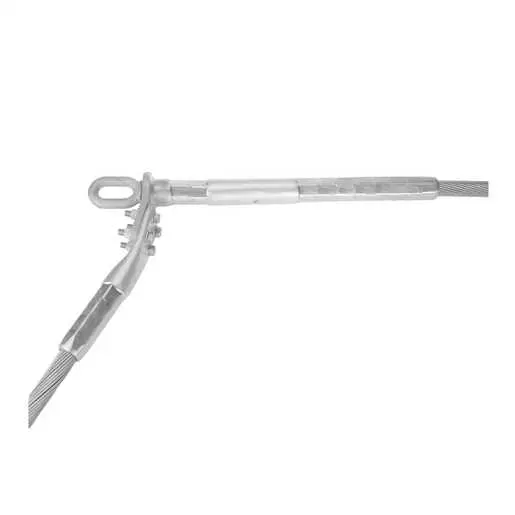
Deadend Assemblies
Assemblies that terminate and anchor conductors.

Jumper Assemblies
Hardware that maintains electrical continuity where the line changes direction or at substations.

Center Break Vee Switches
Visible disconnect switches used to isolate sections of the transmission system for maintenance.

Anchors & Foundations
Structures that secure transmission towers and poles to the ground so they can withstand wind, ice, and conductor tension.

Distribution
Low-voltage system delivering power from substations to homes and businesses.
Reclosers
Smart circuit breakers that automatically restore power after temporary faults such as tree branches or lightning strikes.
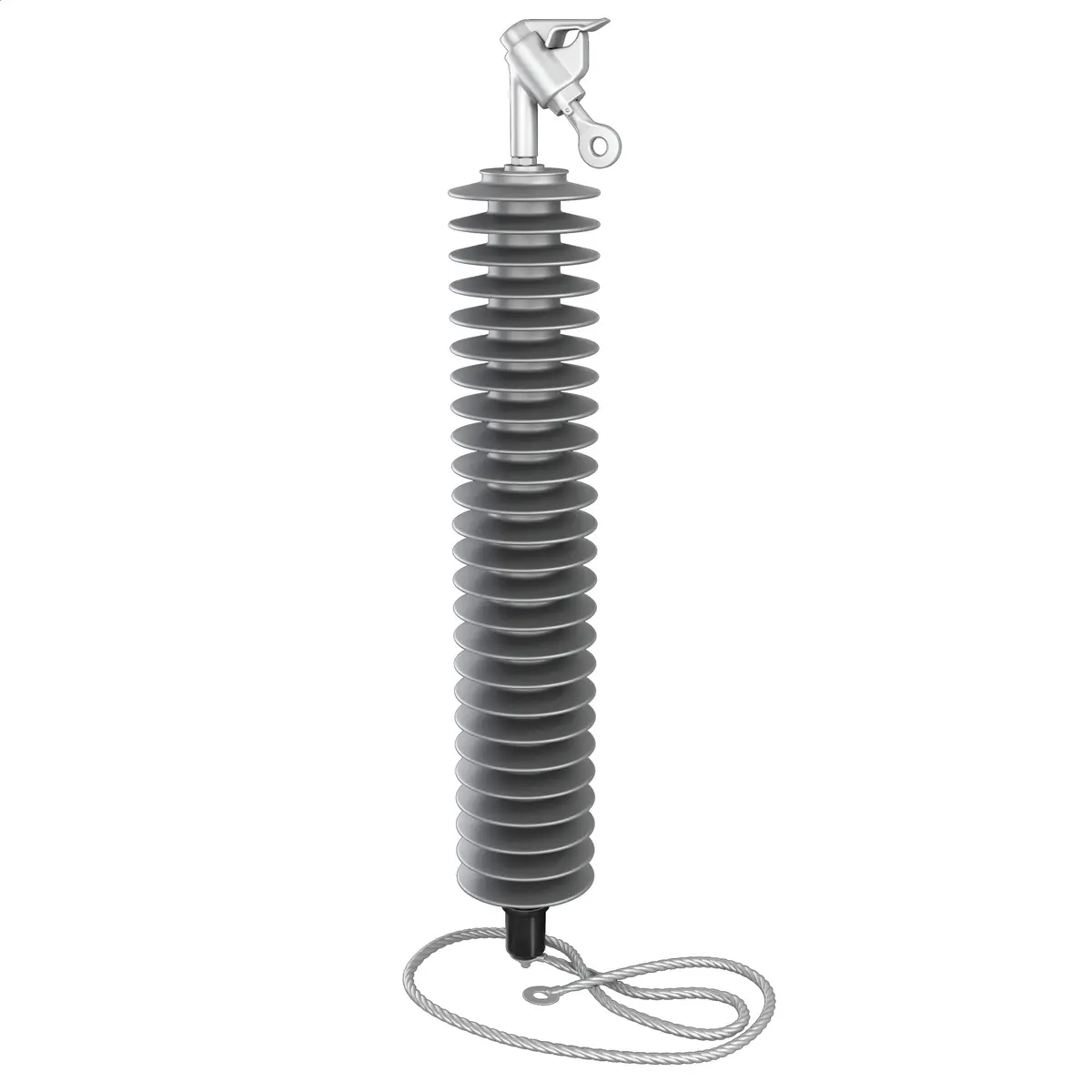
Surge Arresters
Devices that protect equipment from dangerous voltage spikes caused by lightning or switching events.
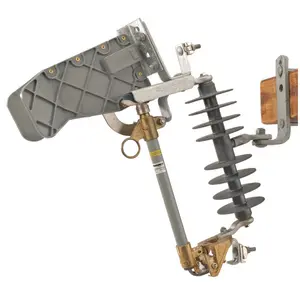
Polymer Cutouts
Fuse devices that disconnect equipment when a fault occurs and visibly drop open to show a fault.
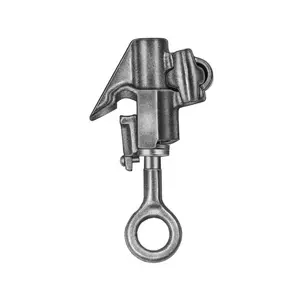
Hot Line Clamps
Clamps that allow crews to safely connect, disconnect, or bypass energized conductors.
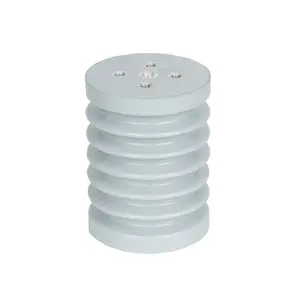
Insulators
Components that keep energized wires isolated from poles and crossarms.

Underground Enclosures
Vaults or boxes that provide access to underground electrical equipment and cable connections.

Machine Bolt
Structural hardware used to attach equipment and components to utility poles.
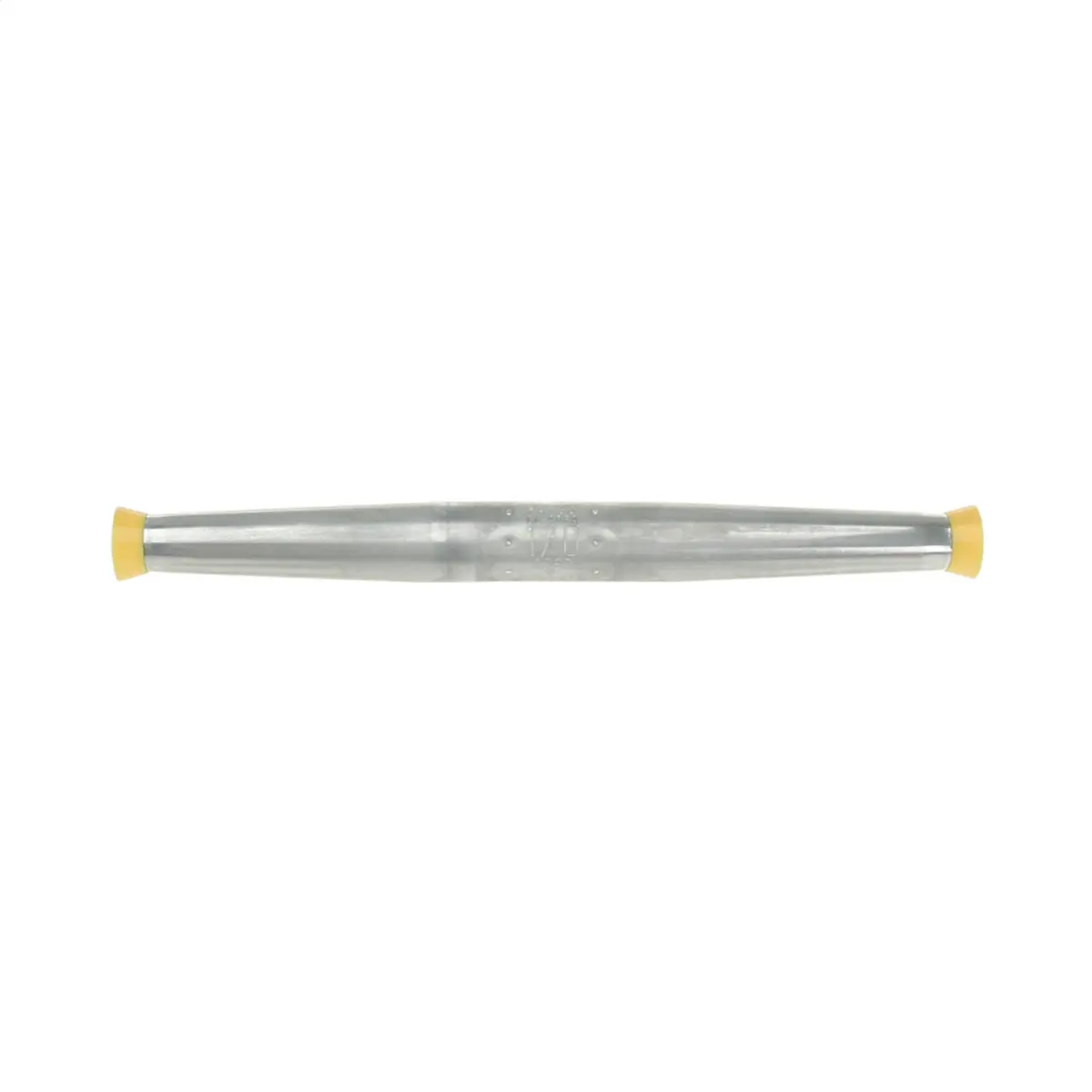
Automatic Splices
Components that connect conductors together and maintain electrical continuity without manual crimping.
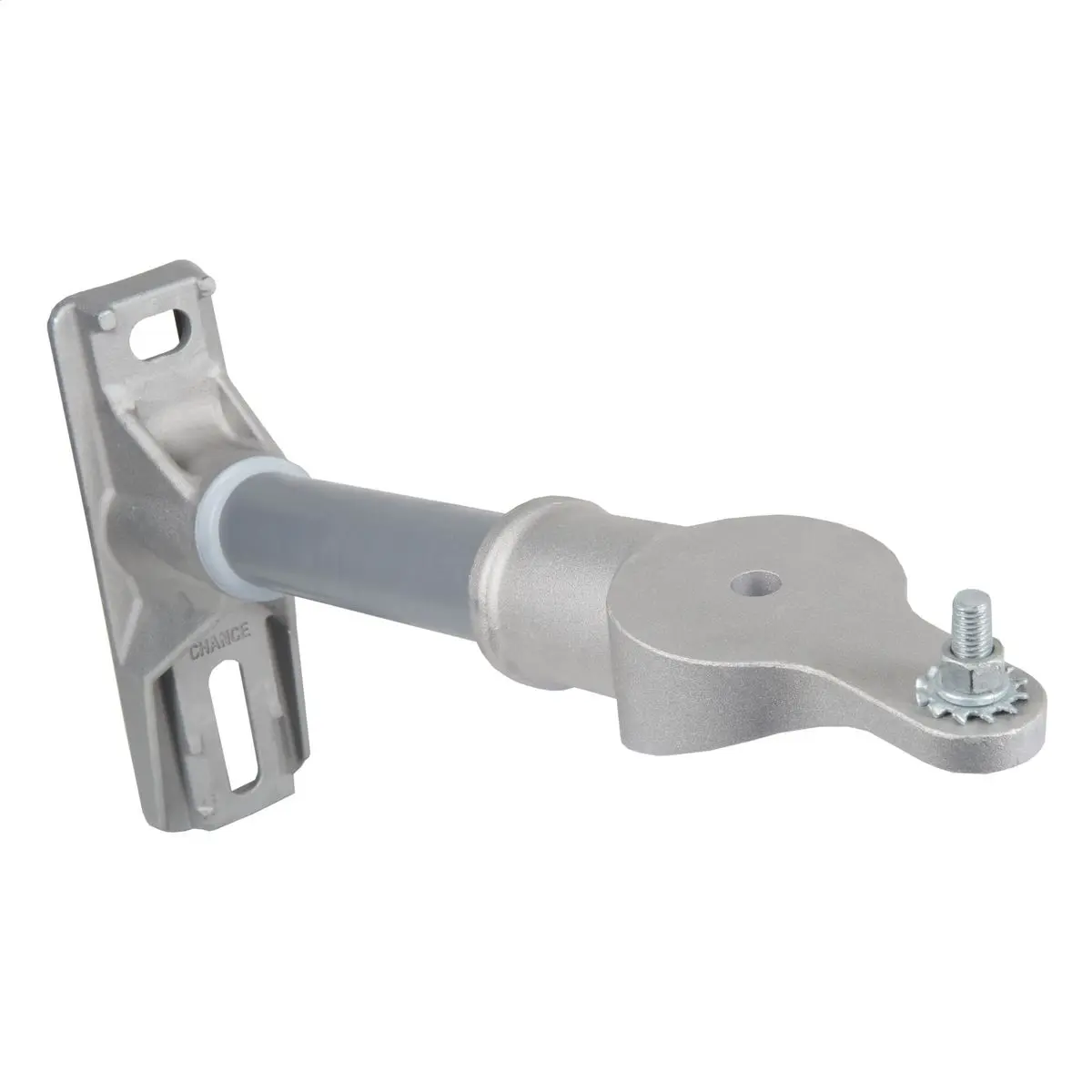
Fiberglass Brackets
Brackets that support electrical equipment on poles while providing mechanical strength and electrical insulation.
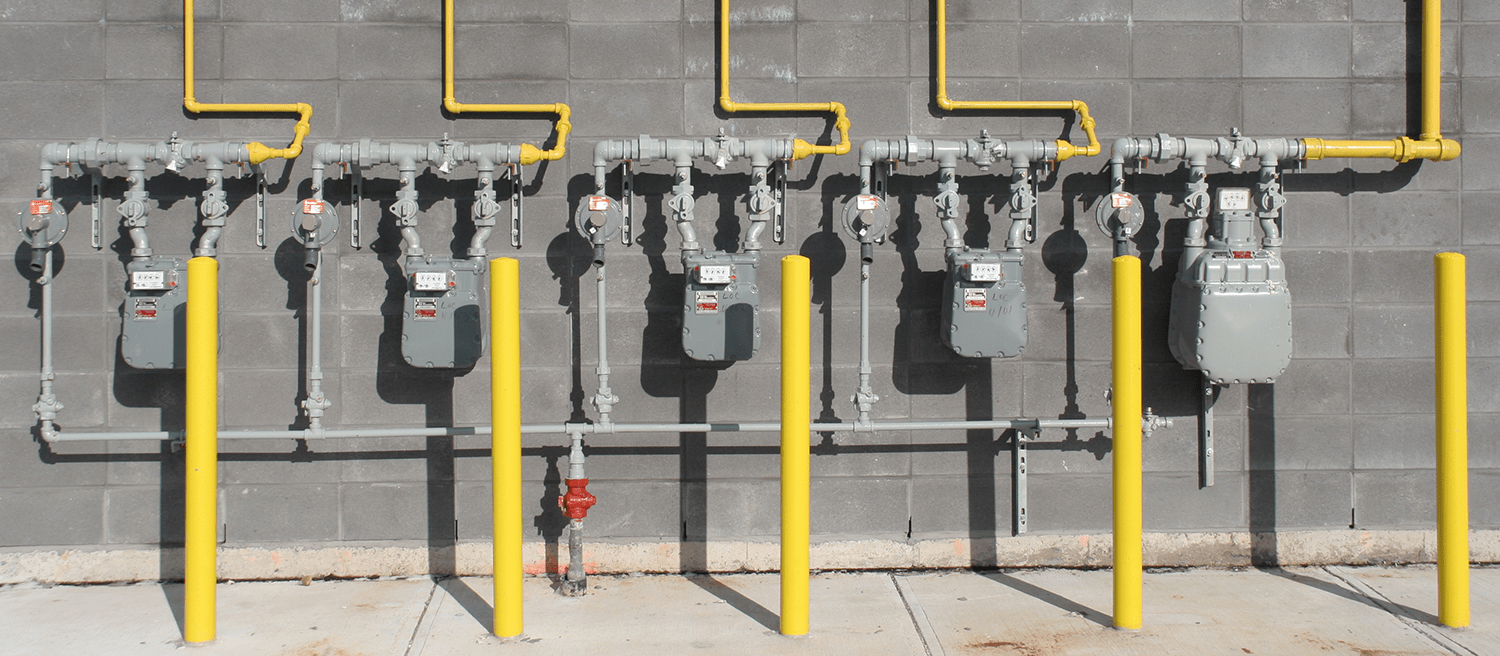
Gas Utility Solutions
Products used by natural gas utilities for infrastructure protection, monitoring, and access.
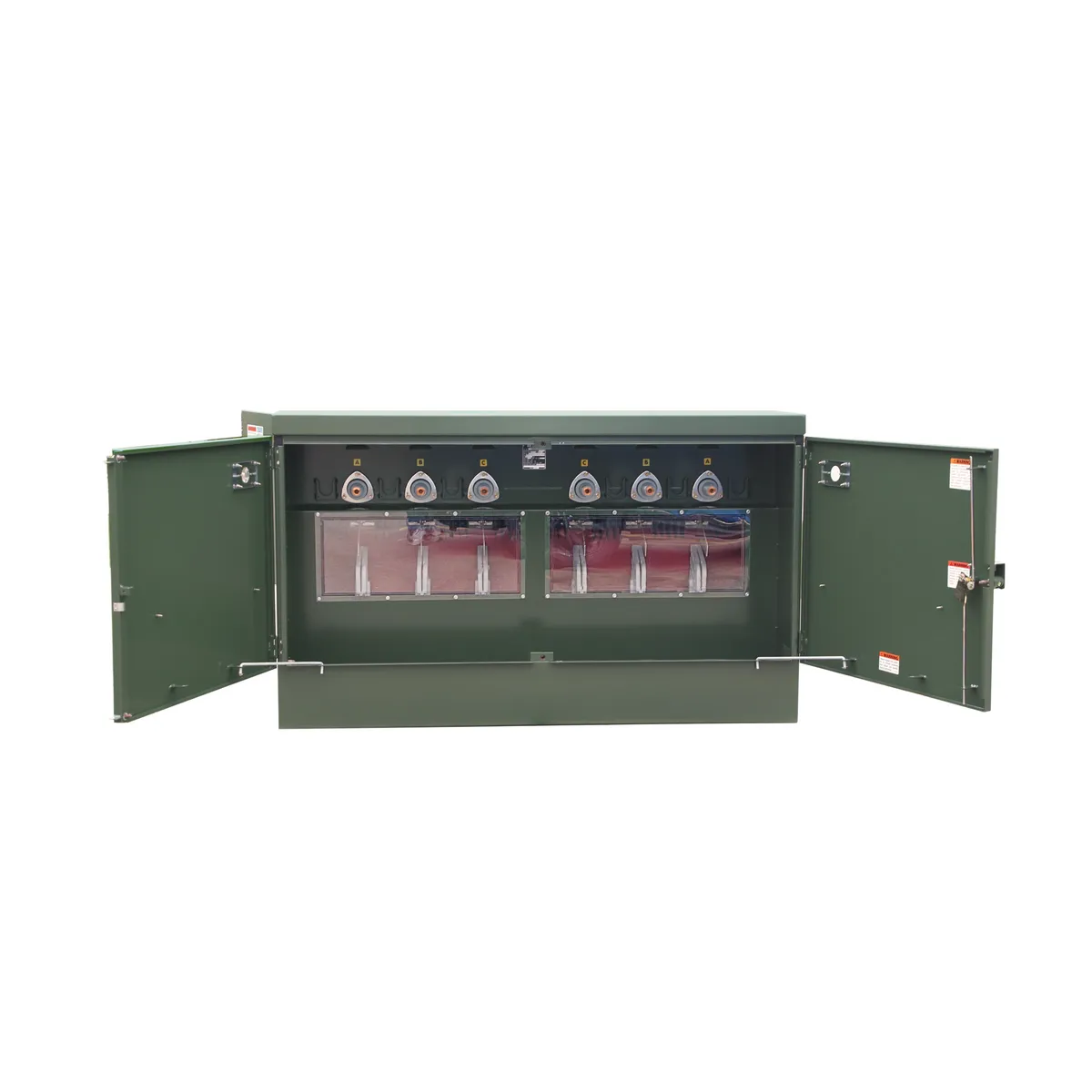
AIS Switch
Air Insulated Switchgear switch used to control power flow.
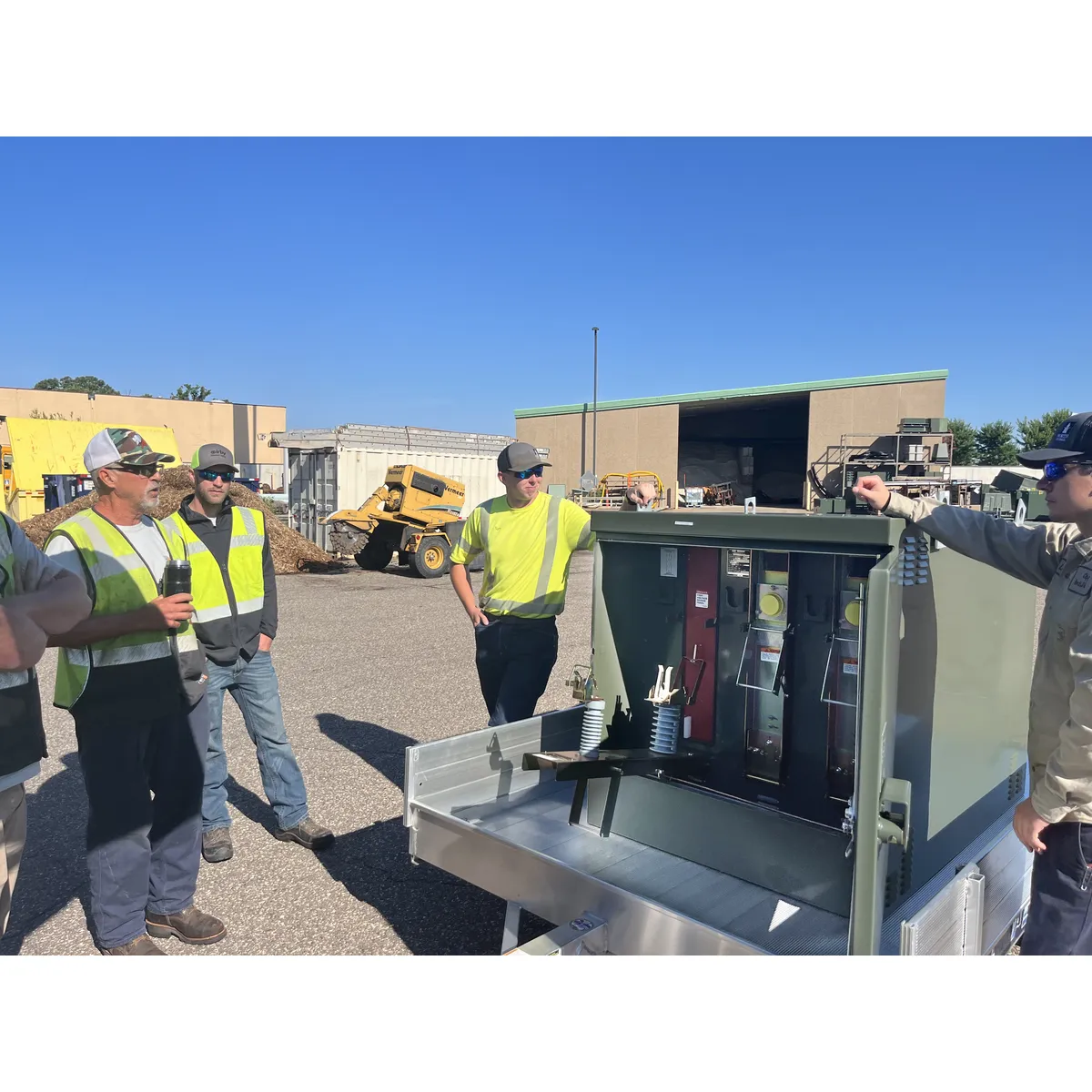
Motor Operators
Devices that allow remote opening and closing of switches.
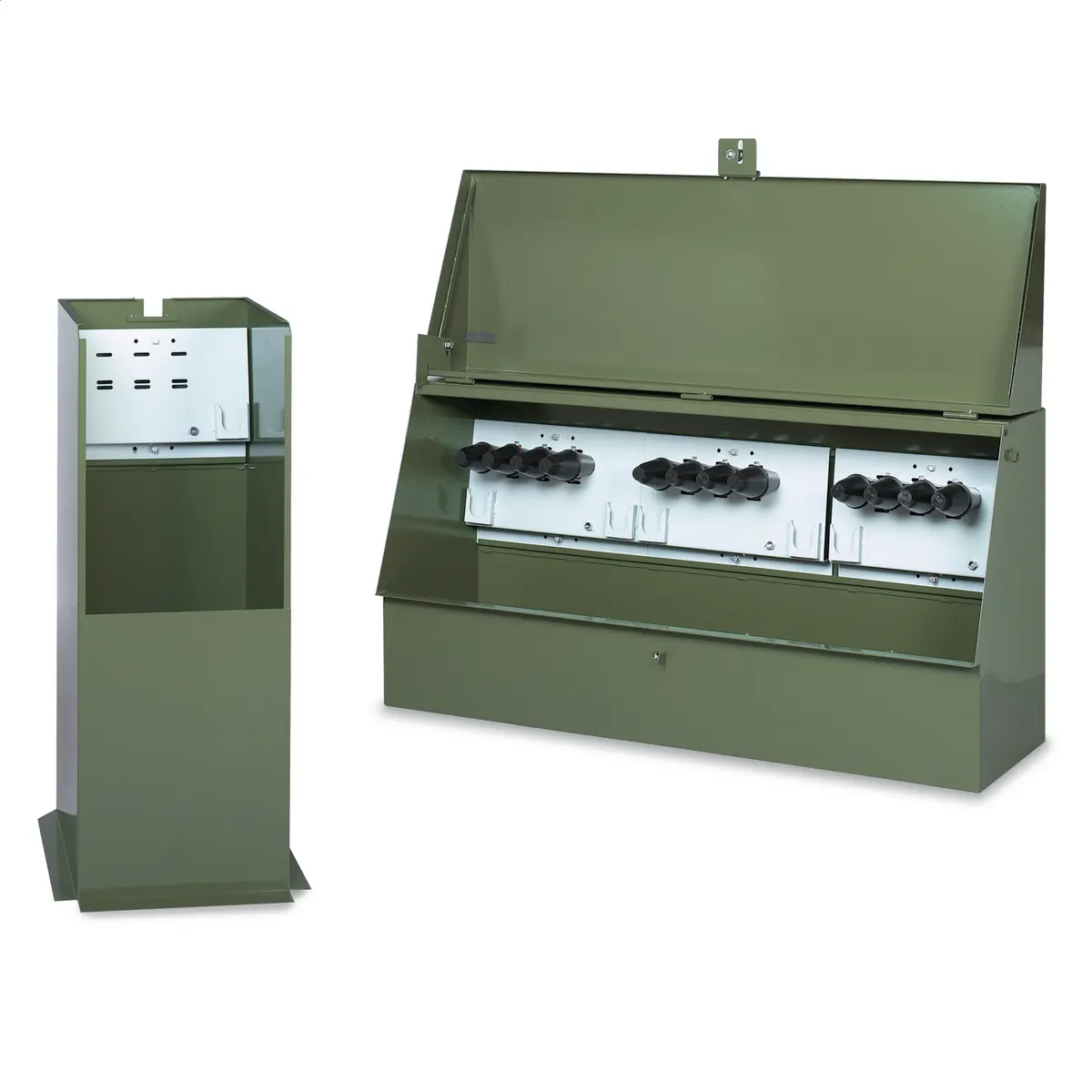
Sectionalizing Cabinets
Underground switching cabinets that isolate portions of a distribution feeder to reduce outage impact.
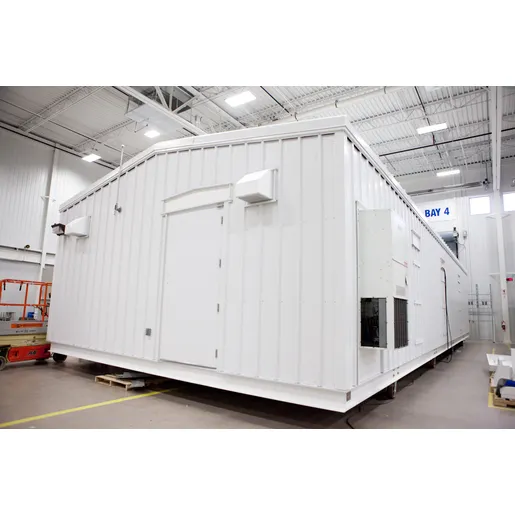
Equipment Enclosures
Protective buildings or cabinets that house electrical and control equipment.
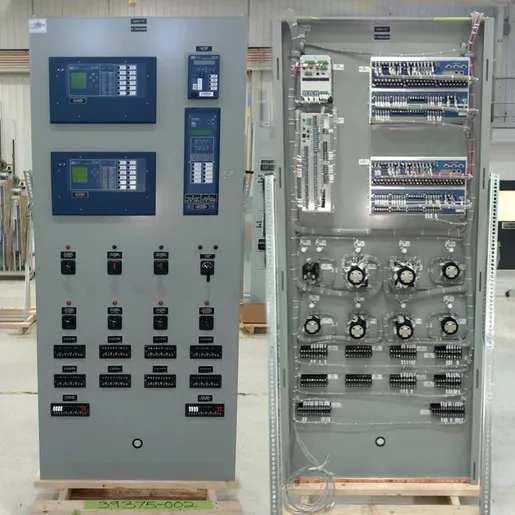
Control & Relay Panels
The brains of the substation that monitor the system and issue commands when faults occur.
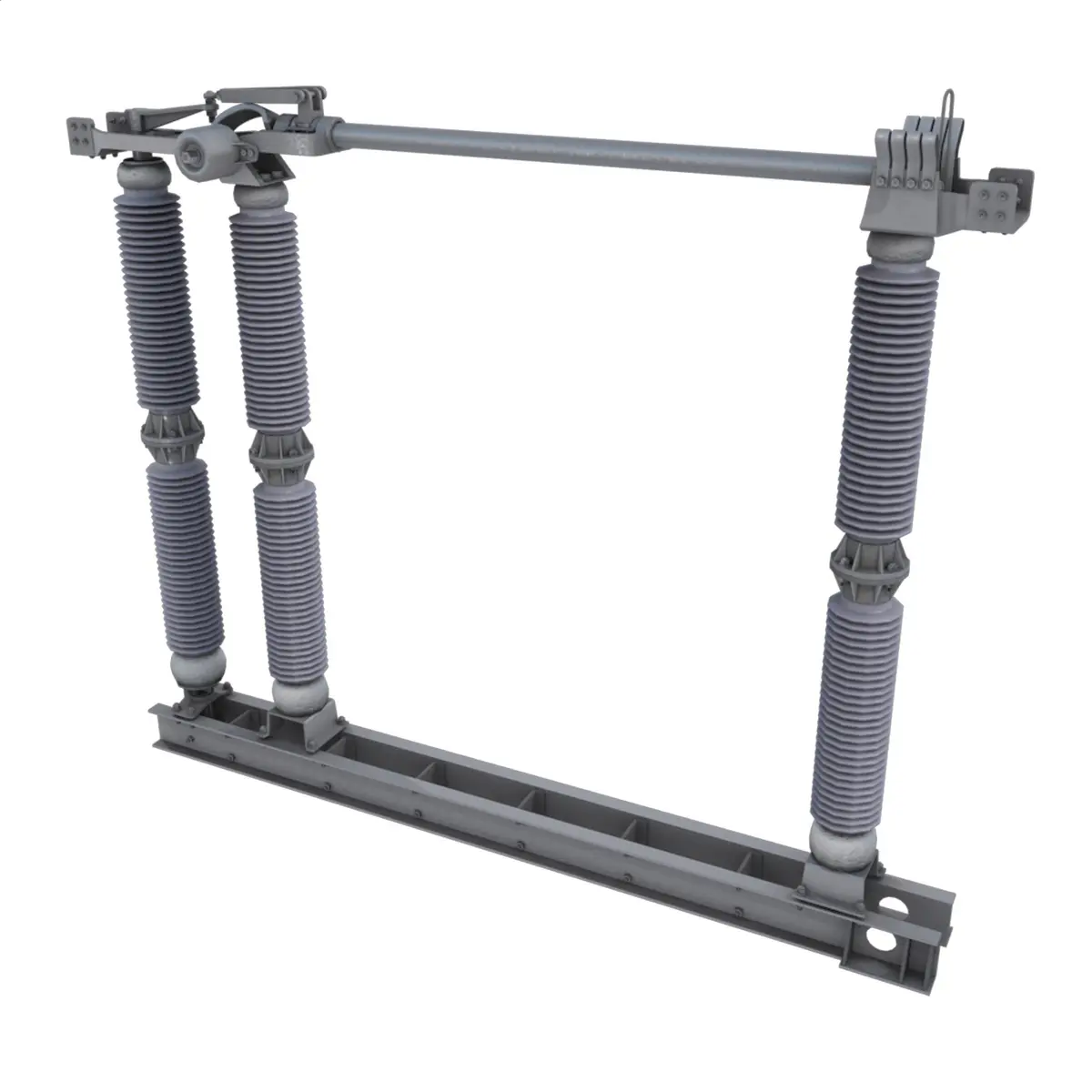
High Voltage Switches
Switches that open or close circuits to isolate equipment for maintenance or operational control.

Bushings
Insulated pathways that allow conductors to pass safely through grounded equipment such as transformers.
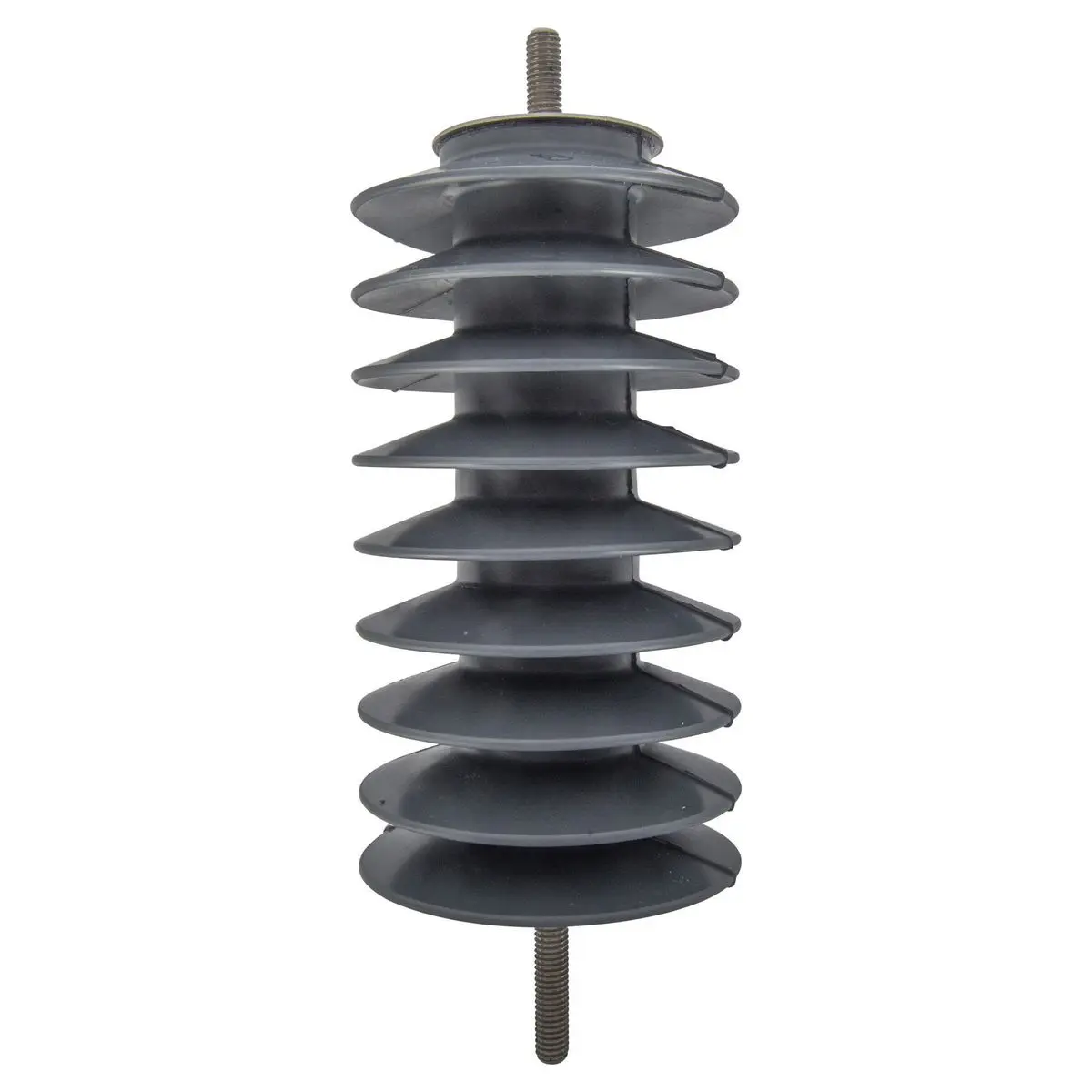
Station Class Arresters
Heavy-duty surge arresters designed to protect expensive substation equipment like transformers from overvoltage events.
Big Five T&D Categories
The five main functional categories for transmission and distribution equipment: Protection, Switching, Insulation, Mechanical Support, and Control Systems.