NBCOT things
 Call Kai
 Learn
Learn Practice Test
 Spaced Repetition
 Match
Match Flashcards
 Knowt Play
1/537

Earn XP
Description and Tags
Name | Mastery | Learn | Test | Matching | Spaced | Call with Kai | Chat |
|---|
No analytics yet
Send a link to your students to track their progress
538 Terms
vital signs
blood pressure
heart rate/pulse
respiratory rate
oxygenation
blood sugar
pain
blood pressure
force of blood pumped through the arteries
hypertension = HIGH blood pressure
hypotension = LOW blood pressure
orthostatic hypotension = sudden drop in blood pressure when person assumes upright position
hypotension symptoms
dizziness
lightheadedness
cold, clammy pale skin
fainting
difficulty concentrating
blurred vision
fatigue
fast, shallow breathing
nausea
unusual thirst
Hypertension symptoms
nausea
headache
tightness in chest
dizziness
fainting
blurred vision
fatigue, low exercise endurance
shortness of breath
confusion
tachycardia symptoms
palpitations
chest pain
shortness of breath
lightheadedness or dizziness
sweating
weakness or fatigue
bradycardia symptoms
dizziness
fatigue
shortness of breath
chest pain or a feeling of fluttering or pounding in the chest
confusion or difficulty concentrating
fainting
tiring easily during exercise
memory problems
weakness
respiratory rate
average: 12 to 20 breaths per minute
breathing in then out = 1 BREATH
hypoglycemia symptoms
hearth palpitations
shakiness
anxiety
sweating
tingling sensation around the mouth
pounding heart, racing pulse
pale skin/pallor
trembling
weakness
dizziness
feeling shaky
hypoglycemia if left untreated
coma
visual disturbances (ex: double vision, blurred vision)
seizures (not common)
loss of consciousness (not common)
hyperglycemia symptoms
frequent urination
feeling weak or tired
blurred vision
dry mouth
thirsty
nausea or vomiting
hyperglycemia if left untreated
ketoacidosis or diabetic coma
different precautions to consider
standard
weightbearing
spinal
hip
sternal
cardiac
seizure
standard precautions
infection control practice to prevent disease transmission
applies to all patients
includes
hand hygiene
PPE
cleaning/disinfection
weightbearing
non weightbearing
touch down (balance) weightbearing
partial weightbearing
weightbearing as tolerated
full weightbearing
spinal precautions
used to protect spine following injury or surgery
the BLT
Bending (no forward bending past 90)
Lifting (no lifting more than 5 to 10 pounds)
Twisting (no twisting at waste)
posterior hip precations
no forward flexion past 90
no adduction
no internal rotation
no crossing legs
anterior hip precautions
no extension
no abduction
no crossing legs
no external rotation
sternal precautions
restrict activity following open heart surgery
the LPRT
lifting more than 5 to 10 pounds
no pushing/pulling
no reaching overhead/back
no twisting/bending
what is motor control
ability to regulate and direct movement to accomplish functional tasks, ex: reaching for a coffee mug
focus of motor control FOR
restoration of voluntary movement
how the NS regulates the body’s muscles and joints to produce purposeful, coordinated movements
where does movement come from: reflex theory (motor control)
movement happens because something triggers it, ex: touch hot stove —> pull your hand away
where does movement come from: hierarchical theory (motor control)
maybe movement is controlled from the top down
higher brain centers control lower centers
cortex —> brainstem —> spinal cord
motor control approaches
Rood
Brunnstrom
proprioceptive neuromuscular facilitation (PNF)
neuro-developmental (NDT)
rood frame of reference
1 of the 1st sensorimotor approaches to neurorehabilitation
emphasized the role of sensory input in movement
linked sensory stimulation to muscle activation
key concepts of rood FOR
faciliatory: increase muscle tone/activation
inhibitory: reduce tone/decrease muscle activation
rood: facilitation
used when muscles are
weak
hypotonic
difficult to activate
rood: inhibition
used when muscles are:
hypertonic
spastic
excessively active
rood faciliatory techniques
quick stretch
tapping
vibration
fast brushing
vestibular stimulation (fast movement)
rood inhibitory techniques
neutral warmth
slow stroking
light joint compression
prolonged stretch
vestibular stimulation (slow movement)
rood’s developmental progression
supine withdrawal/flexion
rolling
prone extension (prone with upper trunk/head extension)
neck co-contraction (prone with isolated head extension)
prone on elbows
quadruped
static standing
walking
key points for rood FOR
sensation influences movement
facilitation = wake up nervous system
inhibition = calm down nervous system
stability before mobility
brunnstrom’s FOR
1 of the 1st to develop approach to understanding stroke recovery
focused on understanding motor recovery patterns
emphasized using synergies and reflexes therapeutically
brunnstrom FOR: synergy
stereotypical pattern of muscle activation
instead of moving 1 joint independently, multiple joints move together
brunnstrom’s 7 stages of recovery (don’t need to know for test but possibly for NBCOT)
flaccidity: no voluntary movement
synergy: synergy can be elicited reflexively
begin voluntary movement
spasticity begins to decrease
further decreased tone increased ability to perform more complex movement patterns independent of synergy pattern
tone nearly normal with ability to do complex combinations
normal speed and coordination of motor function
key points of brunnstrom
synergies viewed as normal part of recovery
recovery after a stoke often follows predictable stages
progression from flaccidity to isolated and coordinated voluntary movement
PNF FOR
underlying philosophy that all humans have untapped existing potential
functional movements occurs in patterns not isolated muscles
use of sensory input and functional movement patterns help the body to move more effectively
what does PNF mean
proprioceptive: input from muscles, tendons, and joints
neuromuscular: interaction between the nervous system and muscles
facilitation: making movement easier or more effective
PNF concept
resistance: using optimal resistance to improve muscle contraction
stretch: putting the target muscle in the optimal lengthening position for facilitating muscle contractions
irradiation: spreading of response of nerve impulses of stimulus
traction or approximation: elongation of compression of limbs and trunk to facilitate motion or stability
body positioning/mechanics: correct positioning and alignment of both the client and practitioner
PNF movement patterns
multi joint movements
diagonal motions
rotational components
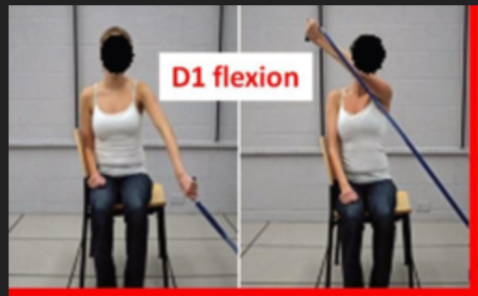
PNF: UE patterns, D1 flexion
starts: arm down by your side, palm facing backward, fingers extended
action move arm diagonally up and across your body. The shoulder flexes, adducts and externally rotates. Forearm supinates, the wrist and fingers flex
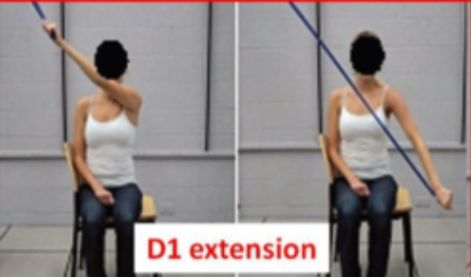
PNF: UE patterns, D1 extension
starts: arm flexed and adducted near your opposite shoulder
action: move the arm diagonally down and out to your side. The shoulder extends, abducts, and internally rotates. Forearm pronates, wrist and finger extend
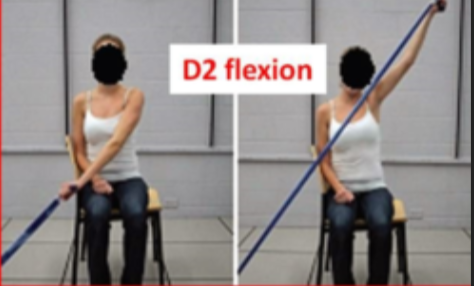
PNF: UE patterns, D2 flexion
starts: arm is across the body, resting near the opposite hip. shoulder is extended, adducted, and internally rotated with the wrist and fingers flexed (closed hand)
action: arm moves diagonally up and away from the body. As the arm elevates, the shoulder rotates outwards externally and abducts while the wrist and fingers extend (open hand)
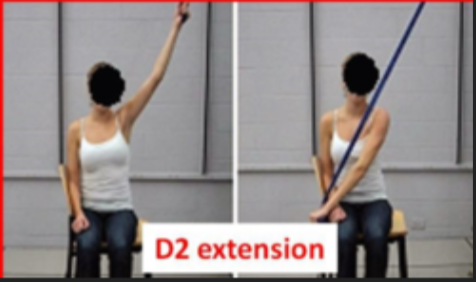
PNF: UE patterns, D2 extension
starts: the arm is flexed, abduction overhead on ipsilateral side
action: the arm moves diagonally down and across toward the opposite hip. As it moves the shoulder internally rotates and adducts, while the wrist and fingers into a fist
key PNF techniques
rhythmic initiation: teaching movement through repetition
hold relax: isometric contraction followed by a stretch
contract relax: isotonic contraction followed by a stretch
PNF key points
uses proprioceptive input to improve movement
movement occurs in functional diagonal patterns
irradiation means stronger muscles can help weaker muscles
neurodevelopmental treatment (NDT)
focused on reducing abnormal movement patterns and promoting more normal movement
abnormal movement patterns interfere with functional movement and can be improved through guided more normal experiences
NDT concepts
muscle tone: resistance a muscle provides to passive stretch (hypertonia and hypotonia)
postural stability: ability to maintain alignment, balance and adjust to movement demands (proximal stability leads to distal mobility)
abnormal movement patterns: flexor synergies, extensor synergies, compensatory movements (facilitation and inhibition)
key points of control in NDT
proximal points
scapula
pelvis
trunk
distal points
hands
feets
handling in NDT
therapeutic use of touch to
guide movement
improve alignment
facilitate postural control
increase movement awareness
weight shifting in NDT
controlled transfer of body weight in various directions supports
balance
postural control
functional mobility
reaching
key points of NDT
focuses on improving movement quality
postural control is foundation of movement
tone influences function
handling and key points of control are central concepts
what is motor learning
a set of processes associated with practice or experience leading to relatively permanent changes in the capacity for skilled movement
what did early approaches to motor learning focus on
reflexes
hierarchical nervous system control
facilitation of normal movement
inhibition of abnormal movement
motor control vs motor learning
motor control: therapist helps movement happen through facilitation, handling, and positioning
motor learning: client learns movement through practice, feedback, problem solving, and repetition
dynamic systems theory
movement emerges from interactions among
person
task
environment
no single system controls movement
neuroplasticity
nervous system’s ability to reorganize itself
neural connections change based on
use
practice
experience
principle of neuroplasticity
use it or lose it
use it and improve it
specificity
repetition matters
intensity matters
salience matters
occupation based neuroplasticity
strongest learning occurs when activities are
meaningful
purposeful
repetitive
challenging
goal directed
stages of motor learning
cognitive stage
associative stage
autonomous stage
motor learning: cognitive stage
learning what to do
frequent mistakes
heavy attention required
high therapist feedback
cognitive stage therapist role
provide
clear instructions
demonstrations
frequent feedback
simple explanations
breaks tasks into smaller steps
uses
visual cues
verbal cues
physical guidance
motor learning: associative stage
improved consistency
fewer errors
refinement of movement
begins recognizing mistakes
needs fewer reminders
associative stage therapist role
focus on
refinement
efficiency
consistency
decrease:
physical assistance
verbal cueing
encourage
self evaluation
problem solving
motor learning: autonomous stage
automatic performance
minimal conscious attention
adaptation to environment
skill is more automatic
focus can shift to other tasks
autonomous stage therapist role
focus on
generalization
real world application
adaptability
create challenges
dual task situations
community environments
distracting environments
key concepts of motor learning
task specific training
practice conditions
feedback
knowledge of results
knowledge of performance
error based learning
task specific training
practice the exact task that needs improvement
learn the skill by doing the skill
focuses on real life occupations
encourages transfer to everyday situations
ex: dressing practice to improve dressing or bed mobility practice to improve transfers
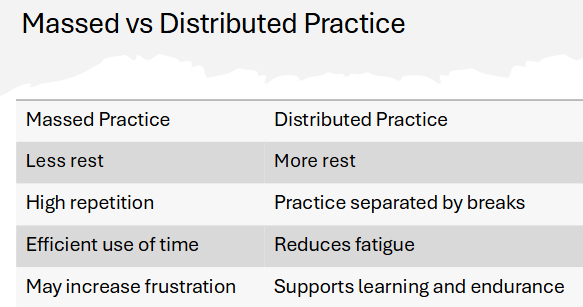
block practice
repetition of the same task over and over with low variability
useful during early skill acquisition
advantages:
builds confidence
useful for beginners
reduces cognitive demands
ex: practicing sit to stand 20 times before moving to another activity
random practice
different tasks practiced in varying order with high variability
requires greater problem solving
benefits:
improves retention
enhances transfer of learning
promotes adaptability
ex: sit to stand, bed mobility, wheelchair transfers
massed practice
feedback
information provided about performance
helps learners modify movement
can come from:
therapist
environment
the learner’s own sensory system
goal: promote independence in movement control
knowledge of results
feedback about the outcome
focuses on whether the goal was achieves
answers the question “did i accomplish the task?”
ex: you successfully stood up without assistance or you completed the transfer in 20 seconds
knowledge of performance
feedback about movement quality
focuses on how the task was performed
answers the question: how did i perform the movement
ex: you shifted your weight forward before standing or your reach was smoother this time
error based learning
learning occurs through mistakes and corrections
encourages problem solving
promotes active participation
therapist allows safe errors when appropriate because errors are opportunities for learning
strengths of motor learning
evidence based
occupation centered
promotes independence
supports neuroplasticity
encourages generalization
limitations of motor learning
requires active participation
may be difficult with severe cognitive deficits
learning can be slow
requires sufficient practice opportunities
less appropriate for very early recovery when movement is extremely limited
key takeaways of motor learning
focuses on skill acquisition through practice
neuroplasticity is driven by meaningful repetition
errors are part of learning
practice should be task specific and occupation based
therapist becomes coach rather than movement facilitator
successful occupational performance is ultimate goal
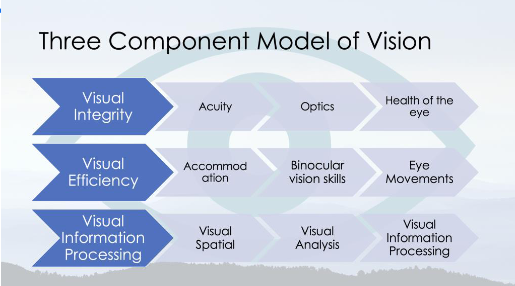
three component model of vision
visual integrity
visual efficiency
visual information processing
are vision and cognition related?
very
role of OT in vision
perform vision screens: make referrals when needed, complete in depth visual perception eval when needed
create treatment plans: goal is to address functional deficits impacted by visual impairments (compensatory strategies, adapt/modify environment, or remediation)
visual acuity
sharpness of vision
impairment results in difficulty seeing clearly, known as low vision which can be caused glaucoma, cataracts, diabetic retinopathy, or ARMD, refractive errors
behaviors indicating visual dysfunction
squinting
closing 1 eye
skipping letters or lines
using finger as a guide
visual pursuits
ability of eyes to move smoothly
behaviors indicating dysfunction:
loss of fixation on target
jumpy quality of eye movement
unable to move eyes to meet target
nystagmus (shaking of eyes)
vision saccades
rapid eye movements between 2 points of fixation
can be caused by neurological impairments like TBI, CVA, and alzheimer’s
can be caused by developmental disabilities like ADHD, ASD, and intellectual disability
behaviors indicating saccades
under/overshooting a target
jumpy quality of movement
loss of fixations on target
head movement
excessive blinking, eyes watering, squinting
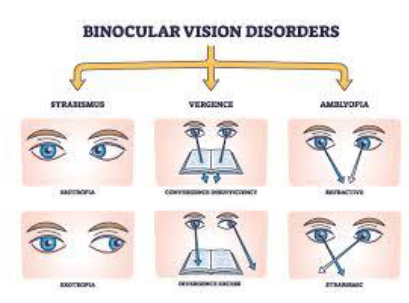
binocular vision skills
requires eyes to work together as a team
if they aren’t fixating on object/target at same place, brain will receive 2 images and perceive it as double
behaviors that indicate dysfunction
tilting head
excessive blinking
decreased depth perception
closing one eye to see clearly
functional tasks impacted by visual impairments
ADLs: bathing, dressing, toileting, grooming
IADLs: medication management, meal preparation, finance management
reading
writing
navigating environment
driving
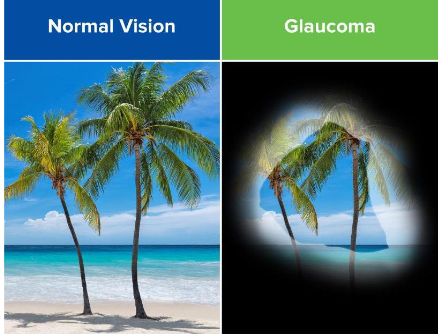
glaucoma
loss of peripheral vision
cataracts
blurred vision, lack of visual acuity

Macular degeneration
loss of central vision

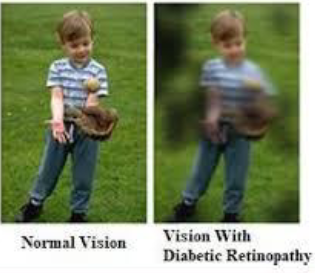
diabetic retinopathy
described as having floaters
common causes of low vision
cataracts
glaucoma
ARMD
diabetic retinopathy
characteristics of low vision
impaired visual acuity
limited field of vision
difficulty with everyday tasks
cannot be corrected with glasses, contacts, or surgery
not total blindness
ot interventions for vision deficits
remedation:
ocular exercises
visual tracking and scanning activities
adaptation
low vision devices
environmental modifications
compensatory
scanning techniques
visual and verbal cues
education
safety
technology training
visual perceptual skills
visual attention
sequential memory
visual discrimination
form constancy
visual memory
figure ground
spatial relationships
visual closure
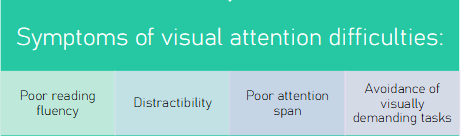
visual attention
ability to focus on important visual information and filter out unimportant background information
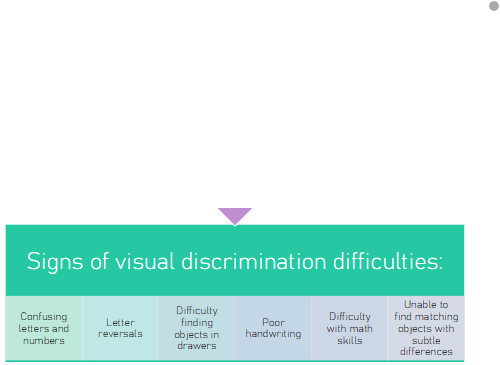
visual discrimination
ability to recognize and differentiate between similar objects based on shape, size, color, etcs
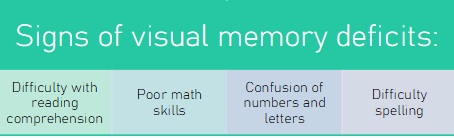
visual memory
ability to remember or recall visual information
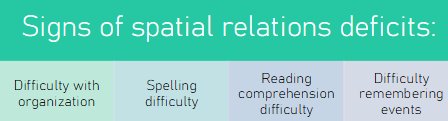
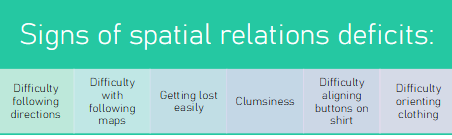
spatial relations
the way objects are positioned and arranged in space
sequential memory
ability to remember items or events in a specific order