(1) Portugal: Political History and Notable Political and Military Figures
 Call Kai
 Learn
Learn Practice Test
 Spaced Repetition
 Match
Match Flashcards
 Knowt Play
1/20

There's no tags or description
Looks like no tags are added yet.
Name | Mastery | Learn | Test | Matching | Spaced | Call with Kai | Chat |
|---|
No analytics yet
Send a link to your students to track their progress
21 Terms
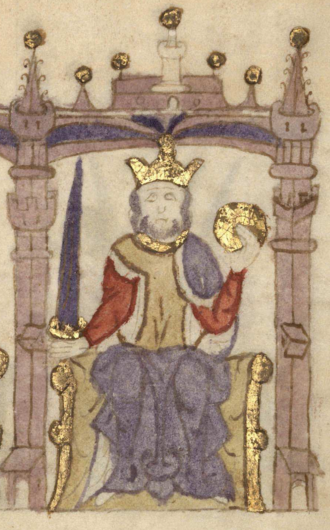
1112 - 1185 - Dom Afonso (All Facts)
First King and Founder of the Kingdom of Portugal
He gained initial control of the territory by defeating his mother Teresa in the Battle of Sao Mamede
He gained further control of the territory by defeating the Almoravids in the Siege of Lisbon
He controlled most of the country’s northern and western seaboard from his capital, after the Muslims had abandoned both shores of the Tagus and were forced to give up bases at Sintra and Palmela
He was recognized as king by Alfonso VII of Castile
He established the Kingdom of Portugal’s capital at Coimbra
Under his reign,
The Muslims’ northern border in Portugal was forced back to Evora
He had to settle his debts with the large combined force of 13K English, Flemish, and German Crusaders in 164 ships all of whom he persuaded to help him in his fight against the Muslims
Under the terms of the alliance he put forth, the Crusaders
Were given the spoils of Lisbon
Could opt for land in Portugal
Were given the right to enjoy the customs and liberties of their native lands
The English Crusaders settled at Vila Verde
He became a vassal of the papacy

1415 - 1999 - Portuguese Empire (All Facts)
It was the first and longest lasting of the European colonial empires
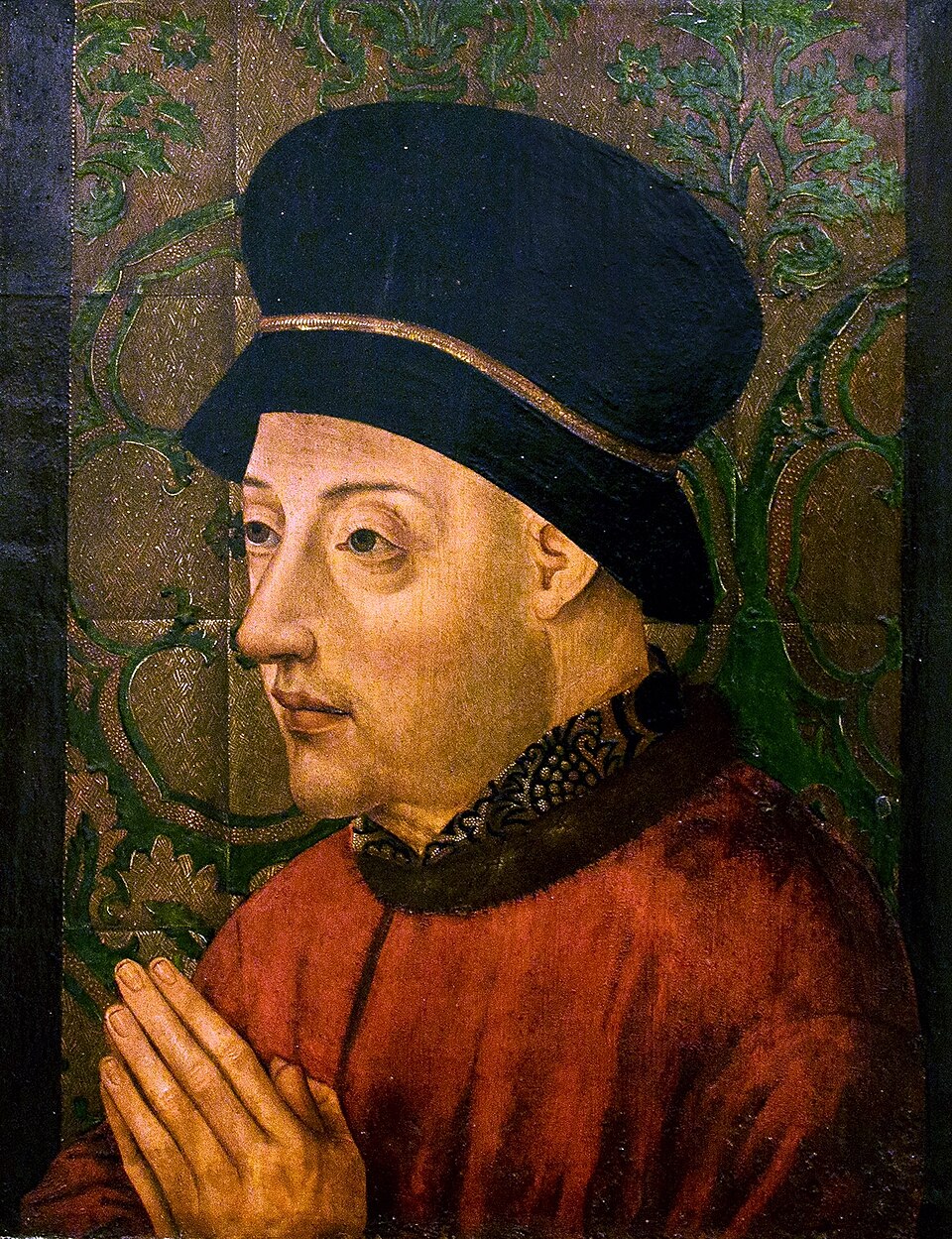
1385 - 1433 - John (All Facts)
King of Portugal
He was the first ruler of the Portuguese Empire, which began with the expansion of his realm overseas during his reign
He was formerly the Grand Master of the Knights of Aviz
When his predecessor died, he declared himself king
He led a revolt against King John and the Kingdom of Castile
Prior to his kingship,
He and his forces defeated John of Castile and his forces in the Siege of Lisbon, successfully defending the city with the help of a plague which devastated the Castilian army
He and his forces defeated John of Castile and his forces in the Battle of Aljubarrota, successfully securing Portuguese independence and the namesake’s kingship
During his reign, the kingdom of Portugal made peace after 30 years of wars and truces with the Kingdom of Aragon
He oversaw a foreign policy of overseas expansion
He conquered Ceuta in Morocco
He was keen to acquire gold and slaves from Africa
He was motivated by a dream of allying with Africans against the Muslims of North Africa (the Maghreb)
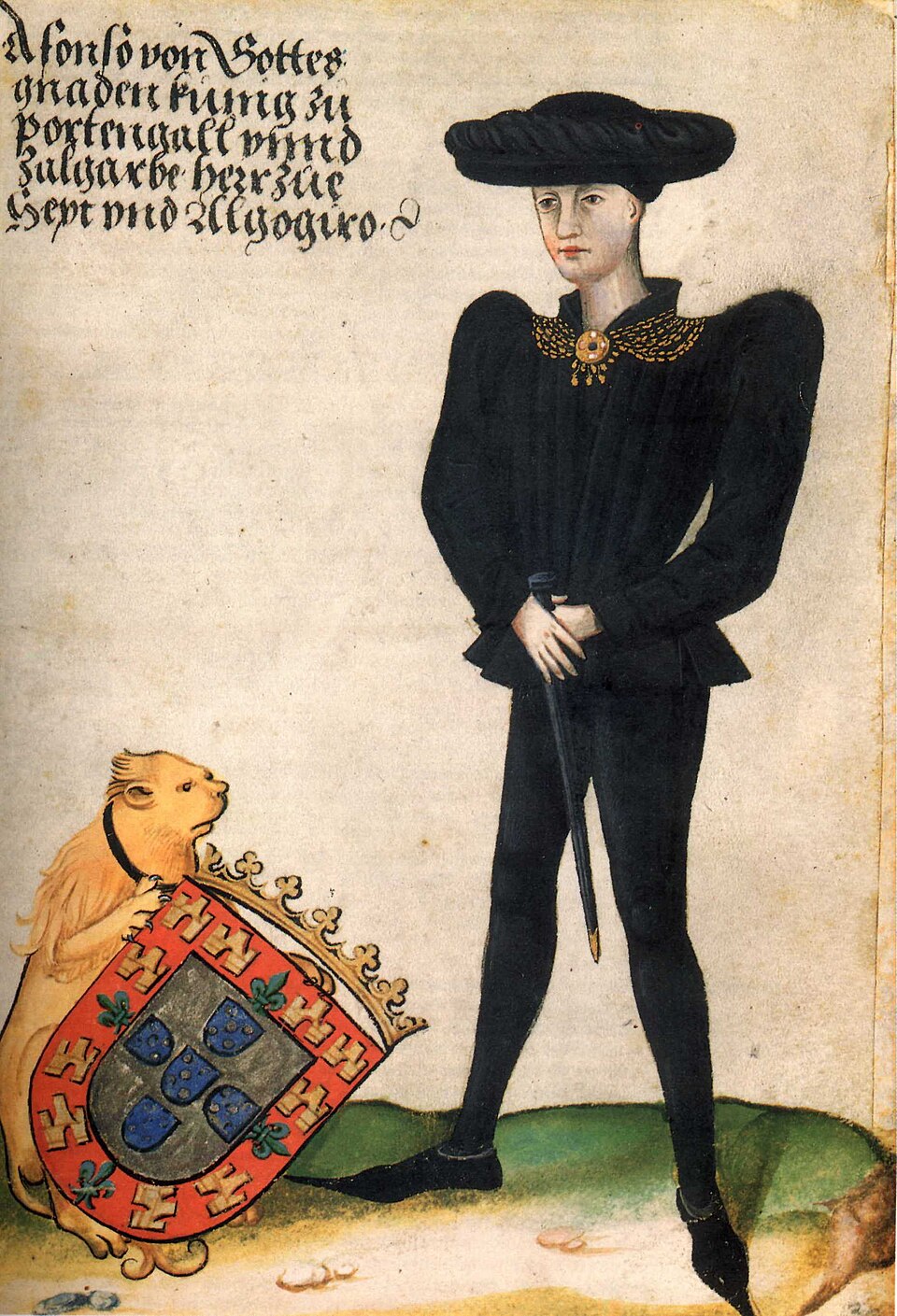
1438 - 1477 - Afonso V (All Facts)
King of Portugal
He was nicknamed “The African”
He tried and failed to claim the hand of (marriage to) Joanna of Castile, his niece, and the throne of Castile in the Castilian War of Succession, in which he was defeated
Under his reign,
For the first time, slaves and gold were directly imported from West Africa into Portugal
The Portuguese reached the mouth of the Senegal and Cape Verde
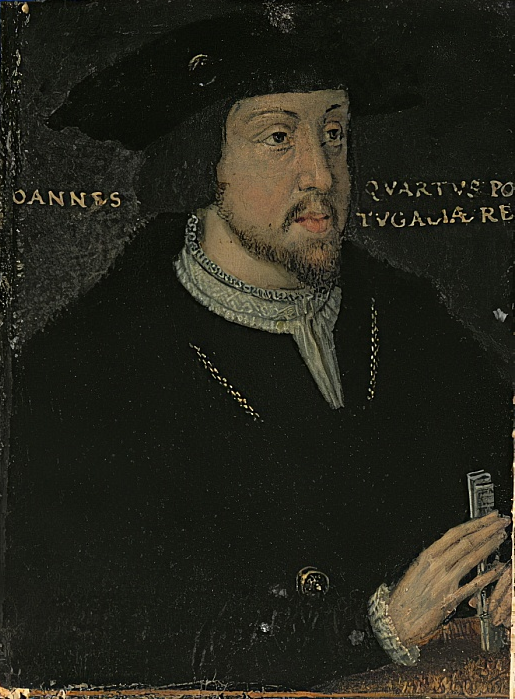
1481 - 1495 - John II (All Facts)
King of Portugal
He was nicknamed “The Perfect Prince”
His accession gave a boost to Portuguese voyages of exploration
He signed the Treaty of Tordesillas with King Ferdinand and Queen Isabella of Spain
This treaty drew an imaginary demarcation line down the Western Atlantic, which (in hindsight) slightly favored Spain since the treaty allowed Spain to retain discovered land west of the demarcation line
He planned his own expedition to India, but became alarmed when he learned that King Ferdinand and Queen Isabella of Spain had persuaded Pope Alexander VI to issue a series of bulls giving the rulers of Spain all the lands west of the Portuguese Azores discovered (or at that time, to be discovered) by Christopher Columbus
As a result, he opened direct negotiations with King Ferdinand and Queen Isabella of Spain that led to the Treaty of Tordesillas
During his reign,
He sent a Portuguese expedition to the Kingdom of Kongo, which eventually led to the Portuguese colonization of Angola nearly 100 years later
During this time, Portugal’s contact with the Kingdom had peaceful intentions, as they were inspired by the desire to convert rather than conquer
The Kongo became a colony, more or less, of Portugal, when they had installed King Afonso there, who had taken the throne from his predecessor usurper
Under his reign,
Bartholomew Dias rounded the Cape of Good Hope, and when recounted to the namesake; he renamed it the Cape of Good Hope from Dias’s coinage of it as the Cape of Storms; because it gave the promise of discovering a sea route to India
the first European manual of navigation and nautical almanac was prepared, by a group of mathematical experts whom he appointed
The namesake was concerned that his navigators were embarking on long voyages without charts or sailing directions given that the dead reckoning method of establishing a position by recording the distance and direction travelled was unreliable since the North Star was not visible in southern waters
The namesake thus told the mathematicians to devise a method of finding latitude by solar observation; the main problem of which was that the track followed by the sun in relation to the earth changes from day to day and from year to year
His experts studied a set of tables first worked out by Abraham Zacuto of Salamanca and produced a simplified version of his tables for seamen under the namesake’s reign
But taking a reading of the sun’s position and calculating what is called the “latitude” of a ship from that reading is complicated and a seaman must have a grasp of mathematics and astronomy
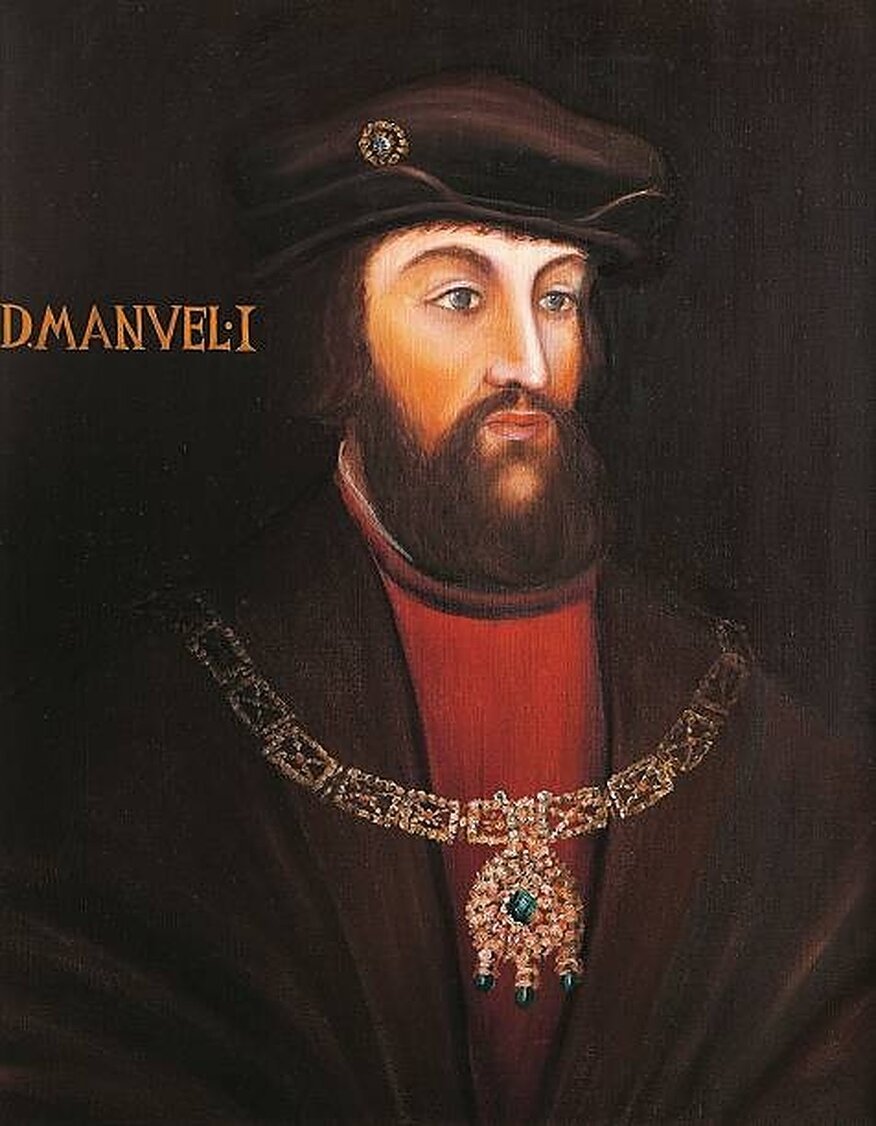
1495 - 1521 - Manuel (All Facts)
King of Portugal
He was nicknamed “The Fortunate”
He was the nephew of his predecessor
He was Europe’s wealthiest rule until his death, a “cruzado” multi-millionaire
However, the rising cost of the trading voyages he and his successors commissioned eventually exceeded the returns on their investments in them
During his reign,
He issued the Edict of Expulsion against the Jews and Muslims, forcing them to leave or be baptized
Prior to this, he had relied on Portugal’s Jewish community to manage Portugal’s newfound wealth at the time and the many commercial operations of the namesake
He came under pressure, however, from Spain to expel the Jews
His stratagem was to tell the Jews that if they merely say they have converted to Christianity, they can stay on with no questions asked
He appointed Francisco de Madeira as First Viceroy of (Portuguese) India
He found the cost of equipping ships and providing funds for trading to heavy a burden, and made these thus into commercial operations
These encompassed raids on Muslim city-states in East Africa
At Kilwa, he ordered the building of a fort there
He dispatched the first Portuguese mission to Canton in China
There, a Portuguese ambassador had arrived in Beijing
He built the Monastery of St. Jerome at Belem
He was enabled to do this because of the sugar and spice and Guinean gold that was transported to Portugal from various countries
He subsidized the St. Barbara College in Paris in France as a school for Portuguese students
Under his reign,
Portugal was experiencing a Golden Age
Learning and artistic expression were encouraged
Portugal’s territories in the Americas, assigned to them via the Treaty of Tordesillas, signed by his predecessor, were divided into hereditary fiefdoms
The Portuguese founded various colonies including
Brazil
India / Goa
Malacca
Mozambique
Zanzibar
The Portuguese
established themselves as spice merchants in the Indian Ocean
Spices from the East, shipped round the Cape of Good Hope, were in great demand
extracted sugar from the Madeira Islands, selling 20 tons of it a year to England
setup a trading post in Calicut, on the west coast of India
attacked Muslim shipping in the Indian Ocean, as well as the Red Sea
levied a tribute from the Sultan of Zanzibar
abandoned Kilwa
discovered the islands Mauritius and Reunion uninhabited
sent embassies to
Ethiopia
Angola (at the time, the Ngola Kingdom)
By the end of his reign, Portugal’s positive relationship with the Congolese and the Kongo Kingdom suffered greatly due to
Traders and opportunists having arrived and depopulating vast areas for slave trading
White missionaries having behaved like rulers
Presumptions of European superiority over Africans having taken over
The Portuguese, unable to manipulate it for their own benefit, calling the Kongo “heretical” despite the Papacy saying otherwise

1521 - 1557 - John III (All Facts)
King of Portugal
He was nicknamed “The Pious”
During his reign,
He established the Portuguese Inquisition
He declared his support for the elimination of pirates and French traders in (Portuguese) Brazil
He sent troops to assist Ethiopia in their fight against the Muslim Adal Sultanate
He appointed Vasco de Gama as Viceroy of (Portuguese) India (Goa) to replace his incompetent predecessor there
He appointed Tome de Sousa as First Governor-General of (Portuguese) Brazil, where he established its first capital at Salvador da Bahia de Todos los Santos
His ambitious scheme to divide the Brazilian coastline into 12 captaincies broke down, having been undermined by native attacks and by the reluctance of Portuguese nobleman to assume their necessary responsibilities
During his reign,
He signed the Treaty of Zaragoza with King Charles of Spain
He signed the Treaty of Friendship and Alliance (against Spain) in Lyons with King Francis of France
Under his reign,
The Portuguese
reached and claimed Bengal
began to officially colonize Brazil
began to trade at the Muslim port of Sena on the lower Zambezi River (modern-day Mozambique)
took Sena
penetrated the Zambezi valley as far as the Muslim market at Tete
opened trading posts at the ex-Muslim port of Quelimane and at Maputo Bay (Lourenco Marques)
began to trade with Cochinchina (Vietnam)
were driven out of Morocco by the Sadian Dynasty from their strongholds there in
Agadir
Arzila
had a shipwreck off Tanegashima Island near Japan, where three matchlock guns on board were bought by the Japanese
These were the first Europeans known to have landed in Japan
This indirectly contributed to the mass production of firearms in Japan
defeated the Gujarati in the Siege of Du
prevented the Ottoman Turks from capturing their stronghold in the Persian Gulf that was the Strait of Hormuz
The Jesuits began a mission in the Kingdom of the Kongo
Mombasa (Kenya) revolted against Portuguese rule
He died and was succeeded by his three-year-old grandson, whose grandmother, Catherine of (Habsburg) Austria, ruled over as regent

1557 - 1578 - Sebastian (All Facts)
King of Portugal
He assumed the throne at age three, and Catherine of (Habsburg) Austria ruled as regent
From his early youth, he had an unstable obsessive yearning to be Christ’s captain against the Muslim infidels
He found the pretext needed when Mulai Mohammed, the Sharif of Fez (in Morocco) was deposed by an uncle who was backed by the Ottoman Turks
During his reign,
He asked for King Philip II of Spain’s daughter’s hand in marriage
He went on a campaign against Morocco, having got galleys, men, and supplies for it
He borrowed money wherever he could, and scraped together an army of adventurers and mercenaries from all over Europe
He and his Portuguese forces were defeated by Mulai Ahmed al-Mansur of the Sadian Dynasty (of Morocco) and his Saadi (Moroccan) forces in the Battle of Alcácer Quibir / Battle of “Three Kings”
Portugal’s subsequent problems following his death arose from this disastrous crusade in Africa as most of the nobility were killed alongside him
Under his reign,
The Portuguese
setup a trading post at Macao in China
established Rio de Janeiro as a colony within (Portuguese) Brazil
assassinated King Afonso II of Kongo during Mass
secured their hold on Mozambique, despite the assassination of Goncola da Silveira, their envoy there
passed a law in Brazil stating that only those natives taken prisoner during the course of a “just war” or those suspected of cannibalism could be enslaved
due to their slave-trading, had experienced revolts from the natives they subjugated in East Africa, including having fought in the
(First) Zimba War among the Chewa to the north
(First) Jaga War in the interior from the coast of Angola
found the city of Luanda in (the Portuguese colony of) Angola
signed a treaty with the Munhumutapa Kingdom of the southern Zambezi area
He died in the Battle of Alcacer Quibir / Battle of “Three Kings” and his throne became vacant until it was succeeded by his uncle
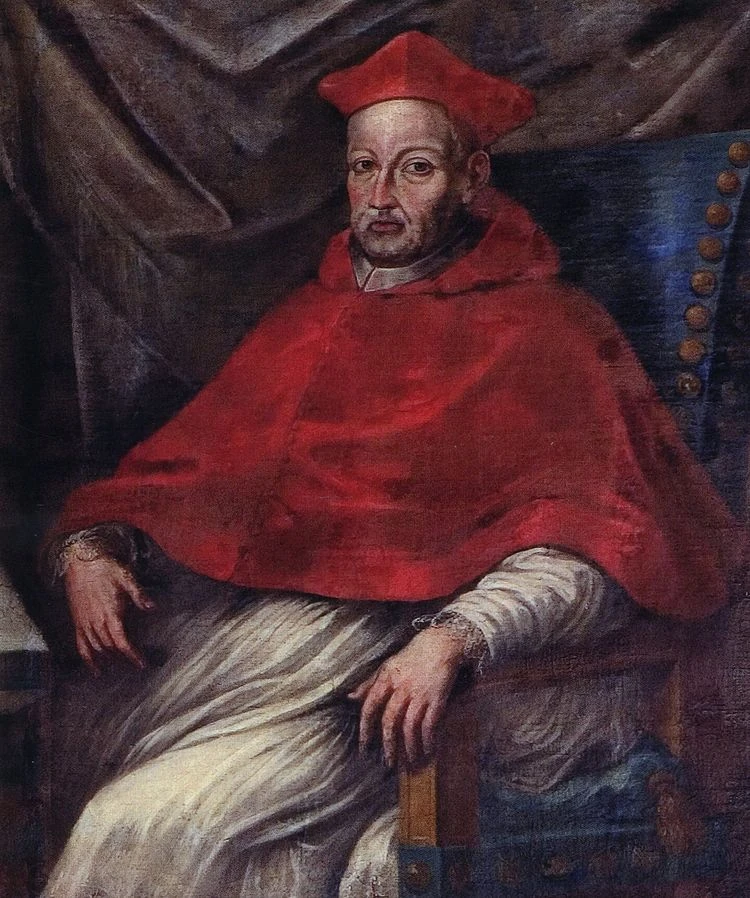
1578 - 1580 - Henry (All Facts)
King of Portugal and Final King of the House of Aviz
He was the uncle of his predecessor

1580 / 1583 / 1589 - Antonio / Anthony, Prior of Cato (All Facts)
He tried and failed to reconquer Portugal from the Azores Islands while the throne was being occupied by King Philip II of Spain
He again landed in Portugal and marched on Lisbon, but despite English support, he was defeated by the Spaniards
As a result of the English support of his ousting King Philip, England’s merchants were expelled from the Kingdom of Portugal

1580 - 1598 - Philip / Philip II (All Facts)
(Spanish Habsburg) King of Portugal (and Founder and First King of the House of Habsburg in Portugal)
He annexed Portugal, unifying the Iberian Peninsula,
which effectively made him King of Portugal
He was declared king after his troops overran the country
which gave Portugal
relief following the many problems that arose from the disastrous reign of King Sebastian of Portugal
a new king, who succeeded King Sebastian after his throne had become vacant
a much needed political connection with Spain for economic reasons, and which brought economic benefits
which gave Spain
a new Atlantic seaboard
a naval fleet to help further protect it and its holdings
a second empire stretching from Mozambique to Brazil and from Calicut to the Moluccas; thus taking control of all of Portugal’s colonial holdings
which he did after
two years of political and diplomatic maneuvering
announcing his claim to the vacant Portuguese throne, having outbid his rival claimants by making available the liberal supplies of Spanish silver, taking advantage of Portugal’s own bankruptcy
dispatching an army to Portugal after Portugal had ignored his ultimatum sent to them as they were traditionally anti-Spanish
convening the Cortes at Tomar and taking the oath to observe all the laws and customs of Portugal
being recognized as the lawful king of Portugal following these ceremonies
During his reign,
He expelled England’s merchants from Portugal
He barred the Dutch from trade with the Portuguese because of their rebellion against his rule in the Netherlands
Under his reign,
The Portuguese
due to their slave-trading, had experienced revolts from the natives they subjugated in East Africa, including having fought in the
(Second) Zimba War, having broken out among the Chew peoples in Mozambique and Malawi
(Second) Jaga War, having broken out in Zaire
a supreme tribunal was established in the new capital of Brazil at the time, Bahia, which allowed some administrative arrangements to be transferred from Portugal to Brazil
Francis Drake and John Norris of England headed an English fleet that sought to attack Spain but made an unsuccessful attempt to disembark at Lisbon
The Dutch
resolved to get into the eastern spice trade on their own account given that they were forbidden to by the namesake
thus competed with the Portuguese over control of the eastern spice trade in the East Indies (such as in Bantam in Java)
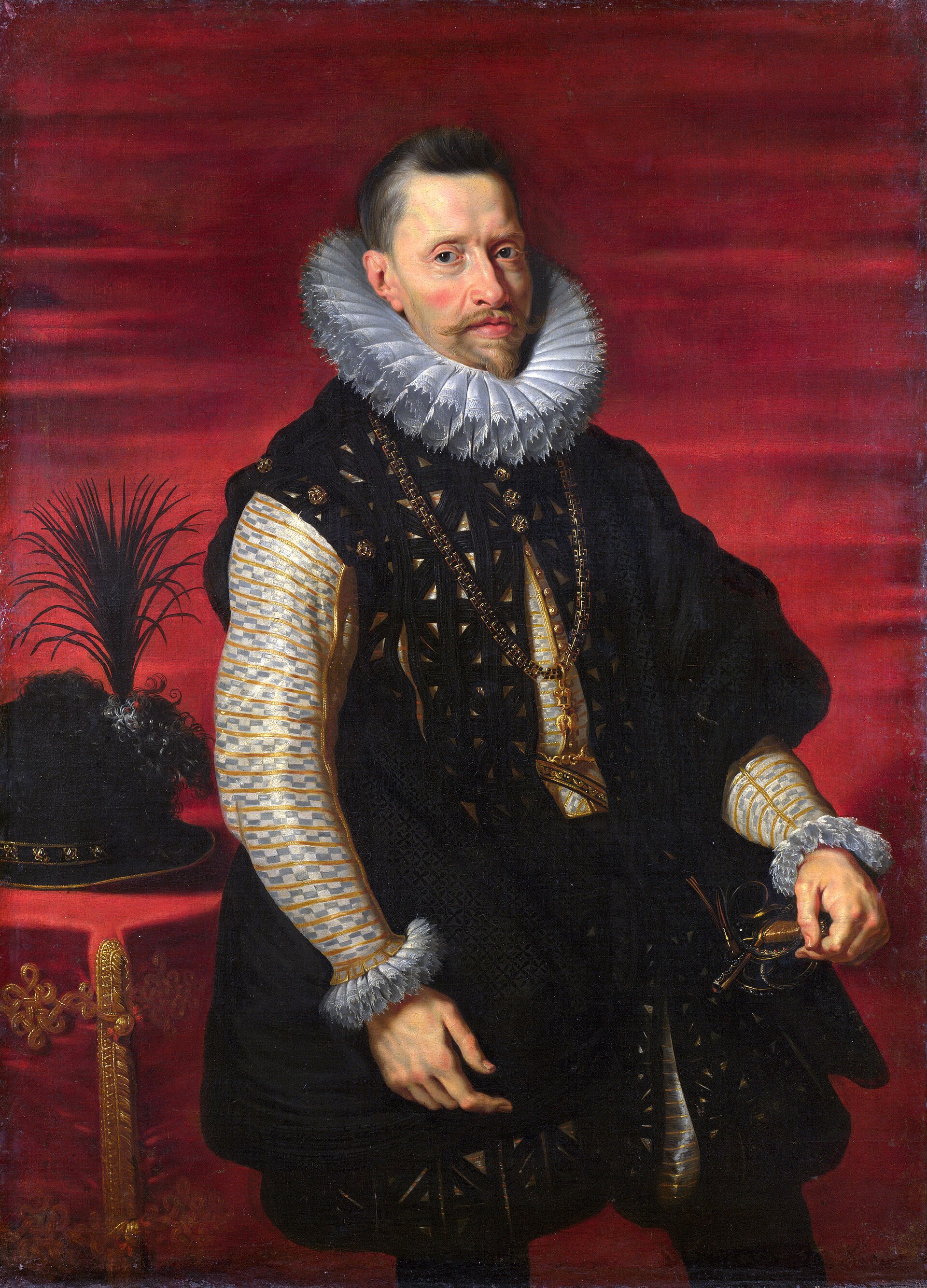
1583 - 1593 - Albert VII (All Facts)
Viceroy of Portugal under the reign of King Philip II of Spain
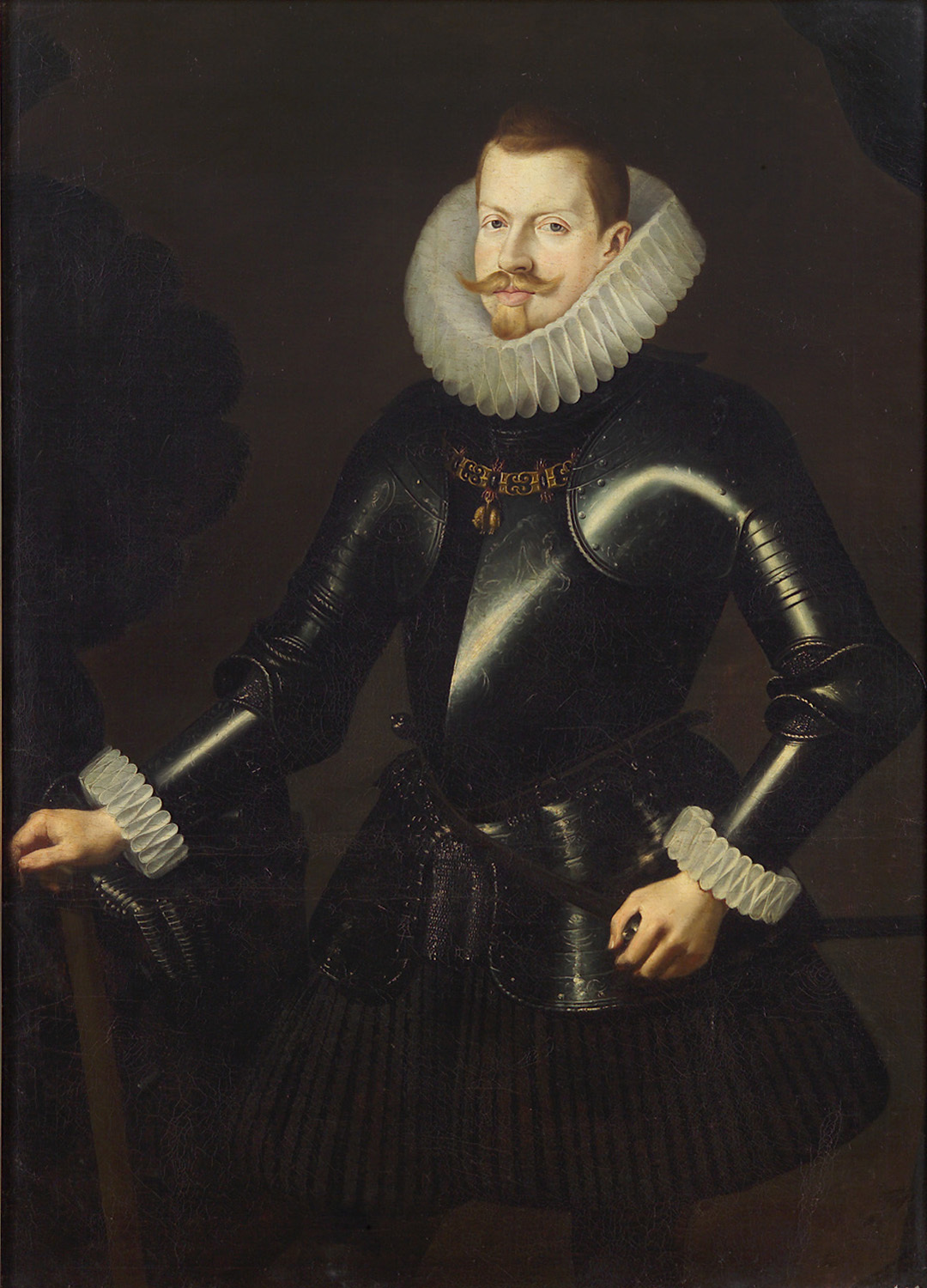
1598 - 1621 - Philip II / Philip III (All Facts)
(Spanish Habsburg) King of Portugal
During his reign,
he withdrew from Marranos (ex-Spanish-Jewish Christian Converts) the freedom to trade
Portugal extracted 10K natives of (Portuguese) Angola to work as slaves in (Portuguese) Brazil
Under his reign,
the “Sebastian” phenomenon emerged
in which
pretenders to the throne of Portugal, who claimed to be the foolhardy King Sebastian, the namesake’s predecessor, who was killed in battle 25 years prior, were eventually unmasked and executed, such as Marco Caltizzone
several “Sebastians” were condemned to the galleys and hanged
due to
the Portuguese having to accept the Castilian king of Spain as their own king
The Dutch took from the Portuguese
Amboina
the Moluccas
However, the Spanish took the Moluccas from the Portuguese shortly thereafter, and the Dutch attacked it again with no success
The Dutch eventually got it back, seizing it from the Portuguese
The Dutch blockaded from the Portuguese
The Tagus River
The English defeated the Portuguese off Bombay
The Persians drove the Portuguese out of the Strait of Hormuz

1621 - 1640 - Philip III / Philip IV (All Facts)
(Final Spanish Habsburg) King of Portugal

1597 - 1651 - Francisco de Melo (All Facts)
Portuguese Nobleman and General for Spain during the Thirty Years War
He and his Spanish forces were defeated by Louis II de Bourbon and his French forces in the Battle of Rocroi during the Thirty Years’ War and Franco-Spanish War

1640 - 1656 - John IV (All Facts)
King of Portugal and Founder and First King of the House of Braganza
Prior to his reign, he was the Duke of Braganza
Three years prior to his reign, he was proclaimed King of Portugal by his people, but he refused to assume power, afraid of antagonizing his Spanish overlords
Just prior to his reign, he took advantage of Gaspar de Guzman’s preoccupation with the Catalan Revolt against Madrid in Spain and entered Lisbon and declared himself King, being crowned in the Lisbon Cathedral
During his reign, he led the Portuguese to independence from Spain in the Portuguese Restoration War, which officially broke the Iberian Union
Upon his assumption to the throne, he sought to remove the injustice of Habsburg-controlled Portugal with the fervent support of the Portuguese people
Upon his assumption to the throne, he declared war on Spain and found himself an army and navy afterwards, unable to commence military activity prior
He pursued a vigorous diplomatic campaign to have himself recognized as King after the Papacy had refused to do so because of their influence under the Spanish Habsburgs
His rule was recognized by the Dutch, who promised to send him assistance again Spain in the war
His rule was recognized by the French, whose fleet was anchored in the Tagus River prepared to fight Spain in the war
He signed a treaty a friendship with Queen Christina of Sweden where he gained their military help against Spain in exchange for their commerce
During his reign,
He married Louisa de Guzman, the sister of the Spanish duke of Medina Sidonia
Under his reign,
a plot was discovered to counter-revolt and overthrow the namesake king by Gaspar de Guzman and an alliance of nobles and Conversos in Portugal who were refused any concessions by the namesake Portuguese king due to his fear of offending the pope
He had most of the conspirators of this plot arrested
Portugal had a population of around 1.5M
the Portuguese, for the first time, took slaves from (Portuguese) Mozambique to (Portuguese) Brazil
the Portuguese lost (Portuguese) Oman / Muscat to the Arabs
He died and was succeeded by his son

1596 - 1675 - António Luís de Meneses (All Facts)
Portuguese General who led the Portuguese in the Portuguese Restoration War against Spain
He and his forces defeated the Spanish forces in the Battle of Montes Claros during the Portuguese Restoration War
He was the First Marquis of Marialva

1610 - 1681 - João Fernandes Vieira (All Facts)
Portuguese Military Officer and Sugar Mill Owner
He was one of the main leaders in the Insurrection of Pernambuco in (Portuguese) Brazil against the Dutch during the Dutch-Portuguese War
He was supported not just by his fellow Portuguese settlers but by the Tupi natives there

1656 - 1683 - Alfonso VI (All Facts)
King of Portugal and 2nd King of the House of Braganza
Under his reign,
The Portuguese
ceded Bombay to King Charles II of England as part of the dowry of his Queen Catherine of Braganza
His successor served as regent during his reign
He was deposed, replaced by his brother (who was his successor), and imprisoned in the castle at Sintra, not far from Lisbon; all overseen by his wife, a (the) Princess of Savoy

1683 - 1706 - Peter II (All Facts)
King of Portugal and 3rd King of the House of Braganza
He served as regent during the regent of his predecessor, whom was deposed by his predecessor’s wife and replaced by the namesake
Under his reign,
Portugal’s power began to decline as it lost much of its overseas territories to other entities