A&P Exam 5

0.0(0)
Studied by 0 people
call kaiCall Kai
Locked
learnLearn
examPractice Test
spaced repetitionSpaced Repetition
heart puzzleMatch
flashcardsFlashcards
GameKnowt Play
Card Sorting

1/289

flashcard set

Earn XP

Description and Tags

UNI Dr. Cline-Brown

Last updated 9:56 PM on 9/17/26
Name
Mastery
Learn
Test
Matching
Spaced
Call with Kai
Chat

No analytics yet

Send a link to your students to track their progress

290 Terms
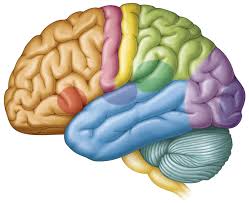
1
New cards

What is the space between the pink and yellow sections called?

Central Sulcus

2
New cards

What is the yellow section?

Primary Somatosensory Cortex

3
New cards

What is the pink section called?

Primary Motor Cortex

4
New cards

What is the red section in front of the primary motor cortex?

Premotor cortex

5
New cards

What is highlighted?

Wernicke’s Area

6
New cards

What is highlighted?

Broca’s Area

7
New cards

What lobe is blue?

Frontal

8
New cards

What lobe is green?

Temporal lobe

9
New cards

What lobe is yellow?

parietal lobe

10
New cards

What lobe is red?

occipital lobe

11
New cards

What is the purple area?

Cerebellum

12
New cards

What is the yellow part?

Brainstem

13
New cards

What lobe is highlighted? (HINT: under the temporal lobe)

Insula

14
New cards

What part of the brain is highlighted?

Diecephalon

15
New cards

What is highlighted?

Cerebrum

16
New cards

What is the yellow bulb on top?

Thalamus

17
New cards

What is the purple part?

Midbrain

18
New cards

What is the blue part?

Pons

19
New cards

What is the gray part?

medulla oblongata

20
New cards

Why does brain size increase from infancy to adulthood?

neuron size increases

increased number of neural synapses/connections

increased myelination

increased number of neuroglia

21
New cards
What color is a living brain?
pinky beige
22
New cards
What color is a dead brain?
gray
23
New cards

What are the 4 major parts of the brain

brain stem

diencephalon

cerebrum

cerebellum

24
New cards

What is the function of the brain stem?

controls highly programmed automatic functions needed for survival (Heart rate, breathing, blood pressure)

contains sensory and motor tracts

25
New cards

Sensory tracts

carry sensory info TO cerebral cortex which processes incoming sensory information

26
New cards
Motor tracts
carry motor info FROM cerebrum down to lower parts of the body
27
New cards
What is the function of the diencephalon?
relays sensory info between brain areas
28
New cards
What is the function of the cerebrum?
controls the most mental and physical activities, thinking, movement, and personality
29
New cards
What is the function of the cerebellum?
controls subconscious activity
30
New cards
3 major parts of the brain stem
medulla oblongata, pons, midbrain
31
New cards

Function of the medulla oblongata

most inferior region of the spinal cord

joins with the spinal cord but is wider

has most major sensory and motor tracts

contains pyramids of medulla

regulates vital and non-vital functions

32
New cards

What is the function of the medulla oblongata?

cardiovascular and respiratory regulation

descending motor tracts

ascending sensory tracts

origins of cranial nerves (9 through 12)

33
New cards

Pyramids of medulla function

paired white matter structures of medulla oblongata

contain most motor tracts

controls voluntary motor function

decussation of pyramids

extra pyramidal fibers

34
New cards

Extra pyramidal fibers

motor fibers not part of the pyramids

controls semi-conscious and subconscious skeletal muscle functions

35
New cards
What is the danger of increased intracranial pressure?
increasing pressure in the skull puts pressure on the brain stem (medulla oblongata can start malfunctioning)
36
New cards

What is in the pons?

the pontine respiratory centers

major sensory and motor tracts

37
New cards
What is the function of the pons?
unconscious jobs like sleep/wake cycles, breathing regulation, facial expressions
38
New cards

What nerves are involved with the pons?

cranial nerves 3 through 7

39
New cards
What is the most superior part of the brainstem?
midbrain
40
New cards
Cerebral aqueduct
carries cerebrospinal fluid from 3rd and 4th ventricle
41
New cards
Corpora quadrigeinma
superior and inferior collicculi of midbrain
42
New cards
What are the superior corpora quadrigemina colliculi used for?
involuntary visual tracking
43
New cards
What are the inferior corpora quadrigemin colliculi used for?
auditory reflexes
44
New cards
Cerebral peduncles
sensory and motor tracts, white matter
45
New cards
What is in the cerebral peduncles?
2 pairs of substantia nigra and red nuclei
46
New cards
Substantia nigra and red nuclei function
coordination and decreasing unwanted motor functions
47
New cards

What makes up the diencephalon?

thalamus

hypothalamus

epithalamus

48
New cards
What does the diencephalon do?
relays sensory info between brain regions and controls many autonomic functions of the PNS
49
New cards

Thalamus

a yo yo shape

two halves joined by area called intermediate mass of thalamus

the space between is the 3rd ventricle

filled with CSF

different nuclei throughout

receive different types of sensory info

directs this info to appropriate brain areas

50
New cards

What does the medial geniculate body to?

receives incoming auditory info

51
New cards

What does the lateral geniculate body do?

receives incoming visual info

52
New cards

What does the ventral nuclei do?

receives incoming somatic sensory info

53
New cards

Major parts of the thalamus

medial and lateral geniculate bodies

ventral nuclei

54
New cards
Functions of the thalamus
relay station for all incoming sensory information EXCEPT FOR SMELL
55
New cards
Where is the hypothalamus?
below the thalamus
56
New cards

What are the functions of the hypothalamus?

regulates body temp

receives information but not sensory

has thirst and hunger centers

regulates hormones from the pituitary

helps regulate day/night cycle

primary regulator of autonomic nervous system

regulates emotions

sexual arousal

57
New cards
What are the 3 Fs + 3 others to remember the functions of the hypothalamus?
Food, Fun, Fuck, and Autonomic NS, temp, sleep
58
New cards
What connects the hypothalamus to the pituitary gland?
infundibulum
59
New cards

Pituitary gland/hypothalamus

master endocrine glands of body

regulates secretion of some hormones

60
New cards
Where is the epithalamus
above the thalamus
61
New cards
What are the 2 regions of the epithalamus
habenular nuclei and pineal gland
62
New cards

Pineal gland functions

part of the endocrine system

produces melatonin when dark (production inhibited by light

63
New cards
Habenular nuclei functions
visceral and emotional responses to smell (MAY be amygdala with research)
64
New cards

What happens with too much melatonin?

increases sleepiness

decreased happiness and libido

65
New cards
Seasonal affective disorder (SAD)
seasonal depression, partly related to melatonin levels
66
New cards
Why are most people born between March and May?
increased sun (summer) decreases melatonin and increases libido
67
New cards
How can blue light affect your brain?
inhibits melatonin and shifts circadian rhythms
68
New cards

What are the lobes of the cerebrum?

frontal

parietal

temporal

insular

occipital

69
New cards
Convolutions
the wrinkles of the brain
70
New cards
Grooves
valleys in the brain
71
New cards
Shallow grooves of the brain
sulcus
72
New cards
Deeper grooves of the brain
fissure
73
New cards
Ridges of the convolutions
gyrus
74
New cards
Longitudinal fissure
the deep fissure going lengthwise down the brain
75
New cards
Central sulcus
the sulcus that goes horizontally across the brain, separates frontal lobe and parietal lobe
76
New cards
transverse fissure
separates the cerebellum and cerebrum
77
New cards
lateral fissure
separates temporal lobe from the other lobes, behind it is the insula lobe
78
New cards
What does the insula lobe do?
processes intensity, quality, and experience value of taste stimuli
79
New cards
Cerebral cortex
outer surface of the brain, gray matter
80
New cards
White matter
myelinated axon
81
New cards
Cerebral nuclei
paired masses of gray matter buried within white matter of the cerebrum
82
New cards

What does the cerebral cortex do?

conscious mind

controls most sensory and motor functions

personality

communication

83
New cards

List the parts of the cerebral cortex (not specific)

motor areas

sensory areas

association areas

multi-module association areas

84
New cards
Motor areas
control voluntary motor function/movement
85
New cards

Parts of the motor association areas

primary motor cortex

pre-motor cortex

broca’s area

frontal eye field

86
New cards
Parts of the sensory cortex/association areas
the 5 senses
87
New cards
Sensory areas
incoming sensory info enters, each of 5 senses have different areas in this region
88
New cards
Association areas
involved with memories
89
New cards

Motor homunculus

mapping of the primary motor cortex

size in this area related to the complexity of motor function

90
New cards
What happens when the motor homunculus is damaged?
motor function on the opposite side of body impaired
91
New cards

Pre-motor cortex function

muscle memory and motor planning

92
New cards

Damage to pre-motor cortex

lose muscle memory

93
New cards

Broca’s area

only on the left side of brain

coordinates motor movements needed for speaking

94
New cards
What happens if the Broca’s area is damaged?
loss of speech
95
New cards
Frontal eye field function
voluntary movement of eyes
96
New cards
What happens if the frontal eye field is damaged?
lose the ability to voluntarily move eyes
97
New cards
Primary sensory areas
RECEIVE and interpret the info, picks up sensation
98
New cards

Sensory association areas

GIVES MEANING to the incoming info

IDs what the sensation is

99
New cards
What is the only lobe that doesn’t have sensory areas?
frontal lobe
100
New cards
Primary somatosensory cortex
receives and interprets incoming somatic sensory info from skin, skeletal muscles, bones, and joints



