Herbaceous (soft-stemmed)
 Call Kai
 Learn
Learn Practice Test
 Spaced Repetition
 Match
Match Flashcards
 Knowt Play
1/31

There's no tags or description
Looks like no tags are added yet.
Name | Mastery | Learn | Test | Matching | Spaced | Call with Kai | Chat |
|---|
No analytics yet
Send a link to your students to track their progress
32 Terms
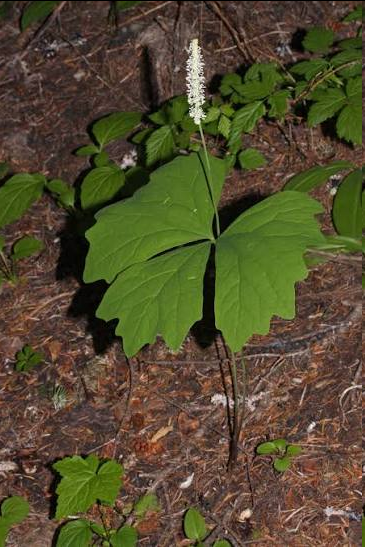
Achlys triphylla (Vanilla leaf)
plant is a perennial woodland herb native to the Pacific Northwest. It is best known for its striking foliage and sweet-smelling leaves that release a delicate, dessert-like aroma as they dry. From late spring to early summer, it produces separate stalks topped with dense, starry spikes of tiny white flowers.
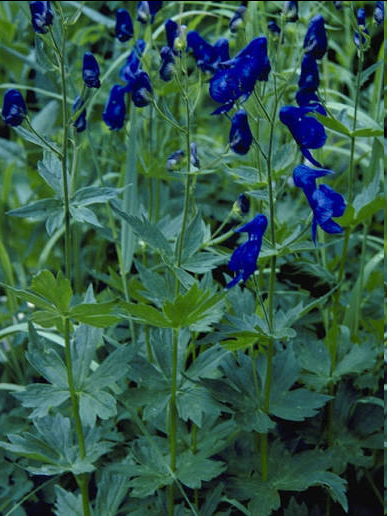
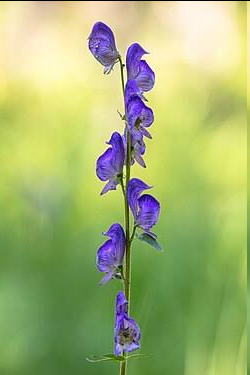
Aconitum columbianum (Columbian monkshood)
A tall, spindly, moisture-loving perennial herb found in western North America. It is highly recognizable by its deep blue, purple, or sometimes white/yellowish flowers, which feature five petal-like sepals with the topmost shaped into a distinctive, cone-like hood or helmet.
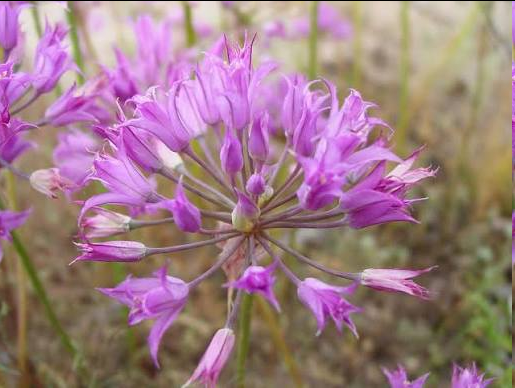
Allium acuminatum (Hooker's Onion)
a small, deciduous perennial herb distinguished by 2 or 3 narrow, grass-like leaves that typically wither before bloom. It produces a 10 to 30 cm tall, leafless stem topped with an umbrella-like cluster of 7 to 40 bright pink to deep purple star-shaped flowers.
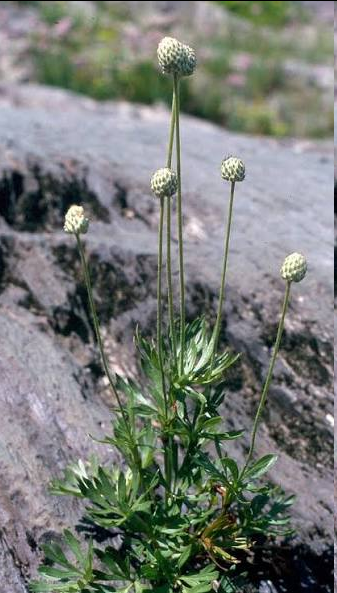
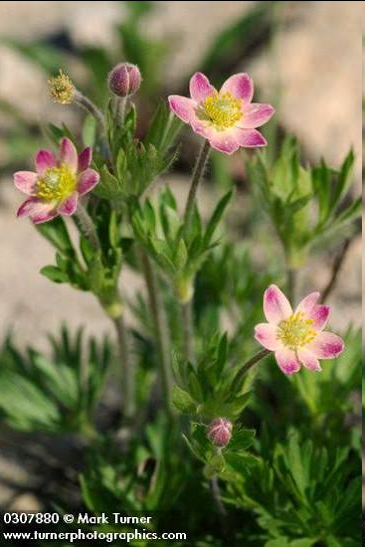
Anemone multifida Cut-leaf anemone
A hardy, hairy perennial native to the Americas, this buttercup family member forms low clumps of deeply divided, silvery-green foliage. From late spring to summer, it produces small, cup-shaped blooms featuring petal-like sepals in cream, white, pink, yellow, or purple. Often solitary blooms.
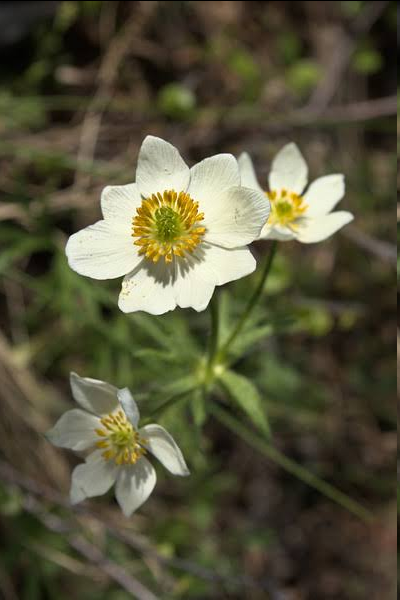
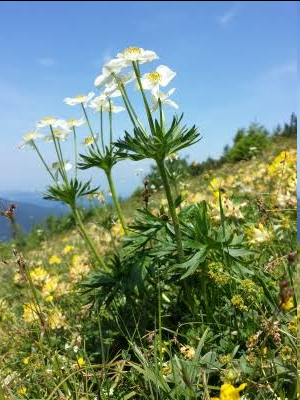
Anemonastrum narcissiflorum, the narcissus anemone
This plant is an alpine, herbaceous perennial in the buttercup family (Ranunculaceae). It forms compact, soft-hairy, clump-forming mounds that typically reach between 7 cm and 60 cm in height. Blooms in clusters.
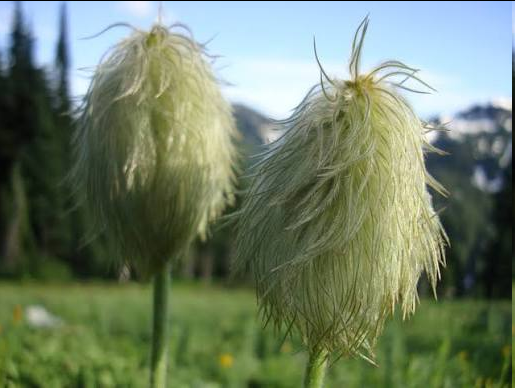
white pasqueflower (Anemone occidentalis)
a high-altitude perennial that blooms as soon as the snow melts. It features large, showy, bowl-shaped flowers with five to seven creamy-white, petal-like sepals and a dense center of yellow stamens. Following its brief bloom, it produces a distinct, fluffy, feather-duster seed head
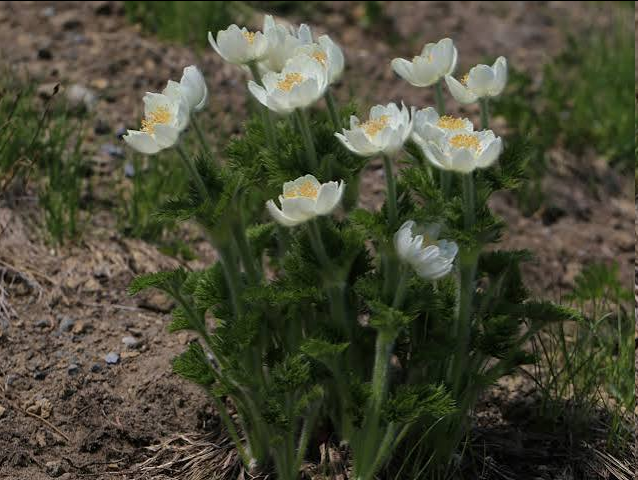
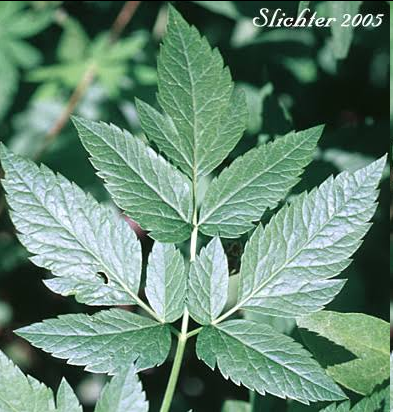
Angelica arguta, sharp-tooth angelica
This native taprooted perennial herb thrives in moist, subalpine meadows and wooded riparian areas from British Columbia to Utah. Growing on stout, hollow stems reaching up to two meters, it produces large triangular leaves with sharply serrated leaflets.
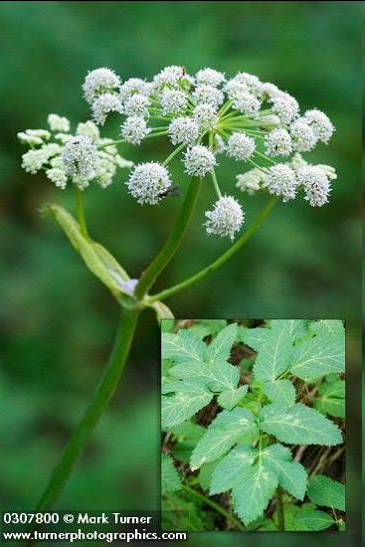
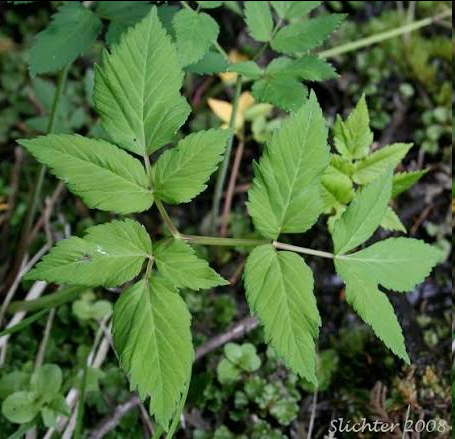
Angelica genuflexa | Kneeling Angelica
A stout, taprooted perennial herb native to northwestern North America, this plant grows in moist habitats like bogs and streambanks. It is characterized by a hollow, purplish-tinged stem, uniquely bent leaf stalks that force the lowest leaflets downward, and large, dome-shaped clusters of small, white or pinkish-white flowers.
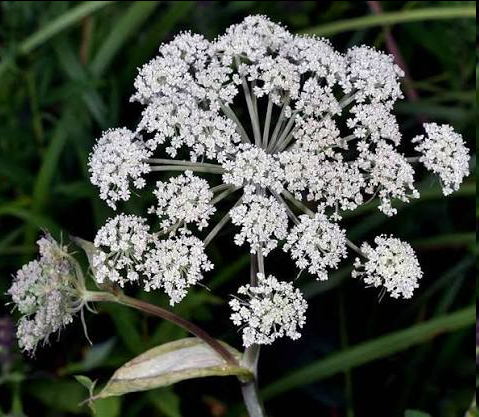
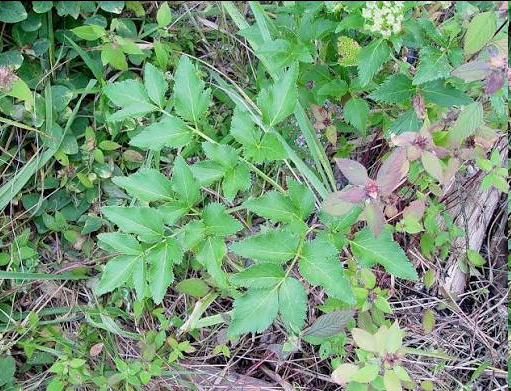
Angelica lucida (sea coast Angelica)
This coastal perennial herb is native to North America's shorelines and the Russian Far East. Thriving in salt marshes and maritime bluffs, it features tall, stout, hollow stems and bright, glossy-green divided leaves. During summer, it produces large, flat-topped, umbrella-shaped clusters of tiny white or greenish flowers that attract native pollinators.
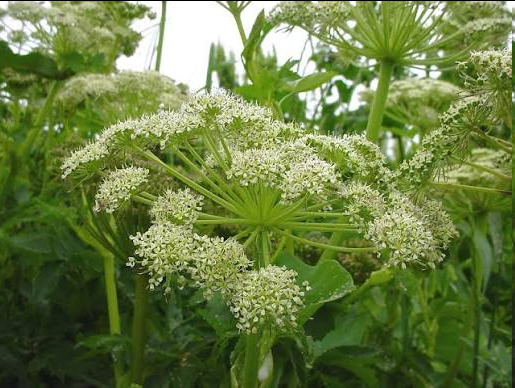
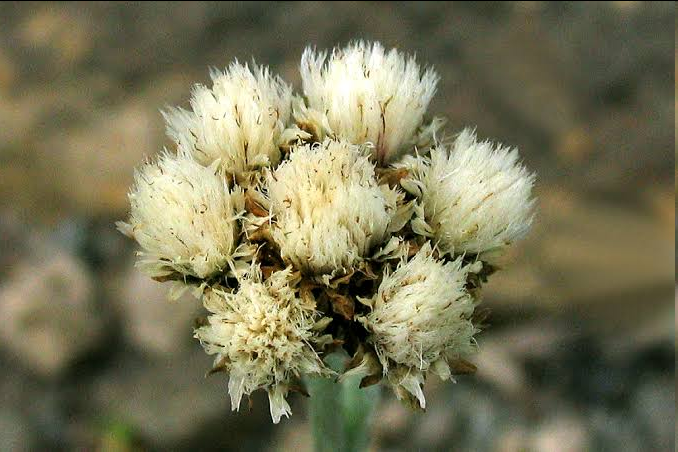
Antennaria alpina (alpine pussytoes
This delicate, mat-forming perennial herb grows low to the ground (typically 5 to 13 cm). It is characterized by dense rosettes of silvery-grey, woolly leaves and produces small, fuzzy flower clusters that resemble the tiny, soft paws of a cat. The flower heads—which bloom in white, pink, or purplish shades—feature distinctive dark brown or black bracts.
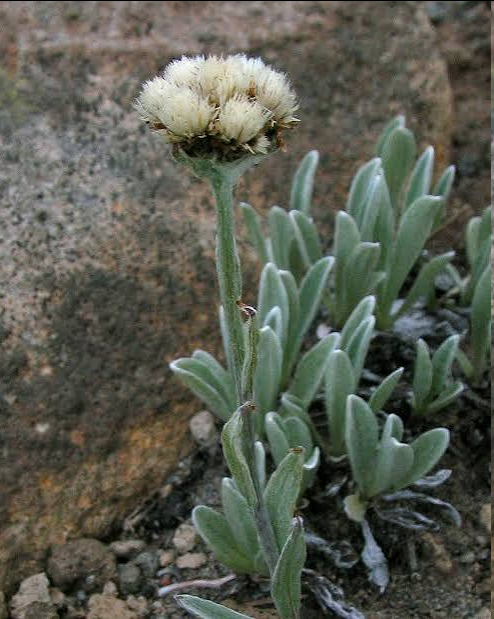
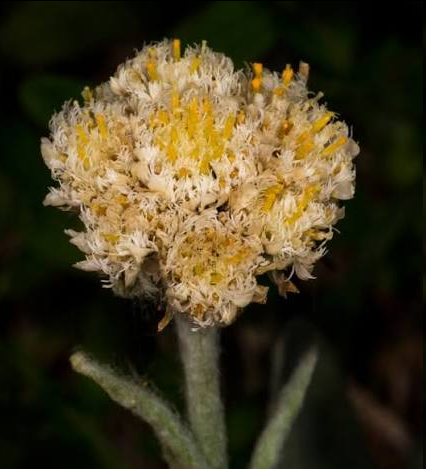
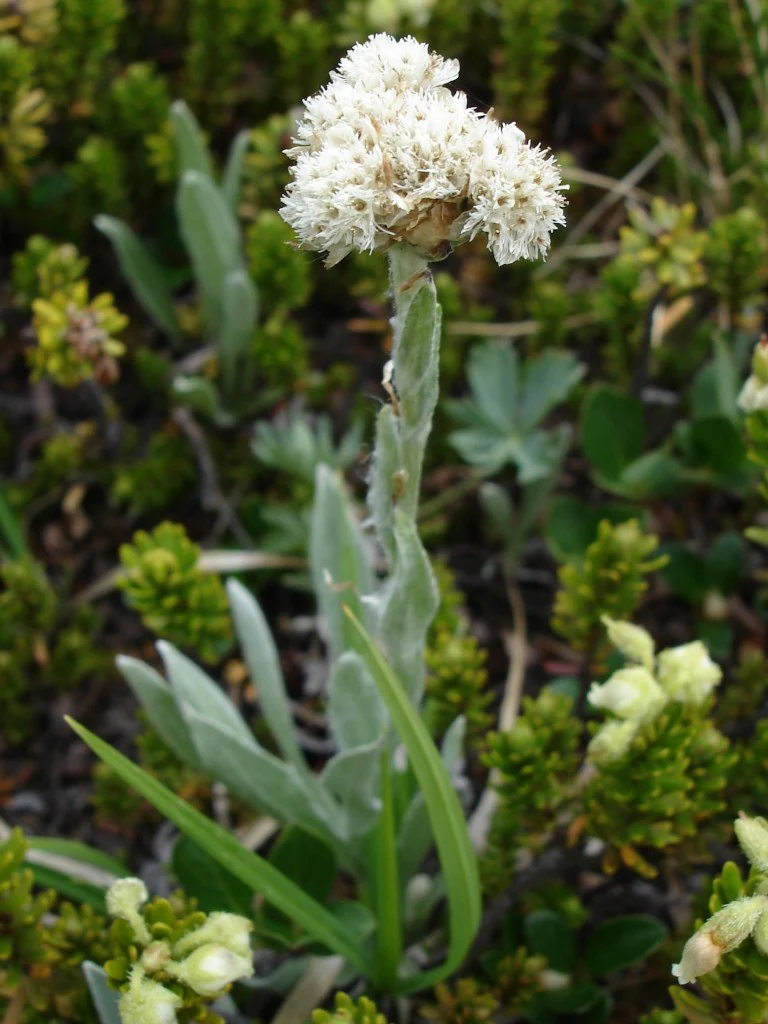
Antennaria lanat - Woolly Pussytoes
The subject is a high-elevation alpine and subalpine perennial herb that thrives in rocky meadows and mountain slopes. Growing just 10 to 20 cm tall, it is recognized by its dense, bright white woolly hairs that cover its tufted basal leaves and stems.
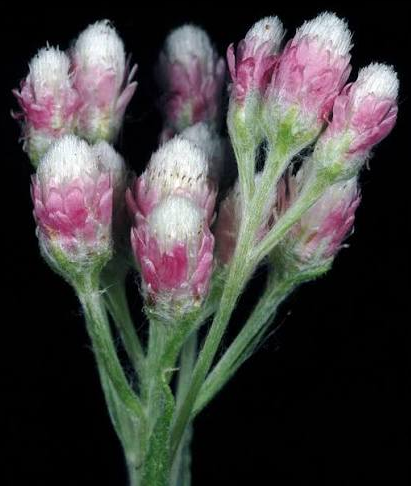
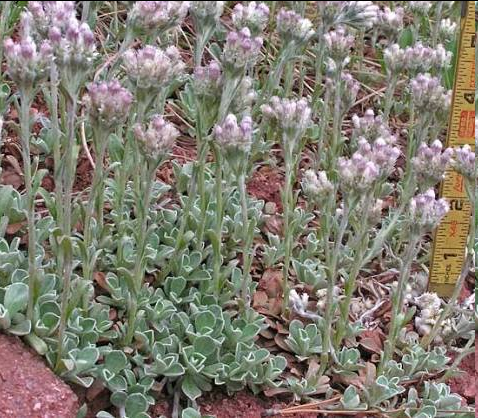
Antennaria microphylla (Littleleaf pussytoes)
A low-growing, mat-forming perennial herb belonging to the aster family (Asteraceae). It primarily reproduces vegetatively via stolons, creating dense, spreading colonies of foliage. The blossoms appear in compact, clustered heads and consist of soft, fuzzy papery structures—which are often white, cream, or accented with soft rose and pink tips
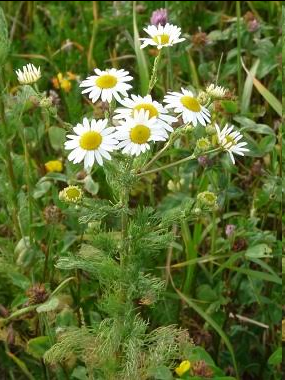
Anthemis arvensis - Common Chamomile
This branching annual plant grows about 20 cm to 45 cm tall and features deeply divided, fern-like, pale green foliage. It produces single, daisy-like flower heads (2 cm to 3 cm wide) with white petals surrounding a raised, bright yellow center. Unlike some relatives, it lacks a strong, sweet herbal scent.
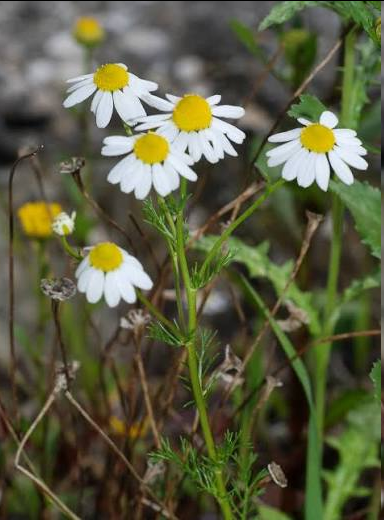
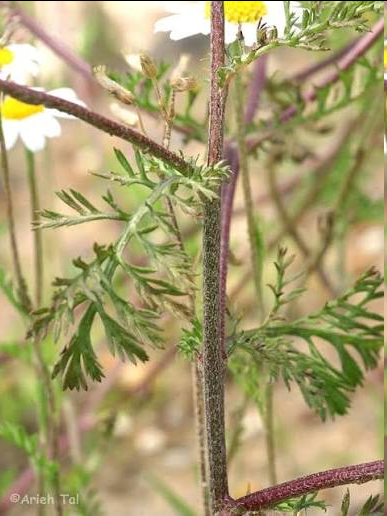
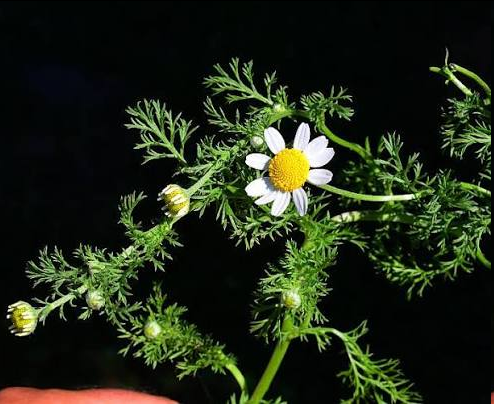
Anthemis cotula - stinking chamomile
is a branching, foul-smelling annual plant recognized by its finely divided, feathery leaves and daisy-like flower heads. Growing between 30 and 60 cm tall, it features bright white outer petals surrounding a dense, raised, yellow central dome.
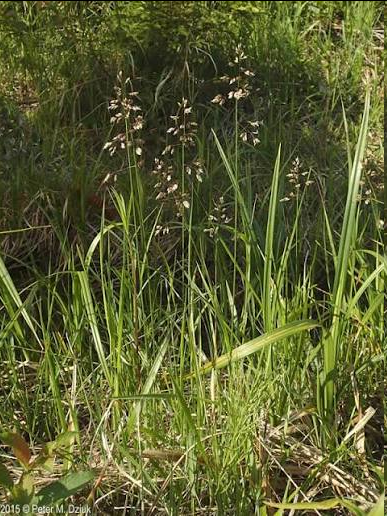
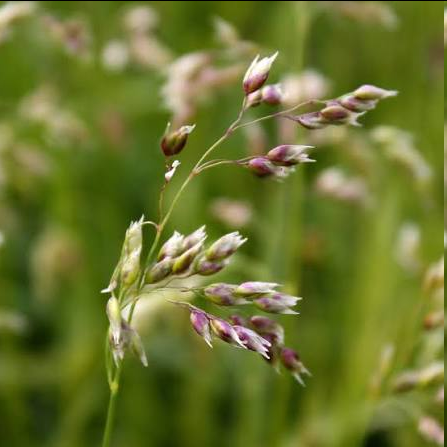
Hierochloe odorata - Sweetgrass
This aromatic, cool-season perennial herb thrives in cool, moist meadows and streambanks across North America and northern Eurasia. It produces grayish-green leaves with reddish bases that emit an unmistakable vanilla-like scent, which intensifies when dried. Revered for generations, it is widely utilized for smudging, basket weaving, and cultural ceremonies.
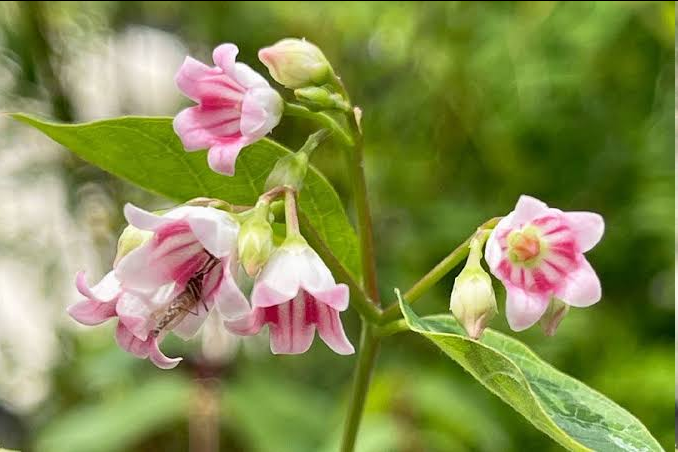
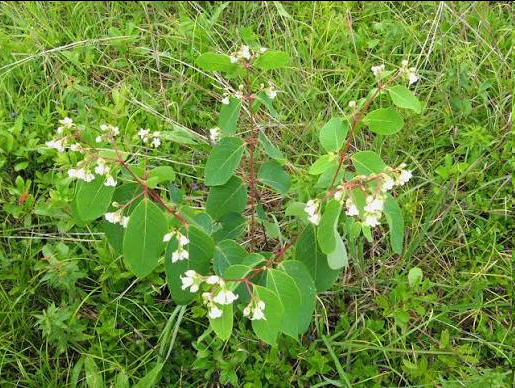
Apocynum androsaemifolium - (Spreading dogbane)
This perennial plant, growing up to 1 to 1.5 meters tall, features striking, smooth, reddish stems. It is widely recognized by its drooping, oval, untoothed leaves and its fragrant, bell-shaped, pale pink-and-white flowers that feature dark pink stripes. When broken, all parts of the plant exude a toxic, milky white sap.
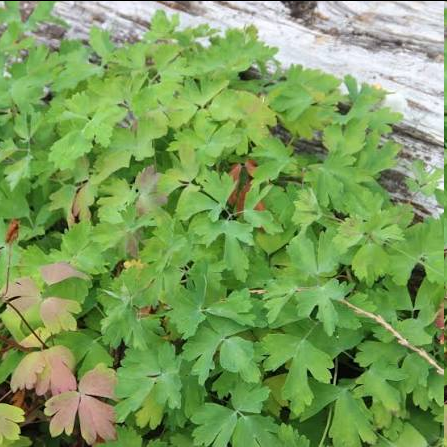
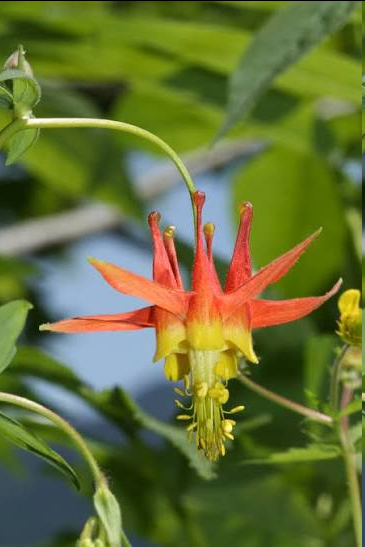
Aquilegia formosa - (Red Columbine)
This native western North American perennial features delicate, fern-like blue-green foliage and nodding, two-toned blooms. The flowers showcase vibrant red sepals and petals tipped with soft yellow, accompanied by straight, backward-pointing spurs. It is highly attractive to hummingbirds.
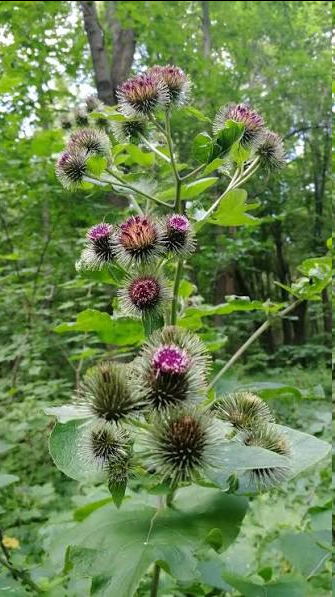
Arctium lappa, commonly called greater burdock
This robust, biennial plant is famous for its large, heart-shaped leaves and globular purple flowers. Its mature seed heads feature hooked, Velcro-like bracts that cling to passing animals and clothing. Ray flowers do not extend past bracts.
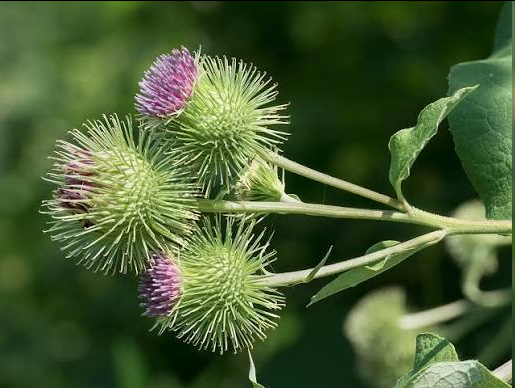
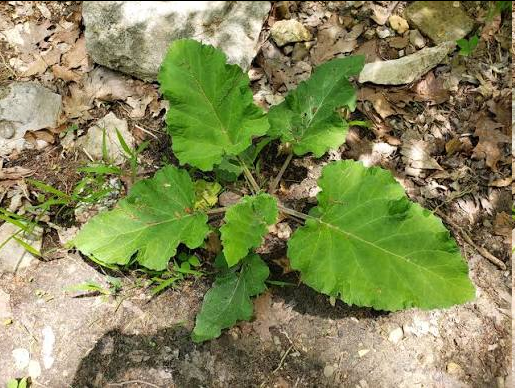
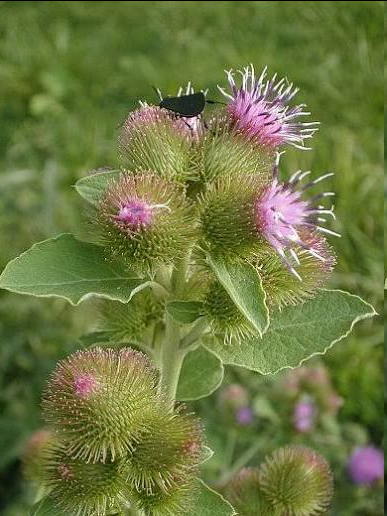
Arctium minus — common burdock
This widespread biennial herb features a large, bushy stature reaching up to 1.8 m (6 ft) tall. It is highly recognizable by its massive, heart-shaped basal leaves that are dark green above and fuzzy or woolly underneath. During late summer, it produces distinct, thistle-like pink or purple flowers surrounded by hooked bristles. Ray flowers extend past bracts.
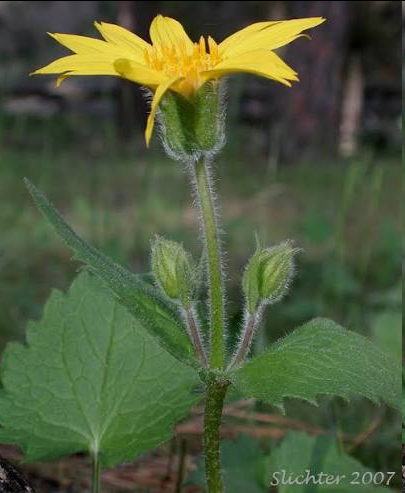
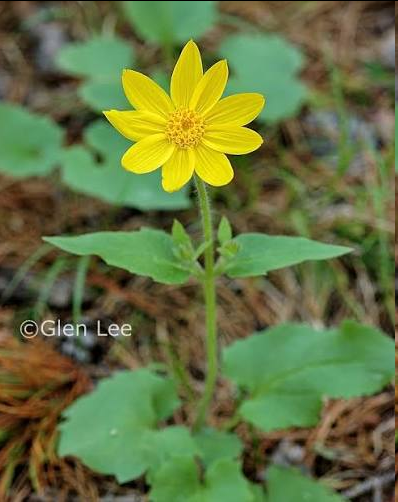
Heartleaf arnica (Arnica cordifolia)
A widespread, shade-tolerant perennial wildflower found in mountain and woodland ecosystems. It features bright, daisy-like blossoms with golden yellow centers and 10 to 15 pointed petals. The plant is distinctly recognized by its broad, toothed basal foliage shaped like an arrowhead or inverted triangle, and paired leaves up the stem.
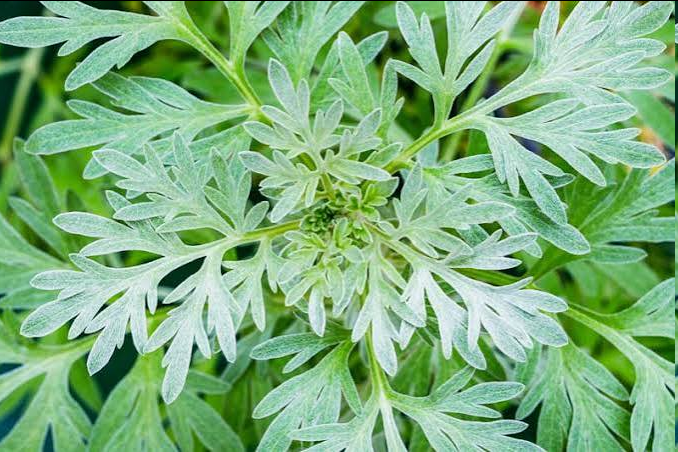
Northern wormwood (Artemisia campestris)
a low-growing, tap-rooted biennial or perennial herb in the sunflower family. It typically grows up to 30 cm in height and features distinctive basal leaves arranged in crowded rosettes. These leaves and stems are finely coated in silky hairs.
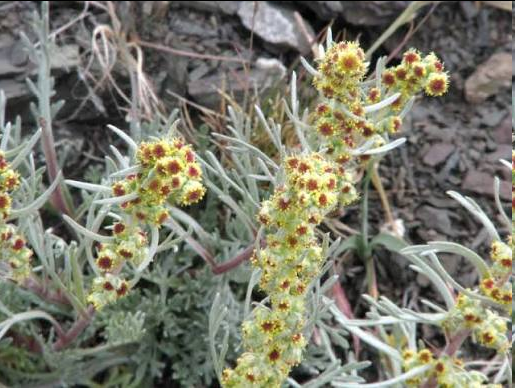
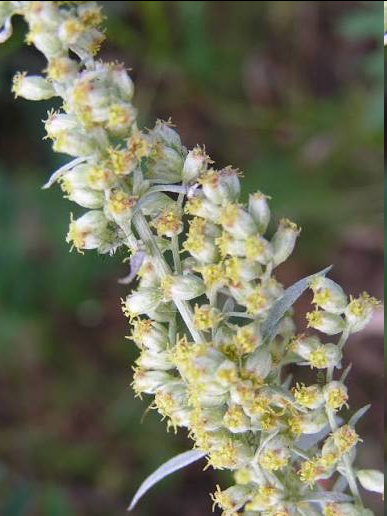
Prairie Sagewort - Artemisia frigida
This aromatic, drought-tolerant subshrub features soft, deeply divided silvery-gray leaves and produces small clusters of inconspicuous yellow flowers in the summer. It thrives in dry, open environments and is known for its dense, mat-forming growth.
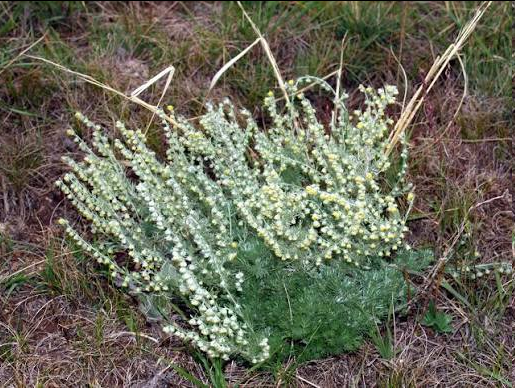
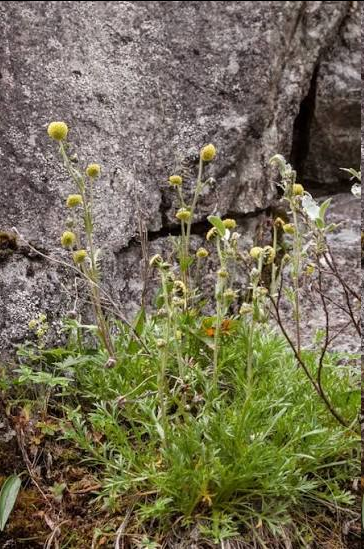
Mountain Sagewort (Artemisia norvegica)
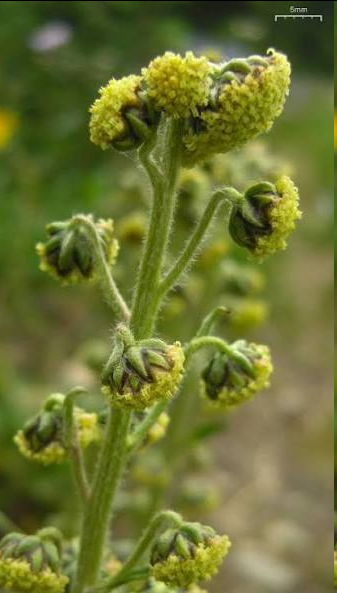
This hardy, resilient perennial herb thrives in high-elevation subalpine and alpine regions. Growing up to 60 cm tall, it features grey-green, finely divided leaves with a woolly underside and a distinctly bitter, herbaceous aroma. During mid-to-late summer, it produces clusters of small, nodding, yellowish to reddish-brown flowers.
Big Sagebrush (Artemisia tridentata)
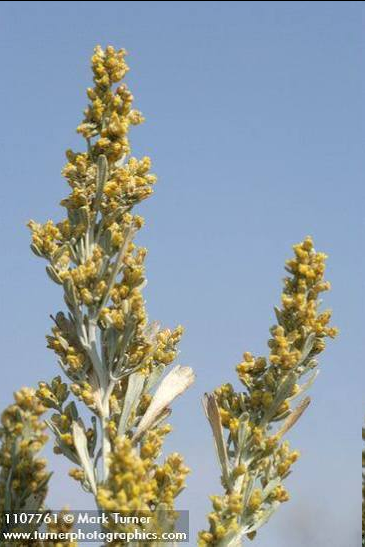
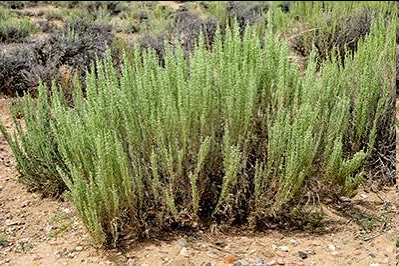
This iconic plant is a resilient evergreen shrub that defines the arid landscapes of western North America. It features highly aromatic, silvery-gray foliage and distinct three-lobed leaves, supporting local wildlife while thriving in tough, dry environments.
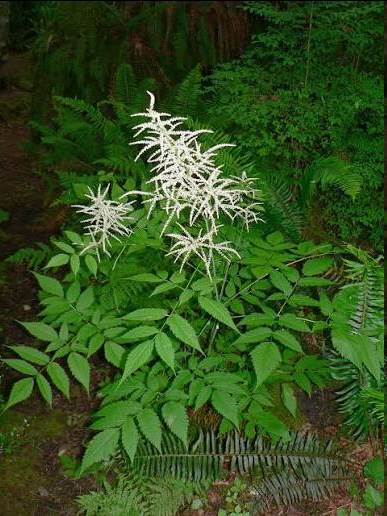
Aruncus dioicus - Goat’s Beard
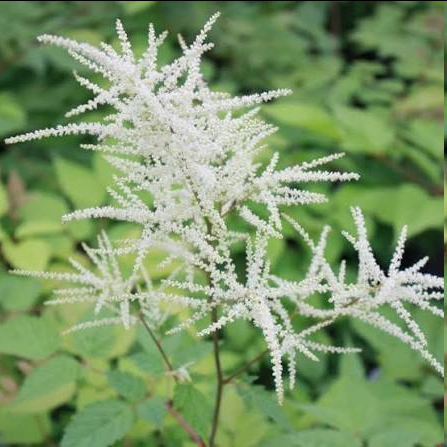
This imposing, long-lived herbaceous perennial forms massive, bushy clumps that can reach up to 1.8 to 2.1 m (6-7 feet) in height. It features attractive, deeply-divided, fern-like green leaves and produces large, feathery plumes of tiny, starry, creamy-white flowers that bloom in early summer.
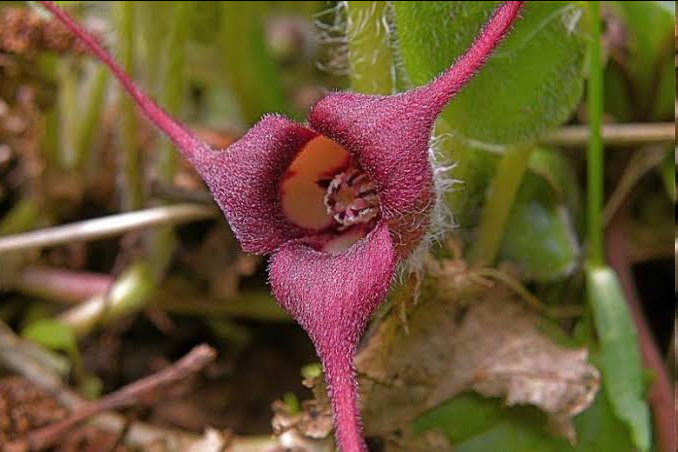
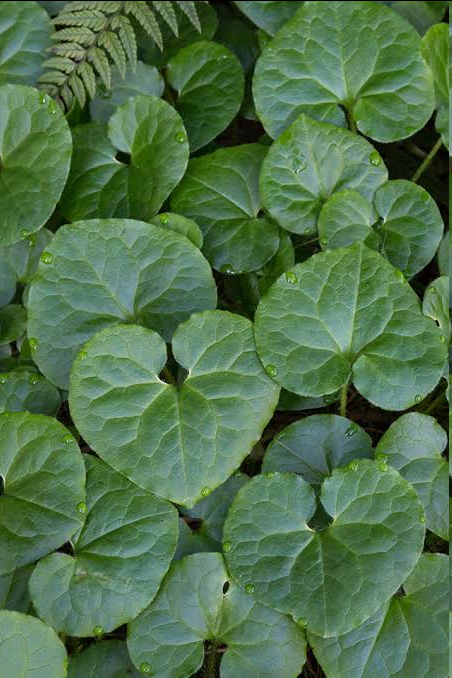
Asarum caudatum (British Columbia wild ginger)
This mat-forming, evergreen perennial naturally carpets the damp understory of Pacific Northwest forests. It features glossy, kidney-to-heart-shaped leaves that emit a spicy aroma when crushed. In spring, unique, hairy, brownish-purple cup-shaped flowers bloom low to the ground, mostly hidden by the foliage.
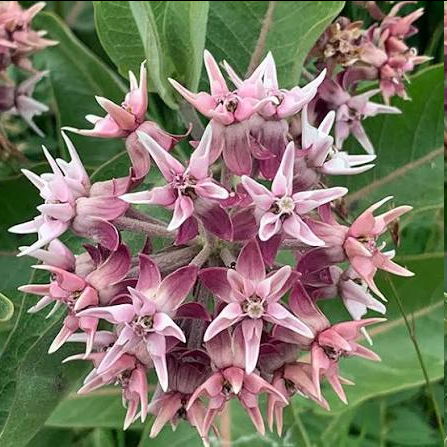
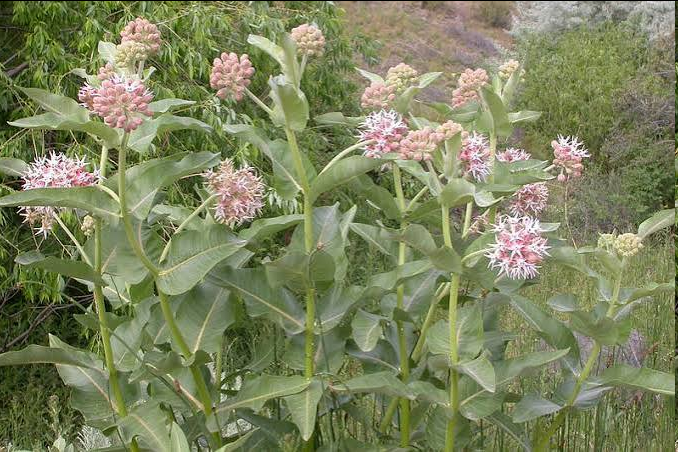
Asclepias speciosa - Showy milkweed
a hardy, upright perennial native to western North America, recognized for exuding a milky sap and bearing striking, crown-shaped pink-purple flowers in spherical clusters. It provides vital habitat and food for caterpillars, butterflies, and hummingbirds.
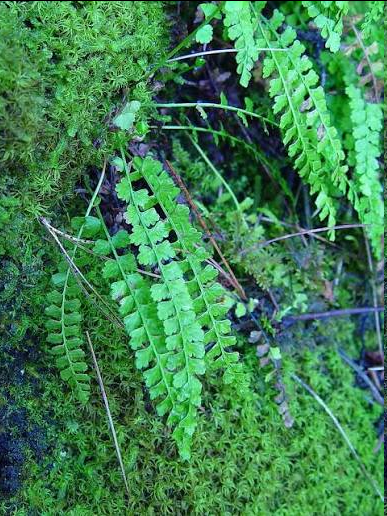
Asplenium viride (Green spleenwort)
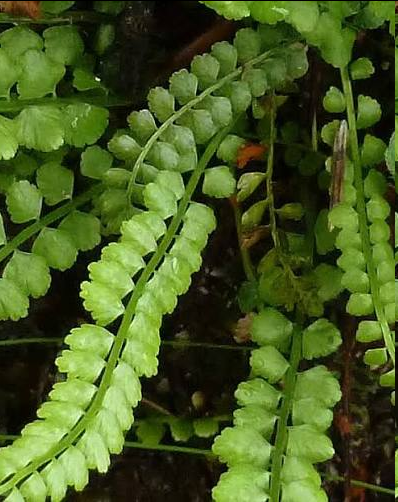
It is a small, delicate, evergreen perennial fern that thrives in cool, shaded, calcareous rock crevices and damp talus slopes. It is widely distributed across the temperate regions of the Northern Hemisphere, including North America, Europe, and Asia.