Malignant neoplasms
 Call Kai
 Learn
Learn Practice Test
 Spaced Repetition
 Match
Match Flashcards
 Knowt Play
1/27

There's no tags or description
Looks like no tags are added yet.
Name | Mastery | Learn | Test | Matching | Spaced | Call with Kai | Chat |
|---|
No analytics yet
Send a link to your students to track their progress
28 Terms
What is the most common primary malignancy of bone?
Multiple myeloma; malignant proliferation of plasma cells infiltrating bone marrow
What are physical characteristics of multiple myeloma?
>50 y.o., cachexia, weight loss, anemia
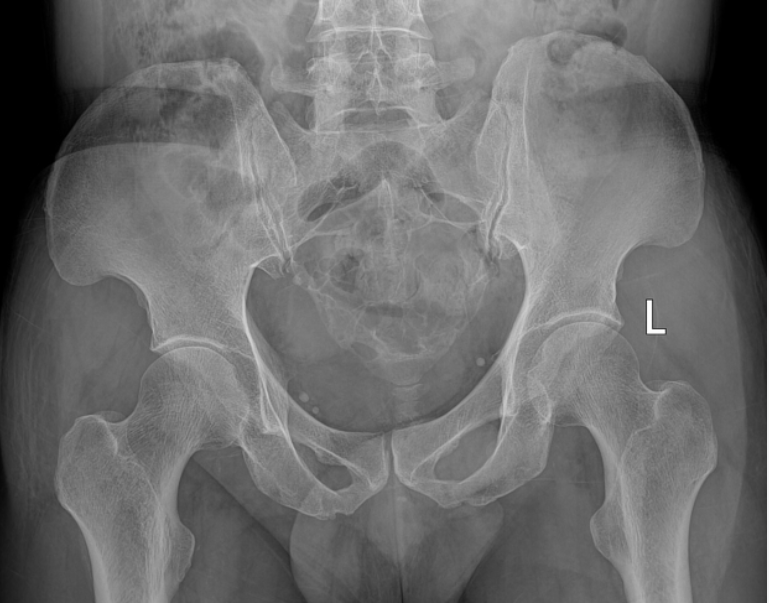
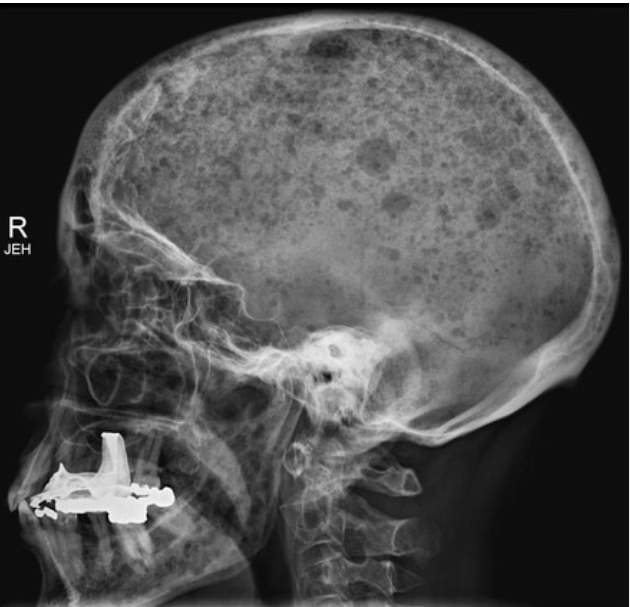
What are radiological characteristics of multiple myeloma?
Multiple dark densities that are similar in size (“punched out lesion”); can cause pathological collapse (vertebral plana); associated with “rain drop skull”
What would you see on lab testing for multiple myeloma?
M spike on the immunuelectrophoresis; reversal of the albumin/globulin ratio; bence jones proteinuria; elevated ESR
What is a special test for multiple myeloma?
Bone scan:cold
What is the most common malignant tumor of bone?
Metastatic disease (lytic and blastic)
What are physical characteristics of lytic metastasis?
> 40 y.o.; recent unexplained weight loss; skeletal pain worse at night
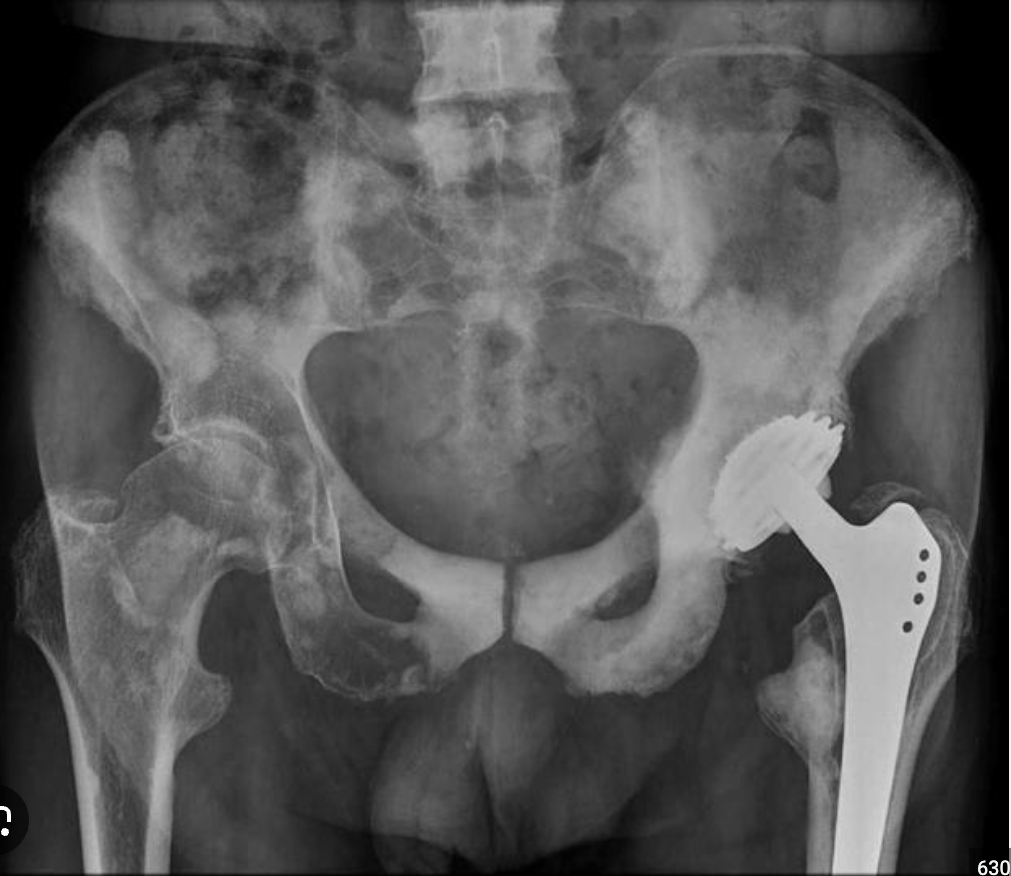
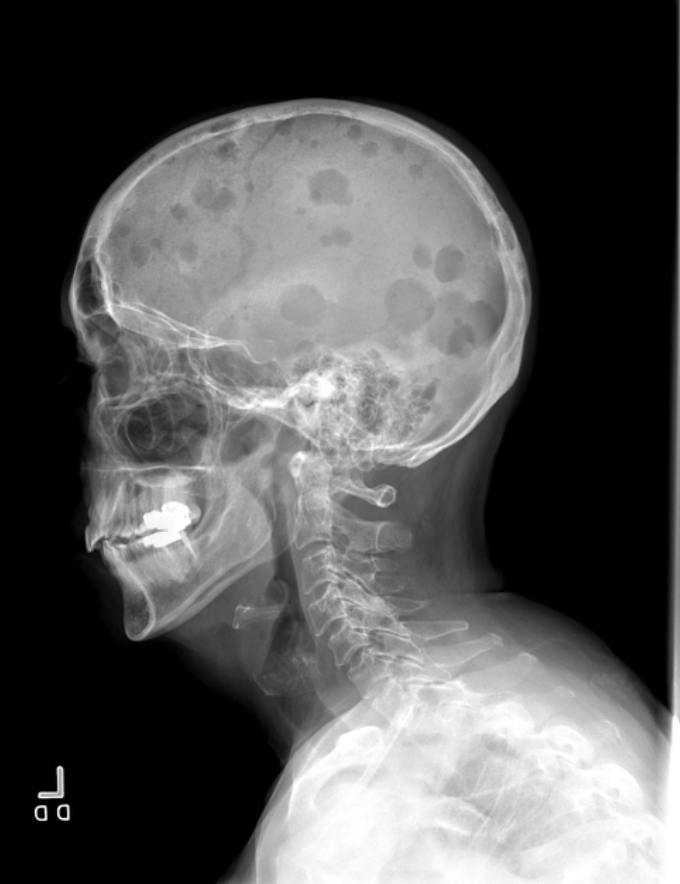
What are radiological characteristics of lytic metastasis?
Trabeculae reabsorbed turns the bone darker in color; moth eaten or permeative pattern of destruction; “eat” away pedicle of bone; has a “swiss cheese” appearance in the skull
What will alkaline phosphatase levels look like for lytic metastasis?
Normal or mildly elevated
What are characteristics of blastic metastasis?
> 40 y.o.; ivory white vertebrae; no cortical thickening or bone enlargement
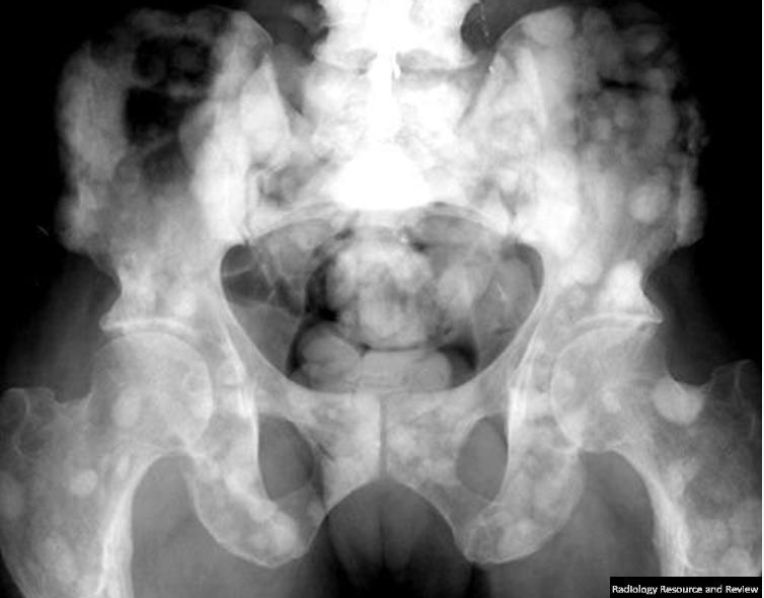
What will alkaline phosphatase levels look like for blastic metastasis?
Markedly elevated
What is the most common form of metastasis in ages 20-40?
Hodgkin’s disease
What are characteristics of Hodgkin’s disease?
Ivory white vertebrae with anterior body scalloping; uni-lateral hilar lymphadenopathy in caucasian males seen on the PA chest view
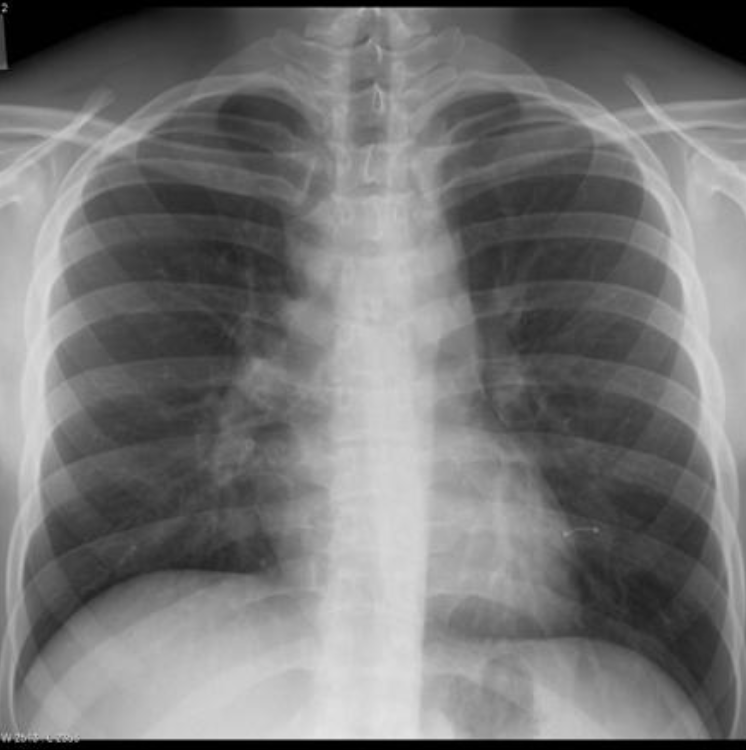
What would you find on a biopsy of Hodgkin’s disease?
Reed sternberg cells
What are characteristics of Paget’s (aka osteitis deformans)?
Males >50 y.o.; causes cortical thickening, picture frame vertebrae, increase bone density, coarsened trabeulae, bone expansion, bowing deformities
What is stage 1 Paget’s?
Lytic or destructive
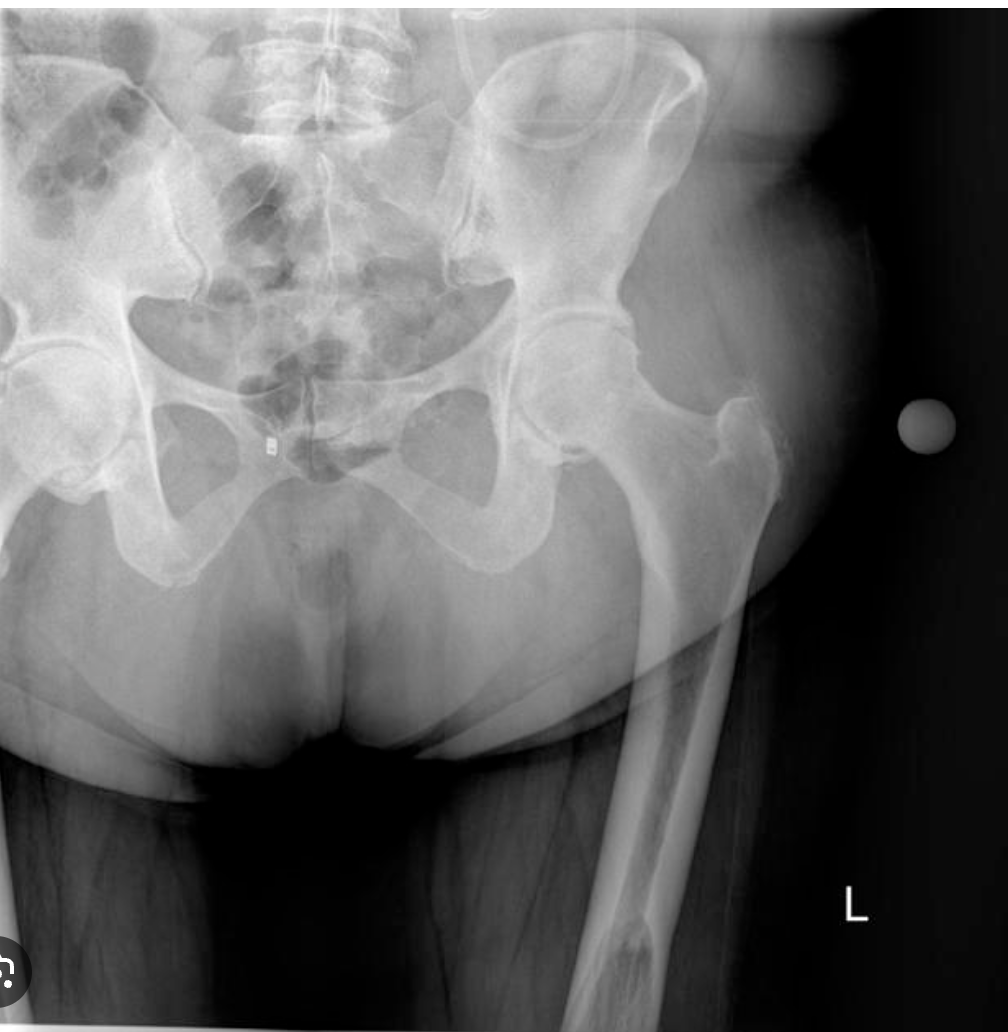
What is stage 2 Paget’s?
Combined
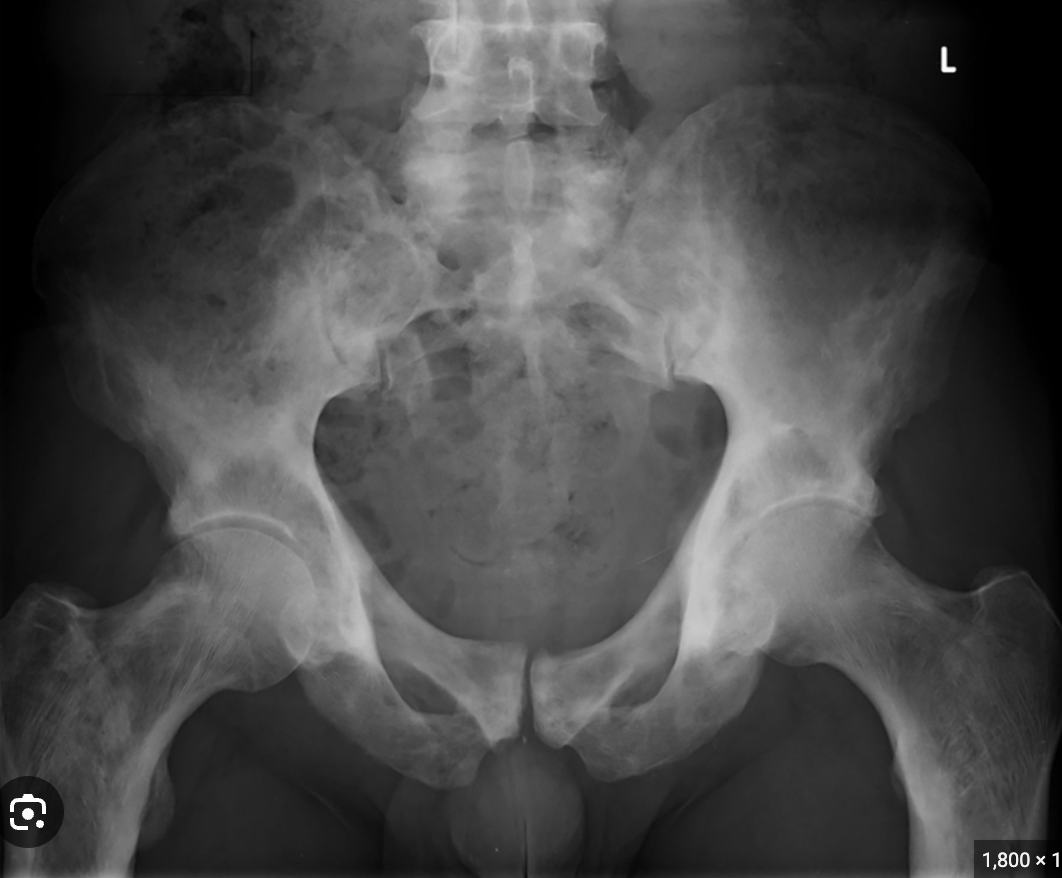
What is stage 3 Paget’s?
Sclerotic
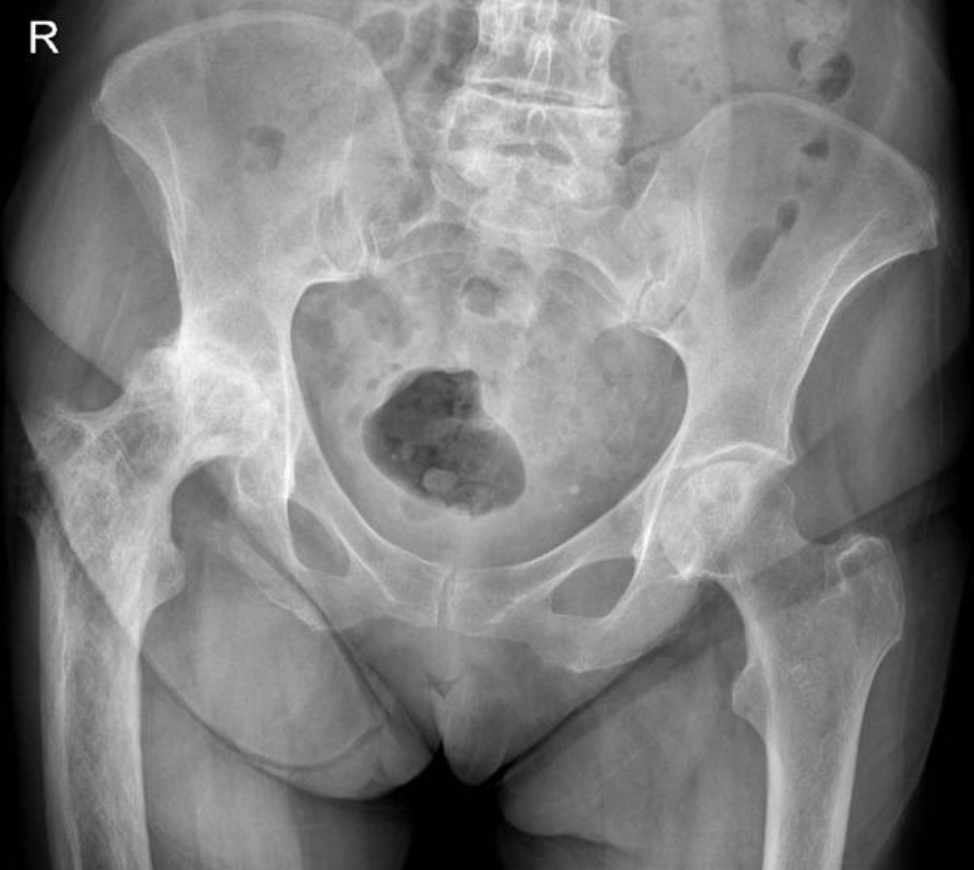
What is stage 4 Paget’s?
Malignant (osteosacroma)
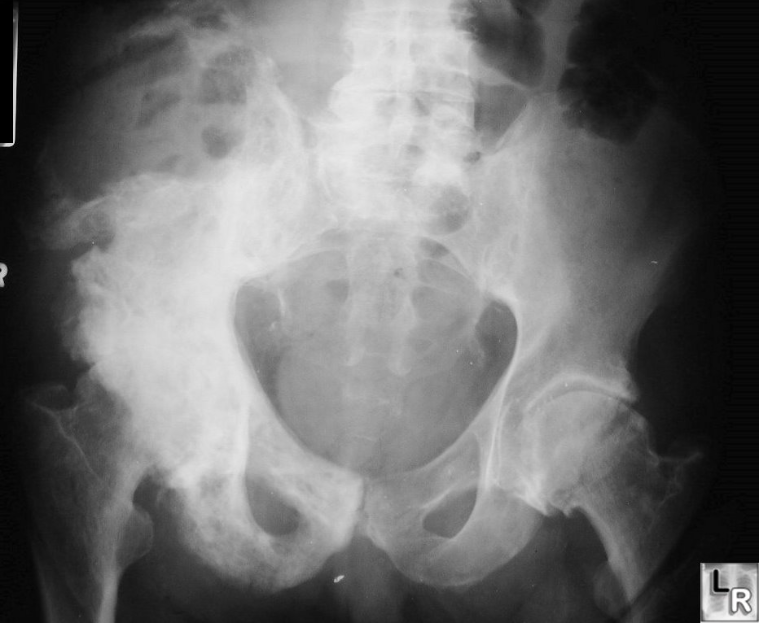
What labs would be increased for Paget’s?
Alkaline phosphatase and urinary hydroxyproline
What is the most common malignancy found in children?
Osteosarcoma; age group 10-30
What are characteristics of an osteosarcoma?
Causes a periosteal reaction that is spiculated/radiating/sunburst in appearance
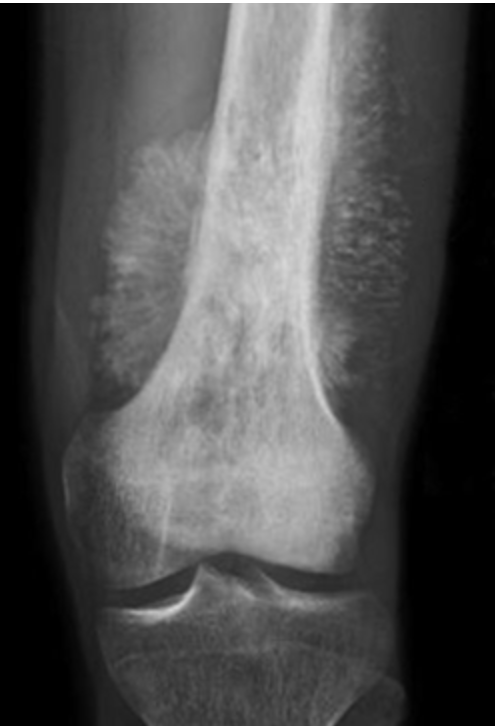
What labs would be elevated in osteosarcoma?
Alkaline phosphatase
What are characteristics of a chondrosarcoma/fibrosarcoma?
> 40 y.o.; creates a spiculated/radiating/sunburst periosteal reaction of bone
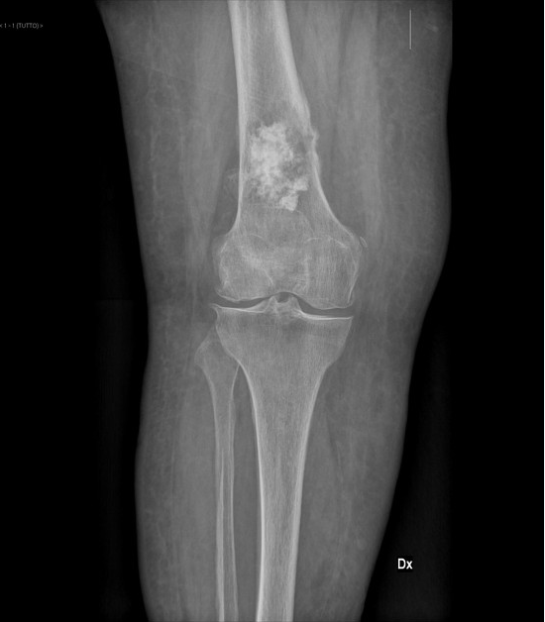
Where is an Ewing’s sarcoma most commonly found?
Diaphysis of long bones; 10-25 y.o.
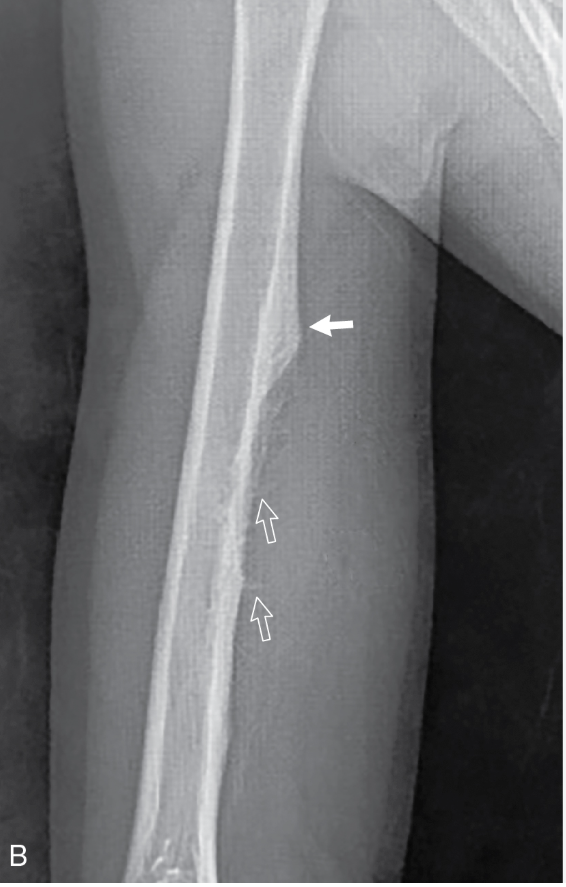
What are radiological characteristics of a Ewing’s sarcoma?
Permeative lesion that causes a multi-paralleled onion skin (laminated) type of periosteal reaction; bone expansion, Codman’s triangle, saucerization
Where is the most common location for a chordoma?
Sacrum; second most common location is in the skull
What are characteristics of a chordoma?
> 40 y.o.; aberrant notochordal cell tumor