ID 2242 Test 4 - Dada and Surrealism
 Call Kai
 Learn
Learn Practice Test
 Spaced Repetition
 Match
Match Flashcards
 Knowt Play
1/53

There's no tags or description
Looks like no tags are added yet.
Name | Mastery | Learn | Test | Matching | Spaced | Call with Kai | Chat |
|---|
No analytics yet
Send a link to your students to track their progress
54 Terms
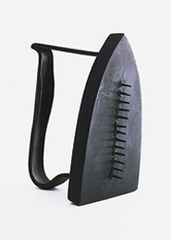
Gift, 1921
-Man Ray
-Dada
-Taking another personality to make art
-ready-made aka found objects
-iron with tacks glued on
-Anti-Art “Art is destruction as well as creation“
-destructive elements
-lots of attitude
-what does it mean?
-automatism
automatism
randomness, lack of control, lack of ownership
-letting go
-” the artwork creates itself (automatically)”
exquisite corpse
-word game
-image game
-each person contributes to the drawing then folds up their portion so the next person does not see the previous drawing
Sigmund Freud
-Father of psychoanalysis
-Identified the id, ego, and super-ego
-Therapeutic techniques using “free association” of unconscious or preconscious material to aid consciousness
-he wrote The Interpretation of Dreams
publcisjed in 1899
analysis of dream symbolism to resolve neuroses
focuses on how preconscious and unconscious states (available in dreams) generate “dreams“ as symbolic narratives
Model - Iceberg floating on water
Dada Surrealists
-generate ideas from preconsciousness
daydreaming
fantasy
imagination
-Dada: having a particular attitude, child-like, in French it means hobby horse toy
automatism
exquisite corpse
ready-mades
“dada: the revolt of art“
Anti-Art
-Surrealism
fetishism
analogues
“The absolute reality is super reality“
“superior reality‘
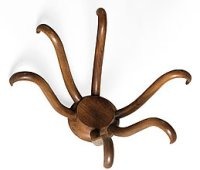
Hat Rack, 1914
-dada
Marcel Duchamp
-master of ready-mades
-decapitated the hat rack
-decided to suspend it in the air
-kind of resembles a spider
-dada attitude
questioning whether something is “art“
questioning what the content of the artwork is
Bicycle Wheel, 1913
-dada
Marcel Duchamp
-anti-art
-ready made
-took apart the bike to included the wheel on top of a stand
-the ready-made is destryed/revised
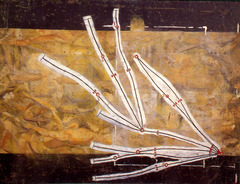
Stoppages, 1914
-dada
Marcel Duchamp
-made up a word
-wanted to convey the idea of stopping
-dropped wax and then drew lines to connect them
-automatism
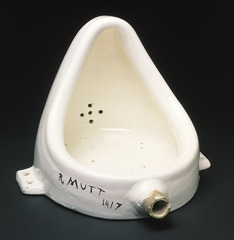
Fountain, 1917
-dada
Marcel Duchamp
-male urinal
-if plumbing was installed, it would squirt like a fountain as well
-Alter ego: R. Mutt
inspired by the cartoon Mutt and Jeff
-Art is Dead is projected behind artwork
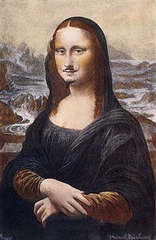
L.H.O.O.Q., 1919
-dada
Marcel Duchamp
-defaced the Mona Lisa
-gave her masculine attributes, giving her androgyny
-ready-made: poster of Leonardo’s painting
-against traditional painting
-destructive graffiti
=Freud asked in his book: “Who is the Mona Lisa“
Portrait of his birth mother
Did not grow up with her, but found her later in life
She shows up in other Leonardo’s paintings
also Self-Portrait
-name is meant to spell how a particular French phrase (narrative code)
“Elle a cahud au cul“
What would make Mona Lisa smile?
Answer is that she has a hot ass
-
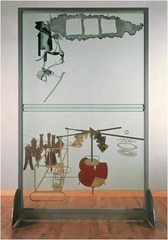
The Bride Stripped Bare by Her Bachelors, Even, 1923
-dada
Marcel Duchamp
-book accompanied the painting
-The bride is the yellow and red sculptures
reference to the readymade object, a coffee grinder
also looked like the female genitalia
-the bachelor is the sculpture to the left of the bride
chocolate molds
policeman
postman
indian cheif
-the mechanism of human sexuality
-bride is grinding coffee, which is transferring energy to the bachelors, which get them excited, and they release an orgasmic cloud
-artwork was shattered in transit
he said it was perfect
connects all the characters together
destruction
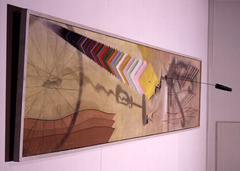
Tu M', 1918
-dada
Marcel Duchamp
-Name is French for “You ——-me“
missing verb/connectiom
-informal language
-ready-made: real bottle brush
-ready-made: real safety pins
-painted illusion of a tear in the canvas
-references of his artwork
shadow of bicycle wheel
shadow of Hat rack
-automasim
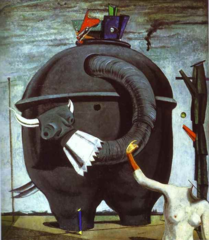
The Elephant of the Celebes, 1921
-Surrealism
-Max Ernst
-Realistic setting
-Fantasy object conforming to reality
-What does an elephant have in common with a vacuum
-make them a super-real or fantasy object
-automatism
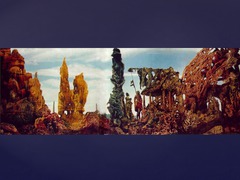
Europe after the Rain, 1940
-Surrealism
-Max Ernst
-automatism
-frottage, ran it over tree bark to get texture
-decalcomania, pressed on crumpled paper
-when he completed it
determined what was up and what was down
dreamed of the title
added the realistic details
frottage
rubbing
decalcomania
pressing
Paranoiac-Critical Method as establisjed with Dali
-object is separate
-object assumes the shape of desire (eatable)
-objects becomes moveable (to carry and play)
—object duses with us, in our hunger for it we seek unity
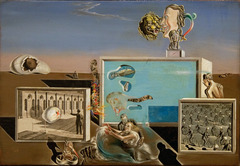
Illumined Pleasures, 1929
Salvador Dali
-Surrealism
-redefined fetish as the desire for the pleasure of the object
-realistic settings and objects
-fetishistic object: egg
object is separate
eatable, egg is cracked, and something is furry and maybe eatable
movable, bicycle riders with eggs on their heads
merge, metaphoric coons: egg
Dali is freaming about the metamorphisis
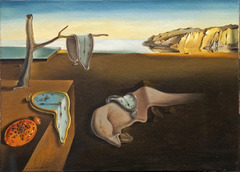
Persistence of Memory, 1931
Salvador Dali
-Surrealism
-realistic setting
-might be represented as the world before mankind and the creation cycle
-fetish:clocks
separate: hanging on tree, like hanging on the crucifix. maybe in the Garden of Eden
eatable: ants on lock
transportable: melting, “time flies“
fuses: self portrait of Dali daydreaming of clock
language
-random
alphabets, phonetics, words
-changing
new words added, linguisitc mapping
-contextual
Aviation Alphabet
-homophones
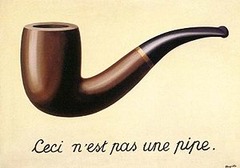
Treachery of Images, 1929
-Surrealism
-Rene Magritte
-Exploring the randomness of language
-Text translates “This is not a pipe‘
-language is the treachery of trying to find meaning
-we have to go through the levels of preconsciousness and consciousness to establish meaning
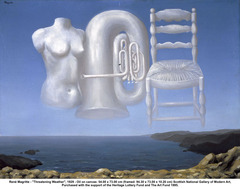
Threatening Weather, 1932
-Surrealism
-Rene Magritte
-analogical thinking
-analogoe:
free association substitution
-clouds
suggests female body
tuba as thunder
angels “sit“
-dreams of clouds within a realistic setting
-planimetric separation
linear perspective, orthoganals
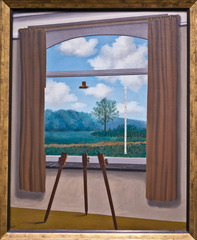
Human Condition, 1932
-Surrealism
-Rene Magritte
-role of art in realism
painting within a painting
-nature vs. art
-art as a window onto the world
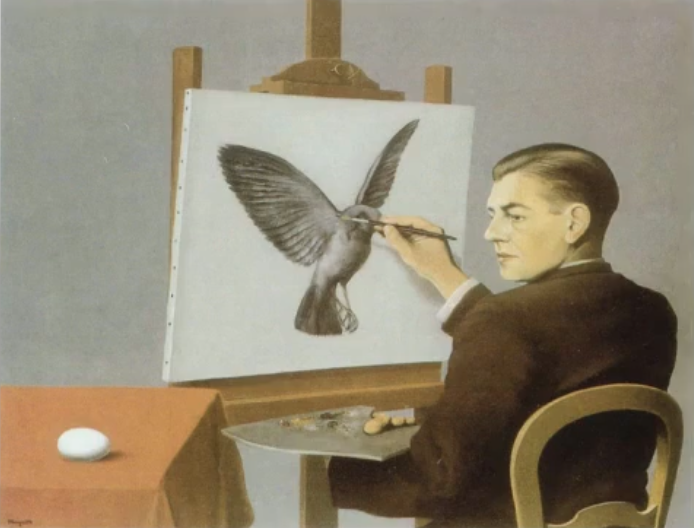
Human Condition, 1932
-Surrealism
-Rene Magritte
-Which comes first the chicken or the egg
analgoue
bird for an egg
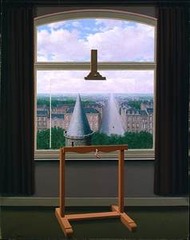
Promenades of Euclid, 1955
-Surrealism
-Rene Magritte
-references to the geometer Euclid
-the deimensional cone: advances
orthogonals
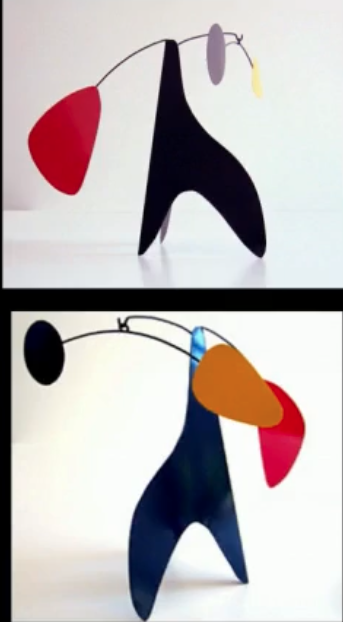
Tree, 1934
Alexander Calder
-Surrealism
-new art form, mobiles, kinetic sculptures that move
made out of wires, wigtedm an =d has certain balance points
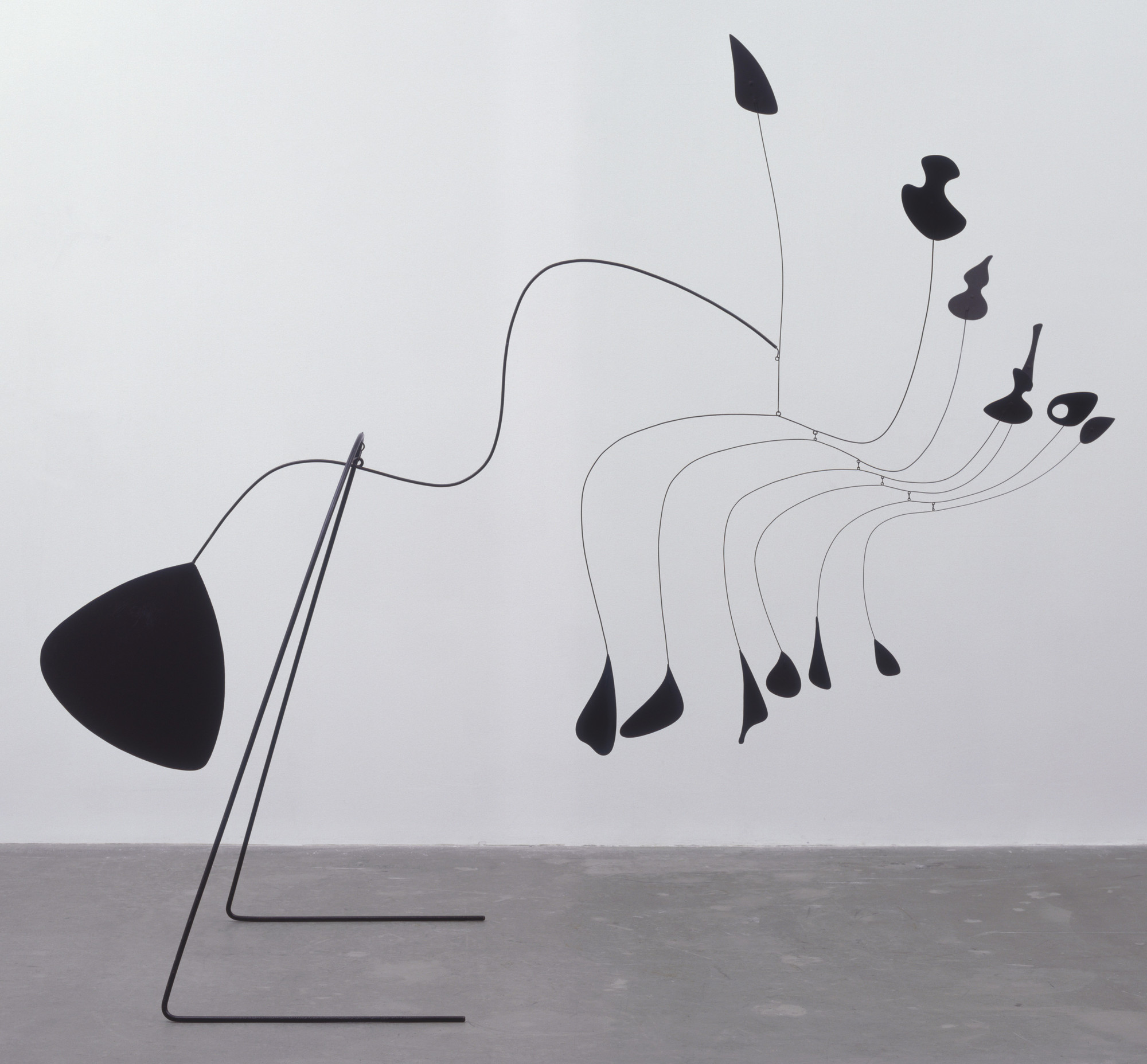
Spider, 1940
Alexander Calder
-Surrealism
-mobiles
-use the movement as part of the content
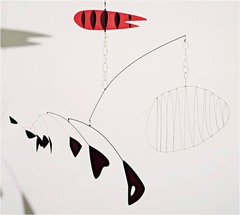
Lobster Trap and Fish Tail, 1939
Alexander Calder
-Surrealism
--made out sheet metal and wires
suspended
-lobster is trapped, never resolved
-mobile
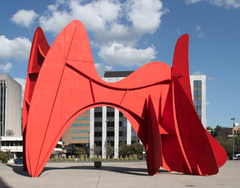
Large spider, Grand Rapids, Michigan, 1969
Alexander Calder
-Surrealism
-analogue
-new art form, stabiles, does not move
Jackson Pollock, Autumn Rhythms, 1950
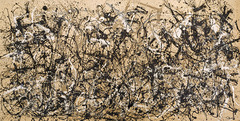
Jackson Pollock, Lucifer, 1947
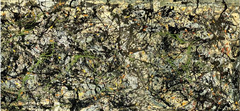
Jackson Pollock, Number I (Lavender Mist), 1950
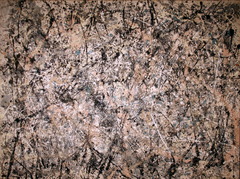
Franz Kline, Portrait of Nijinsky, 1949; 1949
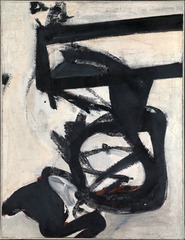
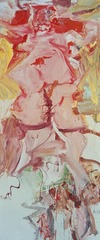
Willem De Kooning, Seated Woman, 1940
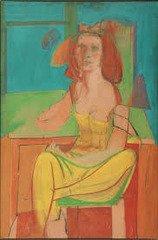
Willem De Kooning, Woman I, 1952
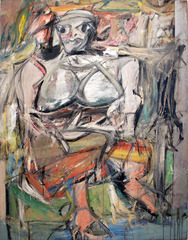
Willem De Kooning, Woman IV, 1953
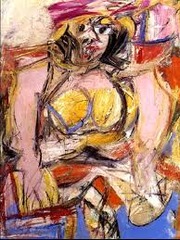
Willem De Kooning, Sag Harbor, 1954
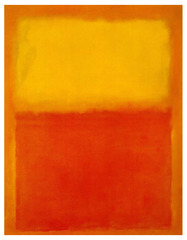
Mark Rothko, Red, Yellow, Orange, 1954
Mark Rothko, Suspended Color, 1955

Mark Rothko, Four Darks on Red, 1958

Mark Rothko, Floating, 1954

Mark Rothko, White Center, 1950

Barnett Newman, Onement I, 1948

Barnett Newman, Vir Heroicus Sublimis, 1951
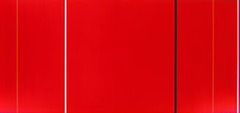
Morris Louis, Alpha, 1955
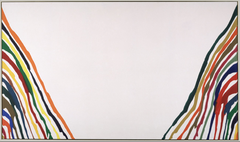
Morris Louis, Blue Veil, 1958
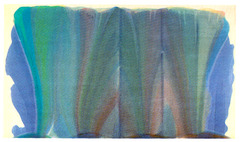
Morris Louis, Point of Tranquility, 1958

Morris Louis, Saraband, 1959
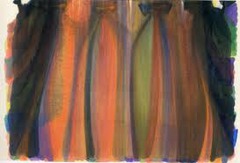
Helen Frankenthaler, Bay side, 1967

Adolf Gottlieb, Red Blast, 1959

Adolf Gottlieb, Cool Blast, 1963
Adolf Gottlieb, Black Earth, 1962

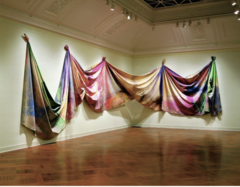
Sam Gilliam, A Spring Thaw, 1960s
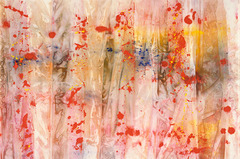
Sam Gilliam, Light Depth, 1969