Calf Diarrhea Clinical Review
 Call Kai
 Learn
Learn Practice Test
 Spaced Repetition
 Match
Match Flashcards
 Knowt Play
1/14

Earn XP
Description and Tags
Vocabulary flashcards covering clinical signs, diagnostic methods, age differentials, and treatment guidelines for calf diarrhea based on lecture notes.
Name | Mastery | Learn | Test | Matching | Spaced | Call with Kai | Chat |
|---|
No analytics yet
Send a link to your students to track their progress
15 Terms

Classic Presentation of Calf Diarrhea
A 2−10-day old calf presenting with diarrhea, lethargy, depression, hypothermia, and sepsis.

E. coli Diarrhea Presentation Age
Most commonly presents in calves less than 5 days old.
Viral Calf Diarrhea Presentation Age
Most common during the first week of life.
Salmonellosis and Cryptosporidiosis Presentation Age
Most common cause of calf diarrhea at 2−3 weeks of age.
Salmonella spp. Diagnostic Method
Culture or PCR on stool; may need to repeat due to intermittent shedding.
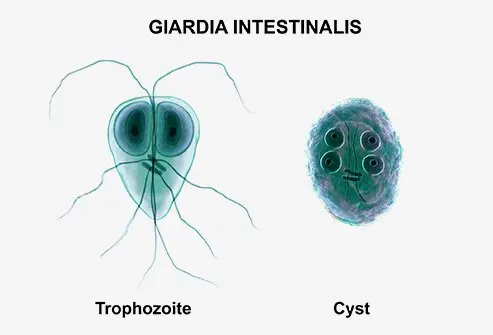
Giardia spp. Diagnostic Method
Fecal flotation with direct smear and/or immunoassays.
Cryptosporidia Diagnostic Method
Fecal flotation with acid fast stain and/or immunoassays.
BVD Diagnostic Method
PCR on ear tissue or blood.
Rotavirus Diagnostic Method
Fecal RotazymeⓇ test.
Coronavirus Diagnostic Method
Fluorescent antibody tests on duodenal jejunal samples.
Intravenous Fluid Therapy (IVF) Criteria
Indicated if the calf is over 5-7\text{\textpercent} dehydrated and very sick; type determined based on pH status/base deficit (usually sodium bicarbonate with dextrose).
Enteral Fluid Therapy Criteria
Indicated if the calf is less than 5-7\text{\textpercent} dehydrated; consists of electrolyte replacer and milk.
Colostrum Feeding Standard
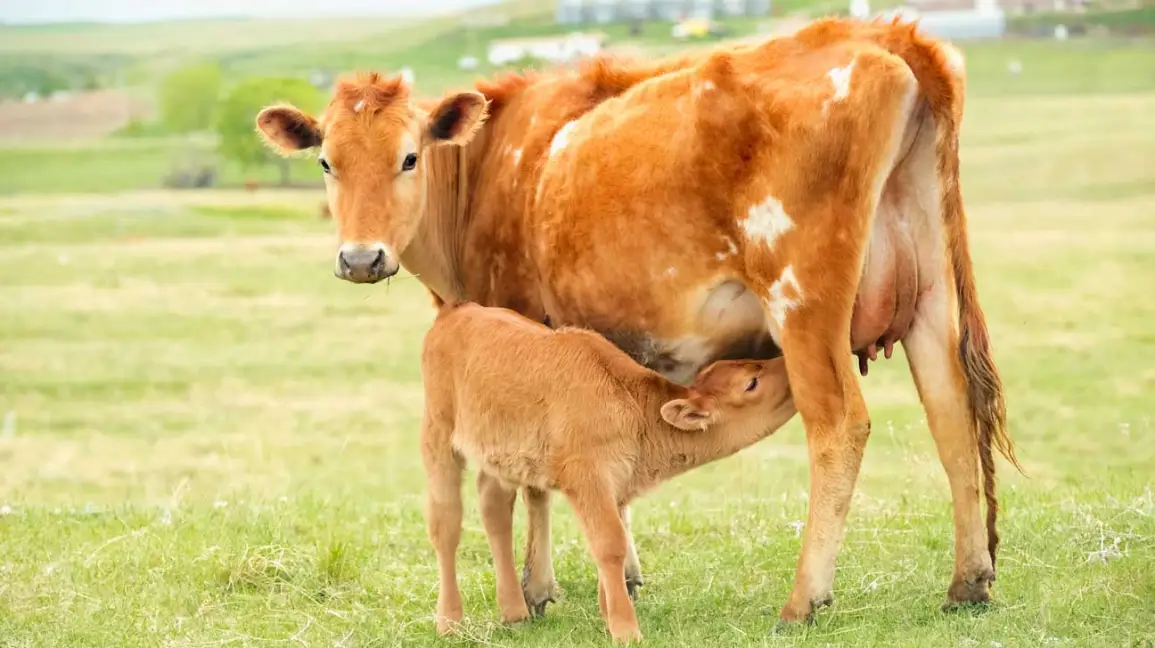
Feeding 1 gallon of good quality colostrum per 100 lb calf in the first feed.
Normal Passive Transfer Serum Total Protein Level
Refractometer serum total protein over 5.5 gm/dL on day 2−7 of life.

Etiology of Diarrhea Outbreaks
Most outbreaks of diarrhea in calves are caused by a combination of pathogens.