Topic 3
 Call Kai
 Learn
Learn Practice Test
 Spaced Repetition
 Match
Match Flashcards
 Knowt Play
1/82

Earn XP
Description and Tags
Basics of Viral spread of infection in the body and pathogenesis
Name | Mastery | Learn | Test | Matching | Spaced | Call with Kai | Chat |
|---|
No analytics yet
Send a link to your students to track their progress
83 Terms
Can viruses replicate in dead cells?
No, viruses must replicate in living cells
Productive infection
any infection that results in the production of more infectious virus at the end than at the start is classified as a productive infection
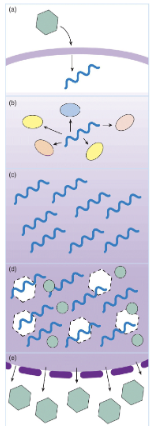
burst size
the actual number of infectious viruses produced in an infected cell is called the burst size. this number can range from less than 10 to over 10,000 depending on the type of cell infected, the nature of the virus, and many other factors
what is the most basic molecular requirement for virus replication
for a virus to induce either profound or subtle changes in the cell so that viral genes in the genome are replicated and viral proteins are expressed
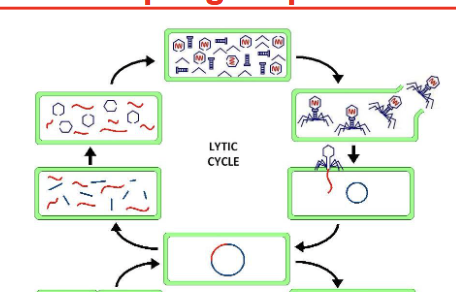
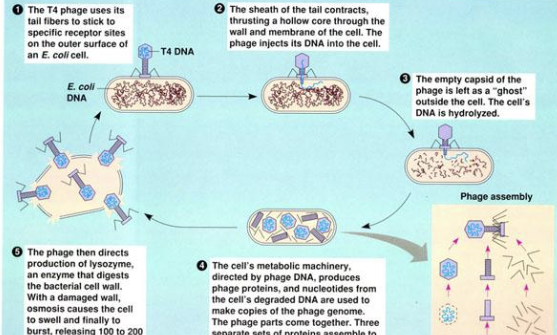
lytic for bacteriophages
Infections with many viruses completely convert the cell into a factory for replication of new viruses, and infection by cytocidal viruses are usually associated with changes in cell morphology, in cell physiology and sequential cell lysis. Such replication cycle is called lytic for bacteriophages.
The phage infects a bacterium
Takes over the bacterial machinery
Makes many new phages
Bursts (lyses) the bacterial cell
Releases new phages
Virus kills the cell
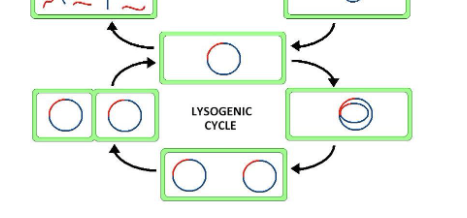
lysogeny in bacterial cells and transformation in animal and plant cells
Under certain circumstances and/or in particular cells, however, virus infection leads to a state of coexistence between the cell and infecting virus, which can persist for as long as the life of the host. Often in such a case, the virus induces some type of change in the cell so that the viral and cellular genomes are replicated in synchrony. This process is called lysogeny in bacterial cells and transformation in animal and plant cells.
the virus and infected cell can coexist
when the cell replicates its genome, the cell and virus DNAs are copied
long term
The virus lives alongside the cell
latent infection
There are instances, however, where the coexistence of a cell and an infecting virus leads to few or no detectable changes in the cell. For example, herpes simplex virus (HSV) can establish a latent infection in terminally differentiated sensory neurons. In such cells there is absolutely no evidence for expression of any viral protein at all. Periods of viral latency are interspersed with periods of reactivation (recrudescence) where virus replication is reestablished from the latently infected tissue for varying periods of time.
the virus remains inside a host cell but becomes dormant (inactive)
no new virus particles
infected cell stays alive
virus is hidden and present
sometimes the virus can “wake up” which is called reactivation
Think of cold sores! Stays dormant until there is a trigger and then it reappears
transformation in animal cells
the process of transformation often results in altered growth properties of the cell and can result in the generation of cells that have some or many properties of cancer cells.
Circle one statement which is correct for plant viruses:
a) plant virus use specific cellular receptors for attachment
b) for initial infection, plant viruses rely on a breach of the integrity of a cell wall to directly introduce a virus particle into a cell
c) Plant viruses cannot be transmitted by insect because they can be replicated only in plants of virus or mechanical damage to cells
B
Cytopathic Effect (CPE)
changes in the cell morphology caused by infecting virus are called cytopathic effects.
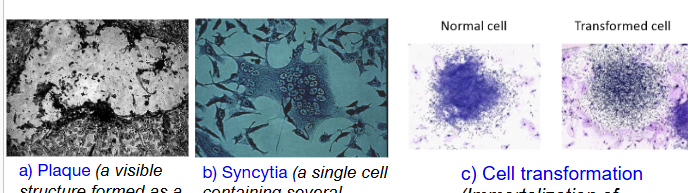
Common examples are rounding of the infected cell, fusion with adjacent cells to form a syncytia (polykaryocytes), and the appearance of nuclear or cytoplasmic inclusion bodies.
what are some cytophathic effects (CPE) caused by viral infection?
Plaque: a visible structure formed as a result of virus-mediated cell destruction
Syncytia: a single cell containing several nuclei, formed by fusion of cells or by division of nuclei
Cell Transformation: Immortalization of cells in culture
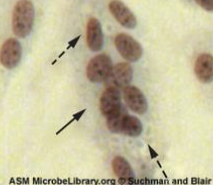
cytopathic effect: paramyxovirus
syncytium and faint basophilic cytoplasmic inclusion bodies
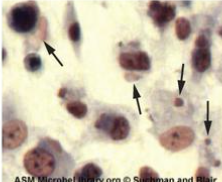
cytopathic effect: poxvirus
pink eosinophilic cytoplasmic inclusion bodies (arrows) and cell swelling
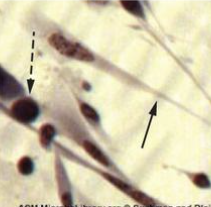
cytopathic effect: herpesvirus
cytoplasmic stranding (arrow) and nuclear inclusion bodies (dashed arrow)
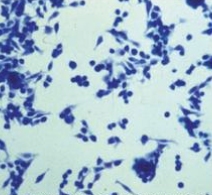
cytopathic effect: adenovirus
cell enlargement, rounding, and distinctive “grape-like” clusters
this process is called lysogeny in bacterial cells when:
a) when viral replication causes sequential cell lysis
b) the virus induces some type of change in the cell so that the viral and cellular genomes are replicated in synchrony
b
what is pathogenesis
the process by which an infection leads to disease. typically we talk about whole organism
skin as a barrier
layers of dead cells, oil and sweat glands at the surface of the skin produce a salty an acidic environment that kills many bacteria and other microorganisms
mucous membranes as a barrier
tissues that protect the interior surfaces of the body that may be exposed to pathogens (MUCUS - sticky fluid that traps pathogens), CILIA, and HAIRS in the Nose and Throat trap Viruses and Bacteria.
stomach and digestive enzymes as a barrier
Pathogens that make it to the Stomach are destroyed by Stomach Acid and Digestive Enzymes.
what is lysozyme and where is it found?
an enzyme that breaks down the cell wall of many bacteria.
include in: mucus, saliva, sweat, and tears
*not important against viruses. they do not have a cell wall, so there is nothing for lysozymes to attack on a virus
what are some general barriers
skin, mucous membranes, cilia, hairs, and stomach acid and digestive enzymes
what is virus transmission
process of virus transfer between the hosts
*its very important to understand the knowledge of how viruses are transmitted which may enable the cycle to be broken at this stage, preventing further infections
initial stages of infection: entry of the virus into the host
reservoir is the source
the virus entering follows a specific pattern leading to its introduction at a specific site or region of the body
the vector
what is the vector (the vector of transmission)
The actual means of infection between individuals is termed the vector of transmission or, more simply, the vector. This term is often used when referring to another organism, such as an arthropod, that serves as an intermediary in the spread of disease.
what is the reservoir
The source of the infectious virus is termed the reservoir, and virus entry into the host generally follows a specific pattern leading to its introduction at a specific site or region of the body.
how do viruses maintain transmission?
Many viruses must continually replicate to maintain themselves – this is especially true for viruses that are sensitive to desiccation and are spread between terrestrial organisms. the virus constantly must be replicating actively somewhere.
how do viruses maintain transmission with a BROAD species specificity?
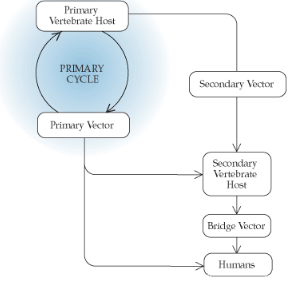
In an infection with a virus with broad species specificity, the external reservoir could be a different population of animals. In some cases, the vector and the reservoir are the same – for example, in the transmission of rabies via the bite of a rabid animal. Also, some arthropod‐borne viruses can replicate in the arthropod vector as well as in their primary vertebrate reservoir. In such a case the vector serves as a secondary reservoir, and this second round of virus multiplication increases the amount of pathogen available for spread into the next host.
The later stages of infection → the virus spread to the next individual
The infected individual is a reservoir of the continuing infection, and symptoms of the disease may have a role in its spread.
Infection with a mosquito‐borne encephalitis virus results in high titers of virus in the victim's blood. At the same time, the infected individual's malaise and torpor make him or her an easy mark for a feeding mosquito.
In chickenpox (caused by herpes zoster virus, also called varicella zoster virus[VZV]), rupture of virus‐filled vesicles at the surface of the skin can lead to generation of viral aerosols that transmit the infection to others.
Similarly, a respiratory disease–causing virus in the respiratory tract along with congestion can lead to sneezing, an effective way to spread an aerosol.
A virus such as HIV in body fluids can be transmitted to others via contaminated needles or through unprotected sexual intercourse, especially anal intercourse.
Herpesvirus in saliva can enter a new host through a small crack at the junction between the lip and the epidermis.
preferred routes of entry
Viruses gain entry into the host and then target specific cell types:
Respiratory tract
Gastrointestinal tract
Genital tract
Skin
Conjunctiva (eyes)
Crossing the placenta—may cause teratogenic effects
Transplants
Blood transfusions
Iatrogenic
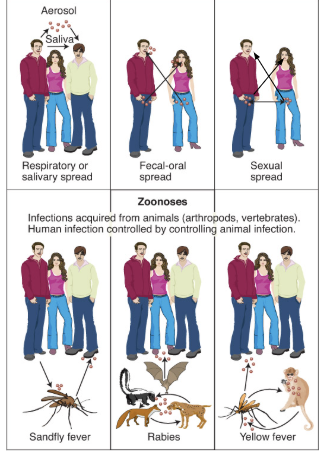
horizontal transmission
the direct host-to-host transmission of viruses
vertical transmission
the transmission of the virus from one generation of hosts to the next
horizontal transmission via respiratory tract
hands! Increase in nasal secretions and coughing and sneezing increases production of infectious aerosols. Respiratory viruses can enter via conjunctiva through the natural drainage or via hands-nose route
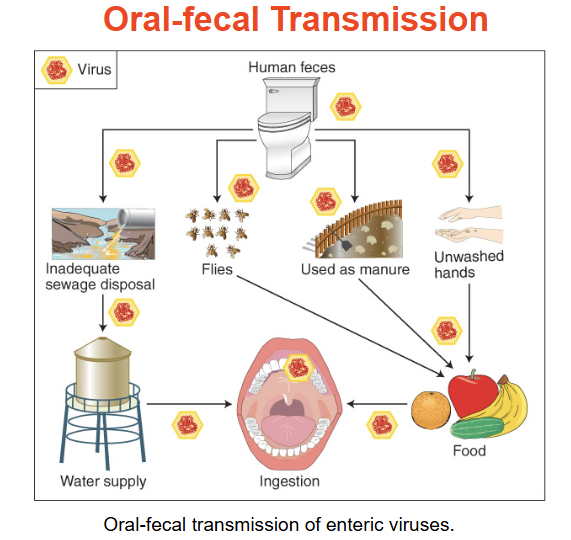
horizontal transmission via faecal-oral route
Generally, through food or water contaminate with faeces
Very common in early childhood – kids…
Some virus infections are associated with diarrhoea which may be virus adaptation to improve its transmission
Sometimes, poor sanitation helps. Example: poliovirus causing subclinical gut infection in small children, in older kids – higher incidence of poliomyelitis.
flies, sewage disposal, used as manure, unwashed hands → water supply, food → mouth
sexual transmission
only a few viruses (HIV, herpes simplex 2, some papilloma viruses, etc). but they are they successful viruses.
HIV 1 and 2 → AIDS
Hepatitis B → Liver damage, possibly cancer
Hepatitis C → Liver damage, possibly cancer
Herpes simplex 2 → Herpetic lesions of cervix and urethra
Papillomavirus → Genital warts, possibly cancer
horizontal transmission via urine
not a typical route as urine is usually sterile. But some (Lassa fever virus, cytomegalovirus, poliovirus) can be transmitted via urine
viral infections of the eyes
conjunctiva
horizontal transmission via mechanical means (direct puncture of the normally impermeable skin layer)
via virus vectors (like mosquitoes, ticks)
intravenous drug abusers
combs, razors, tattooing, body-piercing
dental surgeries
biting
how is the natural environment a barrier to virus infections
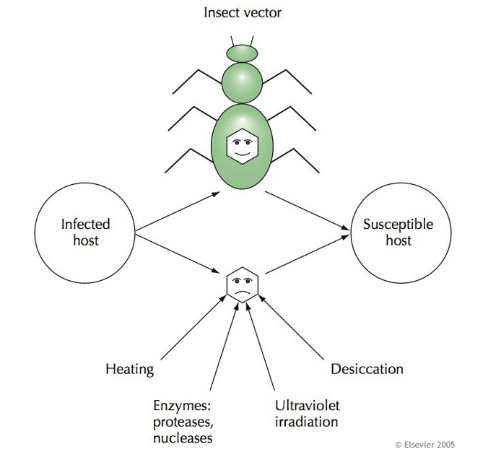
Most viruses are relatively sensitive to heat, drying, ultraviolet light (sunlight), etc.
One way of overcoming environmental stress is to take advantage of a secondary vector for transmission between the primary hosts.
what can insect vectors offer
protection from the environment
other rare routes of entry
transplants
blood transfusions
latrogenic→ infections generated by a physician (surgical procedures using contaminated equipment/tools)
vertical virus transmission via from mother to fetus
through placenta → rubella
during the birth (perinatal transmission)
through breast milk → postnatal
via saliva (kissing baby) → postnatal
how can HIV infected mother minimize their risk towards their children
caesarean section
no breast feeding
anti viral drug
zoonoses
When the infectious agent (e.g. virus) is transmitted from animal to human
Usually, the main host is another vertebrate, but biting arthropods are often vectors responsible for zoonotic transmission
Arboviruses – viruses spread by arthropods (insects or arachnids)
Rabies – direct biting by dog, cat, bat, etc.
what is viral pathogenesis
an abnormal and fairly rare situation → the majority of virus infections do not result in disease. ideally, a virus would not provoke an immune response from its host, or at least be able to hide to avoid the effects
what are the three major aspects considered for virus pathogenesis
Why do we become sick?
direct cell damage resulting from virus replication (massive infection of a foreign material. infection and replication causes damage and changes normal physiological functions)
damage resulting from immune activation or suppression (its not the virus replication, its the immune system hurting you while fighting the virus) (MAIN REASON)
cell transformation caused by viruses (special case)
role of the immune system in the disease development
three way interaction that decide the outcome of viral infection (between virus, immune system, and host cell)
*the immune system has to help JUST ENOUGH, not too much because it can cause long term effects
incubation period
the number of days between when you’re infected with something and when you might see symptoms. The period is long and can take up to a month. You don’t HAVE to show symptoms and can be asymptotic while spreading the disease
pathogenesis of a viral infection
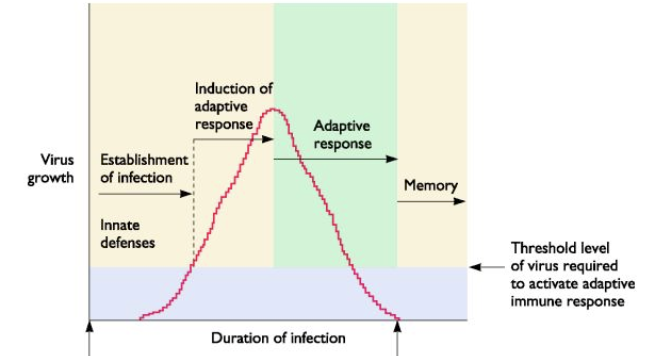
Typically, infection is followed by an incubation period (the number of days between when you're infected with something and when you might see symptoms) of variable length in which virus multiplies at the site of initial infection.
Local and innate immunity, including the interferon response, counter infection from the earliest stages; and if these lead to clearing, disease never develops.
During the incubation period, virus spreads to the target of infection (which may be the same site). The adaptive immune response becomes significant only after virus reaches high enough levels to efficiently interact with cells of the immune system.
Virus replication in the target leads to symptoms of the disease in question and is often important in spread of the virus to others.
Immunity reaches a maximum level only late in the infection process and remains high for a long period after resolution of the disease.
typical acute infection
establishment of infection → induction of adaptive response → adaptive response → memory → threshold level of virus required to activate adaptive immune response
pathogenicity
the capacity of one organism to cause disease in another, is complex and variable.
disease
departure from the normal physiological parameters of an organism.
clinical signs
objectively assessed attributes of infection (such as elevated body temperature)
clinical symptoms
subjectively assessed attributes of infection (such as pain)
fever
increase in internal body temperature to levels that are above normal (the common oral measurement of normal human body temperature is 36.8 ± 0.7 °C or 98.2 ± 1.3 °F)
malaise
a feeling of general discomfort or uneasiness, often the first indication of an infection or other disease. Often defined in medicinal research as a "general feeling of being unwell".
what is viral virulence
the ability of a virus to cause disease in an infected host. a virulent strain causes significant disease. an avirulent or attenuated strain causes no or reduced disease
Virulence depends on
Dose
Virus strain (genetics)
Inoculation route - portal of entry
Host factors - eg. Age SV in adult neurons goes persistent but is lytic in young
what is an avirulent or attenuated strain
an avirulent or attenuated strain causes no or reduced disease
acute infections
infection → incubation period → signs of symptoms → recovery or death
in acute infections, the balance favours the host. the virus is generally cleared from the body
the outcome depends on virus virulence and the state of the immune system
infectious progeny: + (virus produces infectious particles)
cell death: + (infected cells die)
signs/symptoms: + (symptoms are present)
duration of infection: < 3 weeks
common signs and symptoms of virla infection
fever, pains, and malaise
Associated with activation of the innate immune response - interferon α/β, interleukin 1β
Interferon α/β alone generates symptoms of viral infection

subclinical infections
infection → incubation period → no signs or symptoms → recovery
These are the most common infections
Very similar to acute infections but less severe
Represent highly evolved relationship between a virus and its natural host
Many examples when the same virus cause acute infections in other hosts
infectious progeny: + (virus produces infectious particles)
cell death: + (infected cells die)
signs/symptoms: - (symptoms are NOT present)
duration of infection: < 3 weeks

chronic and persistent infections
Both are acute or subclinical but are not terminated by the immune response
Chronic are usually more active than persistent
In both cases, viruses have major inhibitory mechanisms against immune responses
Alternatively, they can be developed if host has a defect in the immune system
Immune responses generally have pathological rather than beneficial consequences
L = long lasting

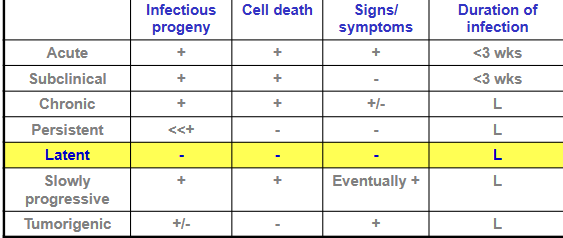
Latent infections
By definition, latent infections start and finish as acute infections
Probably the best adapted of all to coexist with their host
Herpesviruses…
stay down and not do anything. we cannot find any particles, no damage, or symptoms. think of shingles or herpes, some people show it and show people dont show it. it only shows when activated.
infectious progeny: - (virus doesnt produces infectious particles)
cell death: - (infected cells do not die)
signs/symptoms: - (symptoms are NOT present)
duration of infection: Long lasting
slowly progressing infection
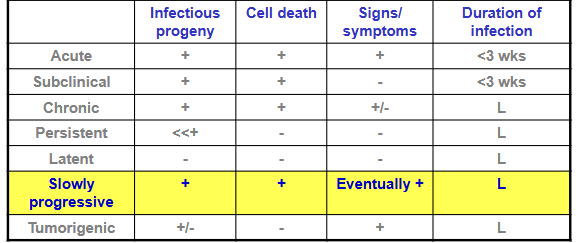
Many years to manifest
2 categories – viral and prion diseases
Viral diseases are divided into those that make infectious progeny (e.g. HIV-1) or whose genomes are defective ( e.g. measles virus causing subacute sclerosis)
infectious progeny: + (virus produces infectious particles)
cell death: + (infected cells die)
signs/symptoms: eventually + (symptoms are slowly present)
duration of infection: long lasting
Tumorogenic infections
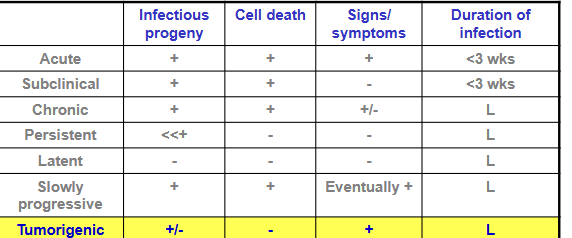
We currently know of at least six viruses which are associated with the formation of tumours in infected humans:
HHV-4 / EBV
HBV
HCV
HHV-8
HPVs
HTLV
The relationship between virus infection and tumourigenesis is indirect and complex.
infectious progeny: +/- (virus produces infectious particles)
cell death: - (infected cells don’t die)
signs/symptoms: eventually + (symptoms are present)
duration of infection: long lasting
relationship between route of entry, circulation, and sites of replication
Virus enters and circulates widely but can only infect cells in one location (example: Hepatitis B virus)
Virus infect cells at the portal of entry (example: rhynovirus)
Systemic infection (example: measles virus)
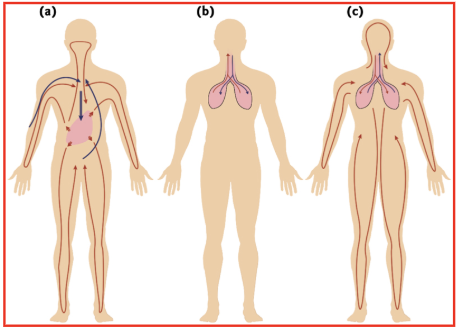
how can clinical manifestation be independent?
virus entry site
ability of circulate
even on the site of virus replication
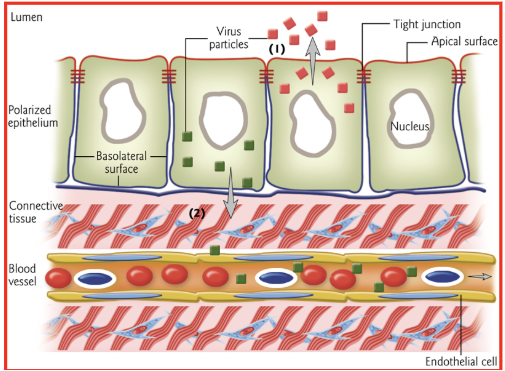
why is there restriction by portal of entry?
Restriction by portal of entry because of inability to shed through the basolateral surface of the epithelial cells
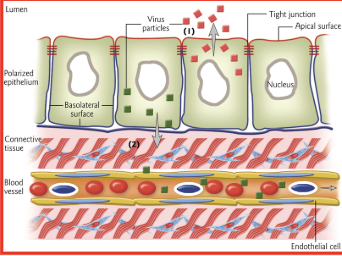
what are the two types of viremia
primary viremia: which is the initial spread of virus in the blood.
secondary viremia: where the primary viremia has resulted in infection of additional tissues, in which the virus has replicated and once more entered the circulation.
what is viremia
a medical condition where viruses enter the bloodstream. Active viremia refers to the capability of the virus to replicate in blood
what is an example of a systemic disease
measles pathogenesis
the fate of the host following a viral or infectious disease
Following a viral or any infectious disease, the host recovers or dies. While many acute infections result in clearance of virus, this does not invariably happen.
While infections with influenza virus, cold viruses, polioviruses, and poxviruses resolve with virus clearance, herpesvirus infections result in a lifelong latent infection. During the latent period, no infectious virus is present, but viral genomes are maintained in certain protected cells. Periodically, a (usually) milder recurrence of the disease (reactivation or recrudescence) takes place upon suitable stimulation.
In distinct contrast, measles infection resolves with loss of infectious virus, but a portion of the viral genome can be maintained in neural tissue. This is not a latent infection because the harboring cells can express viral antigens, which lead to lifelong immunity, but infectious virus can never be recovered.
Other lasting types of virus‐induced damage can be much more difficult to establish without extensive epidemiological records.
Chronic liver damage due to hepatitis B virus infection is a major factor in hepatic carcinoma. Persistent virus infections can lead to immune dysfunction.
Virus infections may also result in the appearance of a disease or syndrome (a set of diagnostic signs and symptoms displayed by an affected individual) years later that has no obvious relation to the initial infection. It has been suggested that diseases such as diabetes mellitus, multiple sclerosis, and rheumatoid arthritis have viral etiologies (ultimate causative factors). Virus factors have also been implicated in instances of other diseases such as cancer and schizophrenia.
why do some viruses cause very dramatic pathogenesis with high mortality?
definition of concept of emergence
Viral diseases whose incidence (in humans) has increased in the past two decades or threatens to increase in the near future.
important factors that contribute to the emergence of new viral diseases
evolution of new organisms
spread of known viruses to new geographic areas
infections in persons living in areas undergoing ecological change resulting in exposure to insects or animals harboring the virus
re-emergence of known viral diseases
development of resistance to vaccines or antiviral drugs
breakdown of public health measures for previously controlled infections
equilibrium human virus
virus has stable relationship with the human host. Virus can maintain infection chain in humans
virus has no contemporary animal host
non-equilibrium human virus
virus has a stable relationship with an animal host
virus can be strikingly lethal since it hasn’t evolved to coexist with humans
virus will be in genetic flux until it reaches equilibrium or human infection chain is broken
HIV, Ebola virus, Hantavirus, and Influenza virus are examples
which one of the following is not a cytopathic effect in the infected cell?
a) rounding of cells
b) fever
c) forming inclusion bodies
d) abnormal cell growth
b
replication cycle of phages
inject genome via cell wall (“drilling”), exit by cell lysis
how do viruses enter plant cells
major limitation: cell wall outside and between cells
solution: enter using insects or mechanical damage, move via plasmodesmata
plant cells are connected by tiny channels called plasmodesmata. these tunnels pass through the cell walls
plant viruses produce movement proteins that enlarge these channels so that the virus can move into the neighboring cell
once the virus has infected the nearby cells, it enters the plant’s vascular tissue, mainly the phloem. the virus catches a ride in the phloem and spreads. this is called long distance movement
how do viruses enter the animal cell
there is no cell wall, it just gets engulf