PDA 3 Exam 1: Antibiotics
 Call Kai
 Learn
Learn Practice Test
 Spaced Repetition
 Match
Match Flashcards
 Knowt Play
1/81

There's no tags or description
Looks like no tags are added yet.
Name | Mastery | Learn | Test | Matching | Spaced | Call with Kai | Chat |
|---|
No analytics yet
Send a link to your students to track their progress
82 Terms

name
sulfanilamide
we see this structure in all sulfonamide antibacterials
MOA of sulfonamides
competitive inhibitors of dihydropteroate synthase
interfere with synthesis of dihydrofolic acid in bacteria (since they need to make theirs)
bacteriostatic
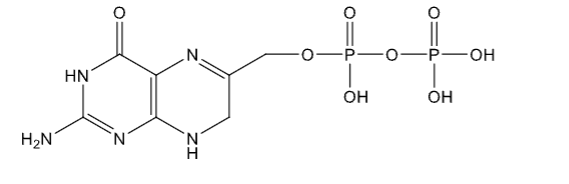
name
dihydropteridine diphosphate (DHPP)

name
dihydropteroic acid
what enzyme metabolizes DHPP into dihydropteroic acid in bacteria?
dihydropteroate synthase (DHPS)

name
dihydrofolic acid (DHF)
what enzyme metabolizes dihydropteroic acid into DHF in bacteria?
dihydrofolate synthase (DHFS)

name
tetrahydrofolic acid (FH4)
active coenzyme
what enzyme metabolizes DHF into FH4 in bacteria and humans?
dihydrofolate reductase (DHFR)

name
PABA
this is what sulfanilamide mimics
increase in PABA decreases efficacy of sulfonamides (some drugs like local anesthetics are metabolized into PABA)
how can we decrease the incidence of crystalluria with sulfonamides?
drinks lots of H2O to increase urine flow and volume
take NaHCO3 which increases urine pH to ~8 (so drug is more ionized and more soluble; less reabsorption)
decrease pka of sulfonamide N to make it more acidic and more soluble
add EWG to sulfonamide N to decrease pka
most important modification
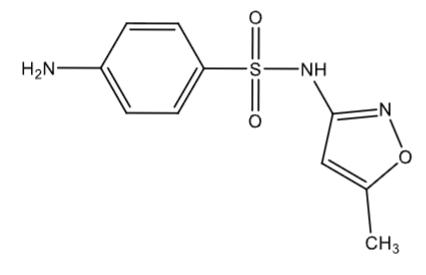
name
sulfamethoxazole (SMX)
oxazole ring is EWG
no single agent, just in combo with trimethoprim
5-methyl on oxazole ring thought to be allergenic moiety

name
sulfadiazine
would expect incidence of crystals to be increased compared to SMX
silver sulfadiazine formulation available; used topically for infections of burns; silver though to be eliciting antibacterial activity
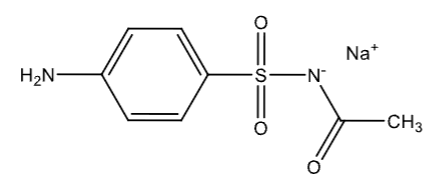
name
sulfacetamide sodium
can be put into soln fairly easily; available as eye soln and oint, lotion, etc

name
sulfasalazine
prodrug
used in tx of ulcerative colitis
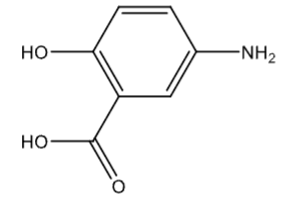
name
mesalamine
active metabolite of sulfasalazine
main route of metabolism for sulfonamides
NAT2
acetylation at N4 creates inactive metab since activity requires unsubstituted N4
genetically polymorphic; slow acetylators more prone to hypersensitivity rxns
sulfonamides can also undergo auto-oxidation to reactive nitroso intermediate that can react with thiol groups on proteins and cause toxicity (glutathione can detoxify nitroso compound)
mechanisms of sulfonamide antibacterial drug resistance
microorganism synthesizes more PABA
decreased permeability of bacterial cell membrane to drug
mutations to DHPS such that it has less affinity to drug

name
trimethoprim
inhibits dihydrofolate reductase (DHFR)
humans have DHFR too but TMP is like 40,000x more selective for bacteria
Bactrim spectrum of action
uncomplicated UTI caused by e. coli
pneumocystis hirovecii pneumonia (PJP)
community-acquired MRSA
stenotrophomonas maltophilia pneumonia (skin/skin structure infection)
Nocardia spp.
why are sulfonamides contraindicated in infants <2mo, pregnant women, and mothers nursing infants <2mo?
sulfonamides displace bilirubin from plasma proteins, causing increased levels of bilirubin that may lead to kernicterus
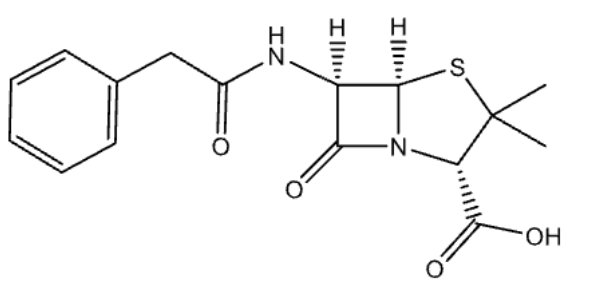
name
benzylpenicillin (penicillin G) / natural penicillin
narrow spectrum (gm+ only); rlly good activity against syphilis
acid-sensitive
inactivated by beta-lactamases
can cause allergic rxns (beta-lactam-protein haptem conjugate is allergenic, not drug itself)
can be formulated with benzathine or procaine counterions that add some lipophilic character; IM inj that basically act as depot form, could be used to treat syphilis

name
penicillin V
narrow gm(+) spectrum
hydrolyzed by beta-lactamases
orally active (bc EWG on acyl side chain)
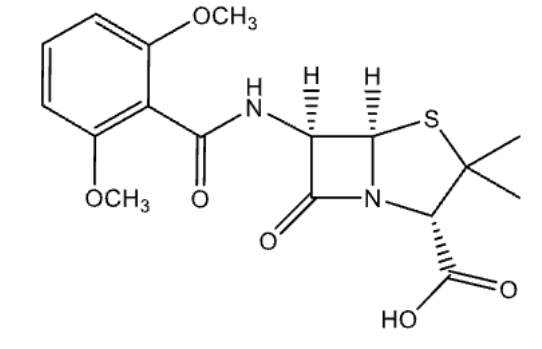
name
methicillin
narrow gm(+) spectrum
beta-lactamase resistant (bc increased bulk in the acyl side chain)
not orally active

name
oxacillin
narrow gm(+) spectrum
beta-lactamase resistant
orally active (but IV only now)

name
dicloxacillin
narrow gm(+) spectrum
beta-lactamase resistant
orally active

name
nafcillin
narrow gm(+) spectrum
beta-lactamase resistant (2,6 substitution)
not orally active
sometimes penicillins w/narrow gm(+) spectrum and beta-lactamase resistance are called antistaphylococcal penicillins
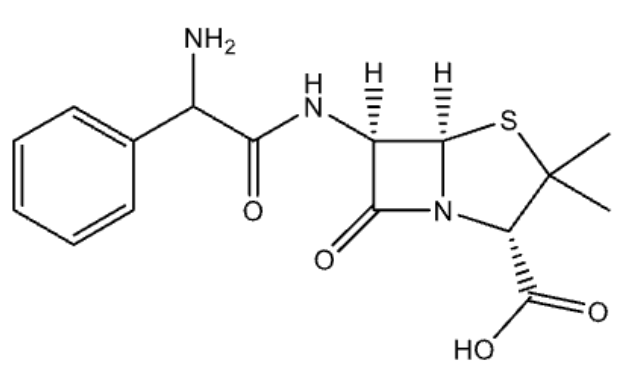
name
ampicillin
broad spectrum (bc hydrophilic group in acyl side chain to get through gm- porin channel)
add some gm(-) (enteric gm- rods, H. pylori, H. influenzae)
cleaved by beta-lactamases
orally active (but usually given IV)

name
amoxicillin
broad spectrum
better oral absorption than ampicillin thanks to -OH; so less in GI tract, so less diarrhea than ampicillin

name
piperacillin
extended-spectrum (deeper gm(-) coverage, including some strains of pseudomonas aeruginosa)
not beta-lactamase resistant
not orally active

name
pevmecillinam
oral prodrug (need CO2H to bind PBP)
used to treat uncomplicated UTIs (gm(-) e.coli, p.mirabilis, gm(+) s. saphrophitticus)
nearly exclusively inhibits PBP2
also forms pivalic acid which can lead to carnitine depletion → hypoglycemia, muscle aches, fatigue, confusion (happens with any drugs that form pivalic acid)

name
mecillinam
active form of pevmicillinam (refer to pevmicillinam for coverage)

name
clavulanic acid
irreversible beta-lactamase inhibitor
activity against class A beta-lactamases excluding KPC

name
sulbactam
irreversible beta-lactamase inhibitor
activity against class A beta-lactamases excluding KPC
has activity against acinetobacter baumannii
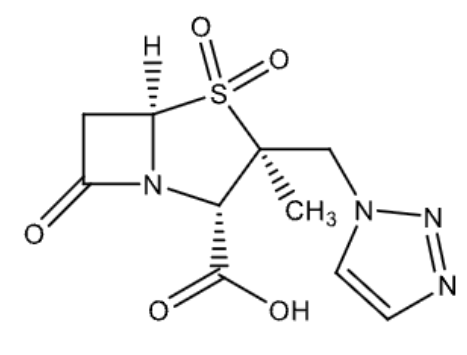
name
tazobactam
irreversible beta-lactamase inhibitor
activity against class A beta-lactamases excluding KPC
covers some AmpC and some strains of pseudomonas

name
enmetazobactam
irreversible beta-lactamase inhibitor
activity against class A beta-lactamases excluding KPC (also AmpC, oxa-48, ESBLs?)
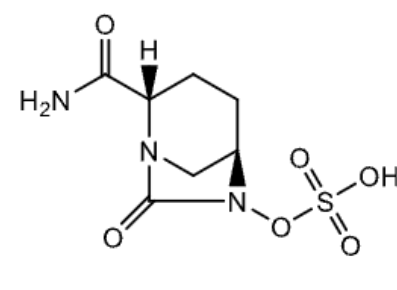
name
avibactam
reversible covalent beta-lactamase inhibitor
inhibits class A and class C ESBLs and KPC
variable data on class D

name
durlobactam
reversible covalent beta-lactamase inhibitor
inhibits class A and class C ESBLs and KPC
also inhibits class D OXA ?

name
relebactam
reversible covalent beta-lactamase inhibitor
inhibits class A and class C ESBLs and KPC
variable data on class D
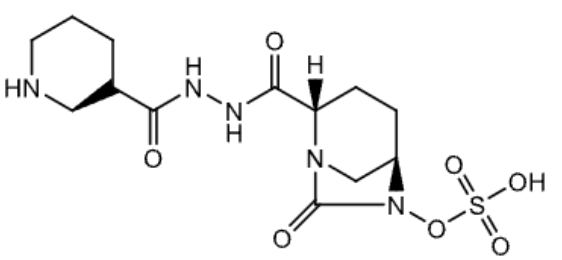
name
zidebactam
reversible covalent beta-lactamase inhibitor
inhibits class A and class C ESBLs and KPC
also inhibits PBP2
recently approved in combo with cefepime (this combo in vivo inh. all 4 classes, even metallo!)

name
vaborbactam
reversible competitive beta-lactamase inhibitor
inhibits class A and class C ESBLs and KPC

name
taniborbactam
reversible competitive beta-lactamase inhibitor under clinical investigation in combo w/cefepime
activity against all 4 ambler classes (A,B,C,D)
MRSA mechanism
contains mecA gene which encodes for PBP2a, which most PCN antibiotics don’t bind to

name
cephalosporin C
fungal metabolite from cephalosporium acemonium that has weak antibiotic activity, cephalosporins derived from this compound
like all beta-lactam antibiotics, they bind to PBP and inhibit correct formation of the bacterial cell wall
general first-gen cephalosporin coverage
primarily active against gm(+) such as MSSA and streptococci, such as group A, group B, and viridans
may have moderate activity against some enteric gm(-) rods, such as some strains of e.coli, klebsiella pneumoniae, and proteus mirabilis
none are beta-lactamase resistant
general second-gen cephalosporin coverage
retain activity against gm(+) species and add gm(-) activity including activity against moraxella catarrhalis and haemophilus influenzae, in addition to some strains of the enterobacterale order
additionally, the cephamycins are second-gen and they have activity against many anaerobes
only cefuroxime is beta-lactamase resistant
general third-gen cephalosporin coverage
lose some gm(+) coverage (however, several retain good strep pneumo coverage), but are much more active against gm(-) bacteria than the previous two generations
general fourth-gen cephalosporin coverage
broadest spectrum among the cephalosporins, having good gm(+) coverage and good gm(-) coverage, including pseudomonas
currently there’s only 1 - cefepime
general fifth-gen cephalosporin coverage
characterized by having anti-MRSA activity
currently there’s only 2 - ceftaroline and ceftobiprole
no pseudomonas activity (broad gm(-) spectrum but no activity against non-fermentated like pseudomonas and acinetobacter)
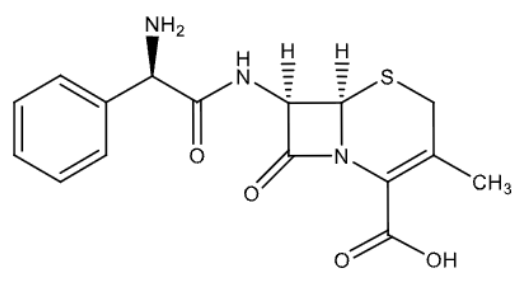
name
cephalexin
1st gen
orally active (ampicillin-like group and acid-stable group at C3)

name
cefaclor
2nd gen
orally active (ampicillin-like group and acid-stable group at C3)

name
cefadroxil
1st gen
orally active (amoxicillin-like group and acid-stable group at C3)

name
cefprozil
2nd gen
orally active (amoxicillin-like group and acid-stable group at C3)

name
cefixime
3rd gen
orally active (vinyl group at C3)
conveys more pronounced beta-lactamase inhibition
covers pseudomonas?? (more complex oxime structure)

name
cefdinir
3rd gen
orally active (vinyl group at C3)
maintains strep pneumo coverage
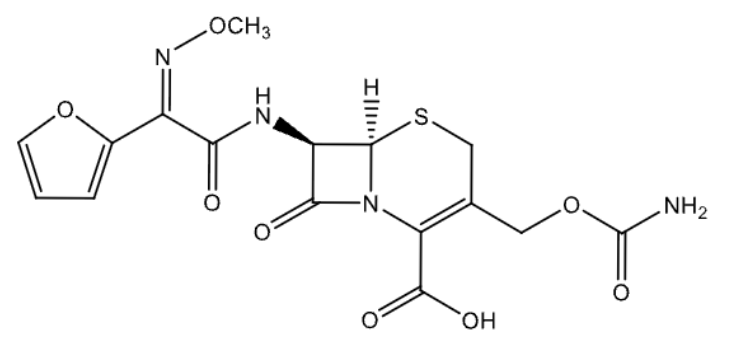
name
cefuroxime
2nd gen
not orally active; soln for inj
beta-lactamase resistant (oxime group)

name
cefuroxime axetil
oral prodrug of cefuroxime
orally active (lipid soluble prodrug ester)

name
cefpodoxime proxetil
3rd gen
oral prodrug
maintains strep pneumo coverage

name
cefotaxime
3rd gen
beta-lactamase resistant (3rd gen and on all resistant → oxime group)
syn isomer is active, anti-isomer of oxime is inactive in terms of beta-lactamase inhibition
acetoxymethyl group at C3 susceptible to metabolic inactivation by esterases in vivo (CO2H converted to inactive lactone)
maintains strep pneumo coverage

name
ceftazidime
3rd gen
not orally active, IV only
more pronounced beta-lactamase inhibition, covers pseudomonas
formulated with avibactam to cover some ESBLs, enhances gm(-) coverage
good leaving group at C3 activates beta-lactam ring toward rxn with PBP and inhibition of cell wall transpeptidases (also enhances pseudomonas activity
by expanding gm(-), lose some gm(+)

name
cephamycin C
2nd gen
7-alpha-methoxy group increases steric bulk and provides resistance to beta-lactamases
activity against anaerobes
cephamycins sometimes used for prophylaxis for abdominal surgeries

name
cefoxitin
2nd gen cephamycin
activity against anaerobes

name
NMTT group
group added to C3 of cephalosporins to enhance potency
found in cefotetan
group assoc with hypoprothrombinemia and bleeding tendency (inhibits vit. K epoxide reductase); also assoc. w/ disulfiram-like rxn (vomiting when drinking alcohol)

name
cefepime
4th gen
has spectrum of 1st gen (cefazolin) + 3rd gen (ceftazidime) (preserves full gm(+) and has expanded gm(-) all the way to pseudomonas
more activity against enterobacter than ceftazidime since can rapidly reach PBP
permanently positive NMP group is a good leaving group and confers anti-pseudomonal activity
in formulation with enmetazobactam and with zidebactam to extend spectrum against gm(-) beta-lactamases

name
ceftriaxone
3rd gen
popular IM cephalosporin
longest half-life of the cephalosporins (6-9 hours) which enables once daily dosing
highly protein bound, so kinda acts as depot form
has an activating thiotriazindione group at C3
contraindicated in neonates, can cause kernicterus same as Bactrim
don’t administer with Ca2+ containing solns, chelates that can precipitate in lungs and kidneys → fatal
maintains strep pneumo coverage

name
ceftaroline fosamil
prodrug (5th gen) to give excellent H2O solubility to form soln for inj
this specific oxime group has the highest affinity to PBP2a; group at C3 also anti-MRSA
effective against gm(+) MRSA (PBP2a), PCN + ceph-resistant strep pneumo (PBP2x)
gm(-) not used for pseudomonas, limited to respiratory like moraxella catarrhalis and influenzae
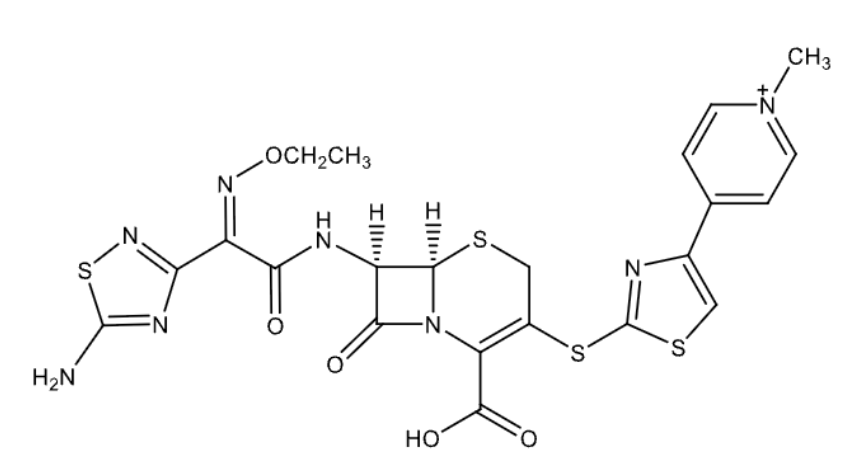
name
ceftaroline
5th gen, active compound
indicated for acute bacterial skin and skin structure infections, and community-acquired MRSA

name
ceftobiprole
5th gen (anti-MRSA)
made as water soluble prodrug since zwitterion is poorly soluble
C3 group has affinity to PBP2a and PBP2x
has gm(-) activity but we’re really focusing on the anti-MRSA and multidrug resistant strep

name
ceftobiprole medocaril
5th gen prodrug

name
cefiderocol
siderophore cephalosporin (C3 group) (kinda it’s own gen)
enhances gm(-) activity and resistance to beta-lactamases
smuggles drug thru gm(-) outer membrane (iron transport) like trojan horse (bc of catechol group binding Fe)
ceftazidime-like oxime group enhances beta-lactamase resistance
resistant against all 4 ambler classes
exclusive gm(-) spectrum

name
ceftolozane
3rd gen
antipseudomonal activity (ceftazidime-like group)
kinda a better ceftazidime due to activity against strep pneumo
used for complicated intraabdominal infections and complicated UTIs (so rlly used for its gm(-) spectrum
doesn’t cover anaerobes, so give w/metronidazole if you need that coverage for like an intraabdominal inf
commonly formulated with tazobactam
only 3rd gen with thiadiazole ring, like the 5th gen, instead of thiazole ring …. some places call this 5th gen but no anti mrsa activity??
what differentiates the cephamycins?
7alpha-methoxy group (cefoxitin and cefotetan)
this group adds beta-lactamase resistance to many
which 3rd gen cephalosporins maintain strep pneumo coverage?
cefotaxime
ceftriaxone
cefdinir
cefpodoxime
ceftolozane/tazobactam (reported to have coverage but clinically used for gm(-) infections)
also 4th gen cefepime but that’s kinda in the def of 4th gen

name
imipenem
carbapenem
pretty broad spectrum (covers MSSA/streptococci → gm(-) entero rods, ESBL anaerobes, pseudomonas, acinetobacter)
not orally active
beta-lactamase resistant thanks to group on left
used to treat severe/resistant infection, especially nosocomial
but rarely first choice since it can cause allergic rxn and is a beta-lactamase inducer
binds differently to PBP than penicillins and cephalosporins; has affinity to most bacterial PBP but NOT MRSA and NOT penicillin-resistant strep
often combined with cilastatin and relebactam
why is imipenem combined with cilastatin?
cilastatin is a renal dehydropeptidase inhibitor that prevents imipenem from being hydrolyzed by dehydropeptidase-1 in the renal brush border (this destroys drug and releases nephrotoxic degradation products)

name
meropenem
carbapenem
beta-lactamase resistant
IV
formulated with vaborbactam
spectrum similar to imipenem but has lots of anti-pseudomonal activity

name
ertapenem
carbapenem
beta-lactamase resistant
used in home infusion therapy for susceptible infection
broad spectrum but not like pseudo
very high protein binding (95%)
increased DOA allows once a day dosing

name
sulopenem etzadroxil
oral thiopenem prodrug
indicated for tx of uncomplicated UTI caused by e. coli, K. pneumoniae, or P. mirabilis
beta-lactamase resistant
broad spectrum, no activity against pseudomonas
formulated with probenecid

name
probenecid
combined with sulopenem, inhibits the tubular secretion of weak acids/inhibits OAT3, which sulopenem is a substrate for

name
tebipenem pivoxil hydrobromide
oral carbapenem prodrug
indicated for tx of complicated UTI, including pyelonephritis, caused by several susceptible microorganisms in adults who have limited or no alternative oral tx options
broad spectrum, does not cover pseudomonas
beta-lactamase resistant

name
aztreonam
monobactam
exclusive gm(-) spectrum, including nonfermentated bacteria like pseudomonas
used for severe gm(-) infections acquired in hospital
safe to administer in pts with beta-lactam allergy unless they had specific rxn to ceftazidime or ceftolozane or cefiderocol