Poverty and the Liberal Reforms: Modern medicine, c1900-present: History: GCSE (9:1)
 Studied by 0 people
 Call with Kai
 Learn
Learn Practice Test
 Spaced Repetition
 Match
Match Flashcards
 Knowt Play
1/13

There's no tags or description
Looks like no tags are added yet.
Name | Mastery | Learn | Test | Matching | Spaced | Call with Kai |
|---|
No study sessions yet.
14 Terms
Liberal Government (1906)
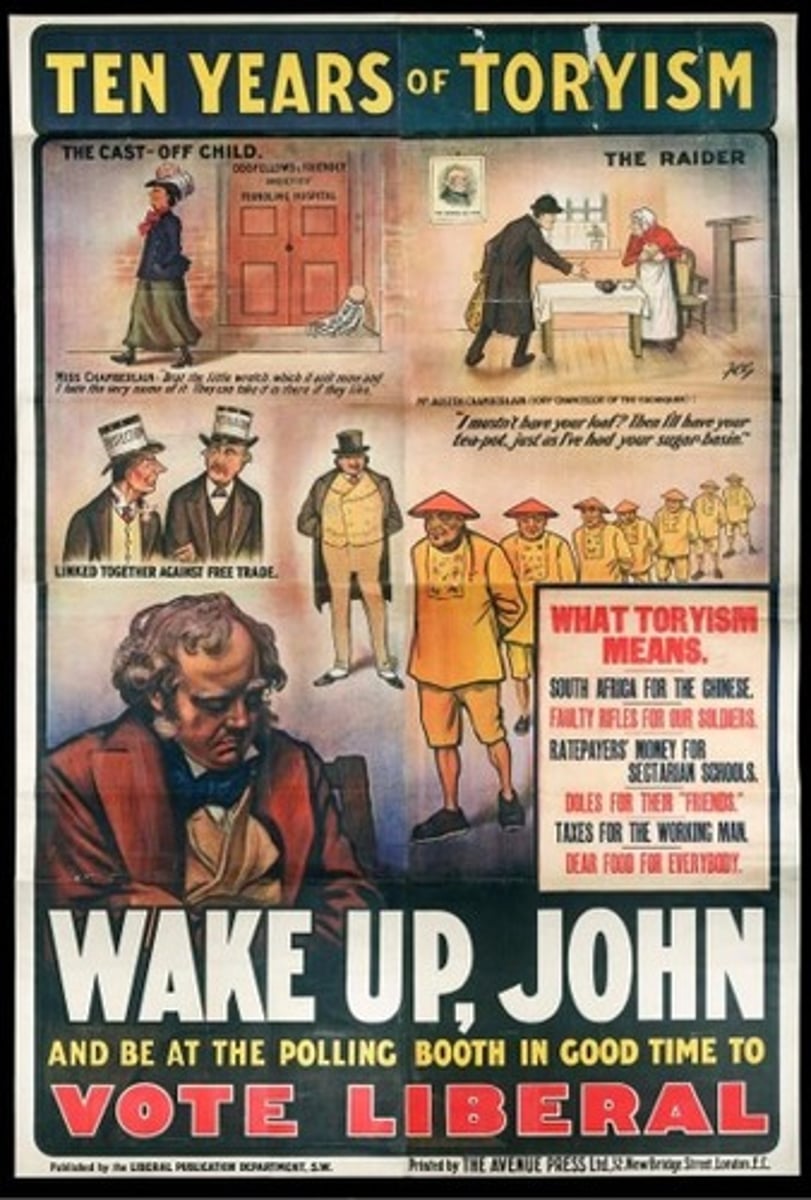
The Liberal Party won a landslide election in 1906 by promising to introduce a welfare state to help the poor. They did this because the new Labour party, established in 1900, promised even more.
Liberal Reforms
A series of new measures put in place between 1906-12 to improve the lives and health of the poorest people in Britain
David Lloyd George
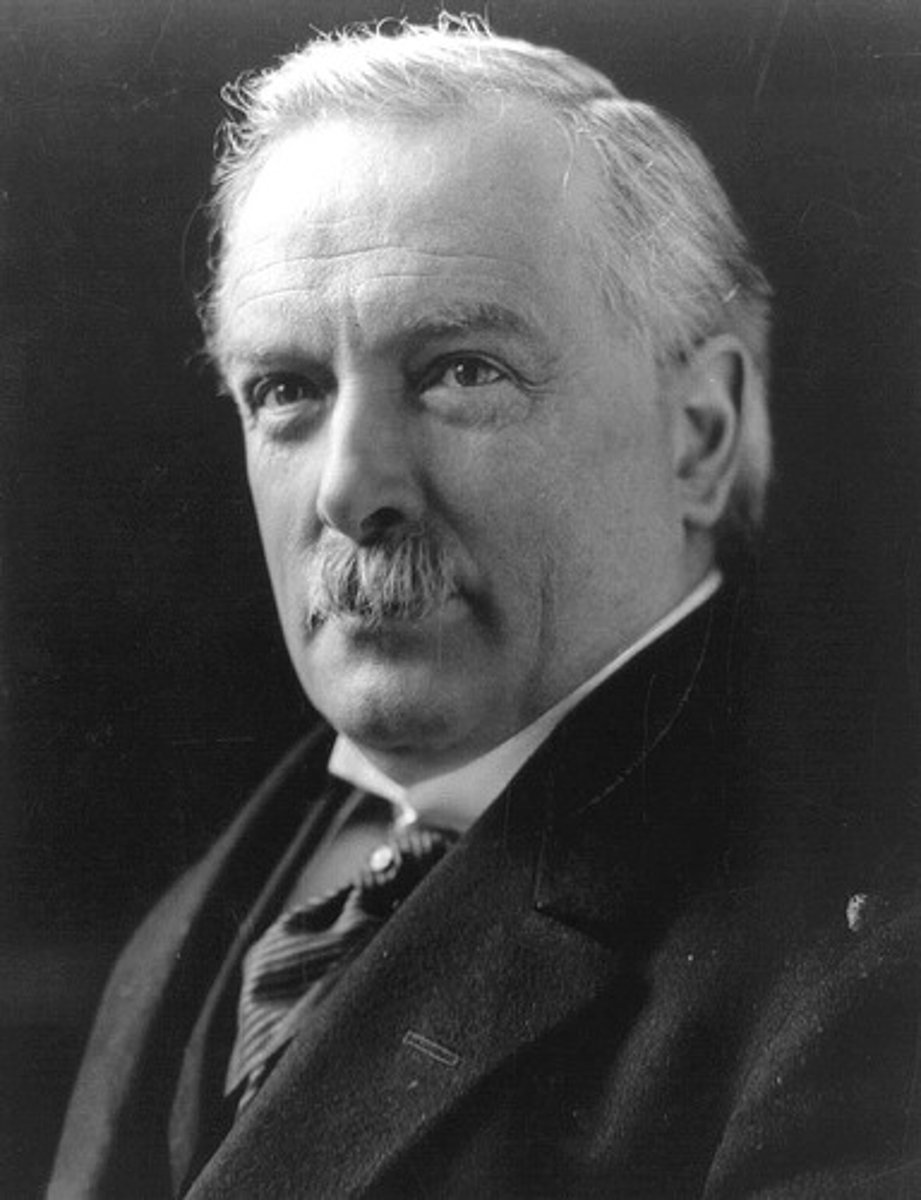
The Chancellor during the Liberal Reforms, but later became Prime Minister during WWI
Winston Churchill
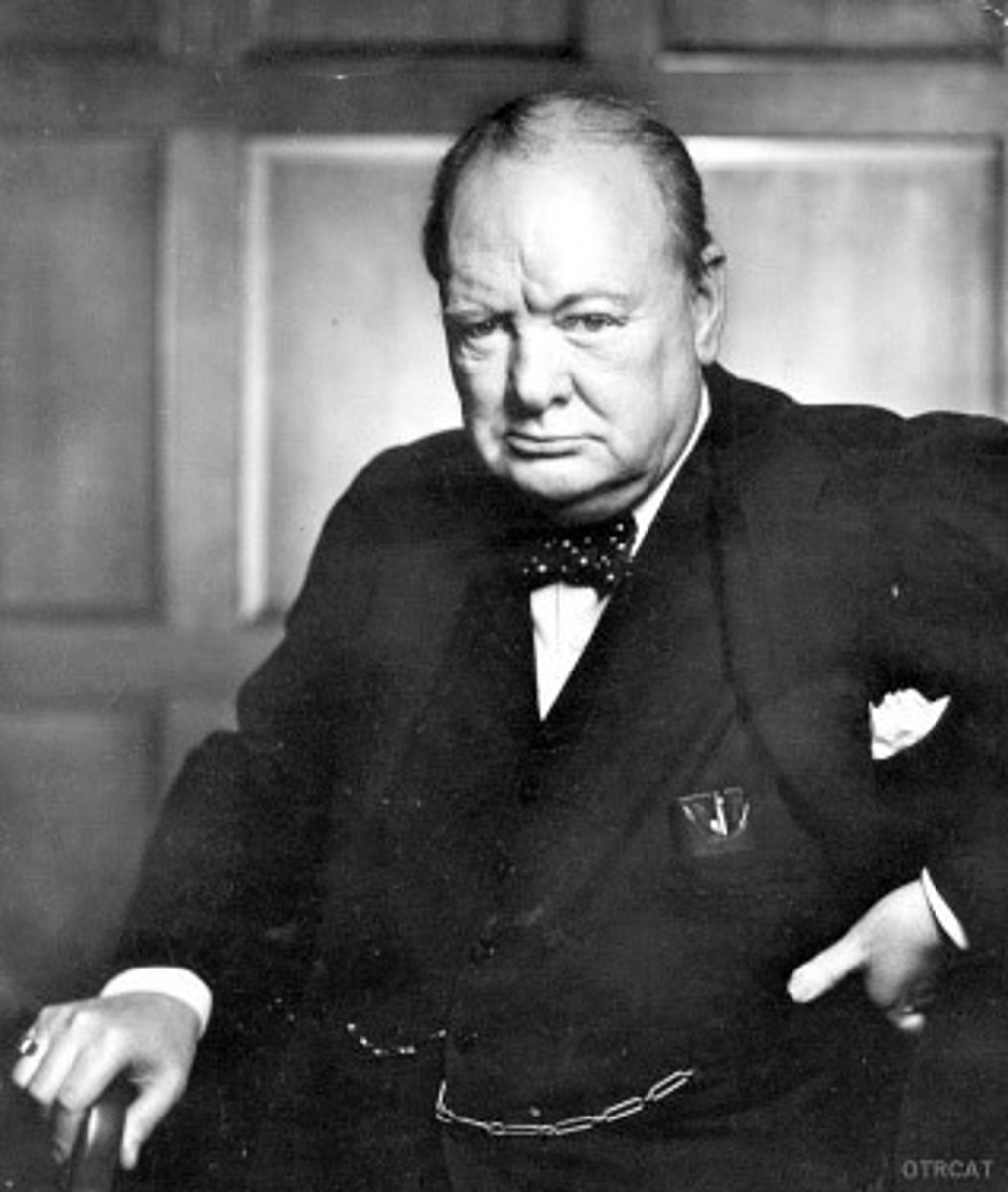
A popular Liberal after 1906 who supported David Lloyd George on putting the Liberal Reforms in place, before changing to join the Conservative Party
Workmen's Compensation Act (1906)
This law meant that if you were injured at work the employer would have to pay out. Improved health and safety standards
Education Act (1906) - Free School Meals
Meant poorer children could get a free school meal at school. This might have been their 1 meal per day. Not compulsory until 1914. Places like Bradford and Manchester already had introduced them in their local governments.

Free School Meals (1980-present)
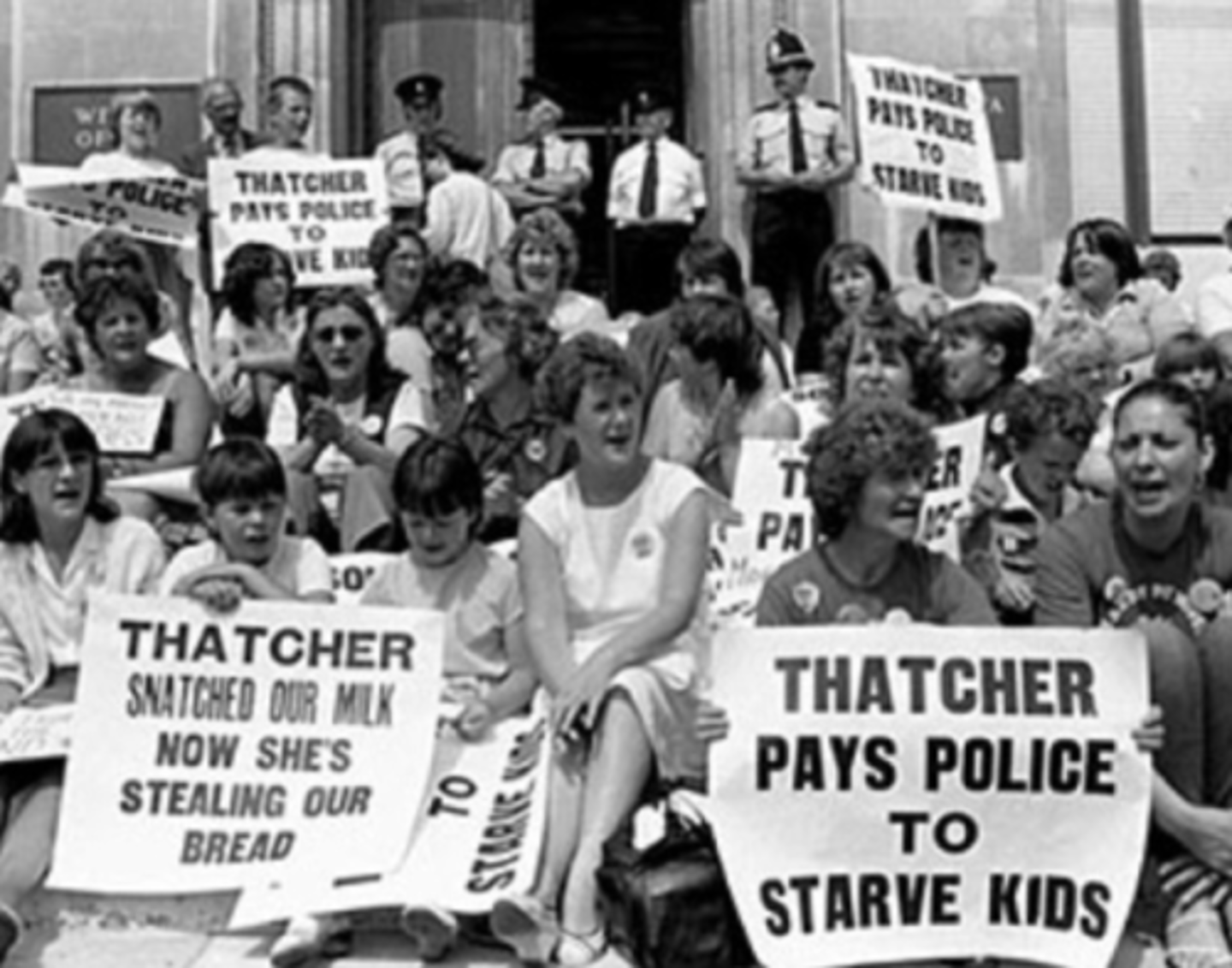
Margaret Thatcher (child milk snatcher!) restricted free school meals in primary schools in 1988, including milk at break times. In 2014 they were reintroduced because of concerns poorer students weren't learning properly.
Education Act (1907)
School medical inspections by a nurse meant ill children could be identified. In 1912, treatments were provided for free, but not before 1912.
Children's Act (1908)
Made it illegal to sell tobacco (16), alcohol (14) and fireworks (16) to those underage. Also meant abused children could be taken away from parents and had seperate prisons for children, called Borstals
Old-Age Pensions Act (1908)
Provided pensions to over 70s, though life expectancy was 46 (M) and 50 (F), you had to have worked regularly and not been in prison. 5 shillings a week if you were single or 7s6d (d = pence) for married couples.
Labour Exchanges Act (1909)
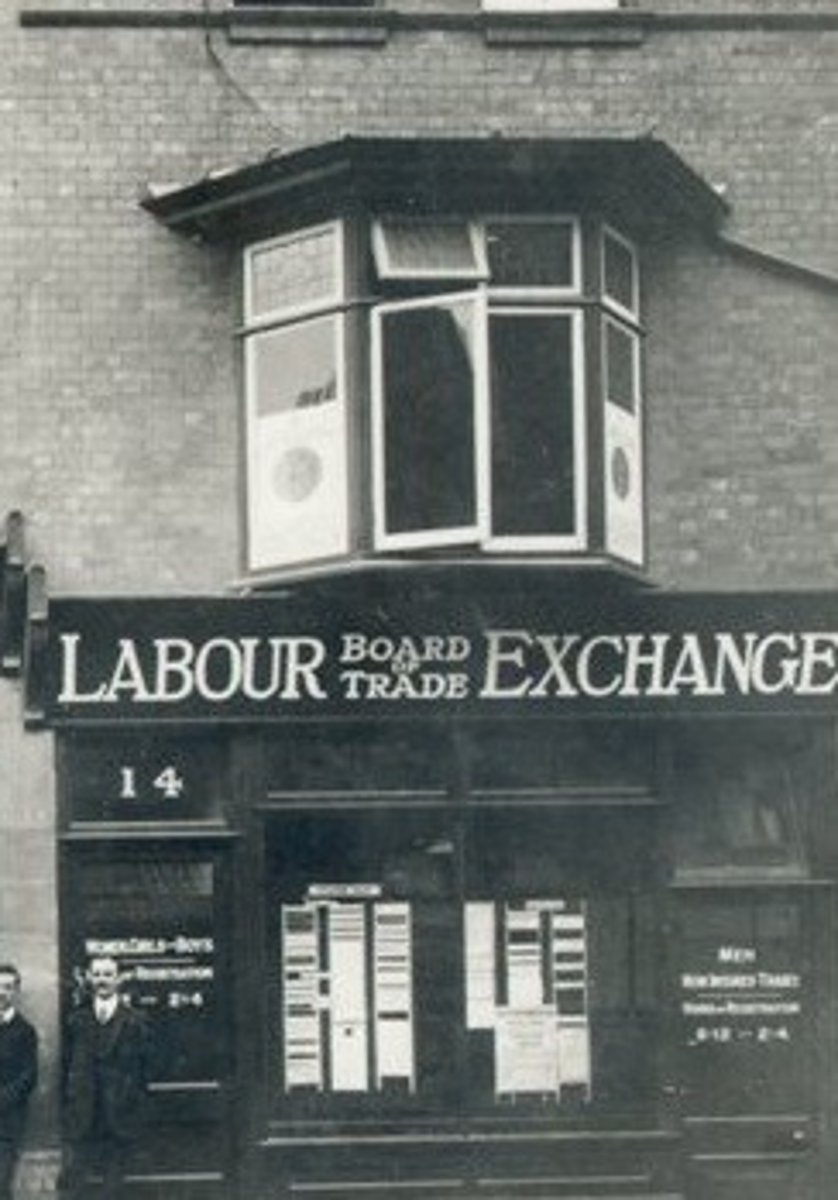
An early job centre to match jobs to people. Saved the need to go asking or looking in windows. A job hub
Housing and Town Planning Act
Made it illegal to build back to back housing and set standards about toilets/sanitation etc.
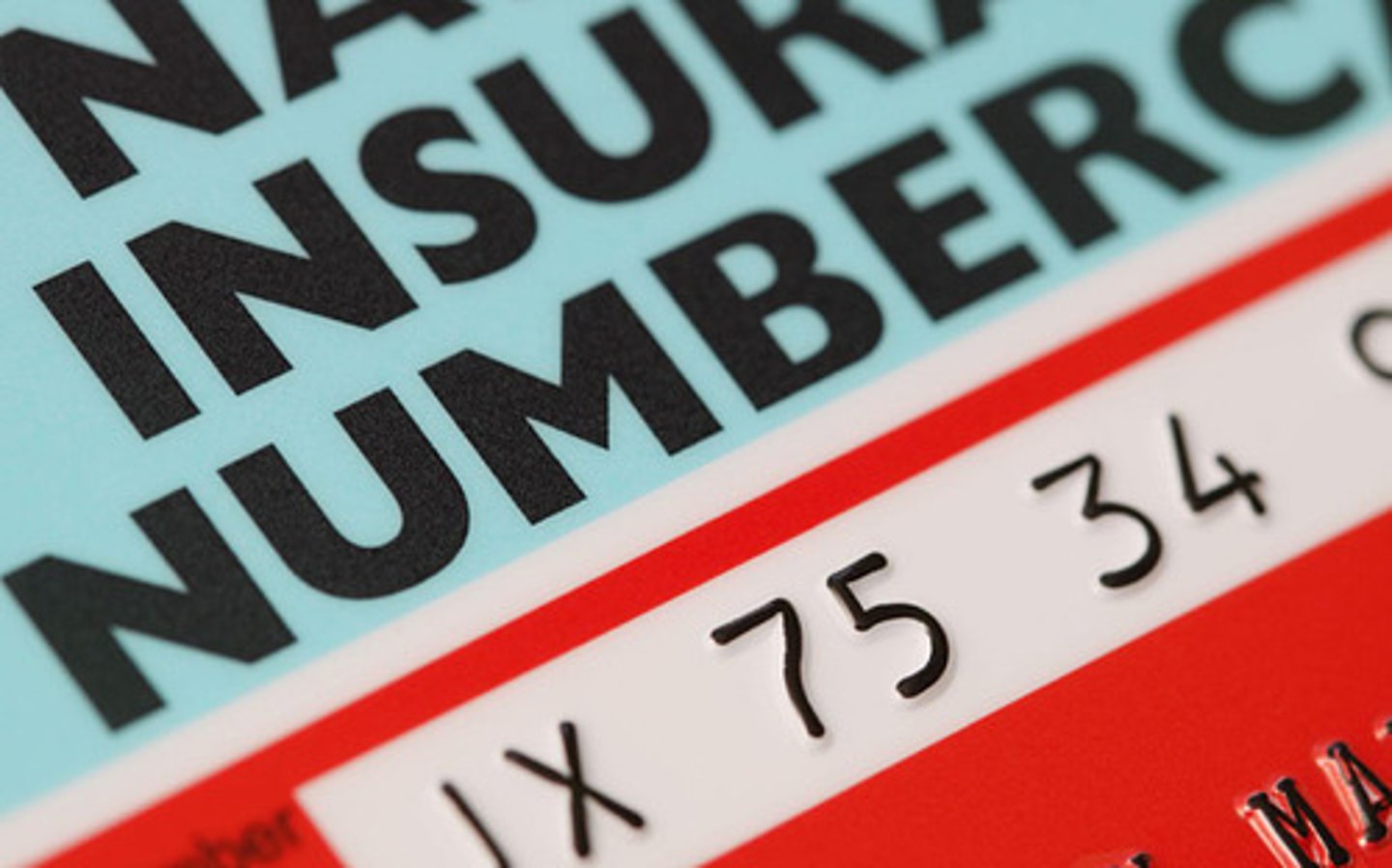
National Insurance Acts (1911/12)
Part 1 (1911) established sick pay and part 2 (1912) established unemployment benefits. There were lots of exclusions and problems to start with, but far better than before.
Peoples Budget (1909)
This was a law to fund all of these changes. The House of Lords rejected it in 1909. However, eventually, most of these measures were passed.