GCSE Chemistry - Energy Changes
 Call Kai
 Learn
Learn Practice Test
 Spaced Repetition
 Match
Match Flashcards
 Knowt Play
1/14

Earn XP
Description and Tags
15 Terms
Exothermic reaction
The energy decreases and the temperature rises because heat energy is given out by the reaction to the surroundings. More energy is given out in forming new bonds than was needed to break the old ones.
Endothermic reaction
The energy increases and the temperature decreases, since heat energy is taken in by the reaction from the surroundings. Less energy is given out in forming new bonds than was needed to break the old ones.
Uses of endothermic changes
Cold packs, Thermal decomposition, Electrolysis, Citric acid with sodium hydrogen carbonate, Some sports injury packs
Uses of exothermic changes
Hand warmers, Self heating cans, Neutralisation, Combustion, Many oxidation reactions
Endothermic change often used in cold packs
Dissolving a salt in water
Solid used in the base of self-heating coffee cans
Calcium oxide
Why is it essential that the coffee stays out of contact with the solid in the base of the self-heating can?
Highly corrosive and toxic
What do reaction profiles show?
The relative energies of the reactants and products
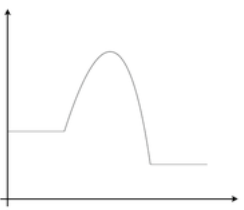
Exothermic reaction
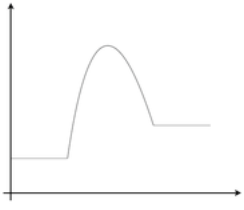
Endothermic reaction
Activation energy
The minimum amount of energy that particles must have to react
Why is bond breaking an endothermic process?
It requires energy being put in
Units for bond energies
kJ/mol
Which way do the electrons flow in a chemical cell?
To the less reactive metal
How does a hydrogen fuel cell work?
Oxygen and the hydrogen fuel is taken in
The electrolyte is alkaline (for example potassium hydroxide solution)
It reacts with the oxygen and the hydrogen to produce an electric current
The hydrogen and the oxygen react to produce the waste product of water
Water and heat is carried out of the cell