Lecture 27. Respiratory Infections 3
 Call Kai
 Learn
Learn Practice Test
 Spaced Repetition
 Match
Match Flashcards
 Knowt Play
1/45

There's no tags or description
Looks like no tags are added yet.
Name | Mastery | Learn | Test | Matching | Spaced | Call with Kai | Chat |
|---|
No analytics yet
Send a link to your students to track their progress
46 Terms
Agents of Canine Infectious Tracheobronchitis (Kennel Cough)
1. Bordetella bronchiseptica
2. Canine Adenovirus 2 (CAV-2)
3. Canine Parainfluenza 2 (PI-2)
Bordetella bronchiseptica etiology
1. Gram-negative obligate anaerobic rod
2. Catalase, oxidase, urease positive
3. Virulent strains hemagglutinate mammalian RBCs
4. Slight hemolysis on sheep agar
Bordetella spp.
this bacteria is associated with varying strains and types of diseases in different species but can primarily lead to respiratory infections in dogs, pigs, and turkeys
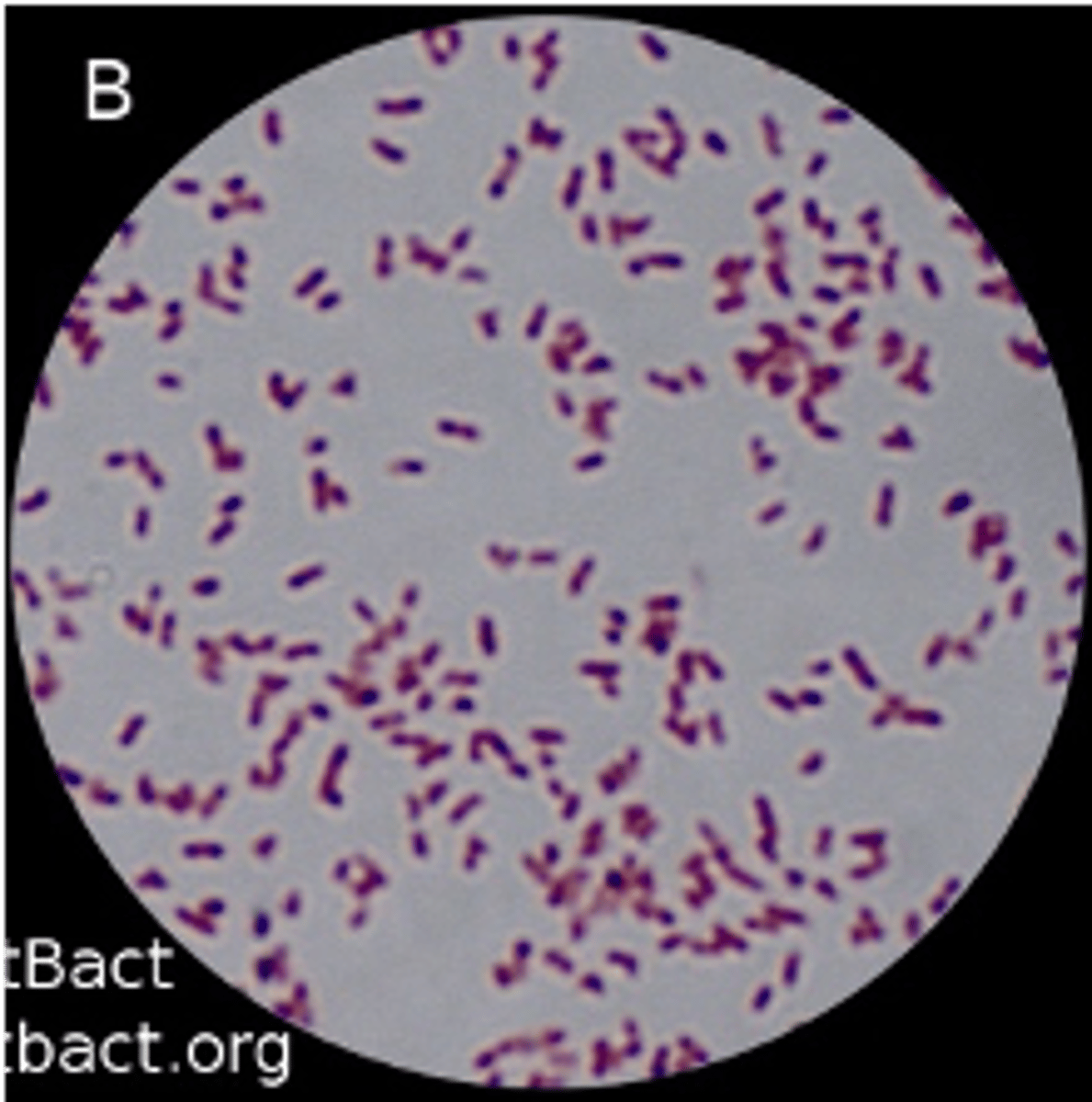
Virulence factors of B. bronchiseptica
1. General: fimbriae, LPS, dermonecrotoxic toxin
2. Specific: filamentous hemagglutination, type III secretion, adenylate cyclase hemolysin
Transmission of Kennel Cough
1. Direct contact or aerosolized respiratory secretions
2. Fomites
Pathogenesis of Kennel Cough
1. Most prevalent canine respiratory complex
2. Low mortality, generally self-limiting
3. Risk of bronchopneumonia
Clinical signs of Kennel Cough
Coughing, gagging, oculonasal discharge but otherwise BAR and non-febrile for about 14 days
Diagnosis of Kennel Cough
MacConkey culture or PCR of tracheal fluid showing organism
Treatment for Kennel Cough
1. Mild cases may not need treatment
2. Antibiotics (Amoxicillin, Tetracycline, Fluoroquinolones) if persists >2 weeks
Control of Kennel Cough
Isolate infected dogs and give intranasal vaccines for B. bronchiseptica and PI-2
Cause of Atrophic Rhinitis in pigs
Bordetella bronchiseptica
what addition infection can occur in pigs experiencing Atrophic Rhinitis
Pasteurella multocida type D infection
Pathogenesis of Atrophic Rhinitis
Piglets <4 weeks show turbinate hypoplasia without snout distortion
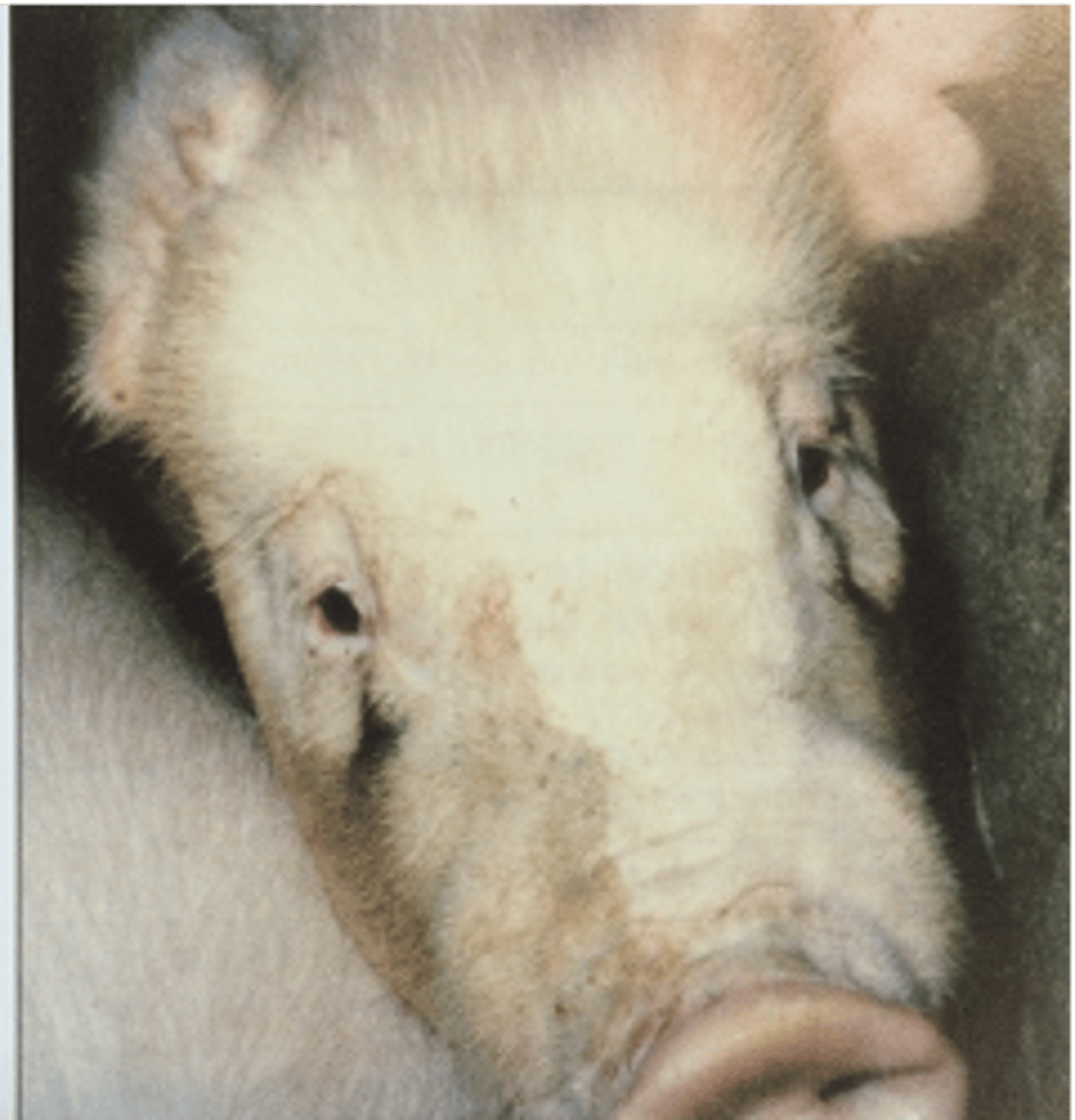
Clinical signs of Atrophic Rhinitis
Atrophic rhinitis and Lacrimation, with Shortened, wrinkled snout
Diagnosis of Atrophic Rhinitis
Nasal/tracheal samples, MacConkey culture, PCR
Treatment for Atrophic Rhinitis
Tetracyclines and Enrofloxacin (Does not clear bacteria)
Control of Atrophic Rhinitis
Vaccination with whole cell bacterins and P. multocida or MLV
B. brochiseptica
Based on C/s of lacrimation and a small and wrinkled snout, this pig was likely infected with....
Cause of Turkey Coryza
Bordetella avium
Etiology of Bordetella avium
1. gram negative obligate anaerobic rod
2. catalase and oxidase postive only
3. virulent strain hemagglutinate guinea pig RBCs
4. no hemolysis on sheep agar
Transmission of Turkey Coryza
Direct contact, aerosol, environmental contamination
Pathogenesis of Turkey Coryza
Highly contagious respiratory disease in poults leading to High morbidity, low mortality disease
B. avium
the pathology of this turkey trachea combined w/ additional beak breathing likely indicates what pathogen
What bacteria are turkeys infected with B. avium predisposed to
E. coli
Clinical signs of Turkey Coryza
Mucus in nares, Beak breathing, Lacrimation, Sneezing
Diagnosis of Turkey Coryza
Nasal/tracheal samples, MacConkey culture, PCR, Clinical signs and pathology
Treatment and Control of Turkey Coryza
Early antibiotics, Bacterin and MLV vaccines, Disinfection
Cause of Infectious Coryza in chickens
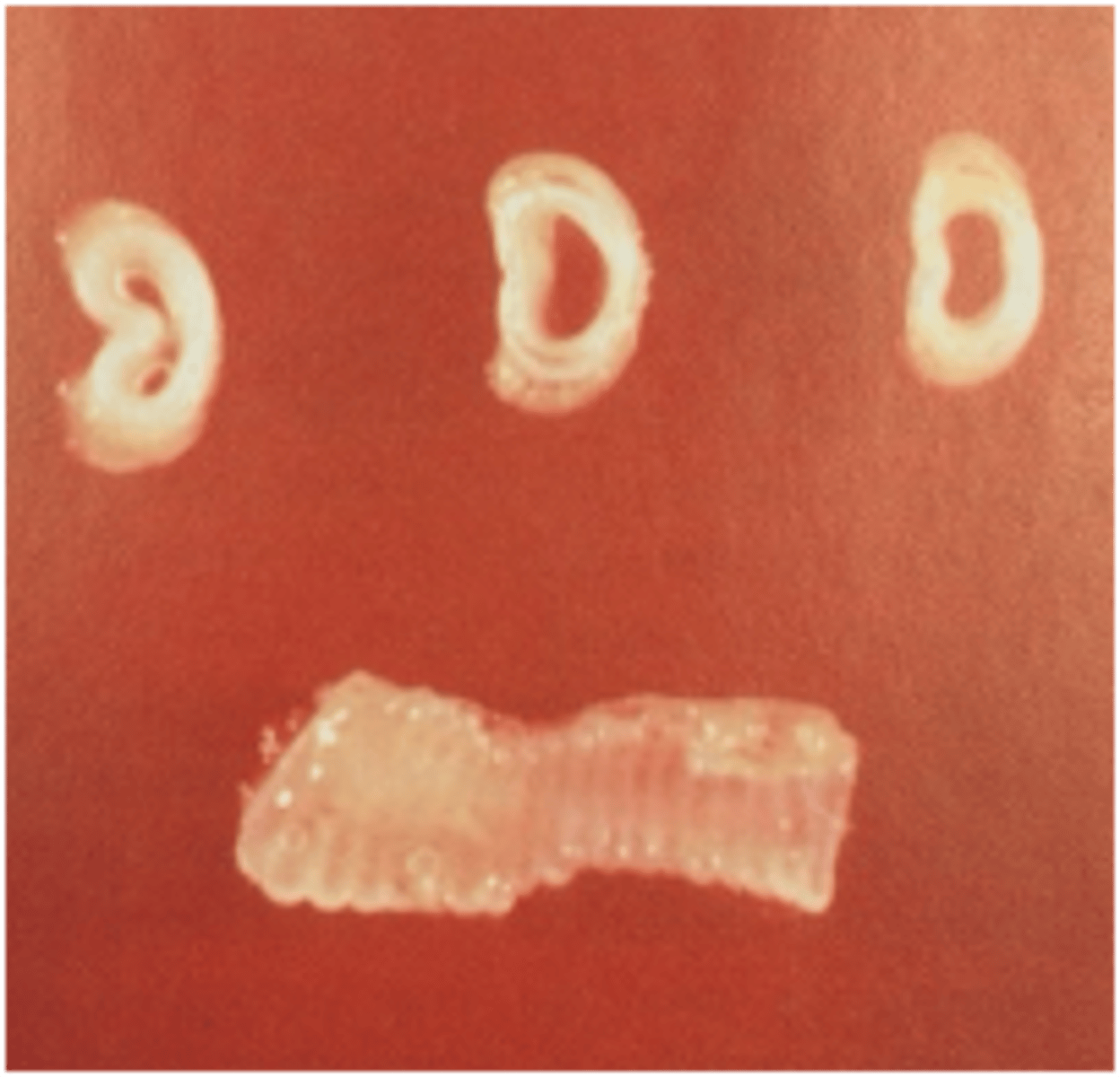
Avibacterium paragallinarum
Characteristics of A. paragallinarum
1. Motile gram-negative facultative anaerobic rod
2. Requires factor V (NAD), 5-10% CO₂, Grows on chocolate agar with "dew drop" colonies
Infectious Coryza of Chickens
this pathogen causes what disease that leads to loss of condition and facial swelling
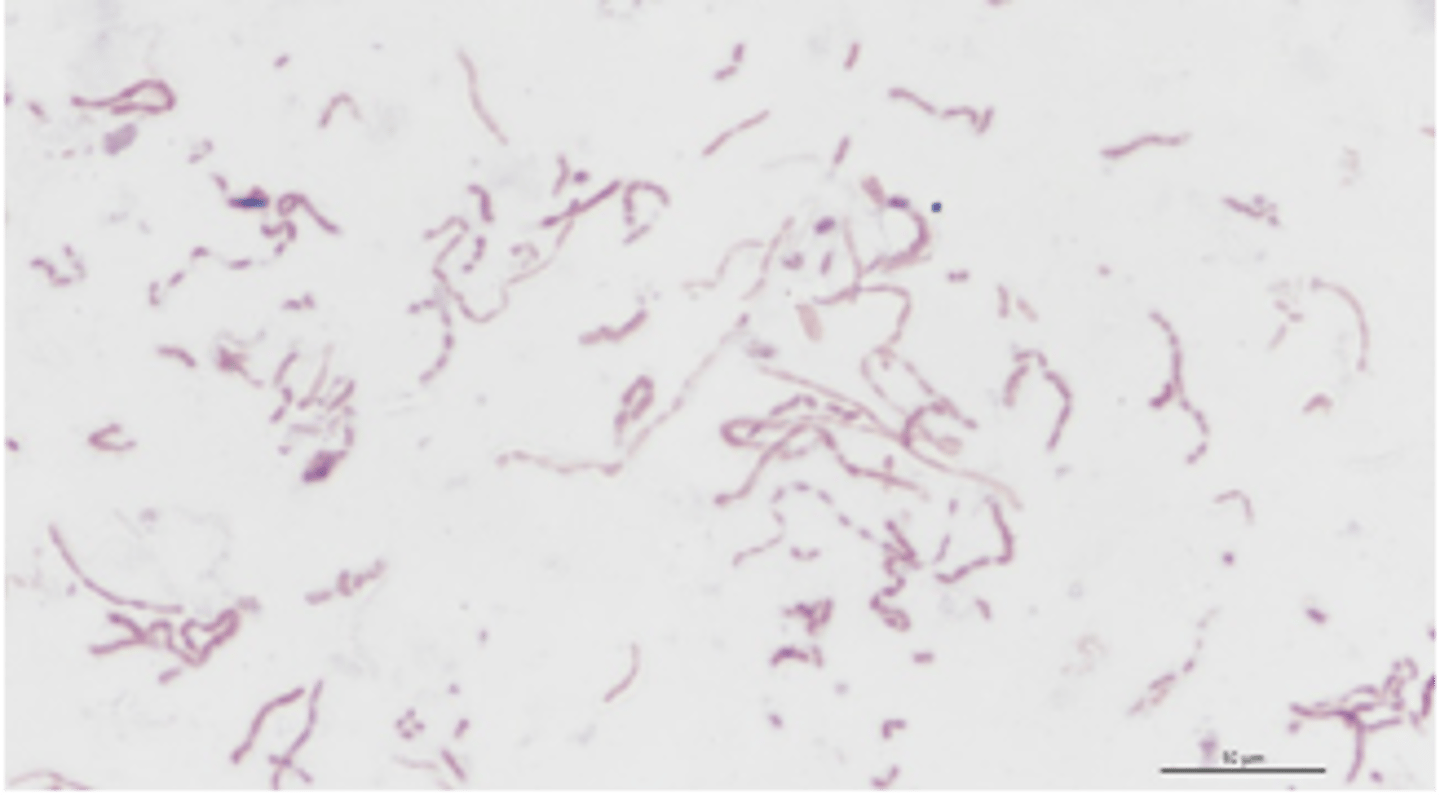
Transmission of Infectious Coryza of Chickens
Direct contact, aerosol, contaminated drinking water,
what acts as reservoirs for Infectious Coryza of Chickens
Chronically ill and asymptomatic birds
Pathogenesis of Infectious Coryza of chickens
Infection of respiratory tract → loss of condition and reduced egg production
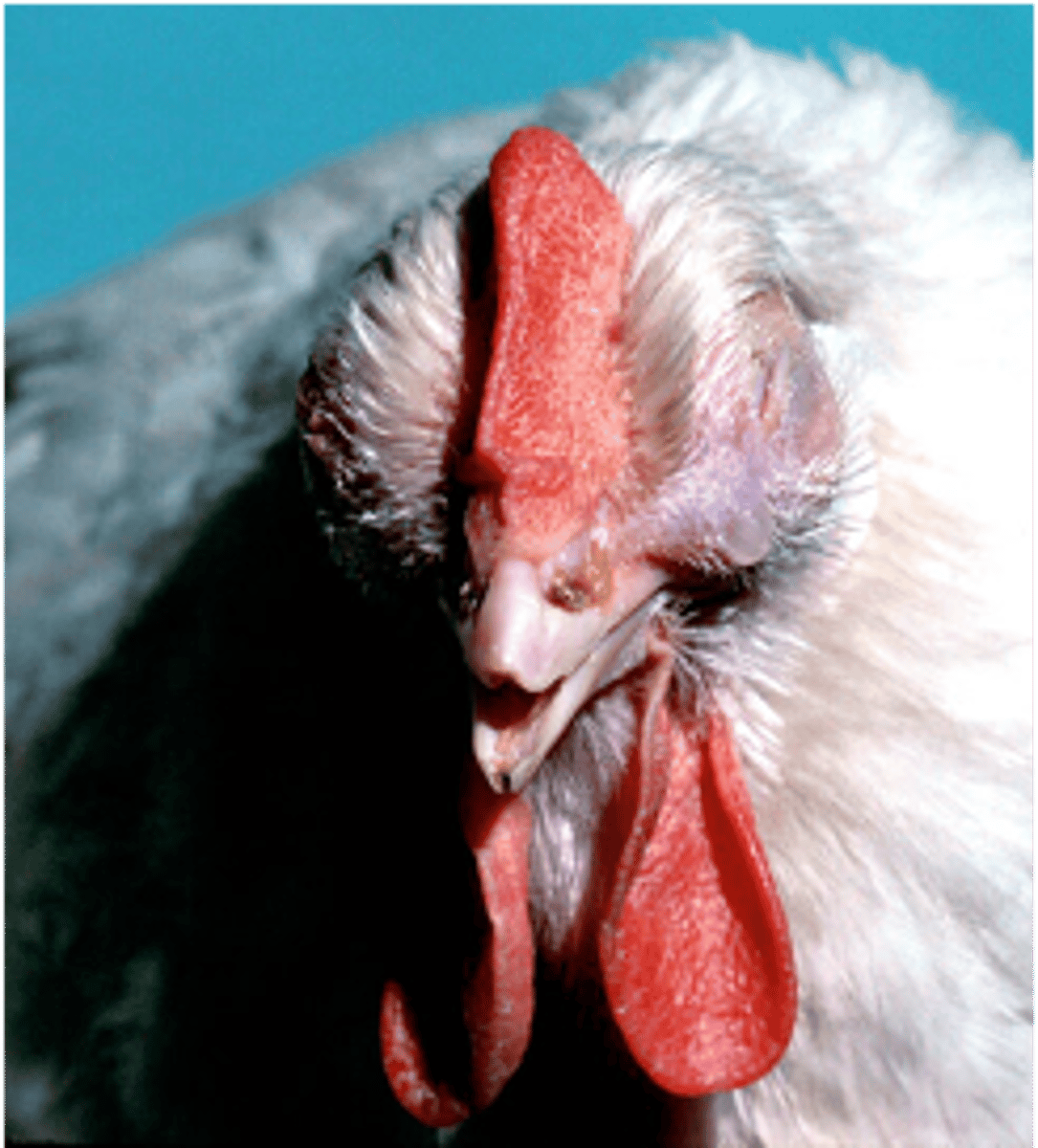
Clinical signs of Infectious Coryza of chickens
1. Mild: depression, serous nasal discharge, facial swelling
2. Severe: major infraorbital sinus swelling
3. general Tracheitis, bronchitis, airsacculitis
Avibacterium paragallinarum
what bacteria is likely associated with the pathology shown in this image
Diagnosis of Infectious Coryza of chickens
1. Necropsy: exudate in sinuses, 2. Facial swelling + bacterial isolation
3. PCR or immunoperoxidase staining
Treatment and Control of Infectious Coryza of chickens
Sulfonamides or Oxytetracycline in water, Bacterin vaccine
Cause of of Avian Chlamydiosis
Chlamydophila psittaci
what are the main species affected by avian chlamydiosis
psittacines and pigeons
Transmission of Avian Chlamydiosis
Ingestion or inhalation of infected respiratory secretions or feces, Triggered by stress
Clinical signs of Avian Chlamydiosis
1. Respiratory and digestive tract infection
2. Loss of condition
3. Nasal/ocular discharge
4. Diarrhea
5. Respiratory distress
Diagnosis of Avian Chlamydiosis
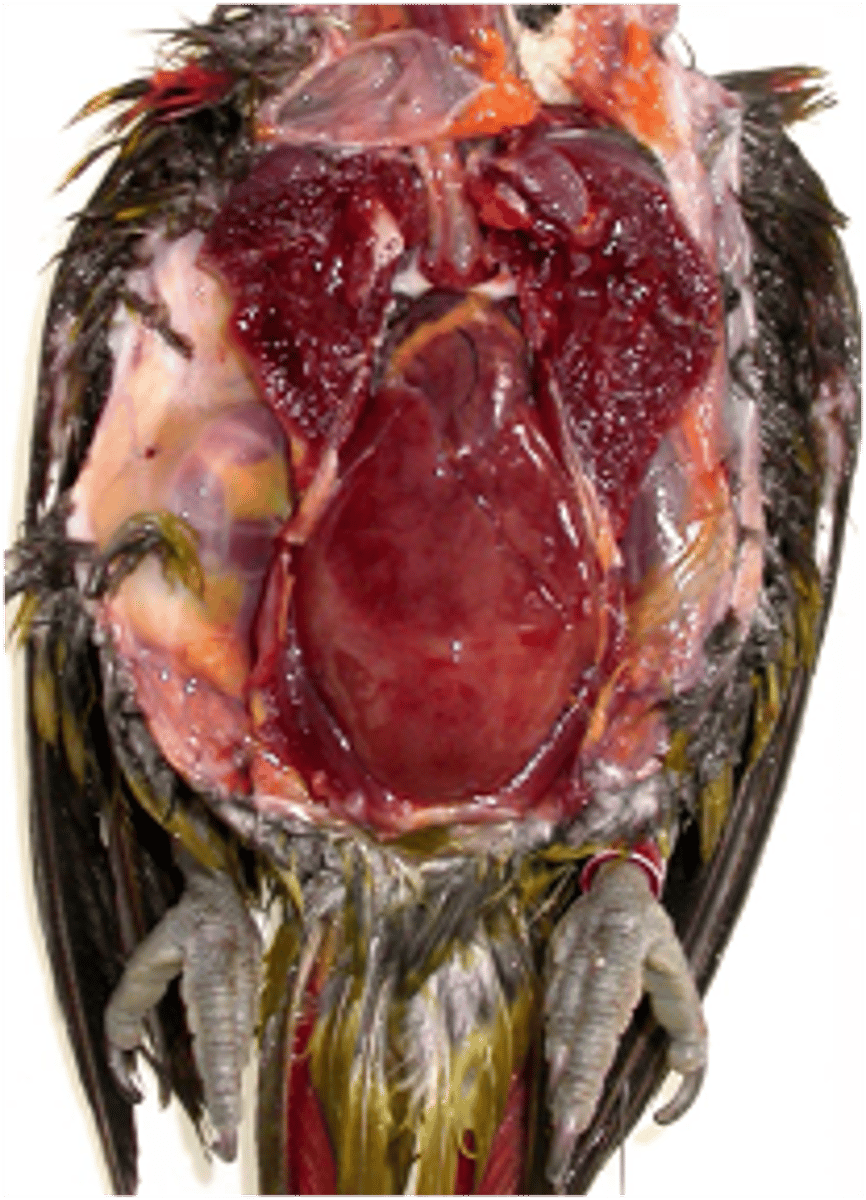
1. Necropsy: hepatosplenomegaly, airsacculitis, peritonitis
2. Tissue smear staining
3. ELISA, PCR, egg isolation, CFT
Avian Chlamydiosis
the pathology present in this chicken shows that it likely suffered from what condition
Treatment and Control of Avian Chlamydiosis
Tetracycline, No vaccine, Quarantine new birds, good husbandry
Zoonotic potential of Avian Chlamydiosis
Zoonotic: can cause pulmonary issues, meningitis, meningoencephalitis
what is true of Psittacosis in the US
notifiable disease!!