Ap2 midterm lab
 Call Kai
 Learn
Learn Practice Test
 Spaced Repetition
 Match
Match Flashcards
 Knowt Play
1/36

There's no tags or description
Looks like no tags are added yet.
Name | Mastery | Learn | Test | Matching | Spaced | Call with Kai | Chat |
|---|
No analytics yet
Send a link to your students to track their progress
37 Terms
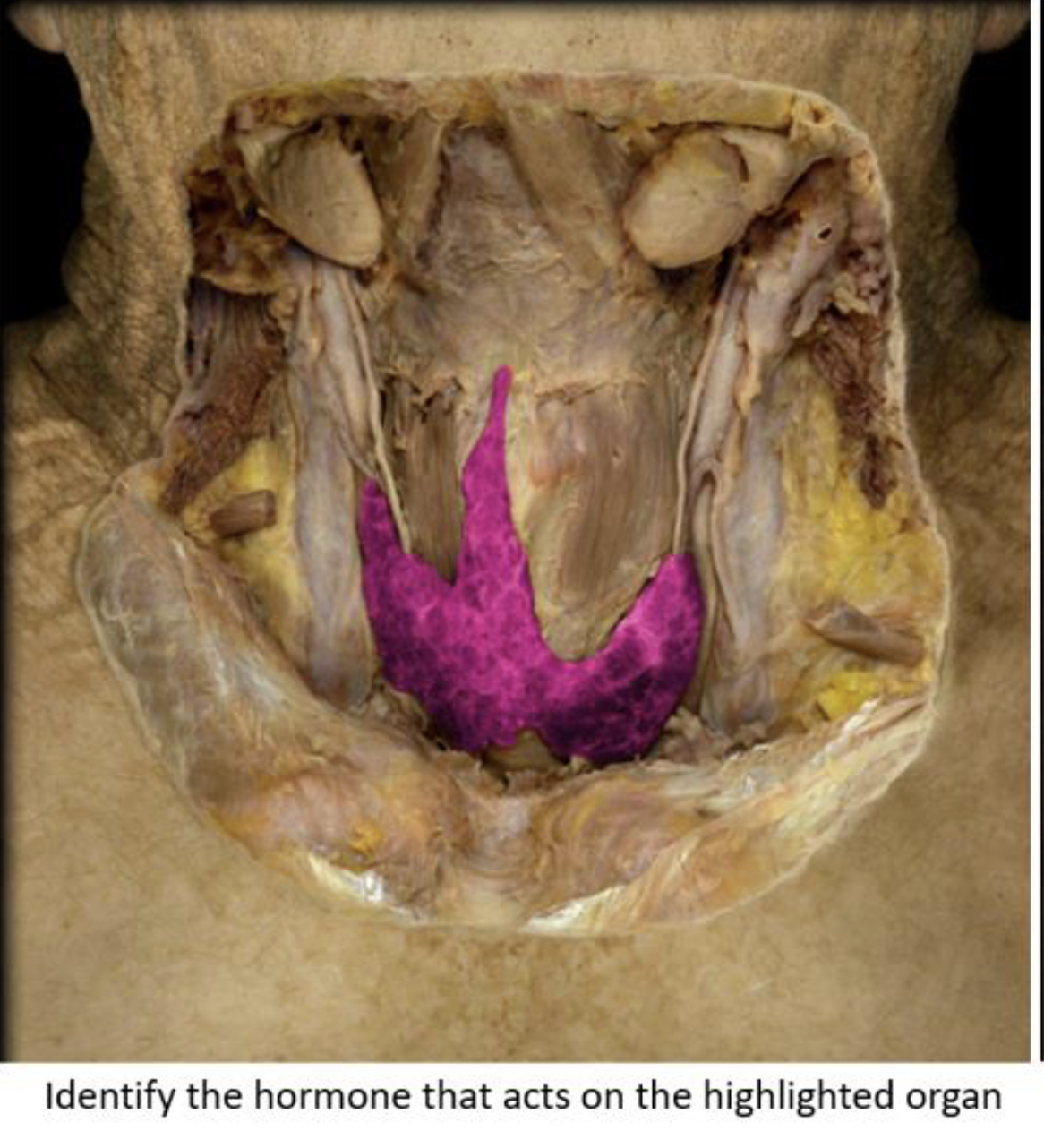
Thyroid stimulating hormone (this is the thyroid gland)
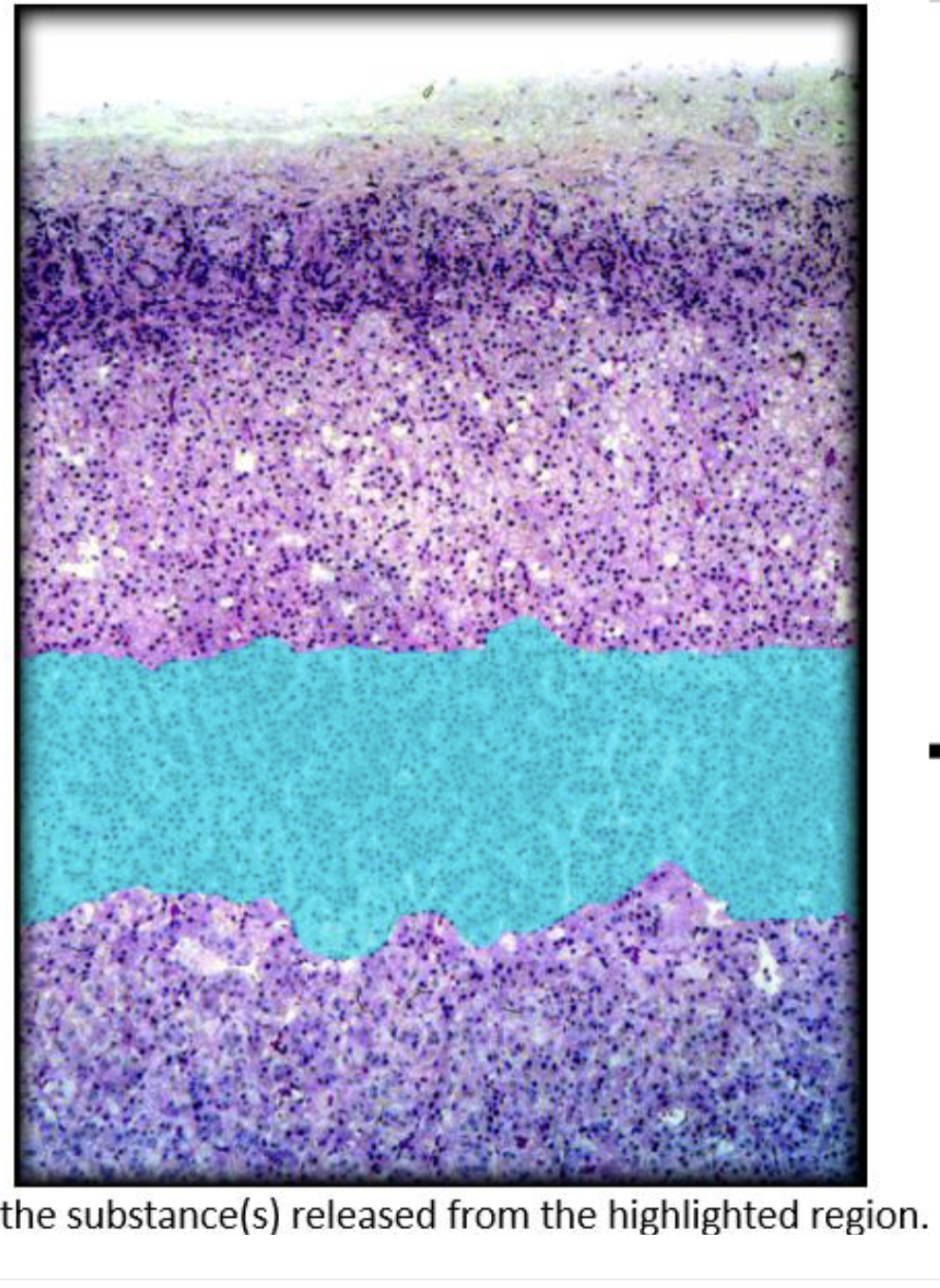
identify the substances released from the highlighted region
Sex hormones (zona reticularis)
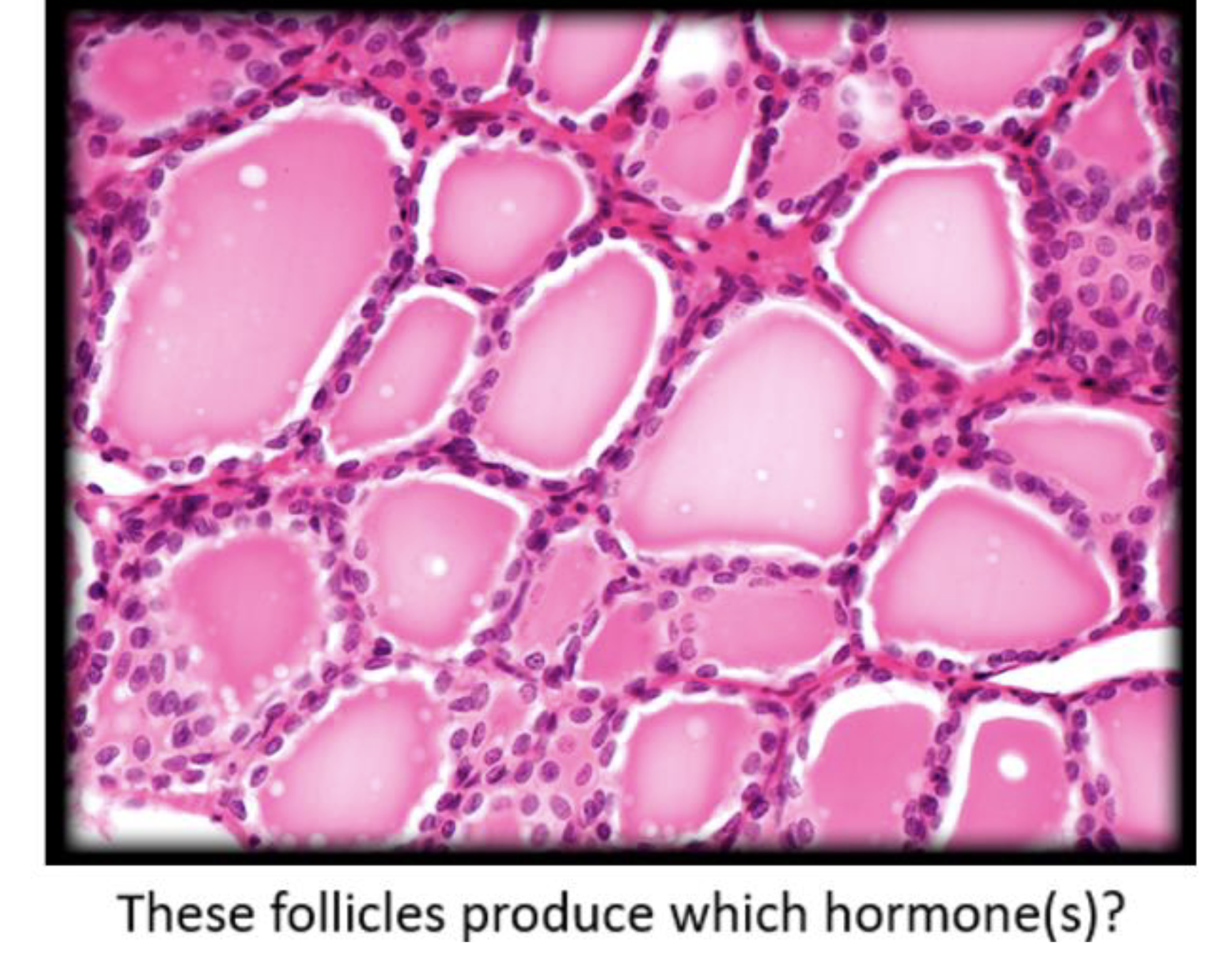
These are thyroid follicles and they produce T
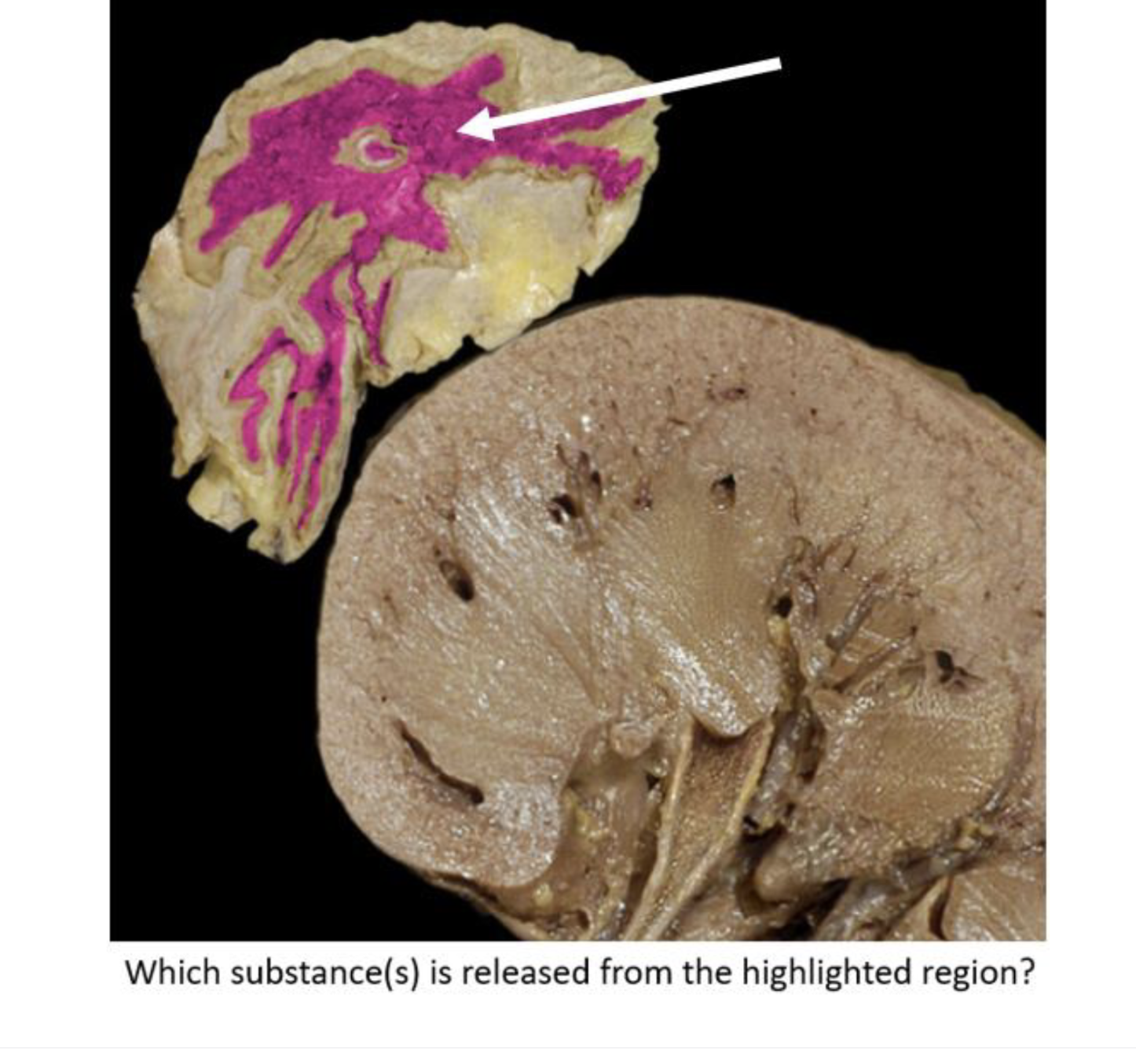
Adrenal medulla = epinephrine and norepinephrine (adrenaline and noradrenaline)
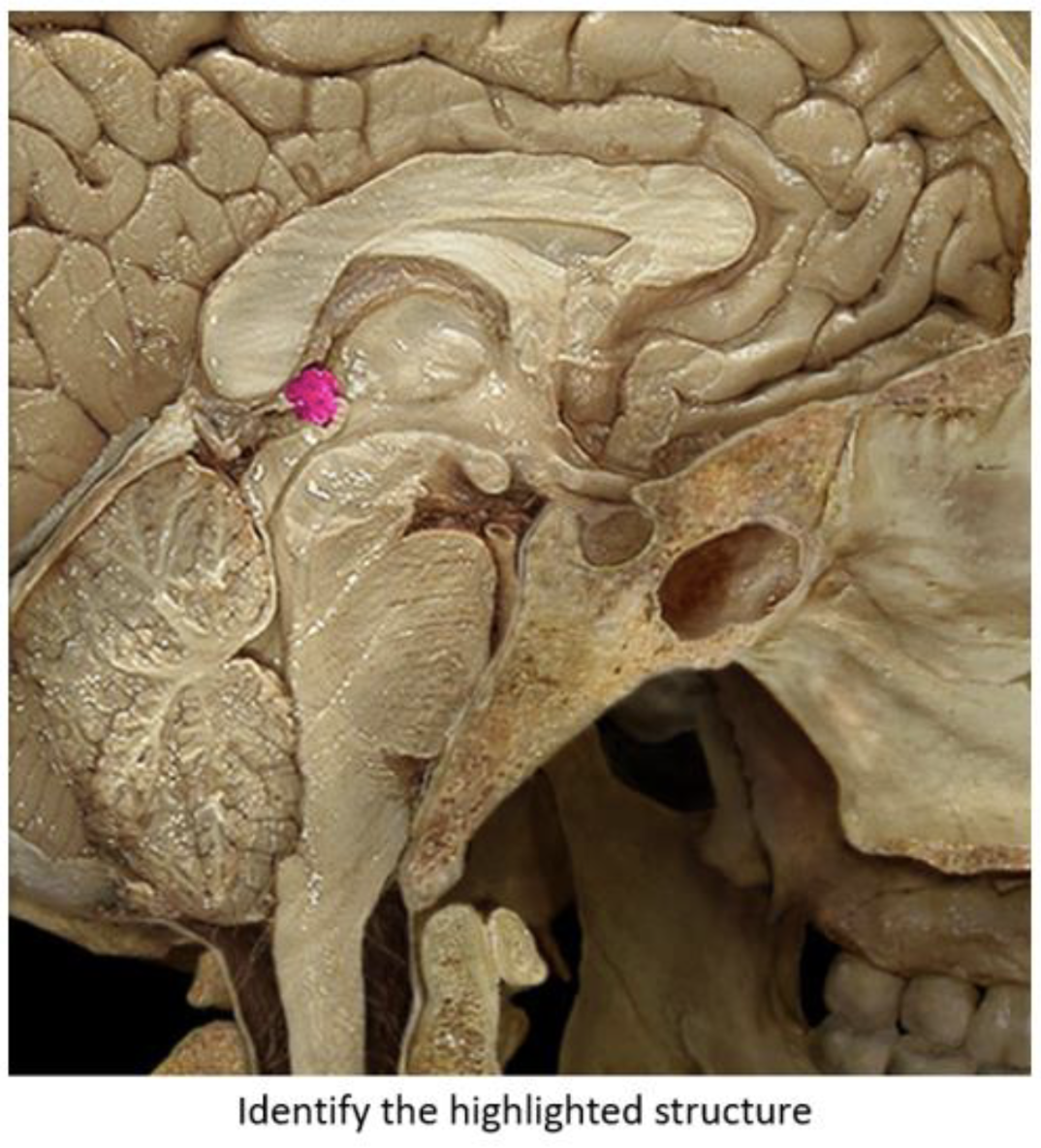
Melatonin (pineal gland
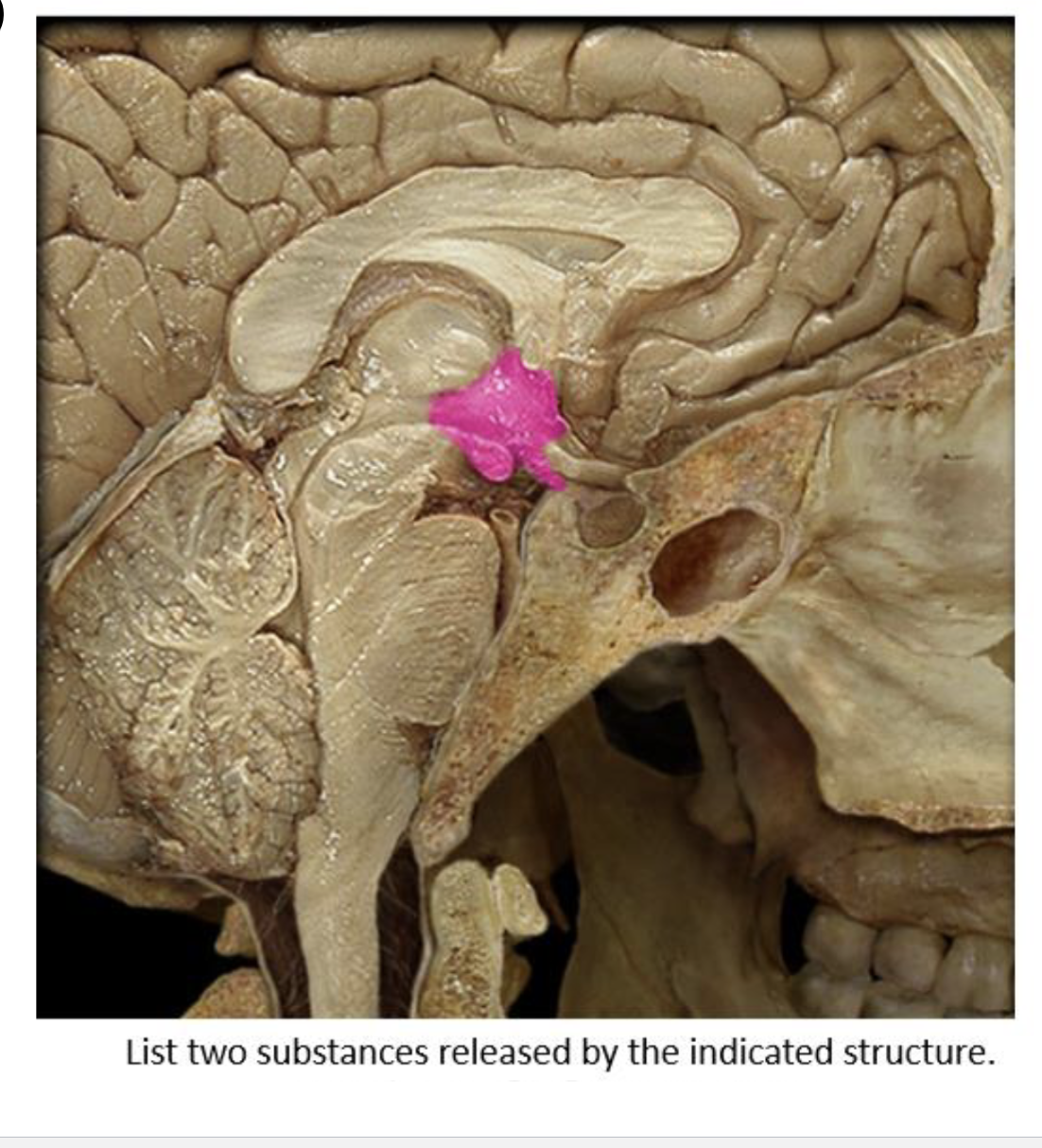
Hypothalamus – thyrotropin releasing hormone; growth hormone-releasing hormone; corticotropin-releasing
hormone; gonadotropin-releasing hormone; somatostatin; oxytocin and ADH (both released by posterior pituitary)
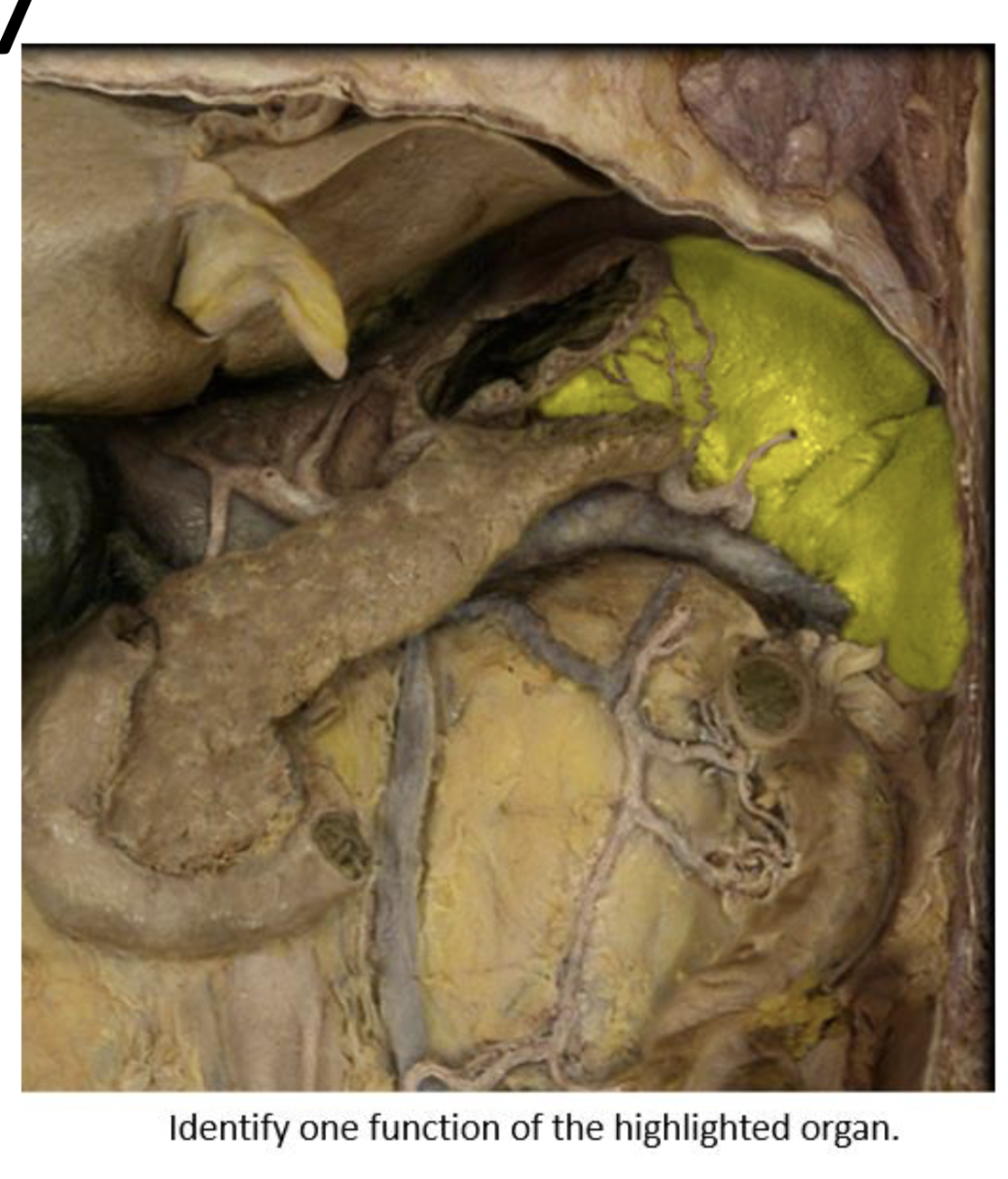
Spleen – filters blood for pathogens; provides sites for immune reactions; recycles old RBCs; sequesters platelets
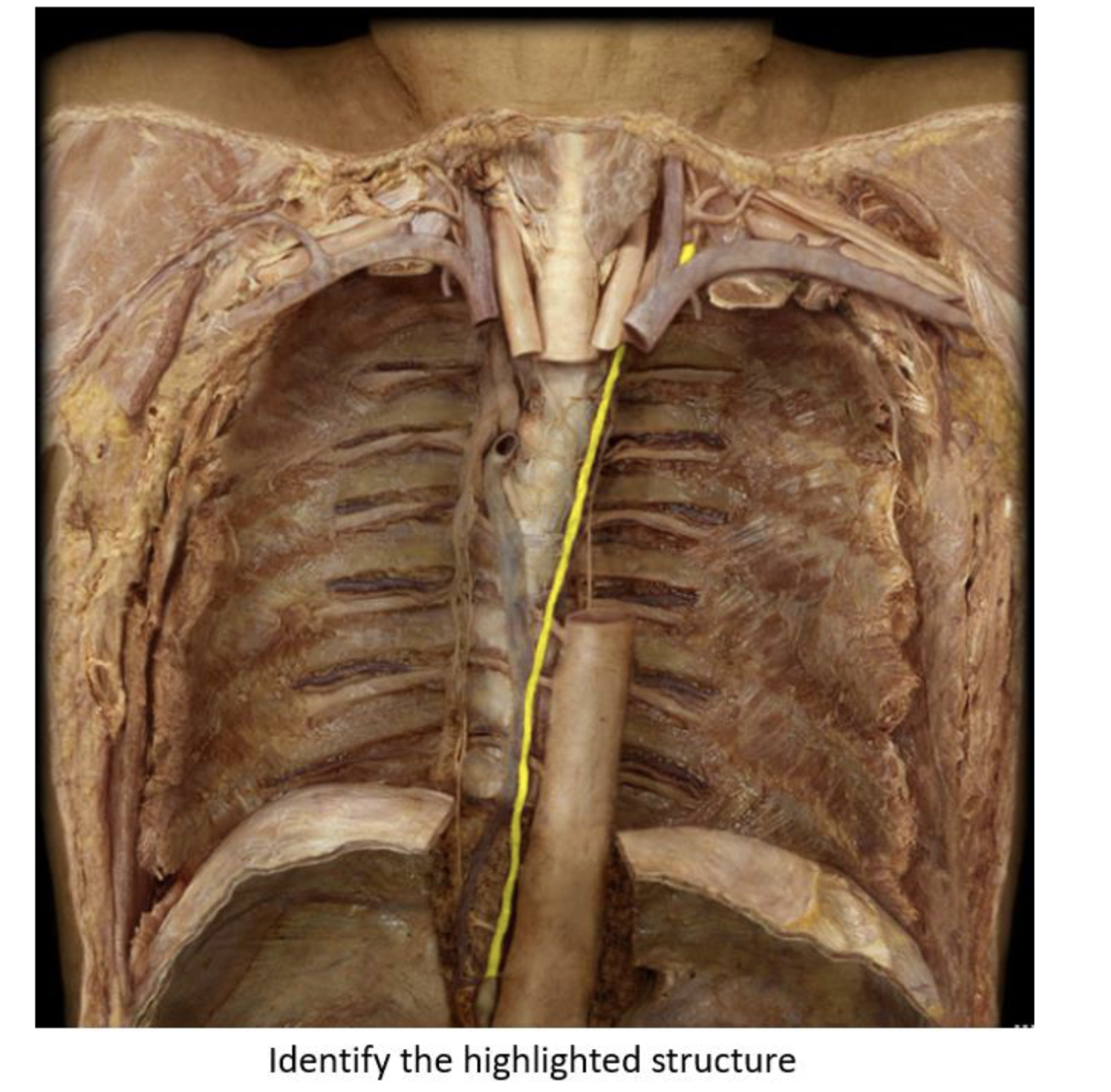
Thoracic duct
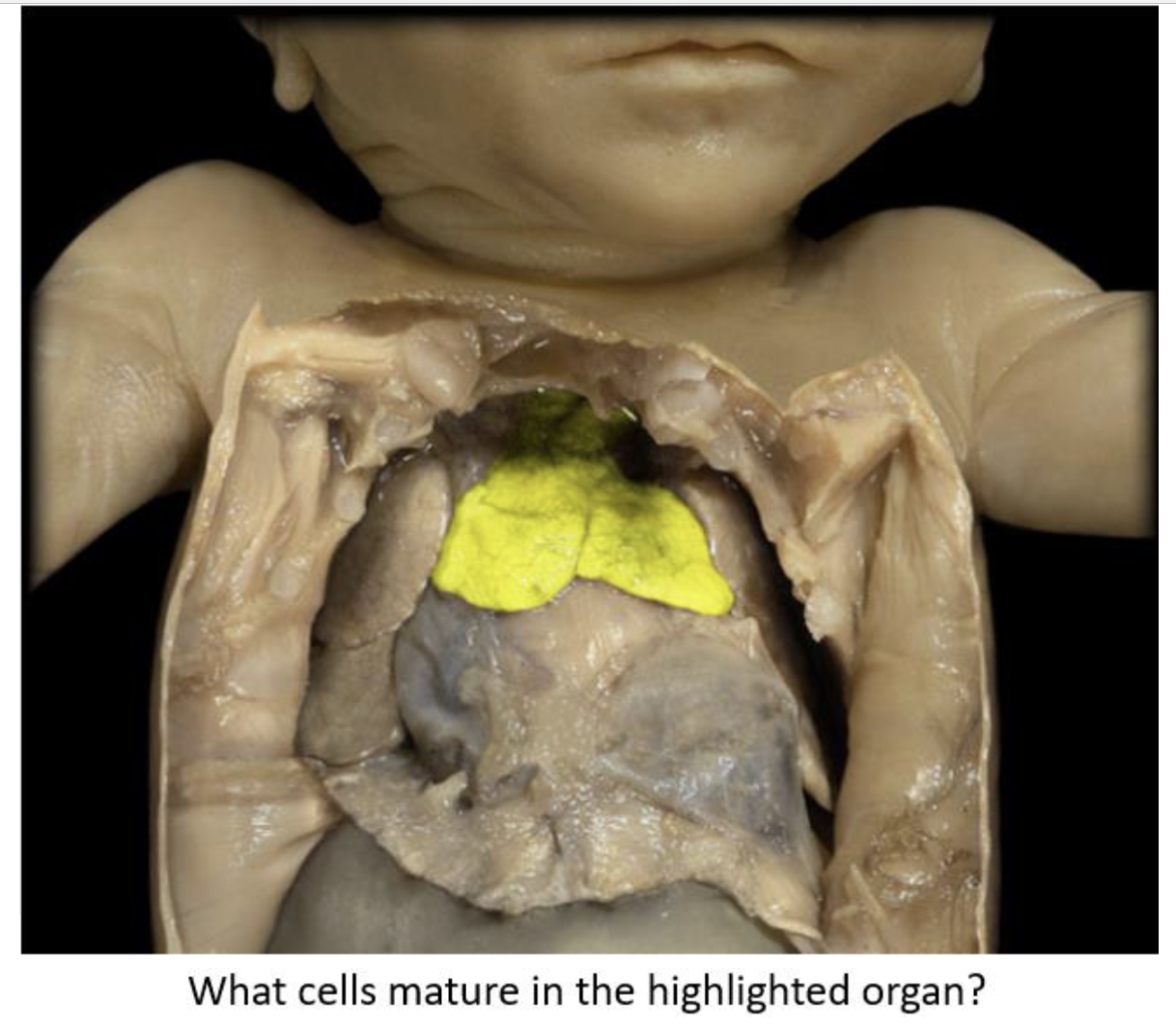
T lymphocytes (thymus)
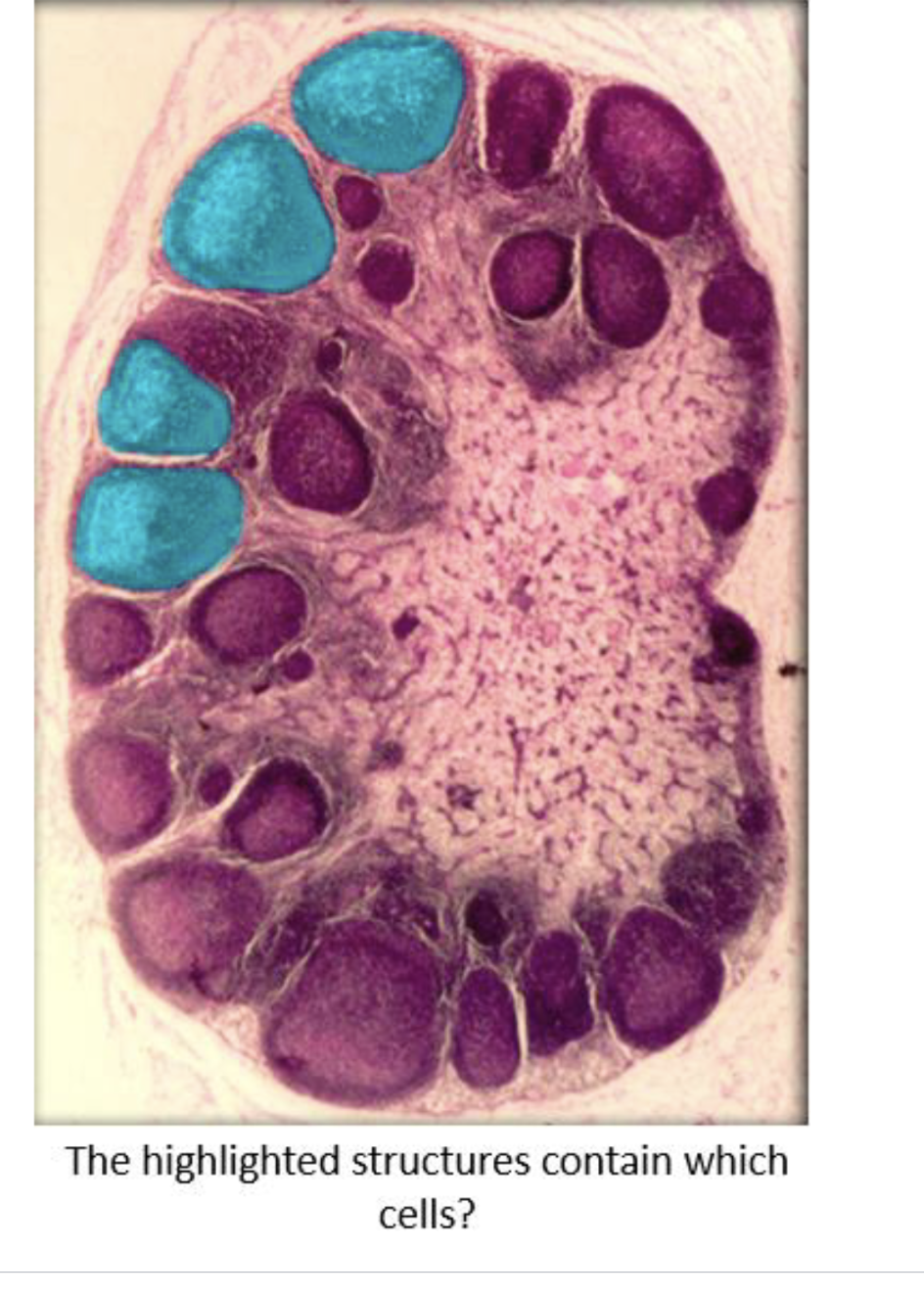
Inactivated / resting / naive B cells (these are primary nodules of a lymph node)
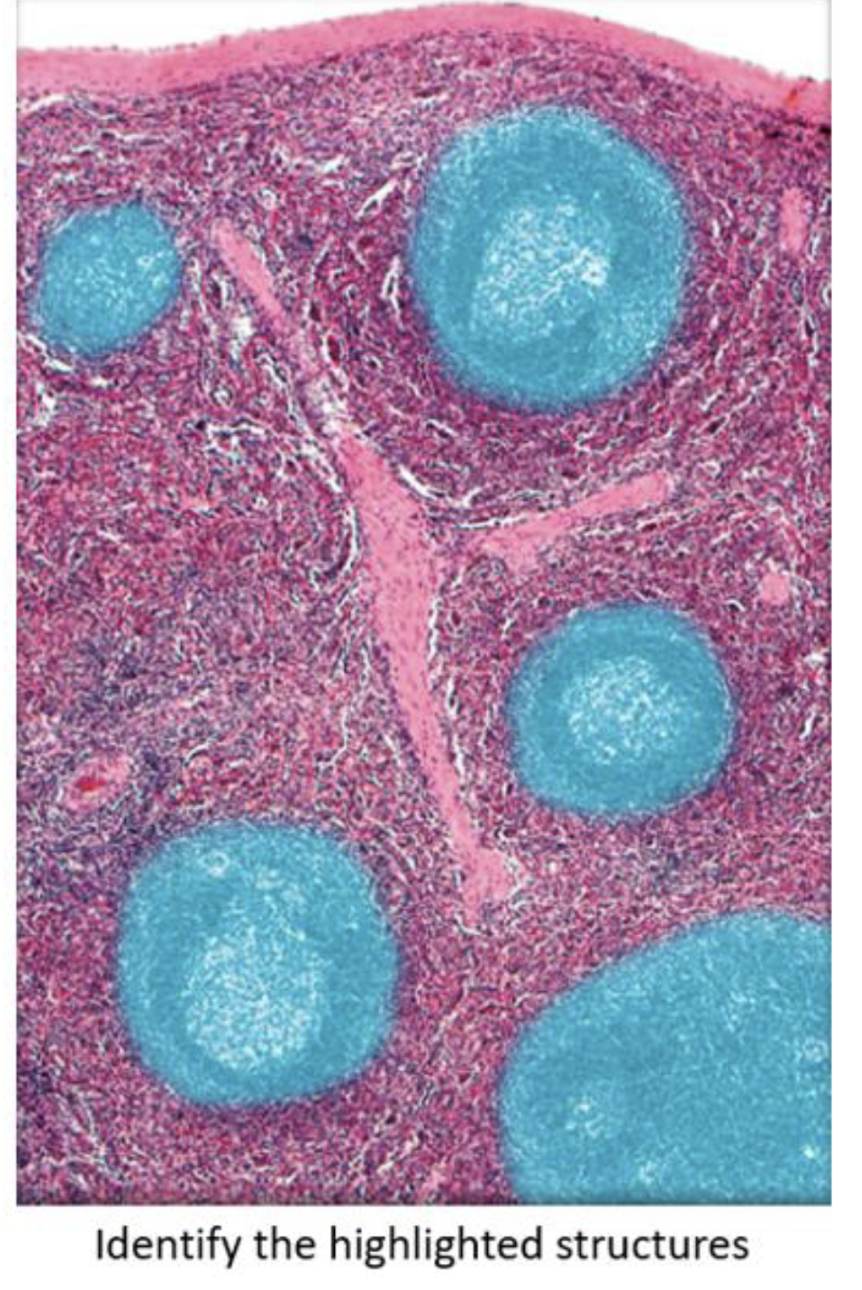
White pulp of spleen
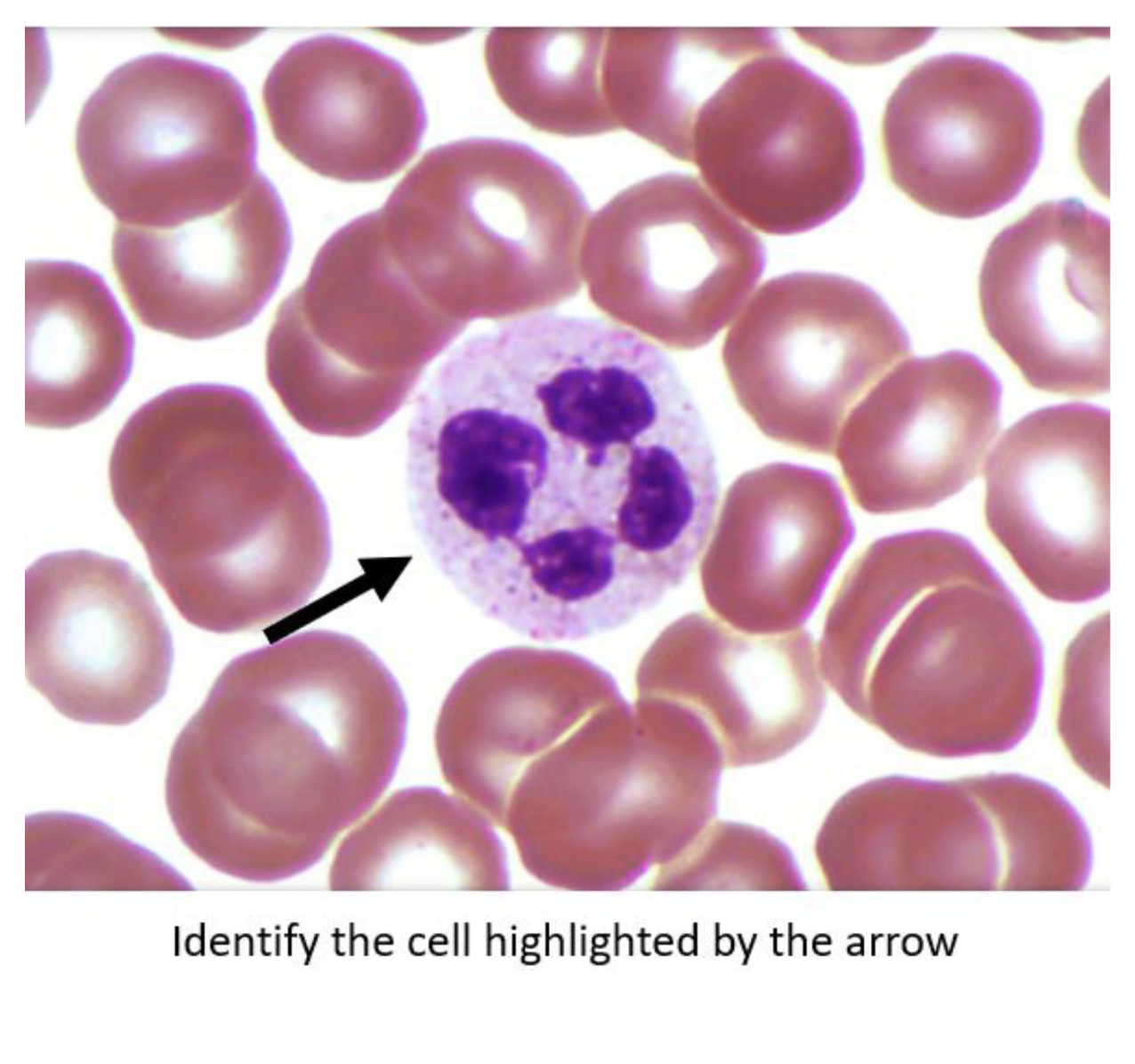
Neutrophil
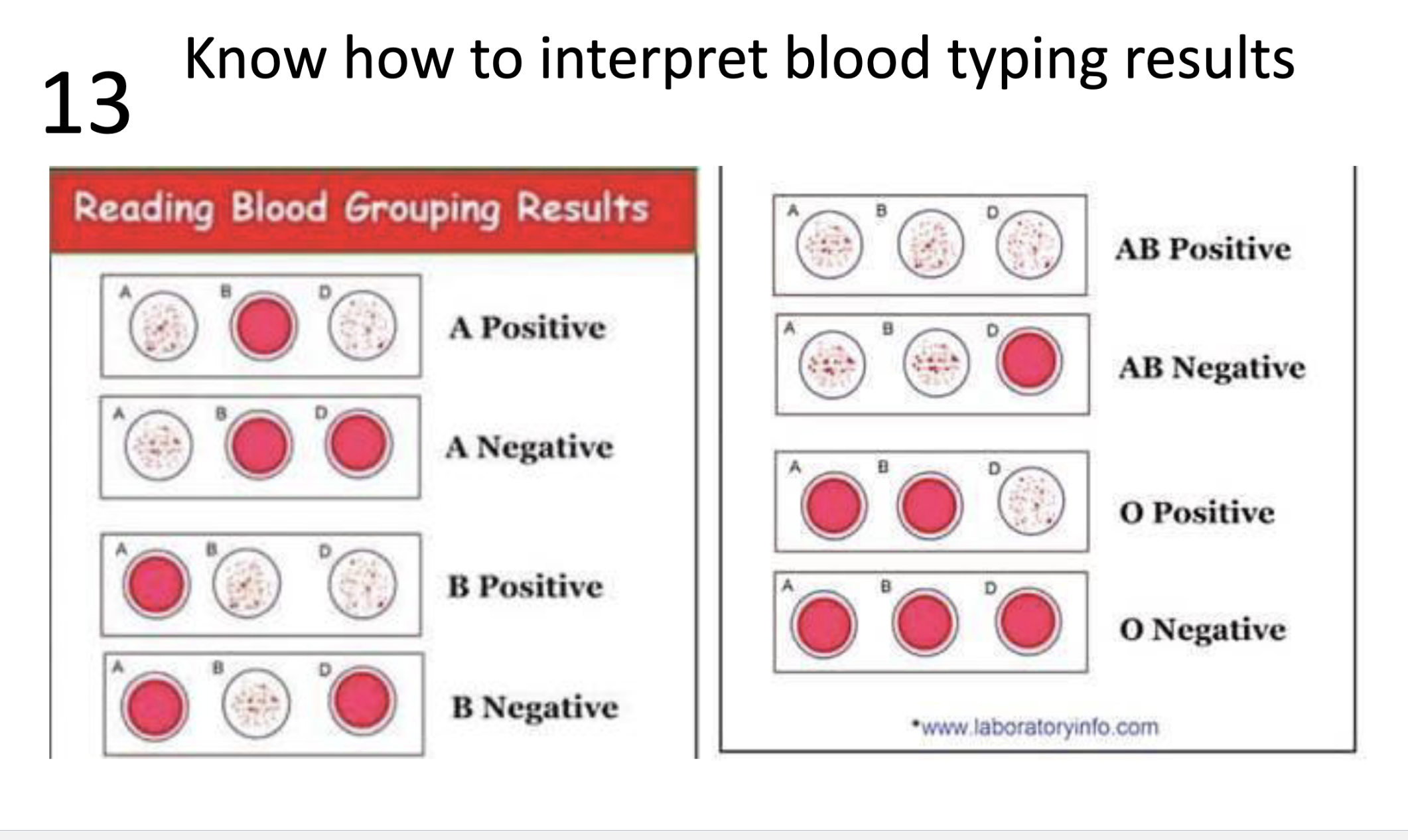
Be able to identify different blood types based on blood typing results
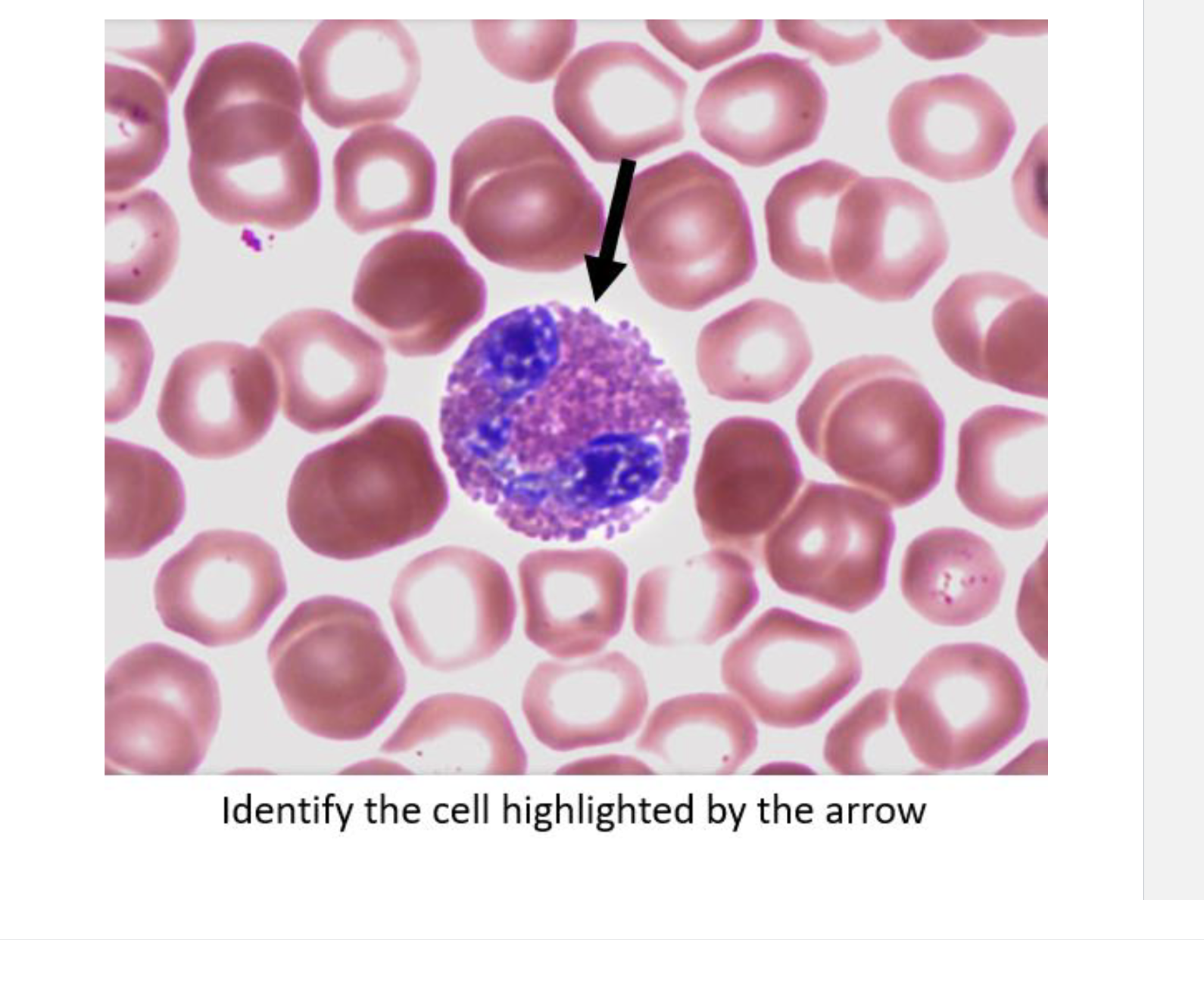
Eosinophil
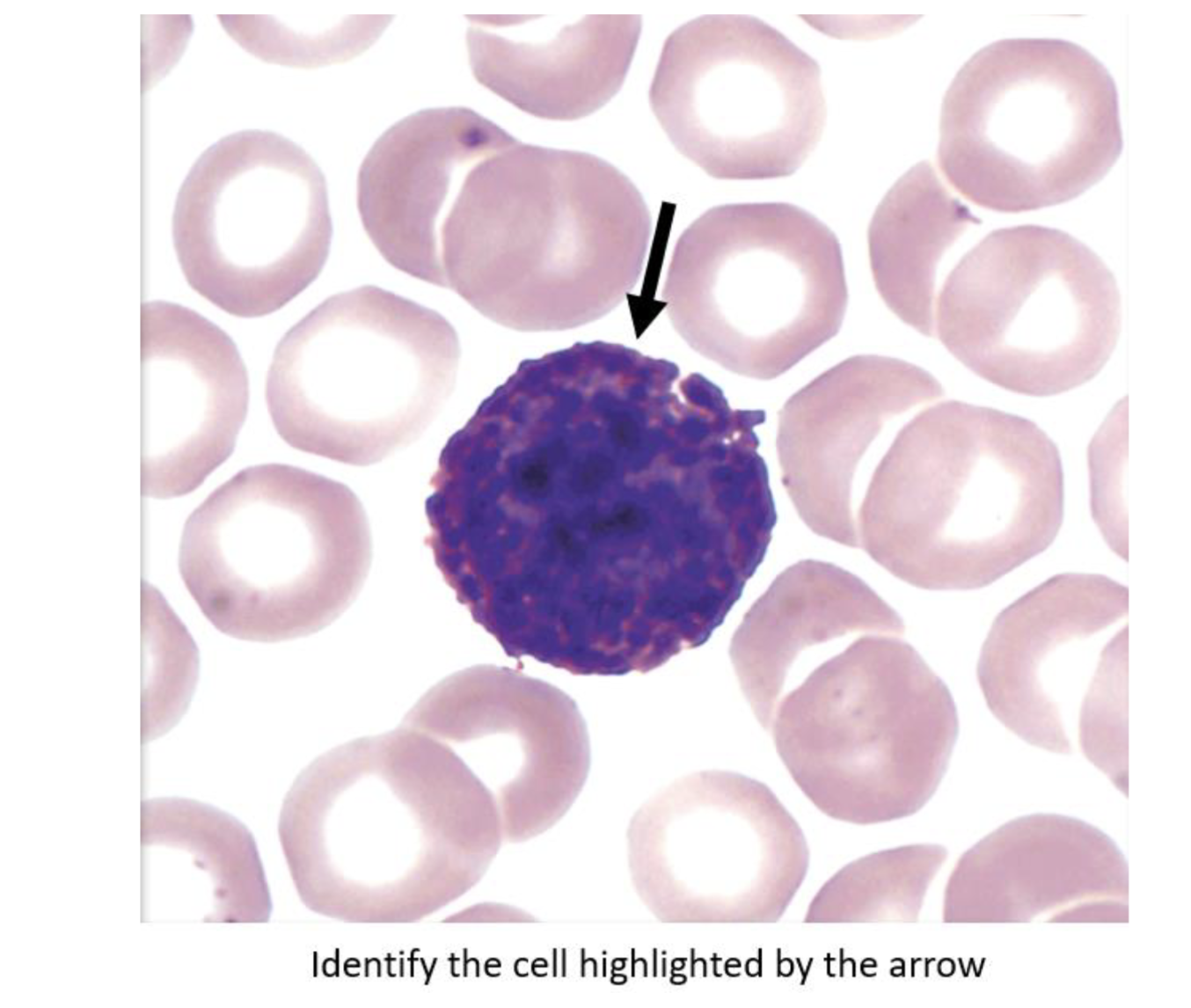
Basophil
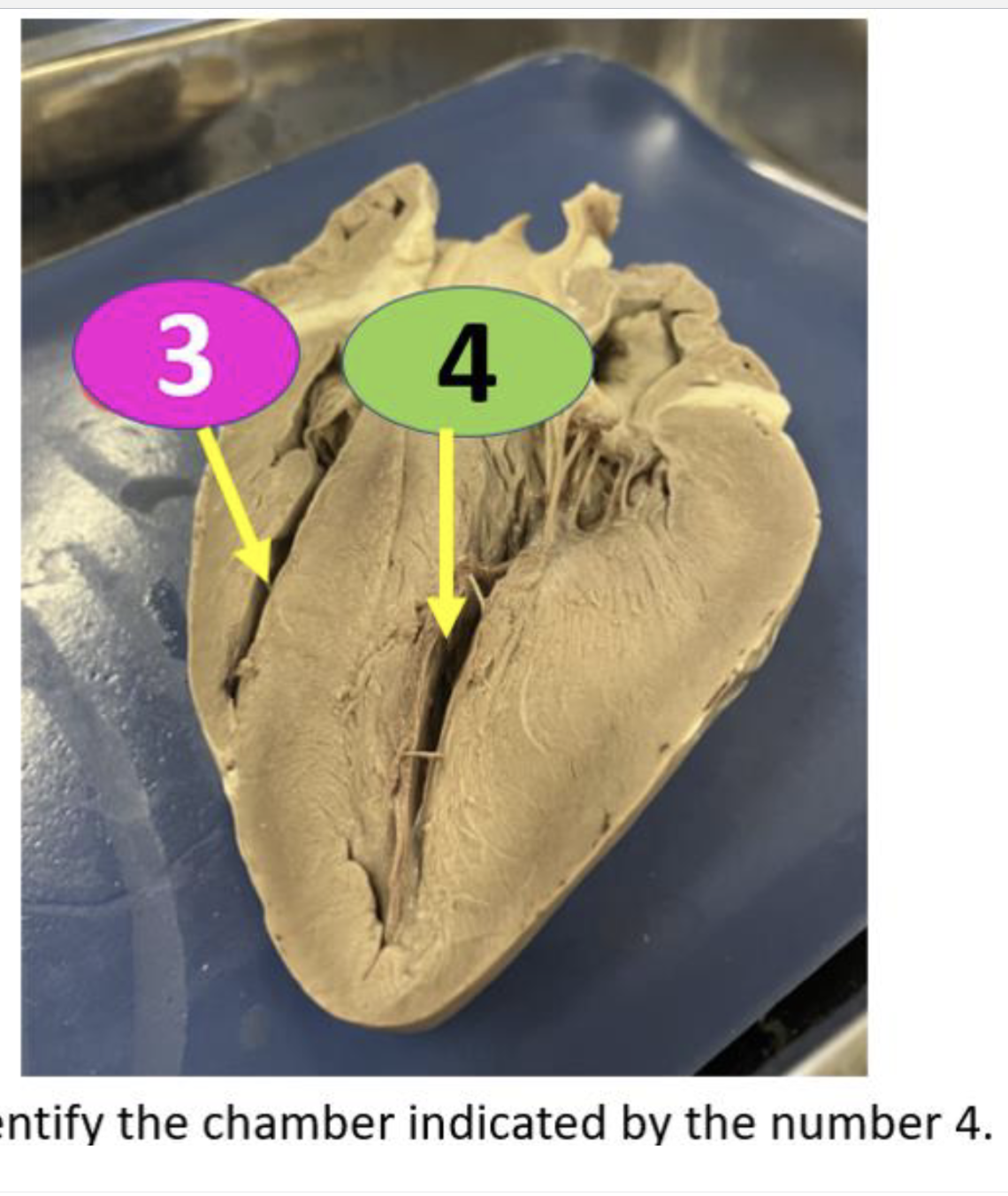
Left ventricle (note how much thicker the walls of the L ventricle are compared to the R ventricle)
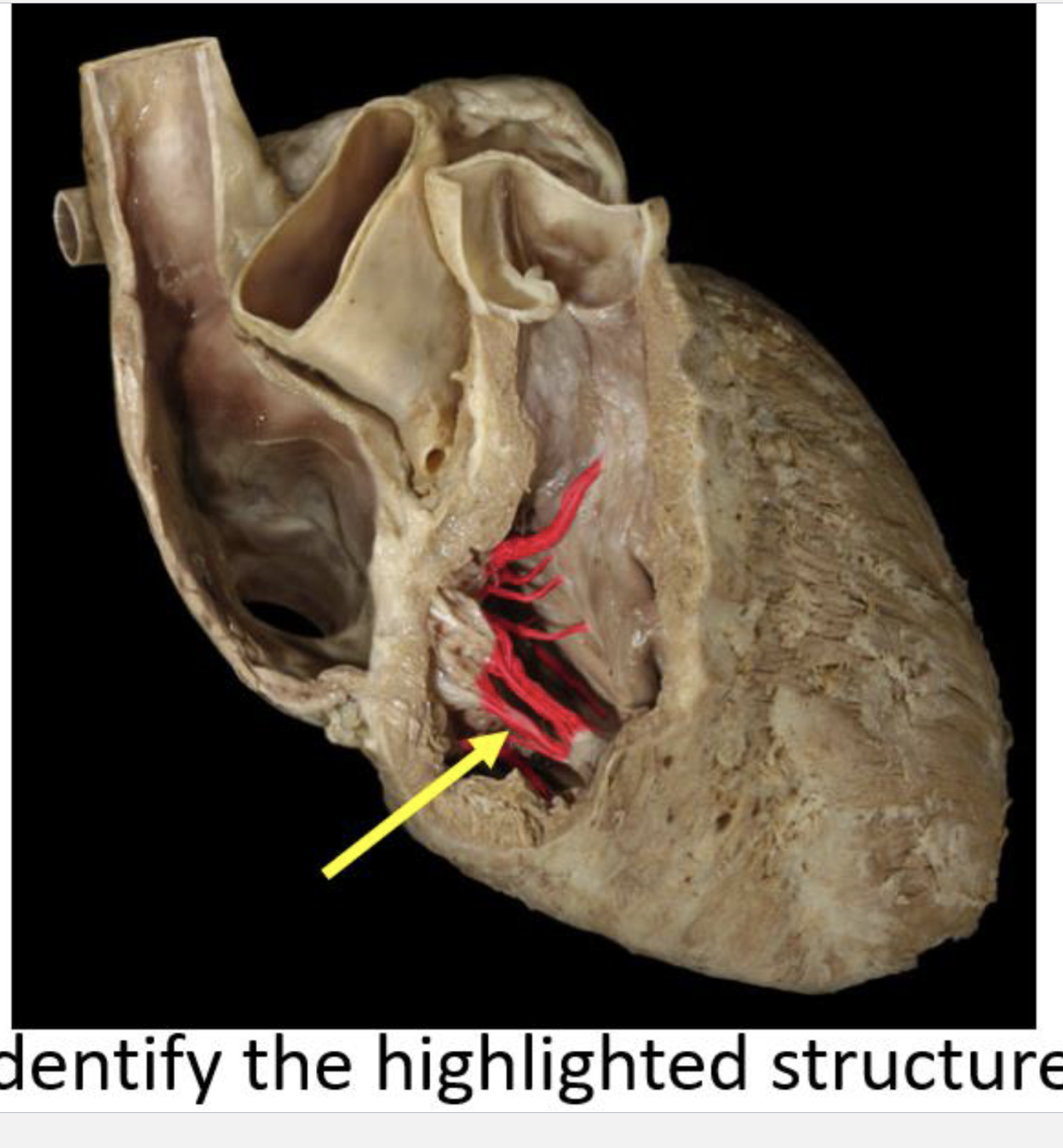
Chordae tendineae
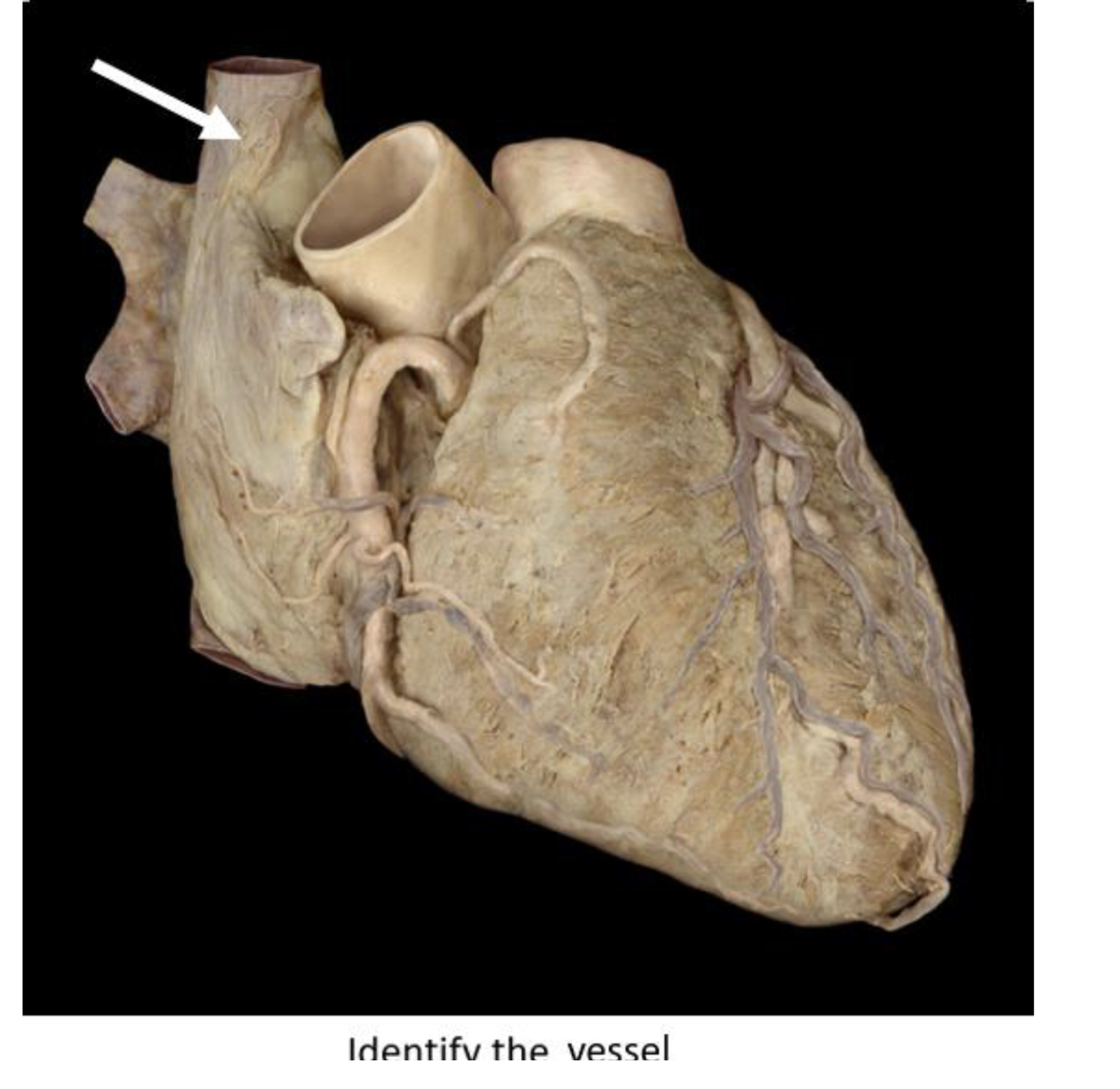
Superior vena cava
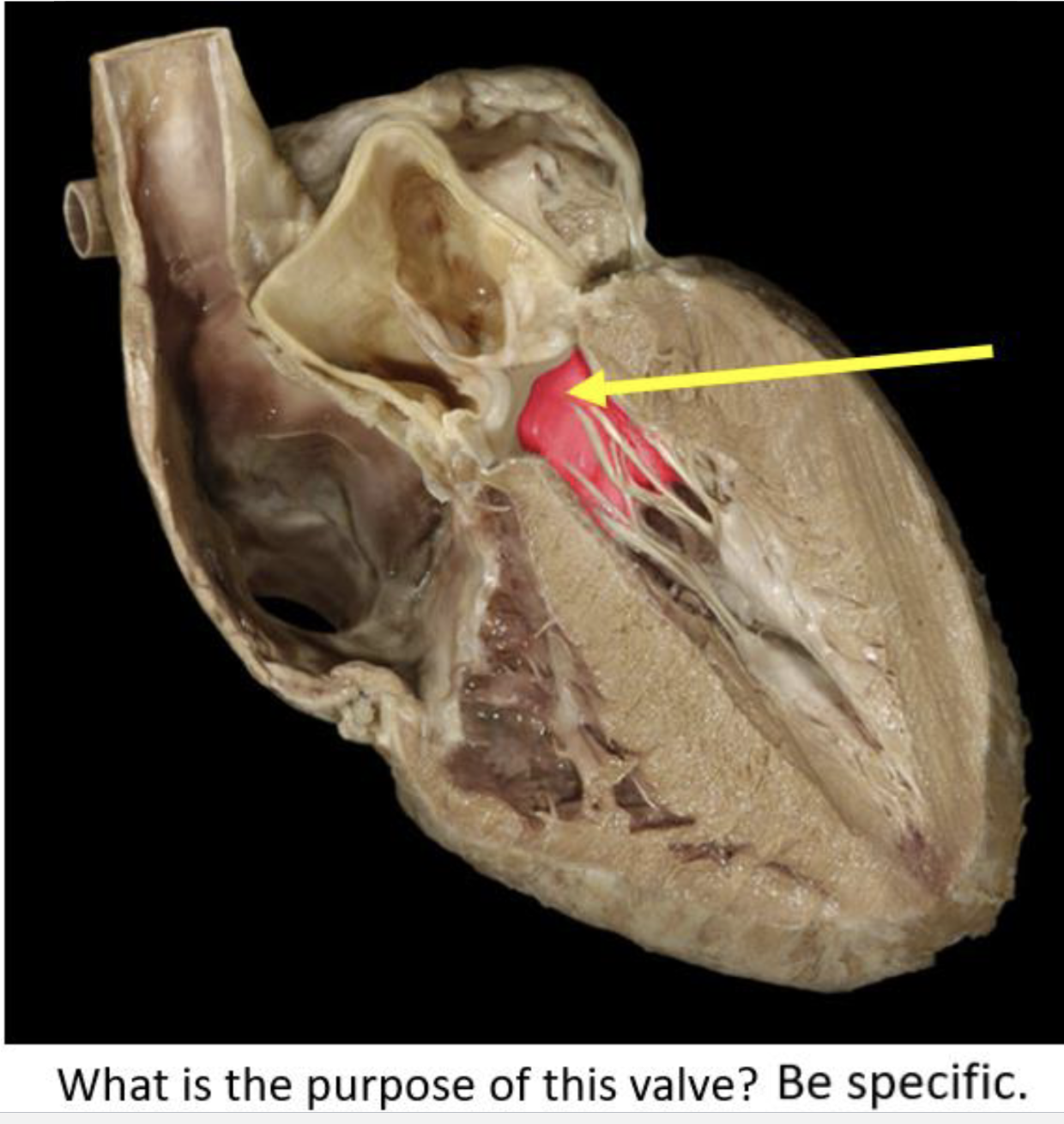
Left AV valve: prevents blood flowing backwards from L ventricle to L atrium
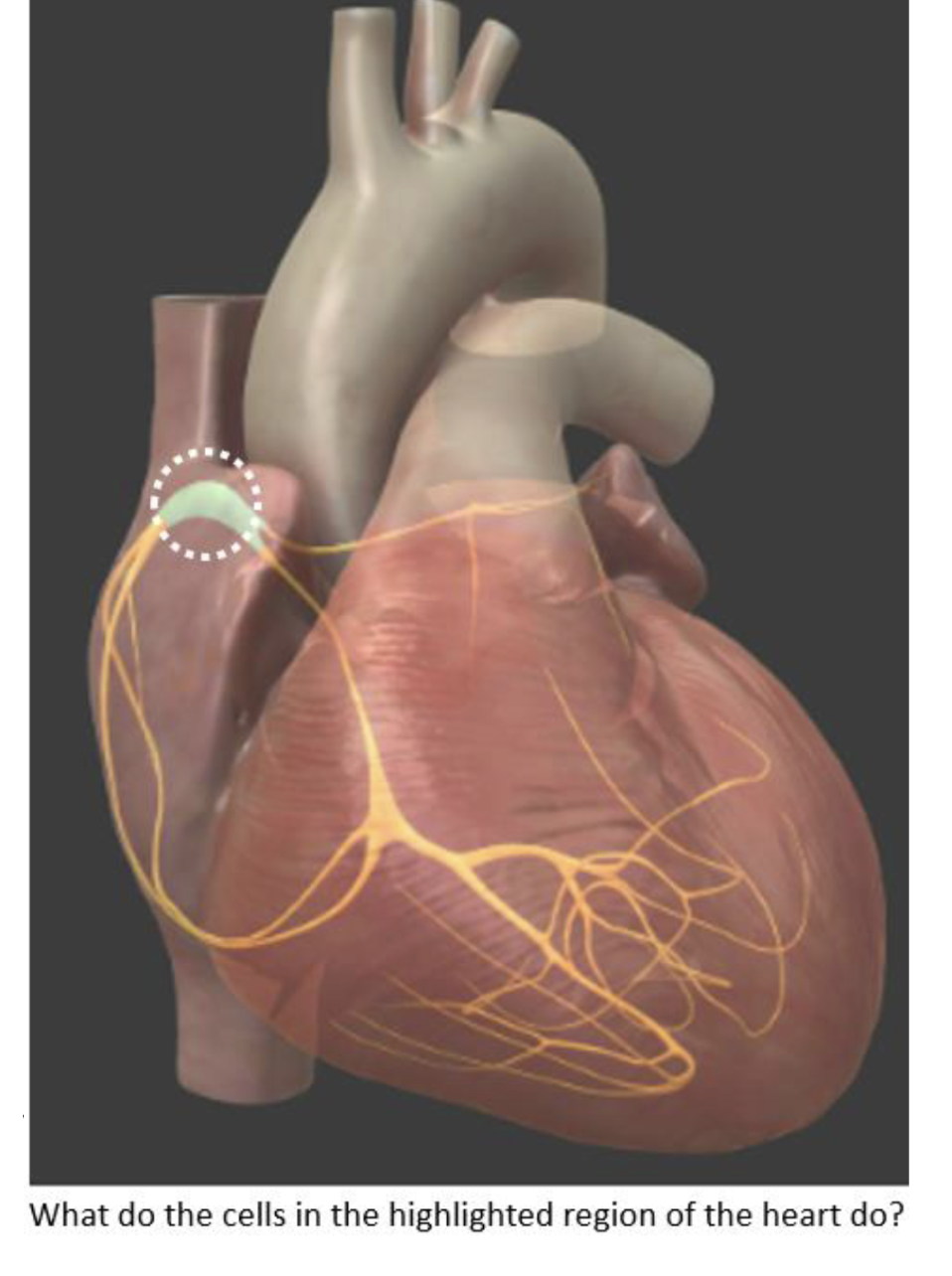
SA nodal cells – pacemaker of the heart; trigger contraction/beating of heart
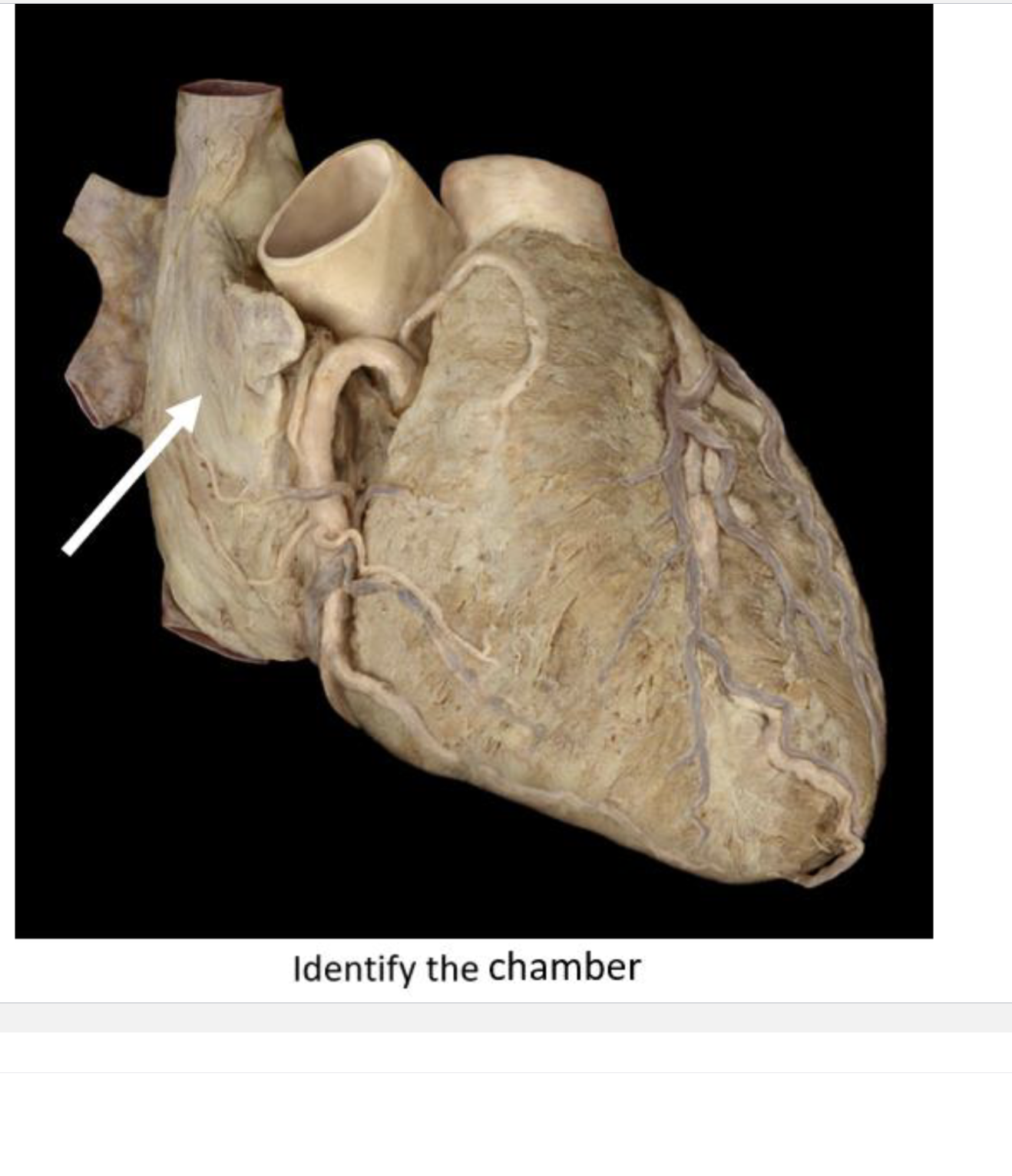
Right atrium
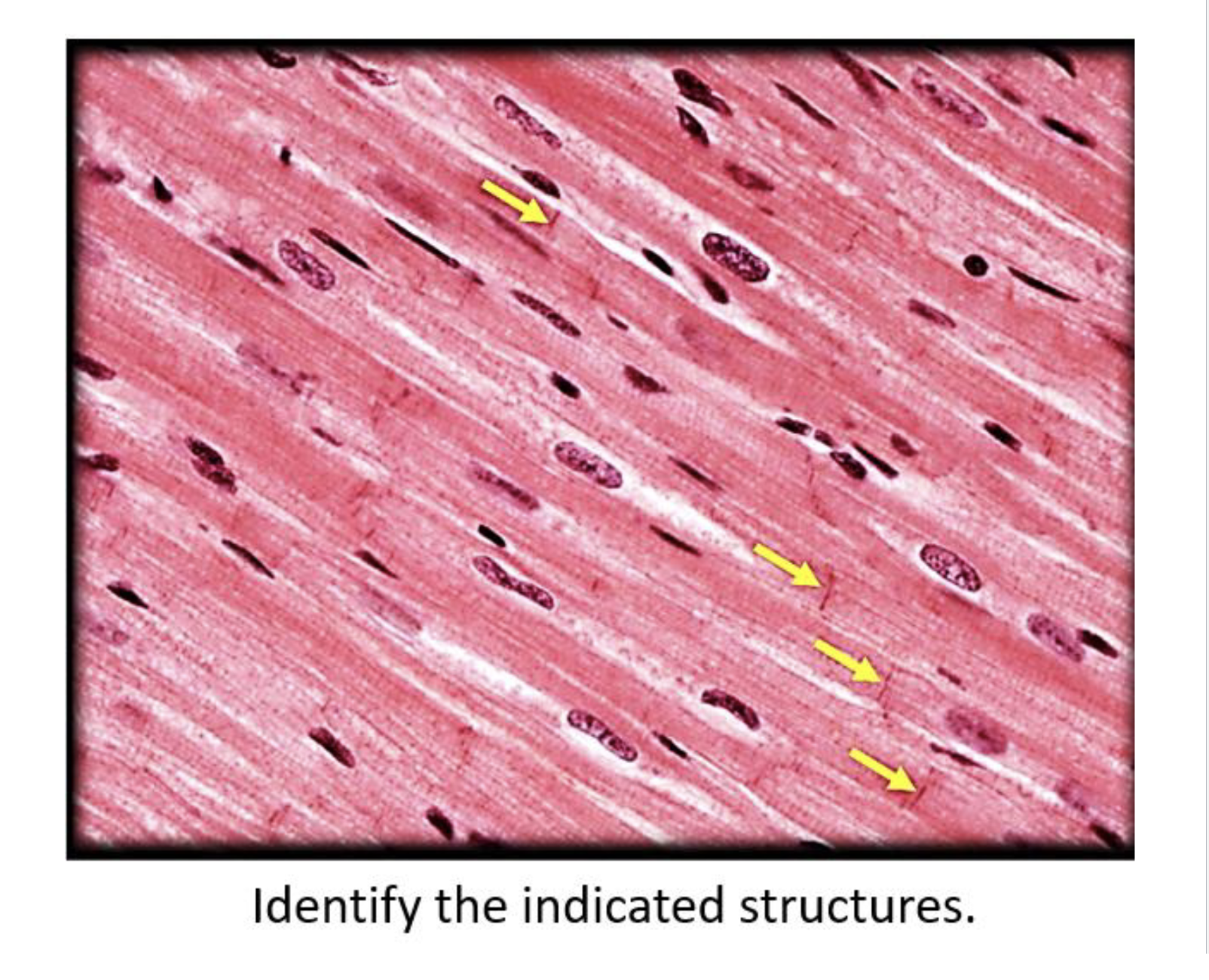
The arrows are pointing to intercalated discs, which are important because they have gap junctions, allowing ions to
flow freely from one cardiac muscle cell to another, making the heart muscle beat in unison
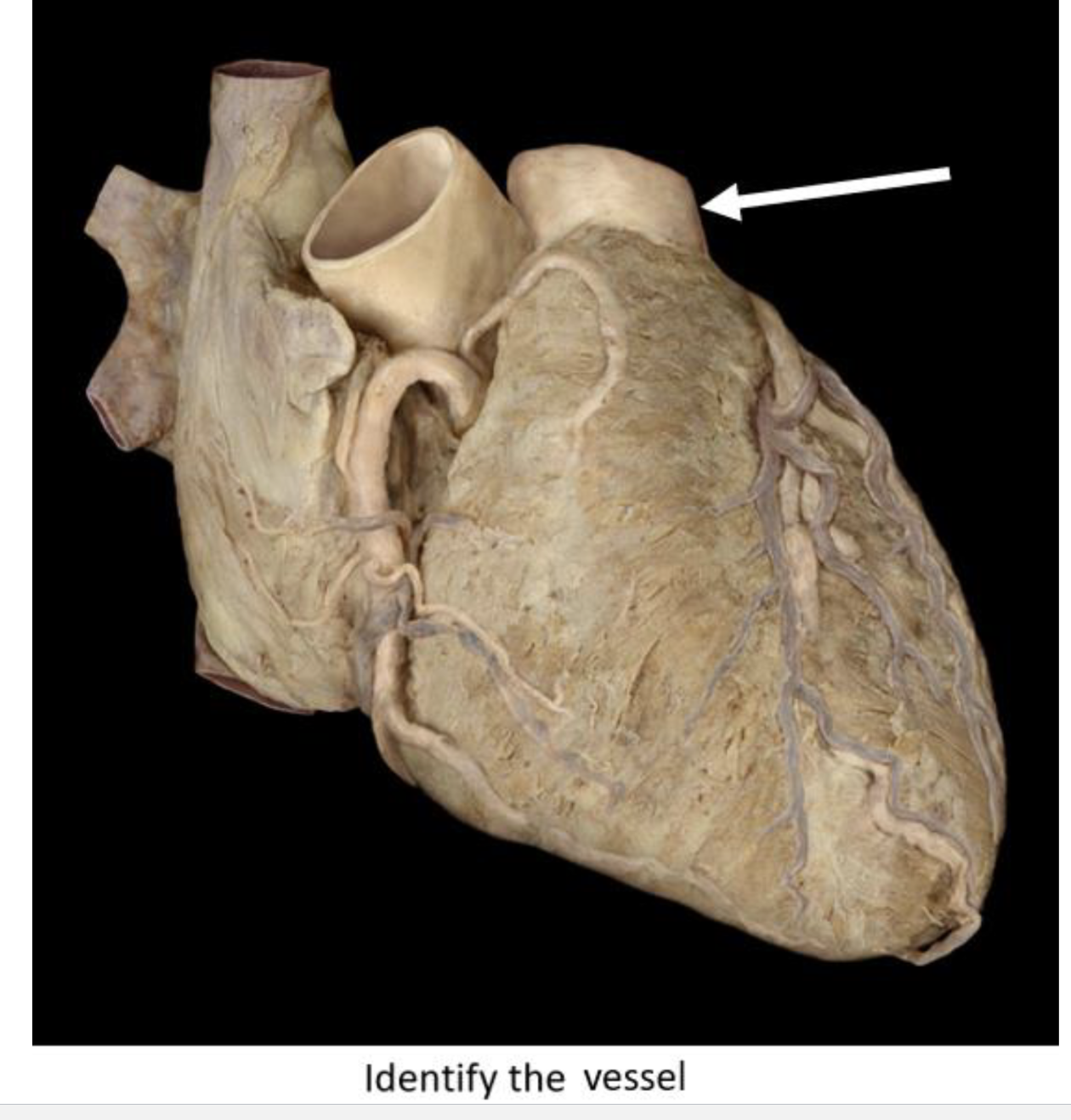
Pulmonary trunk
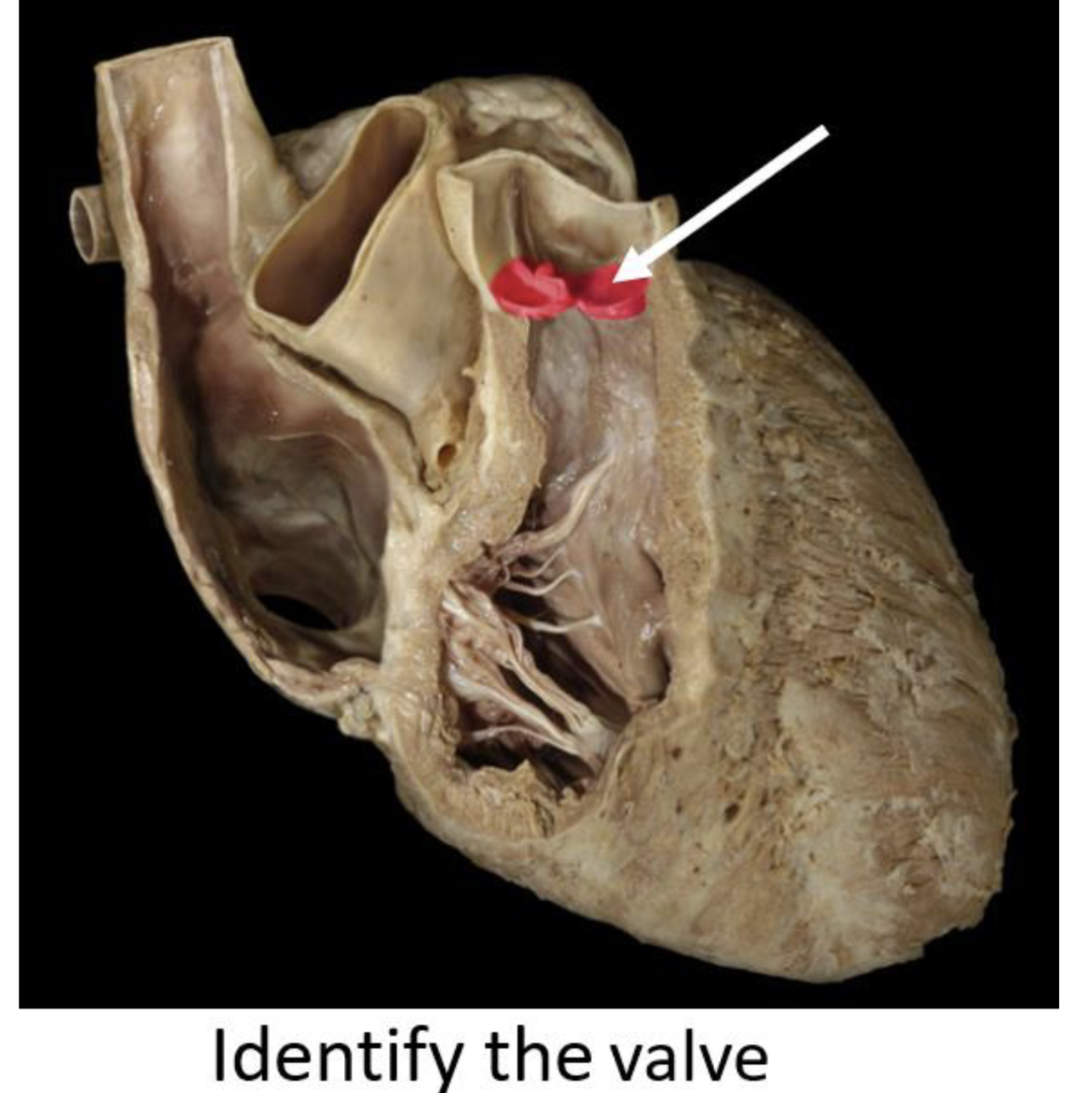
Pulmonary valve
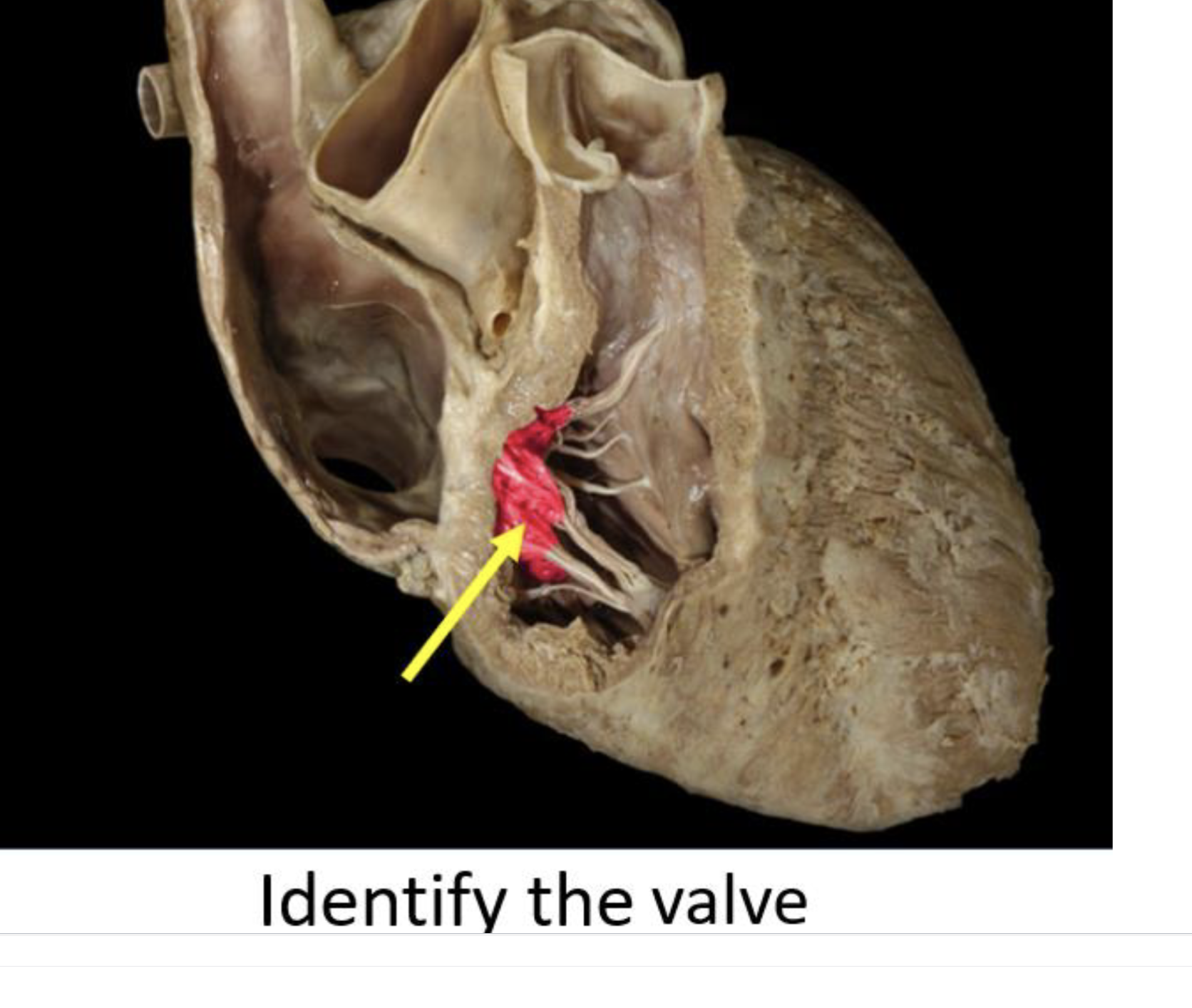
Right AV valve (tricuspid valve)
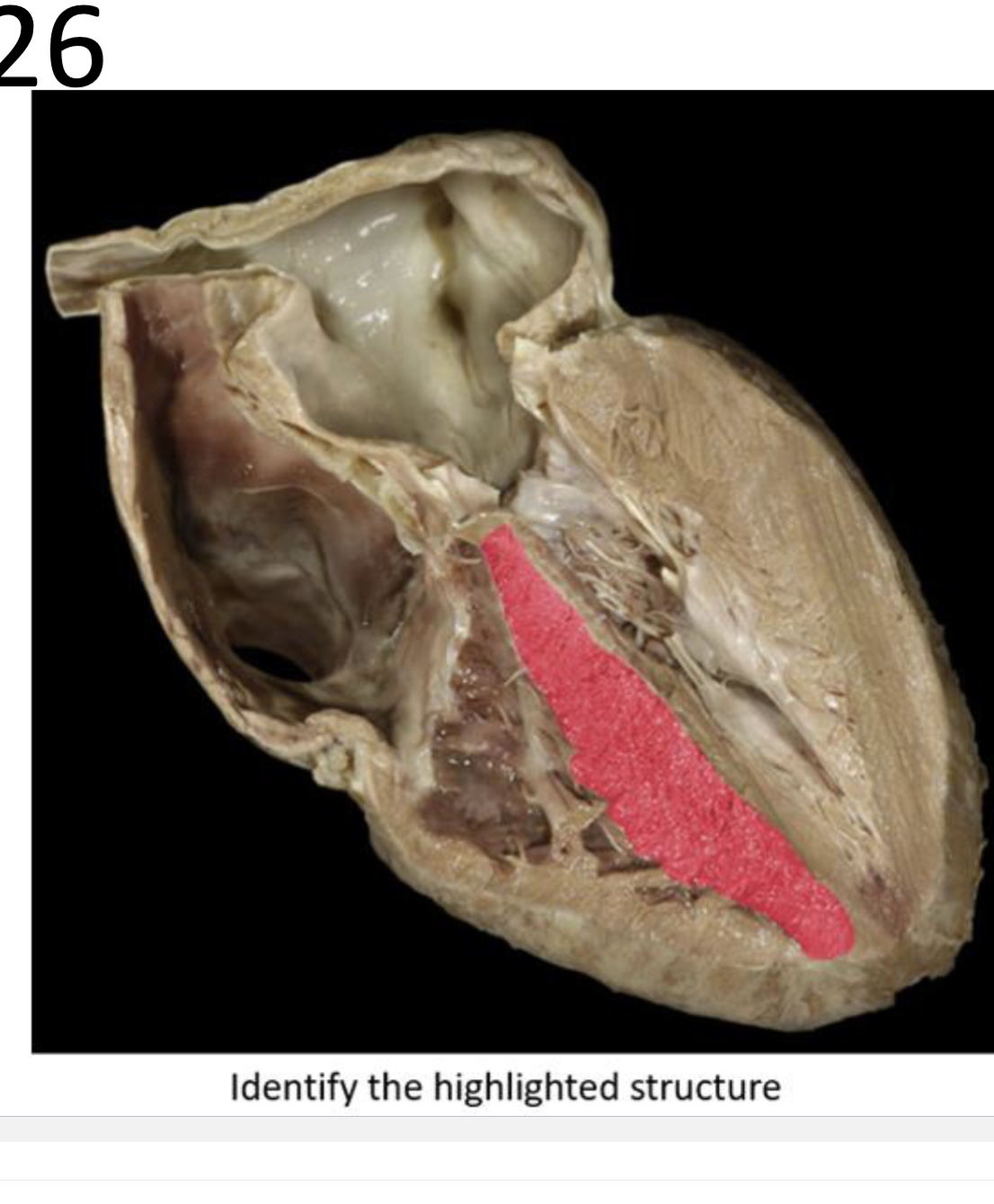
Muscular interventricular septum
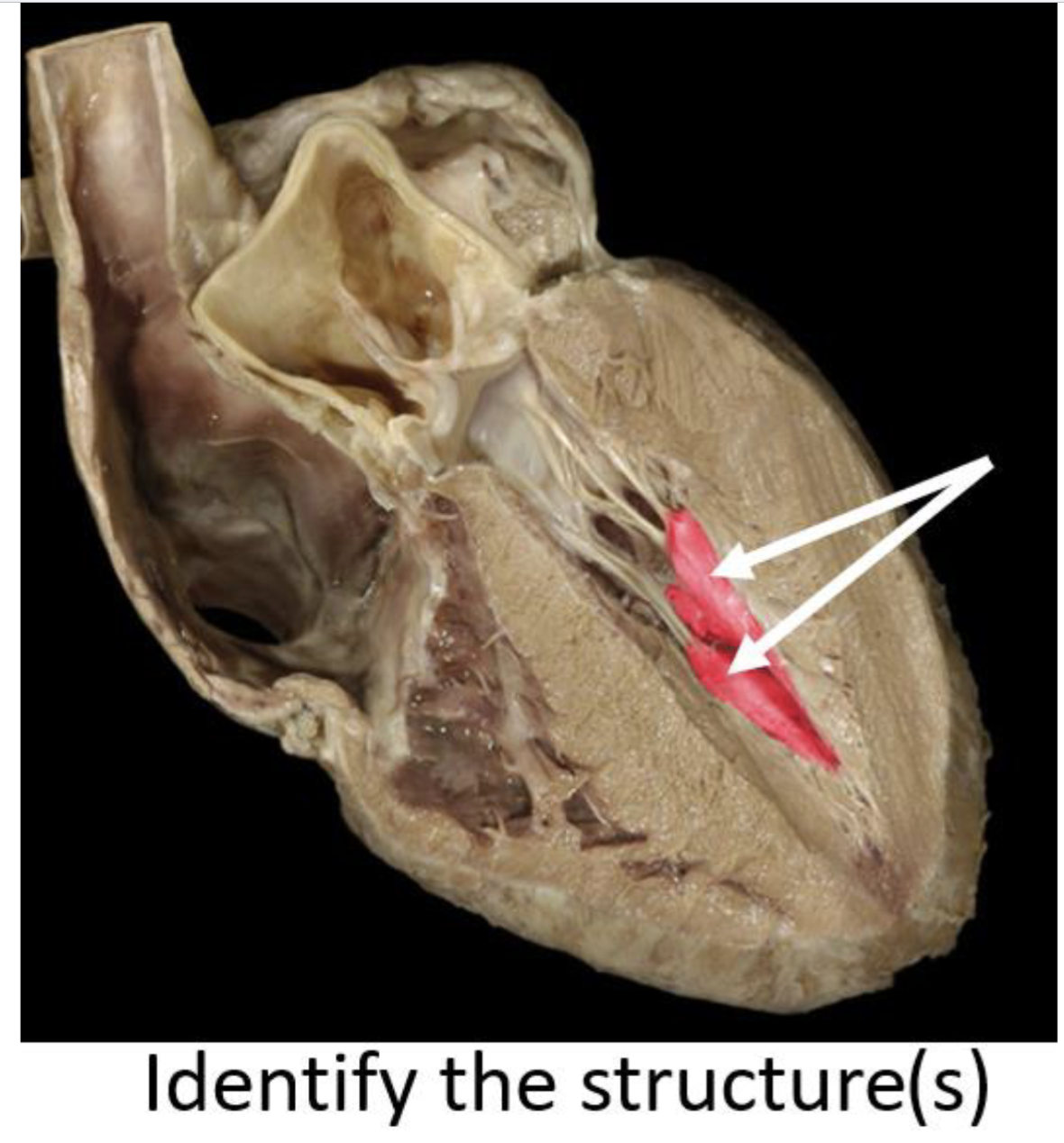
Papillary muscles
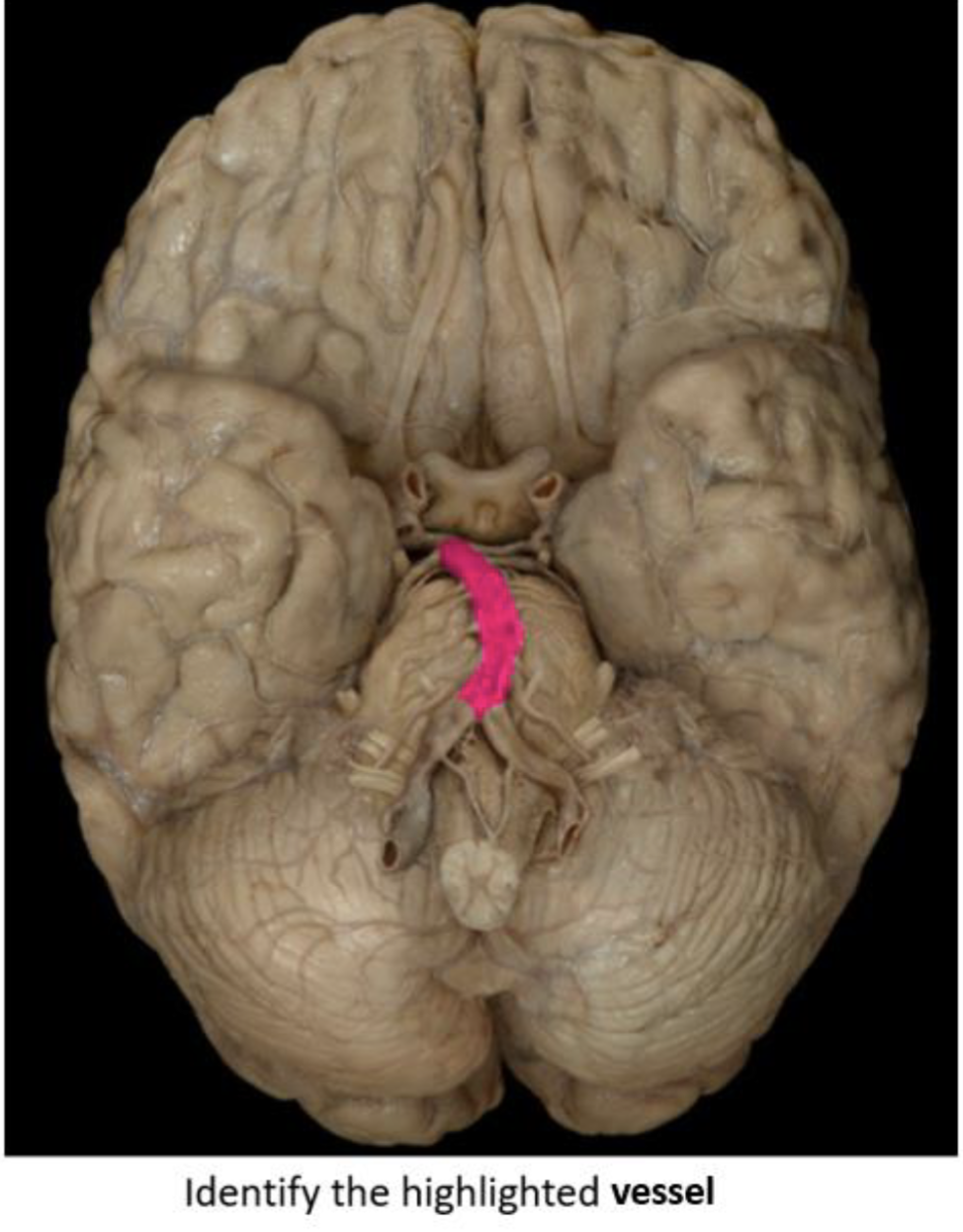
Basilar artery
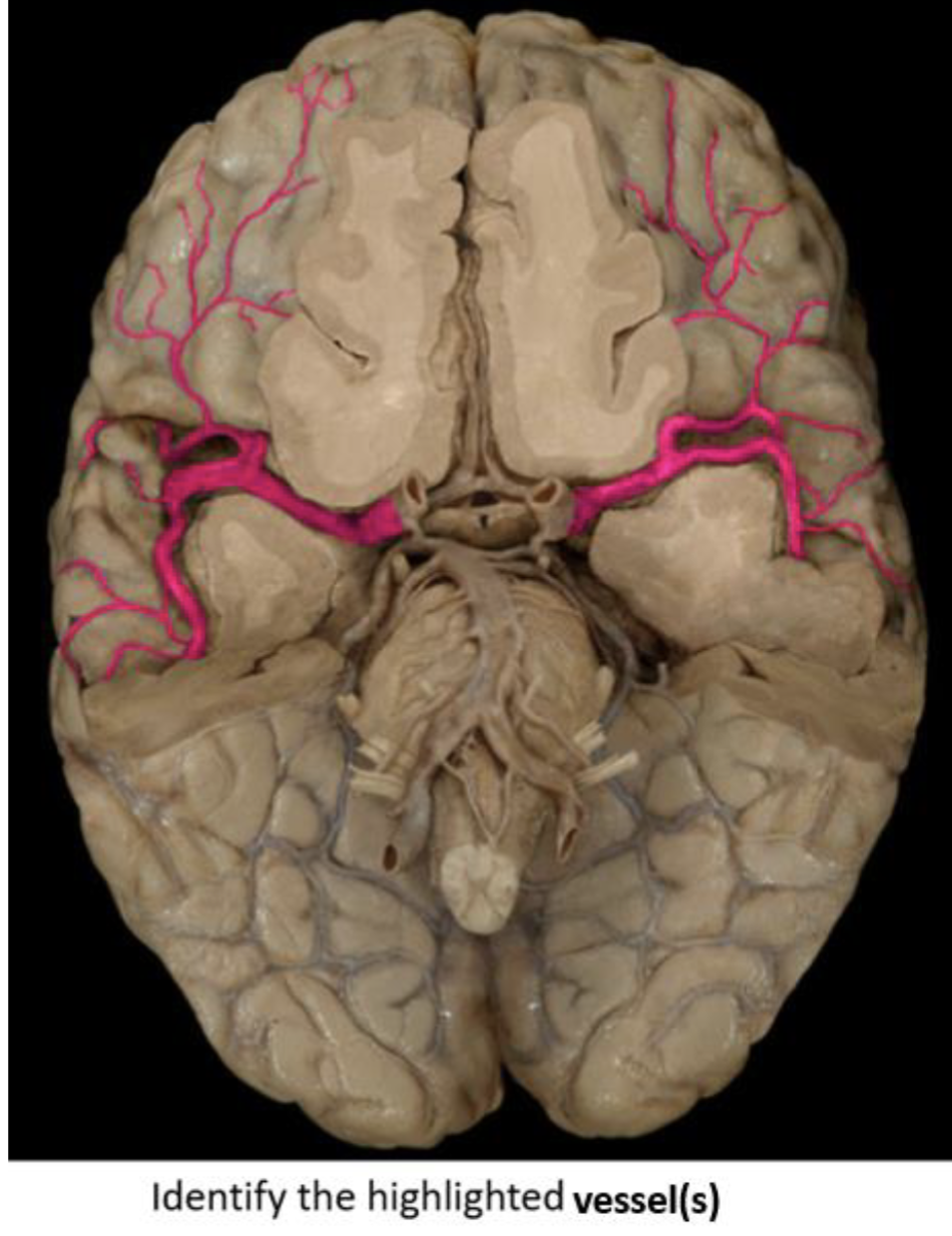
Middle cerebral arteries
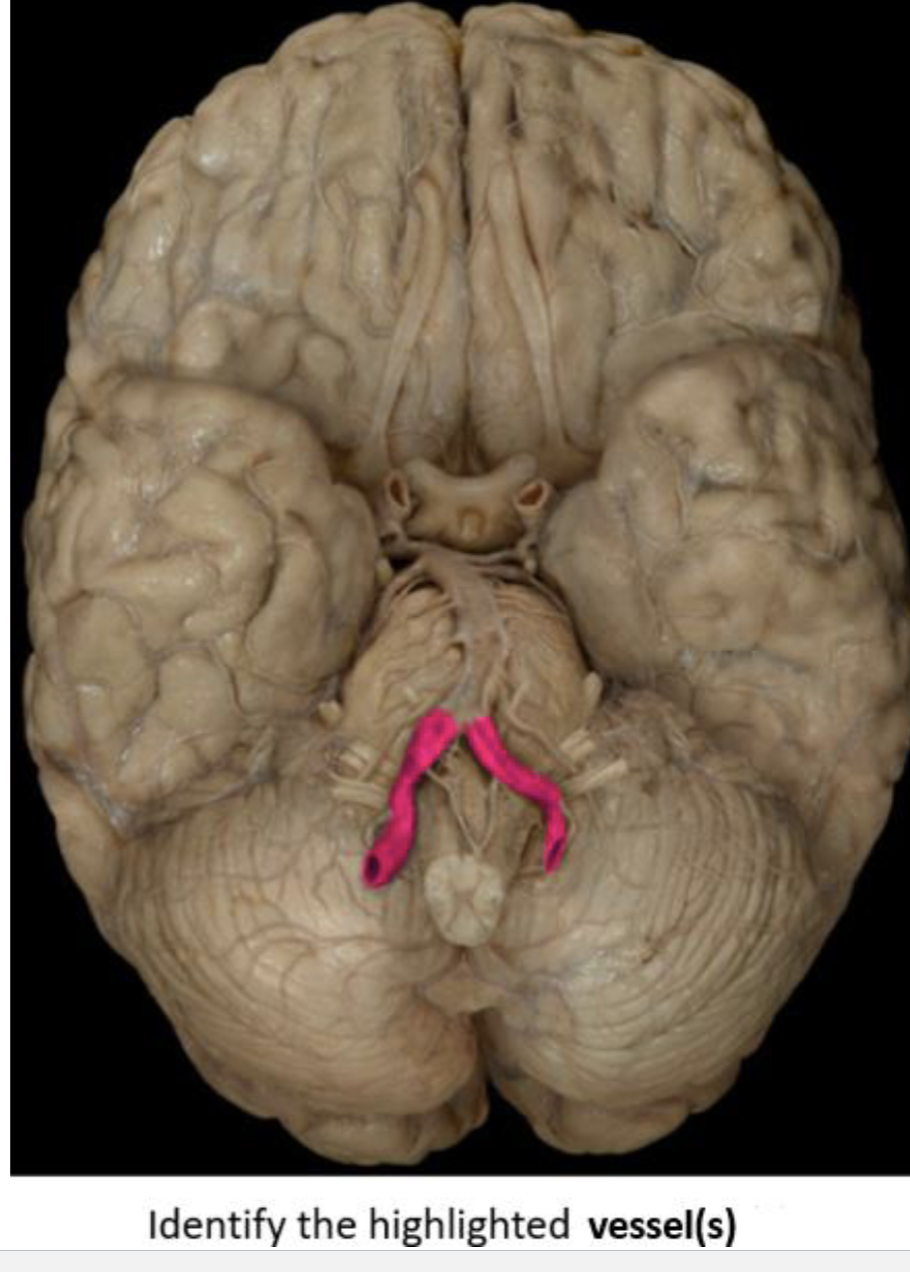
Vertebral arteries
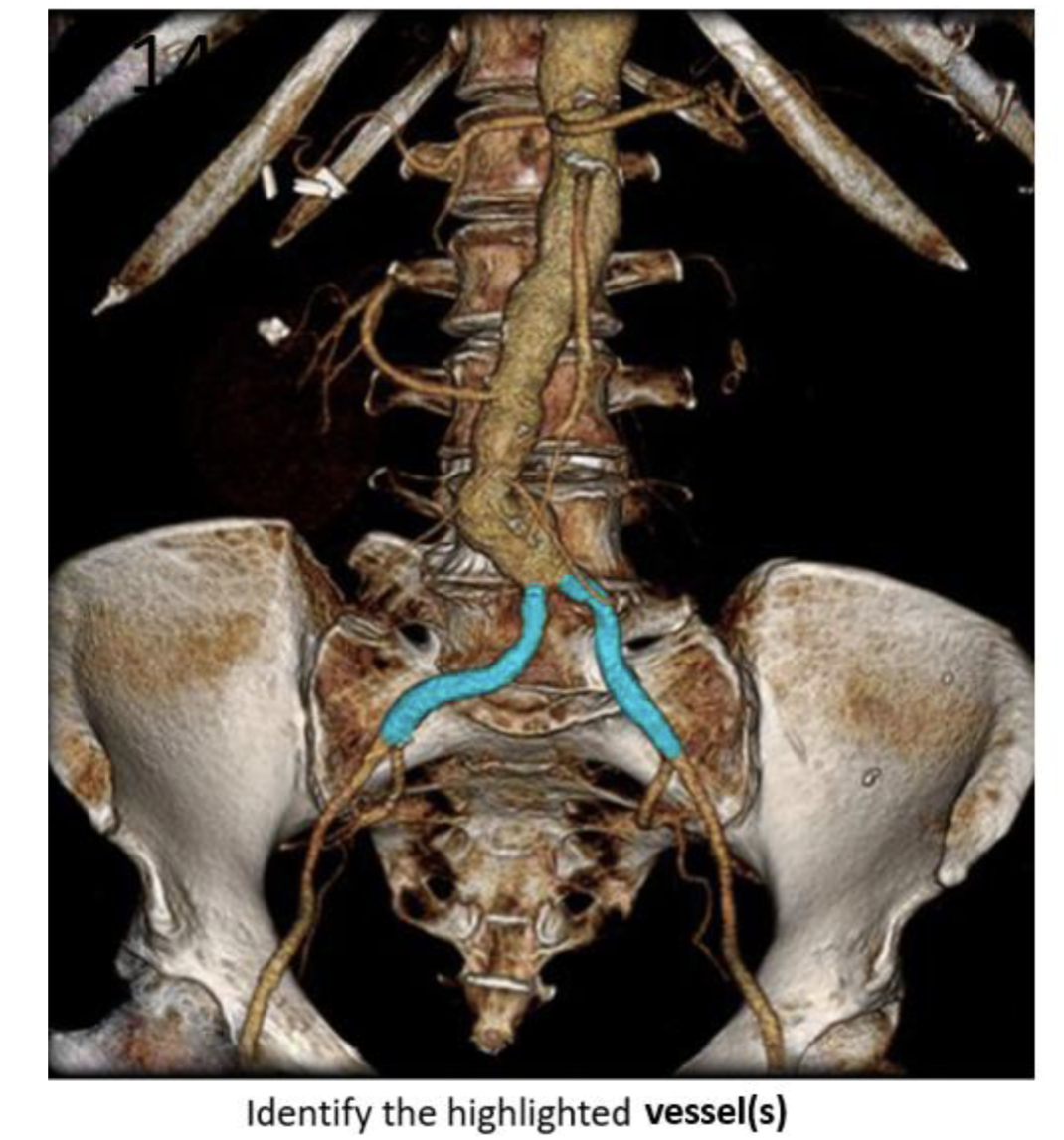
Common iliac arteries
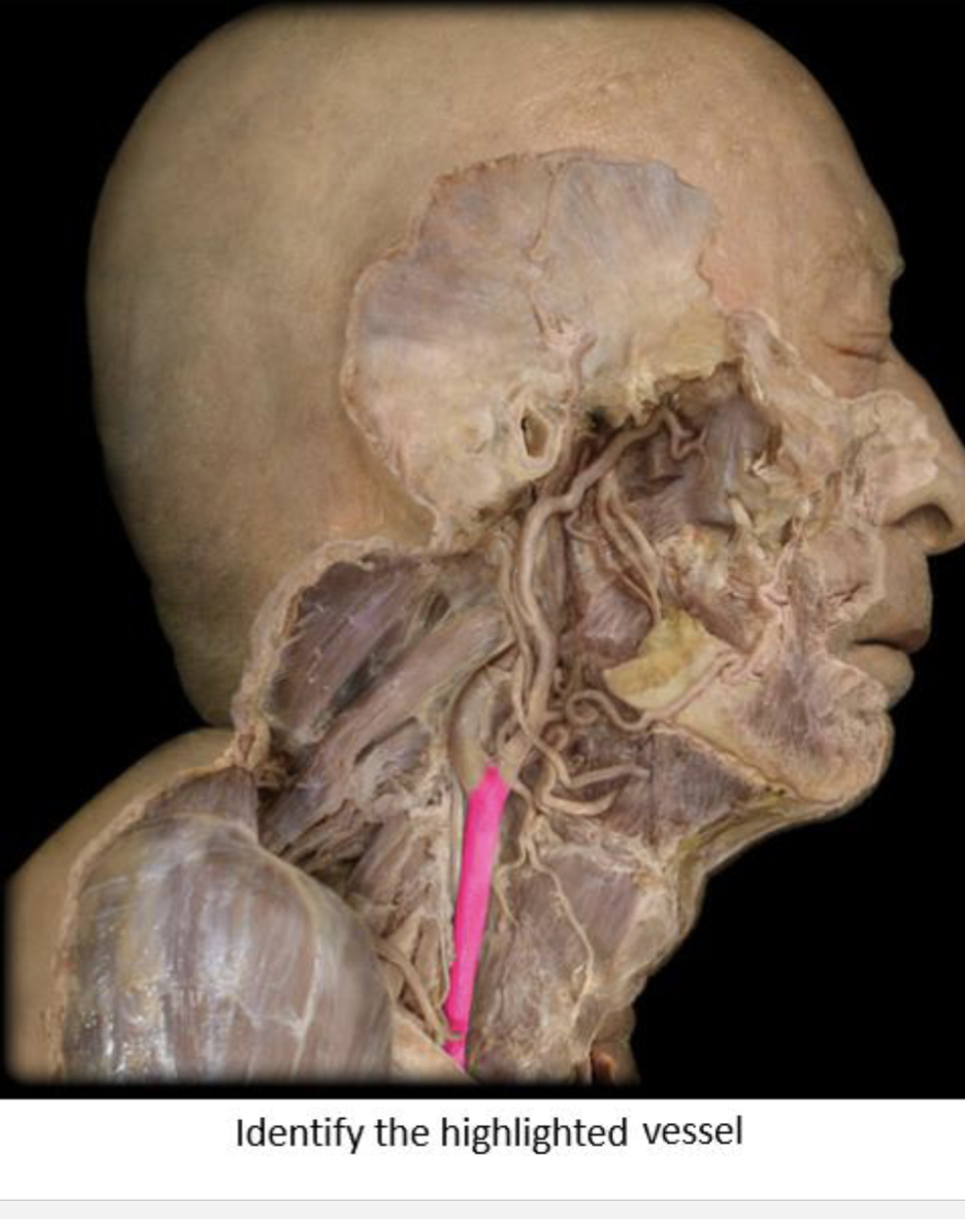
Right common carotid artery
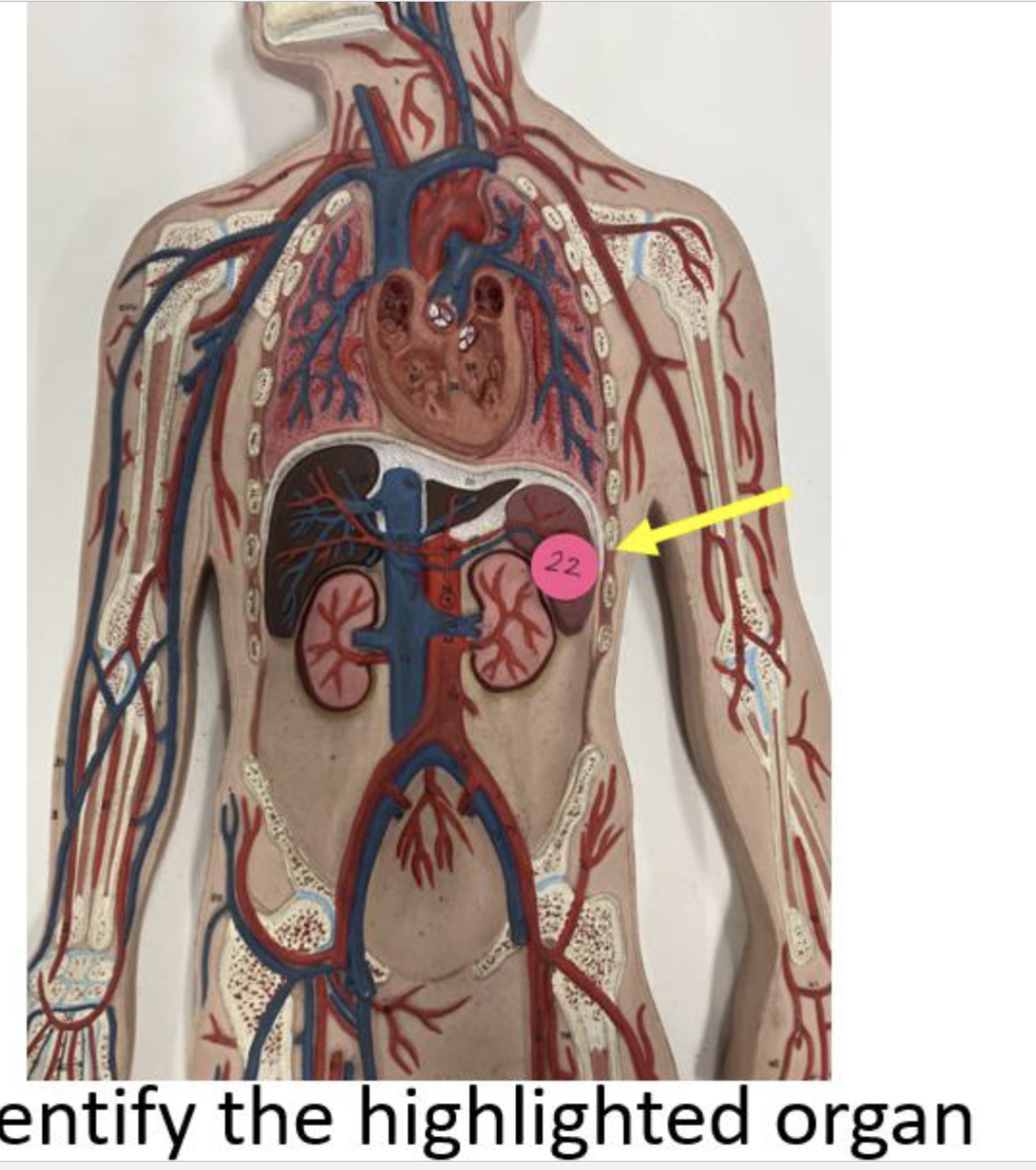
Spleen
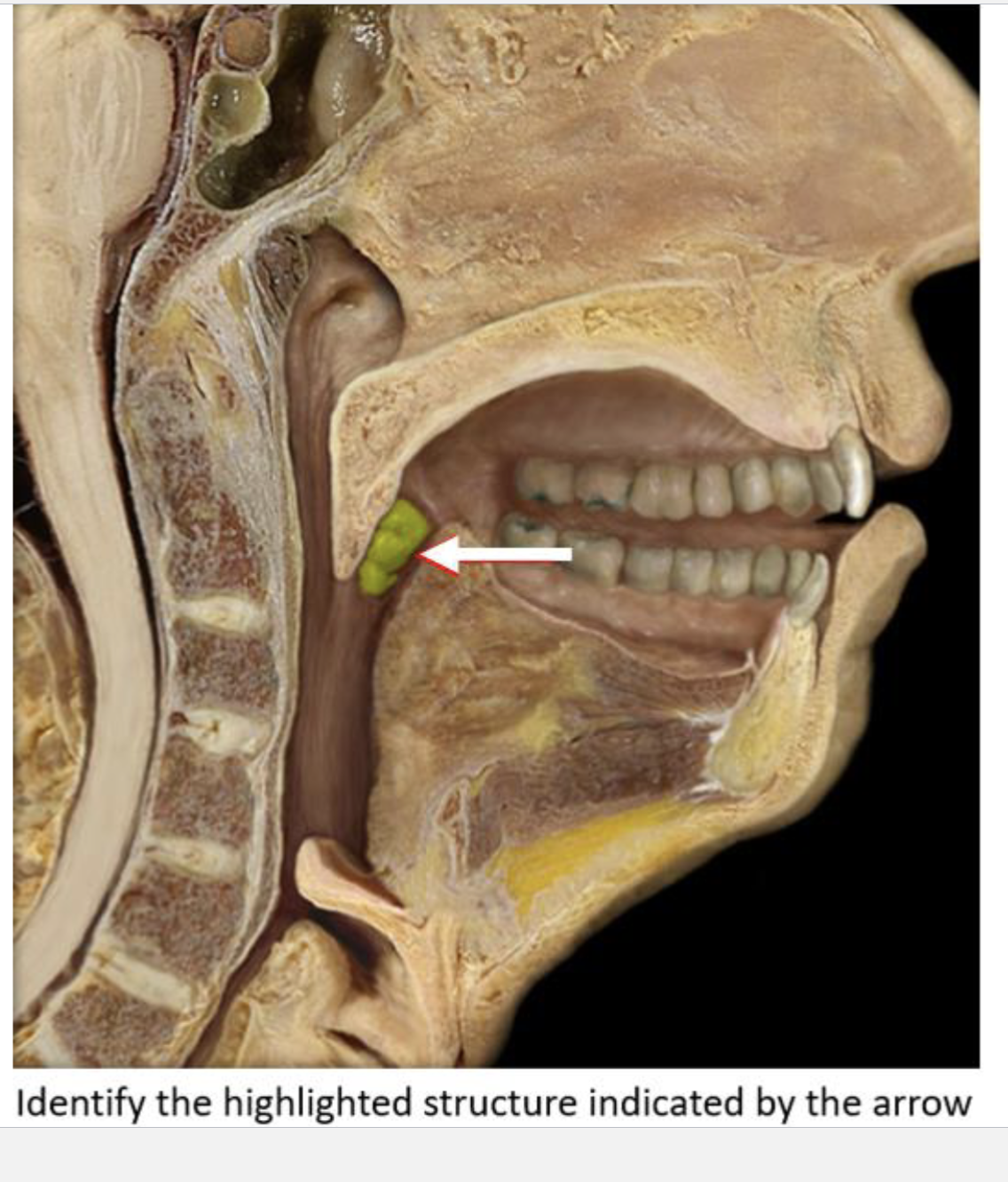
Palatine tonsil
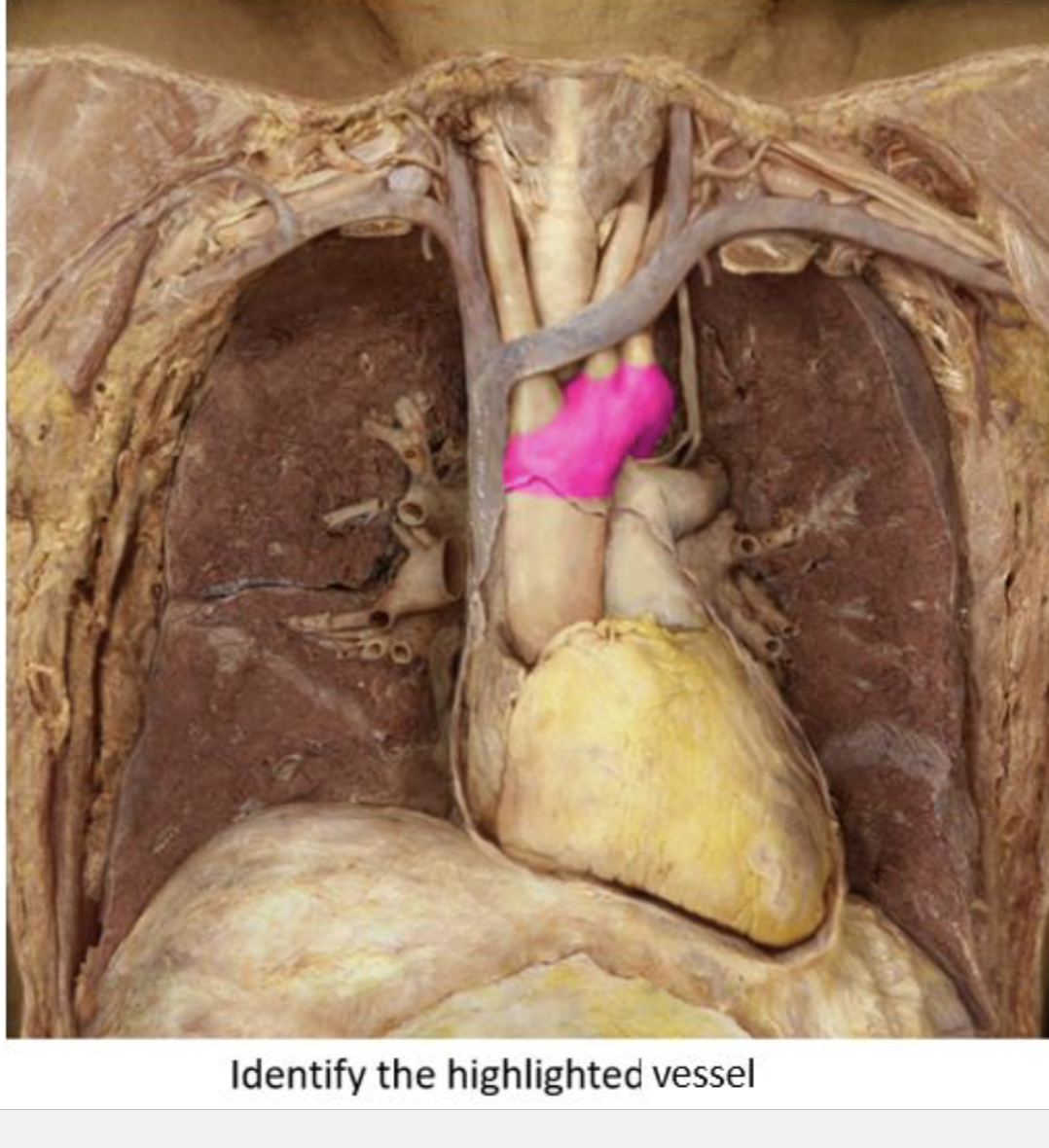
Aortic arch/arch of the aorta
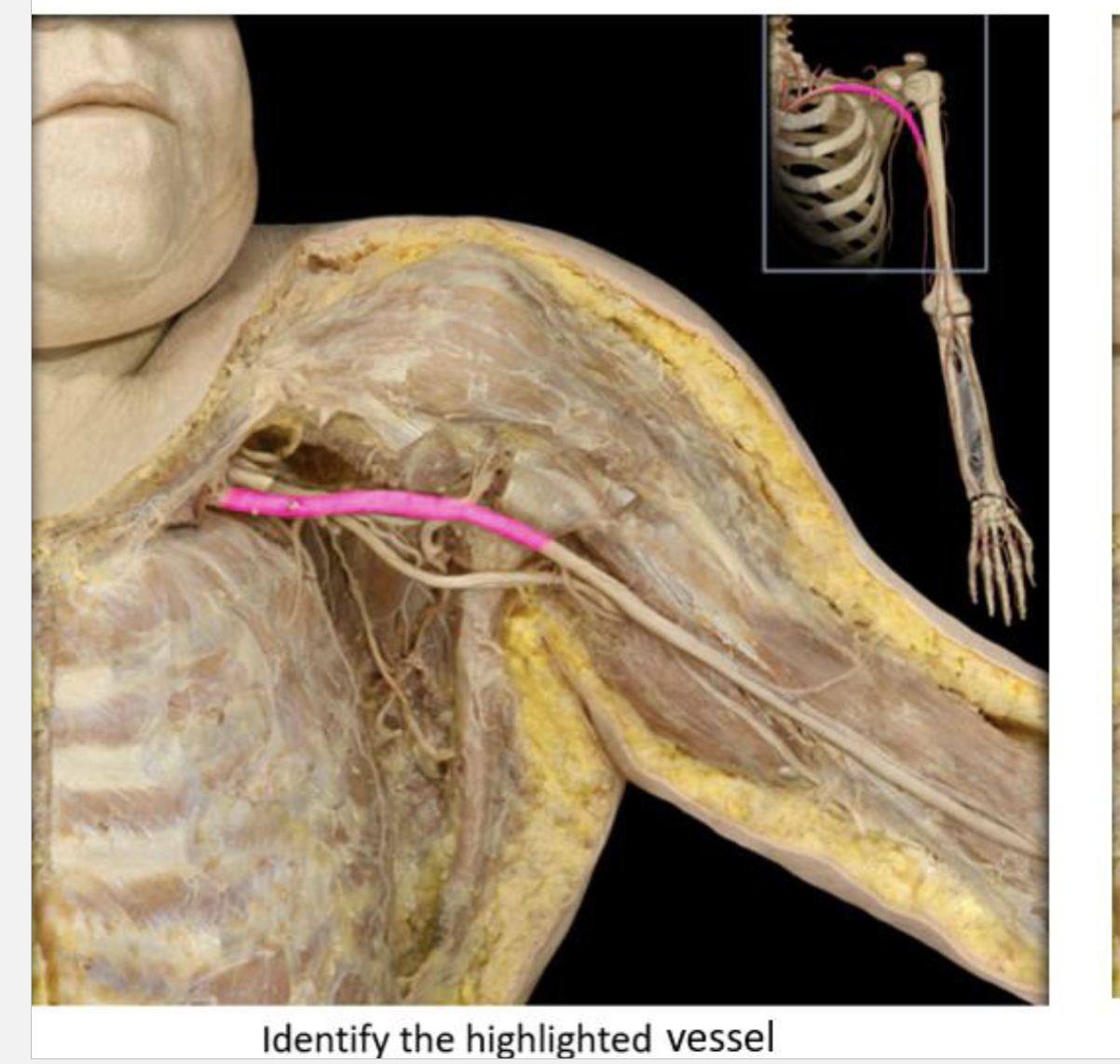
Left axillary artery
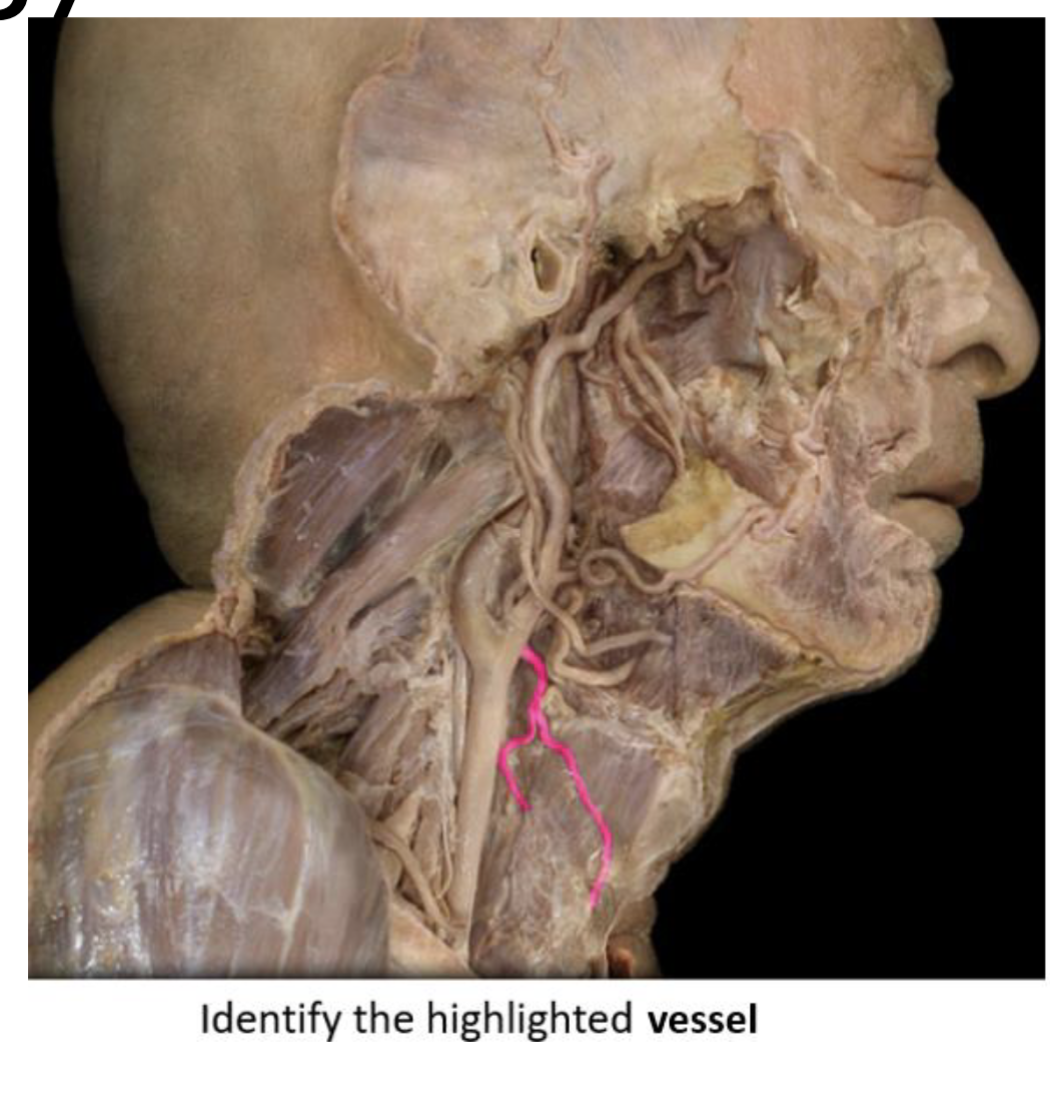
Right superior thyroid artery