CPSM Exam 1 Part C7

0.0(0)
Studied by 0 people
call kaiCall Kai
learnLearn
examPractice Test
spaced repetitionSpaced Repetition
heart puzzleMatch
flashcardsFlashcards
GameKnowt Play
Card Sorting

1/89

encourage image

There's no tags or description

Looks like no tags are added yet.

Last updated 6:46 AM on 6/25/26
Name
Mastery
Learn
Test
Matching
Spaced
Call with Kai

No analytics yet

Send a link to your students to track their progress

90 Terms

1
New cards

Ann Able is a professional services procurement manager. Carol Crawford is a marketing collateral procurement manager. The organization recognizes talent and drive in both women and is interested in building depth in their supply organization. 

Which technique should their organization implement to BEST offer both of them more career development opportunities? 

A. Job rotation

B. Mentoring

C. Management development

D. Cross-training

Solution: The correct answer is D.

Option (D) is correct because cross-training is used to train employees in different functions by switching jobs, usually for shorter periods of time. Cross-training trains employees to be able to perform different types of work in the supply management function.

Option (A) is incorrect because job rotation in the context of this task is concerned with succession planning. Job rotation includes jobs within the supply function but also includes rotating to jobs that may be outside of supply and/or with supply’s key internal customers.

Option (B) is incorrect because mentoring pairs an experienced colleague with an inexperienced individual to assist in training and support.

Option (C) is incorrect because the term is too general. While cross-training can be part of a management development program this answer is not the best fit for the question.

2
New cards

Q. The process in which organizations strategically plan for the orderly replacement of their key executives is called:

A. Outplacement.

B. Succession planning.

C. Assessment.

D. Management by objective (MBO).

Solution: The correct answer is B.

Option (B) is correct because succession planning is a formal, strategic process and plan to identify future position needs and to help determine who might move into those positions. All supply management departments should have a formal process to identify future leaders.

Option (A) is incorrect because outplacement is the process in which employees who have been separated from the company, or are about to be separated, are offered job counseling and assistance to find another position.

Option (C) is incorrect because assessment is the measurement of the efficacy of a process. An assessment of the succession planning process may be judged positively if there is orderly replacement of a key executive.

Option (D) is incorrect because management by objective is a performance appraisal strategy in which subordinates determine and set goals for themselves based on the overall goals and objectives of the organization. It is a management philosophy.

3
New cards

Q. Which of the following elements of a succession plan applies when a candidate is sent to training classes designed to strengthen motivational and leadership skills?

A. Cross training

B. Job enrichment

C. Mentoring

D. Professional development

Solution: The correct answer is D.

Option (D) is correct because strengthening motivational and leadership skills can be part of professional development. 

Option (A) is incorrect because cross training exposes employees to other functions within the organization. 

Option (B) is incorrect because job enrichment seeks to make duties more interesting or challenging. 

Option (C) is incorrect because mentoring matches an experienced colleague with a less experienced one to offer training and support.

4
New cards

A succession plan for a decentralized supply management organization identifies a sourcing specialist as the preferred candidate for the commodity manager's position. The sourcing specialist has been a member of a number of sourcing teams, has been successful in getting suggestions implemented, and has a strong focus on organizational objectives. However, the sourcing specialist's spend is much smaller than that of the commodity manager.

Given this situation, which of the following would be MOST beneficial in preparing the sourcing specialist for the commodity manager's position?

A. Cross-training with other commodity managers

B. Delegation of department leadership opportunities

C. Job rotation with other commodity managers

D. Management development training

Solution: The correct answer is A.

Option (A) is correct because exposure to other commodities with much larger spend can help the sourcing specialist quickly become familiar with issues related to higher dollar purchases. 

Option (B) is incorrect because the sourcing specialist’s leadership skills are already demonstrated. His or her issues are related to spend management, not leadership. 

Option (C) is incorrect because the sourcing specialist is in need of coaching and mentoring. Being handed a commodity manager’s job through rotation before he or she is prepared would not be helpful. 

Option (D) is incorrect because leadership and motivational skills are already good, so management development training would be of little help. 

5
New cards
Q: What is succession planning
A: The process of identifying and developing employees to fill critical positions in the future
6
New cards
Q: Why is succession planning important
A: It ensures qualified leaders are ready to fill key positions and supports organizational continuity
7
New cards
Q: What factors should succession plans consider
A:
Current talent level
Readiness of candidates
Time needed for development
Timing of succession
Q: What are the characteristics of an effective succession plan
8
New cards
Review and update succession plans
9
New cards
Agree on successors and positions
10
New cards
Develop individual development plans
11
New cards
Accelerate development to close skill gaps
12
New cards
Continuously monitor and update the plan
13
New cards
Q: What are the benefits of succession planning
A:
Better match between employees and jobs
Faster filling of key positions
Strong talent pool
Development of employees with core skills and values
Higher employee morale and retention
Q: What are the two most important benefits of succession planning
14
New cards
It should apply to any position that is critical to organizational success
15
New cards
Q: What is the purpose of gap analysis in succession planning
A: To identify the skills employees need to develop before moving into future roles
16
New cards
Q: How are future leaders prepared for succession
A:
Mentoring
Training
Cross-training
Job rotations
Leadership challenges
Q: Should succession planning focus only on high-potential employees
17
New cards
Organizations may also include employees who can fill important non-leadership roles
18
New cards
Q: What methods prepare employees for greater responsibility
A:
Cross-training
Mentoring
Professional development
Delegation of leadership responsibilities
Q: What qualities should organizations look for in future leaders
19
New cards
Q: How can organizational restructuring affect succession planning
A: It changes job responsibilities, required skills, and career paths
20
New cards
Q: How can centralization affect supply management jobs
A: Employees may shift from negotiating contracts to monitoring supplier performance
21
New cards
Q: How do environmental changes affect succession planning
A: They may require employees to develop new skills without changing organizational structure
22
New cards
Q: How do mergers and acquisitions affect succession planning
A: They often reduce positions and change required skills
23
New cards
Q: How does organizational flattening affect careers
A: It reduces management levels, creating fewer promotion opportunities and broader job responsibilities
24
New cards
Q: How does the growing strategic role of supply management affect succession planning
A: Employees need stronger strategic thinking and broader business skills
25
New cards
Q: What is cross-training
A: Training employees to perform multiple jobs or responsibilities within supply management
26
New cards
Q: What are the benefits of cross-training for employees
A:
Broader skills
Promotion opportunities
Higher pay potential
More challenging work
Q: What are the benefits of cross-training for managers
27
New cards
Q: What is job enrichment
A: Adding responsibilities that increase employee control and decision-making authority
28
New cards
Q: What is job enlargement
A: Expanding a job by adding tasks at the same skill and responsibility level
29
New cards
Q: How is cross-training related to job enrichment and job enlargement
A: Cross-training broadens employee skills and may include both additional responsibilities (enrichment) and additional tasks (enlargement)
30
New cards
Q: What qualities are important for international assignments
A:
Relationship-building
Cultural awareness
Willingness to learn
Adaptability
Q: What type of employee is NOT a good candidate for cross-training
31
New cards
Q: What are special projects
A: Temporary assignments that help employees develop specialized skills
32
New cards
Q: Give examples of special projects
33
New cards
A:
Construction contracting
Capital equipment purchasing
Global sourcing initiatives
Q: What is a stretch assignment
A: A project beyond an employee's current knowledge or skill level that promotes growth and development
34
New cards
Q: Why are stretch assignments valuable
A: They challenge employees, accelerate learning, and prepare them for future leadership roles
35
New cards
Q: What are the six succession planning activities
A:
Identify successors
Review and update plans
Agree on candidates
Develop individuals
Close skill gaps
Monitor and revise plans
Q: What are the four primary methods of preparing future leaders
36
New cards
Job Enlargement: More tasks at the same responsibility level
37
New cards
Q: What is a stretch assignment
A: A challenging project beyond an employee's current capabilities that develops future leadership skills
38
New cards
Q: What is mentoring
A: A formal process in which an experienced employee guides and supports a less experienced employee's development
39
New cards
Q: What is the primary purpose of mentoring
A: To develop employees through training, career guidance, and ongoing support
40
New cards
Q: What is another name for the mentoring system in supply management
A: The sponsor/mentor or buddy system
41
New cards
Q: Who typically receives a mentor
A: New employees
42
New cards
Q: What is the supervisor's role in mentoring
A: To provide initial orientation before the mentor takes over most of the day-to-day training
43
New cards
Q: What is the mentor's primary responsibility
A: To provide ongoing job training, coaching, and informal guidance
44
New cards
Q: What qualities should a mentor possess
A:
Experience
Teaching ability
Understanding of organizational policies
Q: What are the advantages of mentoring
45
New cards
Mentors may come from inside or outside supply management
46
New cards
Q: What is reverse mentoring
A: A program where younger employees mentor senior employees on new technologies, trends, and social media
47
New cards
Q: What is the purpose of reverse mentoring
A: To help senior leaders stay current with technology while exposing younger employees to executive leadership
48
New cards
Q: What topics are commonly covered in reverse mentoring
A:
Social media
New technology
Generation Y (Millennials)
Generation Z perspectives
Q: How do both younger and senior employees benefit from reverse mentoring
49
New cards
Q: What is professional development
A: The continuous improvement of an employee's knowledge, skills, and abilities to achieve current and future career goals
50
New cards
Q: Besides training, what does professional development include
A:
Reviewing past accomplishments
Identifying weaknesses
Setting career goals
Planning future work assignments
Q: What types of work assignments support professional development
51
New cards
Q: Who is responsible for identifying an employee's professional development needs
A: The manager and employee together through observation and counseling
52
New cards
Q: How often should professional development plans typically be updated
A: Every 6 to 12 months
53
New cards
Q: Why is management development training important
A: It prepares future managers by developing leadership and managerial skills
54
New cards
Q: What do ISM management development programs emphasize
A: Management and decision-making skills beyond traditional supply management
55
New cards
Q: How can employees develop management skills
A: Through management training, self-study, and practical experience
56
New cards
Q: What activities support continuous professional development
A:
Continuing education
Supplier and customer site visits
Audio-visual and print media
Peer-to-peer interaction
Web-based learning
Competency-based training

Q: Why should leaders delegate leadership opportunities
57
New cards
Q: What is the purpose of delegating authority to employees
A: To provide leadership experience and evaluate leadership potential
58
New cards
Q: Why is delegation important for succession planning
A: It builds leadership depth and prepares employees to replace future vacancies
59
New cards
Q: What can happen if organizations fail to develop future leaders
A: Leadership shortages caused by promotions, retirements, turnover, or transfers
60
New cards
Q: Why is international experience valuable for future leaders
A: It develops global awareness, cultural understanding, and international leadership skills
61
New cards
Q: What are the primary differences between mentoring and reverse mentoring
A:
Mentoring: Senior employee teaches a junior employee
62
New cards
Reverse mentoring: Junior employee teaches a senior employee about technology and current trends
63
New cards
Q: What are the main goals of professional development
A:
Improve current job performance
Prepare for future responsibilities
Achieve career goals
Develop leadership skills

Q: What are the key methods used to develop future leaders
64
New cards
Q: Why are promotion and work assignment decisions important
A: They affect organizational performance, employee morale, career advancement, and compensation
65
New cards
Q: What should managers consider when making promotion and work assignment decisions
A: Fairness, legal compliance, organizational policies, and employee capabilities
66
New cards
Q: What four HR policy areas are especially important in succession planning
A:
Affirmative action compliance
Equal employment opportunity (EEO)
Nondiscrimination in hiring, firing, promotion, and transfer
Skill-based job descriptions
Q: Why are skill-based job descriptions important
67
New cards
Q: Why are educational opportunities important for career advancement
A: They help employees meet the qualifications for promotions and leadership positions
68
New cards
Q: Do educational degrees and certifications guarantee promotion
A: No
69
New cards
They improve an employee's qualifications but do not guarantee promotion or higher salary
70
New cards
Q: What are the three major types of educational opportunities
A:
Training
Seminars
Interactive learning
Q: What is the purpose of training
71
New cards
Q: What is the purpose of seminars
A: To broaden knowledge and expose employees to new ideas, applications, and techniques
72
New cards
Q: What is interactive learning
A: Learning by actively applying knowledge through simulations, case studies, or real projects
73
New cards
Q: What is the purpose of job rotation in succession planning
A: To prepare employees for future leadership positions by giving them experience in multiple areas
74
New cards
Q: Why should employees rotate through different supply management functions
A: To develop broad knowledge and leadership skills across the organization
75
New cards
Q: Why should job rotation include internal customer assignments
A: To build credibility and better understand customer needs and challenges
76
New cards
Q: What level of experience should job rotations provide
A: Strategic experience while also developing fundamental job skills
77
New cards
Q: Why are international assignments valuable in job rotation
A: They develop global leadership skills and prepare employees for multinational organizations
78
New cards
Q: Why should international management education be included in succession planning
A: To strengthen future international leadership capabilities
79
New cards
Q: Why is external networking important in succession planning
A: It helps identify talented candidates and creates opportunities to recruit experienced professionals
80
New cards
Q: How can networking benefit supply management professionals
A: It creates career opportunities and professional connections across organizations
81
New cards
Q: Why do organizations value external networking
A: It expands the talent pool and helps fill future leadership positions with qualified candidates
82
New cards
Q: What are the three primary educational opportunities for supply management professionals

A: Training Seminars Interactive learning Q: What is the difference between training, seminars, and interactive learning

Seminars: Broaden knowledge and expose employees to new concepts

Interactive learning: Applies knowledge through practice, simulations, or case studies

83
New cards
Q: What are the primary goals of job rotation
  • Broaden experience

  • Develop leadership skills

  • Improve understanding of supply management

  • Prepare employees for succession

84
New cards

Q: What are the four HR policy areas managers must consider in succession planning?


A:

  • Affirmative action

  • Equal employment opportunity

  • Nondiscrimination

  • Skill-based job descriptions

85
New cards

Q: What is the difference between training, seminars, and interactive learning?

A:

  • Training: Develops specific job skills.

  • Seminars: Broaden knowledge and expose employees to new concepts.

  • Interactive learning: Applies knowledge through practice, simulations, or case studies.
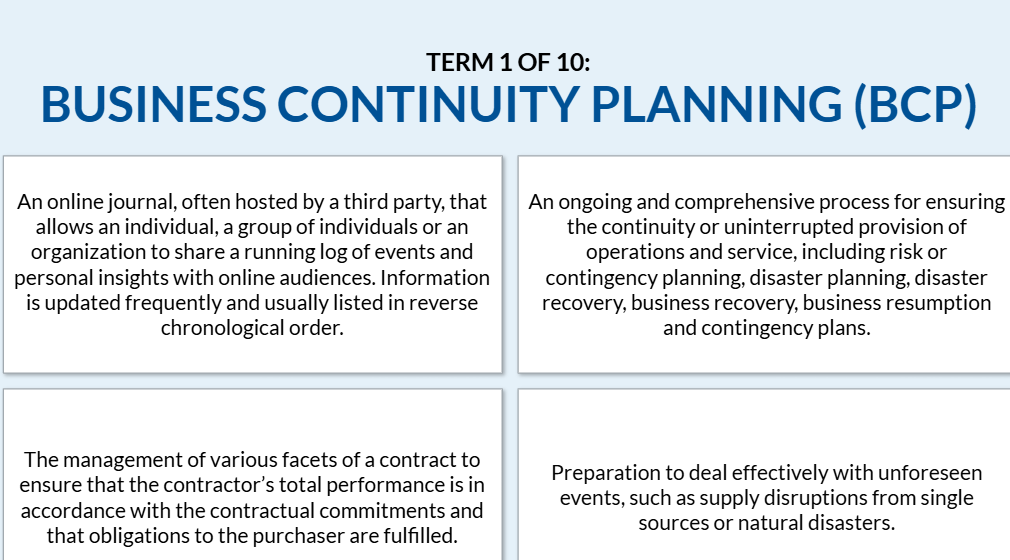
86
New cards
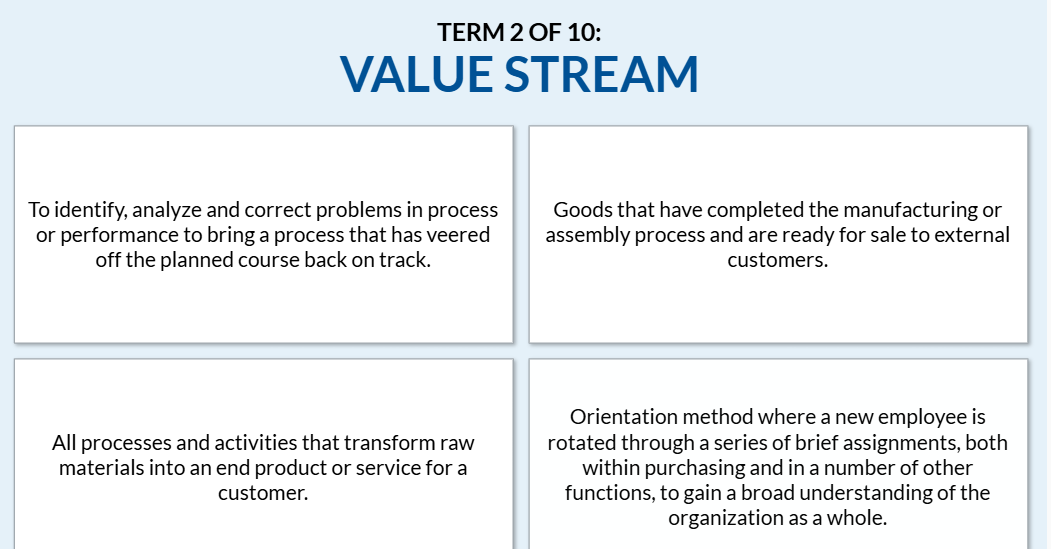
term image

b

87
New cards
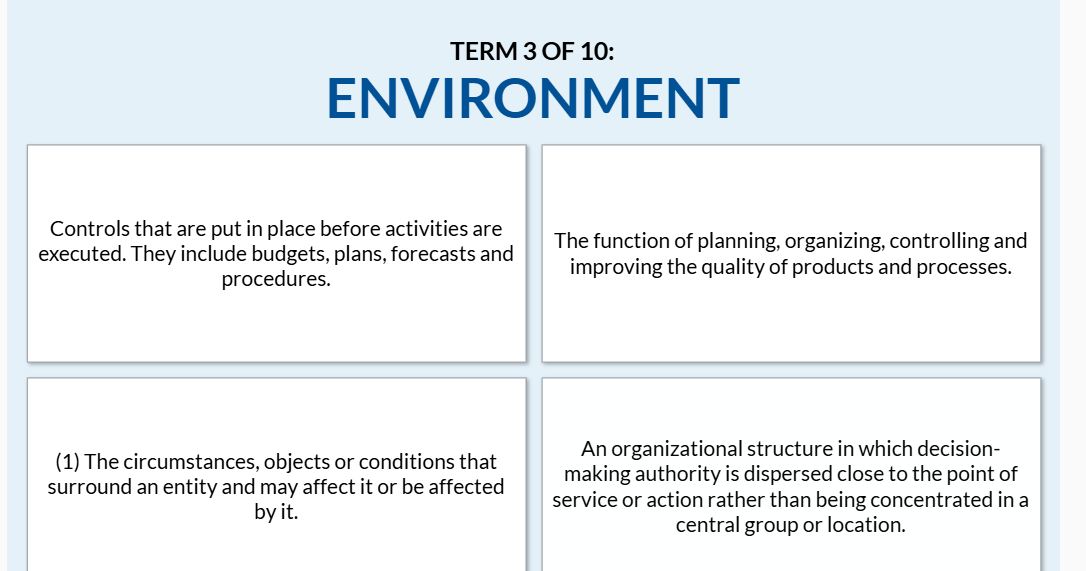
term image

c

88
New cards
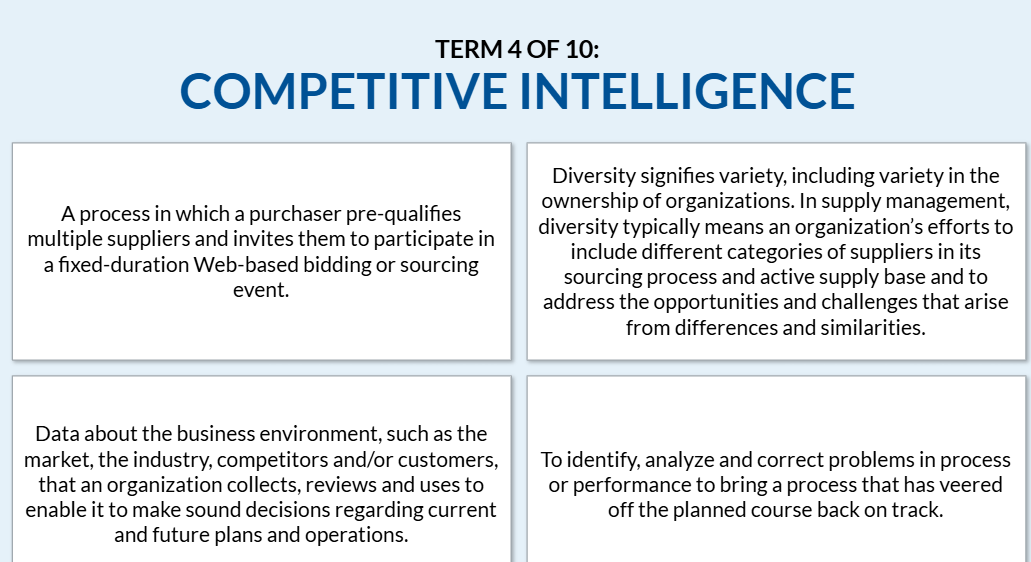
term image

c

89
New cards
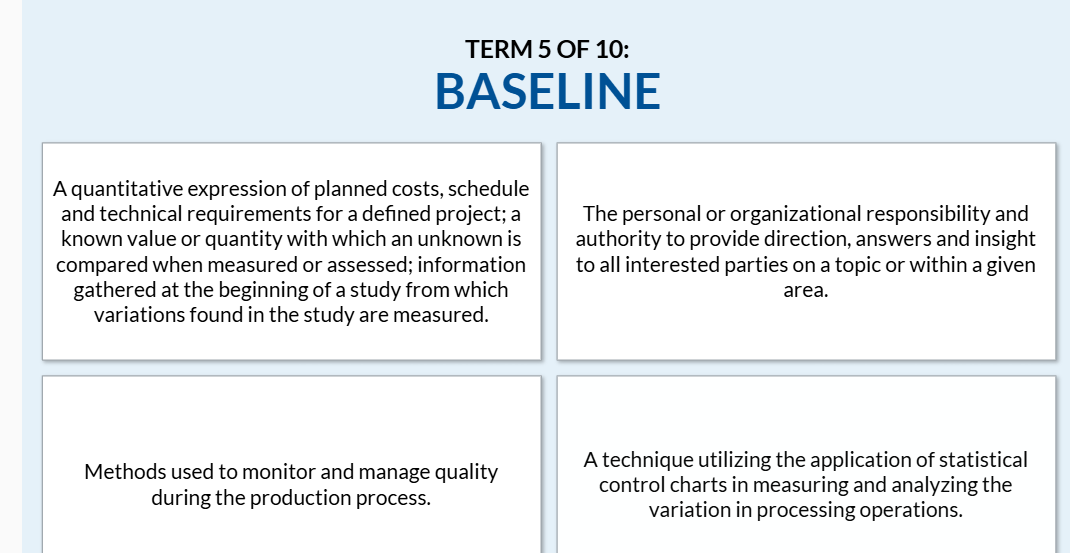
term image

c

90
New cards
term image

a