APWH: Unit 2 Networks of Exchange (1200-1450)
0.0(0)Studied by 9 people
Build your Mastery score
 Multiple Choice & FRQ
 Call Kai
Card Sorting
1/44

Earn XP
Description and Tags
Last updated 1:12 PM on 9/27/22
Name | Mastery | Learn | Test | Matching | Spaced | Call with Kai | Chat |
|---|
No analytics yet
Send a link to your students to track their progress
45 Terms
1
New cards
Mongols
central Asian nomadic peoples; captured Baghdad in 1258 and killed the last Abbasid caliph
2
New cards
Malacca
flourishing trading city in Malaya; established a trading empire after the fall of Shrivijaya
3
New cards
Ibn Battuta
Arab traveler throughout the Muslim world
4
New cards
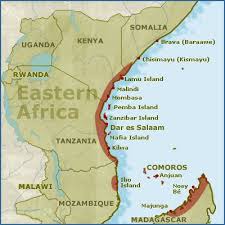
East African trading ports
urbanized commercial centers mixing African and Arab cultures; included Mogadishu, Mombasa, Malindi, Kilwas, Pate, and Zanzibar
5
New cards
Flying money
Chinese credit instrument that provided vouchers to merchants to be redeemed at the end of a venture; reduced danger of robbery; an early form of currency
6
New cards
Genghis Khan
born in 1170s; elected supreme Mongol ruler (khagan) in 1206; began the Mongols rise to world power; died 1227
7
New cards
Shamanistic religion
Mongol beliefs focused on nature spirits
8
New cards
Batu
grandson of Genghis Khan and ruler of Golden Horde; invaded Russian in 1236
9
New cards
Golden Horde
one of four regional subdivisions of the Mongol Empire after death of Genghis Khan; conquered and ruled Russia during the 13th and 14th centuries
10
New cards
Il-khanate
one of four regional subdivisions of the Mongol empire after the death of Genghis Khan; included much of Abbasid empire
11
New cards
Hulegu
grandson of Genghis Khan and rule of Il-khanate; captured and destroyed Abbasid Baghdad
12
New cards
Kublai Khan
grandson of Genghis Khan; conquered China; established Yuan dynasty in 1271
13
New cards
White Lotus Society
secret religious society dedicated to overthrow of Yuan dynasty
14
New cards
Ethnocentrism
judging foreigners by the standards of one's own group; leads to problems in interpreting world history
15
New cards
Timbuktu
trade center of Mali, cosmopolitan city that saw the blending of many different cultures and people
16
New cards
Marco Polo
traveler/merchant from Europe who spend 17 years at court of Kublai Khan
17
New cards
Junks
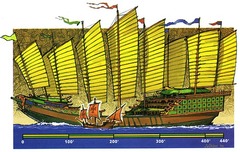
Chinese ships, particularly from the 1400s. It had a sturdy Chinese ship design and the largest of its kind were treasures ships that could carry a thousand tons of cargo.
18
New cards
Kashgar and Samarkand
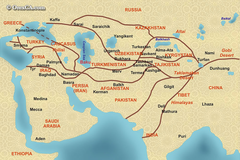
major trading cities on the silk roads
19
New cards
Pax Mongolia
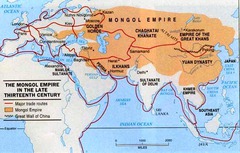
Also known as the mongol peace. A time when global trade expanded due to the political stability provided by mongol rulers.
20
New cards
Mongol Khanates
Regions held under control of Mongol Khans following the death of Genghis Khan including Khanates of Chaghati, Golden Horde (Russia), the Great Khan and Il-khanate of Persia.
21
New cards
Gujarat
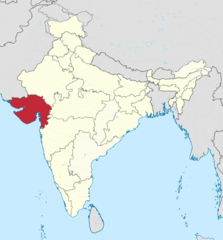
Region of western India famous for trade and manufacturing.
22
New cards
Swahili city-states
Warring states that were always competing for control of trade routes and each other. Established by Swahili., many of these city-states were Muslim and very cosmopolitan.
23
New cards
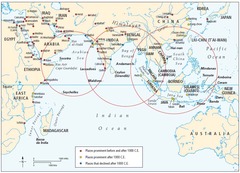
Diasporic communities
merchant communities that introduced their own cultures into other areas. Examples included Arab and Perisan communities, Chinese merchant communities in Southeast Asia, and Malay communities in the Indian Ocean basin
24
New cards
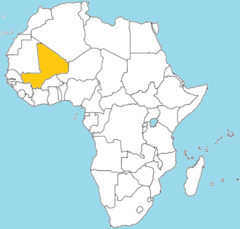
Mali
The kingdom in West Africa that followed the Kingdom of Ghana; its wealth is also based on trans-Saharan trade; this kingdom encouraged the spread of Islam.
25
New cards
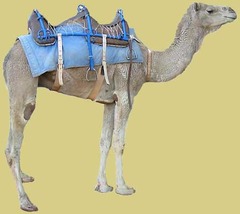
Camel Saddles
with the advent of these, camels could now be used to transport iron technology, slaves, salt, and gold across the Sahara, and could be used in battle. It also facilitated the spread of Arabic language systems into Northern Africa
26
New cards
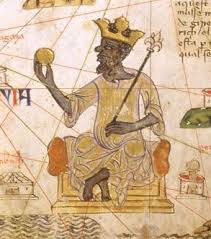
Mansa Musa
Emperor of the kingdom of Mali in Africa. He made a famous pilgrimage to Mecca and established trade routes to the Middle East. Increased contact between Eurasian world and Africa
27
New cards
monsoon winds
seasonal wind of the Indian Ocean and southern Asia, blowing from the southwest in summer and from the northeast in winter. (in India and nearby lands) the season during which the southwest monsoon blows, commonly marked by heavy rains; rainy season. any wind that changes directions with the seasons
28
New cards
bulk goods
a large quantity of goods being traded
29
New cards
ivory
hard white material made from elephant tusks
30
New cards
Astrolabe
An instrument used by sailors to determine their location by observing the position of the stars and planets
31
New cards
Lateen Sail
Triangular sail that was developed in Indian Ocean trade that allowed a ship to sail against the wind.
32
New cards
compass
an instrument containing a magnetized pointer that shows the direction of magnetic north and bearings from it.
33
New cards
Caravanserai
an inn with a central courtyard for travelers in the desert regions of Asia or North Africa.
34
New cards
Yuan Dynasty
(1279-1368 CE) The dynasty with Mongol rule in China; centralized with bureaucracy but structure was: Mongols on top, then Persian bureaucrats, then Chinese bureaucrats.
35
New cards
Syncretism
a blending of beliefs and practices from different religions into one faith
36
New cards
Bubonic Plague
disease brought to Europe from the Mongols during the Middle Ages. It killed 1/3 of the population and helped end feudalism.
37
New cards
Demographics
statistical data relating to the population and particular groups within it.
38
New cards
Westernization
An adoption of the social, political, or economic institutions of Western—especially European or American—countries.
39
New cards
Southernization
idea that it was the innovations and developments from the global south which transformed the world in 600-1450 periodization. It contrasts with the idea of "westernization".
40
New cards
Champa Rice
Quick-maturing rice that can allow two harvests in one growing season. Originally introduced into Champa from India, it was later sent to China as a tribute gift by the Champa state (as part of the tributary system.)
41
New cards
sugar cane
a plant from which sugar is made
42
New cards
Gunpowder
The formula, brought to China in the 400s or 500s, was first used to make fumigators to keep away insect pests and evil spirits. In later centuries it was used to make explosives and grenades and to propel cannonballs, shot, and bullets.
43
New cards
Afro-Eurasian Trade
system of trade routes that stretched across land and water from China throughout the Middle East and ending in either Africa or Europe. The network ultimately was derived from the Silk Road, with most merchants traveling the harsh routes to attempt to gather precious resources from China or India who were both abundant in resources and powerful. This system opened up communication for ideas, religion, and goods, allowing the spread of religions such as Islam and allowing nobility in the west to receive goods such as silk.
44
New cards
porcelain
a ceramic made of fine clay baked at very high temperatures
45
New cards
silk
a valuable cloth, originally made only in China from threads spun by caterpillars called silkworms