Japanese Vocabulary
 Call Kai
 Learn
Learn Practice Test
 Spaced Repetition
 Match
Match Flashcards
 Knowt Play
1/124

There's no tags or description
Looks like no tags are added yet.
Name | Mastery | Learn | Test | Matching | Spaced | Call with Kai | Chat |
|---|
No analytics yet
Send a link to your students to track their progress
125 Terms
oboeru (verb)
to memorize or remember

ki o tsukeru (verb)
to be careful or watch out

manabu (verb)
to learn or study deeply

oshieru (verb)
to teach or inform

odoroku (verb)
to be surprised or shocked

au (verb)
to meet

tenki (noun)
weather

soto (noun)
outside

kotoba (noun)
word or language

toshokan (noun)
library

shitsumon (noun)
question

kotae (noun)
answer; reply; response

te (noun)
hand

shourai (noun)
the future

zehi (adverb)
by all means; definitely

saikin (noun)
lately; recently

yukkuri (adverb)
slowly

yappari (adverb)
as expected; I knew it

tabun (adverb)
perhaps; probably

taitei (adverb)
usually; mostly

tokidoki (tokidoki)
sometimes

tsumori (noun)
intention or plan to do
STRUCTURE: Verb (dictionary form) + tsumori
EXAMPLE: Shourai, Nihon no iku tsumori desu

amai (adjective)
sweet
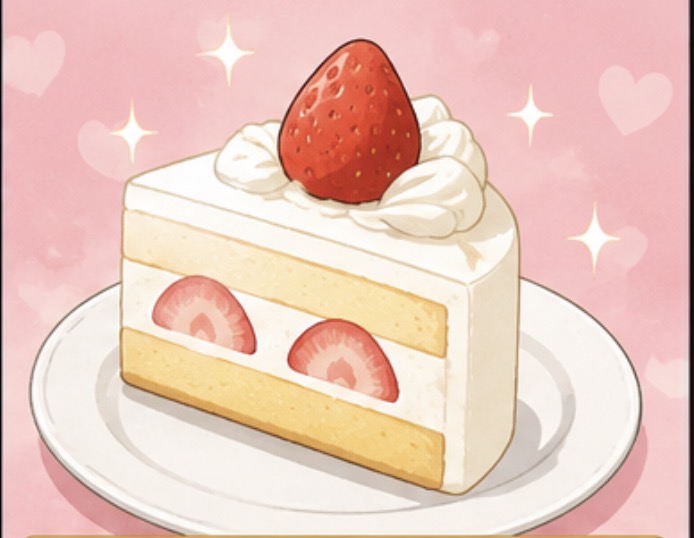
ii (adjective)
good

tanoshii (adjective)
fun enjoyable
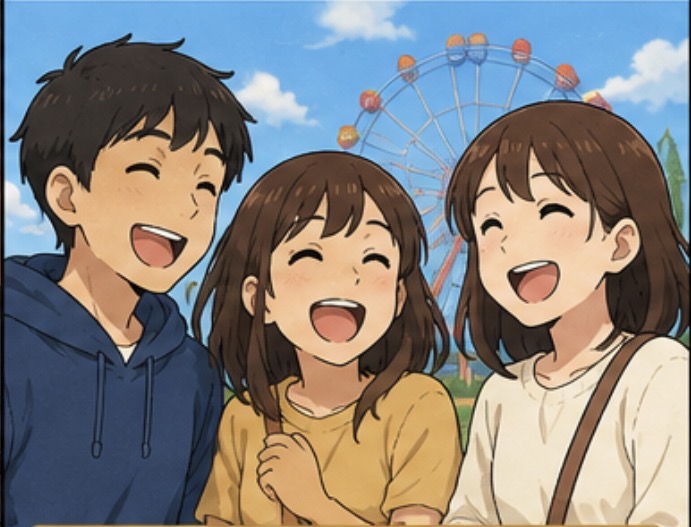
ichiban (noun)
number one; the best

te-form + kureru (grammar pattern)
someone doing a favor for me

jibun (pronoun)
self (without someone else’s help)

jitsu (noun)
actually; the truth is
(Used when revealing something)

tari; tari suru (grammar point)
used to list examples of actions (“do things like)
STRUCTURE: Verb (past tense) + り + Verb (past tense) + り + する
EXAMPLE:
Nichiyōbi wa hon o yondari, eiga o mitari shimasu.
On Sundays, I do things like read books and watch movies.

zenbu (noun; adverb)
all; everything; the whole thing

shizen (noun; na-adjective)
nature; natural(in front of noun; na-adjective)

hotondo (adverb)
almost; nearly; mostly

shiru (verb)
to know; to be aware of

Monday: Getsuyōbi
Tuesday: Kayōbi
Wednesday: Suiyōbi
Thursday: Mokuyōbi
Friday: Kinyōbi
Saturday: Doyōbi
Sunday: Nichiyōbi
Days of the Week

hoshii (I-adjective)
wanting (to have); desiring

garu (grammer pattern)
to seem to feel; to show signs of feeling
(used to describe someone else’s emotions)
STRUCTURE: ([emotion I-adjective], remove i) + garu
EXAMPLE: Ani wa shukudai o muzukashigatte imasu
![<p>to seem to feel; to show signs of feeling</p><p>(used to describe someone else’s emotions)</p><p></p><p><strong>STRUCTURE</strong>: ([emotion I-adjective], remove i) + garu</p><p></p><p><strong>EXAMPLE</strong>: Ani wa shukudai o muzukashigatte imasu</p>](https://assets.knowt.com/user-attachments/106cf5fc-c138-46d3-890c-7651fe195ddb.jpg)
hitori (noun)
alone; by oneself (hitori de); one person
(used when to say you are alone and no one is around)

~kanaa
I wonder if
STRUCTURE: Phrase + kanaa
EXAMPLE: Nihon ni iku kanaa

omou (verb)
to think; to believe

juubun (na-adjective)
enough; sufficient

sumu (godan verb)
to live; to reside
NOTE: most of time you will use sunde imasu (ongoing action)

Volitional Form (ou for godan, you for ichidan)
MEANING: The will or intention to do something; “let’s…” / “I’ll…”
STRUCTURE: u-column → o-column
Verb (o-column only godan) + u(godan) / you(ichidan)
EXAMPLE:
食べよう (tabeyō) → “Let’s eat.” / “I’ll eat.”
行こう (ikō) → “Let’s go.” / “I’ll go.”
勉強しよう (benkyō shiyō) → “Let’s study.” / “I’ll study.”
Passive Form (reru for godan; rareru for ichidan)
Subject of a sentence receives the action instead of doing the action
STRUCTURE: u-column → a-column
Reciever が Doer に verb(reru/rareru)
EXAMPLE: Yasui ga watashi ni taberareru
Potential Form (ru for godan; rareru for ichidan)
Express ability or possibility (CAN)
*When saying “can verb” towards a noun, put ga after the noun.
Ex: kēki ga taberareru
STRUCTURE: u- column → e-column
Verb (e-column only godan) + ru(godan)/rareru(ichidan)
EXAMPLE: Switzerland ni ikeru
sono kawari
in return; in exchange; instead

kumori (noun)
cloudy

Fuan (noun, na-adjective)
anxious; worried

yatto (adverb)
finally; at last

ichidomo (expression)
never

iu (godan verb)
to say

owaru (intransitive-godan-verb)
to end / come to an end
(Something ends on its own.)
STRUCTURE: X が owaru

oeru ( transitive-ichidan-verb)
to finish / bring to an end
(Someone finishes something or causes it to end.)
STRUCTURE: X を oeru

あまり
amari (adverb)
MEANING: not very / not much / not often
STRUCTURE: amari + negative verb
Usually goes with negative
EXAMPLE: あまり好きじゃない。Amari suki janai.

なんか
nanka (adverb, expression)
MEANING:
* “something”
* “like…” / “kind of…”
* Used to soften what you say, express a vague feeling, or start a thought.
EXAMPLE:
* なんか疲れた。
Nanka tsukareta.
→ “I’m kind of tired.”
* なんか変。
Nanka hen.
→ “Something feels weird.”
* なんかさ、昨日さ…
Nanka sa, kinou sa…
→ “Like, you know, yesterday…”
KEY IDEA: なんか often makes what you’re saying feel casual, vague, or less direct.

どうやって
dou yatte (adverbial expression)
MEANING: how / by what method
EXAMPLE:
どうやって日本語を勉強するの?
Dou yatte nihongo o benkyou suru no?

どうして
doushite (adverb)
MEANING: why / how come
EXAMPLE:
どうして日本語を勉強しているの?
Dou shite nihongo o benkyou shite iru no?

だから
dakara (conjunction)
MEANING: so / therefore / that’s why
EXAMPLE:
疲れた。だから、寝ます。
Tsukareta. Dakara, nemasu.

から
kara (particle)
MEANING: because / since
STRUCTURE: Reason + kara + Result
EXAMPLE:
疲れたから、寝ます。
Tsukareta kara, nemasu.

休み(やすみ)
yasumi (noun)
MEANING: rest / break / holiday / day off
EXAMPLE:
今日は休みです。
Kyō wa yasumi desu.

shimau (transitive-godan-verb)
MEANING: to put away; to put to an end
can also mean “to end up doing something”(sense of regret”
STRUCTURE: verb te-form + shimau
EXAMPLE: Wasurete shimatta

Verb stem(ます form) + に + 行きます/来ます
Verb stem + ni + ikimasu/kimasu (grammer)
MEANING: Go/come somewhere in order to do something.
EXAMPLE: Ie ni animēshon o tsukurini ikimasu

Verb stem + ながら
Verb stem + nagara (grammer)
MEANING: While doing
EXAMPLE: Kōhī o nominagara, K-dorama o mimasu.

Verb stem + 方(かた) (grammer)
MEANING: how to do something
verb becomes noun
EXAMPLE: kōhi no tsukurikata o oshiete kudasai

isogu (intransitive-godan-verb)
MEANING: to hurry; to rush
EXAMPLE: Isoide!

tamani (adverb)
MEANING: sometimes; occasionally
EXAMPLE: Kono restauran ni tamani ikimasu

-te kara (grammer pattern)
MEANING: after doing ~
EXAMPLE: ご飯を食べてから、勉強します。
Gohan o tabete kara, benkyou shimasu.
→ I study after eating.
nigiyaka (na-adjective)
MEANING: lively, bustling
EXAMPLE: にぎやかな町
Nigiyaka na machi.
→ A lively town.

ue (noun)
MEANING: above; on top; upper part
EXAMPLE: 机の上
Tsukue no ue.

yoku (adverb)
MEANING: often; well
EXAMPLE: よく日本語を勉強します。
Yoku nihongo o benkyou shimasu.

hou (noun)
MEANING: direction/side
EXAMPLE: Nihon no hou
sou da (grammer pattern)
MEANING: looks like; seems like
EXAMPLE: おいしそうだ。
Oishisou da.

masani (adverb)
MEANING: exactly; precisely; truly
EXAMPLE: まさにその通りです。
Masani sono toori desu.

deru (intransitive-godan-verb)
MEANING: to go out / leave (itself)
EXAMPLE: Gakusei ga kyoushitsu kara demashita.

dasu (transitive-godan-verb)
MEANING: to take out (something)
EXAMPLE: Hon o kaban kara dashimashita.

kieru (intransitive-ichidan-verb)
MEANING: to disappear / go out (itself)
EXAMPLE: Denki ga kiemashita.
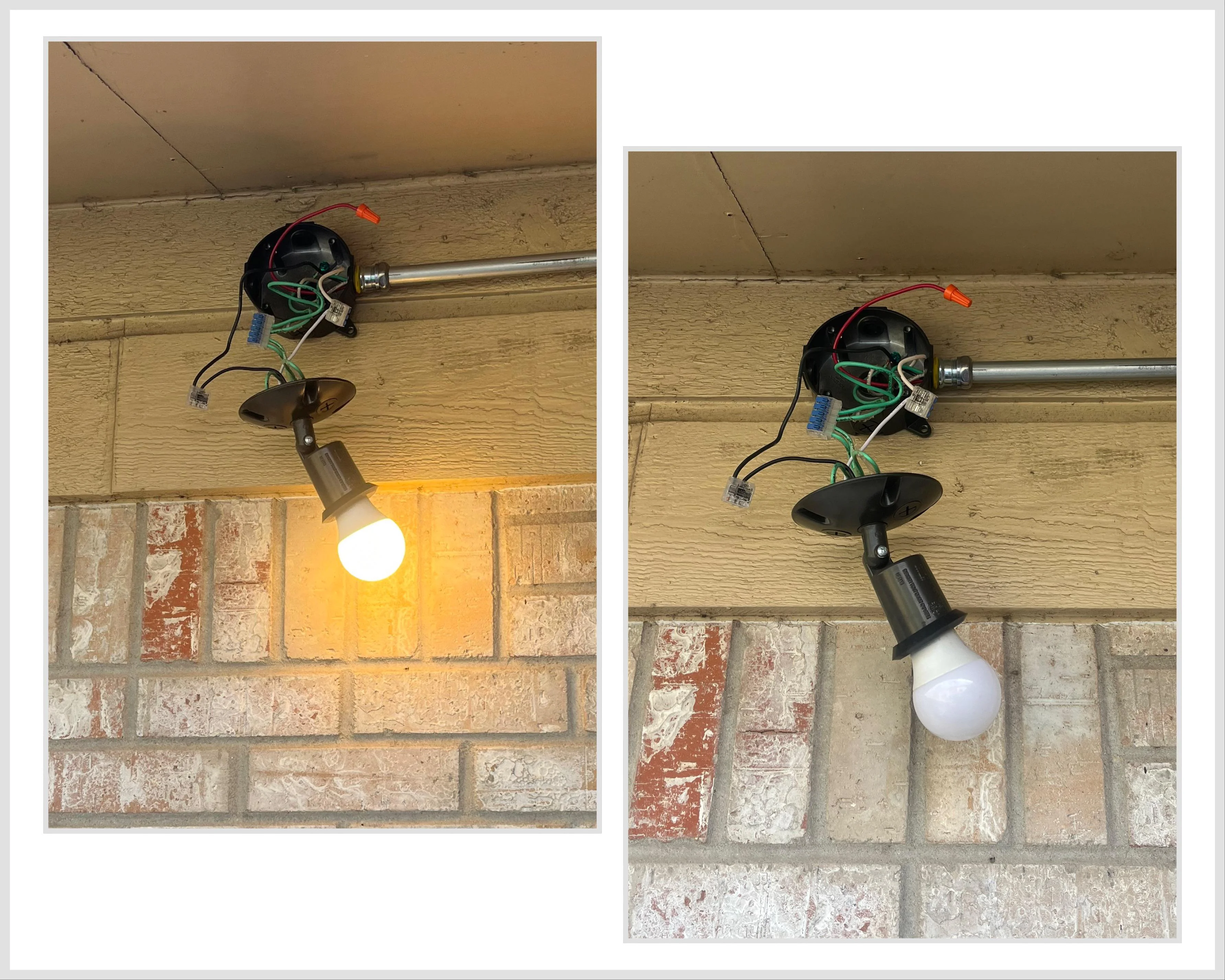
kesu (transitive - godan - verb)
MEANING: to turn off (something)
EXAMPLE: Denki o keshimashita.
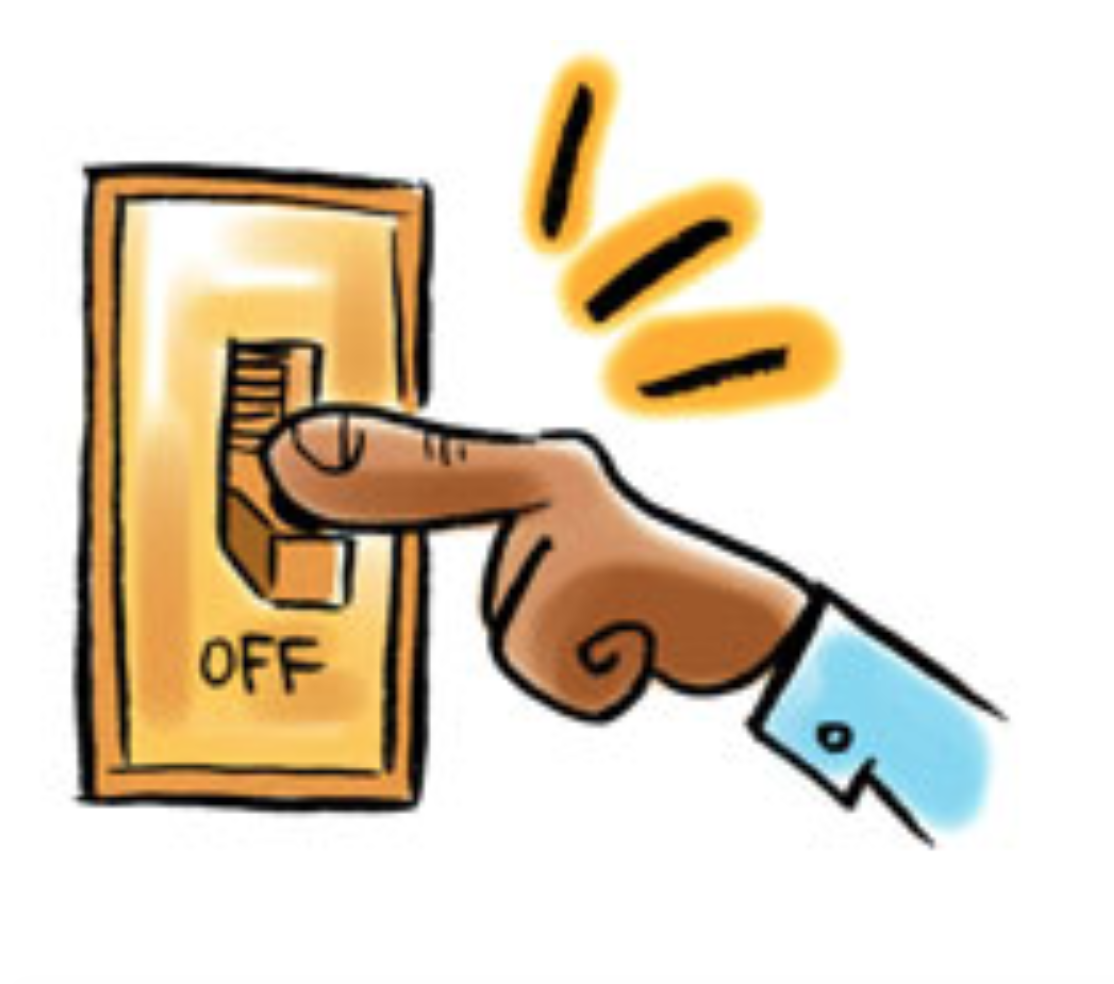
hajimaru (intransitive - godan - verb)
MEANING: to begin / start (itself)
EXAMPLE: Jugyou ga hajimarimashita.

hajimeru (transitive - ichidan - verb)
MEANING: to start (something)
EXAMPLE: Sensei ga jugyou o hajimemashita.

wareru (intransitive - ichidan - verb)
MEANING: to break (itself)
EXAMPLE: Koppu ga waremashita.

waru (transitive - godan - verb)
MEANING: to break (something)
EXAMPLE: Koppu o warimashita.

aku (intransitive - godan - verb)
MEANING: to open / become open
EXAMPLE: Doa ga akimashita.

akeru (transitive - ichidan - verb)
MEANING: to open (something)
EXAMPLE: Doa o akemashita.

chotto dake (adverb)
MEANING: only a little
EXAMPLE: chotto dake tabemasu

toru (transitive-godan-verb)
MEANING: to take
EXAMPLE: kore o torimasu

aida - (noun)
MEANING: between / during / while
EXAMPLE: watashi wa yasumi no aida nihongo o benkyou shimasu.

hima - (na-adjective / noun)
MEANING: free time / not busy
EXAMPLE: hima na toki, anime o mimasu.

tappuri - (adverb)
MEANING: plenty / a lot / more than enough
EXAMPLE: mizu o tappuri nomimasu.

sugiru - (ichidan verb)
MEANING: to exceed / to pass; too much
EXAMPLE: tabesugiru to onaka ga itaku narimasu.

kurai - (i-adjective)
MEANING: dark
EXAMPLE: heya ga kurai desu.

nanimo - (pronoun)
MEANING: nothing / anything (with a negative)
EXAMPLE: nanimo tabemasen.

mawaru - (godan verb - intransitive)
MEANING: to turn / to rotate / to go around
EXAMPLE: kuruma no taia ga mawaru.

mawasu - (godan verb - transitive)
MEANING: to turn / to rotate something
EXAMPLE: doa no noobu o mawashimasu.

mawari - (noun)
MEANING: surroundings / area around / vicinity
EXAMPLE: ie no mawari ni ki ga arimasu.

gisshiri - (adverb)
MEANING: tightly packed / crammed full
EXAMPLE: hon ga hako ni gisshiri haitte imasu.

souji suru - (suru verb)
MEANING: to clean / to clean something
EXAMPLE: heya o souji shimasu.

shuppatsu - (noun)
MEANING: departure / leaving
EXAMPLE: asa rokuji ni shuppatsu shimasu.

wasureru - (ichidan verb - transitive)
MEANING: to forget
EXAMPLE: hon o wasuremashita.

-te miru - (grammar - verb expression)
MEANING: to try doing something
STRUCTURE: verb (te-form) + miru
EXAMPLE: nihongo o hanashite mimasu

yaru
MEANING: to do
suru used for general “to do”, yaru specifically for physical actions
EXAMPLE: undō yaru (also suru)
NOT: shitsumon yaru (can’t physically ask a question)