MCAT Organic Chemistry Chapter 9 Carboxylic Acid Derivatives
 Call Kai
 Learn
Learn Practice Test
 Spaced Repetition
 Match
Match Flashcards
 Knowt Play
1/79

There's no tags or description
Looks like no tags are added yet.
Name | Mastery | Learn | Test | Matching | Spaced | Call with Kai |
|---|
No analytics yet
Send a link to your students to track their progress
80 Terms
Amides, esters, and anhydrides are all carboxylic acid derivatives. Each of these is formed by a ______________ reaction with a carboxylic acid - a reaction that combines two molecules into one, while losing a small molecule
condensation
Amides are compounds with the general formula ________________
RCONR2
Amides are named by replacing the -oic acid suffix with ___________
amide
Alkyl substituents on the nitrogen atoms are listed as prefixes, and their location is specified with the letter ___________
N
N-ethyl-Nmethylbutanamide
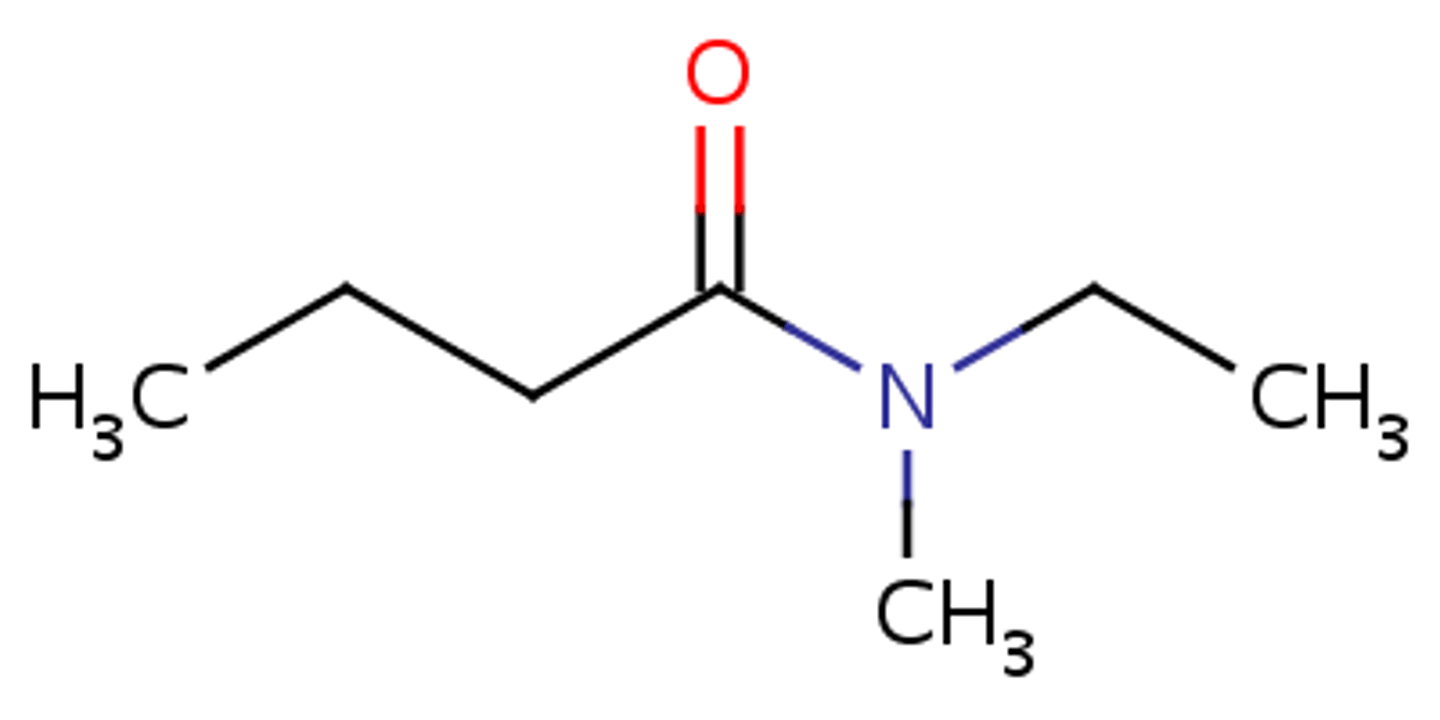
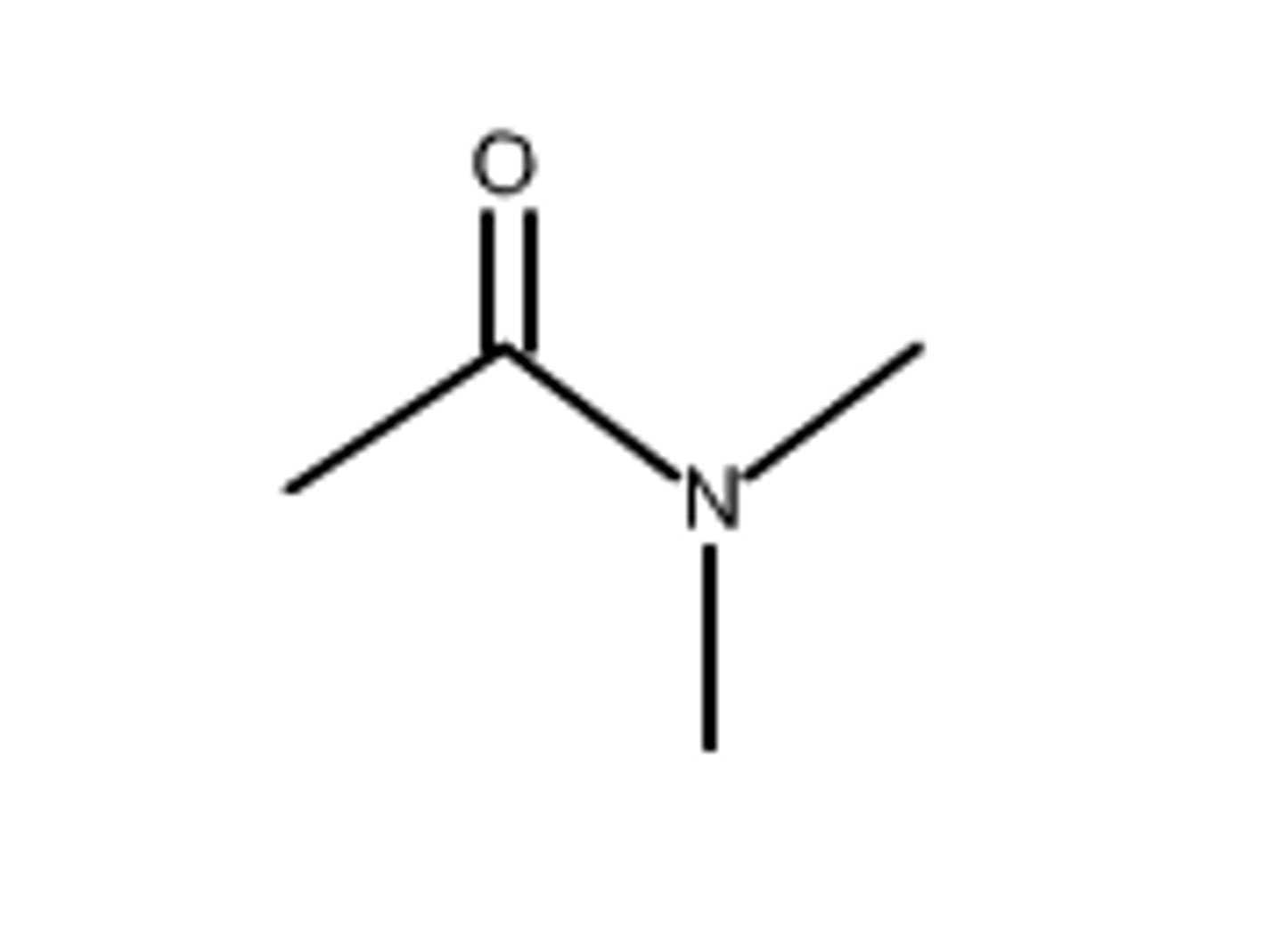
N,N-dimethylethanamide
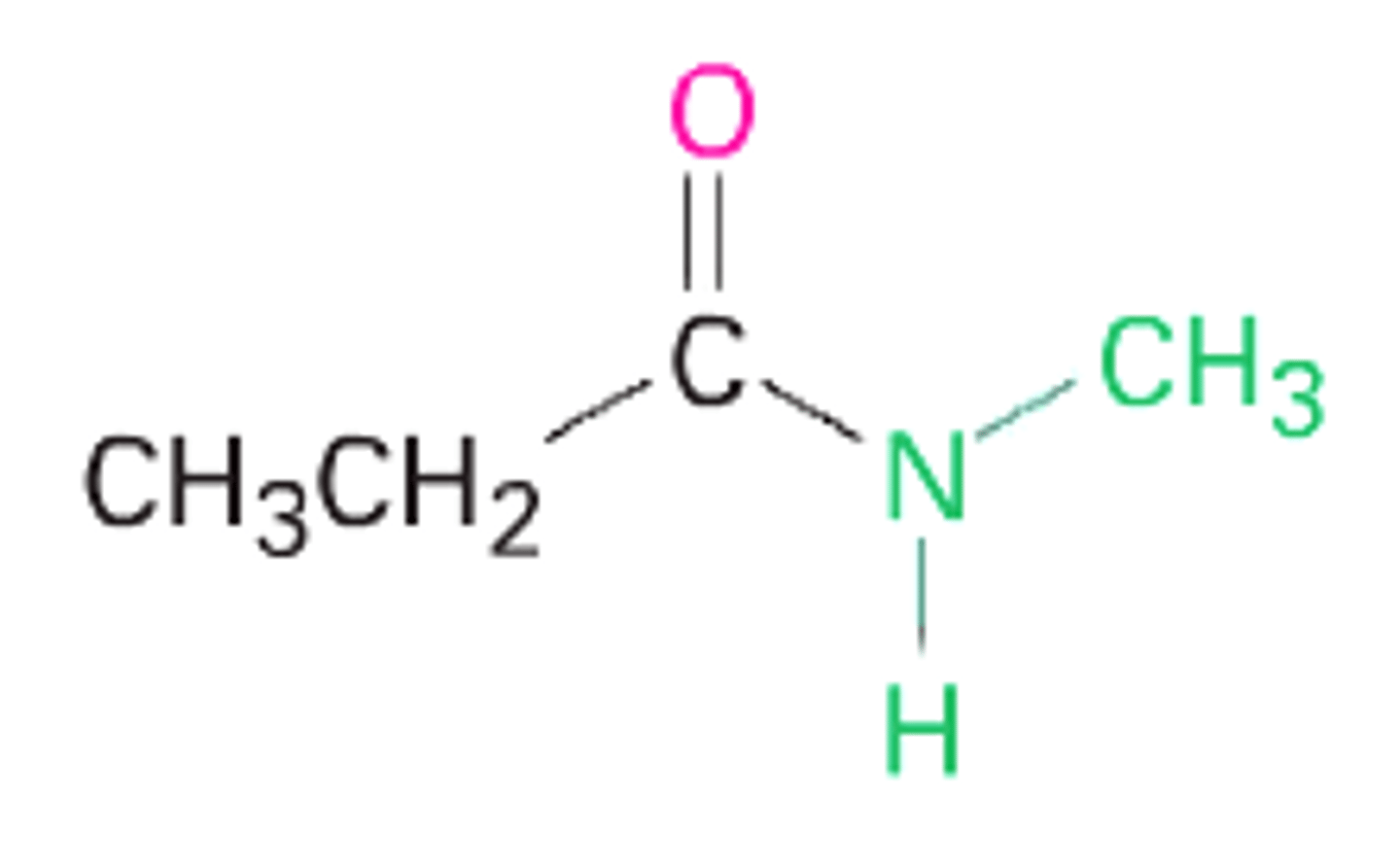
N-methylpropanamide
How are amides synthesized?
Reaction of carb acid with ammonia or amide
The loss of hydrogen from the nucleophile is required for amides to be formed. Therefore only _________ and ___________ amides can undergo this reaction
Primary; secondary
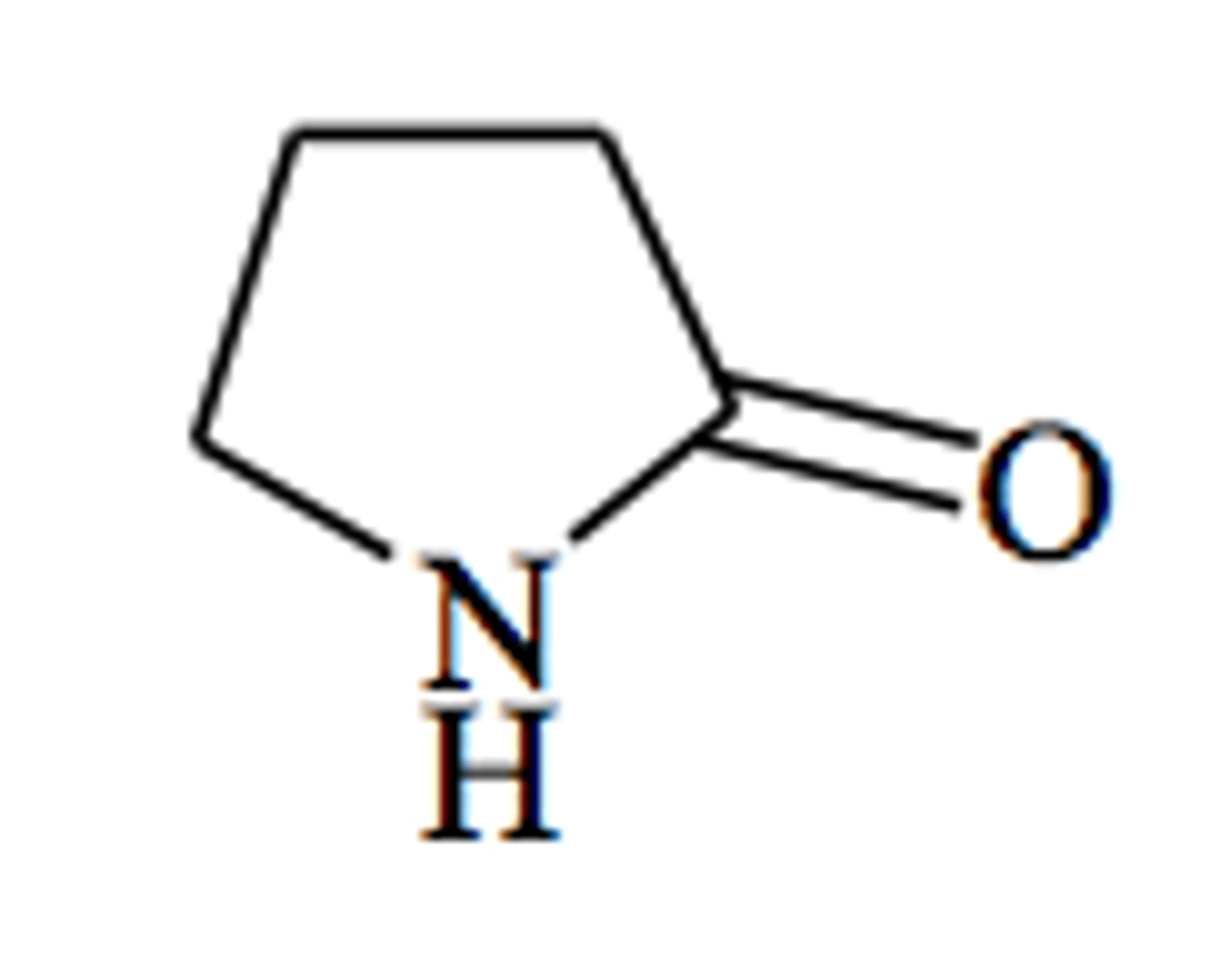
cyclic amides are called
lactams
beta lactam
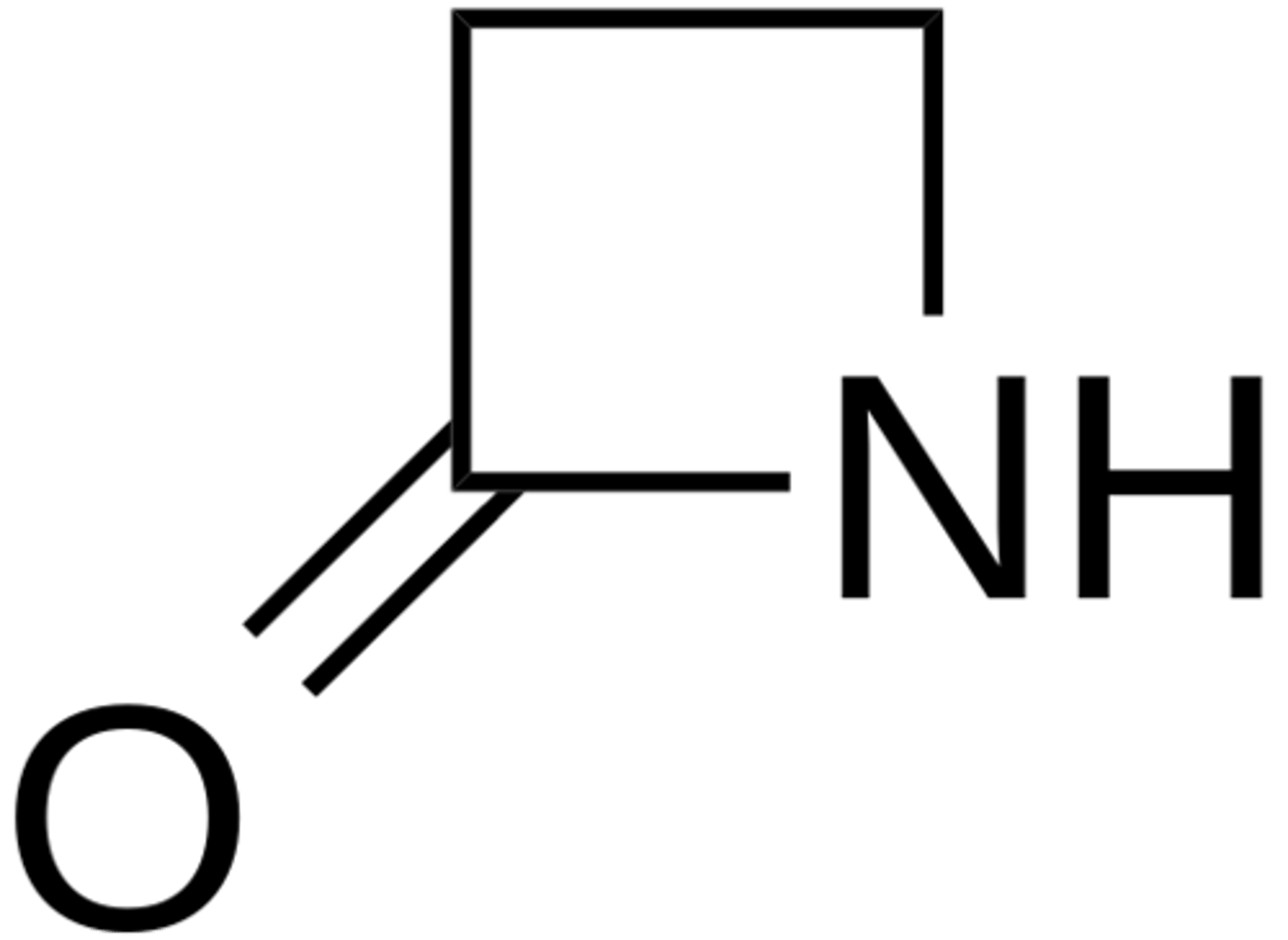
Gamma Lactam
Amides boiling points may be ____________or the same as carb acids
lower
Esters are the ______________ synthesis products of other carboxylic acids derivatives and alcohols.
dehydration
Esters are named by placing the _______________ group (the substituent bonded to the oxygen as a prefix
esterifying
For esters, the suffix _____________ replaces -oic acid
oate
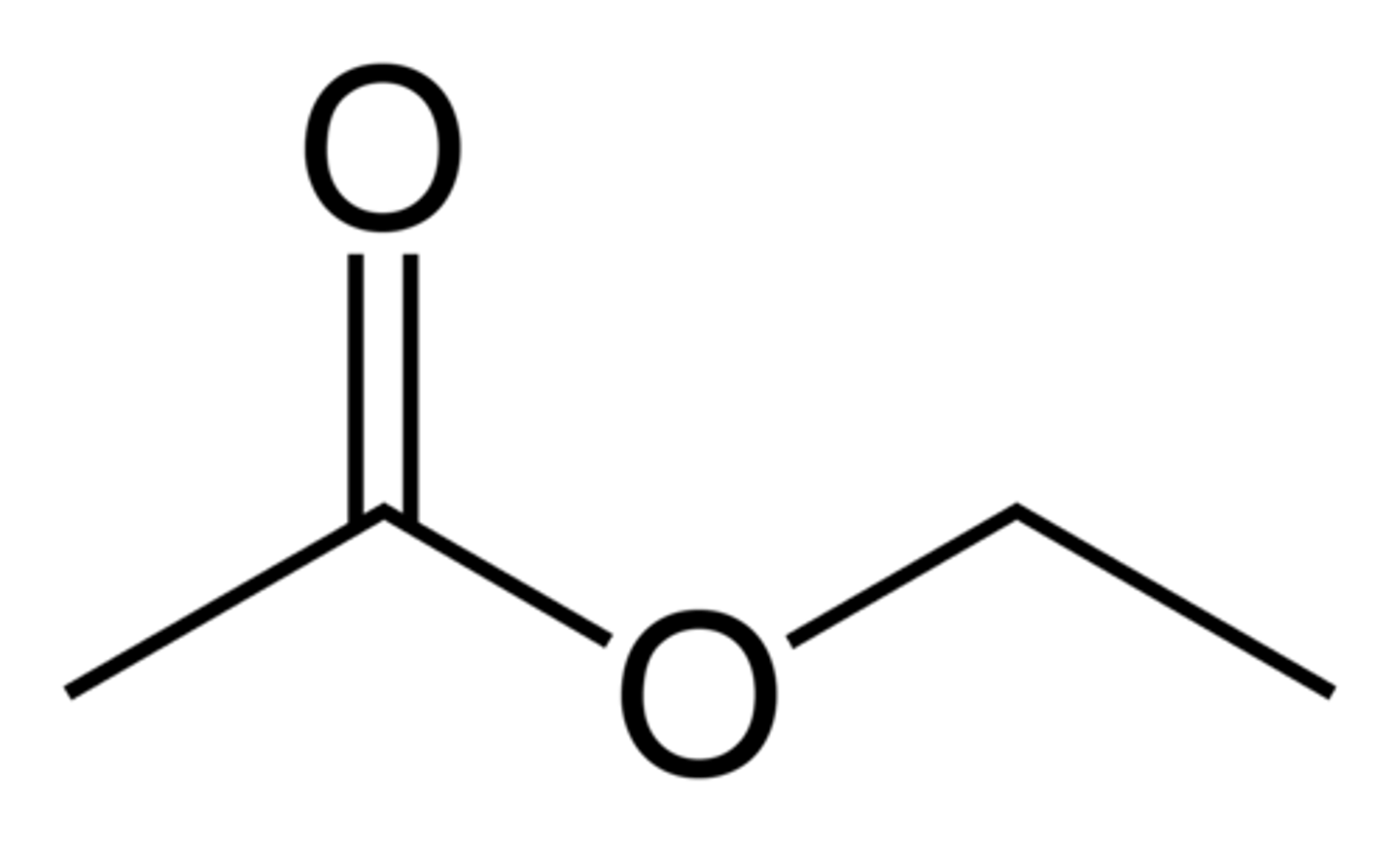
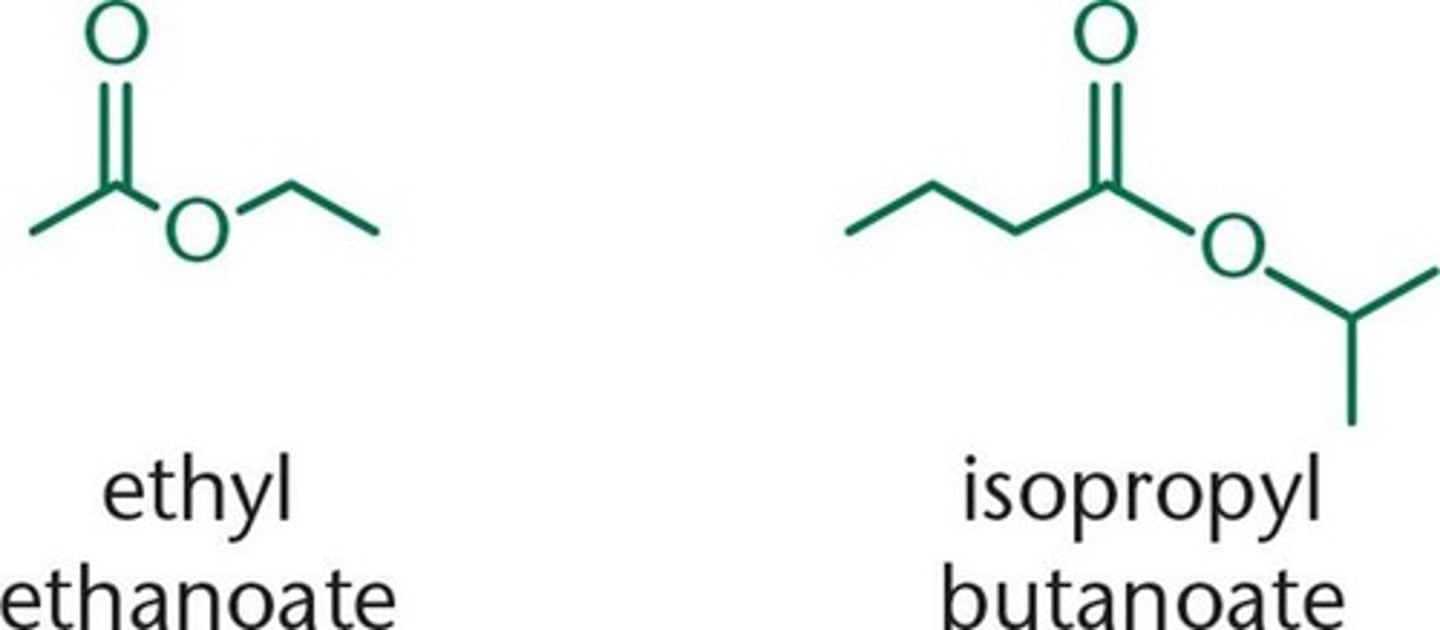
ethyl ethanoate
isopropyl butanoate
Under acidic conditions, mixtures of carboxylic acids and alcohols will condense into _________________. This is called _______________ esterification
esters; Fischer
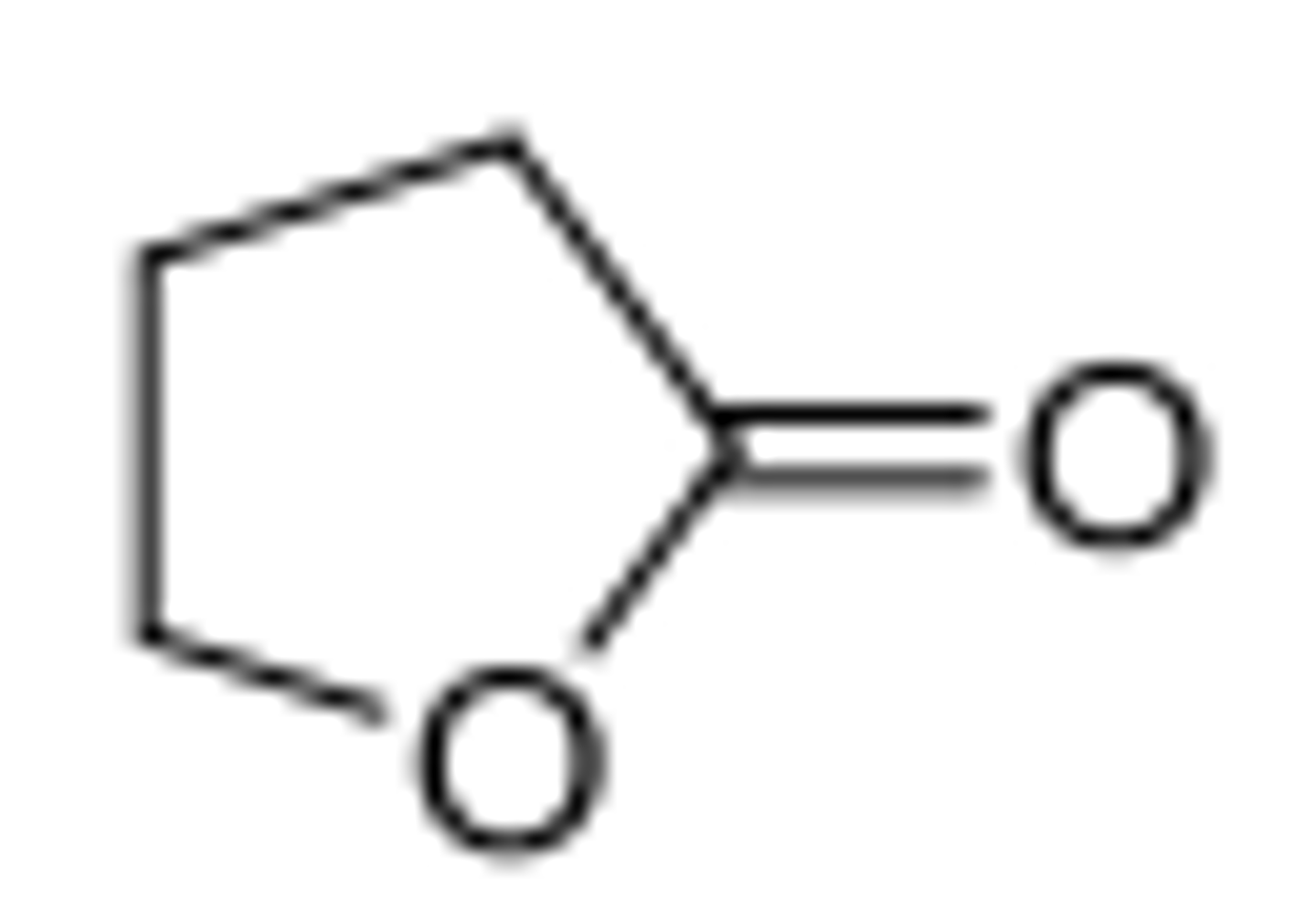
Cyclic esters
lactones
alpha-acetolactone
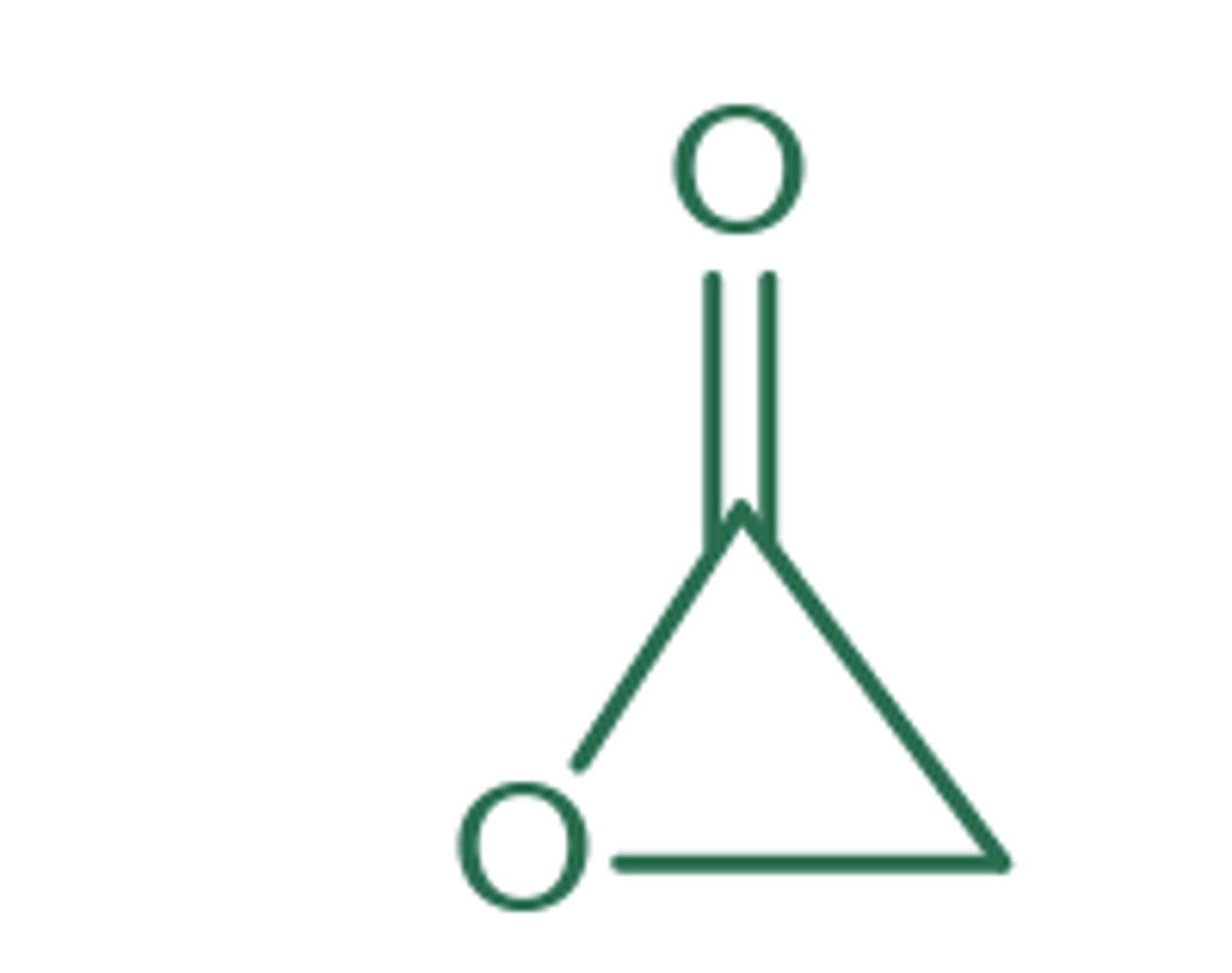
beta-propiolactone
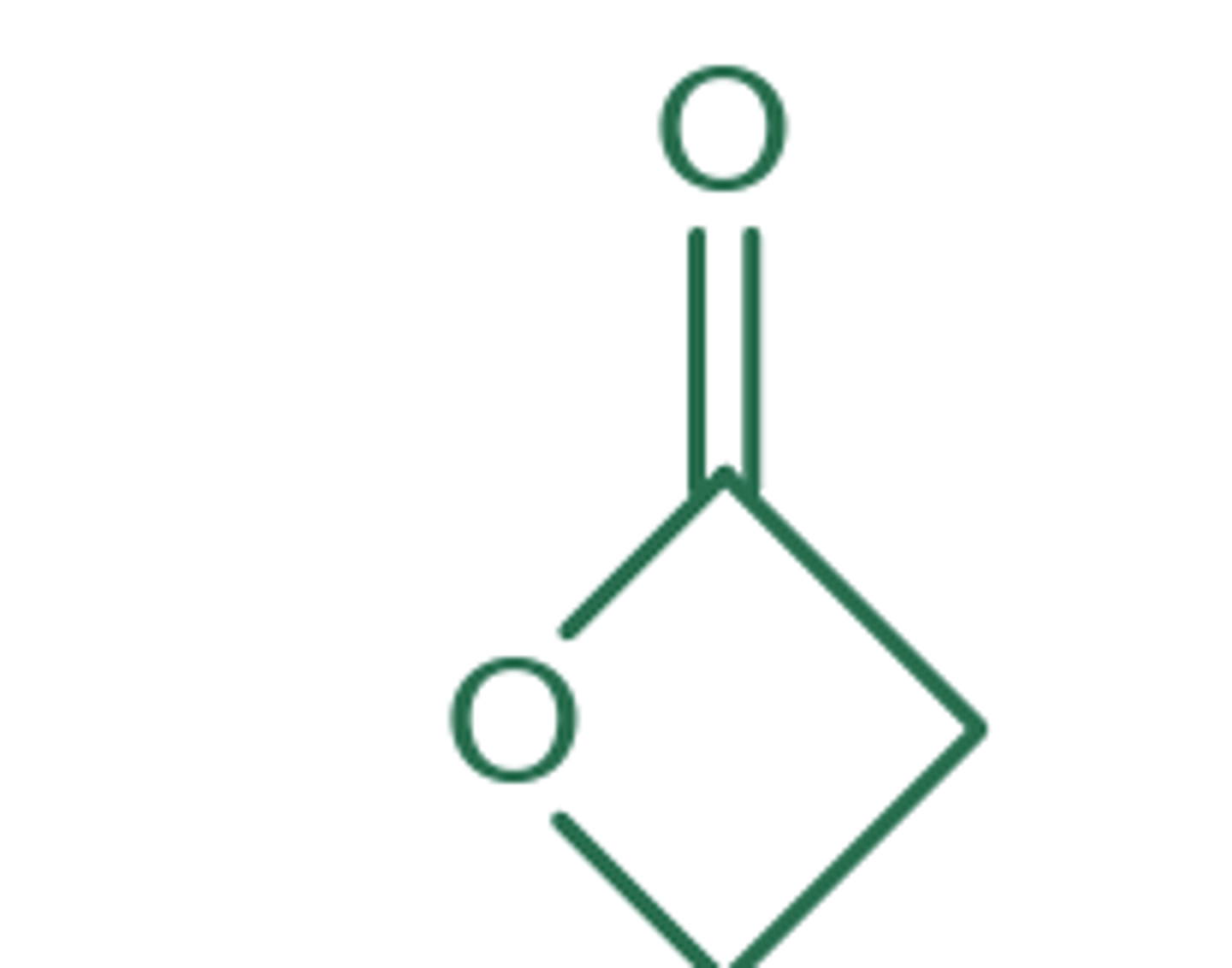
gamma-butyrolactone
Because esters lack hydrogen bonding, esters usually have _____________ boiling points than their related carboxylic acids
lower
Storage form of fats inside the body
triacyclglycerols
Triacyclglycerols are _____________ of long chain carboxylic acids and glycerol
esters
Process by which fats are hydrolyzed under basic conditions to produce soap
Saponification
Anhydrides are also called what?
acid anhydrides
Condensation dimers of carboxylic acids
anhydrides
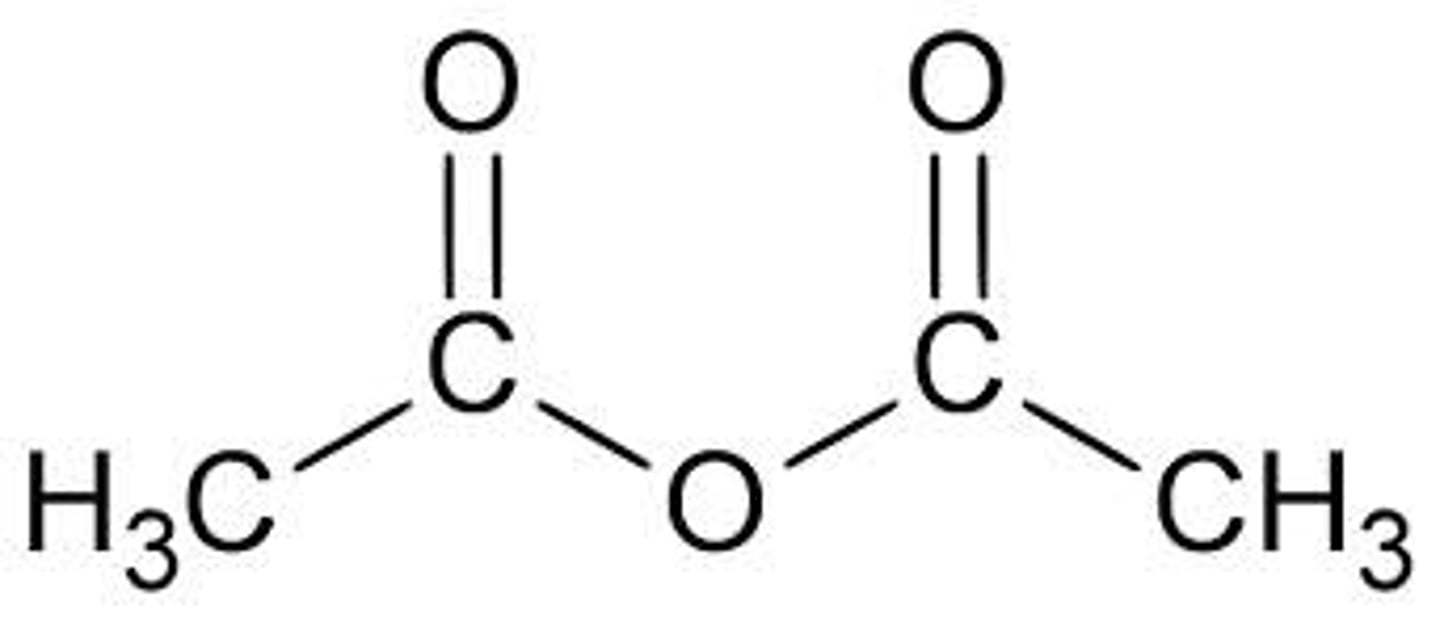
Symmetrical anhydrides are named by substituting the word anhydride for the word ___________ in a carboxylic acid
acid
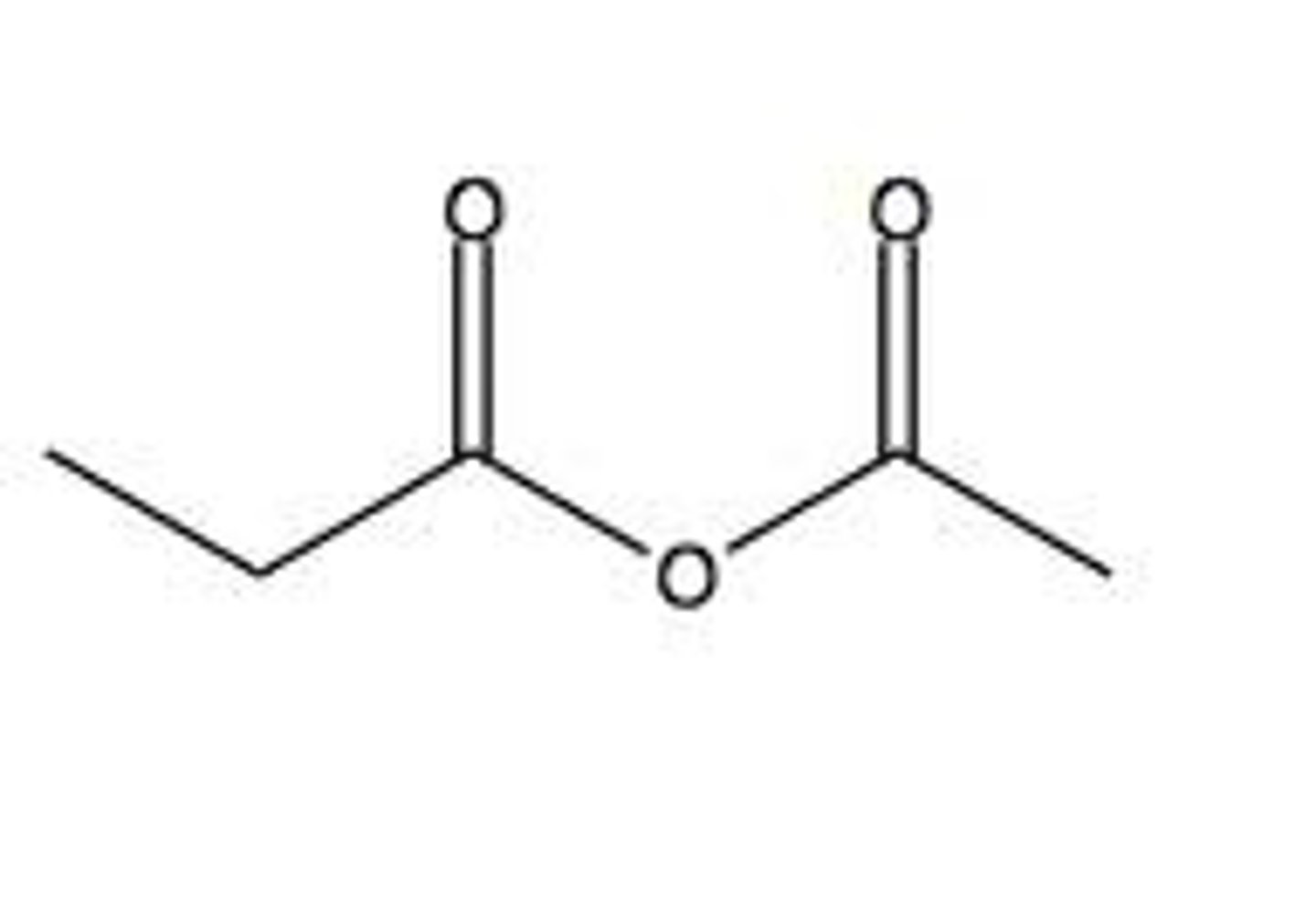
When anhydrides are asymmetrical, simply name the two chains alphabetically, followed by _______________
anhydride
ethanoic propanoic anhydride
ethanoic anhydride
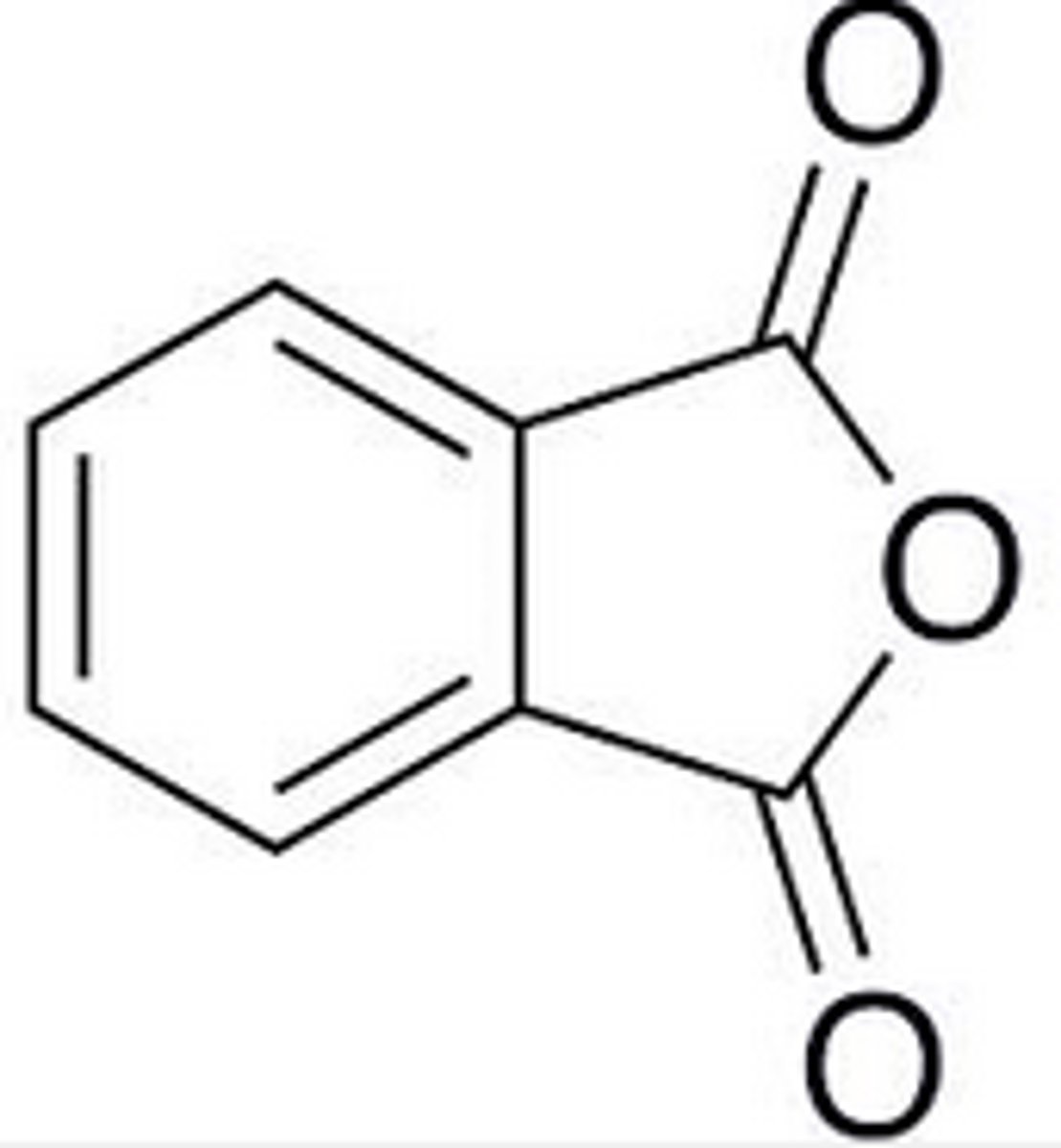
phthalic anhydride
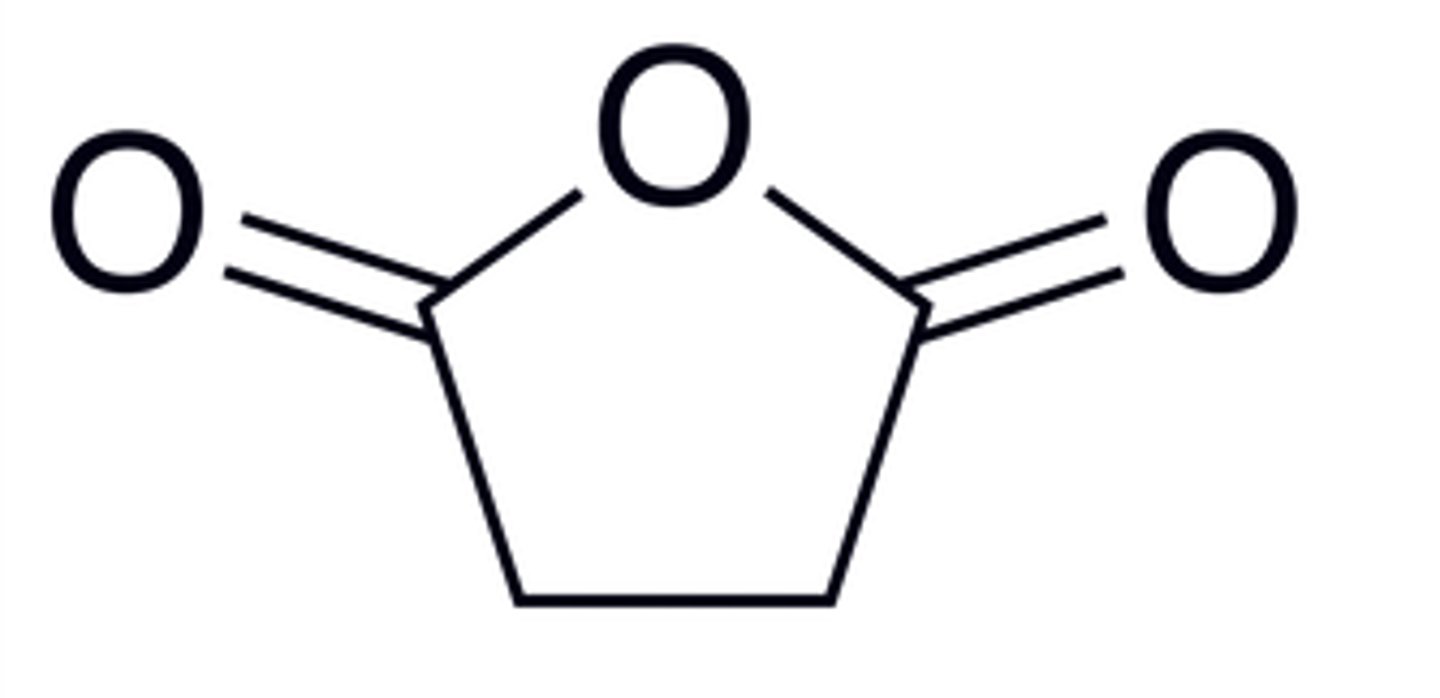
succinic anhydride
A molecule of ________ is lost in the formation of anhydrides
water
Certain cyclic anhydrides can be formed simply by ____________ carboxylic acids
heating
For anhydride formation, the hydroxyl group acts as the ________________, attacking the carbonyl on the other -COOH
nucleophile
Anhydrides often have _____________ boiling points than their related carboxylic acids, based solely on their much greater weight
Higher
Amides are formed from -COOH by what? Suffix? Cyclic naming?
Ammonia/Amines
Amide
Lactam
Esters are formed from -COOH by what? Suffix? Cyclic naming?
Alcohols
-Oate
Lactone
Anhydrides are formed from -COOH by what? Suffix? Cyclic naming?
Another carboxylic acid
Anhydride
Anhydride
What is the definition of a condensation reaction?
Two molecules joined together by the loss of a water molecule.
List these functional groups in order from most to least reactive:
Anhydride
Amide
Ester
Most: Anhydride
Middle: Ester
Least: Amide
Which functional group (out of anhydrides, esters and amides) is the most electrophilic>
electrophilic
What is steric hinderance?
Describes when a reaction does not proceed due to the size of the substituents
What is induction?
Distribution of charge across sigma bonds
What is conjugation?
Refers to the presence of alternating single and double bonds
In carbonyl containing compounds, conjugation can be established with the carbonyl group itself. alpha-beta unsaturated carbonyls, or __________________, are common examples
enones
Why are beta-lactams prone to hydrolysis?
they have significant ring strain
Ring strain in beta lactams is increased by what?
fusion to a second ring
Protecting groups, such as ________________, can be used to increase steric hinderance or otherwise decrease the reactivity of a rxn
acetal
_____________ refers to the uneven distribution of charge across a sigma bond because of differences in electronegativity.
Induction
______________ refers to the presence of alternating single and multiple bonds, which creates delocalized pi electron clouds above and below the plane of the molecule.
Conjugation
Electrons experience ___________ through unhybridized p-orbitals, increasing stability.
Resonance
Rank the following molecules by decreasing reactivity to OR-; acetamide, acetic anhydride, and ethyl acetate
1. Acetic anhydride
2. Ethyl acetate
3. Acetamide
What is responsible for the increased rate of hydrolysis in beta-lactams?
ring strain
What properties account for differences in reactivity seen between anhydrides, esters, and amides with nucleophiles?
Differences in resonance, steric hinderance, and induction
all carboxylic acid derivatives can undergo what kind of reaction?
nucleophilic substitution reactions
Anhydrides can be cleaved by the addition of a __________________
nucleophile
Addition of ammonia or an amine results in an _________ and a carboxylic acid
amide
Addition of an alcohol results in an ___________ and a carboxylic acid
ester
Addition of water results in two ____________ ______________
carboxylic acids
What is transesterification?
Exchange of one esterifying group for another on an ester.
For esterification, the attacking nucleophile is an ________________
alcohol
Amides can be hydrolyzed to carboxylic acids under strongly _______________ or _______________ conditions. The attacking nucleophile is water or the _________________ anion.
acidic; basic; hydroxide.
In the formation of an amide from ammonia and an anhydride, what serves as the nucleophile? The electrophile?
Nucleophile: Ammonia
Electrophile: Anhydride
What are the products of the transesterification reaction between isopropyl butanoate and ethanol?
Transesterification is the exchange of one esterifying group for another in an ester. This reaction requires an alcohol as a nucleophile. In this case, the ethyl group of ethanol will replace the isoproyl group of isopropyl butanoate, resulting in ethyl butanoate and 2-propanol.
How do strongly acidic and strongly basic conditions catalyze the hydrolysis of an amide?
Strongly acidic conditions catalyze amide hydrolysis by protonating the oxygen in the carbonyl. This increases the electrophilicity of the carbon, making it more susceptible to nucleophilic attack. Strongly basic conditions greatly increase the concentration of OH-, which can act as a nucleophile on amide carbonyls.
Which of the following would be the best method of producing methyl propanoate?
A. Reacting propanoic acid and methanol in the presence of a mineral acid
B. Reacting methanoic acid and propanol in the presence of a mineral acid
C. Reacting propanoic anhydride with an aqueous base
D. Reacting propanoic acid with an aqueous base
A
Methyl propanoate is an ester; it can be synthesized by reacting a carboxylic acid with an alcohol in the presence of acid. Here, the parent chain is propanoate, and the esterifying group is a methyl group. Choice (B) reverses the nomenclature, and would form propyl methanoate. The other reactions listed would not form esters.
Each of the acyl compounds listed below contains a six-membered ring EXCEPT:
A. δ-lactam.
B. cyclohexane carboxylic acid.
C. γ-butyrolactone.
D. the anhydride formed from intramolecular ring closure of pentanedioic acid.
C
This question requires knowledge of the nomenclature of cyclic molecules. A δ-lactam, choice (A), has a bond between the nitrogen and the fourth carbon away from the carbonyl carbon. This ring will have six elements: the nitrogen, the carbonyl carbon, and the four carbons in between. Cyclohexane carboxylic acid, choice (B), has cyclohexane, a six-membered cycloalkane. The anhydride formed from pentanedioic acid, choice (D), will have the five carbons in the parent chain and one oxygen atom closing the ring, meaning there are still six elements. γ-butyrolactone will have five elements because it contains a bond between the ester oxygen and the third carbon away from the carbonyl carbon. The five elements will be the oxygen, the carbonyl carbon, and the three carbons in between.
Which of the following would be most reactive toward nucleophiles?
A. Propyl ethanoate
B. Propanoic acid
C. Propanamide
D. Propanoic anhydride
D
With the same R groups, steric influence is the same in each case, so we can therefore rely solely on electronic effects. When this is all that is taken into account, reactivity toward nucleophiles is highest for anhydrides, followed by esters and carboxylic acids, then amides.
How might succinic anhydride, shown below, be formed from succinic acid (butanedioic acid)?
A. Catalytic acid
B. Catalytic base
C. Heat
D. Oxidation
C
Anhydrides, particularly cyclic anhydrides, will form spontaneously from dicarboxylic acids when heated.
Which of the following would react most readily with a carboxylic acid to form an amide?
A. Methylamine
B. Triethylamine
C. Diphenylamine
D. Ethylmethylamine
A
Methylamine would react readily to form an amide. The less substituted the nucleophile, the easier it will be for the nucleophile to attack the carbonyl carbon and form the amine. In fact, triethylamine choice (B), would not be able to form an amide at all because it does not have a hydrogen to lose while attaching to the carbonyl carbon.
If propanamide were treated with water, what product(s) would be observed?
A. Propanamide
B. Propanoic acid
C. Equal concentrations of propanamide and propanoic acid
D. Propyl propanoate
A
Propanamide is an amide; as such, it is the least reactive of the carboxylic acid derivatives discussed in this chapter. Without strong acid or base, propanamide will not be able to undergo nucleophilic acyl substitution and no reaction will occur.
β-lactams are:
I. cyclic forms of the least reactive type of carboxylic acid derivative.
II. more reactive than their straight-chain counterparts.
III. molecules with high levels of ring strain.
A. I only
B. II only
C. II and III only
D. I, II, and III
D
β-lactams are amides in the form of four-membered rings; amides are generally the least reactive type of carboxylic acid derivative. β-lactams experience significant ring strain from both eclipsing interactions (torsional strain) and angle strain, and are therefore more susceptible to hydrolysis than the linear form of the same molecule.
The acid-catalyzed conversion of propyl ethanoate to benzyl ethanoate is likely:
A. reduction.
B. hydrolysis.
C. transesterification.
D. oxidation.
C
As far as we can tell, we are converting one ester to another in this reaction. The fact that this reaction is acid-catalyzed should confirm the suspicion that this is a transesterification reaction.
A positive charge on the molecule shown would have greater stability than a positive charge on a straight-chain alkane version of the same molecule. What property most explains this effect?
D
This molecule is more stable with a positive charge than a straight-chain alkane due to the conjugation of the benzene ring. This permits delocalization of the charge through resonance. Although induction, choice (C), does have an effect on the stabilization of the molecule, this effect is much less significant than the impact of having a conjugated system. The electronegativity of nitrogen, choice (B), which primarily affects induction, is also not a vital component of the stabilization by this molecule of a positive charge because oxygen is more electronegative. Steric hindrance, choice (A), would affect the reactivity of a molecule, but not its ability to stabilize charge.
Which reactant could be combined with butanol to form butyl acetate?
A. (CH3CO)2O and catalytic acid
B. (CH3CH2CO)2O and catalytic acid
C. CH3CH2CONH2 and catalytic acid
D. CH3CONH2 and catalytic acid
A
In order to prepare butyl acetate from butanol, we need to perform a nucleophilic acyl substitution reaction. If the product is an ester, we need to start with a reactant that is more reactive than the ester itself, or the reaction will not proceed. Anhydrides are more reactive than esters, but amides are less reactive, eliminating choices (C) and (D). Reaction with propanoic anhydride, as in choice (B), would result in butyl propanoate.
Why should esterification reactions NOT be carried out in water?
A. Carboxylic acids, from which esters are made, are generally insoluble in water.
B. The polar nature of water overshadows the polar nature of the leaving group.
C. The extensive hydrogen bonding of water interferes with the nucleophilic addition mechanism.
D. Water molecules would hydrolyze the desired products back into the parent carboxylic acid.
D
The presence of water in an esterification would likely revert some of the desired esters back into carboxylic acids. Small carboxylic acids, like formic or acetic acid, are easily dissolved in water, eliminating choice (A). The polarity of water plays little role in affecting the leaving group; if anything, water can be used to increase the electrophilicity of the carbonyl carbon by protonating the carbonyl oxygen—eliminating choice (B). Finally, this is a nucleophilic substitution mechanism, not a nucleophilic addition mechanism, as mentioned in choice (C). Further, hydrogen bonding would likely augment the reaction