ARTH 120 Ancient Mesopotamia Exam
 Call Kai
 Learn
Learn Practice Test
 Spaced Repetition
 Match
Match Flashcards
 Knowt Play
1/143

There's no tags or description
Looks like no tags are added yet.
Name | Mastery | Learn | Test | Matching | Spaced | Call with Kai | Chat |
|---|
No analytics yet
Send a link to your students to track their progress
144 Terms
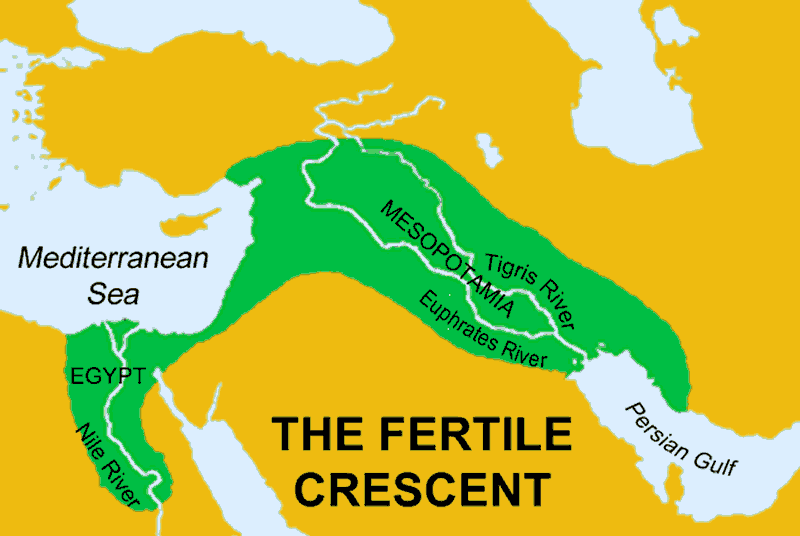
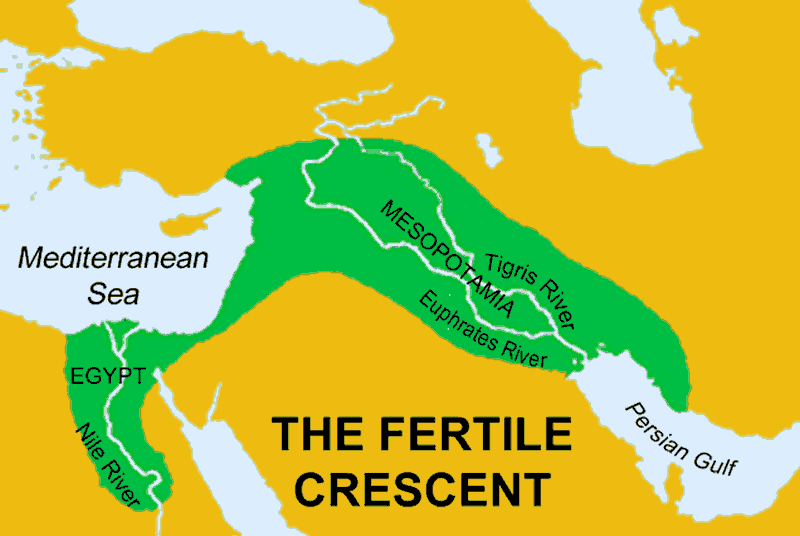
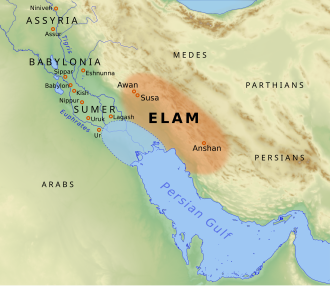
identify where Mesopotamia is on a map
-
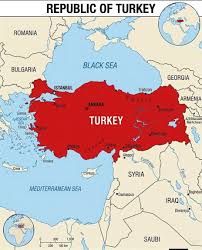
identify where Anatolia (aka Asia Minor) is on a map
-
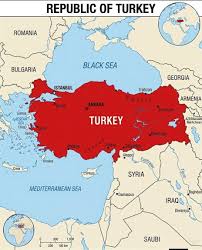
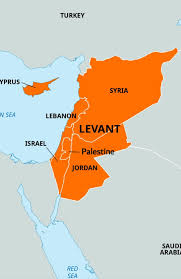
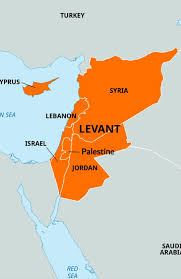
identify where Levant (aka Syria/Palestine) is on a map
-
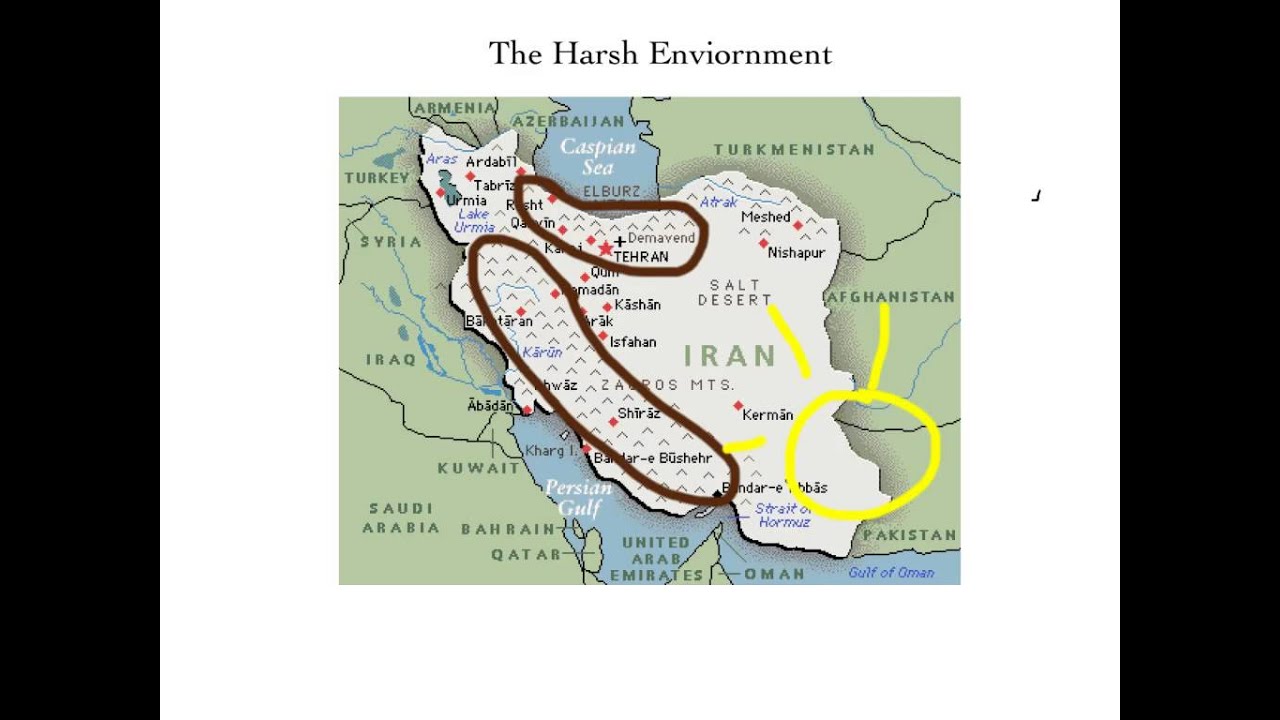
identify the Iranian plateau on a map
-
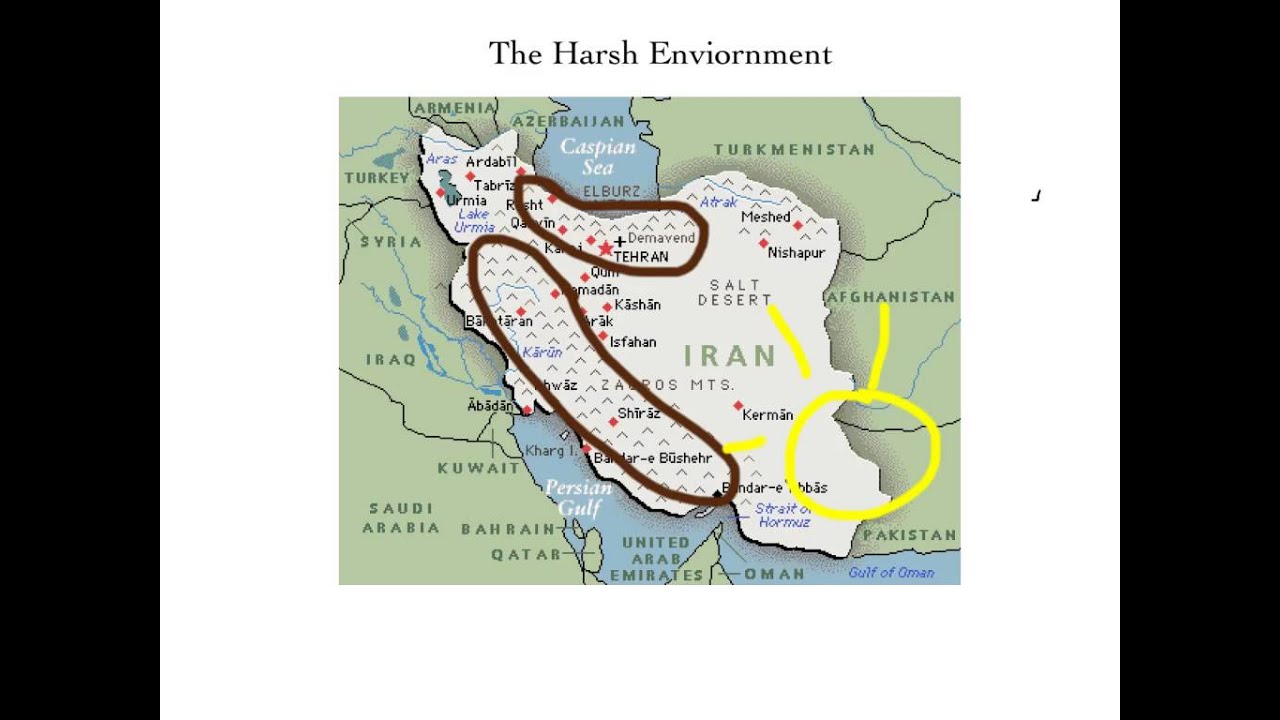
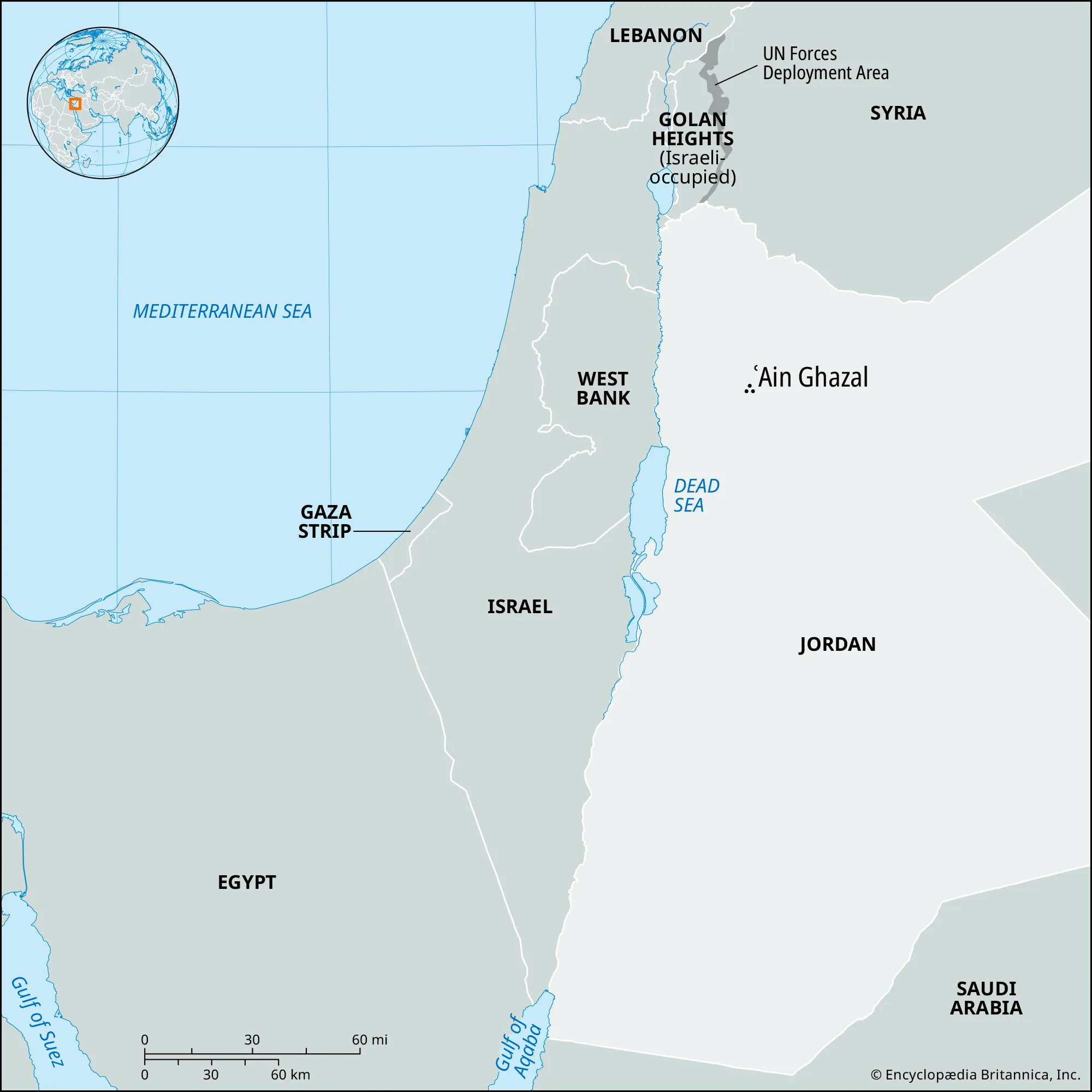
identify Ain Ghazal (Jordan) on a map
-
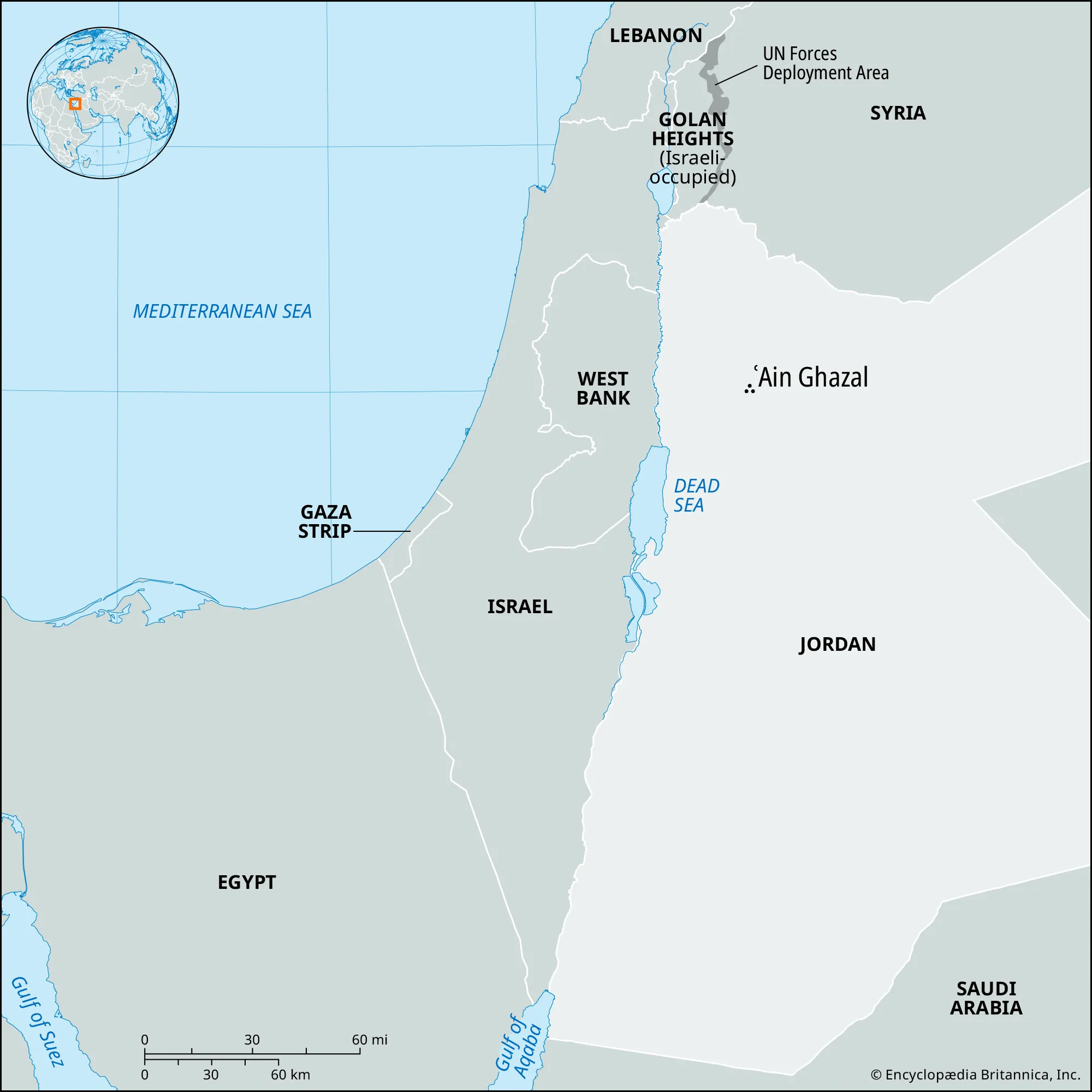
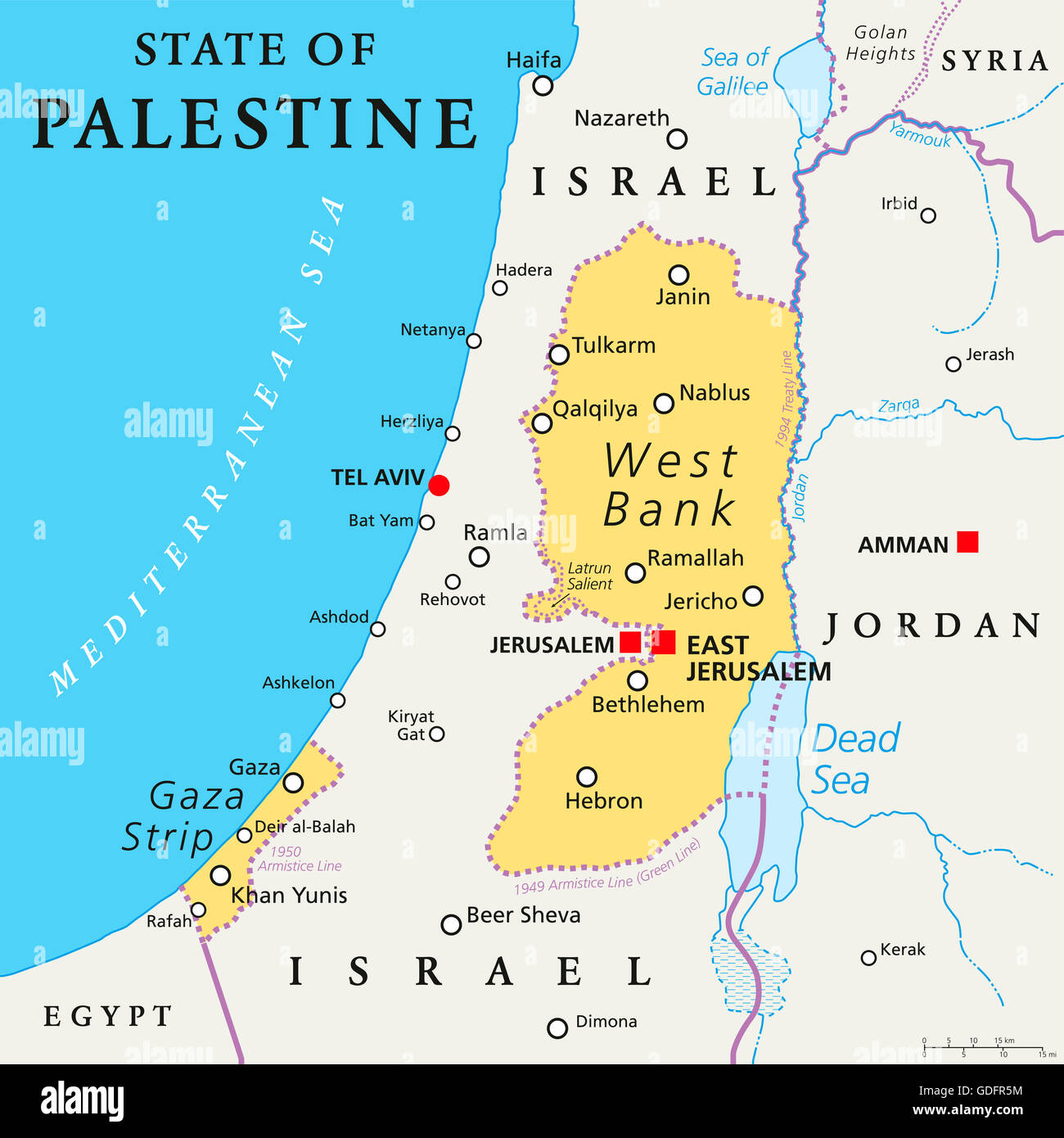
identify Jericho (West Bank) on a map
-
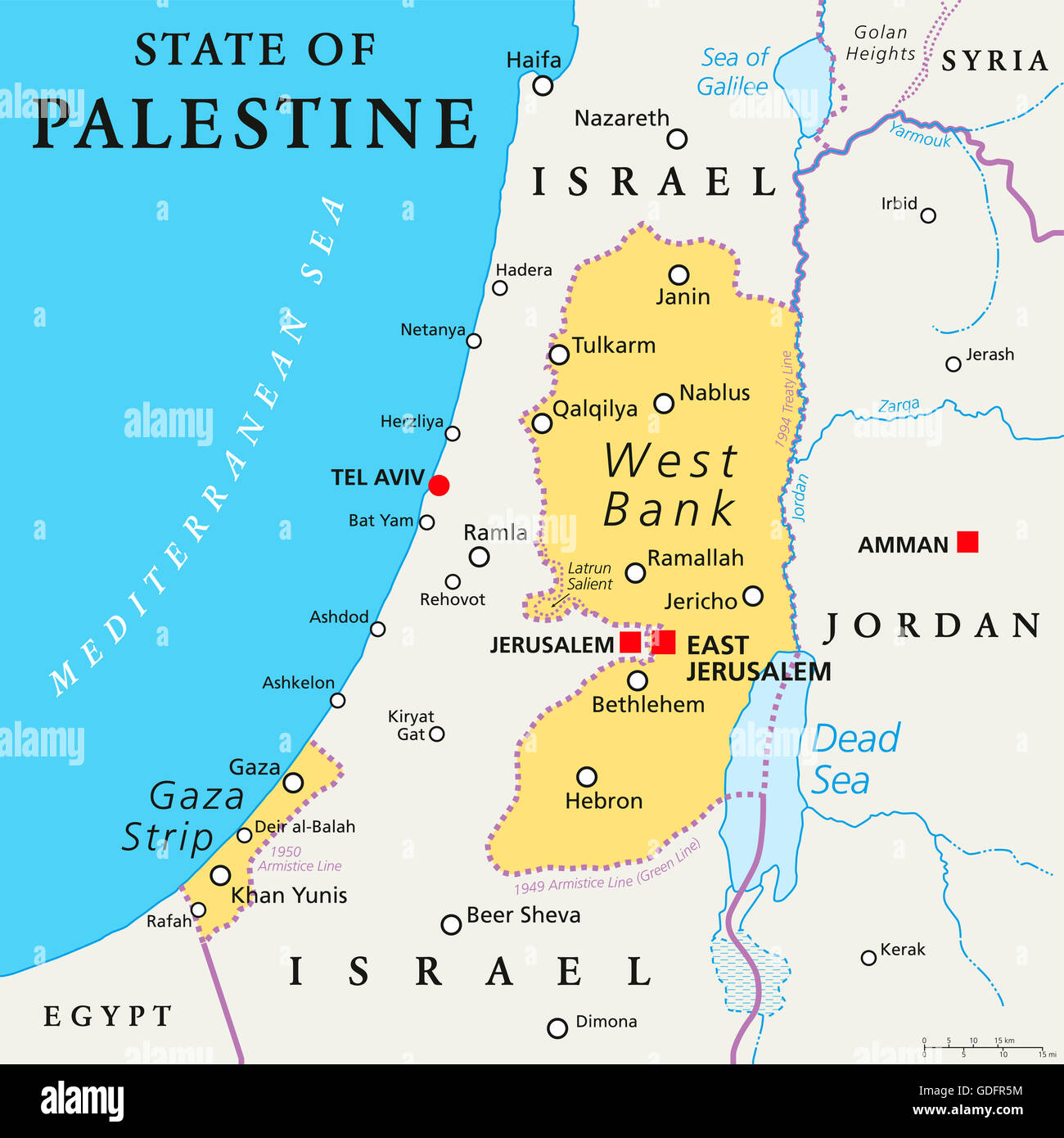
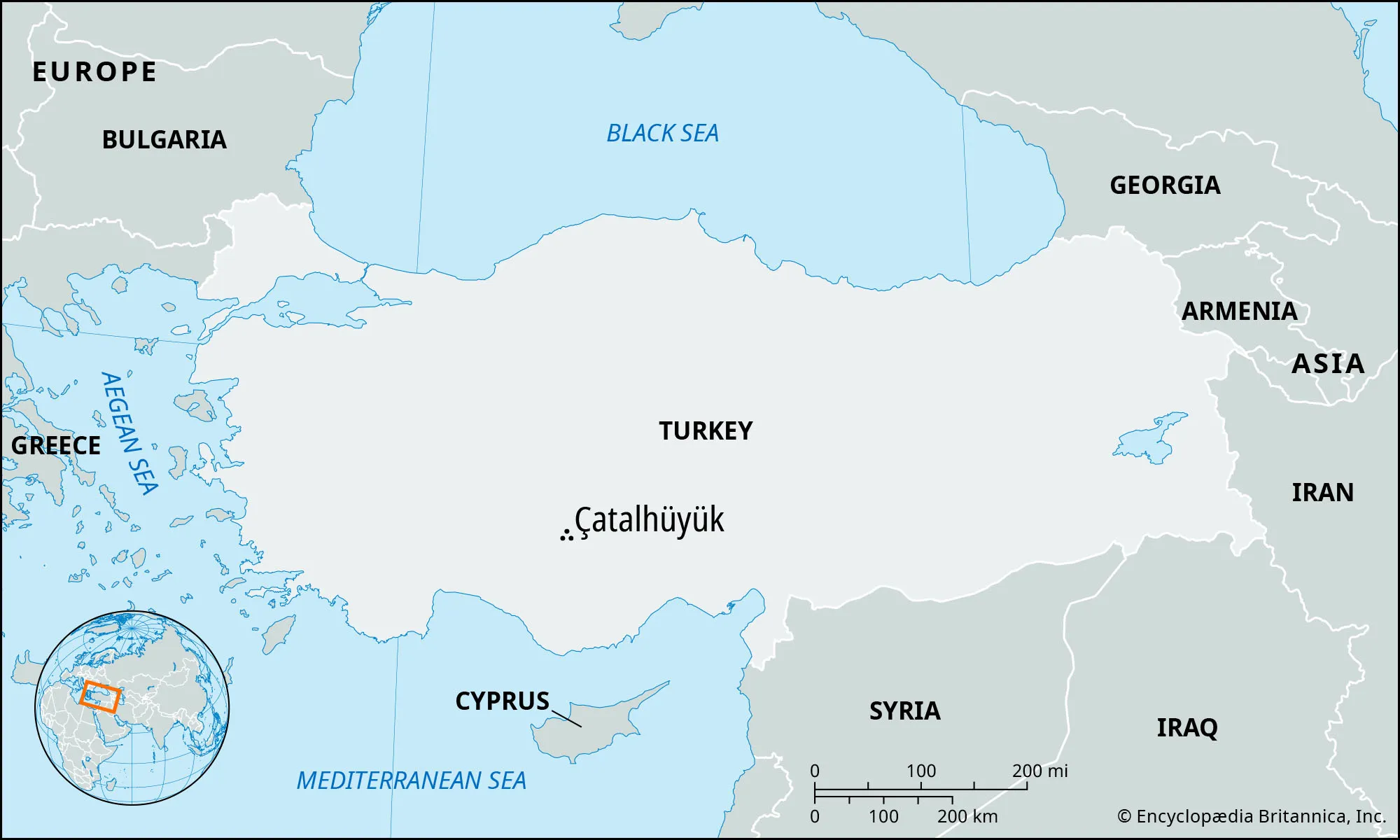
identify Çatal Hüyük (Turkey) on a map
-
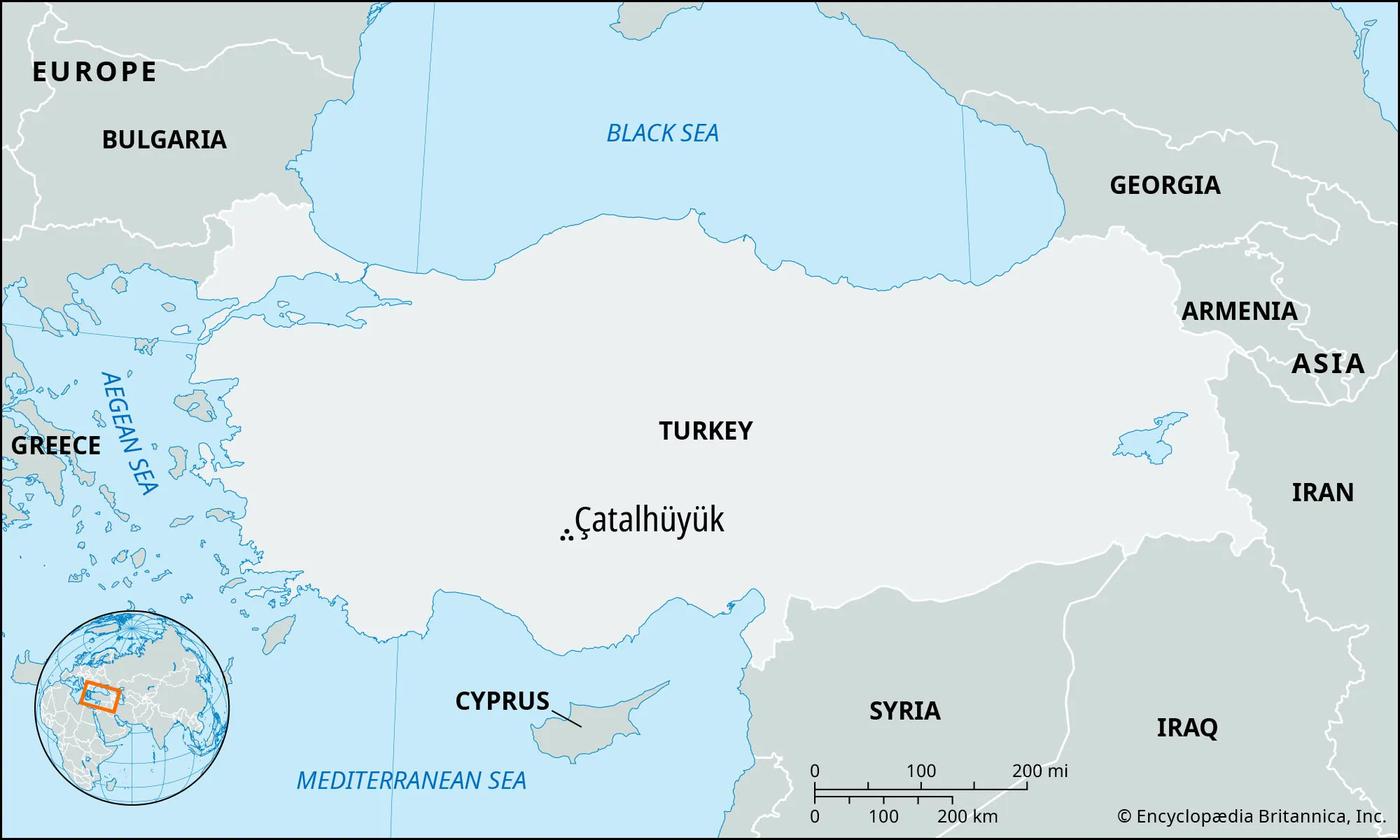
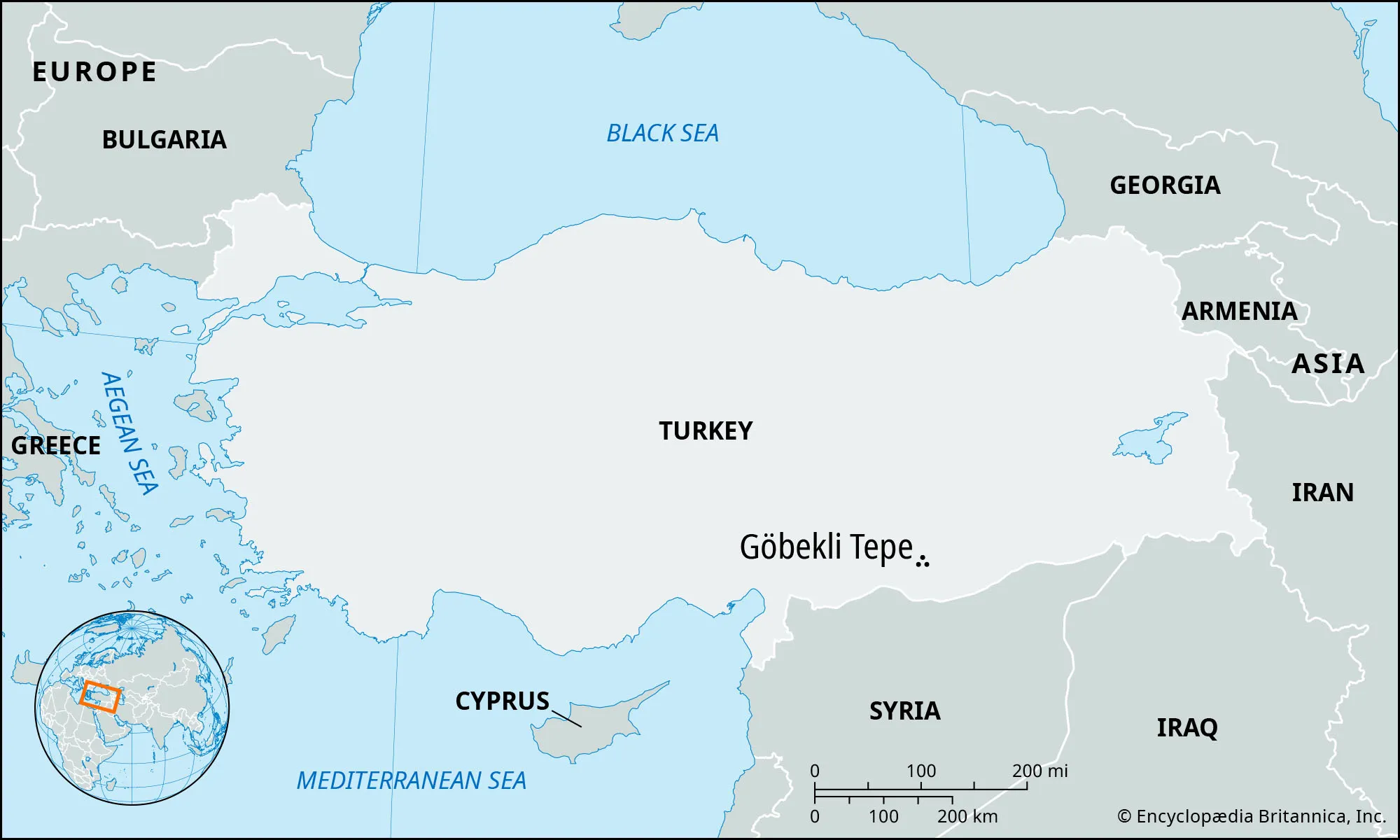
identify Gobekli Tepe on a map
-
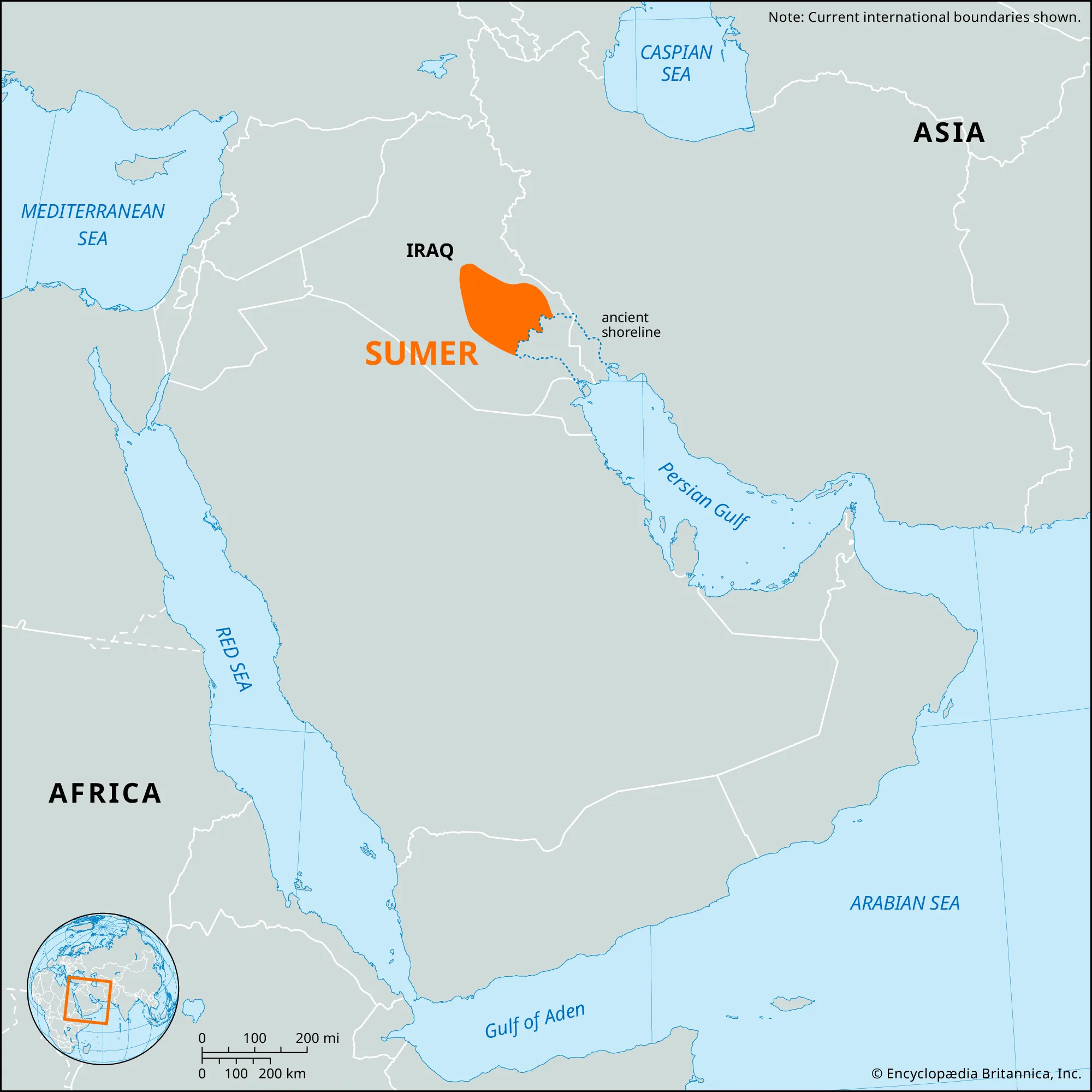
identify Ur on a map
-
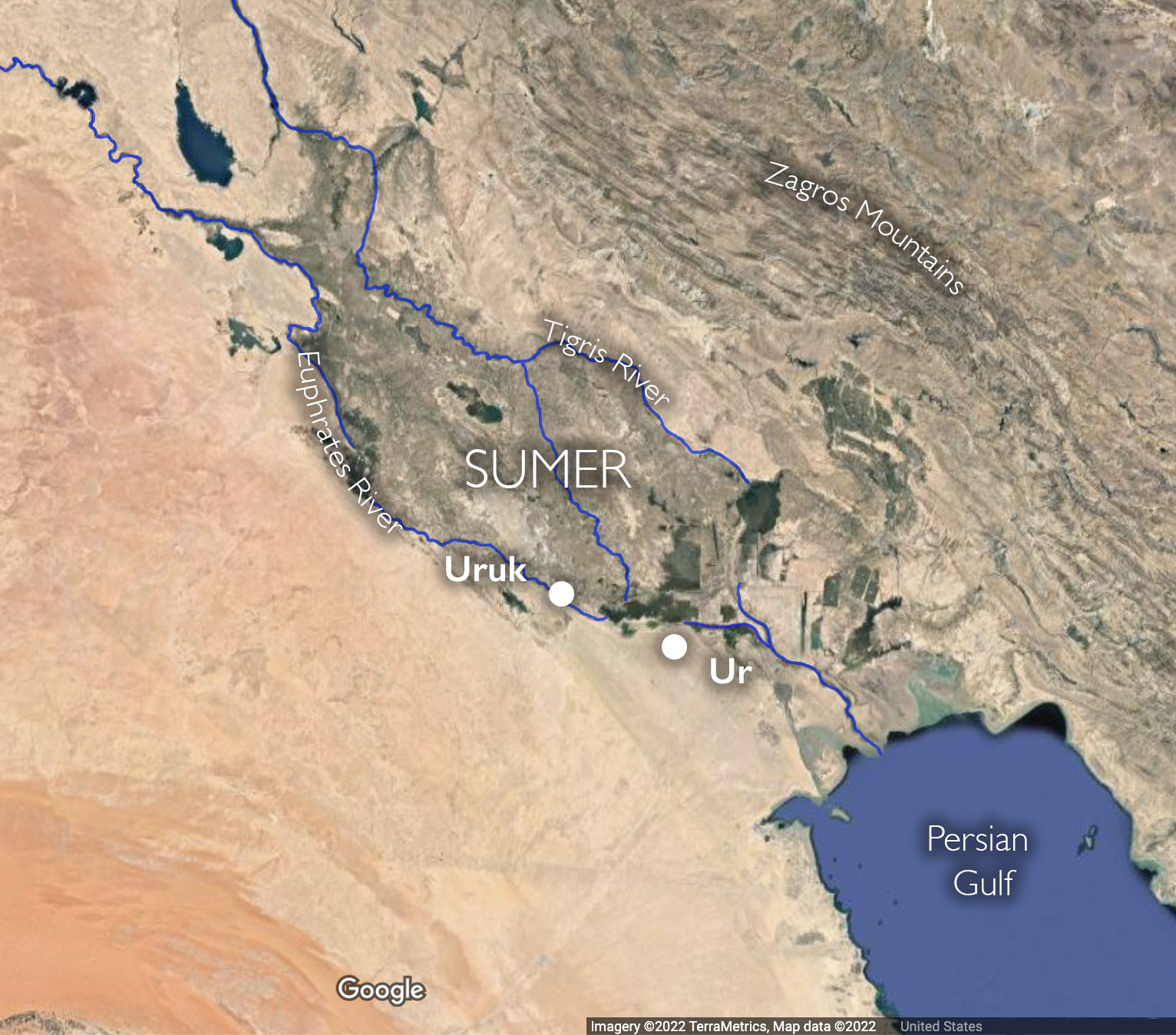
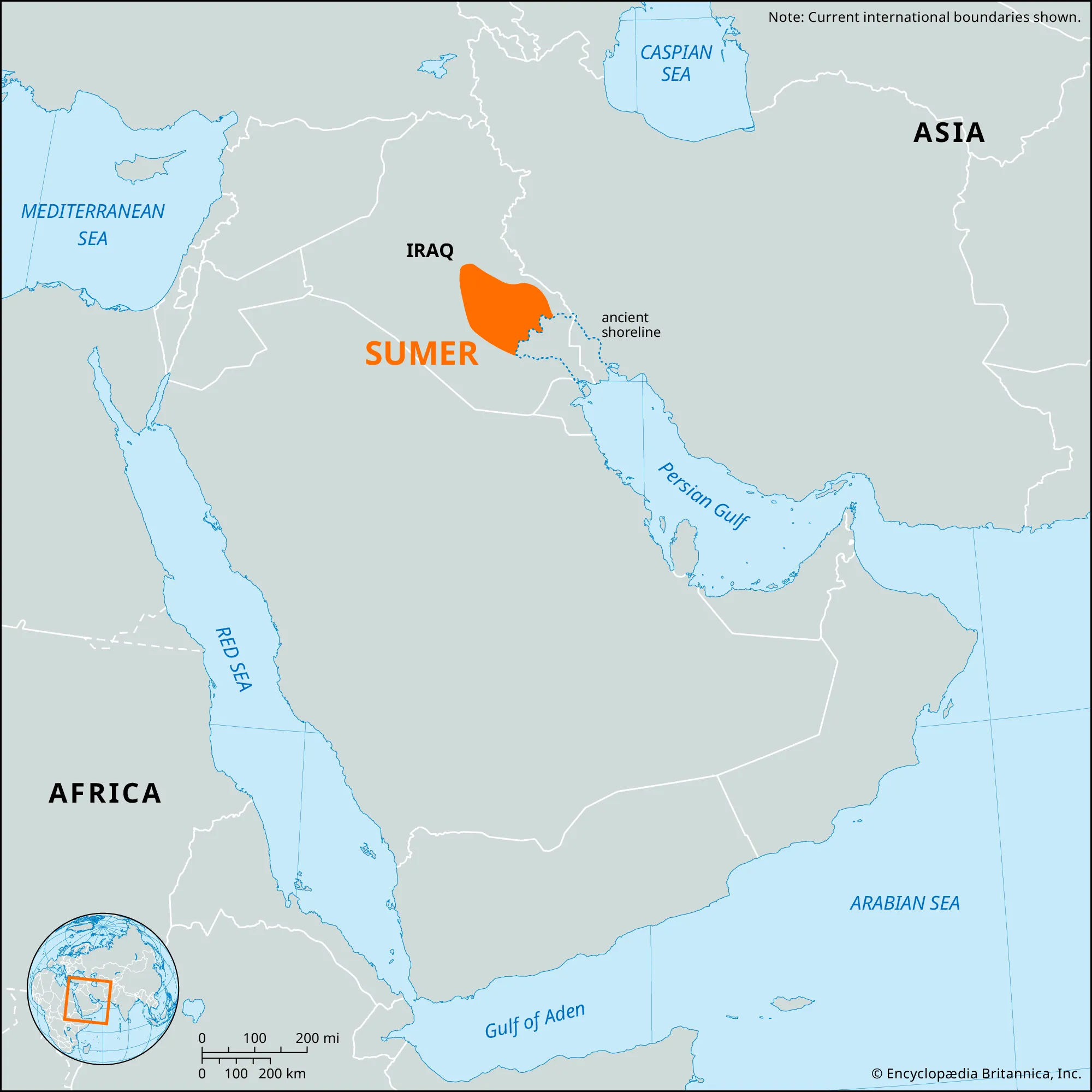
identify Uruk on a map
-
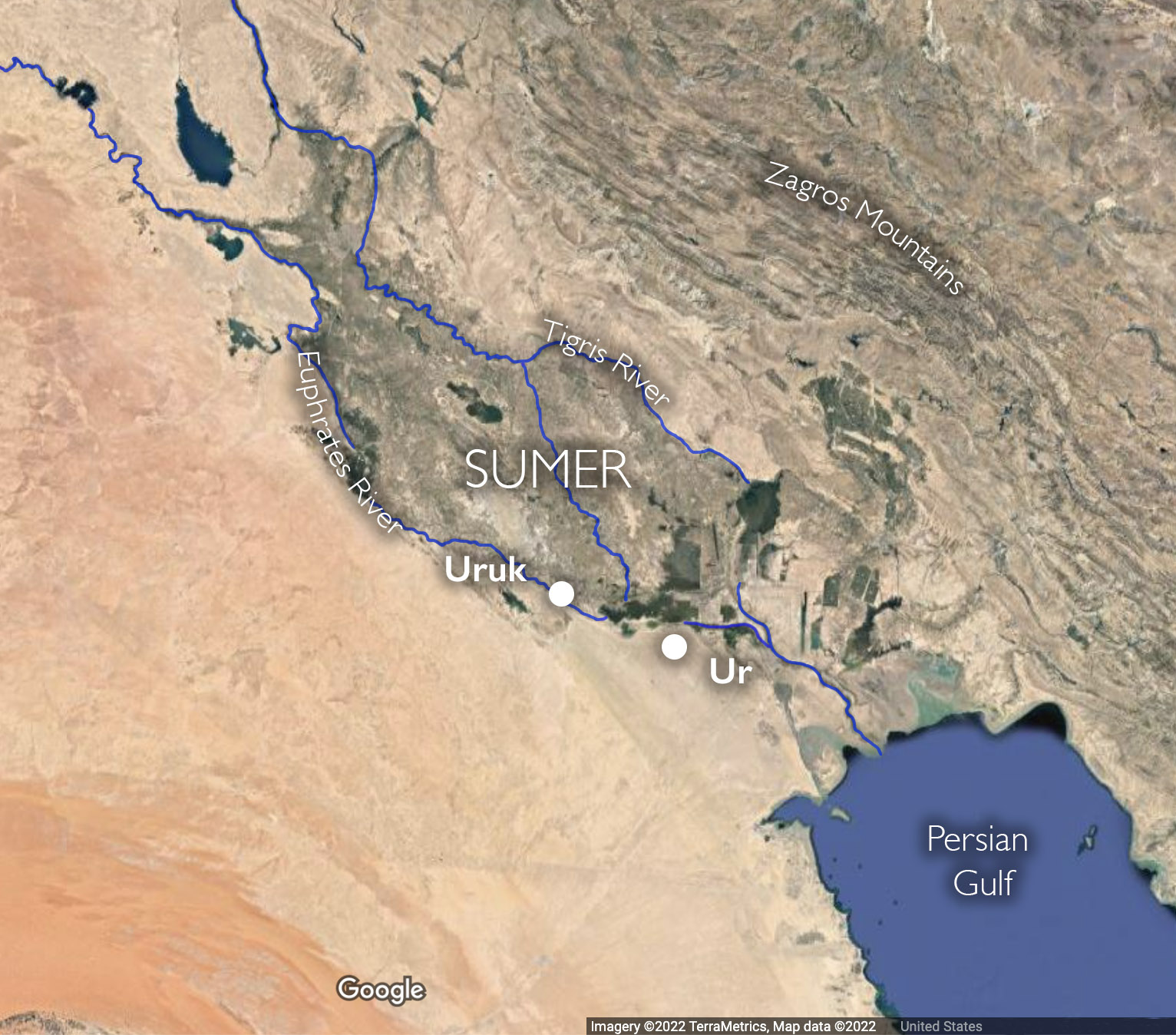
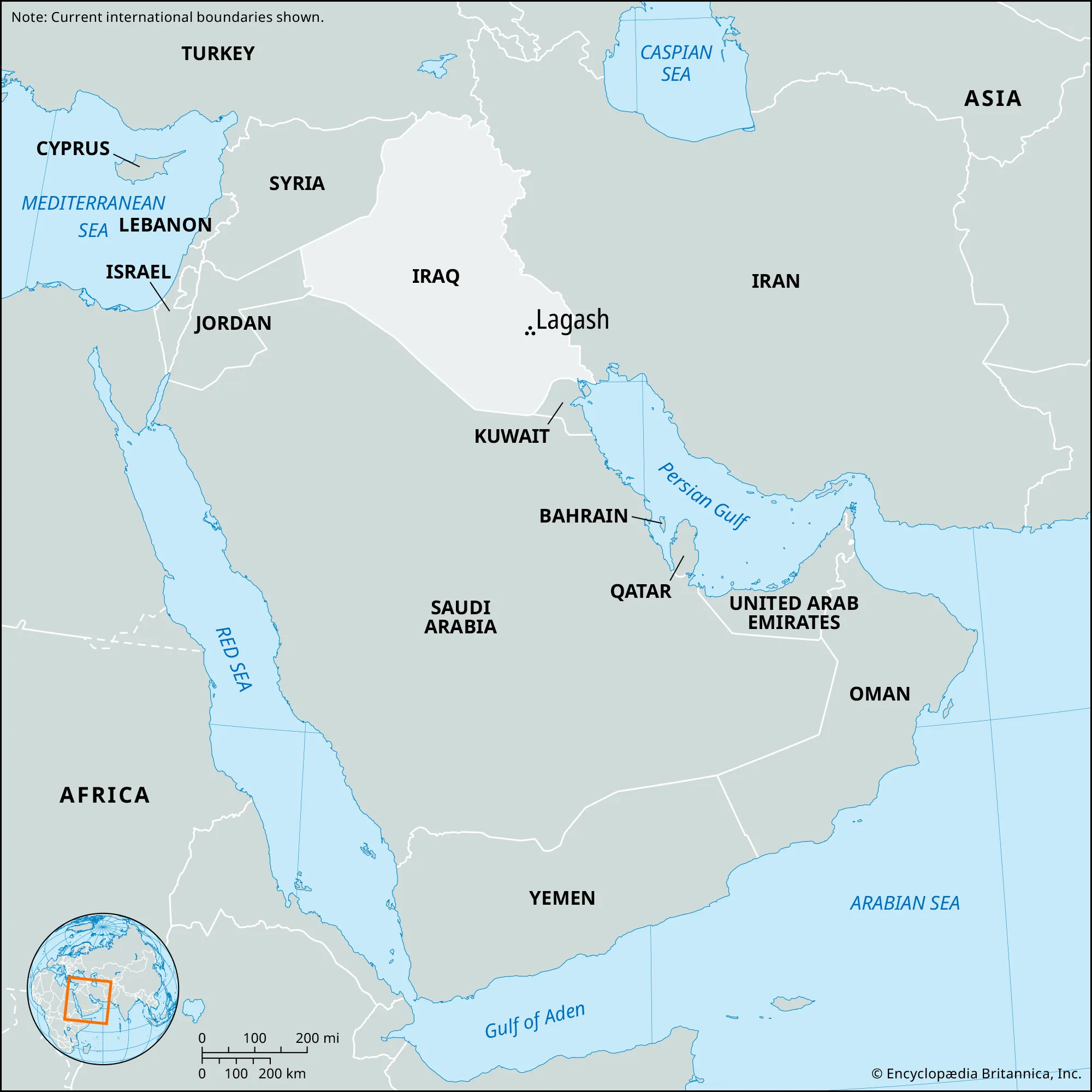
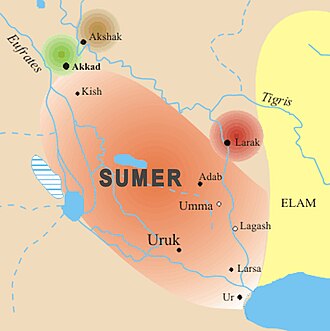
identify Lagash (Iraq) on a map
-
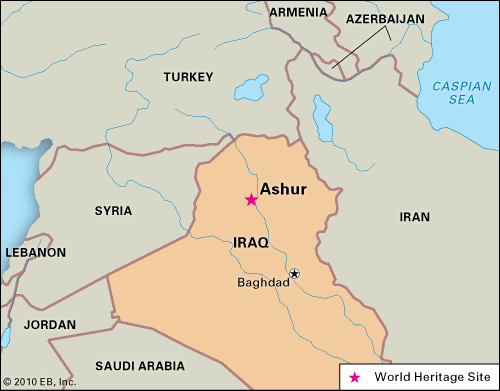
identify Assur (Iraq) on a map
-
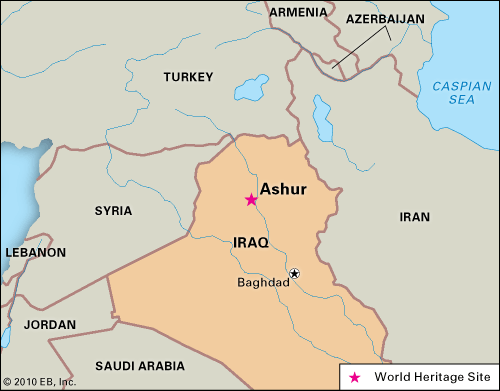
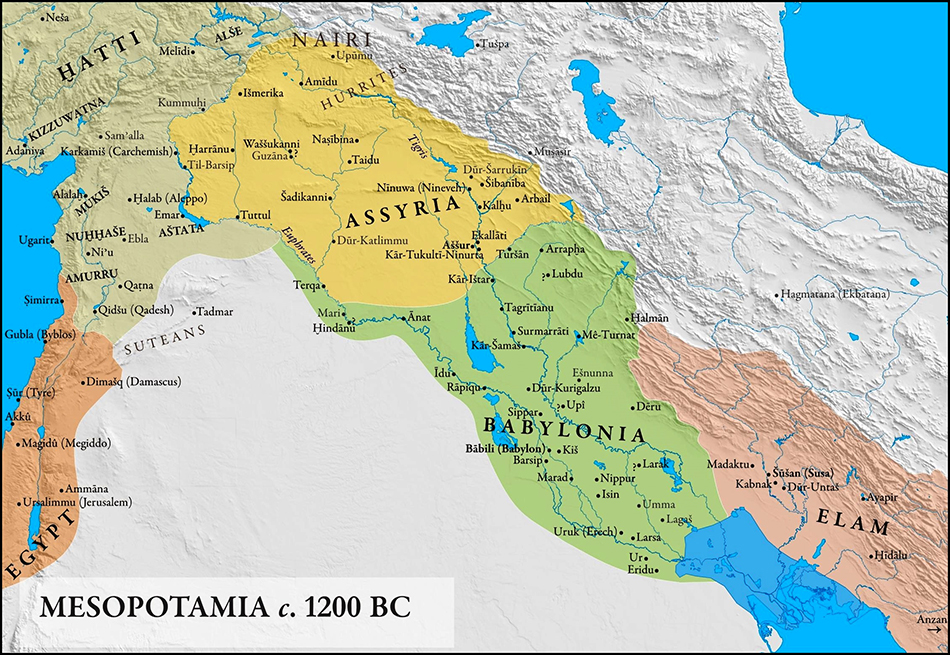
identify Nimrud (ancient Kalhu) on a map
-
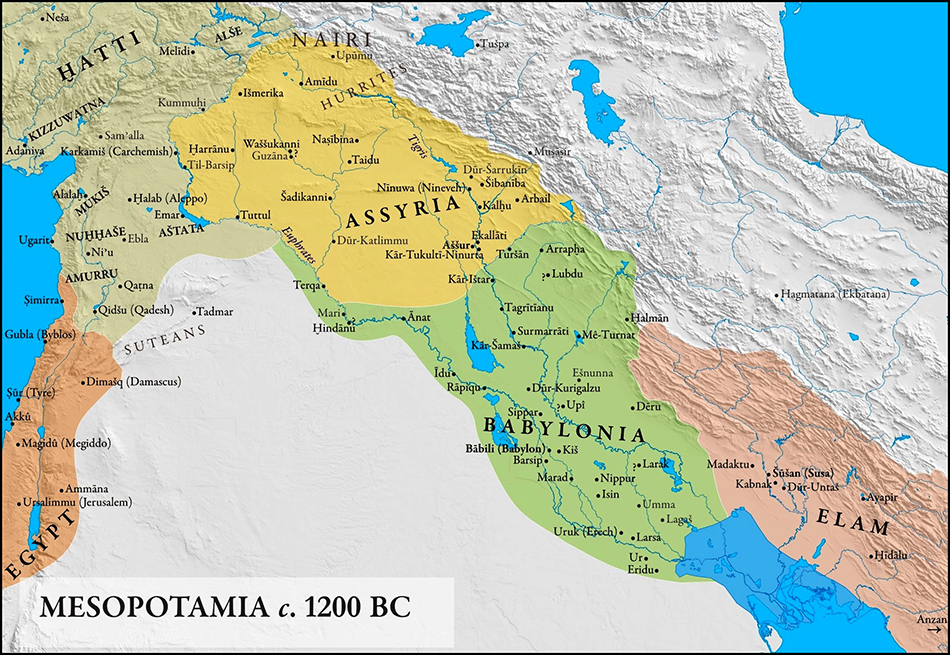
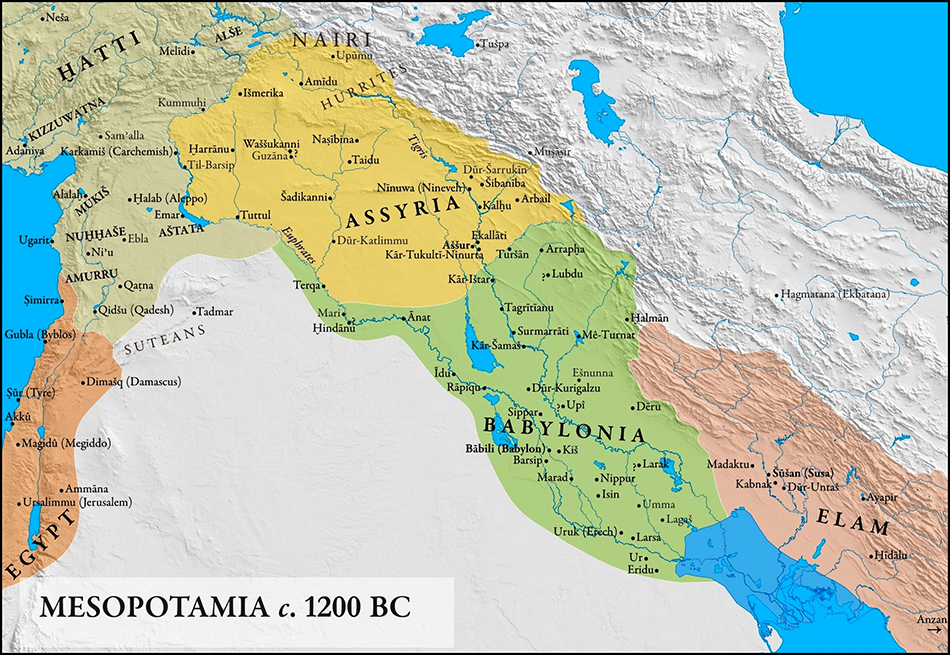
identify Babylon on a map
-
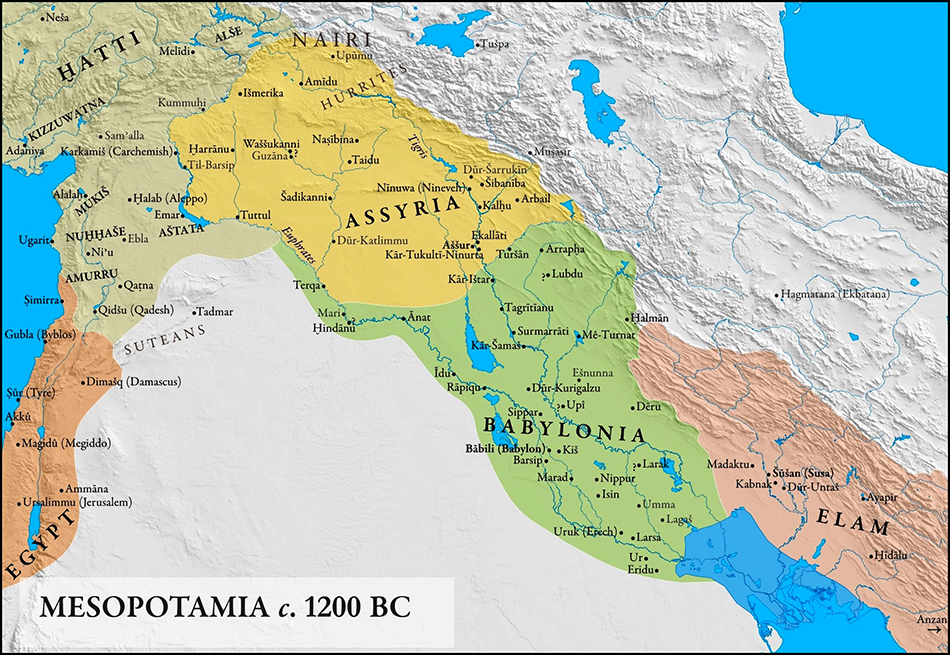
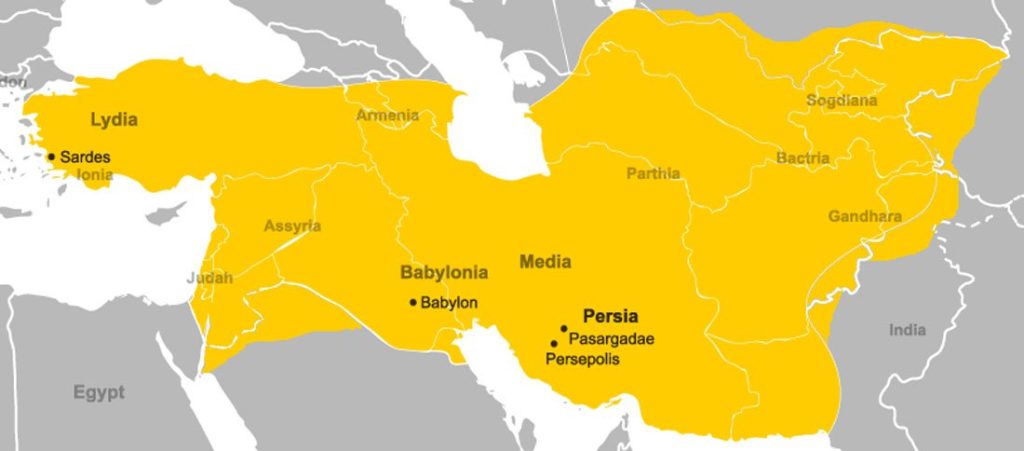
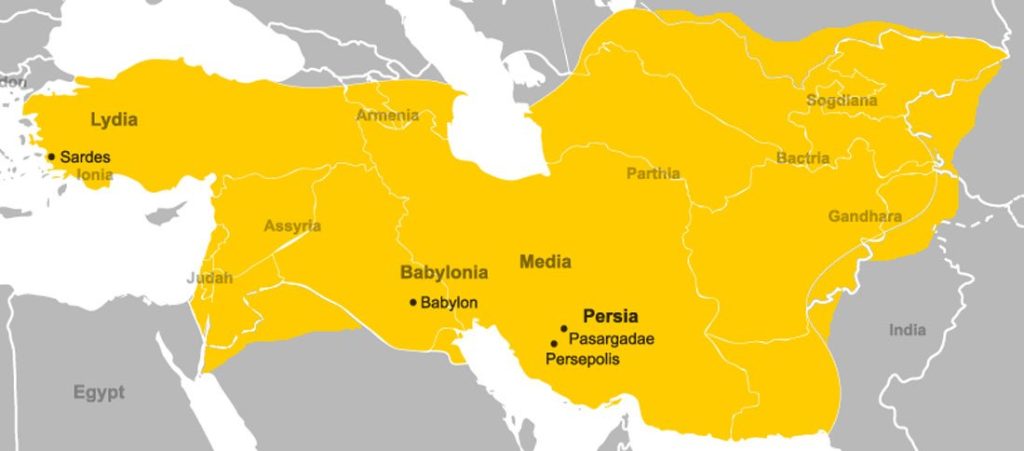
identify Pasargadae on a map
-
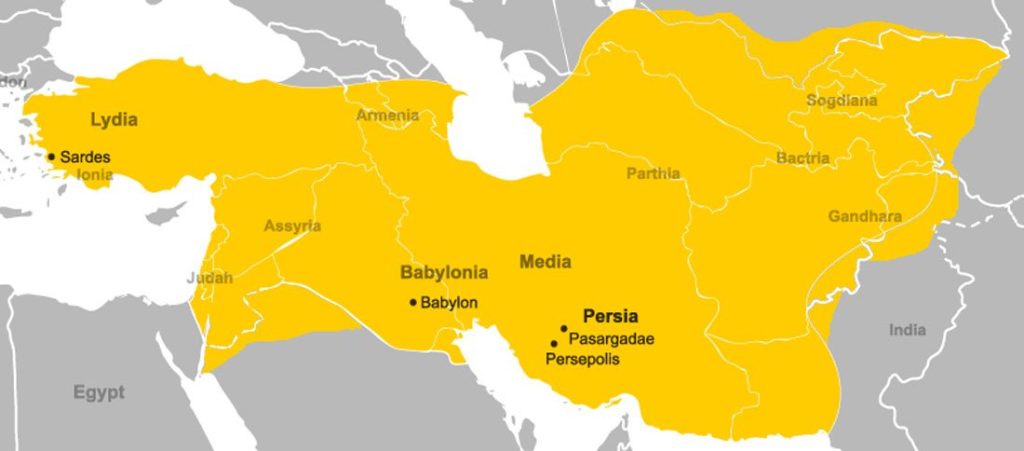
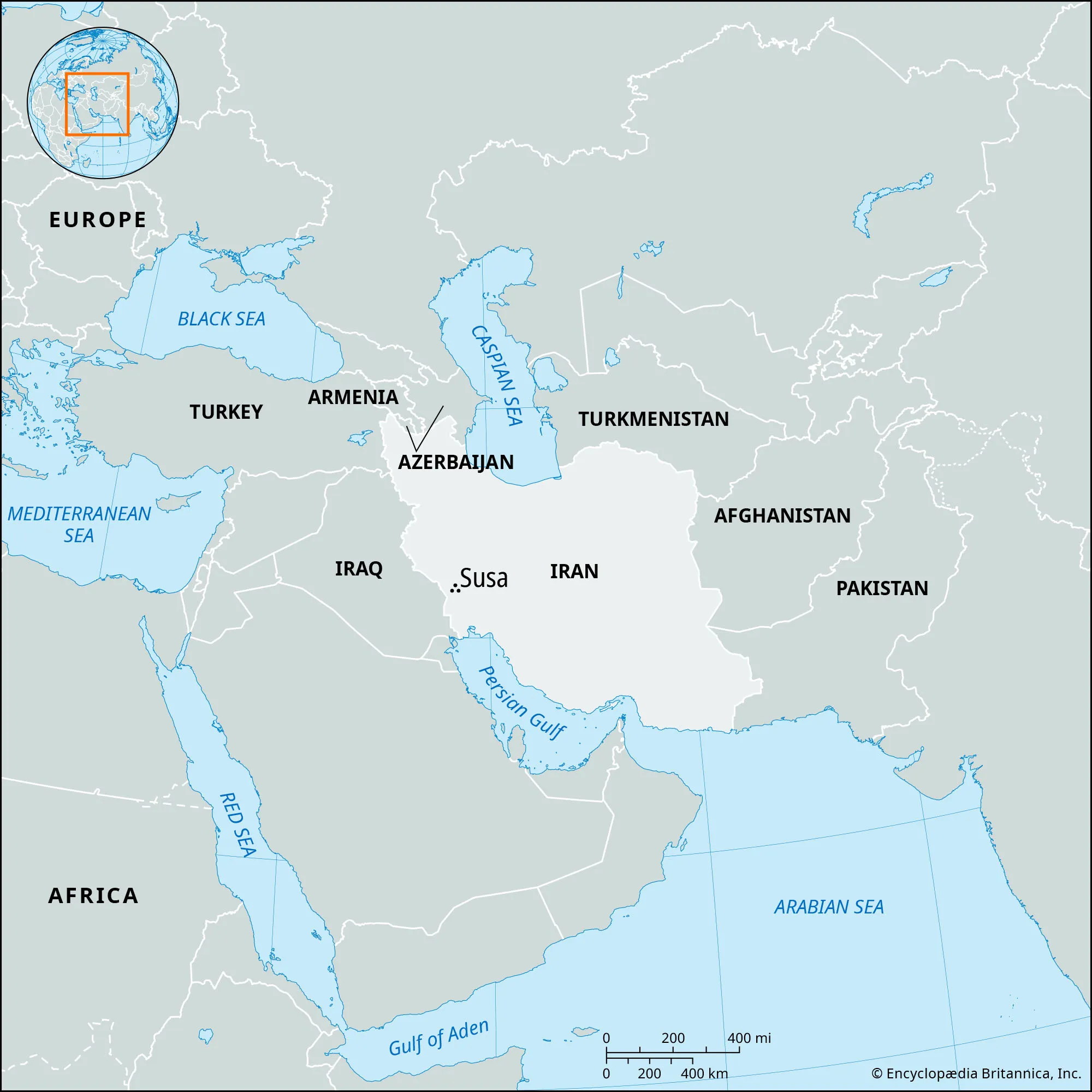
identify Susa on a map
-
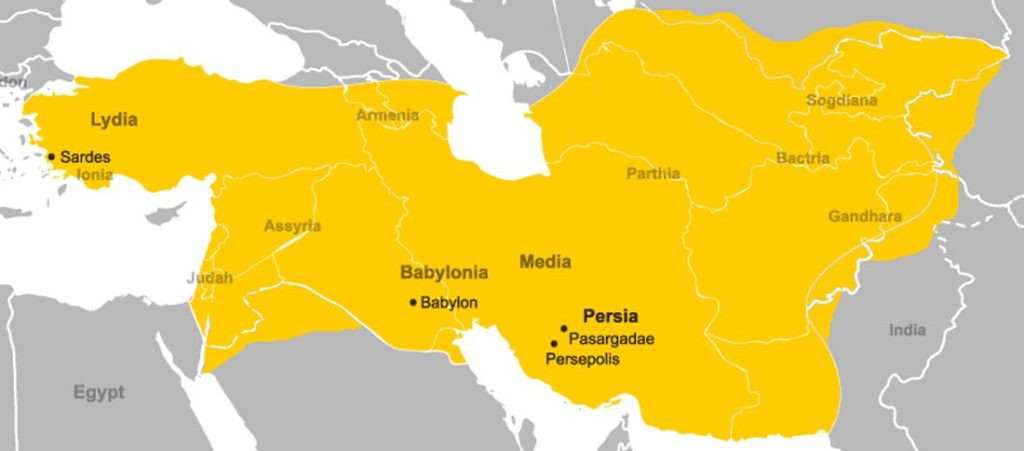
identify Persepolis on a map
-
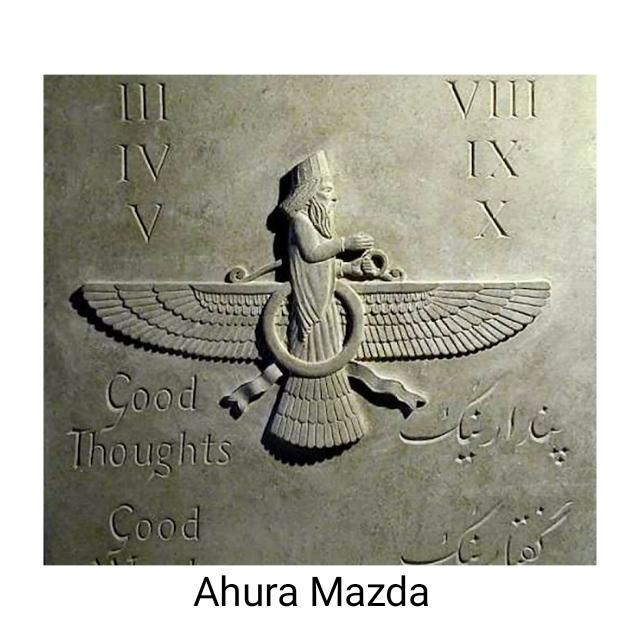
Ahura Mazda
the supreme deity of Zoroastrianism.
means “wise lord”, with Ahura meaning lord, and Mazda meaning wisdom
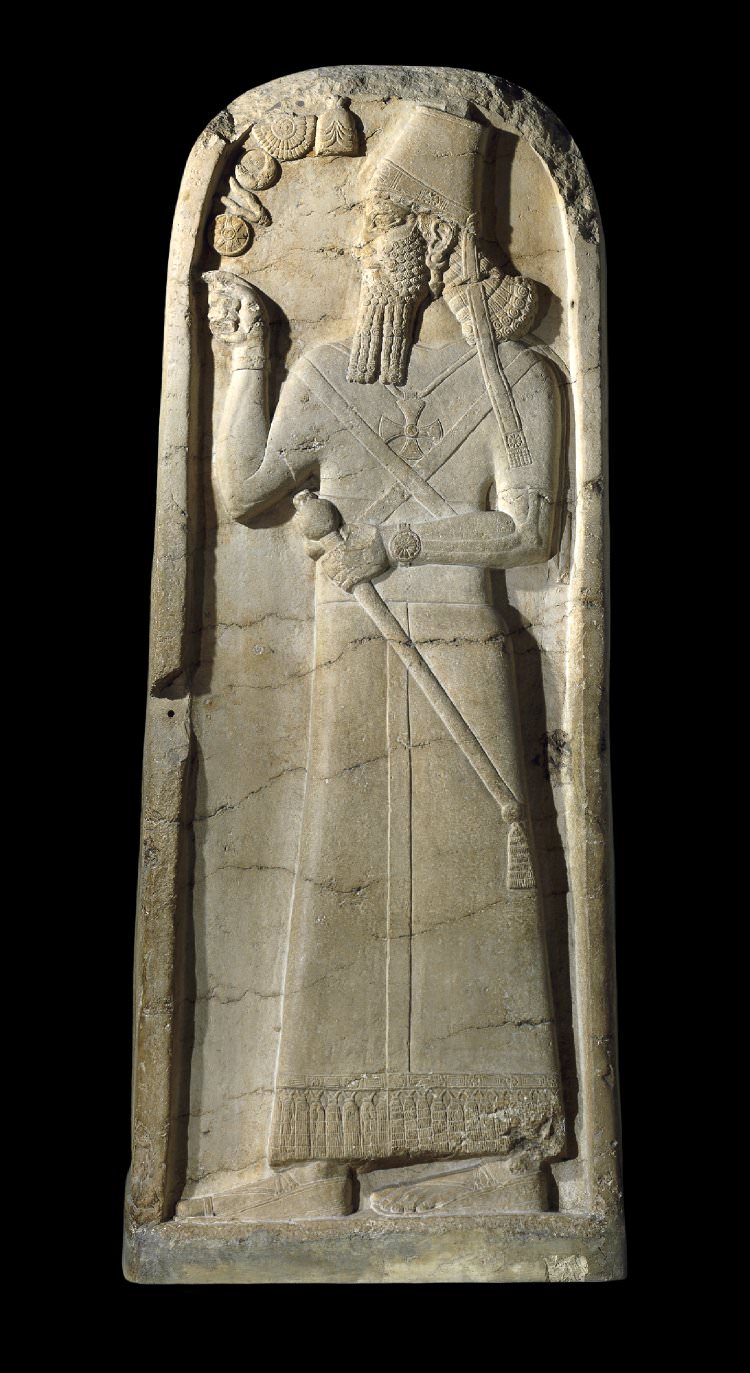
An (Anu)
An (Anu in Akkadian) is the supreme sky god.
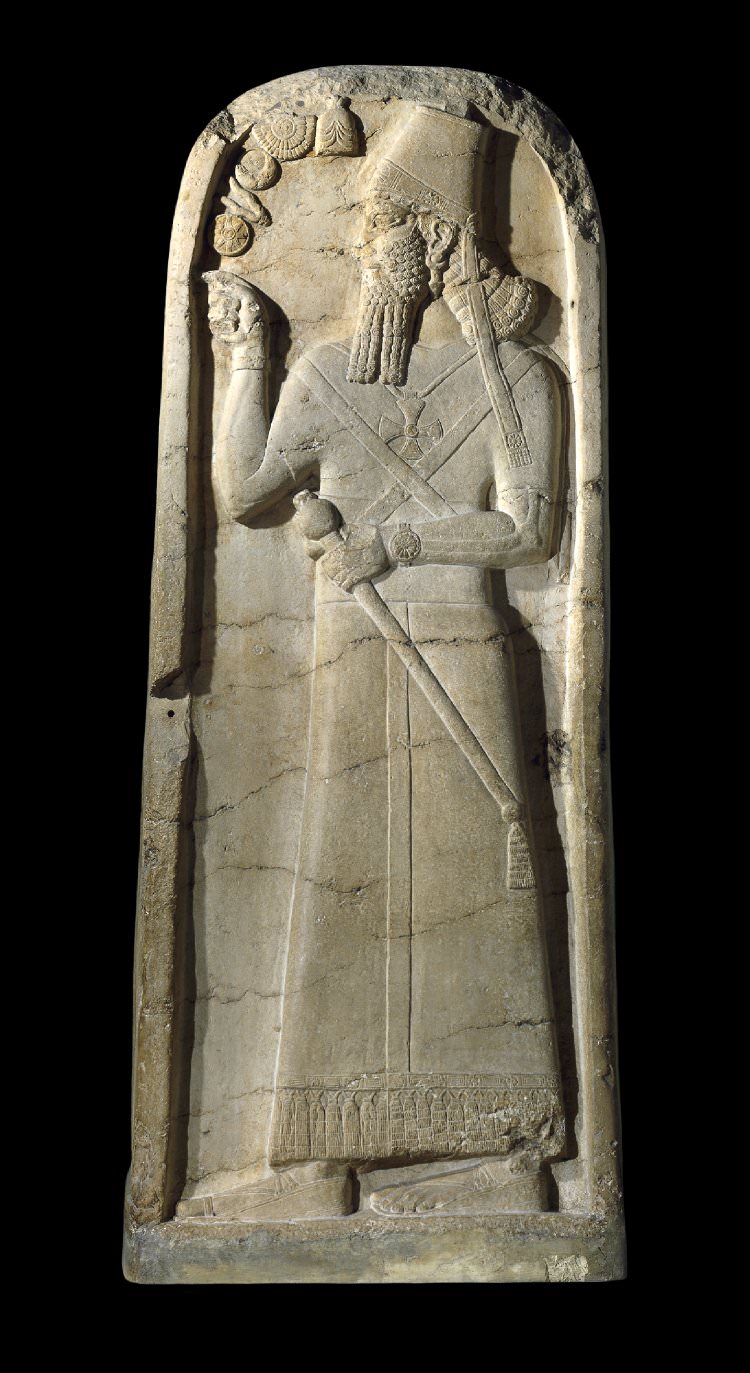
Ashur
Ashur is the national god of the Assyrian Empire
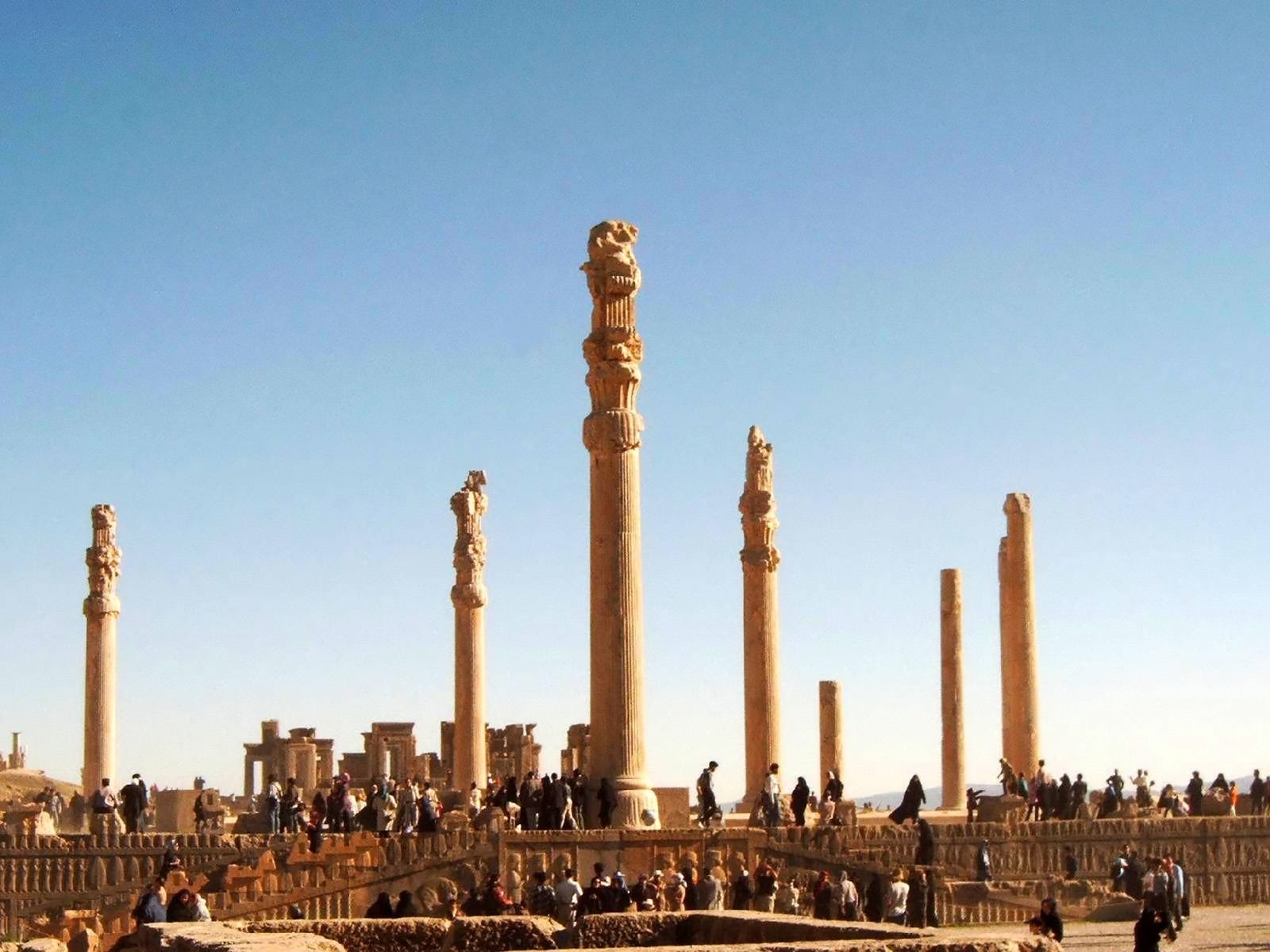
Apadana
A grand, columned hall (hypostyle hall), famously built by Persian kings (such as Darius I) at Persepolis.
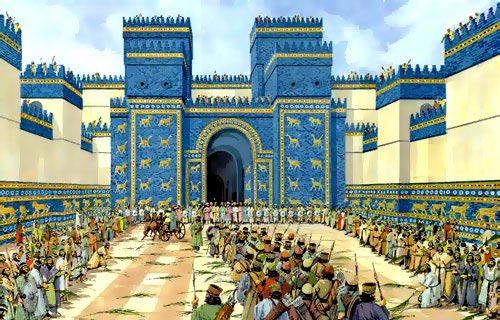
akitu (New Years Festival)
a festival in ancient Sumer primarily centering around seasonal renewal, agricultural rebirth, and divine order
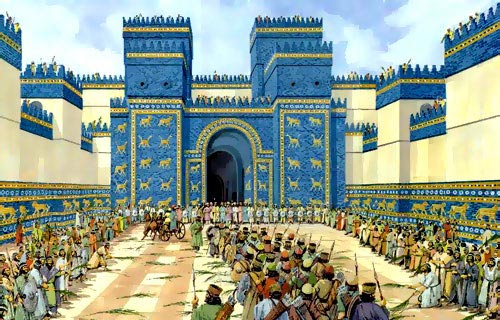
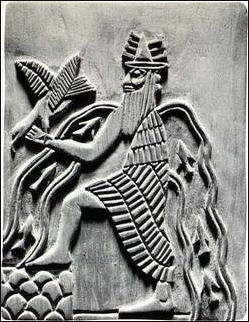
Enki (aka Ea)
Enki (aka Ea in Akkadian and Babylonian mythology), was the god of water, wisdom, magic and creation.
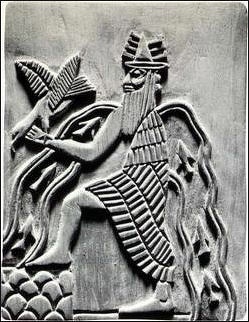
cuneiform definition
Cuneiform is the earliest known writing system in human history, developed by the ancient Sumerians in Mesopotamia (modern-day Iraq) around 3500 B.C
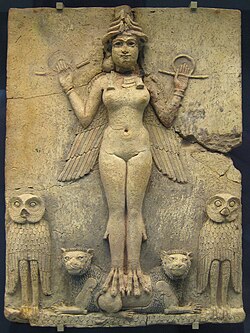
Ishtar / Inanna (Sumerian name)
the supreme Sumerian goddess for love, war, fertility, and political power
Her primary cult center was the Eanna temple in Uruk
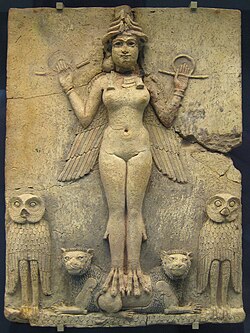
lapis lazuli meaning
lapis lazuli symbolized divinity, cosmic order, and royalty.
the Sumerians believed that the very spirit, soul, and favor of their gods resided within lapis lazuli
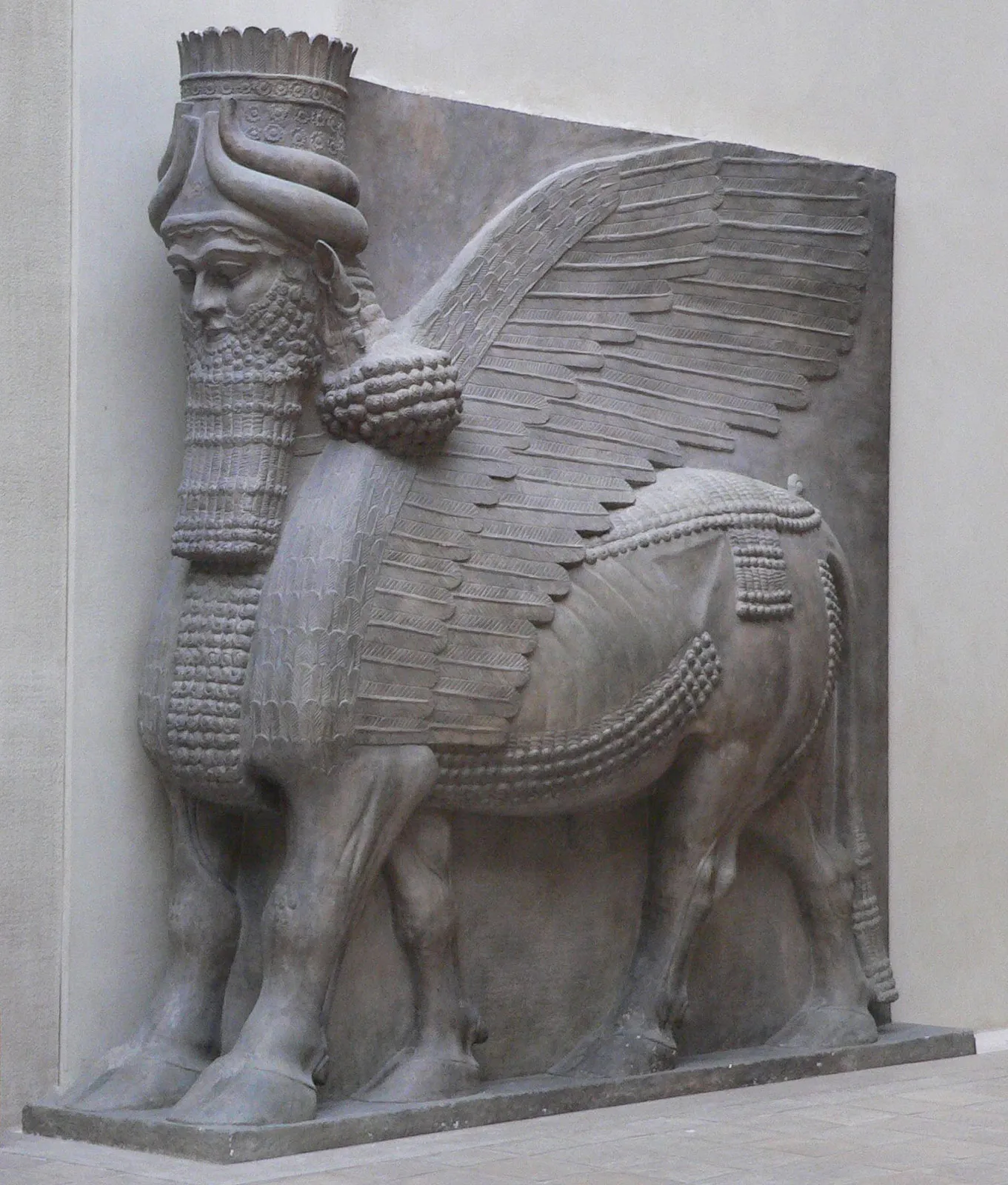
Lamassu
these guarded entranceways of homes, royal palaces, and entire cities against evil spirits and forces of chaos
they had horns indicating their divine status
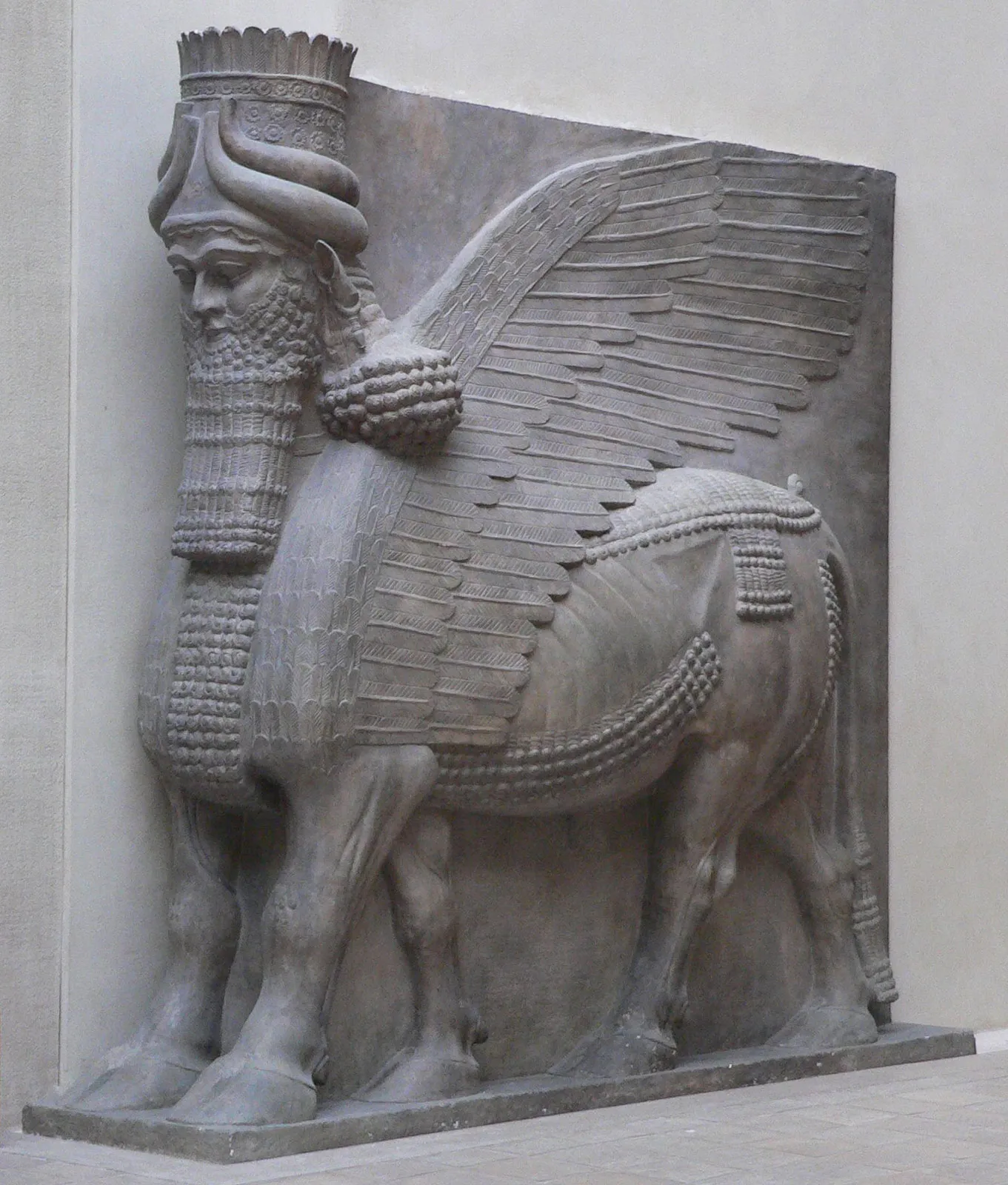
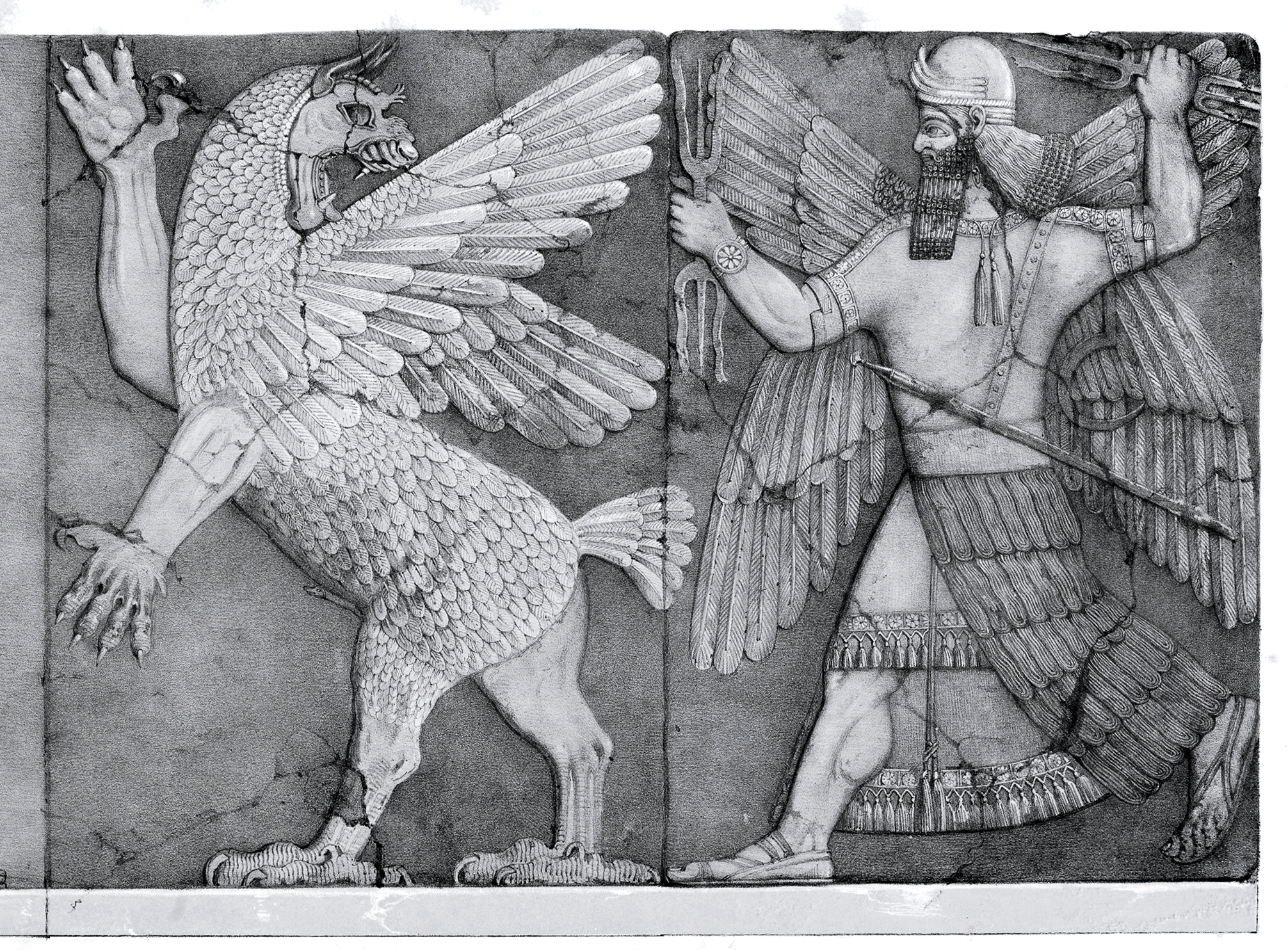
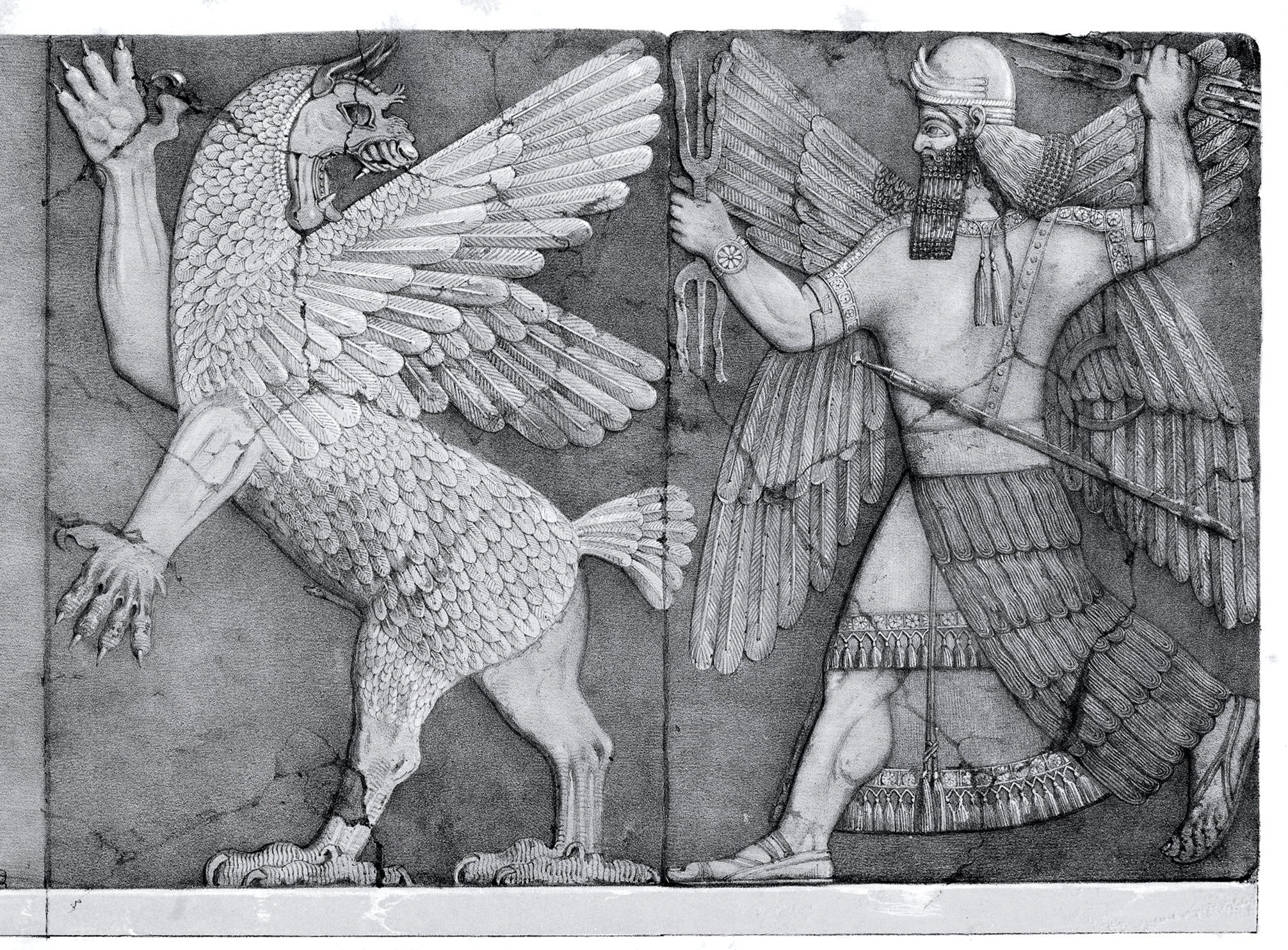
Marduk
Marduk was the supreme patron deity of Babylon
son of Ea (god of wisdom)
personified the triumph of civilization over chaos, governing creation, and justice
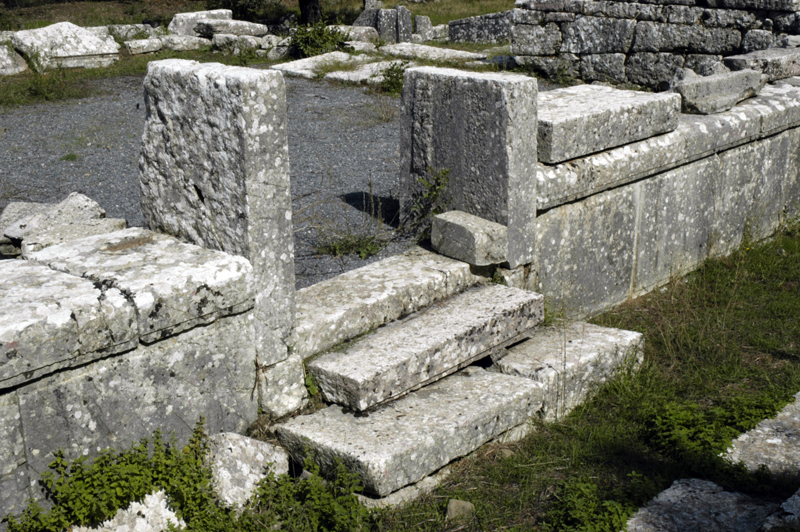
Orthostat
a large, upright stone slab placed at the lower portion of a wall
primarily used in palaces and temples
they served a dual purpose. of protecting fragile mudbrick walls from erosion and acting as a canvas for reliefs
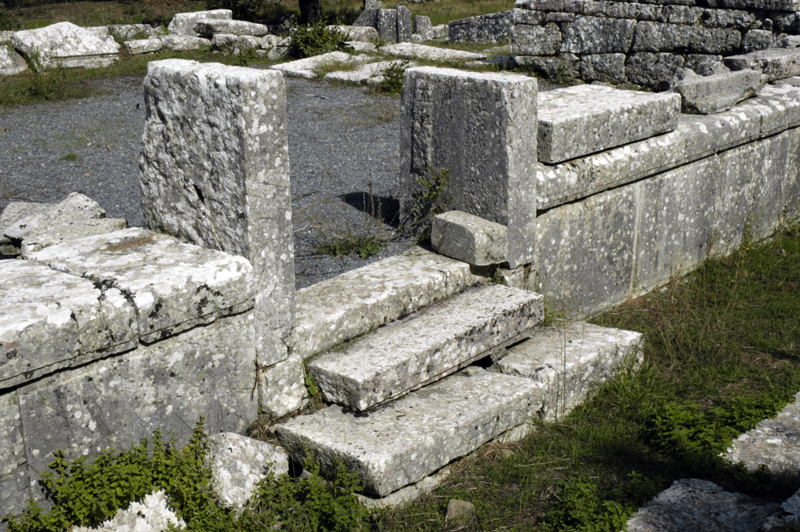
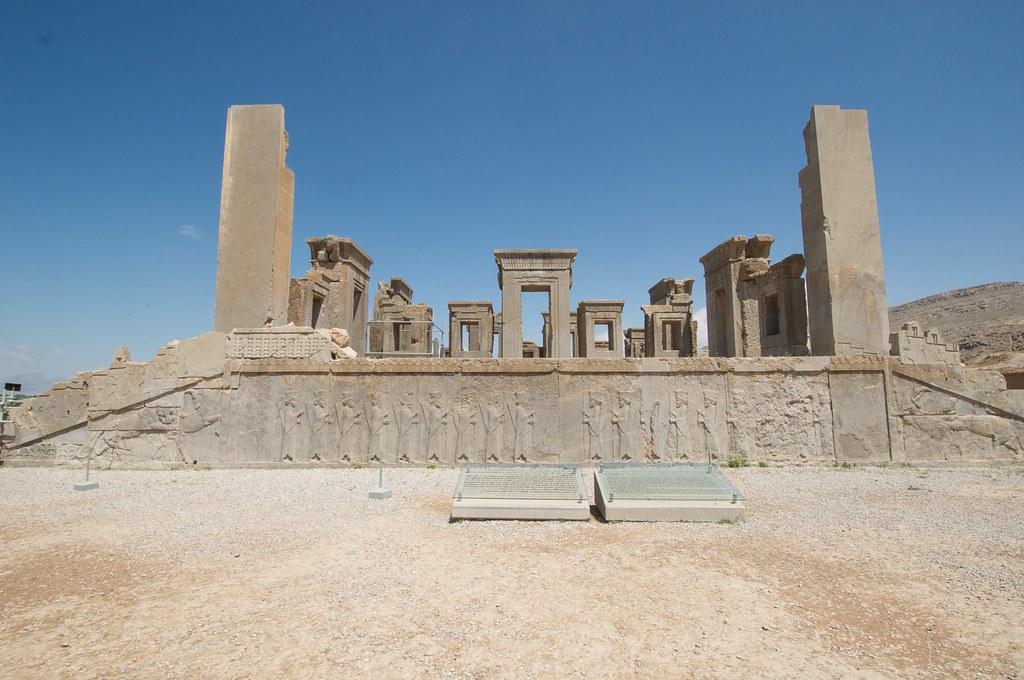
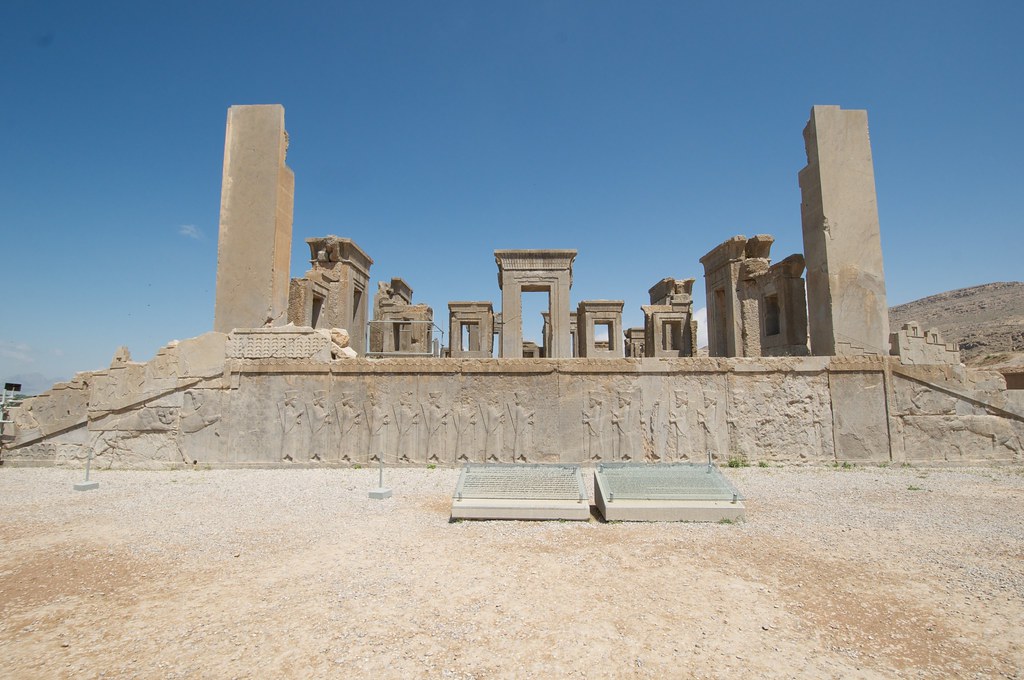
tachara
translates to “winter palace” in Old Persian, and refers to the personal private palace of Darius the Great
located in Persepolis
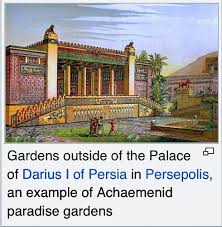
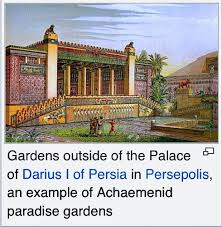
paradise (meaning the Persian feature)
means “walled enclosure”, or “walled garden” and refers to a “Garden of the Gods” used for hunting and retreat
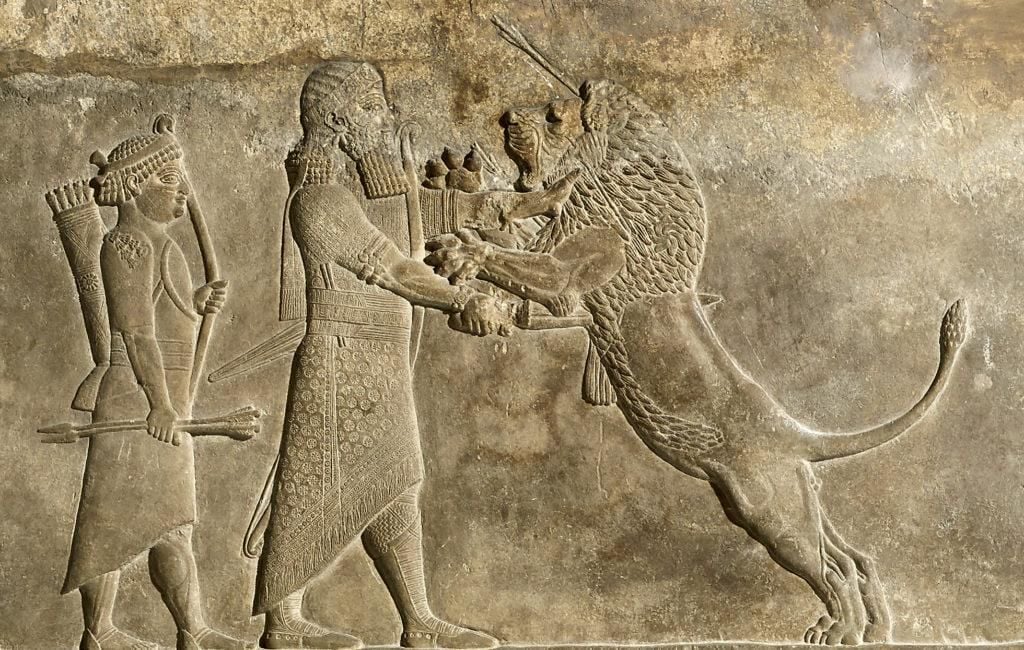
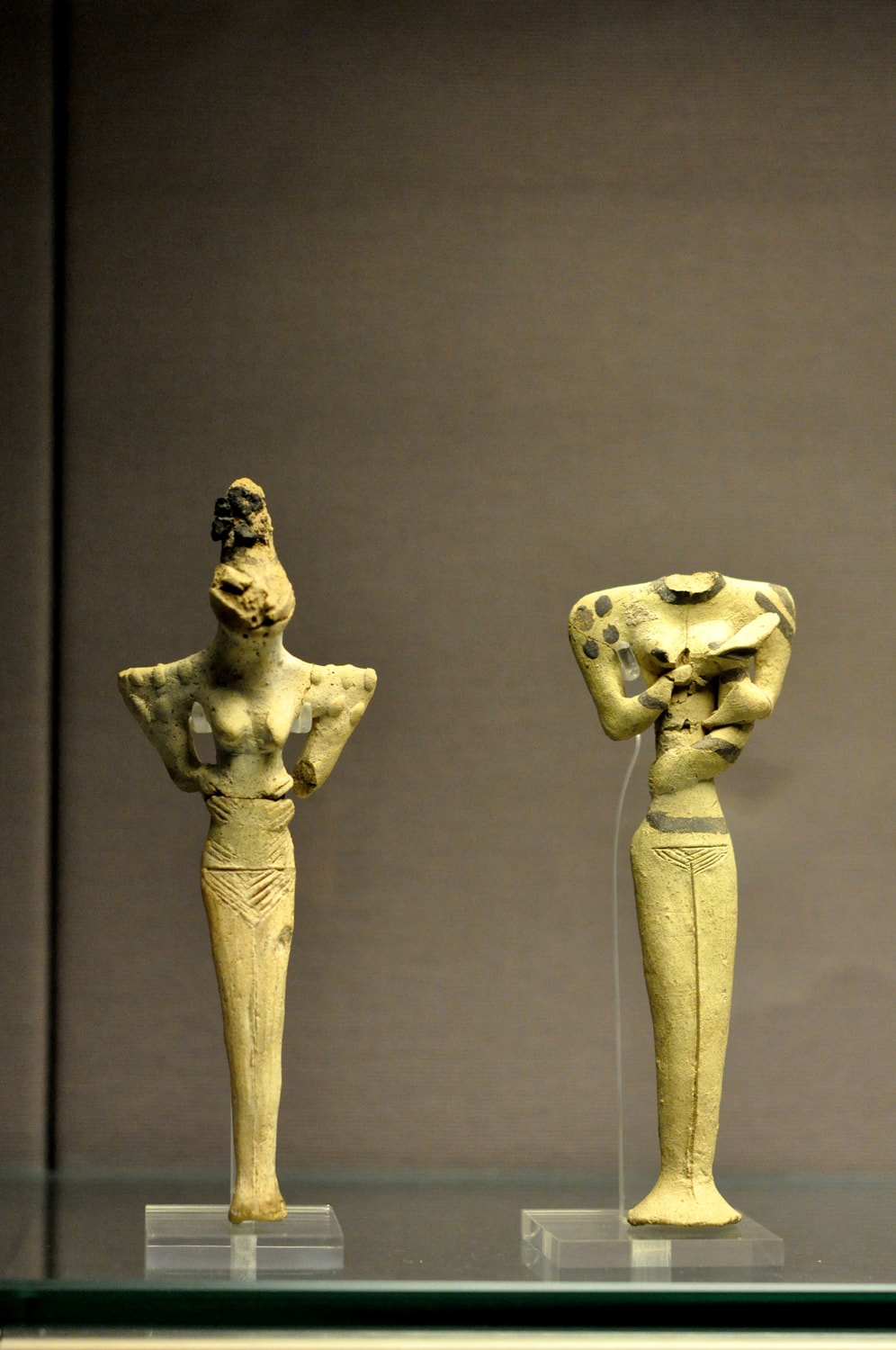
Royal Hero/Royal Hunter
Royal Hero/Royal Hunter represents the king’s divine duty to impose order on a chaotic world
lion hunting depiction sometimes
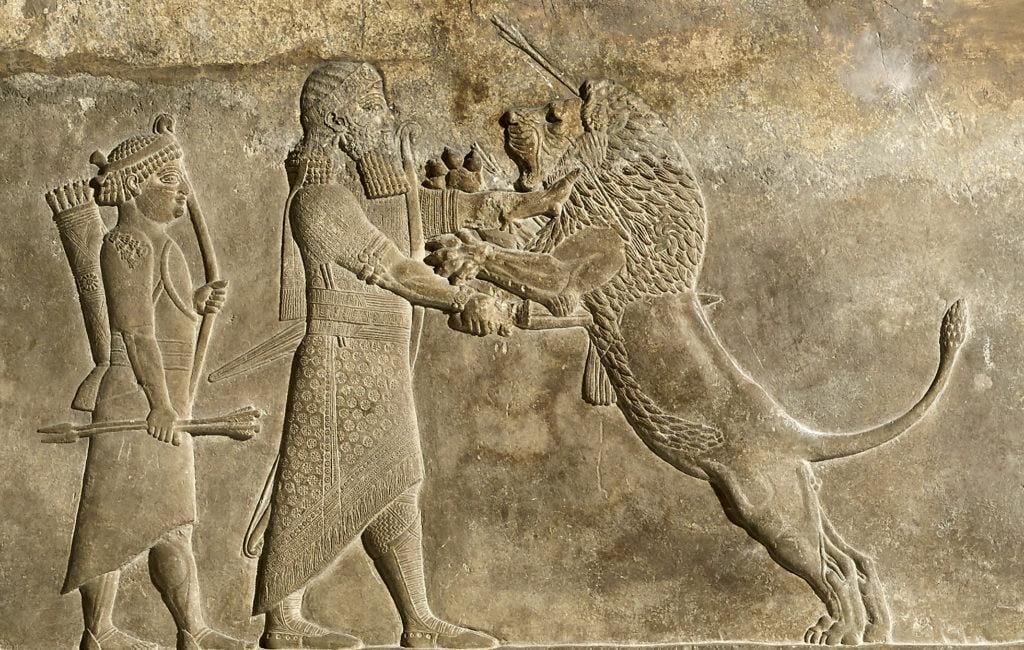
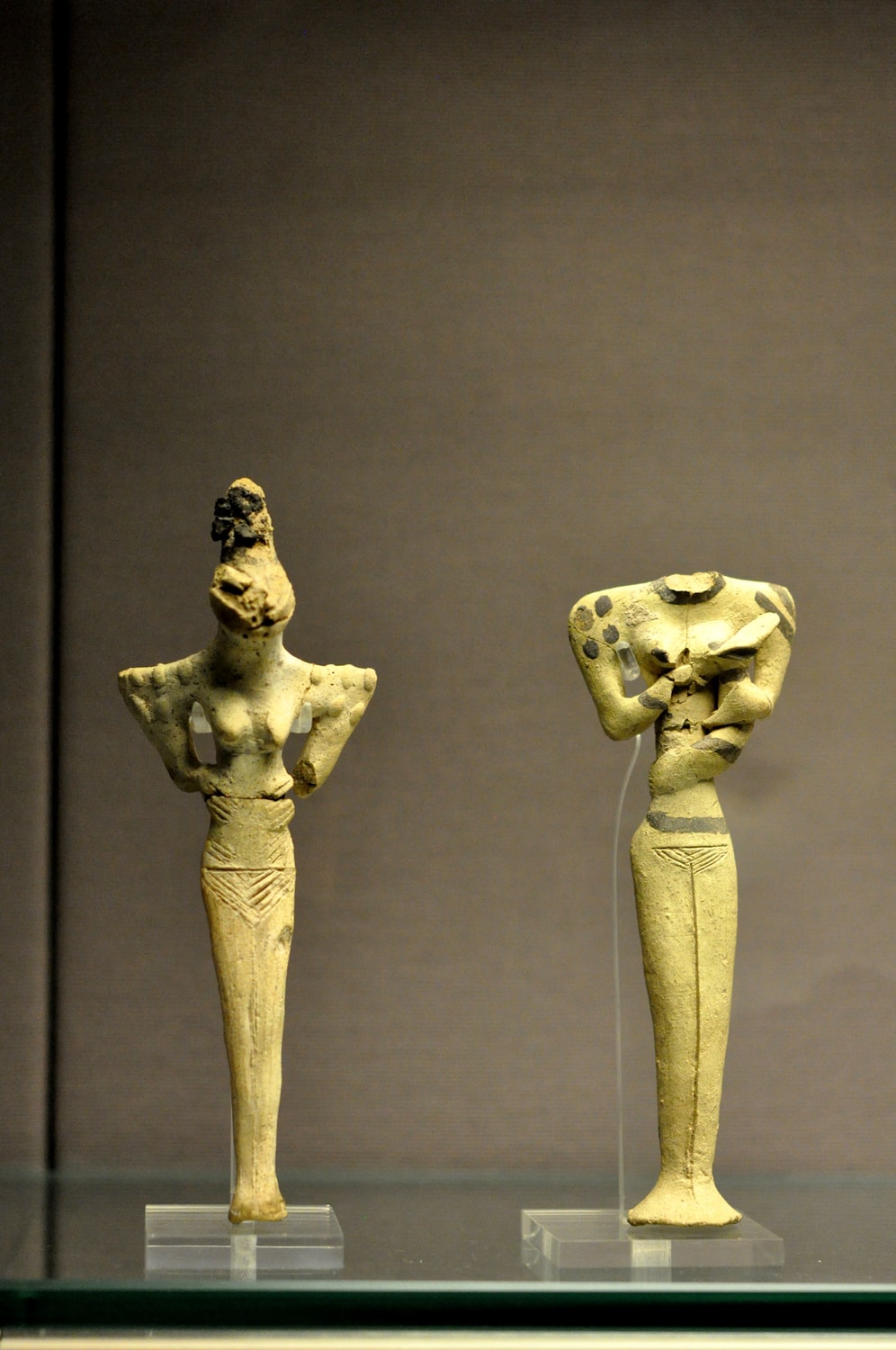
Ubaid culture votive figurine
baked-clay artifacts famous for their distinct, elongated bodies and reptilian, or “lizard like” heads.
found primarily in southern Mesopotamian sites like Ur, Eridu, and Tell-al-Ubaid.
symbols of fertility, ritualistic status, or representations of deities
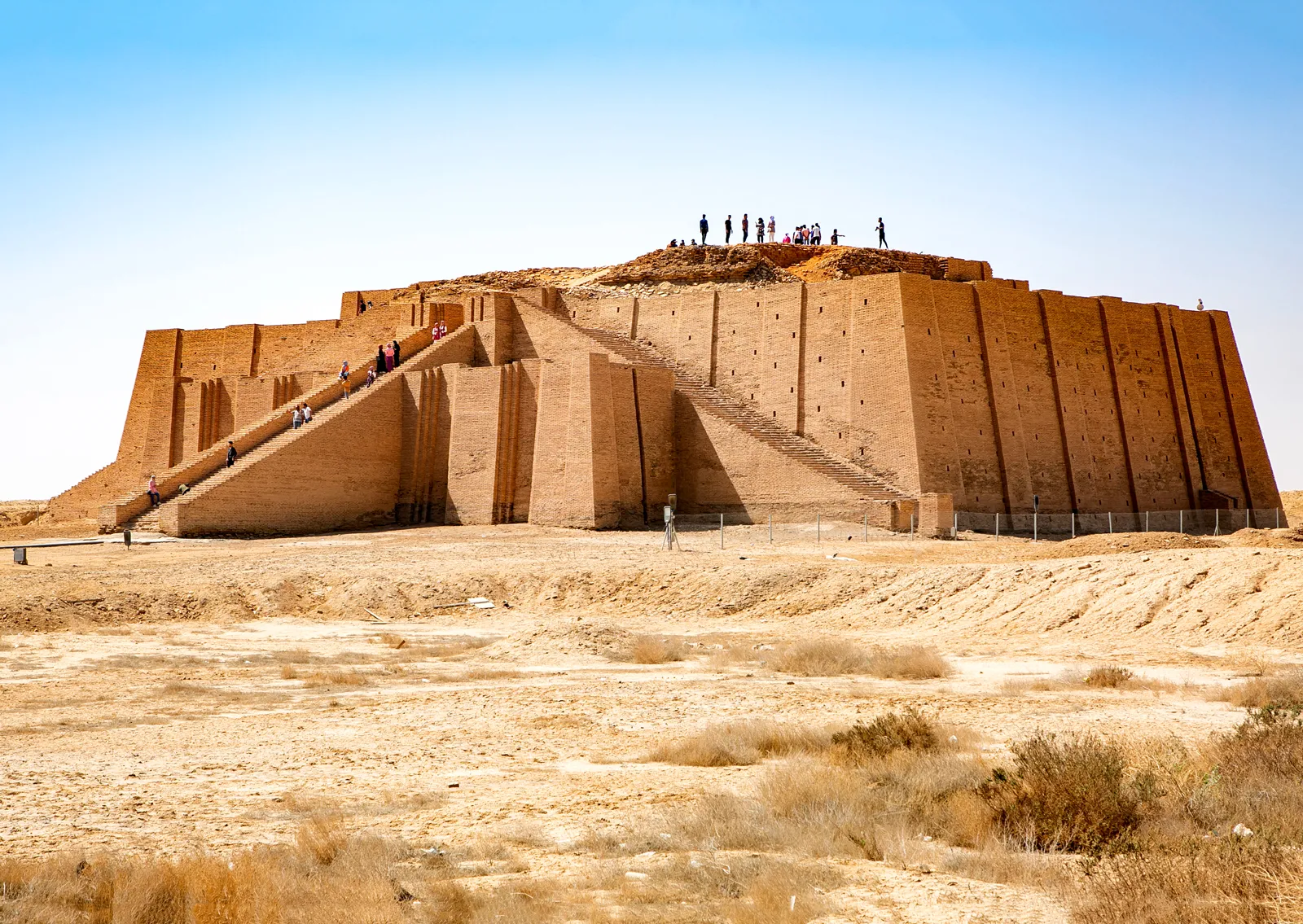
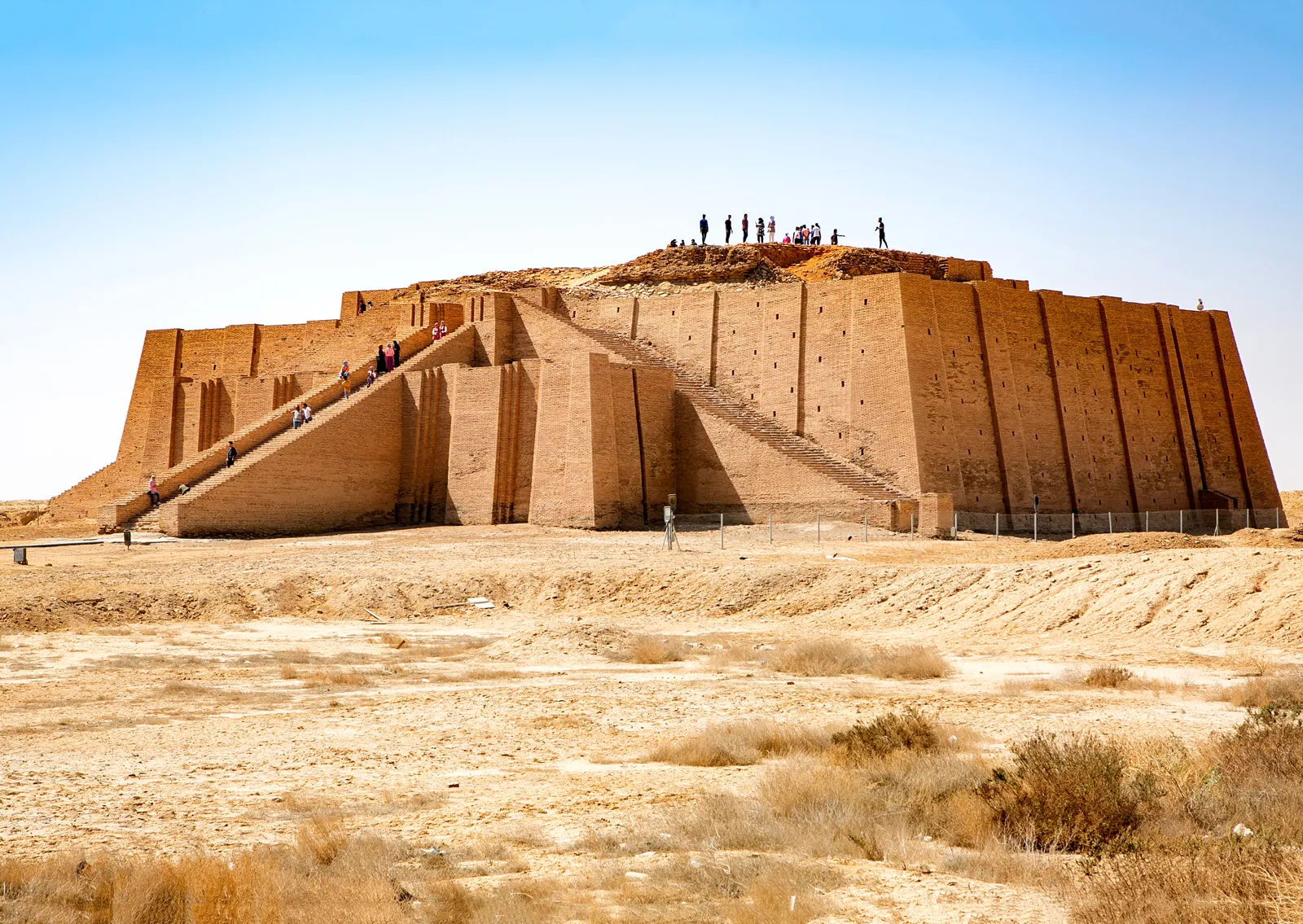
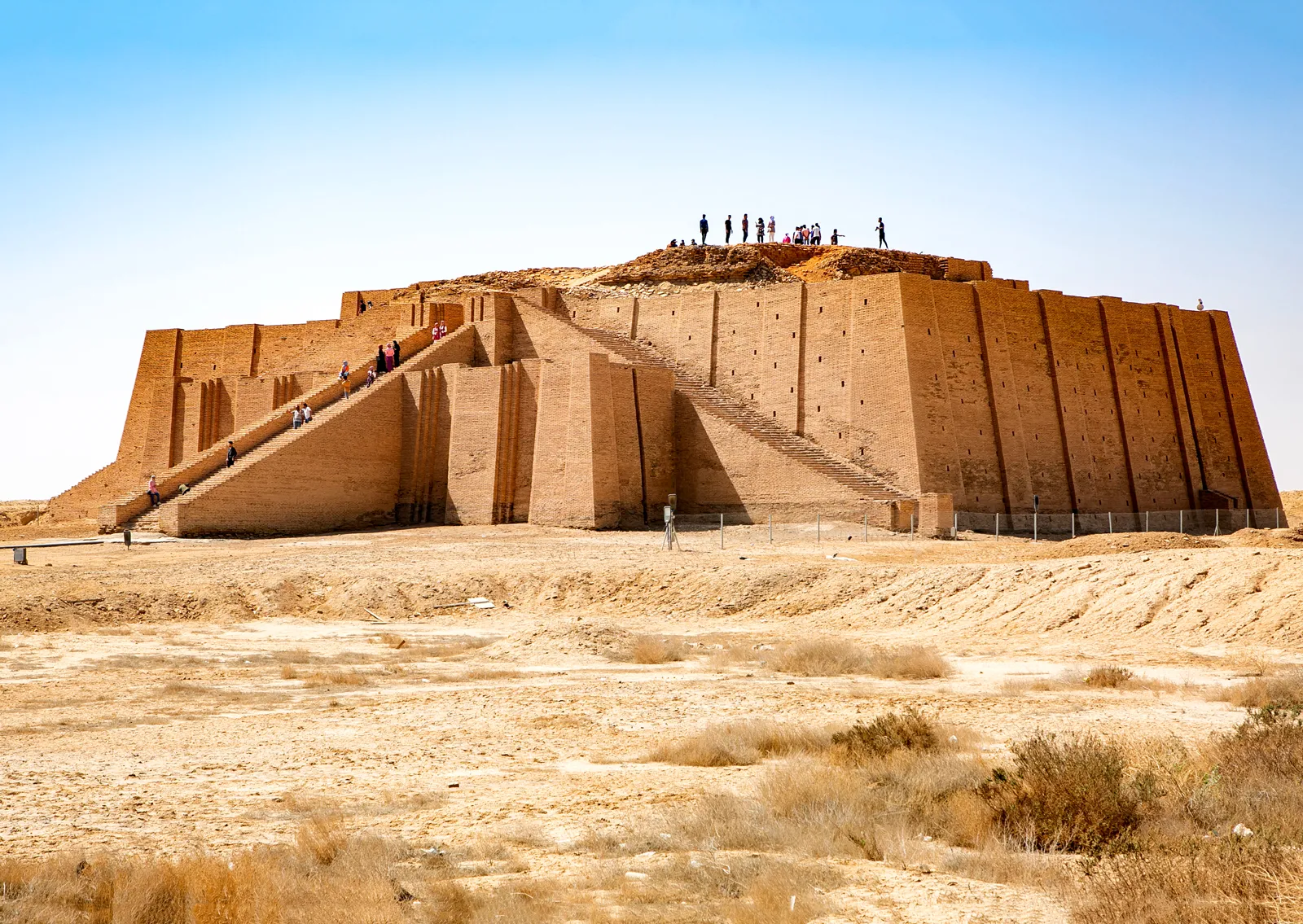
Ziggurat
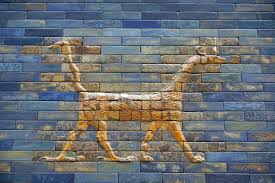
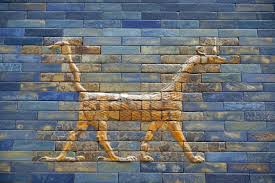
Mushushu
It is most famous as the protective, dragon-like symbol of Marduk, the chief god of Babylon
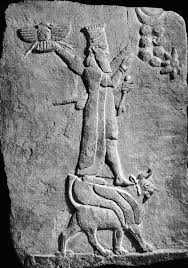
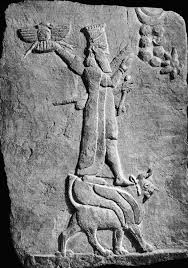
Adad
the ancient Mesopotamian god of storms, thunder, and rain.
as a central deity in the Assyro-Babylonian pantheon, he represented both the necessary rains, and violent, destructive storms
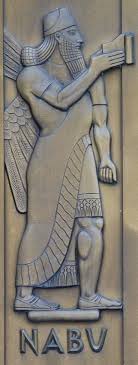
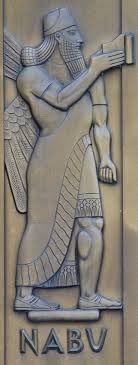
Nabu
the ancient Mesopotamian god of wisdom, literacy and writing.
considered the inventor of writing, the divine scribe
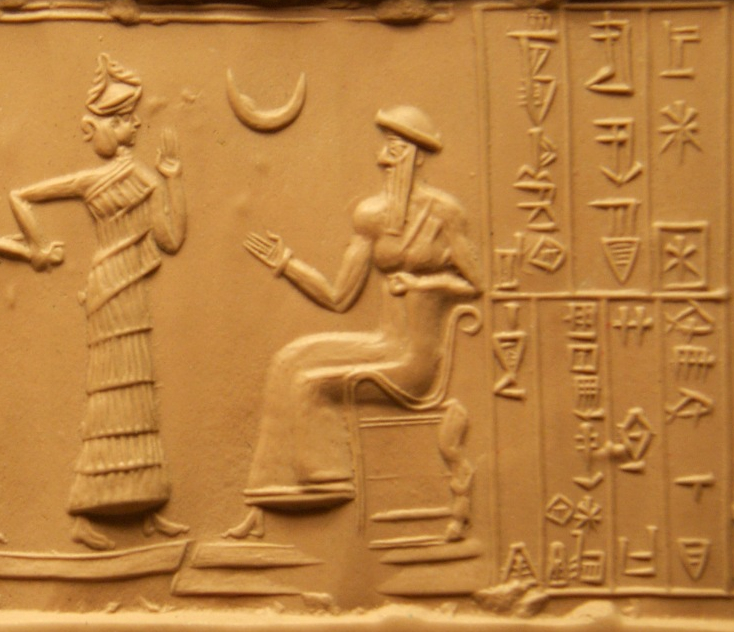
Ur-Nammu (Know who the following rulers were (culture/empire) and ID an art object or structure that
was associated with them)
Ur-Nammu (2112-2095 BCE)
Sumerian
third dynasty of Ur
built the Great Ziggurat of Ur
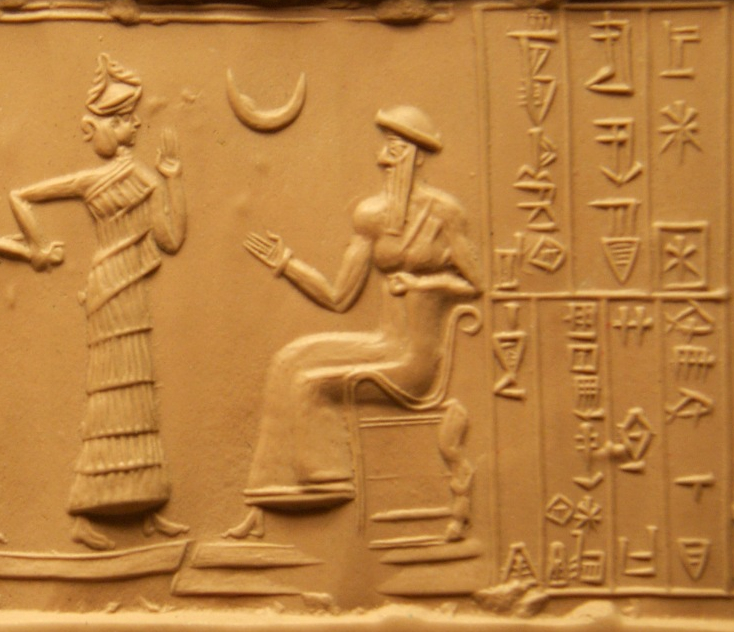
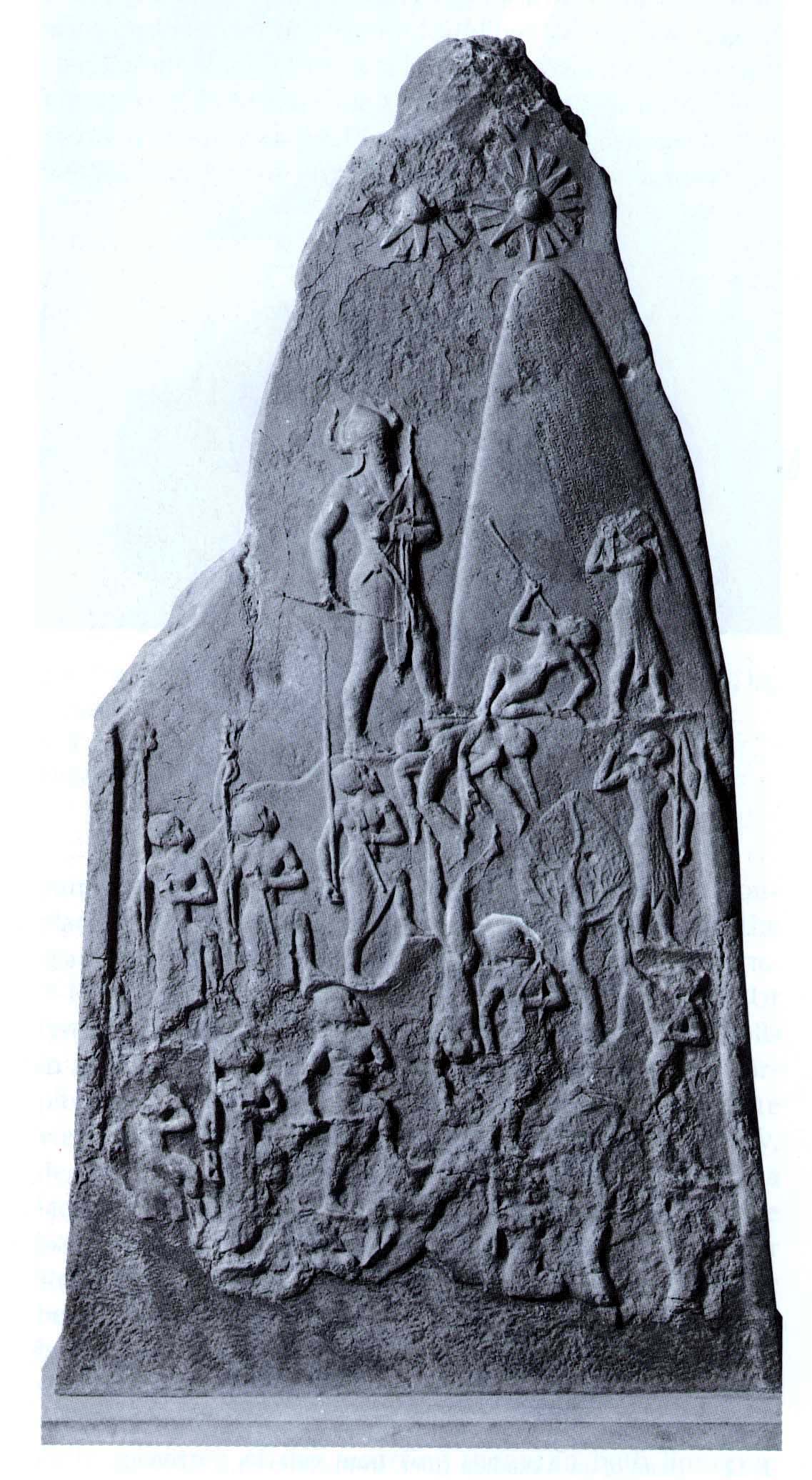
Naram-Sin (Know who the following rulers were (culture/empire) and ID an art object or structure that
was associated with them)
Naram-Sin was a powerful ruler of the Akkadian Empire
2254-2218 BCE
under his command, the empire reached its maximum territory
first Mesopotamian king to claim divine status for himself
seen on the Victory stele of Naram-Sin
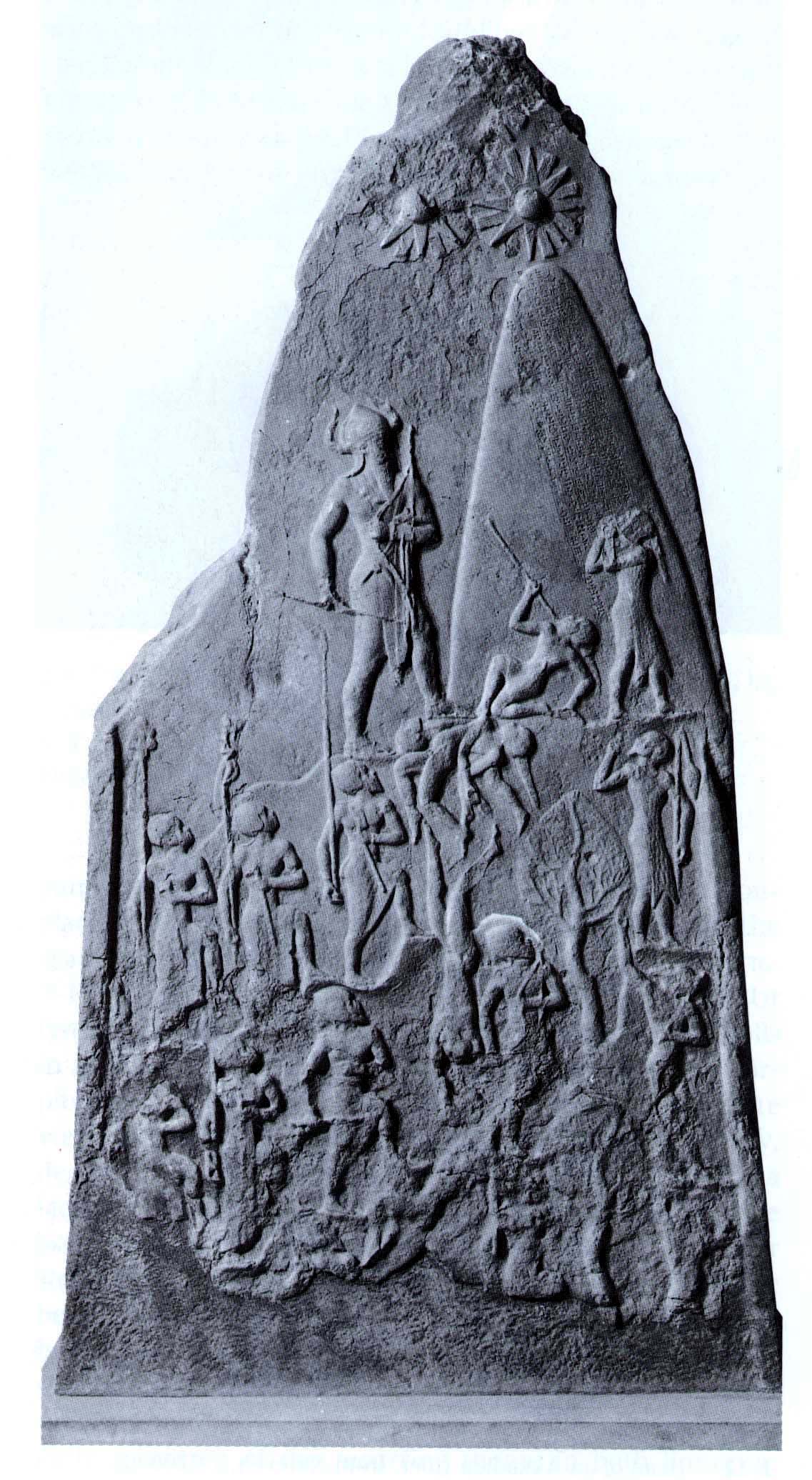
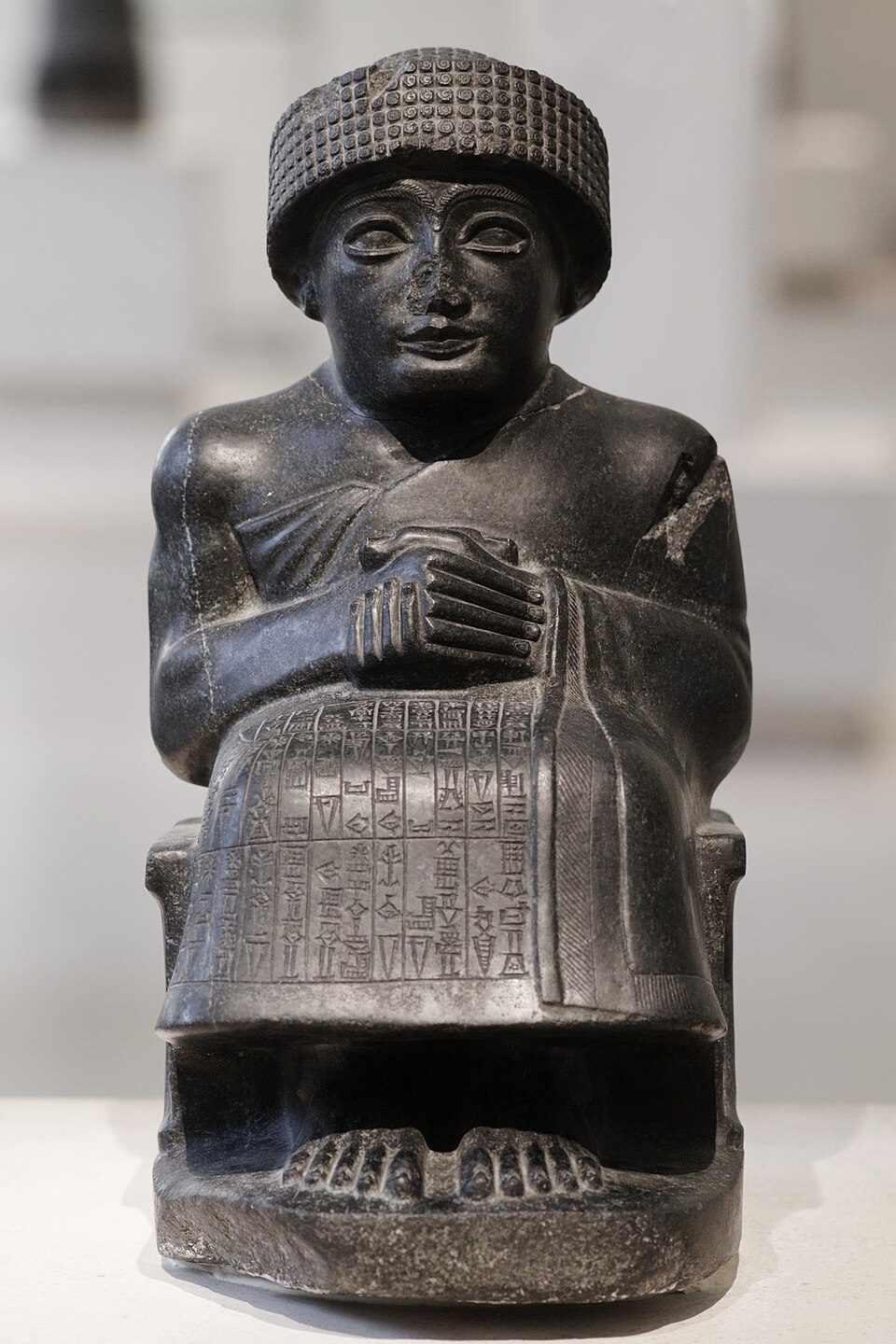
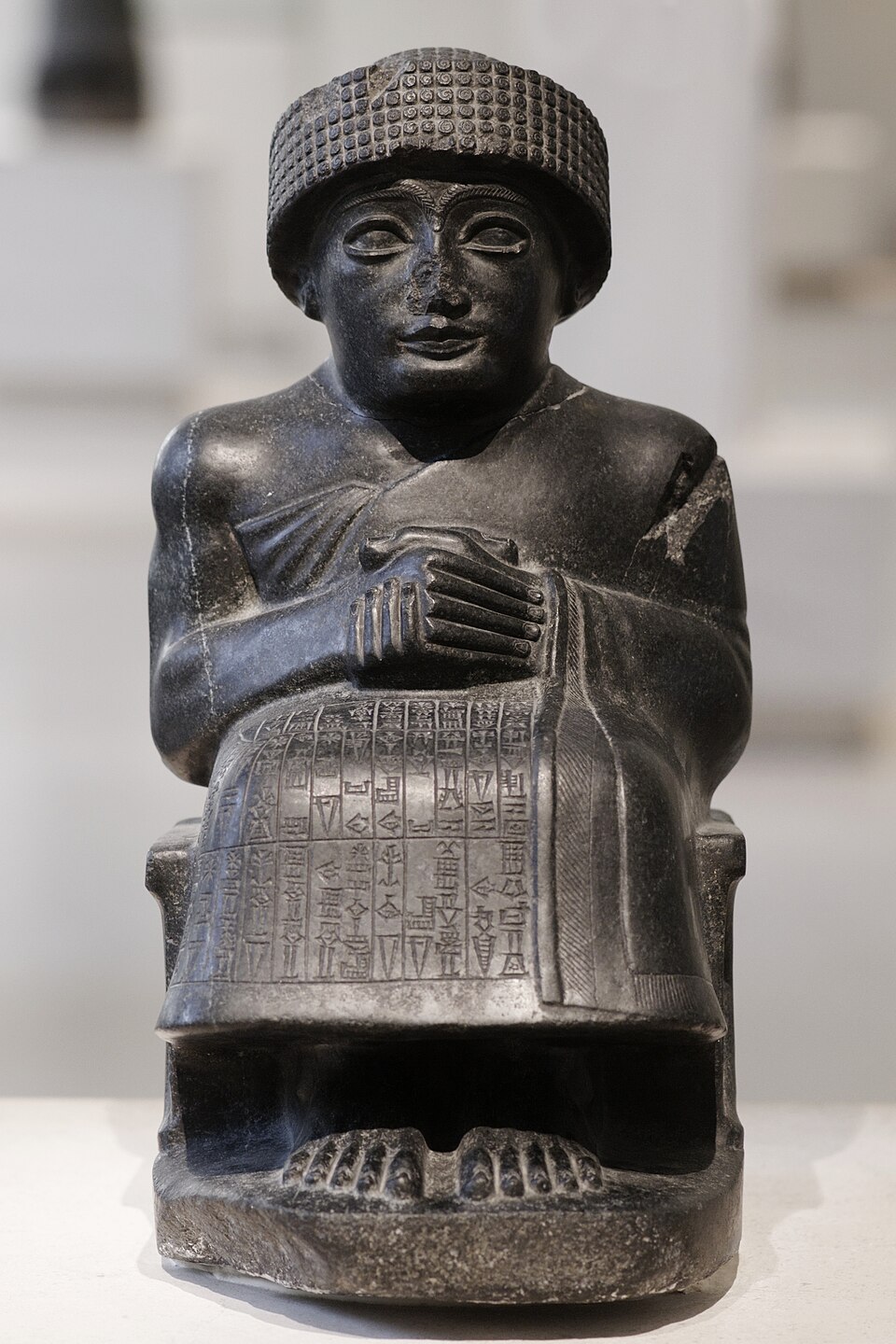
Gudea
Gudea was the Ensi (ruler/governor) of the independent Sumerian city-state Lagash
ruled in the Neo-sumerian period (2144-2124 BCE)
associated with ~24 votive sculptures known as the Statues of Gudea
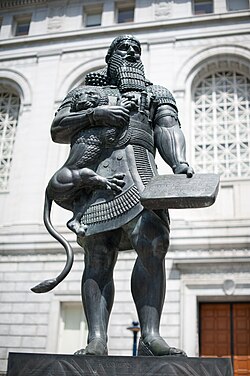
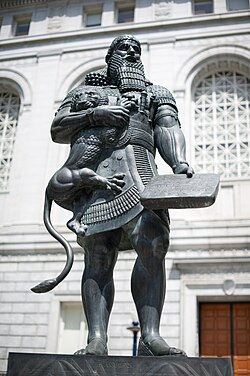
Ashurbanipal
Ashurbanipal was the last great king of the Neo-Assyrian empire (668-627 BCE)
ruled over a vast territory stretching from Egypt to western Iran
The North Palace at Ninevah decorated to demonstrate his might, divine protection, and martial dominance
The Library of Ashurbanipal (30,000 clay tablets), including the Epic of Gilgamesh
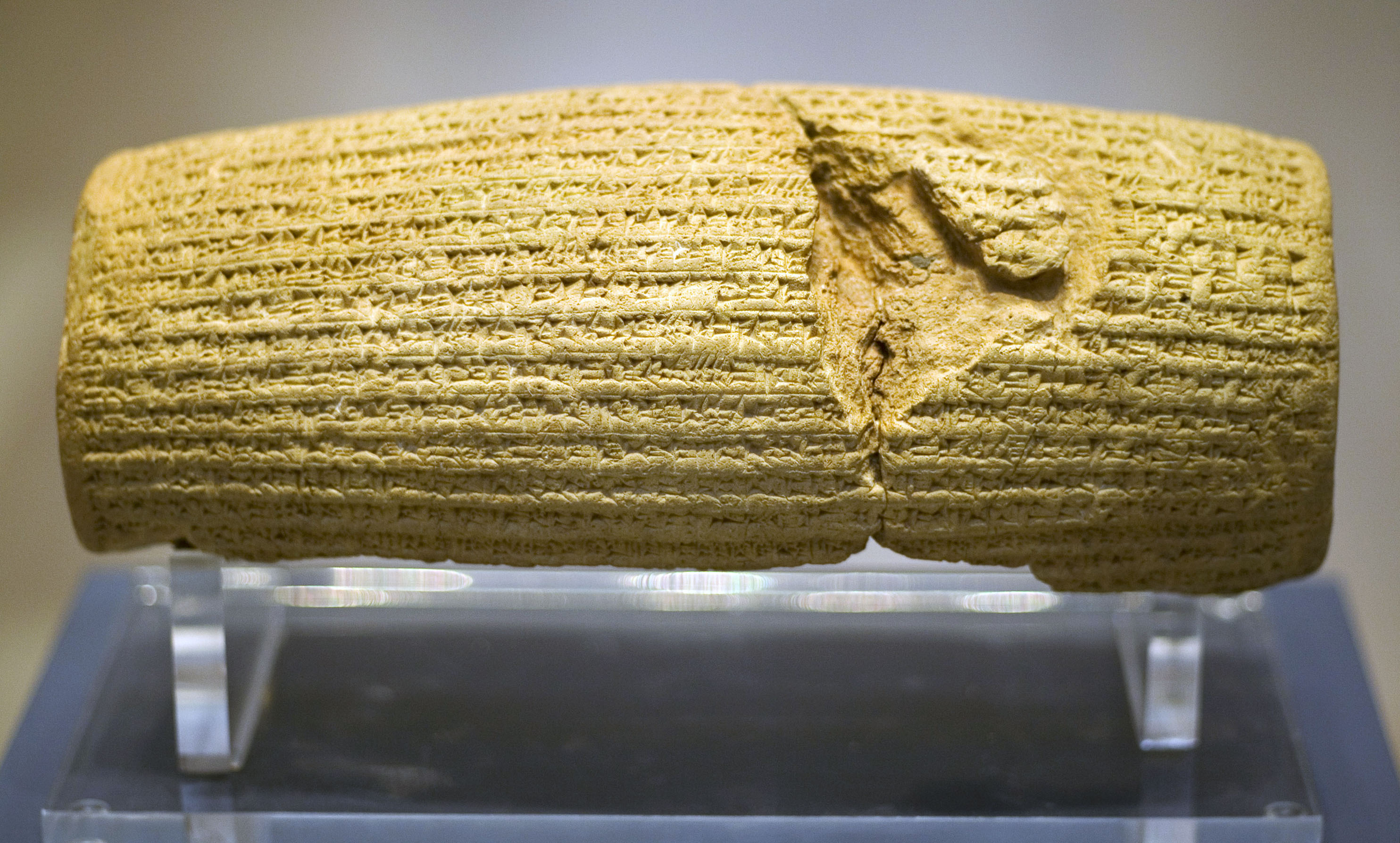
Cyrus the Great
Cyrus the Great was the foundational ruler of the Achaemenid Empire (first Persian empire)
united the Persian and median peoples
built the largest empire the ancient world had ever seen
The Cyrus Cylinder (tells us what Cyrus was trying to do and fitting himself into the culture of kingship)
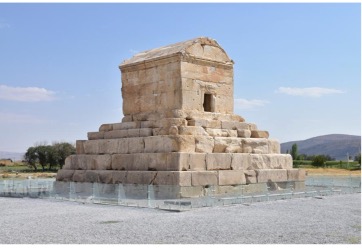
The tomb of Cyrus the Great: located in Pasargadae
Darius I
Darius I (Darius the Great) was the third King of the Achaemenid Empire (Persia), (522-486 BCE)
expanded the empire to its greatest territorial extent
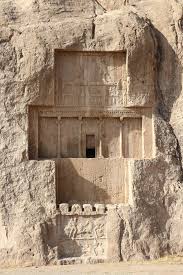
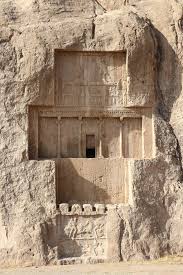
The Tomb of Darius the Great: Carved into the cliff face at Naqsh-e Rustam in modern-day Iran.
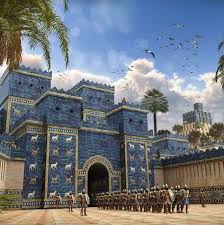
Nebuchadnezzar II
Nebuchadnezzar II was the most powerful king of the Neo-Babylonian Empire (605-562 BCE)
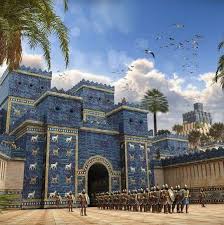
most famously associated with the construction of the Ishtar Gate
Ishtar Gate: the 8th monumental gateway to the inner city of Babylon. it had bright blue glazed bricks featuring alternating relief figures of the mushhushu dragon and bulls, honoring Marduk and Adam
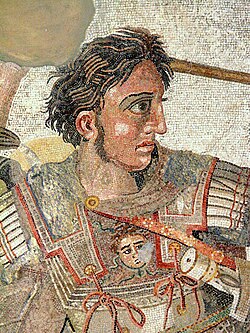
Alexander the Great
Alexander the Great was the King of Macedon (Macedonian Empire) and conquered vast territories all the way from Greece into Asia.
famous art associated with him is the Alexander Mosaic
depicts Alexander battling the Persian King Darius III at the battle of Issus
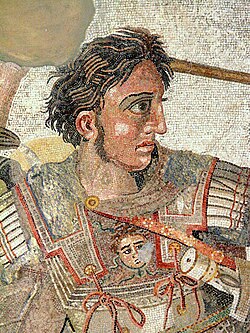
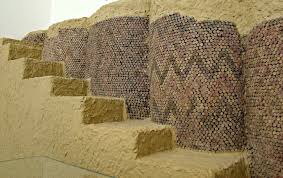
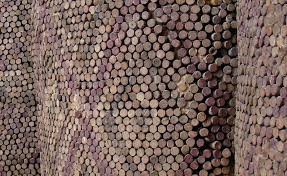
think of at least one object/structure created with cone mosaic
the Eanna Temple
located in Uruk
dedicated to the Sumerian goddess Inanna
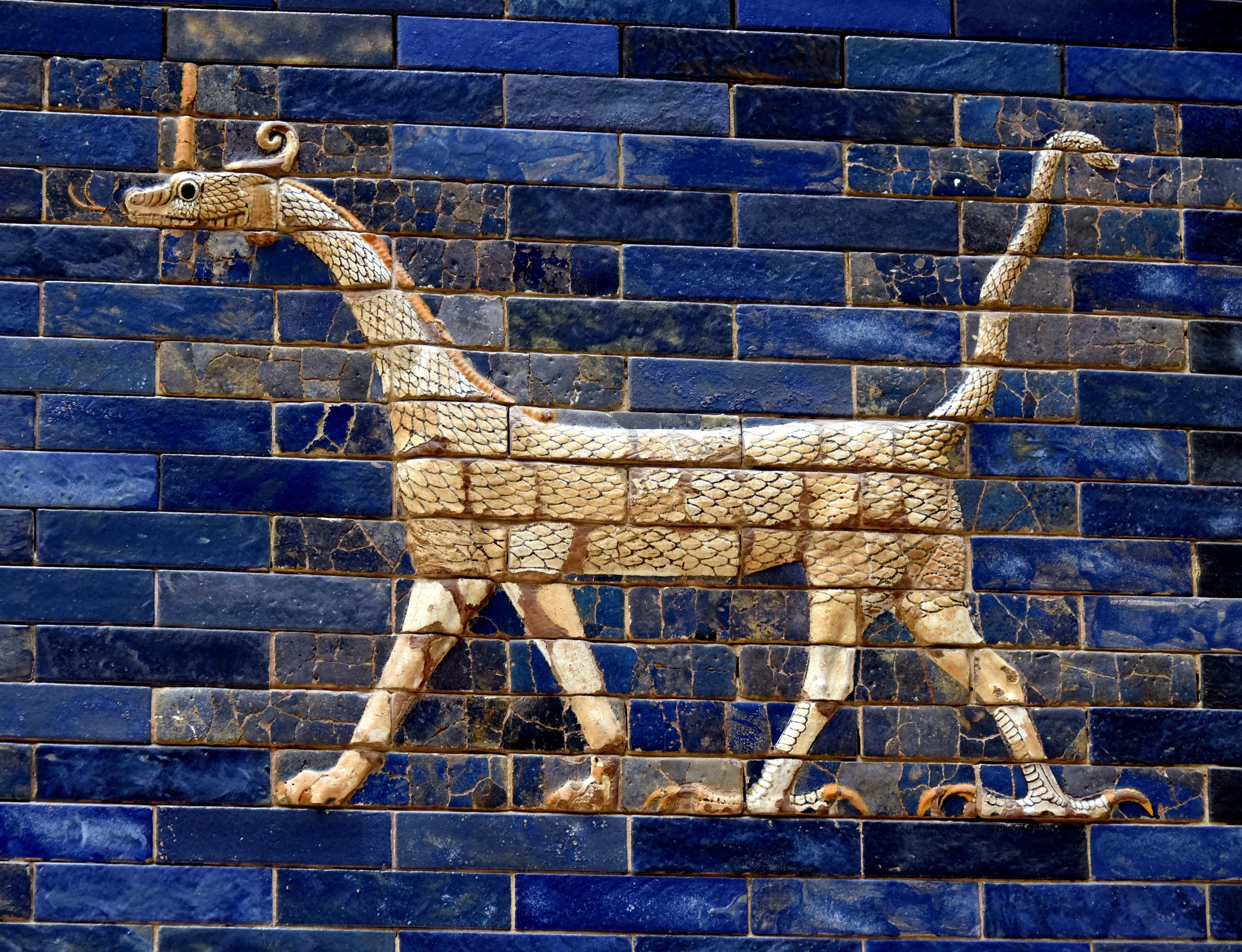
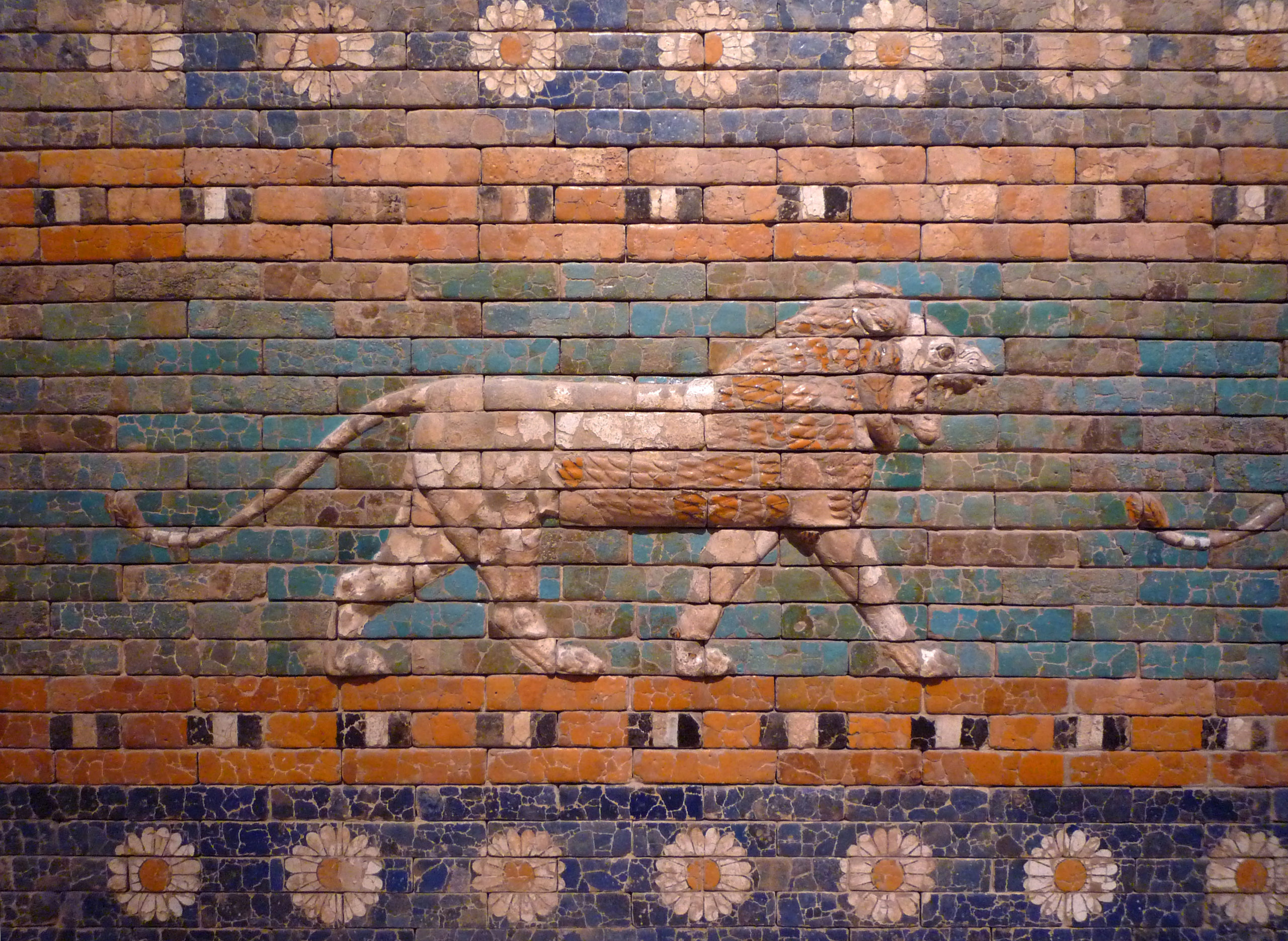
think of at least one object/structure created with glazed brick
Ishtar Gate
Babylon
built by Nebuchadnezzar II
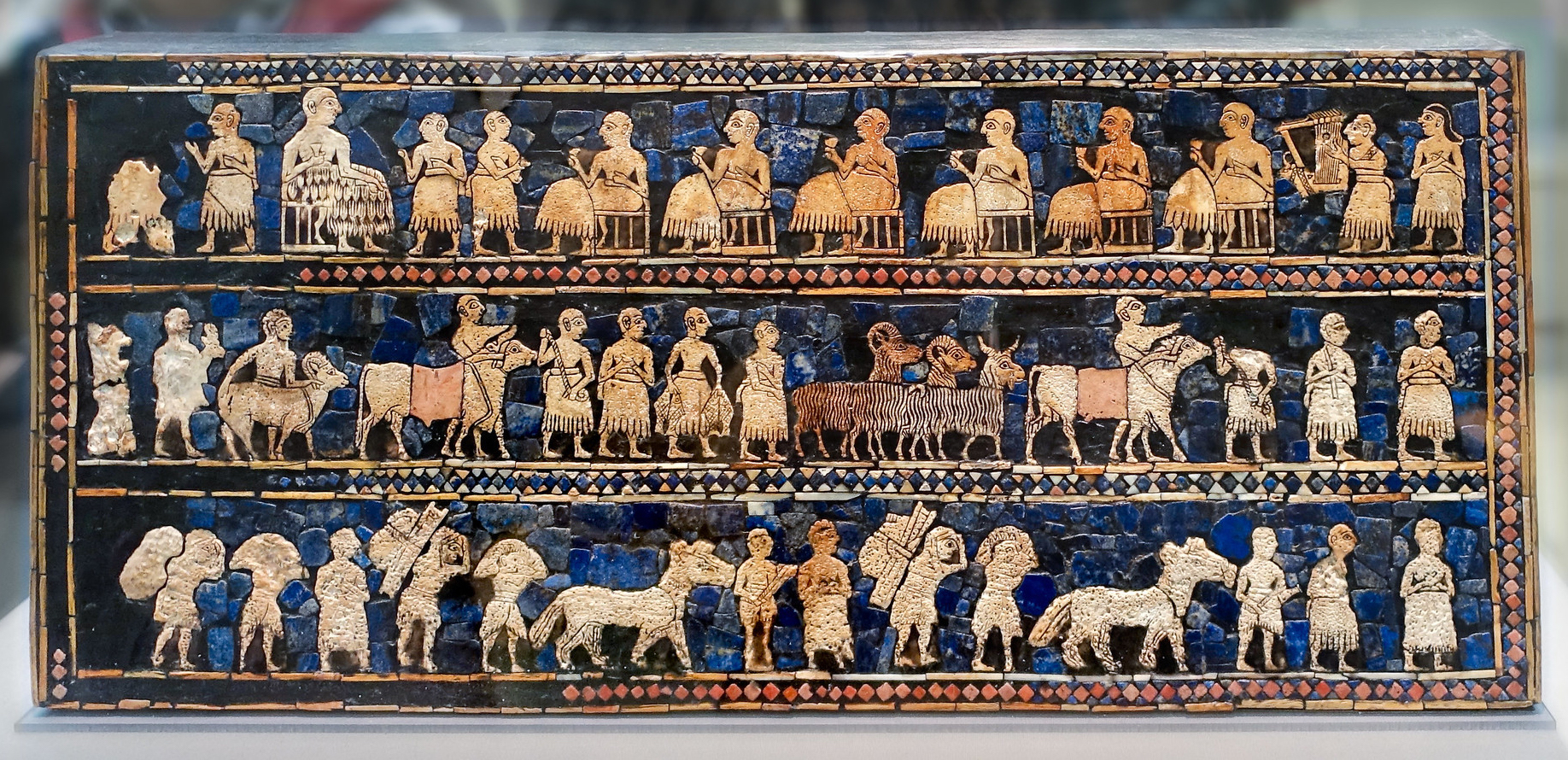
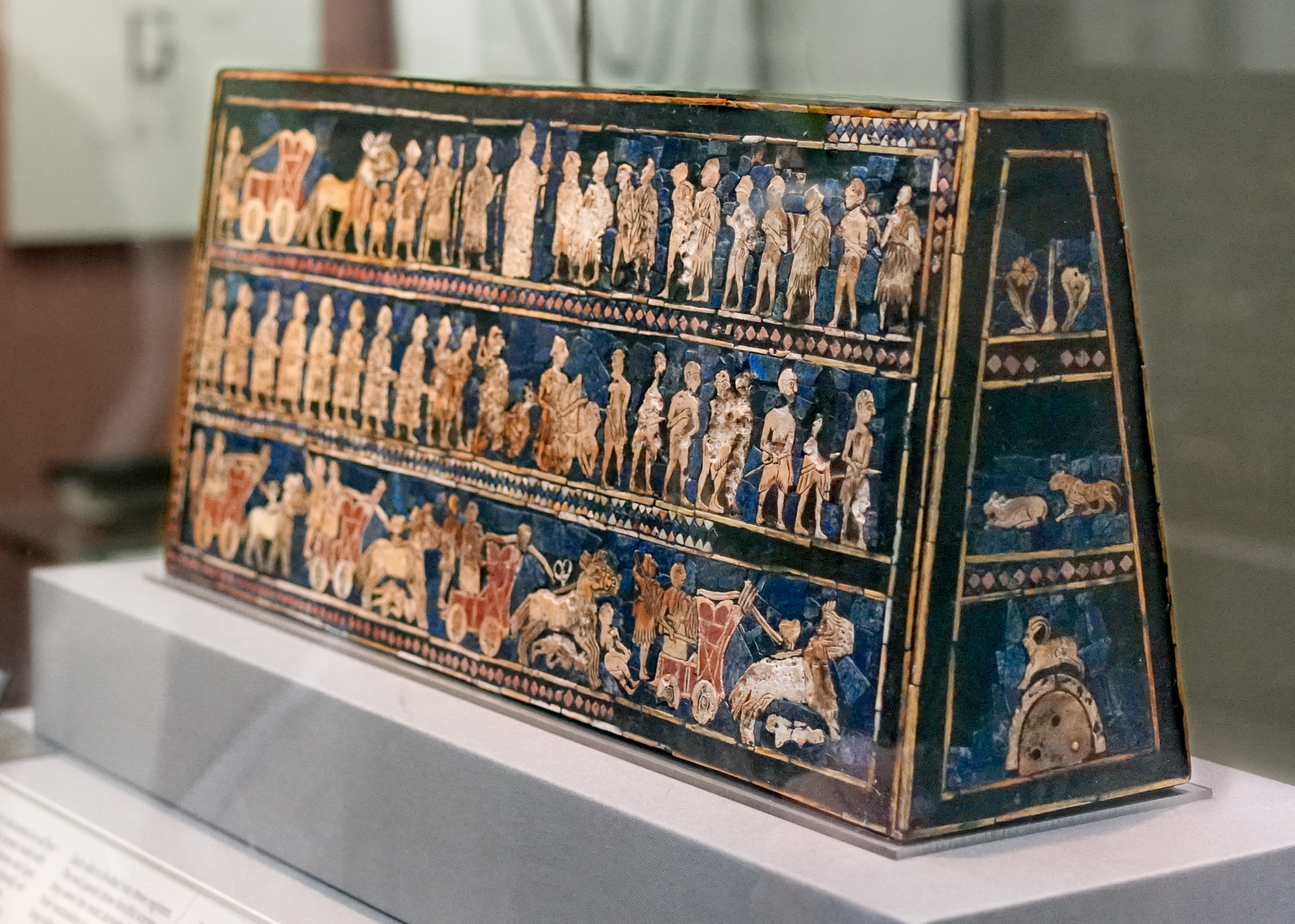
think of at least one object/structure created with lapis lazuli
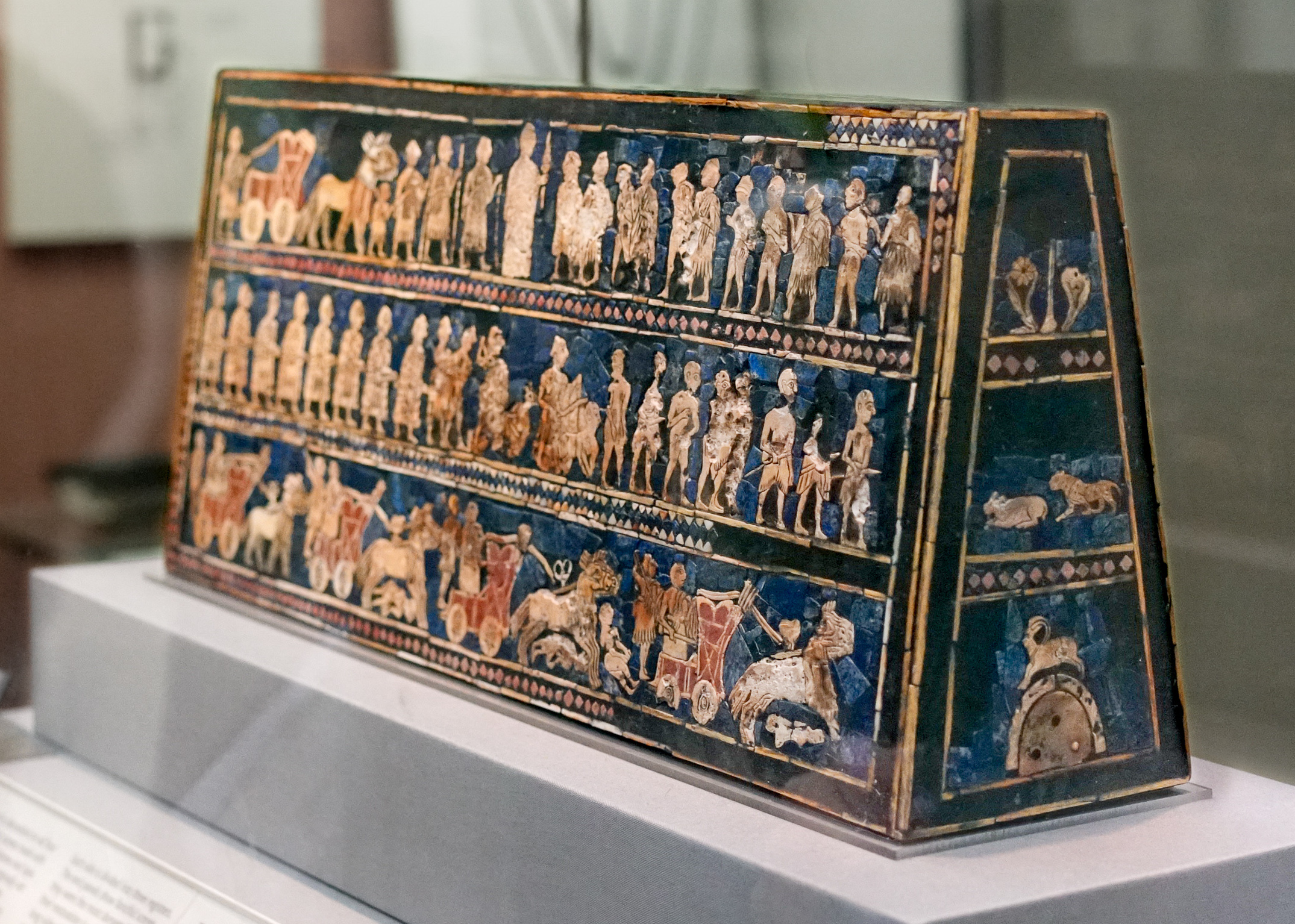
The Standard of Ur
found in the royal cemetery of Ur (2600 BCE)
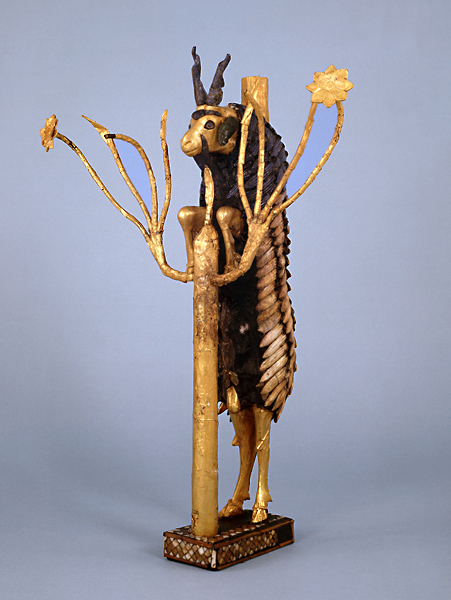
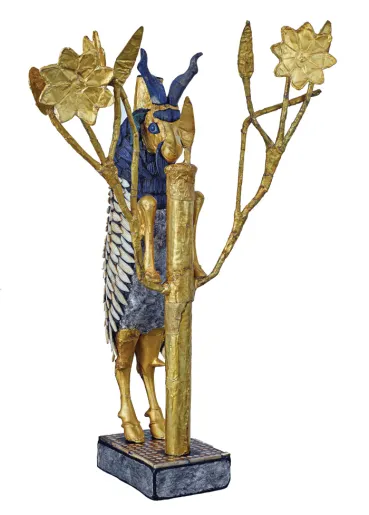
(2) think of at least one object/structure created with lapis lazuli
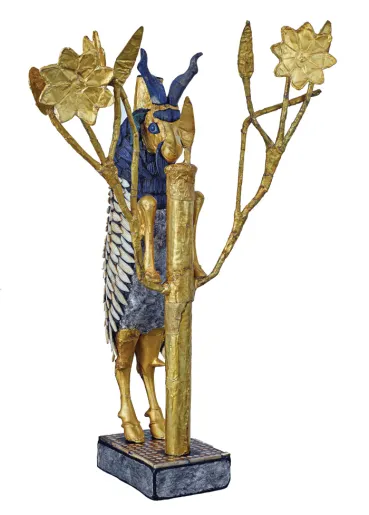
Ram Caught in a Thicket
found in the royal cemetery of Ur
(2600-2400 BCE)
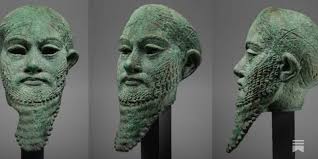
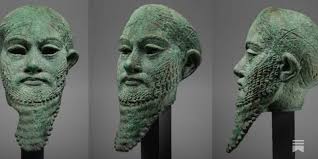
think of at least one object/structure created with lost-wax technique
The “Head of a Ruler” was one of the earliest life-sized examples of hollow-core lost-wax metal casting
2300-2200 BCE
Akkadian Culture
found in Nineveh
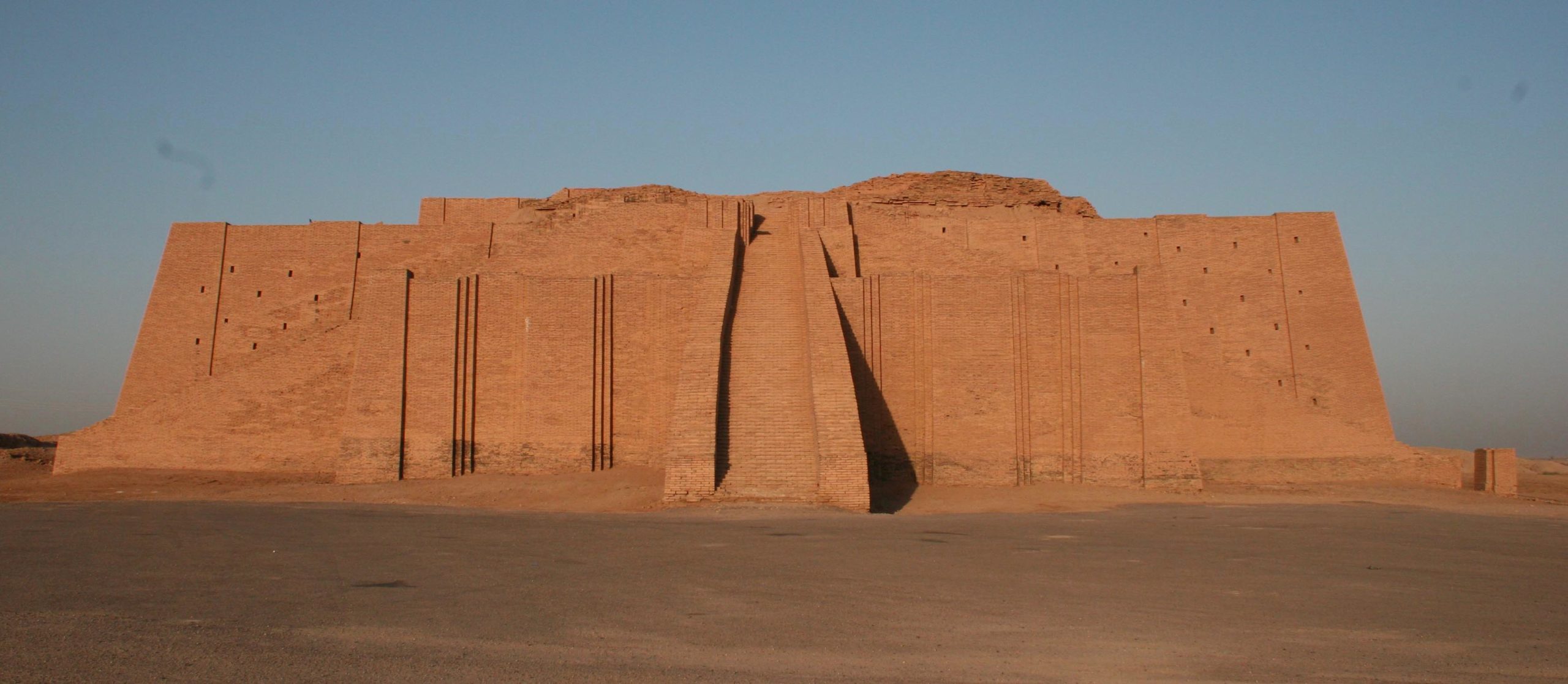
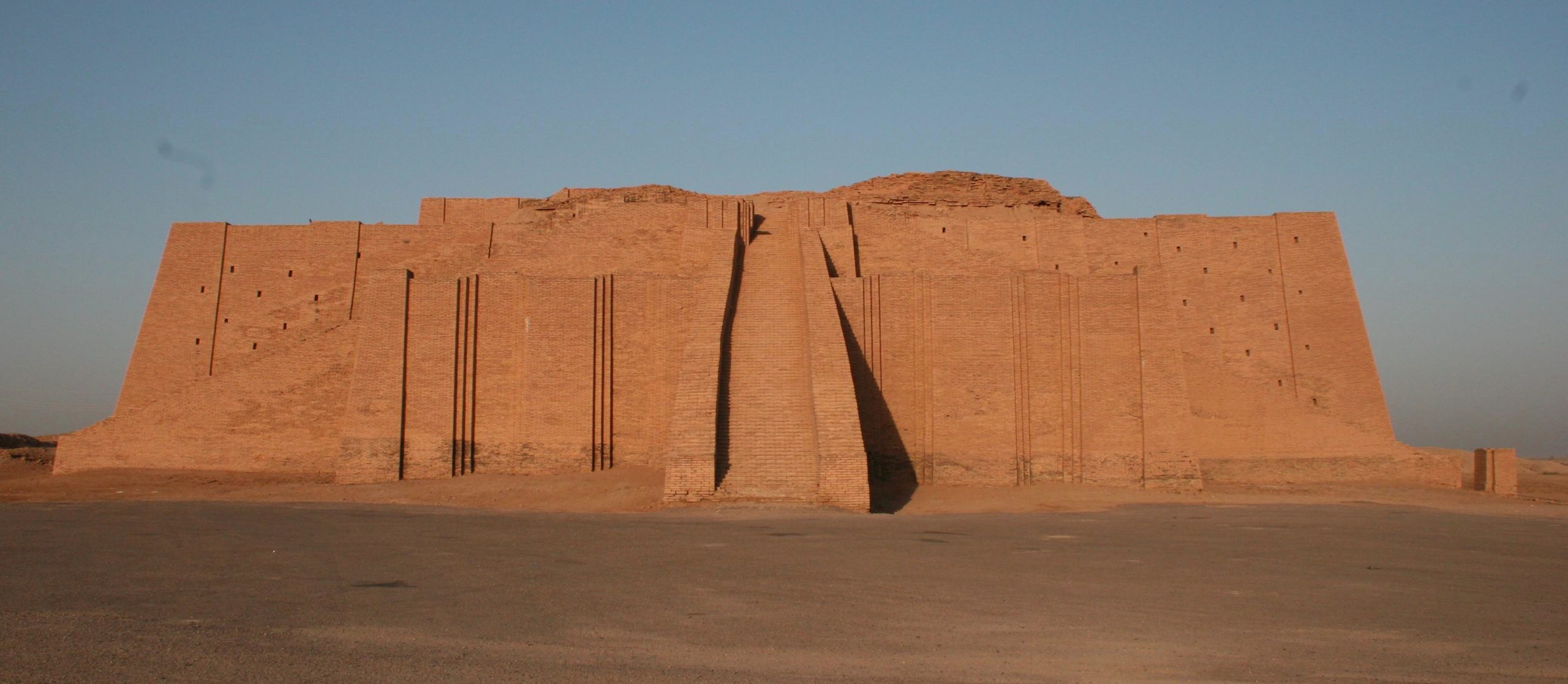
think of at least one object/structure created with Mudbrick (baked)
Ziggurat of Ur
located in Ur
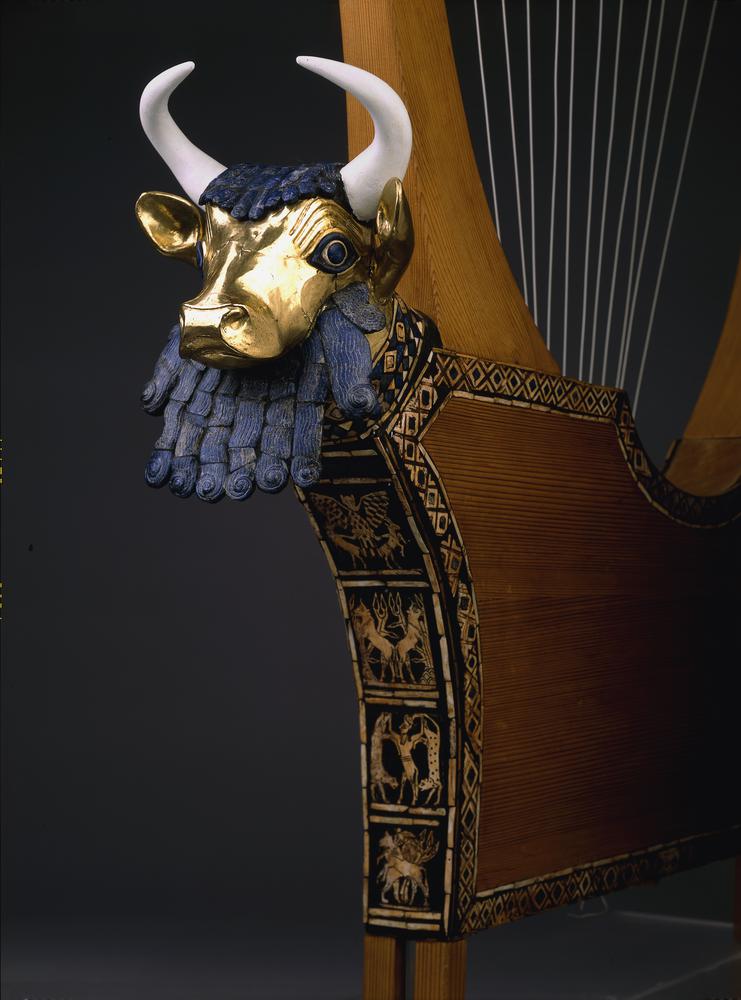
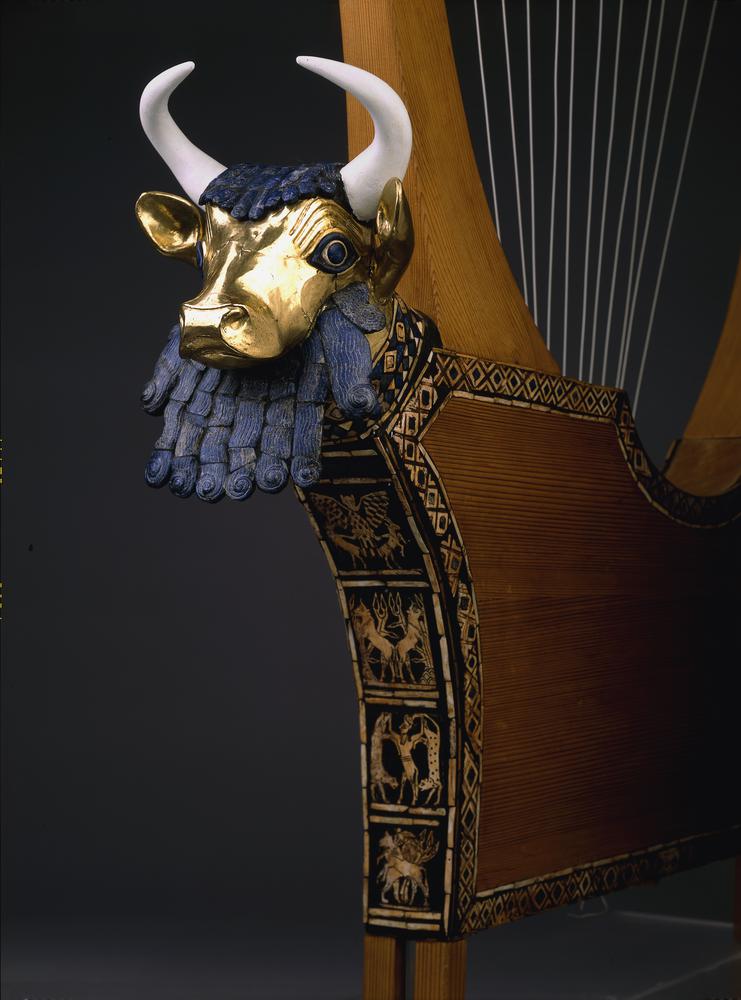
think of at least one object/structure created with repoussé
Repoussé is an ancient metalworking technique in which a malleable metal is shaped by hammering from the reverse side to create intricate, raised designs
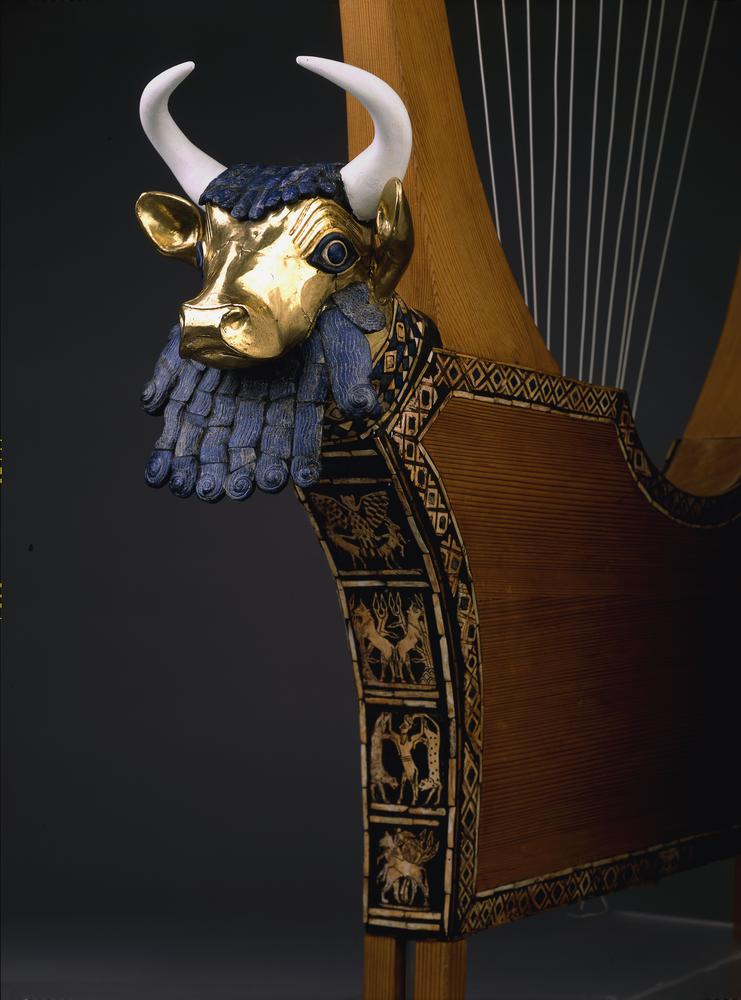
The Bull’s Head from the Queen’s Lyre (2600 BCE)
crafted from beaten gold over a wooden core, embellished with a lapis lazuli beard, hair, and inlaid eyes
Made in Ur
Sumerian Culture
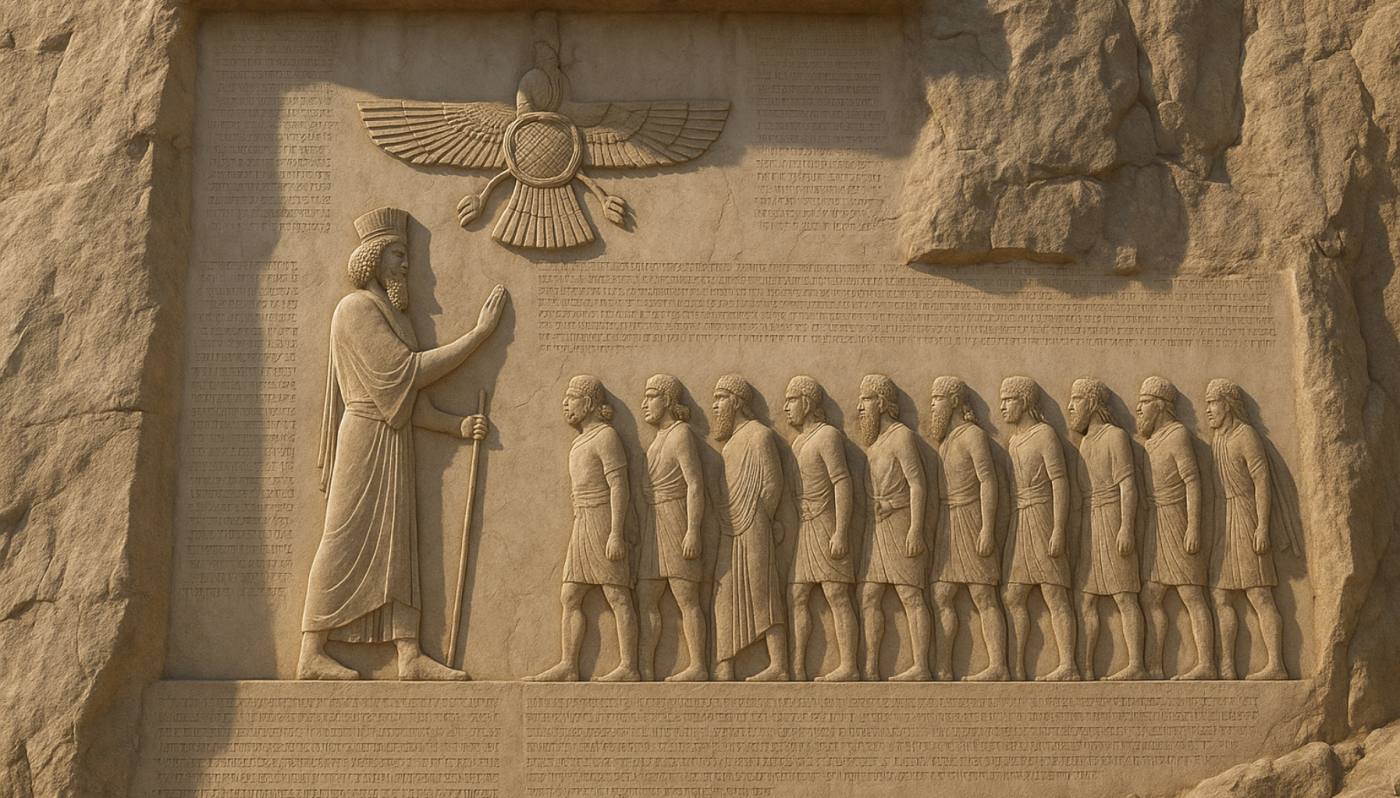
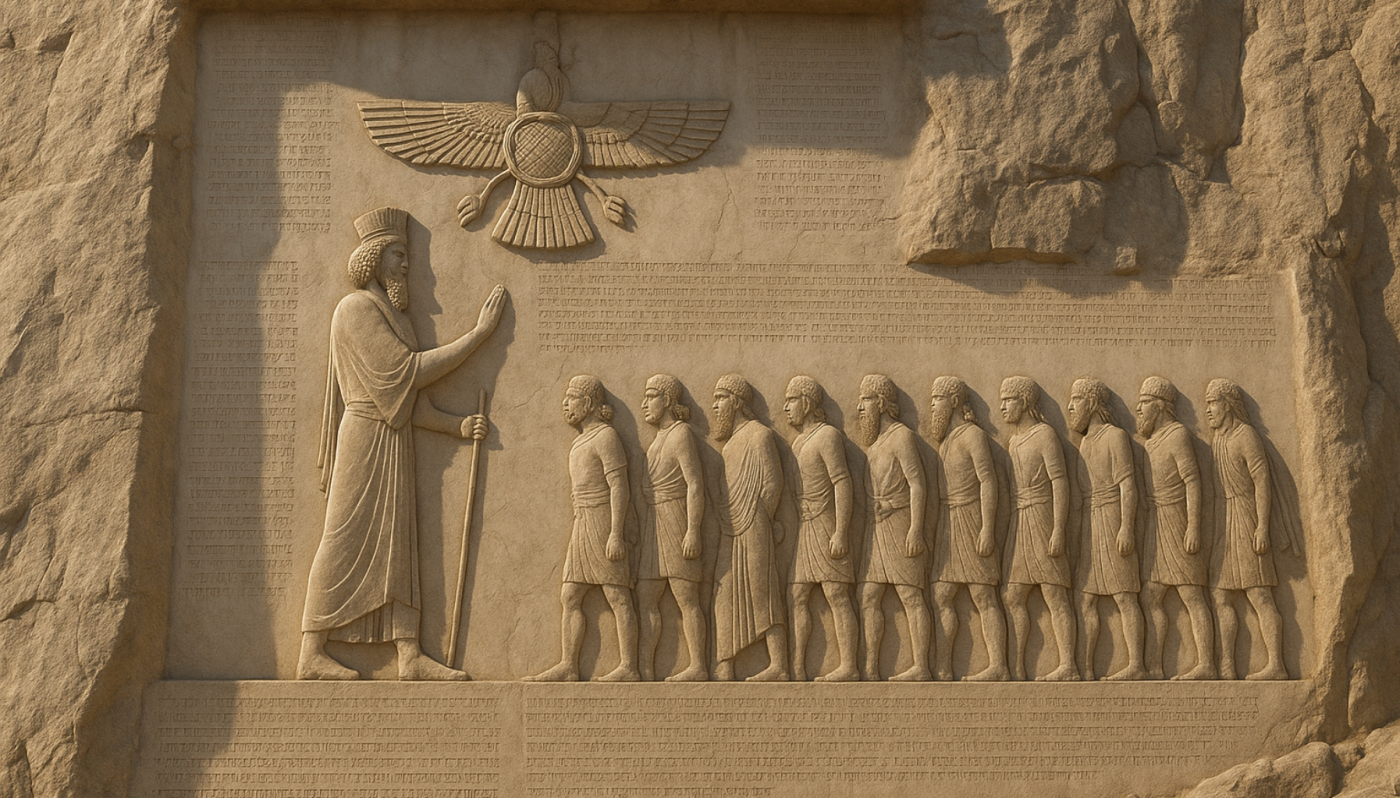
think of at least one object/structure created with monumental rock relief
The Behistun Inscription
520 BCE
features Darius the Great facing defeated rebels
empires like the Neo-Assyrians carved spectacular monumental reliefs into palace walls of their capital cities
What are three settlements from the late Neolithic that shows evidence of ancestor cult? Describe the material evidence of it.
this was seen in the “skull cult” tradition, where the heads of the deceased were detached, modified, and integrated into living spaces or ritual structure
Çatal Hüyük (Anatolia): the dead were buried beneath the floors of mud-brick houses.
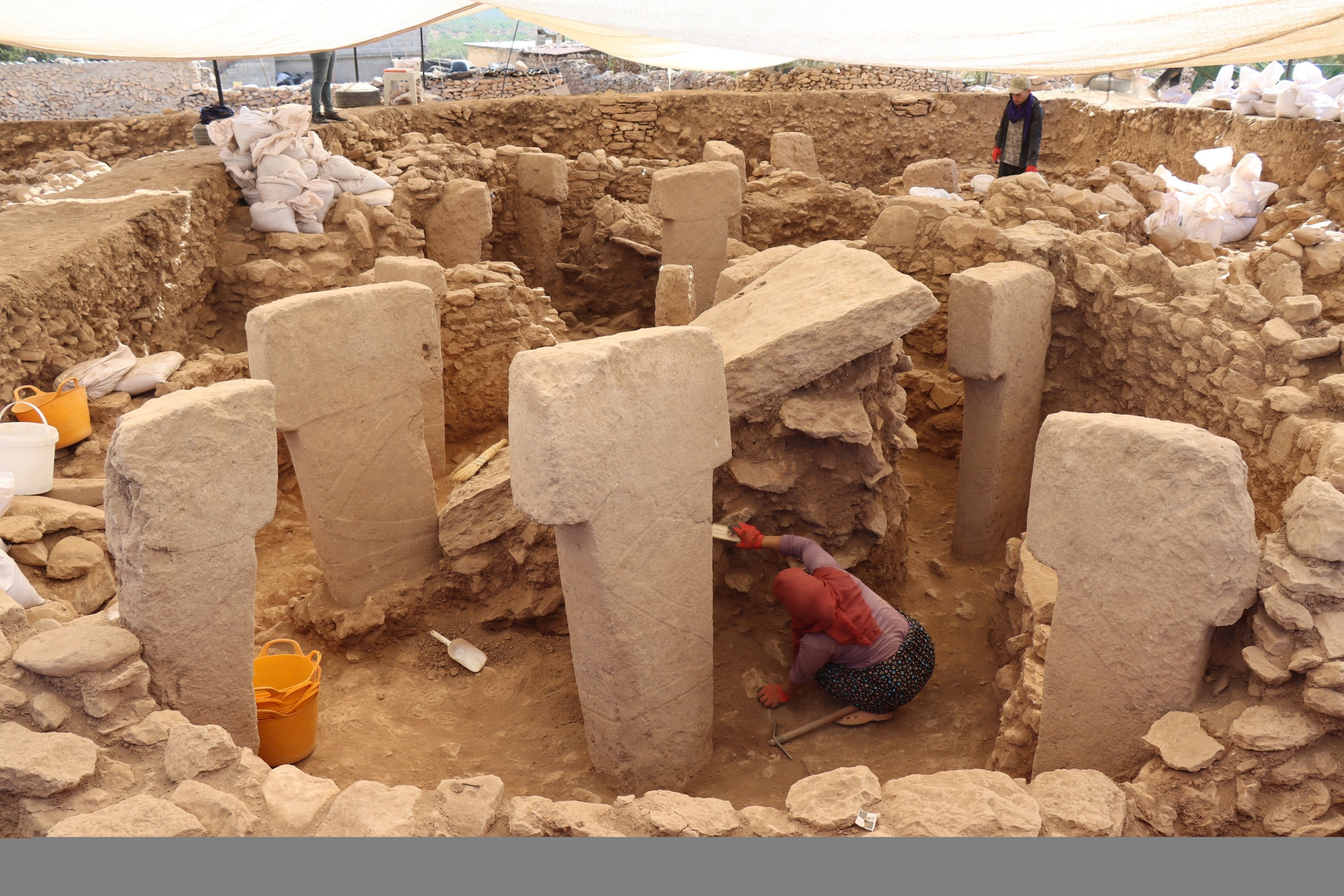
Where was Göbekli Tepe? What were three features?
Göbekli Tepe was in present day Turkey
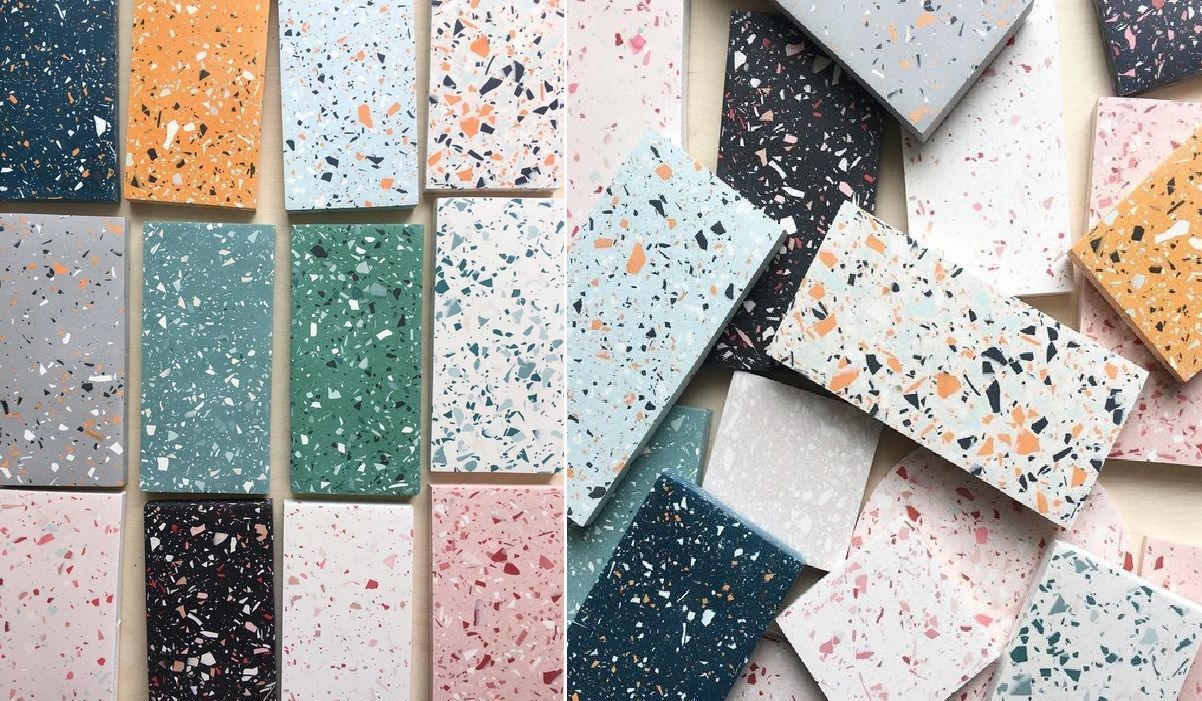
Terrazzo floors (mix of plaster and lime with chips of stone, very advanced for their time)
Carved T stones
communal rituals, ancestor worship, and spiritual gatherings among prehistoric hunter-gatherers
remember the baskets carved at the top of the T stones!
Specialists were required to craft their level of complexity in the architecture
List three iconographic motifs of triumph that you have encountered in learning about ancient Mesopotamia
--
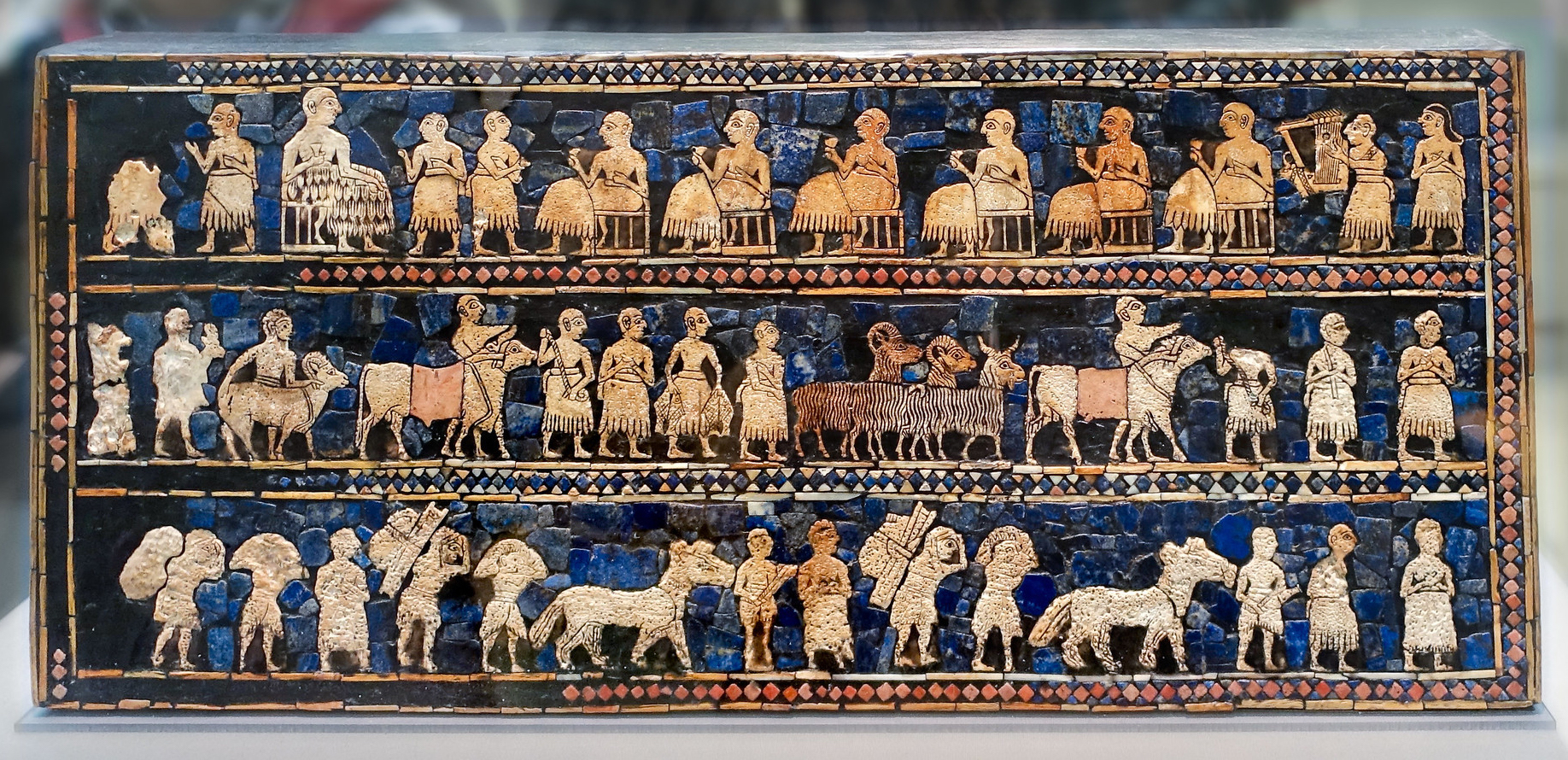
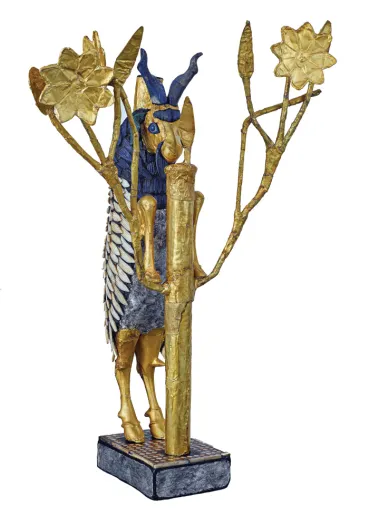
What are two objects that were discovered in the royal cemetery of Ur (2600 BCE)?
The Standard of Ur
Ram in a thicket
Which culture is associated with the cities of Ur, Uruk, Lagash, and Nippur?
Sumerian
Which culture is associated with the city of Susa?
Elamite and Persian
Which culture is associated with a the cities of Ashur, Nineveh, Kalhu, and Dur-Sharrukin
Assyrian
Which culture is associated with the city of Babylon?
Babylonian
Which culture is associated with the city of Persepolis?
Persian
What is a foundation peg? What does it signify?
rulers buried pegs beneath newly constructed temples and palaces to signify ownership to the person who built them, or the god/deity it was built for.
Describe the function of the votive figurines at Tell Asmar. Describe how the patrons intended them to function and how they related to the actual worship of the cult statue.
Votive figurines at Tell Asmar served as perpetual stand-ins for worshippers. Patrons placed these stone statues in temples to offer continuous prayers to the deity on their behalf.
How was vision understood to function in ancient Sumeria?
In ancient Sumeria, vision was seen as an active, potent force capable of transmitting inner emotions and bridging the gap between the mortal and divine.
Who was Naram-Sin. Name two art objects associated with him. What is he known for?
victory stele of Naram-Sin
second object?
he was the first king to appoint himself divinity
Think of three objects that integrate cuneiform
cylinder of Cyrus the Great
Clay tablets: used for everything from tracking trades/receipts, to stories like the epic of gilgamesh
Foundation cones: built into walls to temples or palaces, often inscribed with records of the building’s construction or ruler’s achievements
Stelae: large, monumental stone slabs in public spaces to record royal decrees and laws
Be able to describe the iconography/ideology of the stele of Hammurabi, compare it to the Stele of Naram-Sin, the Standard of Ur, and to Gudea.
--
Be able to draw and label a typical Assyrian royal city with the following:
exterior fortification walls
gates palace
palace
palace/citadel walls
fortress
ziggurat
--
What are five features (architectural features, spaces, or simply important things) that were contained inside an Assyrian palace?
lamassu
orthostats (carved wall reliefs)
throne rooms
Draw a basic plan of the Neo-Babylonian city of Babylon. Be able to label the following
palace complex (northern, southern palaces)
Ishtar gate
procession street (sacred way)
ziggurat of Marduk
Temple of Marduk
Eastern City Western city
Euphrates river
northern citadel
--
Name three people whom we studied who spoke a Semitic language.
--
Name three people whom we studied who spoke Indo-European languages.
--
Name at least two who spoke an Iranian language (could overlap with the Indo-European group)
--
Think of four themes that you might encounter in the relief decoration of the interior of the Assyrian palace.
What is the relationship between images of hunting and images of warfare?
images of hunting and warfare were closely intertwined, serving as dual expressions of a ruler’s divine mandate to impose order on the chaotic forces of nature and enemy lands
Describe the material and iconography of the Ishtar gate
It was made out of glazed mud bricks with the mashhushu dragon on it and bulls alternating and those represent the gods Marduk and Adad
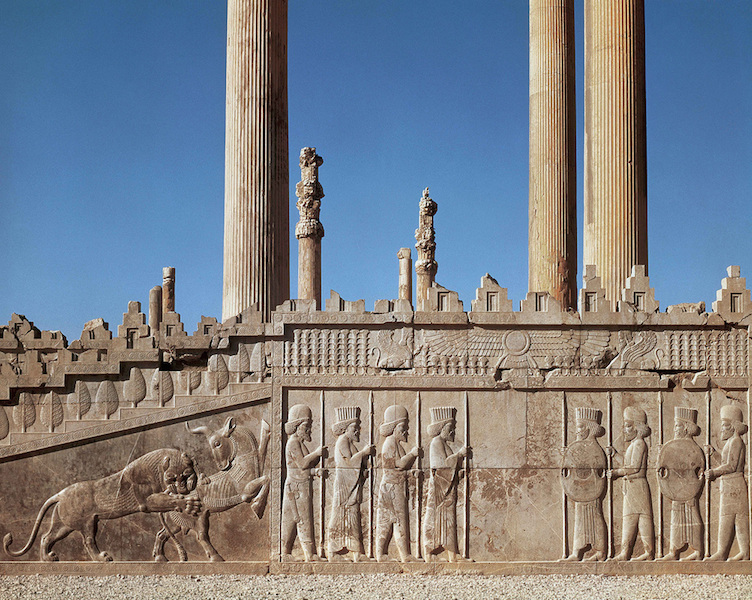
What are the main themes of the relief decoration of the palace of Persepolis?
The most iconic reliefs (found on the Apadana stairs) depict delegations from the 23 subject nations of the Persian Empire. Meticulously carved with distinct clothing, hairstyles, and gifts, they represent the voluntary submission and wealth of the empire
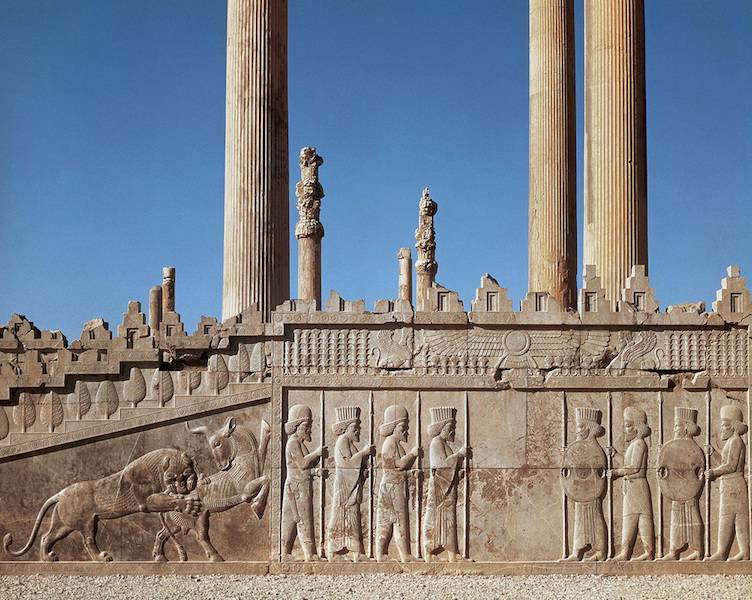
Describe five architectural/design features or components of the Palace of Persepolis.
--
Name three of the Persian royal residences/cities
susa
babylon
perserpolis
What are main features of Pasargadae?
--
Know the main features and iconography of the rock relief of Bisotun and the rock cut tombs of the Persian kings at Naqsh-e Rostam.
--
Describe three functions of monumental relief sculpture cut into the living rock and have examples ready.
--
Name three cultures that influenced the visual culture of the Persians.
--
Describe the iconography of Ahura Mazda- which two foreign divine symbols does it integrate?
The Winged Sun Disk: Originating in ancient Egypt, this emblem was widely adopted throughout the Near East, heavily utilized by the Assyrians to represent the sun god Shamash (the god of justice) and divine royal majesty.
The Bust of the Archer/God in the Disk: This anthropomorphic figure emerged from Assyrian and Babylonian religious art. In Mesopotamian iconography, the bust often represents the supreme national god, such as Ashur, protecting the king and the state.
Be able to relate the concepts of Zoroastrianism to the imagery of the Achaemenid Empire.
The Concept: The central Zoroastrian belief in Khvarenah (divine royal glory) and Ahura Mazda.
The Imagery: A figure emerging from a winged disc, prominently carved on palace doorways and royal tombs (e.g., at Naqsh-e Rostam).
Mesopotamian Adaptation: The Achaemenids adopted the winged disc from Assyrian and Babylonian motifs (originally representing the god Ashur), repurposing it to visually assert that their earthly rule was divinely ordained by Ahura Mazda
Compare the strategies of engagement with native art, architecture, religion of the Seleucid Iran versus Ptolemid Egypt.
--
Understand how the Seleucid palace incorporated Persian architectural forms and Hellenistic forms.
--
Compare the tachara of Persepolis with the palace at Ai Khanum
--
Understand how the Arsacids (Parthians) used Seleucid architectural forms and Greek ornament.
--
How did the Parthians adapt/use Hellenistic royal and divine iconographic forms for their own purposes. Think of five examples.
--
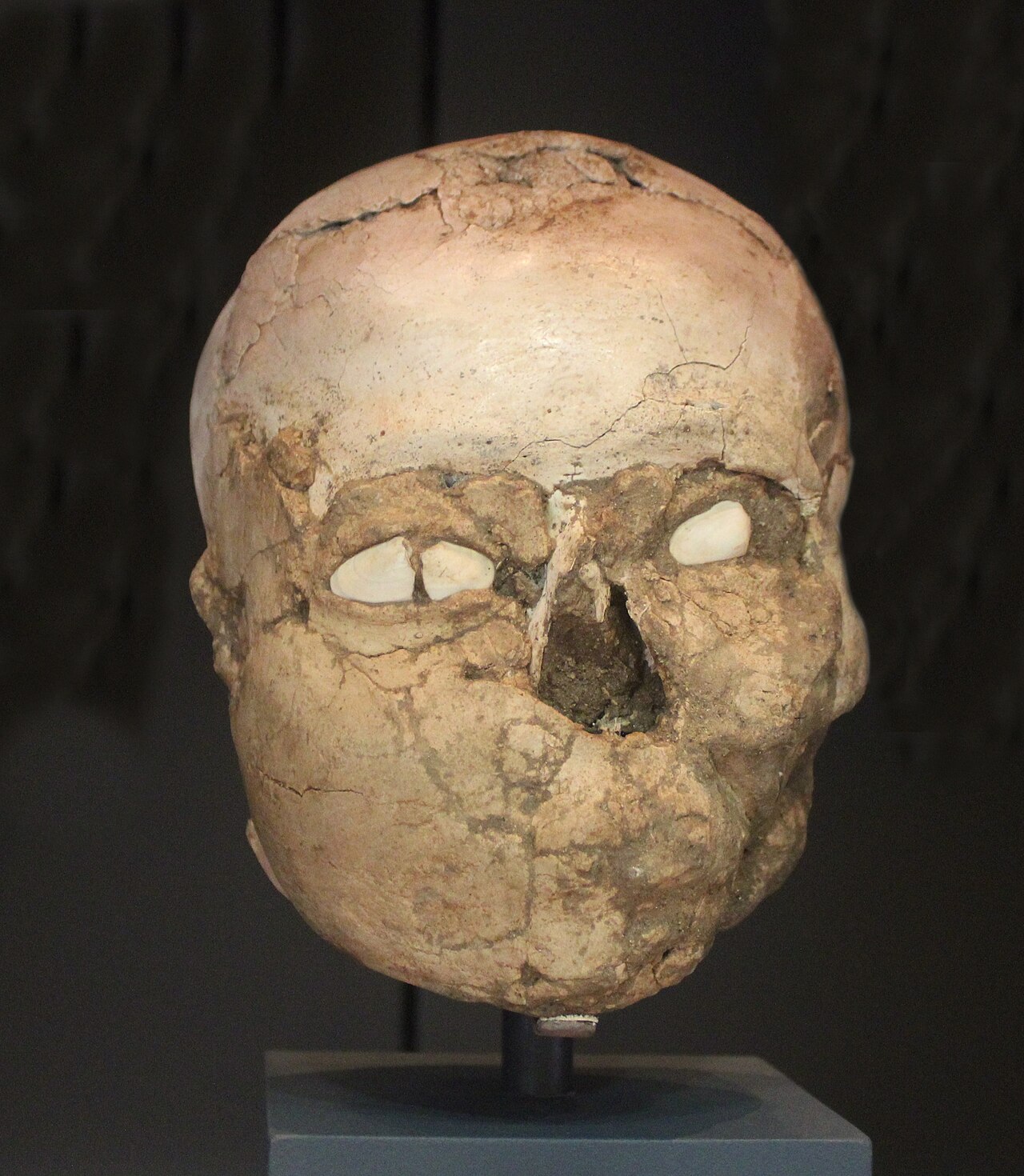
Plastered Skull Jericho (Neolithic)
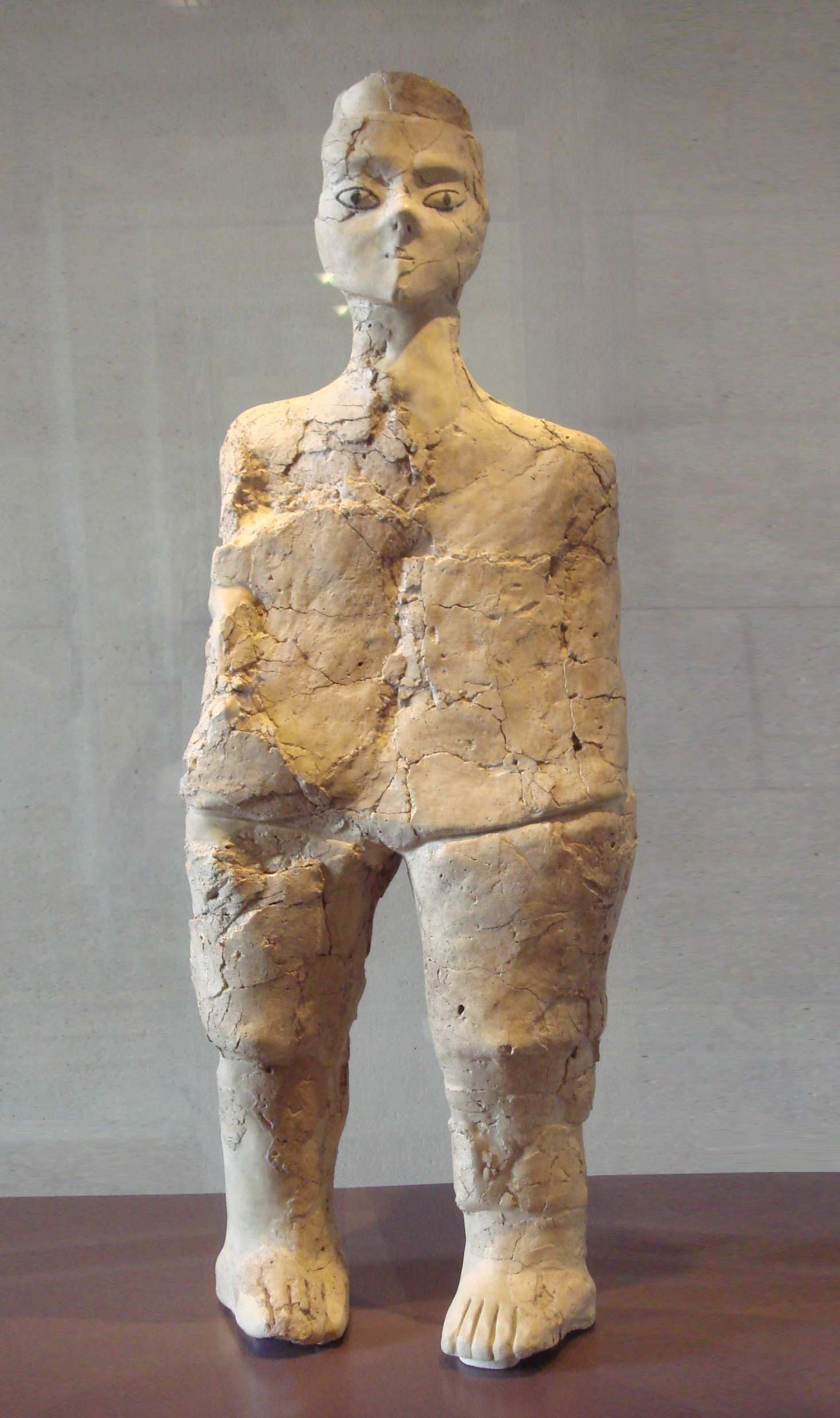
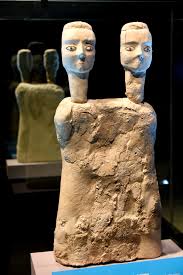
Ain Ghazal plaster statues (Neolithic)
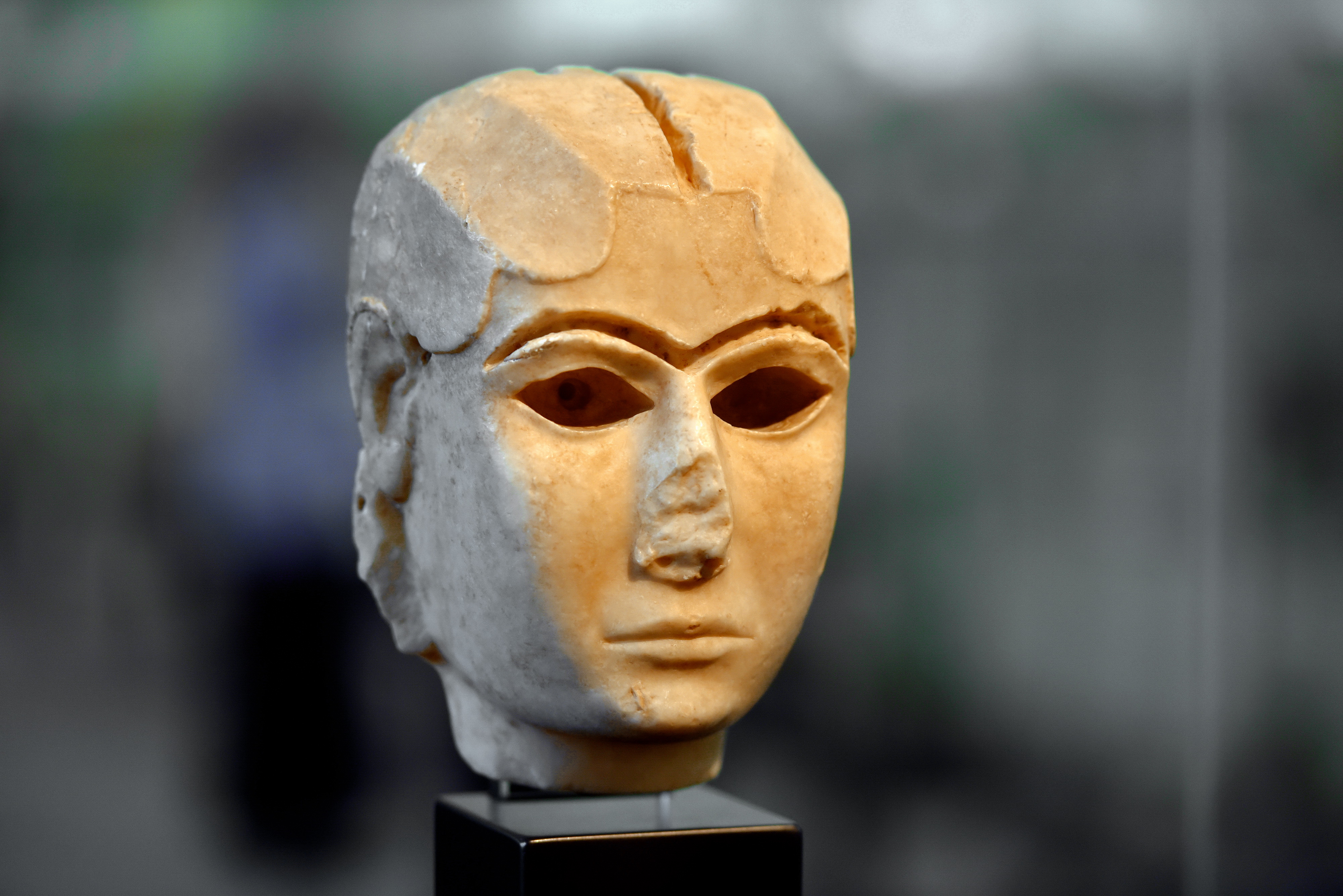
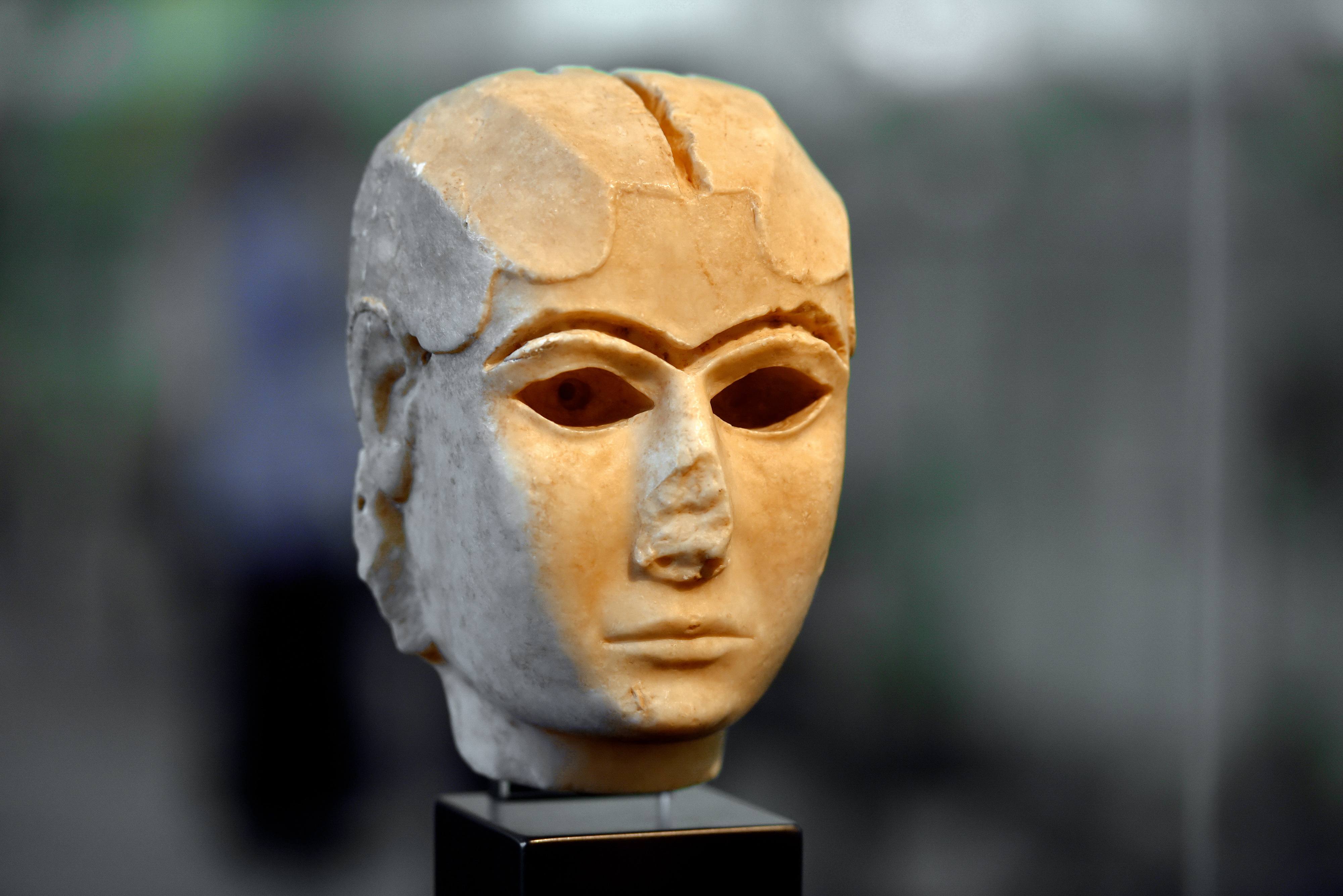
Uruk mask (Sumerian)
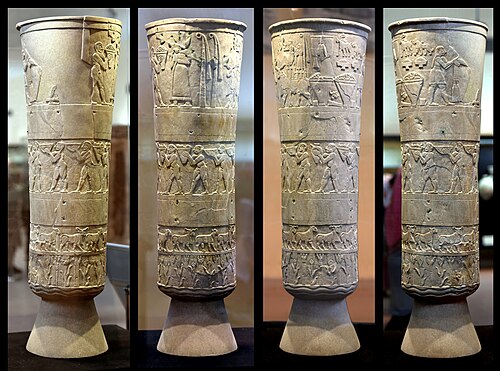
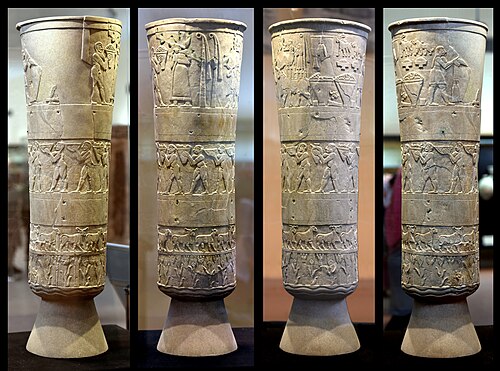
Warka Vase (Sumerian)
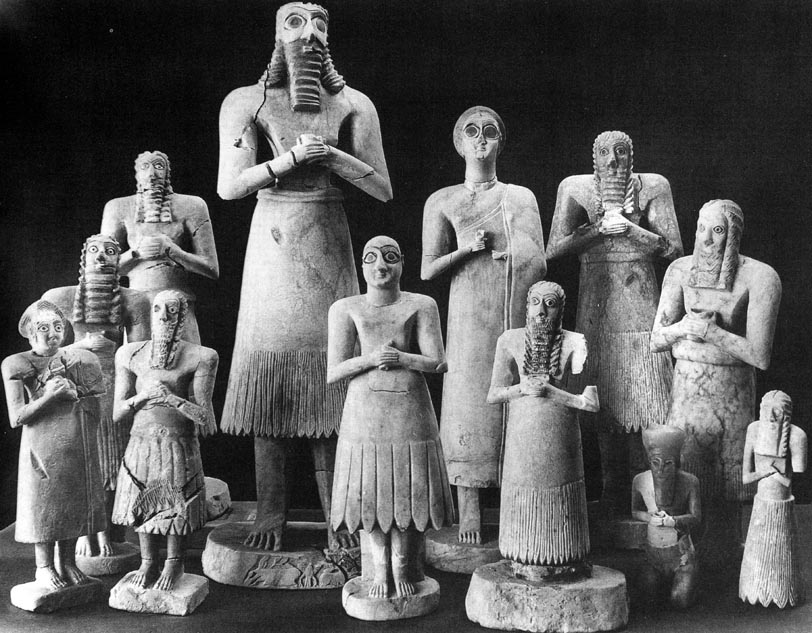
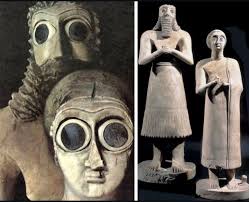
votive statues (Sumerian)
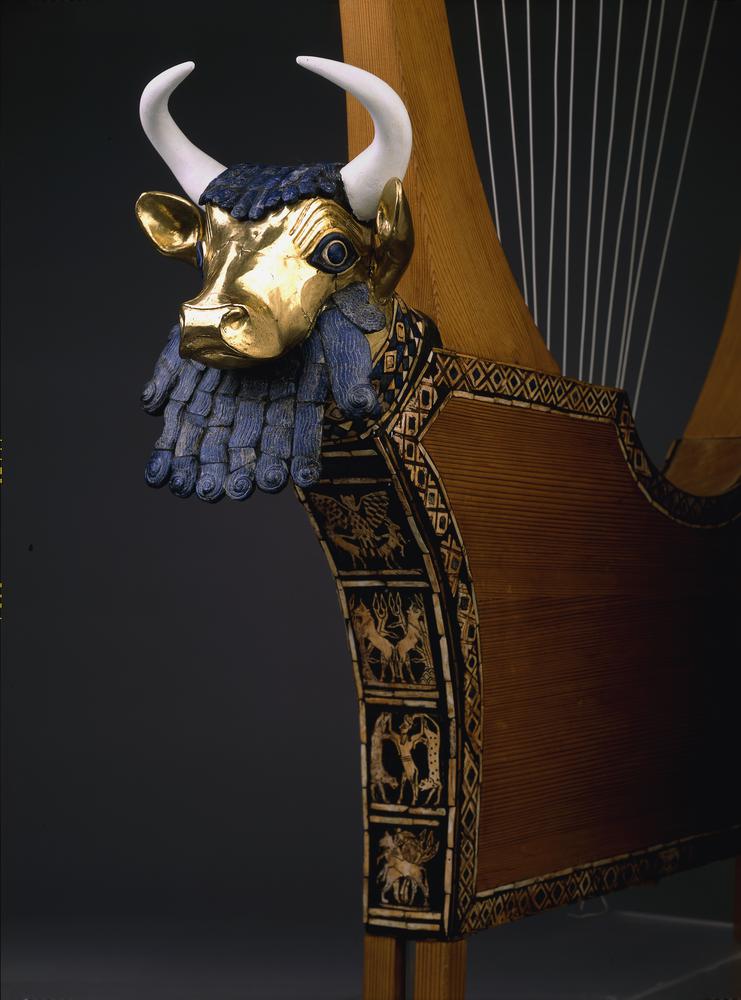
The Great Lyre, (Royal Burials of Ur)
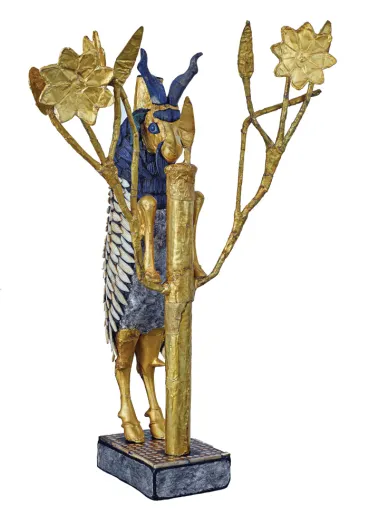
Ram in a Thicket (Royal Burials of Ur)
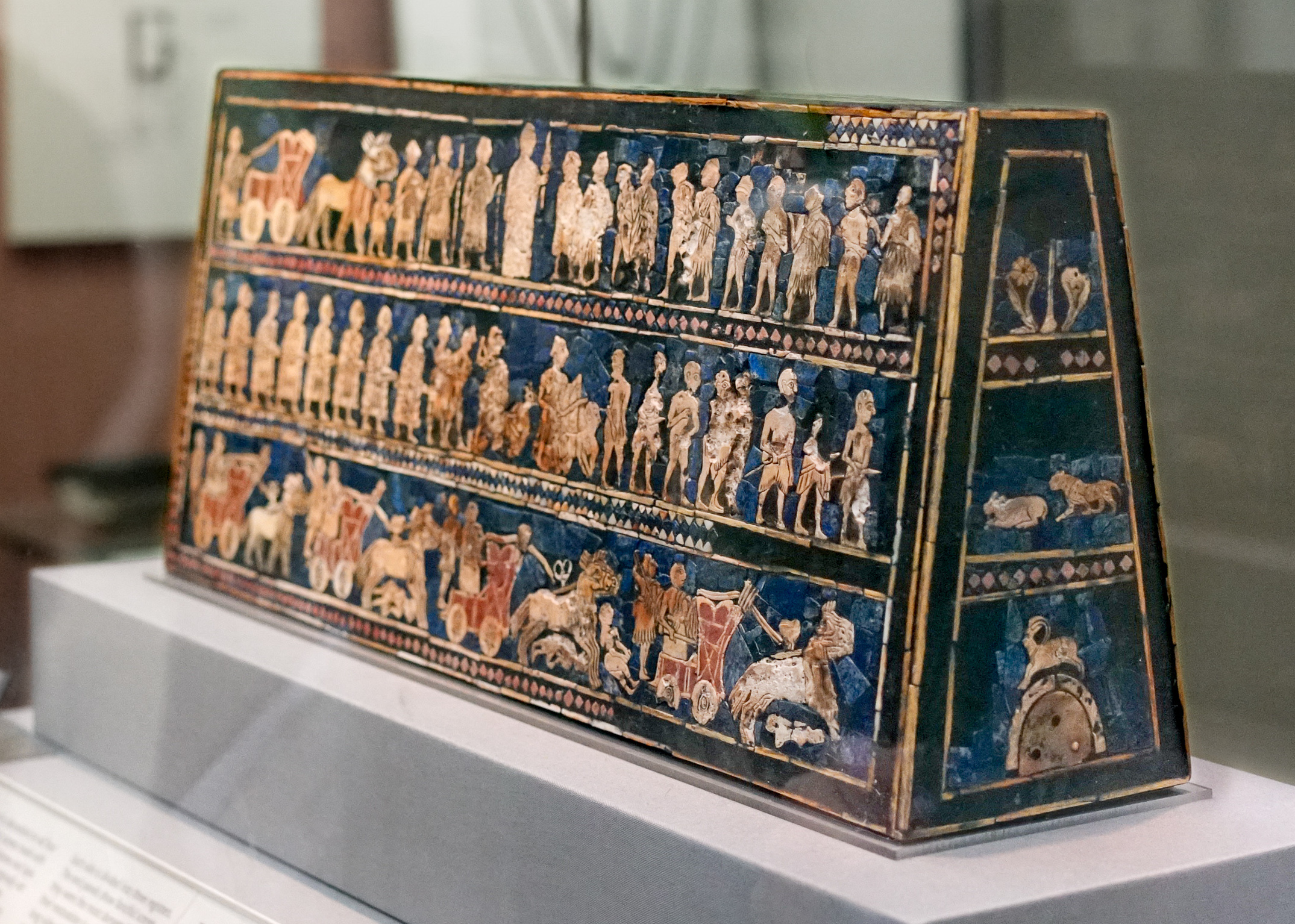
Standard of Ur (Royal Burials of Ur)
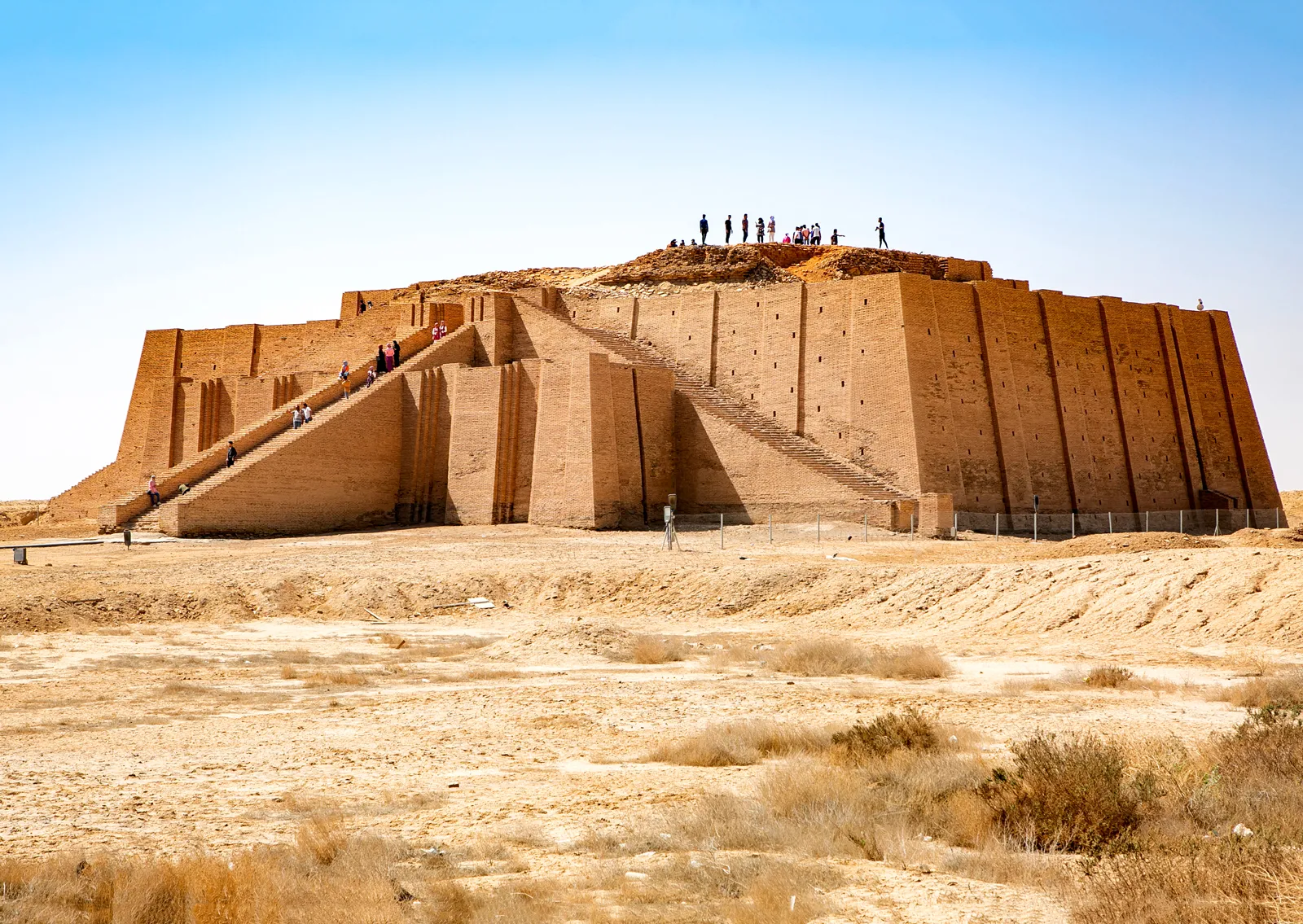
Ziggurat at Ur, built by Ur-Nammu