1 Powerplant Written Review
 Call Kai
 Learn
Learn Practice Test
 Spaced Repetition
 Match
Match Flashcards
 Knowt Play
1/118

Earn XP
Description and Tags
Comprehensive practice questions covering engine inspections, fire protection, electrical systems, fuel metering, and induction based on lecture notes.
Name | Mastery | Learn | Test | Matching | Spaced | Call with Kai | Chat |
|---|
No analytics yet
Send a link to your students to track their progress
119 Terms
publication contains mandatory replacement time for turbine engine parts
Engine manufacturer's service instructions
When inspecting an engine, document used to determine if proper magnetos are installed
Aircraft Engine Specifications or TCDS
document contains a table that lists specific engines which a propeller is adaptable
Propeller TCDS
A Cessna 180 aircraft has a McCauley propeller damaged in a ground accident. If the exact model is not available for replacement, what is used to find an approved alternative replacement
Aircraft Specifications or TCDS
Where are airworthiness standards found for issuance of type certificates for small airplanes with nine or less passenger seats in normal, utility, and acrobatic categories
Part 23
When must a SB be complied with
Only when it is referred to/mandated in an AD (or specifically required by operations specifications/regulations)
Determine portion of AD applicable for a Model O-690 series engine, serial No. 5863-40 with 283 hours time in service.
Line (B)(1). serial number falls between 5265-40 and 6129-40, and engine has more than 275 hours time in service, compliance is required within 25 hours after effective date and every 100 hours after
AD applicability statement reading "Applies to all IVO-355 engines, serial Nos. T8000-T8300, having less than 2,400 hours total time"
apply to an IVO-355 engine, serial No. T8164, with 2,100 hours total time and 300 hours since rebuild
reciprocating engine using a shrouded exhaust muffler as a source for cabin heat, exhaust system must be
Visually inspected for cracks or operational carbon monoxide detection test
Indentations on bearing races caused by high static loads are
Brinelling
How is the flow range of fuel discharge nozzles in a fuel-injected engine indicated?
By a letter stamped on the hex of the nozzle body.
How is flow range of fuel discharge nozzles in a fuel-injected engine indicated
By letter stamped on hex of nozzle body
Serviceability limits for turbine blades are more stringent than turbine nozzle vanes
A limited number of small nicks and dents can be permitted in any area of a turbine blade
True. False
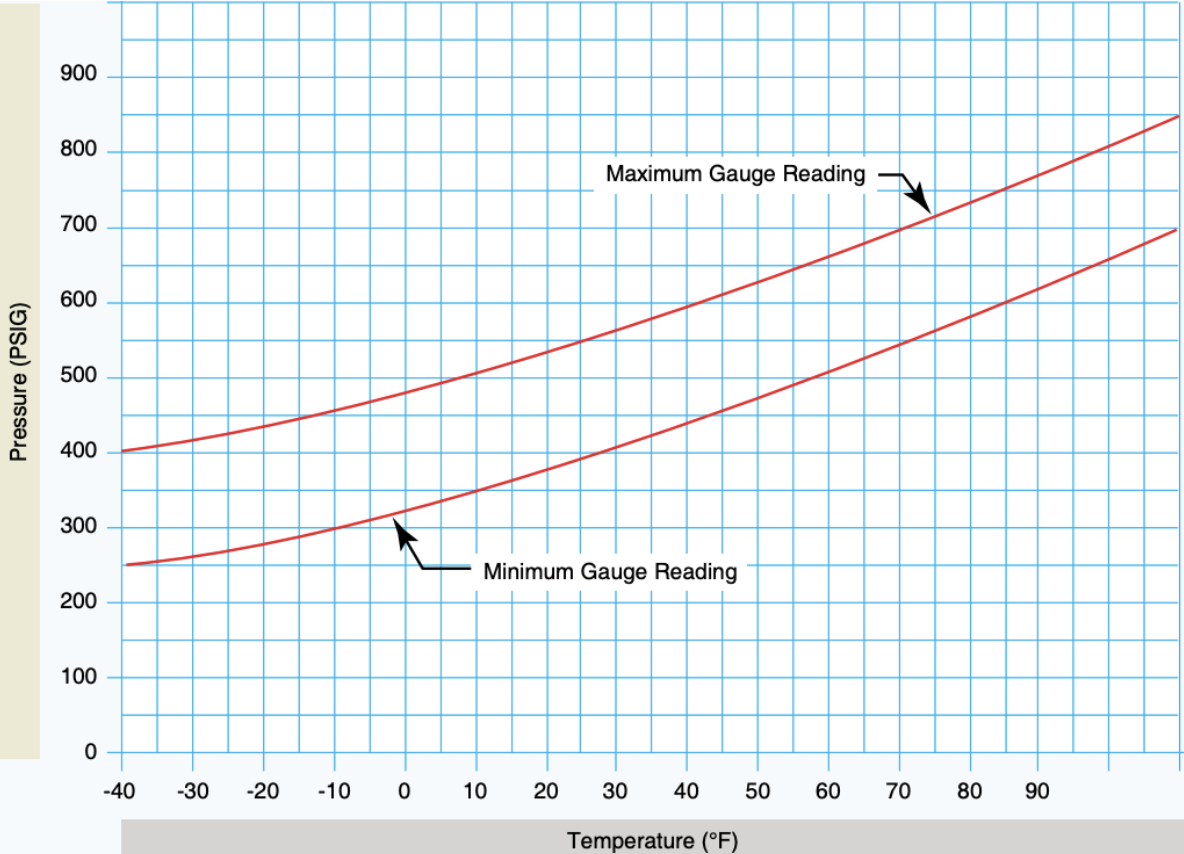
fire extinguisher container pressure limits when temp is 50°F
475–625 psig
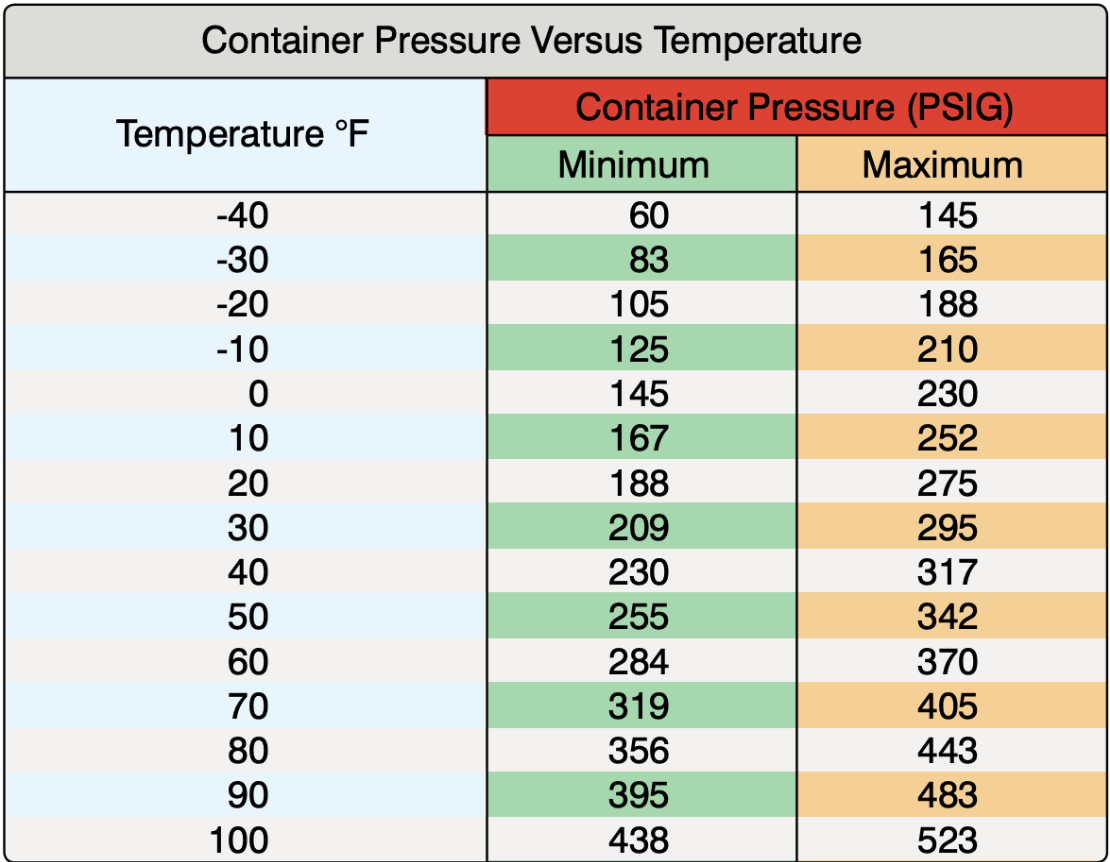
fire extinguisher container pressure limits when temp is 75°F
338 psig minimum and 424 psig maximum.
fuel or oil fire is
Class B
fire involving energized electrical equipment is
Class C
common type of portable fire extinguisher on the ramp for fires on the exterior of aircraft extinguishing agent
Carbon dioxide
operating principle of a spot detector sensor in fire detection
bimetallic thermoswitch closes a circuit when heated to a specific high temp
continuous-loop fire detector is what type of detection
Overheat detection
fire detection operates on rate-of-temperature-rise
Thermocouple
fire detection use heat to test sensing element during cockpit test
Thermocouple, Lindberg
fire detection detects fire even when sensing element is inoperative, will not test when cockpit test circuit is energized
Kidde, Fenwal
how a Systron-Donner fire detector responds after fire is extinguished or overheat condition removed
automatically resets
Fenwal physical construction
single wire surrounded by continuous string of ceramic beads inside a tube
Fenwal sometimes use spot detectors in parallel between two separate circuits
to allow a single fault to occur without triggering a false alarm
Kidde physical construction
Two wires embedded in thermistor/ceramic core inside a tube
Lindberg operating principle
operates on buildup of gas pressure inside a sealed tube proportional to temp
device used to convert AC induced into loops of the rotating armature of a DC generator to DC
Commutator
If generator voltage will not build up when field is flashed, and solder is found on brush cover plate indicates
open armature
As generator load increases (within rated capacity), voltage and amp output reaction
Voltage- constant, amp- increases
what output frequency of an AC generator (alternator) depends on
speed of rotation, number of field poles
Why do some engine-driven generators use constant-speed drive
To control the speed of the alternator so it regulates to constant frequency (Hertz) output
speed an eight-pole AC generator turns to produce 400 Hertz AC
6,000 RPM
smallest terminal stud size allowed for aircraft electrical power
No. 10
maximum number of electrical terminals connected to any single terminal stud
Four
regarding wire terminals:
Electrical wires larger than 10 gauge use uninsulated terminals.
Electrical wires smaller than 10 gauge use uninsulated terminals.
True. False
basic types of circuit breaker count used in powerplant electrical
Three (Trip-free, Non-trip-free, Automatic reset)
FAR requires aircraft using fuses as circuit protective devices carry "one spare set, or three spares of each kind"
Part 91
When air passes through a carburetor venturi, three physical changes occur
Velocity increases, temp and pressure decrease
volume of air passing through a carburetor venturi is reduced, pressure at venturi throat
increases
three changes occur when a back-suction mixture control operates
varies pressure on fuel in the float chamber to adjust fuel flow
components control ratio and volume of the fuel-air mix delivered to cylinders
Ratio: Mixture control. Volume: Throttle
Where throttle valve is located on a float carburetor
After main discharge nozzle and venturi (between venturi and engine)
correct concerning idle system of a float carburetor
low pressure between edges of the throttle valve and throttle body pulls fuel from the idle passage
primary function of idling air bleed in a float carburetor
aids emulsifying and vaporizing fuel at idle
Float carburetors with economizers are configured to operate so
They are set for leanest practical mix delivery at cruise and enriched by economizer at higher power
function of metering orifice in main air bleed at a given altitude
provides better fuel vaporization, controls fuel discharge at low engine speeds
an engine with a float carburetor runs excessively rich at full throttle, likely cause is clogged
Main air bleed
an engine with a float carburetor backfires or misses when throttle is rapidly advanced, likely cause
Accelerating pump not operating properly
What is the primary difference between Teledyne-Continental and RSA continuous fuel injection systems?
Teledyne-Continental uses fuel pressure as the metering force.
precaution taken when applying thread lubricant to tapered pipe plug in a carburetor float bowl
Engage first thread of plug bare, put small amount of lubricant on second thread, screw plug in
an engine with a pressure carburetor, fuel supply is ensured when operating in idle range
By a spring in the unmetered fuel chamber to supplement normal metering forces
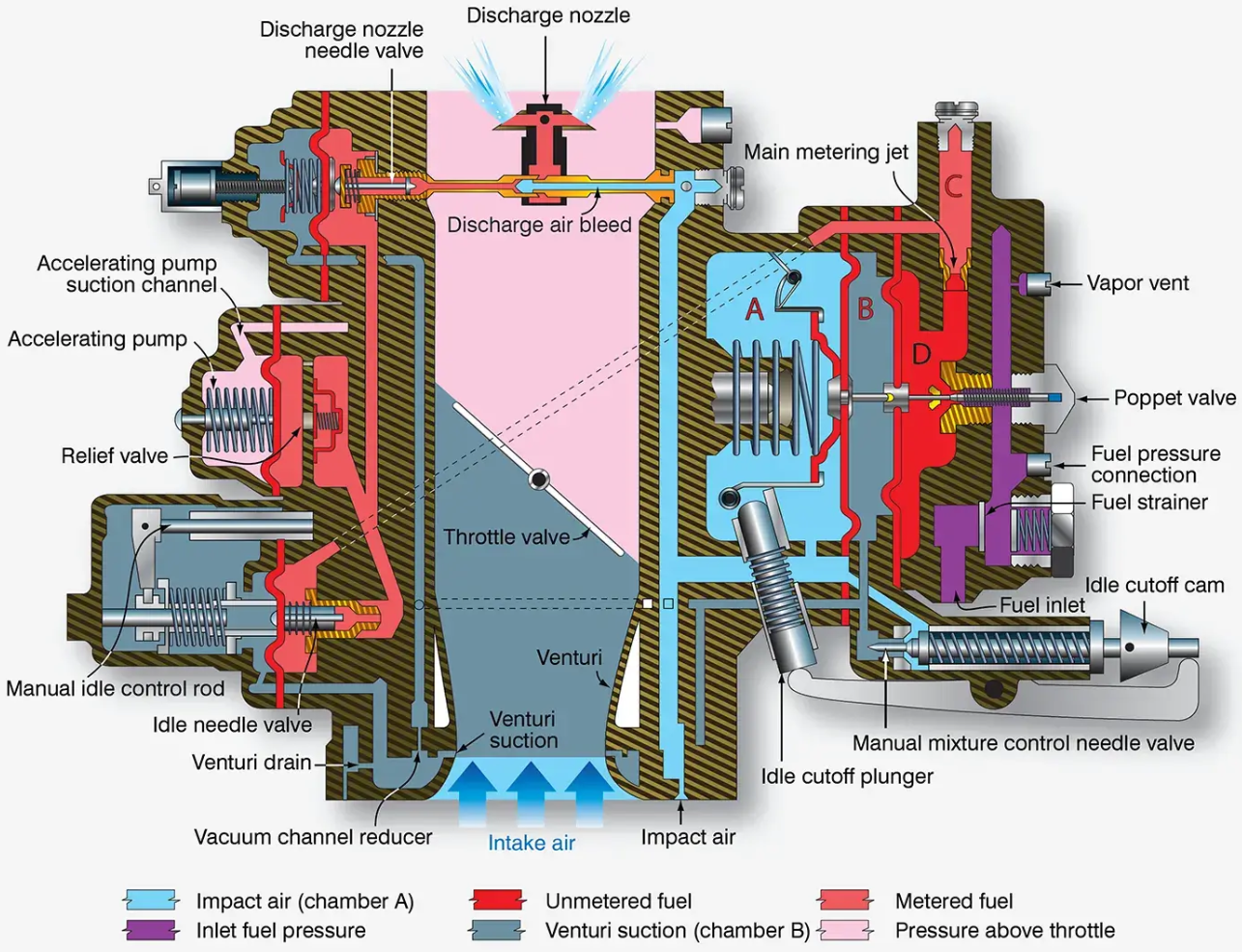
characteristic of metered fuel pressure (Chamber C) in an injection carburetor
held constant through entire engine operating range
engine with a pressure carburetor is normally started
with primer while mix control is at idle cutoff
if vapor vent float in a pressure carburetor loses buoyancy and sinks
amount of fuel returning to fuel tank from the carburetor increases
primary difference between Teledyne-Continental and RSA continuous injection
Teledyne-Continental uses fuel pressure as metering force
system abnormality is least likely to occur during operation of engine with direct cylinder fuel injection
Backfire
function of altitude compensating (aneroid) valve used with Teledyne-Continental injection on turbocharged engines
Prevents an overly rich mix during sudden acceleration
regarding mix richness in air-cooled reciprocating engines:
mix at rated power is richer than mix through normal cruise
mixture at idle is richer than mix at rated power
True. True
Maximum power is considered to be developed in a reciprocating engine with air-fuel mixture ratio of
12:1
type of mix change is caused by using less-than-normal throttle opening during engine start
rich mix
would cause a chronically lean mix and high cylinder head temp operating at sea level or low altitude
automatic mixture control stuck in extended position
condition an engine runs lean even though there is a normal volume of fuel in the carburetor
Incomplete fuel vaporization
Excessively rich or lean idle mix result in
Incomplete combustion
indication shows optimum idle mix obtained during engine check
with mix control moved slowly to IDLE CUTOFF, manifold pressure decreases slightly, RPM increases momentarily before engine ceases
If an engine will not idle, likely fuel system cause
economizer valve not operating correctly
Detonation occurs when air-fuel mix
Burns too fast
density of air is critical for correct fuel metering. air sample weighs the most
100 parts dry air
describes basic function of altitude mix control
regulates richness of fuel-air charge entering engine to compensate for decreased air density at altitude
fuel systems of aircraft certificated in standard classification must include a mechanical feature
positive means of shutting off fuel to all engines
FAR requirement for fuel flow rate capability of a gravity-feed fuel system
must be capable of 150% of takeoff fuel consumption
Where main fuel strainer or filter is located in the fuel system
Between fuel tank outlet and fuel metering device
common large aircraft reciprocating engines engine-driven fuel pump
rotary vane (requires pressure relief valve)
When an electric primer is used to start an engine, how is required fuel pressure built up
By electric booster (auxiliary) pump
Fuel pump relief valves designed to compensate for atmospheric pressure variations are
Balanced relief valves
location a fuel pump relief valve directs excess bypassed fuel
Back to inlet side of fuel pump
pilot reports fuel pressure fluctuates wildly and exceeds upper design limits when throttle is advanced. likely cause
sticking fuel pump relief valve
period an engine-driven fuel pump internal bypass valve opens and remains open
When boost pump pressure is greater than engine-driven fuel pump discharge pressure (during engine start or engine pump failure)
purpose of engine-driven fuel pump bypass valve
prevents damaged or inoperative pump blocking fuel flow of another auxiliary pump in series
statement with centrifugal fuel boost pump in a fuel tank is NOT true
centrifugal pump is classified as positive displacement
purpose of fuel transfer ejectors in a fuel tank
To assist in continuous transfer of fuel from main tank cavity into boost pump sump
Why kerosene is preferred over avgas as turbine engine fuel
contains more heat energy per gallon and lubricates internal fuel system components
it is necessary to control acceleration and deceleration rates via fuel control unit on turbine engines
To prevent compressor blowout or combustion die-out
When trimming a turbine engine fuel control, parameters to adjust
idle RPM, maximum speed, Engine Pressure Ratio
atmospheric condition must be verified prior to performing turbine engine trimming
Obtain true ambient temp reading comparable to air entering engine inlet
functional operational difference between an Electronic Engine Control and a Full-Authority Digital Engine Control
Standard EEC: Receives operational data and electronically adjusts a hydromechanical fuel control unit.
FADEC: Receives all operational data, develops commands to actuators to control engine parameters
As engine manifold pressure increases, what happens to air in the cylinder
density of air in cylinder increases
On small reciprocating engines, fuel vaporization is artificially increased within induction
By circulating fuel-air mix through intake passages routed through warm engine oil sump
reciprocating engine induction when de-icing alcohol is injected with a fluid system
Into airstream directly ahead of carburetor
common maintenance factor in failure of an engine to develop full rated power during takeoff
Improper adjustment or rigging of carburetor heat valve control linkage
in a turbocharge system when waste gate is completely closed
All exhaust gas is directed through the turbine wheel
purpose of intercooler in conjunction with super or turbocharger
To cool compressed air entering carburetor or fuel metering device from turbocharger discharge
three primary regulating control components of a sea-level boosted turbocharge system
exhaust bypass valve (waste gate), density controller, differential pressure controller
function of Density Controller in a turbocharge system
limits maximum manifold pressure produced by turbocharger at full throttle
function of Rate-of-Change Controller in a turbocharge system
controls rate the turbocharger discharge pressure is allowed to increase
function of Differential Pressure Controller in a turbocharge system
reduces tendency for "bootstrapping" during part-throttle, controls all positions of waste gate except when fully open
percentage of total heat energy generated by combustion is carried out of reciprocating engine with exhaust gas
greatest portion of heat generated by combustion is carried out with the exhaust
specific part of air-cooled engine cylinder features greatest cooling fin area per square inch
exhaust valve port
How reciprocating engines in helicopters are supplied with cooling airflow
By continuous cooling fan mounted directly to and driven by the engine