History and Theoretical Approaches of Psychology 1.1
 Call Kai
 Learn
Learn Practice Test
 Spaced Repetition
 Match
Match Flashcards
 Knowt Play
1/15

Earn XP
Description and Tags
Vocabulary flashcards identifying core concepts, key figures, and historical as well as contemporary approaches in psychology based on the lecture transcript.
Name | Mastery | Learn | Test | Matching | Spaced | Call with Kai | Chat |
|---|
No analytics yet
Send a link to your students to track their progress
16 Terms
Psychology
The scientific study of human behavior & mental processes.

Behavior
Directly observable and measurable actions.

Mental processes
Private activities like thinking, perceiving, and feeling.
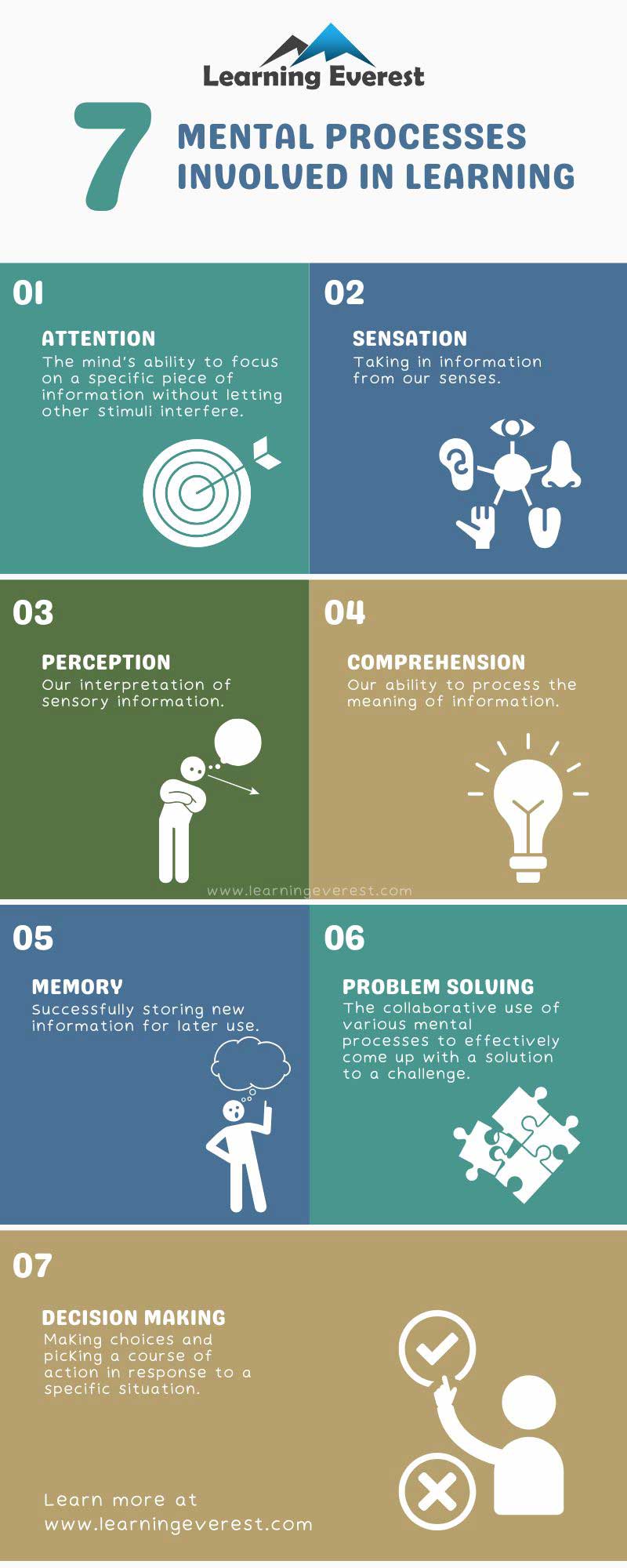
Structuralism
An early approach promoted by Wundt and Titchener that sought to analyze consciousness into its basic elements and investigate how those elements are related to answer 'what is the mind?'
Introspection
The careful, systematic self-observation of one's conscious experience, including sensations, perceptions, and first reactions.

Functionalism
An early approach led by William James that investigated the function or purpose of consciousness, asking 'what is the mind for?'

Consciousness
Defined by the APA as an organism's awareness of something either internal or external to itself.

Psychoanalysis
A psychological theory developed starting in the early 1890s by Sigmund Freud based on uncovering causes of behavior that were unconscious or hidden from a person's conscious awareness.

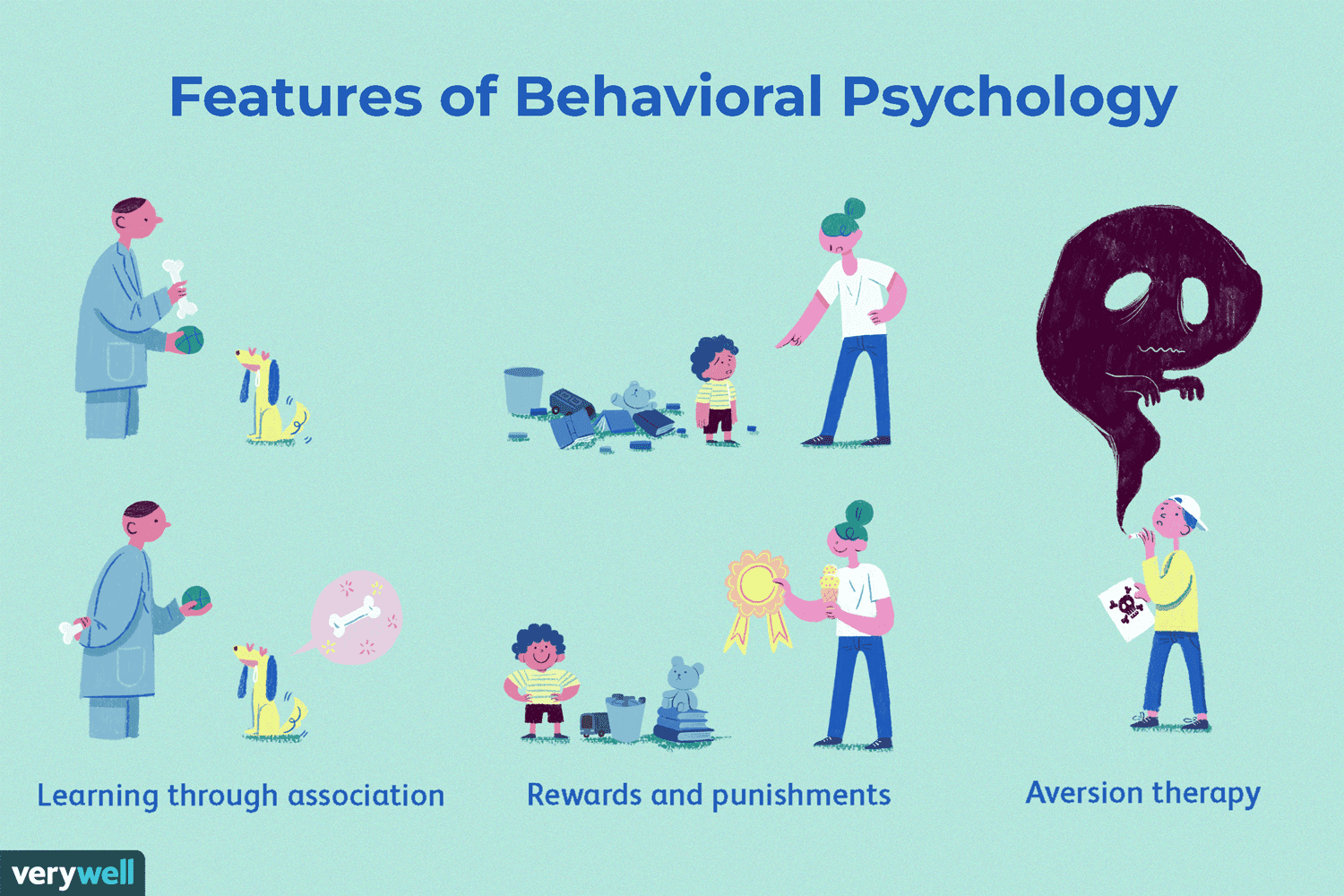
Behaviorism
An approach dominant from the 1930s to 1960s that rejected unobservable subjective mental states to focus on directly observable stimuli and responses and learning through rewards and punishments.
Gestalt Psychology
An early 20th-century approach founded by Max Wertheimer that studies perception, emphasizing that 'the whole is more than just the sum of the parts'.

Humanism
A psychological approach dominant from the 1950s to 1970s, promoted by Carl Rogers and Abraham Maslow, that emphasized self-actualization, free will, human potential, and conscious experiences.

Evolutionary Approach
A contemporary approach that focuses on inherited, adaptive aspects of behavior and mental processes that enhance survival and reproduction.

Biological Approach
A contemporary approach that focuses on how biology, including brain parts, hormones, neurotransmitters, and genes, influences behavior and mental processes.

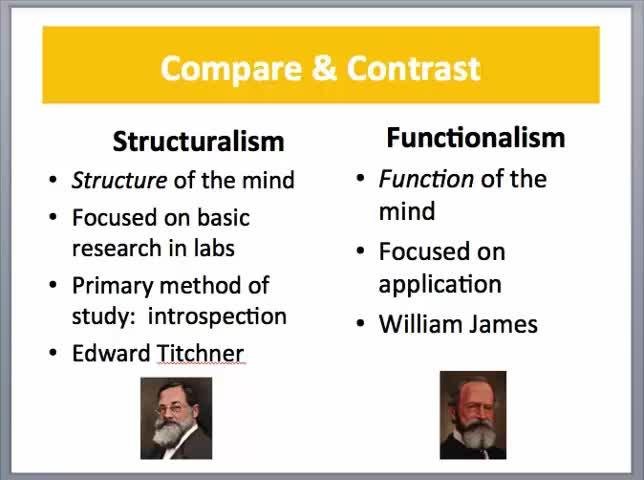
Cognitive Approach
A contemporary approach that focuses on thinking, problem-solving, and memory.

Biopsychosocial Approach
An approach stating that biological, psychological, and sociological factors interact to influence behavior, mental processes, and health outcomes.

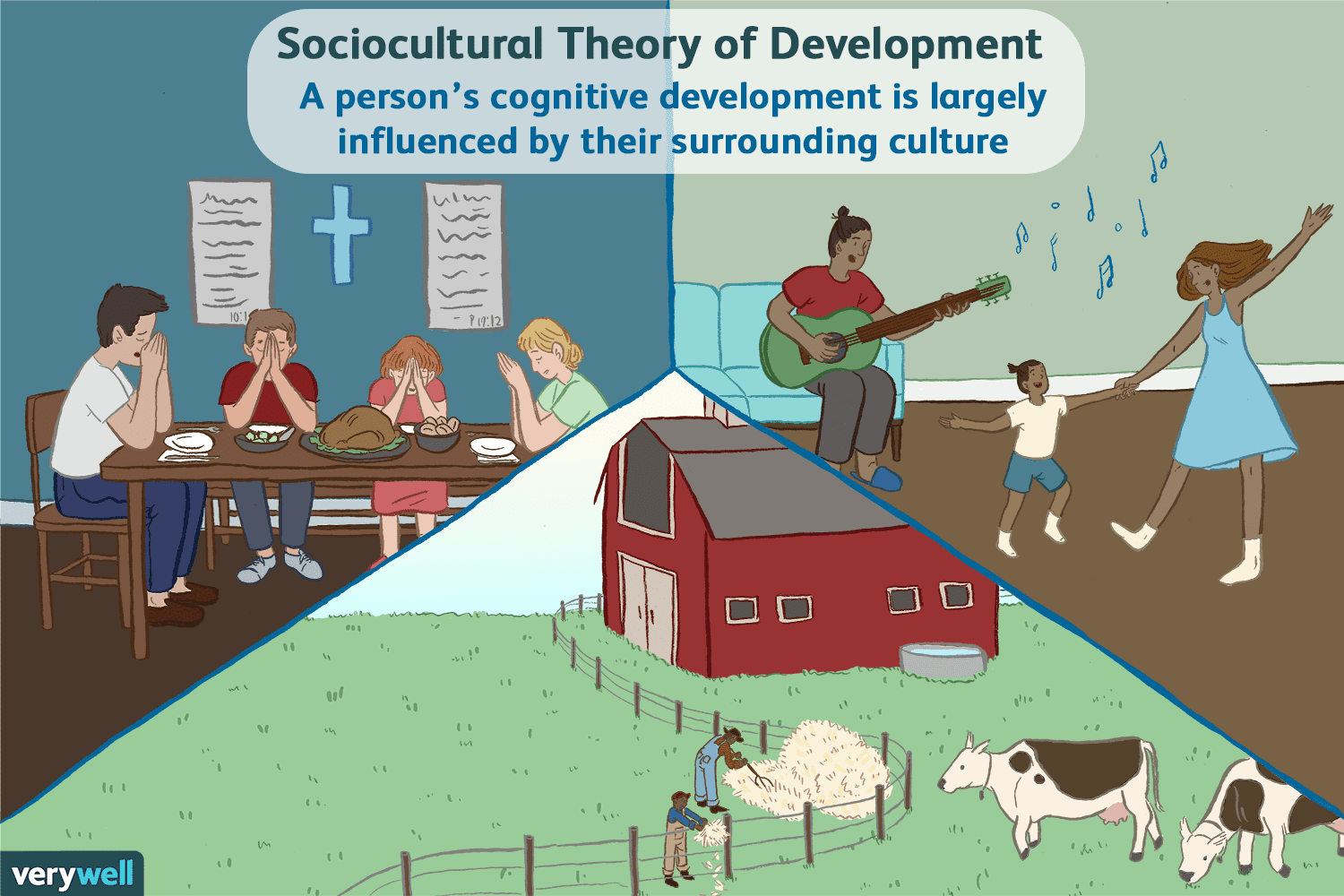
Sociocultural Approach
An approach emphasizing how the social environment and cultural background influence a person.