Biochemistry Unit 1
 Call Kai
 Learn
Learn Practice Test
 Spaced Repetition
 Match
Match Flashcards
 Knowt Play
1/116

There's no tags or description
Looks like no tags are added yet.
Name | Mastery | Learn | Test | Matching | Spaced | Call with Kai | Chat |
|---|
No analytics yet
Send a link to your students to track their progress
117 Terms
Aqueous enviornment
containing water
water
medium of life
70% of the human body
universal solvent
can act as both an acid and base
hydronium ion gives up a proton and water accepts proton and becomes hydronium
neutral pH of 7
dehydration
loss of 4% of body’s water
fatal dehydration
loss of 15% of body’s water
properties of water
interacts electrostatically with charged solutes
high melting point, boiling point, and heat of vaporization
electronegativity
a measure of an atom’s ability to attract shared electrons to itself
increases with a positive slope on the periodic table
most electronegative element = fluoride
polar molecule
part of the molecule is slightly positive while the other part is slightly negative
water polarity
polar molecule
oxygen “hogs” electrons from H
Oxygen— 8 e- ; Hydrogen—1e-
hydrogen bond
electrostatic forces of attractions caused by the difference in charge between hydrogen and oxygen atoms
bond angle between O and H is 104.5
hydrogen bond properties
nearly tetrahedral arrangement of orbitals around oxygen — bonds with 4 neighboring water molecules
in liquid, each molecule forms H-bond with only 3.4 other molecules
In ice, each molecule forms bond with 4 water molecules → lattice structure
hydrophilic
dissolves in water
polar compounds: glucose, glycine, aspartate, lactate, glycerol
hydrophobic
does not dissolve in water
non-polar molecules- lipid, waxes
amphiphilic
part hydrophilic/hydrophobic
surfactants, detergents, phospholipids, cholesterol, fatty acids
cohesion
property of water molecules to be attracted to each other, which causes them to stick together
adhesion
property of water molecules to be attracted to molecules other than water
meniscus
solutions
homogenous mixture of one or more solutes dissolved in a solvent
Solute + Solvent = Solution
ex: blood
solute
a substance that can be dissolved into a solution by a solvent
solvent
a substance in which a solute is dissolved
stock solution
concentrated solution of a chemical substance that is used to make more dilute solutions
N1V1 = N2V2
pH scale
measures the amount of H+ ions in a solution
= -log(H+)
acid
more H+ ions
Few OH- ions
Can donate a proton
base
Less H+ ions
More OH- ions
Can accept a proton
buffer
a solution that resists changes in pH when an acid or base is added, even in small amounts
strong acids
completely dissociate in water
weak acids
do not ionize readily; do not completely dissociate in water
acid dissociation constant
measure of how readily an acid dissociates into ions in a solution
higher Ka = more acidic
lower ka= less acidic
(H3O+)(A-)/(HA)
pKa
Inherent property of a particular substance;
a number that measures how acidic a molecule is, or provides a convenient way to compare the strengths of different acids
= -log Ka
lower value = more acidic
higher value = less acidic
Henderson-Hasselbach Equation
relationship between pH and pKa
pH= pKa + log(A-/HA)
half-equivalence point
the point at which the acid and conjugate base are in balance, the pH of the solution is equal to the pKa of the acid
diastase
mixture of amylases
first enzyme to be discovered (1833)
enzyme
coined by Wilhelm Kuhne (1877)
proteins that help speed up metabolism, or the chemical reactions in our bodies
Catalytic power and specificity
typically end in -ase
old enzymes for digestion: trypsin, chymotrypsin, pepsin
can catalyze one reaction (urease)
can catalyze group of reaction (chymotrypsin)
apoenzyme
enzyme without cofactor
cofactor
small molecules including metals and coenzymes
prosthetic group
tightly bound coenzymes
co-substrates
loosely bound coenzymes
oxidoreductase
category of enzymes
function: oxidation-reduction reactions
ex: dehydrogenase, reductase, oxidases
analogy: chargers/batteries (move electrons)
transferase
category of enzymes
function: transfers groups such as phosphate or methyl
ex: transaminases, aminotransferase, kinase
analogy: delivery drivers (move packages/groups)
hydrolase
category of enzymes
function: hydrolysis of substrate; breaks down in presence of water
ex: lipase (breakdown fatty acids), peptidase (breakdown proteins), nuclease, phosphatase, amylase (breakdown starch)
analogy: dish soap (cut with water)
lyase
category of enzymes
function: nonhydrolytic removal or addition of a group to a substrate
ex: synthase or synthetase
analogy: balloon twisters (break without water)
isomerase
category of enzymes
function: converts to isomers
ex: glucose isomers
analogy: interior decorators (rearrange)
ligase
category of enzymes
function: ligates
ex: DNA ligase
analogy: superglue (join molecules together)
properties of enzymes
increases speed of reaction
decreases activation energy
sensitive to changes in pH and temperature
specific for a particular reaction or class of reaction s
does not change (or consumed)
does not change the equilibrium position
does not change the thermodynamics
does not change the overall delta G
gibbs free energy
measures the amount of energy available to make or break bonds
catalyzed reaction
the reaction rate increases with increasing substrate concentration until a maximal velocity is reached
uncatalyzed reaction
no saturation effect
would be a straight line graph
active site
a 3D cleft formed by amino acid sequence where the substrate fits and where the chemical reaction occurs
induced fit model
kinetics
the study of rate of chemical reactions
Michaelis Menten equation
Vo = Vmax times (S)/[(S)+(Km)]
![<ul><li><p><strong>Vo = Vmax times (S)/[(S)+(Km)]</strong></p></li></ul><p></p>](https://assets.knowt.com/user-attachments/13f4c1f1-3c6a-4929-a8f3-69c7d912bcda.png)
kcat
turnover number
the maximum number of substrate molecules converted to product per active site per unit time
tells how fast an enzyme works
= Vmax/enzyme concentration
Km
how well the enzyme binds to its substrate
the amount of substrate necessary to allow an enzyme to function at half its maximal velocity
Vmax
the maximum velocity achieved by the system, at saturating substrate concentrations
reversible enzyme inhibition
rapid dissociation of the enzyme-inhibitor complex
contains subgroups
competitive
uncompetitive
noncompetitive
irreversible enzyme inhibition
dissociates slowly from its target enzyme
ex: drugs, penicillin, aspirin
competitive inhibitor
a process where a molecule blocks an enzyme's active site. This inhibitor looks like the real substrate. It fights with the substrate to bind to the site.
uncompetitive inhibitor
a type of enzyme regulation where an inhibitor molecule binds only to the already formed enzyme-substrate (ES) complex, rather than to the free enzyme.
blocks the release of substrate
noncompetitive inhibition
a type of enzyme regulation where an inhibitor binds to an allosteric site
changes the shape of the active site
hypothyroidism
example of regulated enzyme activity.
Symptoms: fatigue, unexplained weight gain, increased sensitivity to cold, dry skin and hair
hyperthyroidism
example of regulated enzyme activity.
Symptoms: sped up metabolism, rapid heartbeat, weight loss, tremors, and heat sensitivity.
cell fear response
cell must sense levels of molecules and adjust to actions on the fly
ex: such as when running away from something
something must turn on an enzyme that breaks down stored glycogen to release glucose
the glycogen breakdown enzyme must be active long enough to provide necessary amount of glucose
then STOP, or reserves will be depleted.
enzymatic regulation
principle ways:
allosteric control
proteolytic activation
reversible covalent modification—phosphorylation/dephosphorylation
multiple forms of enzymes—isozymes
controlling by amount of enzyme present
feedback inhibition
a cellular control mechanism where the end product of a metabolic pathway binds to an enzyme early in that same pathway to slow or stop further production.
prevents waste
prevents depletion (ex: production of ATP from glucose)
prevents dangerous build-up (ex: cholesterol)
Maintains homeostasis:
allosteric enzymes
regulatory molecule in one part of the enzyme that can adjust the enzyme’s behavior
have a site for an effector to bind, as well as an active site
larger and more complex than normal enzymes
do not follow Michaelis-Menten kinetics- SIGMOIDAL KINETICS
results from cooperation between enzyme subunits (time delay)
effectors
regulatory molecule that can bind reversibly, allowing them to exert/remove control as needed
ATCase
allosterically inhibited by CTP
Made of Aspartate and Carbamoyl
Function: makes building blocks for DNA
catalyzes the first step in the pyrimidine synthesis pathway that makes cytidine triphosphate (CTP)
Activity depends on levels of different nucleotides and increasing/decreasing enzyme activity.
inhibited by the end product of the pathway, CTP, an example of feedback inhibition
made up of 12 polypeptide subunits (6 catalytic trimers (C) and 6 regulatory dimers (R))
R subunits have allosteric binding site
this site bind to CTP for pyrimidines or ATP for purines
T state
less active site
favored by CTP binding
absence of substrate
low affinity for substrate
low catalytic activity
reduces catalysis
R state
more active state
favored by substrate binding
presence of substrate
high affinity for substrate
favors catalysis
cooperativity
a phenomenon where the binding of a ligand (like a substrate or oxygen) to one active site on a macromolecule with multiple binding sites influences the affinity of the remaining sites
negative allosteric effector
decreases ATCase activity
high levels of pyrimidine CTP → latches to R subunit → shifts enzyme to T state → reduces enzyme affinity for substrate
positive allosteric effector
increases ATCase activity
high levels of purine ATP → ATP binds to enzyme → C subunit → shifts enzyme to R-state → increases enzyme affinity for substrate
Proteolytic activation
lysis of the peptide bond
substrates get access to the active site only after one or more peptide bonds in the zymogen are broken
ex: digestive proteases
Chymotrypsin, a protease in teh intestines, will attack the pancreas if activated too soon (if not, chronic pancreatitis)
Chymotrypsinogen → Trypsin (only active when active site is exposed by active site cleavage)
zymogen
enzymes that start with the covered active site
also called proenzymes
activation of Trypsin
pathway of digestion in the duodenum requires concurrent action of several enzymes
zymogens must be switched on at the same time
coordinated control by activation of this enzyme
Enteropeptidase → trypsinogen → X → more zymogens
formation by enteropeptidase is the master activation step
Trypsin inhibitor
binds so tightly to the active site that it cant progress to the transition state
binds to any prematurely activated trypsin molecules in the pancreas or pancreatic ducts
prevents severe damage to those tissues, which could leads to acute pancreatitis
blood clotting
cascade of zymogen activations
may form within the blood supply system and stop blood flow if the system is too active
thrombophlebitis
Pathway: convert inactive protein (fibrinogen) → active form (fibrin)
final product due to intrinsic and extrinsic pathway
intrinsic- activation of factor XII
extrinsic- by trauma, whcih releases tissue factor
phosphorylation
kinases covalently link a phosphate group to the appropriate side
changes sidechain to negative
can only be reversed by removing phosphate group by phosphatases (dephosphorylation)
Isozymes
enzymes that differ in amino acid sequence, yet catalyze the same reaction
ex: Lactate dehydrogenase (LDH)
enzyme that catalyzes a step in anaerobic glucose metabolism + glucose synthesis
humans have 2 polypeptide chains for this enzyme
H isozyme- in heart
M isozyme - in muscles (skeletal)
increases in serum levels of H4 relative to H3M is an indication that a myocardial infarction has damaged heart muscle cells, leading to the release of cellular material
important for diagnostics
DNA discovery
knowledge of DNA came from its structure
1953, James Watson and Francis Crick through the use of Rosalind Franklin’s data
DNA crystals, the central cross is diagnostic of a helical structure
Central Dogma
DNA → RNA → PROTEIN
DNA strand → transcription → messenger RNA → translation → protein
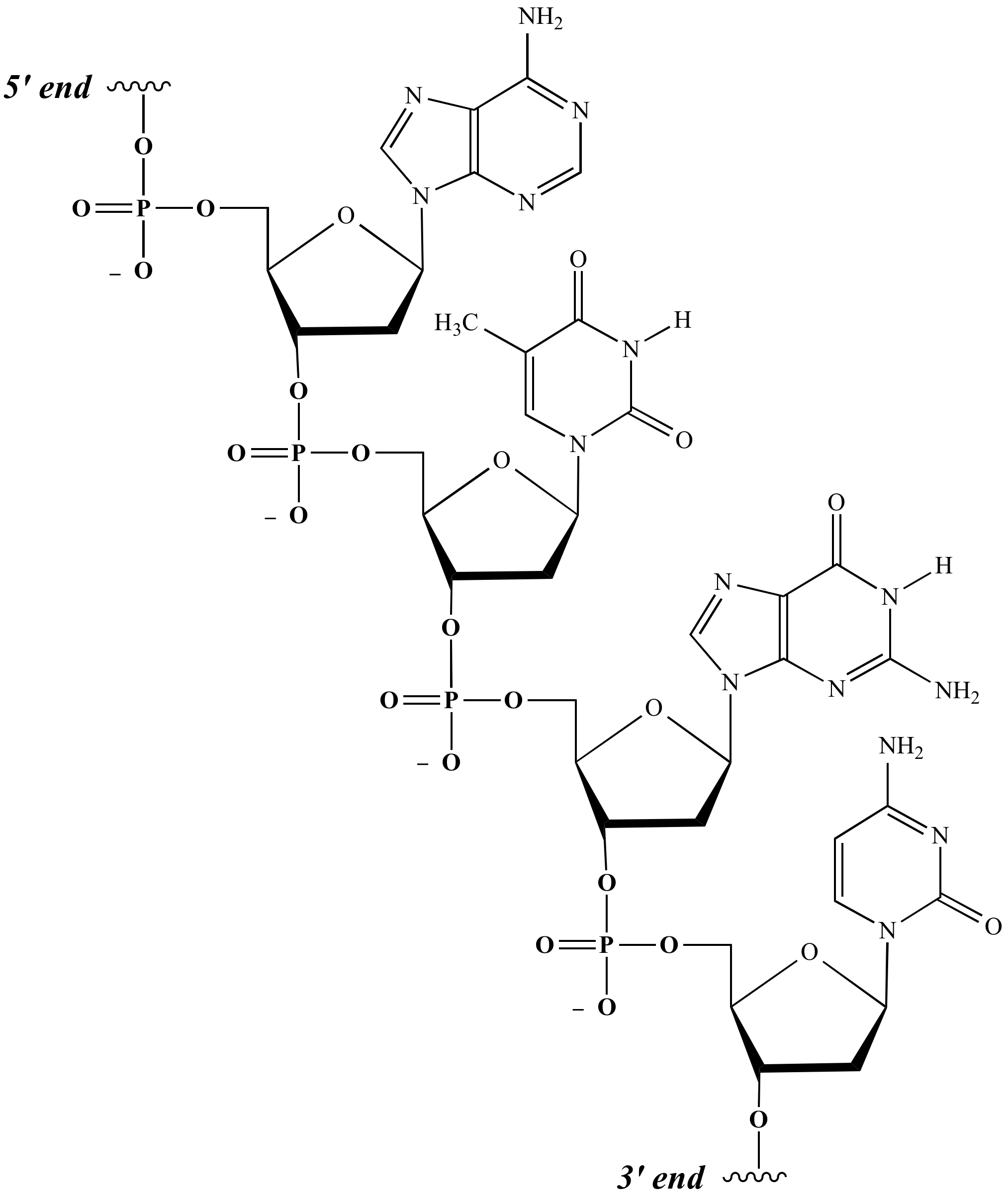
Nucleotide
5 Carbon Sugar, a nitrogenous base, and 1+ phosphates
3 hydrophilic regions:
Phosphate group
sugar molecule
hydrophilic base edge
DNA
lacking a 2’C OH group
bases:
adenine
guanine
thymine
cytosine
RNA
has a 2’C OH group
bases:
adenine
guanine
uracil
cytosine

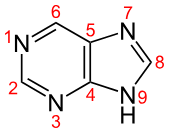
Purine
adenine
guanine
2 membered ring- 9’C chain
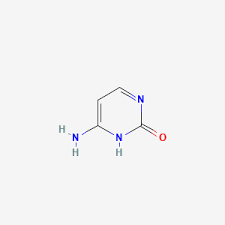
pyrimidine
cytosine
uracil
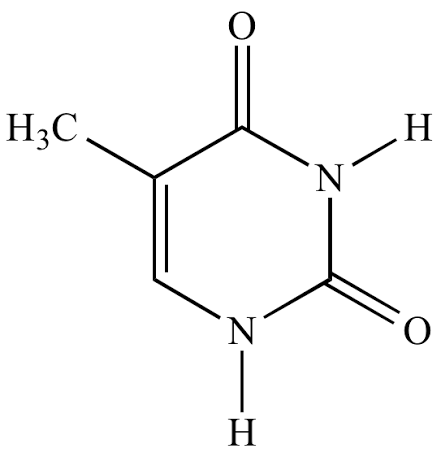
thymine
1 membered ring- 6’C

cytosine
pyrimidine
thymine
pyrimidine
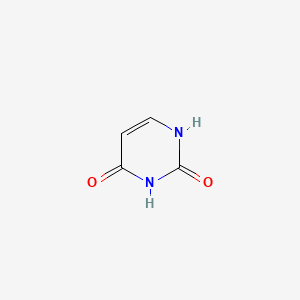
uracil
pyrimidine
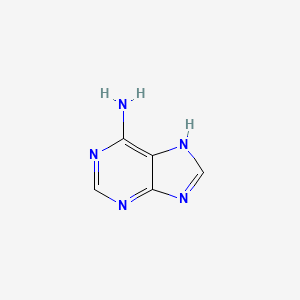
adenine
purine
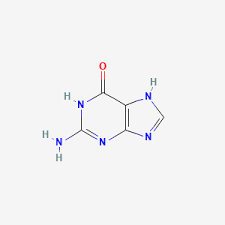
guanine
purine
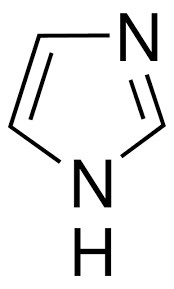
imidazole
5 membered heterocyclic aromatic ring containing 2 nitrogen atoms
phosphodiester bond
bond between 1 sugar 3’OH and the 5’Phosphate of adjacent sugar
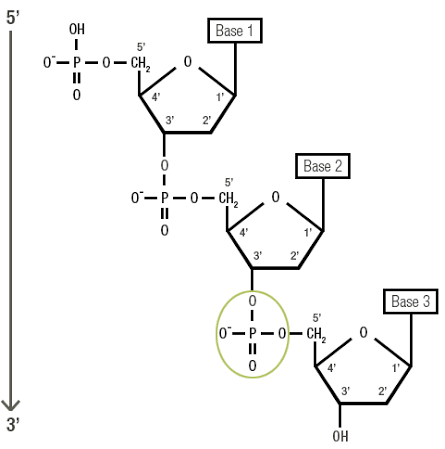
DNA backbone
consist of sugar and phosphate
Nucleoside
base + sugar
glycosidic bond
N-9 of purine or N-1 of pyrimidine is attached to C’1 of sugar
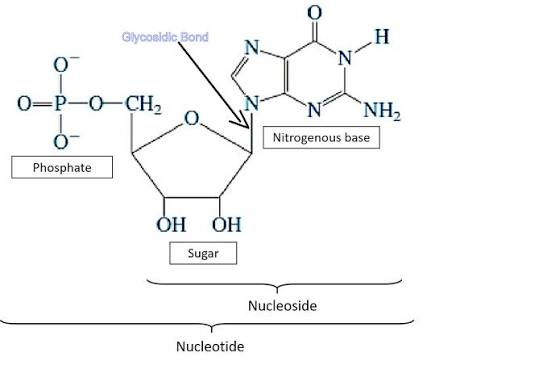
nucleoside monophosphate
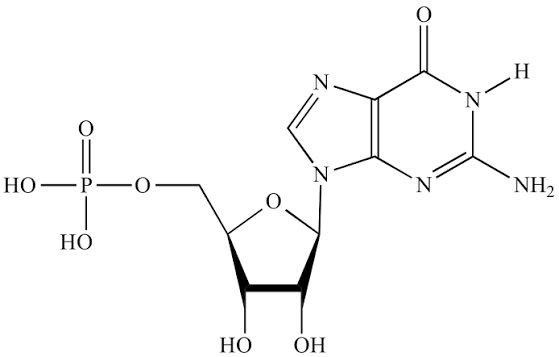
nucleoside diphosphate

nucleoside triphosphate

deoxyadenosine
nucleoside nomenclature
can add phosphate groups after
found in DNA
adenine base
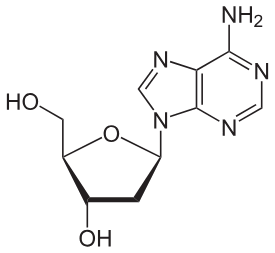
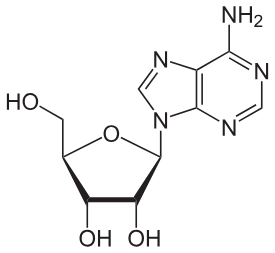
adenosine
nucleoside nomenclature
can add phosphate groups after
found in RNA
adenine base
deoxyguanosine
nucleoside nomenclature
can add phosphate groups after
found in DNA
guanine base

guanosine
nucleoside nomenclature
can add phosphate groups after
found in RNA
guanine base
