Ch4 Lesson 3: Adaptations
 Call Kai
 Learn
Learn Practice Test
 Spaced Repetition
 Match
Match Flashcards
1/34

There's no tags or description
Looks like no tags are added yet.
Name | Mastery | Learn | Test | Matching | Spaced | Call with Kai | Chat |
|---|

35 Terms
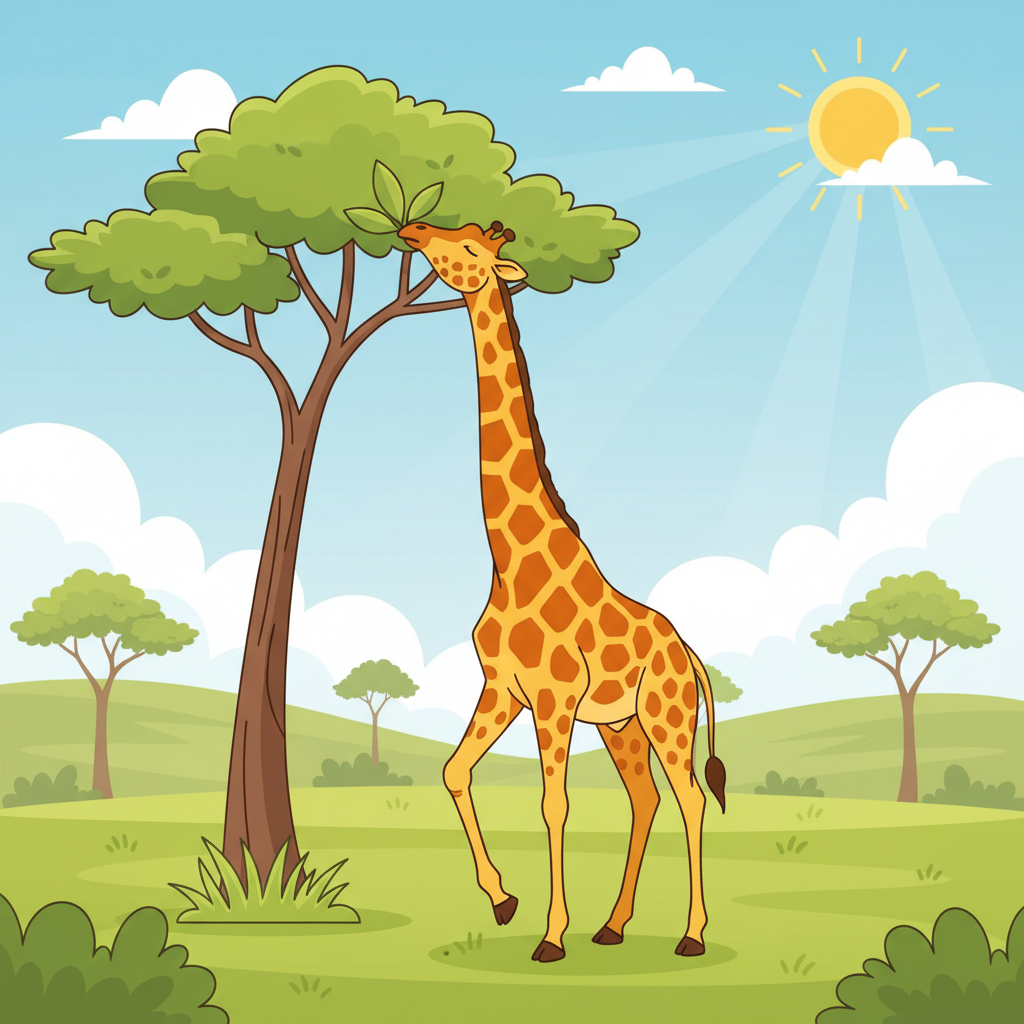
adaptation
A characteristic that helps an organism survive in its environment.
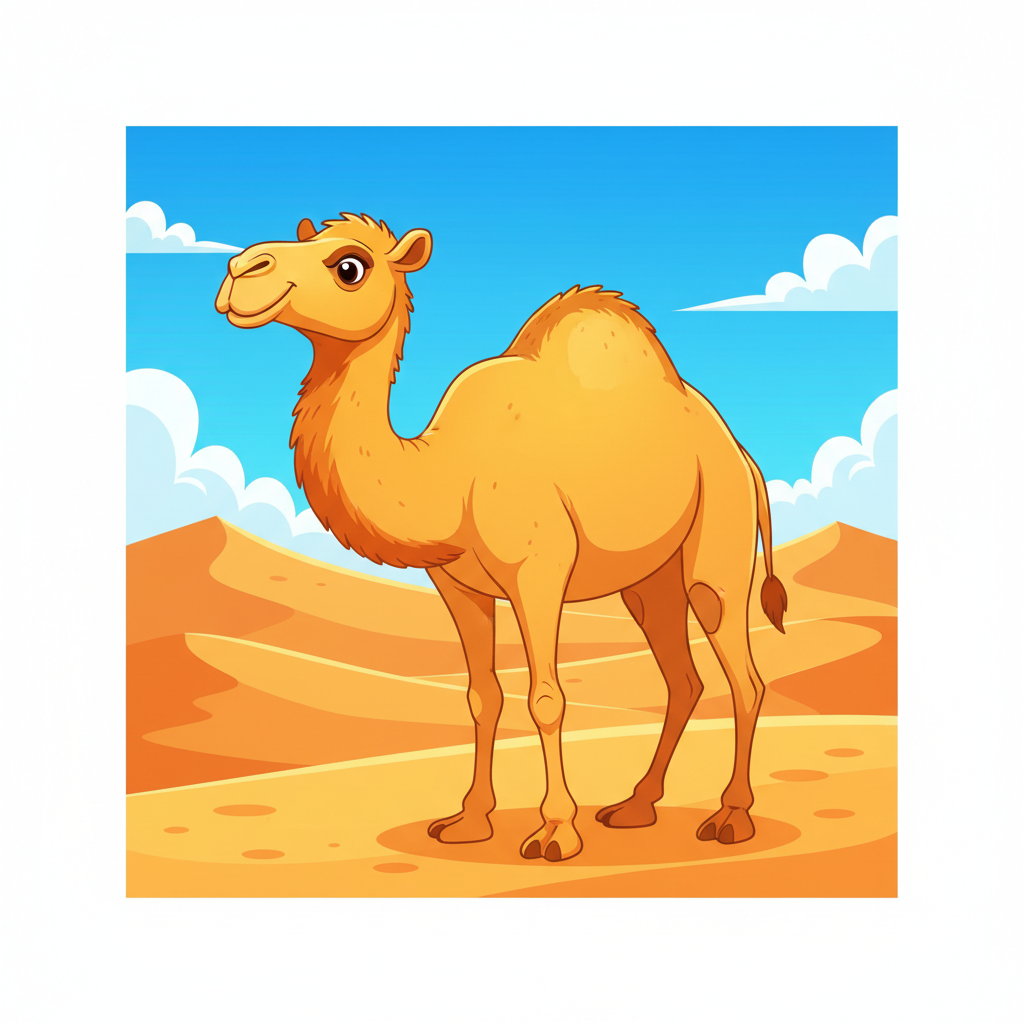
structural adaptation
A physical adjustment to an organism's internal or external body parts.
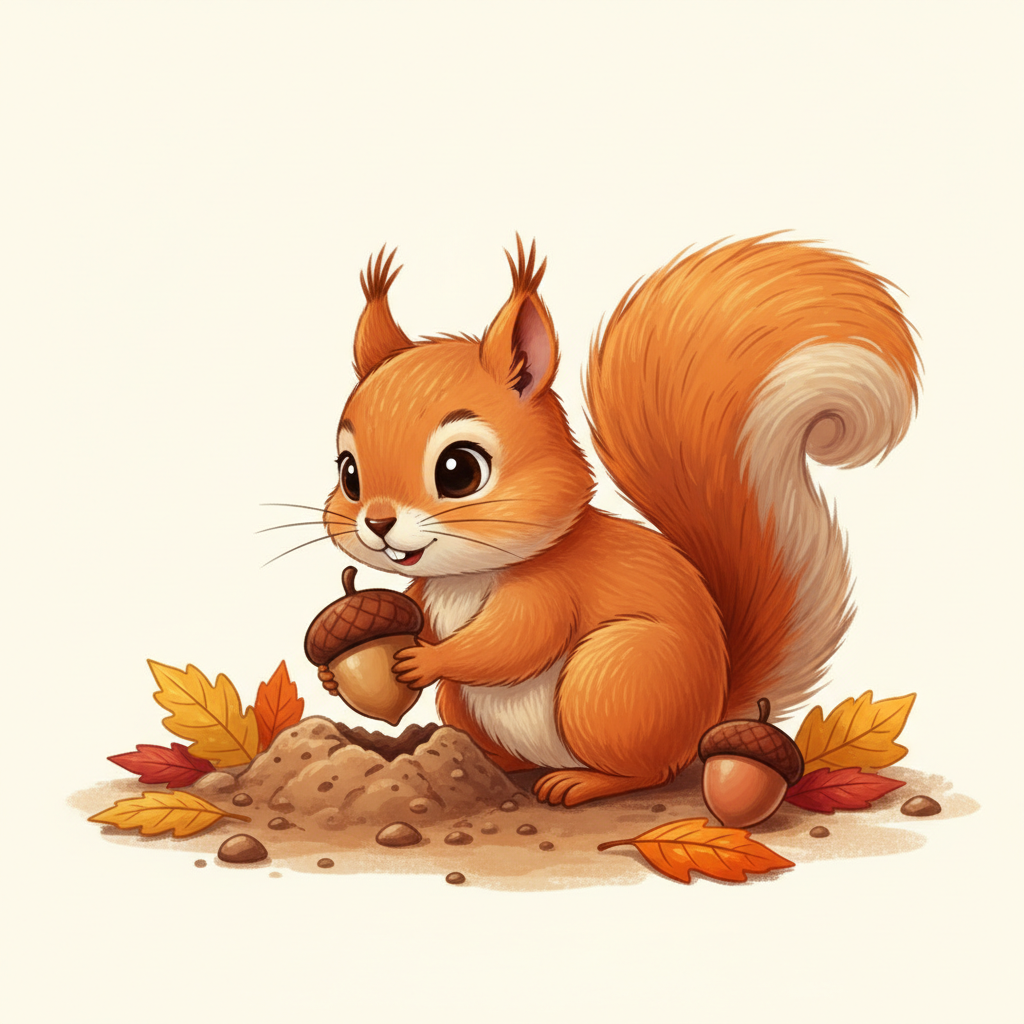
behavioral adaptation
An adjustment in the way an organism acts to help it survive.
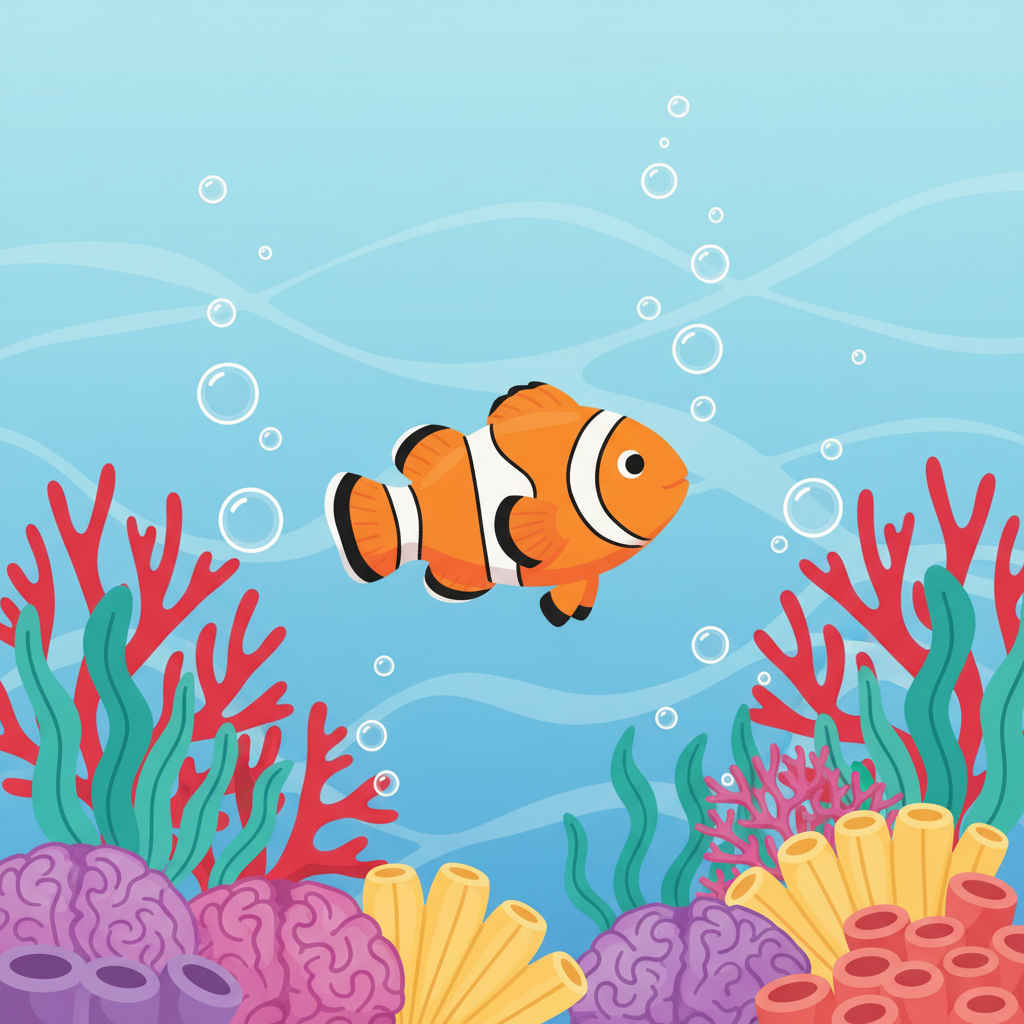
environment
The surroundings or conditions in which a plant or animal lives.

survival
The result of having successful adaptations that help an organism stay alive.
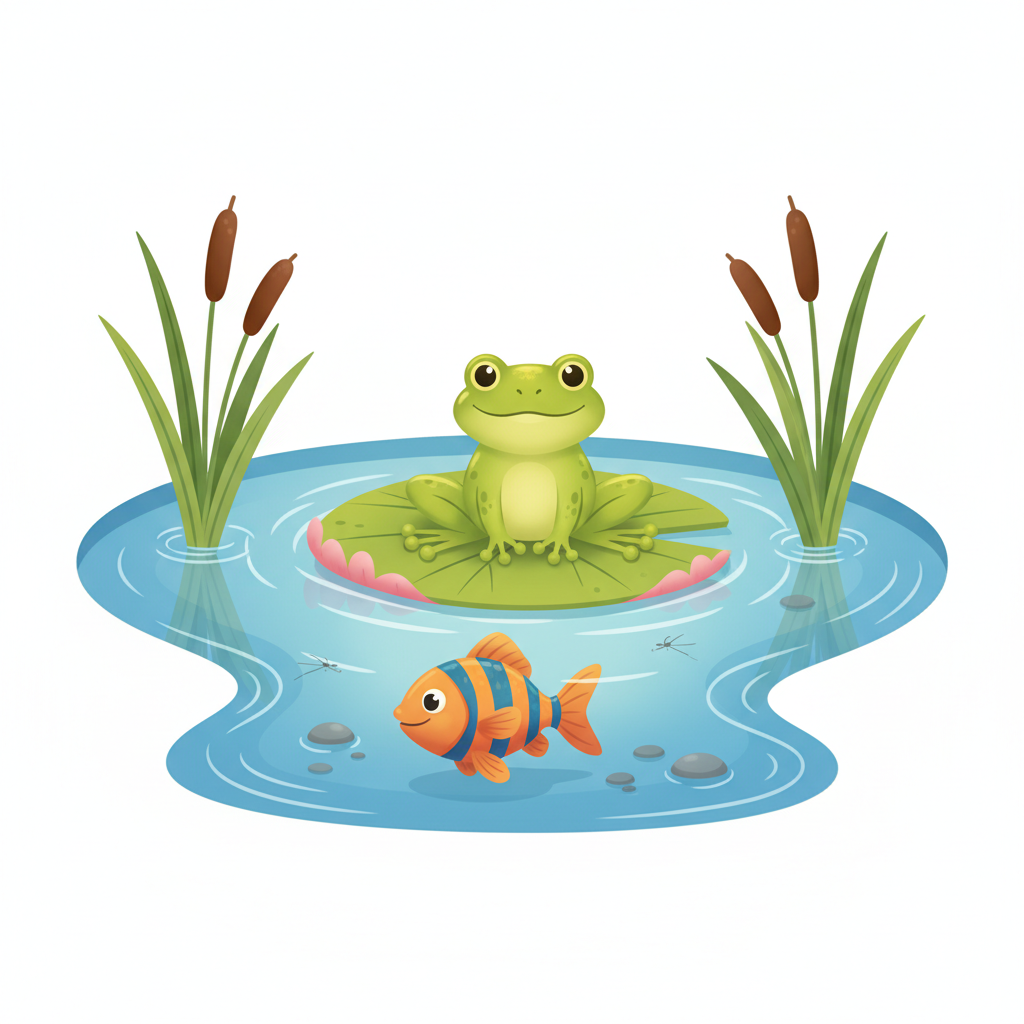
ecosystem
A community of living things and their environment where survival is a struggle.
inheritance
The process where offspring receive successful adaptations from their parents over time.
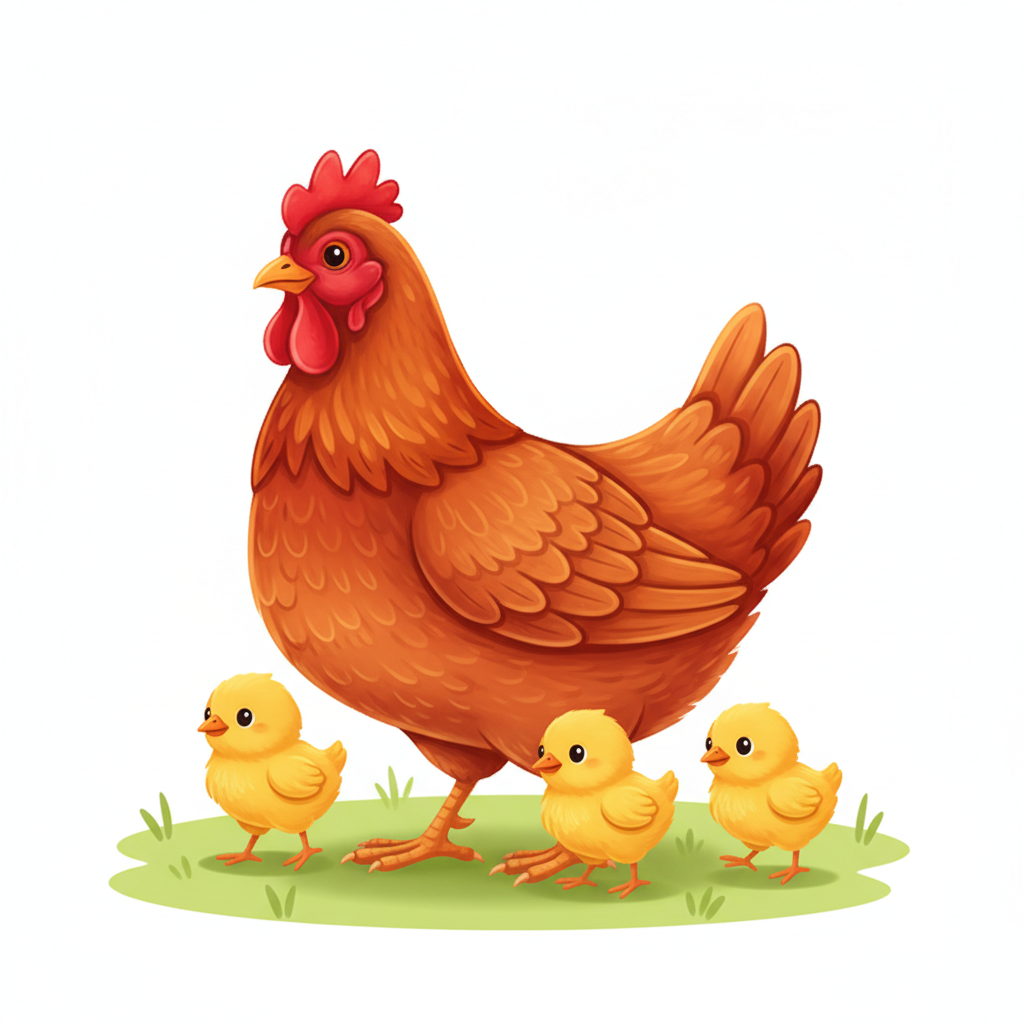
offspring
The young born to parents that inherit characteristics to help them survive.
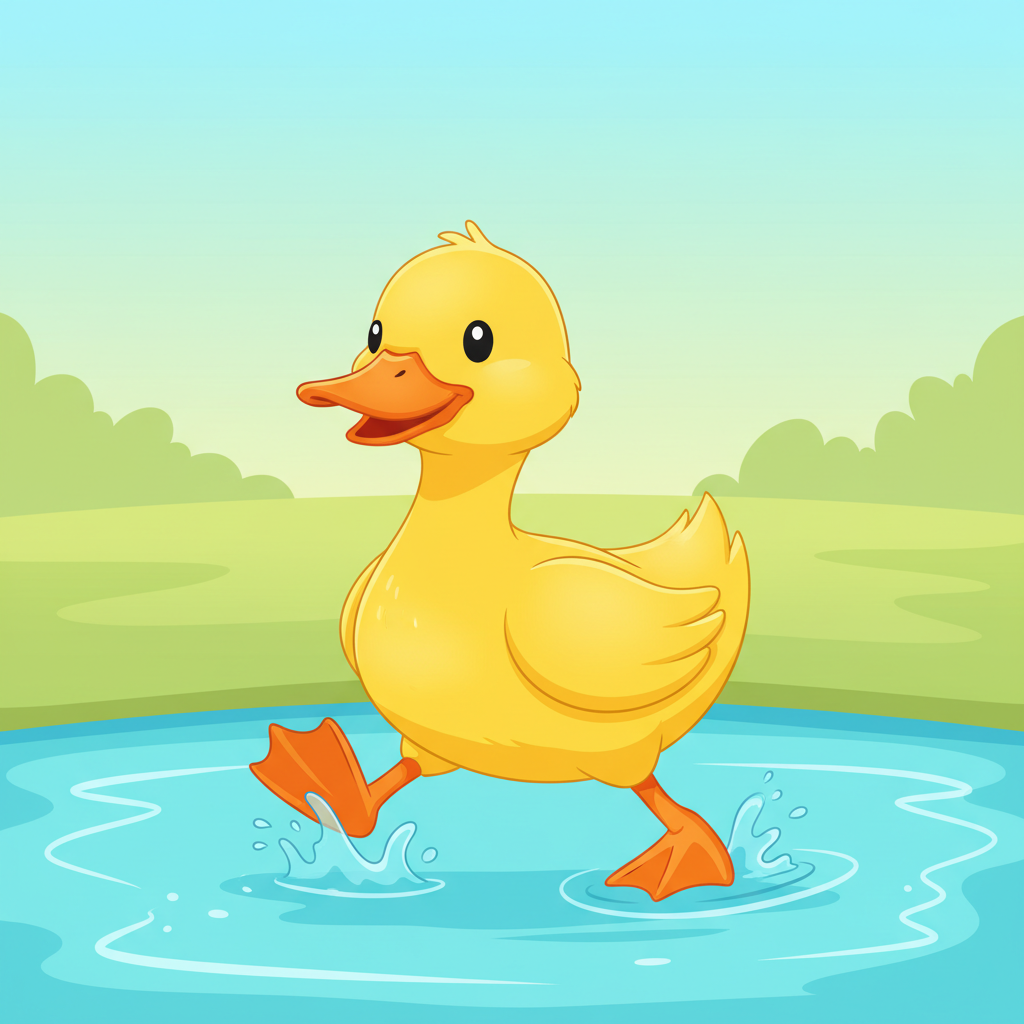
webbed feet
A structural adaptation that helps some animals survive and move in water.

waxy cuticle
A thick layer on a plant that prevents water loss in dry environments.
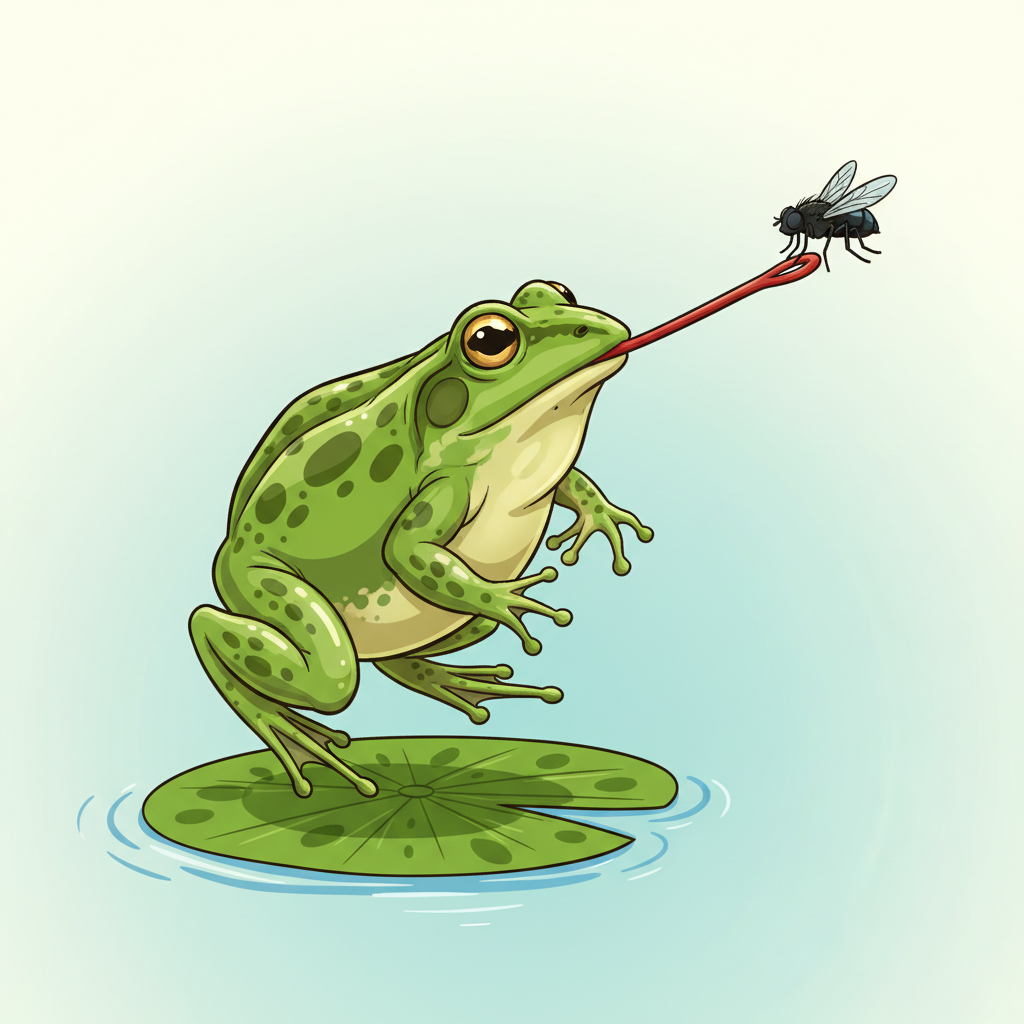
predator
An animal that hunts and eats other animals to get food.
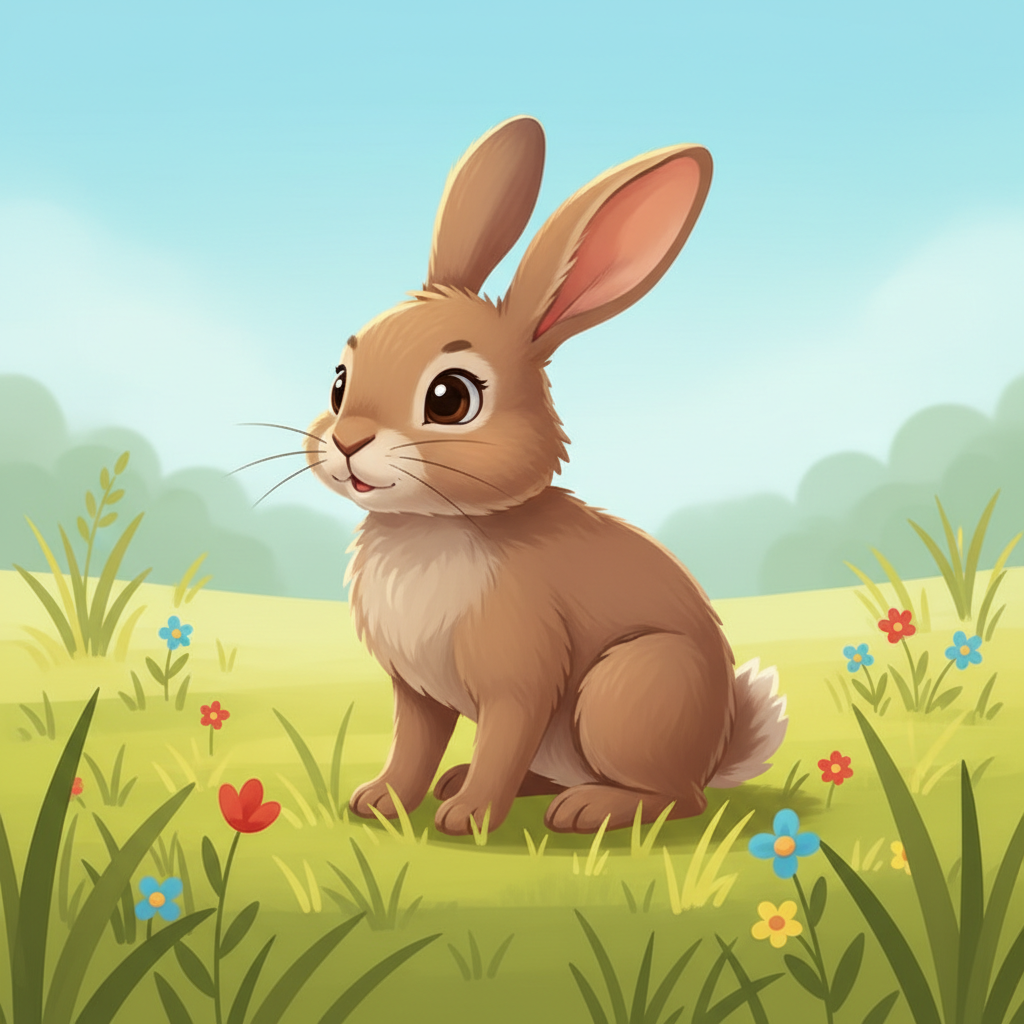
prey
An animal that is hunted and eaten by another animal for food.
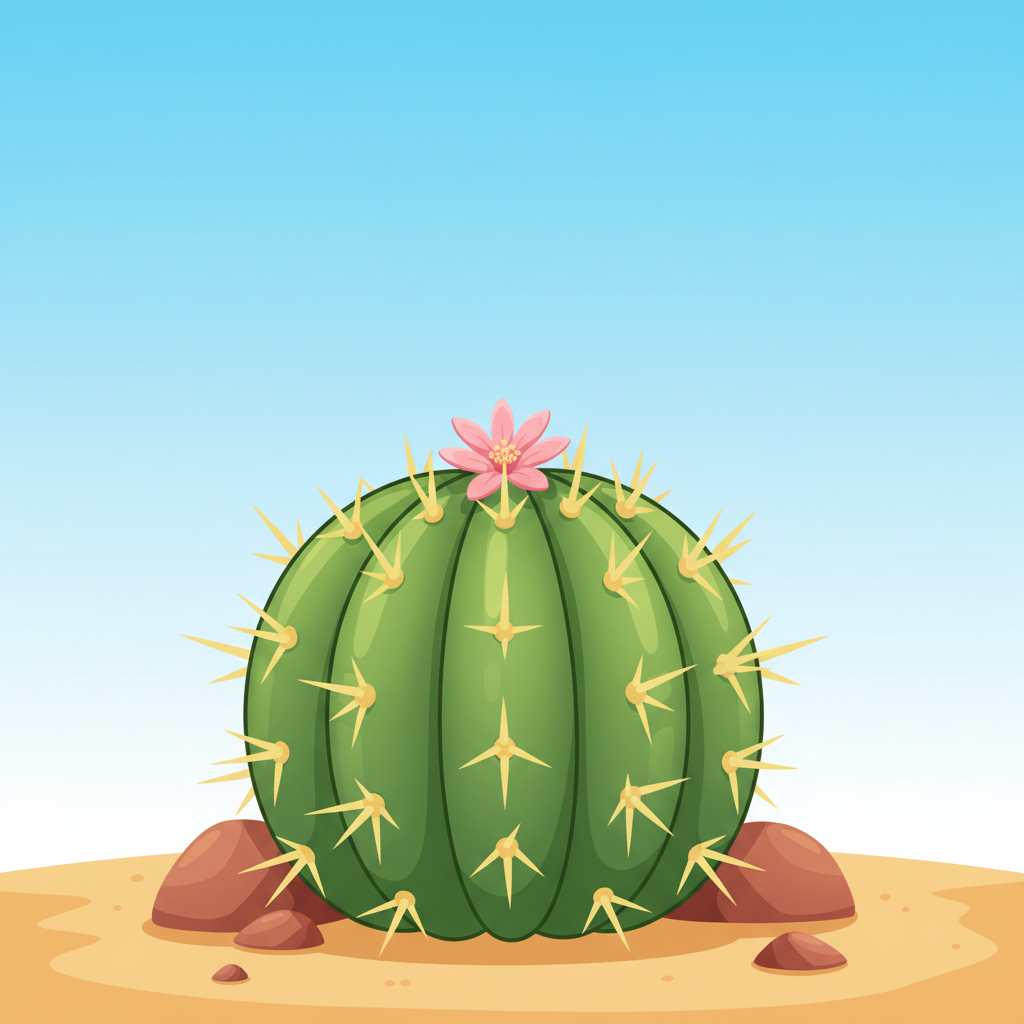
spines
Modified leaves that protect a plant from being eaten by hungry herbivores.
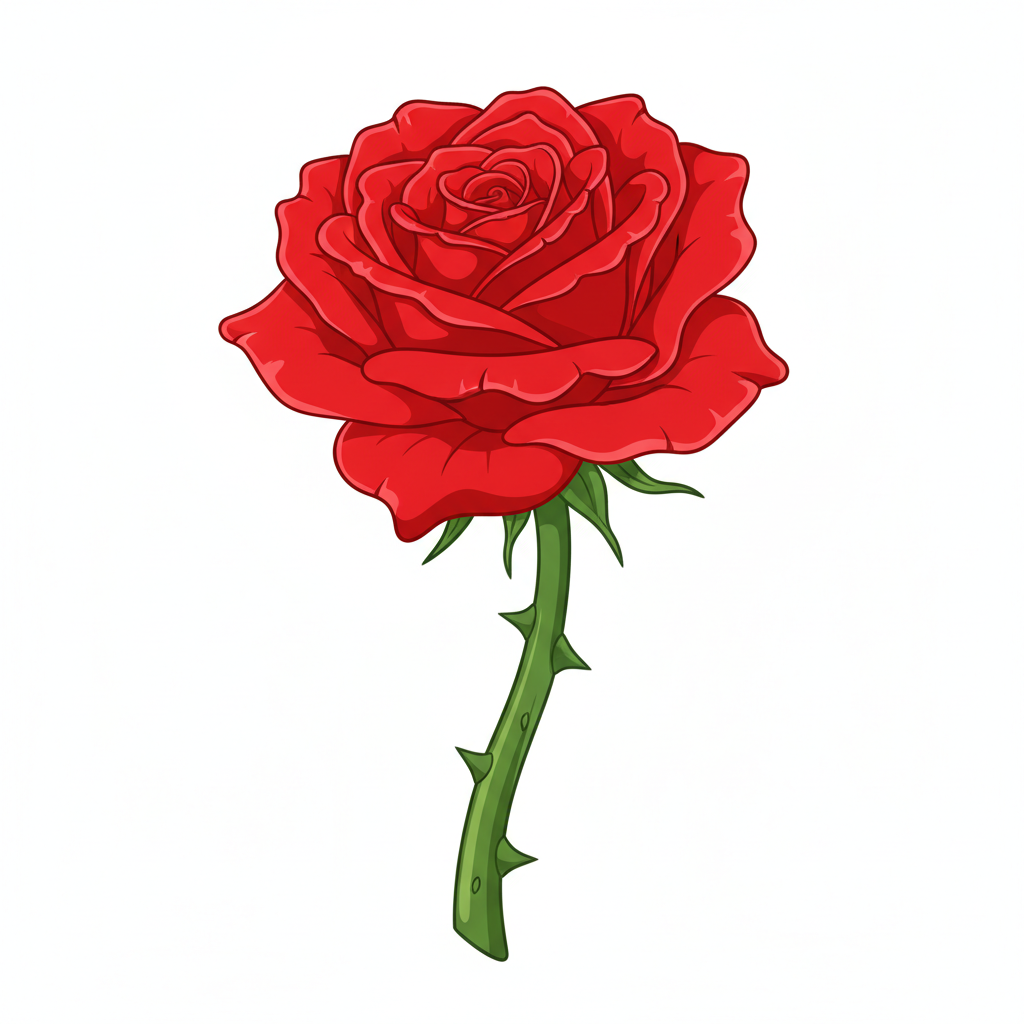
thorns
Sharp structures on a plant stem that protect it from being eaten.
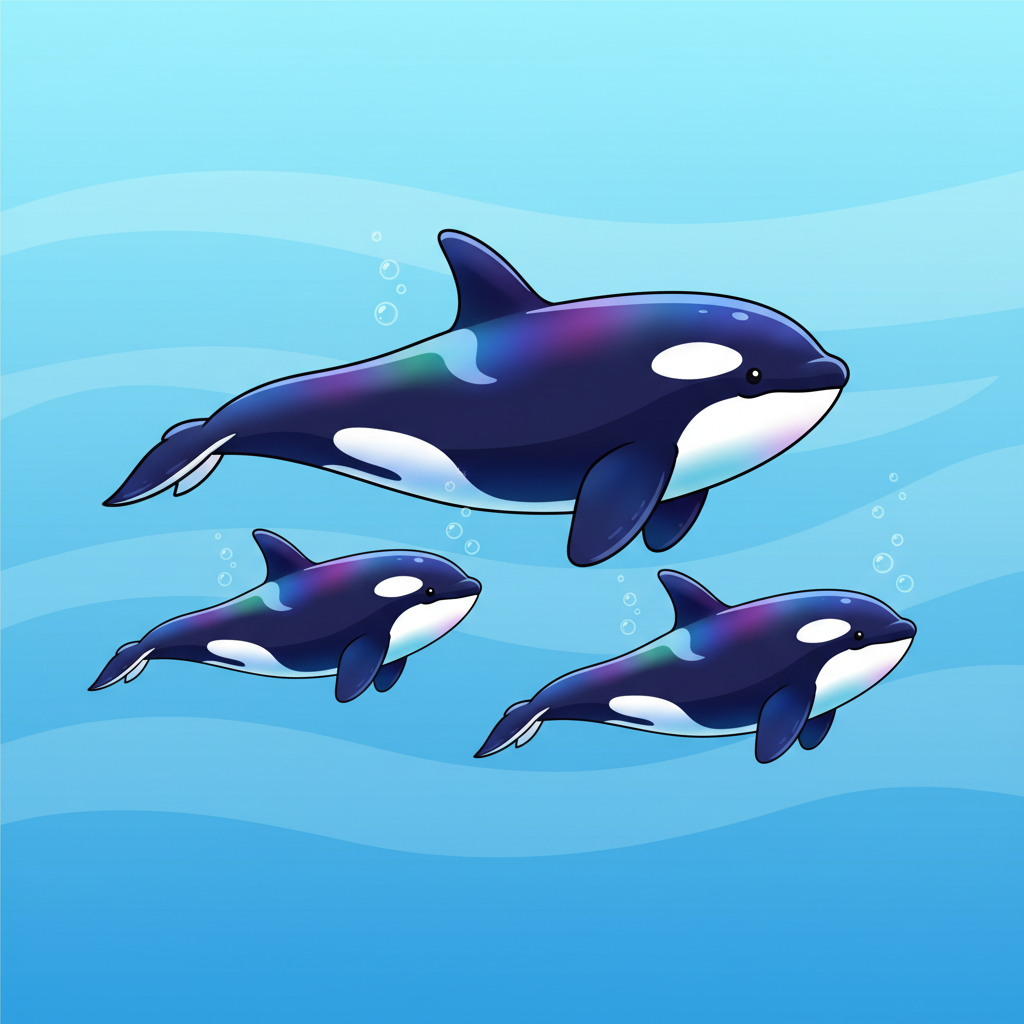
pack hunting
A behavioral adaptation where animals work together to capture large prey.
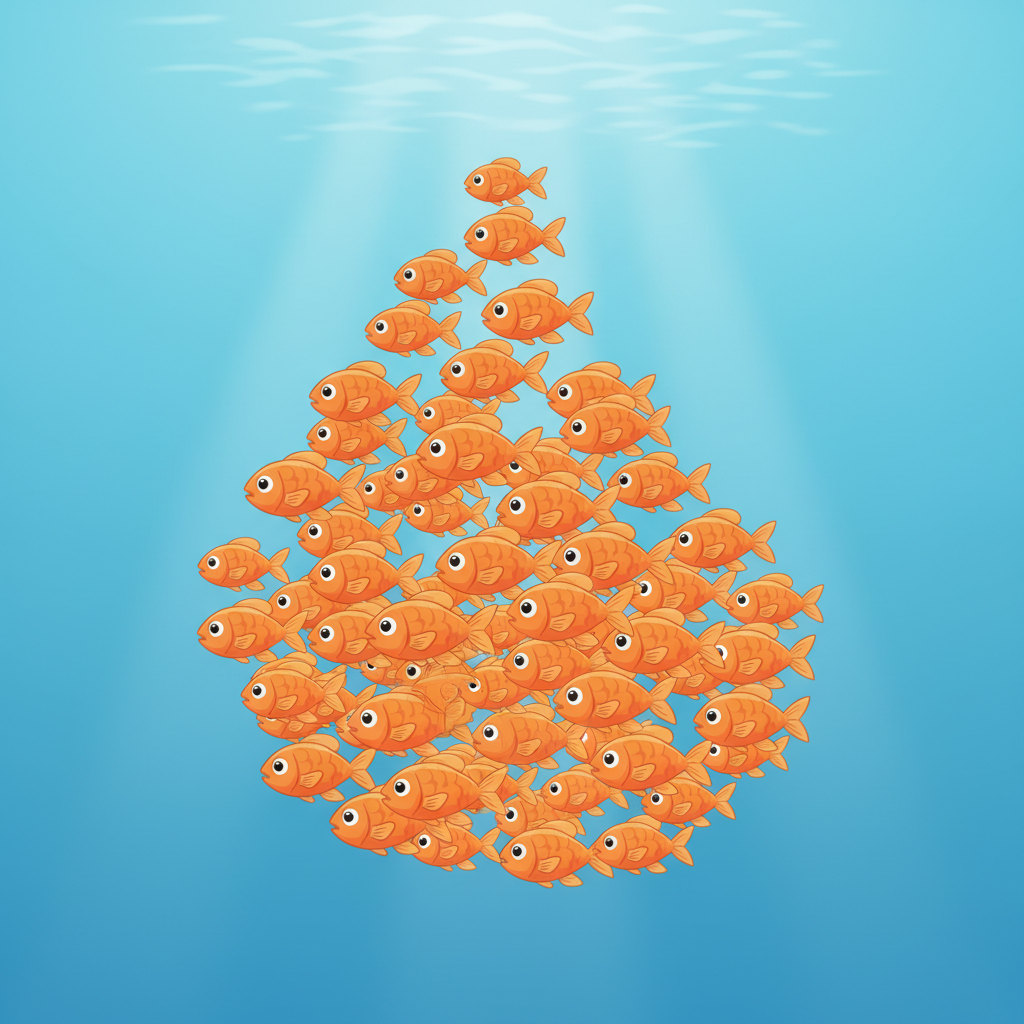
schooling
A behavior where fish swim in a group for protection from predators.
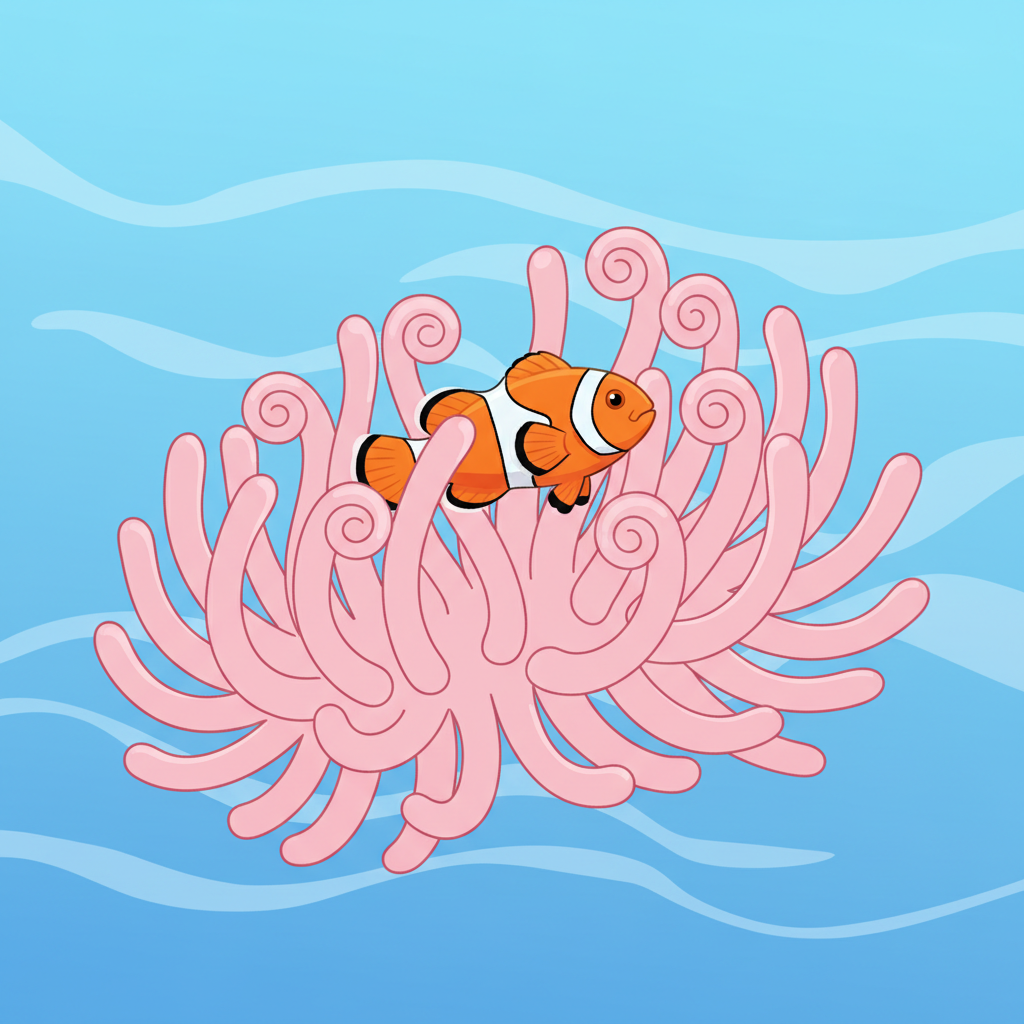
symbiosis
A behavioral adaptation where two different organisms live in a close relationship.
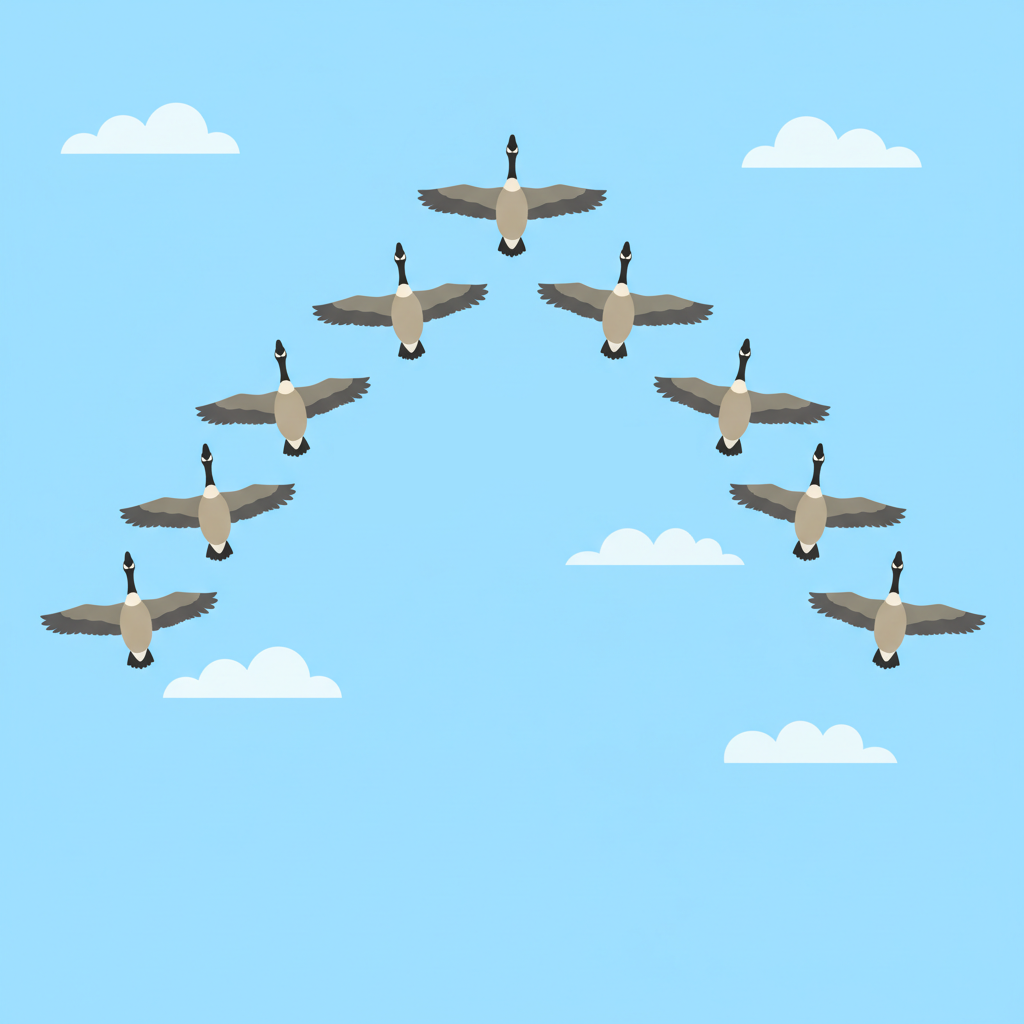
migration
The movement of animals to another place to find food or reproduction.
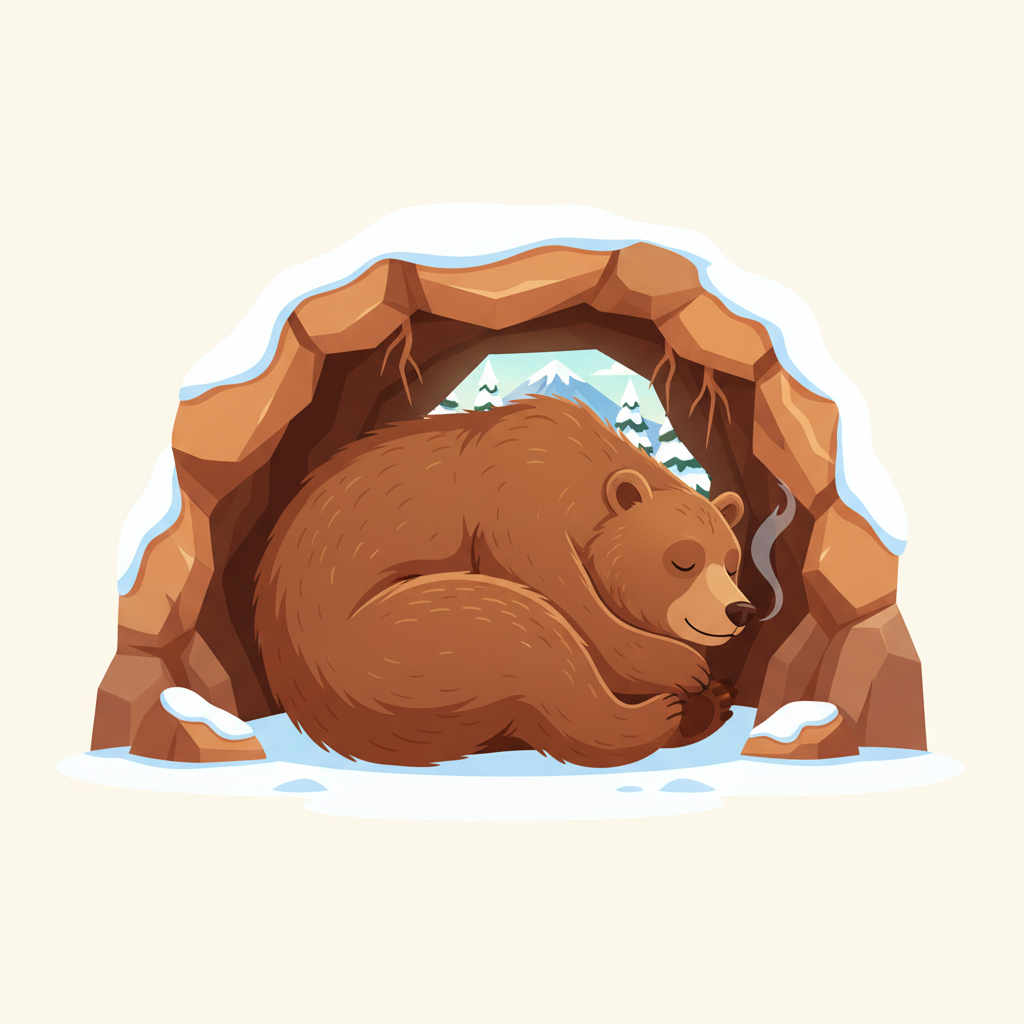
hibernation
A period of inactivity that helps some animals survive cold winter weather.
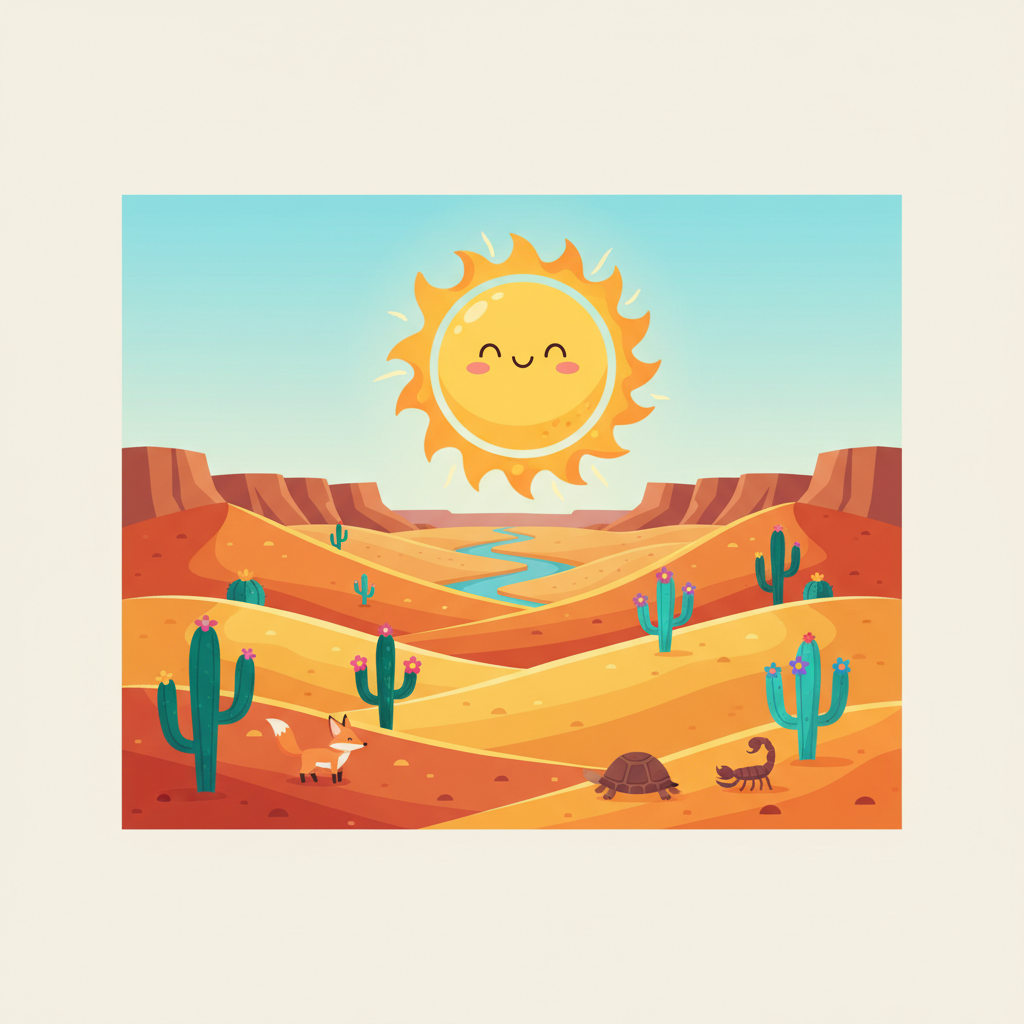
climate
The typical weather conditions in an environment that affect survival and adaptations.
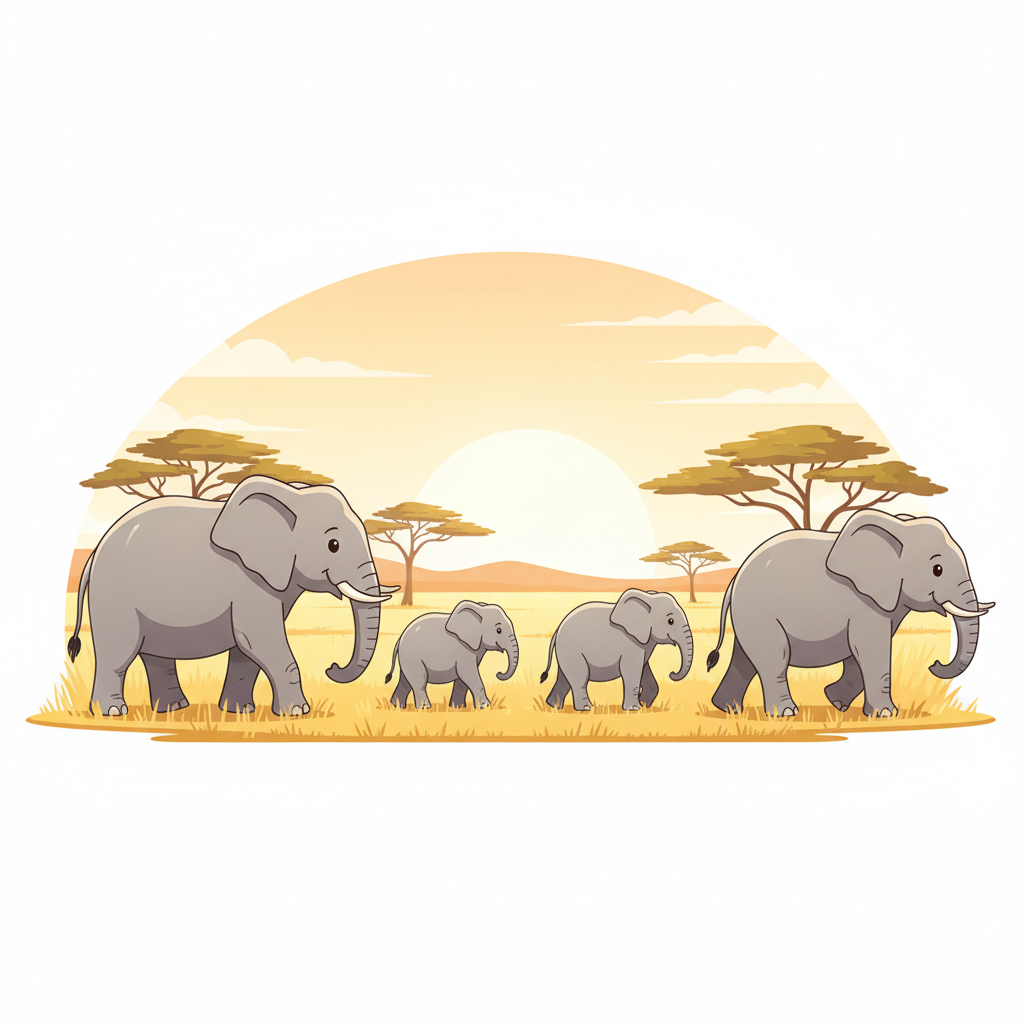
herd
A behavioral adaptation where animals travel together to protect their young.
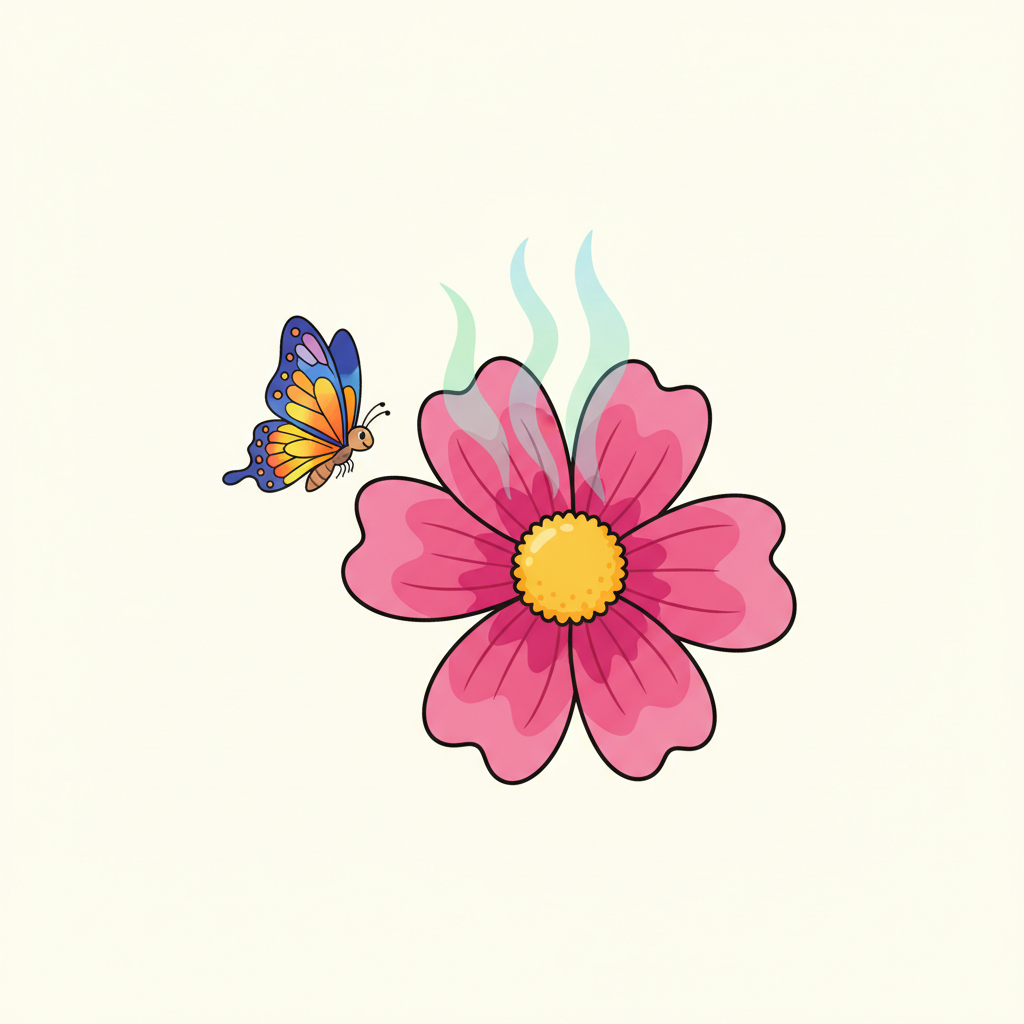
scented flowers
An adaptation used by plants to attract pollinators for reproduction.
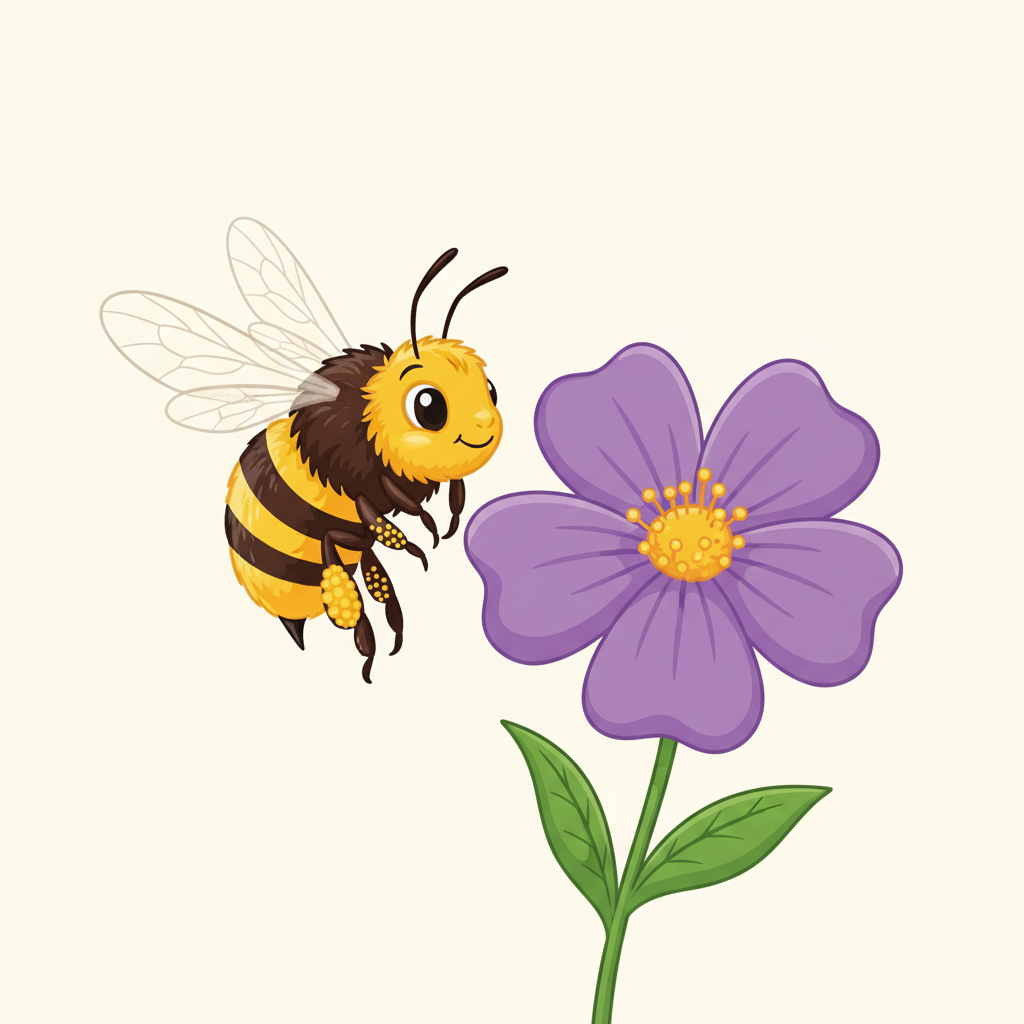
pollinator
An organism that moves pollen from one flower to another for plant reproduction.
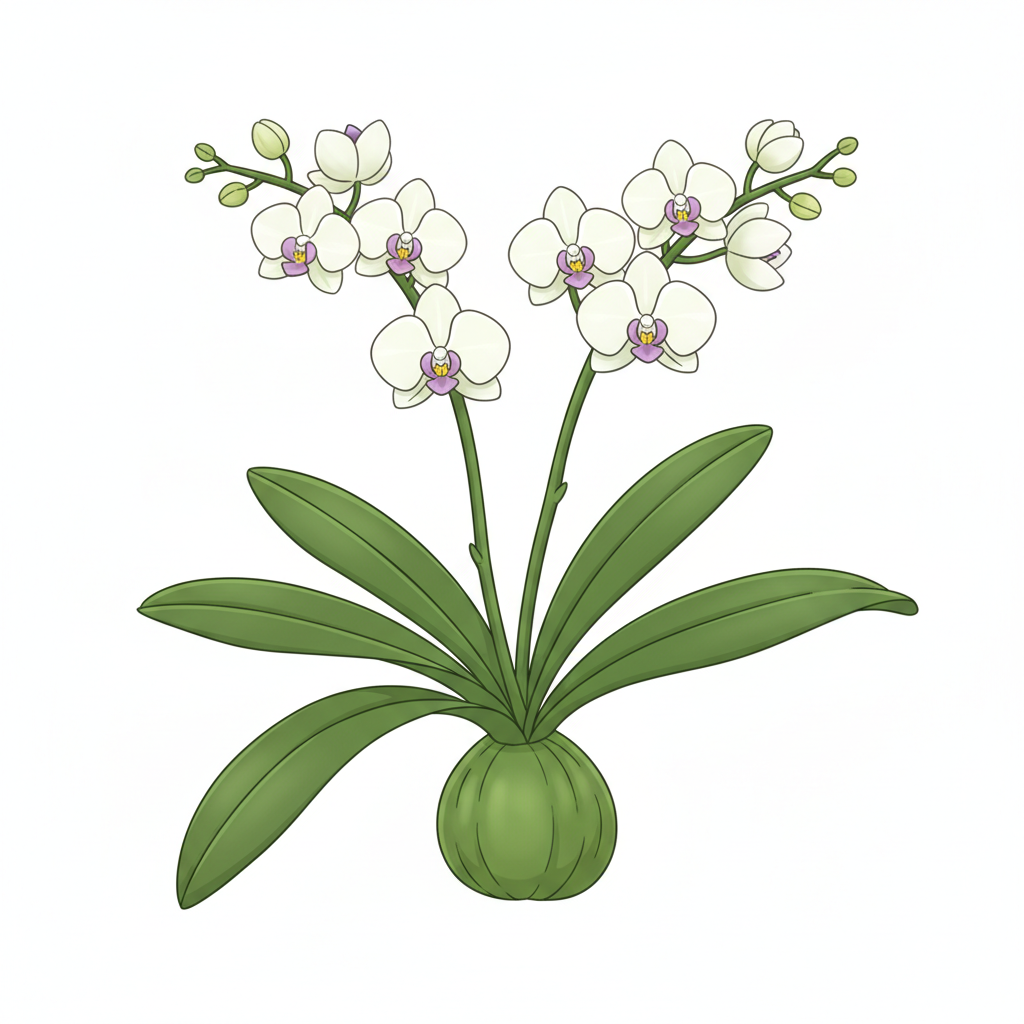
pseudobulb
A storage organ in a plant stem that holds water for survival.
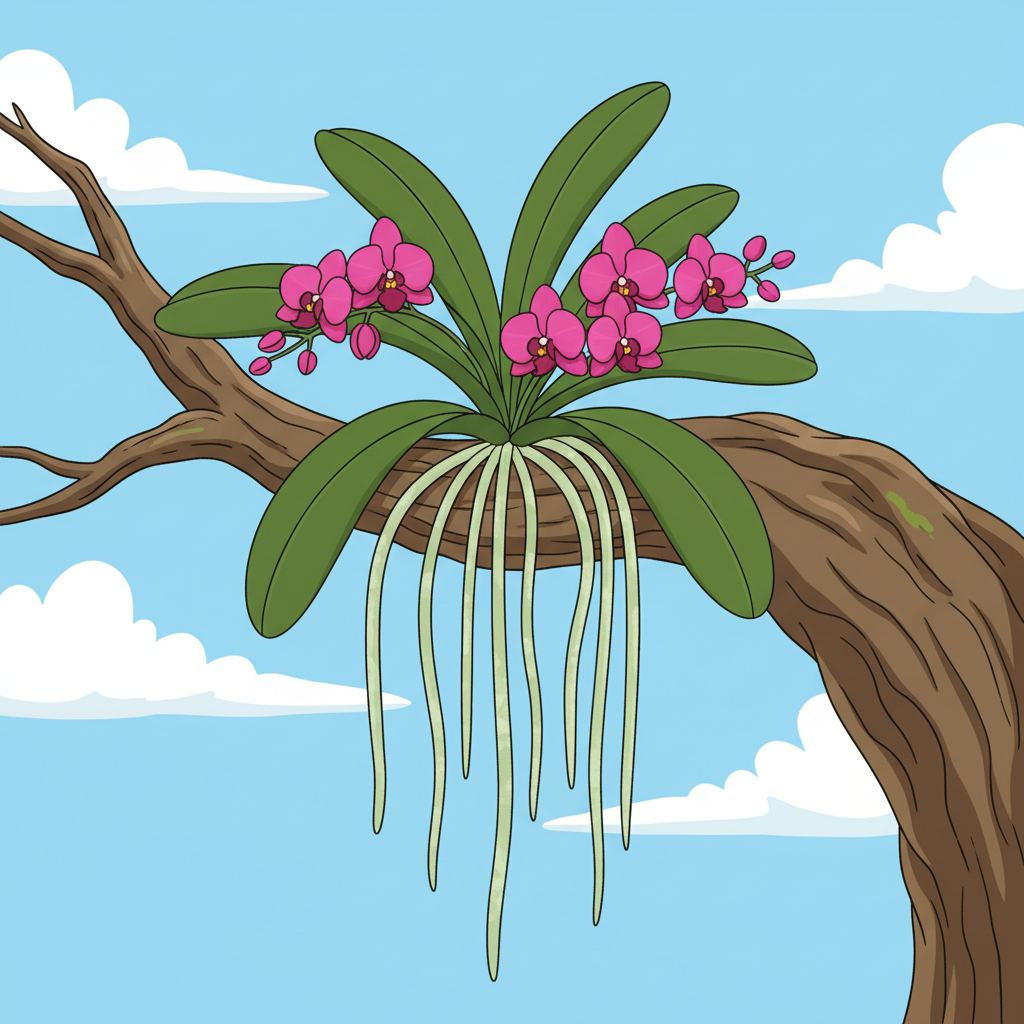
aerial roots
Roots that grow in the air to absorb water and secure a plant.
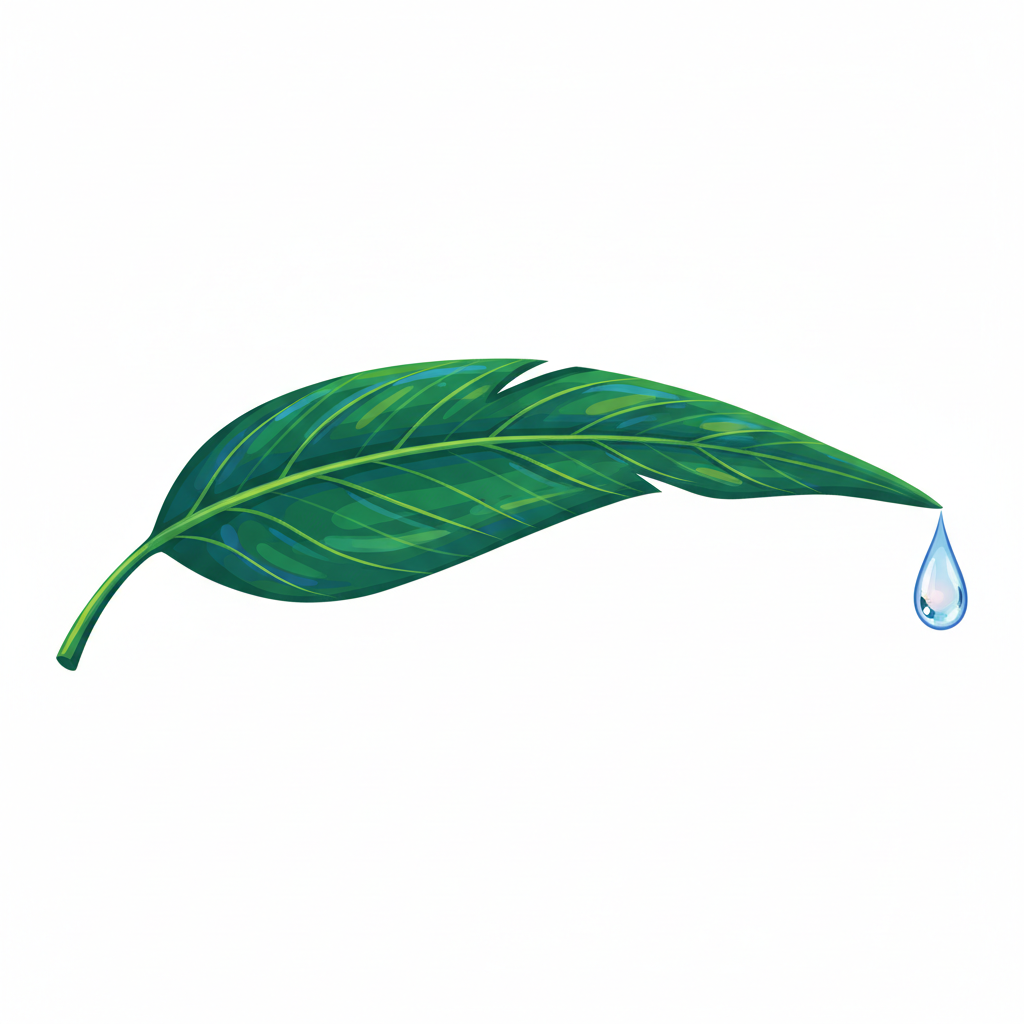
drip-tip
A leaf adaptation that helps drain excess water in a wet environment.
shallow roots
Roots that stay near the surface to soak up rain water quickly.
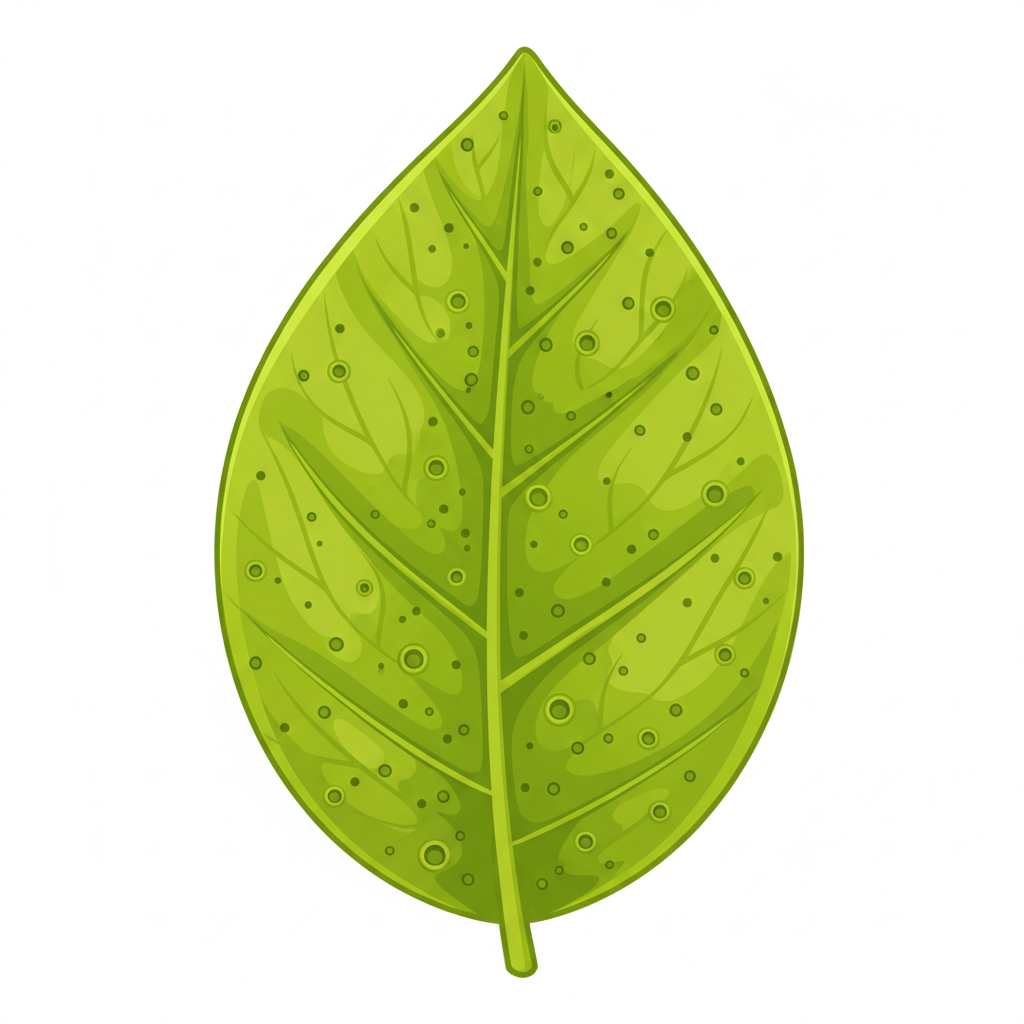
stomata
Small holes on a leaf that take in and release gases like oxygen.

nocturnal
An adaptation where animals are active at night to avoid heat or predators.
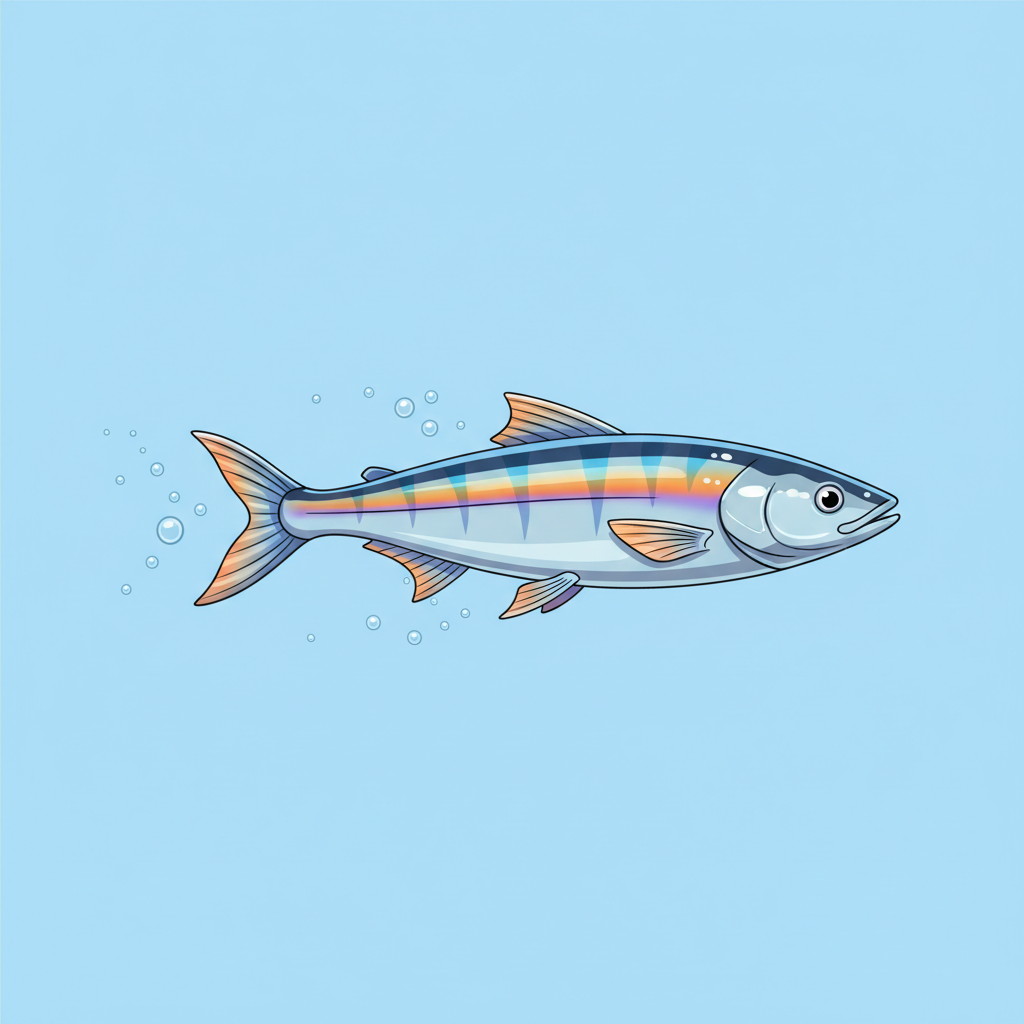
streamlined
A body shape that helps an aquatic animal swim quickly through water.
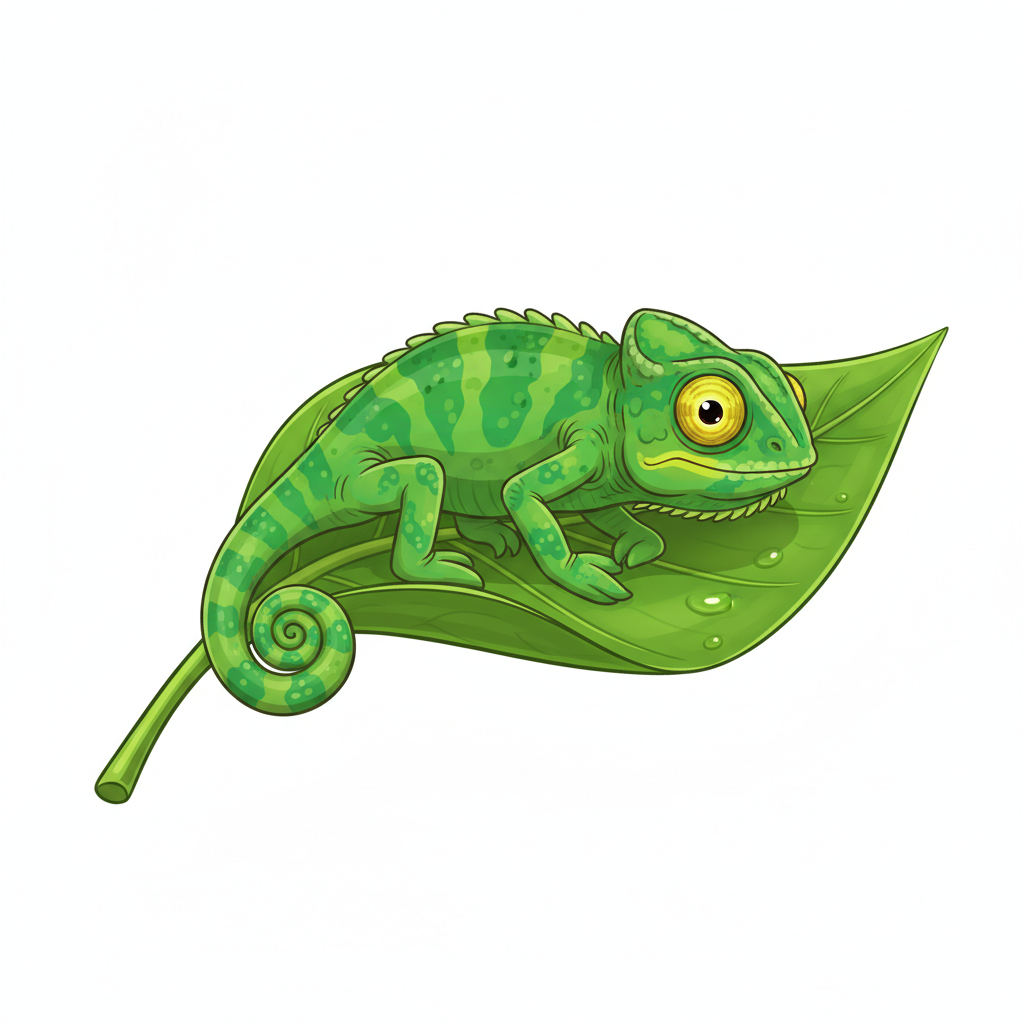
camouflage
Any coloring, shape, or pattern that allows an organism to blend in.
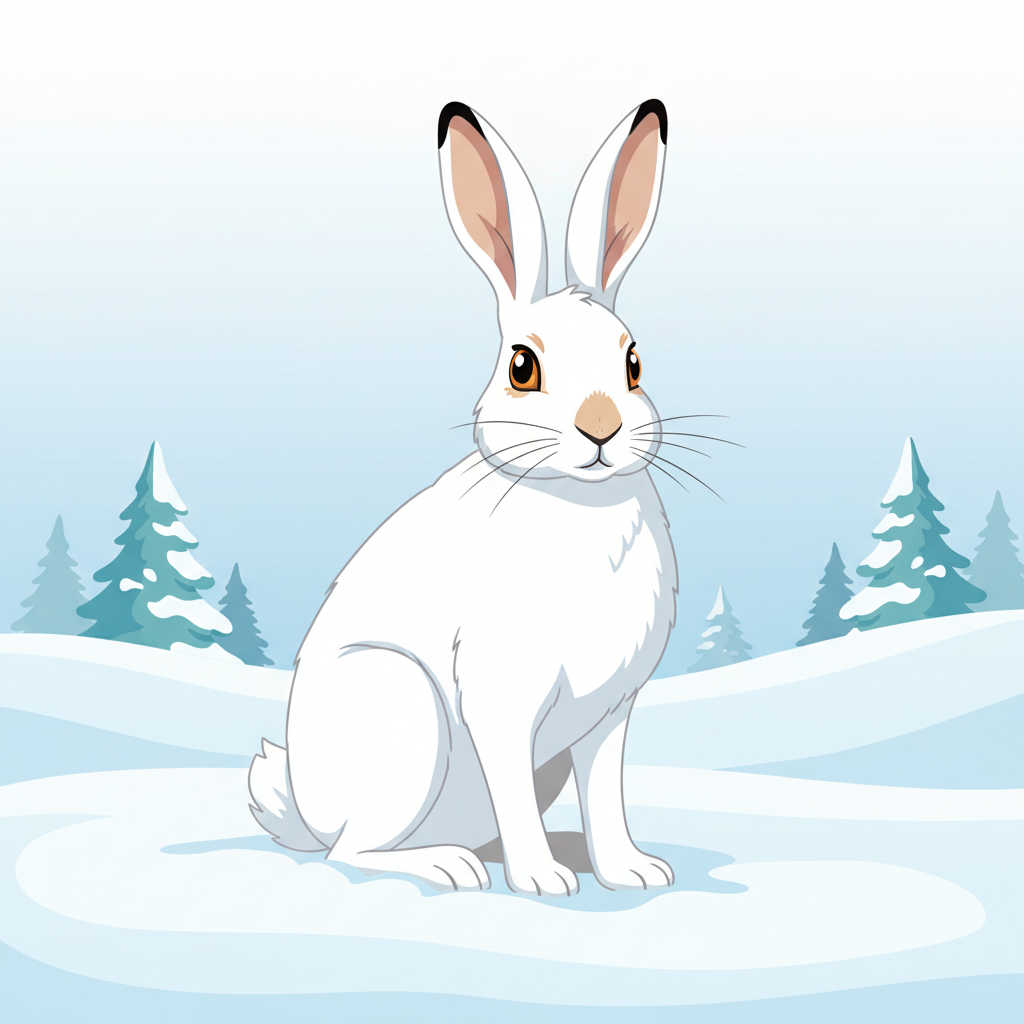
protective coloration
A type of camouflage where an animal's color matches its background.
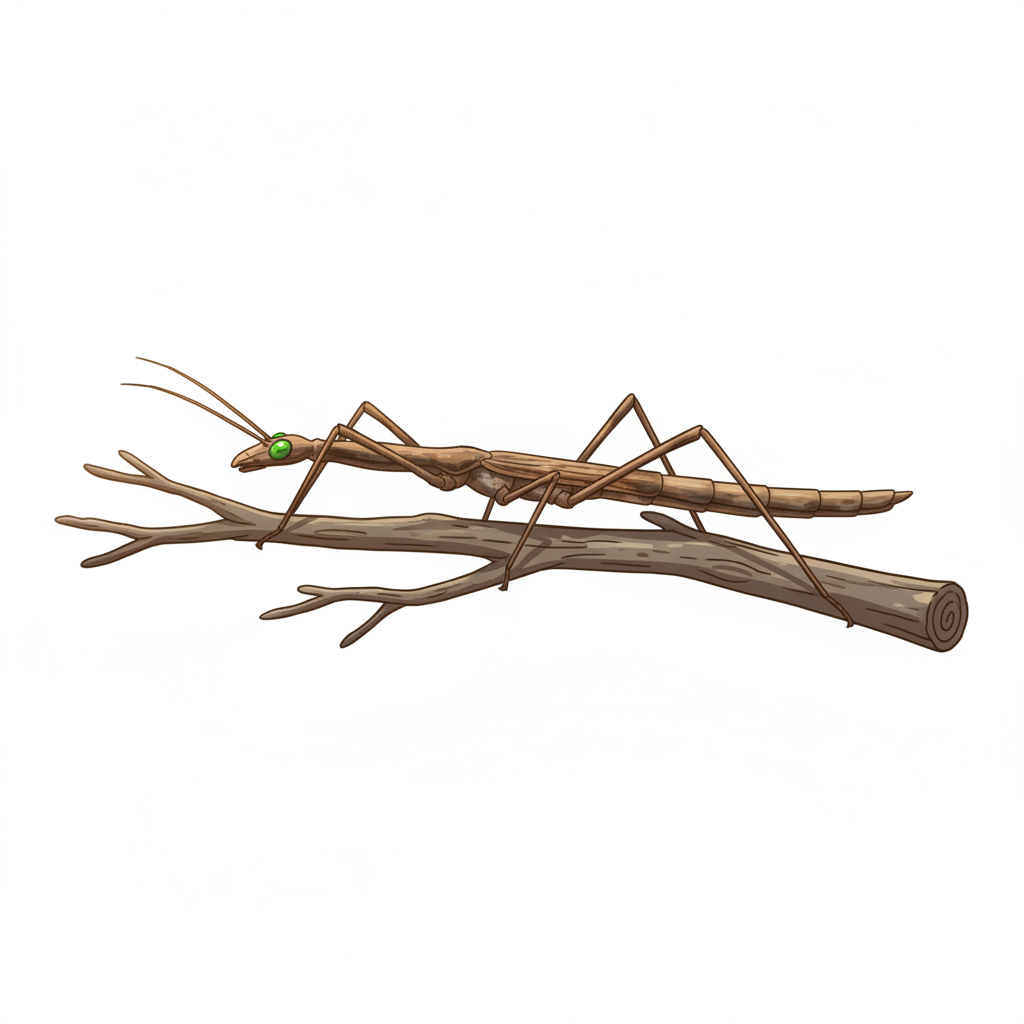
protective resemblance
A type of camouflage where an animal matches the color, shape, and texture.
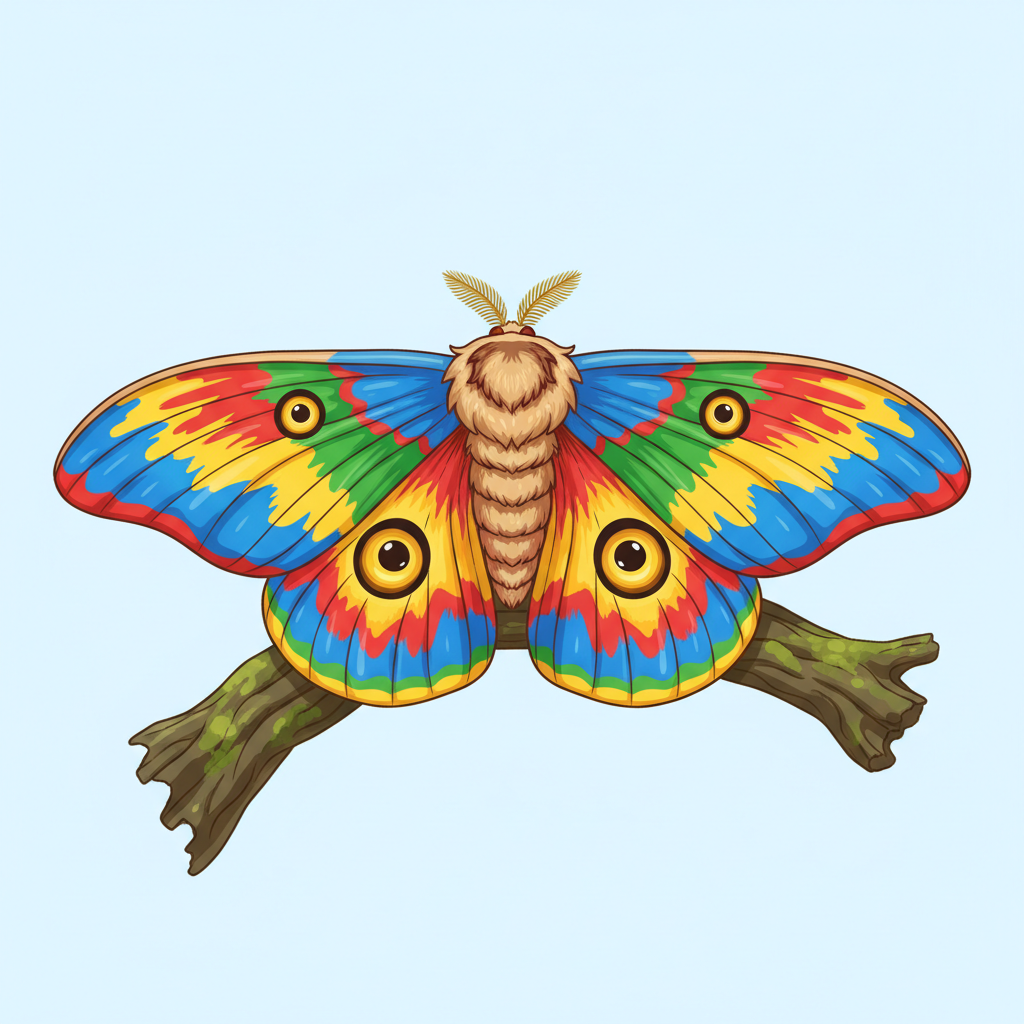
mimicry
An adaptation where an animal is protected by looking like a dangerous animal.
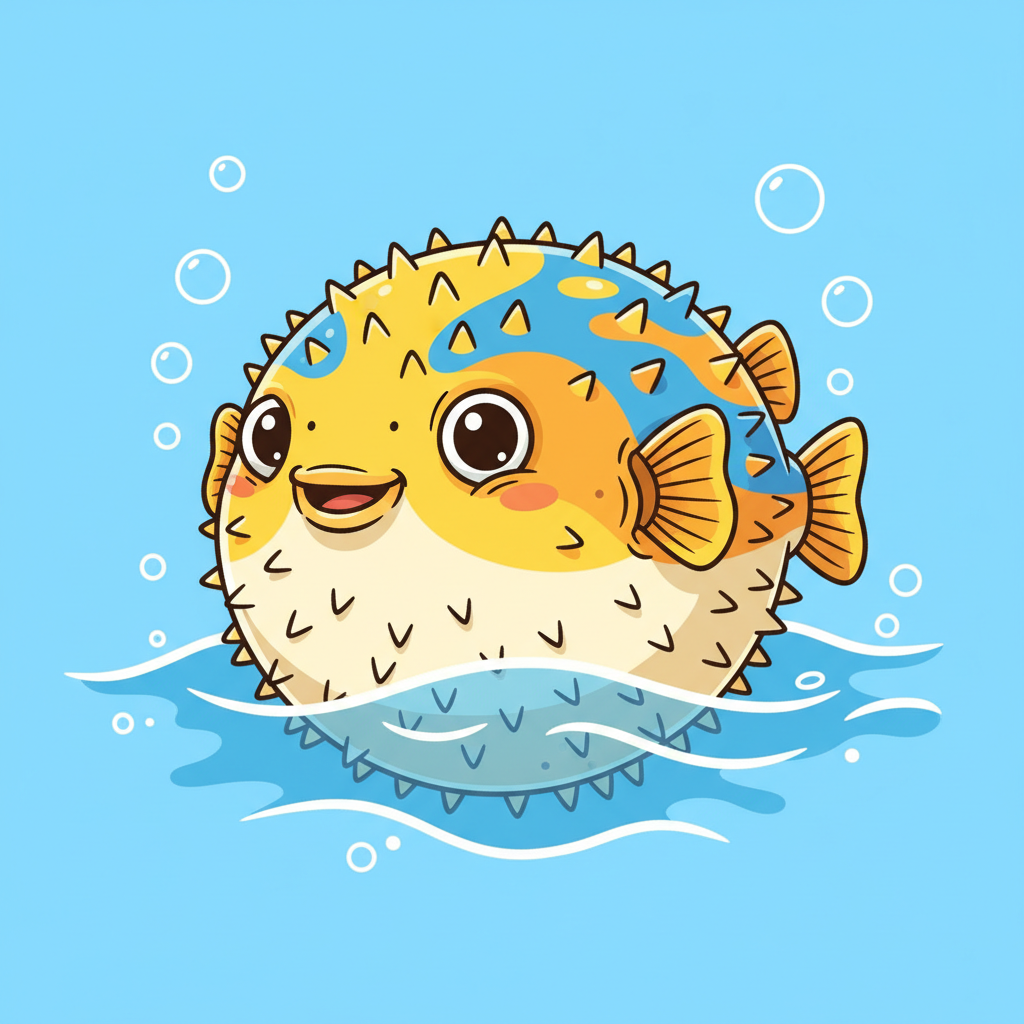
defense
A structural or behavioral adaptation that protects an organism from a predator.