L02 Structure of Materials
 Call Kai
 Learn
Learn Practice Test
 Spaced Repetition
 Match
Match Flashcards
 Knowt Play
1/9

There's no tags or description
Looks like no tags are added yet.
Name | Mastery | Learn | Test | Matching | Spaced | Call with Kai | Chat |
|---|
No analytics yet
Send a link to your students to track their progress
10 Terms
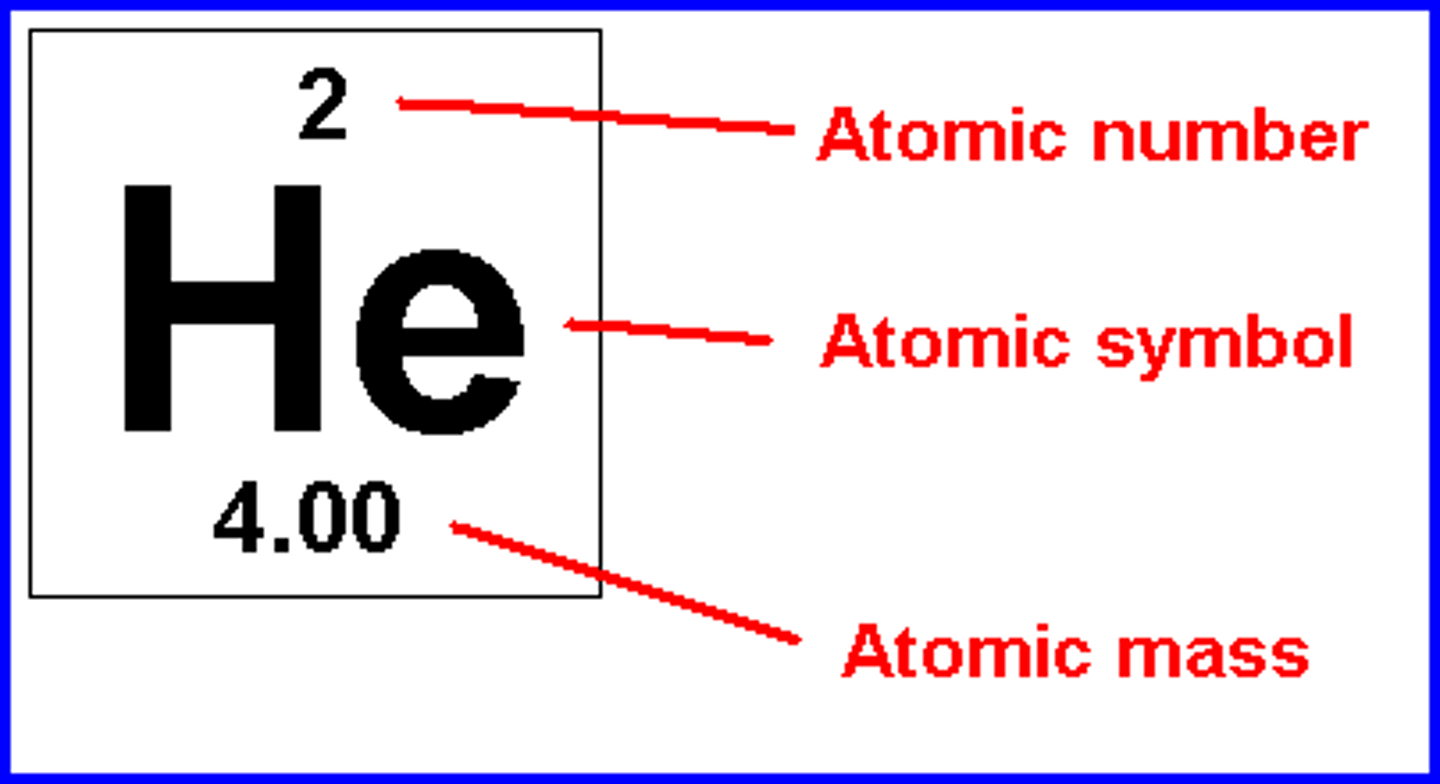
What is the difference between atomic number and atomic mass?
Atomic number = number of protons; Atomic mass = protons + neutrons.
What are isotopes?
Atoms of the same element with different numbers of neutrons (and thus different masses).
Why is the atomic weight not a whole number?
Because it is a weighted average of all naturally occurring isotopes.
What is the significance of valence electrons?
They determine the chemical behavior and bonding of an atom.
What types of atomic bonds exist?
Ionic, covalent, metallic (primary); van der Waals, hydrogen bonds (secondary).
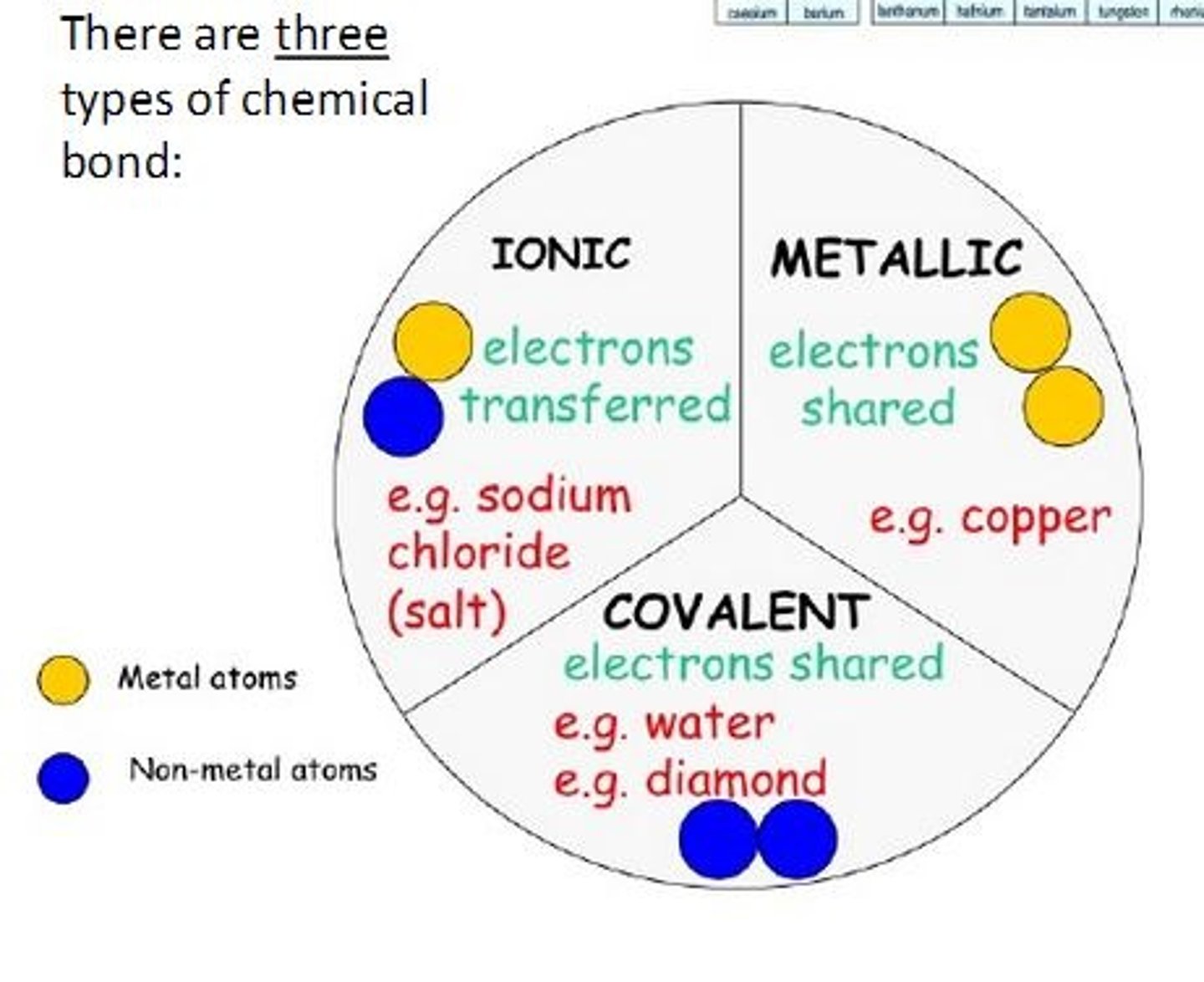
What determines the type of bond an element forms?
The elements' position in the periodic table and their valence electrons.
What is the role of electronegativity in bonding?
It affects an atom's ability to attract electrons and form bonds.
What are examples of primary bonds?
Ionic, covalent, and metallic bonds.
What are examples of secondary bonds?
Van der Waals forces, dipole-dipole interactions, hydrogen bonds.
What is the difference between metallic and covalent bonds?
Metallic bonds share a 'sea of electrons'; covalent bonds share electron pairs between atoms.