Unit 2 Vocabulary: MATTER (States of matter, properties and changes)
 Call Kai
 Learn
Learn Practice Test
 Spaced Repetition
 Match
Match Flashcards
1/25

There's no tags or description
Looks like no tags are added yet.
Name | Mastery | Learn | Test | Matching | Spaced | Call with Kai | Chat |
|---|
No analytics yet
Send a link to your students to track their progress
26 Terms
Matter
Anything that takes up space (has volume) and has mass
Solid
Matter with a definite shape and volume. Particles vibrate in place.
Plasma
4th state of matter not commonly found on Earth, is found in stars, lightning and neon lights, occurs at extremely high temperatures
Change of STATE (of matter)
A physical change that converts a substance from one PHYSICAL form to another. Ex: Solid to liquid
Liquid
Matter that has a definite volume but no definite shape. Particles slide past each other.
Gas
Matter that does not have a definite shape or volume. Particles are in random motion at high speeds.
Melting
A PHYSICAL change from a solid state to a liquid state due to gain in thermal energy
Melting point of WATER/Freezing point of WATER
0 degree Celsuis or 32 degrees Farenheit
Freezing
A PHYSICAL change from a liquid state to a solid state due to loss of thermal energy
Vaporization
A PHYSICAL change from a liquid to gas due to gain in thermal energy. The opposite of condensation.
Boiling
Vaporization that occurs throughout a liquid due to gain in thermal energy
Evaporation
Vaporization that occurs AT THE SURFACE of a liquid, below the boiling point, due to gain in thermal energy
Condensation
A PHYSICAL change from a gas to liquid due to loss of thermal energy. The opposite of vaporization. Example: Cloud formation, water droplets on the side of a cold soda can
Sublimation
A PHYSICAL change from a solid to gas due to increase in thermal energy. For example, dry ice (solid carbon dioxide)
Physical Property
A characteristic that can be observed or measured without changing the identity of the substance. Examples: Color, State of Matter, Odor, Mass, Malleability, Solubility, Density
Chemical Property
Ability of a substance to change into a new substance. Examples: Flammability, Reactivity, Combustibility, Acidity or Basicity
Physical Change
A change that affects a physical property, does not change in the identity of the substance. Example: Ice melting, cutting your hair, breaking chalk
Chemical Change
A change in matter that produces one or more new substances with different properties. Example: Baking a cake, milk souring
Element
A pure substance made of only one kind of atom. There are 118 elements on the Periodic Table of Elements. Examples: Hydrogen, Oxygen, Gold
Compound
A substance made up of atoms of TWO OR MORE different elements that are CHEMICALLY COMBINED. Examples: Water, Salt, carbon dioxide
Mixture
A combination of two or more substances that are NOT CHEMICALLY COMBINED. Parts of the mixture can be separated. Examples: Pizza, Salt water, Air
Density
How closely together particles are packed. Mass divided by volume.
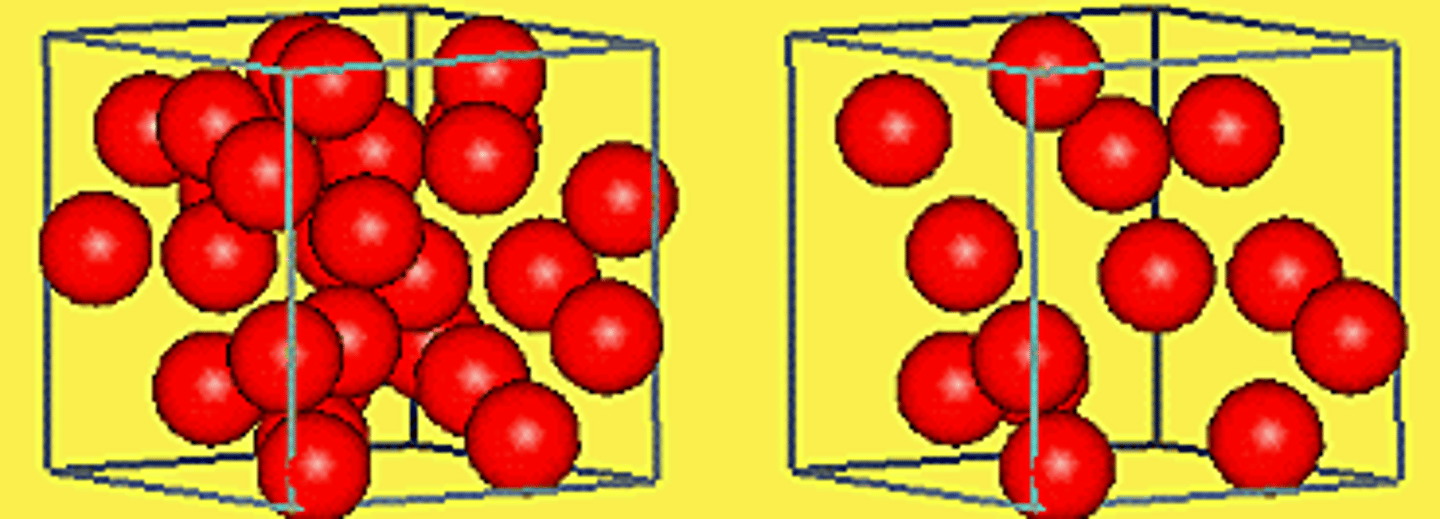
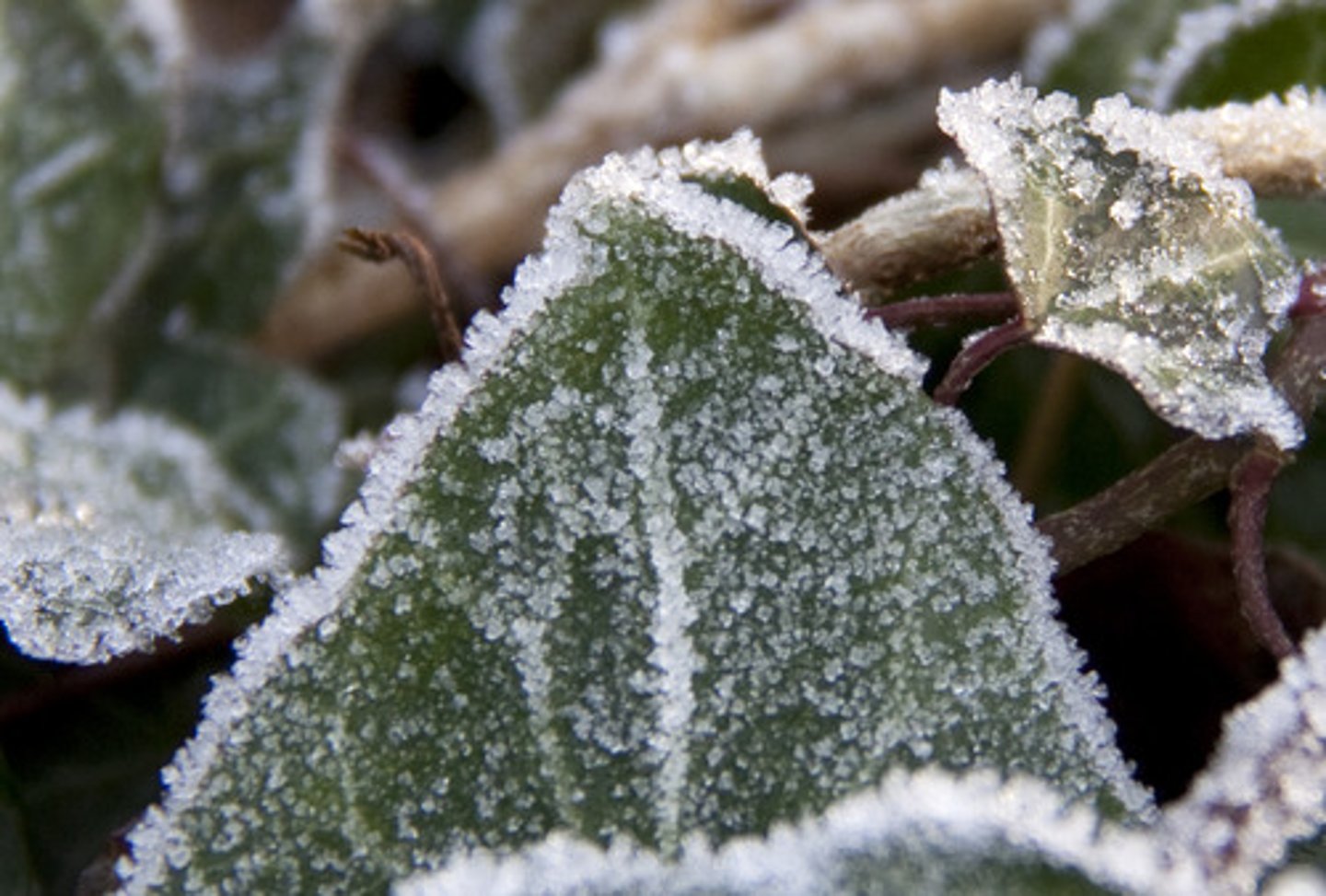
Deposition
A PHYSICAL change from a gas to solid due to decrease in thermal energy. For example, frost
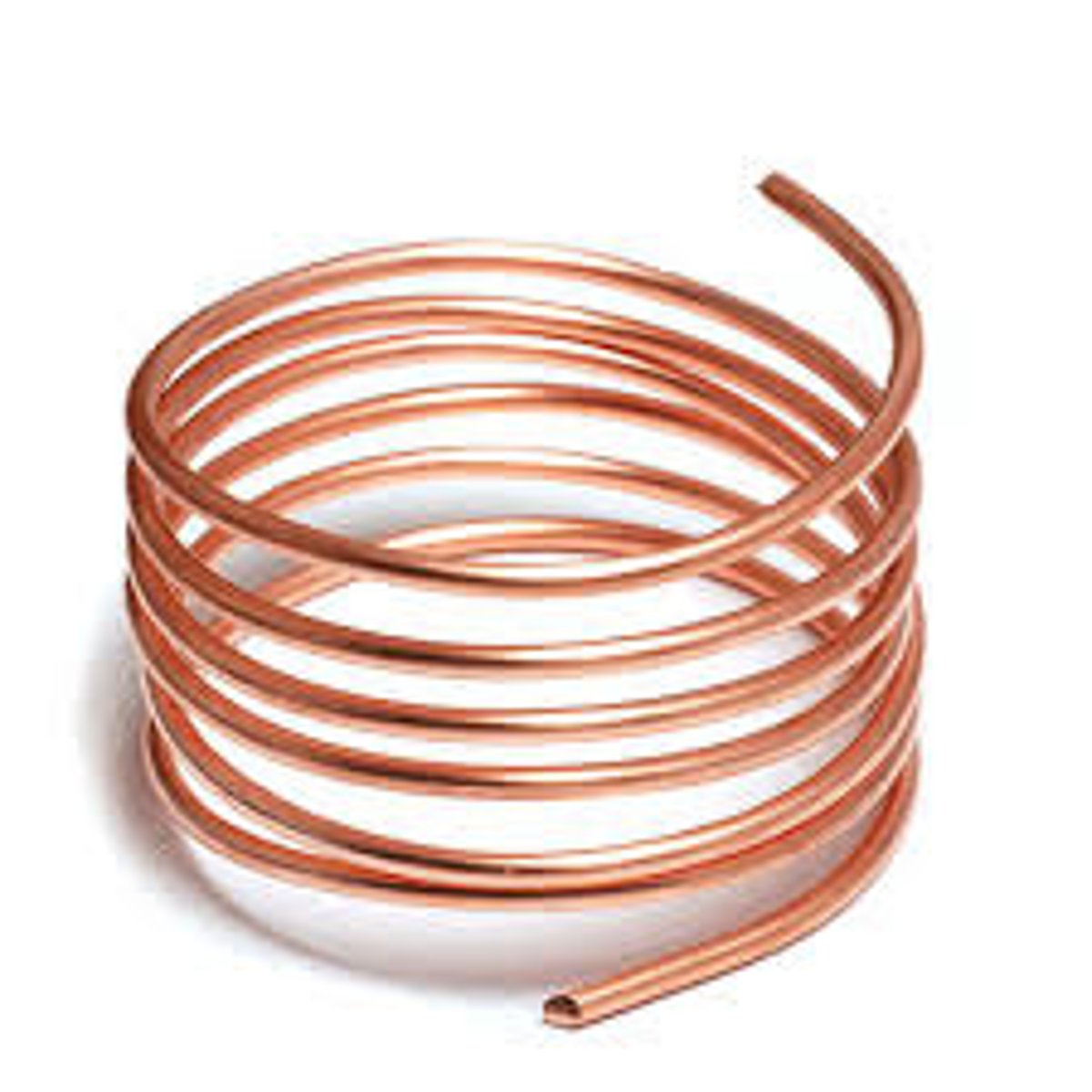
Ductility
The ability of the substance to be made into wires.
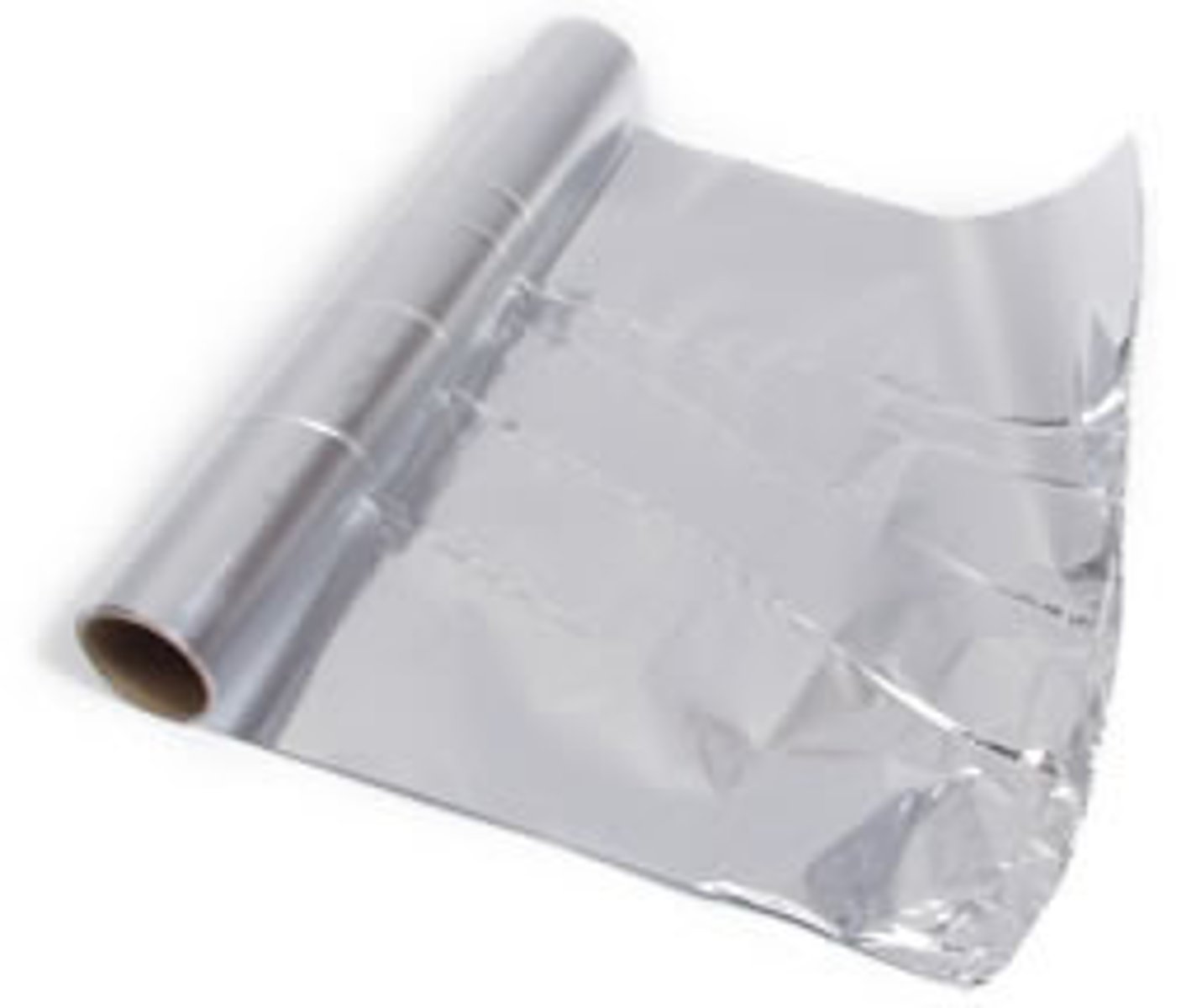
Malleability
The ability of the substance to be flattened into thin sheets.
Solubility
Ability of a substance to dissolve (mix) in another substance