Phylogeny & Diversification of Mammals
 Call Kai
 Learn
Learn Practice Test
 Spaced Repetition
 Match
Match Flashcards
 Knowt Play
1/21

There's no tags or description
Looks like no tags are added yet.
Name | Mastery | Learn | Test | Matching | Spaced | Call with Kai | Chat |
|---|
No analytics yet
Send a link to your students to track their progress
22 Terms
Phylogeny
study of the history, diversification, and relationships among taxa
based on fossil evidence & molecular genetics
often a conflict (morphological vs. molecular)
usually depicted as “trees”
Morphology
form & structure of an organism
Homologous Trait
trait shared bc of a shared COMMON ANCESTOR
humorous bone
Convergent Evolution
independent development of similar features
Molecular Traits
use DNA and RNA
compare amino acid sequences
Phylogenetic Trees
first shared derived characteristic
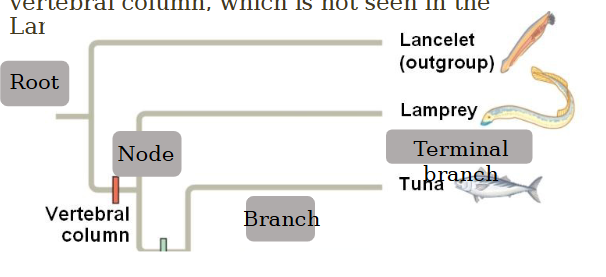
Monophyletic
includes all descendants from a common ancestor
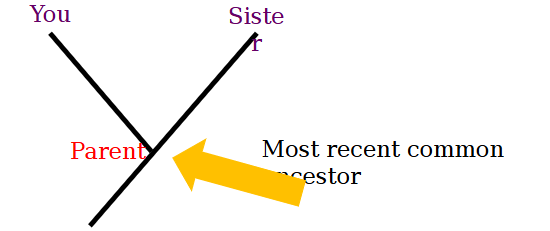
Paraphyletic
does not include descendants from a common ancestor

Polyphyletic
a group of individuals considered together that do not have a common ancestor
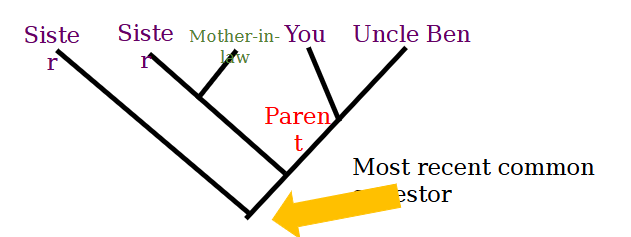
George Gaylord Simpson
classification should reflect phylogeny & shared adaptations
“trash can” families/orders
Order Insectivora » Soricomorpha » Eulipotyphla
Cetartiodactyla
cetaceans » whales closely related to hippos
Astragalus Bone
unique tarsus thought only to occur in artiodactyls
Amniota
shelled egg
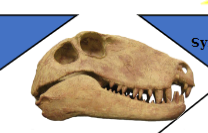
Synapsids
“mammal-like” reptiles
branched from reptile lineage in Paleozoic era
cotylosaurs - stem reptiles
hole in the head ; temporal fenestra
Paleozoic Era
invertebrates
flourish
Mesozoic Era
‘age of dinosaurs’
first ‘true’ mammals
2nd major radiation of insects
radiation of angiosperms (flowering plants)
3 periods
ends with mass extinction
Cretaceous Period
separation of marsupial & placental lineages
angiosperm radiation & 2nd insect radiation
140
Jurassic Period
200
archaic mammals appear
Triassic Period
~250
first true mammals appear
Cenozoic
“age of mammals”
a lot more species become extinct
headed towards another mass extinction
Last slide know*
carboniferous » paleogene
basically up to KPg kinda