Lecture 1: Central concepts of Pathophysiology, Cells & Tissues
 Call Kai
 Learn
Learn Practice Test
 Spaced Repetition
 Match
Match Flashcards
 Knowt Play
1/219

There's no tags or description
Looks like no tags are added yet.
Name | Mastery | Learn | Test | Matching | Spaced | Call with Kai | Chat |
|---|
No analytics yet
Send a link to your students to track their progress
220 Terms
Human cells are the basic building blocks of the body, each specialized to perform unique functions.
What are human cells by definition?
Line surfaces and cavities, form protective barriers.
What are Epithelial Cells?

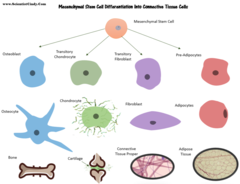
Support and connect other tissues (e.g., fibroblasts, adipocytes).
What are Connective Tissue Cells?
Specialized for contraction and movement (e.g., myocytes)
What are Muscle Cells?

Transmit electrical impulses (e.g., neurons).
What are Nerve cells?
Circulate in the bloodstream (e.g., red blood cells, white blood cells).
What are Blood cells?
Protects the cell, controls the movement of substances in and out.
What is the function of the cell membrane?
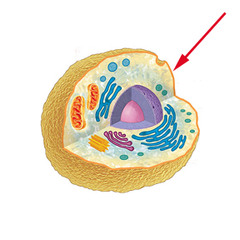
Contains DNA, the control center of the cell
What does the Nucleus contain, and what is its function?

Contains organelles and is the site of most cellular activities
What does the cytoplasm contain, and what is its function?

Protein synthesis
What is the main function of ribosomes?
Protein synthesis and processing.
What is the function of the rough ER?
Lipid synthesis and detoxification
What is the function of the Smooth ER?
Modifies, sorts, and packages proteins and lipids
What is the function of the Golgi Apparatus?
Digestive enzymes for waste removal
What are the functions of Lysosomes?
Provides structure and facilitates movement
What is the function of the cytoskeleton?
1. Epithelial tissue
2. Connective tissue
3. Muscle tissue
4. Nervous tissue
What are the four main types of tissues?
Covers body surfaces, lines cavities, and forms glands.
What is the Function of Epithelial tissue?

Skin, lining of the gastrointestinal tract.
What are examples of epithelial tissue? (2)
Tightly packed cells with minimal extracellular matrix.
What are the characteristics of epithelial tissue?
Supports, binds, and protects other tissues and organs.
What is the function of connective tissue?
Bone, blood, adipose tissue, cartilage
What are examples of connective tissue (4)?
Abundant extracellular matrix with various cell types.
What are the characteristics of connective tissue?
Produces movement through contraction.
What is the function of muscle tissue?
1. Skeletal
2. Cardiac
3. Smooth
What are the types of muscle tissue? (3)
Voluntary movement, attached to bones
What type of movement is skeletal muscle, and where is it found?
Involuntary movement, found in the heart
What type of movement is Cardiac muscle, and where is it found?
Involuntary movement, found in walls of hollow organs
What type of movement is Smooth muscle, and where is it found?
Elongated cells with contractile proteins
What are the characteristics of muscle tissue?
Transmits electrical impulses to coordinate body functions.
What is the function of nervous tissue?
Neurons (nerve cells) and neuroglia (supporting cells).
What are the components of nervous tissue (2)?
Highly specialized for communication and signal transmission
What are the characteristics of nervous tissue?
Pathology is the study of disease, including the causes, development, and effects on the body.
What is Pathology by definition?
Originated from ancient medical practices, formalized in the 19th century.
When did pathology originate from?
Anatomical pathology
Clinical pathology
What are the subdivisions of pathology? (2)
Examines structural changes in tissues
What does anatomical pathology examine?
Analyzes laboratory results for disease diagnosis
What does clinical pathology examine?
Crucial for understanding disease mechanisms and developing treatments.
What is the importance of pathology?
Utilized in diagnostics, research, and treatment planning.
What are the applications in pathology?
Diagnose diseases, conduct autopsies, and contribute to medical research.
What is the pathologist's role in pathology?
Integrates with other medical fields like radiology and oncology.
What is the interdisciplinary nature of pathology?
The study of disease causes, classified as genetic or acquired.
What is Etiology?

The mechanisms through which diseases develop and progress.
What is pathogenesis?
Structural alterations in cells and tissues due to disease.
What are morphologic changes?
Based on etiology, pathogenesis, and clinical presentation.
What is disease classification based on?
Body's response to injury and mechanisms of healing.
What is inflammation and Repair?
Processes leading to cell damage and the types of cell death (necrosis, apoptosis).
What is cell injury and death?
Uncontrolled cell growth resulting in benign or malignant tumors.
What is Neoplasia?
Hypertrophy, hyperplasia, atrophy, and metaplasia as responses to stress.
What are the types of cellular adaptations?
Rapid onset, characterized by edema and neutrophil infiltration.
What is acute inflammation?
Prolonged response involving lymphocytes and macrophages.
what is chronic inflammation?
Replacement of damaged cells with identical ones
What is regeneration?
Scar formation from connective tissue replacing normal tissue
What is Fibrosis?
Issues related to blood flow, such as thrombosis and embolism.
What are Hemodynamic disorders?
Congenital anomalies and inherited diseases.
What are Genetic and developmental disorders?
Caused by pathogens like bacteria, viruses, fungi, and parasites.
What are infectious diseases?
Includes hypersensitivity reactions, autoimmune diseases, and immunodeficiency.
What are immune-related diseases?
Diseases from environmental exposures and nutritional deficiencies
What are environmental and nutritional pathologies?
Cell injury occurs when cells are unable to maintain homeostasis due to harmful stimuli
What is the definition of cell injury?
Hypoxia; due to ischemia or inadequate oxygenation
What is the most common cause of cell injury?
rauma, temperature extremes, radiation.
What are examples of physical agents that cause cell injury? (3)
Toxins, drugs, pollutants.
What are examples of chemical agents that cause cell injury? (3)
Bacteria, viruses, fungi, parasites
What infectious agents can cause cell injury? (4)
Through autoimmune diseases and hypersensitivity.
How can immunologic reactions cause cell injury? (2)
Mutations and chromosomal abnormalities.
What genetic factors can cause cell injury? (2)
Through deficiencies or excesses in nutrients.
How do nutritional imbalances cause cell injury? (2)
1. Reversible
2. Irreversible
What are the two types of cell injury?
Cell swelling and fatty change.
What characterizes reversible cell injury?
Cell death by necrosis or apoptosis
What does irreversible cell injury lead to?
Cellular swelling and vacuolar degeneration
What are the morphological changes in reversible cell injury?
Membrane damage and lysosomal rupture.
What are the morphological changes in irreversible cell injury?
•ATP Depletion
•Reactive Oxygen Species (ROS) Production
•Calcium Influx
Mitochondrial Damage
What are the key biochemical changes seen in cell injury? (4)

Reversible changes in cell size, number, phenotype, metabolic activity, or functions in response to changes in the environment.
What are cell adaptations?
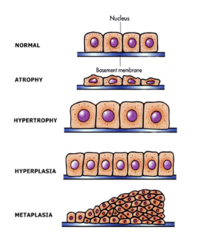
•Hypertrophy
•Hyperplasia
•Atrophy
•Metaplasia
What are the types of cell adaptations? (4)

an increase in cell size
What is Hypertophy?
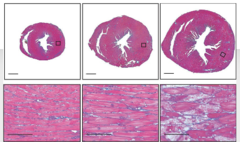
Increased workload, hormonal stimulation
What causes hypertrophy?

Muscle growth from exercise, cardiac hypertrophy in hypertension.
What are examples of hypertrophy? (2)

Increased protein synthesis, organelle size.
What is the mechanism of hypertrophy?

Increase in cell number.
What is Hyperplasia?
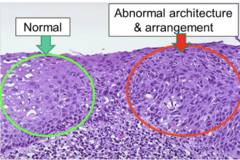
Hormonal stimulation, compensatory mechanisms
What causes hyperplasia?
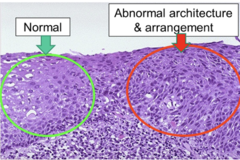
Endometrial hyperplasia, liver regeneration
What are examples of hyperplasia? (2)

Increased cell division
What is the mechanism of hyperplasia?
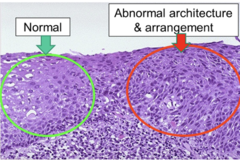
Decrease in cell size and function
What is Atrophy?
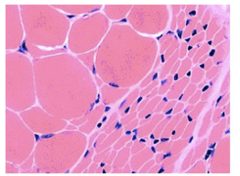
Reduced workload, denervation, diminished blood supply, inadequate nutrition
What causes Atrophy? (4)

Muscle atrophy from disuse, brain atrophy in Alzheimer's disease.
What are examples of Atrophy? (2)
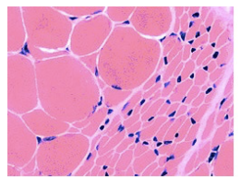
Decreased protein synthesis, increased protein degradation.
What is the mechanism of Atrophy?

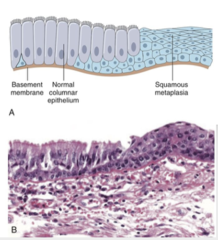
Reversible change from one cell type to another.
What is Metaplasia?
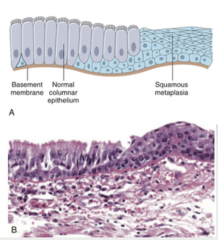
chronic irritation and inflammation
What are the causes of Mataplasia? (2)
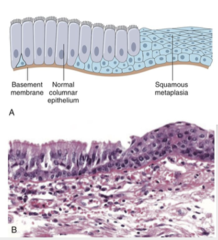
Squamous metaplasia in smokers' airways, Barrett's esophagus.
What are examples of metaplasia? (2)
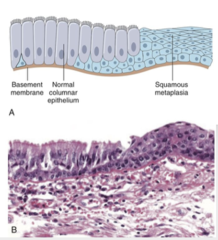
Reprogramming of stem cells.
What is the mechanism of metaplasia?
Cell aging, or senescence, is the gradual decline in cellular function and regenerative capacity over time.
What is cell aging, by definition?
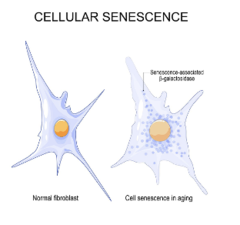
There is a loss of cell division and reduced proliferative capacity.
What happens to cell division during aging?

Damage to DNA, proteins, and organelles.
What types of cellular damage accumulate during aging?

Through changes in gene expression and metabolic activity
How are cellular functions altered during aging?

It states that aging is the result of predetermined genetic factors.
What is the genetic programming theory of aging?
Aging occurs due to the gradual accumulation of damage from metabolic processes and environmental factors.
What is the damage accumulation theory of aging?
It helps in studying age-related diseases and developing anti-aging therapies.
Why is understanding cell aging biologically important?
It contributes to the overall aging process of the organism.
How does cellular aging impact the whole organism?
The progressive shortening of telomeres with each cell division.
What is telomere shortening?

They cause cell cycle arrest
What is the effect of critically short telomeres?
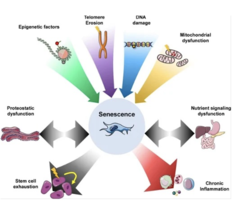
UV radiation, oxidative stress, and replication errors.
What are the main causes of DNA damage in aging cells? (3)
