LESSON 1: INTRODUCTION TO STATISTIC
 Call Kai
 Learn
Learn Practice Test
 Spaced Repetition
 Match
Match Flashcards
 Knowt Play
1/25

There's no tags or description
Looks like no tags are added yet.
Name | Mastery | Learn | Test | Matching | Spaced | Call with Kai | Chat |
|---|
No analytics yet
Send a link to your students to track their progress
26 Terms
STATISTICS
- refers to a range of techniques and
procedures for analyzing, interpreting, displaying, and making decisions based on data.
- Numerical facts and figures
- Involves math and relies upon
calculations of numbers
- Relies heavily on how the numbers are
chosen and how the statistics are
interpreted
why study it?
- To organize massive amount of information into a more objective interpretable form
- To properly evaluate the data and claims that bombard you everyday
- To communicate results and research conclusions
- To learn to recognize statistical evidence that supports a stated conclusion
Descriptive
- provide ways of summarizing the information that we collect from a multitude of sources
Inferential
- confidence in which we can generalize from a sample to the entire population
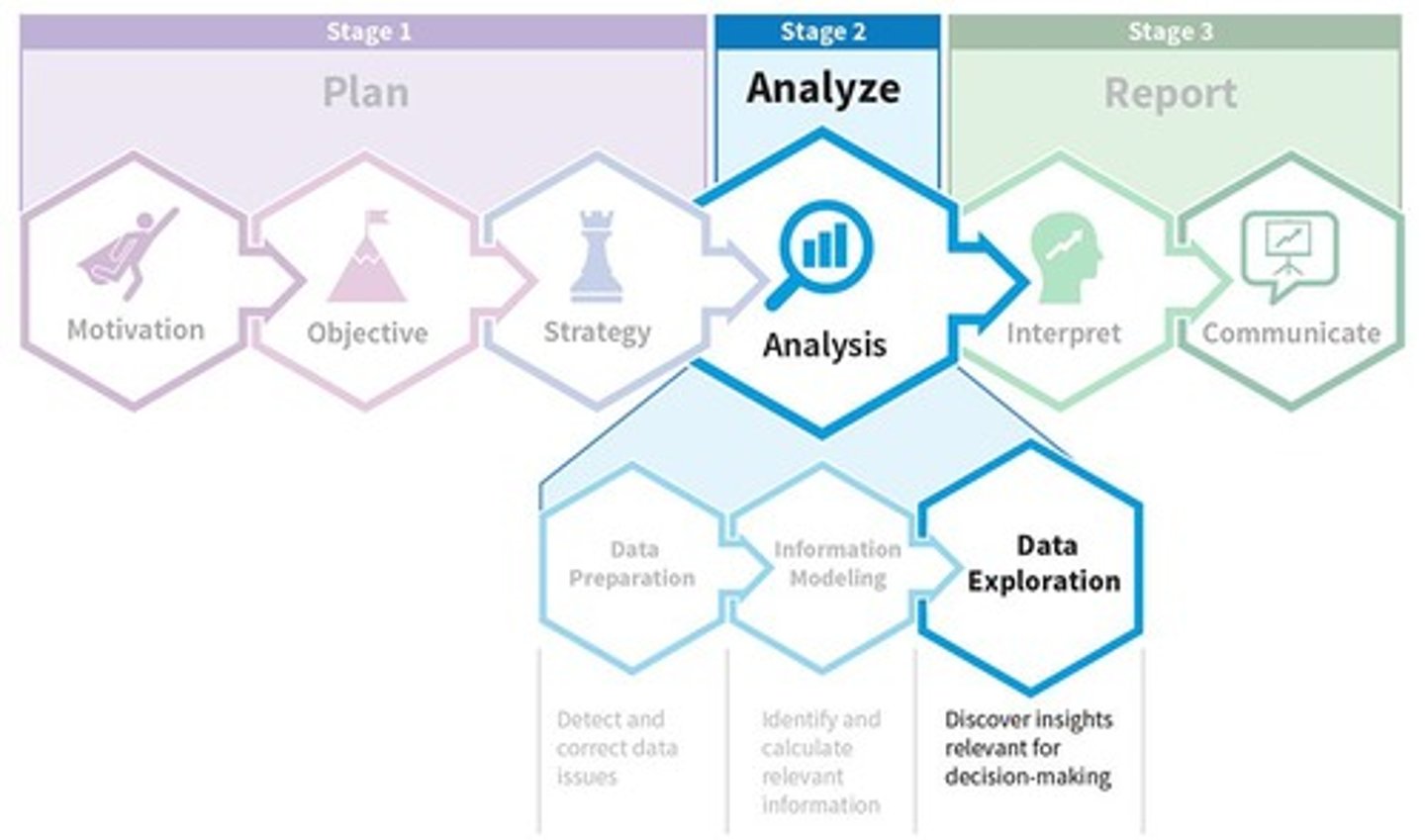
Data Simplification/Data exploration/Data reduction
- to make sense of large amounts of data that otherwise would be too much confusing
VARIABLE
- Simply a characteristic or feature of the thing we are interested in understanding
- Any concept that we can measure and that varies between individuals or cases
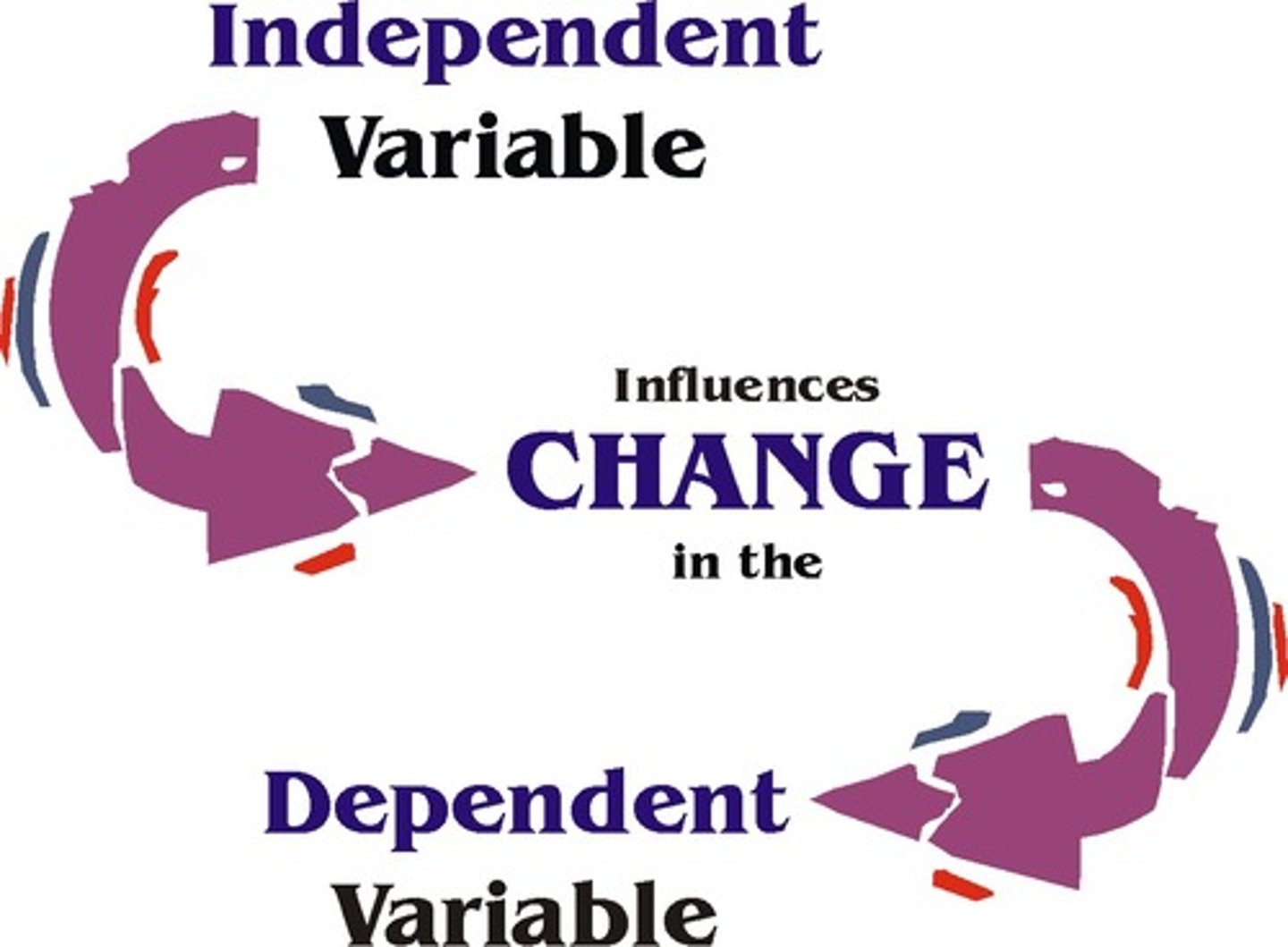
INDEPENDENT
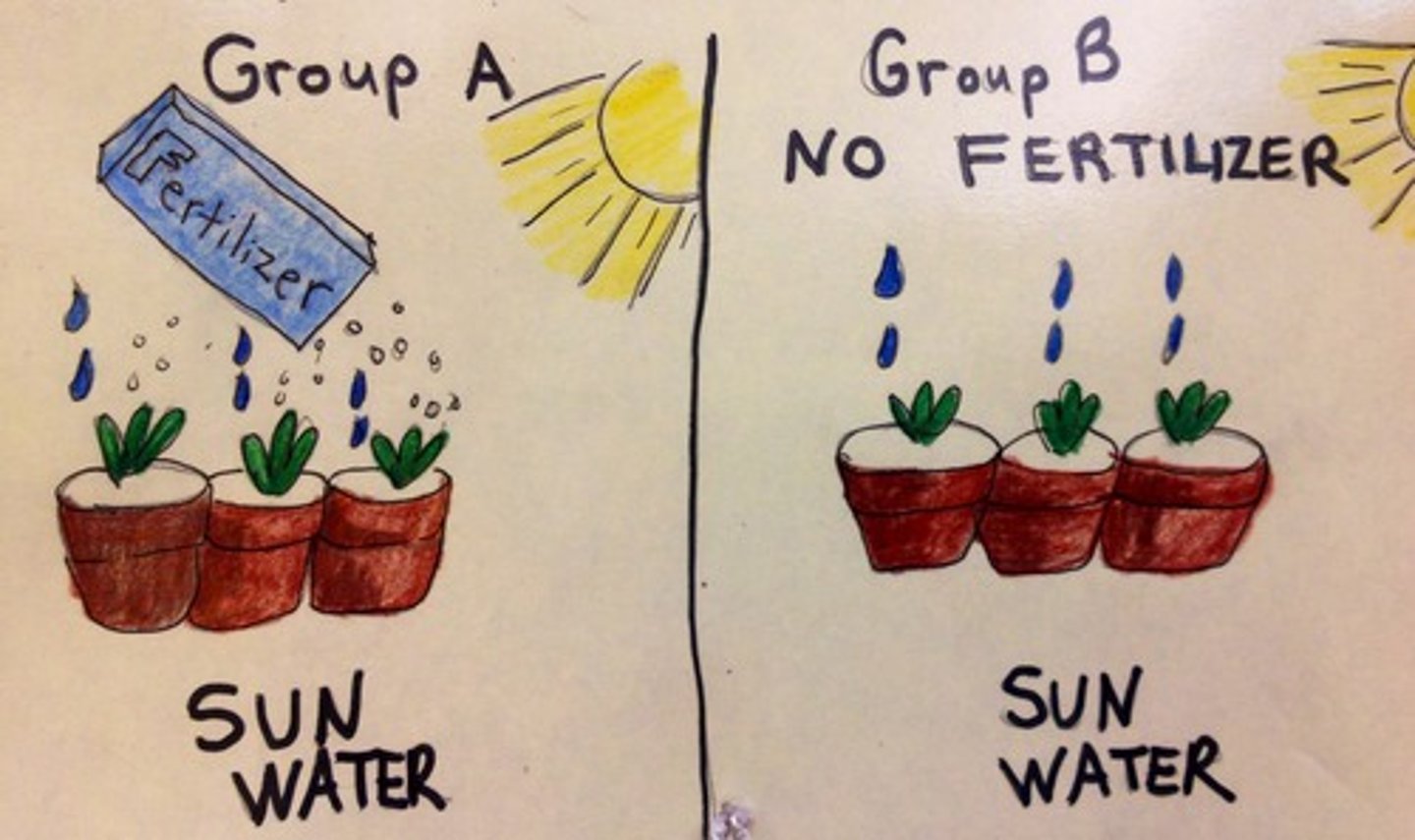
variable is manipulated by an experimenter; cause
DEPENDENT
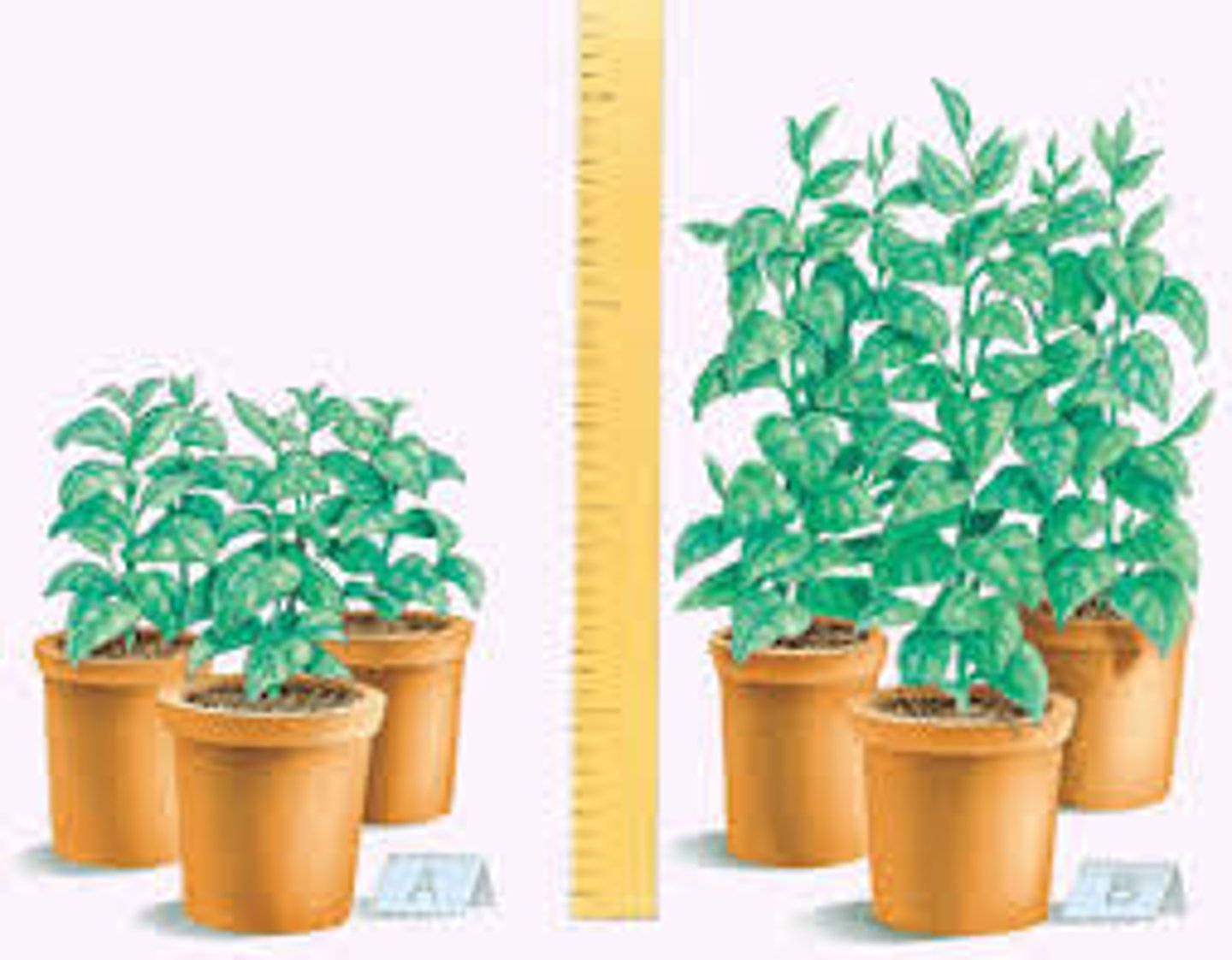
effect in variable caused by the manipulation on IV
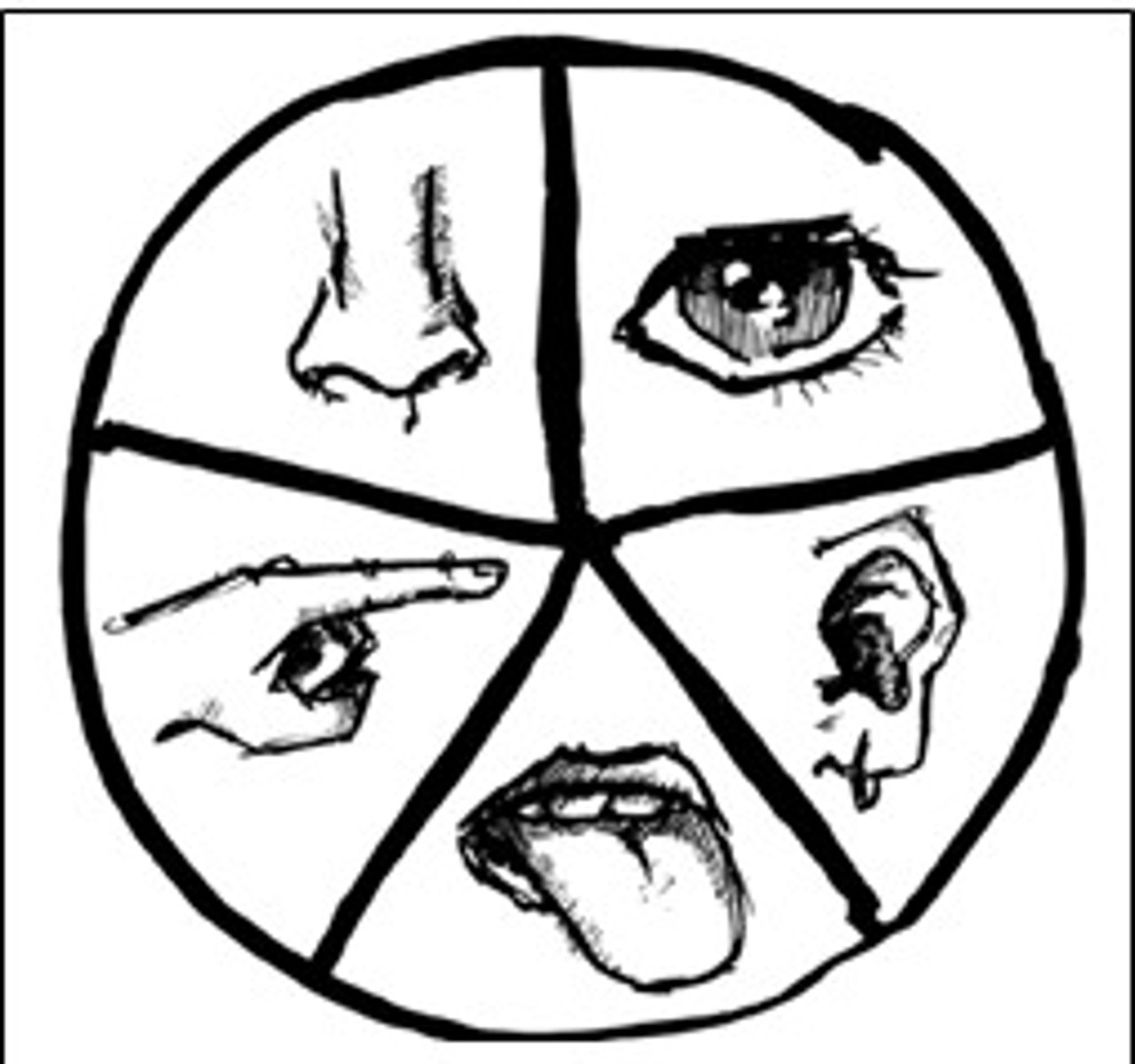
QUALITATIVE
- express a qualitative attribute; values of qualitative v do not imply a numerical ordering
- "Categorical"
QUANTITATIVE
- variables measured in terms of numbers
- Discrete and continuous
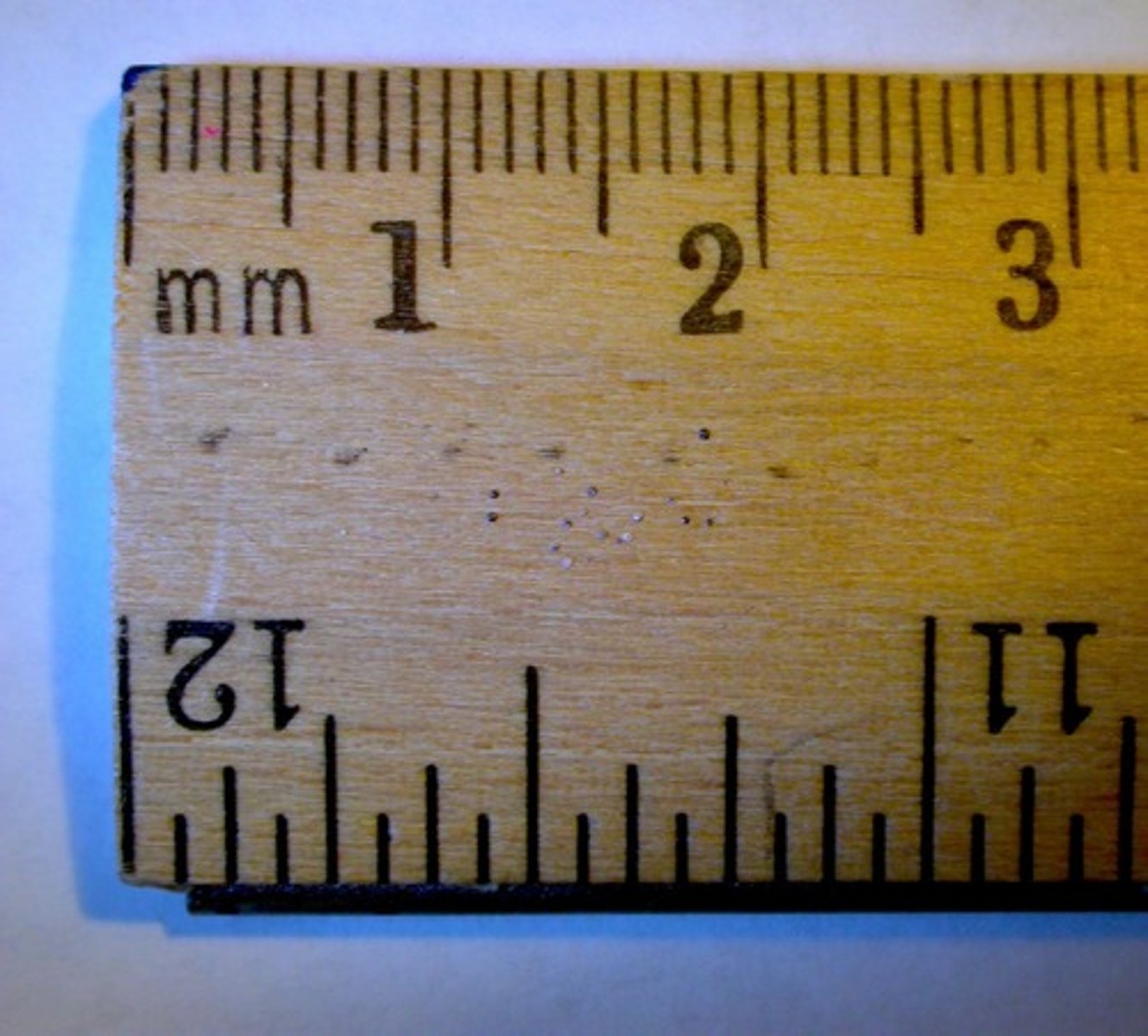
DISCRETE
possible scores are discrete points on the scale; countable

CONTINUOUS
scale is continuous; infinite
OBSERVABLE
can be directly measured or observed.
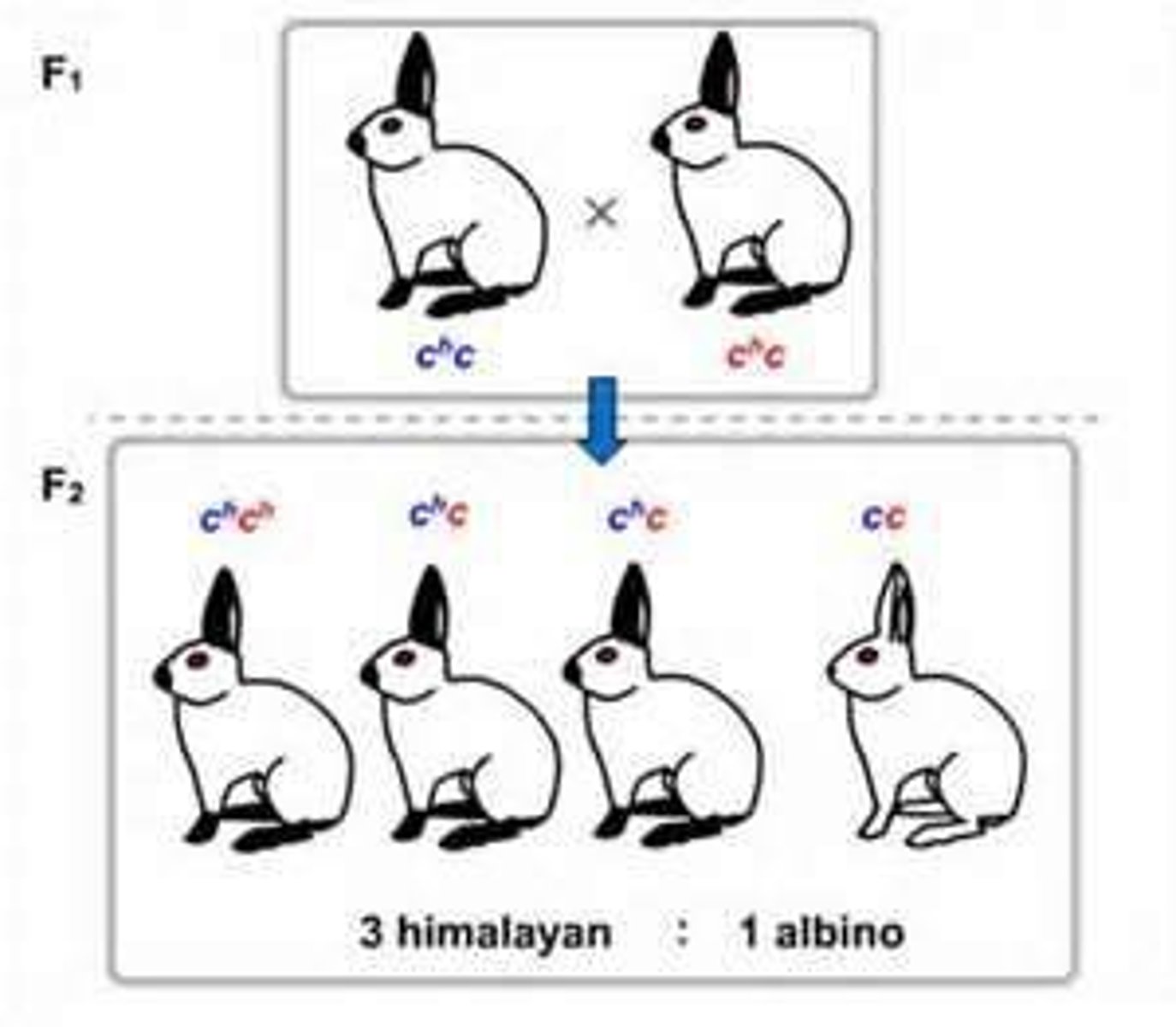
LATENT
not directly observed but are inferred from observable variables
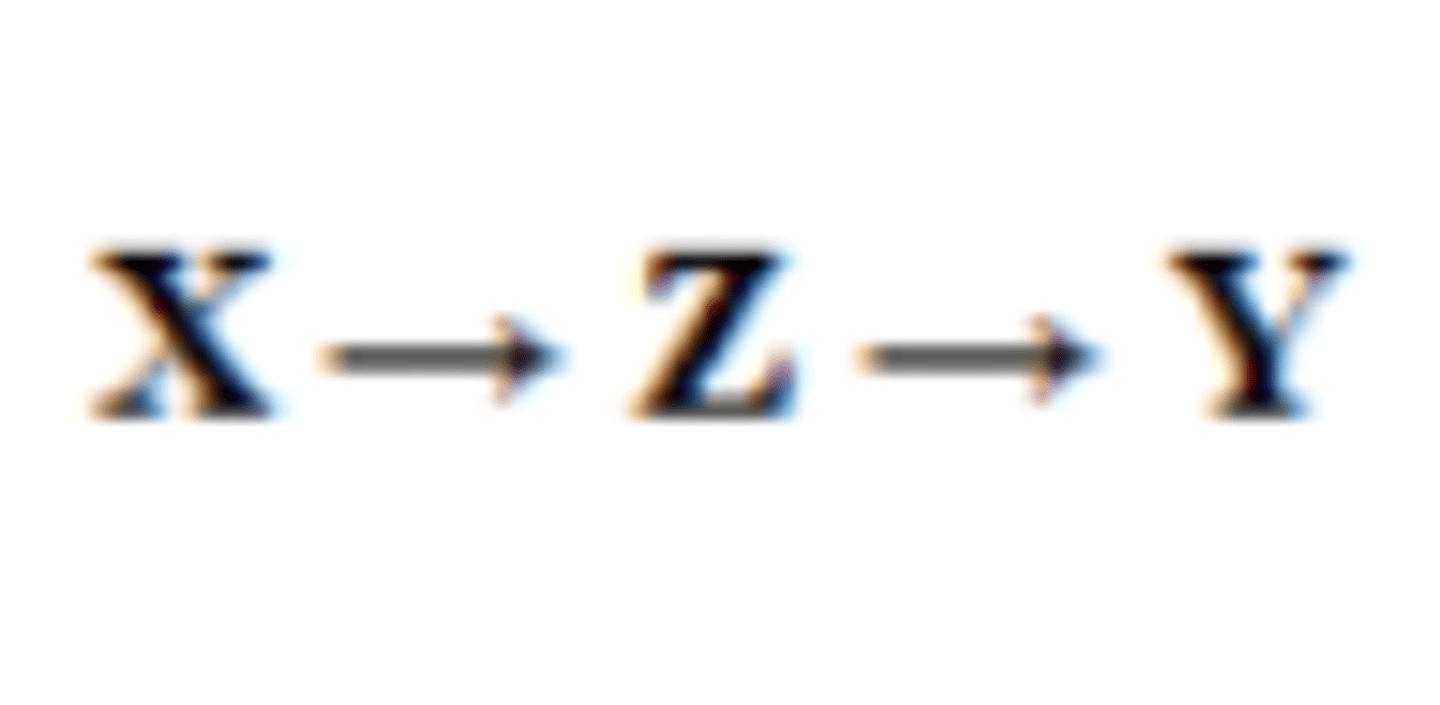
Mediator
What it does: Explains how or why two
variables are related.
Think of it as: The "middle step" in the
process.
Mechanism (how or why)
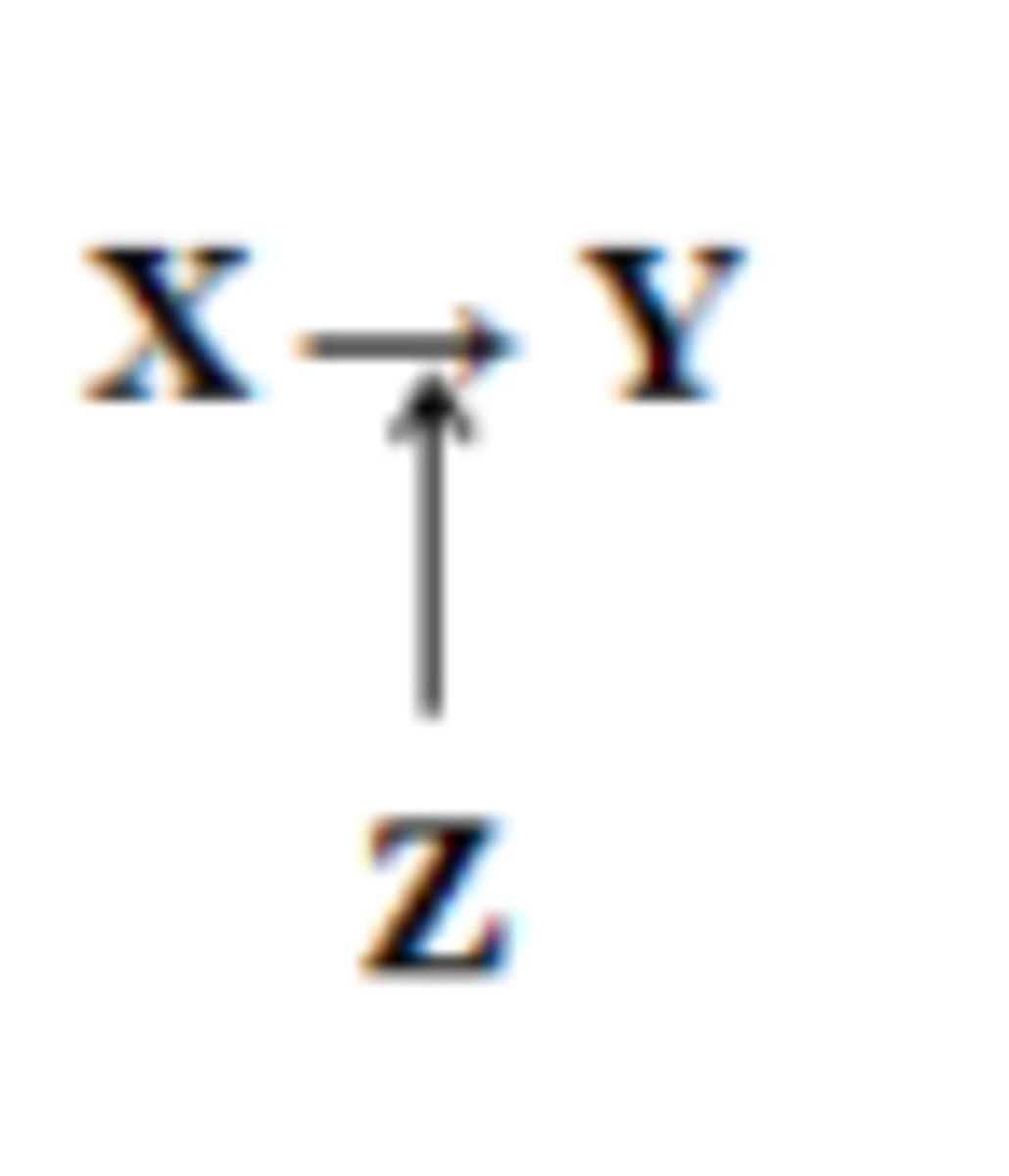
Moderator
What it does: Changes the strength or direction of the relationship between two variables.
Think of it as: A "switch" or "volume knob" that makes the relationship stronger, weaker, or different
depending on its level.
- Modifier (when or for whom)
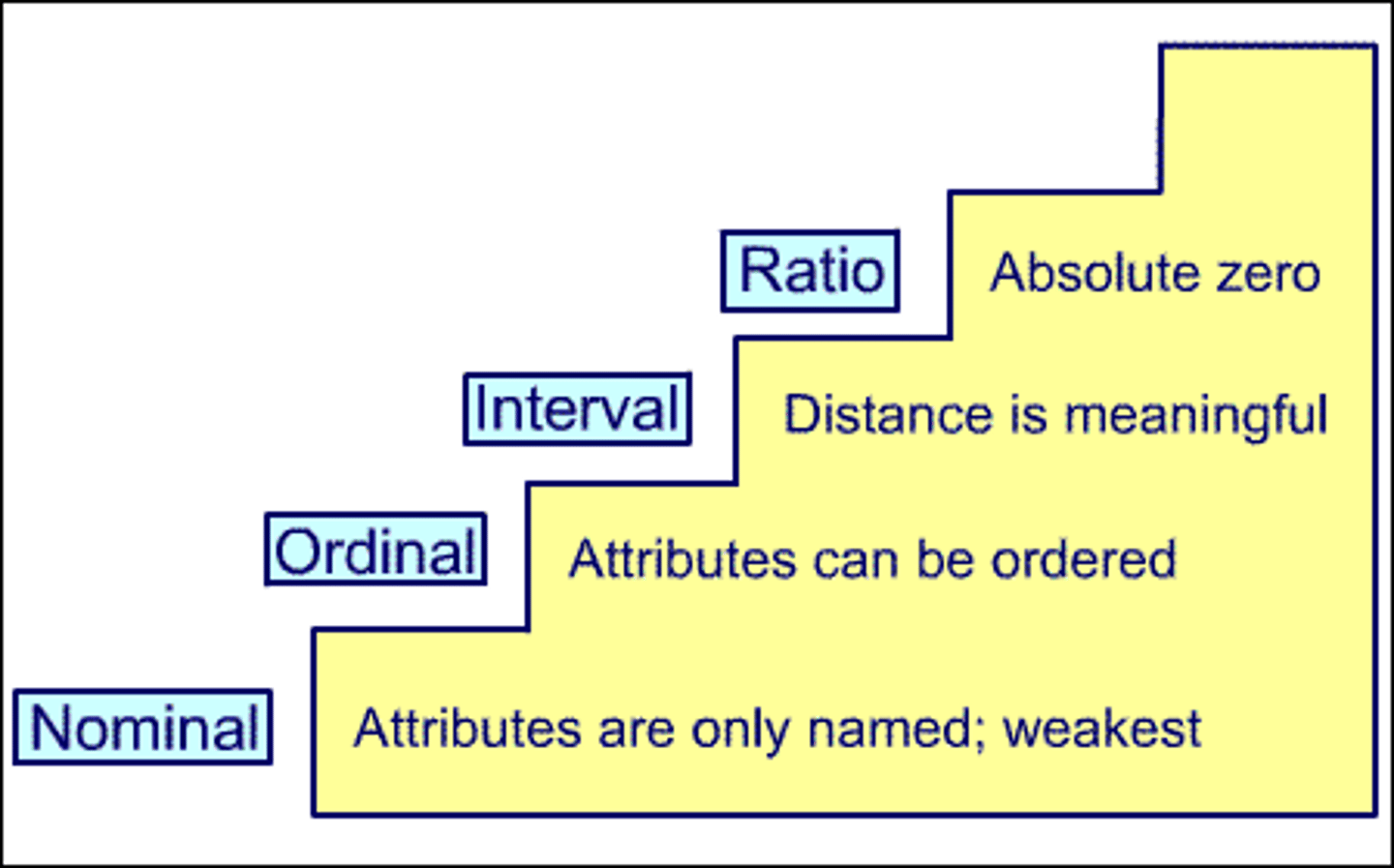
level of measurement
- determines what kinds of statistics are meaningful and valid.
- Using the wrong statistic can lead to
misleading conclusions.
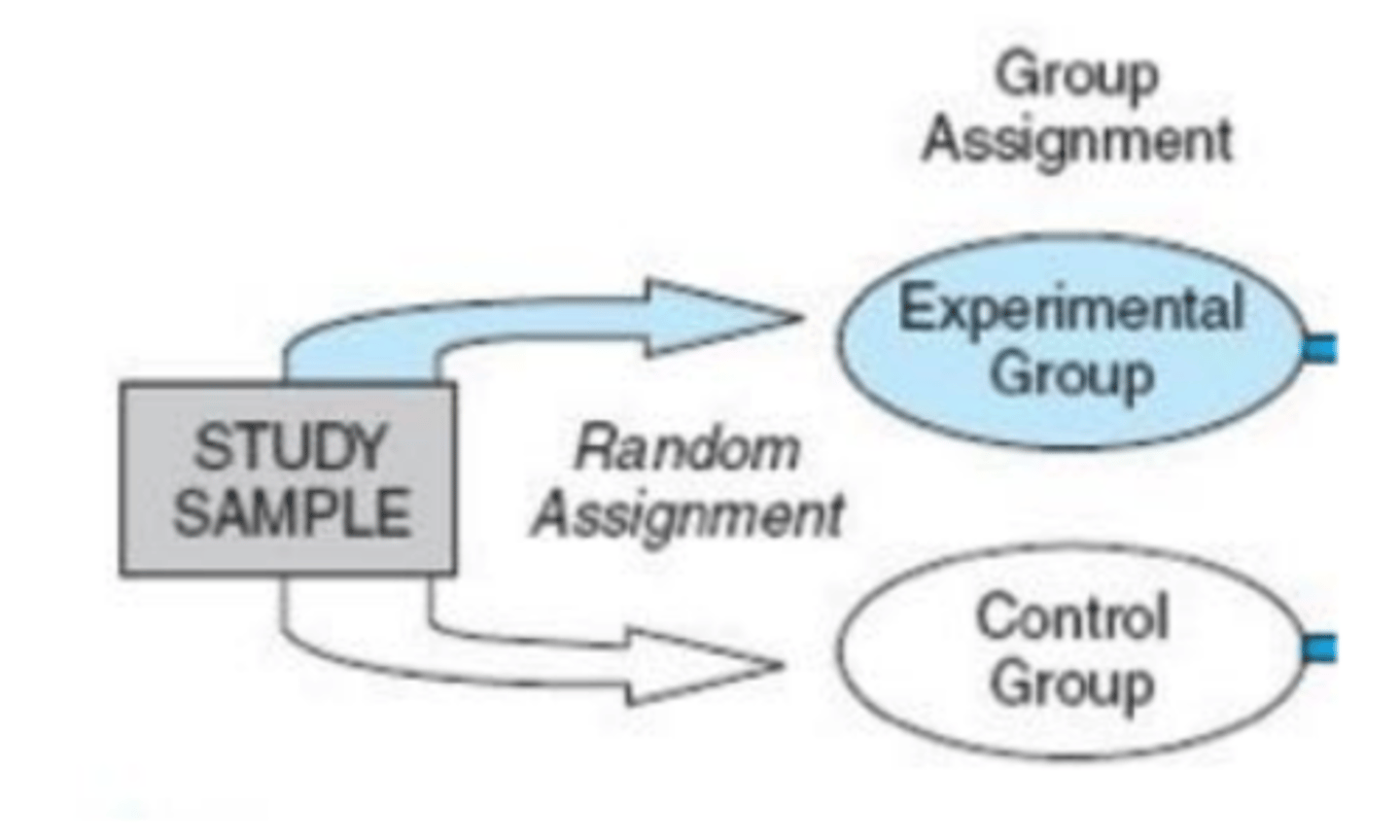
(TRUE) EXPERIMENTAL DESIGN
- The use of random assignment to treatment conditions and manipulation of the independent variable
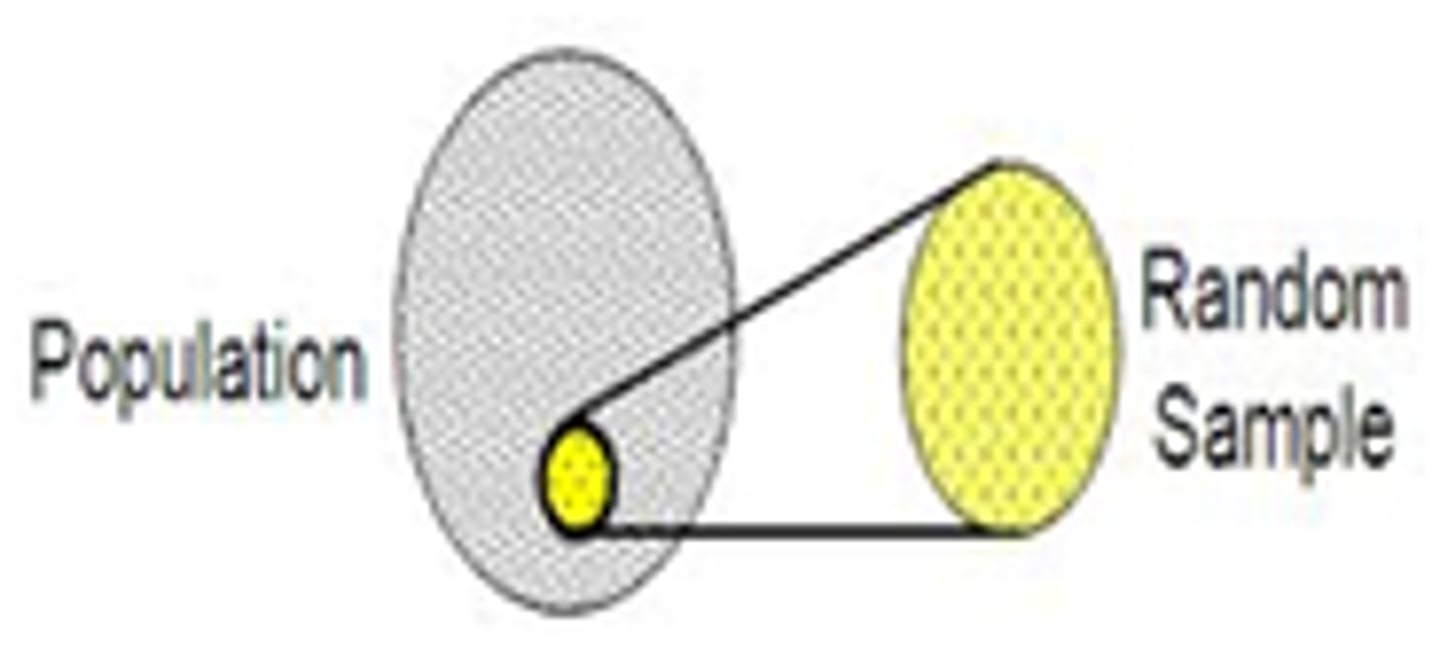
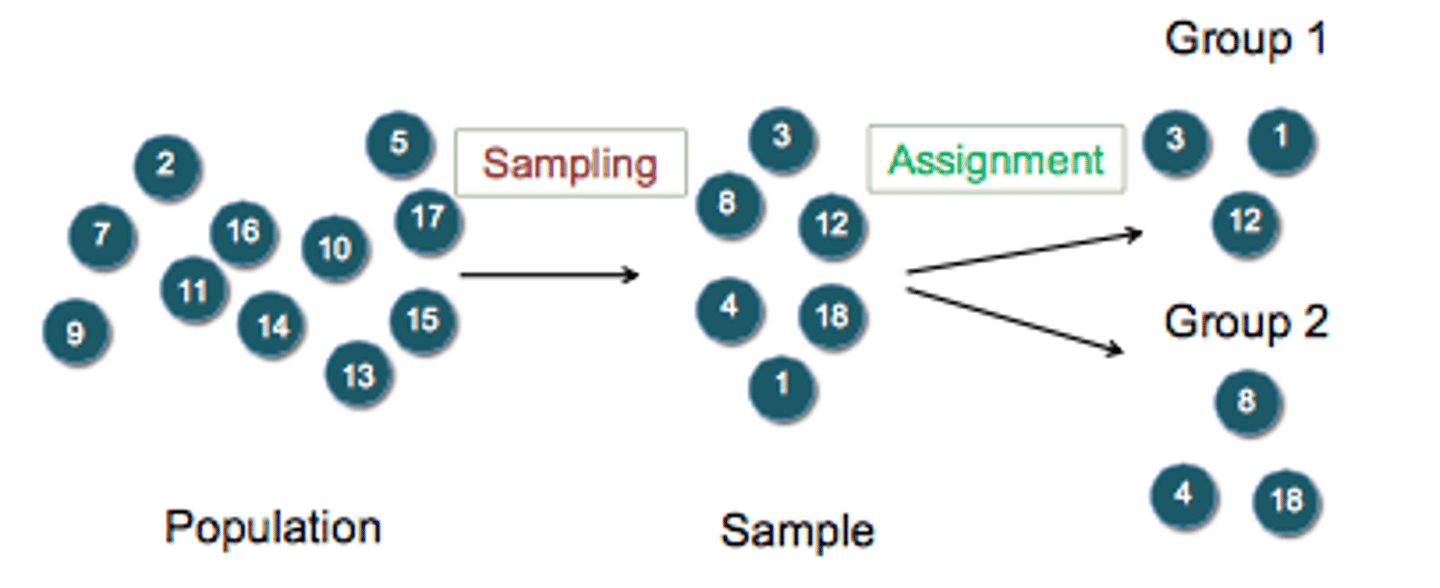
Random sampling
randomly chosen as samples
Random Assignment
sample is randomly assigned to a certain condition
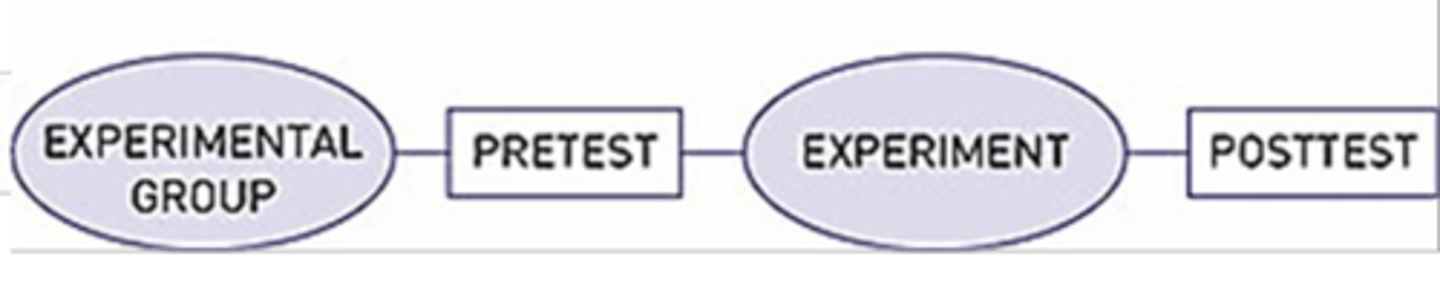
QUASI-EXPERIMENTAL DESIGN
- Manipulating the IV but not randomly assigning people to groups
Why use this?
- It may be unethical to deny potential treatment to someone if there is good reason to believe it will be effective and that the person would unduly
suffer if they did not receive it
- It may be impossible to randomly assign people to groups
NON-EXPERIMENTAL DESIGN
- Correlational research
- Observing things as they occur naturally and recording our observations as data
- Reflects reality as it actually exists since we as researchers do not change anything
- Becomes a predictor
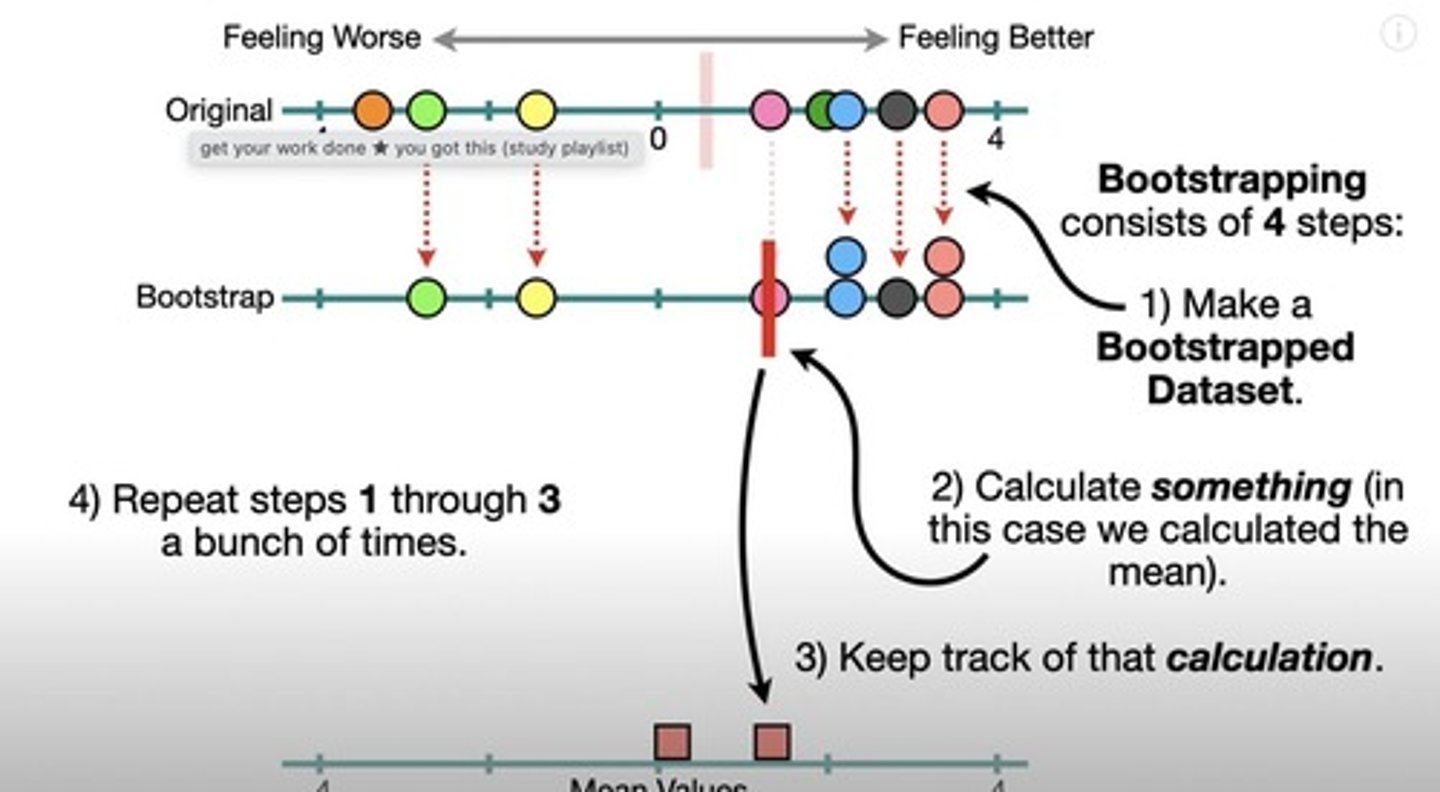
DESCRIPTIVE ANALYSIS
- Numbers that are used to summarize and describe data
- Just descriptive; they do not involve generalizing beyond the data at hand
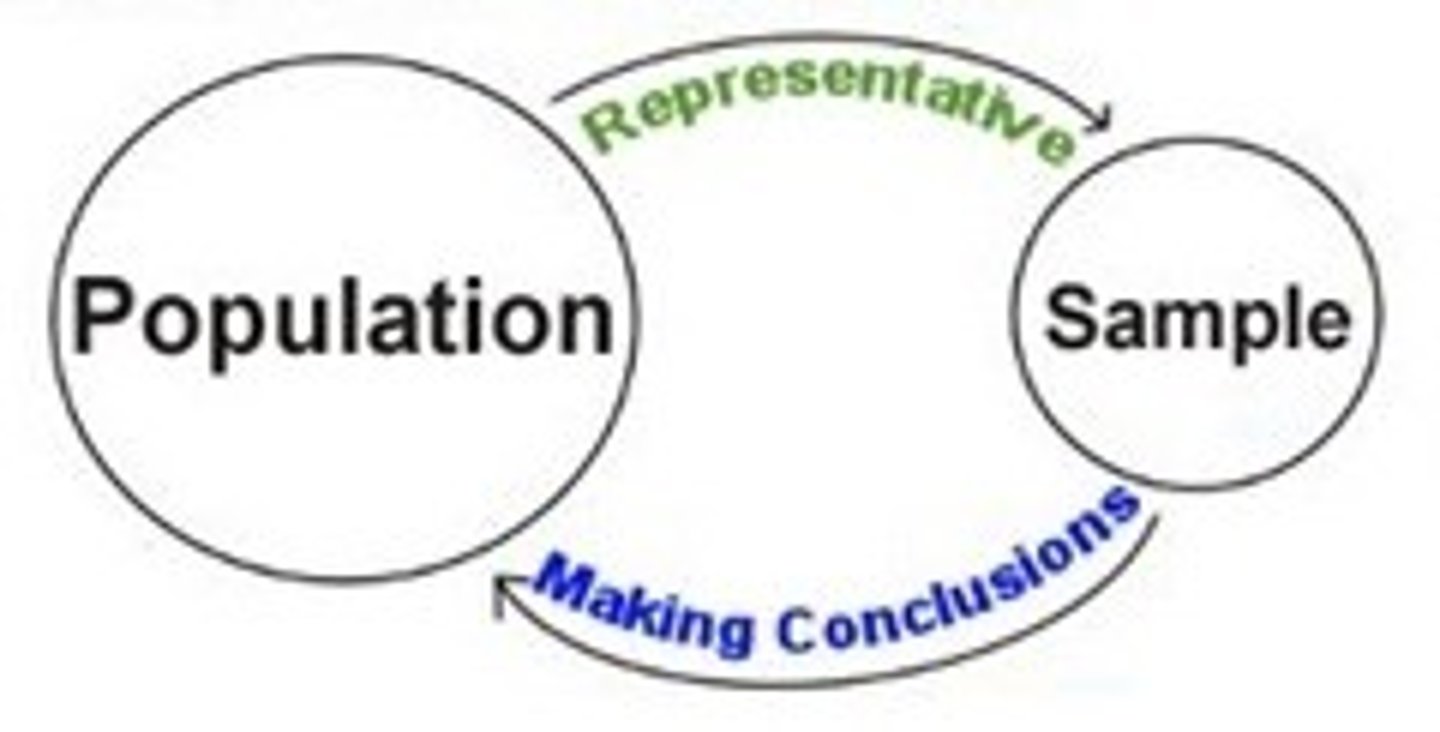
- It is important to differentiate what we use to describe populations vs. samples
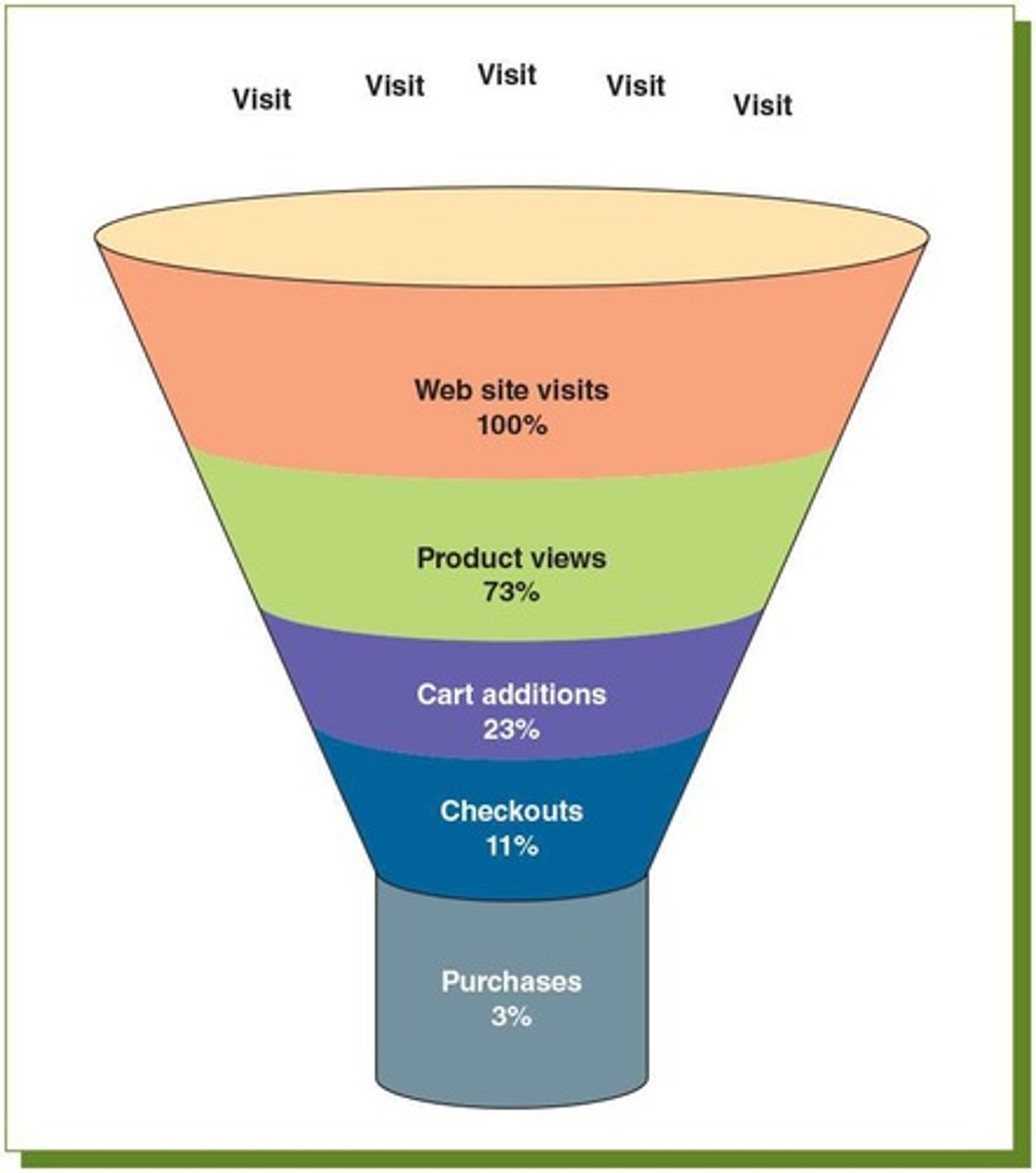
Population
Population is described by a parameter: the true value of the descriptive in the population, but one that we can never know for sure
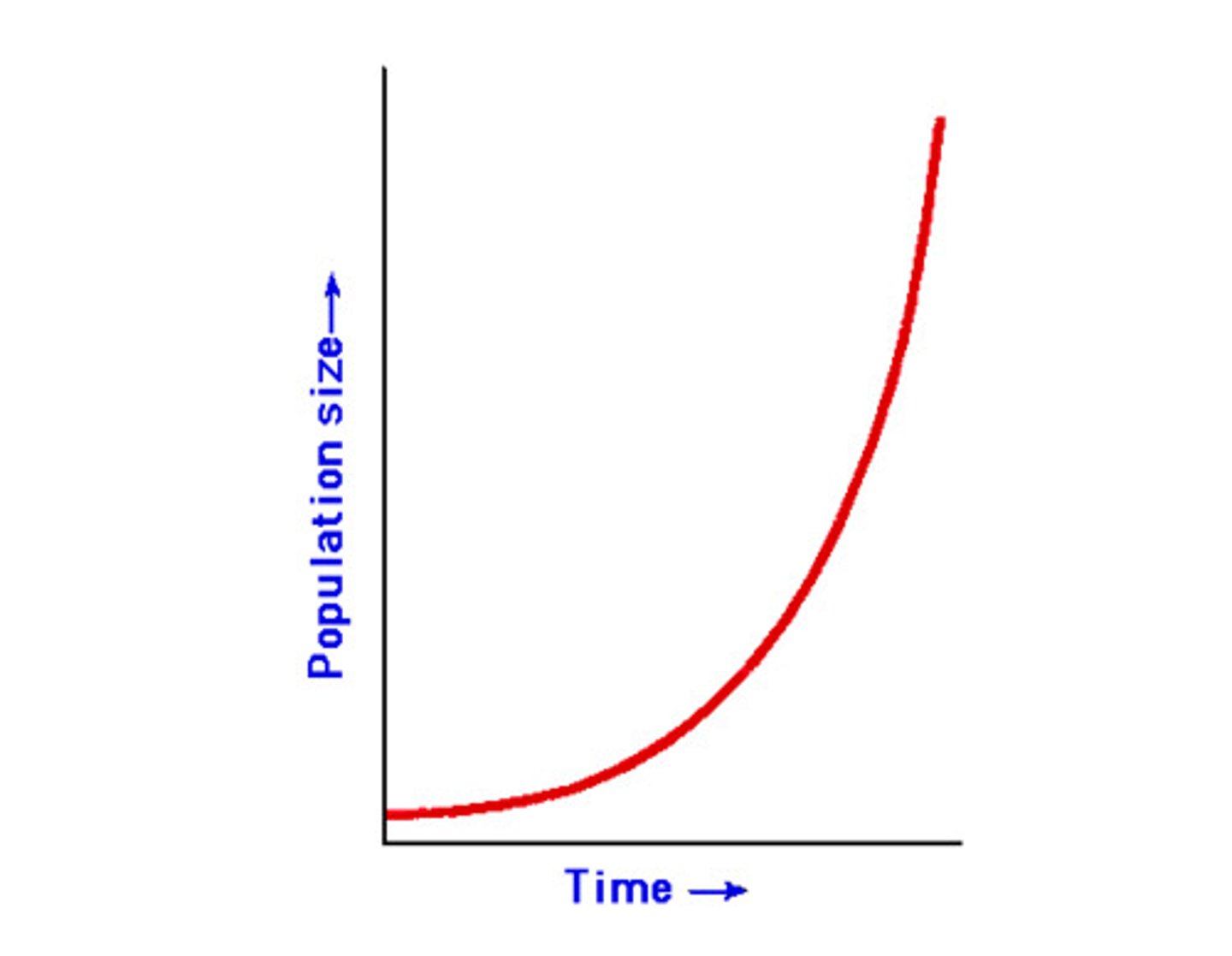
sample statistic
- refers to the specific number we compute from the data (e.g. average)
- an estimate of the true population parameter, and if our sample is representative of the population, then the statistic is considered to be a good estimator of the parameter.
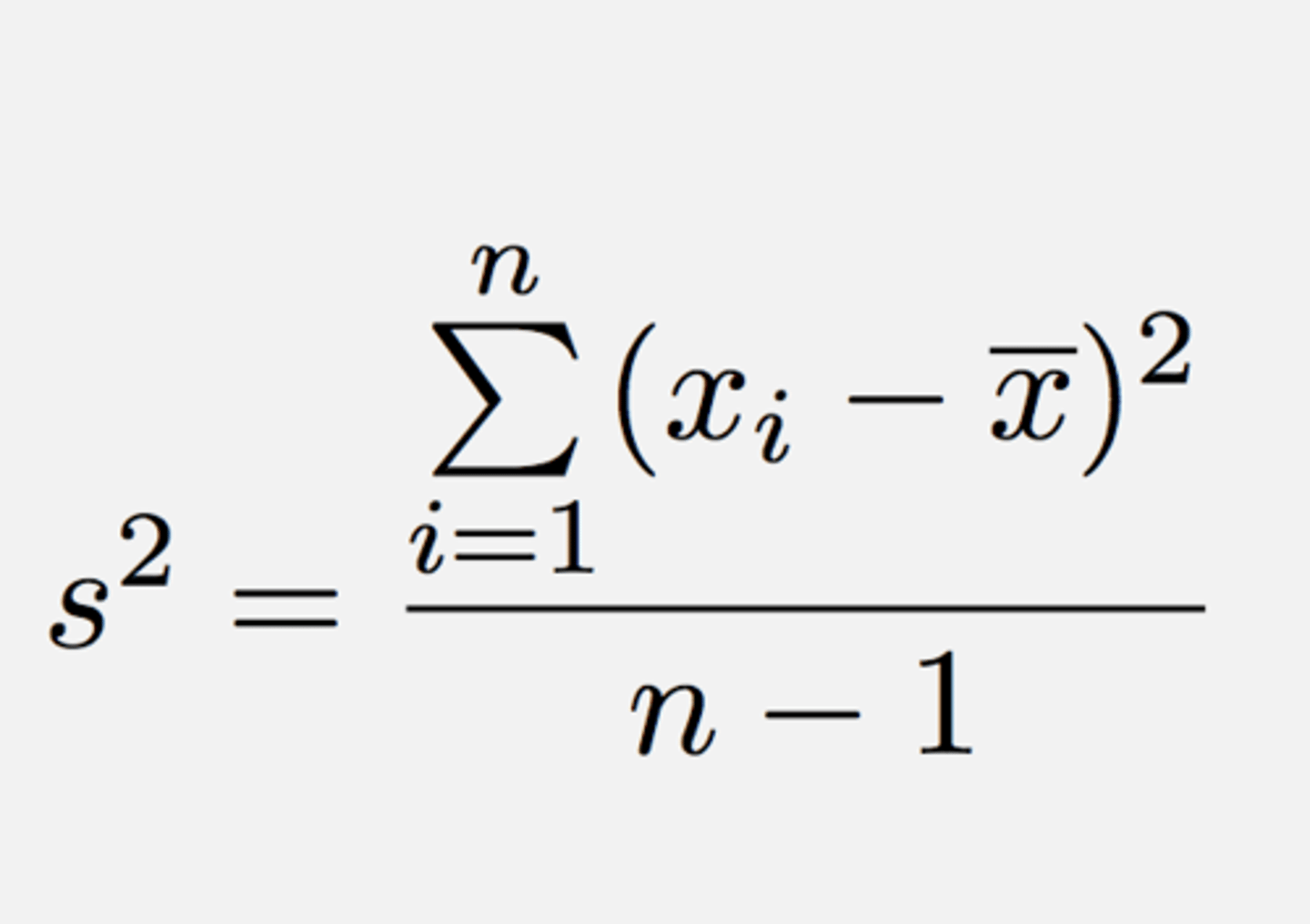
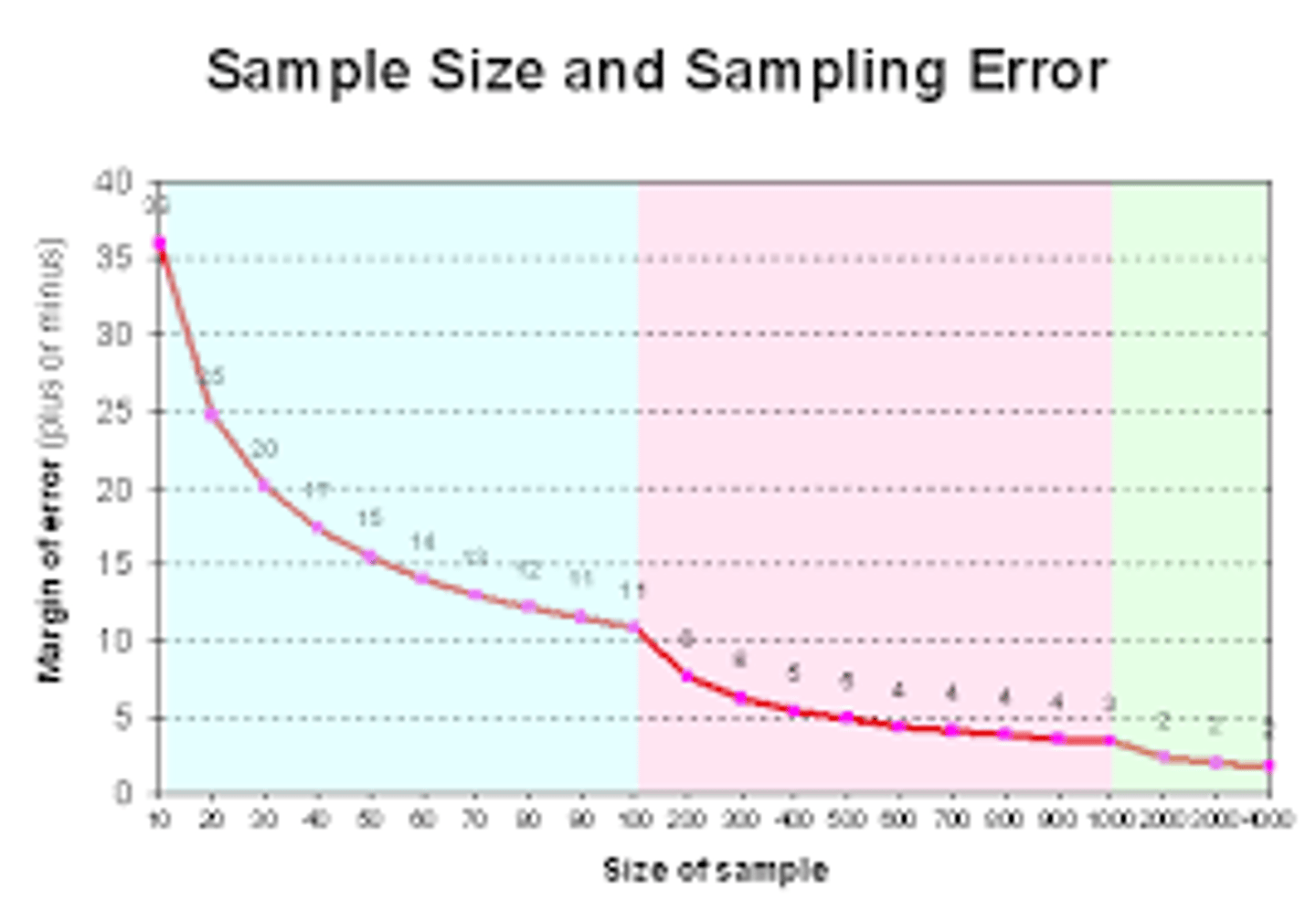
Sampling Error
discrepancy/difference between the parameter and the statistic we use to estimate it.
INFERENTIAL STATISTICS
- shows how our data behaves
- how we generalize from our sample back up to our population
- Correlational, comparative, and predictive