18. Principles of Preoperative, operative, and postoperative surgery
 Call Kai
 Learn
Learn Practice Test
 Spaced Repetition
 Match
Match Flashcards
 Knowt Play
1/45

There's no tags or description
Looks like no tags are added yet.
Name | Mastery | Learn | Test | Matching | Spaced | Call with Kai | Chat |
|---|
No analytics yet
Send a link to your students to track their progress
46 Terms
Day of surgery (intra-op ± immediate recovery)
define the peri-operative period
reduce perioperative morbidity and mortality
what is the primary goal of pre-operative evaluation?
Cardiovascular disease (CAD, CHF, etc)
what is the number one cause of POST-operative death?
<4 METs (can't climb the stairs)
METs = Metabolic Equivalents of Task
METs | Example activity | Surgical risk |
|---|---|---|
1 MET | Eating, dressing, sitting | Very poor capacity |
2–3 METs | Slow walking, light housework | Poor |
≥ 4 METs ⭐ | Climb 2 flights of stairs, walk uphill | Adequate |
> 10 METs | Strenuous sports, running | Excellent |
pre-op assessment:
number of METs indicating increased risk for peri/post-operative death
healthy patient
define ASA I patient
mild systemic disease (HTN, controlled DM)
define ASA II patient
severe systemic disease (CHF, COPD)
define an ASA III patient
severe disease that is a constant threat to life
define an ASA IV patient
Moribund, not expected to survive without surgery
define an ASA V pt
brain-dead organ donor
define an ASA VI patient
emergency surgery
An 'E' next to ASA tier indicates
Reduce ileus
Improve pain
Enhance lymphatic flow
Prevent complications (atelectasis, pneumonia)
goals of post-operative OMM
Gentle techniques only
Myofascial release
Lymphatic pump
Counterstrain
OMM techniques utilized post-op
High-risk surgery
Ischemic heart disease
Heart failure
Cerebrovascular disease
Diabetes treated with insulin
Creatinine ≥2.0 mg/dL.
Revised Cardiac Risk Index assigns 1 point for each of the following
>1
an RCRI score of _____ is treated as an elevated risk for surgery
at least 14 days.
After balloon angioplasty without stent, delay elective noncardiac surgery
≥12 months if antiplatelet interruption will be needed.
chronic coronary disease: delay ≥6 months
If surgery is time-sensitive after DES, it may be considered ≥3 months after PCI if waiting is riskier than proceeding.
after stent placement for ACS, delay elective surgery
4 METs, suggests acceptable
being able to climb 2 flights of stairs is equivalent to ____ METs
COPD
Age >60
Higher ASA class
risk factors for postoperative pulmonary complications
dialyze the day before surgery
timing of dialysis in a pt before surgery
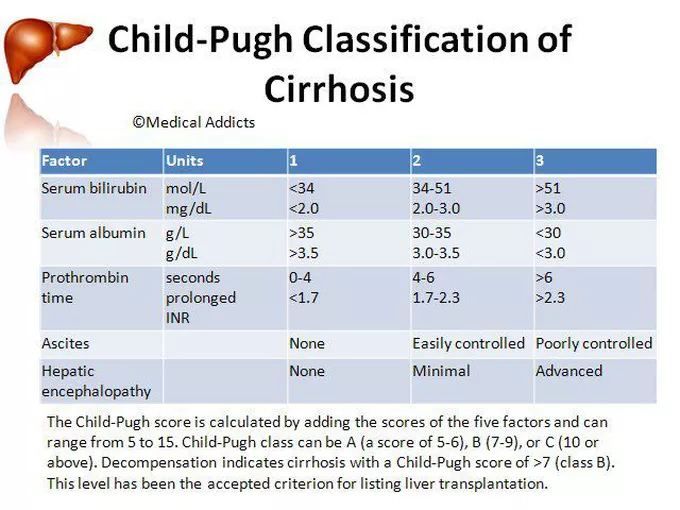
Child-Pugh staging
class A is lower risk,
B intermediate,
C very high risk
used to help stage cirrhosis severity
Bilirubin
Albumin
INR
Ascites
Encephalopathy
components of Child-Pugh staging
Continue basal insulin, but usually reduce long-acting basal insulin by about 20–25% the evening before or morning of surgery.
insulin dosing for right before surgery
possible adrenal suppression
higher infection risk
impaired wound healing.
risks of chronic steroid use
<7 g/dL in most stable hospitalized adults
recommend blood transfusion when hemoglobin is
advanced age
baseline cognitive impairment or prior delirium
frailty
sensory impairment
dehydration/electrolyte abnormalities
major risk factors for post-op delirium
hypoalbuminemia
________ is a strong marker of higher postoperative risk, though it also reflects inflammation and illness severity, not just nutrition.
prophylactic antibiotics are most clearly indicated for clean-contaminated procedures and for many clean procedures involving prosthetic material or especially high-consequence infection risk
indications for preoperative antibiotics based on type of surgery
60 minutes before incision
surgical prophylaxis of antibiotics should be given
120 minutes
vancomycin and FQs should be given within _______ of surgery
No entry into respiratory, GI, GU, or biliary tract; no inflammation
define a 'clean' wound
Controlled entry into GI/GU/respiratory/biliary tract without unusual contamination
define a 'clean-contaminated' wound
yes
is prophylaxis indicated for clean-contaminated wounds?
Major break in sterile technique, gross spillage from GI tract, fresh traumatic wounds
define a 'contaminated' wound
Established infection, perforated viscus, devitalized tissue, old traumatic wound
define a dirty/infected wound
reduce gastric volume and aspiration risk during anesthesia
what is the purpose of pre-operative fasting
allows clear liquids up to 2 hours before anesthesia, breast milk up to 4 hours, infant formula/nonhuman milk/light meal up to 6 hours, and heavier or fatty meals need longer
ASA guidlines for foods before surgery
2 hours
you can clear liquids up to ____ before surgery
new hypotension, tachycardia or bradycardia, arrhythmias, ST-segment changes, ischemic wall-motion abnormality on echo, or unexplained hemodynamic collapse
signs of MI under anesthesia
100% oxygen as needed, optimize blood pressure and oxygen delivery, reduce myocardial demand, obtain ECG/TEE if available, treat arrhythmias, and involve anesthesia/cardiology/surgery urgently
immediate management of MI under anesthesia
sudden hypoxemia, abrupt fall in end-tidal CO2, hypotension, tachycardia, bronchospasm-like physiology, right-heart strain, or cardiovascular collapse
clues of intraoperative PE
rapid rise in end-tidal CO2, tachycardia, muscle rigidity, hyperthermia later in the course, acidosis, hyperkalemia, and rhabdomyolysis after exposure to triggering anesthetics or succinylcholine
classic findings of malignant hyperthermia
stop triggering agents, call for help, hyperventilate with 100% oxygen, give IV dantrolene 2.5 mg/kg rapidly and repeat as needed, cool the patient, and treat acidosis/hyperkalemia/arrhythmias
principles of management of malignant hyperthermia
IV dantrolene 2.5 mg/kg
dantrolene dose for malignant hyperthermia
The Universal Protocol
protocol meant to prevent wrong-person, wrong-procedure, and wrong-site surgery
-Pre-procedure verification of patient, procedure, documents, imaging, implants, and consent
-Site marking when appropriate
-A final time-out immediately before starting, with active participation by the team to confirm the correct patient, site, procedure, and positioning
what are the core elements of the universal protocol