Psychology - Chapter 5: Stress & Health
 Call Kai
 Learn
Learn Practice Test
 Spaced Repetition
 Match
Match Flashcards
 Knowt Play
1/63

There's no tags or description
Looks like no tags are added yet.
Name | Mastery | Learn | Test | Matching | Spaced | Call with Kai | Chat |
|---|
No analytics yet
Send a link to your students to track their progress
64 Terms
Differentiate between stimulus-based and response-based definitions of stress
Stimulus-based stress: characterize stress as an external event or situation (a stressor) that triggers a reaction
they characterize stress as a stimulus that causes certain reactions
Response-based stress:. Response-based definitions characterize stress as the body’s physiological and emotional reaction to those demands
they describe stress as a response to environmental conditions
What is the best way to define stress?
View it as a process whereby an individual perceives and responds to events that he appraises as overwhelming or threatening to his well-being
A critical element of this definition is that it emphasizes the importance of how we appraise—that is, judge—demanding or threatening events (often referred to as stressors); these appraisals, in turn, influence our reactions to such events.
What are the 2 types of appraisals of stressful events (stressors)?
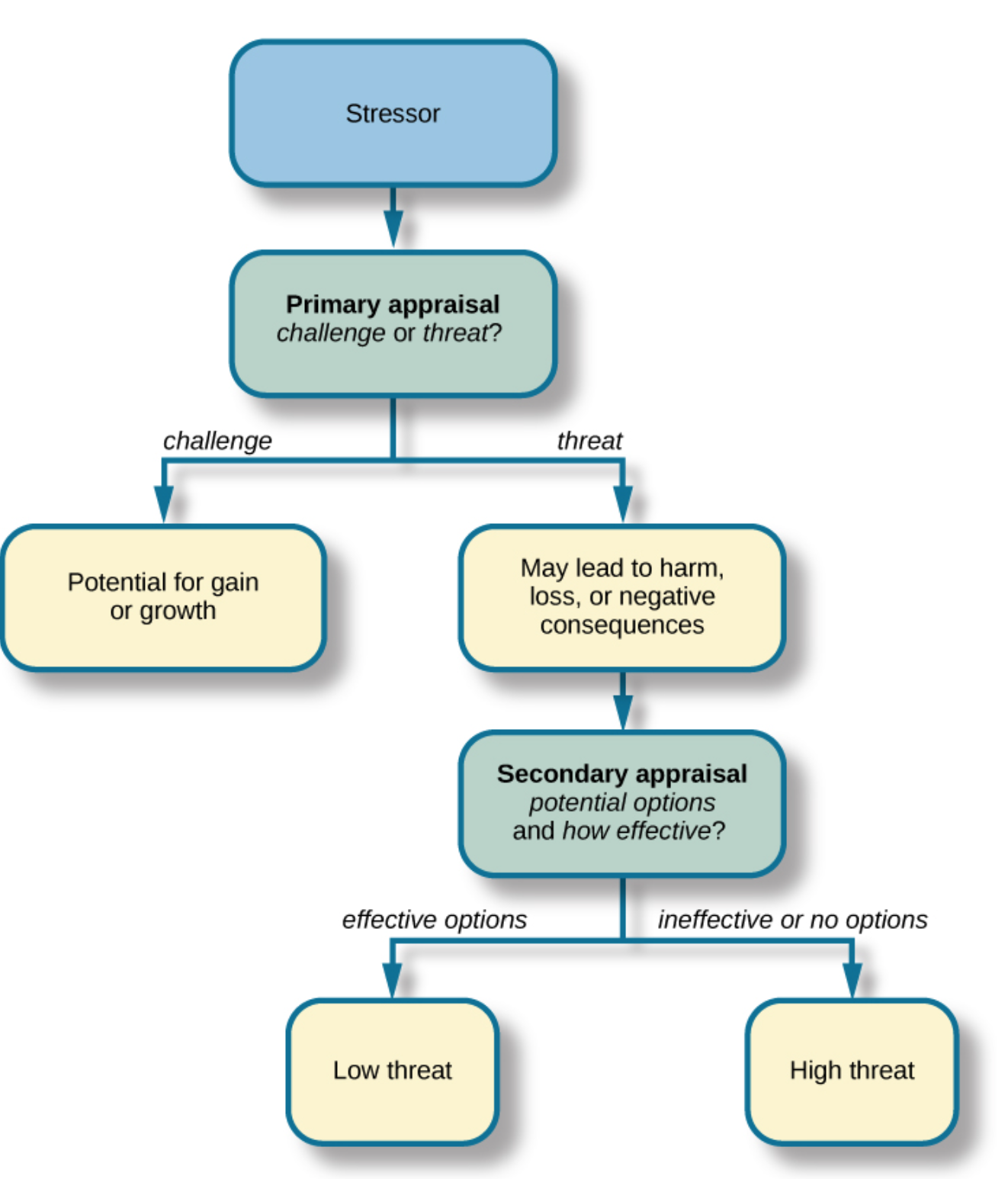
Primary appraisal: the initial, automatic evaluation of a situation to determine its significance and relevance to your well-being. You are essentially asking yourself: "Is this event a threat, a challenge, or irrelevant?
Secondary appraisal: occurs immediately after an event is evaluated as stressful. It is the assessment of your resources and options to manage or cope with the situation. You are asking yourself: "What, if anything, can I do to overcome or prevent harm?
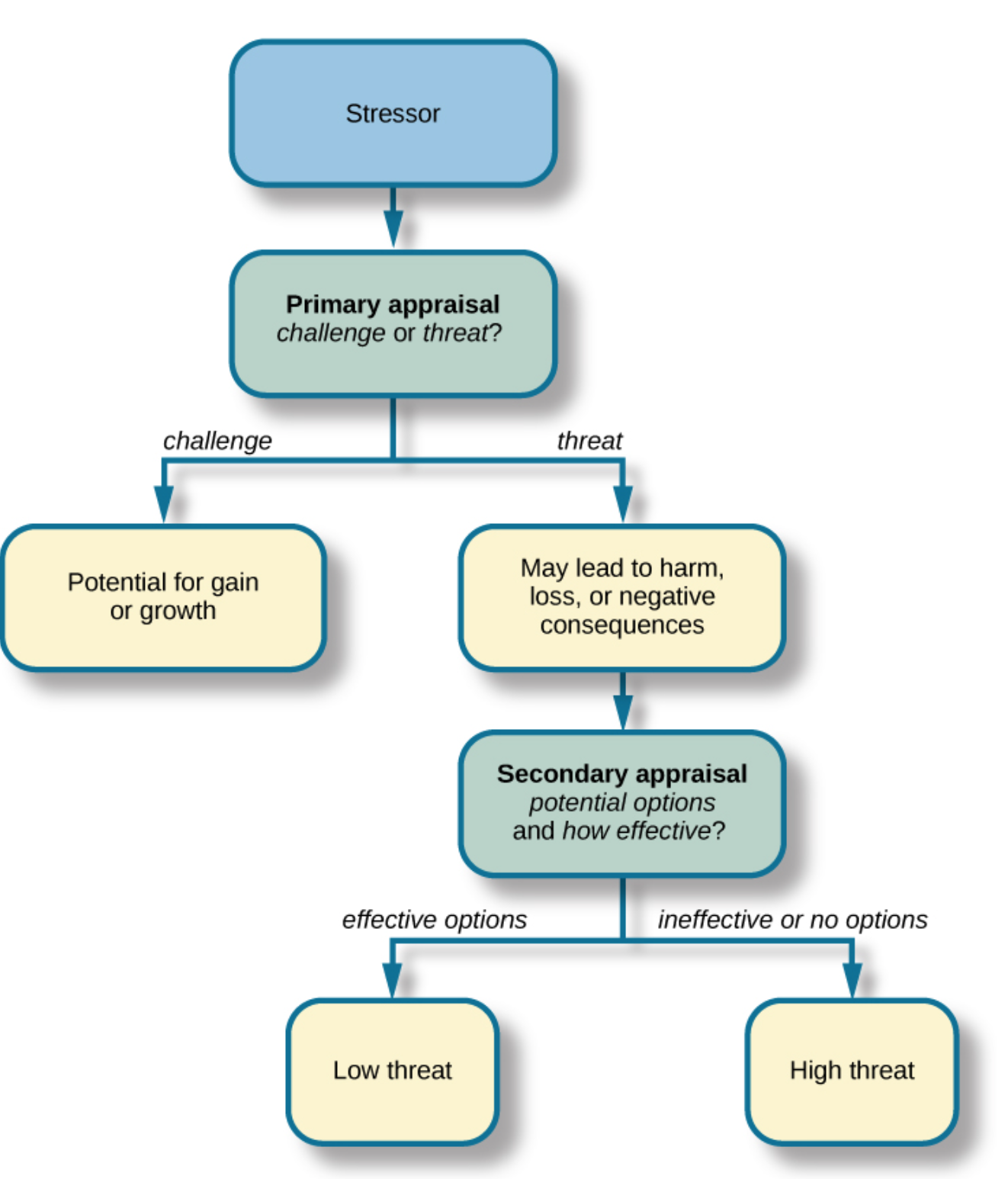
How is stress evaluated based on primary and secondary appraisals?
If a person appraises an event as harmful and believes that the demands imposed by the event exceed the available resources to manage or adapt to it, the person will subjectively experience a state of stress.
In contrast, if one does not appraise the same event as harmful or threatening, she is unlikely to experience stress. According to this definition, environmental events trigger stress reactions by the way they are interpreted and the meanings they are assigned
What is eustress vs distress?
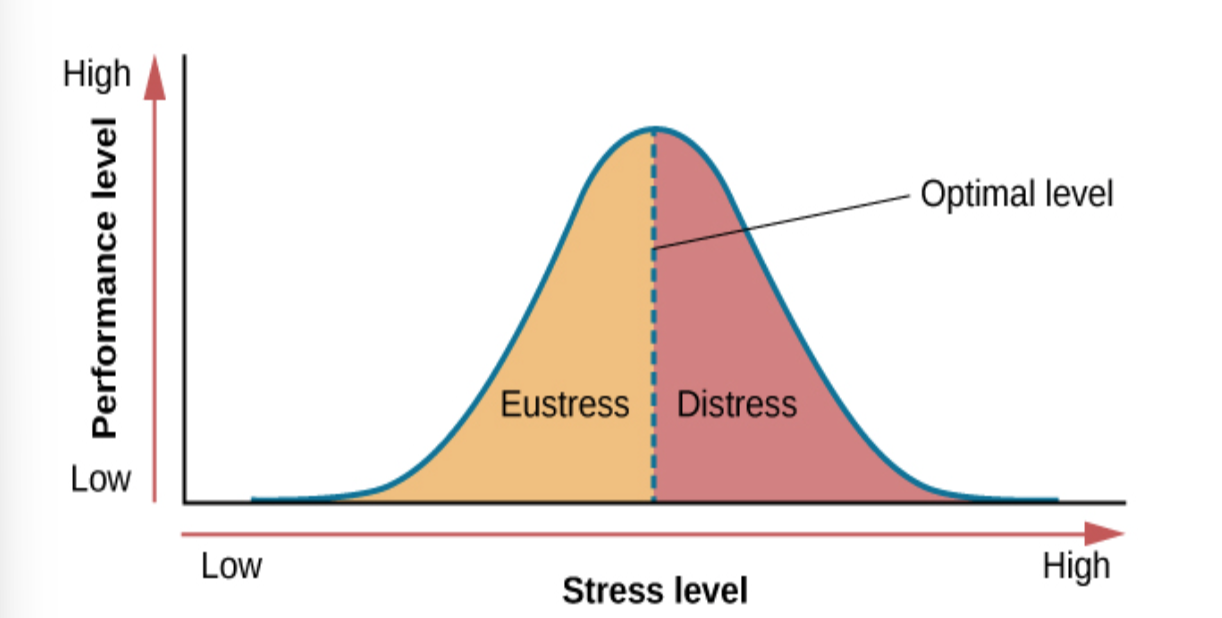
Eustress: a good kind of stress associated with positive feelings, optimal health, and performance.
Distress: People who reach this level of stress feel burned out; they are fatigued, exhausted, and their performance begins to decline
Describe the relationship between stress level and performance level in terms of eustress and distress
As stress increases, so do performance and general well-being (eustress); when stress levels reach an optimal/moderate level (the highest point of the curve), performance reaches its peak. A person at this stress level is colloquially at the top of their game, meaning they feel fully energized, focused, and can work with minimal effort and maximum efficiency.
But when stress exceeds this optimal level, it is no longer a positive force—it becomes excessive and debilitating, or what Selye termed distress
What are the three main responses to stress?
Stress can produce:
Physiological responses: Increased heart rate, headaches, gastrointestinal problems.
Cognitive responses: Difficulty concentrating and making decisions.
Behavioural responses: Drinking alcohol, smoking, or taking actions to remove the stressor.
What is health psychology?
Health psychology is the branch of psychology that studies how psychological and behavioural factors influence health, illness, and recovery.
Health psychologists:
Study the relationship between stress and disease.
Examine health-related behaviours (e.g., smoking, diet).
Develop interventions to promote healthier lifestyles.
Identify groups at greater risk for illness.
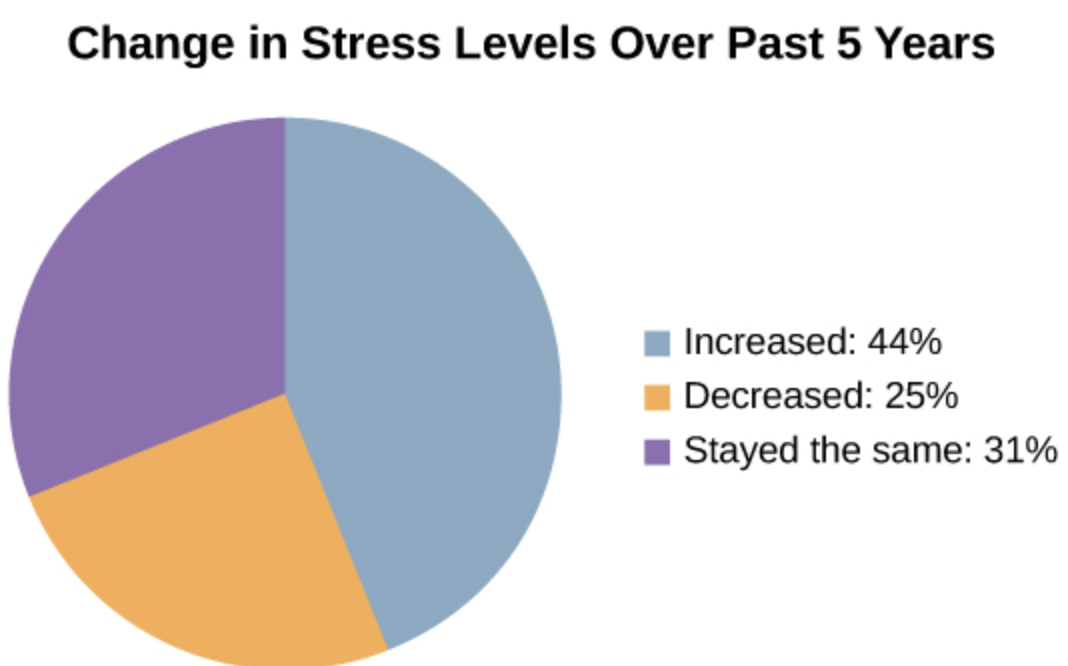
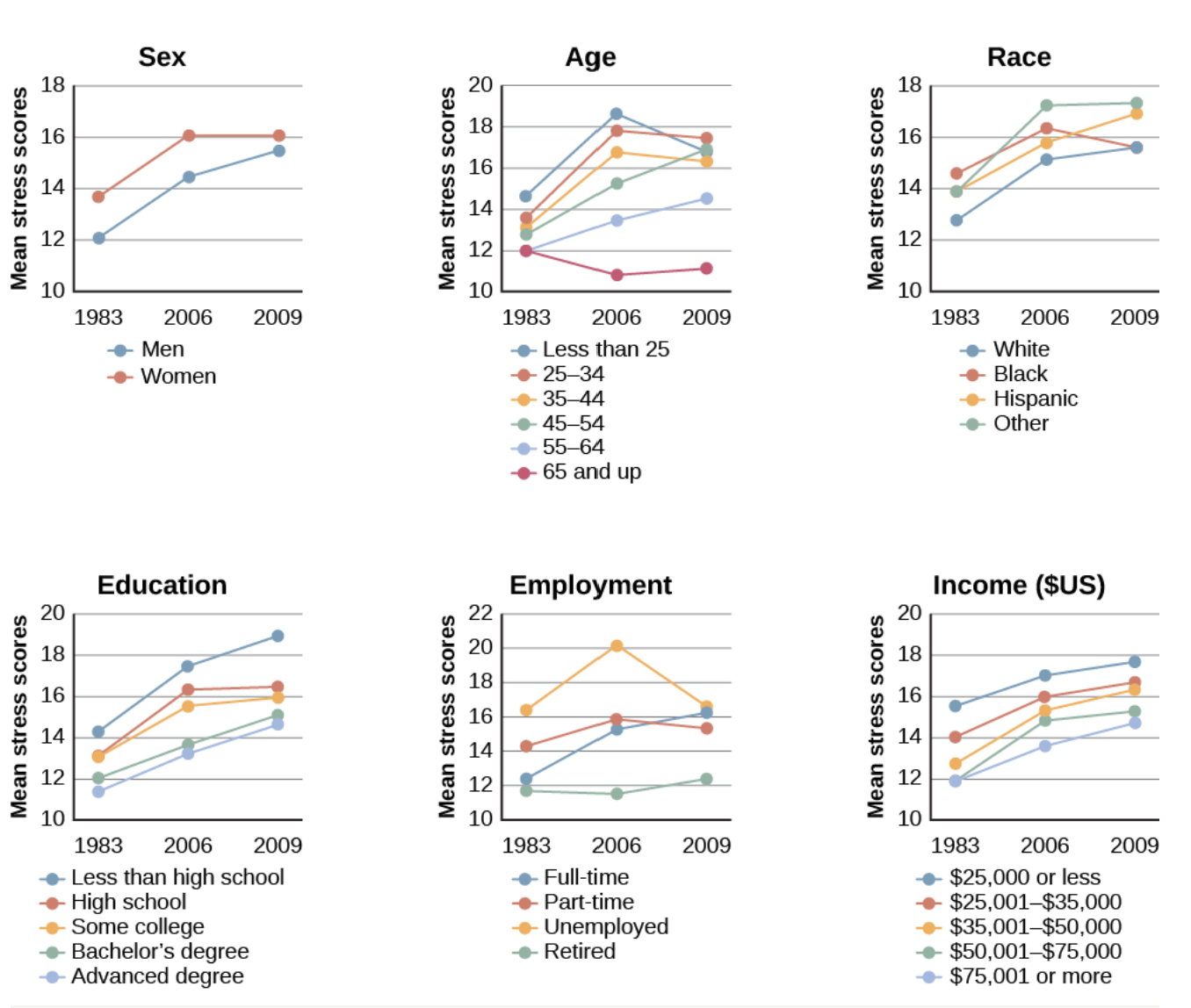
Prevalence of stress: What did surveys show about stress levels over time?
Nearly 44% of adults reported their stress had increased over the previous 5 years.
31% said stress stayed the same.
25% reported their stress had decreased.
Overall, stress levels increased across most demographic groups over time.
Which demographic groups reported the highest stress levels and the greatest increase in stress?
Highest stress levels: Women, unemployed individuals, and people with lower education and lower income.
Lowest stress levels: Retired individuals.
Greatest increase in stress (2006–2009): Men, Hispanic people, adults aged 45–64, college graduates, and full-time employees, likely related to the 2008–2009 economic downturn.
What is Cannon's fight-or-flight response?
Proposed by Walter Cannon.
The fight-or-flight response is the body's immediate physiological reaction (very strong emotions) to a perceived threat.
It prepares a person to fight or flee by activating the sympathetic nervous system and endocrine system.
It is considered adaptive because it helps maintain homeostasis and increases survival.
What physiological changes occur during the fight-or-flight response?
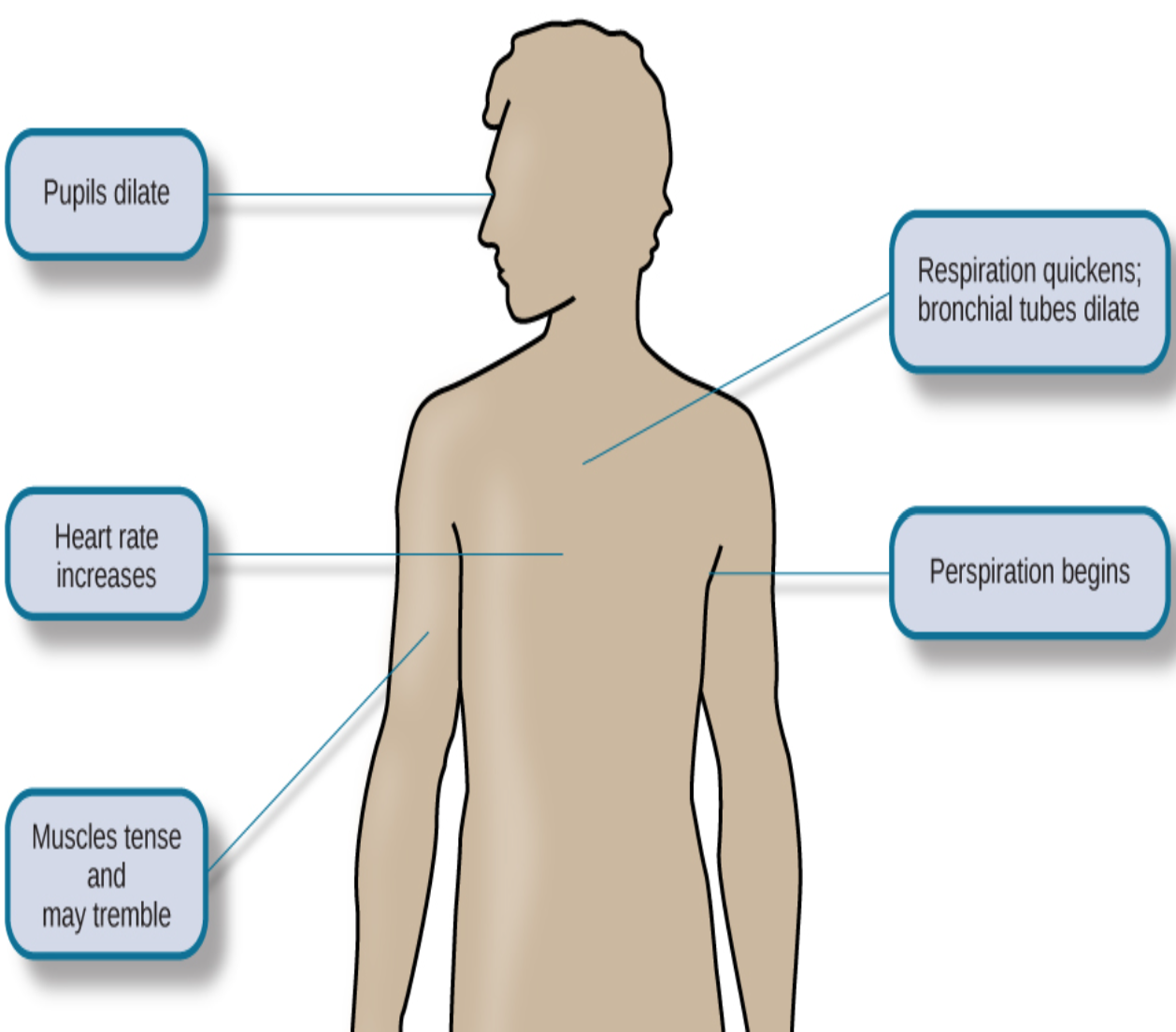
During fight-or-flight:
Pupils dilate
Heart rate increases
Breathing (respiration) quickens
Bronchial tubes dilate
Perspiration (sweating) increases
Muscles tense or tremble
Adrenal glands release epinephrine (adrenaline) and norepinephrine (noradrenaline)
What is Selye's General Adaptation Syndrome (GAS)?
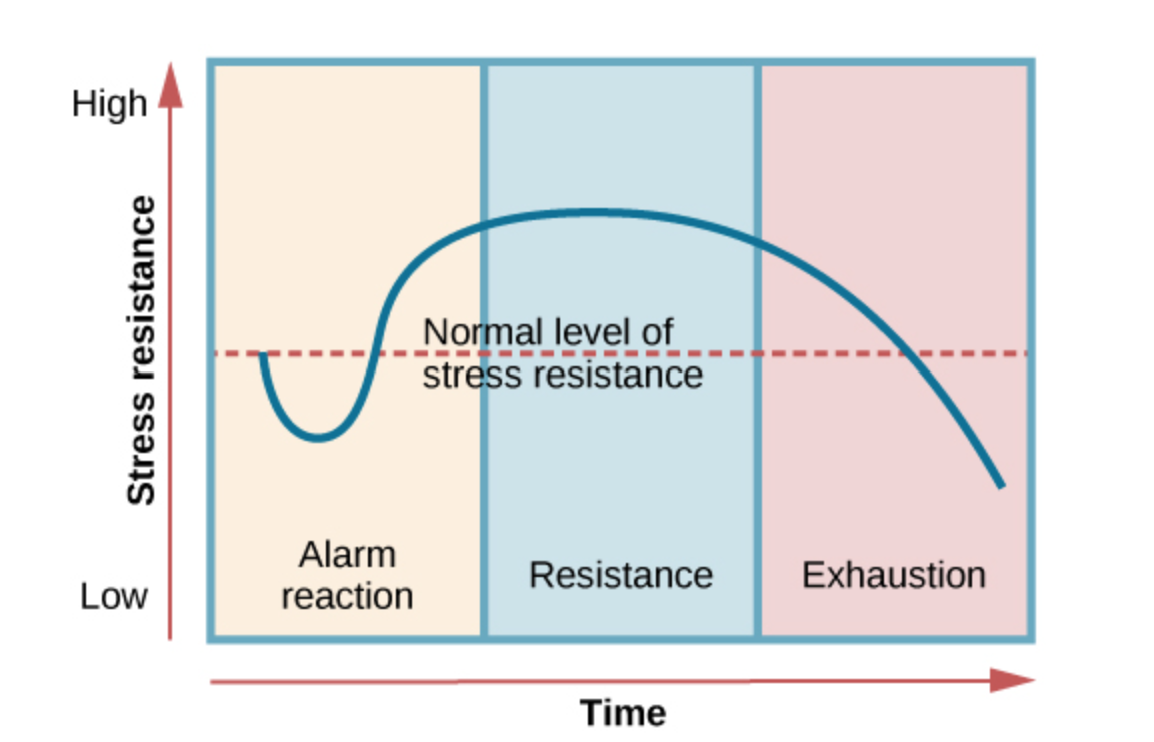
Proposed by Hans Selye, General Adaptation Syndrome (GAS) is the body's nonspecific physiological response to prolonged stress.
Regardless of the stressor, the body goes through the same three stages:
Alarm reaction
Resistance
Exhaustion
What happens during the three stages of General Adaptation Syndrome (GAS)?
Alarm reaction: Immediate response to a stressor; activates the fight-or-flight response.
Resistance: The body adapts to the stressor and remains on alert, but physiological responses are less intense.
Exhaustion: Prolonged stress depletes the body's resources, reducing its ability to cope and increasing the risk of illness, disease, permanent damage, or death.
What is a limitation of Selye's General Adaptation Syndrome (GAS)?
Selye's model does not consider cognitive appraisal (how a person interprets or evaluates a stressor).
It focuses only on the body's physiological response to stress.
Because it was largely based on rat research, it does not fully explain human stress responses, since humans can think about, interpret, and catastrophize events.
Key limitation: Human stress depends not only on the stressor itself but also on how the person perceives and appraises the situation.
What two systems are primarily involved in the physiological stress response?
Sympathetic nervous system (SNS) – produces the immediate fight-or-flight response by releasing epinephrine (adrenaline).
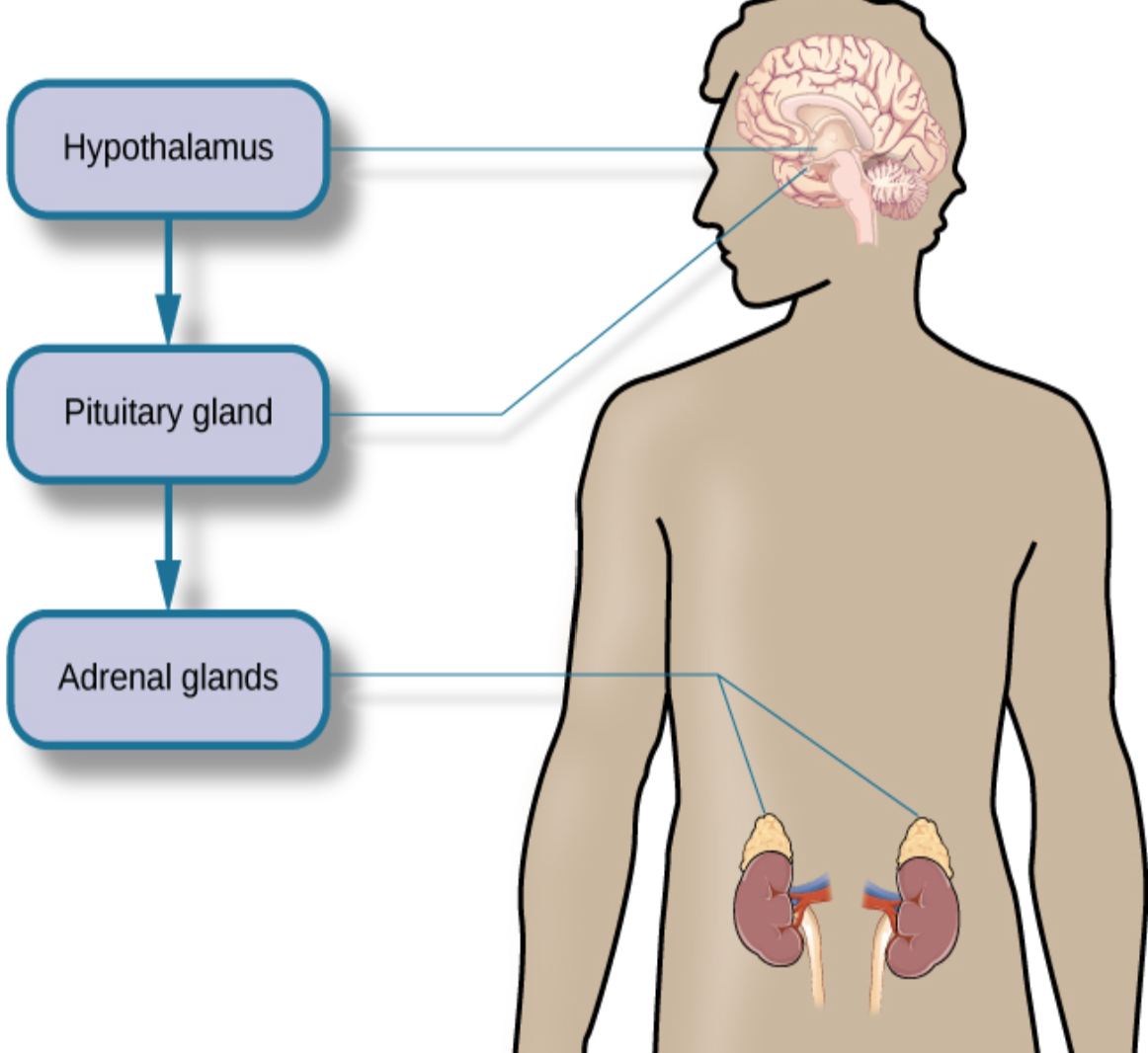
Hypothalamic-Pituitary-Adrenal (HPA) axis – produces a slower, longer-lasting response by releasing cortisol.
*In both pathways, the adrenal glands are the final organ that releases the hormones into the bloodstream
How does the HPA axis respond to stress?
Stress response pathway:
Hypothalamus releases corticotrophin-releasing factor (CRF).
Pituitary gland releases adrenocorticotropic hormone (ACTH).
Adrenal glands release cortisol into the bloodstream.
Key hormone: Cortisol ("stress hormone").
What is cortisol, and what are its short term vs long term effects?
Cortisol is the body's main stress hormone.
Short-term effects:
Provides extra energy.
Temporarily boosts immune function.
Reduces pain sensitivity.
Long-term effects (chronic stress):
Weakens the immune system.
Is associated with depression.
Increases the risk of illness and disease.
What hormones are released during the stress response, and what do they do?
During stress, the adrenal glands release:
Epinephrine (adrenaline): Increases heart rate and prepares the body for fight-or-flight.
Norepinephrine (noradrenaline): Increases alertness and supports the fight-or-flight response.
Cortisol: Provides energy for prolonged stress but can weaken the immune system if levels remain elevated.
How can chronic stress affect health?
Psychological disorders: Post-traumatic stress disorder (PTSD), major depressive disorder, and other psychiatric conditions.
Physical illnesses: Heart disease, weakened immune function, musculoskeletal disorders, endocrine and metabolic disorders, and greater susceptibility to infections (e.g., the common cold).
Describe chronic vs acute stressors
Chronic stressors: include events that persist over an extended period of time, such as caring for a parent with dementia, long-term unemployment, or imprisonment.
Acute stressors: involve brief focal events that sometimes continue to be experienced as overwhelming well after the event has ended, such as falling on an icy sidewalk and breaking your leg.
Types of stressors: What are traumatic events, and what is PTSD?
Traumatic events are stressors involving actual or threatened death or serious injury.
Examples:
Military combat
Physical assault or abuse
Robbery
Terrorist attacks
Natural disasters
Motor vehicle accidents
PTSD (Post-Traumatic Stress Disorder) is a chronic stress reaction that may include:
Intrusive and distressing memories
Jumpiness (hypervigilance)
Persistent negative emotions
Detachment from others
Angry outbursts
Avoidance of reminders of the traumatic event
Types of stressors: What are life change stressors?
Life change stressors are events that require people to adjust or readjust to changes in their lives.
They may be positive (eustress) or negative (distress).
Examples include:
Death of a loved one
Marriage
Divorce
Moving
Retirement
Starting or ending school
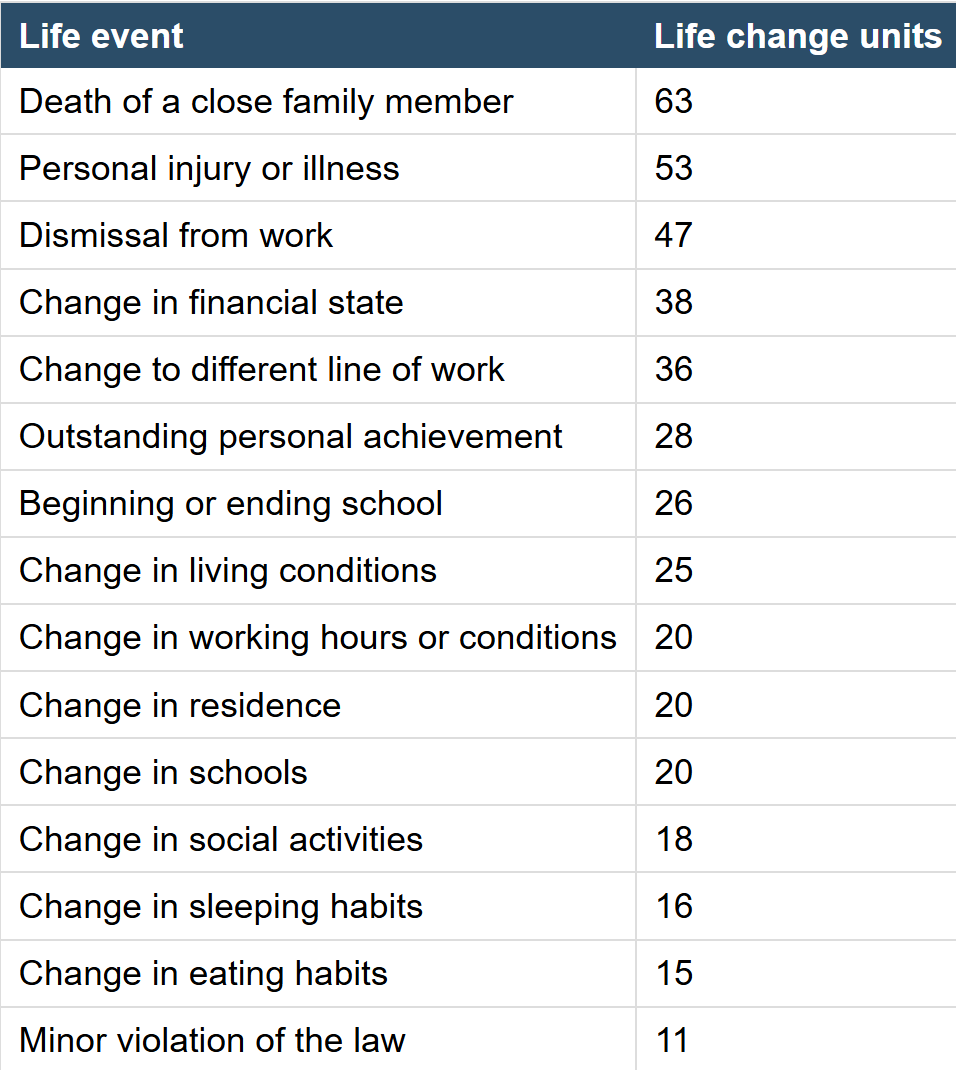
What is the Social Readjustment Rating Scale (SRRS)?
Developed by Thomas Holmes and Richard Rahe.
Measures stress by assigning Life Change Units (LCUs) to 43 major life events.
Higher total LCUs indicate greater life stress and a higher risk of physical illness and mental health problems.
Both positive and negative life events can contribute to stress.
What are Life Change Units (LCUs), and what do higher LCSs scores over prolonged periods indicate?
Life Change Units (LCUs) are numerical scores that represent how much adjustment a life event requires.
Examples:
Death of a spouse = 100 LCUs
Divorce = 73 LCUs
Personal injury/illness = 53 LCUs
Marriage = 50 LCUs
Higher total LCUs over 1–2 years are associated with an increased risk of illness, accidents, and mental health problems.
What are the main criticisms of the Social Readjustment Rating Scale (SRRS)?
Some life events are too vague.
It assumes positive and negative events are equally stressful, but negative events are generally more strongly linked to poor mental health.
It does not consider cognitive appraisal—people interpret the same event differently (e.g., losing a job may be devastating for one person but an opportunity for another).
Types of stressors: Daily Hassles
Daily hassles are the minor irritations and annoyances of everyday life that can accumulate and cause stress.
Examples include: Traffic, Losing keys, Difficult coworkers, Bad weather, Arguments with friends or family
Why are daily hassles important in stress research?
The frequency of daily hassles is a better predictor of physical and psychological health than major life events (life change units).
As daily hassles accumulate, they can have a significant impact on overall well-being:
Negative and distressed moods
Physical health problems
Increased stress, especially from interpersonal conflicts
Social media (cyber) hassles can also increase stress and contribute to sleep loss, particularly in adolescents due to rumination.
Types of stressors: What are occupation-related stressors?
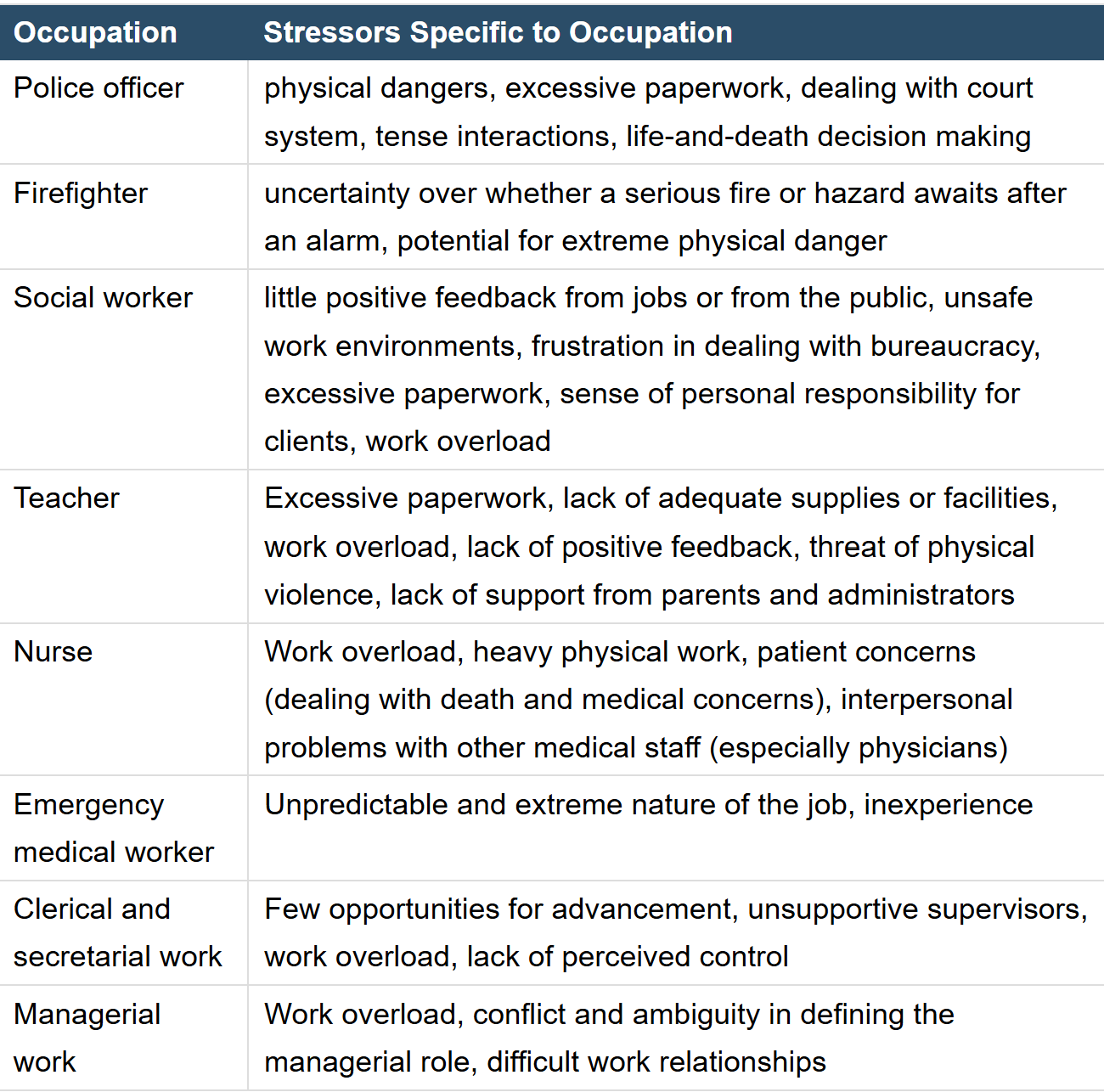
Occupation-related stressors are stressful aspects of a person's job.
Common stressors include:
Heavy workload
Unsafe working conditions
Uncertainty
Lack of control
Difficult interpersonal relationships
Excessive paperwork
Shift work
Threat of violence
What are some examples of Stressors Specific to Occupation?
What is job strain?
Job strain is a work situation that combines:
High job demands/workload
Low decision-making power or job control (e.g., inability to decide when to take breaks)
It is associated with:
Hypertension
Heart disease and heart attacks
Weight gain or loss
Major depressive disorder
What is job burnout? Who experiences job burnout the most?
Job burnout is a state of emotional exhaustion and cynicism related to one's job.
It is most common in human service professions (e.g., teachers, nurses, social workers, therapists, cashiers).
What are the three dimensions of job burnout?
Exhaustion – Feeling emotionally drained and having nothing left to give.
Depersonalization – Becoming emotionally detached, cynical, or indifferent toward clients or coworkers.
Diminished personal accomplishment – Feeling ineffective, dissatisfied with one's work, or believing one's efforts make little difference.
What factors increase the risk of job burnout?
Job strain (high demands + low control)
Older age (55–64)
Being unmarried
Manual labour
Heavy alcohol use
Physical inactivity
Being overweight
Physical or mental disorders
Feeling that high effort is met with little reward (e.g., low pay, little appreciation, or poor support)
How can close relationships be a source of stress?
Negative aspects of close relationships can be major stressors, including:
Conflict and arguments
Lack of emotional support
Lack of trust or confiding
Lack of reciprocity
These stressors can negatively affect both emotional and physical health, including increasing the risk of heart disease.
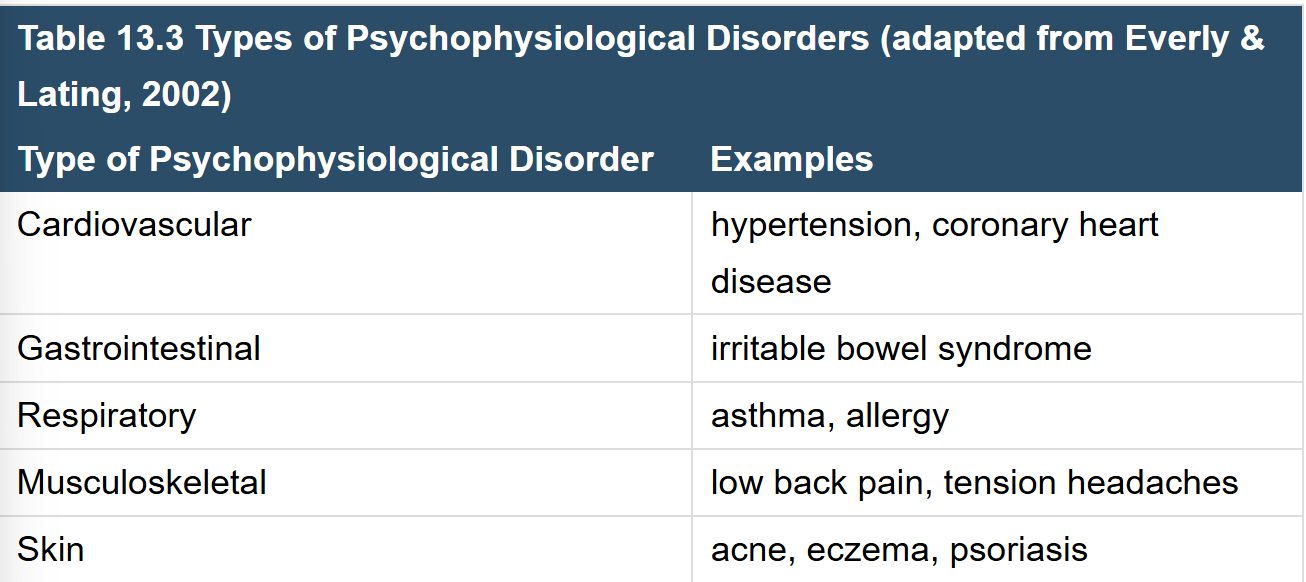
What are psychophysiological disorders and some examples?
Physical disorders or diseases whose symptoms are brought about or worsened by stress and emotional factors
The physical symptoms of psychophysiological disorders are real and they can be produced or exacerbated by psychological factors (hence the psycho and physiological in psychophysiological)
What personality traits are associated with a higher risk of illness?
Researchers identified several disease-prone personality characteristics, including:
Depression
Anger/hostility
Anxiety
Neuroticism (a tendency to be anxious, moody, and sad)
These traits are associated with an increased risk of chronic illness and mortality.
How are social status, stress, and health related?
Lower social status is associated with higher stress and poorer health.
Contributing factors include:
Less control and predictability
Greater unemployment
Fewer resources
Reduced access to healthcare
Health disparities are also linked to race, gender, and sexual orientation, contributing to unequal healthcare outcomes.
What is an autoimmune disease and some examples?
An autoimmune disease occurs when the immune system mistakenly attacks the body's own healthy cells.
Examples:
Rheumatoid arthritis – attacks the joints.
Systemic lupus erythematosus (lupus) – affects the skin.
Graves' disease – affects the thyroid gland.
What is immunosuppression?
Immunosuppression is the reduced effectiveness of the immune system.
It increases susceptibility to infections, illness, and disease.
Example: HIV/AIDS, where HIV destroys important immune cells, leaving the body vulnerable to opportunistic infections.
What is psychoneuroimmunology?
Psychoneuroimmunology is the study of how psychological factors (especially stress) affect the immune system and immune functioning.
It examines the interaction between the brain, endocrine system, and immune system.
How does stress weaken the immune system?
Stress activates the HPA axis, increasing cortisol levels.
Cortisol suppresses immune function by reducing the production of lymphocytes (white blood cells).
As a result, people become more vulnerable to infections and illness.
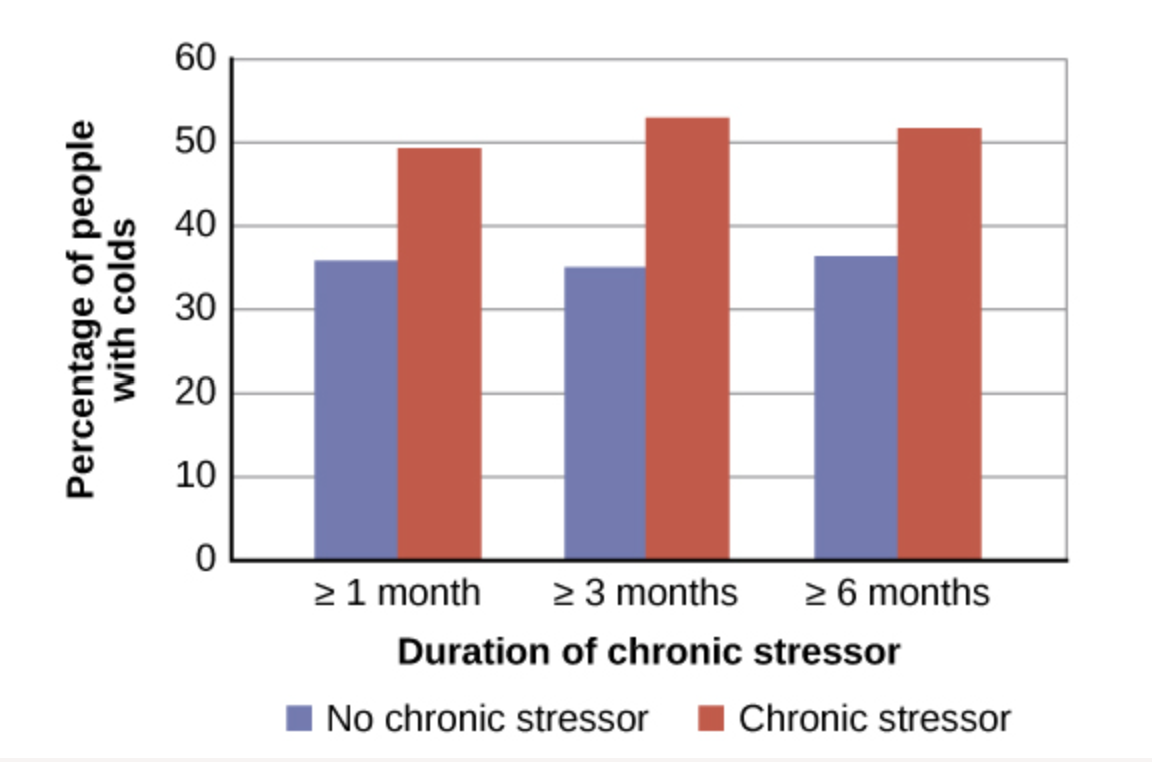
What evidence shows that stress weakens the immune system?
Research has shown that:
People with chronic stress were more likely to develop colds after being exposed to the cold virus.
Caregivers of spouses with Alzheimer's disease produced a weaker antibody response after receiving a flu vaccine.
Higher stress levels are associated with slower wound healing because stress reduces immune proteins needed for tissue repair.
What are cardiovascular disorders, examples, and risk factors?
Cardiovascular disorders are diseases that affect the heart and circulatory system.
Examples include:
Heart disease
Hypertension (high blood pressure)
Risk factors include:
Aging
Lower income, education, and employment status
Unhealthy diet
Tobacco use
Physical inactivity
Excessive alcohol consumption
Obesity
Diabetes
Chronic stress
What are common symptoms of heart disease?
Angina (chest pain or discomfort due to reduced blood flow to the heart)
Chest pressure, squeezing, or burning
Shortness of breath
Pain that may spread to the arms, neck, jaw, stomach (nausea), or back
Men and women may experience different heart attack symptoms.
What is hypertension, and why is it called the "silent killer"?
Hypertension is high blood pressure.
It forces the heart to work harder, increasing the risk of:
Heart attack
Stroke
Heart failure
Kidney failure
Blindness
It is called the "silent killer" because it often has no noticeable symptoms.
How is stress related to cardiovascular disorders?
Stress can increase the risk of hypertension and heart disease.
Examples of stressors linked to cardiovascular problems include:
Job strain
Natural disasters
Marital conflict
Traffic noise
Perceived discrimination
Laboratory stress tasks (e.g., mental arithmetic, public speaking, cold pressor test) that temporarily raise blood pressure.
What are Type A and Type B behaviour patterns, and which type is more likely to develop heart disease?
Type A: Competitive, impatient, time-urgent, hostile, driven, and always in a hurry.
Type B: Relaxed, laid-back, patient, and less competitive.
Early research suggested Type A individuals were more likely to develop heart disease
Which component of the Type A behaviour pattern is most strongly linked to heart disease?
Anger and hostility are the strongest predictors of cardiovascular disease.
People with high levels of anger are:
Over 6 times more likely to have a heart attack by age 55.
3.5 times more likely to develop heart disease.
Key point: It is hostility, not Type A personality as a whole, that is most harmful.
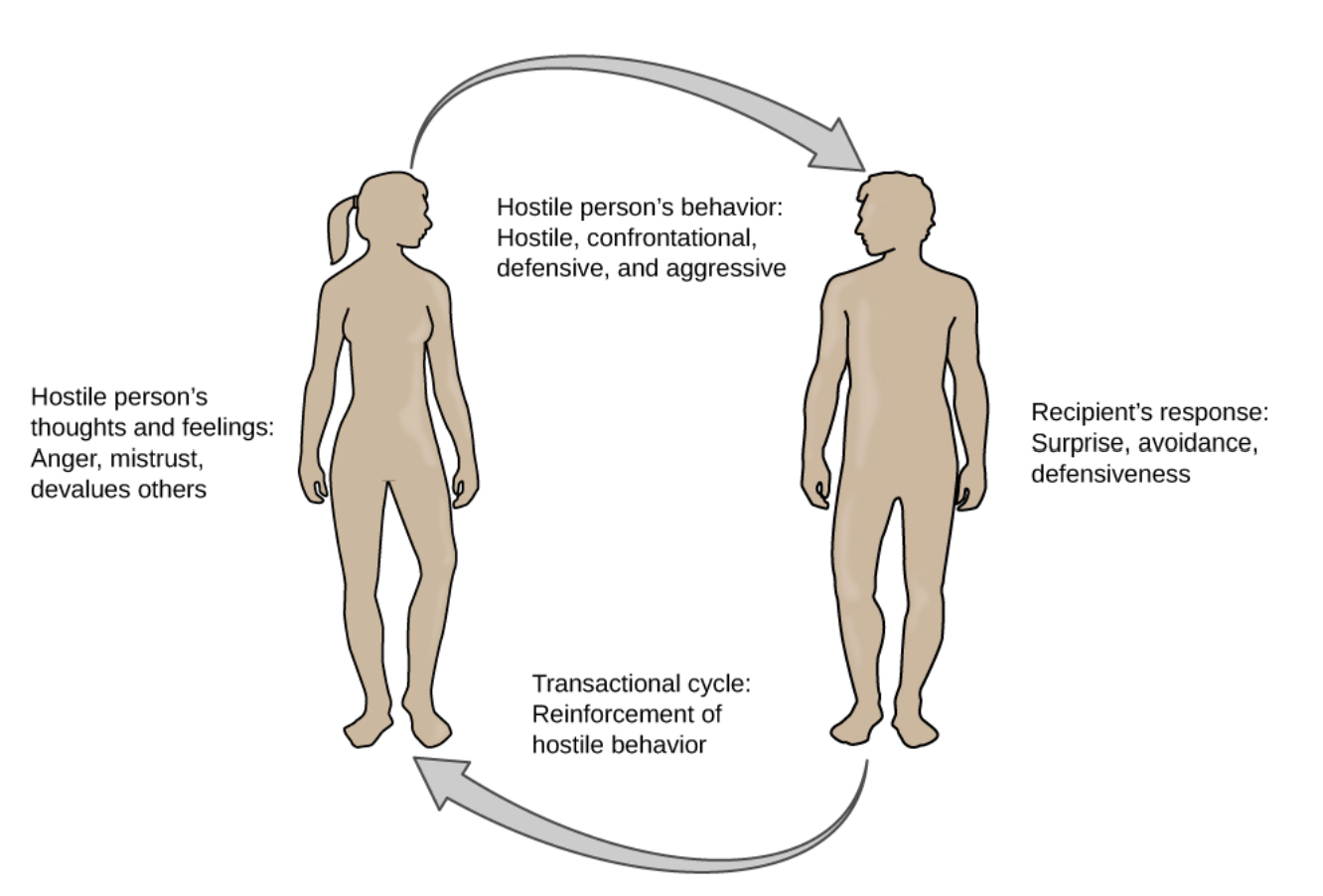
What is the transactional model of hostility?
The transactional model of hostility explains how hostility reinforces itself:
A hostile person thinks others cannot be trusted.
They behave aggressively, defensively, or confrontationally.
Others respond with avoidance, defensiveness, or hostility.
These reactions reinforce the person's hostile beliefs, creating a cycle that increases stress and the risk of cardiovascular disease.
What is negative affectivity, and how is it related to heart disease?
Negative affectivity is the tendency to frequently experience negative emotions, including:
Anger
Fear
Guilt
Nervousness
Contempt
Disgust
It is associated with an increased risk of hypertension and cardiovascular disease.
What is the relationship between depression and heart disease?
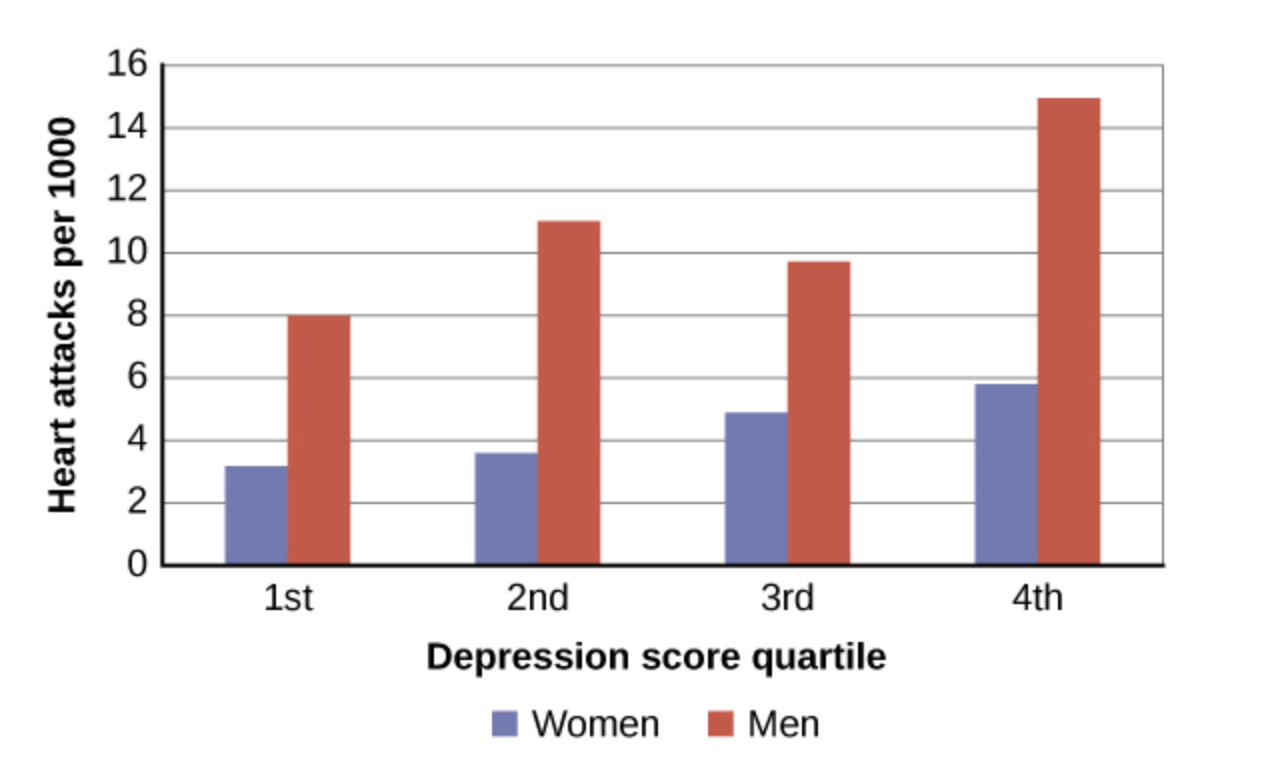
People with depression are more likely to develop heart disease, experience heart attacks, and have higher mortality than those without depression.
Key point: The more severe the depression, the greater the risk of cardiovascular disease.
What evidence supports the link between depression and heart disease?
Research has found that:
People with the highest depression scores were 71% more likely to experience a heart attack.
Elevated depressive symptoms increase the risk of developing heart disease by about 64%.
Nurses with more depressive symptoms were 49% more likely to die from heart disease over a 12-year period.
The American Heart Association (AHA) recognizes depression as a risk factor for heart disease.
How might depression indirectly increase the risk of heart disease?
Depression may indirectly increase heart disease risk by promoting unhealthy lifestyle behaviours, including:
Smoking
Physical inactivity
Obesity
Poor overall health habits
These behaviours increase the likelihood of developing cardiovascular disease.
How do multiple negative emotions affect the risk of heart disease?
Research suggests that combined negative emotions predict heart disease better than any single emotion alone.
Important psychological risk factors include:
Depression
Anxiety
Hostility
Trait anger
Key idea: Experiencing multiple chronic negative emotional states creates a greater cardiovascular risk than experiencing just one.
What is asthma, symptoms, and triggers?
Asthma is a chronic respiratory disease in which the airways become inflamed and narrowed, making it difficult to expel air from the lungs.
Common symptoms: Wheezing, Chest tightness, Shortness of breath, Coughing (especially at night or early morning)
Common triggers include: Air pollution, Allergens (pollen, mold, pet dander), Cigarette smoke, Respiratory infections, Cold air or sudden temperature changes, Exercise, Psychological stress and negative emotions
How do stress and emotions affect asthma?
Stress, anxiety, and other negative emotions can trigger or worsen asthma attacks.
Stress affects the immune and respiratory systems, increasing airway obstruction and asthma symptoms.
Psychological factors may act as triggers in susceptible individuals.
How are stressful life experiences related to asthma?
Research shows that chronic stress and interpersonal conflict increase the risk of developing or worsening asthma.
Examples include:
Parenting difficulties in early childhood
Parental conflict or divorce
Relationship breakups
Emotional distress
What are the three main types of headaches?
Sinus headaches: Caused by sinus inflammation from infection or allergies.
Migraine headaches: Caused by blood vessel swelling; characterized by severe head pain, nausea, and vision disturbances. They are more frequently experienced by women than by men.
Tension headaches: Caused by tightening of facial and neck muscles; the most common type of headache.
How does stress contribute to tension headaches?
It can increase pain sensitivity, especially in people already prone to headaches.
Other contributing factors include:
Sleep deprivation
Skipping meals
Eye strain
Poor posture
Overexertion
Muscle tension