Ch. 5: Drugs, Addiction, and Reward
 Note
Note Call Kai
 Learn
Learn Practice Test
 Spaced Repetition
 Match
Match Flashcards
 Knowt Play
1/39

There's no tags or description
Looks like no tags are added yet.
Name | Mastery | Learn | Test | Matching | Spaced | Call with Kai | Chat |
|---|
No analytics yet
Send a link to your students to track their progress
40 Terms
Addiction
A preoccupation with obtaining a drug, compulsive use despite adverse consequences, and a high tendency to relapse after quitting.
Agonist Treatment
Addiction treatment that replaces the addicting drug with another drug that has a similar effect.
Alcohol
Ethanol, a drug fermented from plant products that produces euphoria, anxiety reduction, motor incoordination, and cognitive impairment.
Amphetamine
Synthetic drugs that produce euphoria and increase confidence and concentration.
Analgesic
A substance that relieves pain.
Antagonist Treatment
Treatment for drug addiction using drugs that block the effects of the addicting drug.
Antidrug Vaccine
Treatment using molecules that stimulate the immune system to break down the drug.
Anxiolytic
A substance that reduces anxiety.
Aversive Treatment
Addiction treatment that causes a negative reaction when the drug is taken.
Barbiturate
Drugs that act on higher cortical centers to produce talkativeness and, in higher doses, sedation and hypnosis.
Bath Salts
Synthetic derivatives of the Catha edulis plant with amphetamine-like effects.
Benzodiazepine
Drugs that produce anxiety reduction, sedation, and muscle relaxation by stimulating GABAA receptors.
Caffeine
A drug that increases arousal, alertness, and decreases sleepiness.
Cannabinoids
Compounds including THC that act as retrograde messengers in the body.
Cocaine
A drug from the coca plant that produces euphoria, decreased appetite, and increased alertness.
Delirium Tremens
Severe withdrawal reaction from alcohol, including hallucinations and confusion.
Dependence
The need to continue taking a drug to avoid withdrawal symptoms.
Depressant
A drug that reduces central nervous system activity.
Drug
Any substance that changes the body’s functioning upon entering it.
Endogenous
Generated within the body, often referring to natural ligands for receptors.
Endorphins
Substances that act on opioid receptors and function as neurotransmitters and hormones.
Euphoric
Referring to a drug’s ability to produce happiness or ecstasy.
Heroin
A major addictive drug synthesized from morphine.
Hypnotic
A substance that induces sleep.
Hypofrontality
Reduced activity in frontal brain regions affecting memory and attention.
Marijuana
Dried leaves and flowers of the Cannabis sativa plant.
Mesocorticolimbic Dopamine System
Brain regions important in reward and addiction, including the nucleus accumbens.
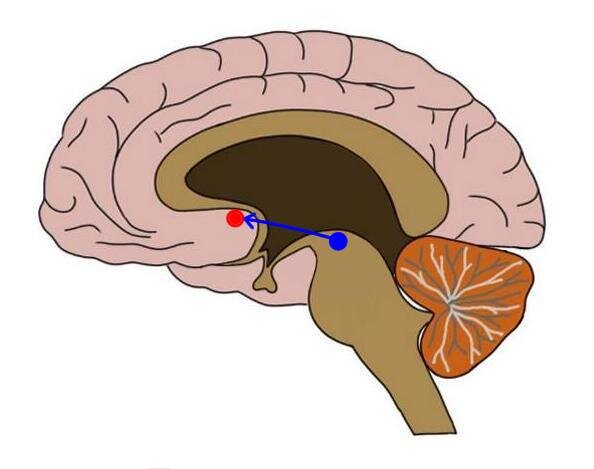
Mesolimbic Pathway
A dopaminergic pathway important in responding to rewarding stimuli.
Methadone
A synthetic opioid used as agonist treatment for opiate addiction.
Methylation
Attachment of a methyl group to DNA that suppresses gene activity.
Nicotine
The primary psychoactive and addictive ingredient in tobacco.
Nucleus Accumbens
A brain structure part of the dopamine system and a center for reward.
Opiate
Drugs derived from the opium poppy, affecting opiate receptors.
Psychedelic Drug
Compounds that cause perceptual distortions.
Psychoactive Drug
Any drug with psychological effects, such as anxiety relief or hallucinations.
Reward
The positive effect from a drug or other stimuli.
Sedative
A drug that has a calming effect.
Stimulant
A drug that activates the nervous system to produce arousal and elevated mood.
Tolerance
Reduced responsiveness to a drug after repeated use, requiring more for the same effect.
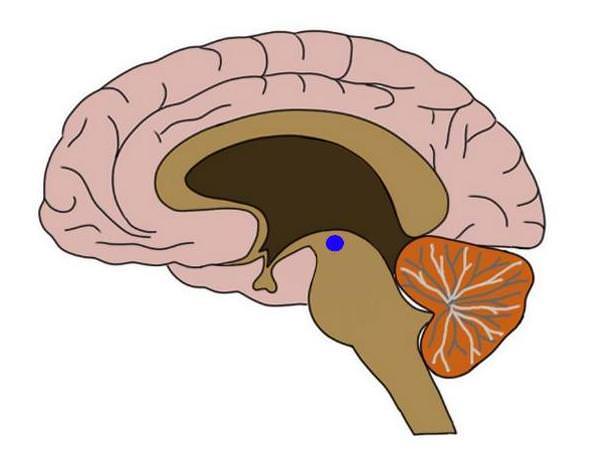
Ventral Tegmental Area
A part of the dopamine system that sends neurons to the nucleus accumbens and is a reward area.