Car License Review - Traffic Signs and Lights
 Call Kai
 Learn
Learn Practice Test
 Spaced Repetition
 Match
Match Flashcards
 Knowt Play
1/112

There's no tags or description
Looks like no tags are added yet.
Name | Mastery | Learn | Test | Matching | Spaced | Call with Kai | Chat |
|---|
No analytics yet
Send a link to your students to track their progress
113 Terms
Regulatory Signs
A sign that gives directions that must be obeyed. Usually rectangular or square with a white/black background.
Green Circle Signs
A sign that says you may OR must do the activity shown inside the ring.
Red Circle with Lines
A sign that says that the activity shown is not allowed.
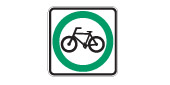
An official bicycle route. Watch out for cyclists and prepare to share the road with them.
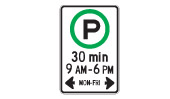
Parking with specific time frames/curfews, usually used in pairs or groups.
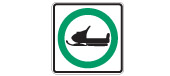
Snowmobiles may use this road.
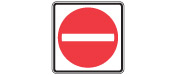
Do not enter this road.
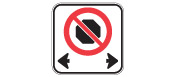
Do not stop in the area between the signs, not even for a moment. Used in pairs or groups.
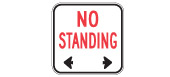
Do not stand in the area between these signs. Don’t stop your vehicle in this area except while loading/unloading passengers.
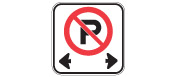
Do not park in the area between this sign. Don’t stop your vehicle in this area except while loading/unloading passengers.
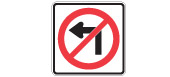
Don’t turn left at the intersection.
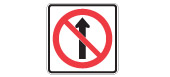
Don’t drive through the intersection.
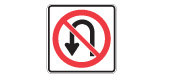
Do not turn to go in the opposite direction (U-Turn).
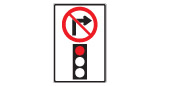
Do not turn right when facing a red light at the intersection.
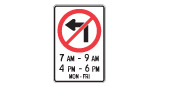
Do not turn left during the times shown.
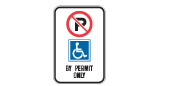
Parking space is only for vehicles displaying a valid Accessible Parking Permit.
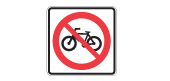
No bicycles allowed on this road.
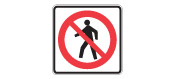
No pedestrians allowed on this road.
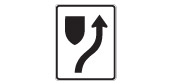
Keep to the right of the traffic island.
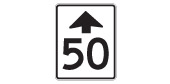
Speed limit changes ahead.
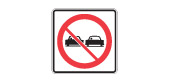
Do not pass on this road.
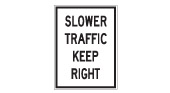
Slow traffic on multi-lane roads must keep right.
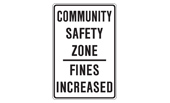
A sign that indicates areas where communities have identified there are special risks to pedestrians. Subjected to increased fines.
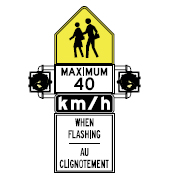
Speed limit lower during school hours. Observe the limit when the yellow lights are flashing.
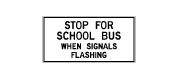
Stop for school buses when signals are flashing.
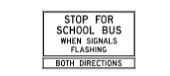
Sign installed on multi-lane highways with no median divider. Informs drivers approaching from both directions that they must stop for a school bus when its signal lights are flashing.
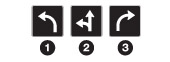
Signs above the road/on the pavement before an intersection that tells drivers the direction they must travel.
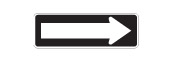
Traffic may travel in one direction only.
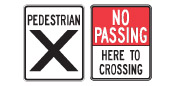
Pedestrian crossover- be prepared to stop and yield the right-of-way to pedestrians.
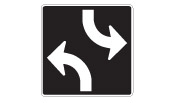
A sign that means the lane is only for two-way left turns.
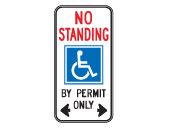
This sign reserves curb area for vehicles displaying a valid Accessible Person Parking Permit picking up and dropping off passengers with disabilities.
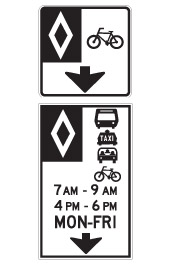
A sign that specifics lanes are only for specific types of vehicles- either all the time or during certain hours. Includes buses, taxis, vehicles with three or more people, and bicycles.
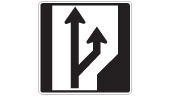
Keep to the right lane except when passing on two-lane sections where climbing or passing lanes are provided.
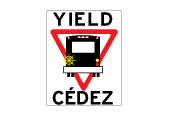
A sign on the back of transit buses that serves as a reminder to yield to the bus for those approaching at the buses dedicated stop.
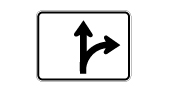
Road fork to the right.
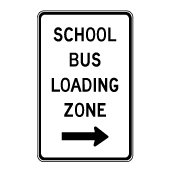
A zone marked within which school buses load or unload passengers without using the red alternating lights/stop arm.
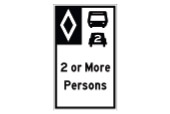
A HOV sign that says only public vehicles such as buses or passenger vehicles carrying a specified minimum amount of passengers can use that lane.
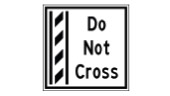
A sign that says vehicles cannot change lanes into or out of HOV lanes in this area.
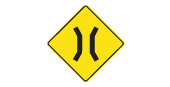
Narrow bridge ahead.
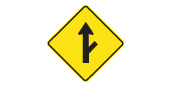
Road branching off ahead.
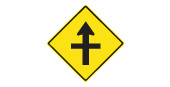
Intersection ahead. The arrow shows which direction of traffic has the right-of-way.
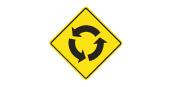
Roundabout ahead. Reduce speed. Counter clockwise arrows show the direction of vehicle traffic within the roundabout.
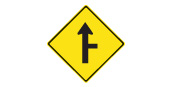
Drivers on the sideroad at the intersection ahead don’t have clear view of traffic.
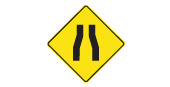
Pavement narrows ahead.
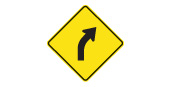
Slight bend/curve in the road ahead.
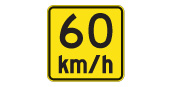
Posted under curve warnings. Shows the maximum safe speed for curves.
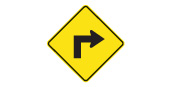
Sharp bend/turn in the road ahead.
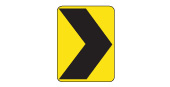
A chevron / arrowhead sign that is posted in groups to guide drivers around sharp curves in the road.
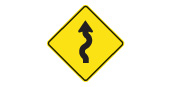
Winding road ahead.
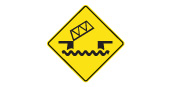
The bridge ahead lifts/swings to let boats pass.
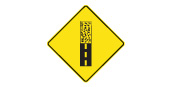
Paved surface ends ahead.
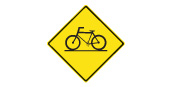
Bicycle crossing ahead.
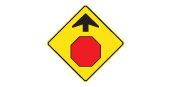
Stop sign ahead. Slow down.
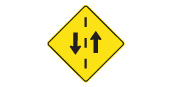
Share the road with oncoming traffic.
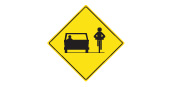
A “share the road” sign that warns motorists that they are to provide safe spaces for cyclists and other vehicles. Warns both parties to exercise additional caution on the upcoming section of road.
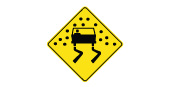
Pavement is slippery when wet. Slow down and drive with caution.
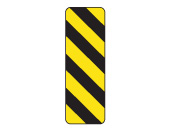
Hazard close to the edge of the road. Downward lines show the side on which you may safely pass.
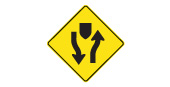
Divided highway begins: traffic travels in both directions on separated roads ahead. Keep to the right-hand road. Each road carries one-way traffic.
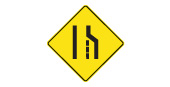
Right lane ends ahead. If you are in the right hand lane, you must merge safely with traffic in the lane to the left.
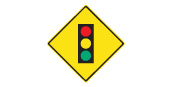
Traffic lights ahead. Slow down.
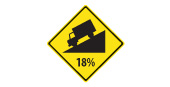
Steep hill ahead. You may need to use a lower gear.
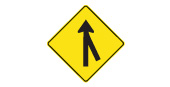
Two roads going in the same direction are about to join into one. Drivers on both roads are equally responsible for seeing that traffic merges smoothly and safely.
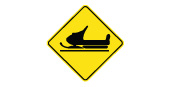
Snowmobiles cross this road.
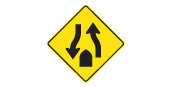
Divided highway ends: traffic travels in both directions on the same road ahead. Keep to the right-hand road.
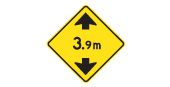
Underpass ahead. Take care if you are driving a tall vehicle. Sign shows how much room you have.
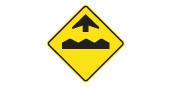
Bump or uneven pavement on the road ahead. Slow down and keep control of your vehicle.
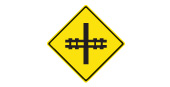
Railway crossing ahead. Be alert for trains. The sign also shows the angle at which the railway tracks cross the road.
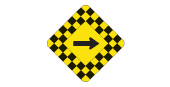
Sharp turn or bend in the road in the direction of the arrow. Checkerboard border warns of danger. Slow down and be careful.
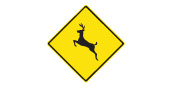
Deer regularly cross this road. Be alert for animals.
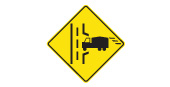
Truck entrance on the right side of the road ahead. If the sign shows the truck on the left, the entrance is on the left side of the road.
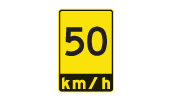
Shows the maximum safe speed on a ramp.
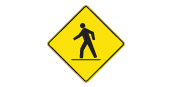
Watch for pedestrians and be prepared to share the road with them.
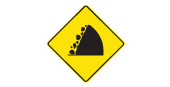
Watch for fallen rock and be prepared to avoid a collision.
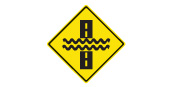
There may be water flowing over the road.
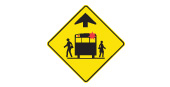
A sign that warns you that you are coming to a hidden school bus stop. Slow down, drive with extra caution, and watch children/school buses with flashing red lights.
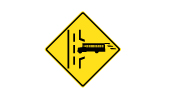
Indicates an upcoming bus entrance on the right and vehicles should be prepared to yield to buses entering the roadway.
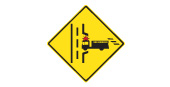
Indicates an upcoming fire truck entrance on the right and vehicles should be prepared to yield to fire trucks entering the roadway.
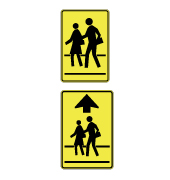
Signs that warn of a school crossing. Watch for children and follow the directions of the crossing guard or school safety patroller.
Temporary Condition Signs
Signs that warn of unusual temporary conditions such as road work zones, diversions, detours, lane closures or traffic control people on the road. Usually diamond-shaped with an orange background and black letters/symbols.
Warning Signs
These signs warn of dangerous or unusual conditions ahead such as a curve, turn, dip or sideroad. Usually diamond-shaped and have a yellow background with black letters/symbols.
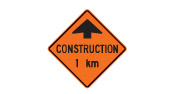
Construction work one kilometre ahead.
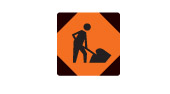
Road work ahead.
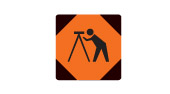
Survey crew working on the road ahead.
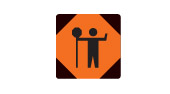
Traffic control person ahead. Drive slowly and watch for instructions.
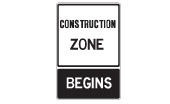
Entering a construction zone. Drive with extra caution and be prepared for a lower speed limit.
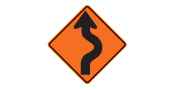
Temporary detour from normal traffic routes.
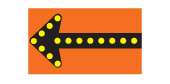
Flashing lights on the arrow show the direction to follow.
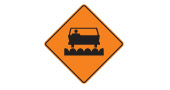
Pavement has been milled or grooved. Vehicle’s stopping ability may be affected, so obey the speed limit and drive with extra caution. Motorcyclists may experience reduced traction on these surfaces.
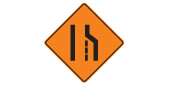
Lane ahead is closed for roadwork. Obey the speed limit and merge with traffic in the open lane.
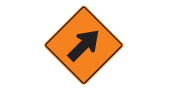
Closed lane. Adjust speed to merge with traffic in lane indicated by arrow.
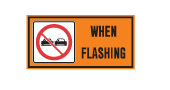
Do not pass the pilot vehicle or pace vehicle bearing this sign.
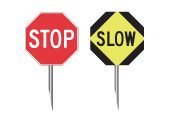
Reduce speed and be prepared to stop.
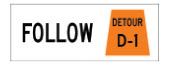
Follow detour marker until you return to regular route.
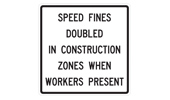
Enforces doubling the HTA fines for speeding in a designated construction zone when there are workers present.
Information and Direction Signs
Signs that tell you about distances and destinations. Usually rectangular with a green background and white letters. Other signs with different colours guide you to facilities, services and attractions.
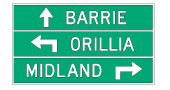
Shows directions to nearby towns and cities.
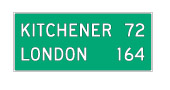
Shows the distances in kilometres to towns and cities on the road.
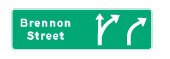
Various exit signs used on freeways. Overhead and ground-mounted that help drivers choose the correct lane to exit or stay on the freeway.
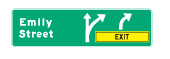
Advance signs that use arrows to show which lanes lead off the freeway. Signs also posted at the exit.
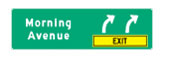
Signifies one or more lanes may lead off the freeway. Arrows matching the exit lanes are shown on the advance sign in a yellow box with the word “exit”.