Science Test Term 4 Unit 3
 Studied by 0 people
 Call Kai
 Learn
Learn Practice Test
 Spaced Repetition
 Match
Match Flashcards
 Knowt Play
1/34

There's no tags or description
Looks like no tags are added yet.
Name | Mastery | Learn | Test | Matching | Spaced |
|---|
No study sessions yet.
35 Terms
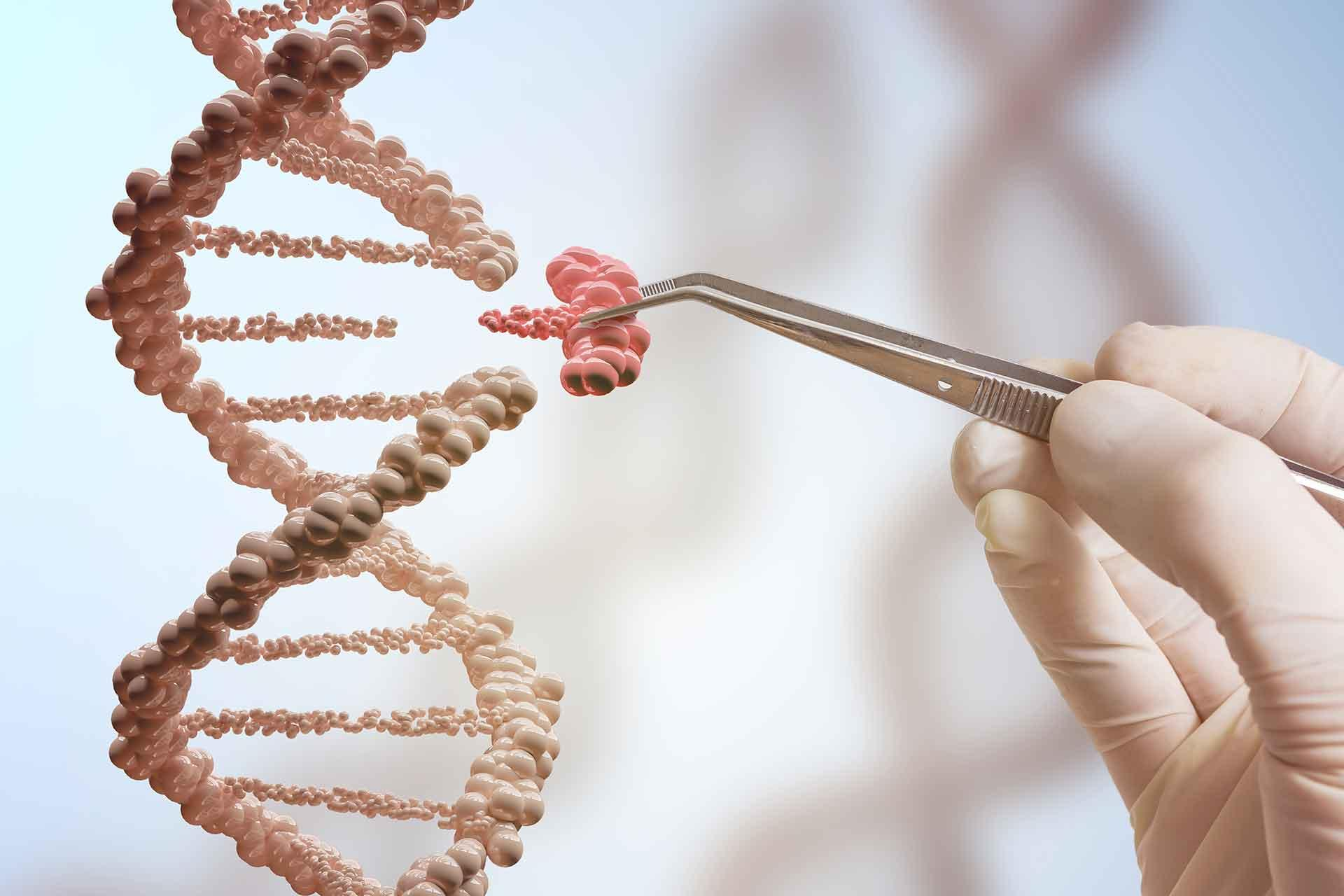
What is genetic engineering?
The process of altering a DNA structure by adding or removing genes to form a new framework with desirable characteristics.
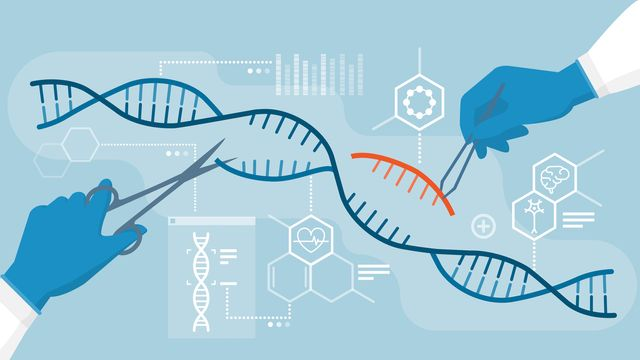
Name two uses of genetic engineering.
1. Modify crop plant genotypes to increase productivity, nutritional value, protein content, disease resistance, and fertilizer efficiency.
2. Produce large quantities of medications, vaccines, enzymes, and hormones safely and cheaply.
Name two risks of genetic engineering.
1. Unexpected allergy risks from some GMO foods.
2. Genetically altered DNA spreading to non-GMO plants or animals, potentially causing unanticipated genetic deficiencies.
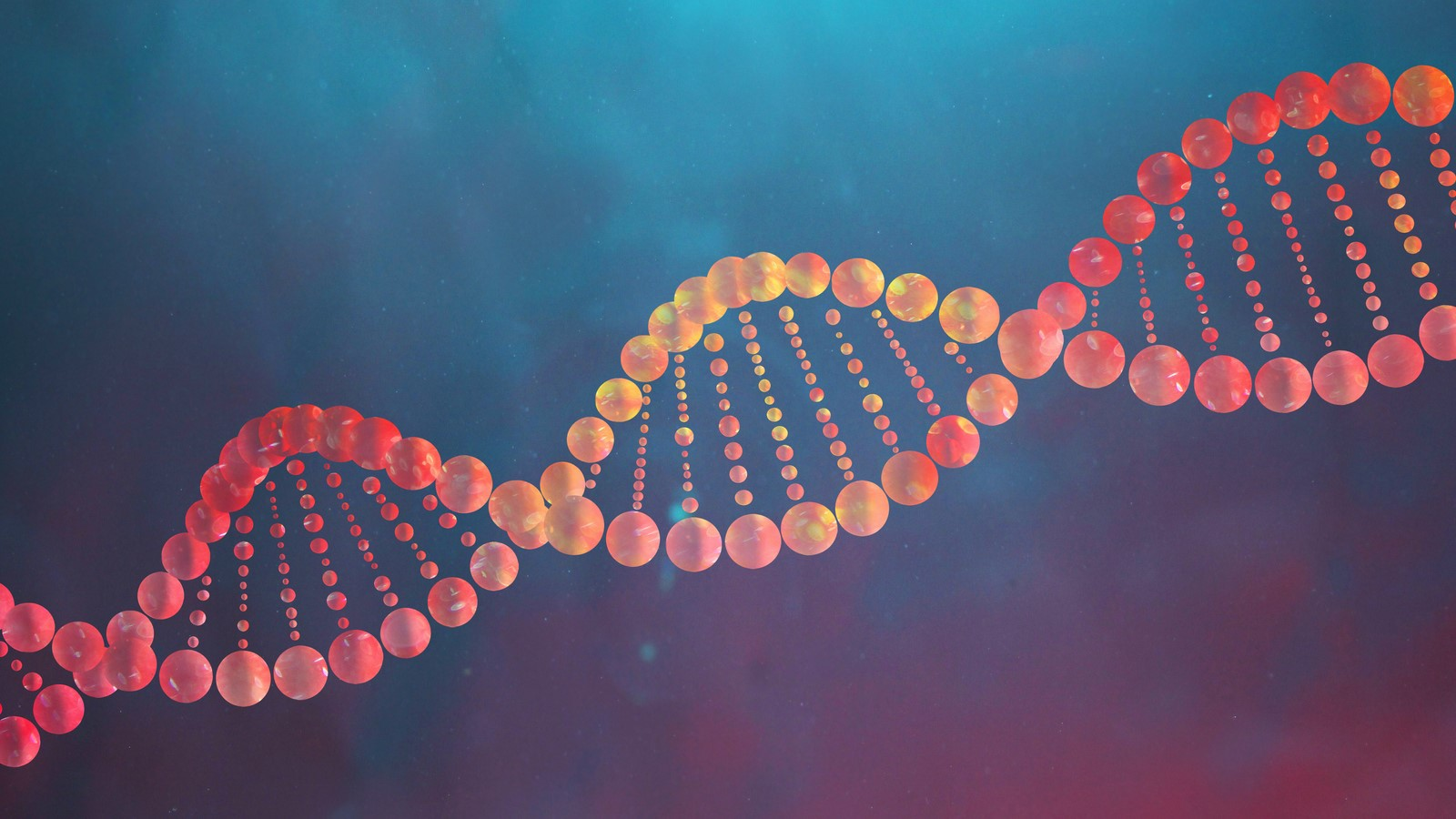
Define DNA
DNA (deoxyribonucleic acid) stores information for every structure and function in an organism and is passed from one generation to the next.
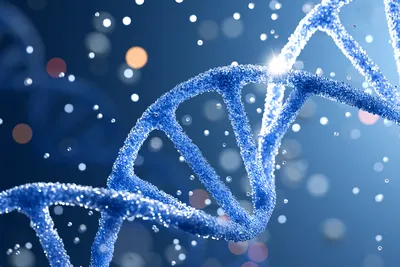
Where is DNA found?
In the nucleus of cells
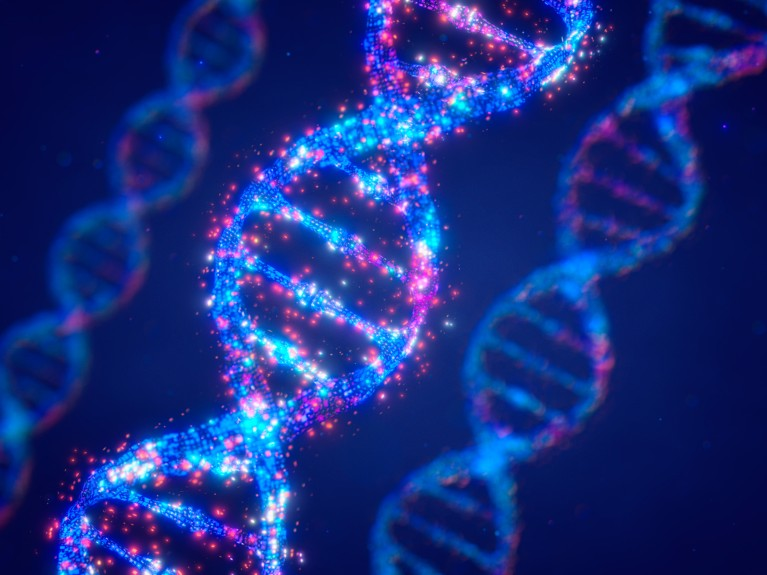
What is the role of DNA?
To store genetic information and control the development, functioning, and reproduction of an organism.
Describe the structure of DNA.
DNA has a sugar-phosphate backbone with nitrogenous bases (Adenine, Thymine, Cytosine, Guanine) attached. The two strands are held together by hydrogen bonds.
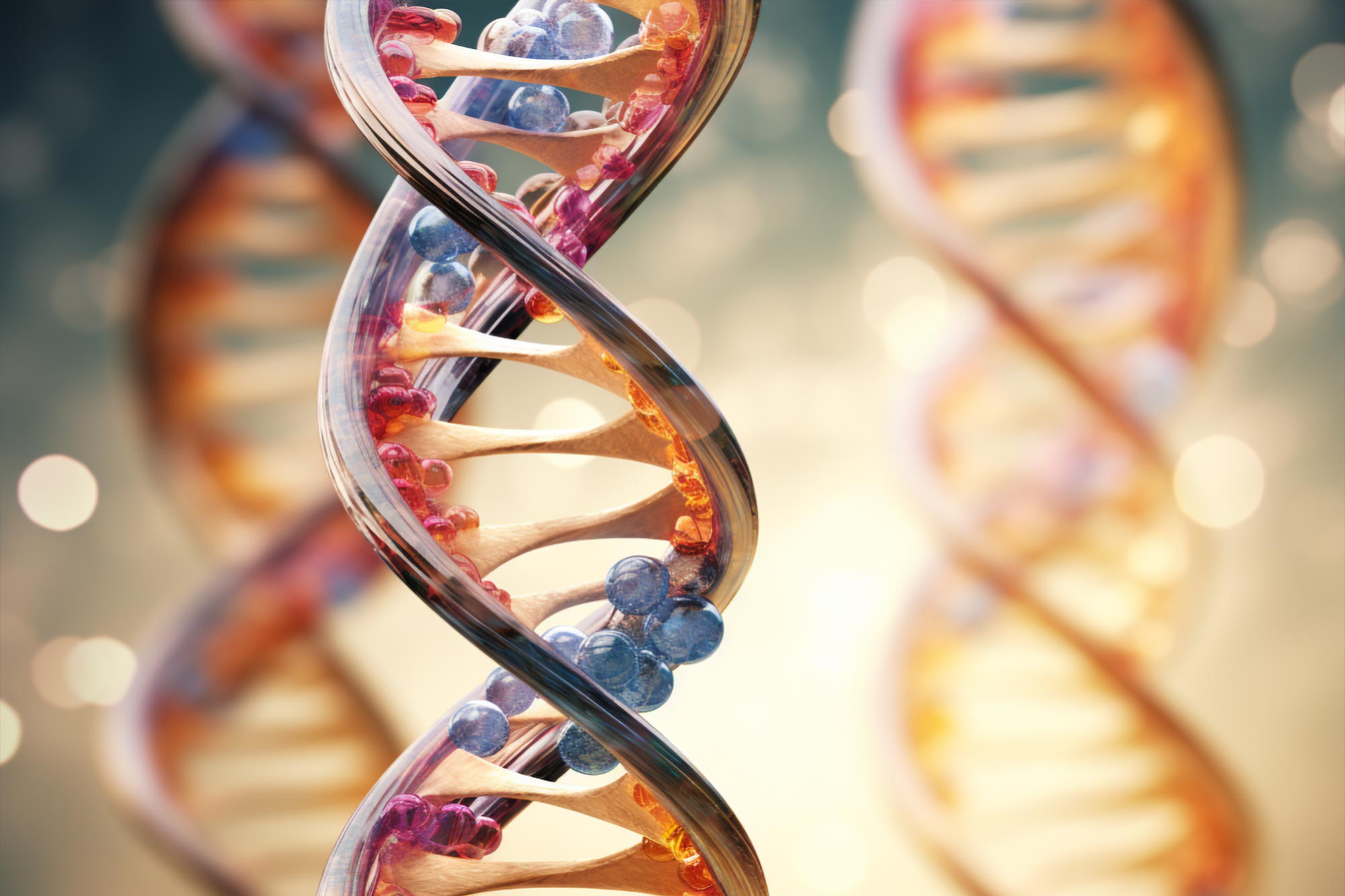
Name the four nitrogenous bases.
Adenine (A), Thymine (T), Cytosine (C), Guanine (G)
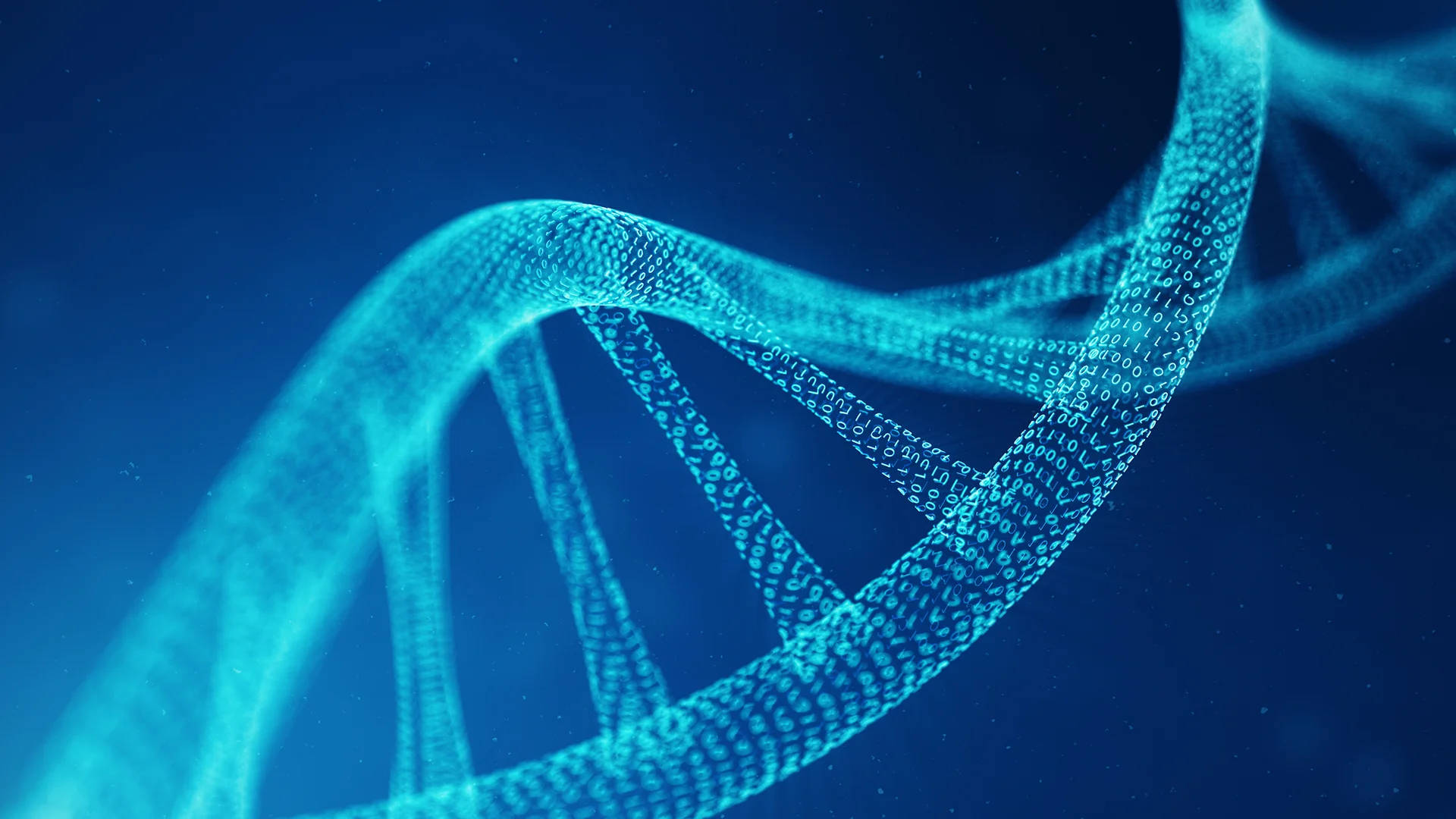
How do nucleotides form the sugar-phosphate backbone?
The phosphate of one nucleotide bonds to the sugar of the next, forming a long chain.
What holds the two strands of DNA together?
Hydrogen bonds between complementary nitrogenous bases.
What is the purpose of mitosis?
To produce two genetically identical daughter cells.
Name the types of cells that undergo mitosis.
Animal and plant cells.
List the phases of mitosis.
Interphase → Prophase → Metaphase → Anaphase → Telophase → Cytokinesis
What is the purpose of meiosis?
To produce reproductive cells (gametes) that are haploid so they can combine to form a diploid zygote.
What is a haploid cell?
A cell with a single set of chromosomes (n), unlike diploid cells which have two sets (2n).
Name the gametes produced by meiosis.
Male: sperm, Female: ovum (ova)
What is fertilisation?
Sperm enters the ovum and fuses to form a zygote.
How is the gender of an offspring determined?
The ovum always contributes an X chromosome. The sperm contributes either X (female) or Y (male).
Explain the difference between autosomal and sex chromosomes.
Autosomal chromosomes determine somatic traits (22 pairs in humans). Sex chromosomes determine sex and sex-related traits (1 pair in humans).
Why are X-linked conditions more common in males?
Males have only one X chromosome, so a single faulty gene will express the trait.
Define a gene and a chromosome.
Gene: A segment of DNA that codes for a trait.
Chromosome: A thread-like structure of DNA containing many genes.
What is an allele?
Different forms of a gene that determine variations in a trait.
Define genotype and phenotype.
Genotype: The genetic makeup of an individual.
Phenotype: The physical expression of a trait.
Explain dominant vs. recessive inheritance.
Dominant alleles mask recessive alleles. Recessive traits appear only when two recessive alleles are present
Explain the relationship between DNA, genes, and chromosomes.
DNA makes up genes, and genes are organized on chromosomes.
How does meiosis create genetic variation?
Through independent assortment of chromosomes and crossing over during meiosis I.
What happens in each stage of meiosis I and II?
Meiosis I: Homologous chromosomes separate → 2 haploid cells.
Meiosis II: Sister chromatids separate → 4 genetically unique haploid gametes.
Differentiate between diploid and haploid cells.
Diploid cells (2n) have two sets of chromosomes; haploid cells (n) have one set.
Differentiate between somatic cells and gametes.
Somatic cells are body cells (diploid). Gametes are reproductive cells (haploid).
Difference between mitosis and meiosis.
Mitosis → 2 identical diploid cells.
Meiosis → 4 unique haploid gametes.
Explain sex-linked inheritance.
Traits inherited on the sex chromosomes.
Difference between X-linked and Y-linked inheritance.
X-linked traits are on the X chromosome; Y-linked traits are on the Y chromosome.
What is a pedigree?
A diagram showing inheritance of traits across generations.
How do you determine sex, genotype, and phenotype in a pedigree?
Sex: by symbols (circle=female, square=male).
Phenotype: observed trait.
Genotype: inferred from parents and trait inheritance
How do dominant and recessive alleles affect offspring?
Different combinations produce various genotypes and phenotypes; Punnett squares can predict outcomes.