Science Vocabulary
 Call Kai
 Learn
Learn Practice Test
 Spaced Repetition
 Match
Match Flashcards
 Knowt Play
1/21

Earn XP
Description and Tags
Science Vocabulary September 14th, 2026
Name | Mastery | Learn | Test | Matching | Spaced | Call with Kai | Chat |
|---|
No analytics yet
Send a link to your students to track their progress
22 Terms

Quantitative observation
Numerical measurements or data collected during an investigation.
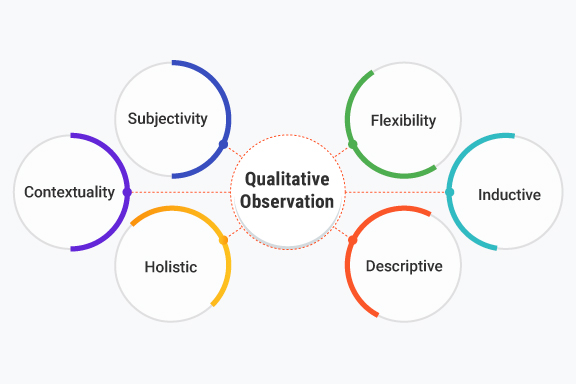
Qualitative observation
Information gathered using the five senses.
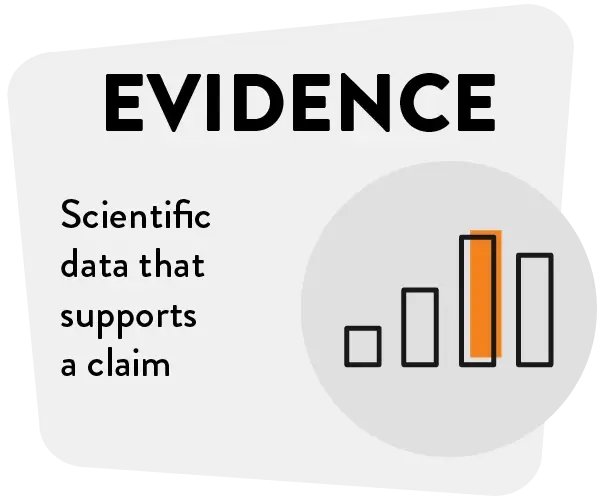
Evidence
Facts or observations that support or refute an idea.

Controlled experiment
A scientific test in which only ONE variable is changed.

Controlled variables
Factors kept the same or constant for all experimental groups.

CONTROL
A group that provides a "baseline" to compare your experimental groups

EXPERIMENTAL GROUPS
Receive a different amount or type of the variable you are changing

INDEPENDENT VARIABLE
The factor you change or manipulate in the experiment
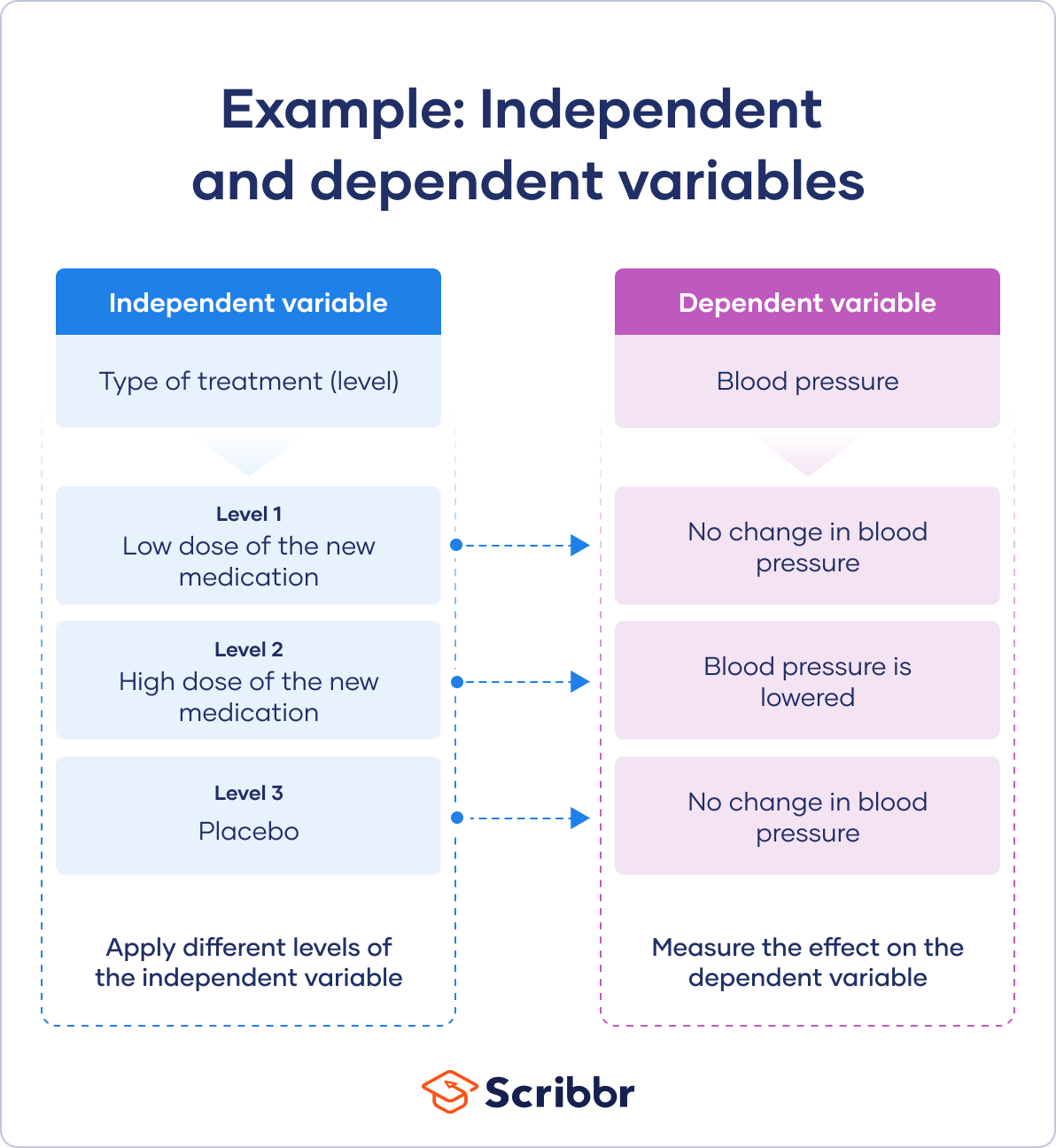
DEPENDENT VARIABLE
The factor you measure in the experiment

DIRECT RELATIONSHIP
A change in the independent variable causes the same change in the dependent variable

INDIRECT RELATIONSHIP
A change in the independent variables causes the opposite change in the dependent variable

EXPONENTIAL RELATIONSHIP
A change in the independent variable causes the dependent variable to change at a faster rate

CER
A structure for writing an argument or explanation that consists of a claim, evidence and reasoning; it describes how evidence supports a claim.

CLAIM
A clear, concise and specific statement that answers a question or problem
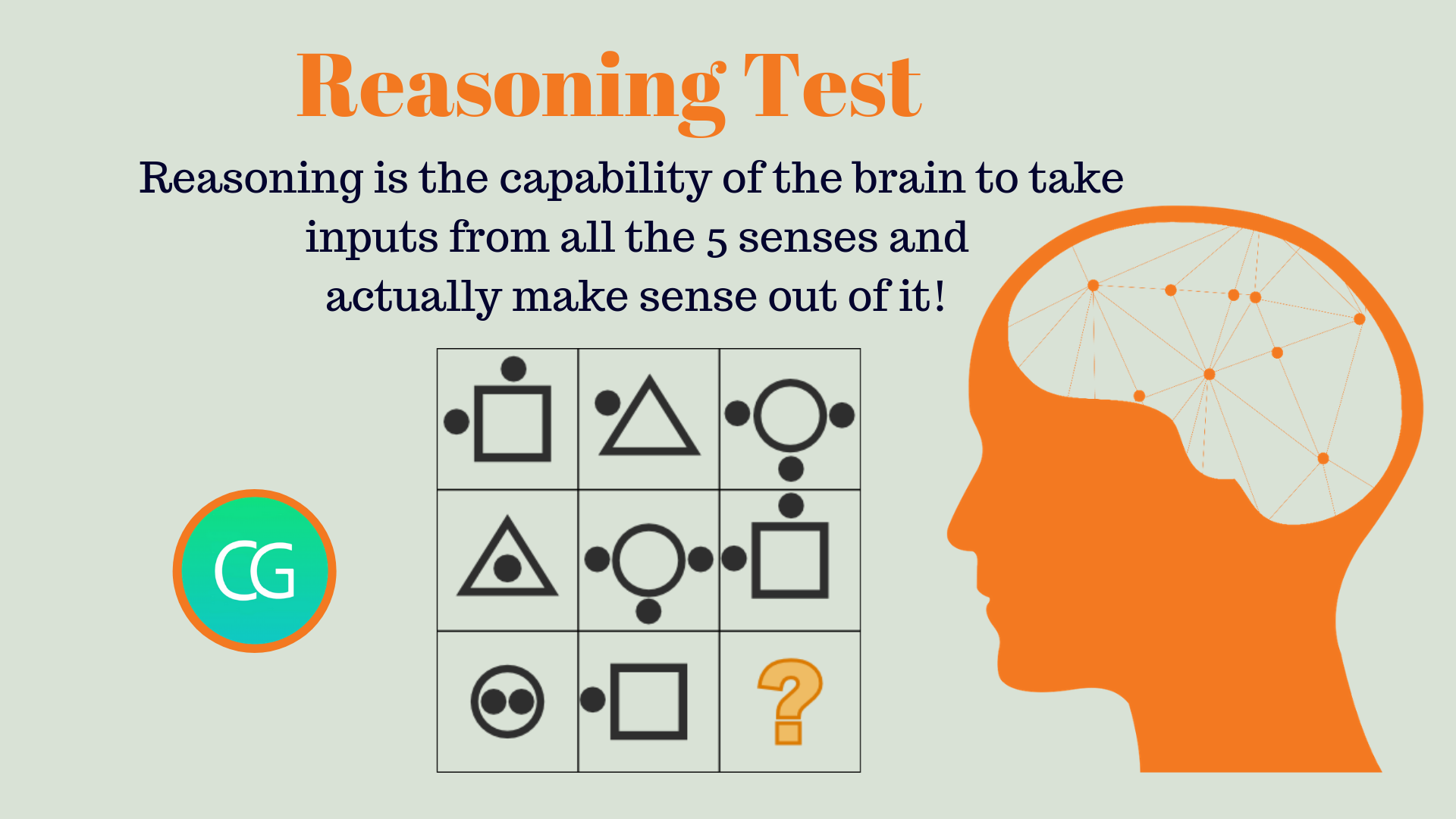
REASONING
Explains how and why evidence and science concepts supports a claim to help make a strong argument

VOLUME
the amount of three-dimensional space occupied by an object or substance
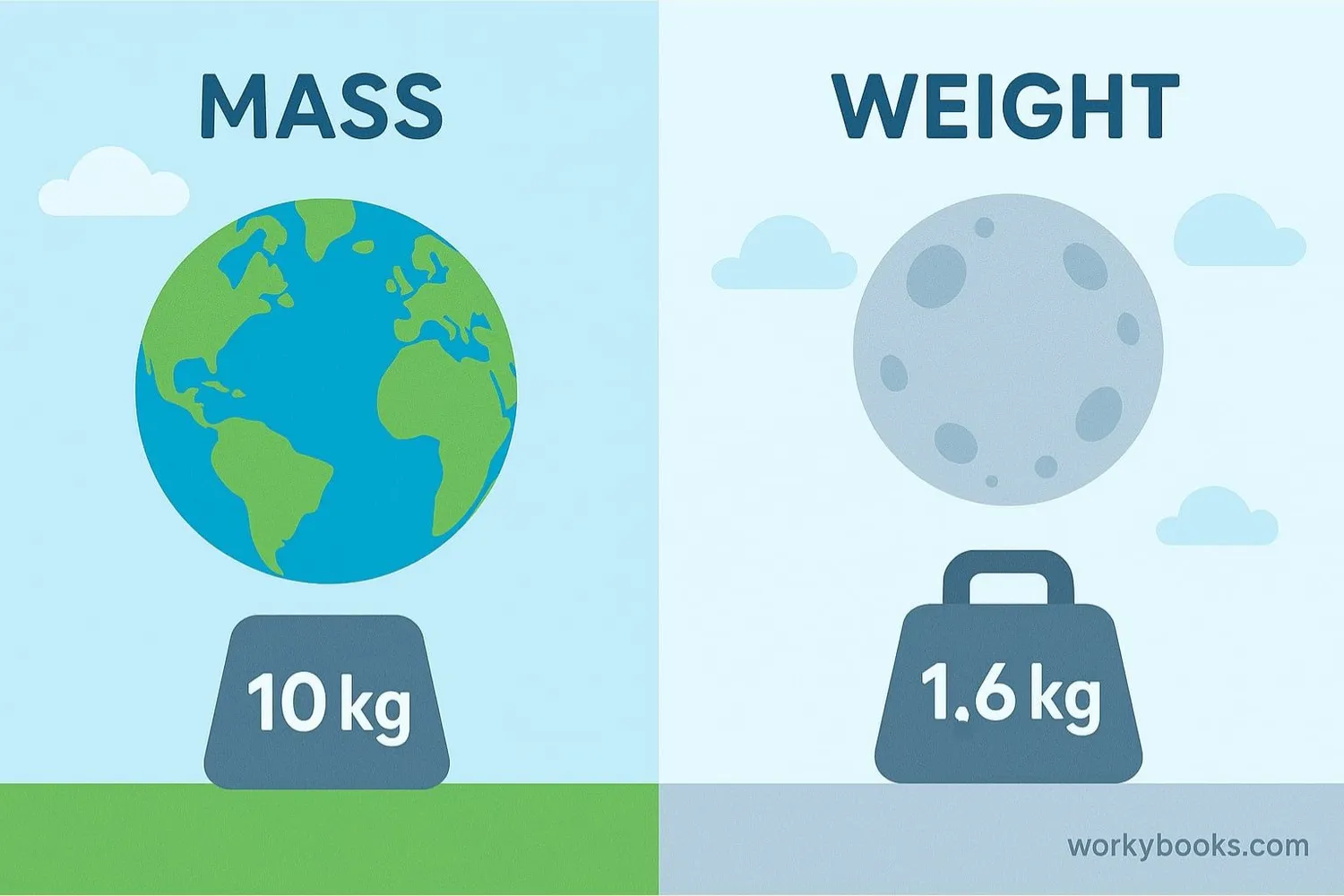
MASS
the amount of matter in an object

SCIENTIFIC NOTATION
a shorthand way of writing very large or very small numbers by multiplying a number by a power of 10

BEAKER
Used to hold, heat, mix, or measure approximate volume of liquids

GRADUATED CYLINDER
Used to measure precise volumes

MENISCUS
Curved upper surface of a liquid inside a tube; reading is taken from the middle of the curve

FLASK
Wide body and narrow neck; used to hold, mix, heat, or measure liquids and gases