Official Santa Fe College CHM1030 Lab Final Dr. Weaver
 Call Kai
 Learn
Learn Practice Test
 Spaced Repetition
 Match
Match Flashcards
 Knowt Play
1/129

There's no tags or description
Looks like no tags are added yet.
Name | Mastery | Learn | Test | Matching | Spaced | Call with Kai | Chat |
|---|
No analytics yet
Send a link to your students to track their progress
130 Terms
true
True or false? All non-zero digits (1-9) are always significant.
3 sig figs
How many sig figs does 456 have?
false, any zeros between non-zero digits are significant.
True or false? Zeros between non-zero digits are not significant.
3 sig figs
How many sig figs are in 405?
true
True or false? Trailing zeros are NOT significant unless specified by a decimal point or written in scientific notation.
2 sig figs; 4 sig figs; 4 sig figs
1500 → ?; 1500. → ?; 1.500 × 10³ → ?
true
True or false? Leading zeros are NEVER significant.
2 sig figs
How many sig figs are in 0.0025?
false, they are significant
True or false? Trailing zeros in a number with a decimal point ARE NOT significant.
3; 3
2.50 → ?; 0.0400 → ?
1 Scientific Method - Ask a Question
State the step in the scientific method: Something like: 'Why does one liquid fizz faster than another?'
2 Scientific Method - Make a Hypothesis
State the step in the scientific method: A guess you can test: 'If I shake the red bottle, it will fizz faster than the blue one because it has more sugar.'
3 Scientific Method - Do an Experiment
State the step in the scientific method: Set up your test! Use tools to measure (like time, volume, temperature).
4 Scientific Method - Collect Data
State the step in the scientific method: Write down your observations and numbers. Example: Red bottle fizzed in 4 seconds. Blue took 6 seconds.
5 Scientific Method - Analyze the Data
State the step in the scientific method: Look for patterns. Which one fizzed faster? Do your numbers support your guess?
6 Scientific Method - Make a Conclusion
State the step in the scientific method: Say what your experiment showed. 'The red bottle did fizz faster, so my hypothesis was correct.'
7 Scientific Method - Share or Repeat
State the step in the scientific method: Tell someone or do it again to double-check!
Example of Scientific Method
Question: Does hot water dissolve sugar faster than cold? Hypothesis: Hot water will dissolve sugar faster. Experiment: Add sugar to both hot and cold water. Data: Hot = 10 sec, Cold = 35 sec. Conclusion: Hot water dissolves sugar faster — hypothesis supported!
chemical equation
Reactants → Products.
H₂ + O₂ → H₂O.
State an example of a chemical equation.
Sodium = Na; Water = H₂O; Carbon dioxide = CO₂; Magnesium chloride = MgCl₂.
What are some examples of chemical formulas?
(s) = solid; (l) = liquid; (g) = gas; (aq) = aqueous (dissolved in water).
What are the 4 states of matter you will see in chemical equations?
NaCl (aq) + AgNO₃ (aq) → AgCl (s) + NaNO₃ (aq).
State an example of a chemical equation with states included.
The number of each atom must be equal on both sides.
How do you know a chemical equation is balanced?
Don't change subscripts; only change coefficients.
Tip for balancing equations?
2H₂ (g) + O₂ (g) → 2H₂O (l).
What's an example of balancing an equation?
Electron configuration
A representation of the arrangement of electrons in an atom.
Bohr model
A model of the atom that depicts electrons in circular orbits around the nucleus.
Ions
Charged particles like Na⁺ or Cl⁻ where the symbol tells you the base element.
Zinc
If it fizzes with acid and disappears, it's likely ...
Magnesium
If it fizzes with acid and disappears, it's likely ...
Copper
If it stays the same and doesn't react, it might be ...
Lab Safety Rule
Always wear goggles and apron to protect your eyes and clothes from splashes.
Lab Safety Rule
No food or drinks in the lab to avoid contamination.
Lab Safety Rule
Tie back long hair to prevent fire hazards.
Lab Safety Rule
Know where safety gear is located before starting.
Lab Safety Rule
Label all chemicals to avoid confusion.
Lab Safety Rule
Handle glassware and equipment carefully to avoid accidents.
Lab Safety Rule
Dispose of waste properly according to instructions.
Lab Safety Rule
Clean up your station after use to maintain a safe environment.
Lab Safety Rule
Report all spills or accidents immediately.
Read every digit you can see.
How do you record a measurement?
When you estimate one more digit past what's marked on the measurement tool.
What's an uncertain digit?
Example of Uncertainty
If a beaker shows 45 mL and you estimate it's just past that, record 45.2 mL.
% Copper = (0.15 / 1.00) × 100 = 15%
How do you find the percent composition of copper?
Single replacement reaction
A reaction where one element replaces another in a compound.
Reactivity series
A list that ranks elements by their ability to displace others in reactions.
Yellow/Orange
Na+ Flame Color
Violet/Purple
K+ Flame Color
Orange
Ca2+ Flame Color
Yellow/Gold
Fe3+ Flame Color
Green
Cu2+ Flame Color
None
Mg2+ Flame Color
Bright White
Mg(s) Flame Color
Red
Li+ Flame Color
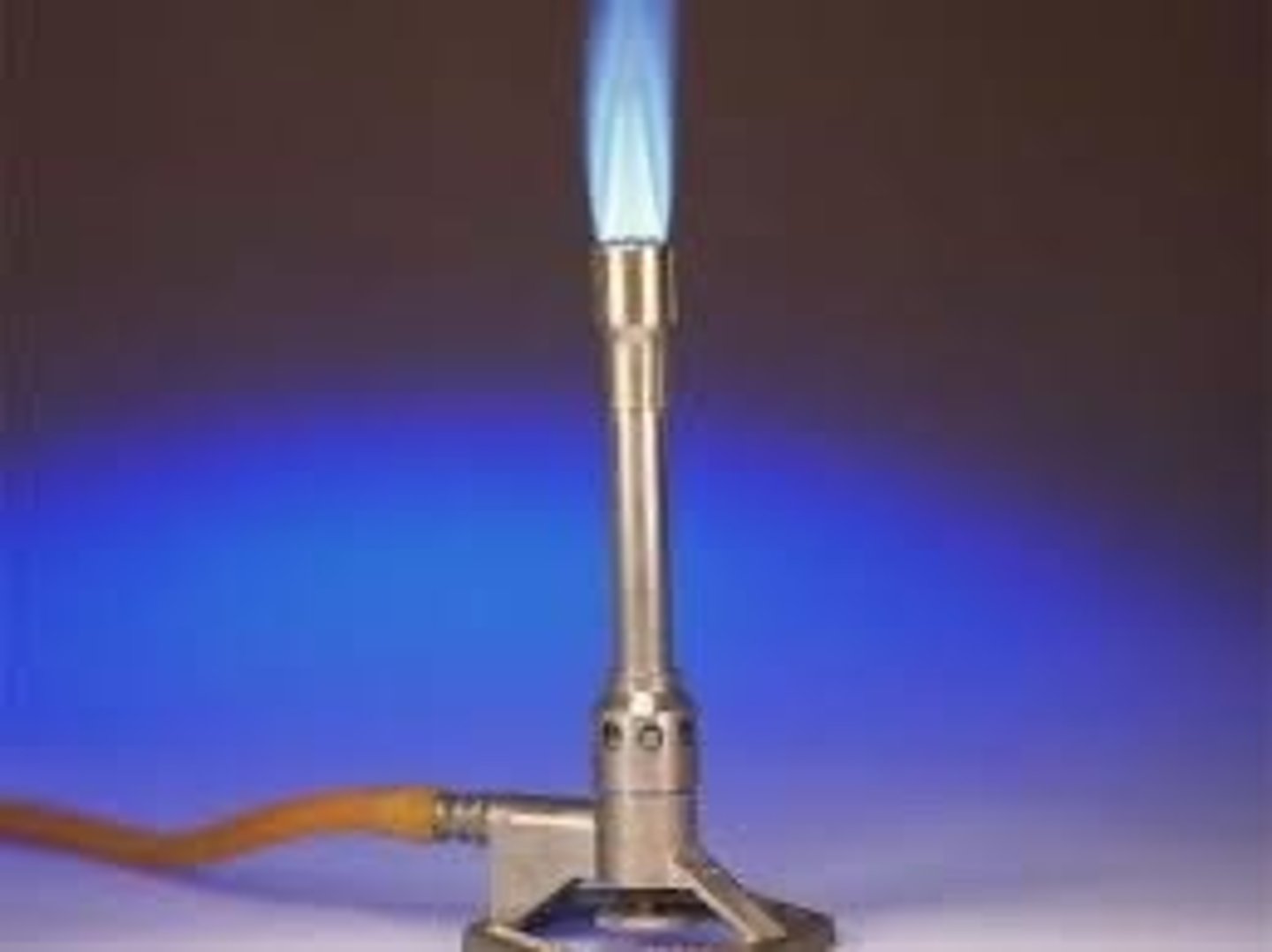
Bunsen burner
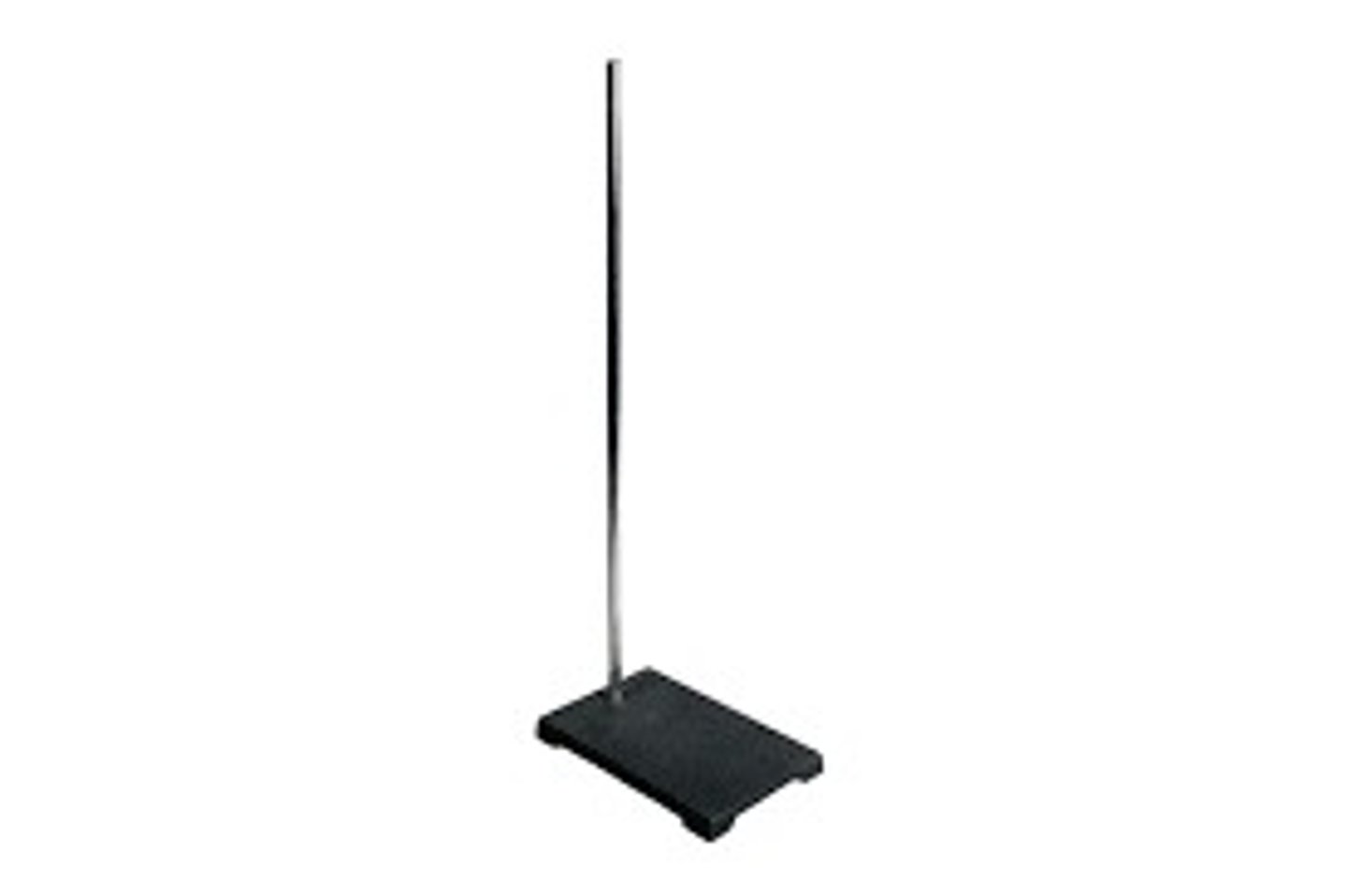
Ring stand
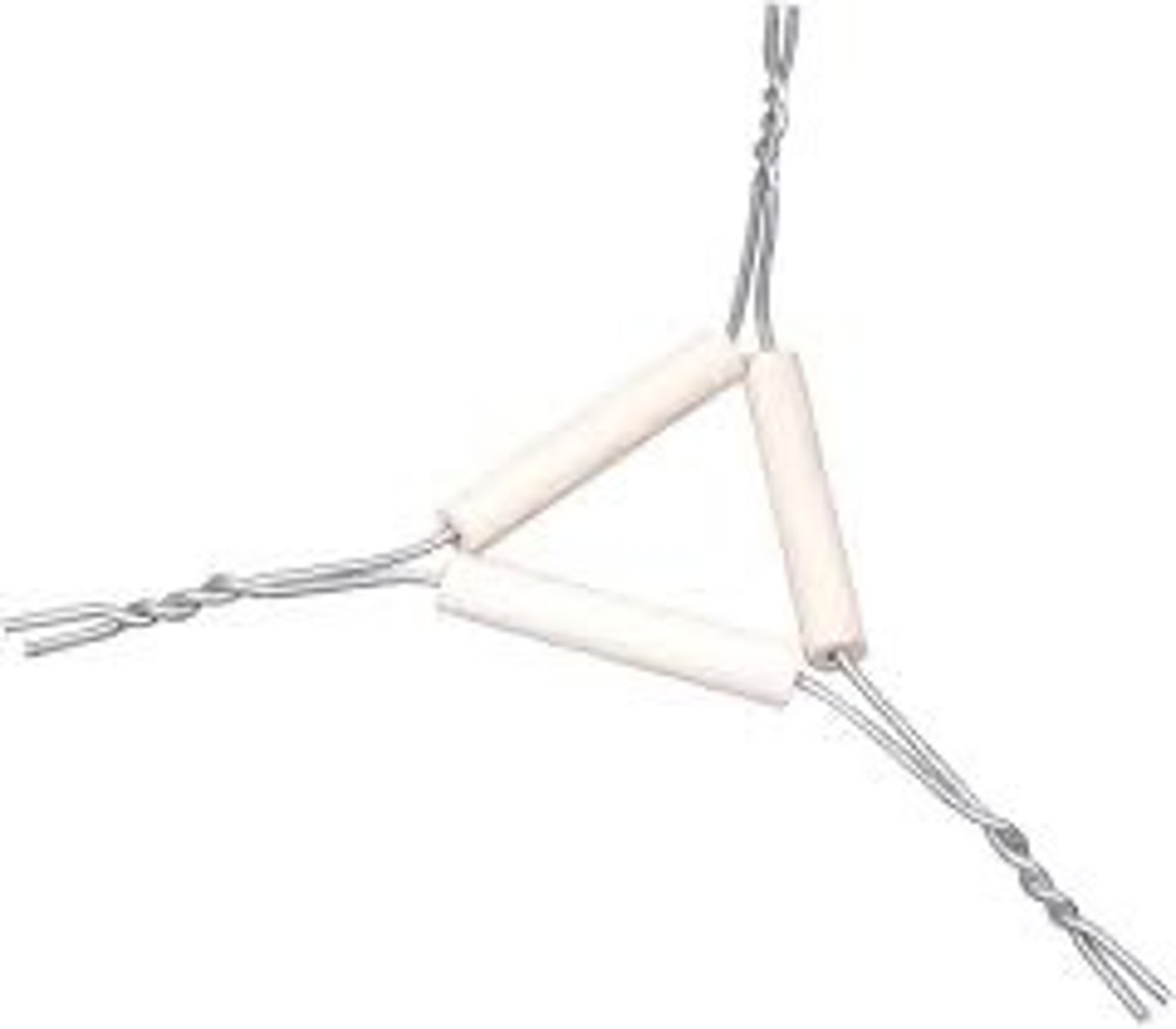
Pipestem triangle
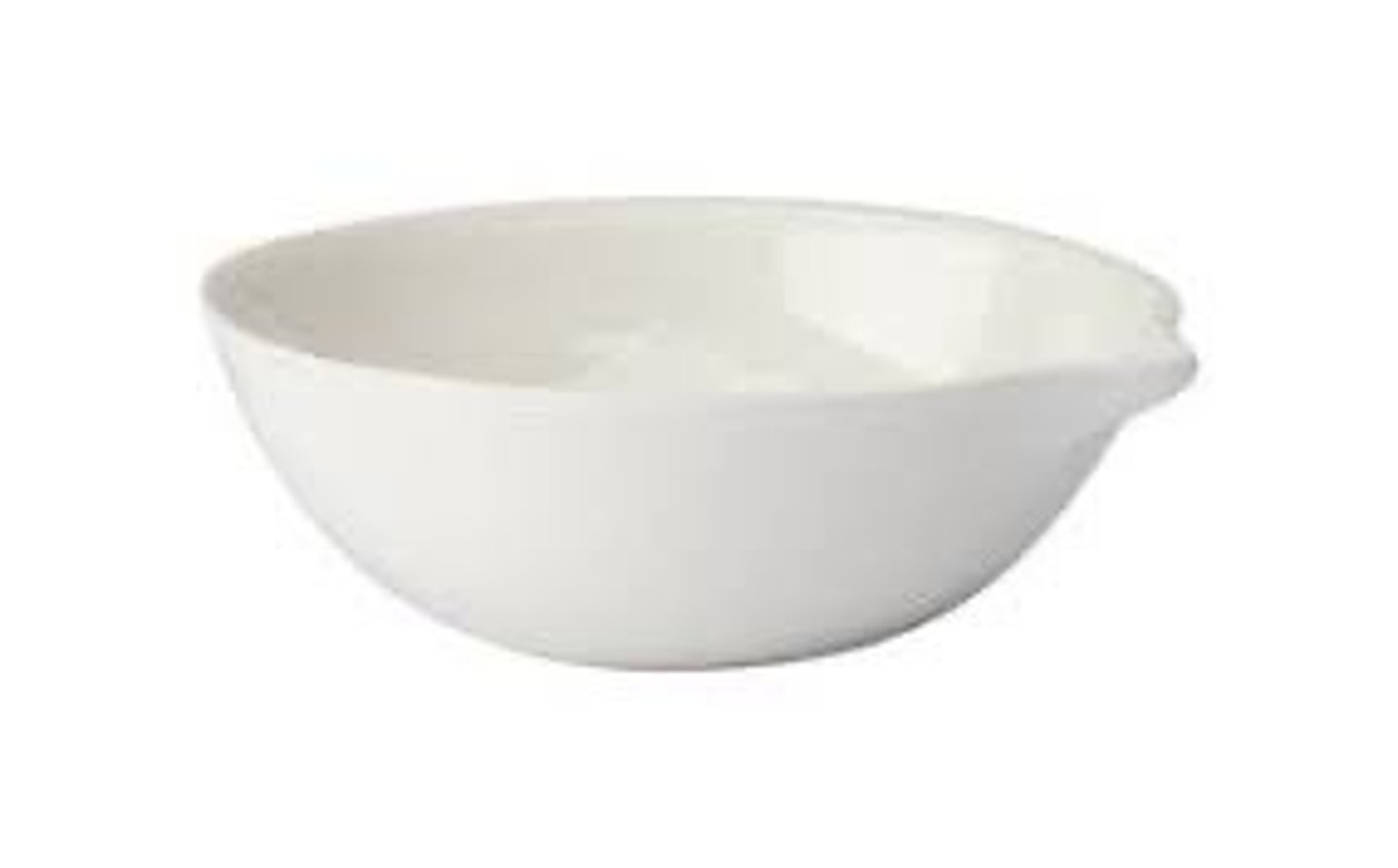
Evaporating dish
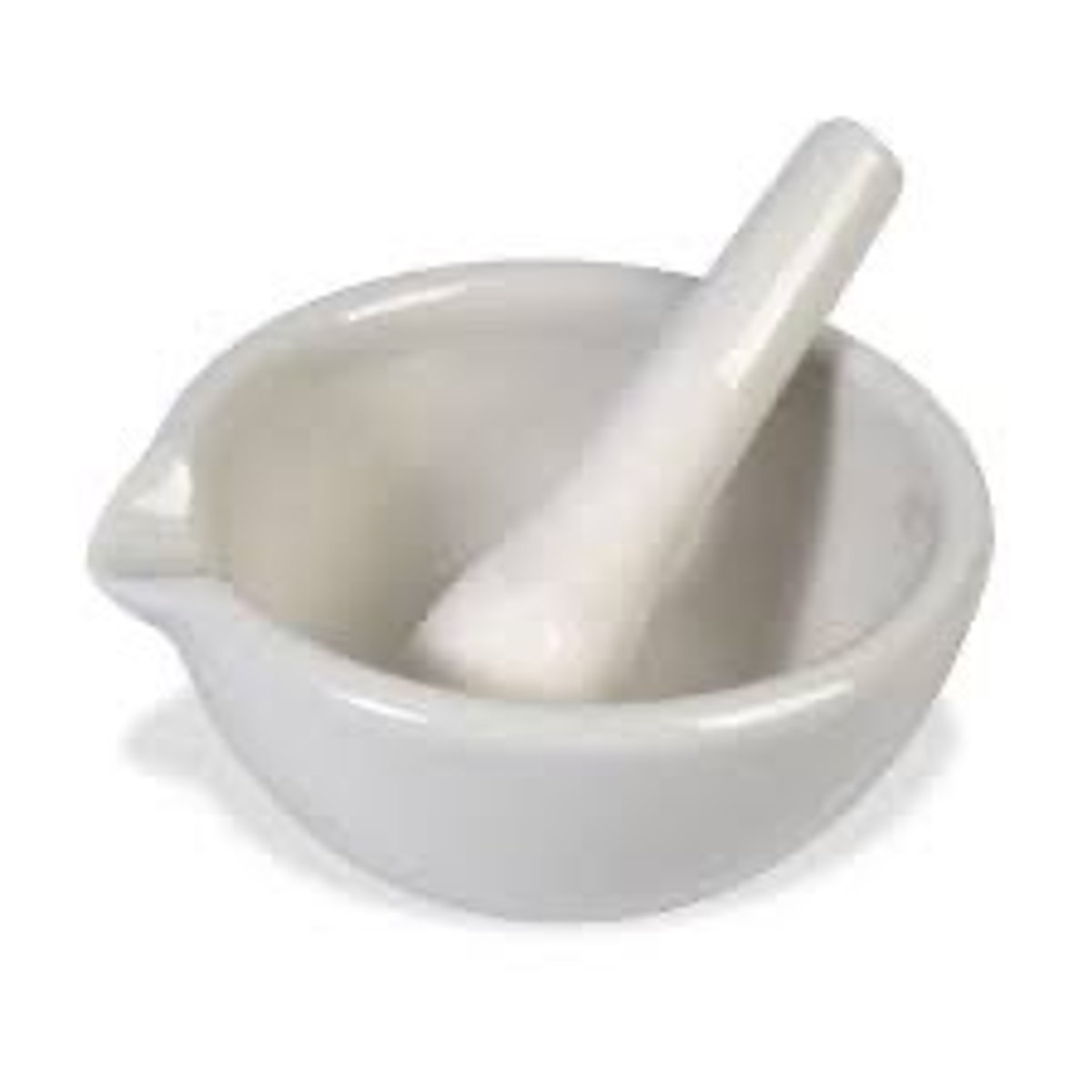
Mortar and pestle
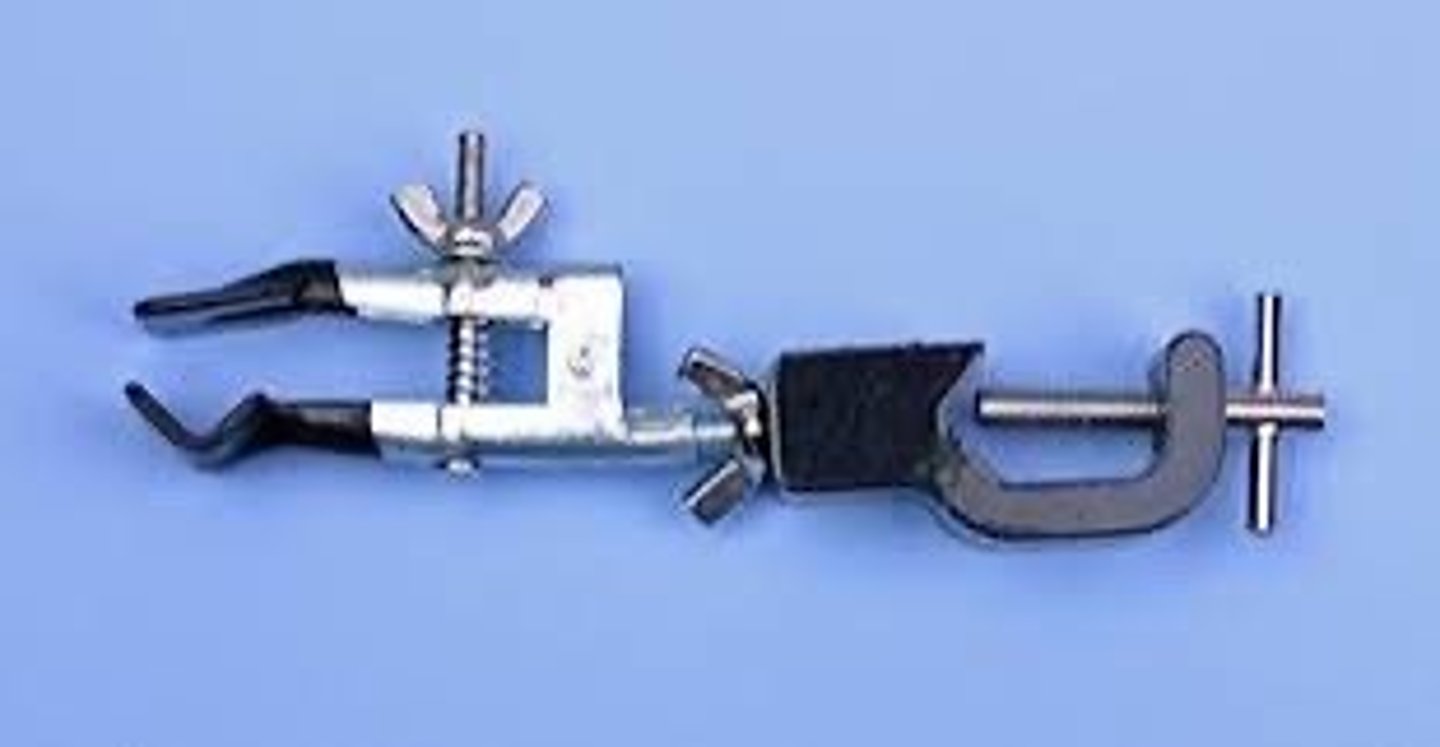
Utility clamp
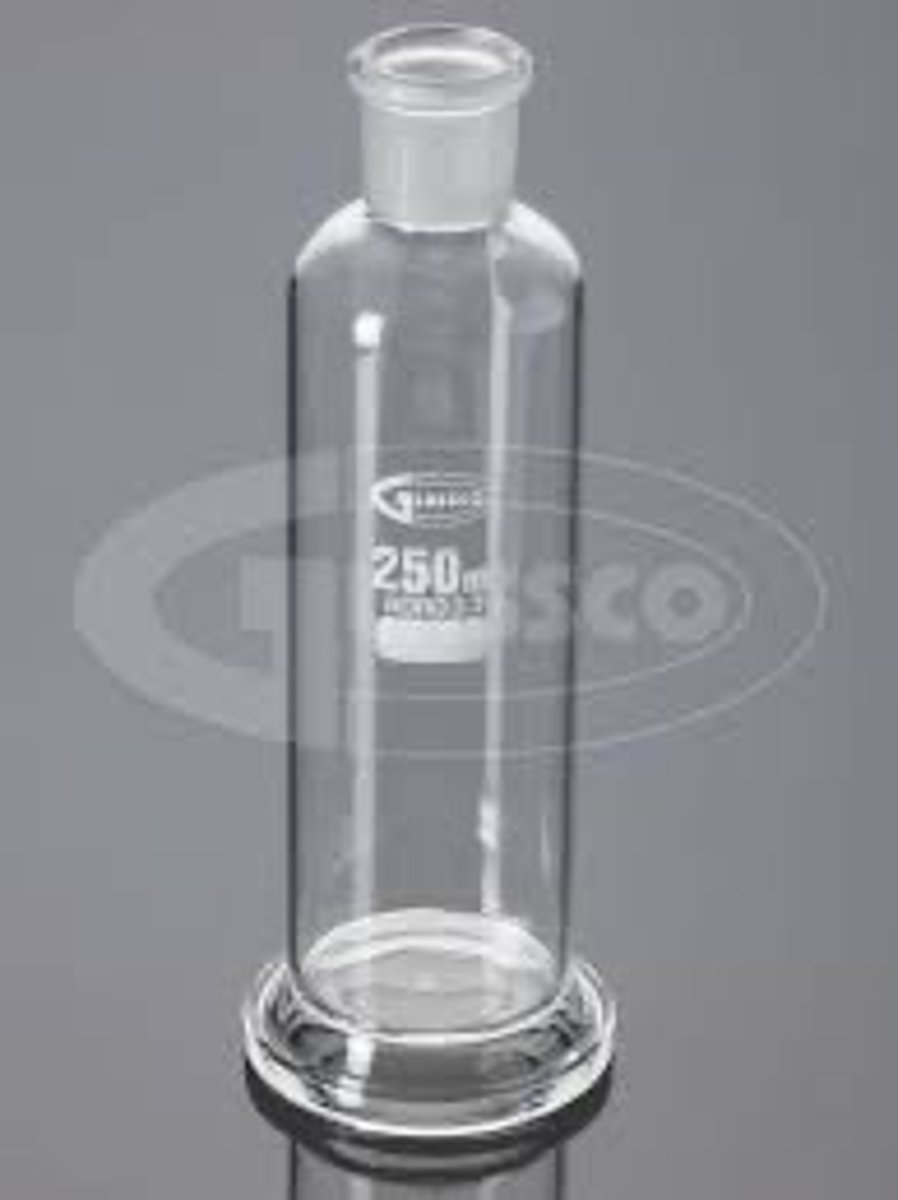
Gas bottle
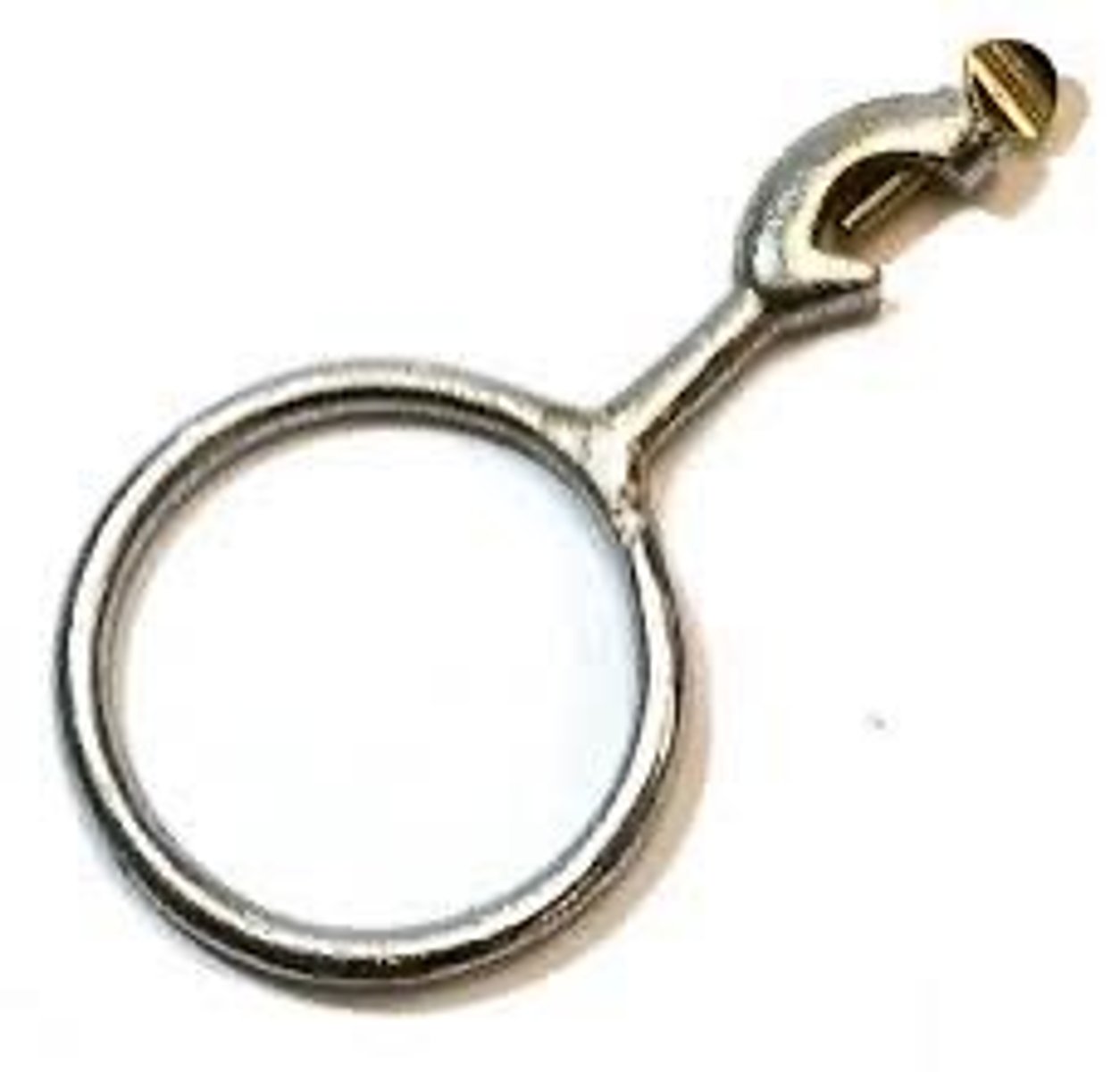
Iron ring
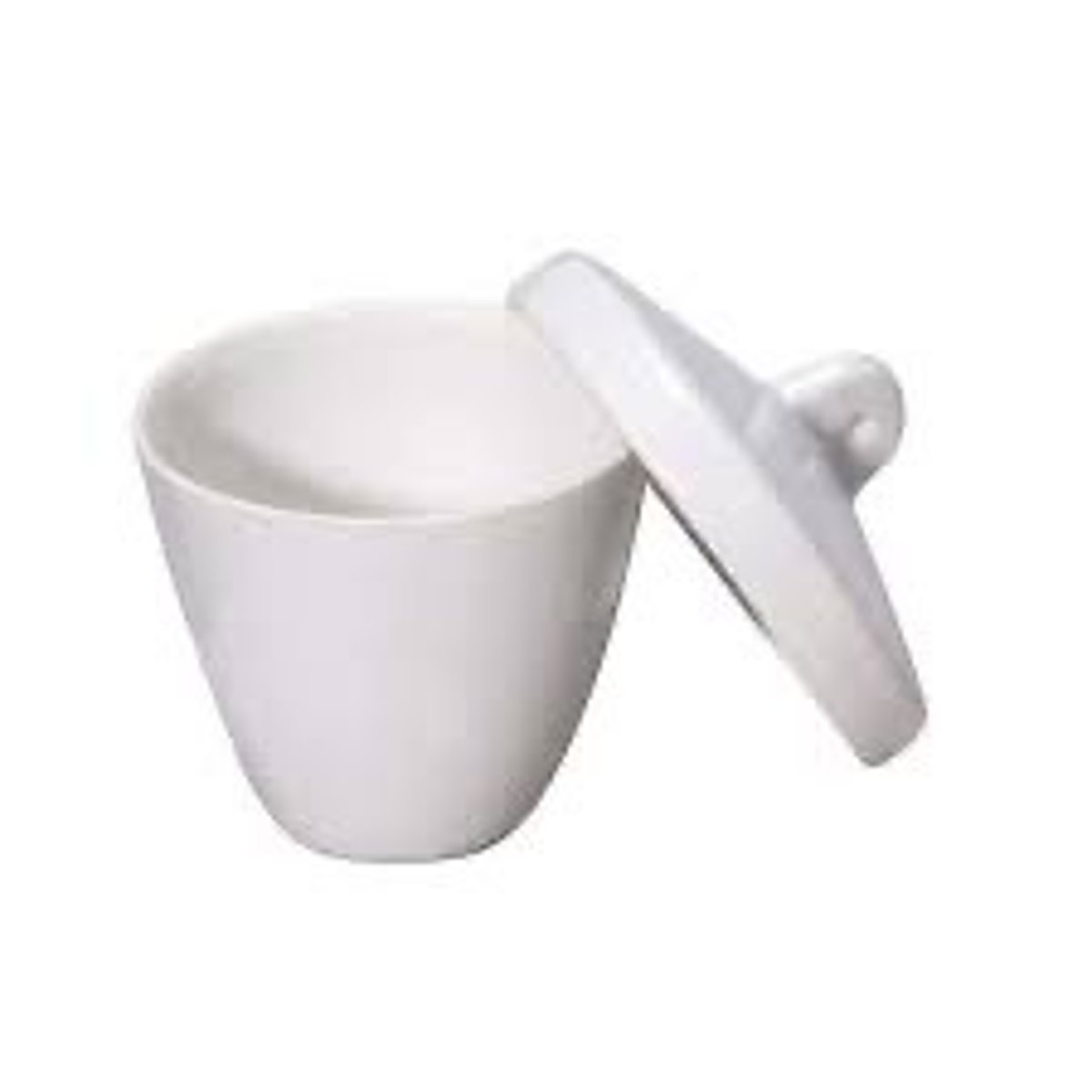
Crucible and cover
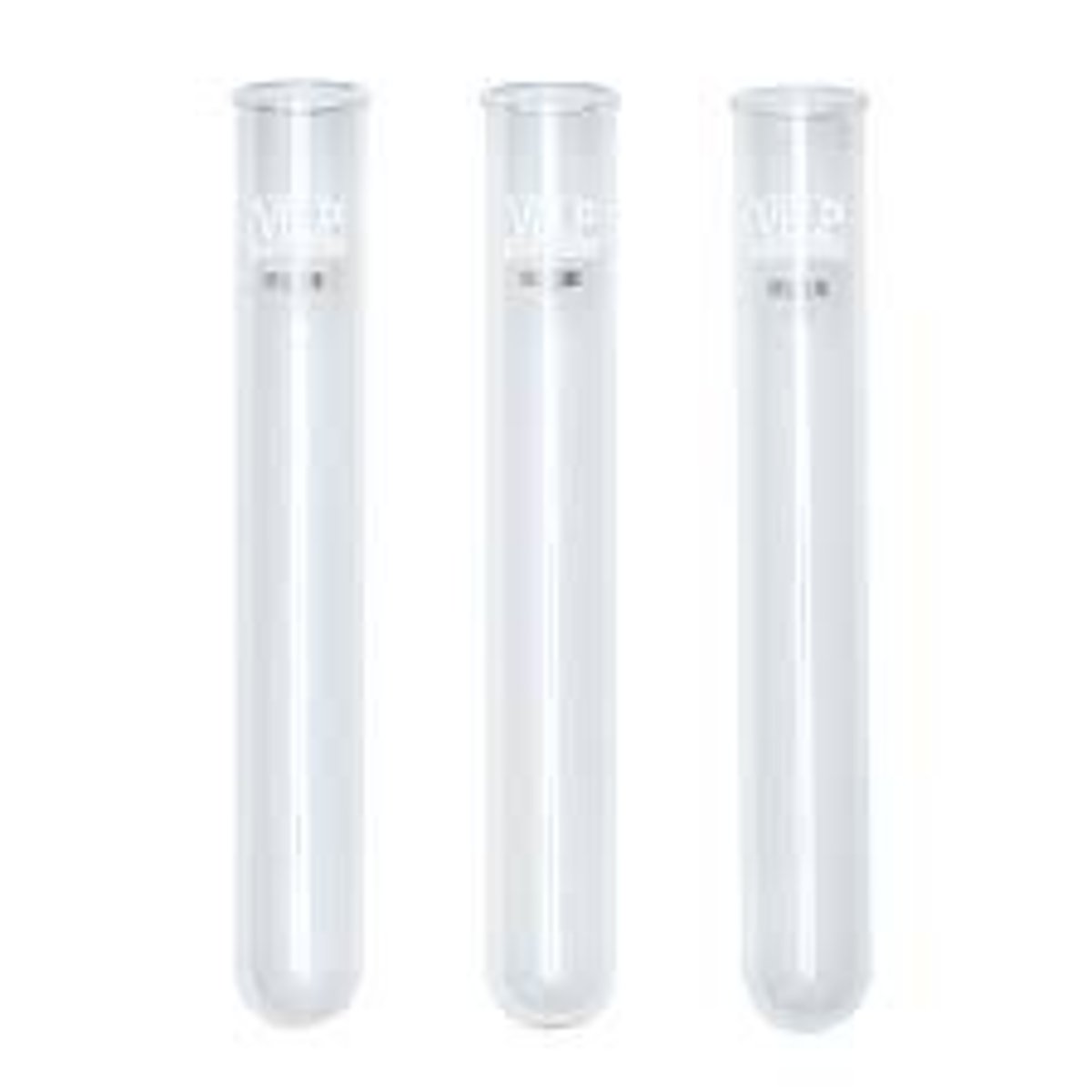
Test tubes
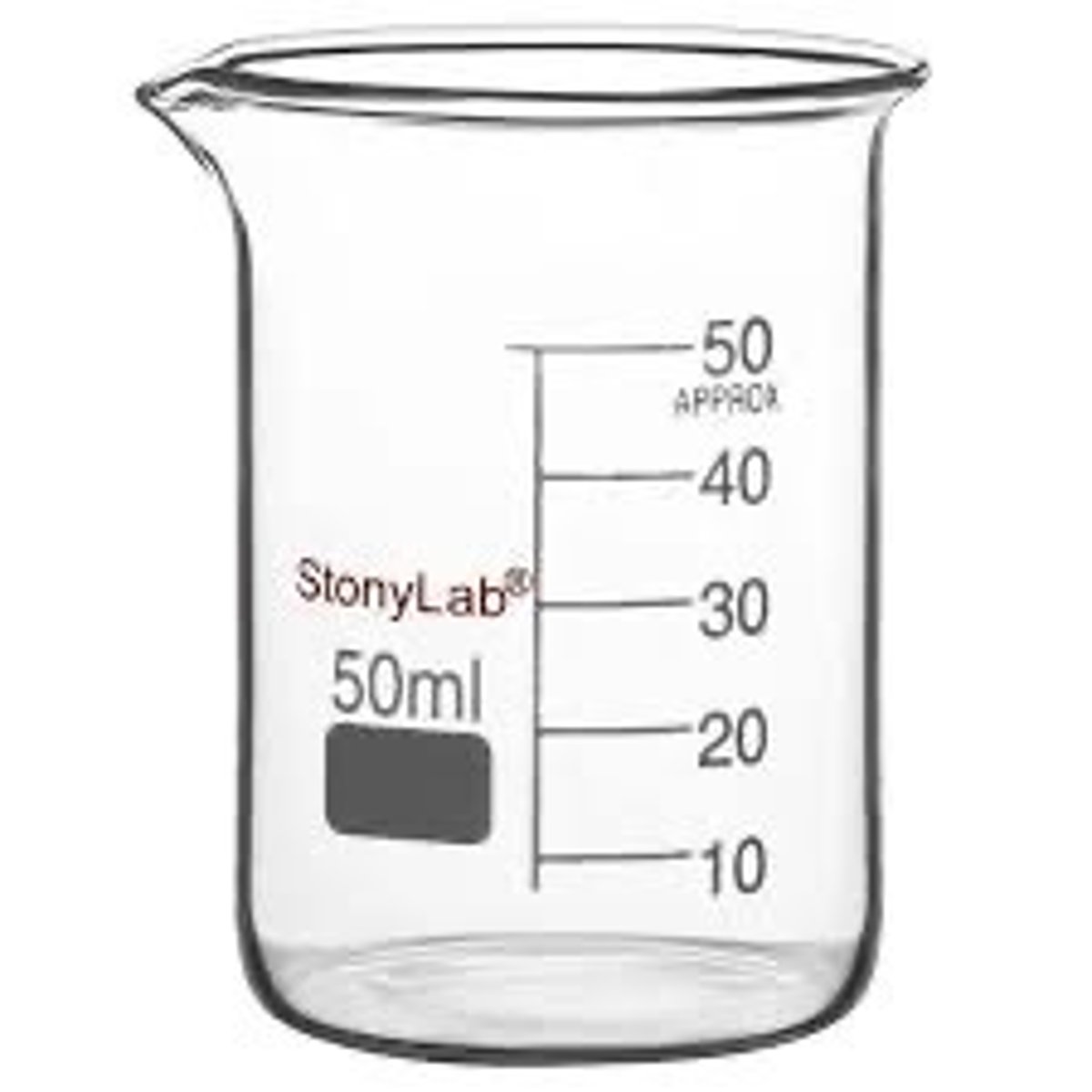
Beaker
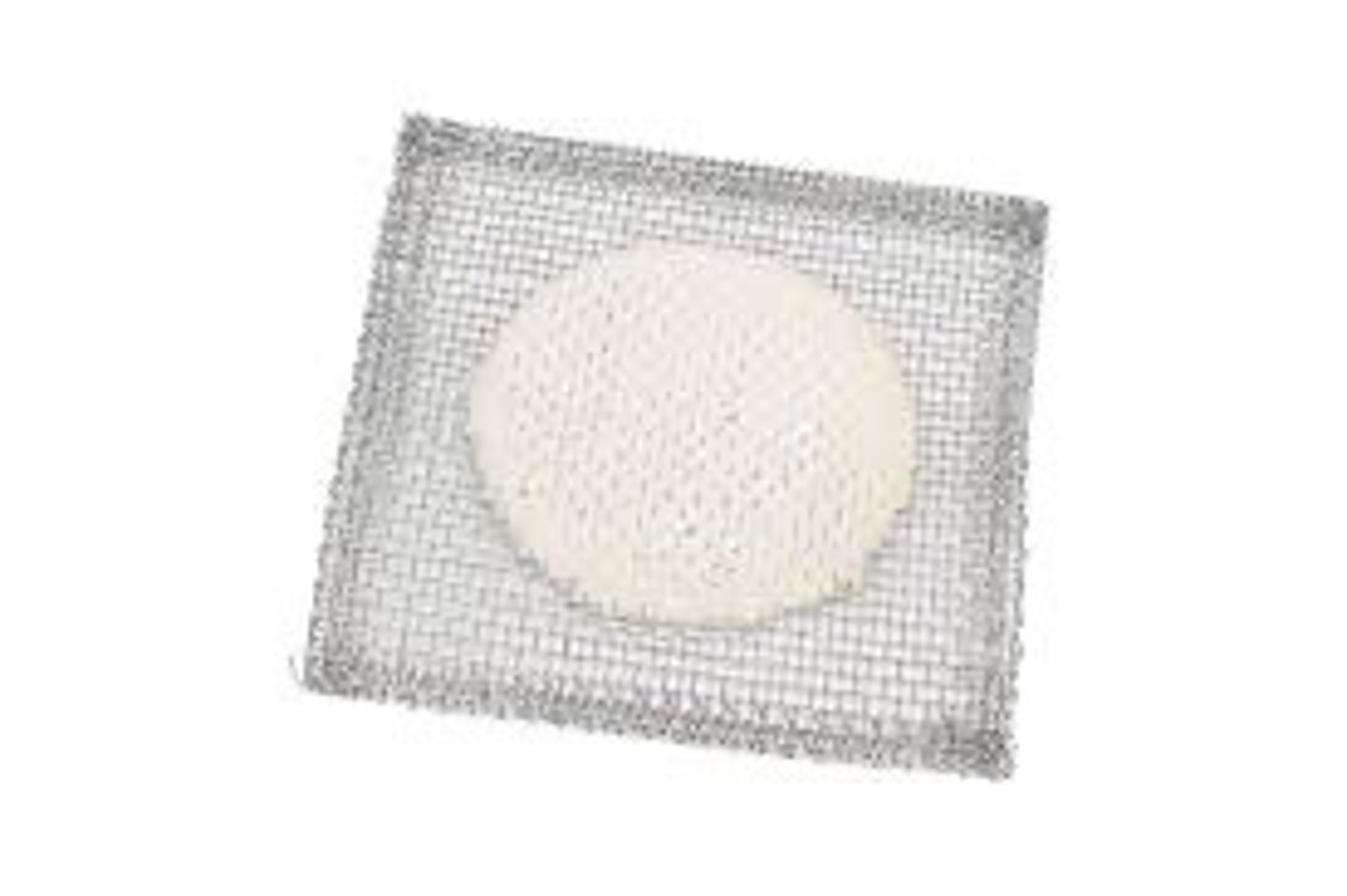
Wire gauze
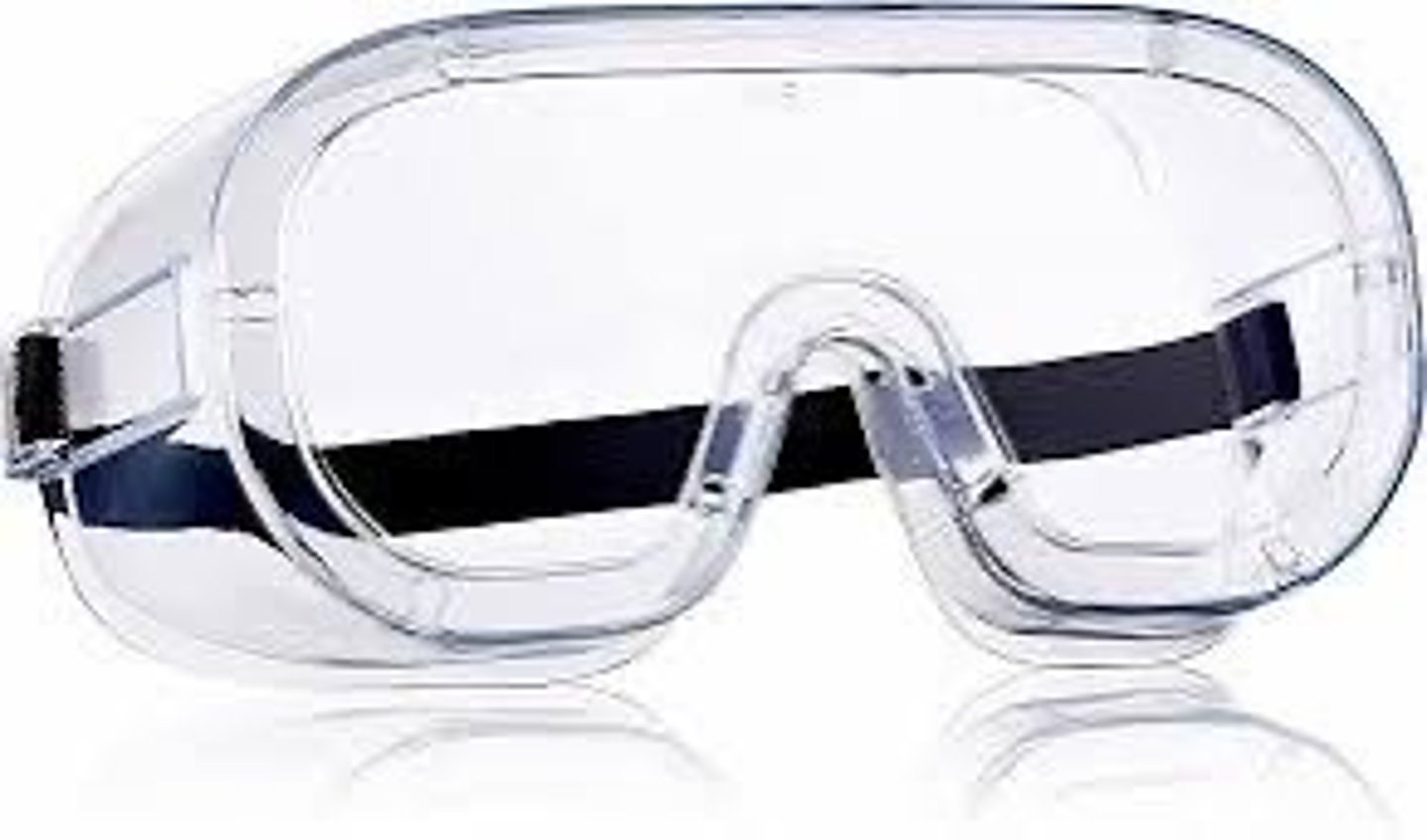
Safety goggles
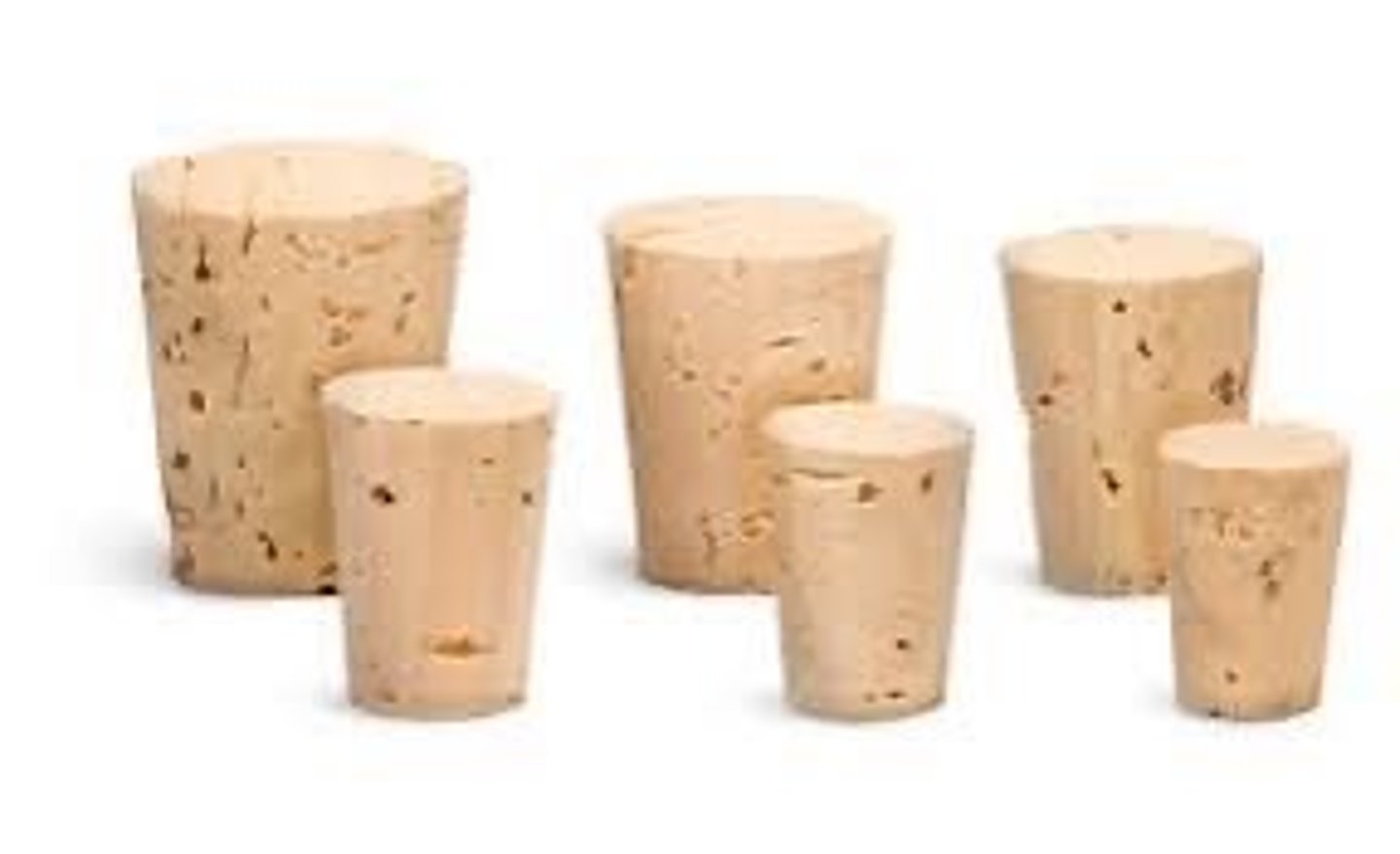
Corks
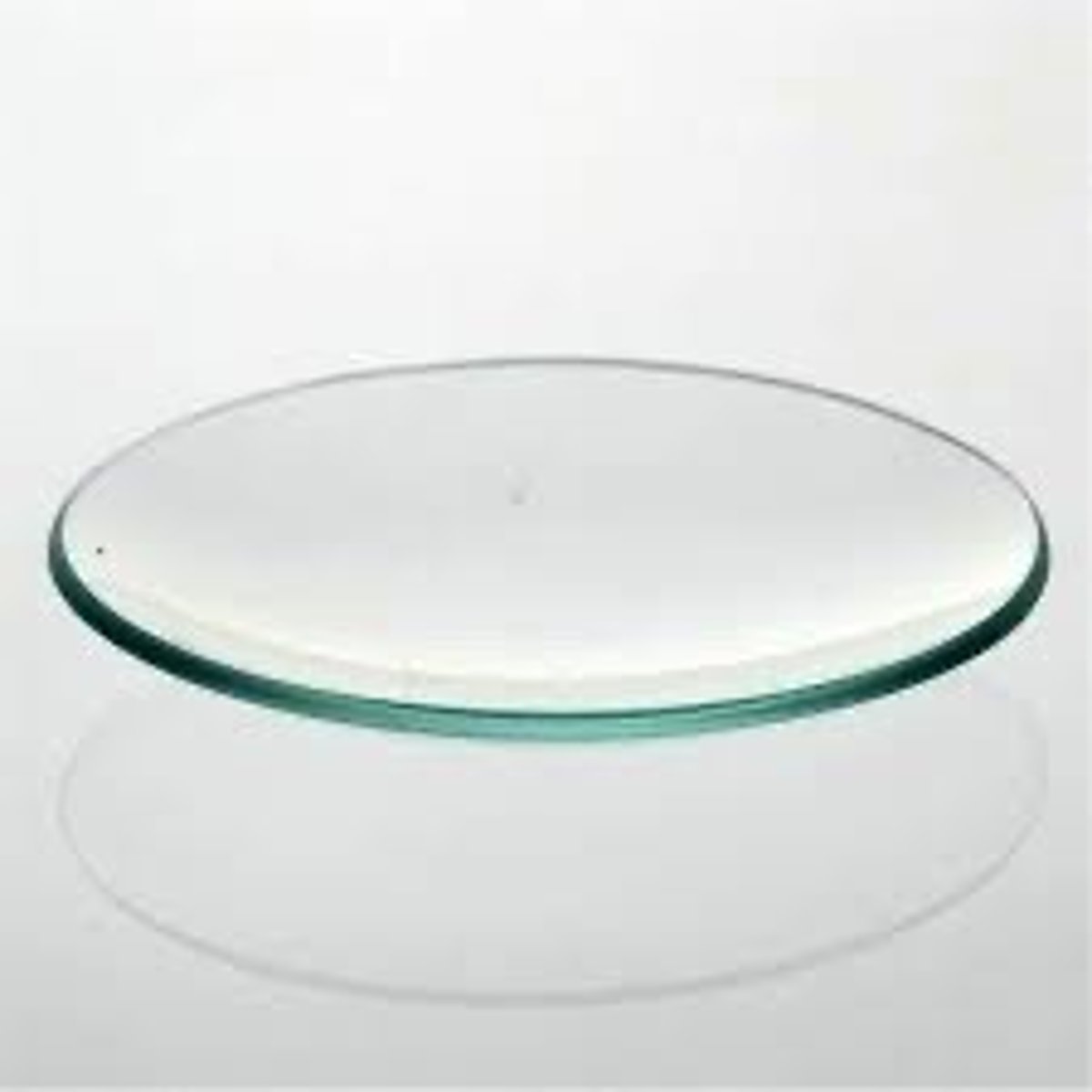
Watch glass
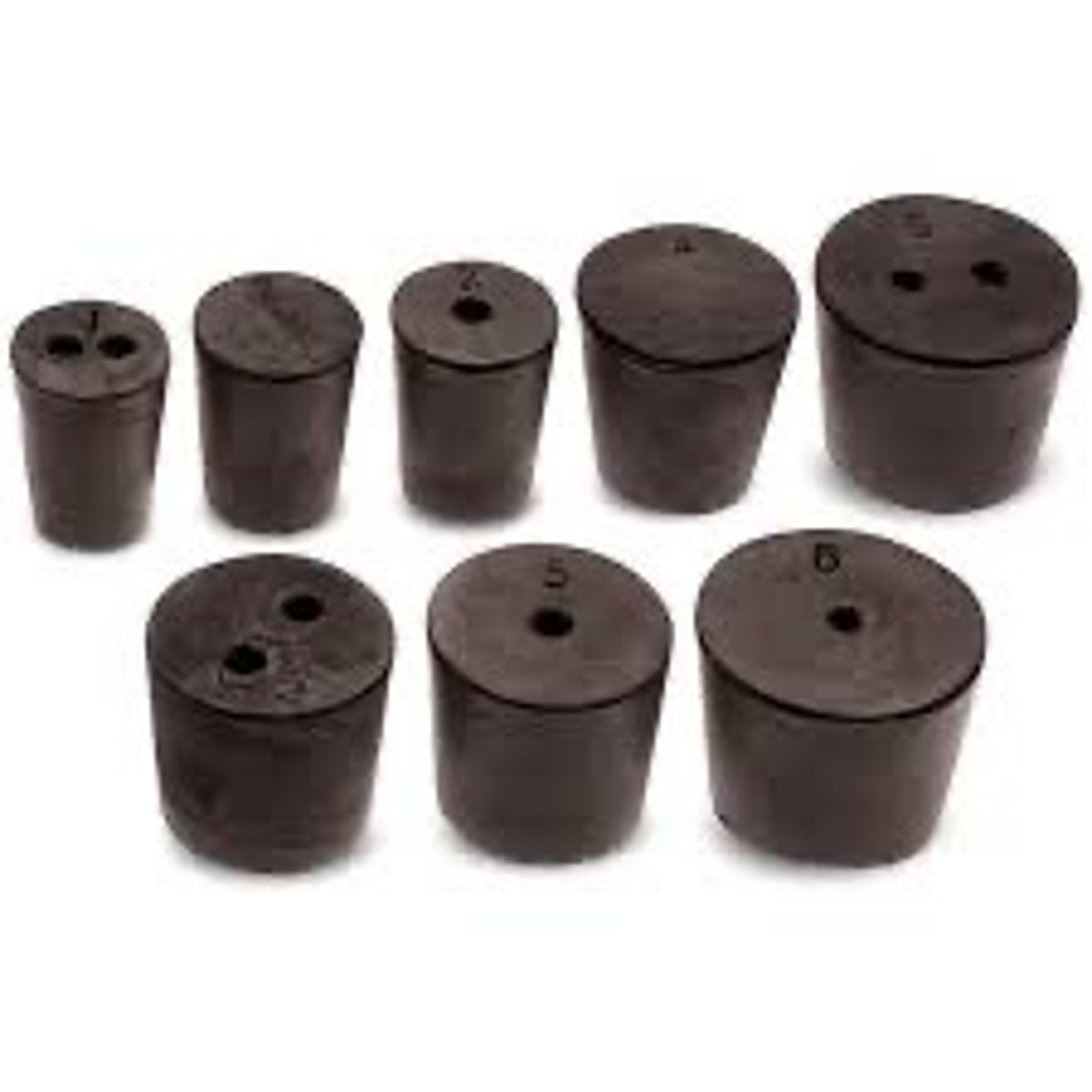
Assorted rubber stoppers
Erlenmeyer flask
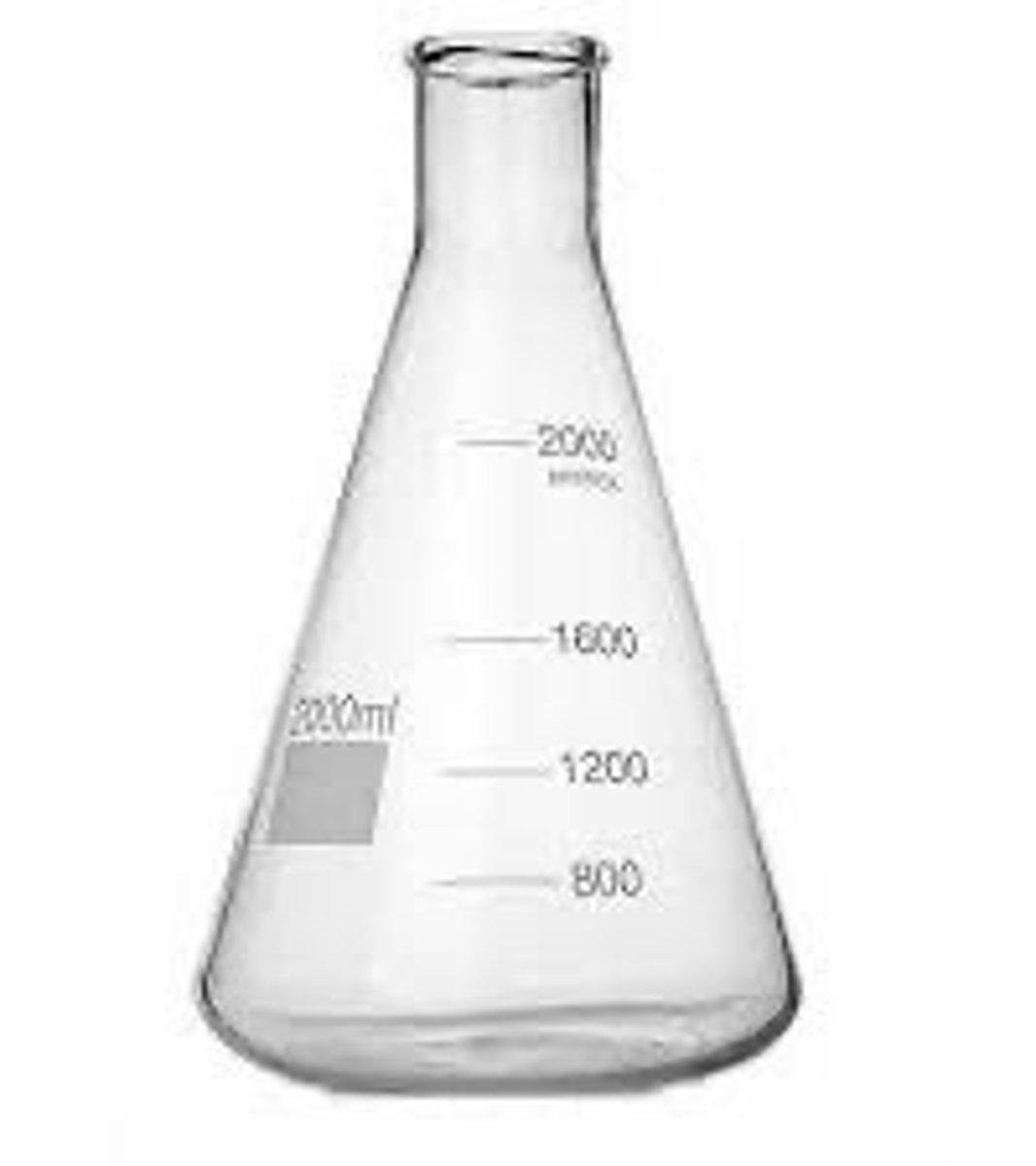
Lab burner
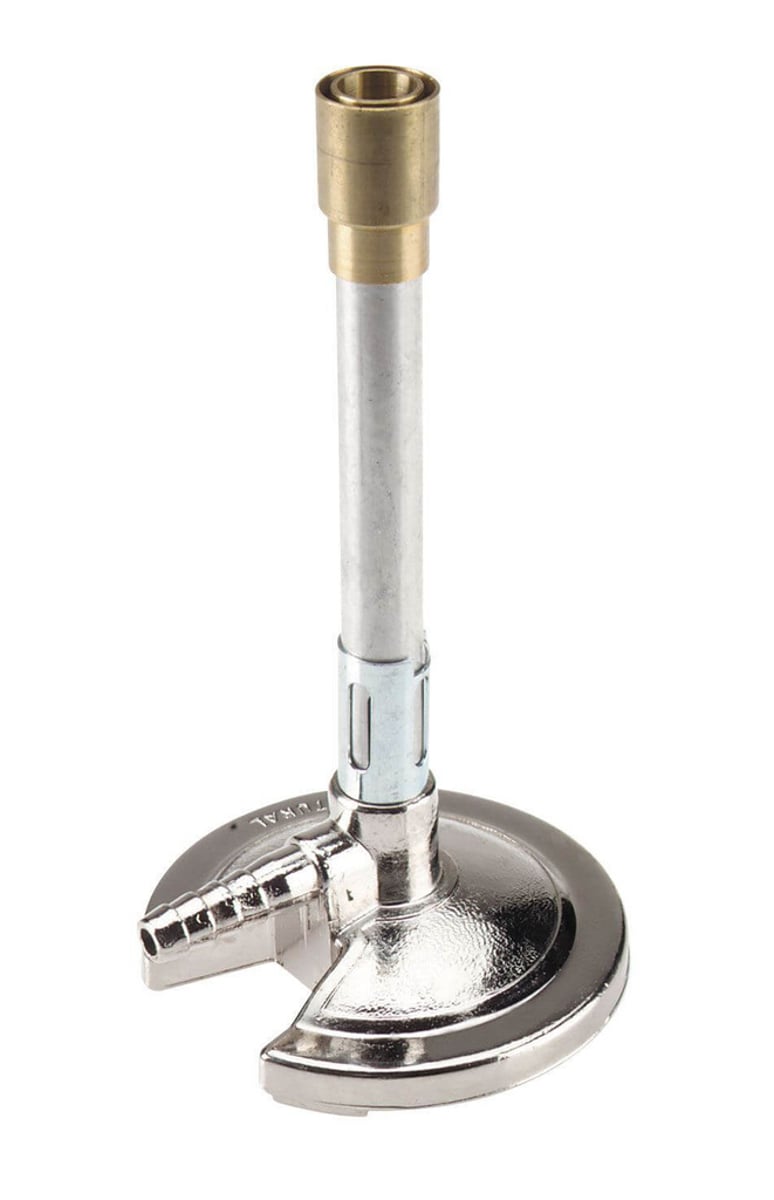
Tongs
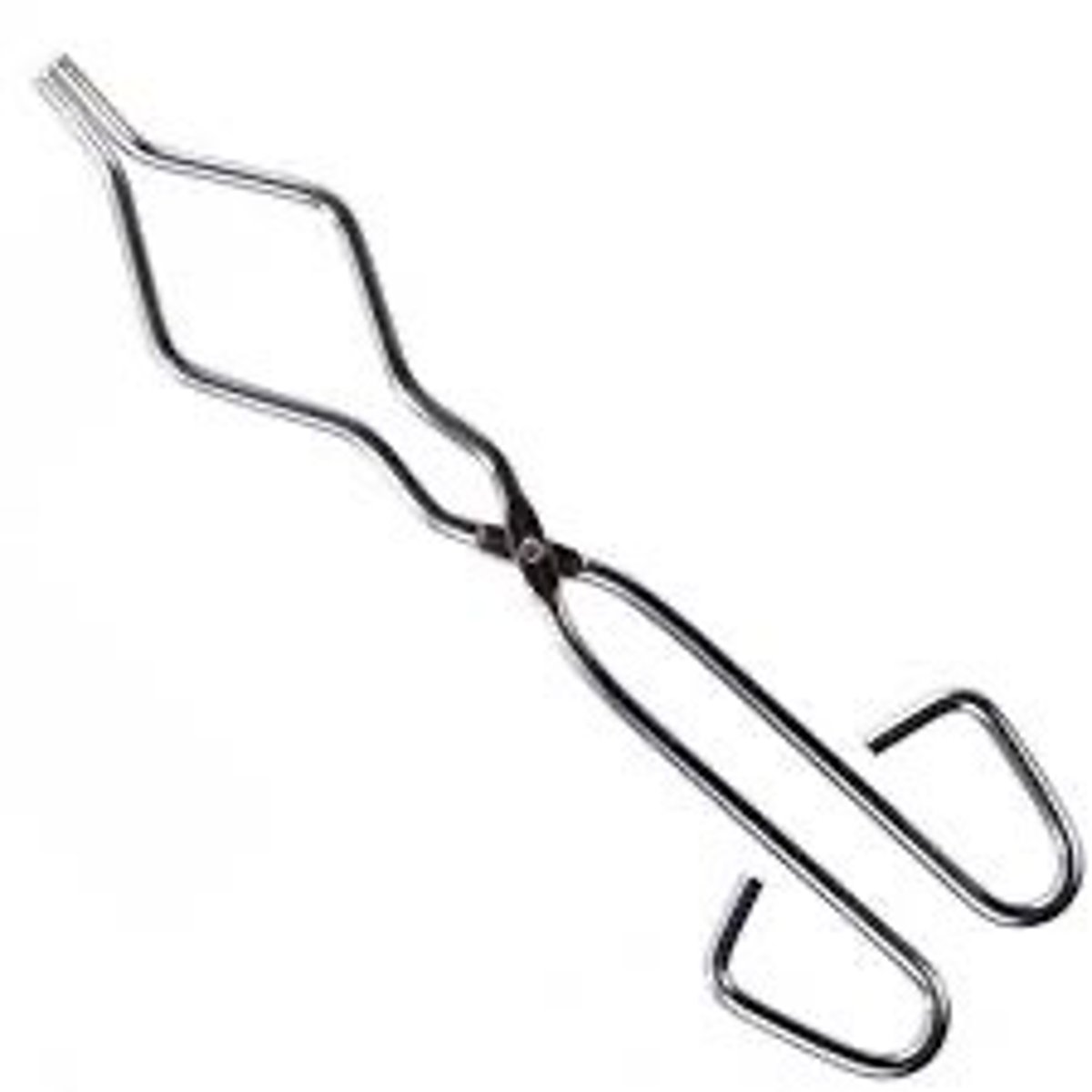
Pipet
Thermometer
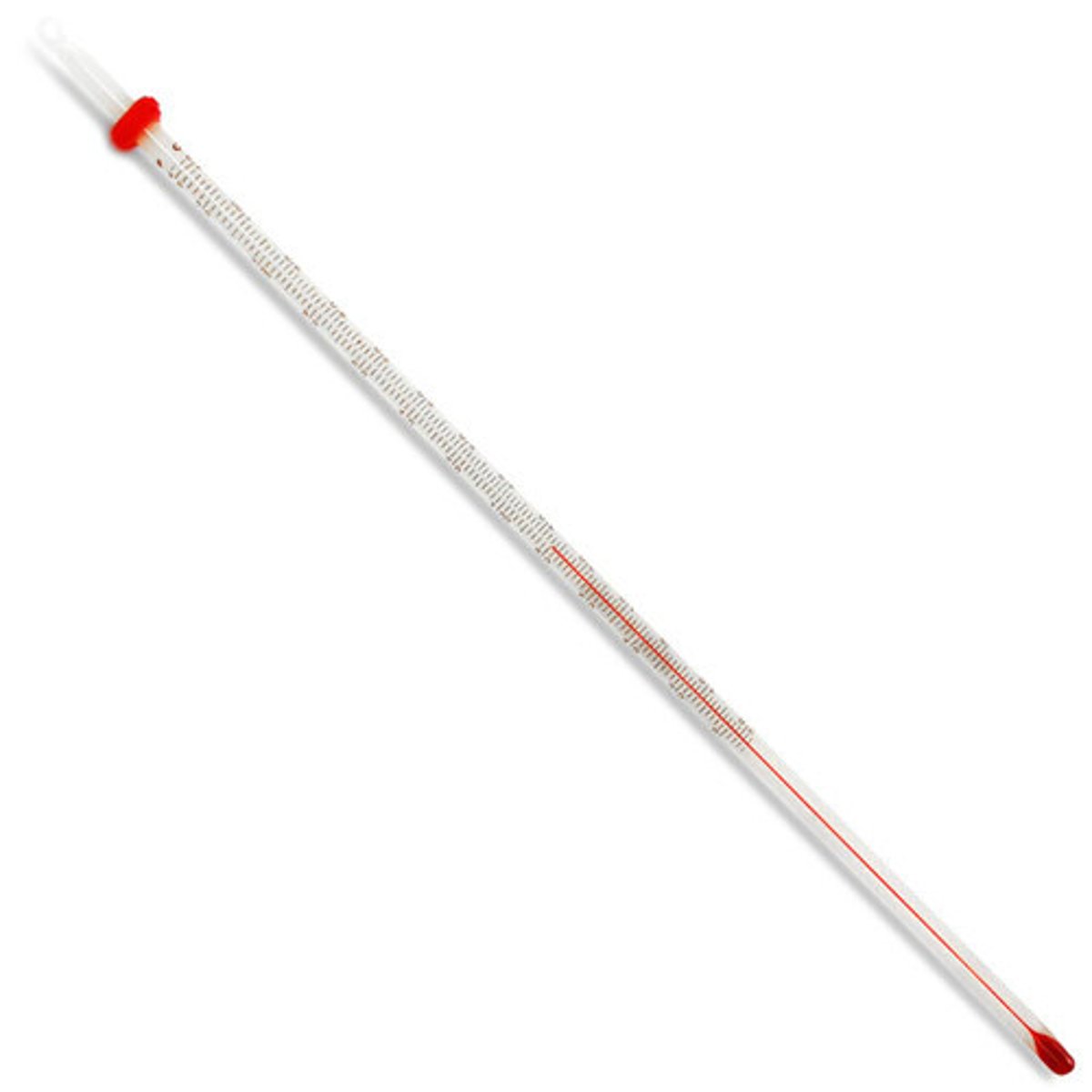
Buret
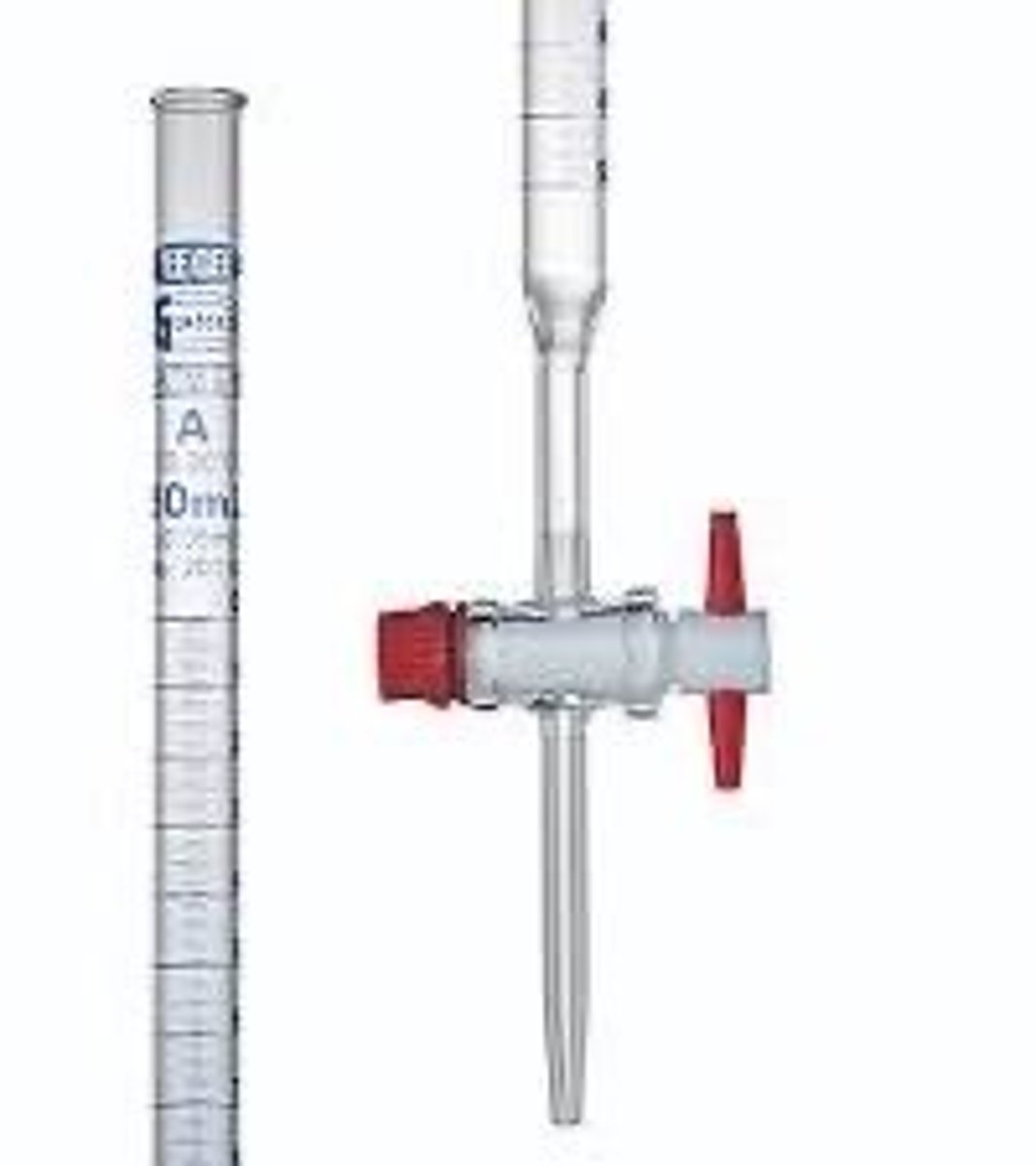
Graduated cylinder
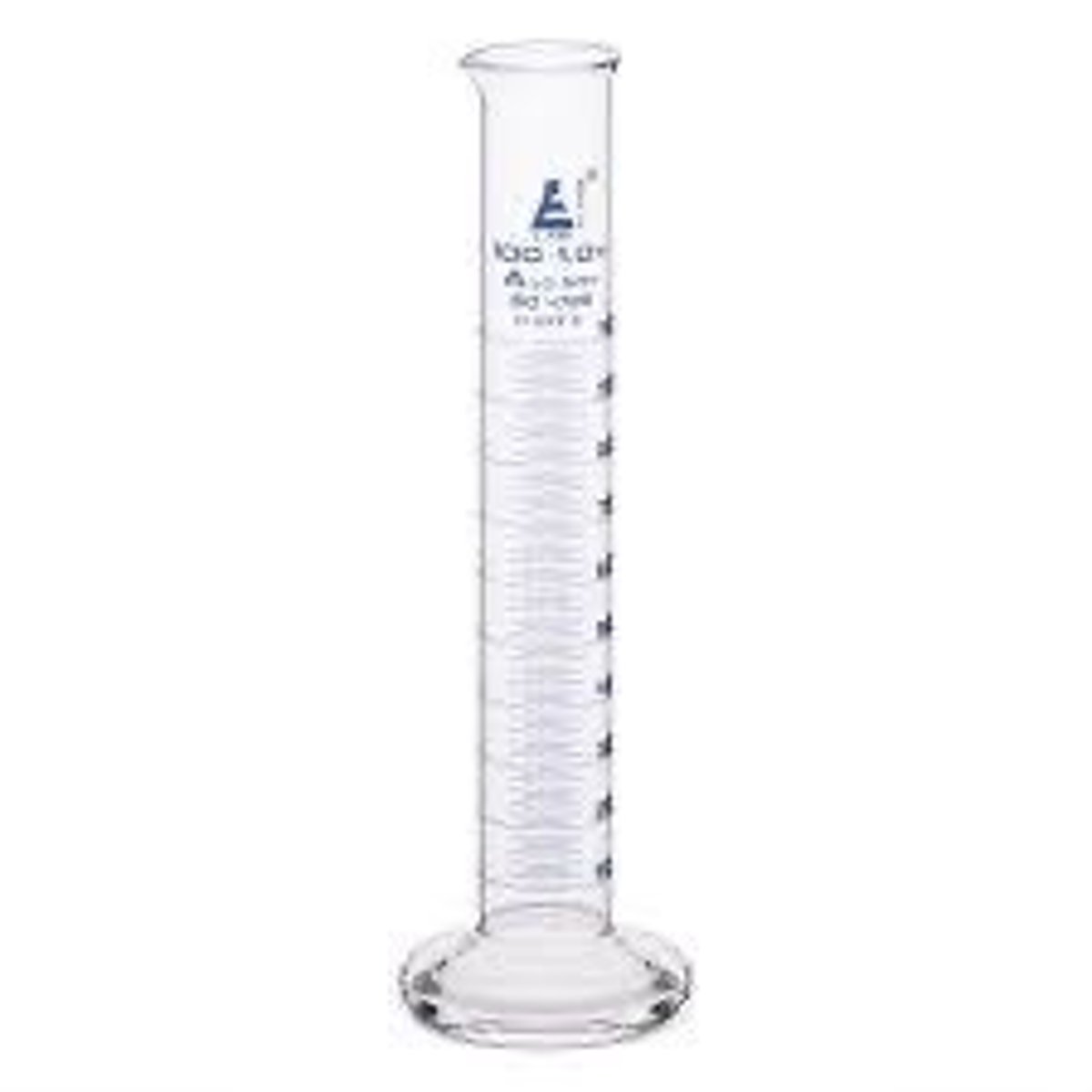
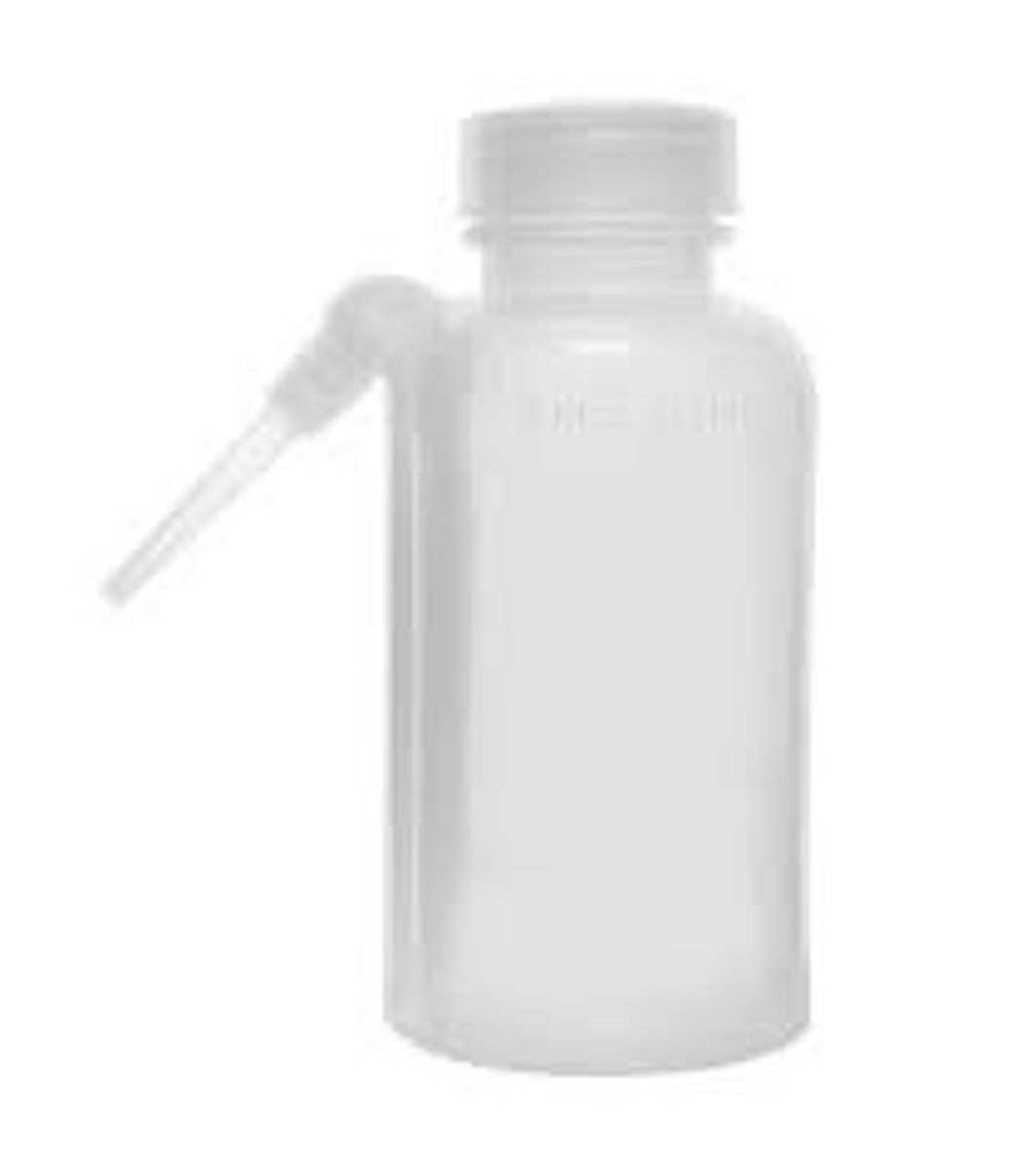
Wash bottle
Micropipets
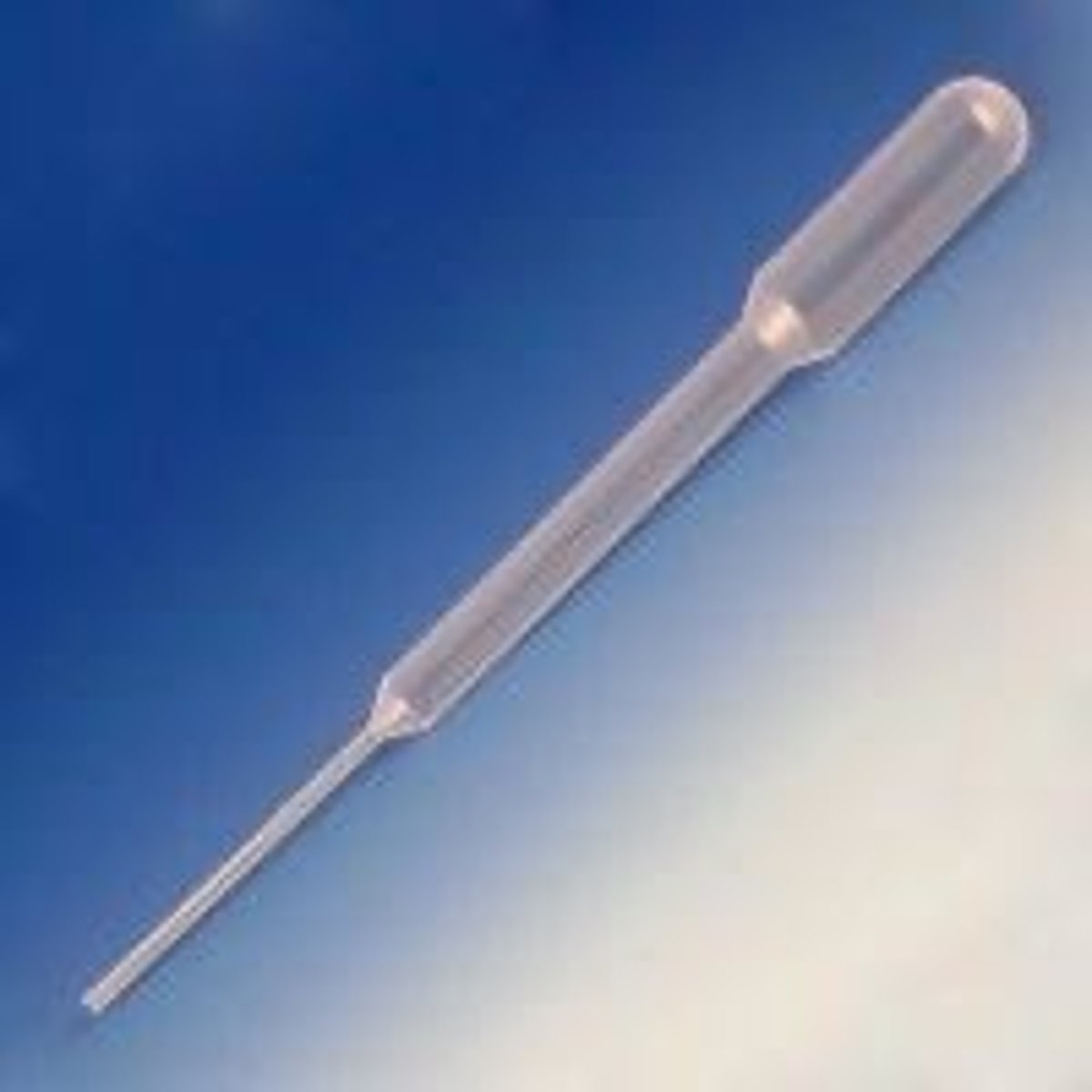
Spatula
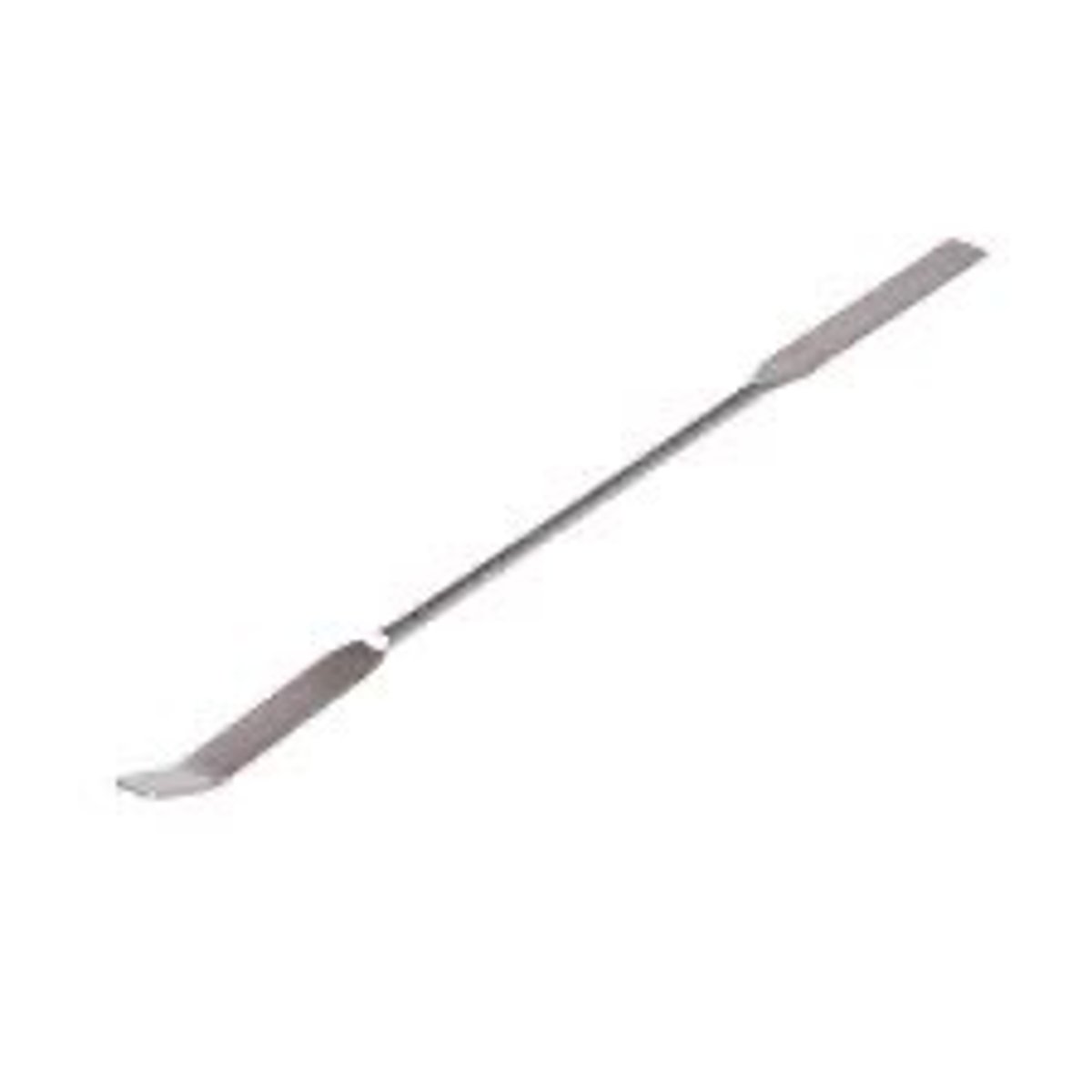
Scoopula
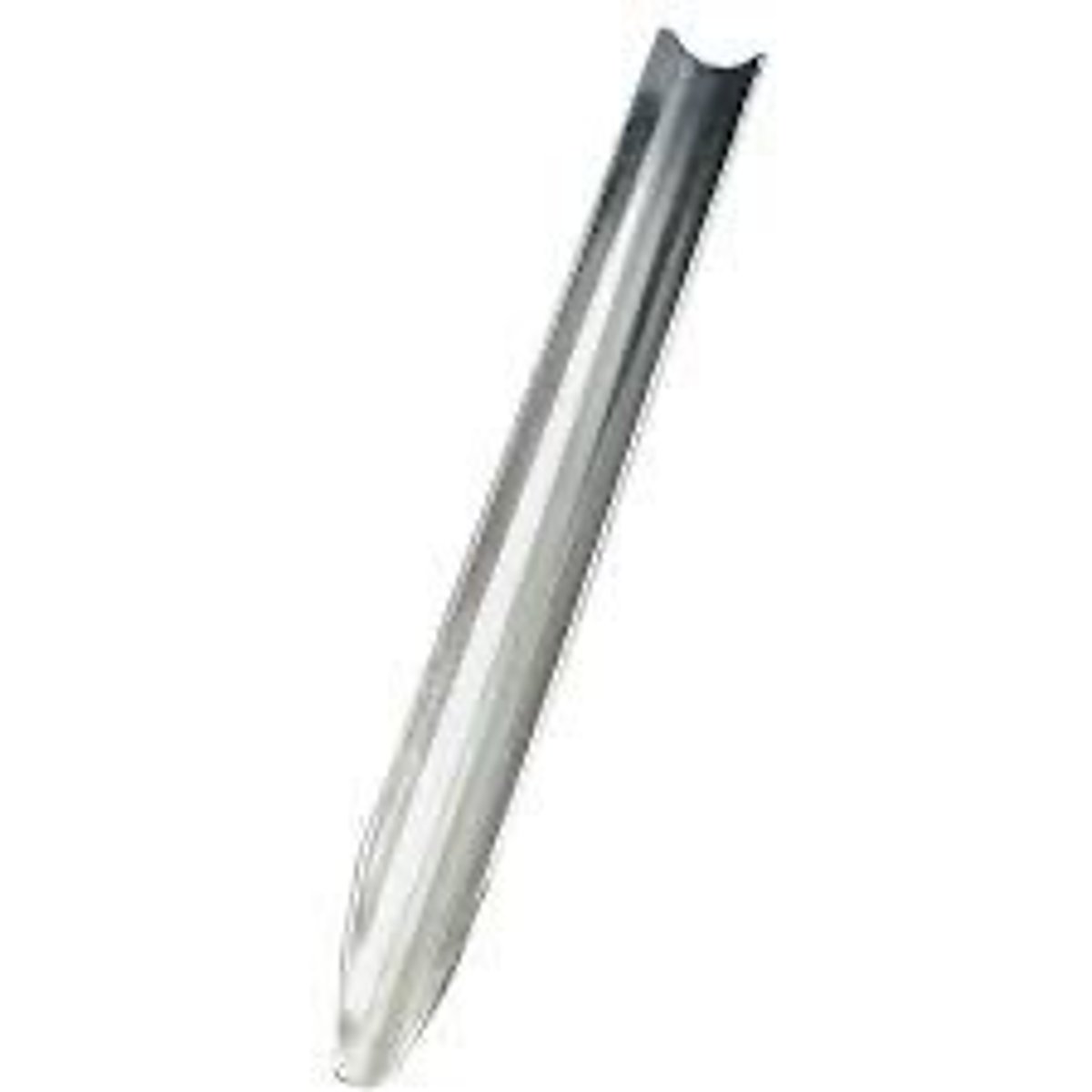
24-well plate
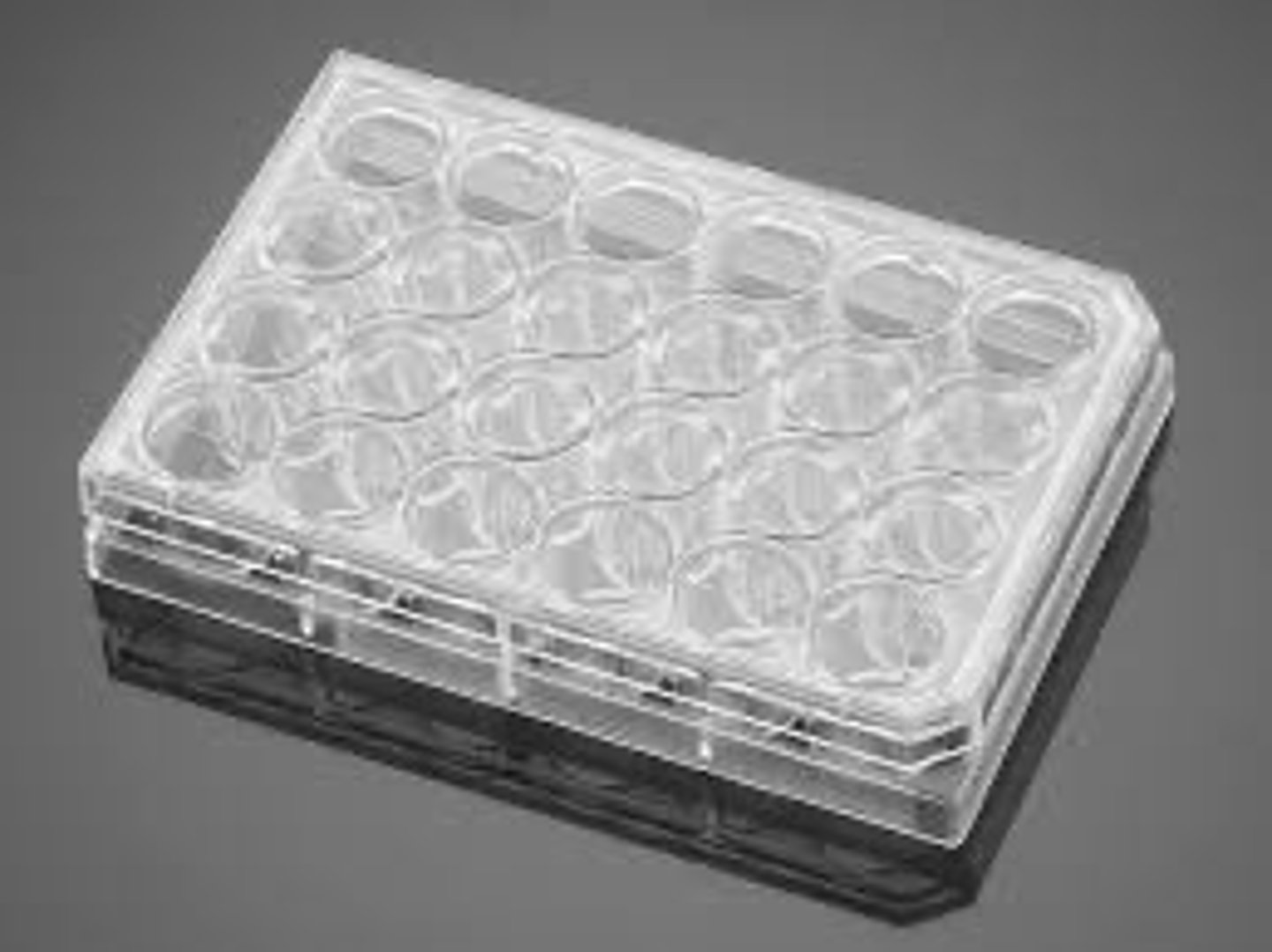
Funnel
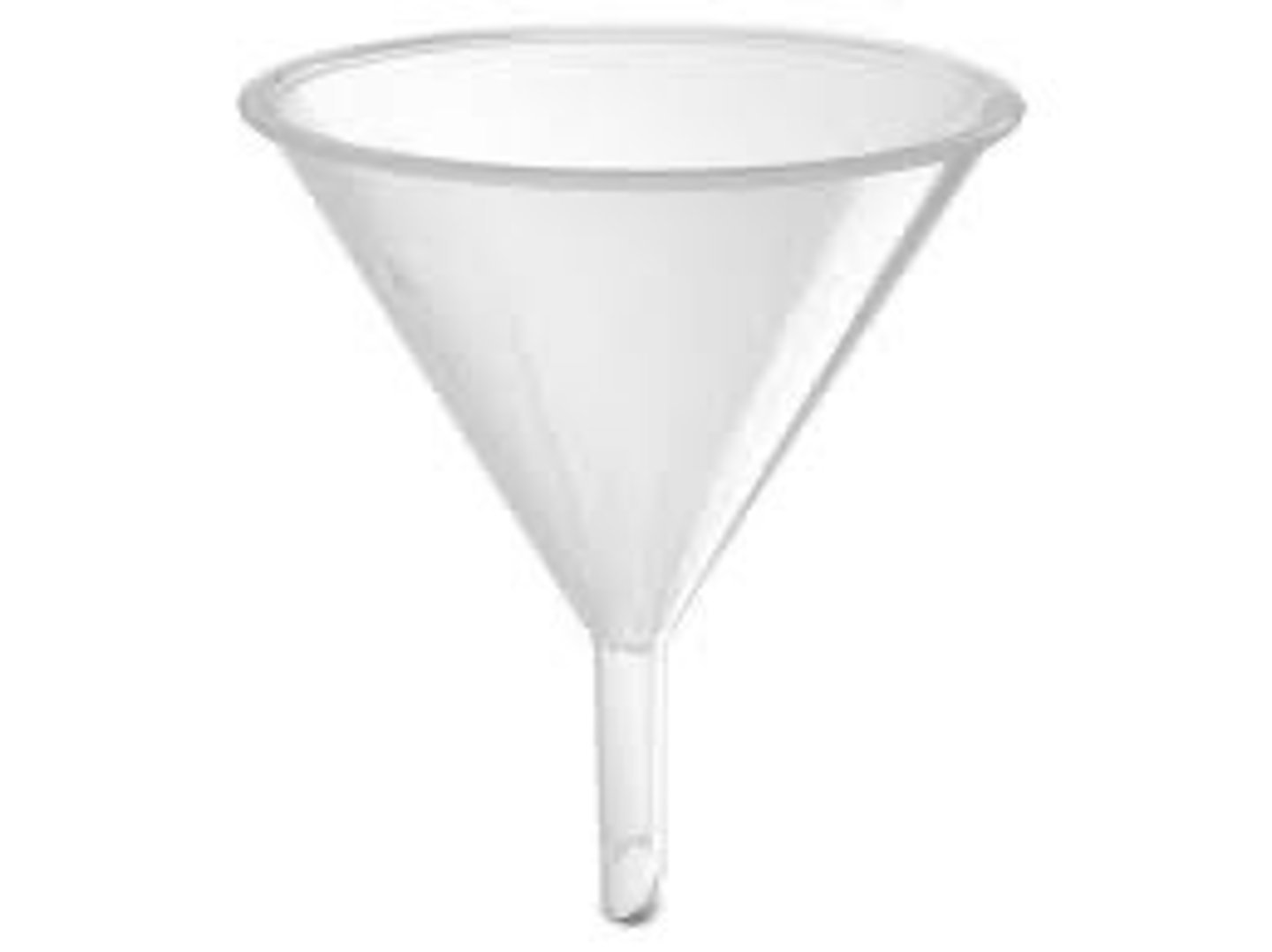
Test tube
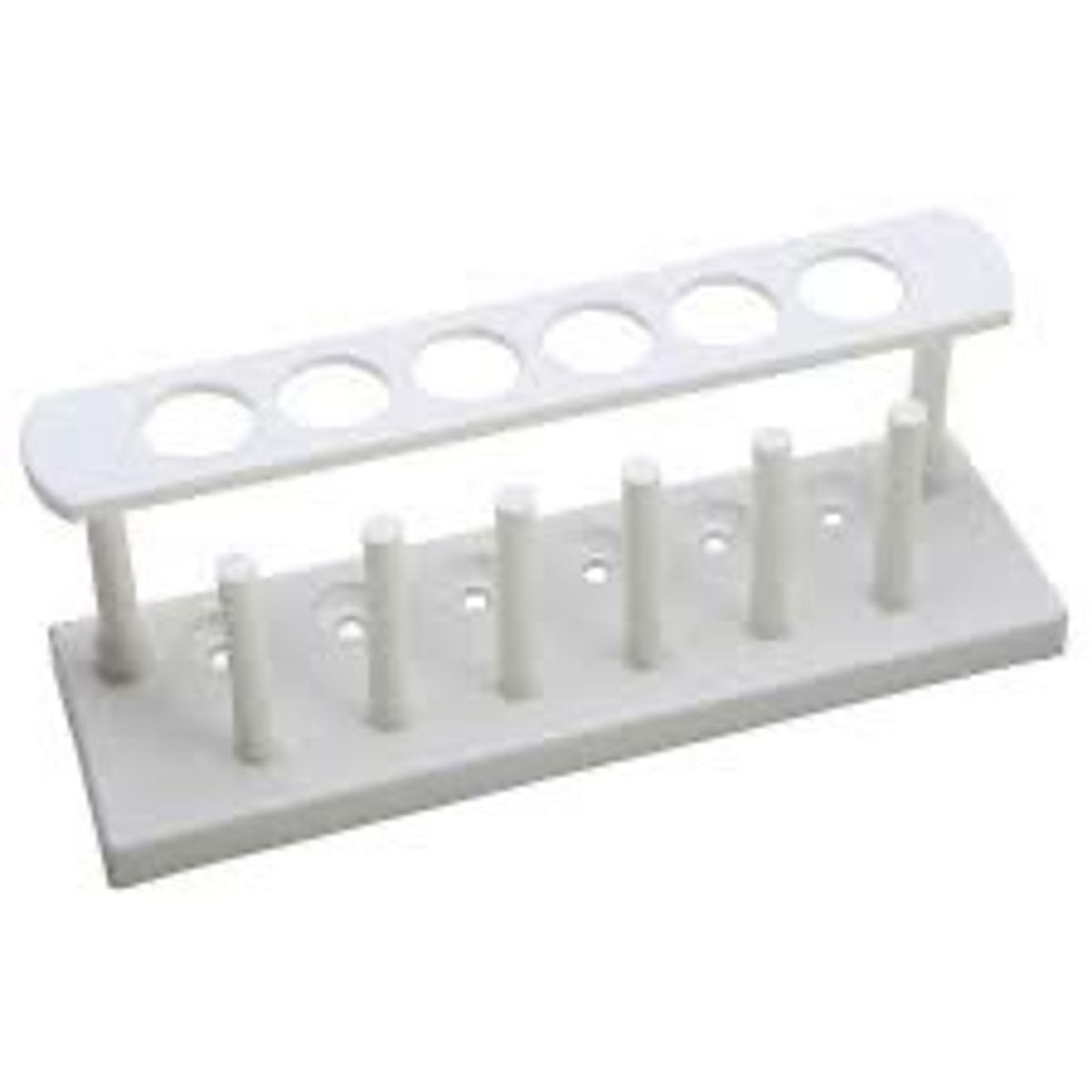
Wire brush
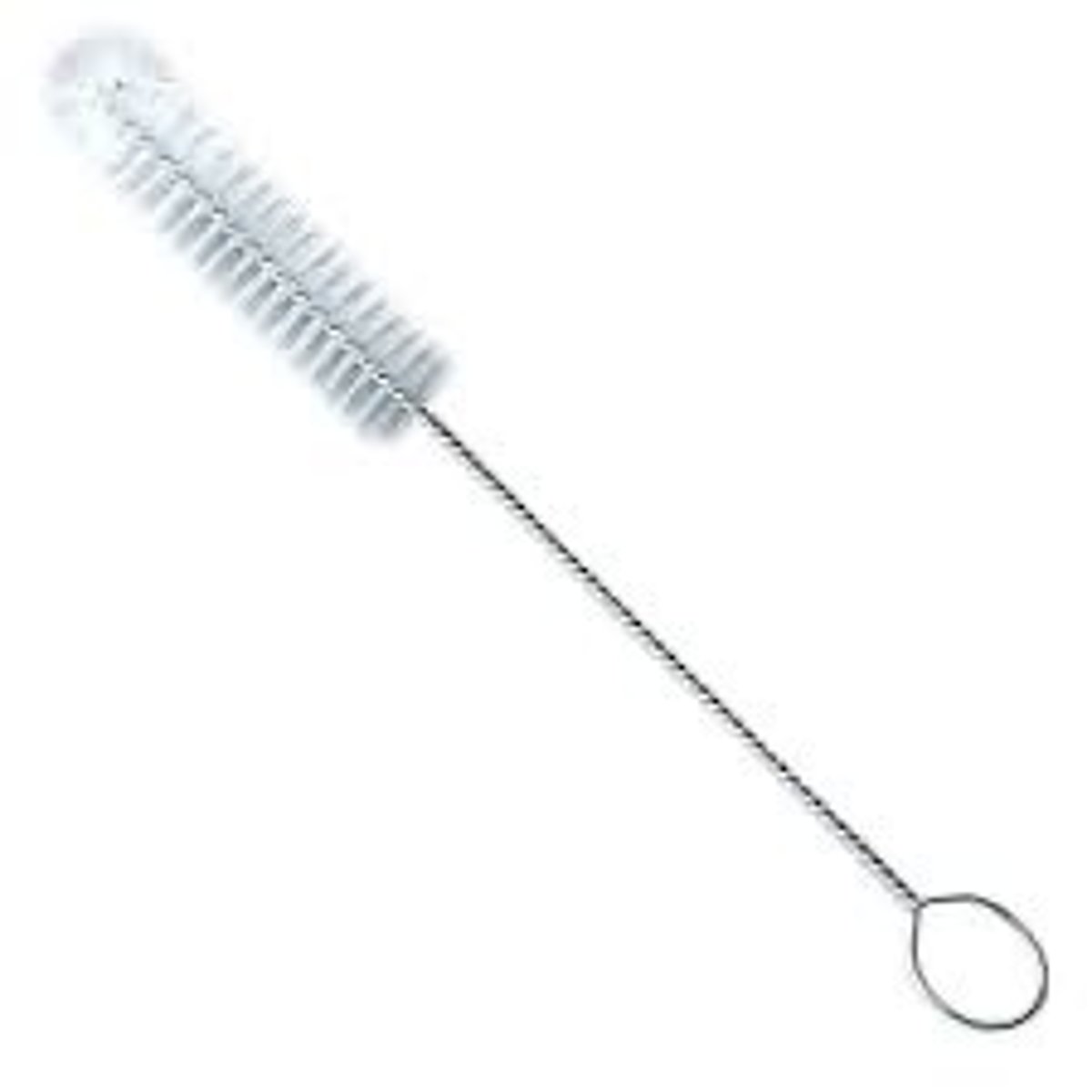
Test tube holder
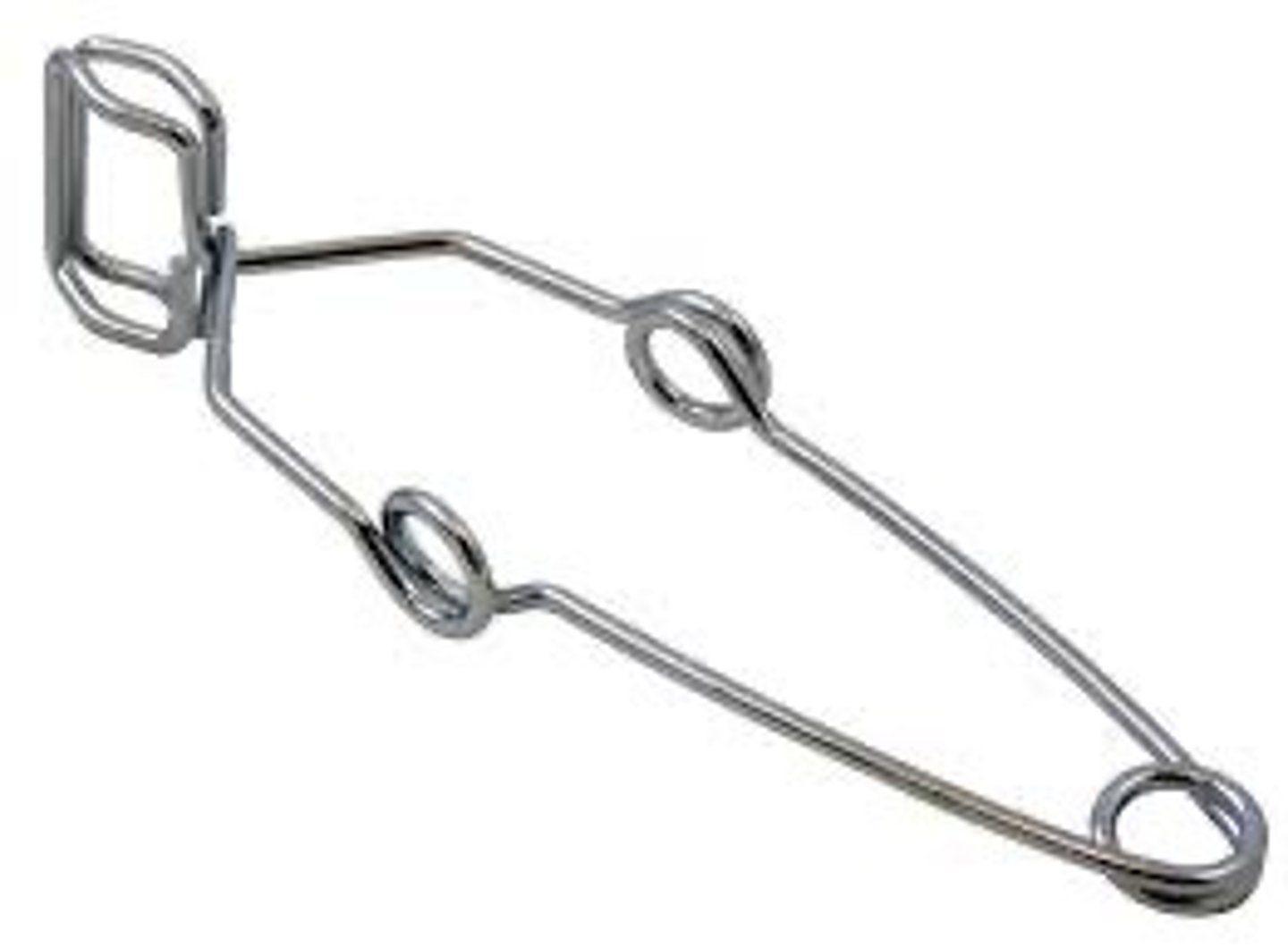
Dropper
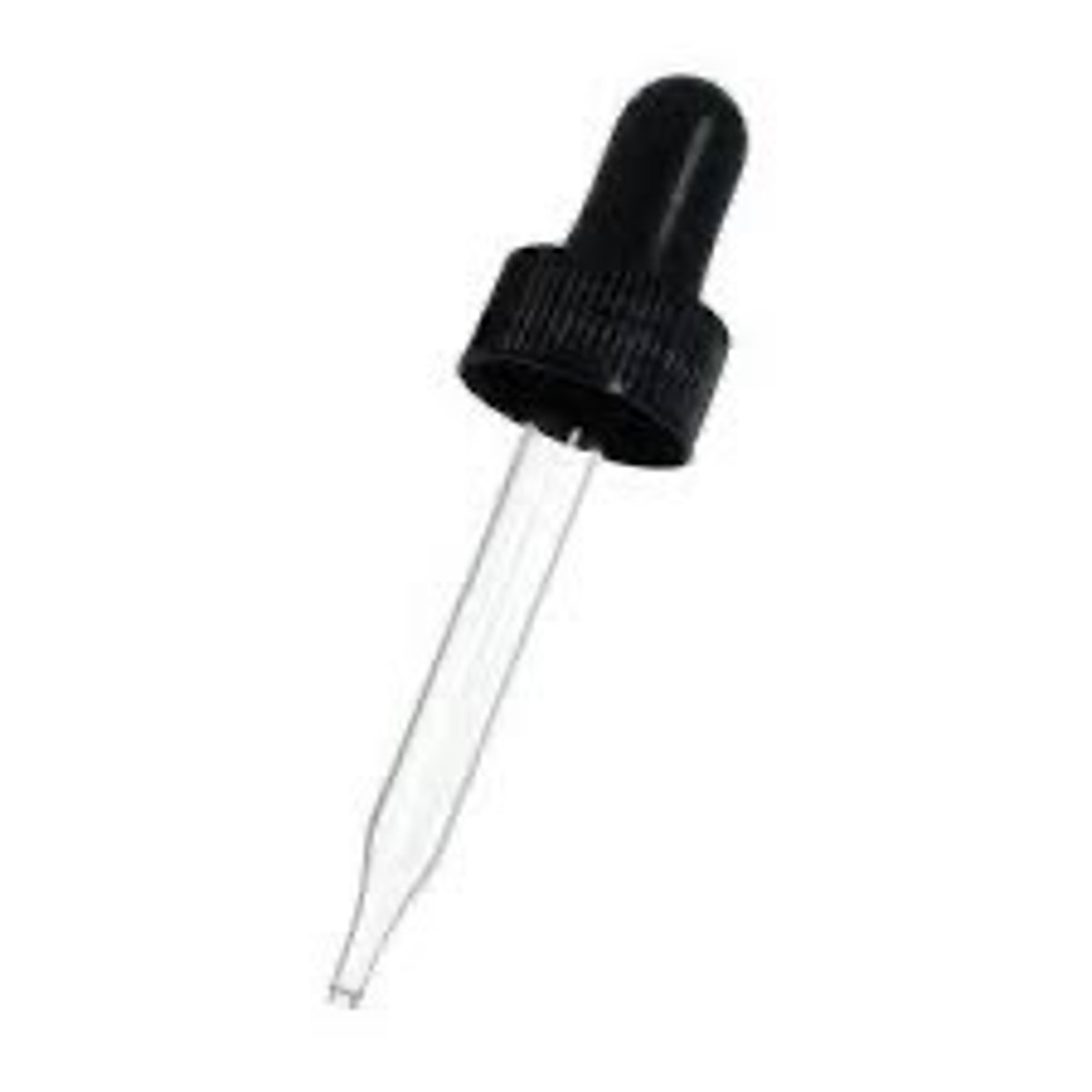
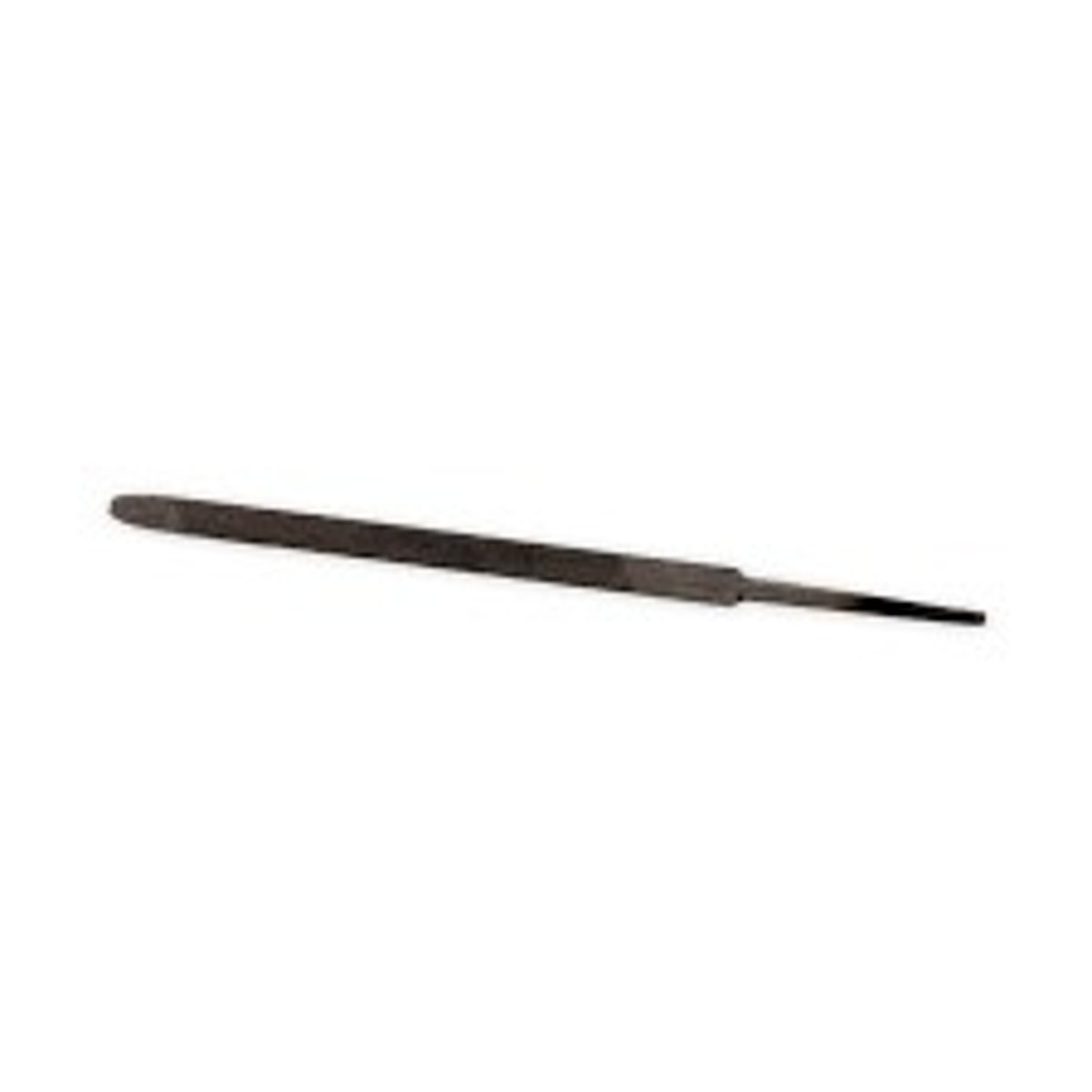
File
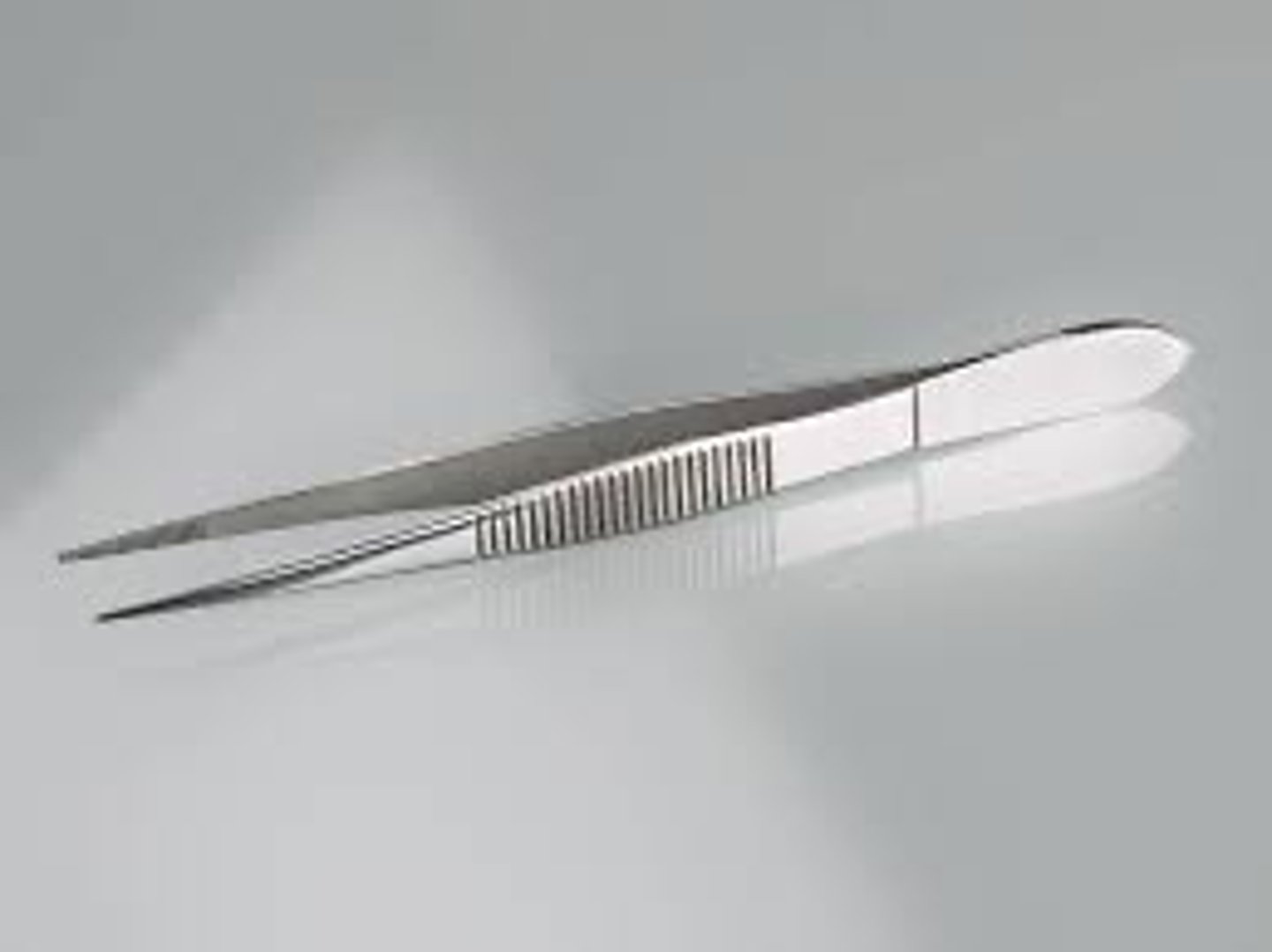
Forceps
Lab equipment which produces a single open gas flame, which is used for heating, sterilization, and combustion
Bunsen burner function
Device used to evaporate solids and supersaturated liquids
Evaporating dish function
Probably the most common vessel for holding liquids in the lab
Beaker function
Used in many lab activities as the support for another apparatus
Iron ring function
tool used to crush, grind, and mix solid substances
Mortar and pestle
Must be worn for lab activities to protect the eyes.
Safety goggles function
used in chemistry as a surface to evaporate a liquid, to hold solids while being weighed, or as a cover for a beaker
Watch glass function
Used to contain liquids in test tubes and flasks
Rubber stoppers & Corks function
A squeeze bottle with a nozzle, used to rinse various pieces of laboratory glassware, such as test tubes and round bottom flasks
Wash Bottle function
A pipette (also called a pipet, pipettor or chemical dropper) is a laboratory instrument used to transport a measured volume of liquid
Pipets, Micropipets & Droppers function