General 3 - People
 Call Kai
 Learn
Learn Practice Test
 Spaced Repetition
 Match
Match Flashcards
 Knowt Play
1/68

There's no tags or description
Looks like no tags are added yet.
Name | Mastery | Learn | Test | Matching | Spaced | Call with Kai | Chat |
|---|
No analytics yet
Send a link to your students to track their progress
69 Terms
William Penn
Highly influenced city planning thorugh his 1682 masterplan for Philadelphia. His “Green Country Town” vision characterized the gridiron pattern and the balanced commercial viability with public health, safety, and open space.
Edward T. Hall
He developed proxemics and its four primary zones.
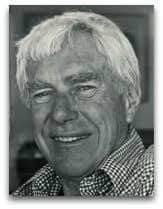
Andrew Jackson Downing
An American landscape designer and writer who, together with William Cullen Bryant, is celebrated as one of the primary civic visionaries who catalyzed the creation of Central Park in New York City.
Cecilia Herras-Tence
A current member of PRBoLA, now working with Elizabeth H. Espino.

Dr. Jacob Bigelow
He convinced that the traditional churchyard burying was a menace to public health, and pushed for “rural cemeteries“.
Elizabeth H. Espino
A newly appointed member of the PRBoLA with Cecilia Herras-Tence

Alfred Watkins
An English businessman, pioneer photographer, and amateur archaeologist who originated the concept of ley lines. In 1921, he posited that Britain's prehistoric landscape was intentionally connected by a network of straight, line-of-sight navigation tracks
Frederick Law Olmsted
Regarded as the “Father of Landscape Architecture“ in the United States.
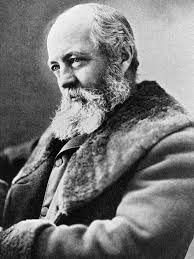
Frederick Law Olmsted
He designed the New York Central Park with Calvert Vaux.
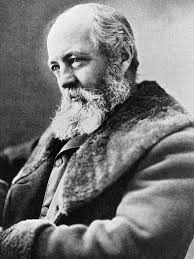
Hon. Conrado T. Onglao
The current commissioner II of PRC.

Hon. Charito A Zamora
The current chairperson of PRC

Hon Erwin M. Enad
The current Commissioner I of PRC

Jean-Marie Morel
A French landscape designer and civil engineer who coined the term landscape architect in French (architecte-paysagiste) in 1804.
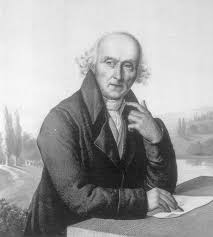
Julian Haynes Steward
He pioneered cultural ecology in the 1950s which examines how social organization and technology evolve to fit specific ecological contexts.
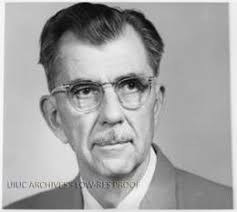
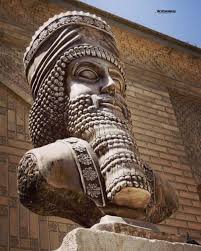
King Nebuchadnezzar II
A powerful ruler of the Neo-Babylonian Empire (reigned c. 605–562 BC), best known for his major building projects in Babylon. He is traditionally credited with constructing the Hanging Gardens of Babylon, a legendary terraced garden said to showcase advanced irrigation and architectural skill, possibly built to please his wife.
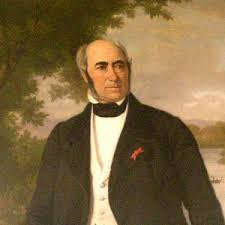
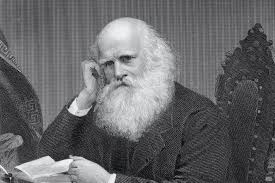
William Cullen Bryant
New York Times long-time editor who, together with Andrew Jackson Downing, is celebrated as one of the primary civic visionaries who catalyzed the creation of Central Park in New York City.
Hippodamus of Miletus
An ancient Greek architect, urban planner, and philosopher. Widely regarded as the "father of rational city planning," he pioneered the the systematic grid layout for cities with straight streets intersecting at right angles to create regular blocks.
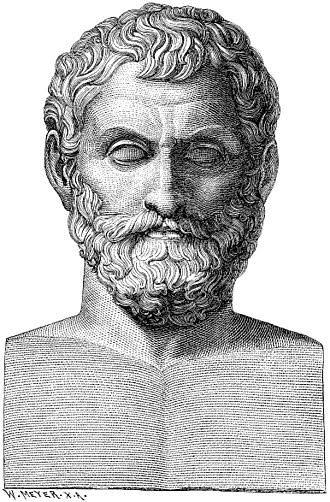
André Le Nôtre
A renowned French principal gardener to King Louis XIV.
He was the master of the formal French garden style, known for strict geometric symmetry, vast axial perspectives, intricate parterres, and grand water features.
His design for Vaux-le-Vicomte is considered by many as his best, but he is well-known for the design of the Garden of Versailles Palace.

William Temple
He made a foundational contribution to landscape architecture by introducing Chinese gardening philosophies to Europe.
His essay about Chinese gardens “Upon the Gardens of Epicurus”, became famous and inspired the shift from formal, geometric French gardens to the naturalistic English Landscape style.
Coined the term “Sharawadgi” which follows a concept of deliberate asymmetry and natural beauty.
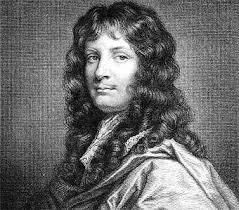
Joseph Addison and Alexander Pope
These influential 18th-century English writers and critics who spearheaded the shift away from strict, geometric garden designs. They advocated for natural landscapes, arguing that nature’s wild beauty was far superior to the artificiality of formal Renaissance and Baroque styles.
Charles Bridgeman
He set the stage for the transition to the natural style. He mixed the regular geometry of the parterre with free-form wildernesses.
He pioneered the use of the ha-ha at Stowe.
William Shenstone
An English landscape gardener and poet. He is best known as a pioneer of the ferme ornée (ornamented farm) and a central figure in the transition toward the informal, nature-inspired English landscape garden.
The first to use the term “Landscape Gardening” and “Landscape Gardener”
Well-known for the Leasowes which is his ornamental villa with agricultural value.
William Kent
Architect, landscape designer, and painter. He is credited as a pioneer of the English landscape garden, laid the foundation that was perfected by Lancelot "Capability" Brown.
He believed that “all gardening is landscape painting”, and regarded by Horace Walpole as the man who “leaped the fence, and saw that all nature was a garden” by breaking down the rigid boundaries that separated managed estates from the surrounding countryside.
He is said to be the “father of modern gardening”.
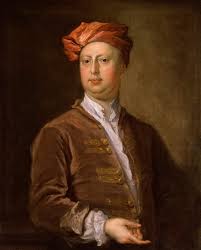
Edmund Burke
He defined "the Beautiful" as smooth, curved, and harmonious, qualities that became the hallmark of Brown’s sweeping English landscape gardens
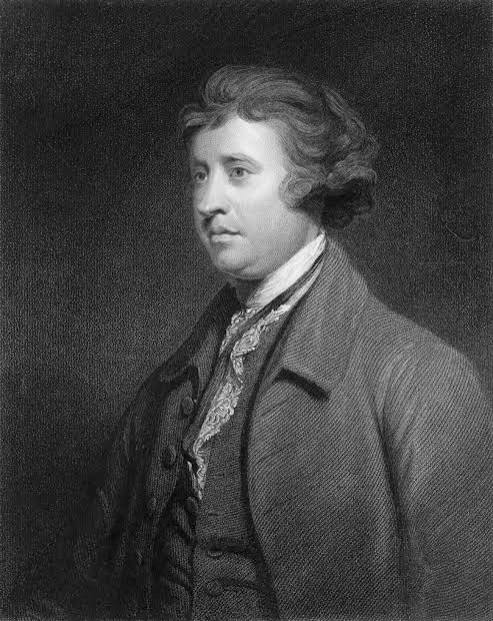
Lancelot “Capability“ Brown
The most influential English landscape architect and gardener of the 18th century. He is celebrated for popularizing the English landscape garden style
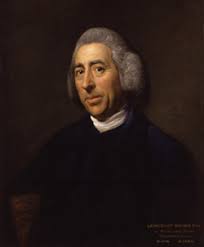
William Gilpin
He theorized that nature should be viewed and appreciated like a framed painting.
He argued that a perfect landscape must contain a foreground, a middle distance, and a background, with the foreground acting as the main "dress" for the scene.
"Father of the Picturesque"
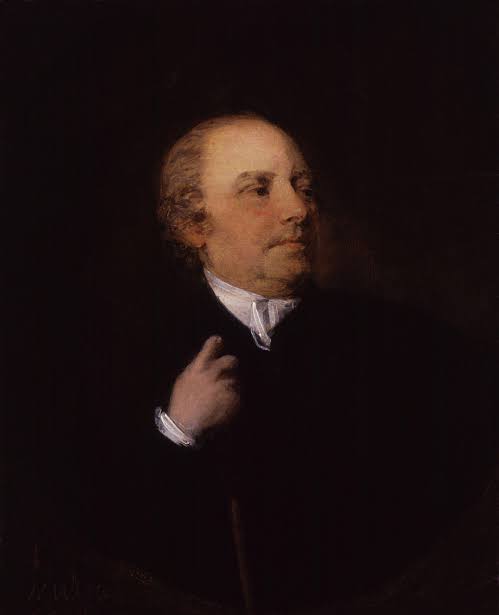
William Chambers
Fundamentaly shaped the "Jardin Anglo-Chinois" (Anglo-Chinese garden) chinoiserie style. Critiquing Capability’s “monotonous" landscape design, he championed an eclectic, naturalist, sensory-rich, and theatrical approach to landscaping.
Prominent works include the Kew Gardens which
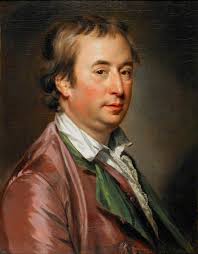
Humphry Repton
The last great English landscape gardener of the 18th century, famous for bridging the gap between naturalistic "Capability" Brown styles and structured Victorian gardens.
Thomas Jefferson
An American ambassador to France who took inspiration and liking to Picturesque landscape design and brought it to America.
He soon became the thrid President of the USA.
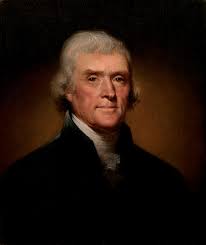
William Andrews Nesfield
A garden designer of the mid-Victorian; regarded for reshaping the British landscape by pioneering elaborate, highly structured formal gardens featuring parterres, terraces, and dramatic water features.
John Claudius Loudon
An influential Scottish botanist, landscape architect, and horticultural journalist who laid the foundations for the modern landscape architecture profession. He pioneered the Gardenesque planting style and popularized the concept of the arboretum
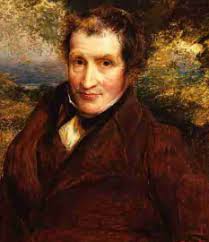
William Robinsons
Renowned as an influential British gardener and author of The Wild Garden (published in 1870), which revolutionized how plants were integrated into naturalistic landscapes; rejecting rigid, highly formal Victorian styles (ie Gardenesque) in favor of naturalistic and "wild" planting.
Jane Loudon
She is famous for creating the very first popular gardening manuals aimed at amateurs and women; credited with making horticulture an acceptable and enjoyable recreation for middle-class Victorian women.
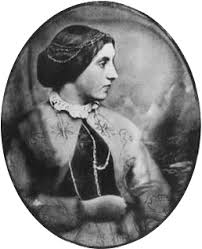
Joseph Paxton
An English gardener, architect, and engineer. He is best known for designing the Crystal Palace in London, a revolutionary, prefabricated glass-and-iron structure built for the Great Exhibition of 1851
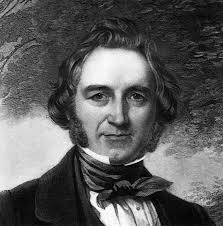
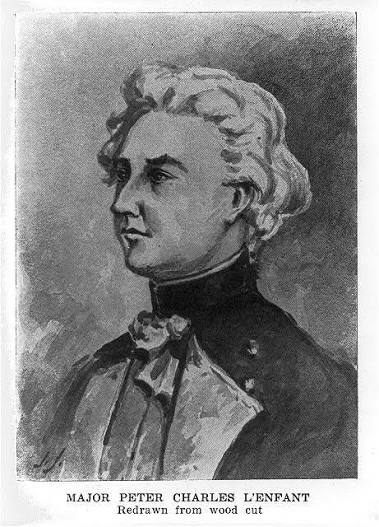
Pierre Charles L’Enfant
A French-born American military engineer and architect who served in the Revolutionary War. He is famous for designing the 1791 urban plan for Washington, D.C., featuring a grid layout intersected by wide, radiating avenues.
Jean-Charles-Adolphe Alphand
A French engineer and landscape architect best known as the "Father of Parisian Green Spaces". He played a pivotal role in Haussmann's renovation of Paris, designing its iconic public parks, squares, and tree-lined promenades.
Popular for designing Bois De Boulogne.
Charles A. Platt
A leading American architect, landscape designer, and artist of the American Renaissance movement. He is best known for popularizing the Italian Renaissance garden style in the United States and treating gardens as organized "outdoor rooms"
Walter Gropius
A pioneering German-American architect and founder of the highly influential Bauhaus school of design. He revolutionized modern architecture and design by emphasizing functionality, geometric simplicity, and the seamless integration of art with modern industrial technology

Fletcher Steele
An American landscape architect who served as a vital bridge between 19th-century Beaux-Arts European formality and 20th-century Modernism.
Prominent Work : Naumkeag
Daniel Burnham
An influential American architect and urban planner. He helped pioneer the modern skyscraper and led the City Beautiful movement. Famous for the motto "Make no little plans," his iconic works include the Flatiron Building in NYC and the 1909.
He designed Manila and Baguio when he came in the country by 1904; specifically Luneta Park (wuth FLO) and Burnham Park, respectively.
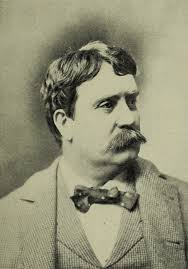
Thomas Church
A pioneering American landscape architect who revolutionized modernist residential design. Known as the founder of the "California Style," he is famous for integrating indoor-outdoor living, treating the garden as an "outdoor living room," and using asymmetrical, biomorphic, and curvilinear forms inspired by modern art.
Known for the kidney shaped forms, and his work on Donnell Garden.
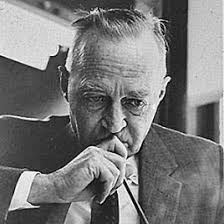
Garrett Eckbo
A pioneer of Modernist landscape architecture who rejected traditional, rigid European formal gardens. He treated outdoor spaces as functional, dynamic social areas, blending art, nature, and architecture to make modern outdoor living accessible to everyday people.
Landscape as an agent of societal change.
His works include Fulton Mall and Forecast Garden.
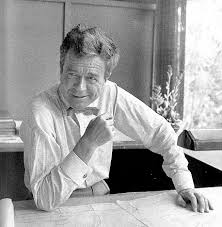
Dan Kiley
A highly influential 20th-century American modernist landscape architect. Known for integrating clean geometric layouts with modern architecture, his signature style featured strong grids, rhythm, and symmetry inspired by historic French gardens. He completed over 1,000 projects, including the Gateway Arch National Park in St. Louis, the Ford Foundation atrium, and the Miller House garden
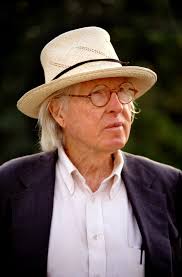
Lawrence Halprin
A pioneering American landscape architect famous for designing dynamic, ecologically sensitive urban spaces. He is best known for his collaborative "scoring" process (treating design like music) and pioneering participatory, interactive landscapes like the Portland Open Space Sequence and Seattle’s Freeway Park.
In the Philippines, he designed the Pacific Memorial in Corrigidor, Bataan.
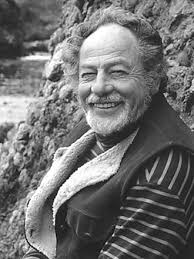
Robert Smithson
An influential American artist, writer, and pioneer of the Land Art (or Earthworks) movement. He is best known for creating massive, site-specific sculptures out of natural materials like earth, rocks, and water, utilizing the landscape itself as his artistic medium rather than the confines of traditional galleries
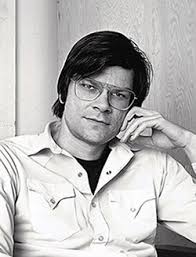
Andy Goldsworthy
A British sculptor and environmentalist known for creating site-specific and ephemeral artworks directly in the natural landscape using only materials found on-site, such as leaves, ice, rocks, and branches. Because these pieces eventually succumb to nature's cycle, he meticulously documents them through photography.
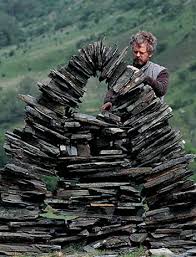
Roberto Burle Marx
A renowned Brazilian landscape architect and artist who introduced modernist principles to garden design. He is celebrated for treating gardens as "living canvases" using native Brazilian plants, abstract geometric layouts, and dynamic, sweeping pathways.
He designed the Copacabana Beach.
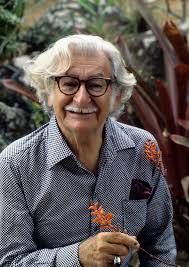
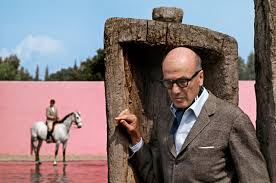
Luis Barragan
A seminal Mexican architect and engineer. He is celebrated globally for his "emotional architecture," which merged European Modernism with traditional Mexican culture and nature. His signature style features striking geometric forms, vivid primary colors, and dramatic interactions between natural light and water.
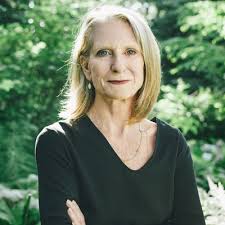
Kathryn Gustafson
An award-winning American landscape architect known for creating fluid, sculptural, and expressive public spaces that seamlessly integrate water, landform, and community needs.
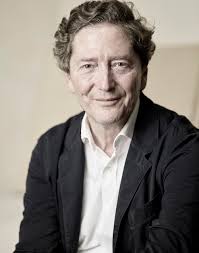
Fernando Caruncho
An internationally acclaimed Spanish landscape designer and philosopher famous for his minimalist, contemporary interpretations of classical gardens that heavily rely on light, geometry, and a deep connection to the environment
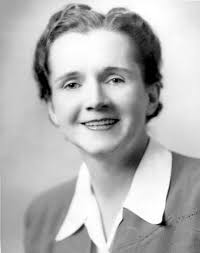
Rachel Carson
An American marine biologist, author, and conservationist. She is best known for her 1962 book Silent Spring, which exposed the environmental hazards of pesticides like DDT and is widely credited with launching the modern global environmental movement.
Jens Jensen
An influential Danish-American landscape architect and conservationist. Known as the "Dean of American Landscape Architecture", he was the leading figure in the Prairie Style of landscape design, championing the use of native Midwestern plants, ecological communities, and open, democratic spaces
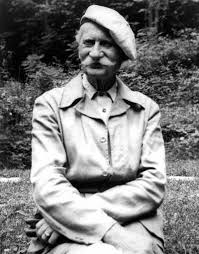
Ian McHarg
A Scottish landscape architect, author, and educator who pioneered regional ecological planning. He is widely considered the father of modern environmental planning and geographic information systems (GIS).
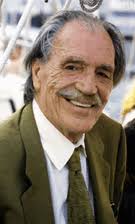
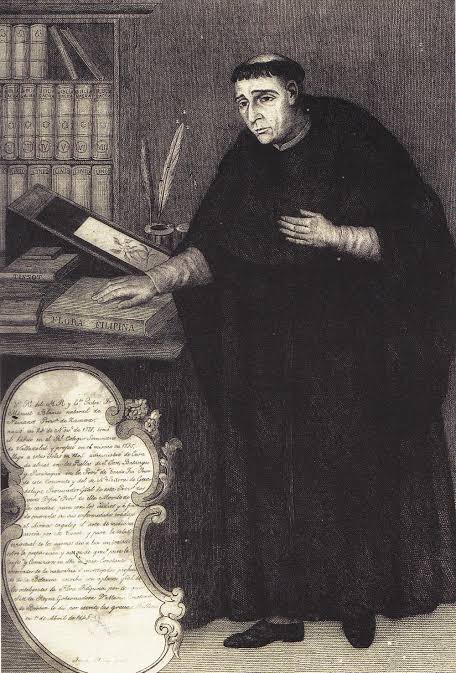
Fray Manuel Blanco
A spanish Augustinian friar and botanist renowned for publishing Flora de Filipinas (1837), the first comprehensive botanical compendium documenting plant species in the Philippines.
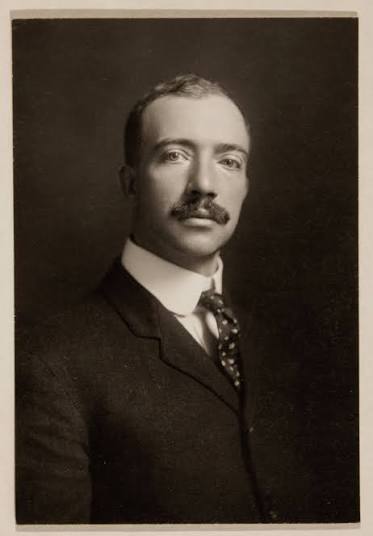
William Parsons
An American architect and city planner best known for his extensive civic works in the Philippines during the early American colonial period. He was suggested and picked by Daniel Burnham.
Championed Filipino-Spanish Architecture.
He worked extensively for the execution of the 1905 City Beautiful Plan of Manila. He designed/co-designed the PGH, Gabaldon school buildings, PacoRailway Station, The Manila Hotel, and some provincial capitol buildings.
Carlos Barreto
The first Filipino to graduate from an american school with a degree in architecture.
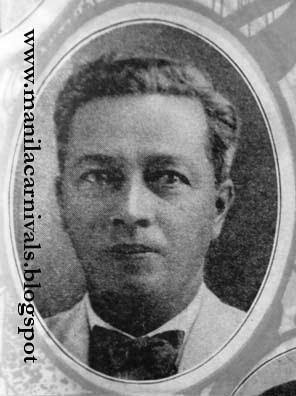
Juan Arellano
A prominent first-generation Filipino architect and painter who defined the public landscape of the Philippines during the American colonial era. Educated in the United States as the second Filipino to graduate from an American school, he famously championed the transition of local architecture from Neoclassical and Beaux-Arts styles to vibrant Art Deco and Streamline Moderne.
Some of his prominent works are the current National Museum, Jones Bridge, Post Office, Capitol Buildings (Bacolod and Pangasinan), Metropolitan Theater, U.P. Law and Education Buildings.
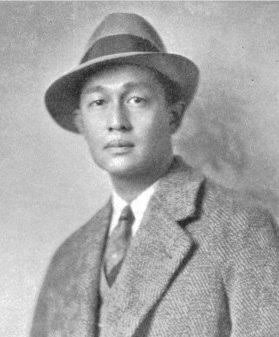
Antonio Toledo
A pioneering Filipino architect celebrated as the "Master of the Neoclassical Style" in the Philippines. He belonged to the first generation of American-era government architects and was a crucial figure in establishing the nation's early architectural education.
Prominent works are UP Manila Halls, Manila City hall, and Cebu provincial Capitol.
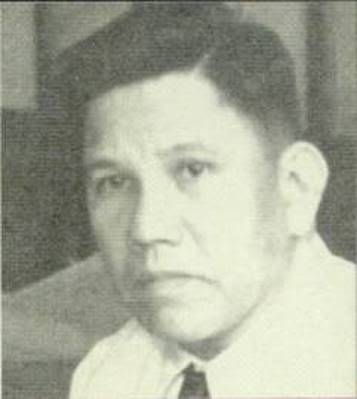
Tomas Mapua
A pioneering Filipino architect, educator, and businessman most recognized as the first registered architect in the Philippines.
Prominent work is the PGH Building.
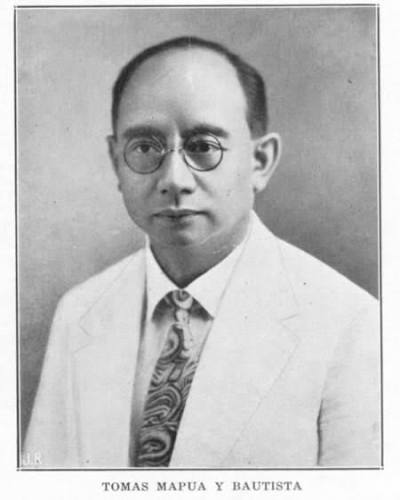
Gardney Dailey
He designed the American Memorial Cemetery & Battle Monument at Fort Bonifacio.
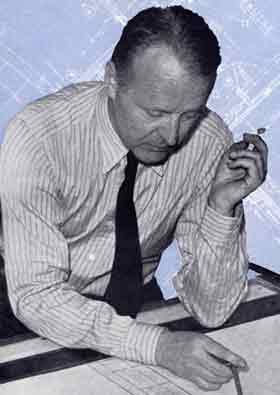
Lawrence Halprin
He designed the Pacific Memorial Cemetery & Battle Monument (Fort Bonifacio)
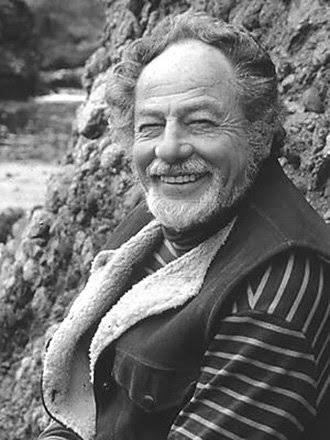
Ebenezer Howard
A British urban planner who founded the influential Garden City Movement. He designed self-contained communities that combined the best elements of town and country living, surrounded by permanent greenbelts.
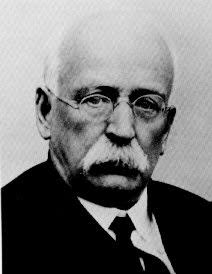
Dan Urban Kiley
An influential American landscape architect who pioneered the modern landscape architecture movement in the United States. He is celebrated for blending European classical geometry with modernism, creating iconic functional spaces like the Miller House Garden and the Gateway Arch Park.