Motor Development Unit 3 Exam
 Call Kai
 Learn
Learn Practice Test
 Spaced Repetition
 Match
Match Flashcards
 Knowt Play
1/140

There's no tags or description
Looks like no tags are added yet.
Name | Mastery | Learn | Test | Matching | Spaced | Call with Kai |
|---|
No analytics yet
Send a link to your students to track their progress
141 Terms
what is wolffs law?
bone will adapt under loads which it is placed
at what age is adulthood coverage of the acetabulum achieved? what does it man if they are delayed?
8 years; if they are delayed in walking by 2 years, they lost 2 years of development and once they hit 8, their hips won’t fully develop
what is femoral anteversion?
internal rotation of the hip with the femur in torsion
the femoral head and neck are rotated anteriorly
during development as we begin to weight bear, femoral anterversion will start externally rotating to set the hips. so if we are super late walking, we can get stuck in this femoral anteversion position (IR)
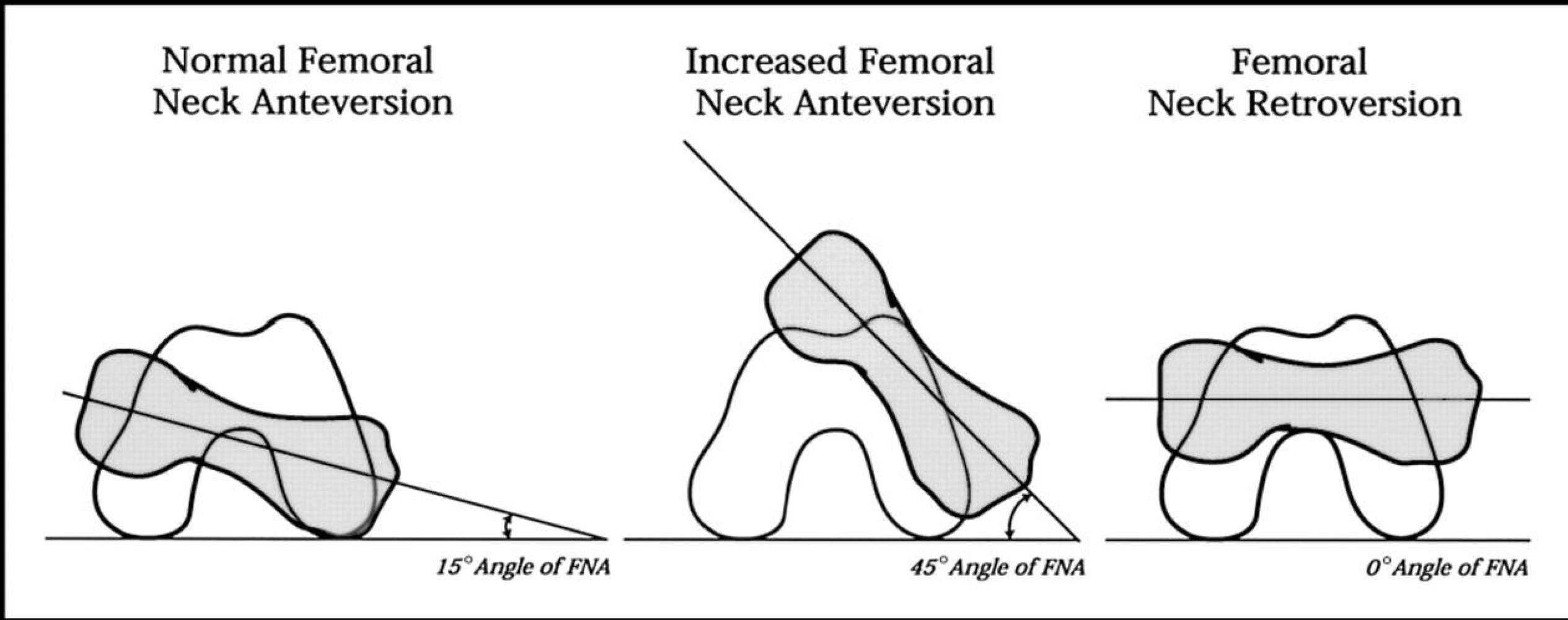
what is femoral torsion?
forces generated by muscles, especially external rotators and extensors, change the alignment of the head, neck, and trochanter, decreasing femoral anteversion and torsion
what are the risk factors for development dislocation of hips?
female
first born
born breech
too little amniotic fluid
family history
left hip
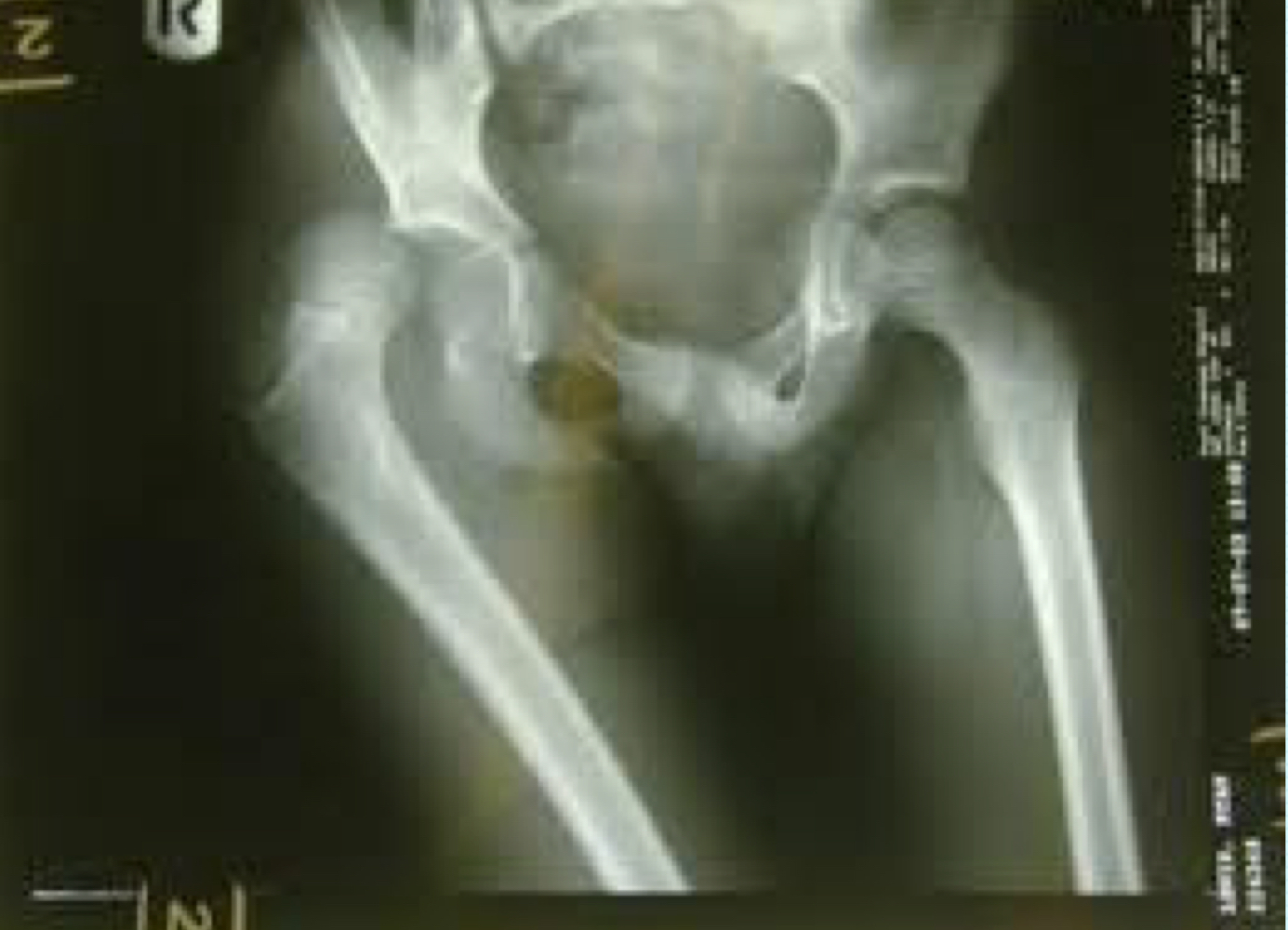
what is the main type of pediatric hip dislocation?
occurs when the neck of the femur is almost straight with no angle due to non-weightbearing
this can cause the femoral head to slide above the acetabulum
the straight bone will also affect ROM so you cannot achieve the pelvis to get much hip flexion
what are the system requirements for gait?
maturation/intact nervous system
motor control
adequate ROM
adequate strength
bone quality and composition
sensation, especially proprioception
what are the biomechanical factors affecting gait?
ROM
strength
bone structure and composition
body composition
ability to manage gravity and intertia
describe gait from 0-9 months
fat content increase leads to weakness but as age and mobility progress, fat declines and muscle mass increase
hip flexion, external rotation, and abduction are seen in early standing and cruising
femoral anteversion is present
have genu varum leading to everted heel position
describe gait from 9 to 15 months.
in the process of learning to walk, they “walk by falling”
COG is at the lower thoracic level
their head needs to remain within their base of support or balance loss
will walk in hip abduction, flexion, and slight ER
still have genu varum with an everted heel position
wide BOS is better to provide more mediolateral stability than anterior lateral stability
will have lateral weight shifts
have lack of pelvic control during swing
the body and LE are stiff and more extended
co-activation of the quadriceps, hamstrings, anterior tib, and gastroc offer stability and stiffness which result in small steps
describe gait from 18-24 months
excessive femoral anteversion although hip extension is improving
genu varum is resolved with the limbs being more straight
COG moves distally toward the lumbar spine
BOS has decreased allowing for more anterior posterior movement over the foot
no heel strike until 24 months
increased strength, nervous system maturation, and experience
stance duration prolonged and cadence decreased approaching more normal gait
decrease in co-contraction of antagonistic muscle groups
describe gait from 3 to 3.5 years
joint alignments approach adult patterns with decreased femoral anteversion, genu valgus, and decreased eversion
balance and strength increase
vecolity for height reaching adult levels
COG closer to lumbar spine
describe gait from 6 to 7 years.
gait is fully matured with full joint alignment
femoral anteversion is resolved
tibiofemoral joint is neutral
heel is neutral
COG is slightly higher than 3rd lumbar vertebra
what is strength?
ability to exert force
muscle mass growth follows sigmoid pattern
force dependent on cross-sectional area of muscle
what are the factors affecting strength?
neurological, endocrine, and culture
what are the developmental changest in strength?
strength increases with growth and age
muscle strength increases as muscle mass increases
strength will increase up until age 27-30 and then decrease from there
what are the gender differences in strength?
boys and girls strength levels are similar until 13 years
boys are generally stronger than girls beginning in adolescence
boys add more muscle mass than girls in adolescence
girls will gain more fat around puberty
what is the importance of sleep?
physical and mental well being
restores immune system
promotes learning and memory storage
what are the two stages of sleep?
non-REM: low brain activity, regulatory functions
REM: absence of muscle tone, high brain activity, stimulates autonomic and CNS growth in childhood
what is the difference in sleep cycles between infants and adults?
infants: non-REM and REM cycles every 50 min
adults: non-REM and REM cycles ever 90 to 110 minutes
why are toddlers called toddlers?
they toddle in the frontal plane
what are some characteristics of the skeletal system during toddlerhood?
the legs and feet grow more rapidly than the trunk
legs grow proportionally longer
walking barefoot helps develop the arches of the foot
walking helps with hip development
children who do not experience normal levels of movement, muscle strength, or weight bearing are at risk for _______ and resultant __________.
osteopenia, osteoporosis
skeletal deformities are common in children with __________, ___________, _________, and _________.
imbalances, spasticity, contractures, and obesity
what are some characteristics of the muscular system during toddlerhood?
early kicking and stepping drives the initial walking patterns of toddlers
early walking aided by co-activation of antagonist muscles groups will assist with stability
improved internal stability and decreased need for LE positional stability
continuous cycle of increased ROM—increased strength—increased development
what are some characteristics of gross motor skills during toddlerhood?
standing alone well by 12 months
stopping over, picking up objects, and standing again 12-14 months
learning to walk backwards and up steps after 12-14 months
kicking ball forward at 16-18 months
throwing a ball overhand at about 18-24 months
jumping in place by about 24 months
what are some characteristics of body growth during toddlerhood?
toddler can better control body temperature as they will begin to shiver around 2 years old so capillaries will constrict or dilate to maintain body temperature
will start to experience pain
what are some characteristics of the nervous system during toddlerhood?
by age 2, a toddlers brain is 2/3 of the adult size
most nerve fibers are myelinated by 2 years of age
they have difficulty handing more than 1 incoming stimulus
they gain control over bowel movements and refine lower extremity movements
toddlers should have no screen time till _____ years old and should be limited until ______ years.
2; 5
in regards to toilet training, the child must learn to ______ muscles in order to successfully eliminaate but many toddlers are not cognitively or psychologically ready to begin toilet training yet.
relax
what are the gender differences in toileting between boys and girls?
the age at which initial readiness signs appear is similar in boys and girls
girls will be more influenced by social factors and tehrefore potty train before boys typically
boys will be more influenced by psychological factors
what is physiological anorexia?
because toddlers are not growing as fast, they need less calories and therefore have a poorer appetite
what is psychological anorexia?
decreased interest in eating du to a decreased appetite in toddlers
what is egocentrism?
toddlers can only handle one stimulus that is related to them wether good or bad
what is centrism?
toddlers can only focus on 1 aspect of an experience or activity
what is irreversibility?
toddlers cannot follow a line of reasoning back to its beginning so it’s difficult to reason with them
t/f toddlers have no concept of time
true
more accidents occur during _________ years than any other stage of childhood. how?
toddlerhood
falls are a major cause
poisoning
water
describe a toddlers language skills and cognition.
can use 2-3 words at 12-15 months
can combine 2 words at 15-24 months
can point to named body parts and name pictures of items and animals at 18-24 months
begin to say their name at 22-24 months
at what age are the play years as we begin to use new fine, gross motor, and language skills to play?
preschool
discuss the fine motor skill of writing from 3-4 years.
use the static tripod grasp: shoulder and arms do the work
colors within the lines
copies simple shapes and letters
discuss the fine motor skill of writing from 4-5 years.
draws using a dynamic tripod grasp: wrist and fingers doing the work
draws stick figures
discuss the fine motor skill of hand manipulation from 3-4 years.
use scissors to cut simple shapes
constructs 3D designs
discuss the fine motor skill of hand manipulation from 4-5 years.
completes 10 piece puzzles
uses 2 hand together to stabalize a paper while manipulating an object
can string beads
discuss the fine motor skill of dressing at 3 years.
puts shirt on with some assistance but cannot remove it without assistence
puts on shoes but may be on the wrong foot
zips and unzips jacket when already put in place
button large buttons
discuss the fine motor skill of dressing at 4 years.
removes t shirt independently
zips jacket by themselves
puts on socks
buttons 3-4 buttons
buckes shoes or belt
puts on shoes with little assistance
discuss the fine motor skill of dressing at 5 years.
puts belt in loop
ties and unties a knot
works on shoe tying
dresses unsupervised
unilateral function is typically established by ______ years.
4
what are the gross motor skills at 3 years old?
runs well without falling
jumps from height
goes up stairs using alternating feet without needing to use the armrail
what are the gross motor skills at 4 years old?
pedals a tricycle without bumping into object
hops forward on one foot
climbs ladders and playground
walks on wide balance beam
stands on 1 foot
catches soft ball with one hand
what are the gross motor skills at 5 years old?
jump rote
skip
roller skate
imitate dance steps
walk up and down stairs while carrying object
walk forward and backward on balance beam
ride bike with training wheels and without by end of 5 years
describe the gross motor skill of walking from 3-5 years.
3: walks along a straight line with no steps off and a circular line with no more than 3 steps off
4: walks along a circular line with no steps off and starts heel-toe walking
5: heel-toe walking
describe the gross motor skill of stairs from 3-4 years.
3: walking up stairs 1 foot per step and downstairs 2 feet per step (eccentric so harder)
4: walking downstairs 1 foot per step
describe the gross motor skill of running from 3-5 years.
3-4: begins true running with trunk rotation and arm wings due to increased balance and strength
5: should be able to run 30 years in under 30 sec
describe the gross motor skill of jumping from 3-5 years.
begin stages consist of a child stepping down from a step
leads with 1 step at first, then learns to jump with 2 feet
mostly affected by confidence, however, requires strength, coordination, and balance
should be able to jump with both feet together from a short height be 3 years old
describe the gross motor skill of 1 leg hopping from 3-5 years.
3: ability to stand on 1 leg appears
4: hops 3-4 sec or on the spot 5 times
5: hops over 8 sec or on the spot 10 times. can also start to hop forward
describe the gross motor skill of kicking from 3-5 years.
they can kick accidentaly at 2 years of age so by 3-5 they improve their positioning, kick a stationary ball smoother, and can kick the ball while running.
describe the gross motor skill of catching/throwing from 3-5 years.
3: can catch a medium ball
4: can catch a smaller ball and can throw a ball. at first they will have a pushing motion with their elbow but later, they will use a forward weight shift to produce force
5: throws a ball and hits a target
discuss the cardiovascular system at 5 years old
heart size has increased fourfold from birth
early signs of afteriosclerosis are present
discuss the nervous system at 3 years of age
the brain is ¾ its adult size
synaptogenesis peaks the first year of life and continues throughout childhood as a result of genetics and experiences
discuss cognition of 3-5 year old
pretend play
fairy tales
untruthful fantasies— white lies
imaginary playmates
fears
10 new words per day
count and basic arithmetic
3: hold book and turn pages
4: knows alphabet and recognizes letters
5: reads simple and familiar books and recognizes letters
what does growth look like in ages 3-5?
they go from a cherub to an elf
grow 2.5 inches per year and gain 6 pounds per year
discuss nutrition of 3-5 year olds.
become independent with eating
picky
improved appetite during growth spurt
obesity becomes a concern: 60% of preschoolers remain overweight at 12 years old
24% of preschoolers lack essential immunizations. why?
lack of health insurance or a primary MD and fear of autism or MS
what is the main childhood stressor? what can chronic childhood stress lead to?
maltreatment leads to increased cortisol levels which negatively affects synapses and brain plasticity
motor delays
poor peer relationships
academic difficulties
substance abuse
depression
criminal behavior
chronic poor health
poor parenting
what is childhood resiliency?
the capacity to cope effectively with internal and external stresses
what are the protective or buffering factors that enhance resiliency
in children:
problem solving skills
acquiring human attention
autonomy
optimistic
novel skills
in families:
age of opposite gender parent
nurturing 1st year of life
extended family including siblings and alternative caregivers
what age ares are grade school children?
6-12
at what age do musculoskeletal patterns fully mature?
7
discuss growth for grade school children.
growth plateaus between 6 to 10 years
there is minimal difference between body contour of boys and girls until about 11 years of age when girls pass boys in height
torso gradually pecomes slimmer
COG in pelvic region
extremities seem to big for their body
ligament laxity
growing pains
discuss somatic development for grade school children.
fight off infections and recover from illness faster
organs are mor mature which decreases the chance of seizures with fever, the chance of dehydration following illness, and the chance of airway obstruction with respiratory infections
95% of nervous system brain growth occurs by ____ years.
9
the head is 94% of adult size by ____ years old.
10
is there a correlation between head circumference and IQ in grade school children?
sometimes; if the skull is proportional to the body structure and size, there is a correlation because it shows the brain is also growing
discuss nervoys system development of grade school children.
dendrites and axons still growing and branching
new synapses from new experiences
increased myelination
competitive elimination: this increases the strength of regularly used synapses and prunes the synapses that are not regularly used
lateralization of the 2 hemispheres with thickening of the corpus callosum. this helps the brain to communicate more efficiently
the frontal lobe with critical thinking and problem solving starts to develop more
the pre-frontal cortex with attention, planning, and emotional regulation starts to develop more
discuss ADHD in grade school children.
seen in 6%
2x more common in boys
results in impulsivness, concentration difficulties, restlnessness
causes come from the cerebellum, neurotransmitters, or brain metabolism
what body control skills should we see be developed by 6 years of age and refined by 7+ years of age?
walking, running, jumping, galloping, hopping, skipping
what object control skills should we see be developed by 6 years of age and refined by 7+ years of age?
throwing, kicking, catching, striking, bouncing
by 6-6.5 years of age, children should rely on ____ for balance. adult like postural synergies will not be seen until ______ years old.
vision; 7-10
we typically don’t see as much right versus left dominance early on in grade school but when we do, we typically see ______ dominance before ______ dominance.
foot; hand
what are the gross motor skills we see in grade school children?
6-7: full of energy and unaware of fatigue, ride a bike without training wheels
7-8: enjoy playing board games and team sports
8-10: becomes very competitive, likes group games
10-12: possess physical skills almost equal to an adult
boys typically excel in gross motor skills related to… while girls excel in those facilitated by…
strength and endurance; coordination and balance
what are the benefits of physical activity in grade school children?
strong bones and muscles
increased energy levels
increased alertness
increased cognition
healthy body weight
decreased stress
facilitates neurogenesis and guard against injury and disease
what is the primary physical activity recommendation of grade school children?
150 minutes per week; yet in reality, only 6% of school children participate in this recommended amount and even less in children with disabilities
what motor skills are required when playing soccer in grade school children?
uses the whole body
diagonal reciprocal movement patterns
visual perception skills
sustained dnurance
what motor skills are required when playing baseball/softball in grade school children?
throws at a target with icnreasing distance
hand eye coordination
catches a ball with accuracy
spherical grasp
what motor skills are required when playing basketball in grade school children?
coordination
complex skills such as dribbling
hand eye coordination
throws/pass/cath ball with accuracy while in motion
bilateral UE coordination
what motor skills are required when playing football in grade school children?
core and LE strength needed to propel self into opponent
hit/tag/catch a moving target or ball
hand eye coordination
what motor skills are required when doing ballet in grade school children?
self discipline and confidence
strength
flexibility
coordination
what motor skills are required when doing gymnastics in grade school children?
balance, strength, strong bones, confidence, balance, coordination
what motor skills are required when playing the piano in grade school children?
it is recommended as the first instrument for children to learn because it involves hand eye coordination and general dexterity within the digits
what motor skills are required when playing the violin in grade school children?
assymetrical inter-limb coordination
requires bilateral coordination of both UE/hands
what motor skills are required when playing the drums in grade school children?
coordination with upper limb and lower limb
use of drumsticks improves functional grasp
what motor skills are required when playing wind instruments in grade school children?
pulmonary function
need to have arms long enough to reach the holes
requires enough strength to support the instrument out to one side
discuss impliment usage in grade school children.
more distal control
fingers hold pencil and move it
wrist assist fingers
arm simply positions hand
better precision
discuss writing in grade school children.
6-7: alphabet and numbers 1-20, copies words, large, irregular, reversed
7-8: struggle to make smaller letter, trying to improve neatness, errors still
8-9: begins cursive, variation in neatness and legibility, girls are more capable
9-11: well established writing with improved cursive
11-14: fast, legible handwriting
what are the ways in which we see cognitive development in grade school children?
classification of objects, colors, etc
reversibility: 3+5=8 or 8-5=3
seriation (ordinal scales)
time/clocks
money management
memory games
humor
safety rules
what are formal codes versus informal codes in grade school children?
formal: school, unfamiliar envrionoment, novel environments
informal: family, friends, familiar environments
what are sociocultural factors and stressors in grade school children?
sociocultural:
community events
family support
family issues
stressors:
achievement pressure
family issues
moving
abuse
growth spurts
bullying
discuss bullying in grade school.
9/10 have been bullied with 6/10 participating in it.
child may act differently or seem anxious
may not sleep or eat well or do things they used to enjoy
may seem moodier
may start avoiding certain situations
comes home with torn, damaged, or missing pieces of clothes or belongings

