Reproductive System Vocabulary
 Call Kai
 Learn
Learn Practice Test
 Spaced Repetition
 Match
Match Flashcards
 Knowt Play
1/99

There's no tags or description
Looks like no tags are added yet.
Name | Mastery | Learn | Test | Matching | Spaced | Call with Kai | Chat |
|---|
No analytics yet
Send a link to your students to track their progress
100 Terms
Gonads
Primary reproductive organs; ovaries and testes
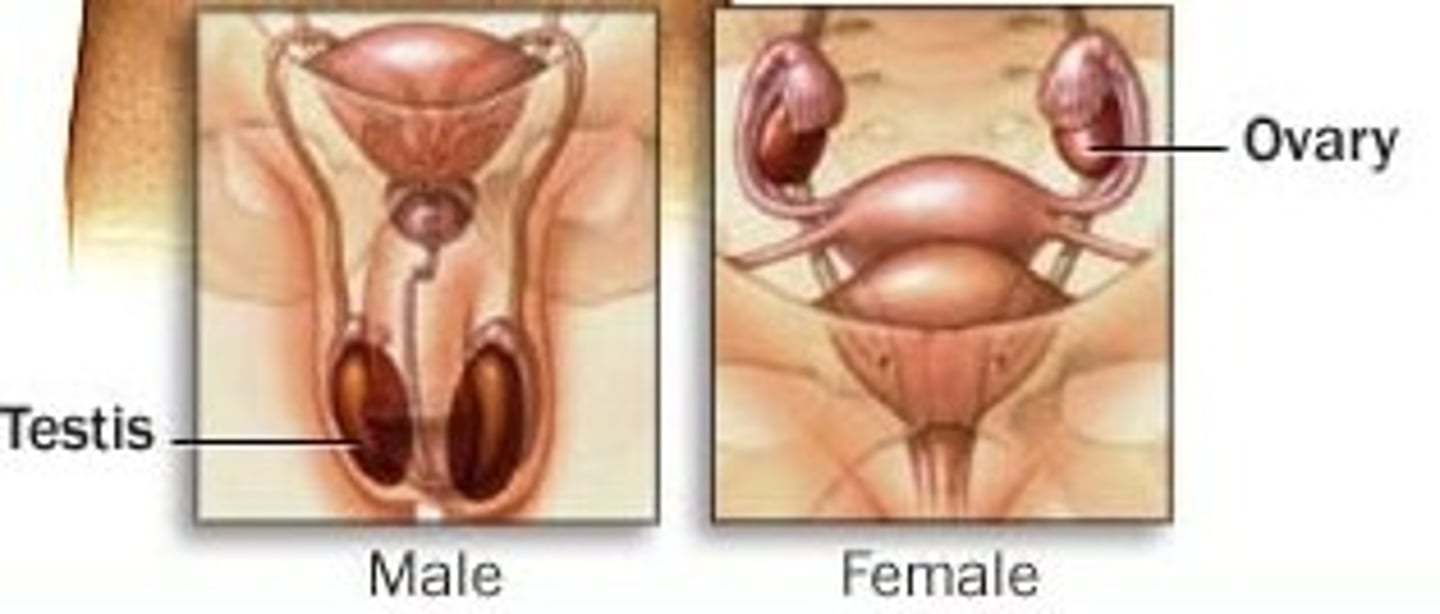
Ovaries
female gonads that produce ova and sex hormones
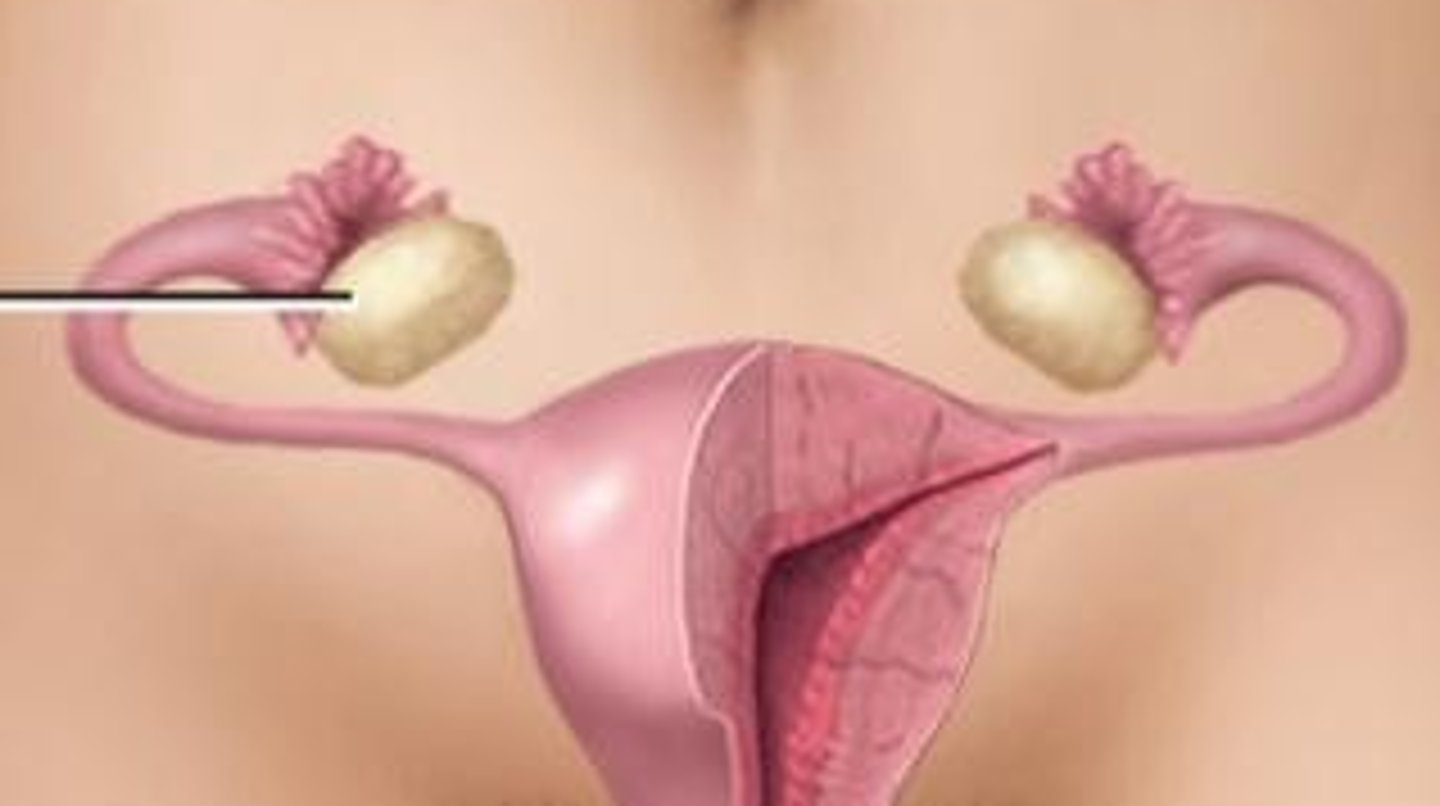
Testes
male reproductive glands located in the scrotum, which produce sperm and testosterone
Gametes
sex cells
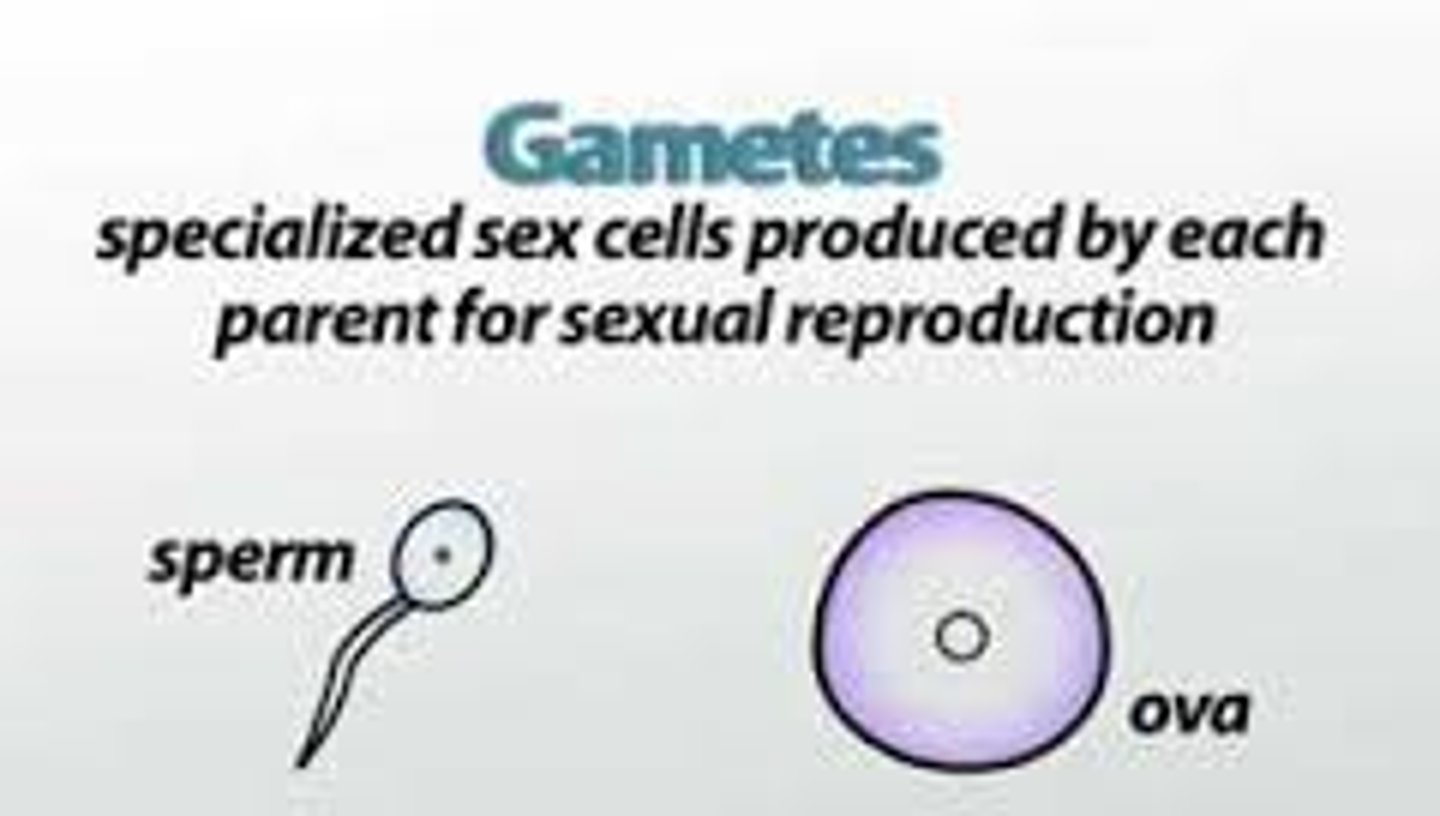
Ova
female gametes; eggs
Sperm
male gamete; spermatozoa
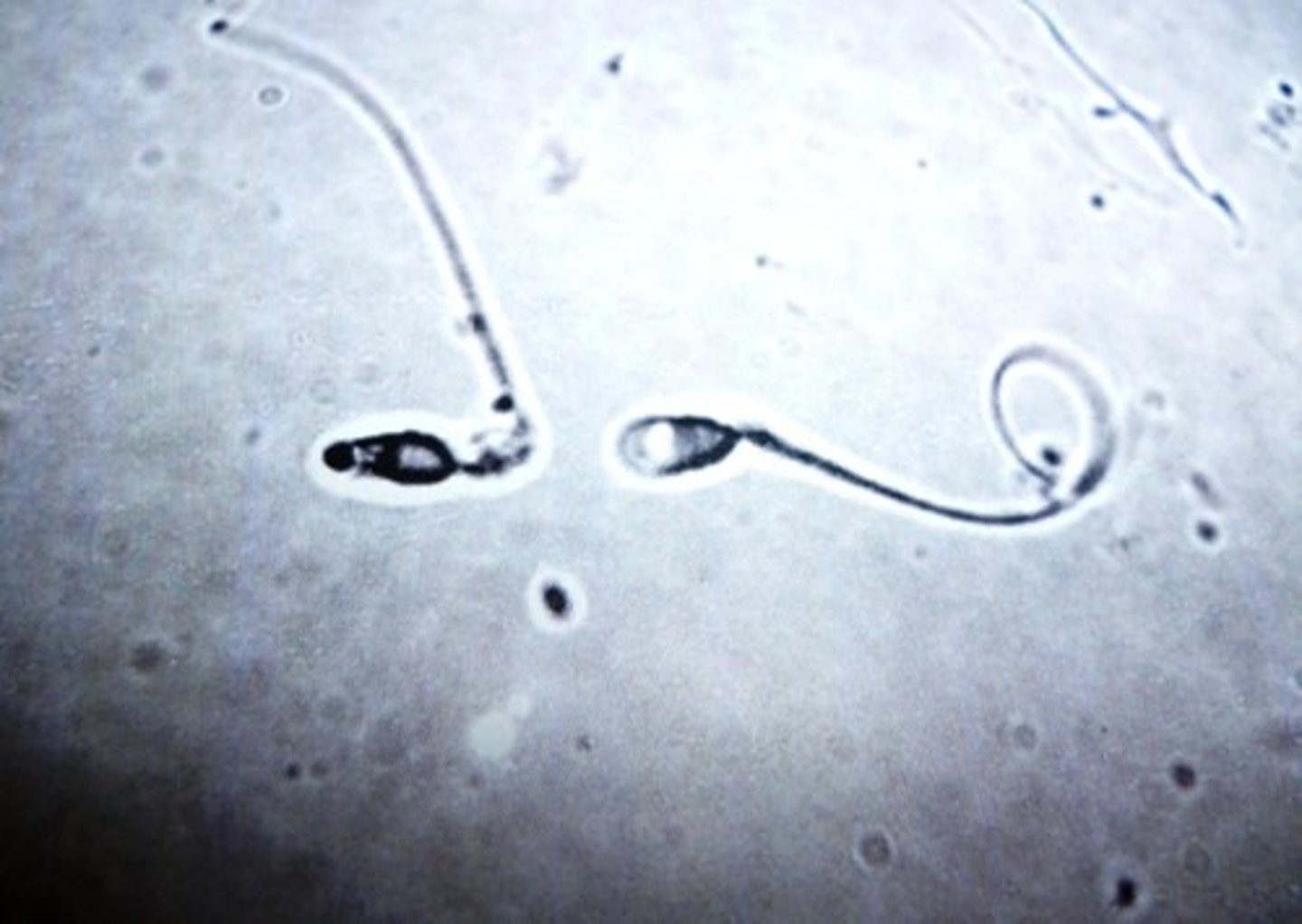
seminiferous tubules
Narrow, coiled tubules that produce sperm in the testes.
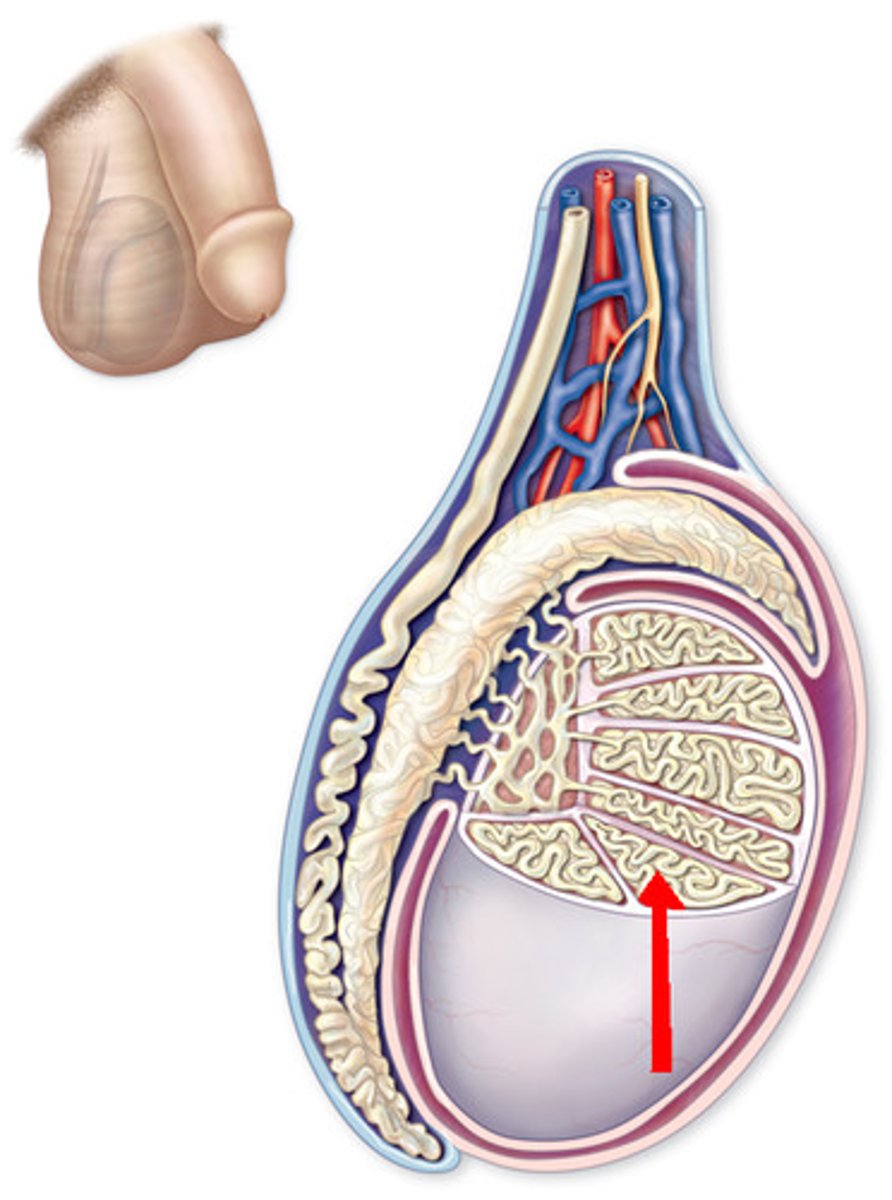
Epididymis
The portion of the male duct system in which sperm mature
-empties into ductus vas deferens
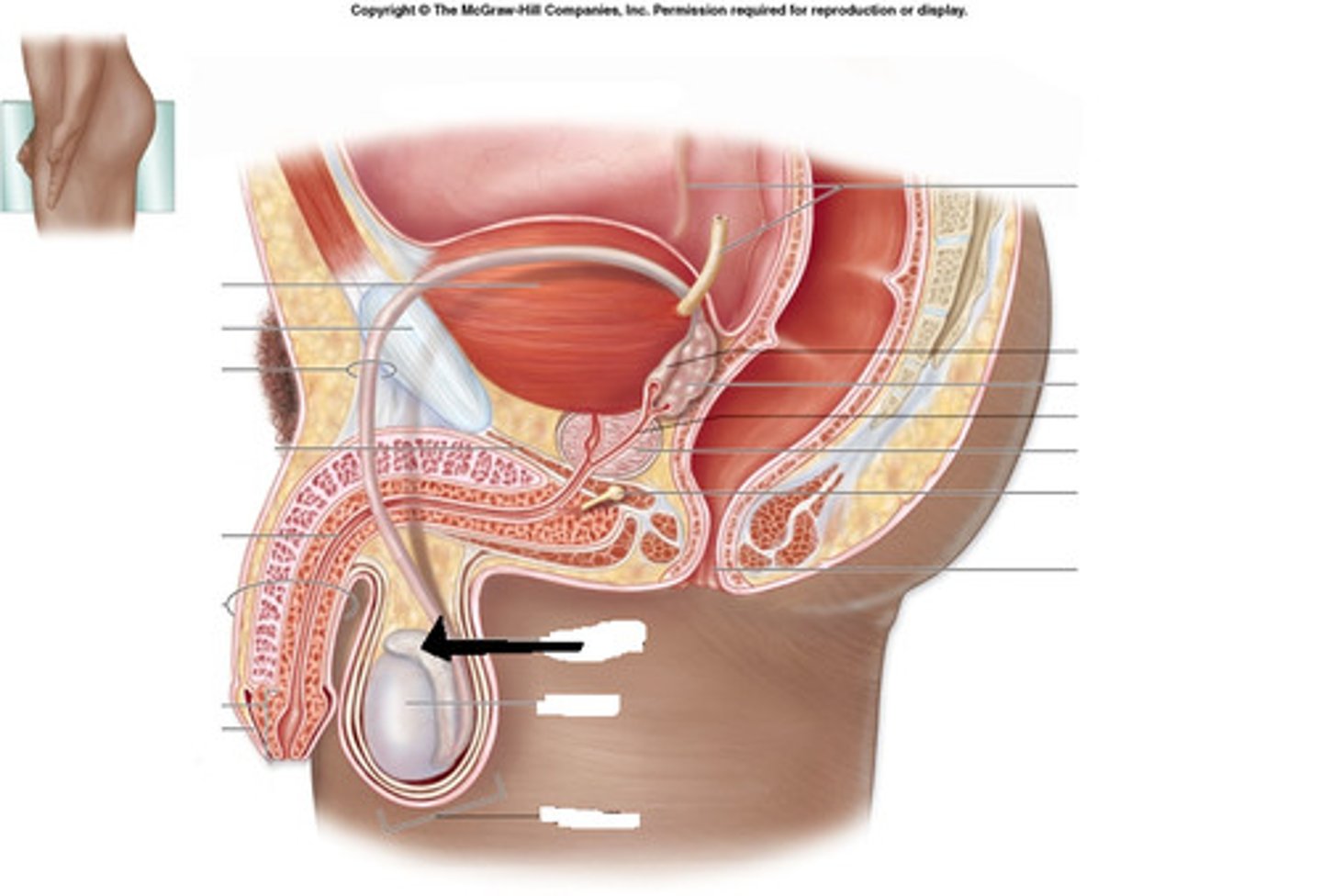
ductus deferens
carries sperm from epididymis to urethra
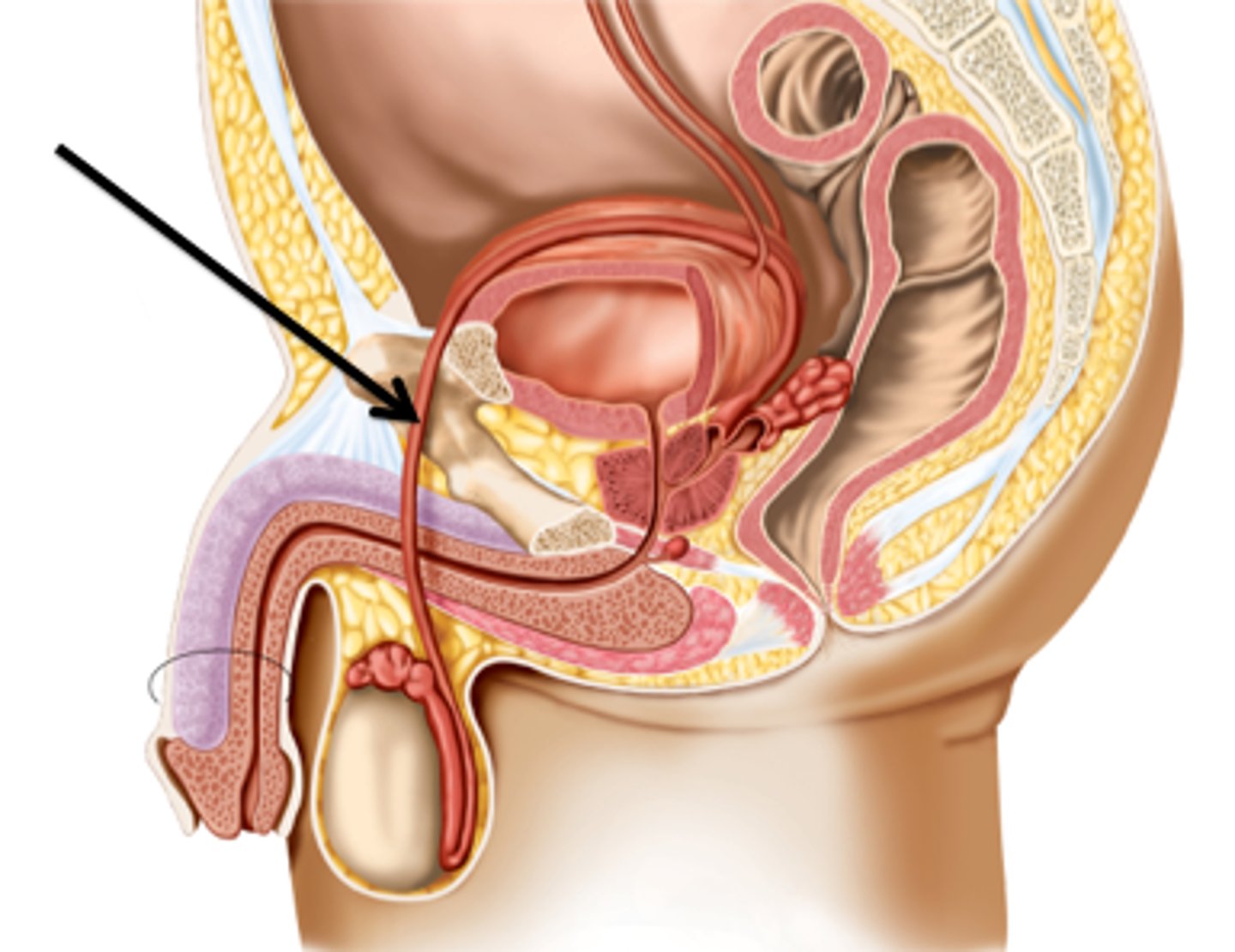
ejaculatory duct
duct formed by the union of the vas deferens with the duct of the seminal vesicle; its fluid is carried into the urethra
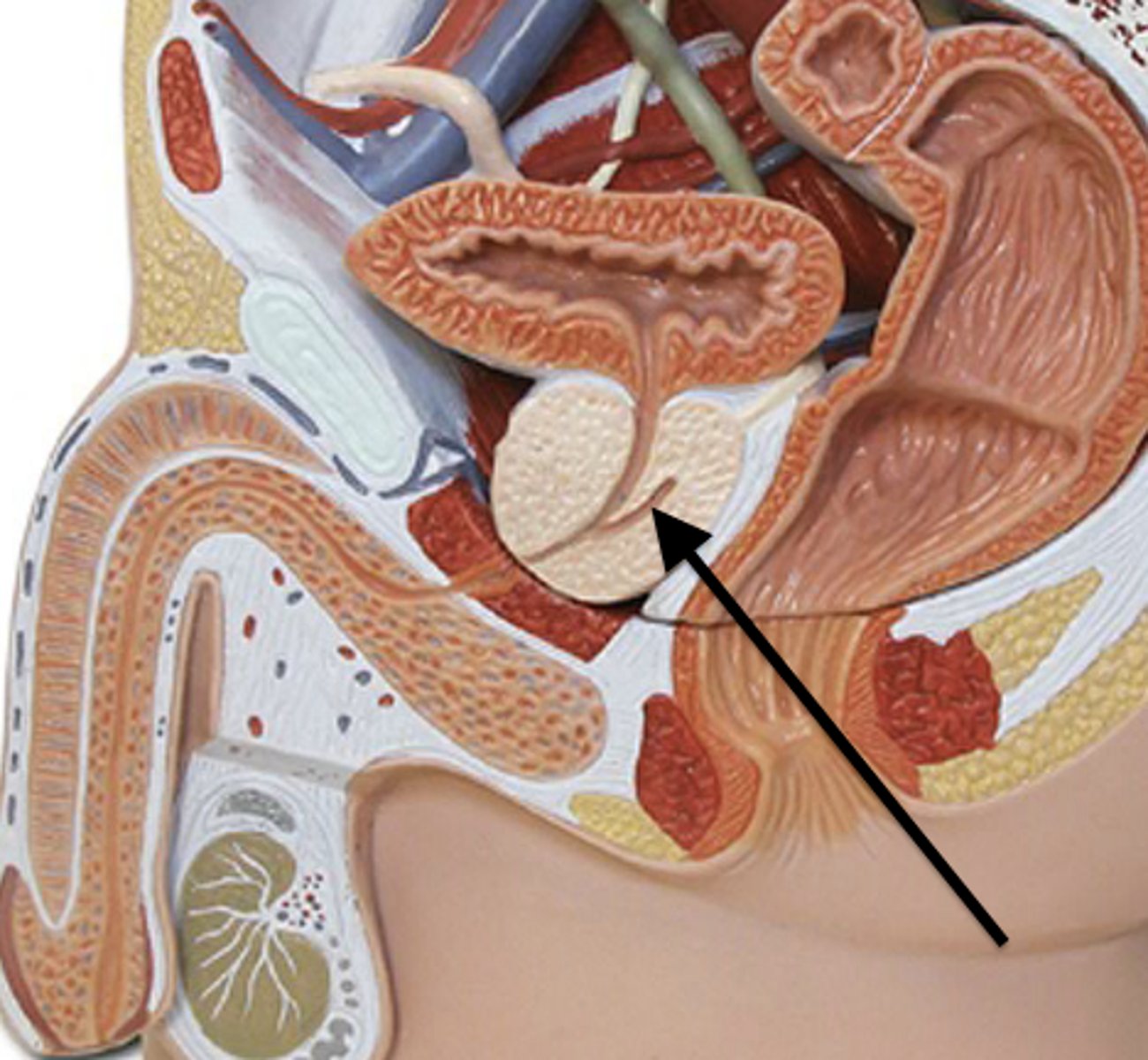
Urethra
Duct through which urine and sperm is discharged.
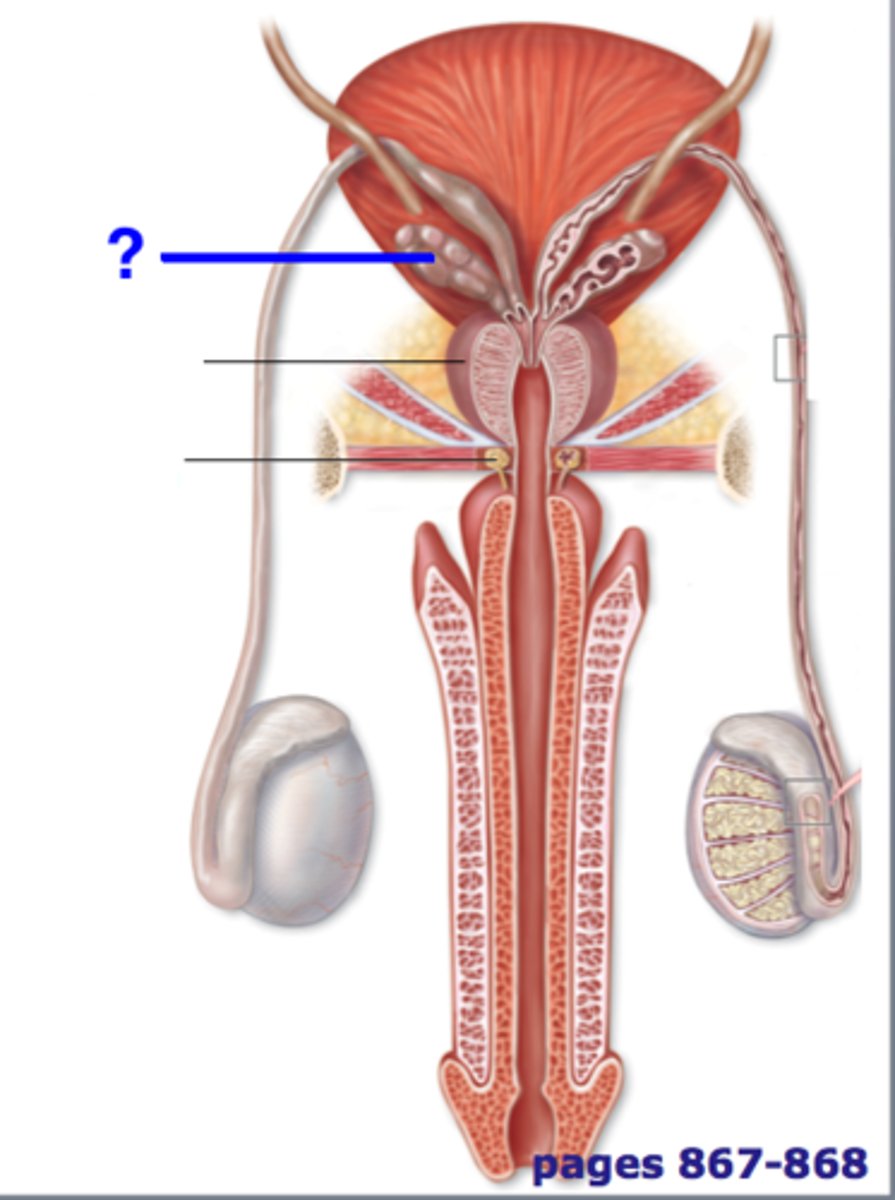
seminal vesicles
two small glands that secrete a fluid rich in sugar that nourishes and helps sperm move
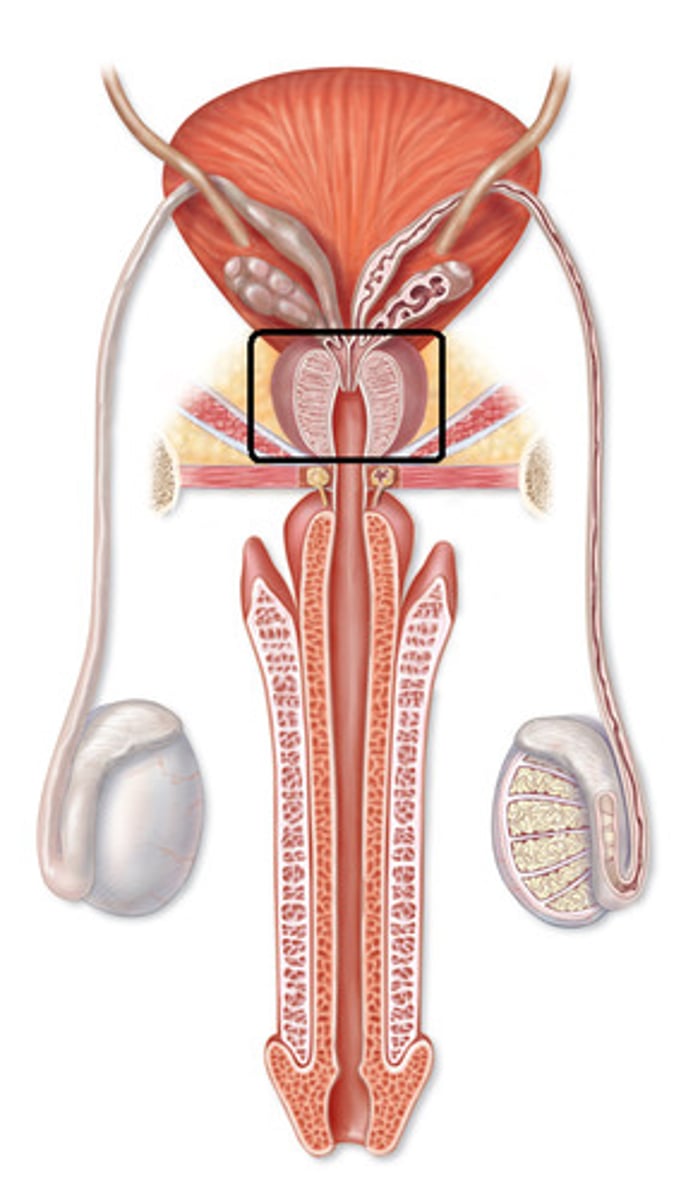
prostate gland
A gland in males that contributes to the seminal fluid.
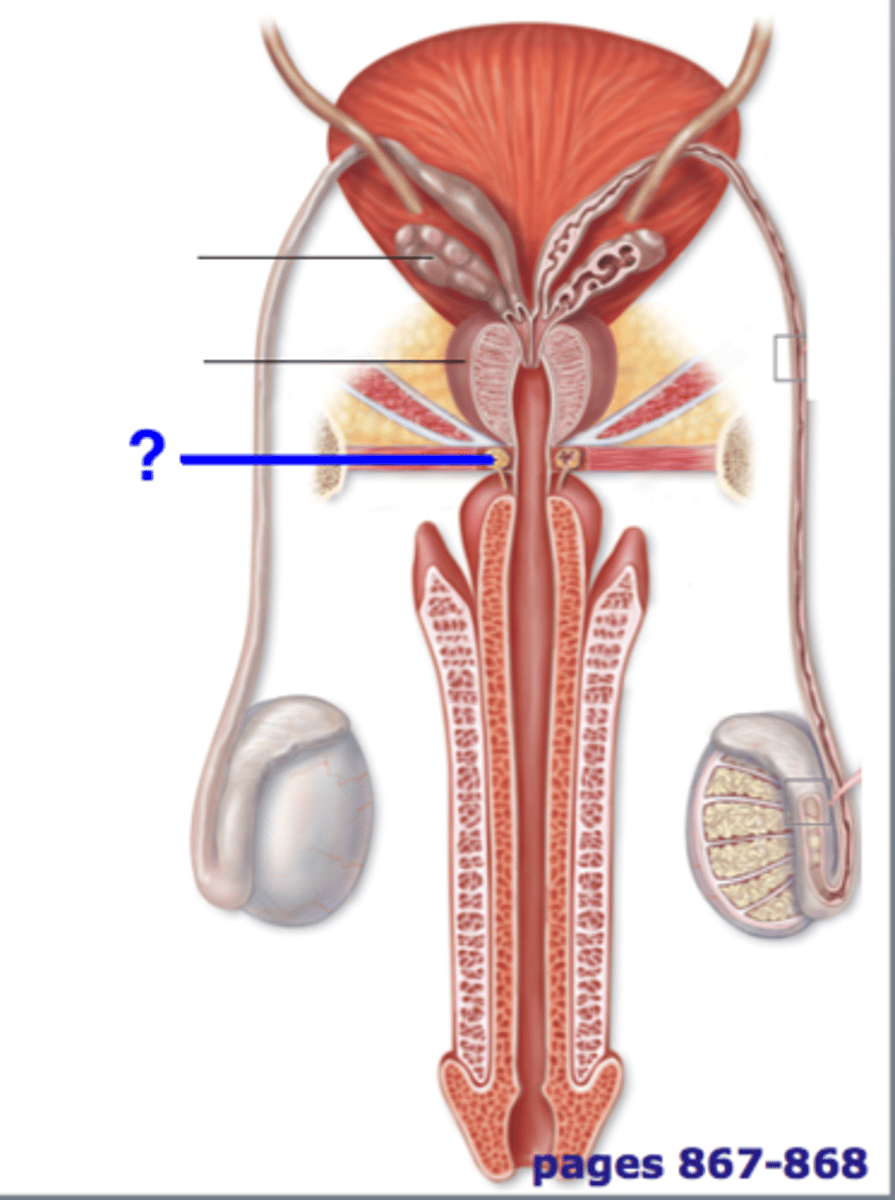
bulbourethral glands
Discharges a component of seminal fluid into the urethra
semen
A thick fluid containing sperm and other secretions from the male reproductive system(seminal fluid)
Scrotum
External sac that contains the testes
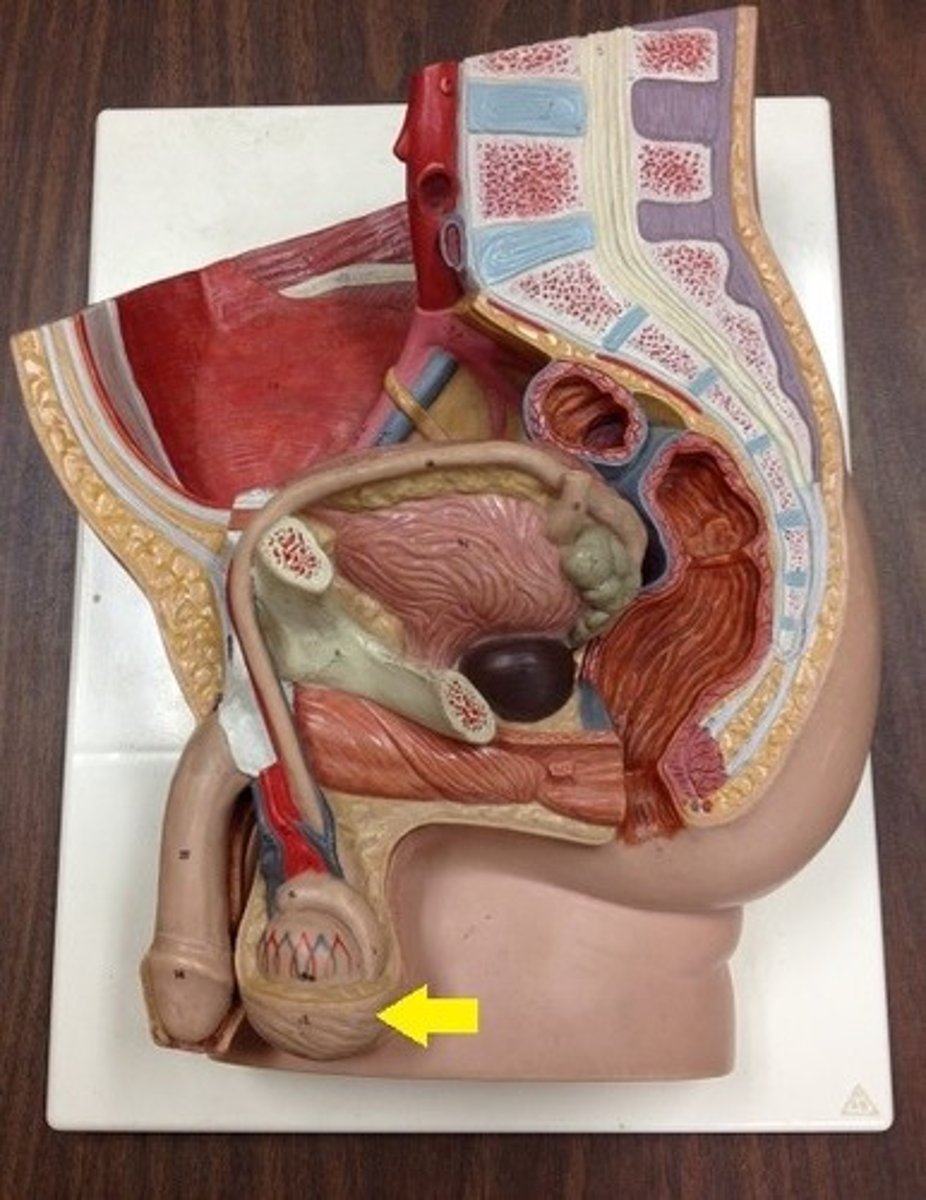
Penis
Male reproductive organ
Spermatogenesis
the production of sperm cells
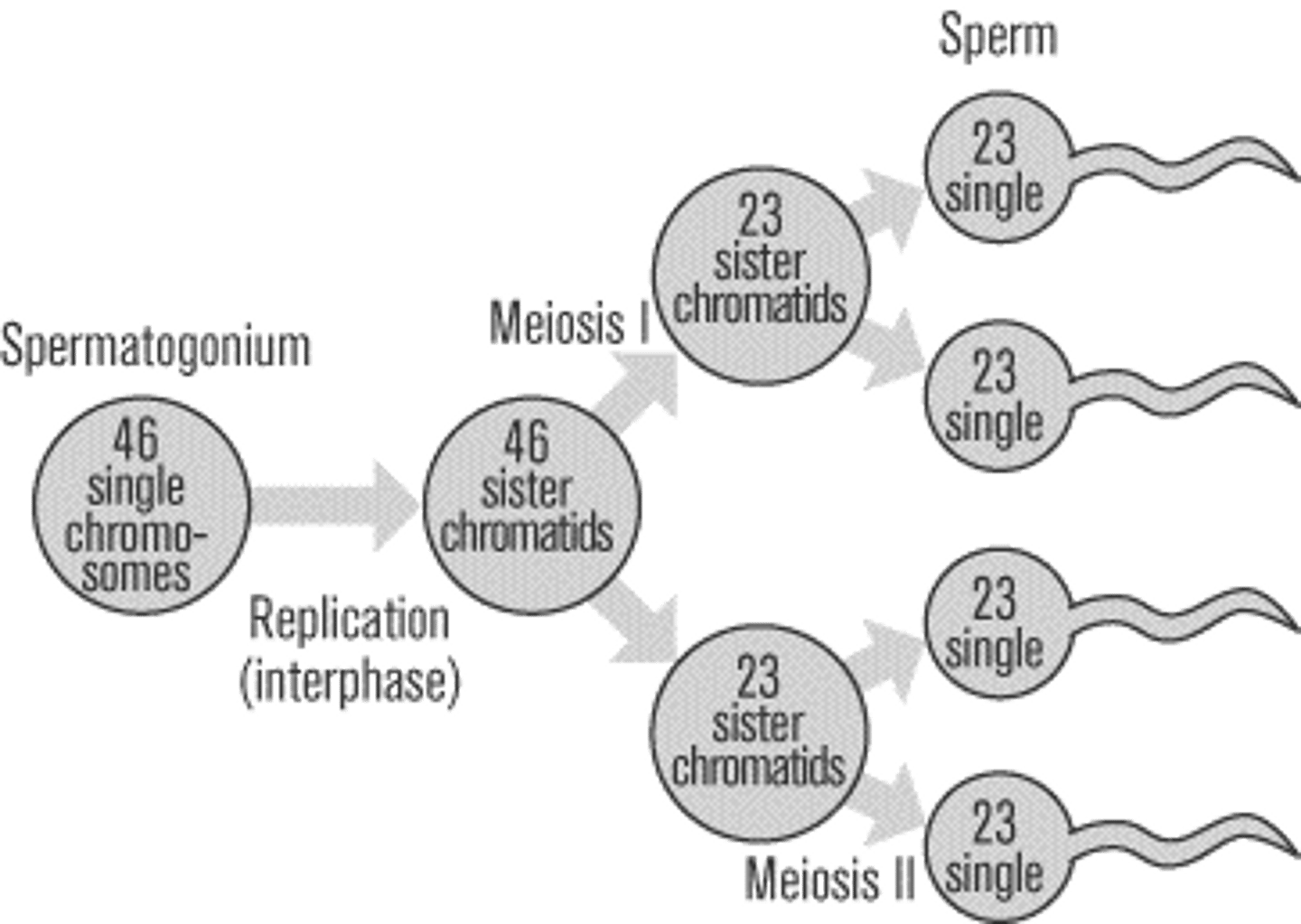
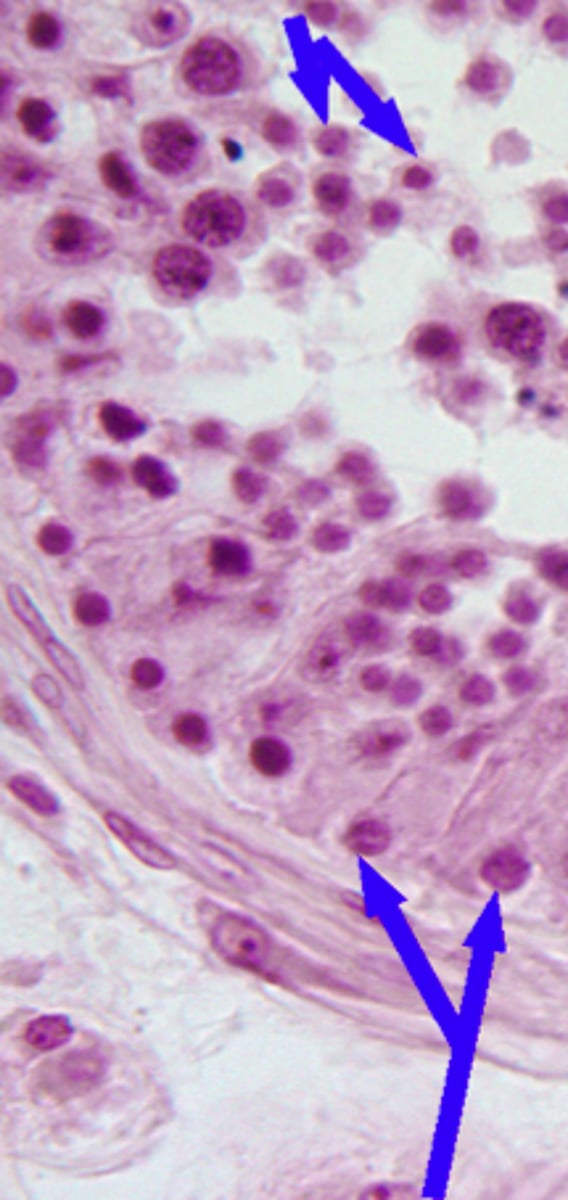
spermatogonia
Supporting foundation for continual sperm production for the majority of the males lifespan
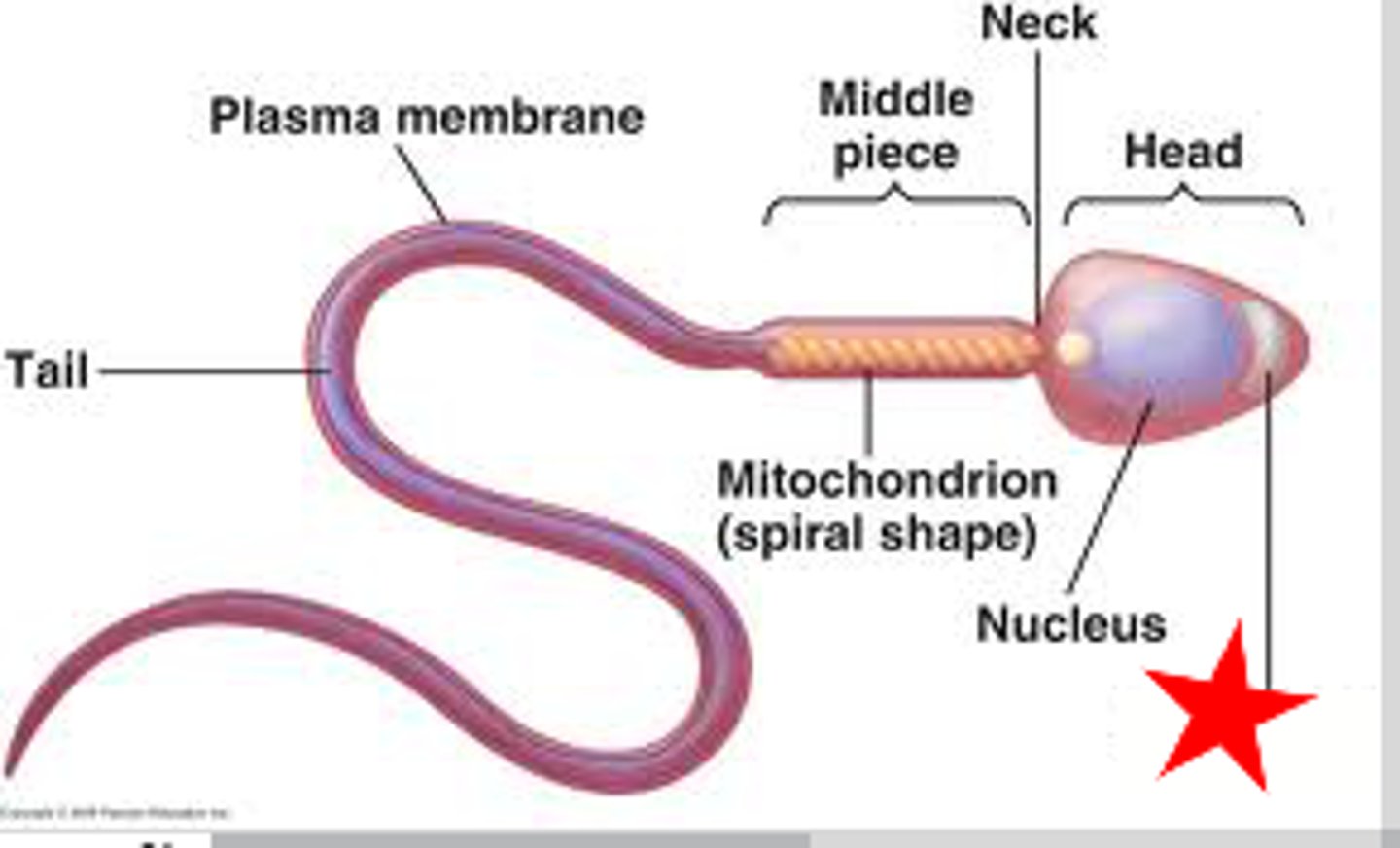
acrosome
A region at the head of a sperm cell that contains digestive enzyems which, when released during the acrosome reaction, can facilitate penetration of the corona radiata of the egg, and subsequently, fertilization
Testosterone
the most important of the male sex hormones. Both males and females have it, but the additional testosterone in males stimulates the growth of the male sex organs in the fetus and the development of the male sex characteristics during puberty
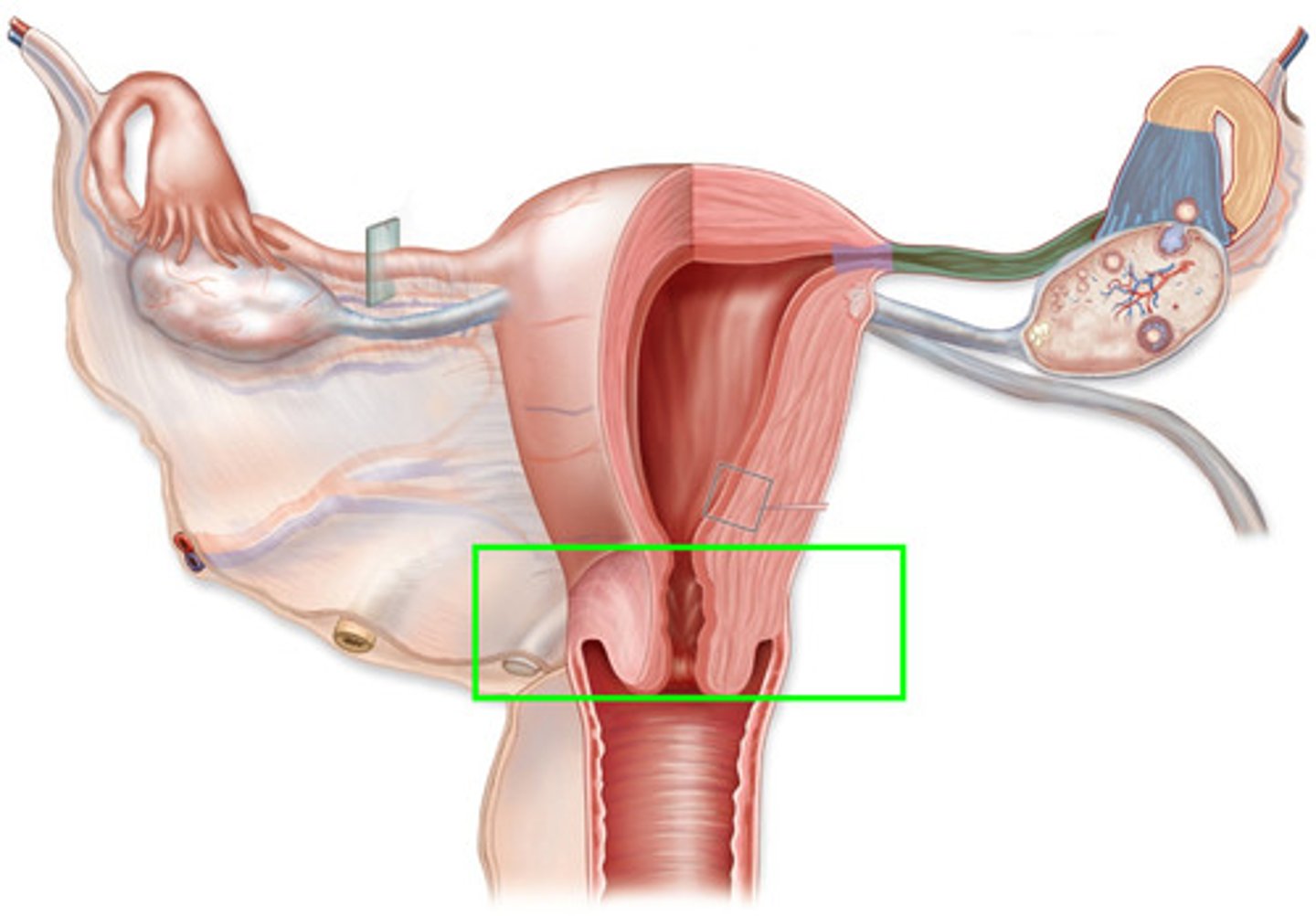
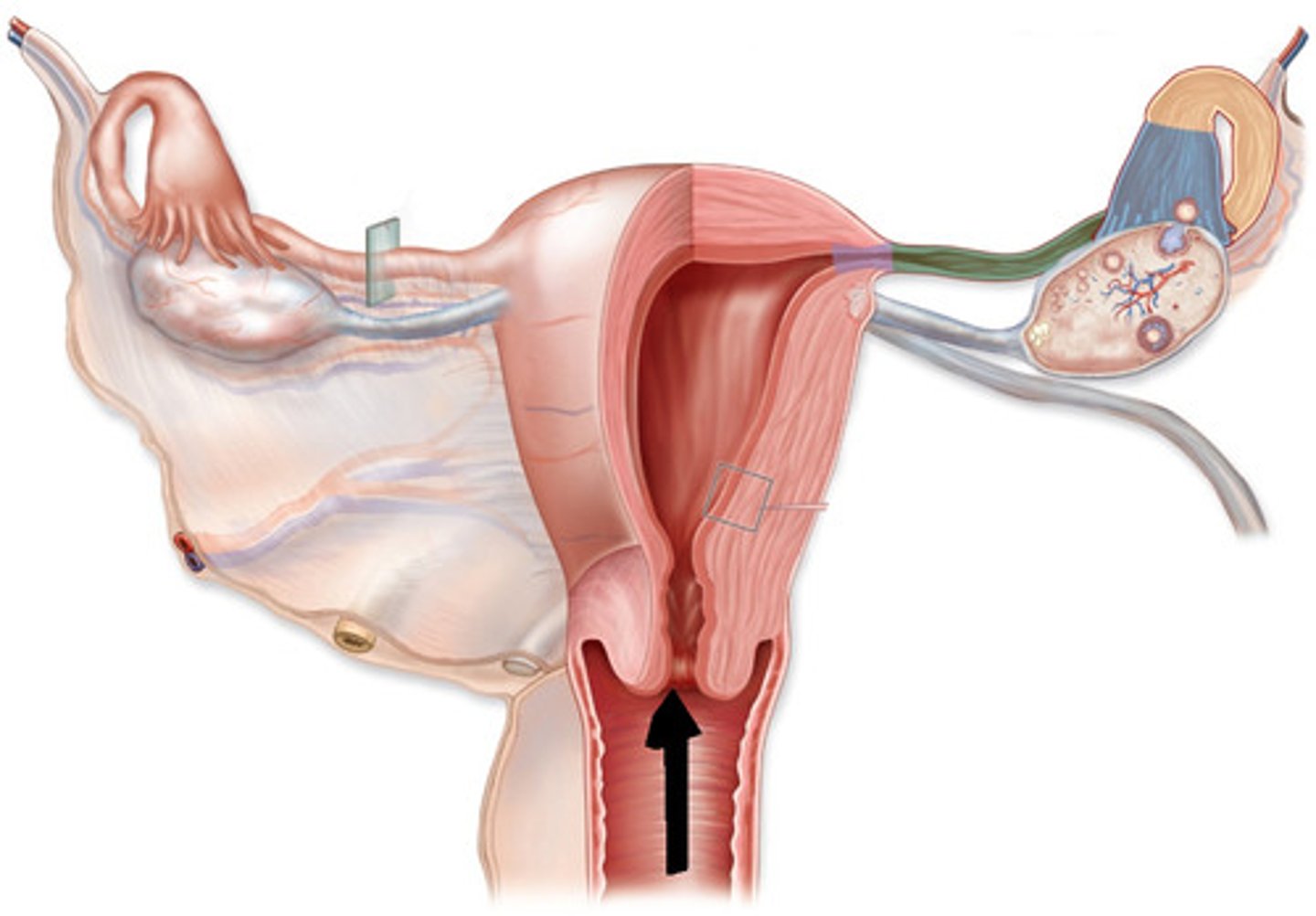
Cervix
neck of the uterus leads from uterus and extends to vagina
Follicles
clusters of cells surrounding a single egg
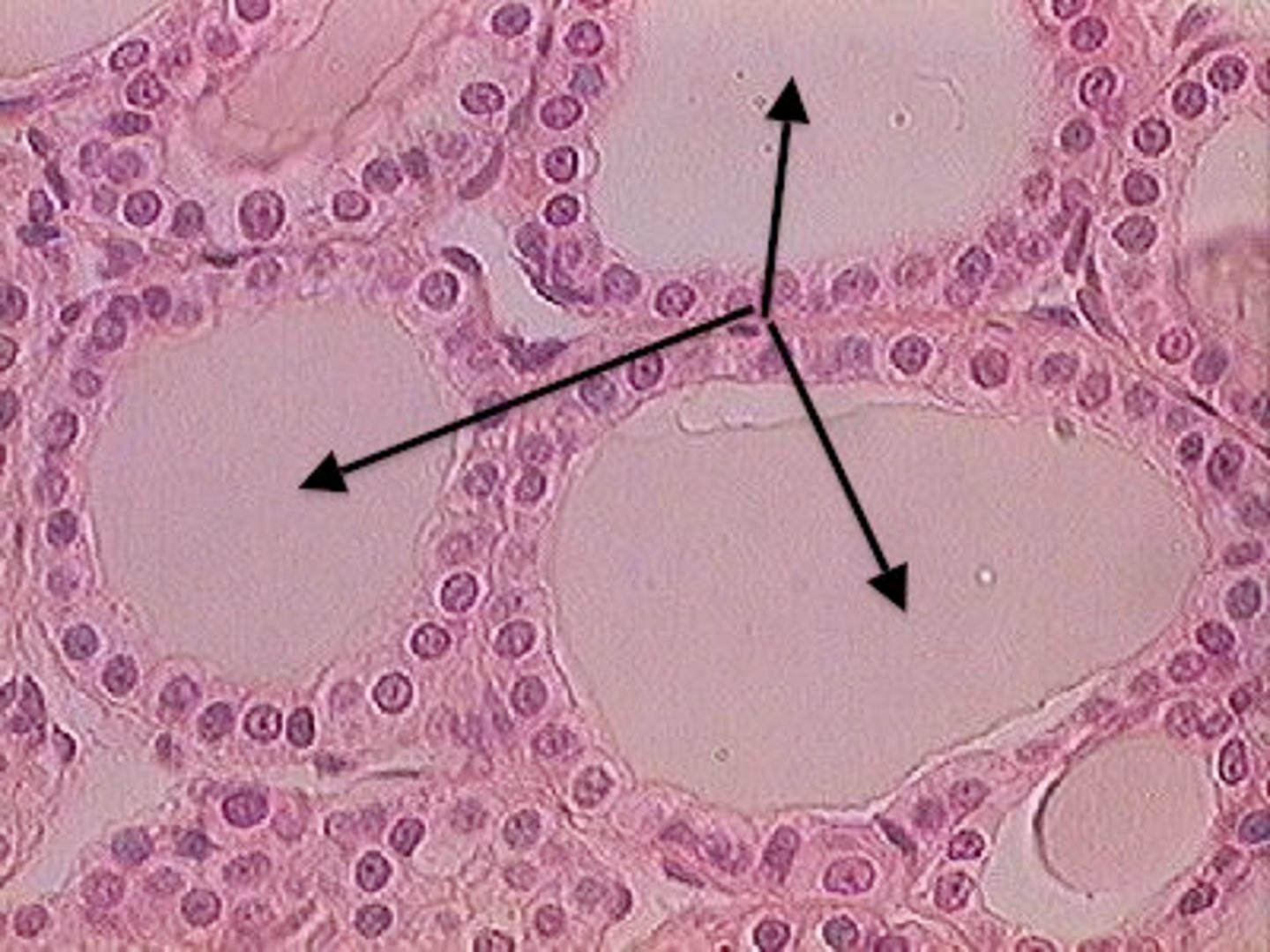
oocyte
immature egg
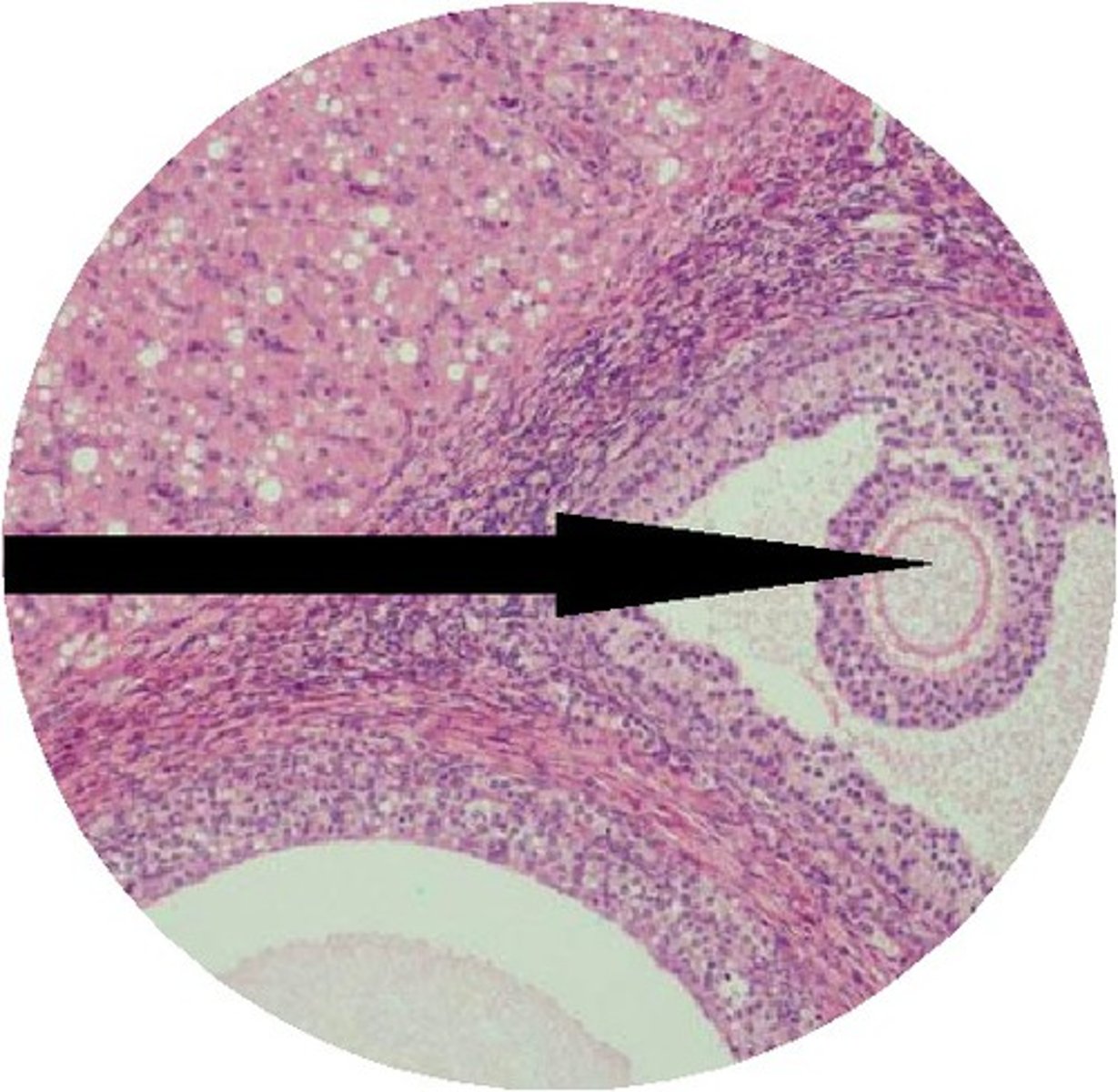
Ovulation
The process of releasing a mature ovum into the fallopian tube each month
corpus luteum
Endocrine tissue which produces hormones, estrogen, and progesterone which prepares the uterine lining for receiving an embryo
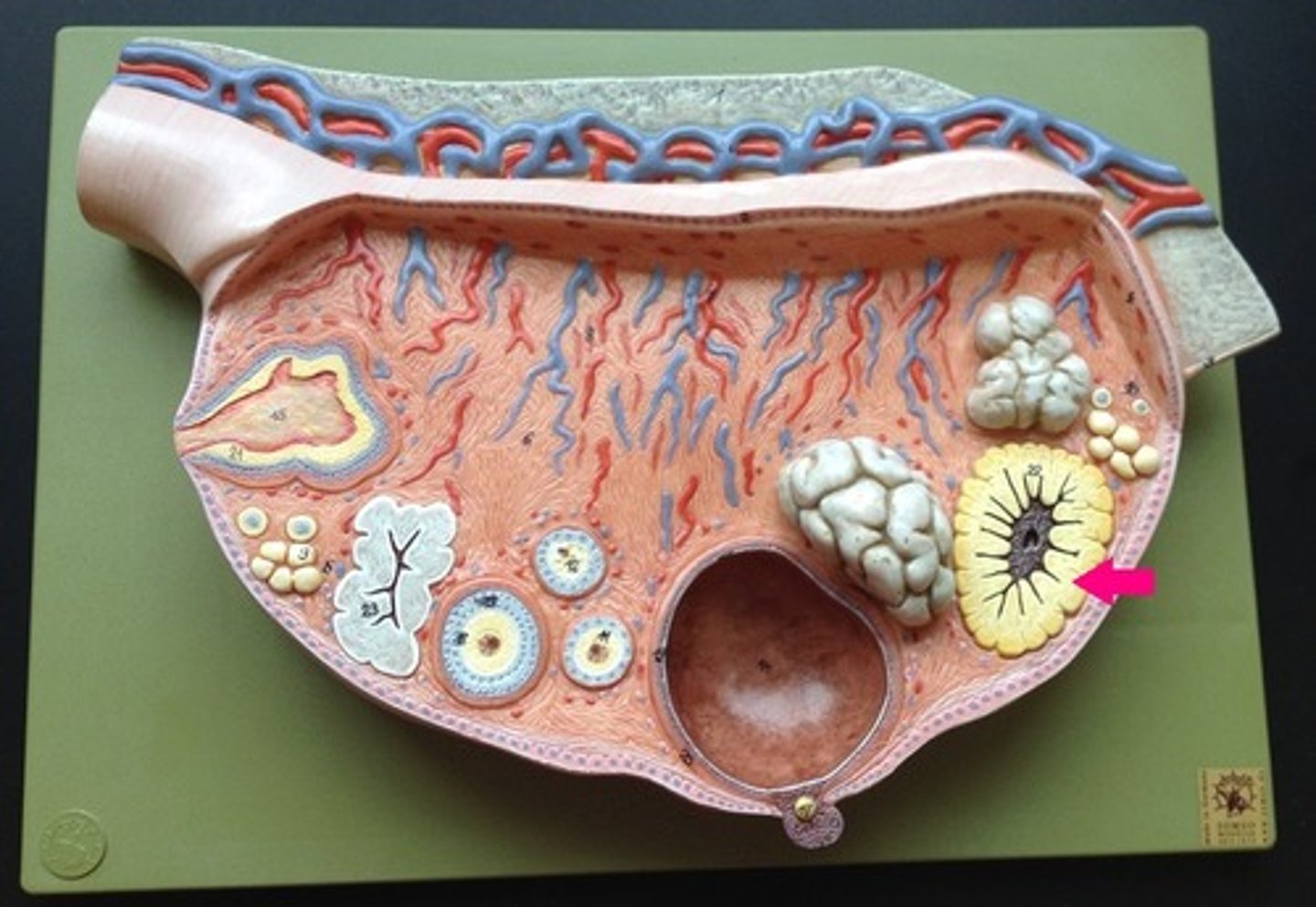
uterine tubes (fallopian tubes)
tubes extending from each side of the uterus toward the ovary that provide a passage for ova to the uterus
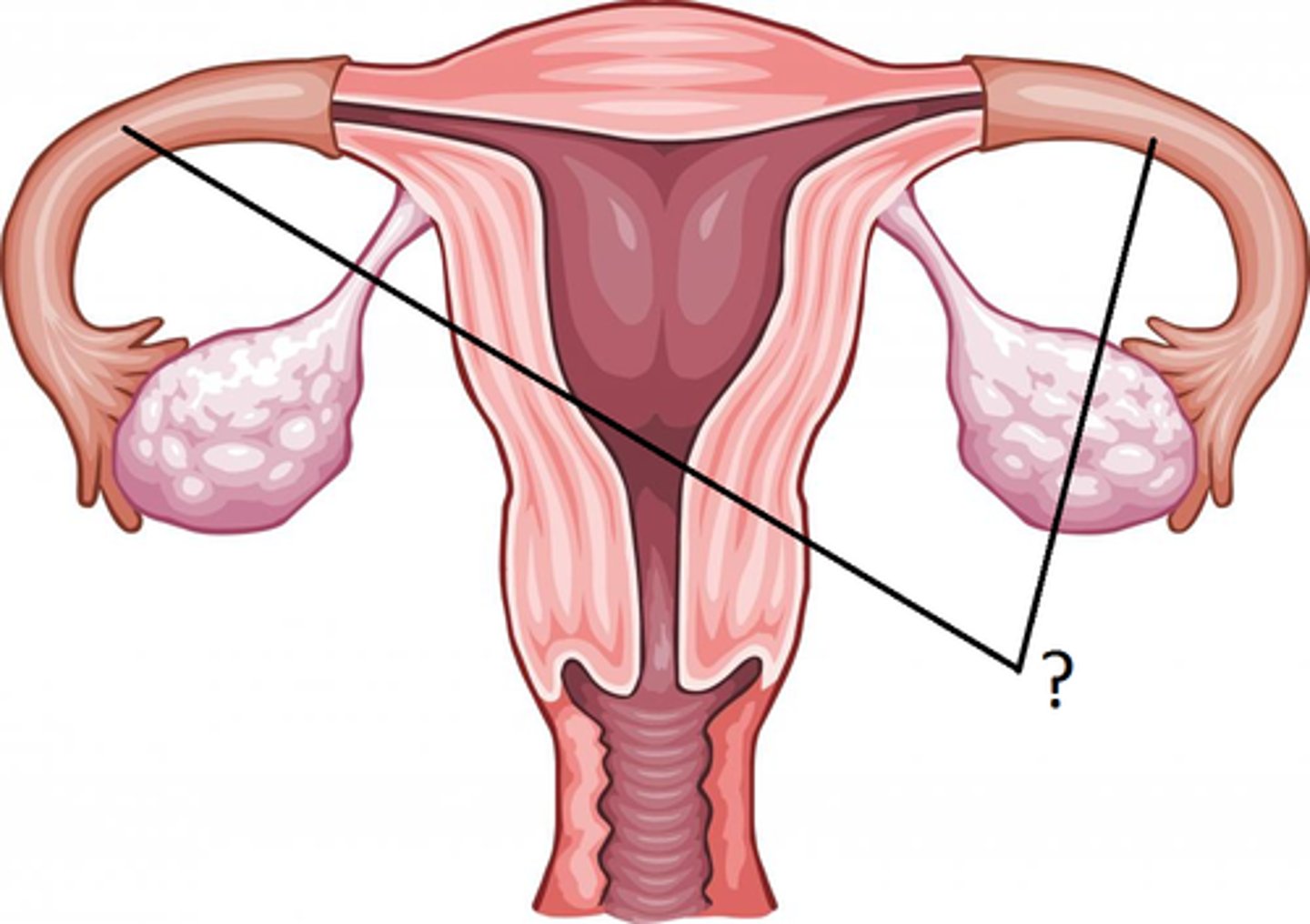
Fimbriae
finger or fringe like projections at the end of the Fallopian tubes
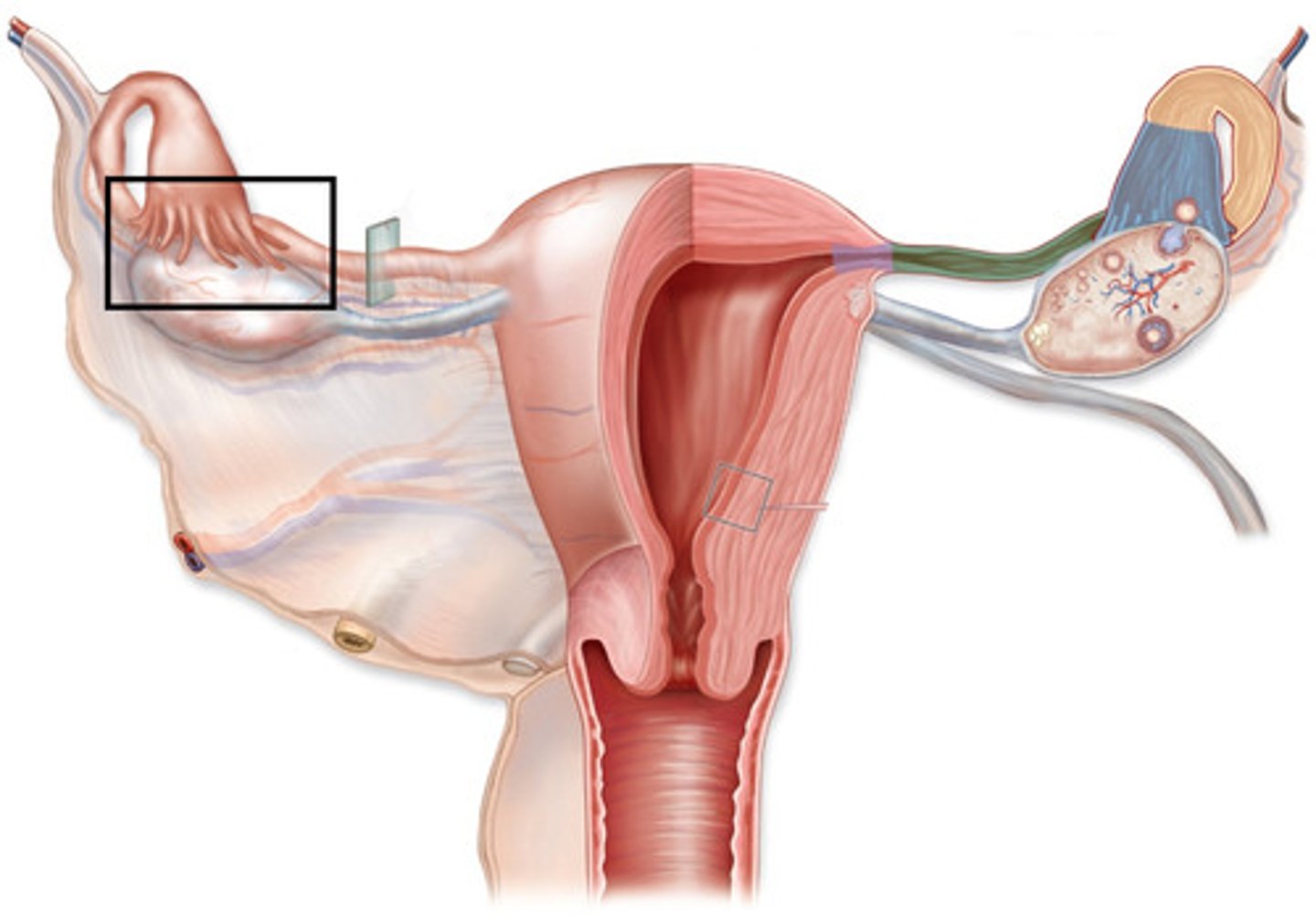
uterus (womb)
hollow, muscular, pear-shaped organ whose function is to contain the developing fetus
-nourishes,retains and receives a fertilized egg
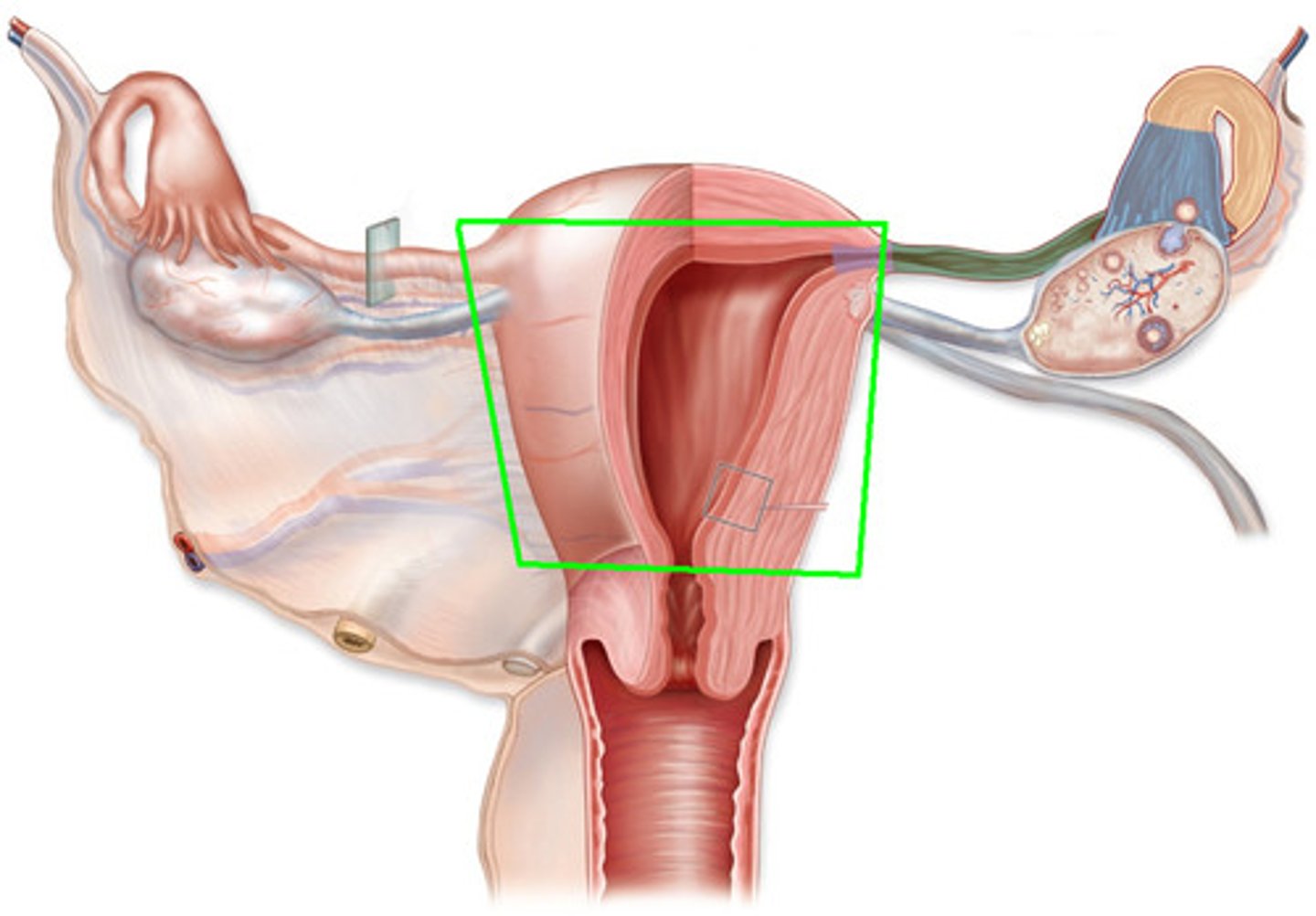
Endimetrium
Mucous membrane lining of the uterus
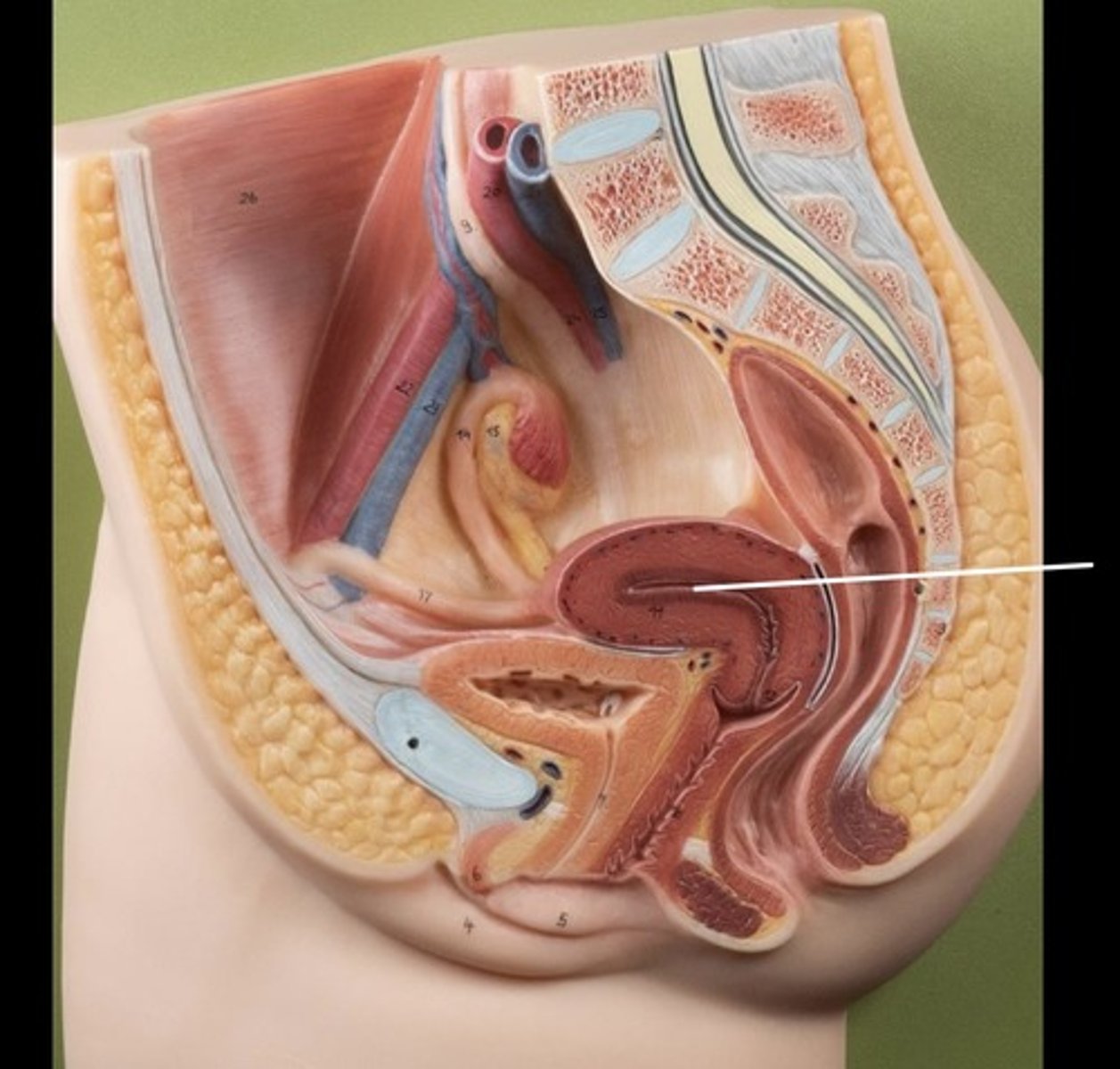
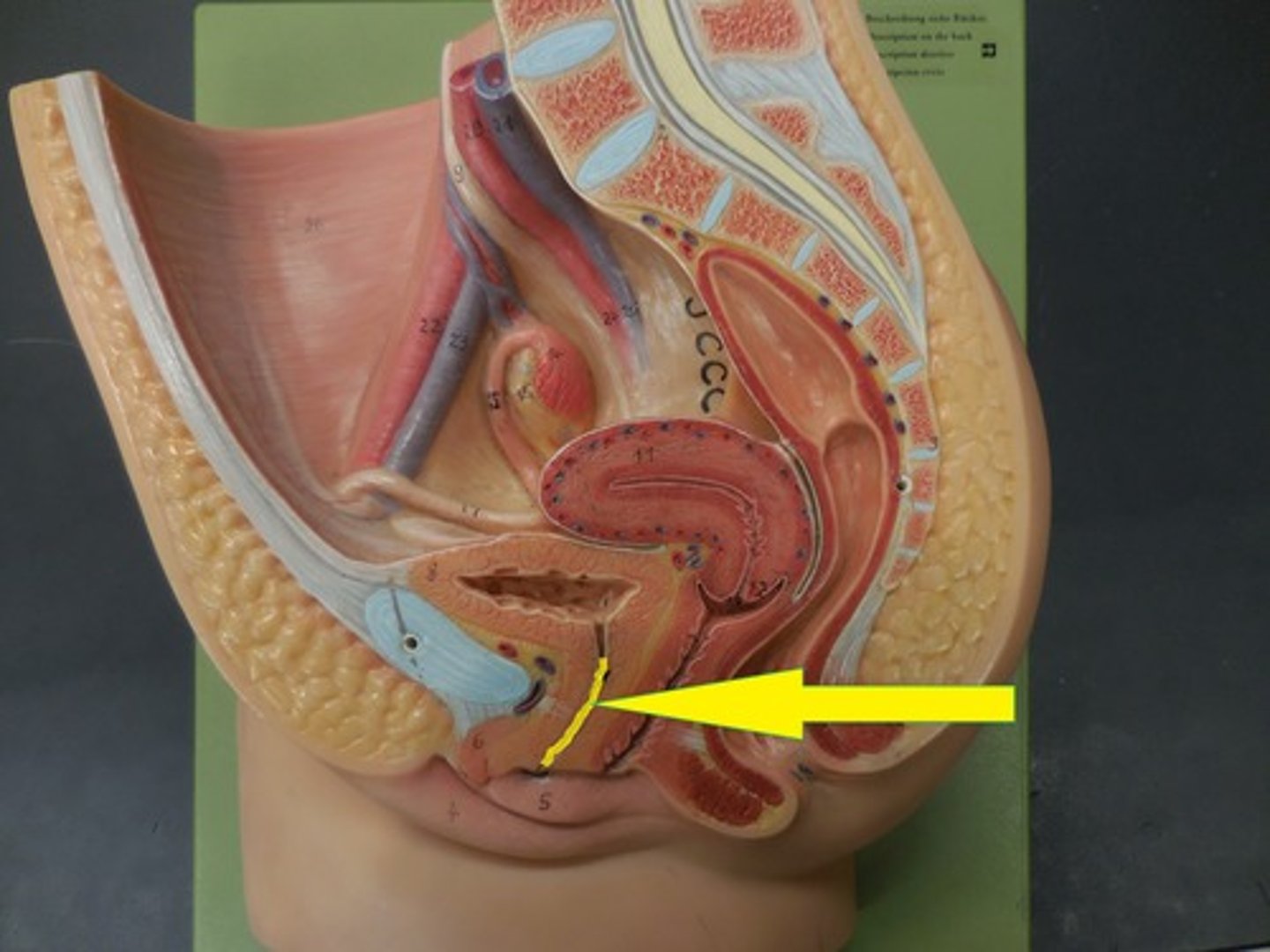
Vagina(birth canal)
A muscular, elastic passageway that extends from the uterus to the outside of the body
Oogenesis
the production, growth, and maturation of an egg, or ovum
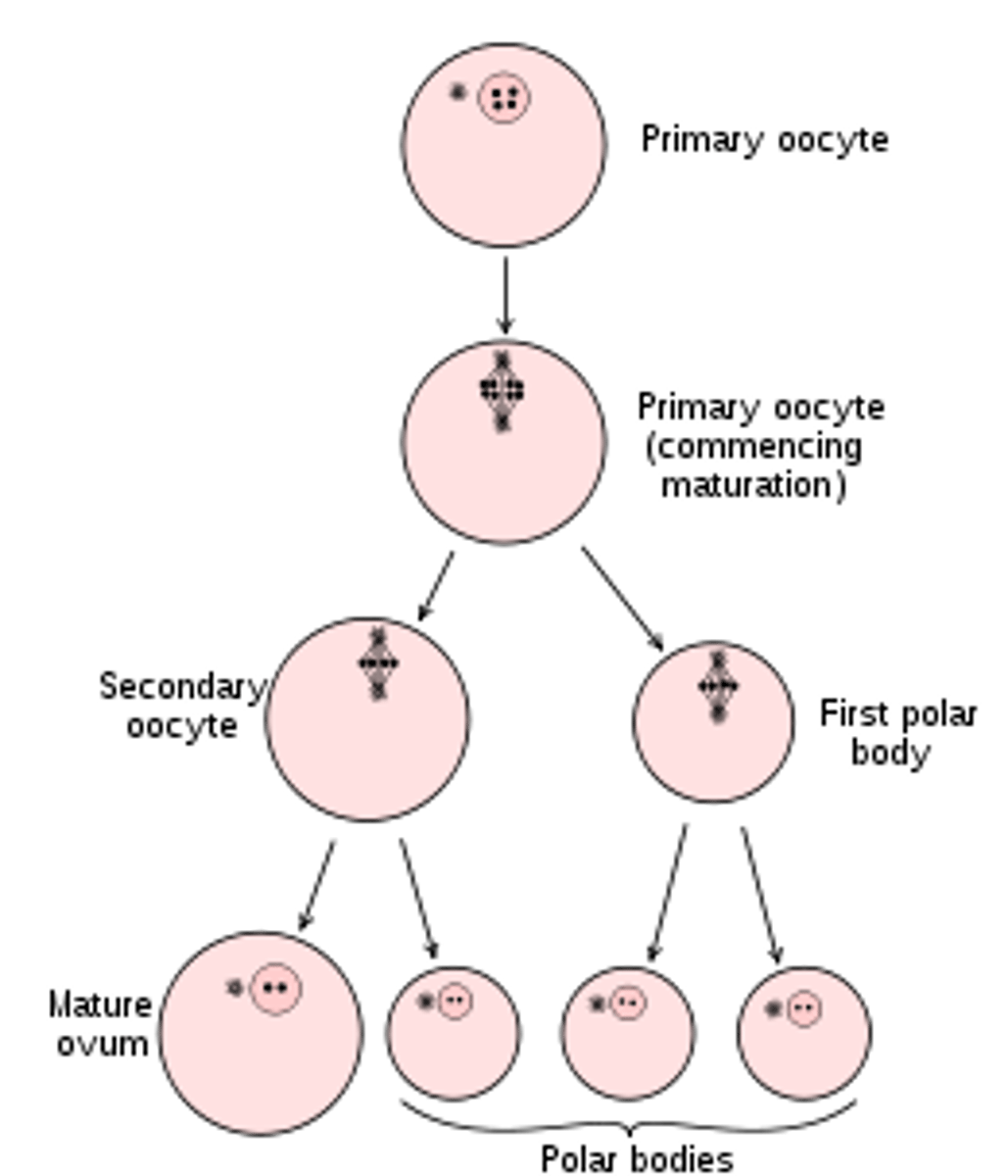
oogonia
an immature female reproductive cell that gives rise to primary oocytes by mitosis
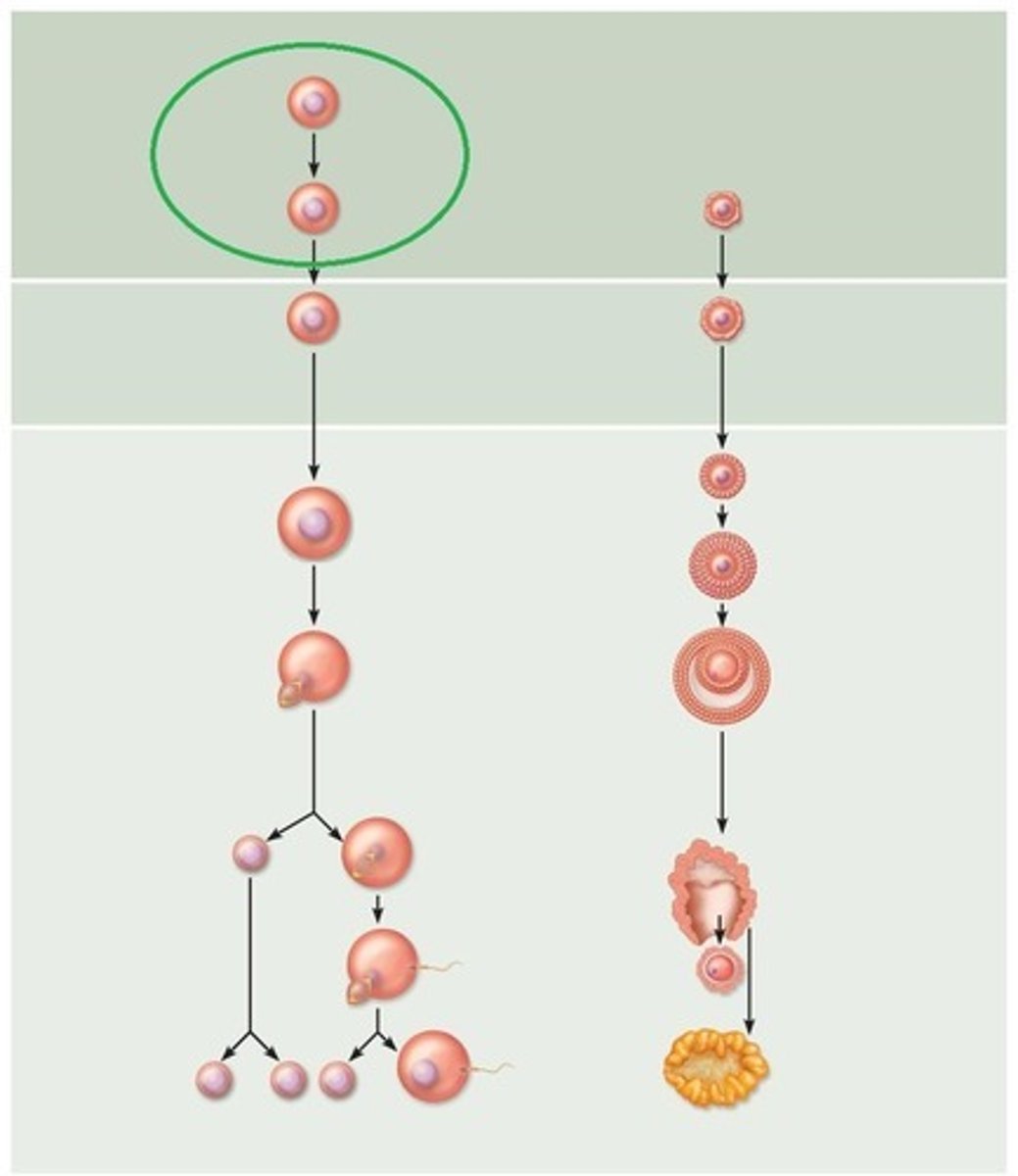
ovarian cycle
The 28 days of the menstrual cycle as they apply to events in the ovary. The ovarian cycle has three subphases: the follicular phase, ovulation, and the luteal phase.
uterine cycle (menstrual cycle)
The sequence of events that occurs on an approximately 28-day cycle in the uterine lining (endometrium) that involves the thickening of and increased blood supply to the endometrium and the loss of the endometrium as menstrual flow.
Menstruation
Last phase of the menstrual cycle in which the lining of the uterus along with blood and the unfertilized ovum are discharged through the vagina.
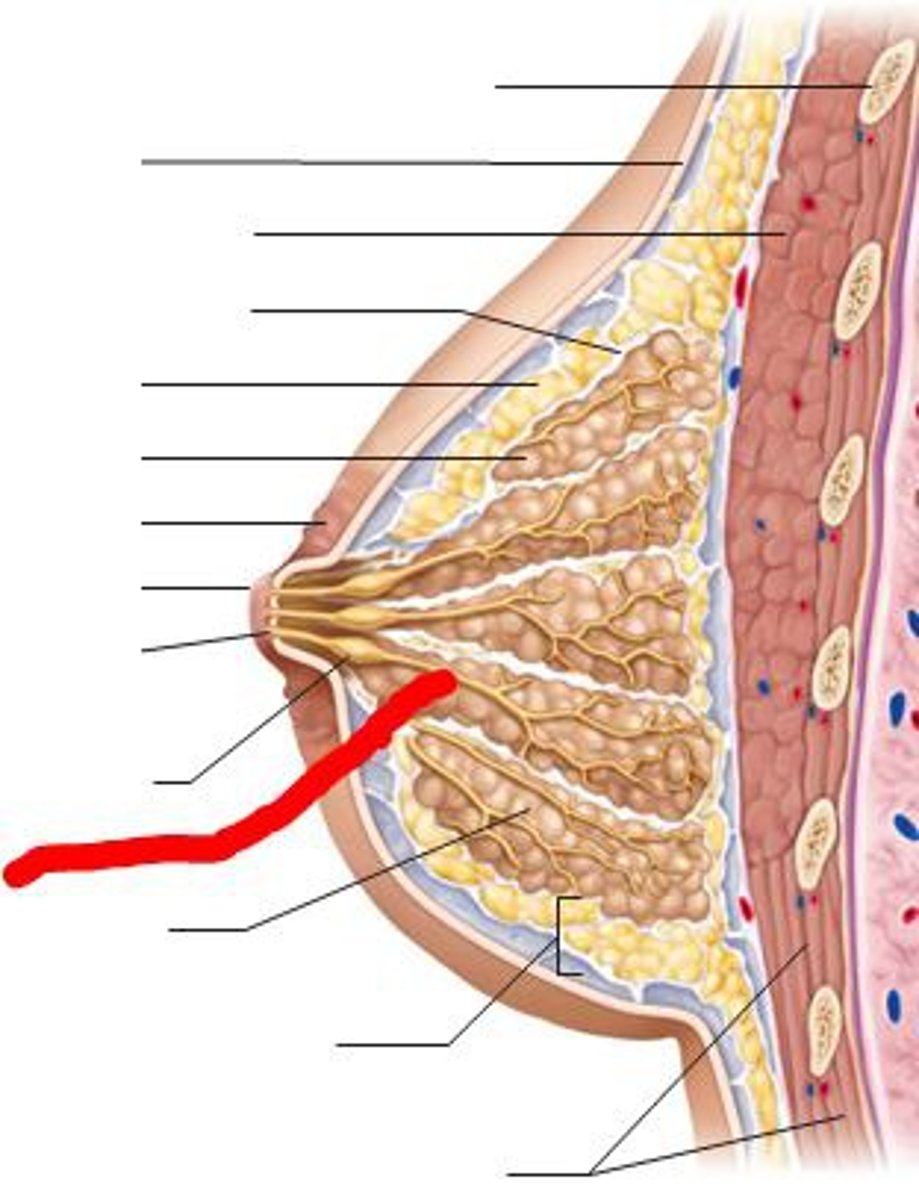
mammary glands
Specialized organs in mammals that produce milk to nourish the young
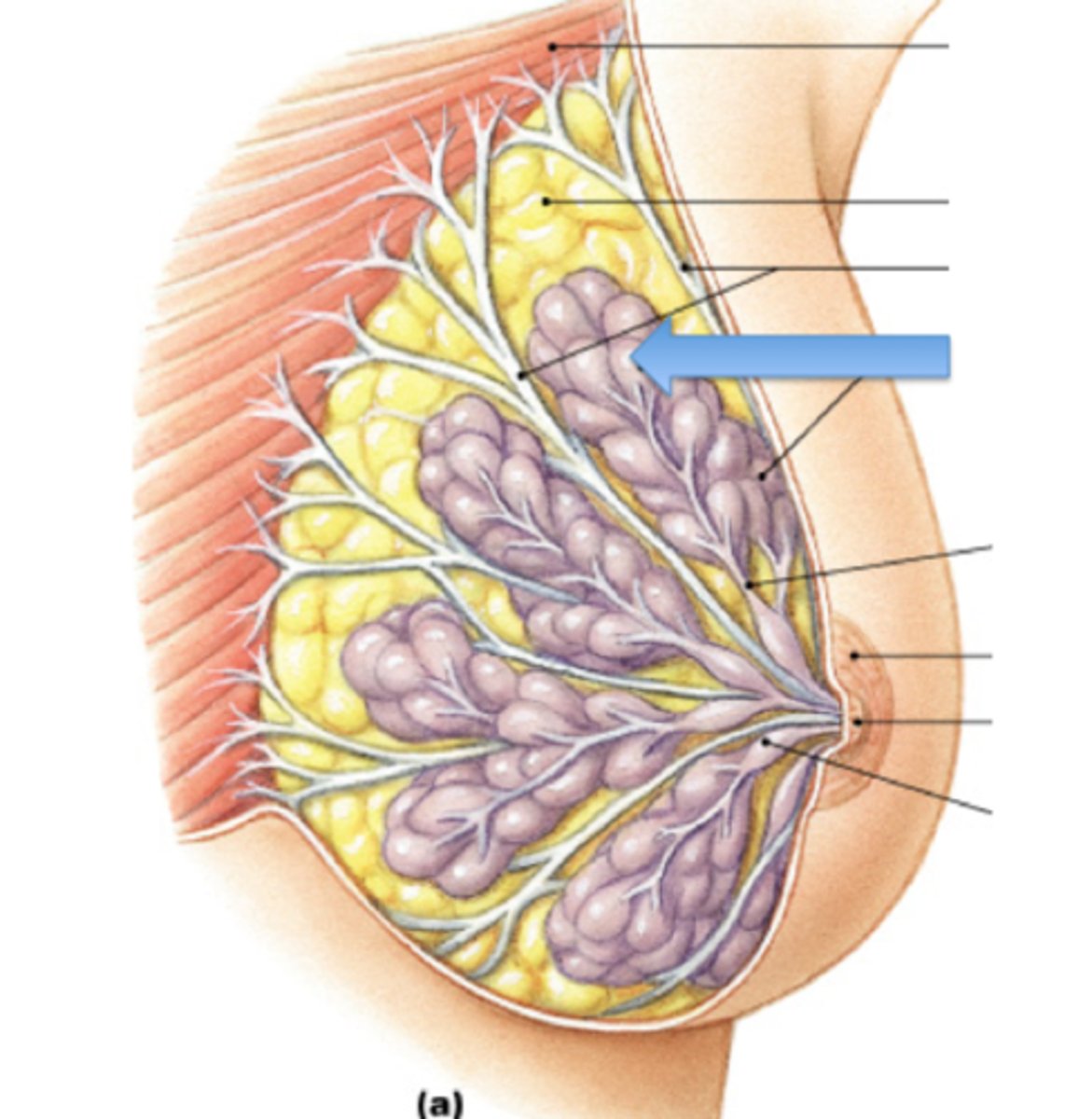
lactiferous ducts
tubes that carry milk within the breast
acrosomal reaction
triggered when the sperm meets the egg
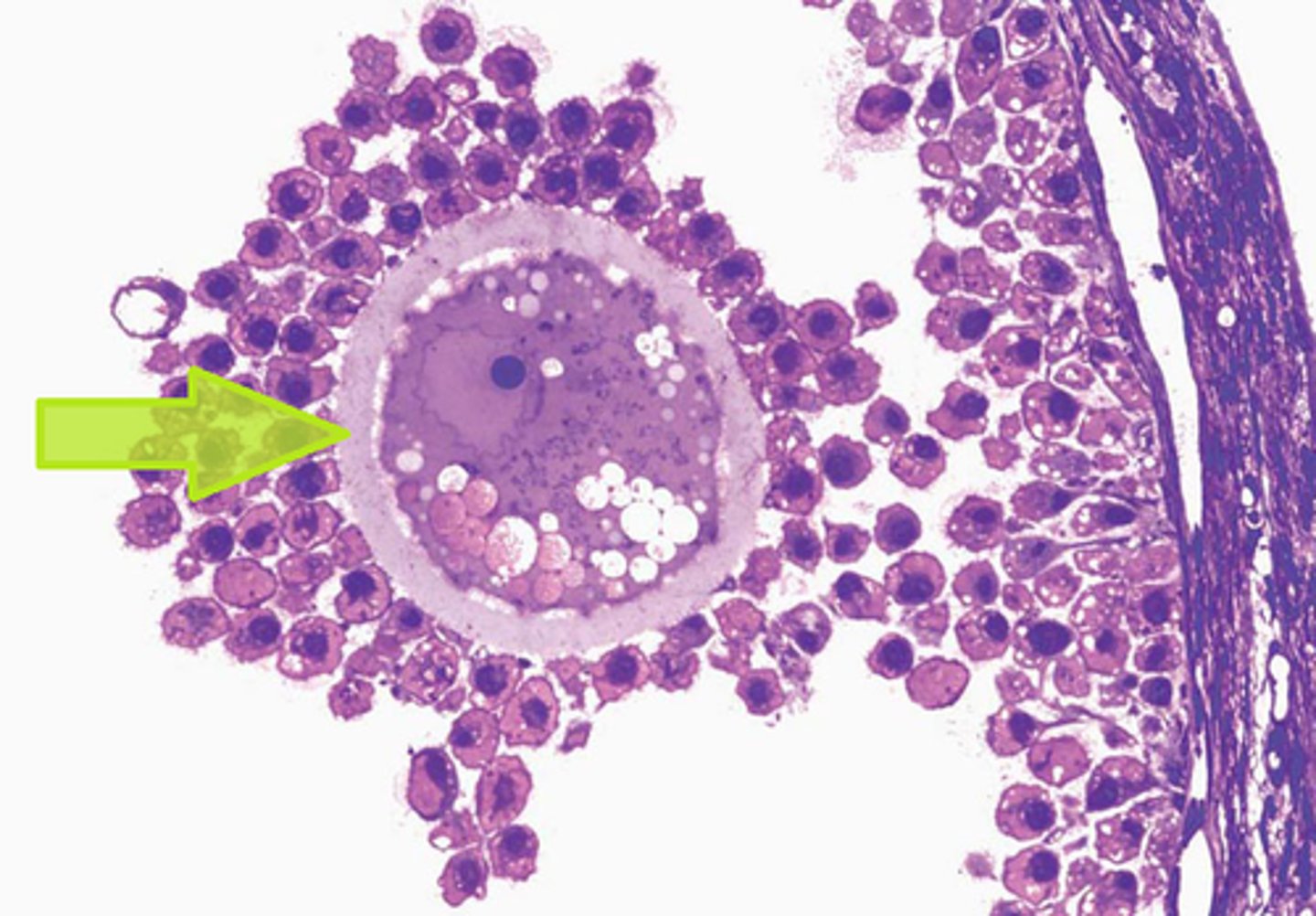
zona pellucida
A thick, transpartent coating rich in glycoproteins that surrounds an oocyte.
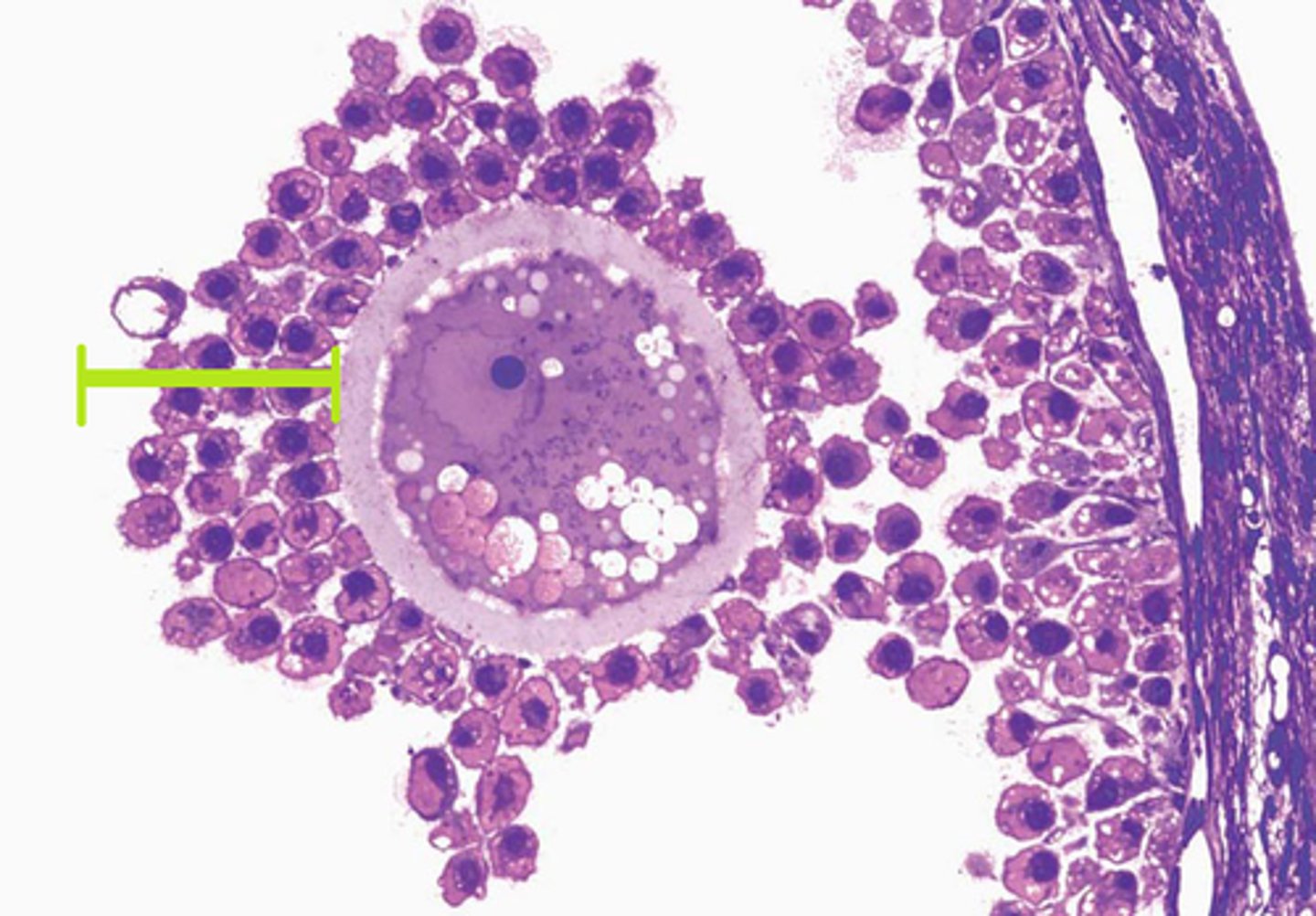
corona radiata
Outer layer of cells surrounding the oocyte. These cells are secreted by follicle cells.
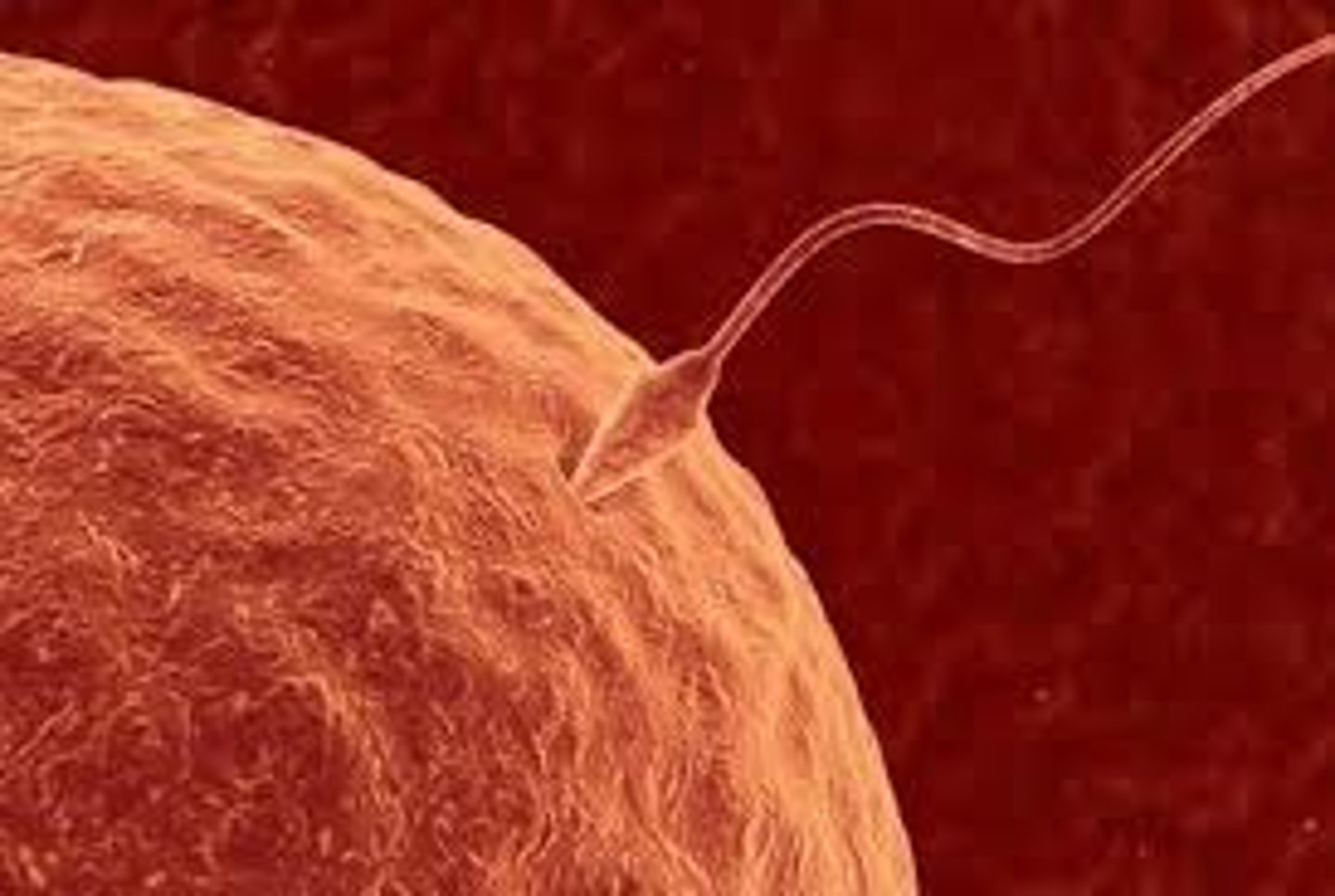
Fertilization
Fusion of an egg and sperm cell
Zygote
fertilized egg
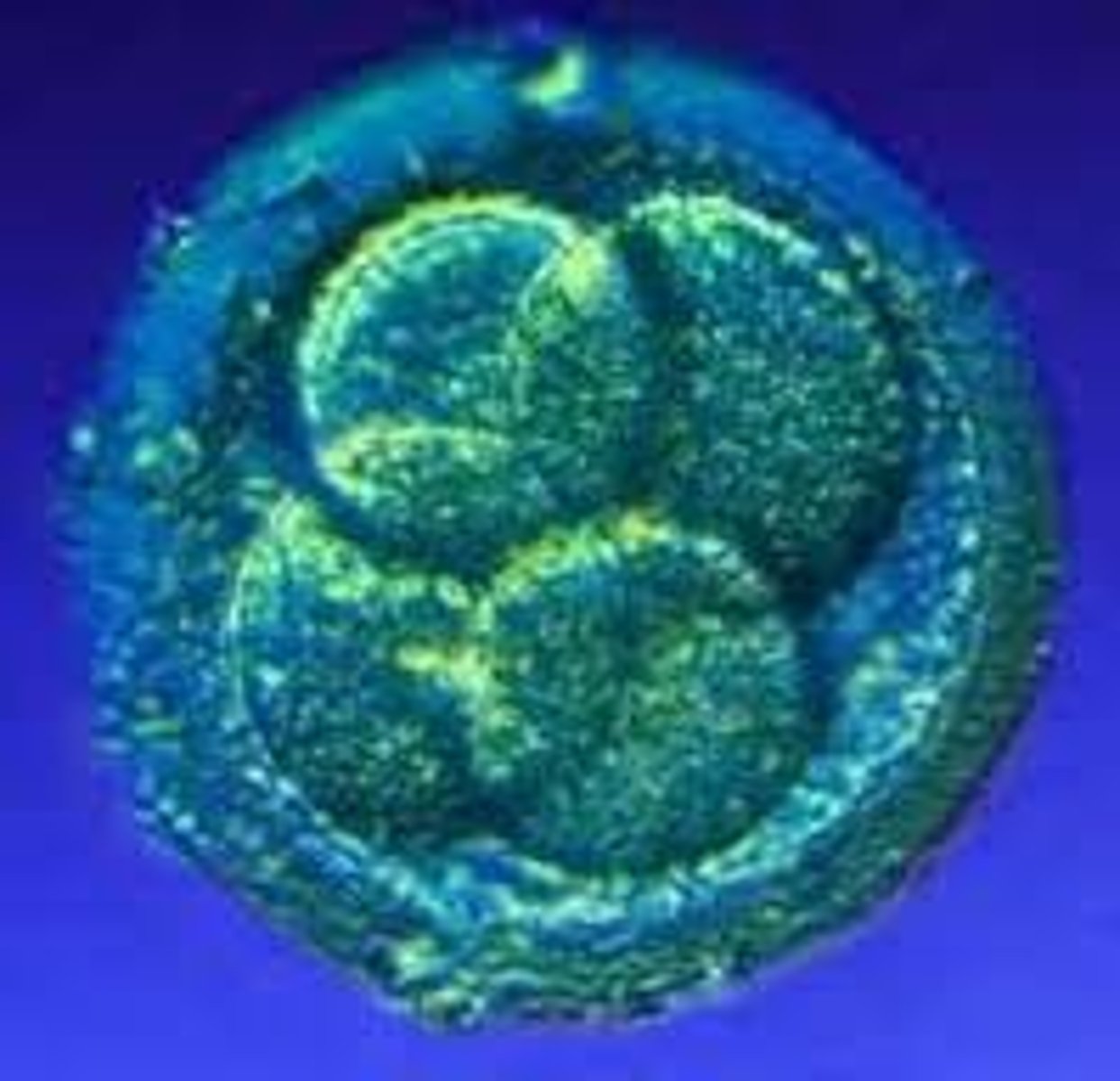
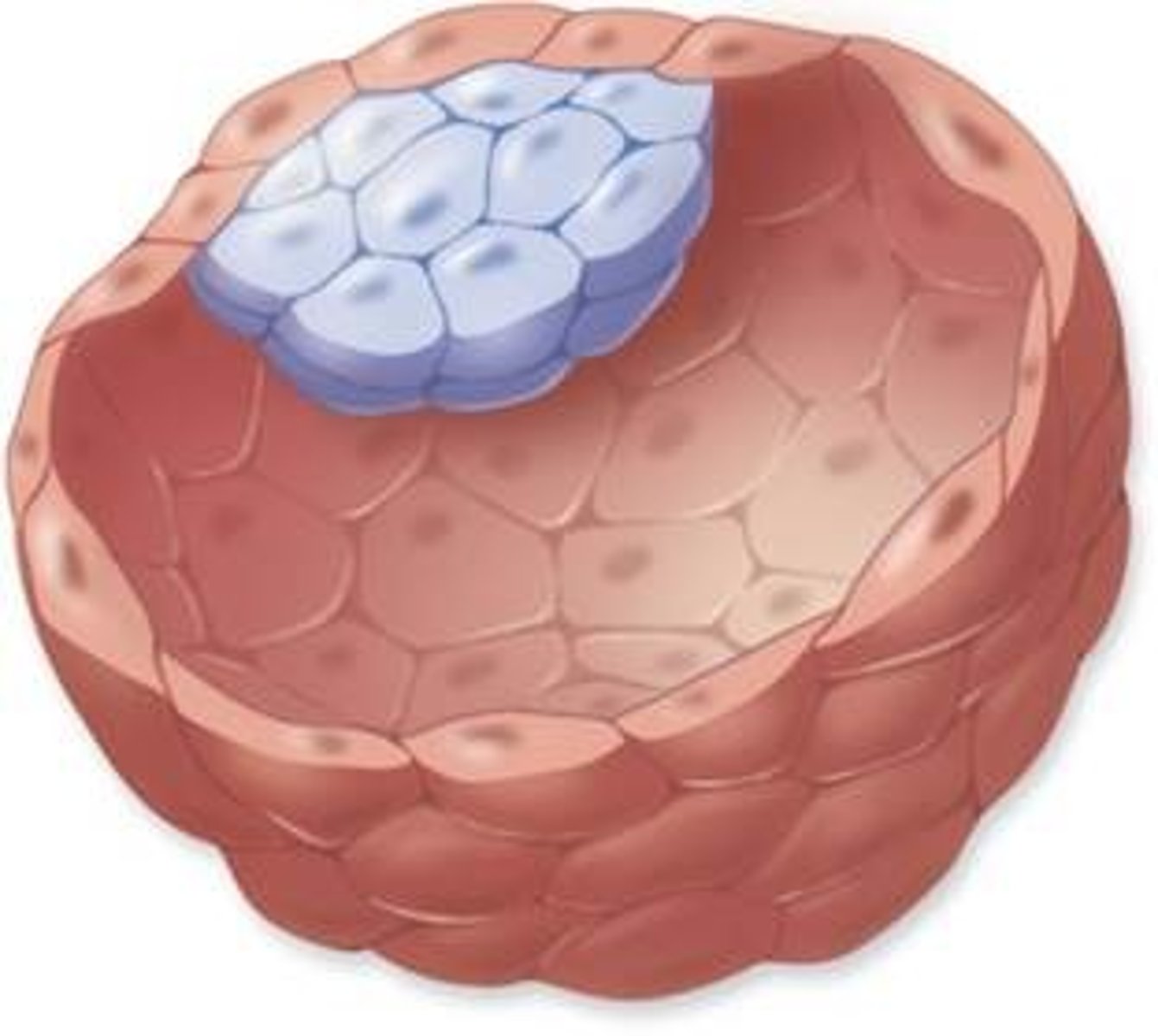
Blastocyst
stage of early embryonic development that consists of a hollow ball of cells
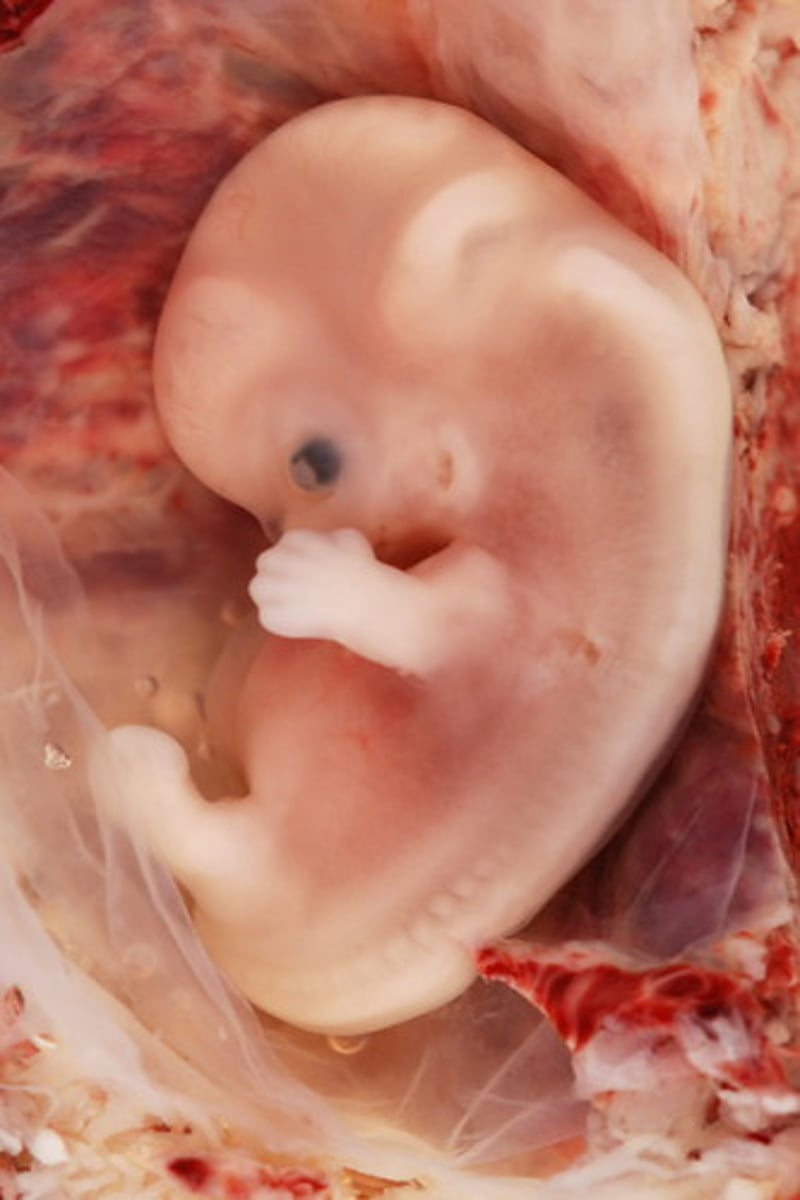
Embryo
An organism in the earliest stage of development
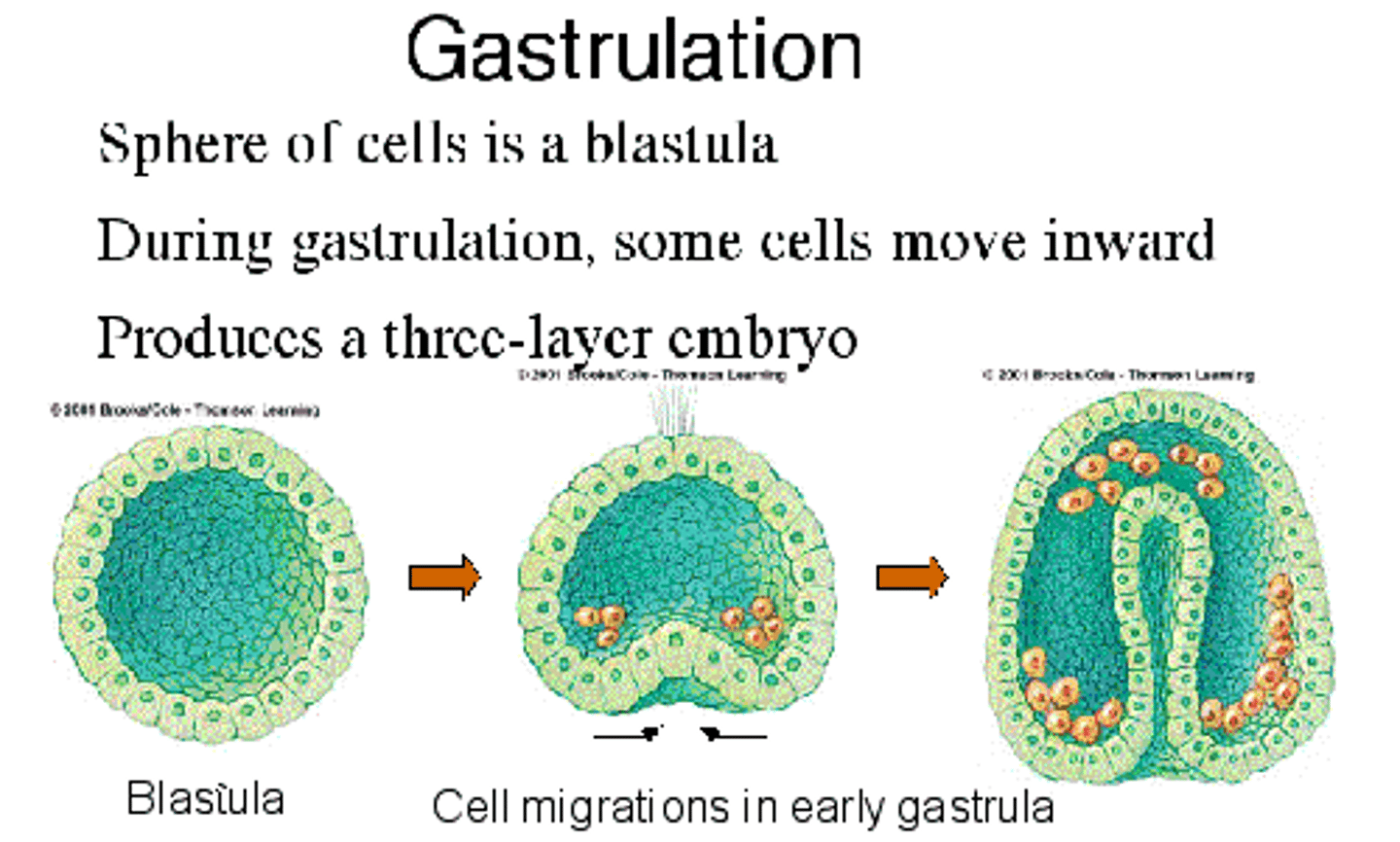
Gastrulation
Developmental process that produces the three primary germ layers (ectoderm, mesoderm, and endoderm)
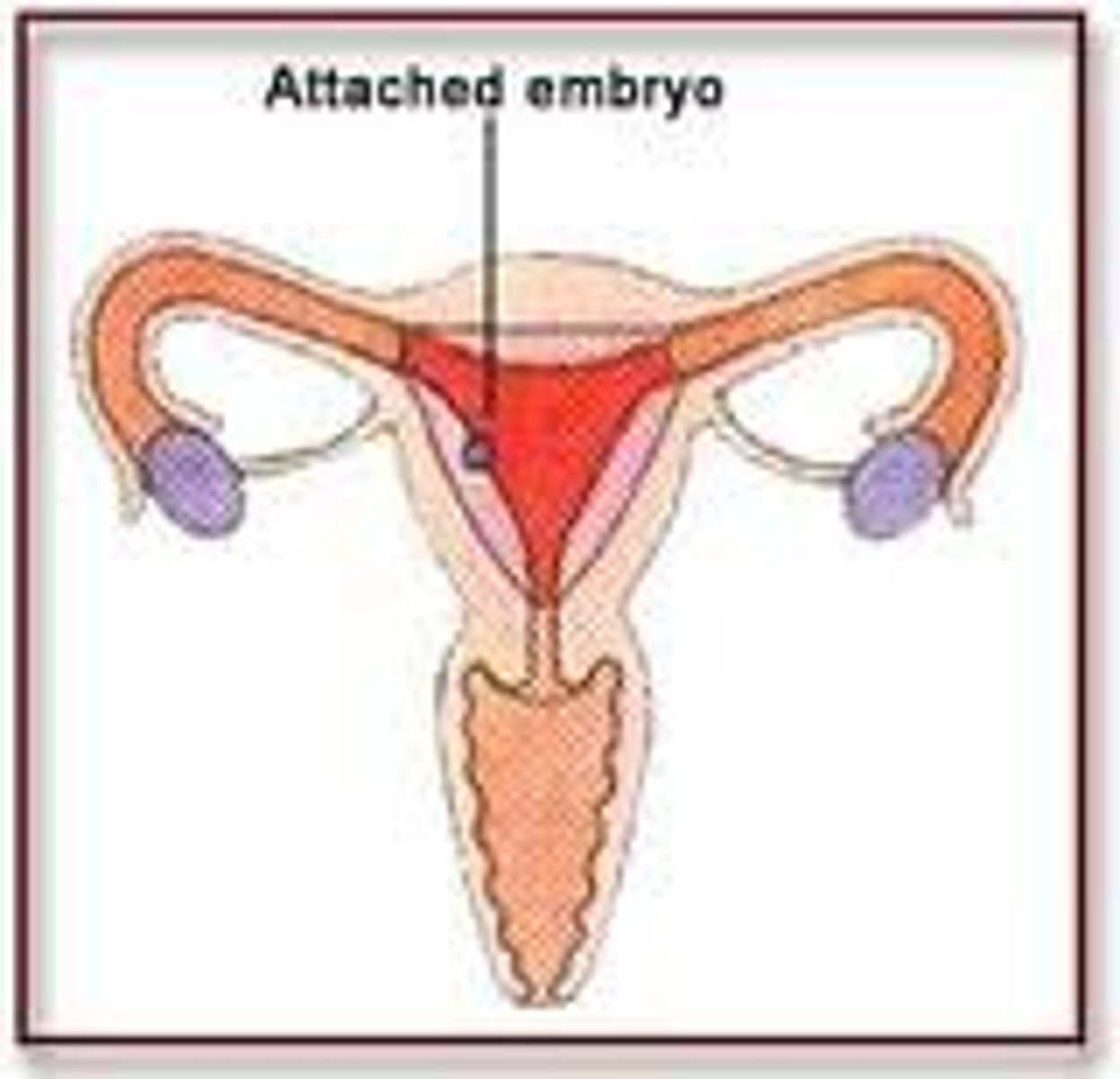
Implantation
process in which the blastocyst attaches to the wall of the uterus
HCG
hormone produced early in pregnancy by the placenta
chorionic villi
Allow for the exchange of oxygen, nutrients, and carbon dioxide between mother and fetus
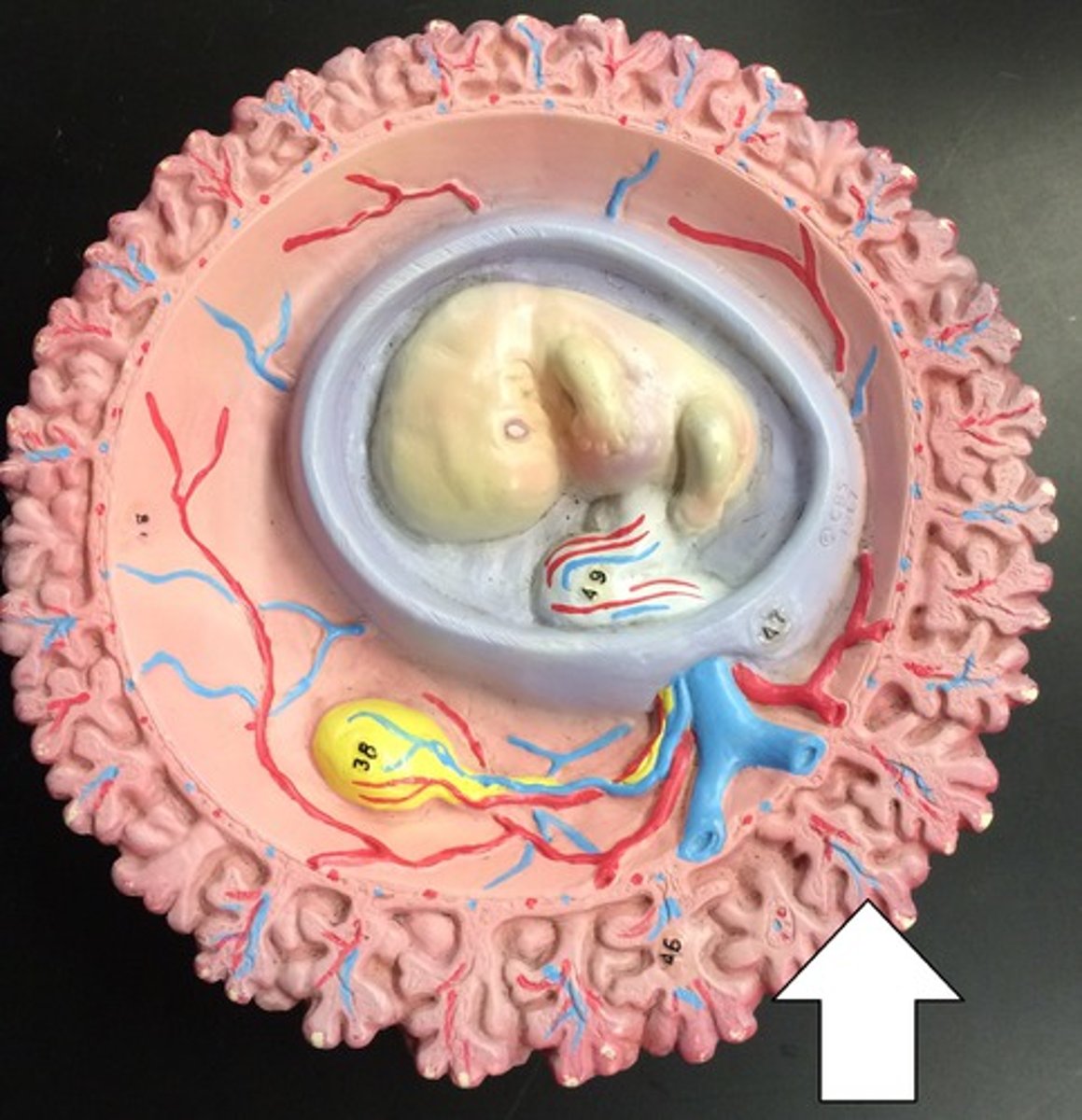
Placenta
organ that nourishes the fetus
amnion
Membrane that encloses the embryo in protective amniotic fluids
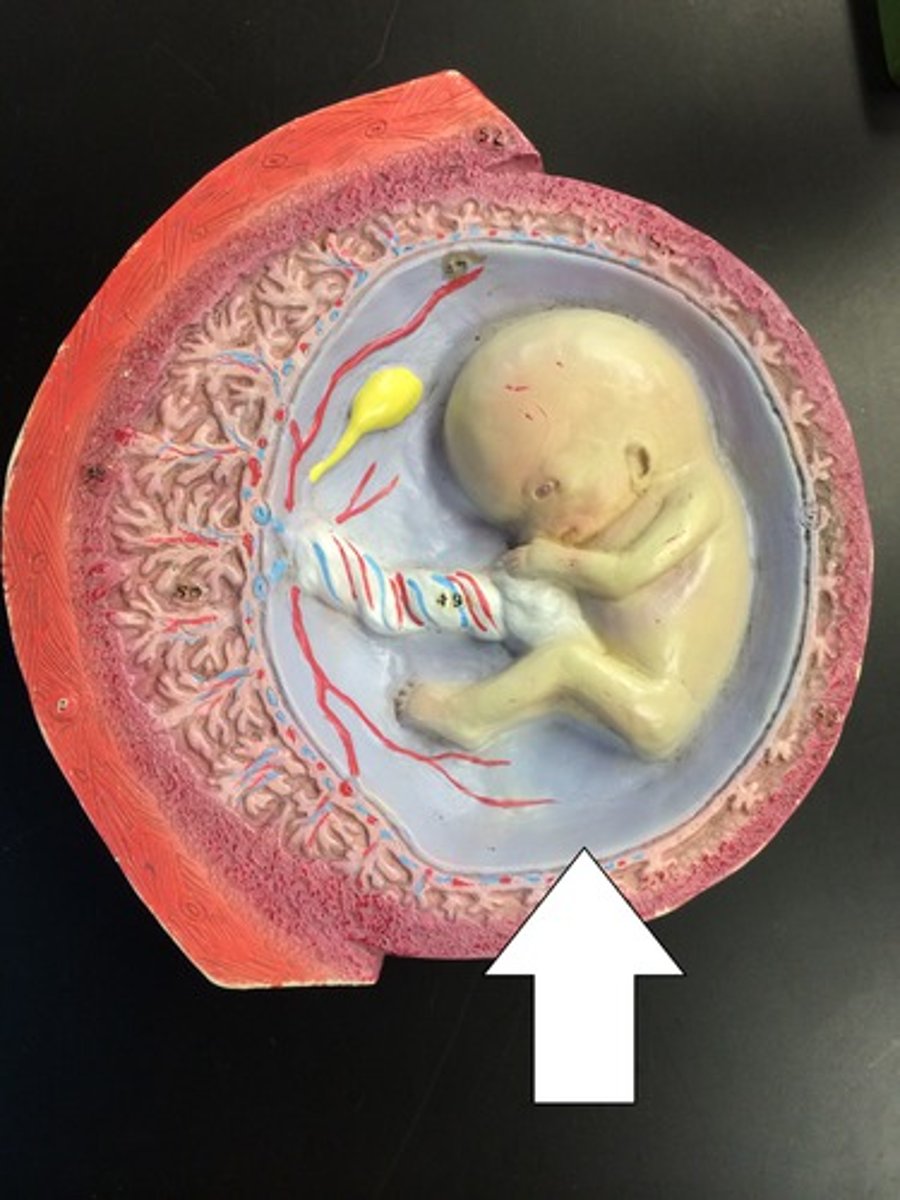
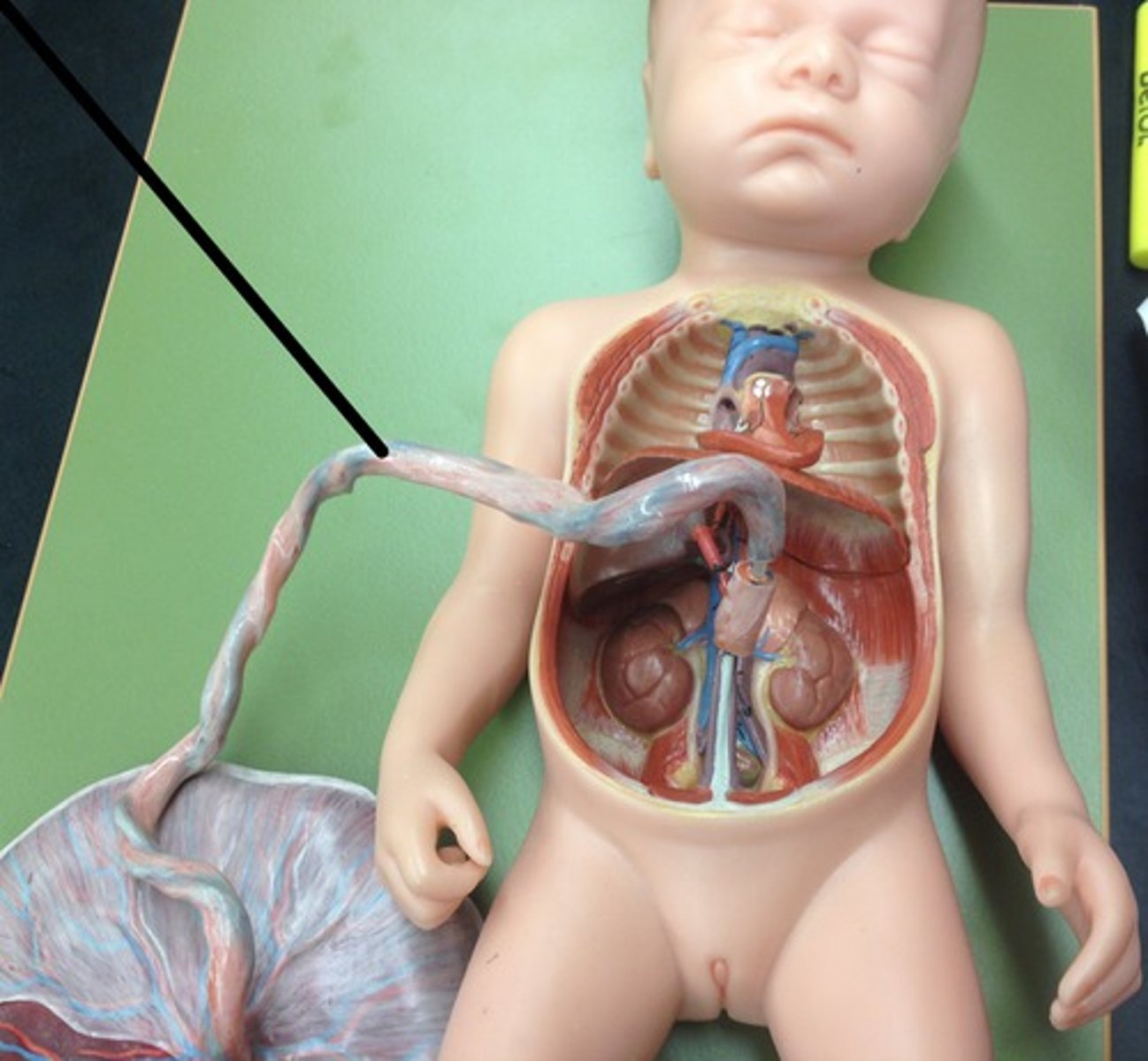
umbilical cord
a tube containing the blood vessels connecting the fetus and placenta
Fetus
9 weeks to birth
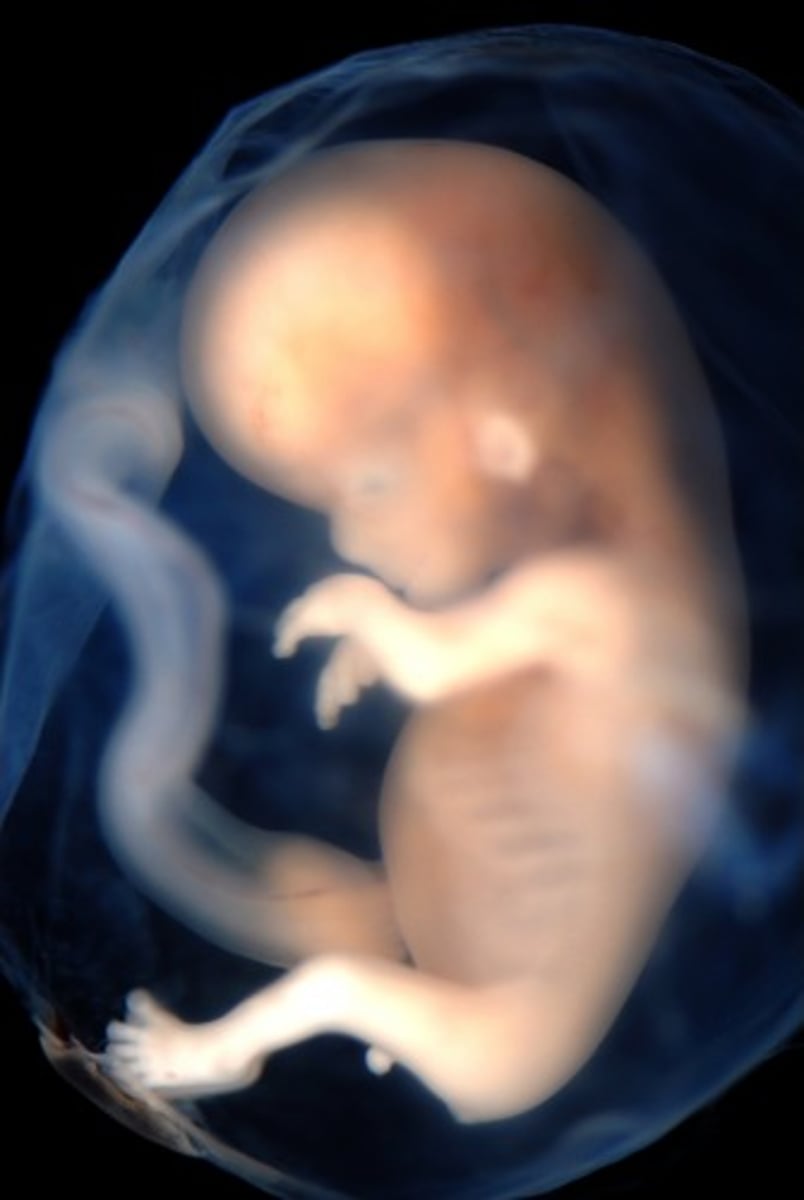
pregnancy
Condition in a female of having a developing embryo and fetus in her uterus for about 40 weeks (9 months)
fetal age
actual age of the growing baby
-2 weeks less of gestational age
parturition
process of giving birth
Oxytocin
a hormone released by the pituitary gland that causes increased contraction of the uterus during labor and stimulates the ejection of milk into the ducts of the breasts.
Dilation
Beginning of labor until amniotic sac pops
expulsion
From dilation to the delivery of the infant
Afterbirth
delivery of placenta
cesarean delivery
delivery of a baby by surgical removal from the uterus
identical twins
twins who develop from a single fertilized egg that splits in two, creating two genetically identical organisms
fraternal twins
twins who develop from separate fertilized eggs. They are genetically no closer than brothers and sisters, but they share a fetal environment.
Yeast infection
a vaginal infection caused by a fungal organism
-itching and discharge
Endometriosis
Growth of endometrial tissue outside of uterus
ectopic pregnancy
A pregnancy outside of the womb, usually in a fallopian tube
Pre-term labor
labor that occurs before your 37th week of pregnancy
Premature
Baby born before 37 weeks
placenta previa
the abnormal implantation of the placenta in the lower portion of the uterus
Miscarriage
The death of an embryo or fetus in the first 20 weeks of pregnancy
Puberty
Developmental stage at which a person becomes capable of reproduction.
secondary sex characteristics
nonreproductive sexual characteristics, such as female breasts and hips, male voice quality, and body hair
Menopause
gradual ending of menstruation
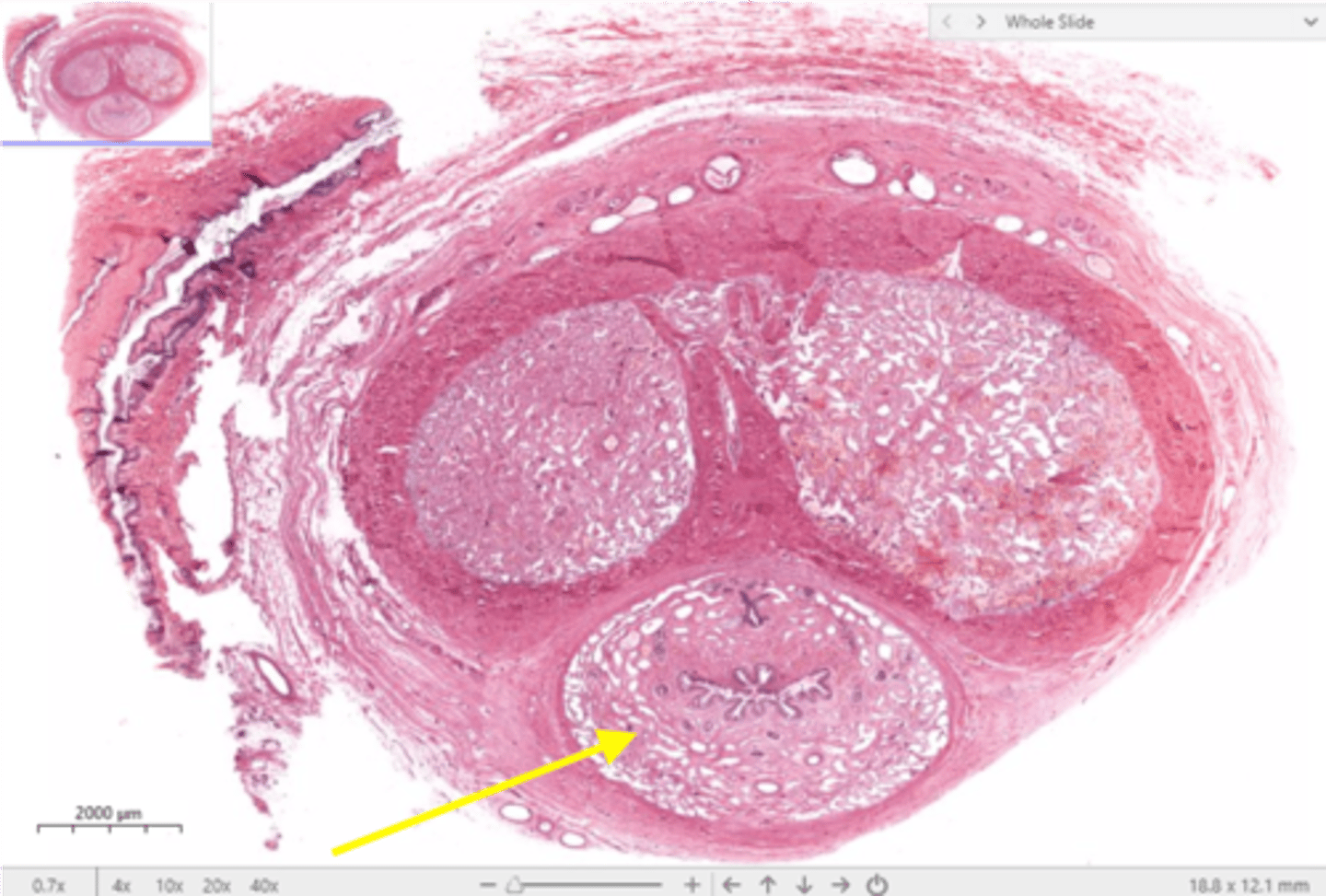
corpus spongiosum
surrounds urethra and expands to form glans and bulb
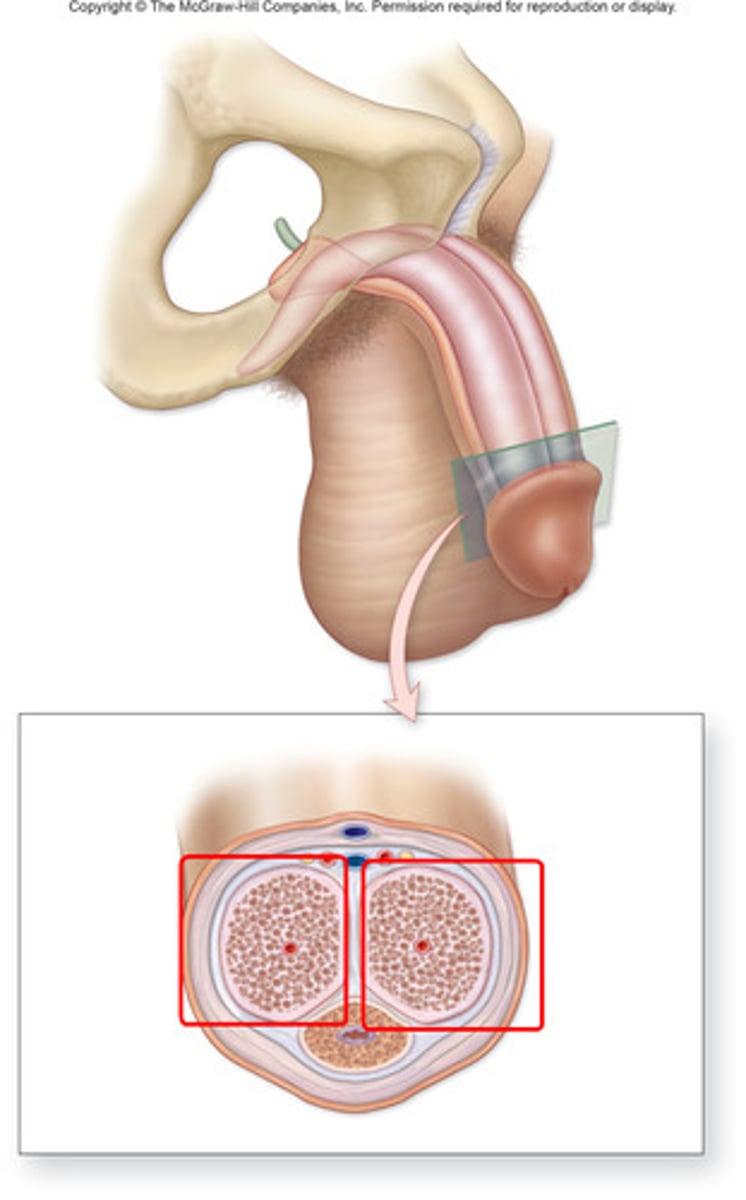
corpora cavernosa
two columns of erectile tissue found in the shaft of the penis
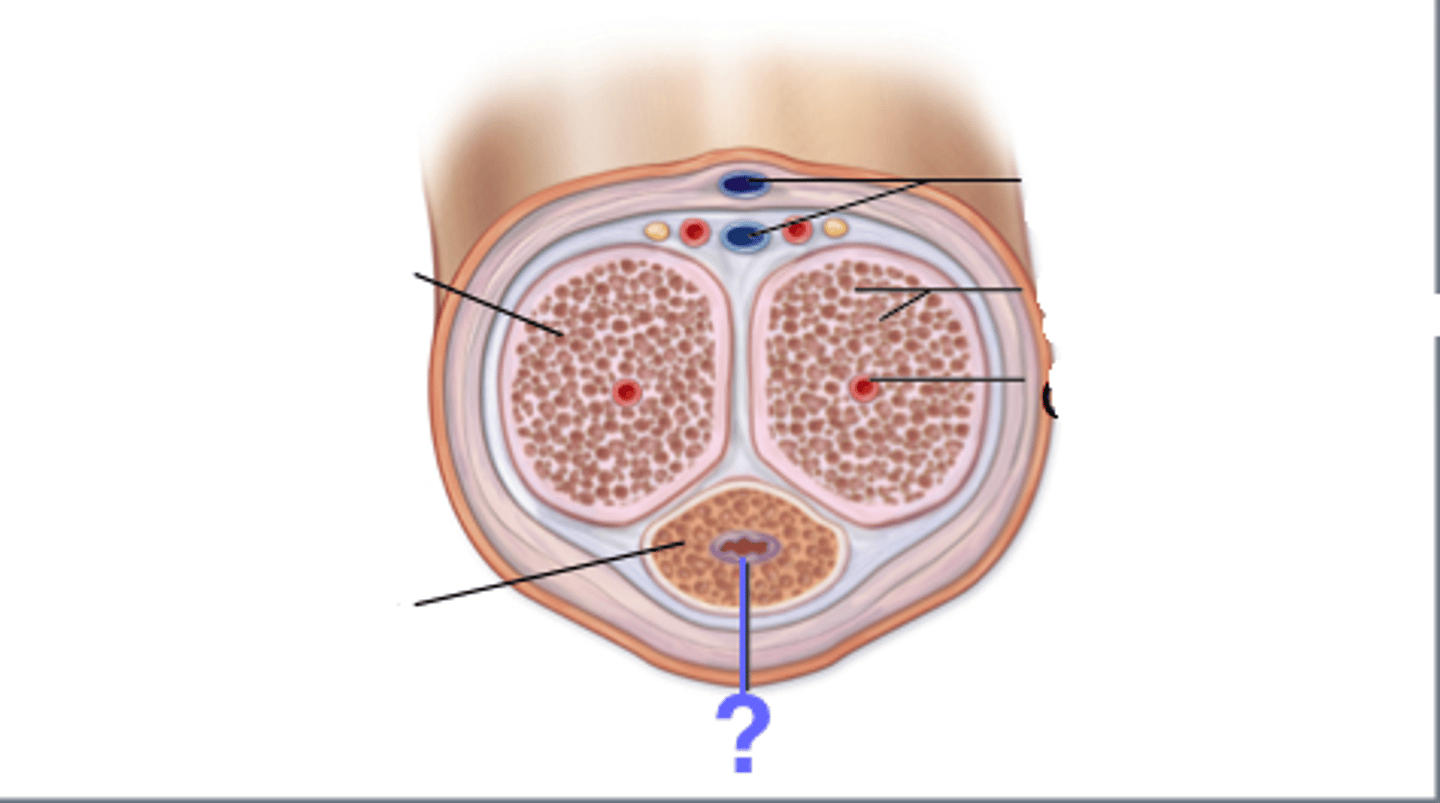
spongy urethra
runs through penis; opens at external urethral orifice
peritoneum in male pelvis
Transverse vesical fold
Fold of ureter
Fold of ductus deferens
Mesorectum
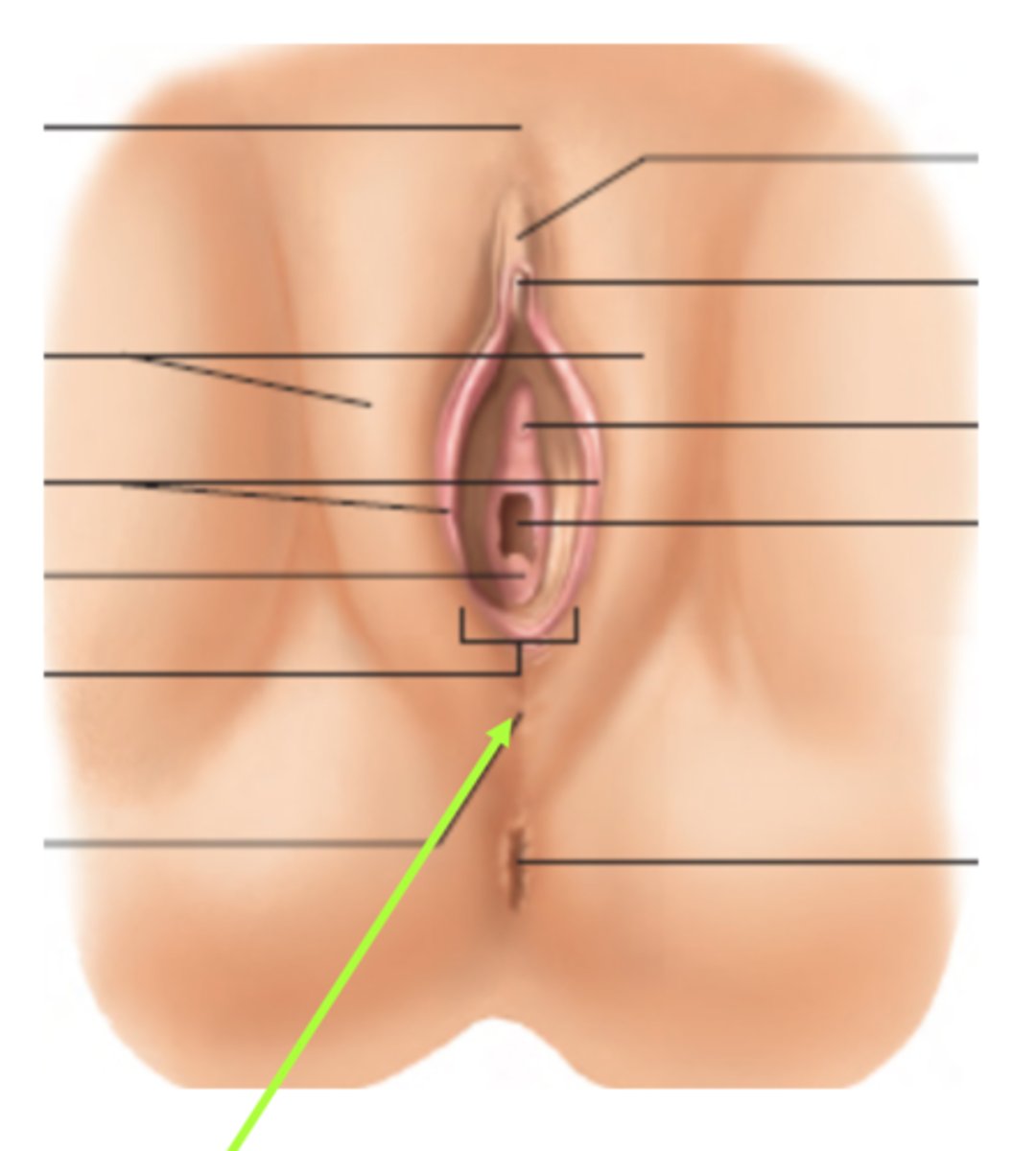
female perineum
extends from the pubic symphysis to the area around the anus
broad ligament of uterus
peritoneal fold; supports the uterine (fallopian) tubes, uterus and vagina and encloses the ovarian ligament
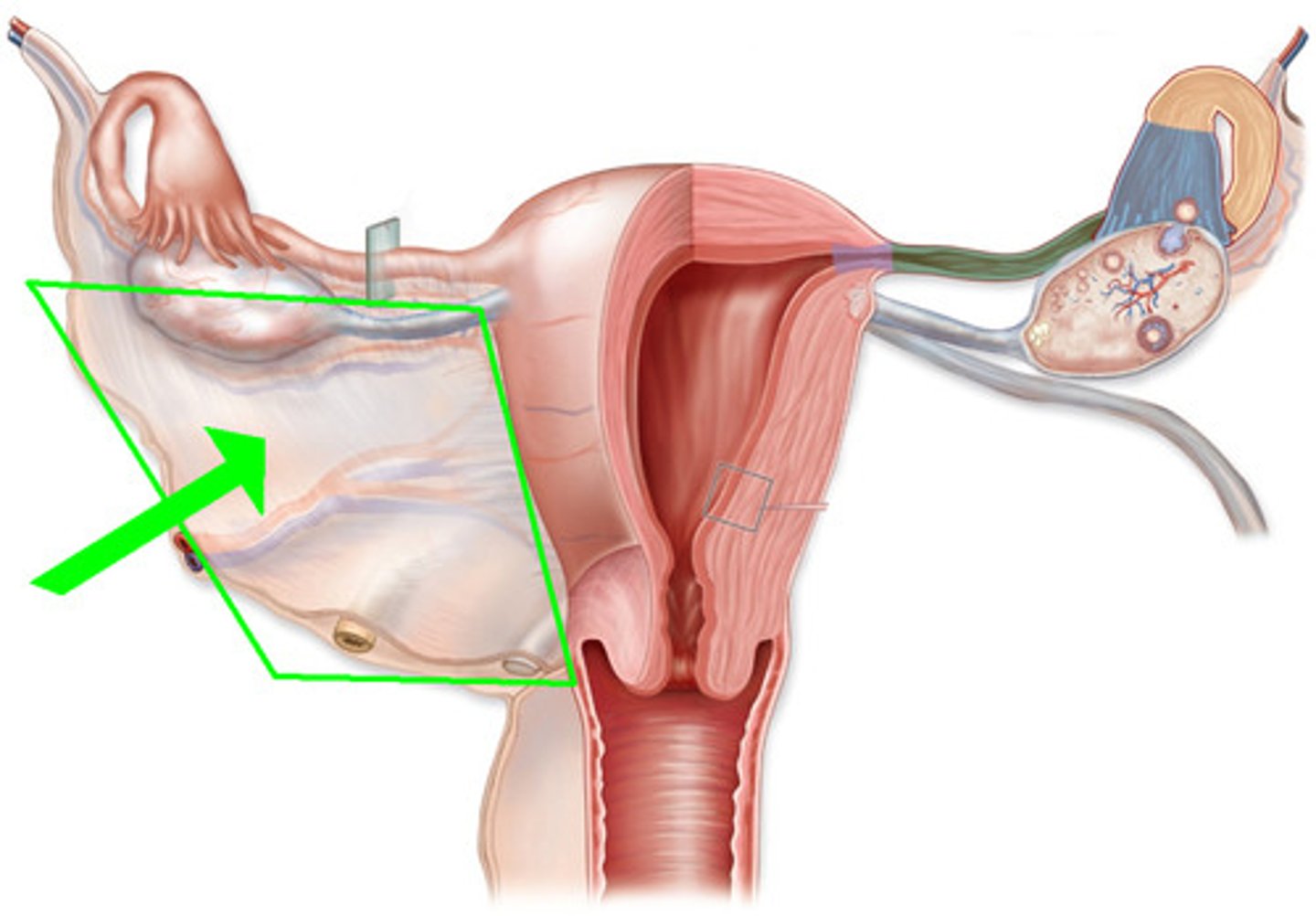
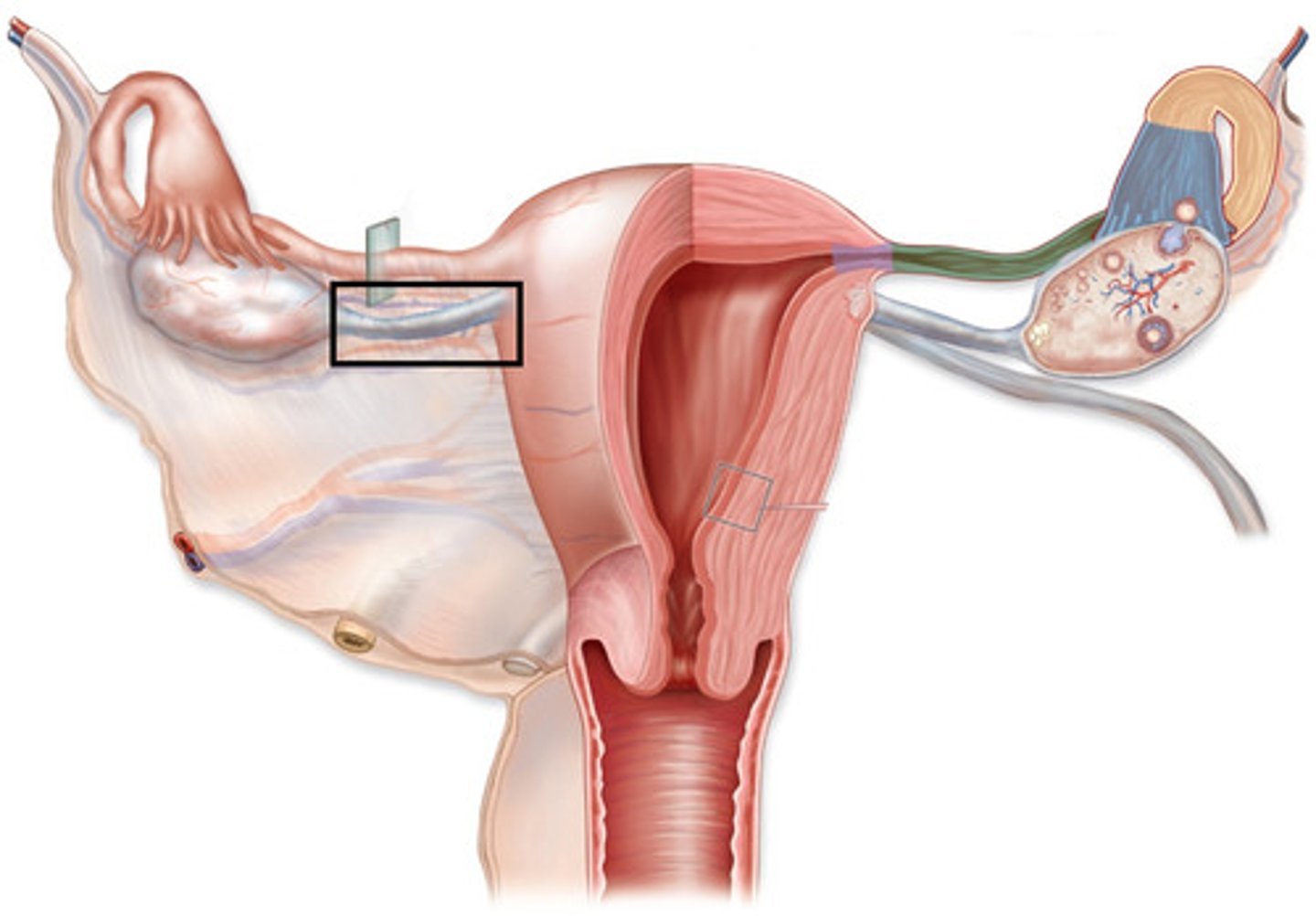
ovarian ligament
anchors ovary medially to uterus
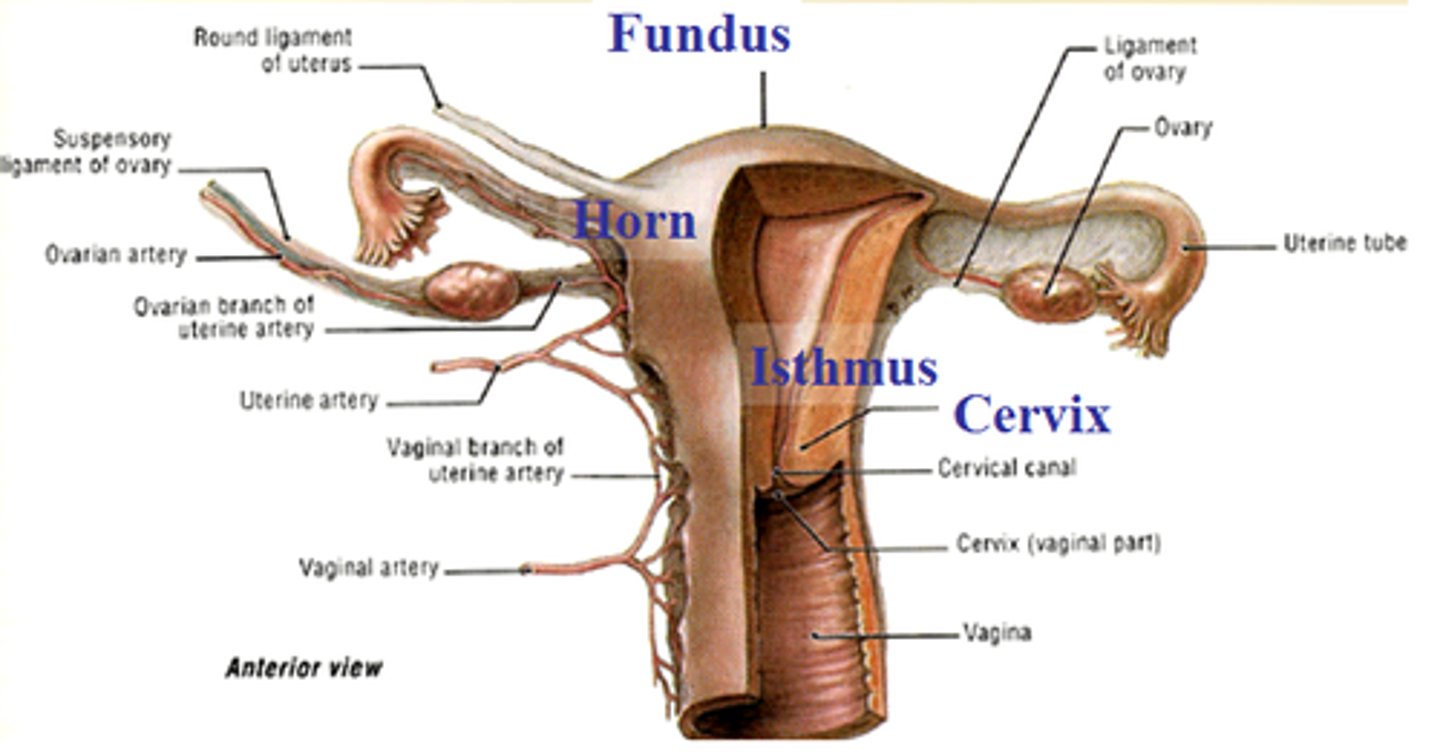
regions of the uterus
fundus, body, isthmus, cervix
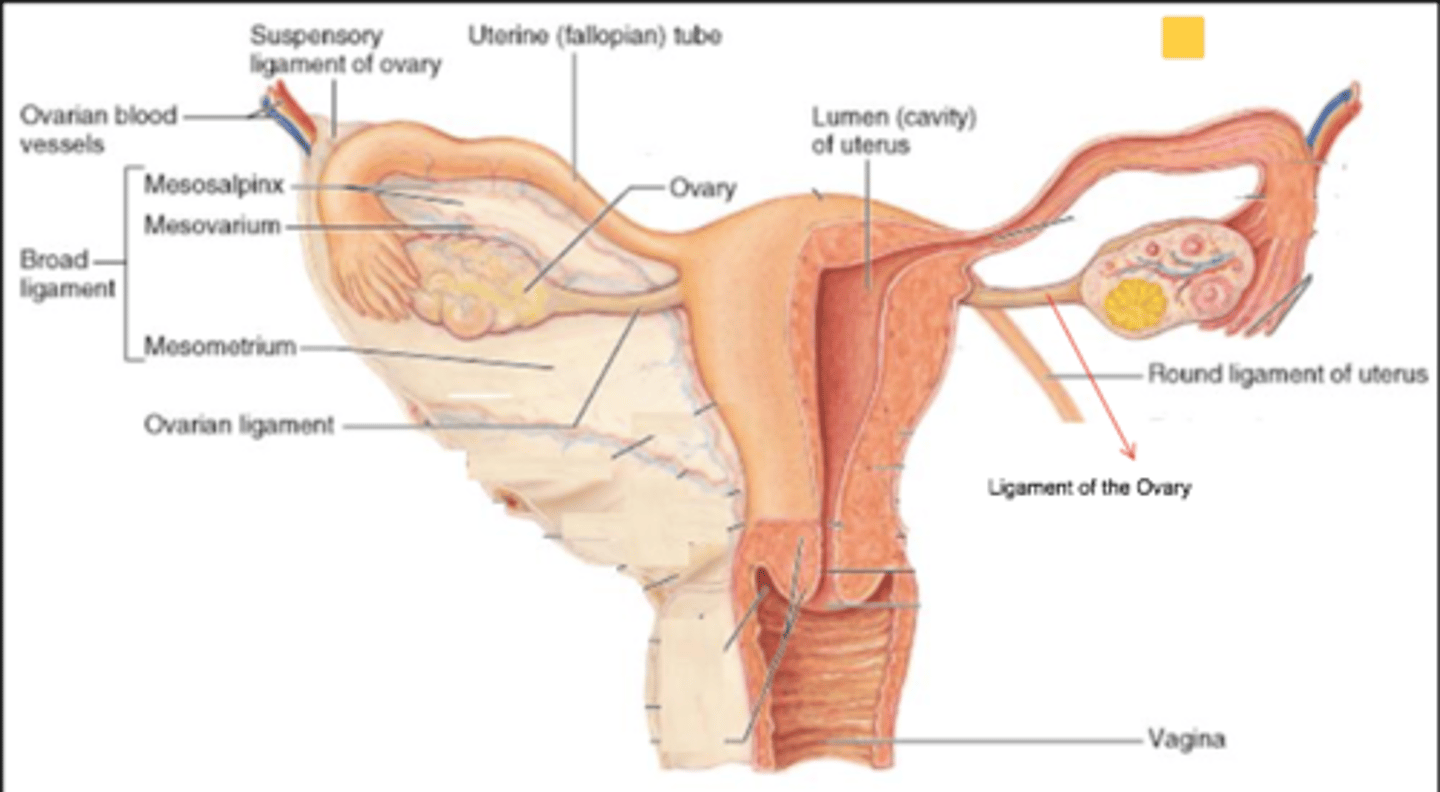
ligaments of the uterus and ovaries
broad ligament
round ligament
cardinal ligament
uterosacral ligament
ovarian ligament
vaginal fornix
upper end of vagina surrounding cervix
hymen
mucous membrane partially or completely covering the opening to the vagina
vulva
external female genitalia; includes the labia, hymen, clitoris, and vaginal orifice
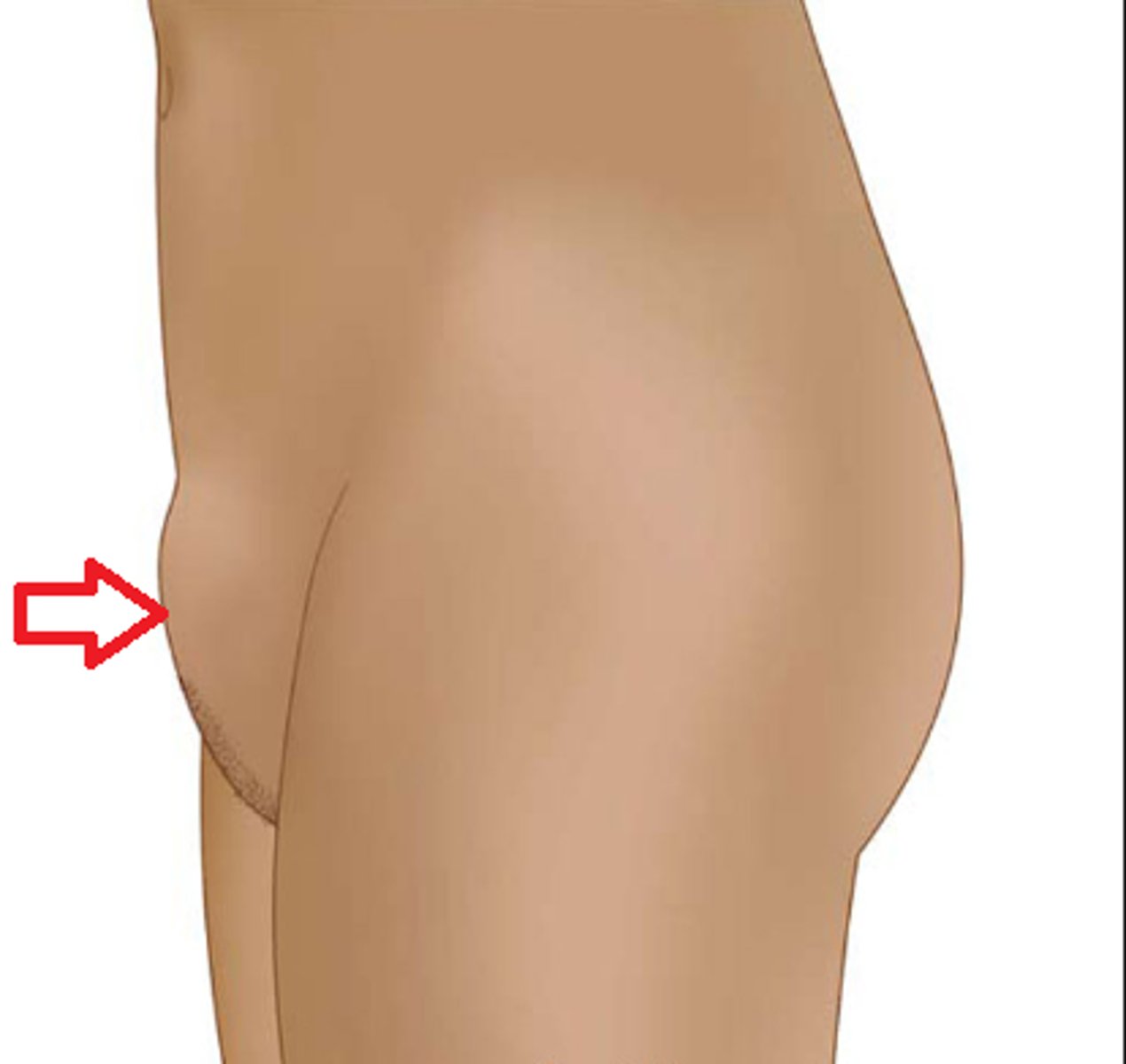
mons pubis
a mound of fatty tissue covering the pubic area in women
labia majora
the larger outer folds of the vulva.
labia minora (inner lips)
Two small hairless, light-colored membranes located between the labia majora.
Paraurethral (Skene's) glands
secrete mucous and are embedded in the wall of the urethra. They are homologous to the prostate.
Greater vestibular (Bartholin's) glands
produce mucous during sexual arousal to provide lubrication. They are homologous to the bulbourethral gland.
clitoris
a small sensitive and erectile part of the female genitals at the anterior end of the vulva.
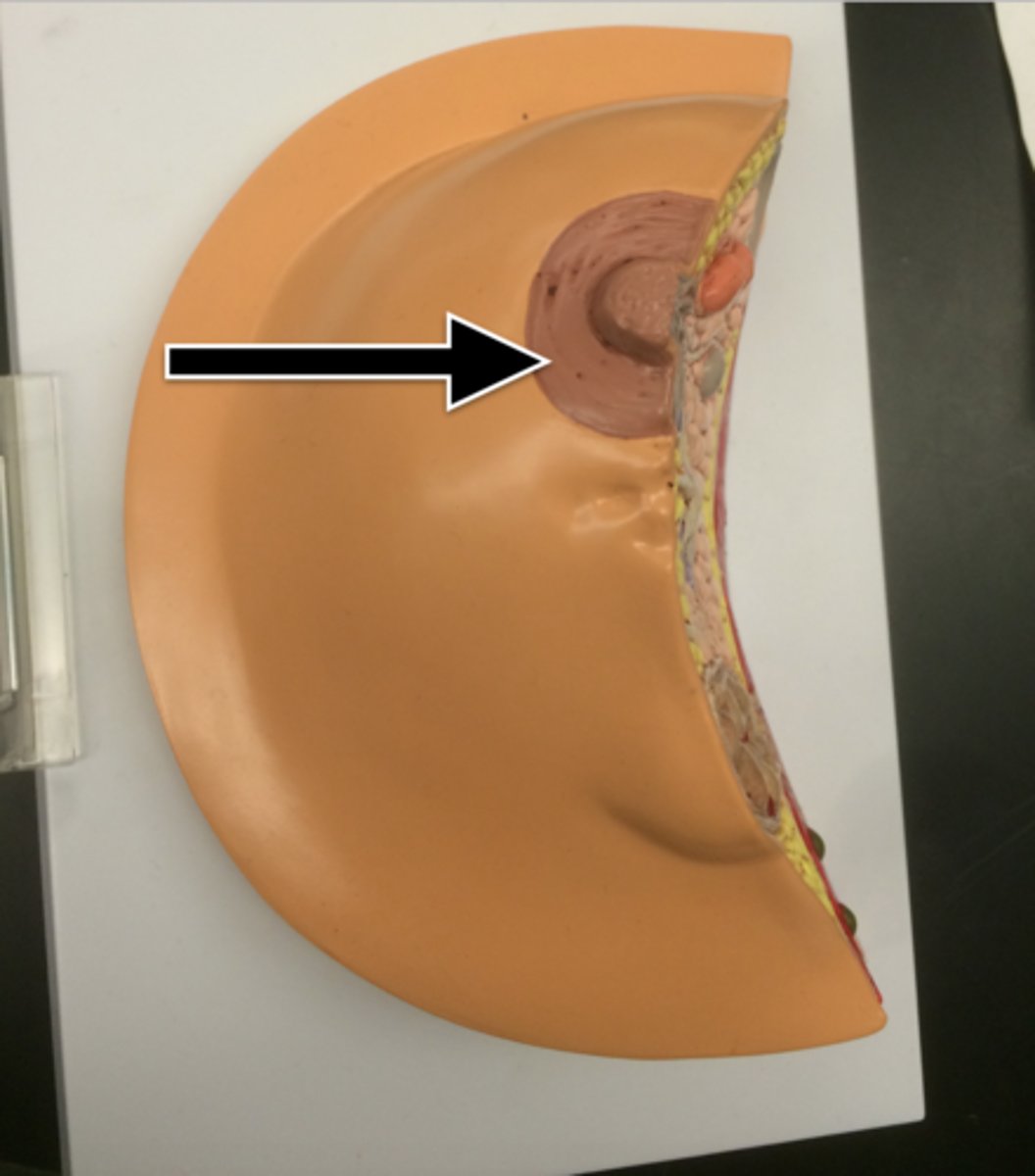
areola
dark-pigmented area surrounding the breast nipple
menopause
the time of natural cessation of menstruation; also refers to the biological changes a woman experiences as her ability to reproduce declines
Chlamydia
A sexually transmitted disease, the most common in developed countries, caused by the bacterium Chlamydia trachomatis. Often producing no symptoms, it can cause infertility, chronic pain, or a tubal pregnancy if left untreated.
Syphilis
an STD that attacks many parts of the body and is caused by a small bacterium called a spirochete
Gonorrhea
A sexually transmitted bacterial disease caused by a gonococcus bacterium that causes inflammation of the genital mucous membrane, burning pain when urinating, and a discharge
Trichomoniasis
an STD caused by a microscopic protozoan that results in infections of the vagina, urethra, and bladder
HPV (human papilloma virus)
a group of viruses that can cause genital warts in males and females and can cause cervical cancer in females
Genetal Herpes
a viral STD that produces painful blisters on the genital area
Pap smear
Test for early detection of cervical cancer; scraping of cells removed from cervix for examination under microscope.